




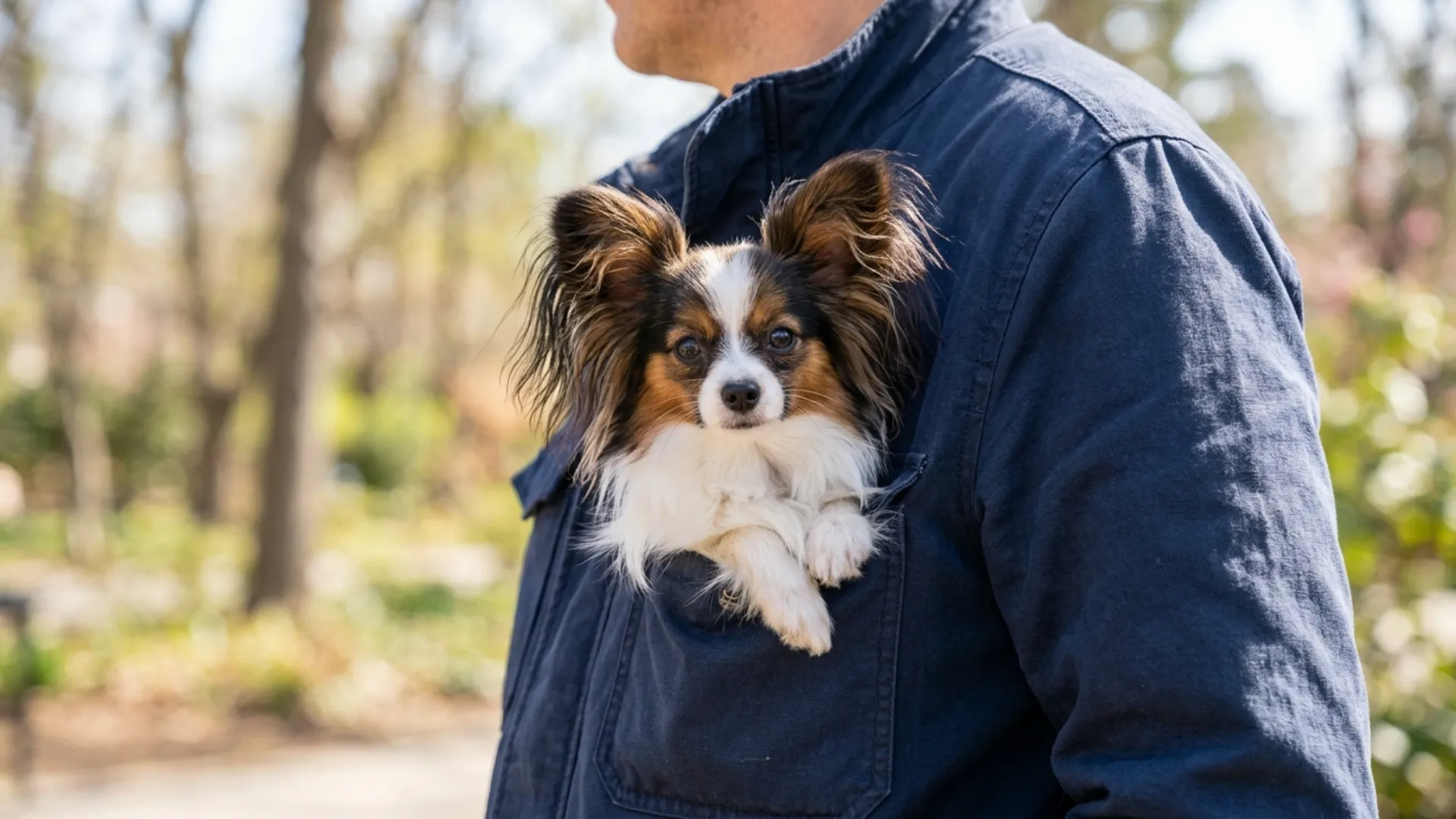
Meta: Discover charming pocket dog breeds under 10 pounds, with tips on care, exercise, grooming, temperament, and choosing the right tiny companion.
What exactly is a pocket dog? The term usually describes very small dogs that generally weigh under 10 pounds. These tiny companions can bring plenty of personality into a small package.
Their size appeals to families, singles, and apartment dwellers. Yet, a tiny body does not mean fewer care needs. Pocket dogs can chill easily because they have less body mass. They may also face injuries from falls, jumps, or rough play.
Dental care matters because their small mouths can crowd teeth. Healthy portions also help prevent obesity and joint strain. Very small puppies can also face low blood sugar.
Regular exercise, grooming, and daily attention remain important. Early socialization helps prevent excessive barking and poor behavior. In this guide, you will discover seven charming breeds.
Each one offers a different experience for the right owner.
Charming Pocket Dog Breeds: A Comprehensive Guide
Here we go, with the list of the best small dog breeds.
1. Yorkshire Terrier
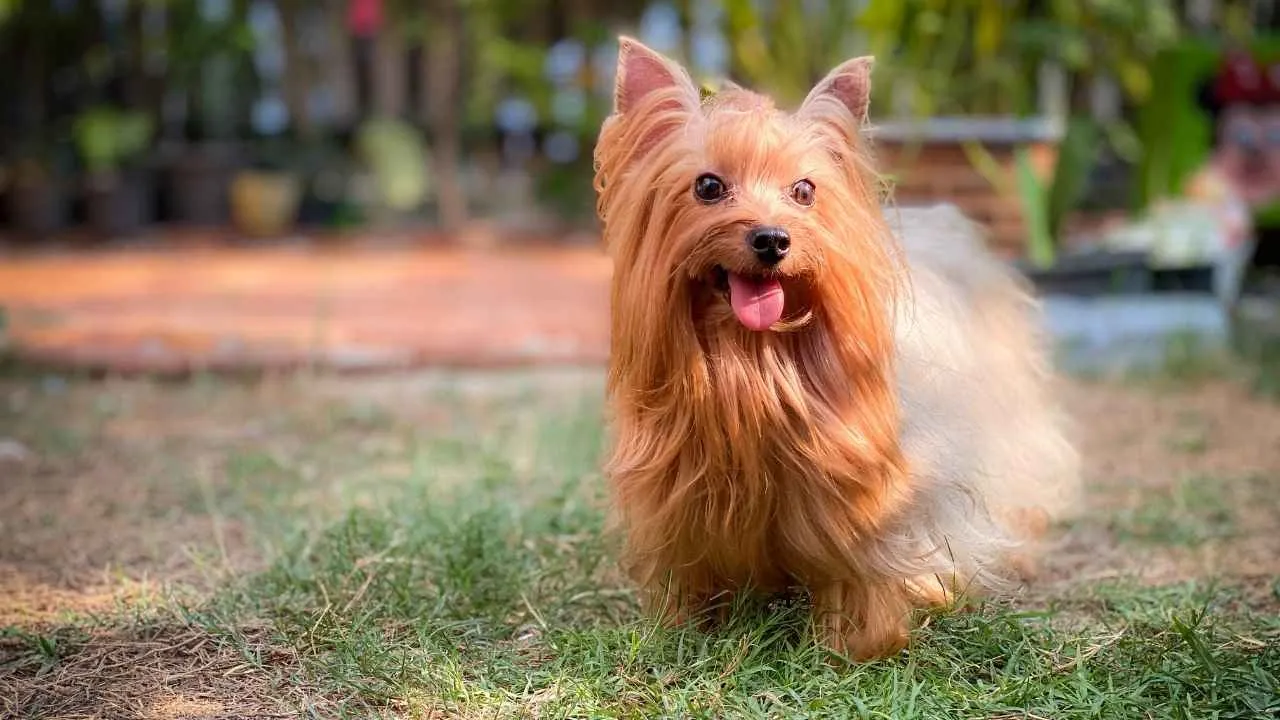
The Yorkshire Terrier is a classic small dog breed with courage. It began as a working terrier in England. It was originally bred to control rats in mills and mines. Today, this little dog makes a lively companion.
Despite its tiny frame, it often carries great confidence. It stays alert and bonds closely with its owner. According to Wikipedia, it is playful and energetic. The breed is usually kept as a companion dog, too. Early rules can help manage its bossy streak.
Barking and jumping may become issues without guidance. Mental games give this clever terrier useful challenges. Working terriers can need 60–90 minutes of daily activity. Safe play matters because tiny bones can suffer injuries.
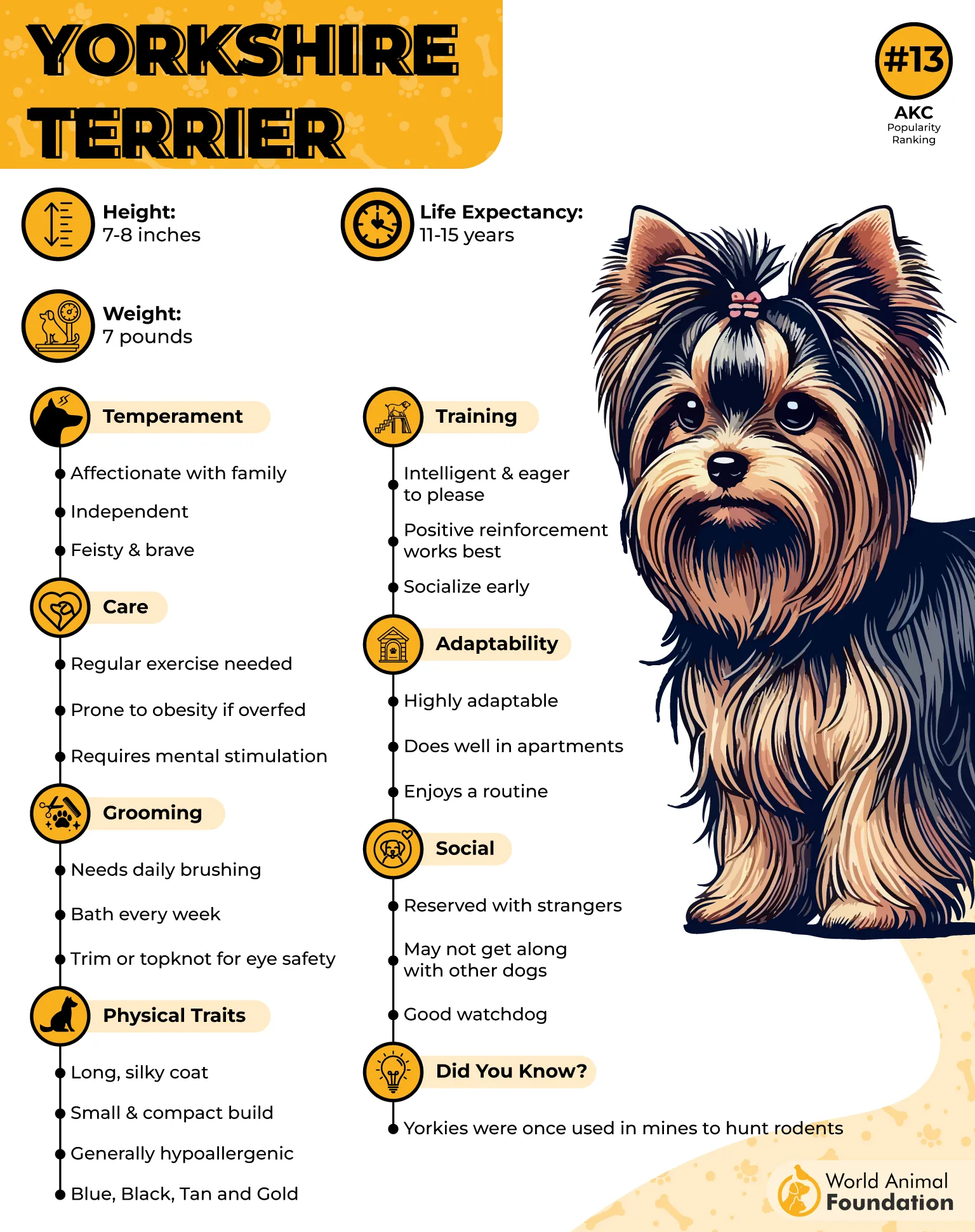
It can also adjust well to apartment living. With proper care, Yorkies may live longer than expected. This makes them a good choice for many owners.
Unique Features
Its silky coat resembles human hair more than animal fur. This gives the breed a distinctive look and may suit some owners seeking a different coat type. As a lap dog, it also packs remarkable character into a tiny body.
2. Pomeranian
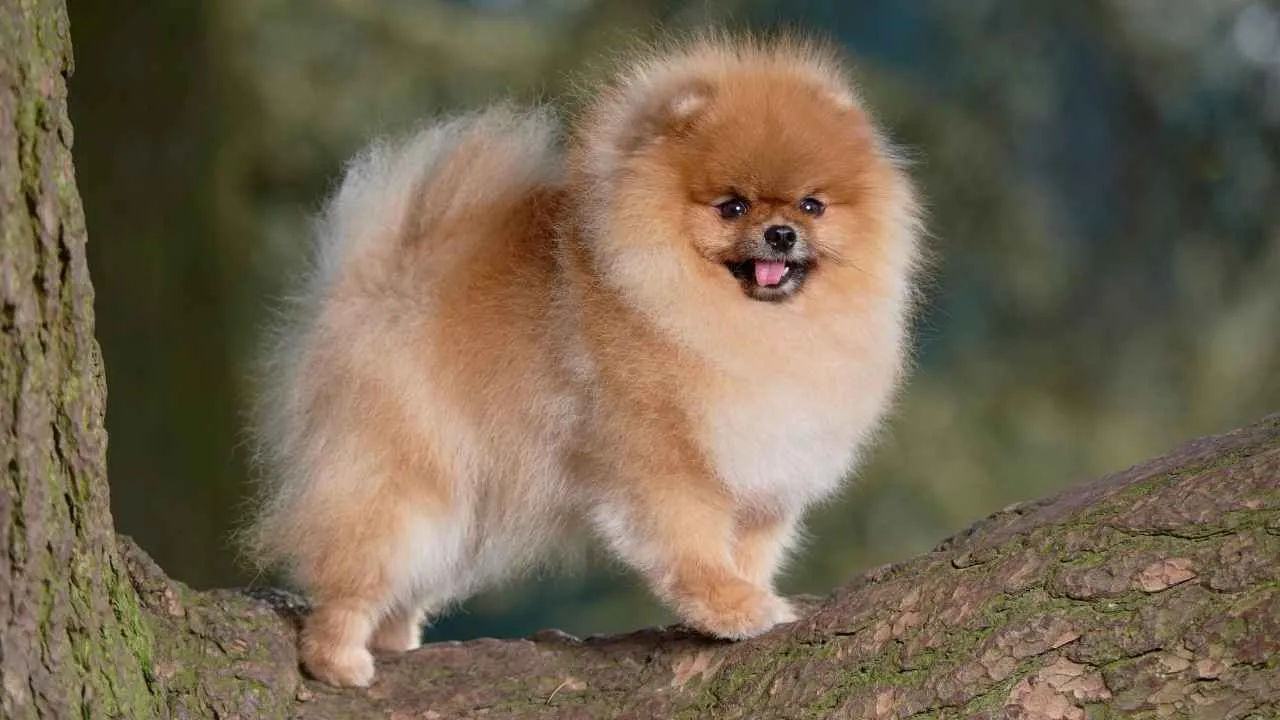
The Pomeranian stands out with its remarkable fluffy coat. Its thick double coat creates a soft, full outline. A bright, foxy face adds even more character. This small breed dog also brings plenty of energy indoors.
According to the American Kennel Club (AKC), the Pom combines a tiny body with a commanding big-dog attitude. That bold presence makes it a wonderful companion for attentive pet parents. Its playful nature can keep a household lively. However, its voice can become quite noticeable.
Early socialisation helps reduce excessive barking and improves manners. Short daily walks can meet part of its exercise needs. Indoor games provide valuable mental stimulation without needing much space. Owners should also watch its weight closely.
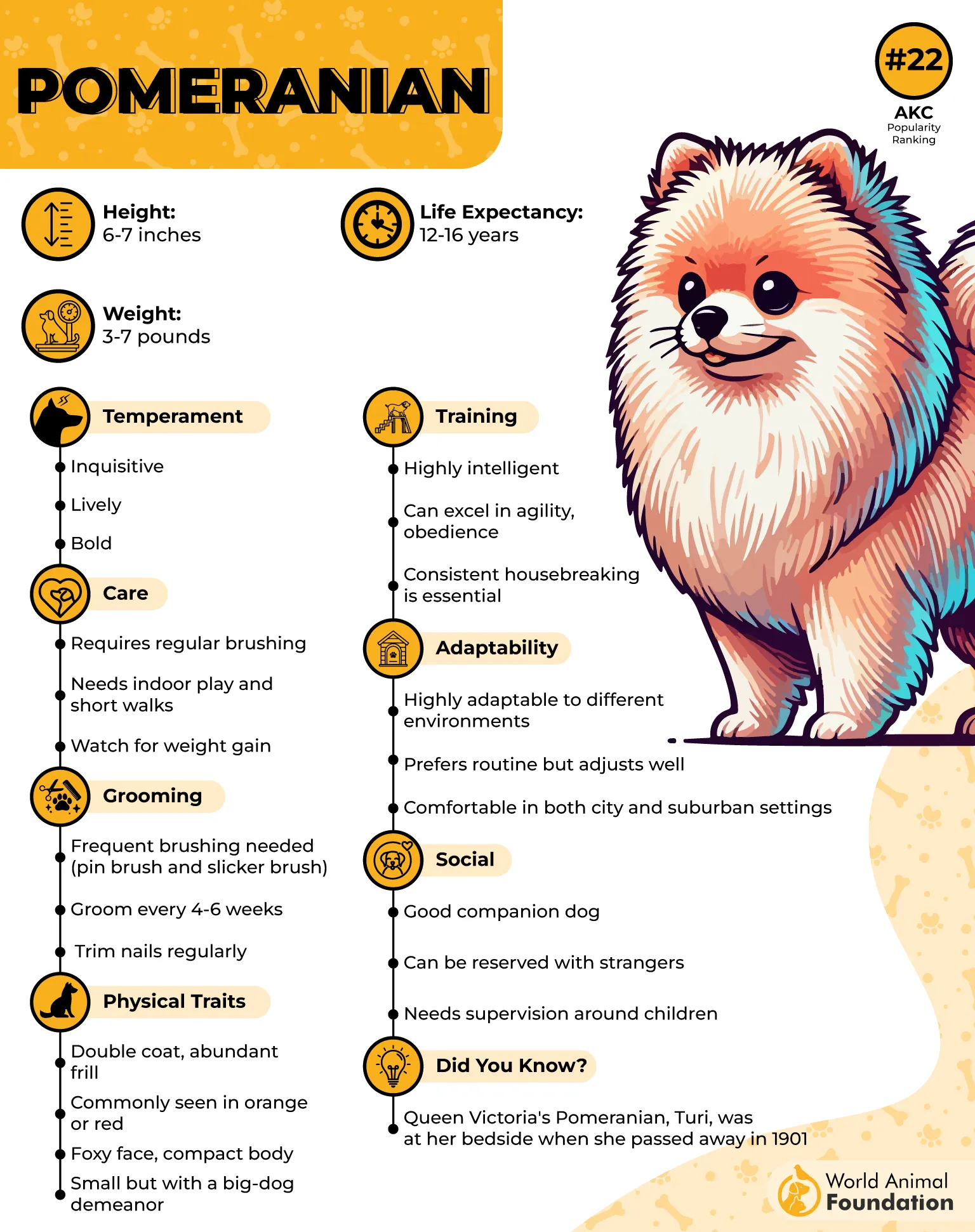
Extra pounds can place added stress on small joints. Despite its size, the Pom can handle cool weather better than some tiny breeds. Still, its fluffy coat does not remove every cold-weather concern.

Unique Features
The Pomeranian’s grooming commitment comes mainly from its abundant coat. Regular brushing helps maintain that striking appearance. Its intelligent nature also makes tricks and simple games enjoyable.
3. Maltese
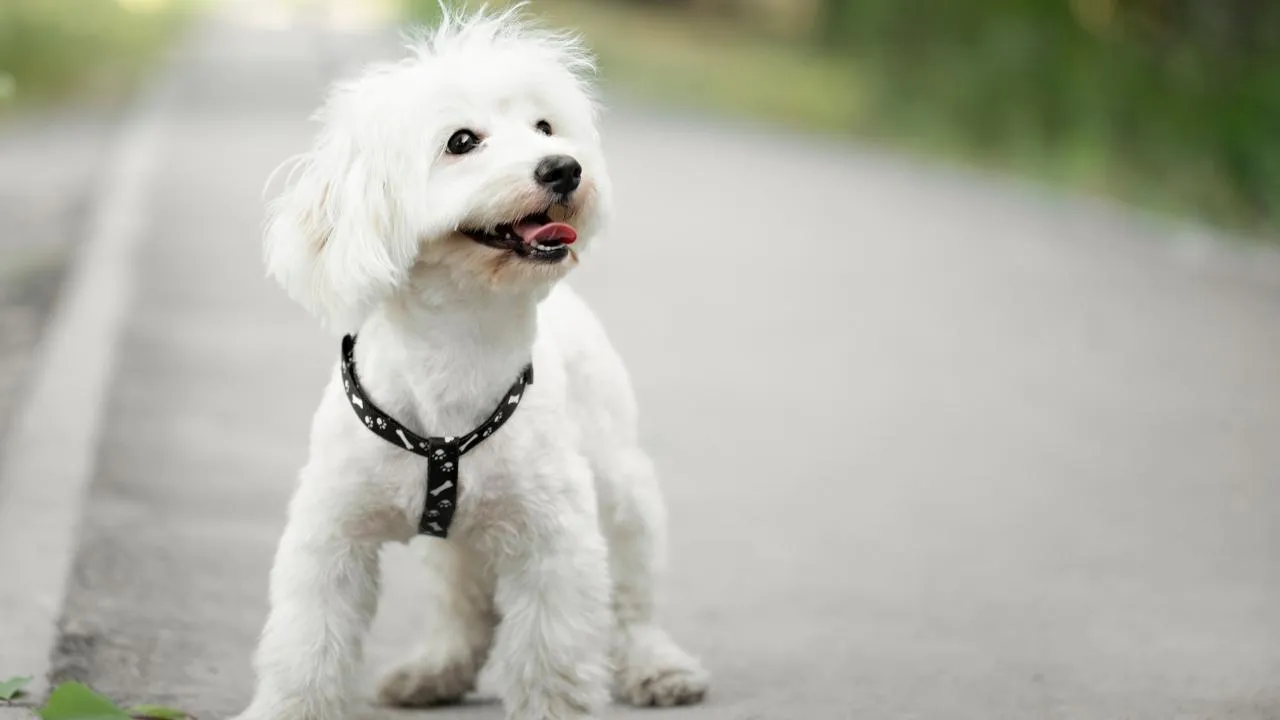
The Maltese is a graceful toy breed with silky fur. Its long, white coat gives this small breed an elegant look. Daily grooming helps stop tangles and mats from forming. Owners may also choose professional trimming for easier upkeep.
Despite its delicate appearance, the Maltese has a lively personality. According to Hill’s Pet, it is gentle, affectionate, intelligent, responsive, and trusting. This makes it a good family dog for many homes. However, young children should learn to handle such a small dog breed carefully.
Maltese can enjoy short walks, indoor games, and even some dog sport activities. They can also learn tricks with patient guidance. Owners should introduce them properly to other pets and large dogs.
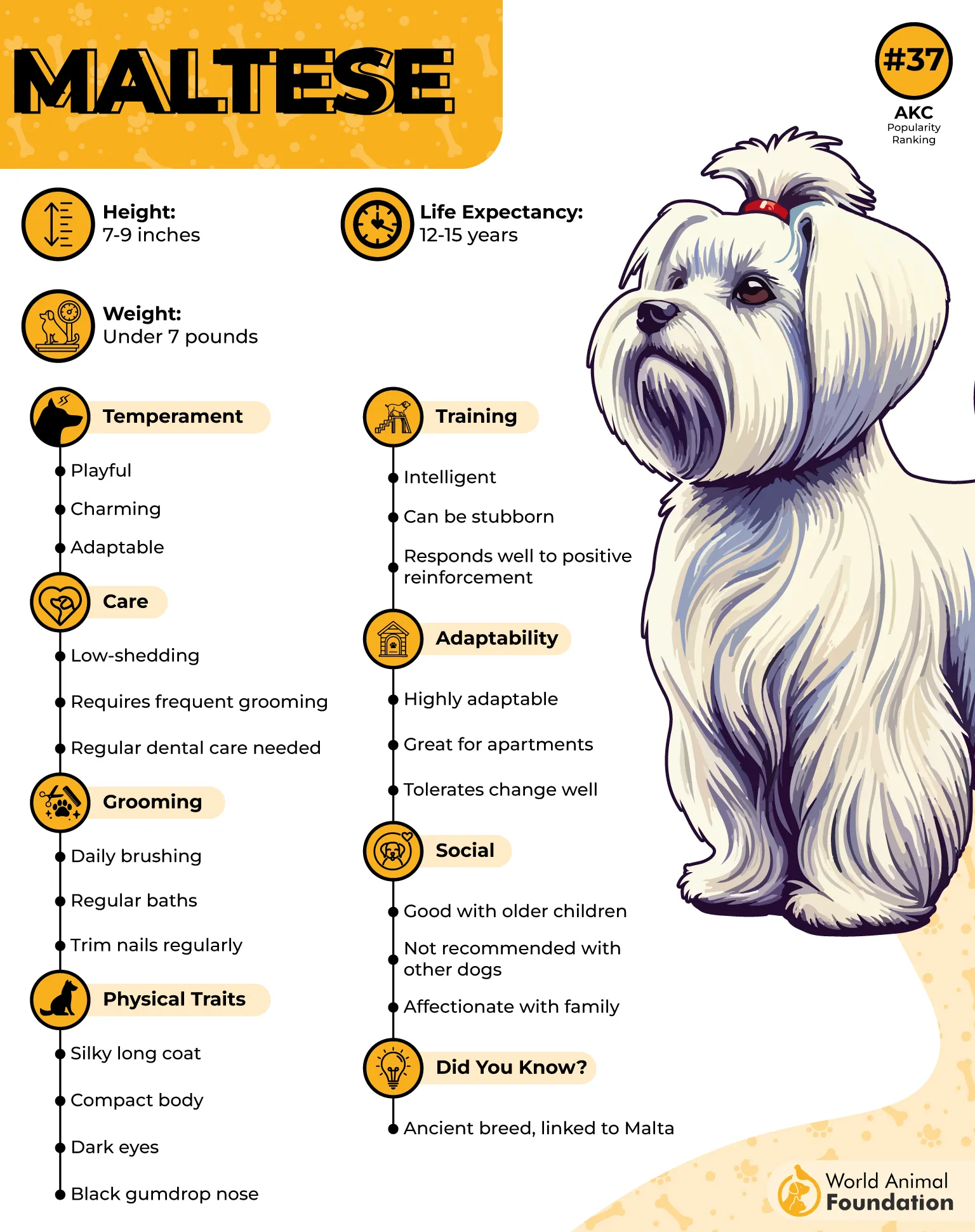
Dental care deserves special attention as well. Tiny mouths can crowd teeth and trap plaque. Regular tooth cleaning helps protect oral health as the dog grows into adulthood.
Unique Features
The Maltese has a surprisingly fearless presence for its size. Its alert nature can make it quick to react to unfamiliar sounds. That spirited personality adds charm beyond its elegant appearance.
4. Papillon
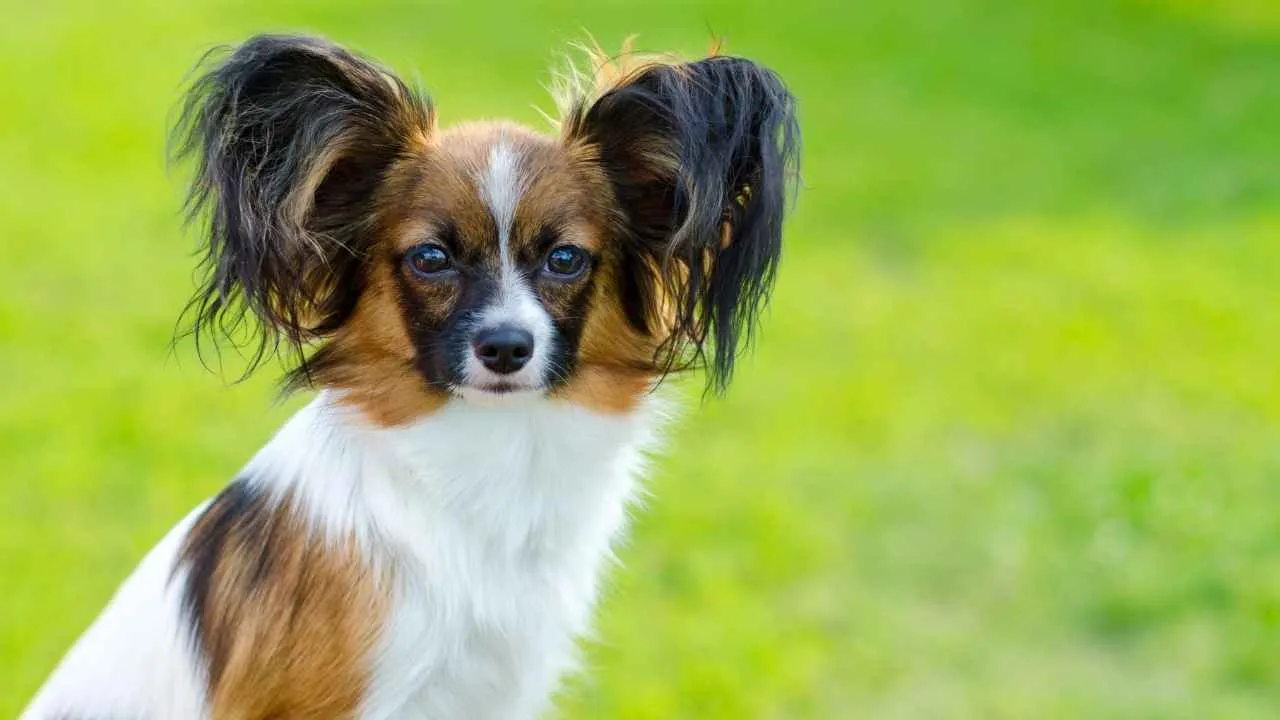
The Papillon is an extremely intelligent small dog breed. Its name means “butterfly” in French, inspired by its large ears. Those ears have long, wispy hairs that resemble delicate wings. According to Britannica, this breed once caught royal attention in Europe.
Its alert mind makes it easy to train with short sessions. Simple commands, puzzles, and games can provide mental and physical exercise. This active dog has plenty of energy despite its small frame. Canine sports can also offer an exciting outlet for its abilities.
Consistency helps shape its temperament and prevent unwanted habits. Without enough activity, boredom may affect household behavior. It can become a fun-loving perfect pet for active owners.
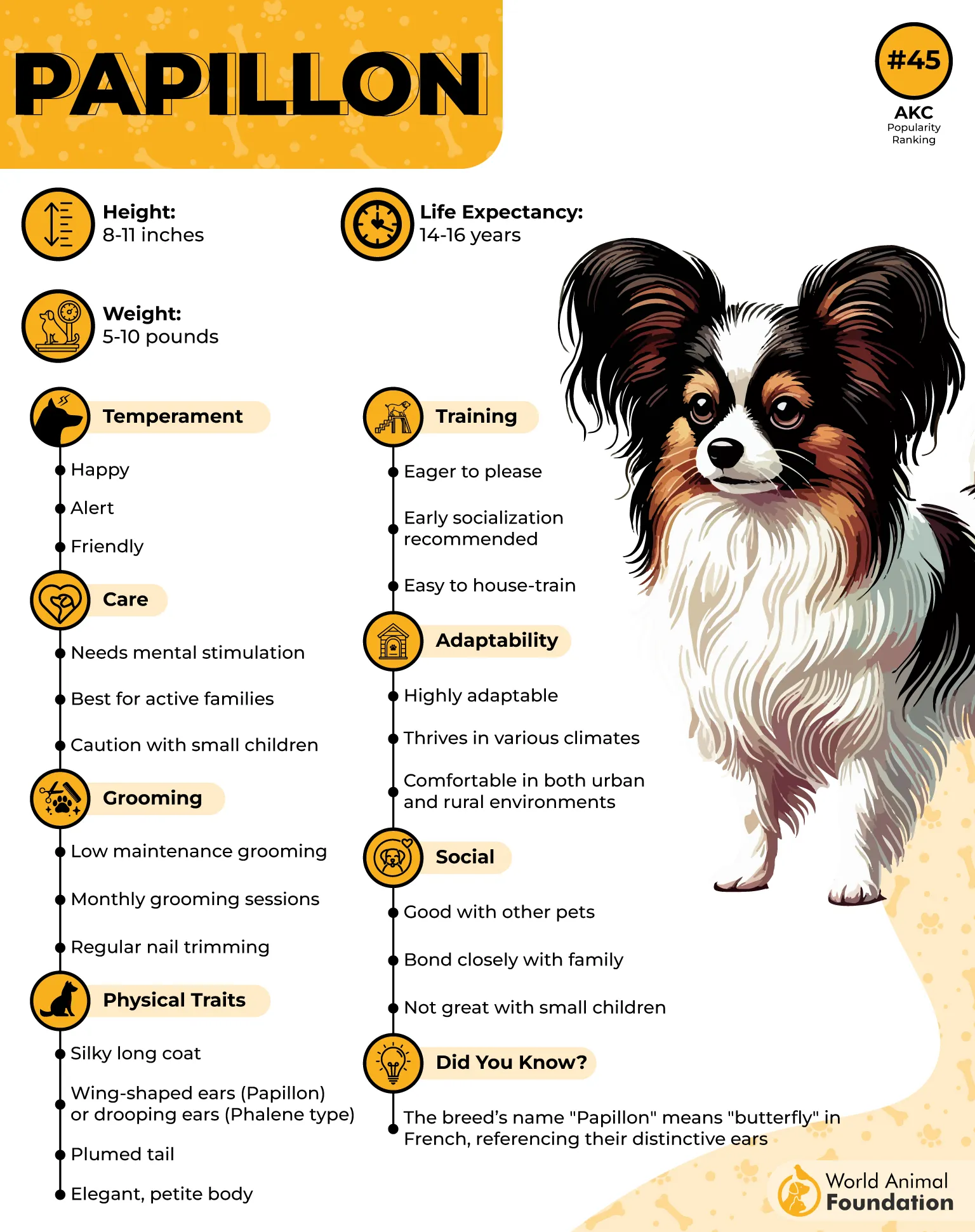
Supervise jumping near furniture because small bones can suffer injuries. Younger kids should also learn safe handling. In the dog world, few tiny breeds combine such smartness and energy so naturally.
Unique Features
The Papillon can enjoy minimal grooming needs compared with many long-coated companions. Its coat can shed lightly, but regular brushing usually keeps loose hair manageable.
5. Shih Tzu
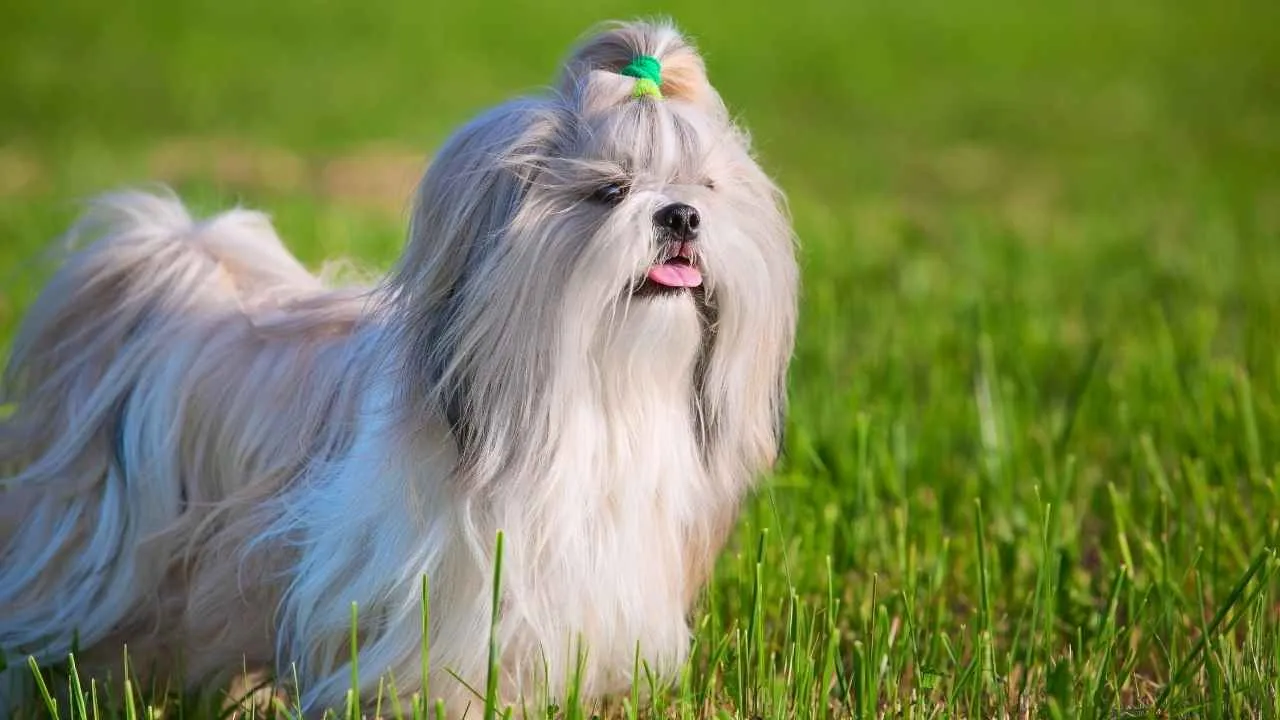
The Shih Tzu is a toy dog with ancient companion roots. This small dog originated from Tibet and is believed to descend from the Pekingese and Lhasa Apso. Its history later became closely linked with Chinese royal life.
It was bred primarily for companionship rather than demanding work. That background helps explain its relaxed presence at home. Dog lovers seeking a gentle household friend may enjoy its temperament. These little dogs have moderate exercise needs.
Short walks and indoor play can suit their routine. Warm weather deserves extra care during outdoor activity. Owners should watch for heavy panting or unusual tiredness. Gentle handling also matters during daily routines.
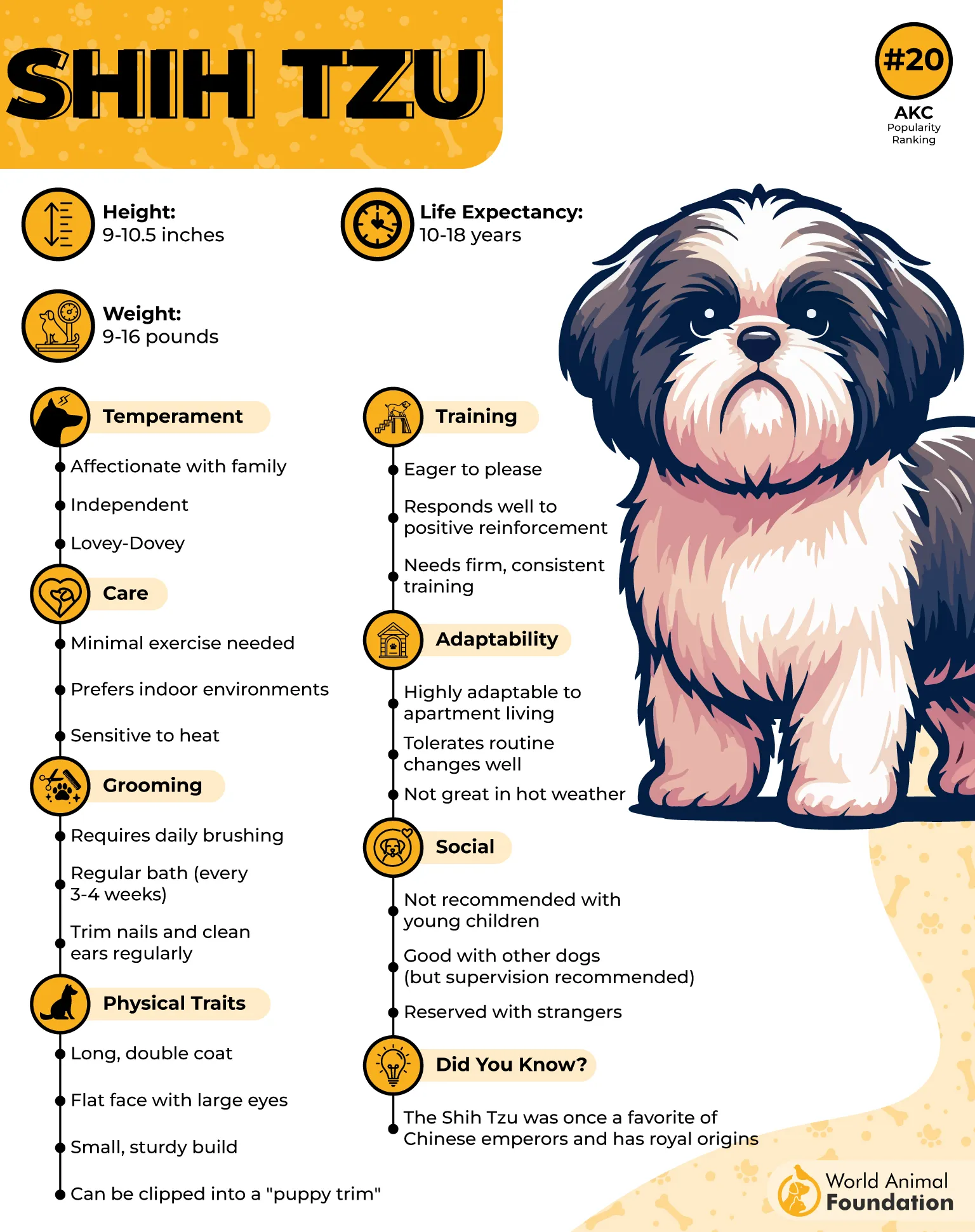
Their adaptable nature can work well for apartment life. According to WebMD, the name Shih Tzu means “lion” in Chinese. This popular small dog can suit owners wanting a calm companion.
Unique Features
The breed’s Tibetan roots and royal history make it distinctive. Its believed connection to the Pekingese and Lhasa Apso also gives its background unusual depth.
6. Toy Poodle
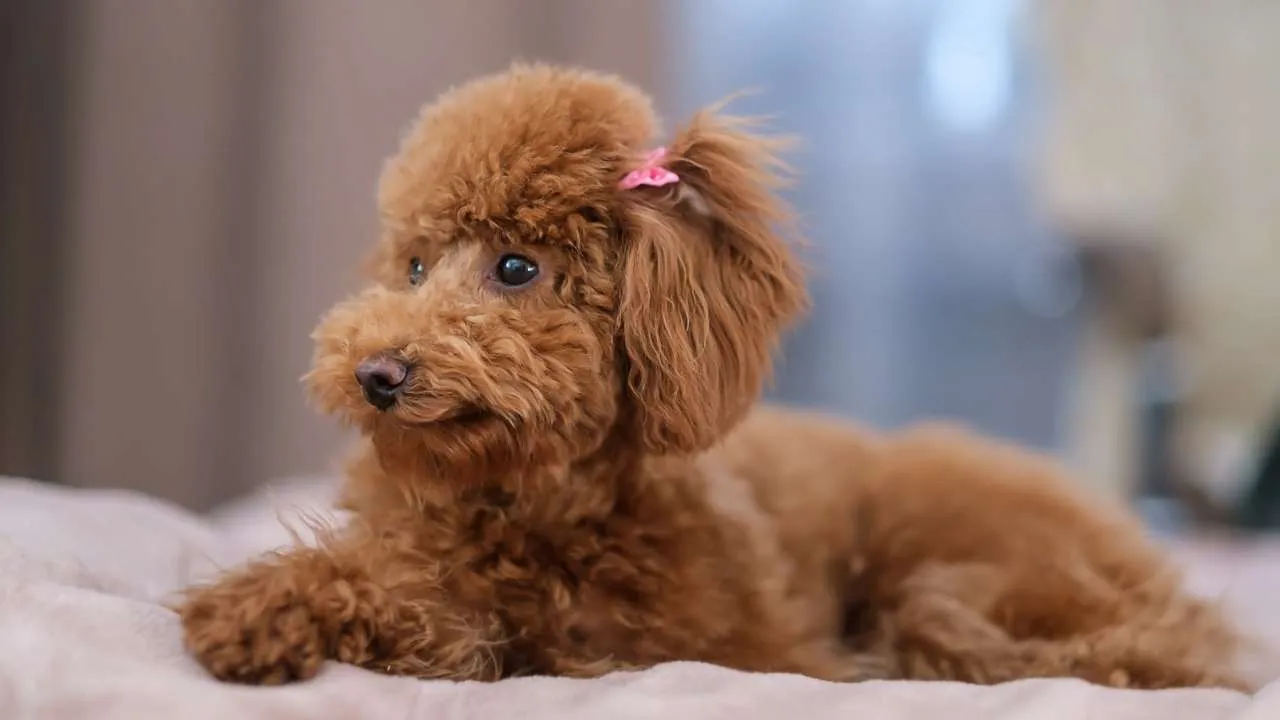
The Toy Poodle is a small dog with remarkable intelligence. Toy Poodles stand no more than 10 inches tall. This small breed shares the same build as larger Poodle varieties. According to PetMD, Toy Poodles are exceptionally intelligent and eager to please. That makes proper training easier for many owners.
Early lessons can help shape a polite household temperament. Small dogs sometimes receive less guidance than larger dogs. As a result, bad habits can develop without clear rules. An independent nature may also test an owner’s patience.
Keep lessons short, positive, and consistent. Daily walks and home games support exercise and mental stimulation. These tiny dogs also need regular coat care. Professional grooming every 4–6 weeks can keep curls manageable.
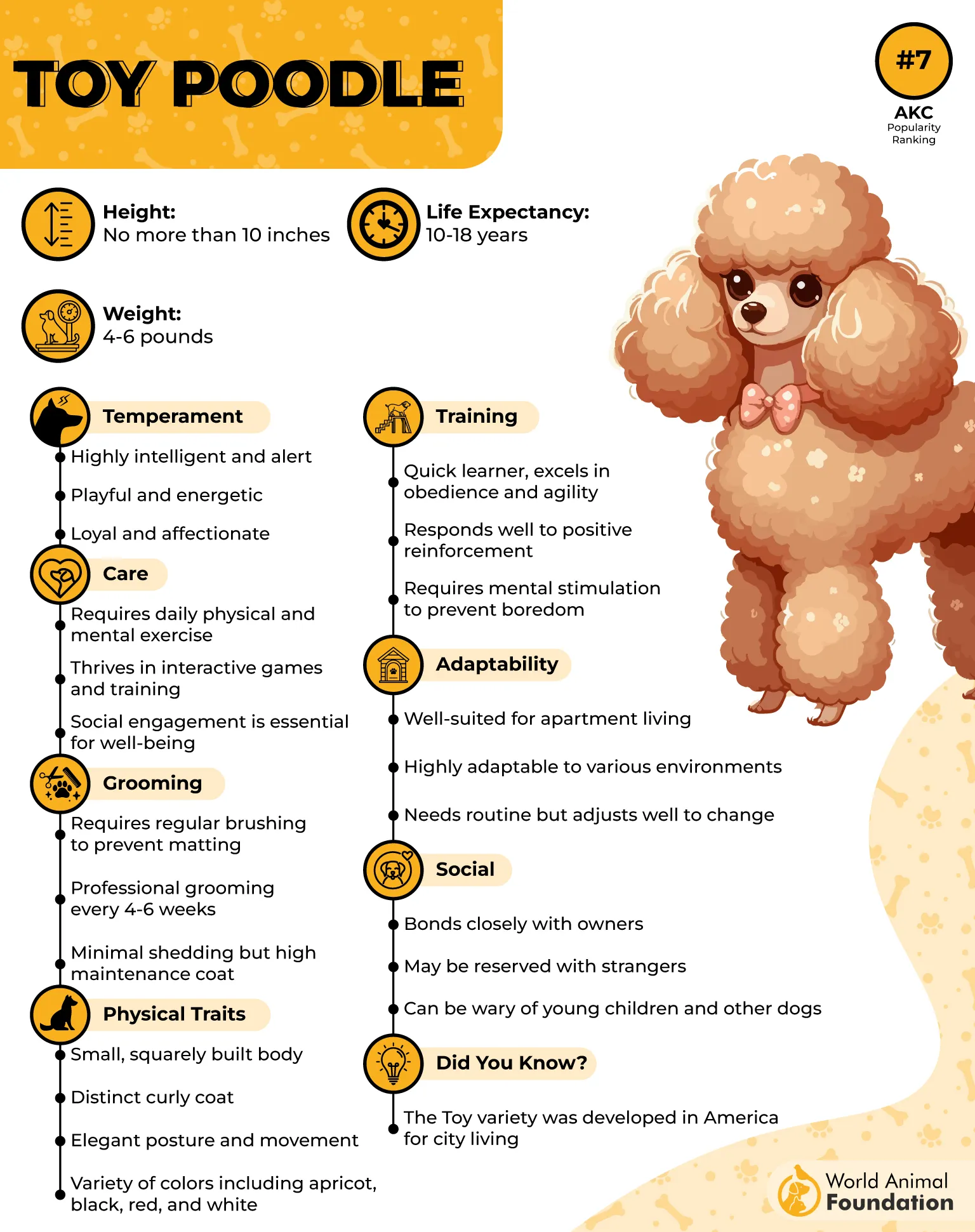
Daily brushing helps prevent tangles between appointments. Their low-allergen coat does not shed like many coats. However, “hypoallergenic” does not mean allergy-free.
Unique Features
The Toy Poodle’s elegant profile often includes adorable ears and a curly coat. Its athletic build also surprises people who expect a purely decorative companion.
7. Havanese
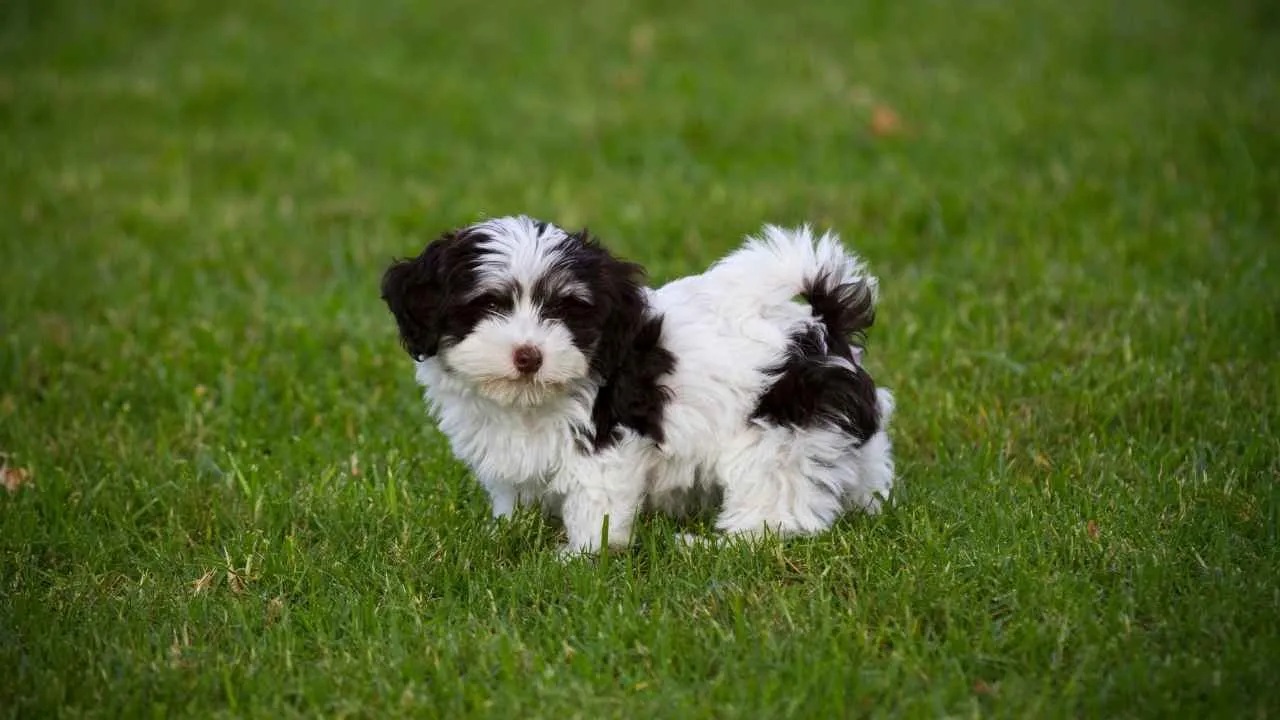
The Havanese is a cheerful small dog breed from Cuba. It typically weighs between 7 and 13 pounds. This small companion has a big personality and loves being around people. Its social nature makes it a great choice for families.
According to Purina, the Havanese is an ideal family dog. It also gets along well with children and can serve as a watchdog. Unlike some athletic dogs, it has relatively low exercise needs. Daily walks and indoor play can keep this lively companion content.
Still, its social temperament means it prefers regular interaction. Long periods alone may lead to unwanted habits. The Havanese can be highly intelligent, so fun activities help keep it well-behaved. Its mischievous personality often adds plenty of laughter at home.
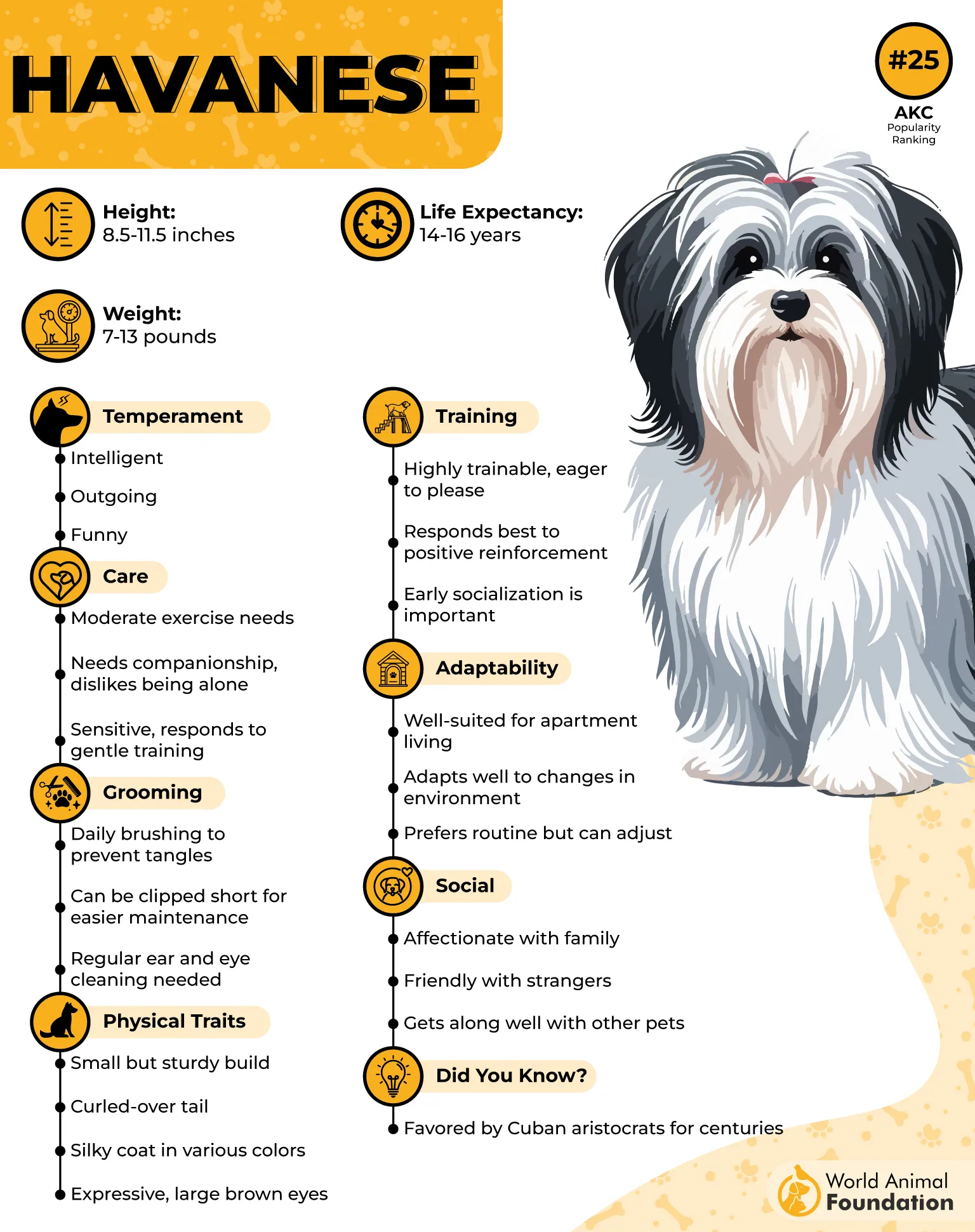
These small breeds can also adapt nicely to city apartments. Owners should plan regular grooming to maintain its silky coat. Daily brushing can prevent tangles and keep the coat comfortable.
Unique Features
The Havanese has a curled-over tail and expressive eyes. Its even-tempered nature also helps explain its popularity among families seeking an adaptable companion.
Conclusion
Choosing the right pocket dog starts with your lifestyle. A small dog breed may fit easily into your home. However, tiny size does not mean effortless care. Activity, grooming, behavior, climate, and space all matter. Even many small dog breeds need daily exercise and attention.
Their temperament also varies, so early socialization remains important. Consistent lessons can encourage calm, polite behavior. Dental care, healthy weight, and safe play protect long-term health. Fragile bones also call for careful handling.
Cold weather may require extra warmth for tiny companions. Unlike wiener dogs or herding dogs, each breed brings different needs. What matters most is finding a companion suited to your routine. With proper care, human companionship, patience, and affection can create a rewarding bond.
