




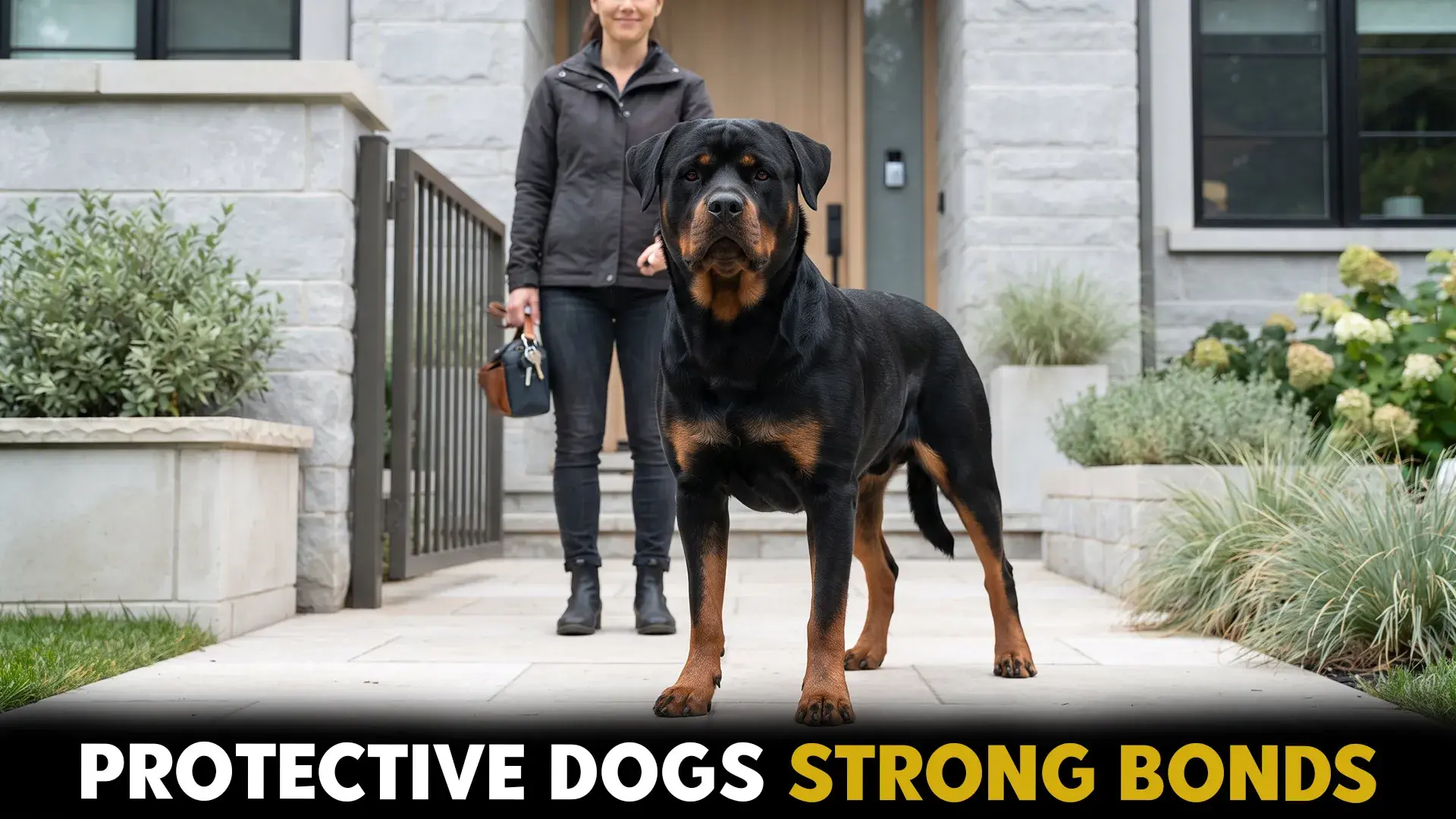
Living alone can feel freeing, but home security still matters. In 2025, U.S. property crime fell by an estimated 12.4%, according to the FBI. Yet theft and other property crimes still affect communities across the country.
A dog cannot replace locks, alarms, or cameras. Still, its bark, alertness, and confident presence can make an intruder think twice.
The best guard dog for a single person offers more than strength. Temperament, experience, exercise needs, and handler control all matter. Most owners need a strong deterrent, not an attack-trained dog.
A loyal companion can also bring comfort and confidence when you live alone. However, protective instincts need responsible management and clear direction. The right choice should fit both your lifestyle and your ability to handle the dog.
With these points in mind, let’s explore seven breeds that offer different forms of companionship, vigilance, and protection.
Best Guard Dog Breeds for Single People Seeking Protection
Here we go, one by one.
1. German Shepherd
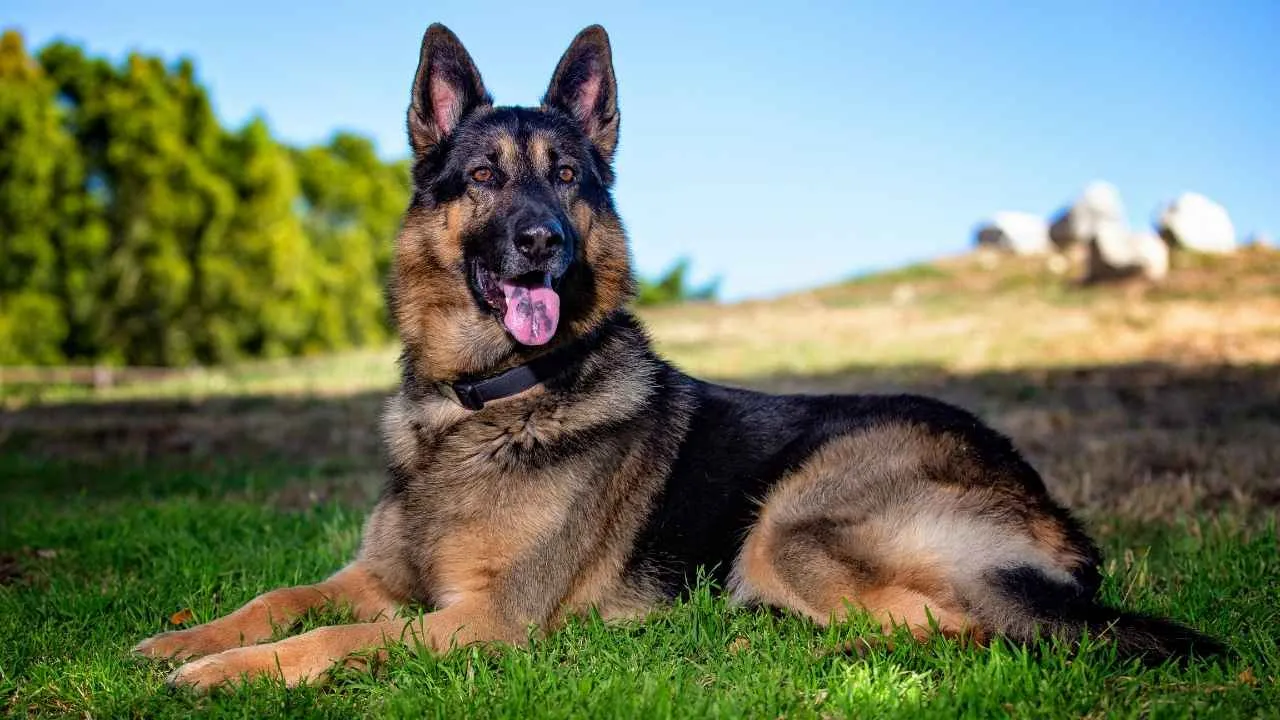
German Shepherds combine sharp intelligence with steady confidence. According to the American Kennel Club, they are loyal, courageous, and highly intelligent dogs with strong working ability. This makes them an excellent guard dog breed for a single owner seeking a dependable companion.
As a highly intelligent breed, they can learn complex commands and respond closely to their handler. Their history also supports this versatility. The AKC notes their work in police, military, search-and-rescue, and service roles.
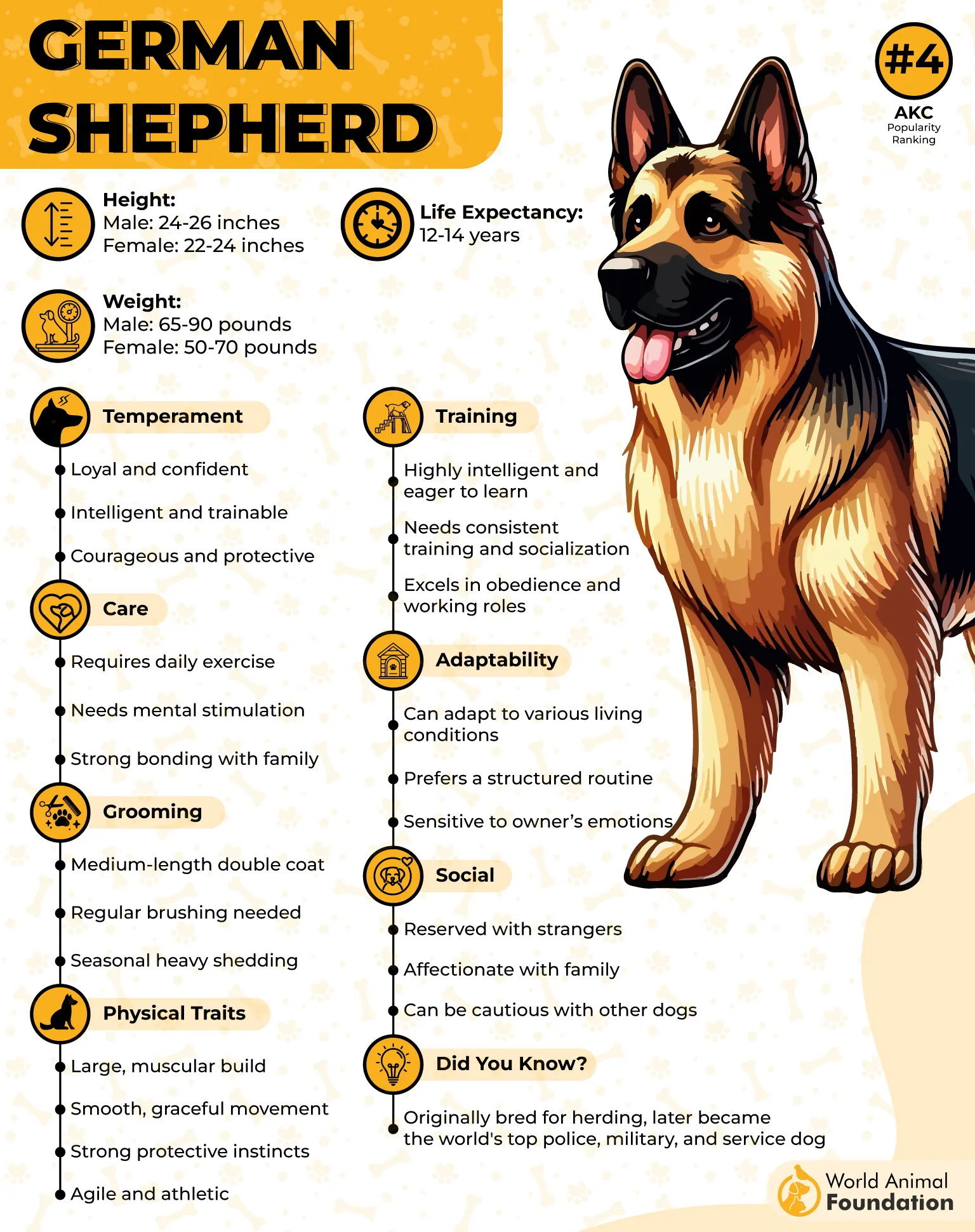
That wide skill set helps explain why they can serve as both household companions and alert watchdogs. However, this protection dog needs meaningful daily activity. Mental stimulation is equally important for keeping its active mind engaged.
Without enough purpose, boredom can lead to unwanted habits. For single women or men, the German Shepherd offers a strong blend of loyalty, capability, and versatility that few other breeds can match.
2. Doberman Pinscher
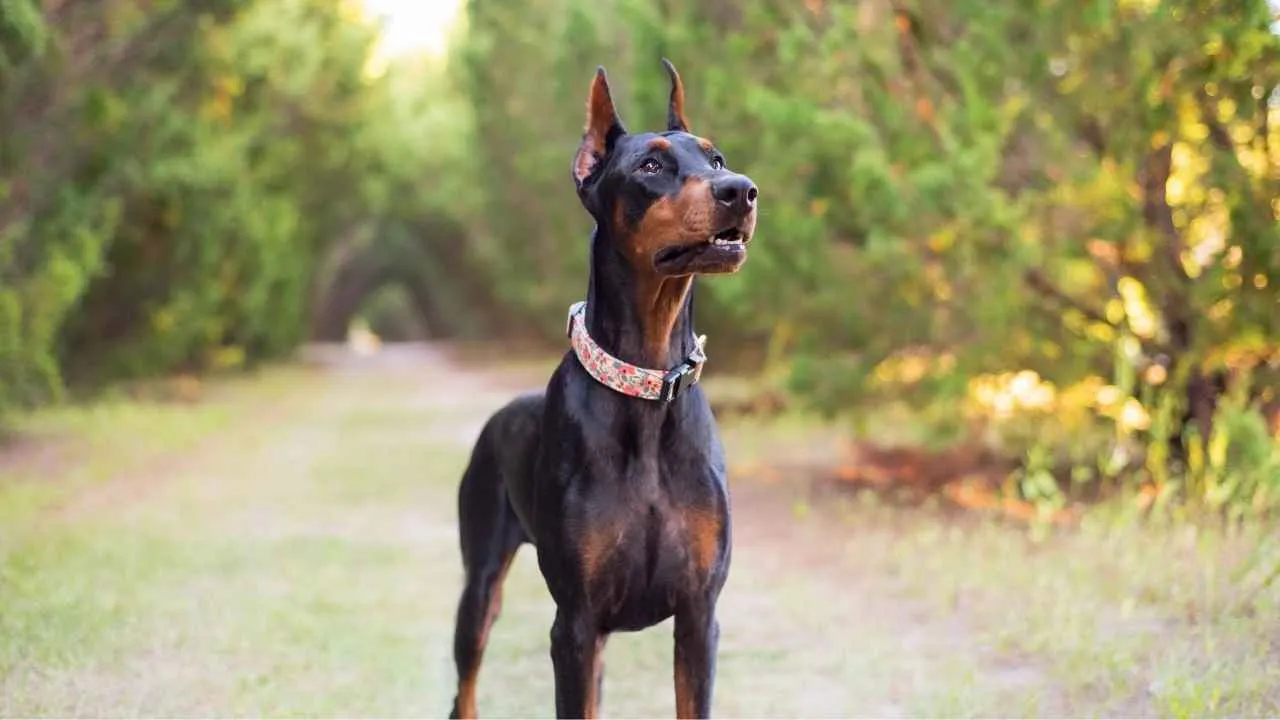
Sleek, powerful, and highly alert, the Doberman Pinscher forms a remarkably close bond with its owner. According to Wikipedia, the Doberman is intelligent, alert, and tenaciously loyal, and it is kept as a guard dog or companion animal.
That combination makes it appealing for women living alone who want companionship and security. Its natural instinct to notice unusual activity can help deter intruders without constant aggression. Although it is a large dog, its lean, athletic build can make handling easier than with heavier breeds.
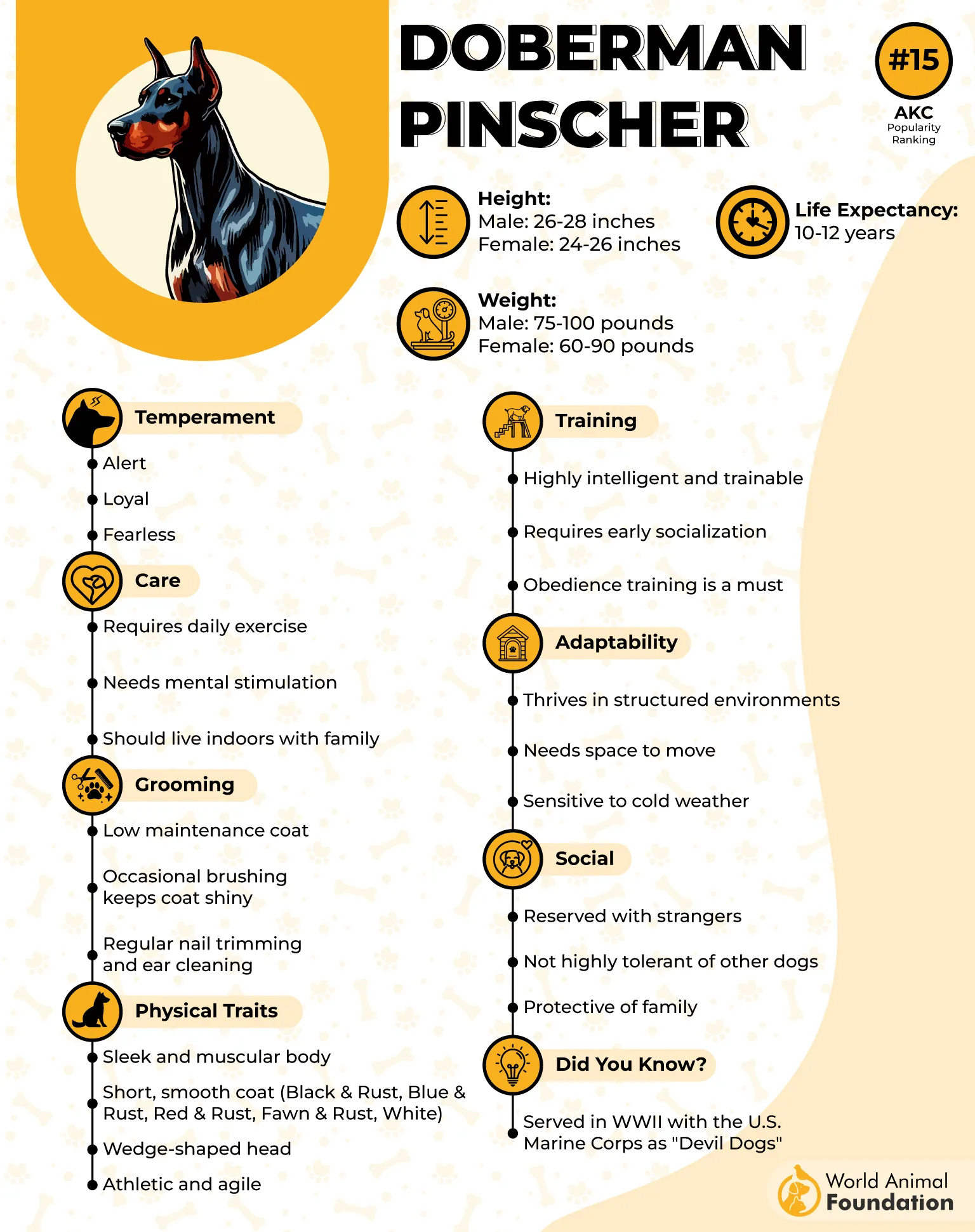
The Doberman also enjoys staying near its person and taking part in household life. Enough daily exercise helps it settle indoors comfortably. Proper training teaches polite behavior around visitors and unfamiliar situations.
The breed has also served in personal protection work and personal security roles. For a devoted owner, it remains extremely loyal and is considered among the world’s finest protection dog breeds.
3. Rottweiler
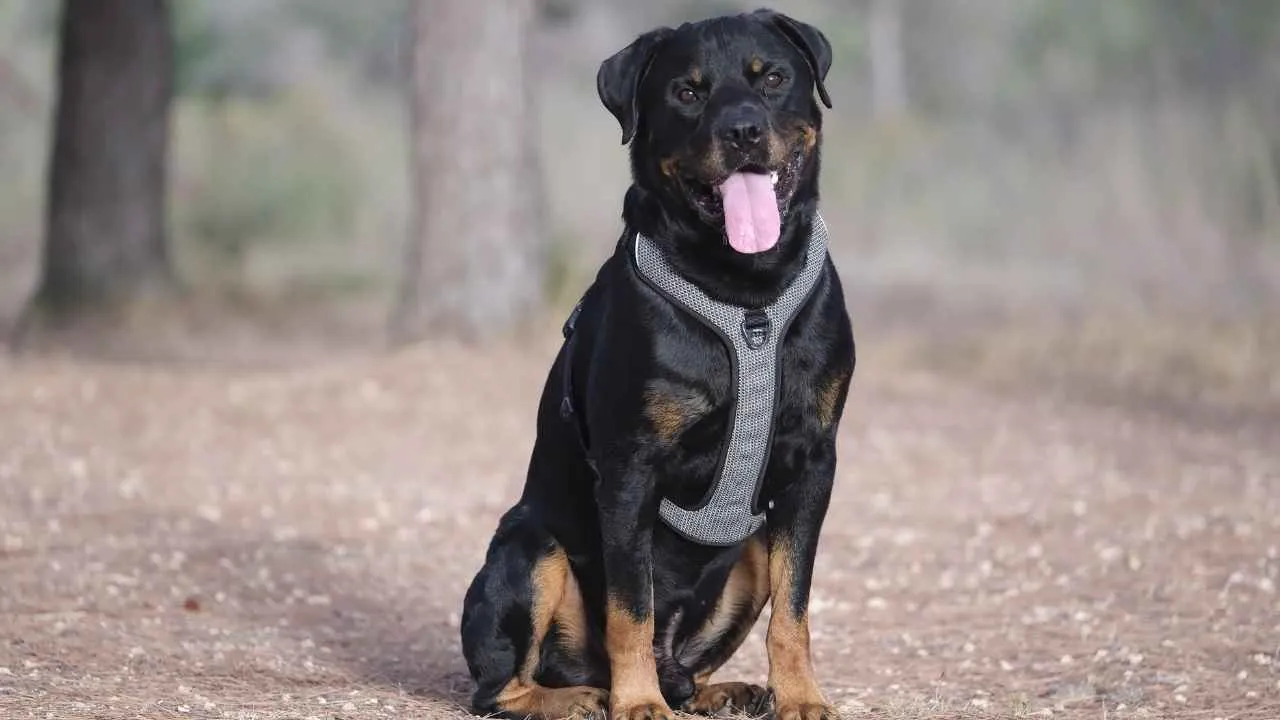
The Rottweiler has an intimidating look and a confident personality that can discourage unwanted attention. According to PetMD, Rottweilers are a large dog breed with a broad head, short fur, and wide-set eyes.
This muscular dog also has a strong guarding instinct, making it a serious candidate for a best guard dog breed list. A properly raised Rottweiler should be calm, confident, and courageous without undue aggression. A solo owner must provide consistent training and dependable control.
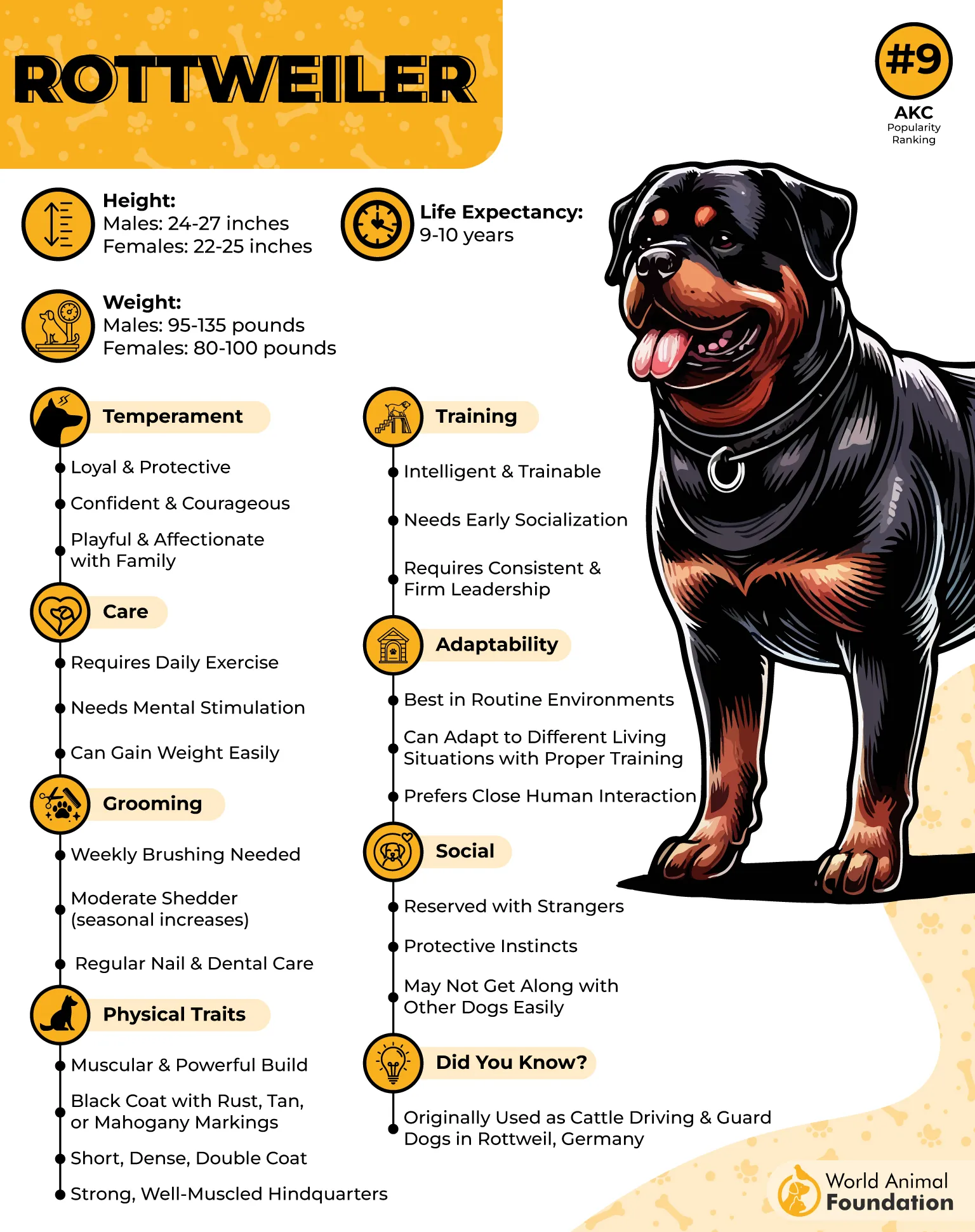
Early socialization can help a puppy learn calm behavior around guests, neighbors, other pets, and unfamiliar animals. Reliable leash manners and recall also matter greatly. Its loud bark can add another layer of deterrence.
Beyond guarding, the Rottweiler can become a fantastic companion and even a service dog when properly suited and prepared for that role. For prepared owners, its strength and self-control can be valuable assets.
4. Boxer
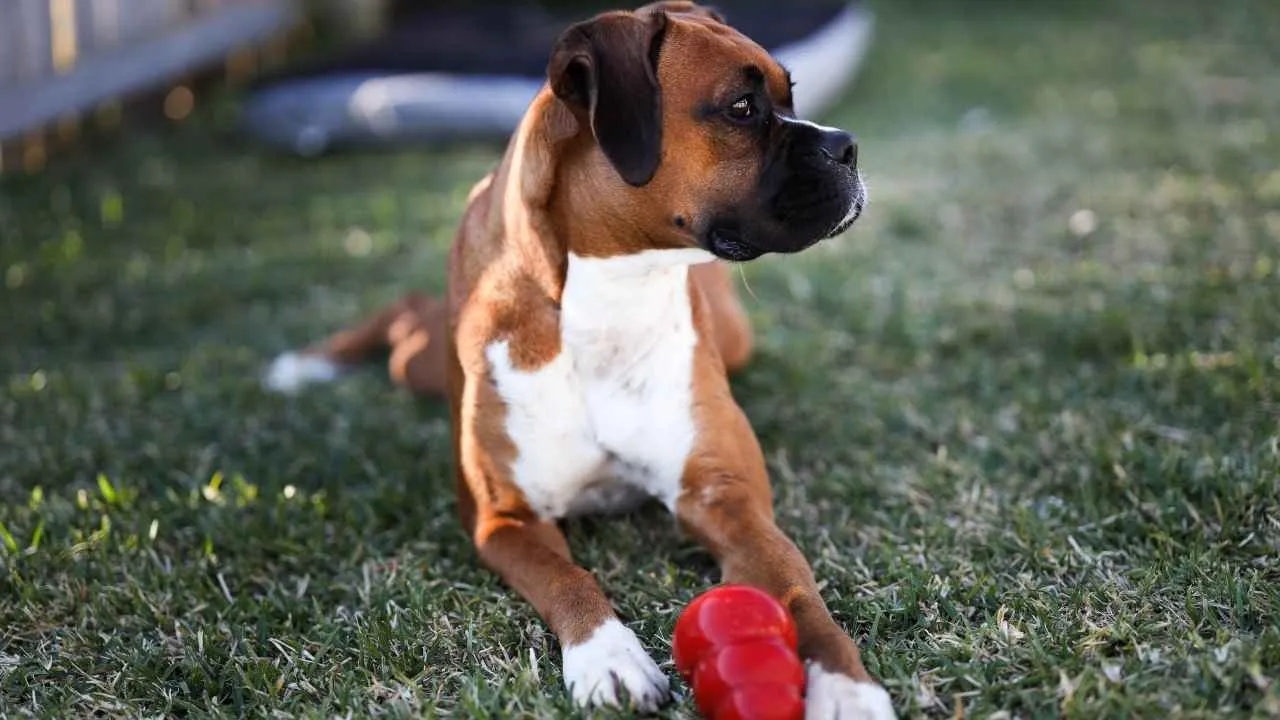
The Boxer brings a cheerful spirit to family life while staying alert to unusual sounds and visitors. Its upbeat personality makes it a great option for an active single owner who wants companionship with a protective edge.
Boxers form strong bonds with their people and often enjoy being part of everyday activities. Their playful nature also makes games useful for burning energy and keeping boredom away. Regular exercise helps this athletic breed stay settled and focused at home.
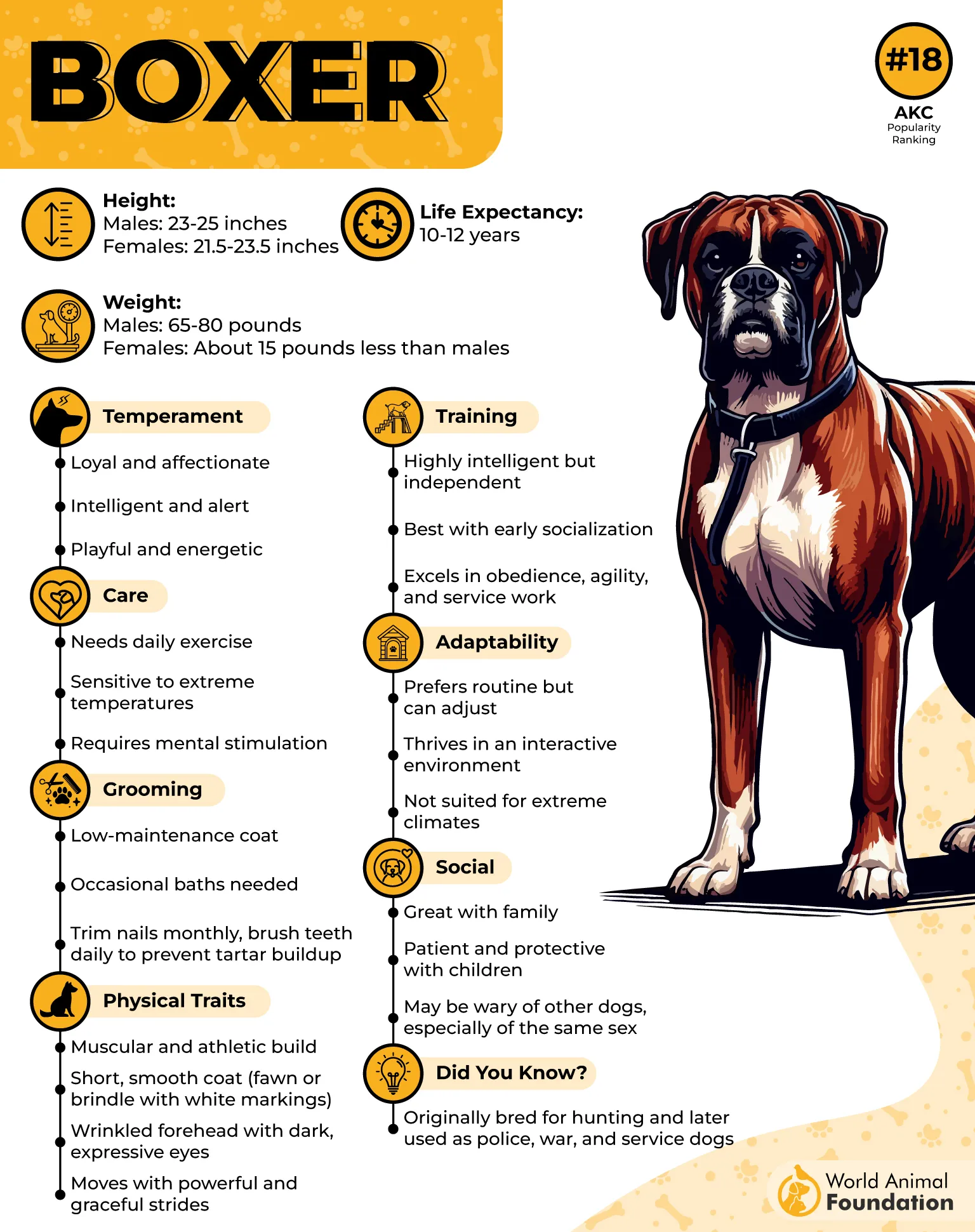
Interactive play can also provide a healthy outlet for their lively drive. According to Hill’s Pet, Boxers can get along well with other animals when raised with them. Early positive experiences with pets and people can encourage better manners.
Structured training also helps channel their enthusiasm. Although sometimes called a most protective dog, the Boxer does not need to act serious constantly. Its natural desire to protect can exist alongside playfulness, affection, and companionship.
5. Rhodesian Ridgeback
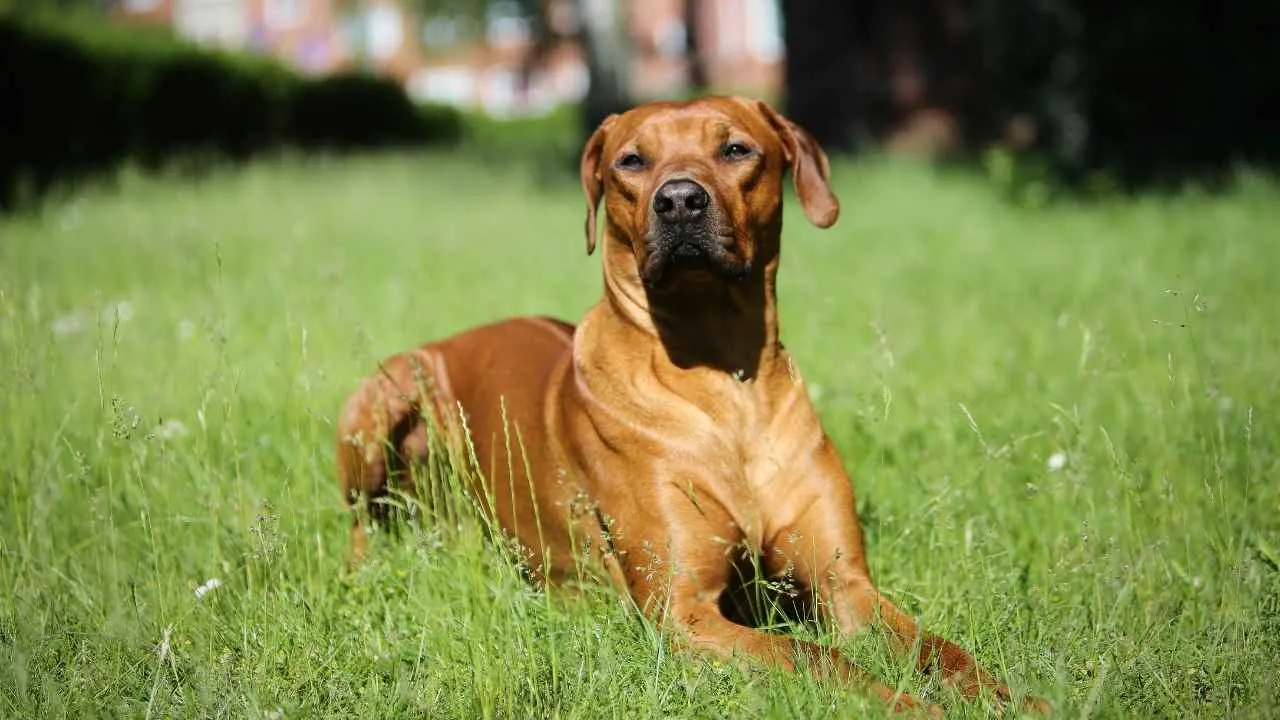
The Rhodesian Ridgeback brings a protective nature with an independent spirit. According to Britannica, the breed is known for power, independence, and courage, while showing moderate energy and playfulness.
That brave character comes from its African hunting heritage, where Ridgebacks tracked and bayed lions. Today, this large dog breed can offer a friendly presence while staying alert to unusual activity.
Ridgebacks often form a strong bond with their family members and can live well with other dogs and familiar pets. Pups still need thoughtful training so they learn how to respond calmly in different situations.
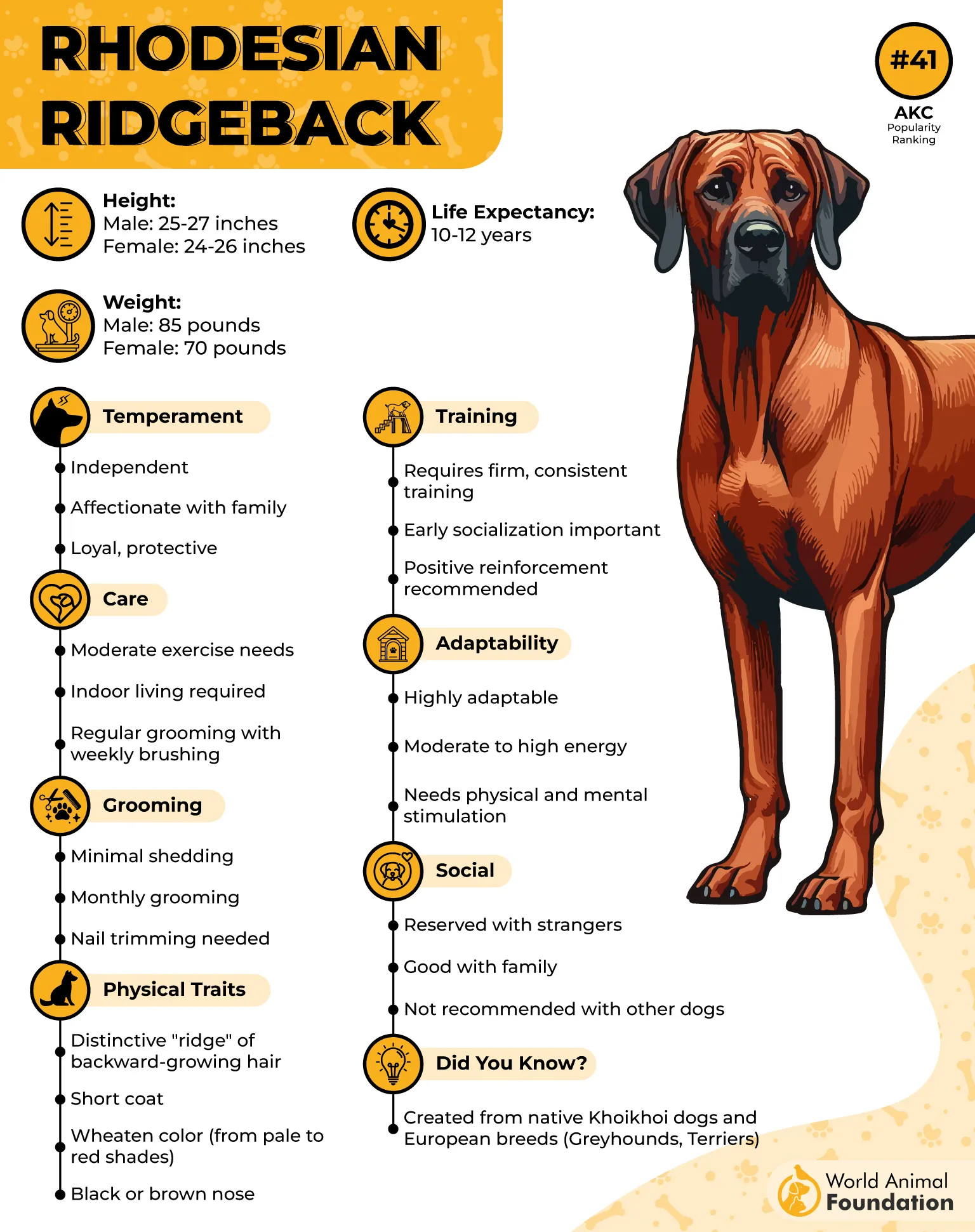
Their strong prey drive also means owners should supervise them around smaller animals and small children. Rather than acting like a constant protection dog, a Ridgeback can remain quietly vigilant while enjoying family life.
Its loyalty, courage, and moderate energy make it an ideal choice for prepared owners seeking a considered and versatile companion.
6. Cane Corso
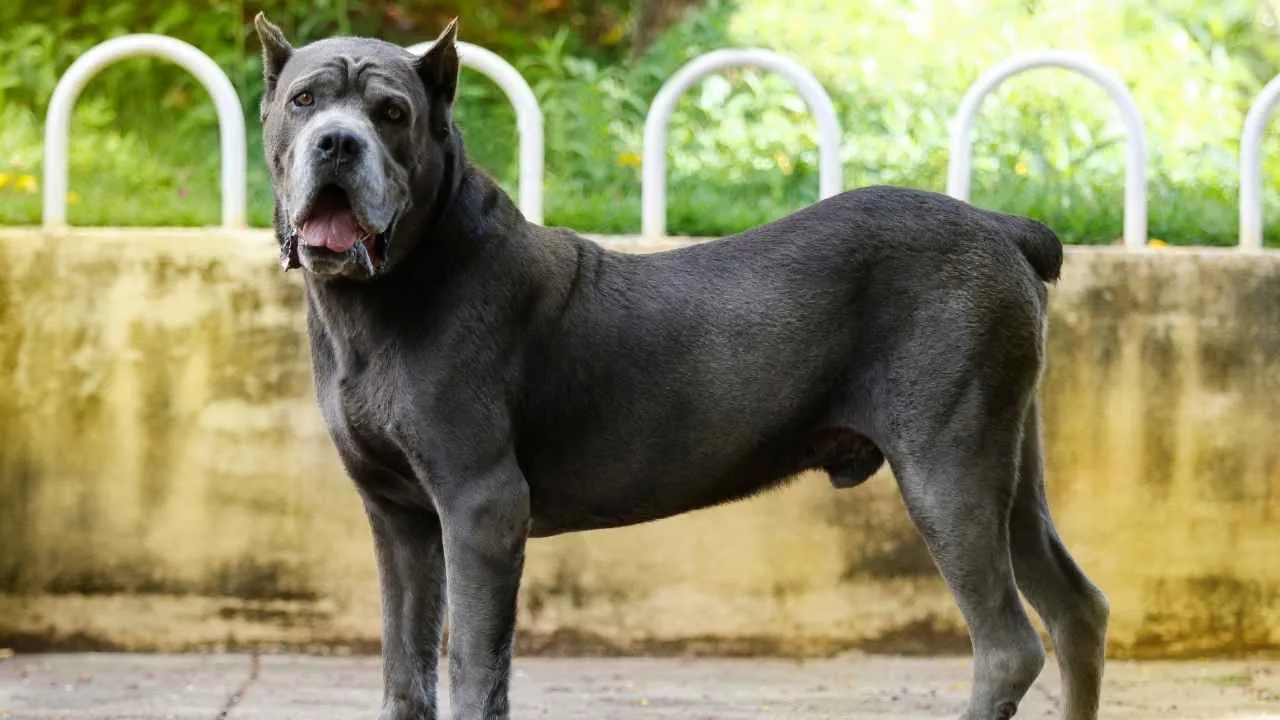
Smart, confident, and naturally watchful, the Cane Corso has a serious guarding heritage. According to Purina, this powerful breed serves as a property watchdog and large-game hunter while also being an affectionate family dog.
Its history shows why it is often considered a top guard dog choice. Originally bred in Italy for demanding work, it developed strong awareness of its surroundings and a strong sense of duty. This big dog has an intimidating appearance, yet it can become affectionate with its household.
Its strong loyalty makes it appealing to women living alone who want a devoted protector. However, this active breed needs an experienced owner who can provide consistent training and clear boundaries.
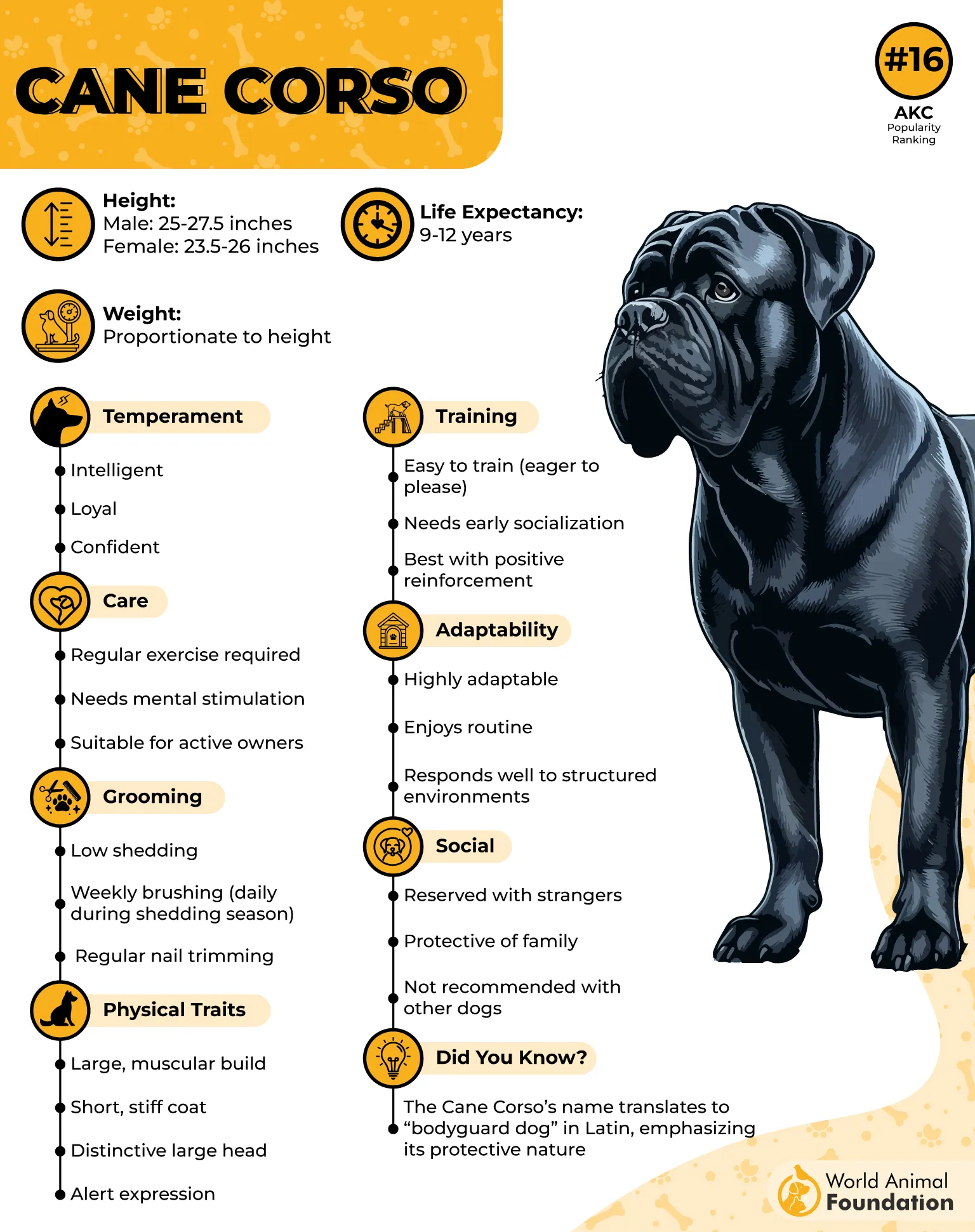
From puppy age, calm exposure to unfamiliar people, places, sounds, and pets helps prevent suspicion from becoming an overreaction. Despite its independent streak, the Cane Corso can be a gentle giant with the right guidance.
Professional help can also benefit owners who need extra support managing this serious guardian.
7. Bullmastiff
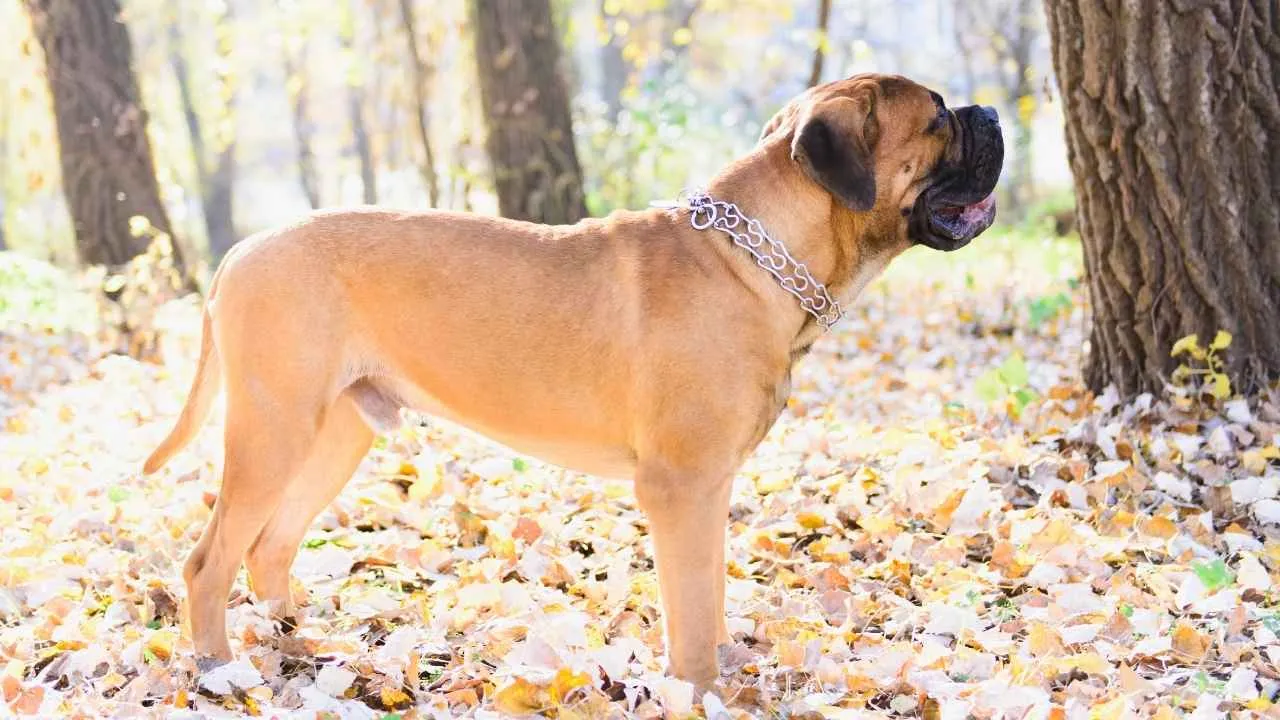
The Bullmastiff offers a calm presence without losing its guarding purpose. According to PDSA, Bullmastiffs are large, gentle dogs that remain devoted to their owners and enjoy staying close to familiar people.
This guard dog can provide personal protection through awareness and an imposing presence, rather than constant barking. Its quiet nature can suit a single woman seeking a calmer companion.
Although this protection dog is large, it can adapt to small spaces when its exercise and daily needs receive proper attention. A small apartment still requires careful planning because its size demands enough room to move comfortably.
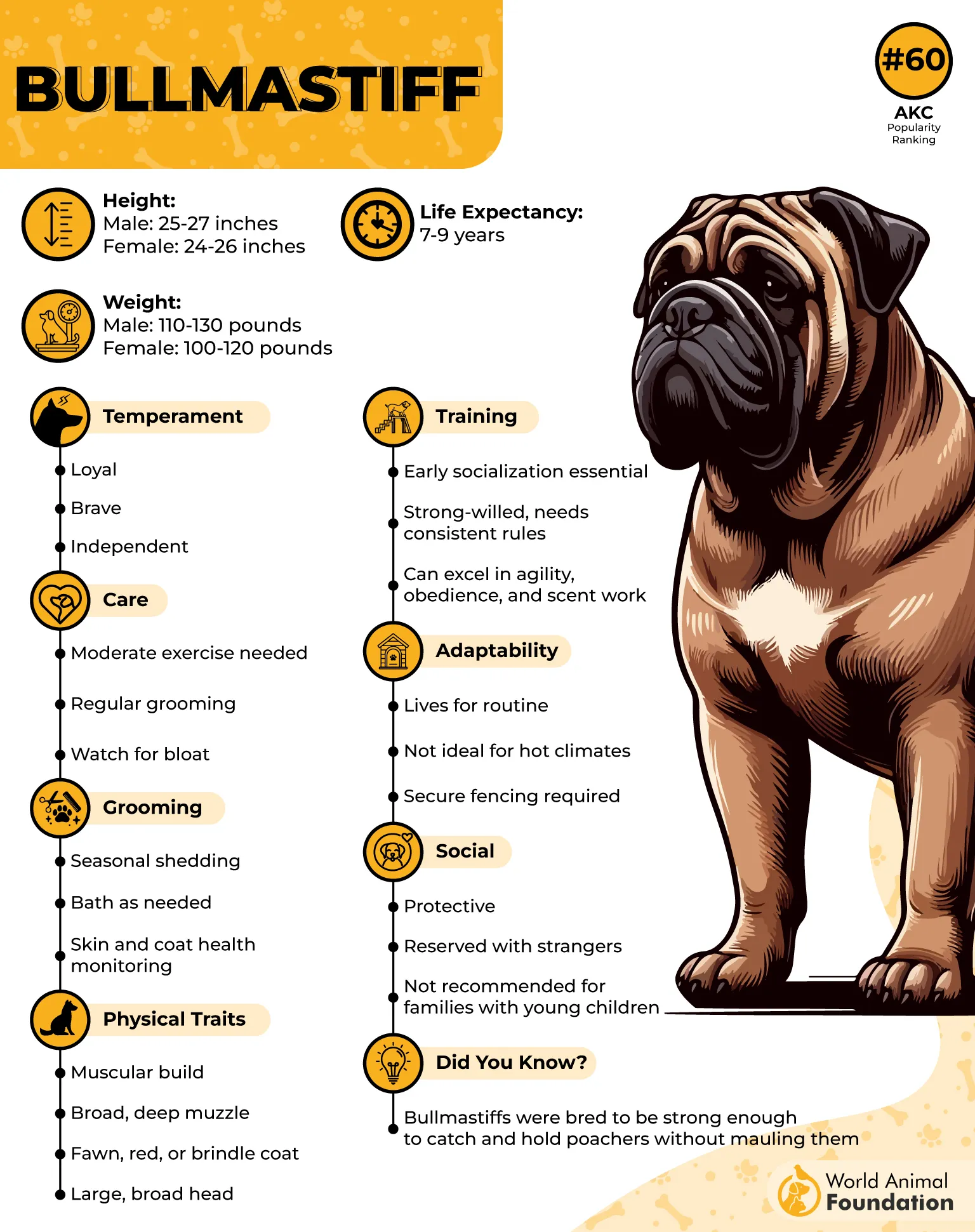
Its short coat is easy to maintain, making grooming relatively low maintenance; regular care supports overall well-being. The Bullmastiff is highly trainable when lessons remain clear and consistent.
Owners should also teach calm behavior for different situations and use careful leash control. If you choose a quieter guardian, this breed can be an ideal way to protect your home.
Conclusion
Choosing a guard dog breed for solo living takes more thought than picking the biggest or toughest option. The right dog should fit your lifestyle, home, experience, and daily routine. These key factors can matter more than size or appearance.
A puppy also needs patient training to develop calm responses around people and animals. Look for a dog that stays alert without becoming overly suspicious. A protective companion can offer security while remaining playful and affectionate at home.
However, other breeds may suit different lifestyles and energy levels. Professional guidance can provide extra reassurance when handling strong guarding instincts. Choose carefully, and focus on control, companionship, and long-term compatibility. The goal is not an attack-trained animal.
Instead, seek a dependable presence that brings greater peace to everyday life. With the right preparation and responsible ownership, your companion can provide comfort, confidence, and a reassuring sense of security.
