




Mention giant dogs and most people immediately picture Great Danes, Saint Bernards, Newfoundlands, or Bernese Mountain Dogs. Meanwhile, several enormous breeds with equally impressive histories stand quietly in the background, feeling ignored!
These lesser-known giants deserve considerably more attention from dog lovers who appreciate loyalty, working ability, and dogs with serious presence. Many of these breeds stayed relatively unfamiliar because they developed for highly specific jobs in particular regions rather than becoming fashionable international companion dogs.
That working background also explains their extraordinary loyalty. Livestock guardians had to distinguish between their own animals and genuine threats, while farm dogs needed enough confidence to protect property without spending every second waiting for instructions.
Still, for the right homes, these breeds offer something incredibly special. Here are seven giant breeds many casual dog lovers still barely know.
Hidden Giant Dog Breeds With Incredible Loyalty and Charm
1. Black Russian Terrier
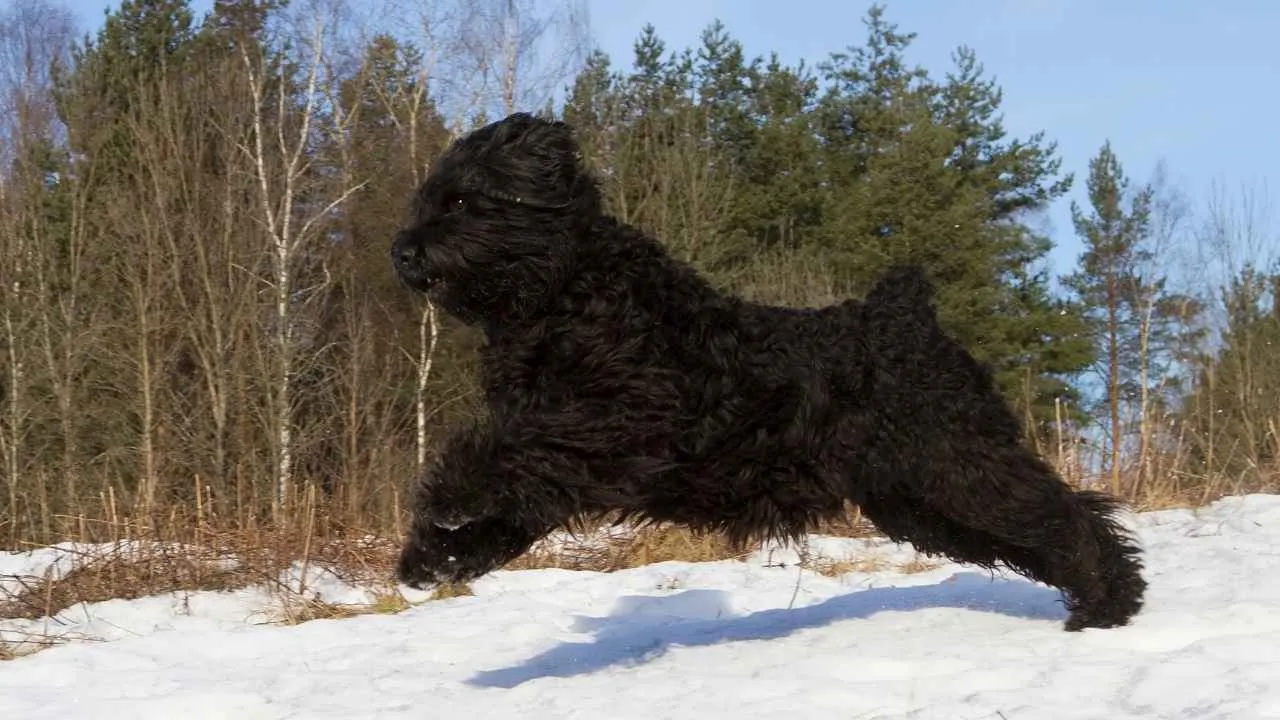
Despite the name, Black Russian Terrier is not really a traditional terrier at all, but a powerful working group breed known for courage, confidence, intelligence, and natural protectiveness. This relatively unfamiliar breed has enough physical presence to stop conversations before it has even done anything.
It is a relatively modern breed, deliberately developed by the Soviet Union’s Red Star military kennel. Breeders combined Giant Schnauzers, Rottweilers, Airedales, Newfoundlands, and other breeds—17 in total, according to the Black Russian Terrier Club of America—to create a large, dependable security dog.
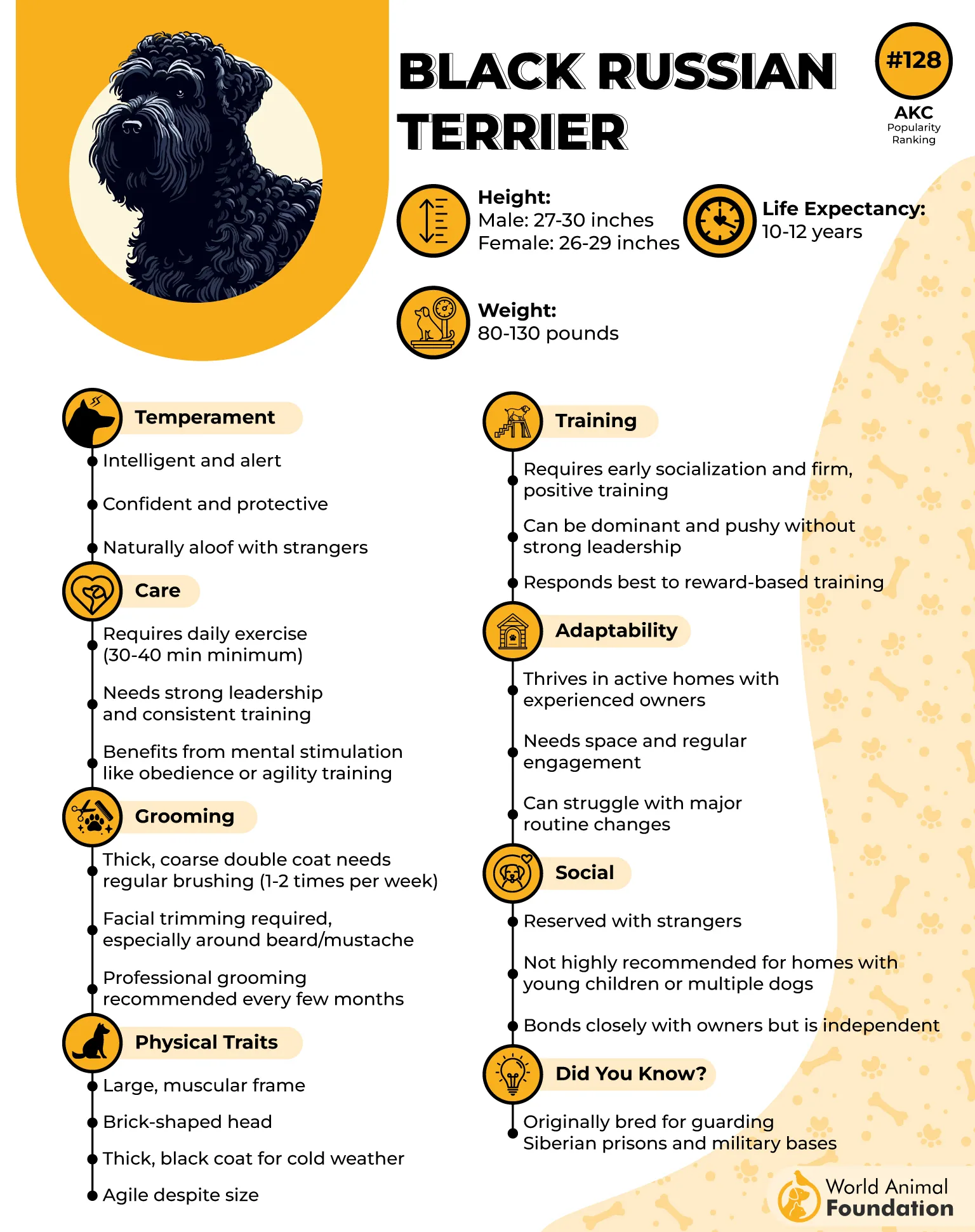
Loyalty in this breed tends to be focused strongly on its household rather than automatically extended to everyone it meets. These dogs were specifically developed to guard and protect and are naturally aloof with strangers.
So why is such a spectacular dog still relatively unknown outside serious working-dog circles? The combination of enormous strength, protective instincts, demanding training needs, and a heavy coat makes it considerably more specialized than many mainstream giant breeds.
2. Rafeiro do Alentejo
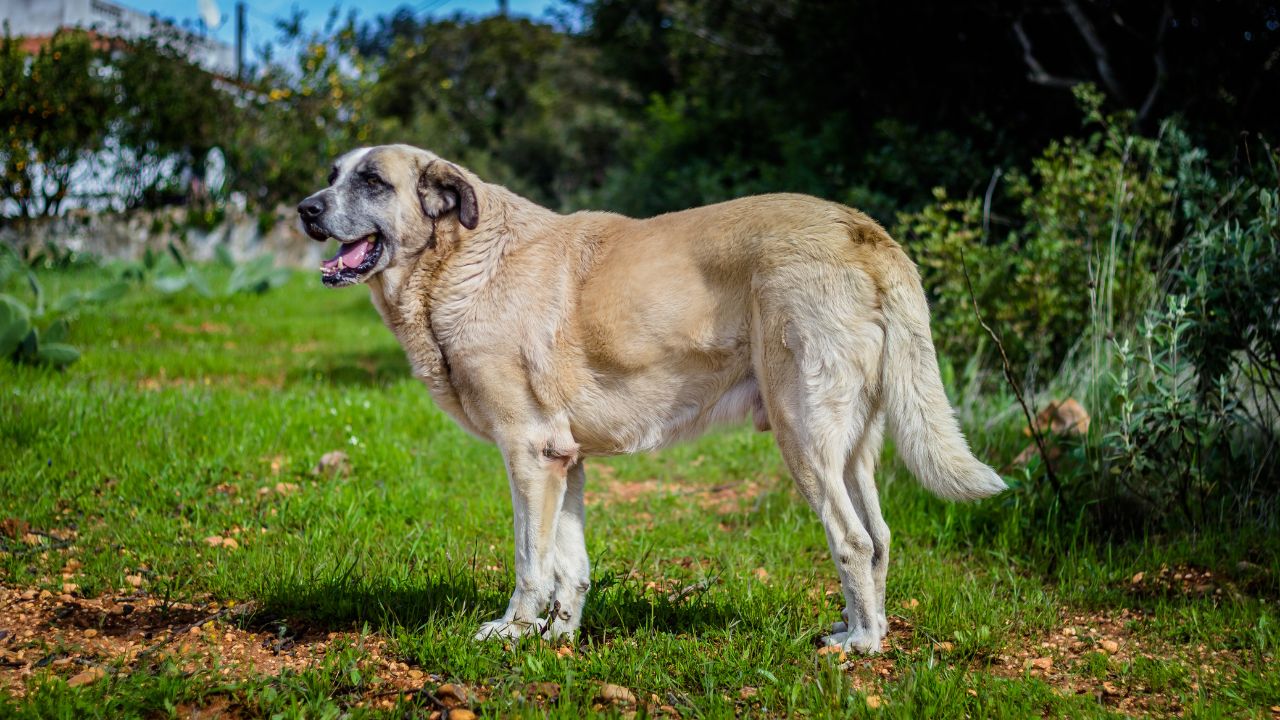
This Portuguese giant, known as the Rafeiro do Alentejo, was developed as a livestock guardian and property protector in the Alentejo region and remains far less recognizable internationally than famous mastiffs such as the English Mastiff or Bullmastiff.
Large guardian dogs traveled with herds moving toward mountain pastures in summer and returning to lower plains in winter, protecting valuable animals during long journeys where predators and thieves were genuine concerns.
One of the breed’s coolest characteristics is that its guarding instincts traditionally become especially noticeable after sunset. It is more vigilant at night and takes the protection of entrusted territory very seriously, which feels like the canine equivalent of automatically switching into night-security mode.
That calmness of these gentle giants should never be confused with softness toward genuine threats. Generations of working away from constant human supervision selected for a dog able to evaluate situations independently, meaning training works best when owners respect its judgment while establishing very clear household rules.
3. Spanish Mastiff
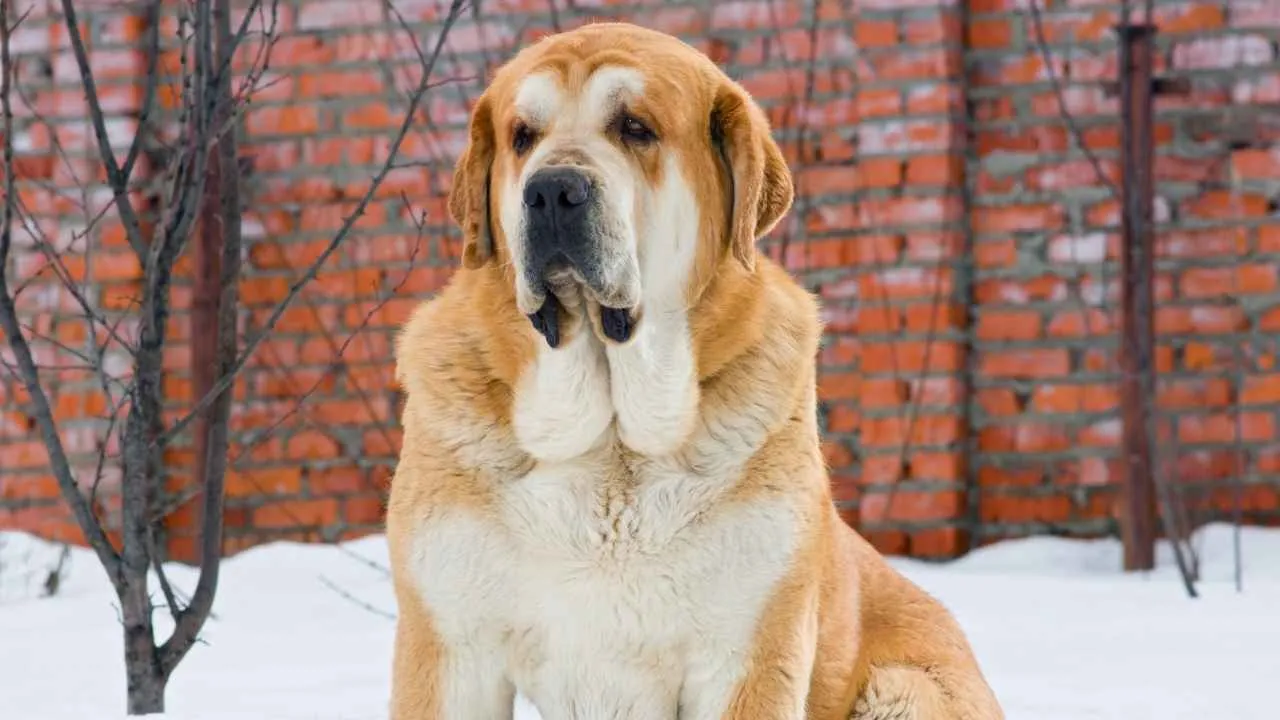
The Spanish Mastiff somehow manages to be enormous even by mastiff standards, yet plenty of dog lovers outside Spain have never encountered one. If your definition of a giant dog involves looking upward slightly while saying hello, congratulations, we have found your category.
This size developed for practical reasons rather than aesthetic drama. Spanish Mastiffs accompanied livestock and protected wandering or settled herds while also guarding farms, people, and property, roles that demanded enough courage to confront dangerous predators across difficult terrain.
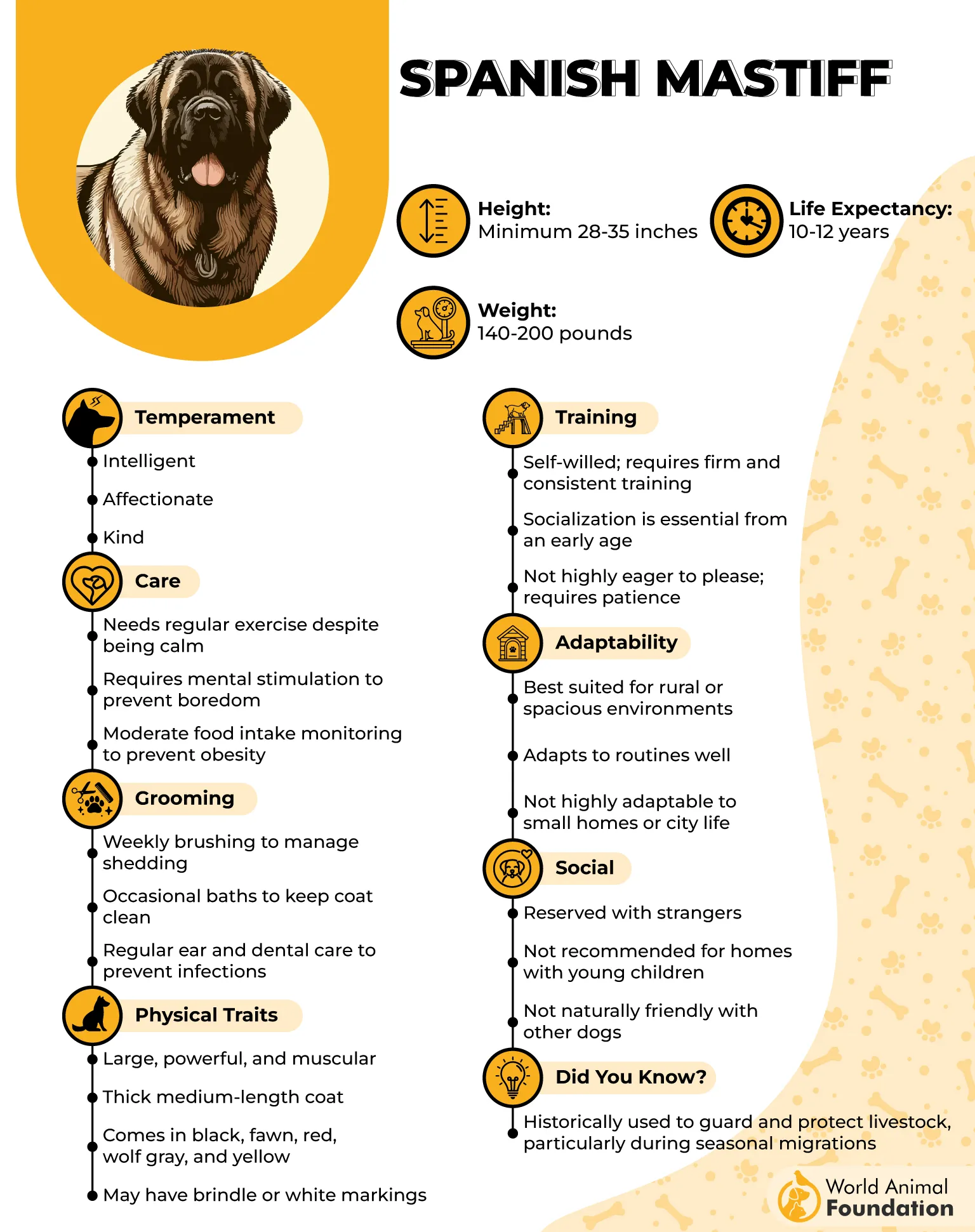
What makes the breed particularly charming is the contrast between power and temperament. This big dog breed is intelligent, rustic, affectionate, kind, and noble, and it also emphasizes its determination when facing threats or protecting livestock and farms.
Daily life with one requires owners to remember exactly how much dog is standing at the other end of the leash, says PetMD. Early manners, calm visitor routines, appropriate socialization, secure boundaries, and patient training become essential because an independent giant should never reach adulthood believing household rules are optional suggestions.
4. Estrela Mountain Dog
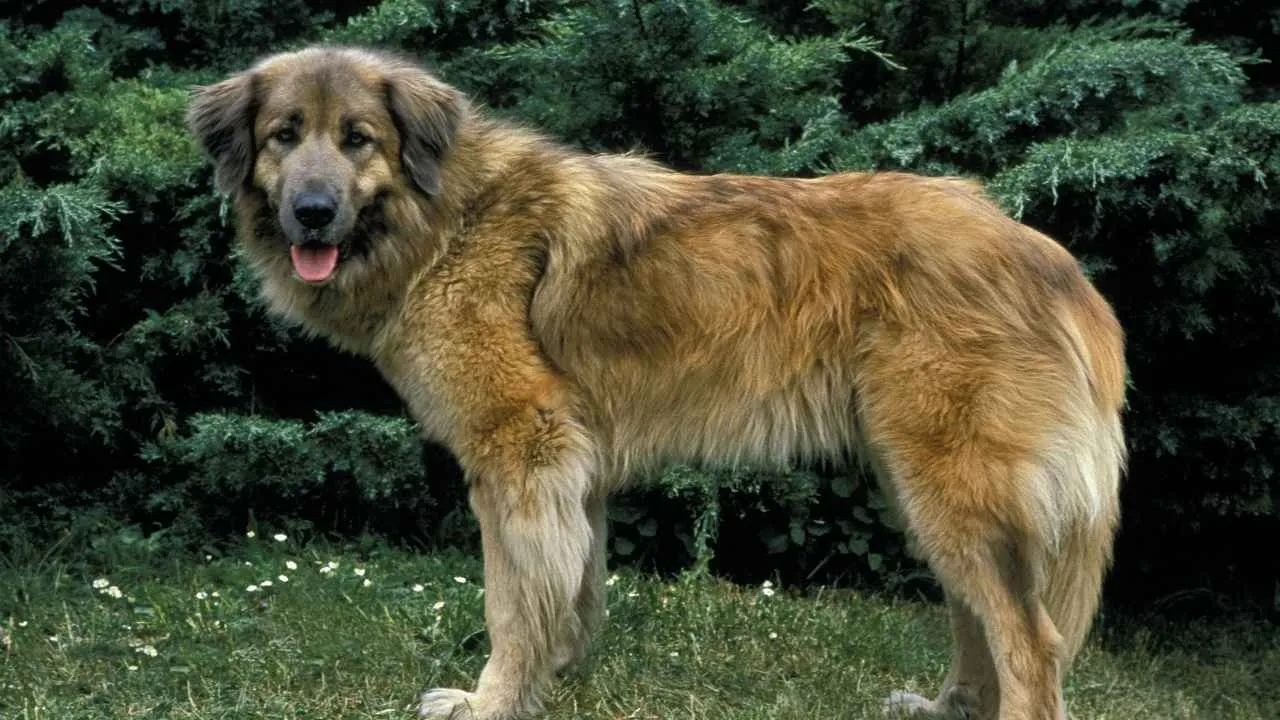
Portugal apparently decided one underrated giant guardian was not enough, because the Estrela Mountain Dog is another breed that deserves far more global hype. It developed in the Serra da Estrela mountains and is considered one of the ancient dog breeds of the Iberian Peninsula.
Unlike some giants whose personalities are heavily centered on guarding alone, the Estrela is known for livestock guarding, watchdog duties, companionship, and even draft work among its historical functions.
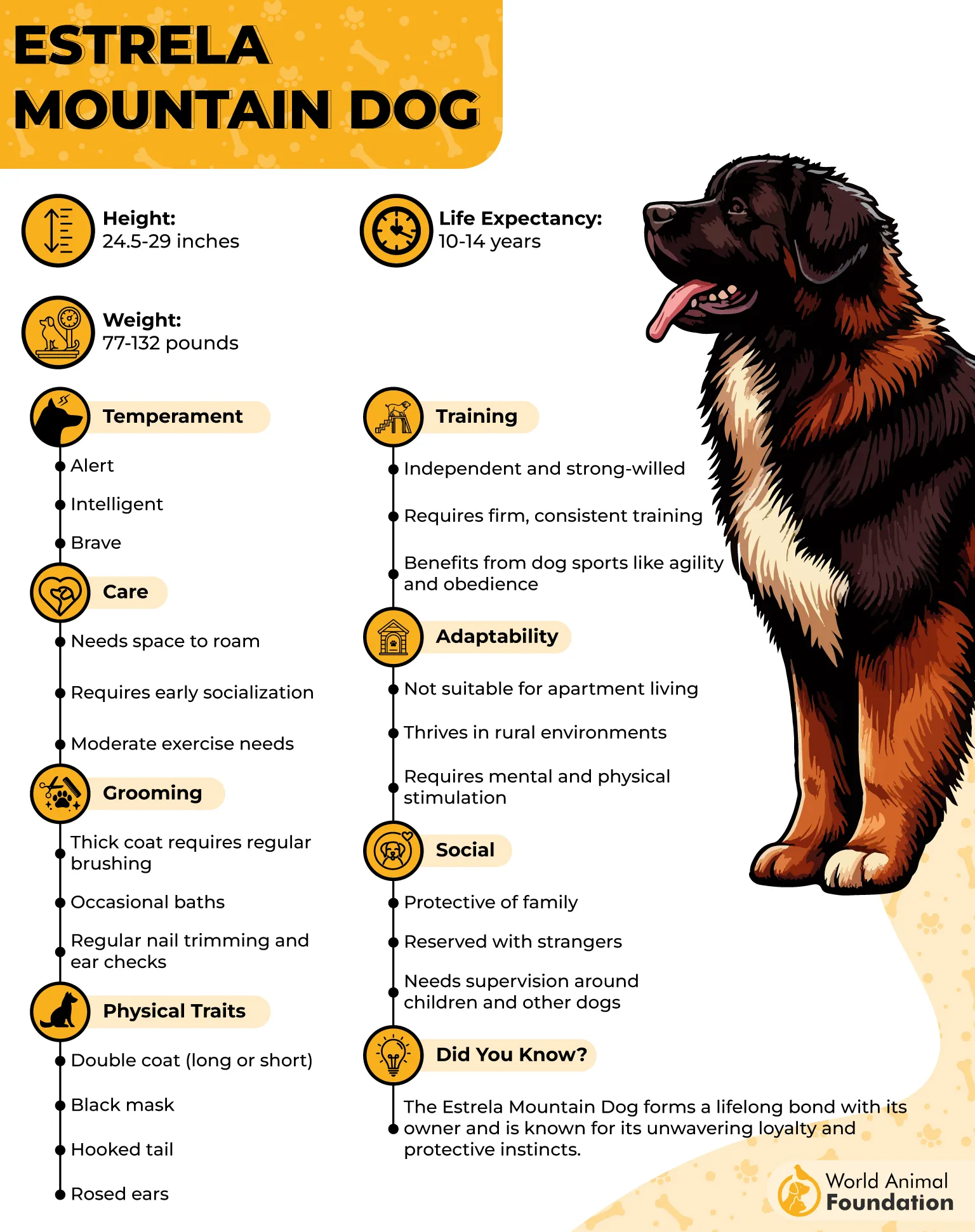
Its temperament provides one of the strongest arguments for why more dog enthusiasts should learn the name. These excellent companions are loyal and protective toward their owners, aloof with outsiders, intelligent, alert, self-willed yet trainable, and strongly attached to family and children.
These mountain dogs are genuinely substantial, and both long-haired and short-haired varieties exist, which is another fun fact many people miss because the fluffy version tends to steal most of the visual attention.
5. Pyrenean Mastiff
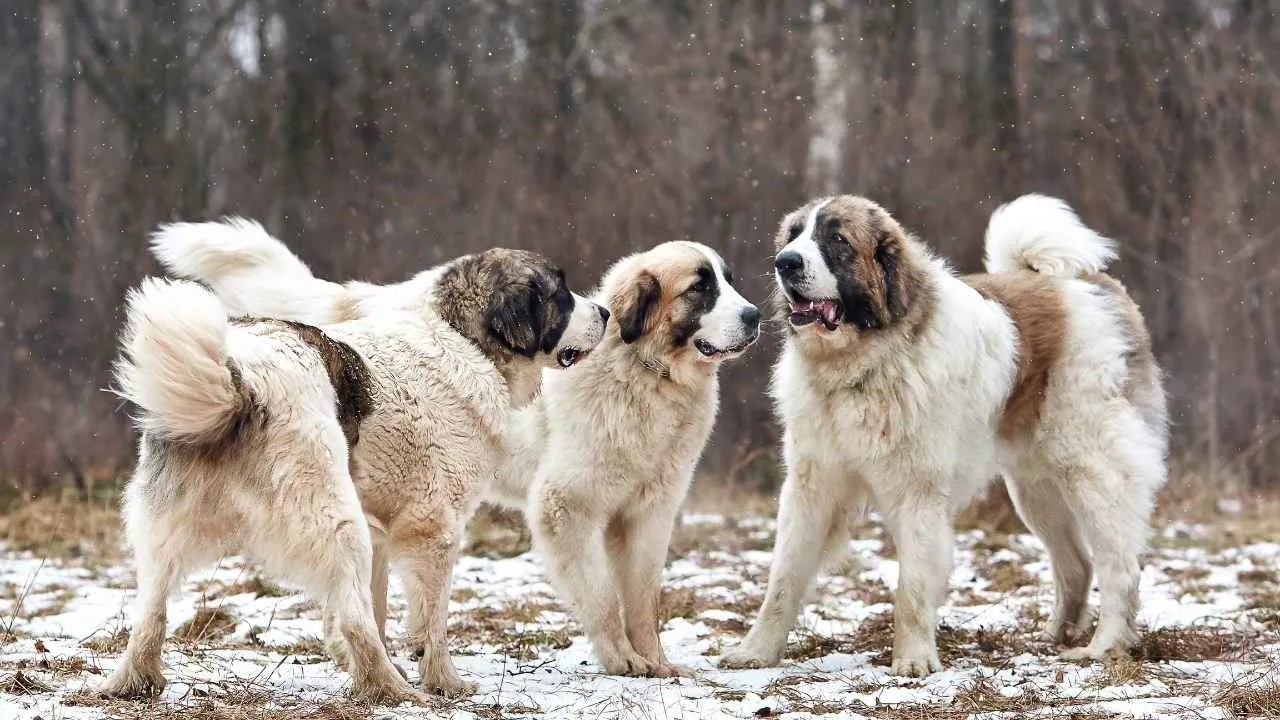
Originating in Spain, the Pyrenean Mastiff traditionally protected livestock against predators including wolves and bears and is suited to guarding country properties.
They are friendly toward humans, calm, noble, very intelligent, courageous, and confident with strangers, and generally good-natured toward other dogs. That emotional contrast—gentle household giant versus serious working guardian—is exactly where much of the breed’s charm lives.
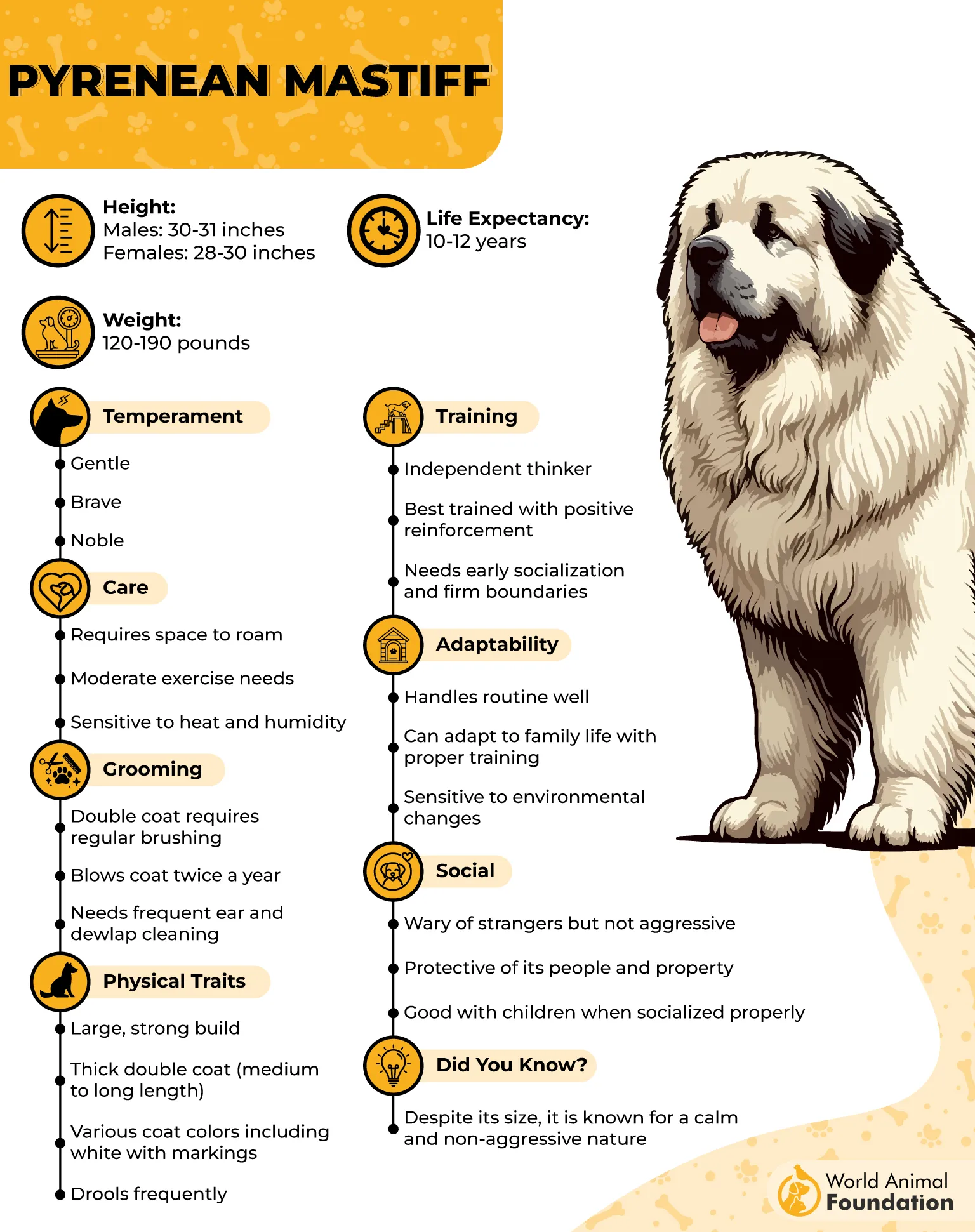
Even the bark has main-character energy. It has a deep voice coming from the chest, which makes perfect sense when you consider that livestock guardians often needed to discourage predators before physical confrontation became necessary.
Its relative obscurity may partly result from the decline of traditional predator-control work during the twentieth century. As large predators declined by the 1940s, demand for Pyrenean Mastiffs also dropped, contributing to the breed becoming much less common.
Omlet notes that this enormous, calm, ancient livestock defender remains unknown to many giant-dog fans, making it one of the true hidden treasures on this list.
6. Caucasian Shepherd Dog
The Caucasian Shepherd Dog is not merely big; it looks like somebody gave a mountain its own security department. These ancient dogs of the Caucasus region historically guarded herds, flocks, and dwellings against predators across harsh landscapes
Its traditional work demanded qualities that sound almost as if someone were designing a canine fortress. This large dog breed is steady, active, self-confident, fearless, and independent, while emphasizing strong devotion to its master and exceptional guarding ability.
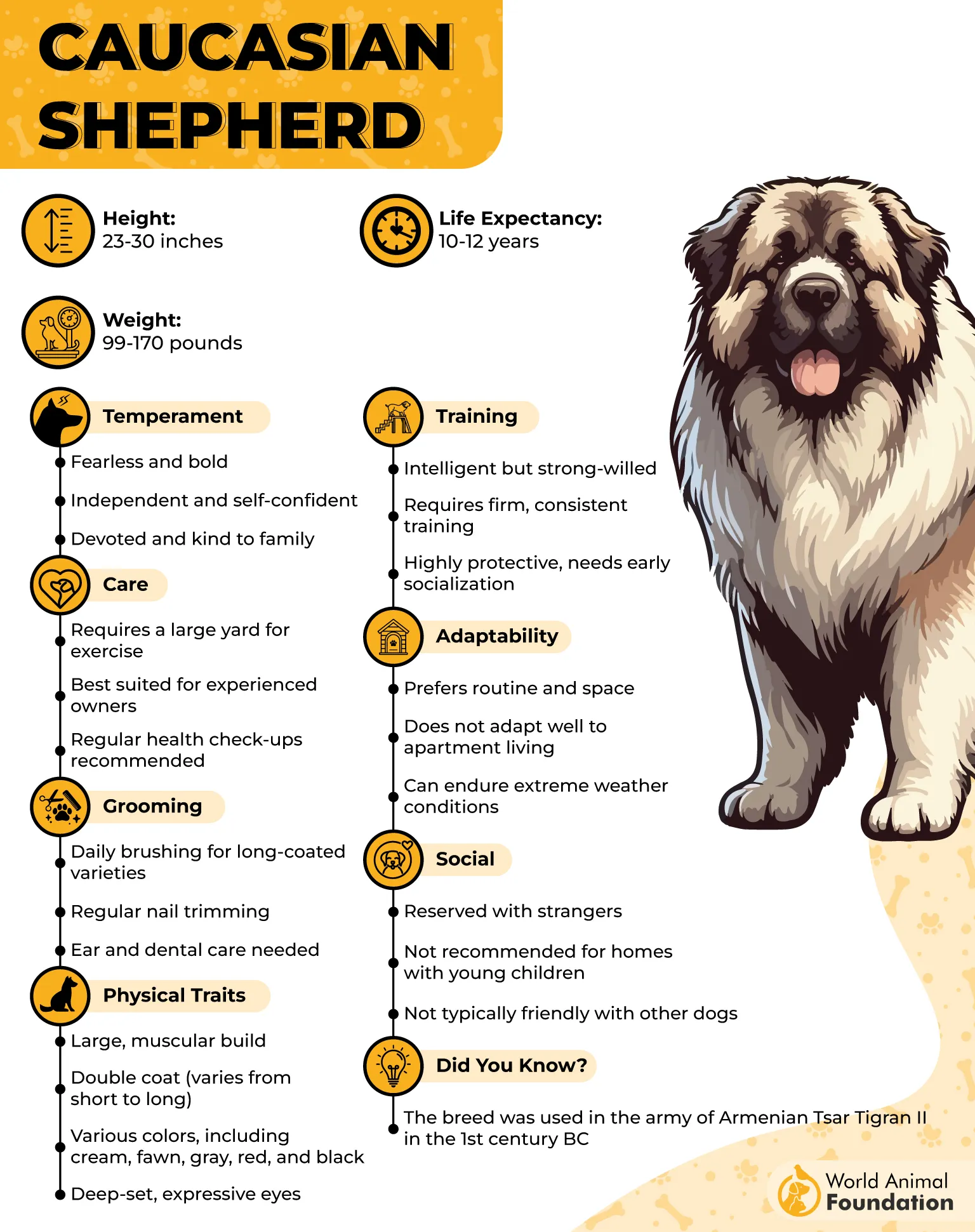
Around trusted people, devotion can run incredibly deep, which is why owners often become so passionate about the breed. That loyalty should never be romanticized by pretending this dog with a gentle nature is an easy, oversized teddy bear, because a fearless, independent guardian needs exceptional socialization and management throughout life.
Its relatively limited mainstream popularity is probably a blessing because the breed’s specialized temperament deserves thoughtful ownership rather than trend status.
7. Greater Swiss Mountain Dog
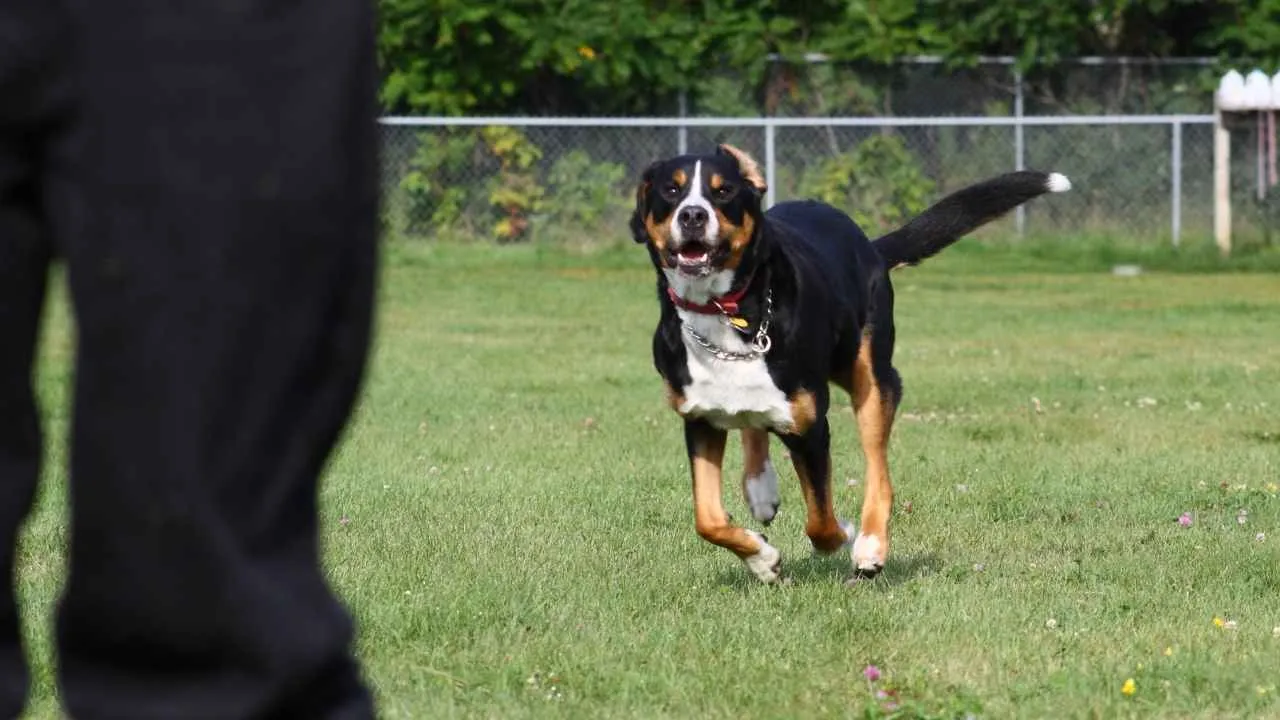
The Greater Swiss Mountain Dog is arguably the most recognizable dog on this list. Known affectionately as the “Swissy,” this giant tri-colored worker served Swiss farms as a drover, draft dog, watchdog, and general-purpose companion.
Ironically, these mountain dogs were once so widespread that they were extremely common working dogs in central Europe. Mechanization reduced the need for draft dogs; their numbers crashed around the beginning of the twentieth century, and only about 350–400 dogs remained by 1945.
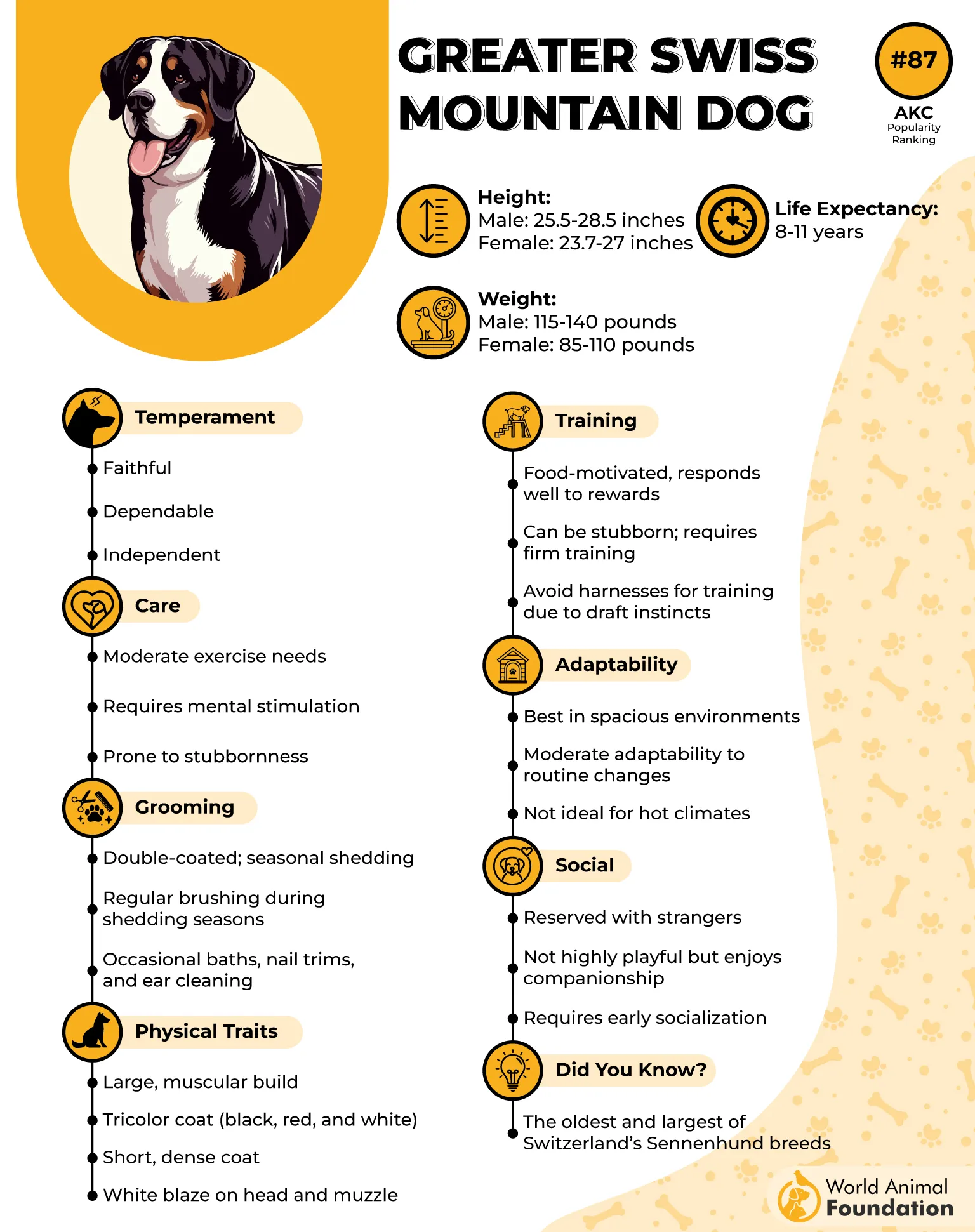
Their personality is a huge part of the charm. It is enthusiastic, happy, dependable, faithful, and strongly people-oriented, which is a softer social energy than you get from several independent livestock guardians above.
An average Swissy can pull around 3,000 pounds or more, and there is a wheeled competition record exceeding 4,800 pounds. Suddenly that moment when your puppy pulls the leash toward another dog feels significantly more worthy of training.
Conclusion
The dog world is much bigger than the handful of giant breeds we see constantly online. Each one proves that “rarely discussed” and “unremarkable” are absolutely not the same thing. These are not giant breeds trying to be everybody’s best friend—they were shaped to know exactly who and what belonged to them.
Irish Wolfhound, Tibetan Mastiff, Great Pyrenees, French Mastiff, Neapolitan Mastiff, and Great Pyrenees are some other dogs with intimidating appearances.
None of these breeds should be chosen simply because they’re rare and feel cool. Several require extensive space, socialization, secure fencing, confident handling, and owners who understand that an independent 120-pound guardian has very different needs from an easygoing family retriever. Being obsessed with the aesthetic is not the same thing as being equipped for the lifestyle.
