




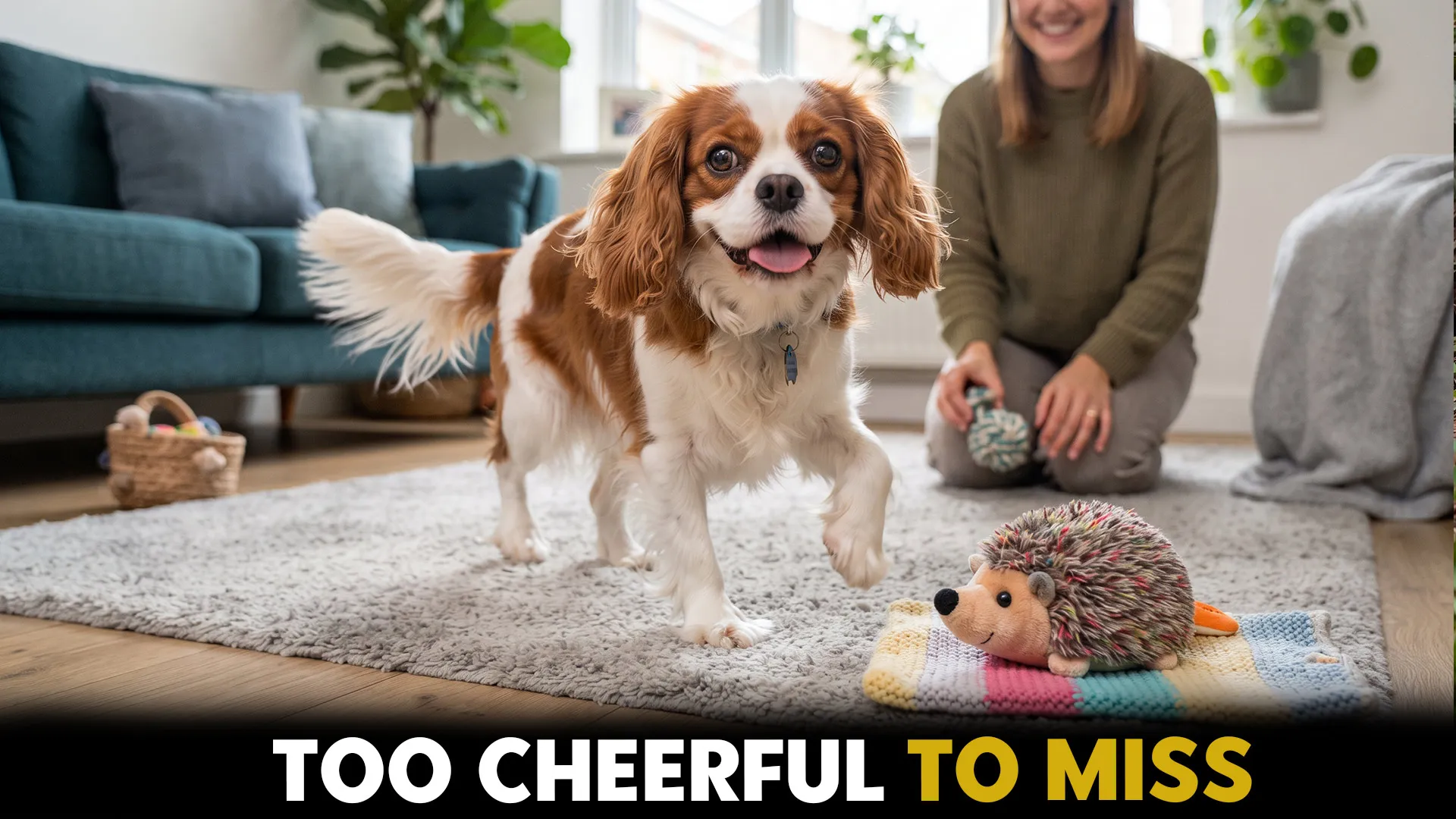
A small dog could be the perfect pet for someone who wants an active dog. Small does not mean lazy, quiet, and happy to sit around all day. Lots of small breeds are fast, inquisitive, sociable, and want to communicate with their owners.
Toy breeds are highly diverse in their personalities and may also be surprisingly energetic considering their size.
Different breeds of animals might also be different in play. A single dog can be fond of ball-chasing, while other dogs might like to learn tricks, play games with their owners, or explore different living environments.
It is a difference to think about prior to deciding on a breed. Read on to learn more about these breeds, including their physical and mental stimulation needs, whether they require regular grooming, and more.
Top Cheerful Small Dog Breeds That Love to Play
1. Pomeranian
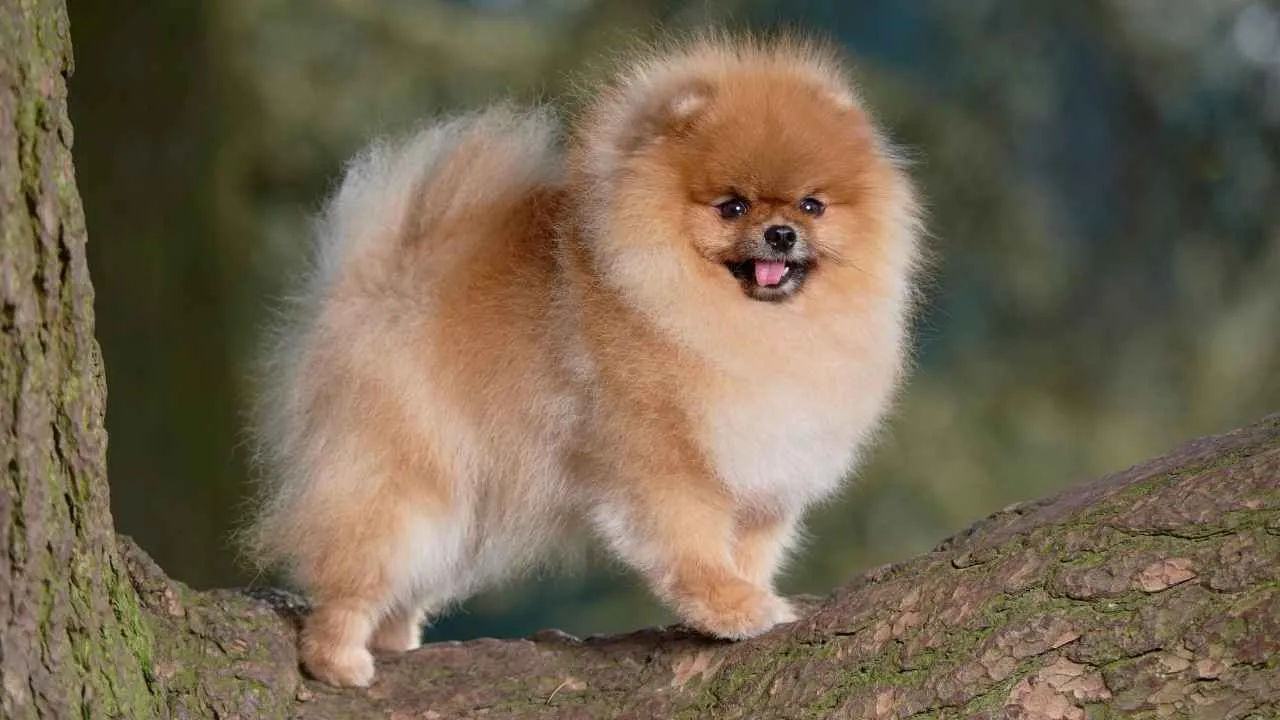
Pomeranians are entertaining dogs; the sound of the door, some novel toy, or something going on out of the window can instantly be a matter of interest.
They tend to have spurts of activity. Rather than having to anticipate a single lengthy exercise time, owners can play a few quick games throughout the day.
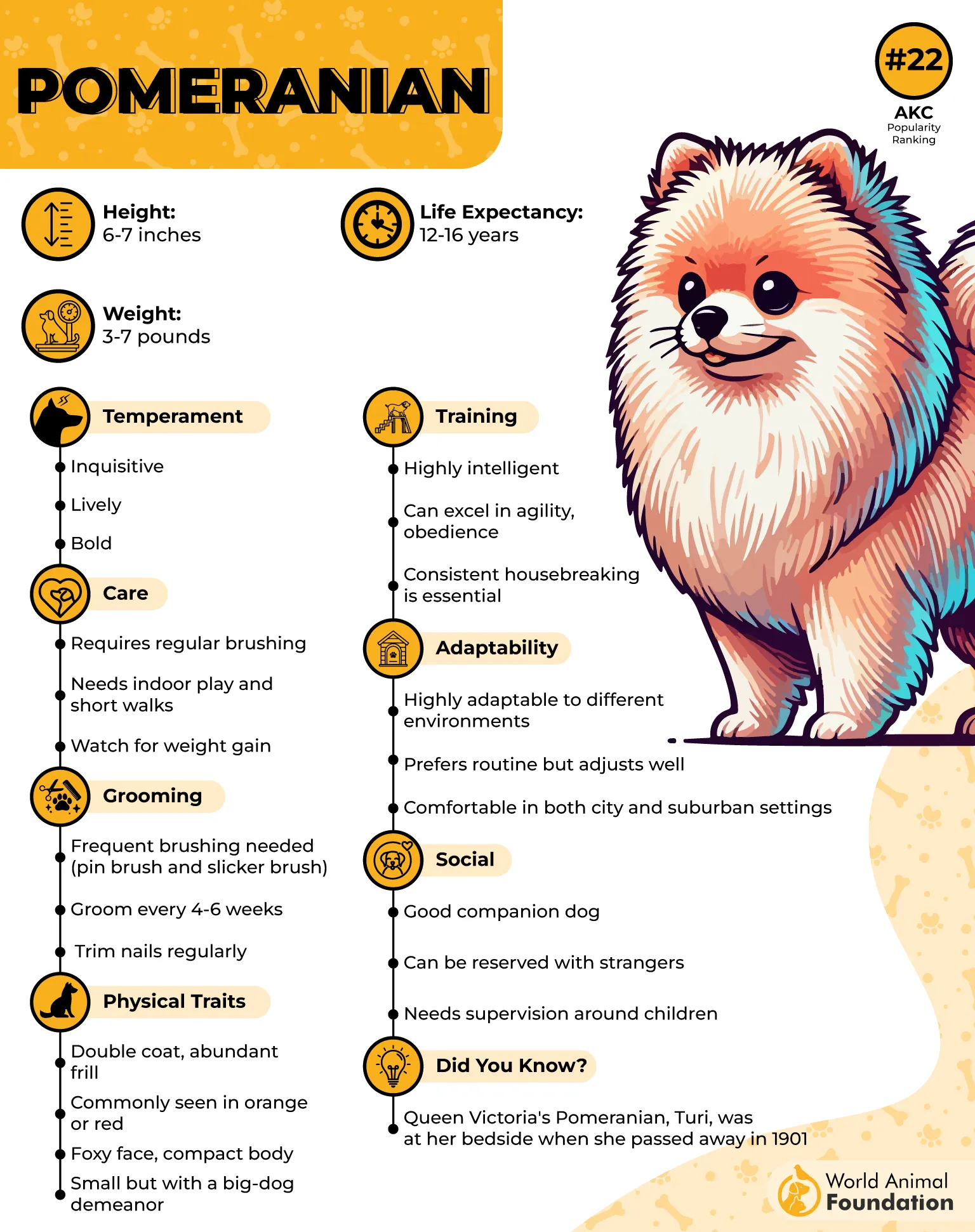
Called confident by Orvis, another good outlet for this breed is consistent training. Pomeranians may be taught tricks to spin, touch a hand, or pick a toy.
These activities provide the breed with an object to focus on as opposed to just burning off energy.
Part of their attractiveness is that they have a thick coat, though it also implies that grooming needs should be part of the routine. Frequent brushing enables them to control the dense undercoat.
2. Yorkshire Terrier
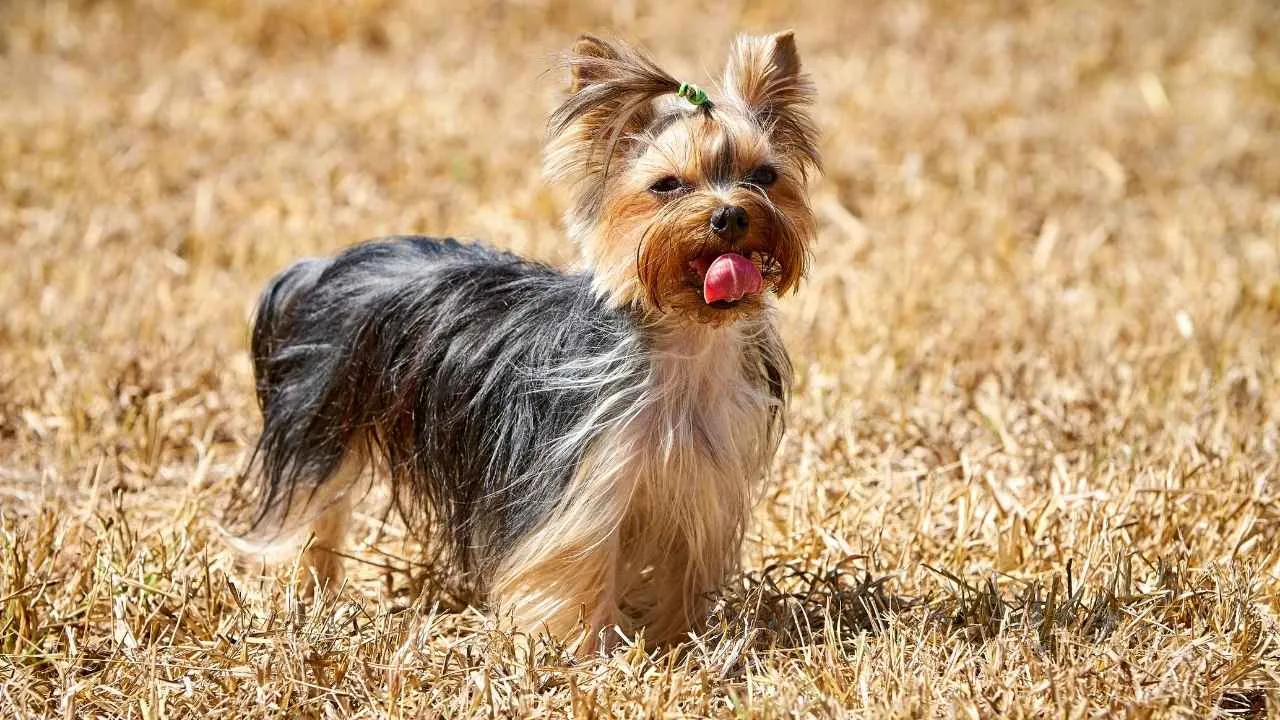
The Yorkshire Terrier has a very playful temperament; this is right out of the Terrier origin.
Originally bred to be rat hunters in mills and other industrial places, their history is still reflected in their character today. A toy, which is small and pulled on the floor, can turn into a serious hunt mission.
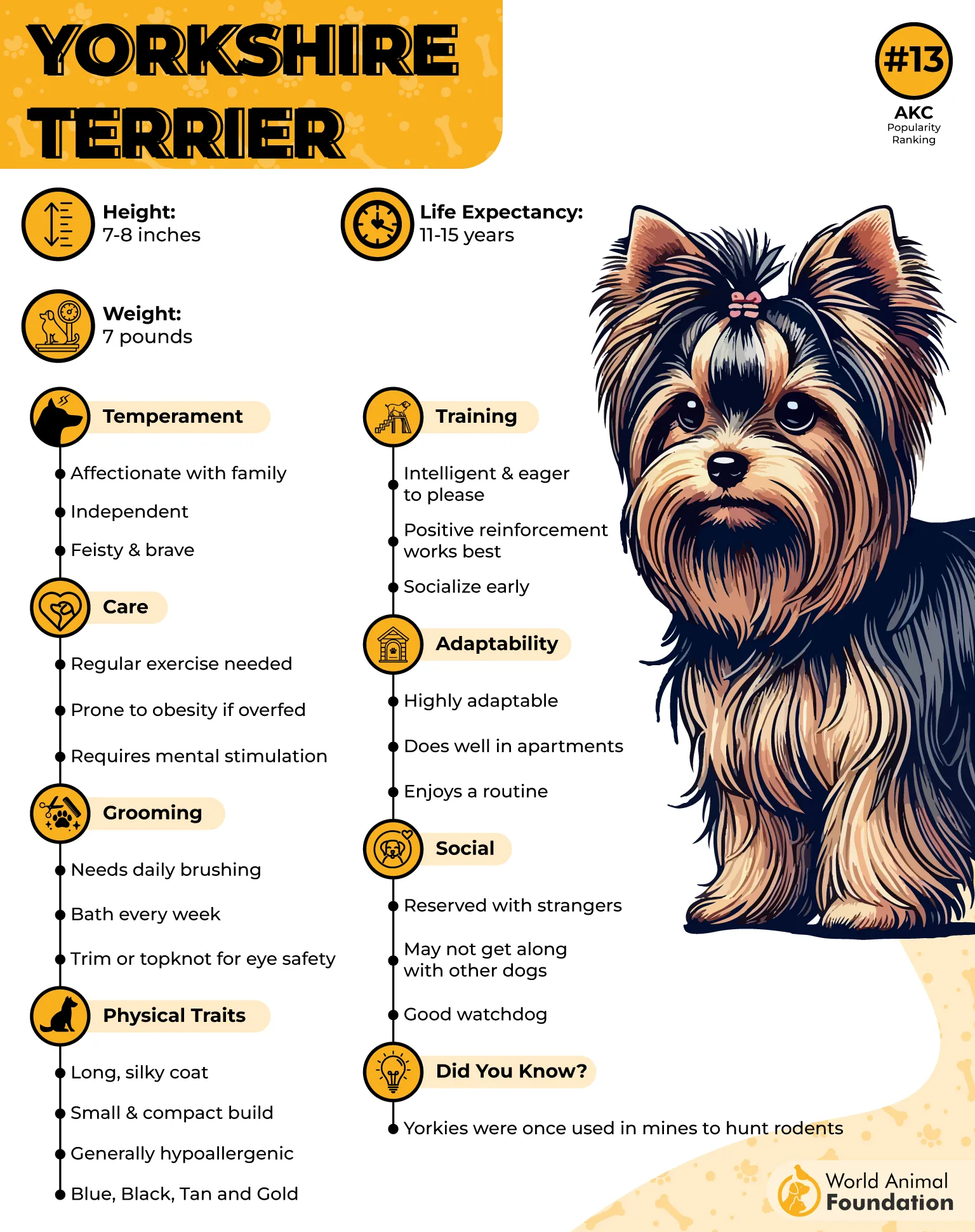
This renders scent games especially intriguing. Place one of your favorite toys somewhere safe and get the dog to go and find it. It makes a regular play a problem-solving activity.
Their well-known silky coat needs frequent attention. Individual owners who are not interested in owning a long coat may opt to have a shorter trim.
The greatest error is to think a Yorkie does not require any limits due to its small size. Terriers are still in need of training, socialization, and ways to release their instincts.
3. Brussels Griffon
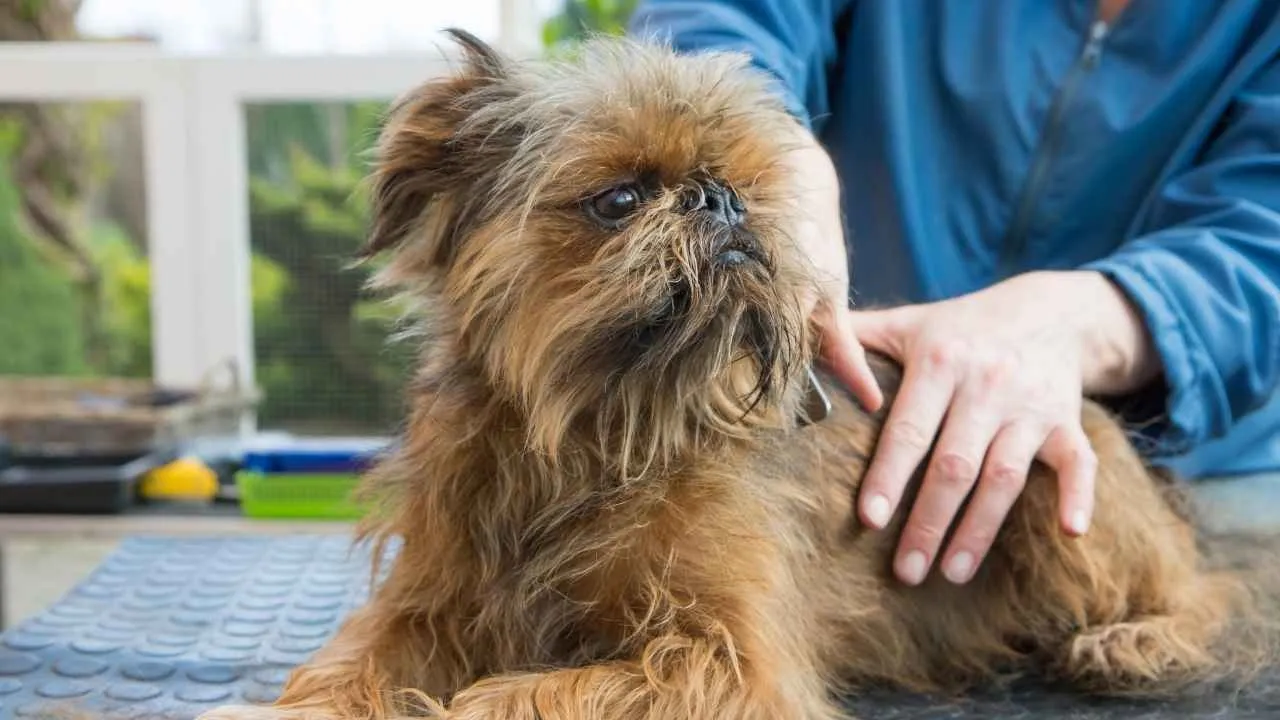
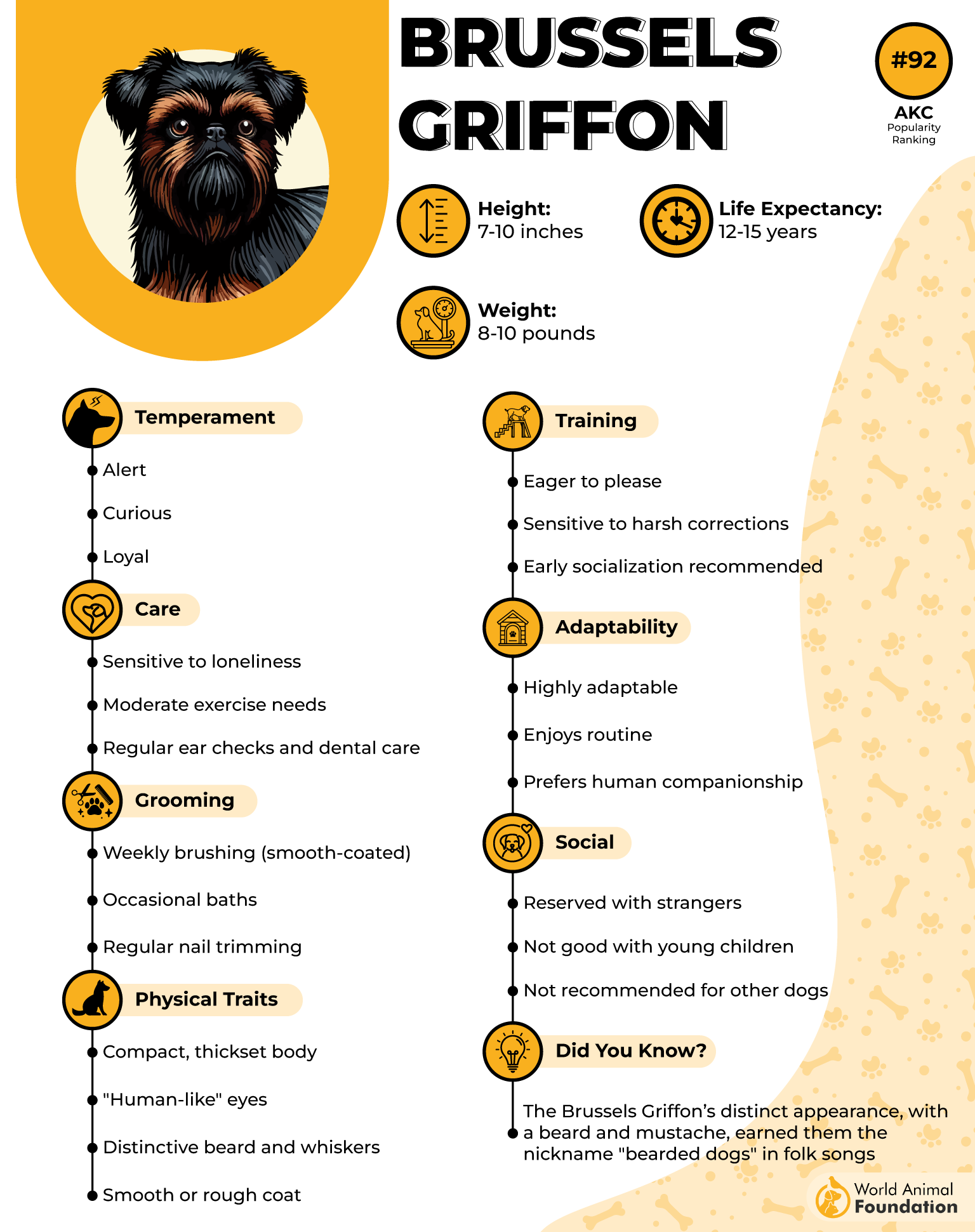
The Brussels Griffon possesses a strange sensitivity, curiosity, and personality.
It was not initially bred as a lapdog that is pampered. The history of the breed as a rat catcher dates back to Brussels, when the breed was employed to work as a rat catcher, and then it became a companion.
A Brussels Griffon can play games that require search, chase, and play directly with the owner.
The game of hide-and-seek with a toy can be more rewarding than throwing the same object over and over again.
They are also a unique breed in terms of their appearance. The type of coat influences the level of maintenance necessary, and therefore, potential owners need to take into consideration the grooming before deciding on a particular type of coat.
4. Maltese
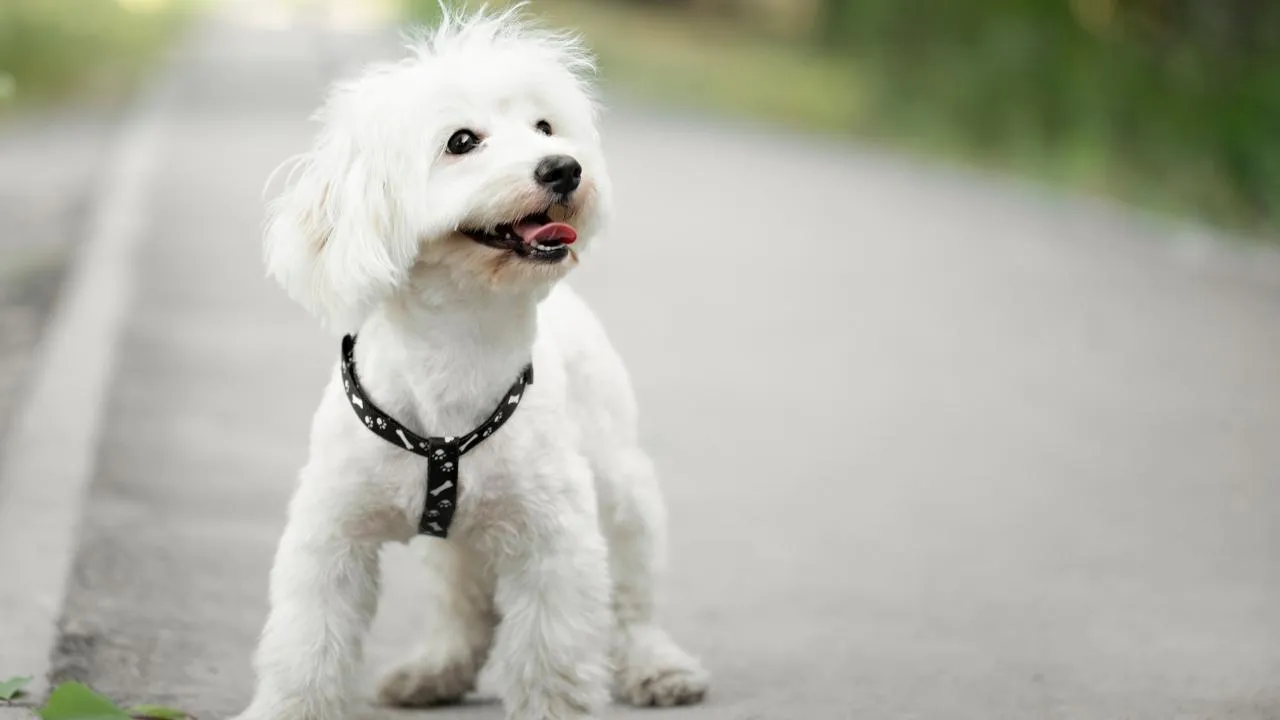
The Maltese might appear to be the kind of pet that should be on a lap only, yet it can be rather playful.
It has a long history as a companion dog, so the human companionship becomes particularly essential. The games are usually most effective when the owner is involved with these lap dogs.
Take a brief indoor game of fetch, or have the dog learn to bring a toy back. Simple tricks may also be introduced with the help of treats.
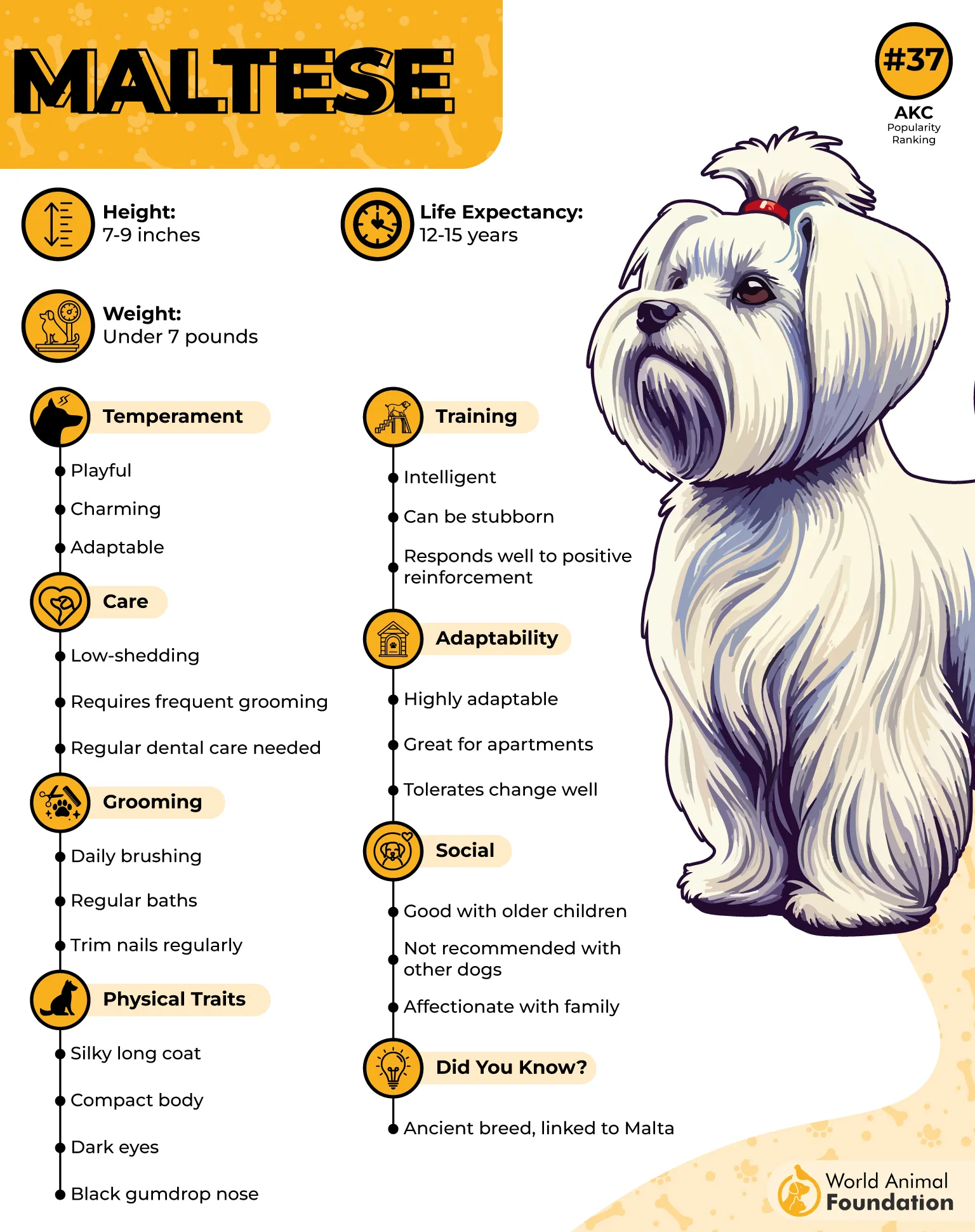
The Maltese can be particularly helpful in households where there is little space outdoors. Short spurts of play can be facilitated by a hallway, a living room, or a closed space.
Its small size does not imply that its white coat should be ignored. Without frequent brushing, long hair is able to tangle easily.
The small stature of the breed also demands reasonable play. Do not play games that promote jumping on the furniture.
5. Havanese
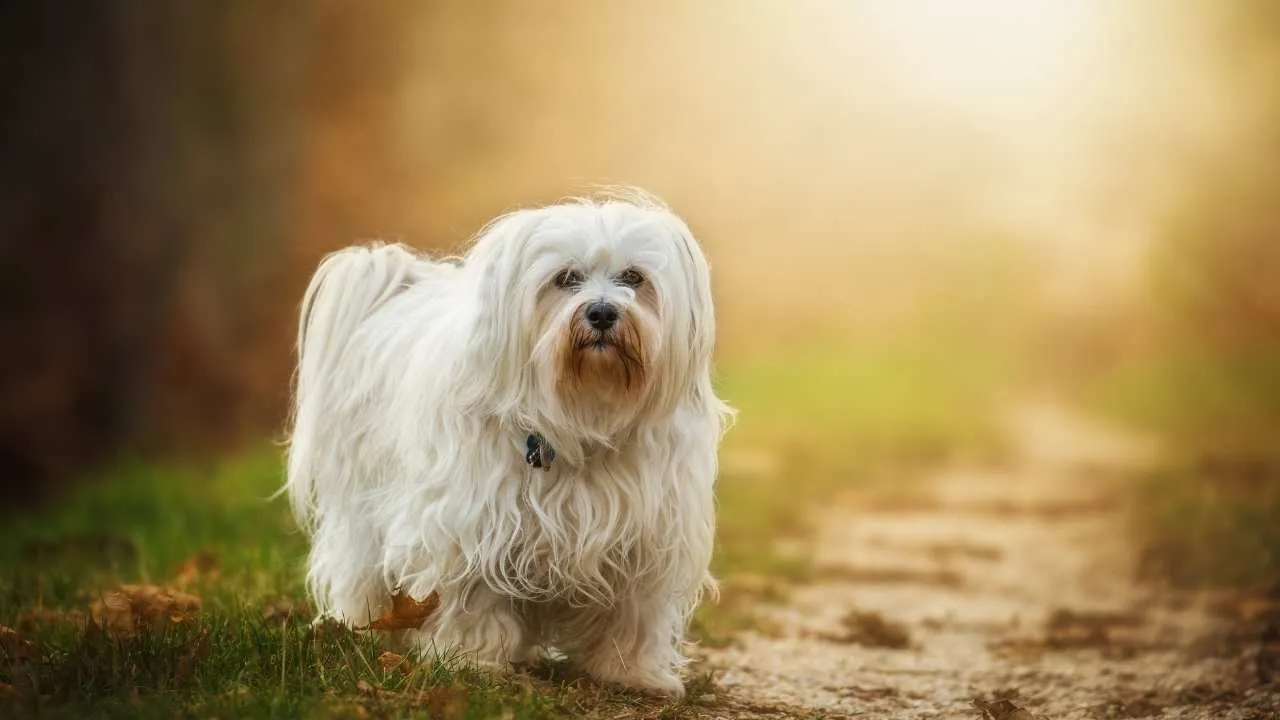
Called cheerful little dogs by the American Kennel Club, the Havanese has a highly social manner of play.
It is a breed that was born in Cuba and is characterized as easy to train and adaptable. It is a spirited companion that can be involved in activities such as agility and rally.
The Havanese is versatile, meaning that the owners do not have to do the same activity every day.
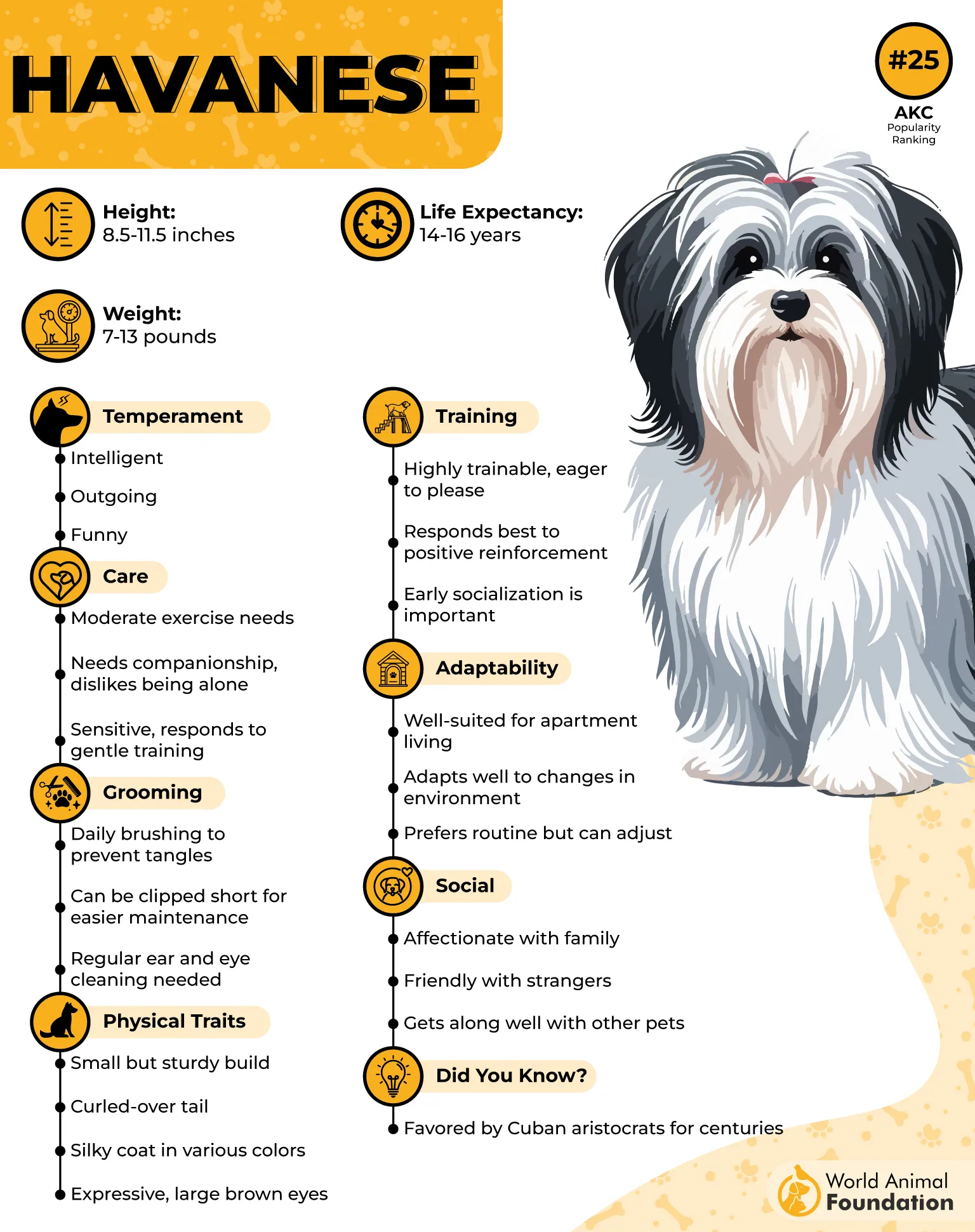
Havanese dogs tend to be involved in whatever their owners are doing. Interactive games are particularly useful.
Their silky coat can be very long and requires frequent brushing. Gradual introduction of grooming should also be observed by owners to ensure that grooming is not a fight.
6. Cavalier King Charles Spaniel
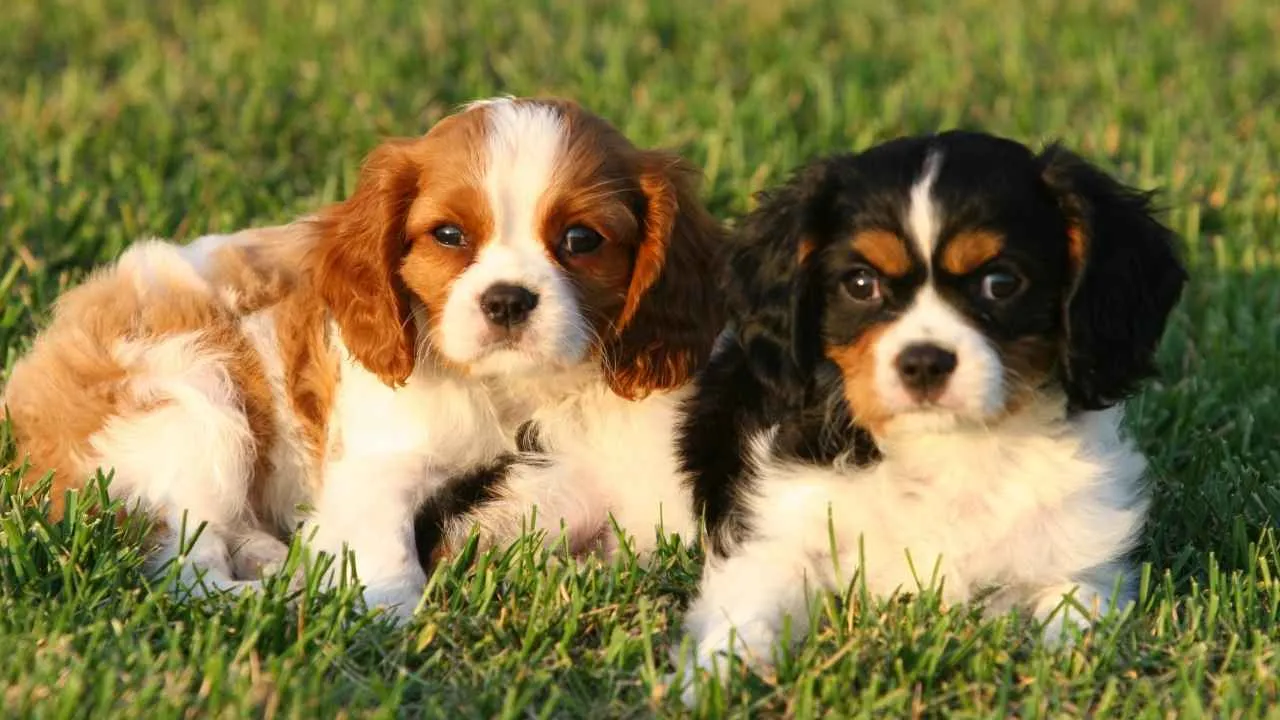
The Cavalier King Charles Spaniel is a good example of a breed that does not require an extreme exercise regimen.
Retrieving games are frequently liked by them. A small living room or garden can be transformed into a mini playground with a soft ball or toy.
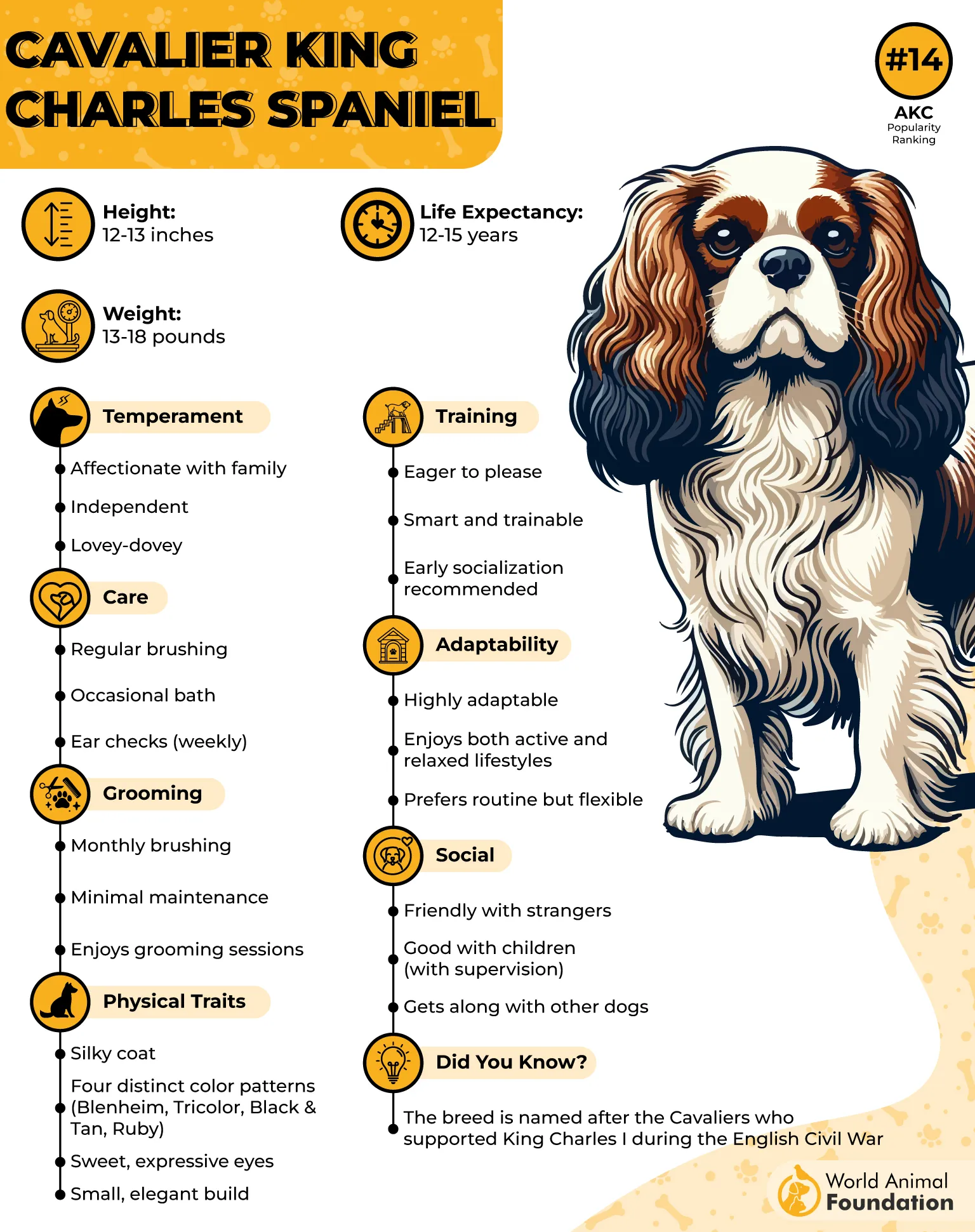
They also have an interest in movement and exploration due to their spaniel background. Walking around sniffing can be as good as walking long distances.
Cavaliers like to remain in touch with their people. Training may thus be made a social affair as opposed to being an exercise of obedience.
Their plumaged ears are worthy of special remark. The ears may become dirty and wet, particularly after spending time outdoors.
7. Boston Terrier
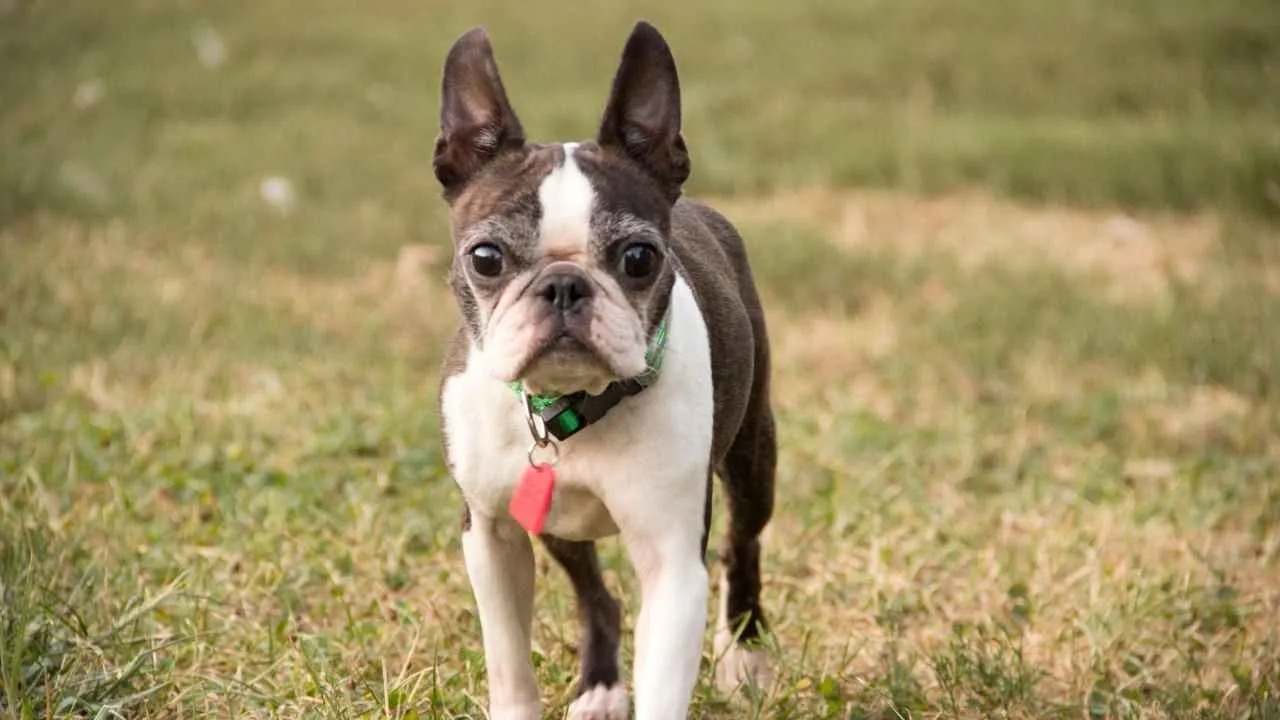
Boston Terriers are known to be entertaining, and in most cases, the way they play reflects this.
Known as the American Gentleman, this breed gets overly excited about toys, games, and communication. A brief chase may result in a total home affair.
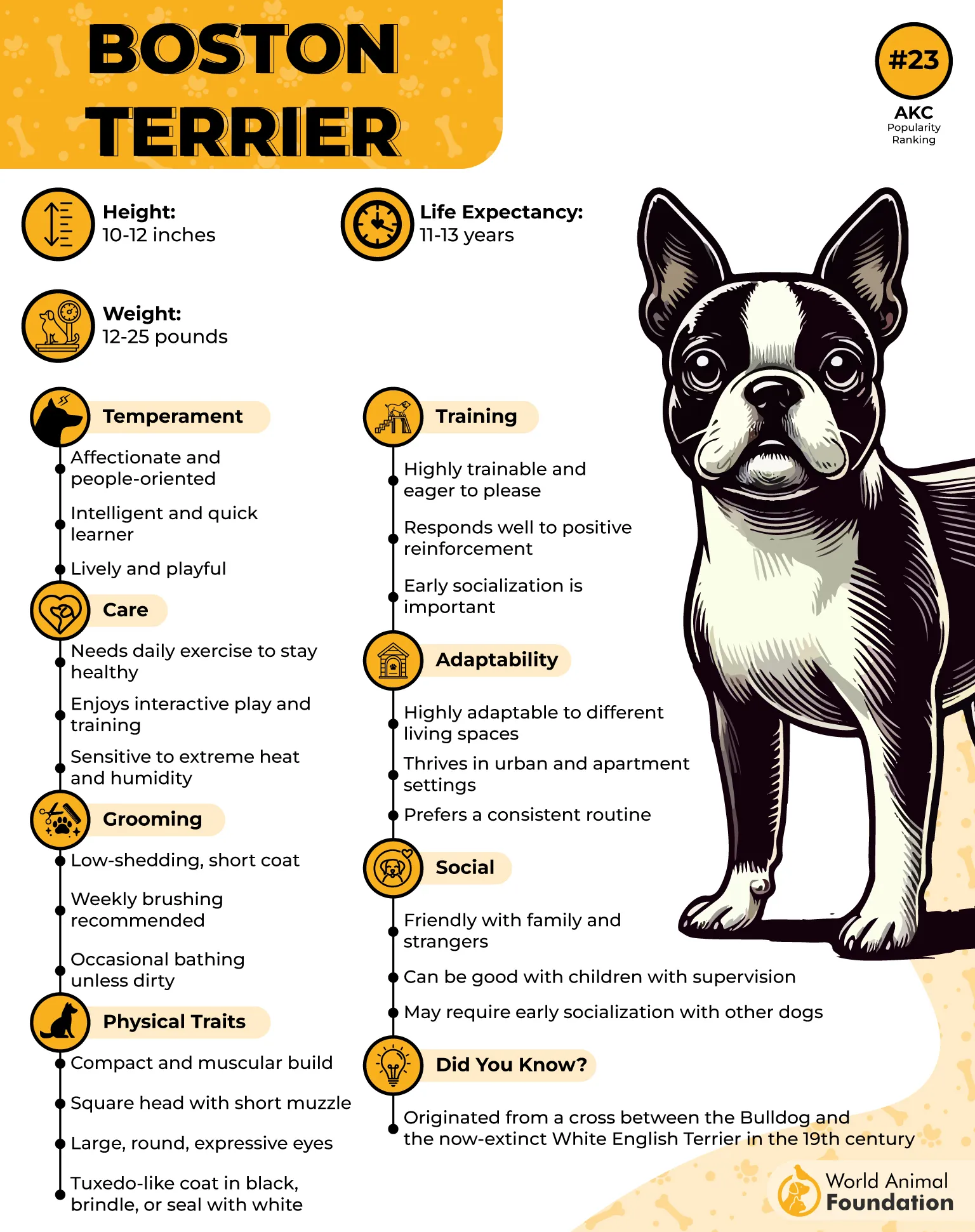
Their short muzzle will require their owners to be more keen on strenuous activity during humid or hot weather. A few moderate sessions are usually more reasonable than trying to push to the extreme.
Indoor obstacle games can also be enjoyed by Boston Terriers. Safe, low objects should be used that do not necessitate high jumps to move.
They have a smooth coat and can be easily maintained. That gives owners less grooming work and time to spend.
8. Toy Poodle
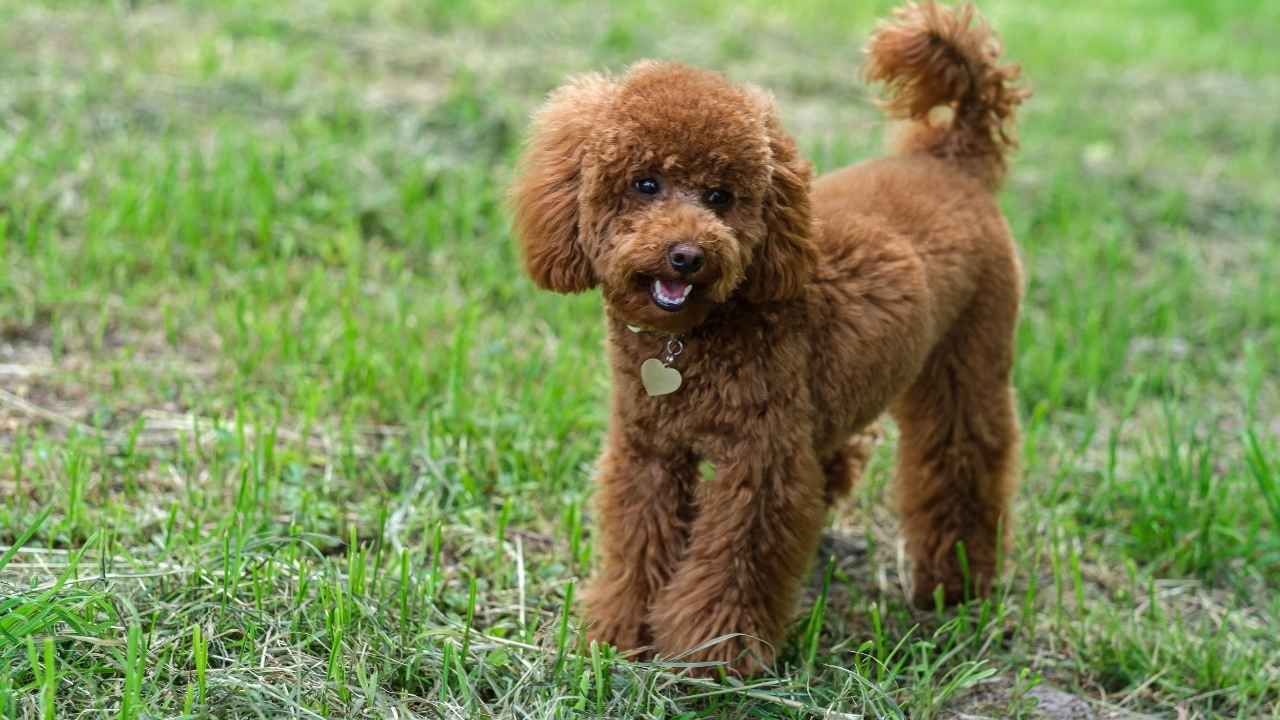
Called the smartest dog breed by PetMD, the Toy Poodle can be adopted by people who think that play must involve the brain as much as the body.
Poodles are working animals which are orginated as water retrievers. The Toy breed was later an accomplice dog, but its smartness was a significant attribute.
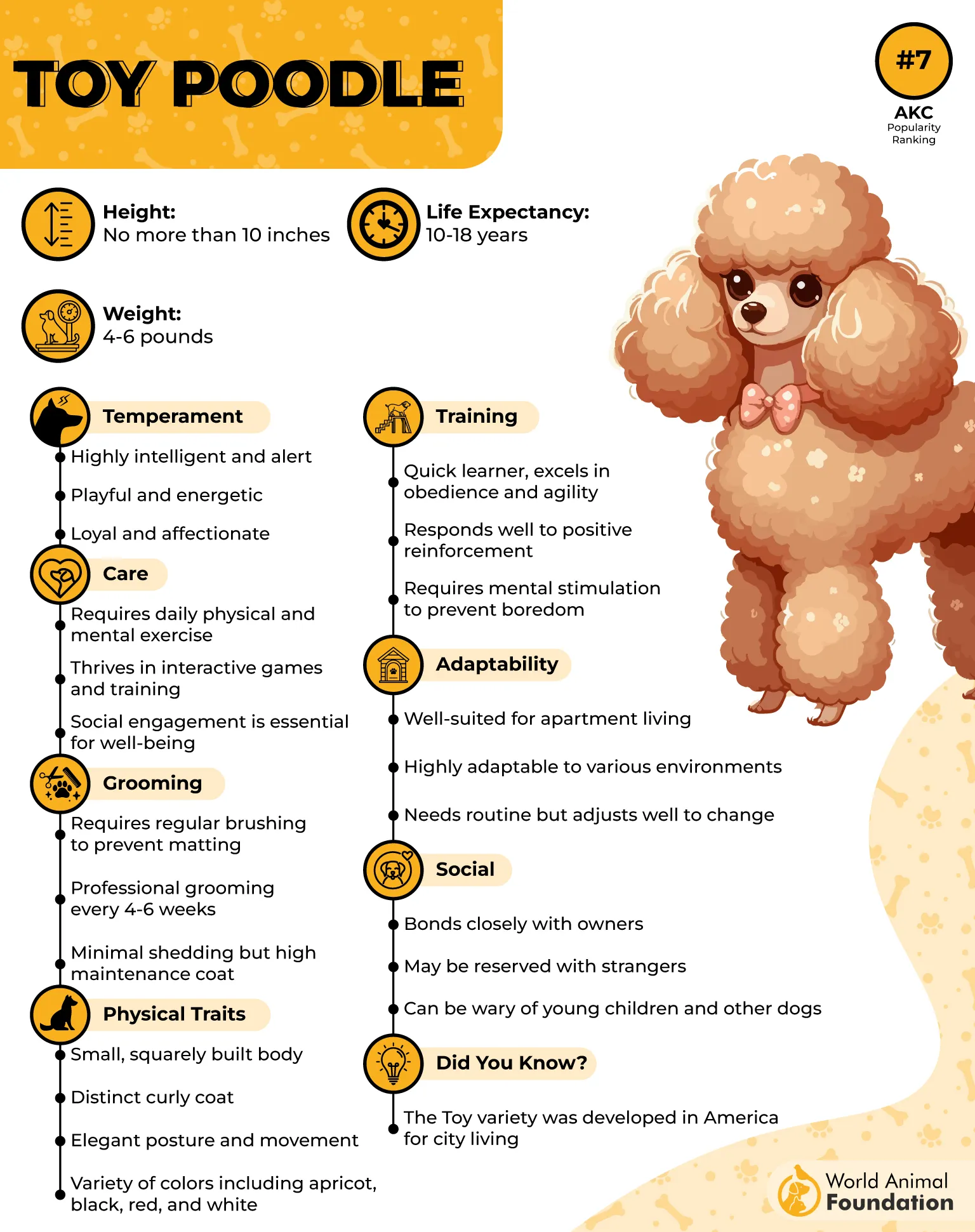
That is why repetitive games are not as interesting compared to challenging activities.
This breed is perfect for active families. Toy Poodles are quick to pick up household routines; this can prove convenient, but it also implies that they can adopt habits that you had not intended to impart.
Their curly coat needs to be groomed. It is important to prevent tangles from forming near the skin, which should be brushed regularly.
9. Bichon Frise
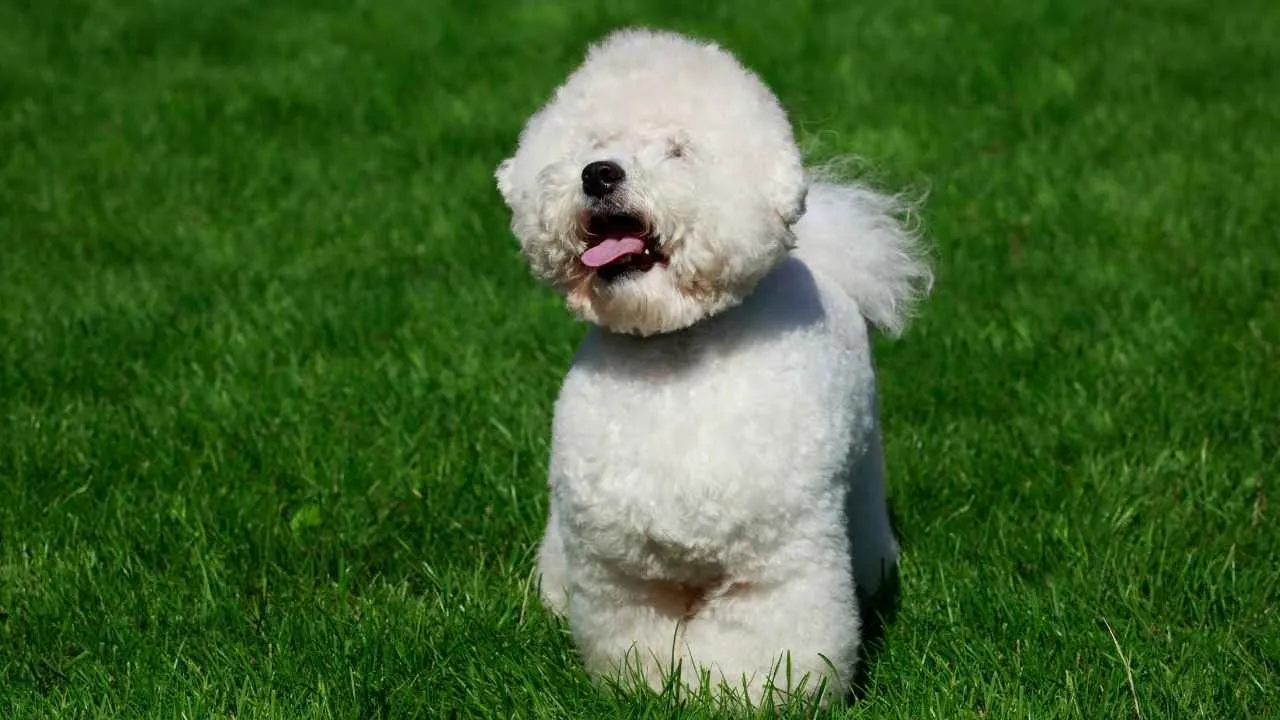
The Bichon Frise is a playful dog that can be engaged in interactive games.
Instead of solely using physical games, owners have an opportunity to play and train. Request a basic action in advance of throwing a toy or providing a reward.
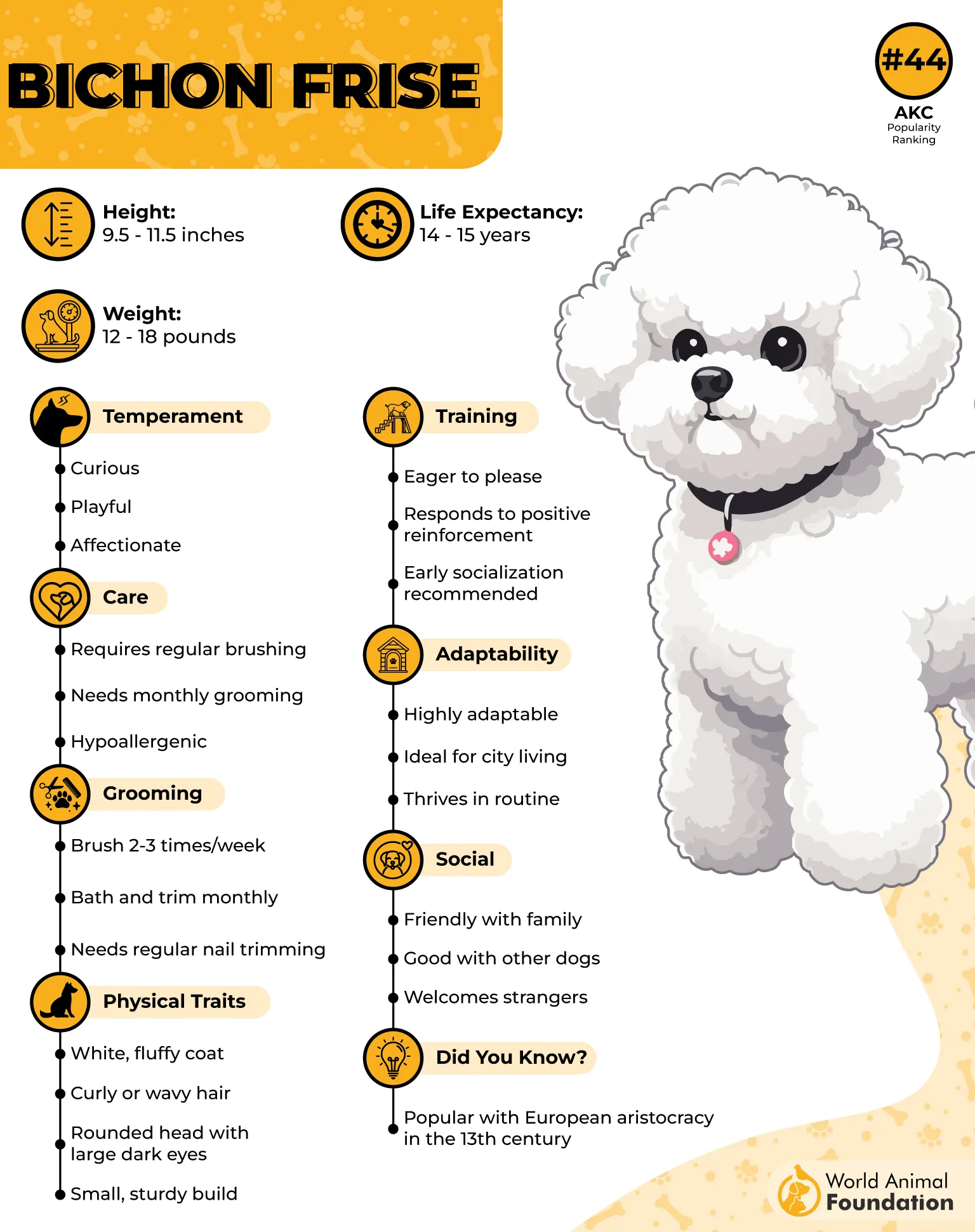
Bichons are also capable of indoor short-term games. In bad weather conditions, especially outdoors, a toy search comes in handy.
The friendly nature of the breed can make games with their family especially satisfying.
It is helpful to maintain play diversity. Alternate toys, training, search, and short walks rather than doing the same activity daily.
10. Papillon
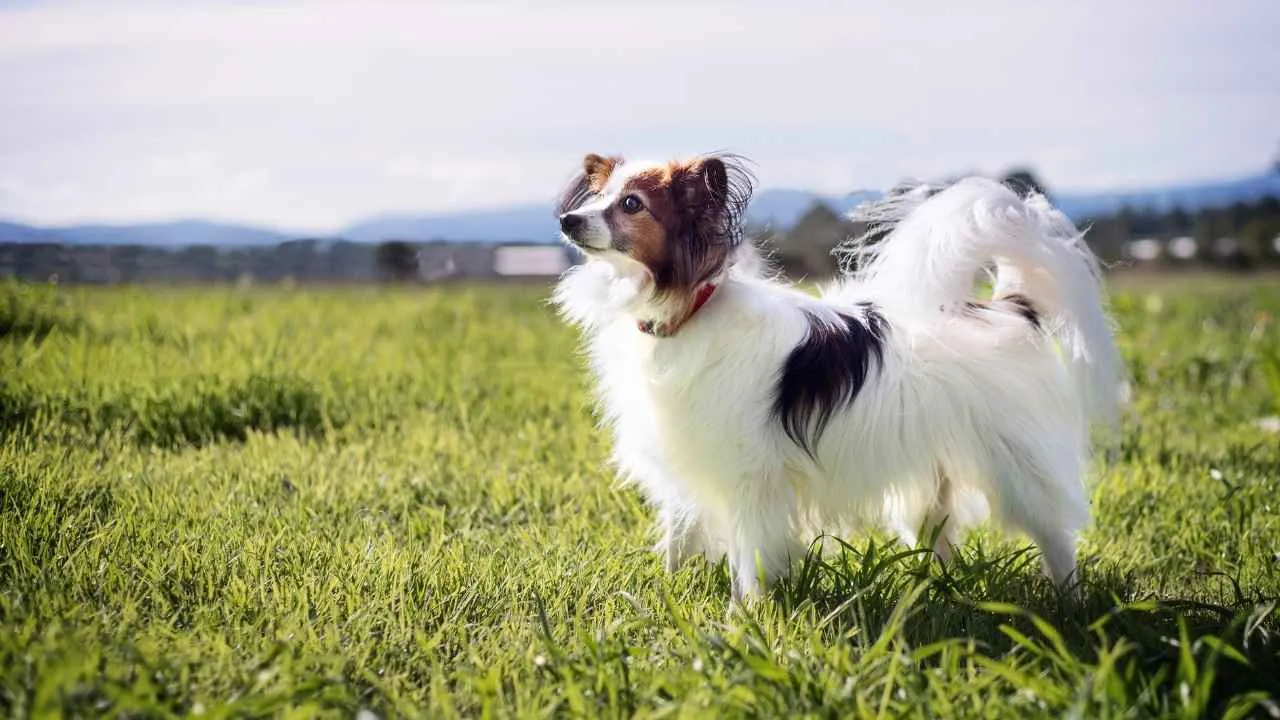
The Papillon can be regarded as one of the best representatives of small dogs that cannot be underestimated.
The breed is interesting due to its athletic prowess, but its butterfly-like ears are also a point of interest. Remember to keep things in proportion to the dog.
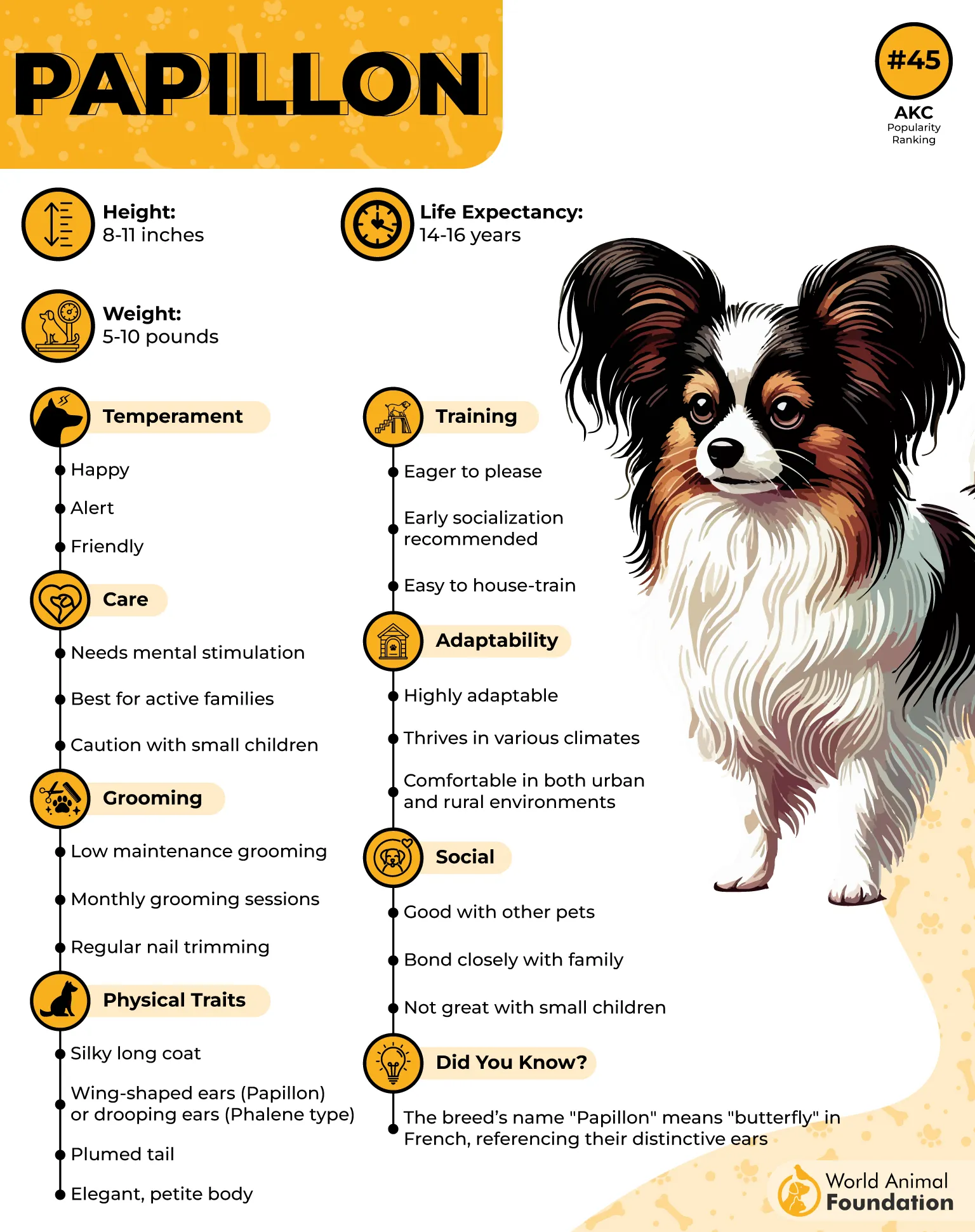
Another good alternative is trick training. Papillons can be entertained with something to do.
They also make great companions to owners who wish to have a dog breed good with beginner-level agility or obedience exercise.
The Papillon should be taken seriously if you want a small dog that can keep pace with structured activities.
Conclusion
Adopting a cute small dog is not all about identifying a breed that appears lively. These fiercely loyal dogs love to be around their favorite humans at any time of the day.
Think about the way you would like to move. All these family pets bring something along with them, whether it is their fluffy coat or an alert nature. Some of these velcro dogs have dense double coats, while other pets have moderate exercise needs and minimal professional grooming needs.
A very responsive breed can be more suitable if you like to teach tricks. A companion breed will perhaps work better with you when you want to play relaxed games at home. If you would like to engage in dog sports, find a small dog with the ability and motivation to enjoy the sport.
