




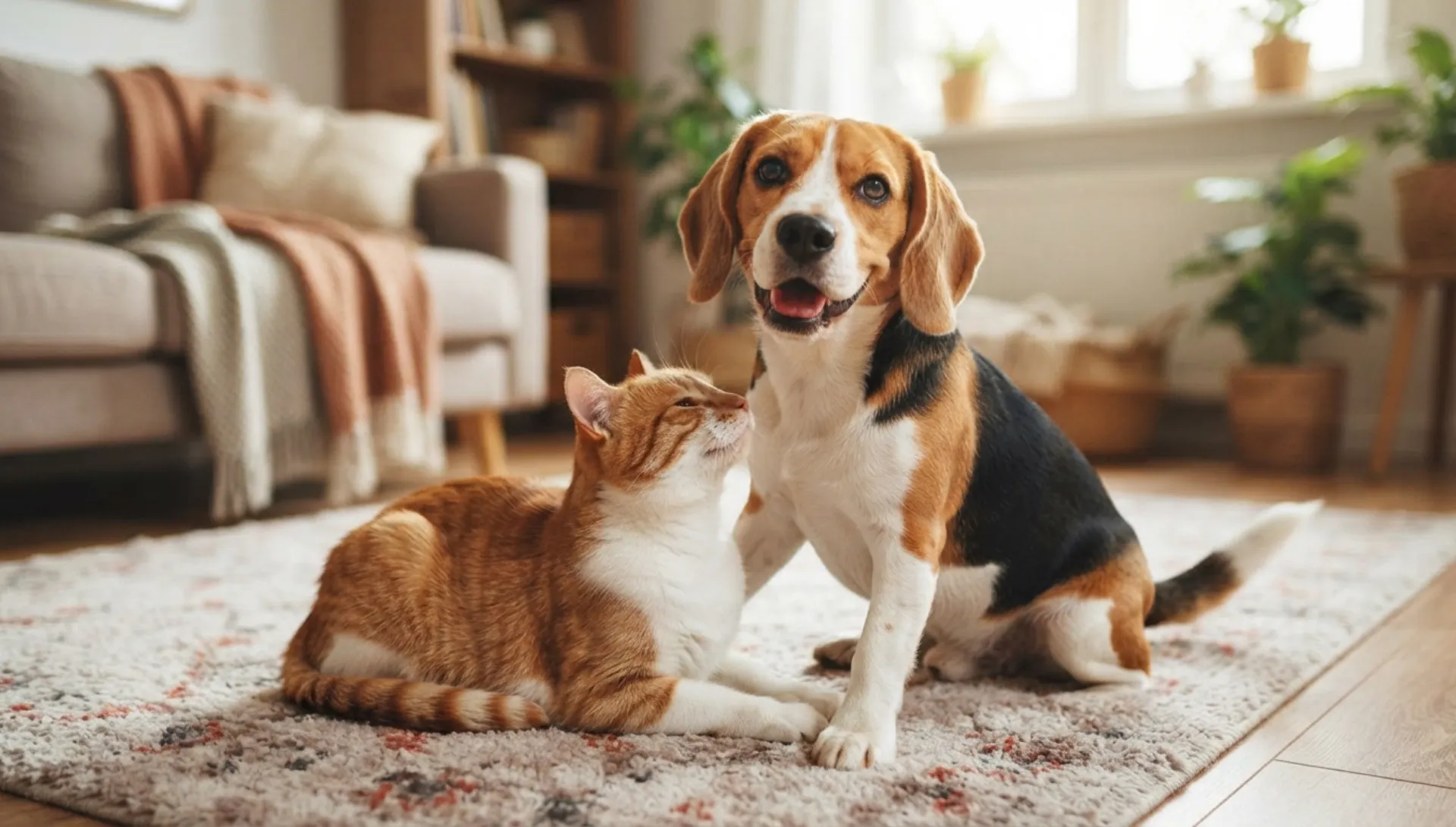
Living with both a dog and a cat can create a rewarding household when the animals have compatible personalities and receive thoughtful introductions. While every individual pet is different, some canine breeds are known for being sociable, adaptable, patient, or less inclined to chase smaller animals.
Their historical roles as companions, working partners, or family dogs have helped shape qualities that can support peaceful relationships with feline housemates.
Breed selection is only one part of creating a successful multi-pet home. Dogs still need appropriate exercise, obedience training, mental stimulation, and opportunities to learn how to behave calmly around cats.
Likewise, cats should have secure areas where they can retreat whenever they want personal space. Gradual introductions, supervision, and positive reinforcement can give both animals time to become comfortable with one another.
The cat-friendly dog breeds below represent a variety of sizes, personalities, and working backgrounds. Their shared advantage is that they can often adapt well to family environments when their individual needs are met, and introductions are handled carefully.
Dog Breeds That Pair Up With Cats for Unmatched Harmony
1. Labrador Retriever
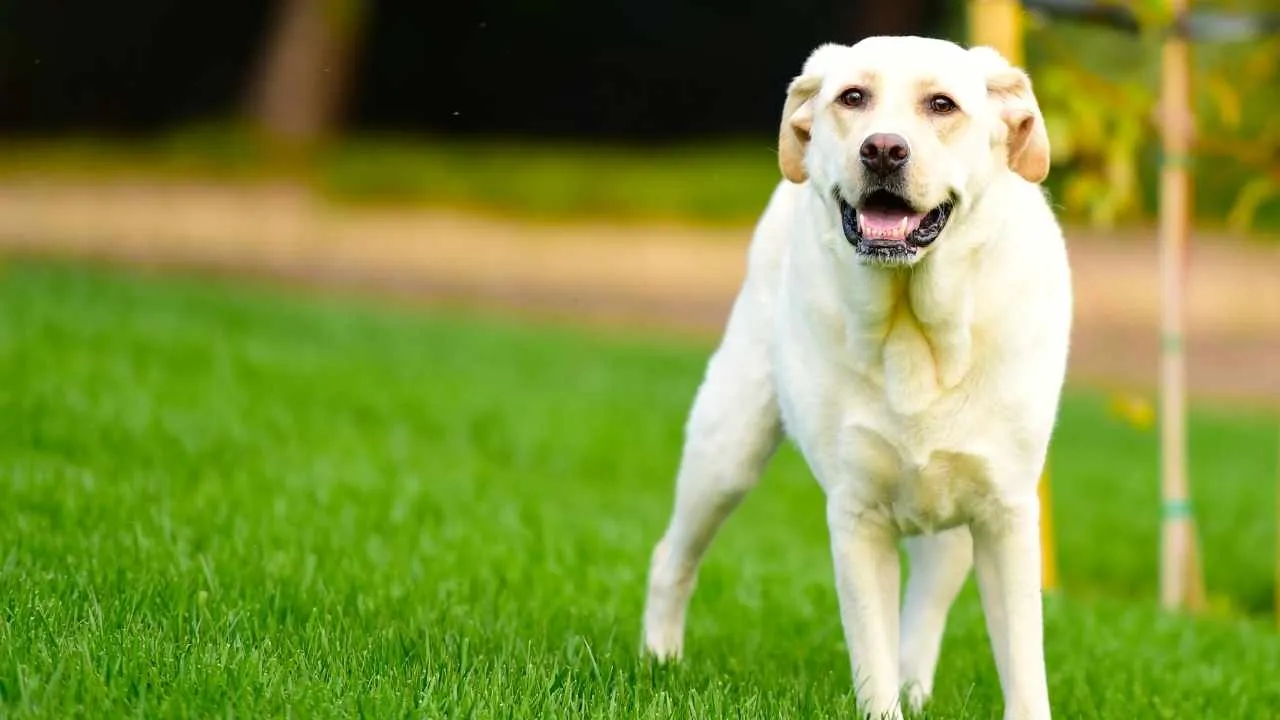
Labrador Retrievers trace their early ancestry to Newfoundland, where working dogs assisted fishermen by retrieving fishing equipment and other items from the water.
The breed was subsequently developed further in Britain as a sporting dog valued for its retrieving ability, intelligence, and cooperation with people. These qualities eventually helped Labradors become popular family, assistance, and service dogs.

Keep Their Busy Minds and Bodies Engaged
Labradors are energetic dogs that usually thrive when their days include walks, retrieving games, swimming, and interactive activities.
Training should cover manners around other animals, reliable recall, impulse control, and calm behavior indoors. Giving them appropriate outlets for their enthusiasm can make it easier for them to settle peacefully around a cat.
A Friendly Face for Feline Housemates
Their generally sociable and affectionate disposition can help Labradors adapt to homes with other pets. A properly introduced Labrador may learn to regard a cat as part of its social group instead of something to pursue.
Young dogs can be especially boisterous, however, so supervision and boundaries are important while the relationship develops.
2. Beagle
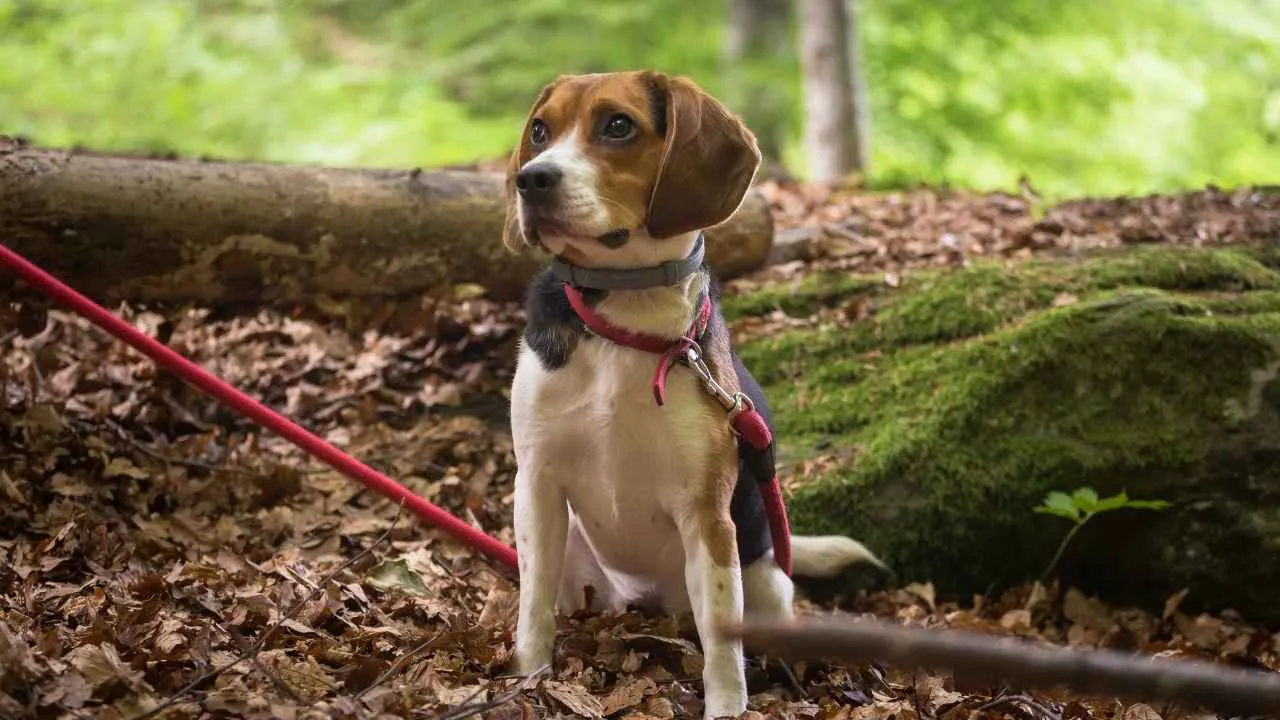
Beagles developed in Britain as small scent hounds used to pursue rabbits and other small game. Their compact build allowed hunters to follow them on foot, while their remarkable noses helped them remain focused on trails.
Although their hunting background remains part of the breed’s identity, Beagles are also valued today for their cheerful and affectionate personalities, as per WebMD.
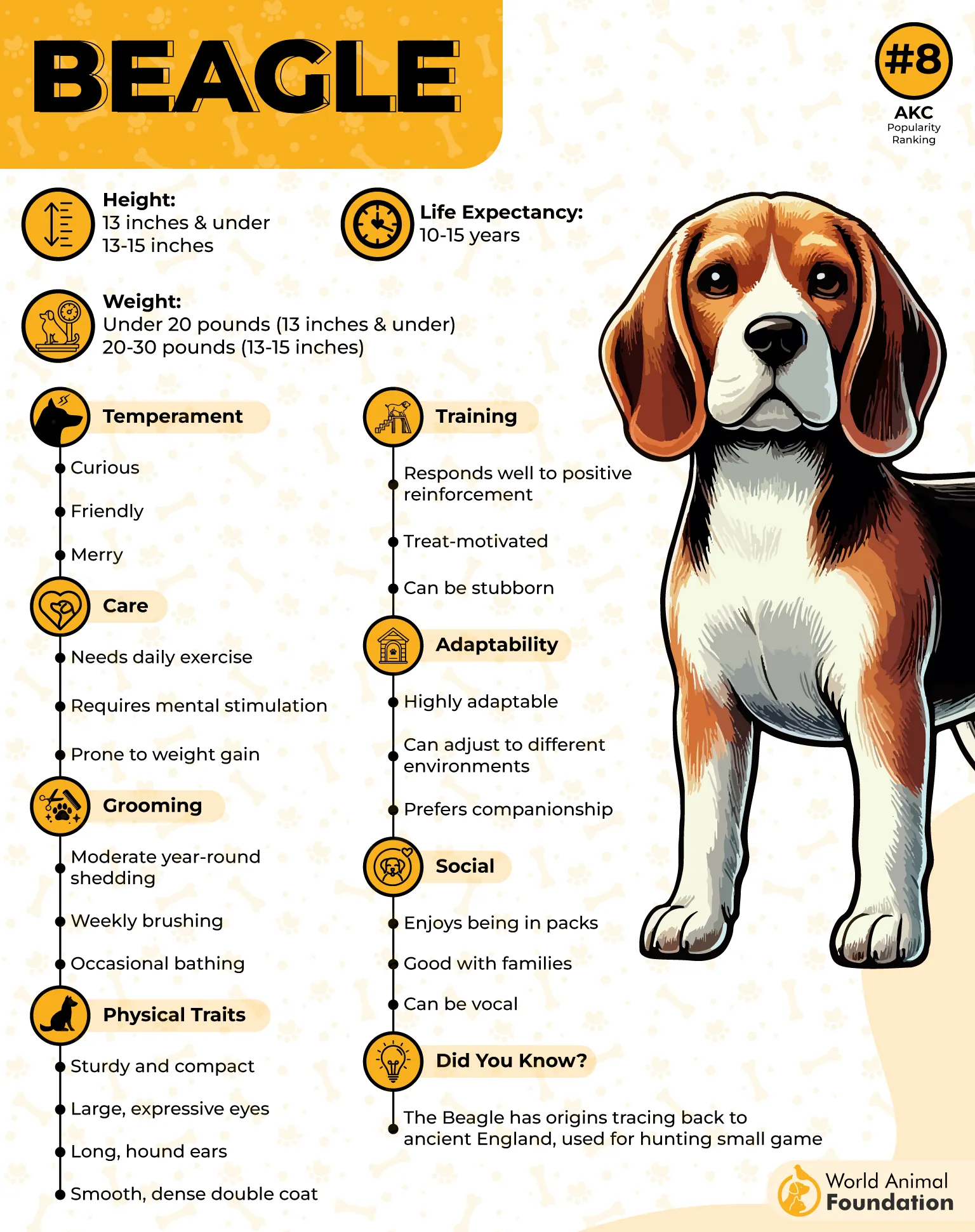
Turn Natural Curiosity Into Productive Activity
Beagles need regular opportunities to walk, sniff, explore, and investigate their surroundings. Scent games, food puzzles, and tracking exercises can provide valuable mental stimulation.
Training should be patient and consistent because an interesting scent can easily capture a Beagle’s attention.
Give Their Social Side Room to Shine
A well-socialized Beagle can potentially become an entertaining companion for a cat. Their playful nature may encourage interaction, but their hunting ancestry means chasing behavior should never be encouraged.
Teaching appropriate boundaries and providing the cat with high resting places can help both animals feel secure.
3. Golden Retriever
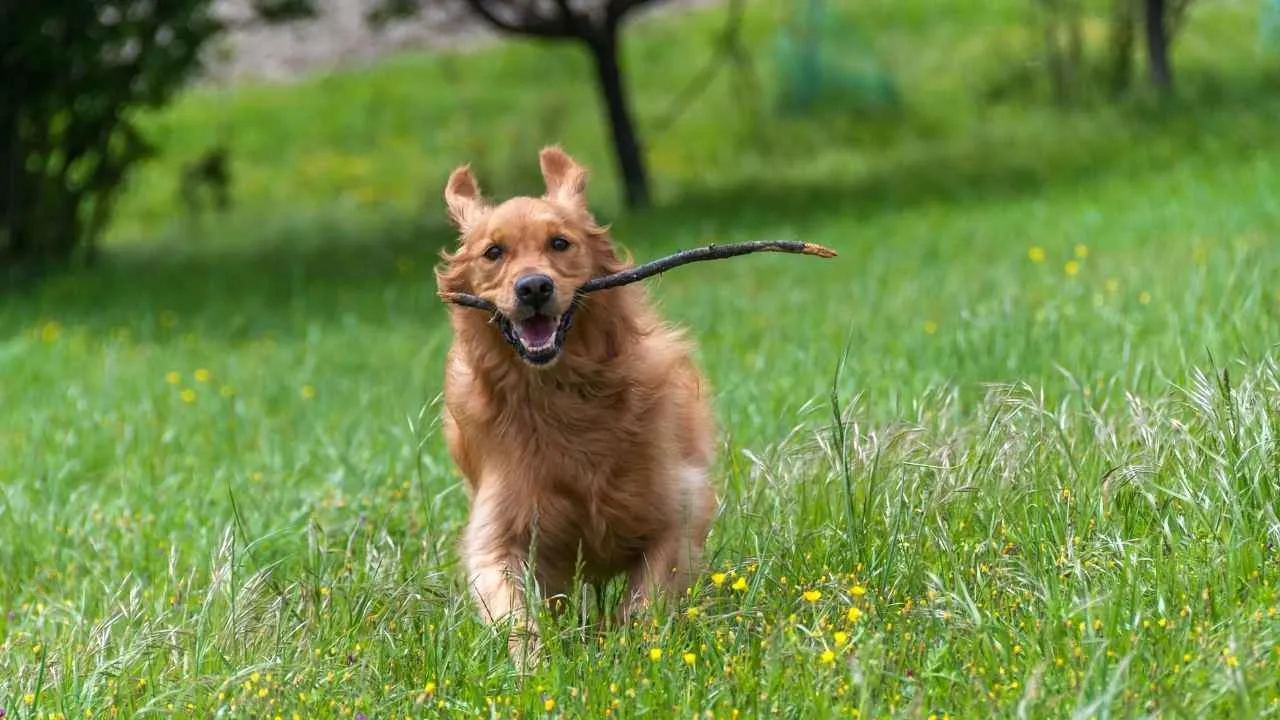
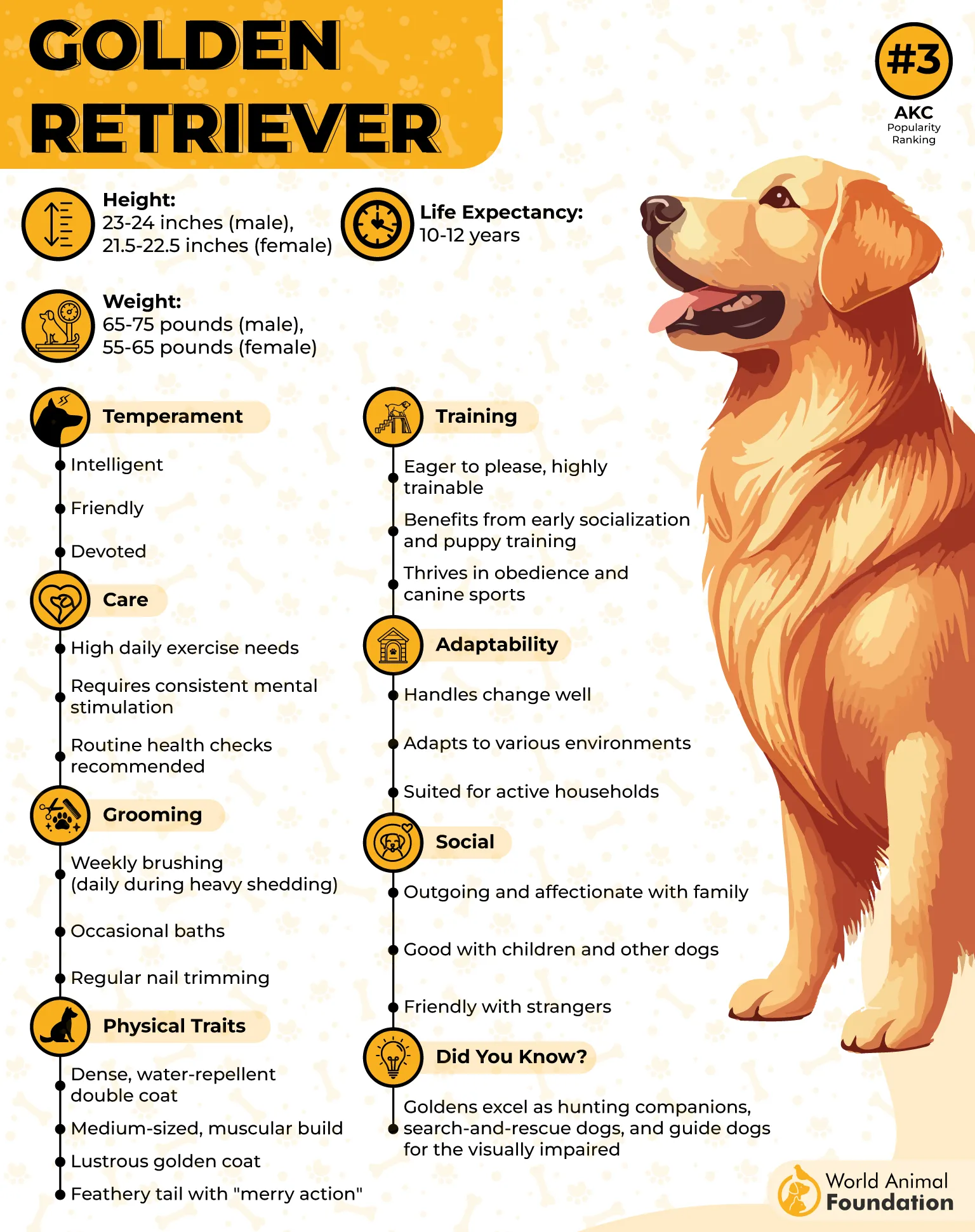
Golden Retrievers originated in Scotland during the nineteenth century, where they were developed as sporting dogs capable of retrieving game from both land and water, as per PDSA.
Breeders placed considerable emphasis on a cooperative nature, intelligence, endurance, and a gentle mouth. Those characteristics later contributed to the breed’s success as a family and assistance dog.
Channel Their Enthusiasm With Purpose
Goldens generally require regular exercise and enjoy activities such as retrieving, swimming, walking, obedience work, and interactive games. They tend to respond well to reward-based instruction, making it possible to reinforce calm conduct around smaller pets.
Consistent training can help an enthusiastic young Golden learn when playtime is appropriate and when to relax.
Let Their Gentle Nature Set the Tone
Their affectionate personality can make Golden Retrievers appealing for multi-pet families. Many can learn to coexist comfortably with cats when introductions are gradual, and the dog is taught to respect feline boundaries.
Their friendliness is not a guarantee of compatibility, so the individual dog’s behavior should always guide the pace of introductions.
4. Pug
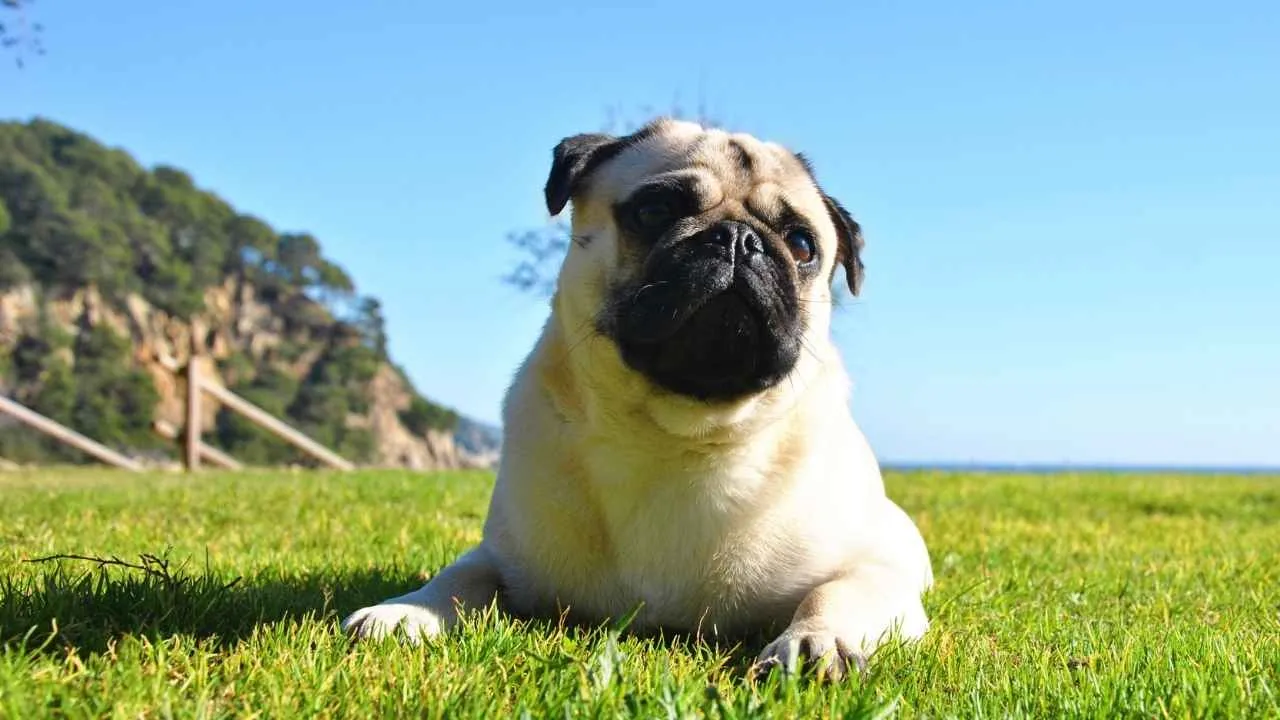
Pugs have ancient roots in China, where small companion dogs were treasured by members of imperial and aristocratic households. Their primary purpose was companionship rather than hunting, herding, or guarding.
Over centuries, their distinctive appearance and affectionate nature helped them gain popularity beyond China and eventually throughout Europe.

Favor Short Bursts of Activity and Learning
Pugs generally do not require the same level of strenuous exercise as athletic working breeds. Short walks, gentle games, indoor activities, and brief training sessions can provide suitable stimulation.
Owners should be mindful of overheating and avoid demanding physical activity during particularly warm conditions.
A Laid-Back Presence Beside the Cat
Because Pugs were bred primarily to live closely with people, many are comfortable sharing household space with other animals. Their relatively relaxed lifestyle can suit cats that prefer peaceful surroundings.
Still, their curious nature may lead them toward another pet’s food or belongings, making basic household boundaries useful.
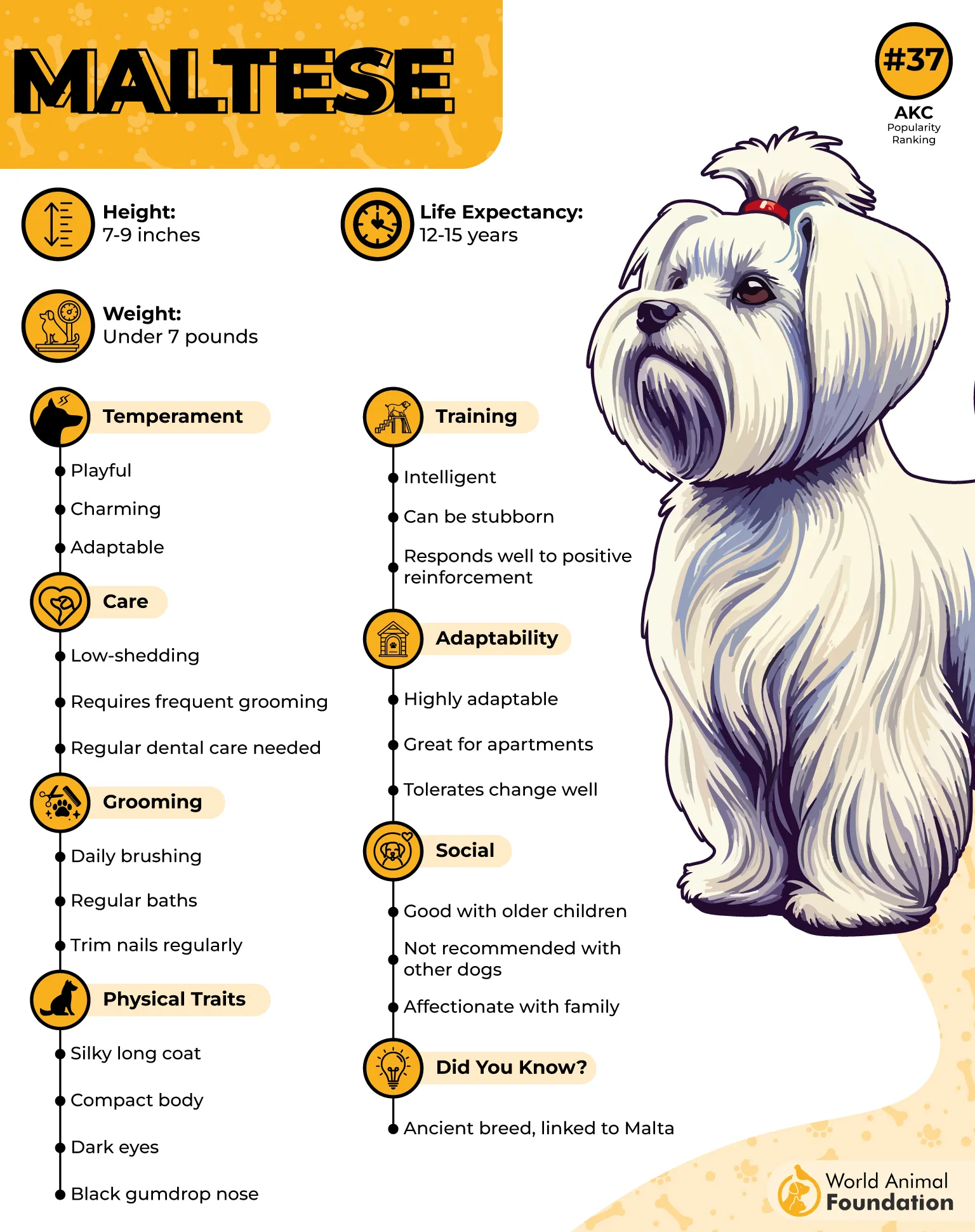
5. Maltese
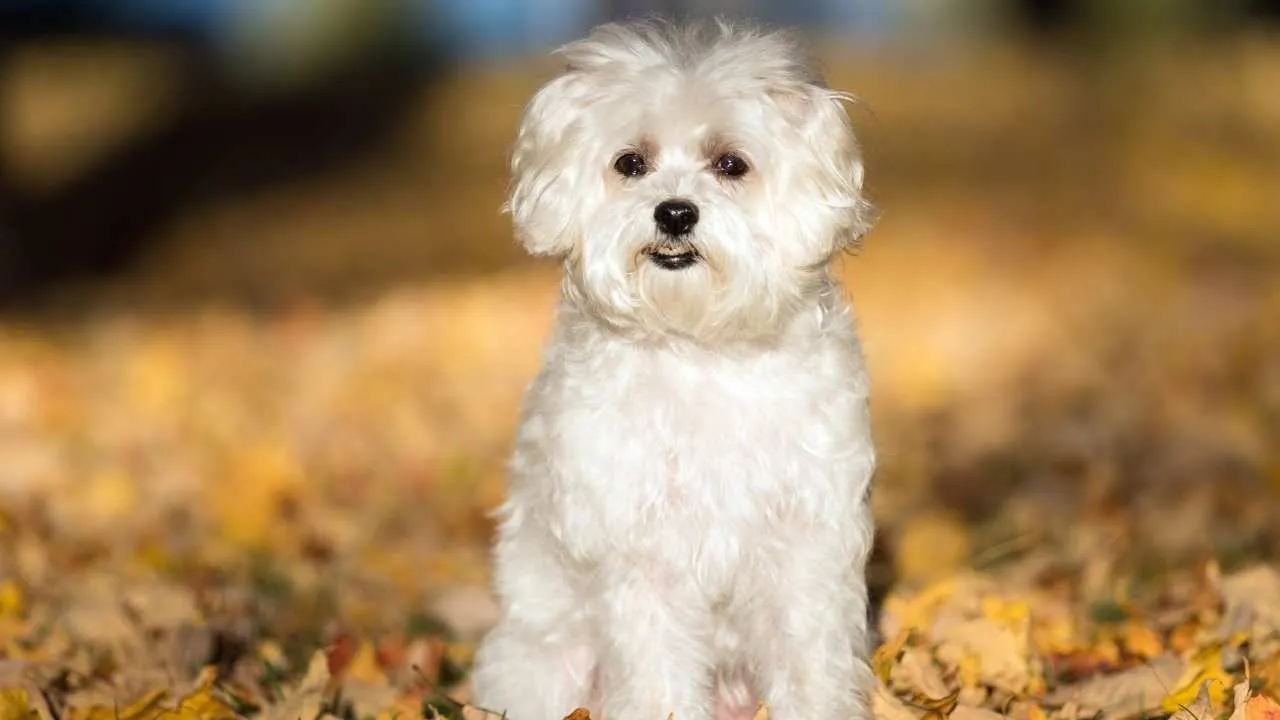
The Maltese is an ancient companion breed associated with the Mediterranean and the island of Malta. Small white dogs resembling the breed appeared in historical artwork and writings many centuries ago.
Rather than being developed for demanding working tasks, the Maltese was prized largely for its companionship and close relationship with people.
Make Everyday Learning Fun and Manageable
Maltese dogs can receive plenty of activity through short walks, indoor games, interactive toys, and trick training. Their small stature does not eliminate the need for boundaries, and owners should establish good manners early.
Positive reinforcement can help teach them to approach cats calmly rather than becoming overly excited.
Small Stature, Big Social Potential
Their companion-dog heritage can make Maltese dogs suitable for households containing cats, particularly when both animals are accustomed to one another gradually.
They may enjoy remaining close to their family without demanding intense exercise. A cat should nevertheless have areas that remain inaccessible to the dog when it wants uninterrupted rest.
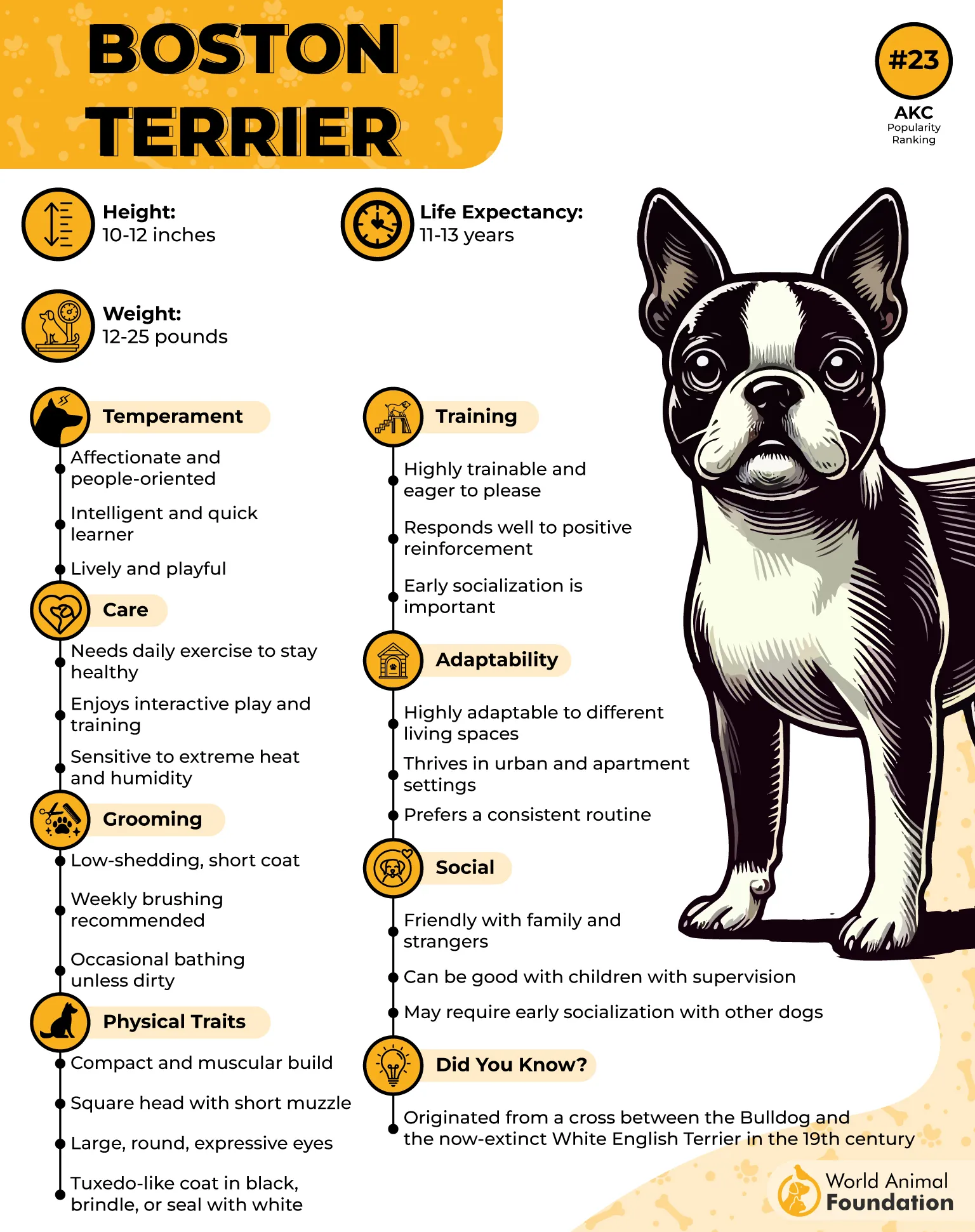
6. Boston Terrier
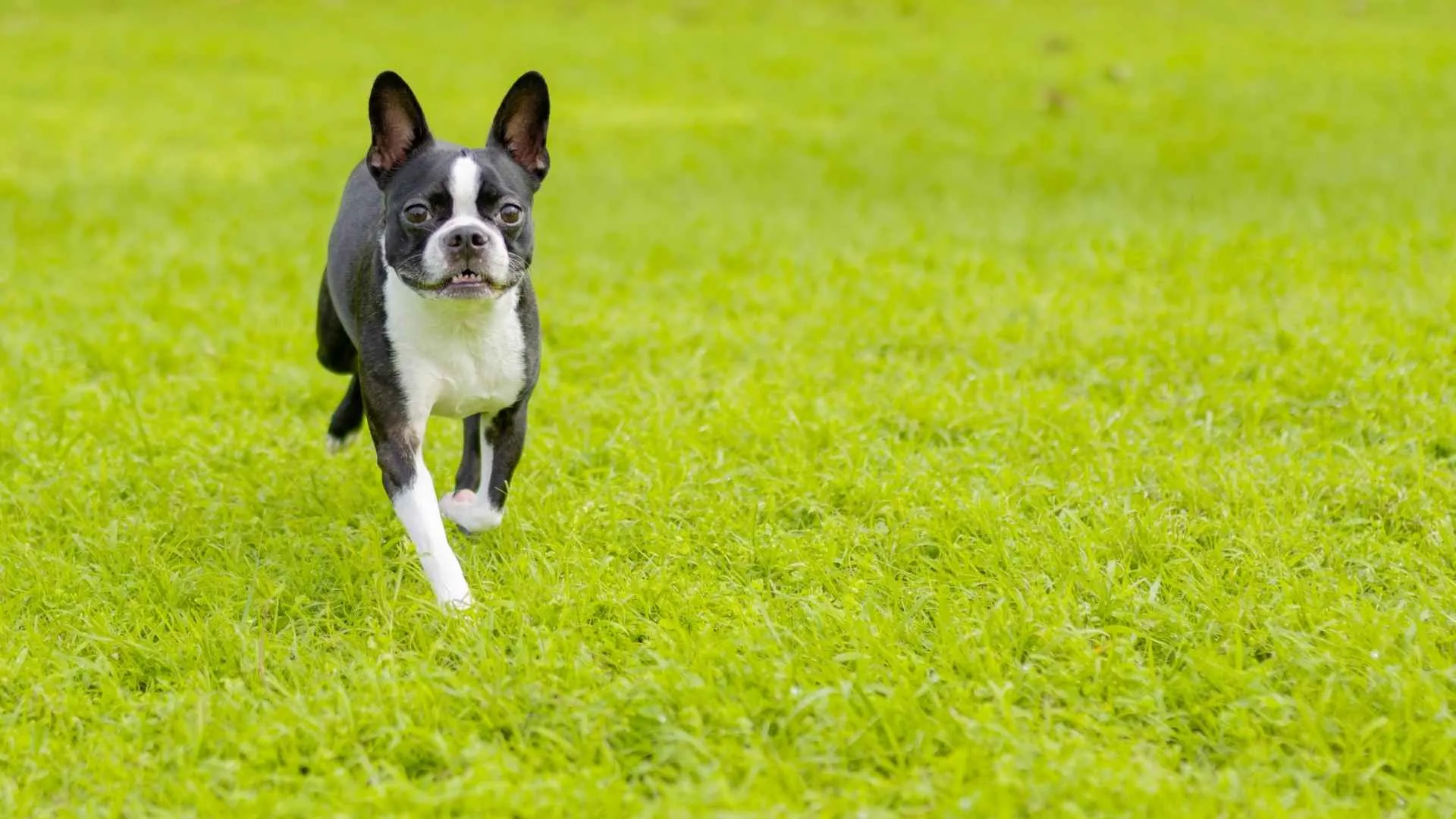
Boston Terriers originated in the United States during the nineteenth century and were developed into compact companion dogs with a distinctive appearance, as per Britannica.
Their ancestry includes bulldog and terrier influences, while later selective breeding placed greater emphasis on manageable size, sociability, and suitability as household companions.
Mix Moderate Exercise With Mental Challenges
Boston Terriers typically benefit from daily walks, play sessions, interactive toys, and short obedience lessons. Their intelligence can make training enjoyable, while their playful personalities provide plenty of energy for games.
Owners should provide activity without pushing them into excessive exertion, especially in hot weather.
Bring Playfulness Without Overwhelming the Cat
A Boston Terrier can offer a lively but relatively compact presence in a feline household. Some cats may find their size less intimidating than that of a large dog, although personality remains the deciding factor.
Teaching the Boston to settle, wait, and leave the cat alone when necessary can create a much smoother relationship.
7. Basset Hound
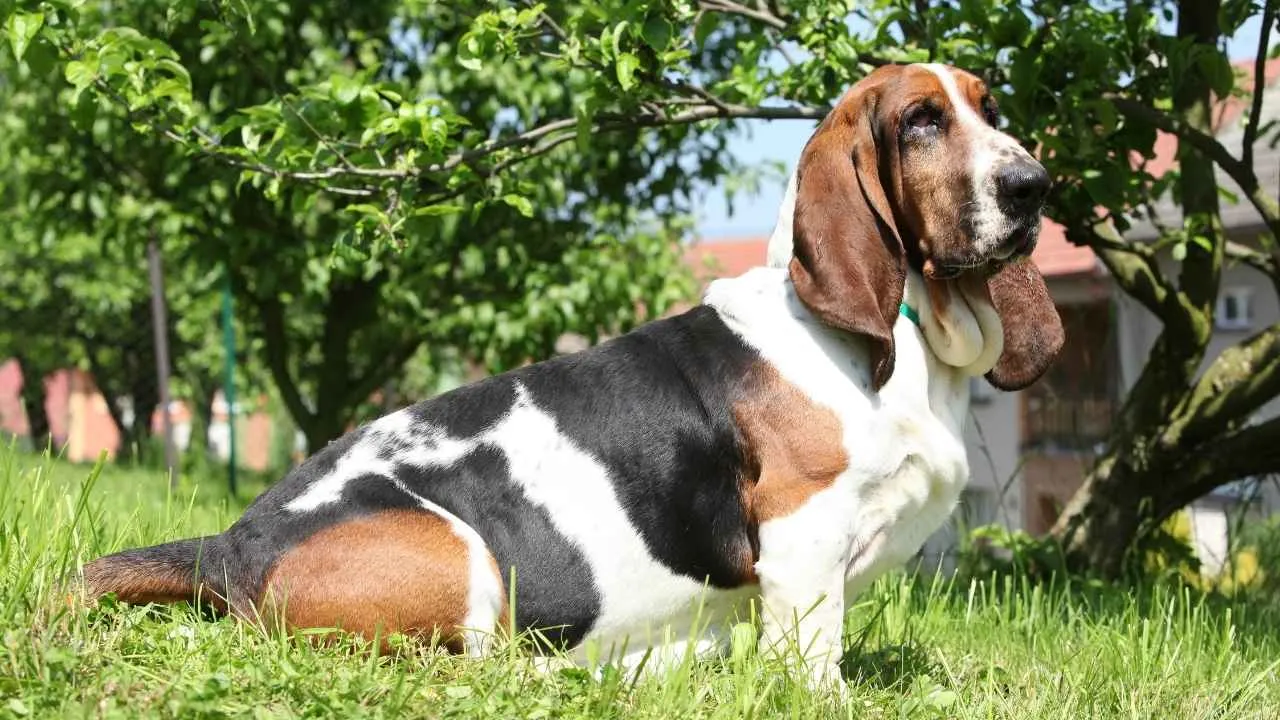
Basset Hounds originated in France and belong to a long tradition of scent hounds developed for tracking game. Their unusually short legs allowed hunters to keep pace with them on foot, while their exceptional sense of smell helped them follow trails over considerable distances, as per Orvis.
The breed later became widely appreciated as a companion because of its distinctive appearance and generally relaxed demeanor.
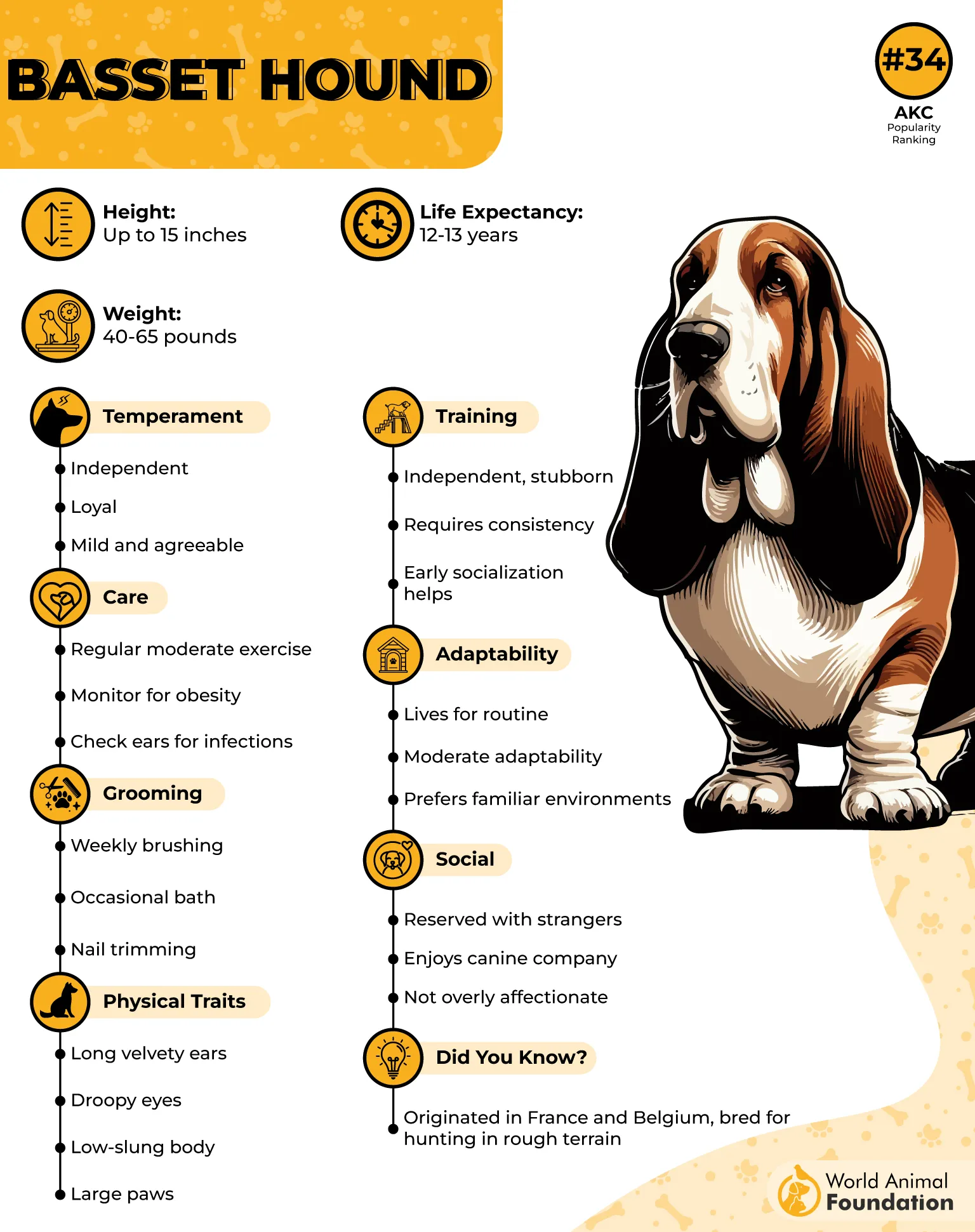
Let Sniffing and Steady Walks Do the Work
Basset Hounds usually benefit from moderate daily activity rather than strenuous workouts. Slow walks that allow plenty of sniffing can be particularly satisfying.
Their independent nature may make obedience training slower than with highly handler-focused breeds, so owners should use patience, consistency, and appealing rewards.
Their Unhurried Nature Can Suit Cats
A Basset’s comparatively relaxed approach to daily life may fit well with a feline that values calm surroundings. It may be more interested in following an intriguing scent than constantly engaging with a cat.
Nevertheless, supervision is still important because individual hounds can display different levels of interest in moving animals.
8. Cocker Spaniel
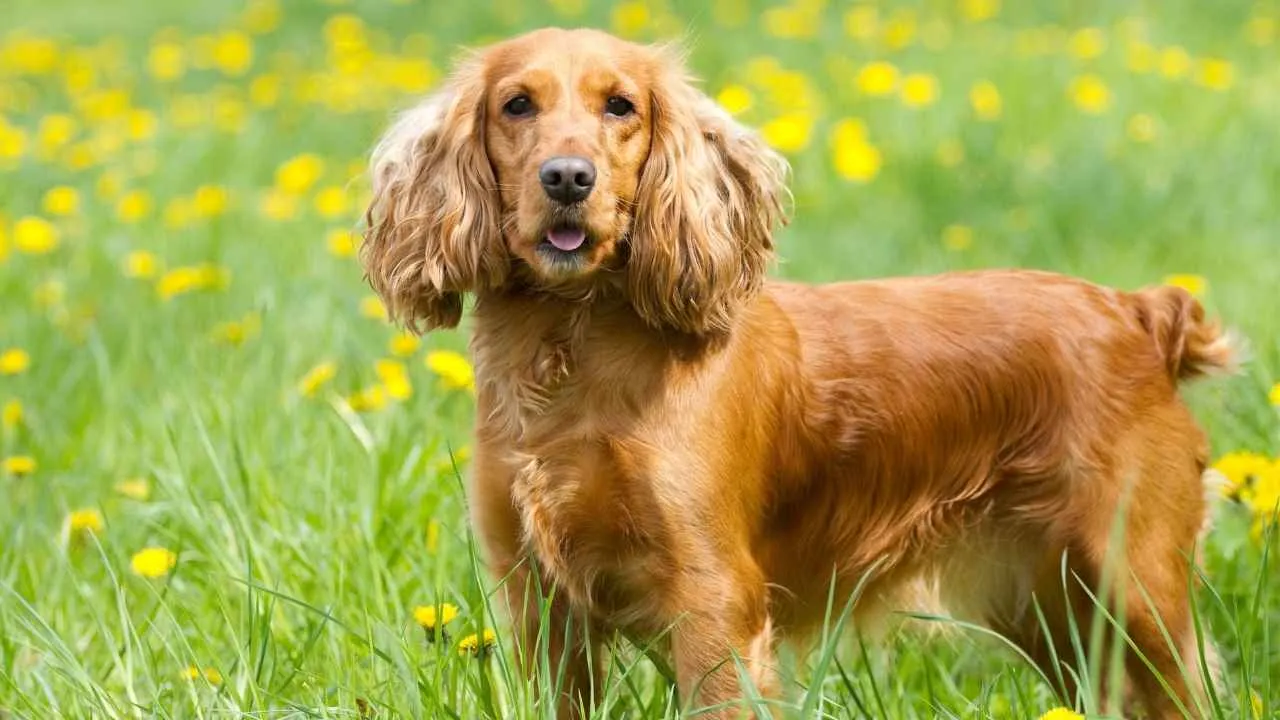
Cocker Spaniels developed from British spaniel lines that were used by hunters to locate and flush game birds. Their working background required responsiveness, energy, and an ability to cooperate closely with people.
As this strong breed became increasingly popular as a companion, its affectionate and people-oriented qualities became equally important.
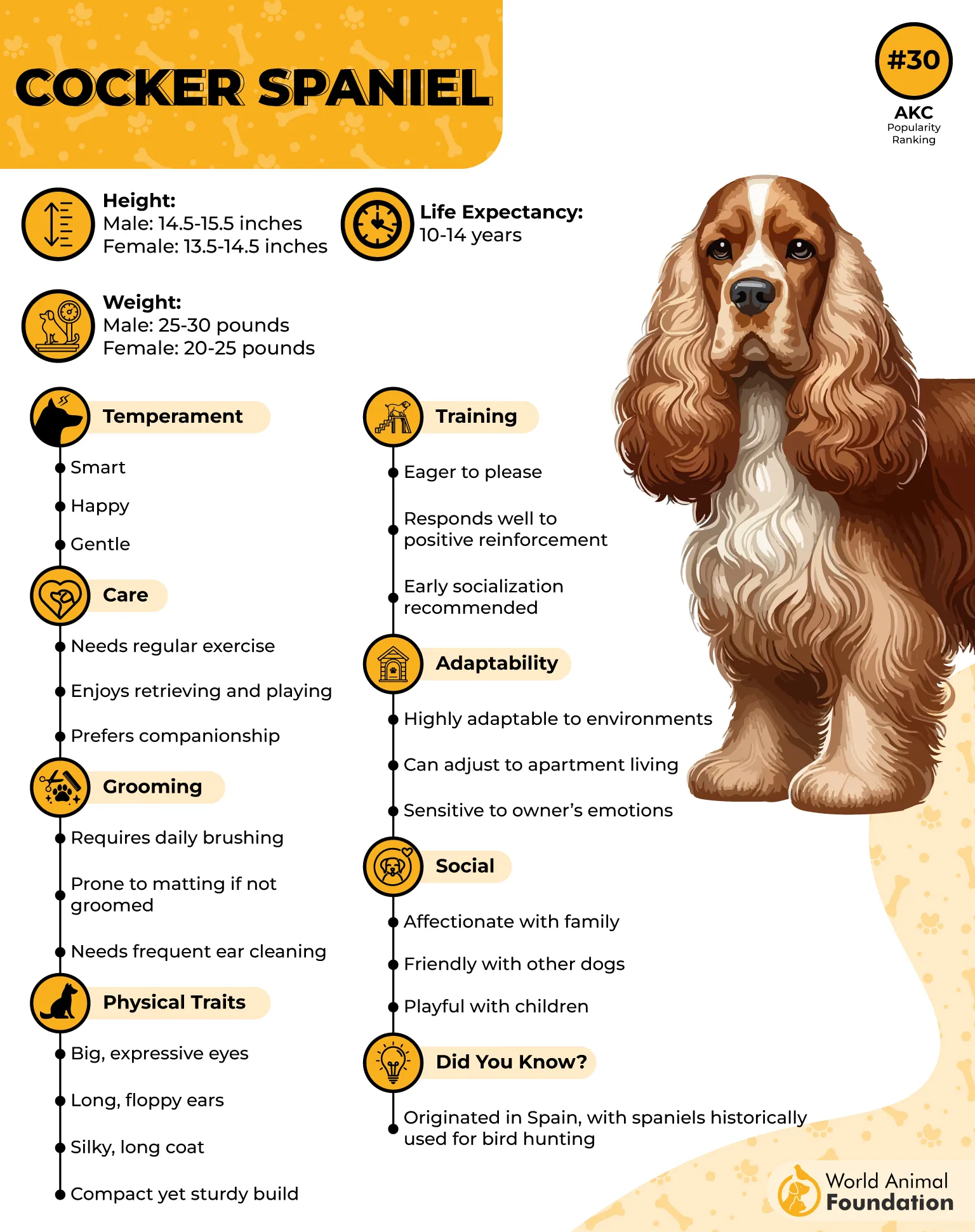
Balance Daily Activity With Focused Lessons
Cockers typically enjoy walks, retrieving games, interactive play, and training exercises that keep both body and mind occupied.
They often respond enthusiastically to positive reinforcement and can learn household rules effectively. Their long coat also requires regular grooming to prevent tangles and maintain skin and coat health.
Encourage Affection Without Chasing Games
A well-socialized Cocker can be an engaging companion for a cat because many enjoy being surrounded by family members and other pets.
However, their sporting heritage can make them more interested in movement, so impulse control is especially important. The goal should be to teach the dog that calm interaction is rewarding while chasing is not permitted.
9. Bichon Frise
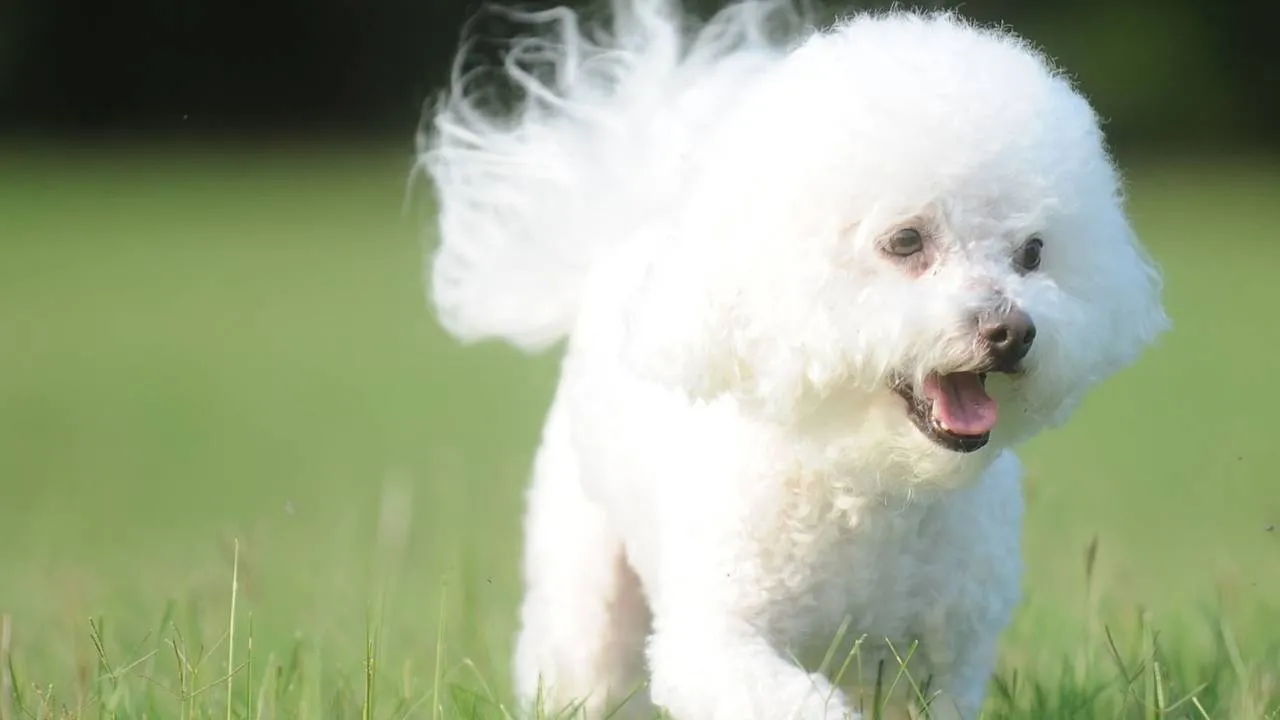
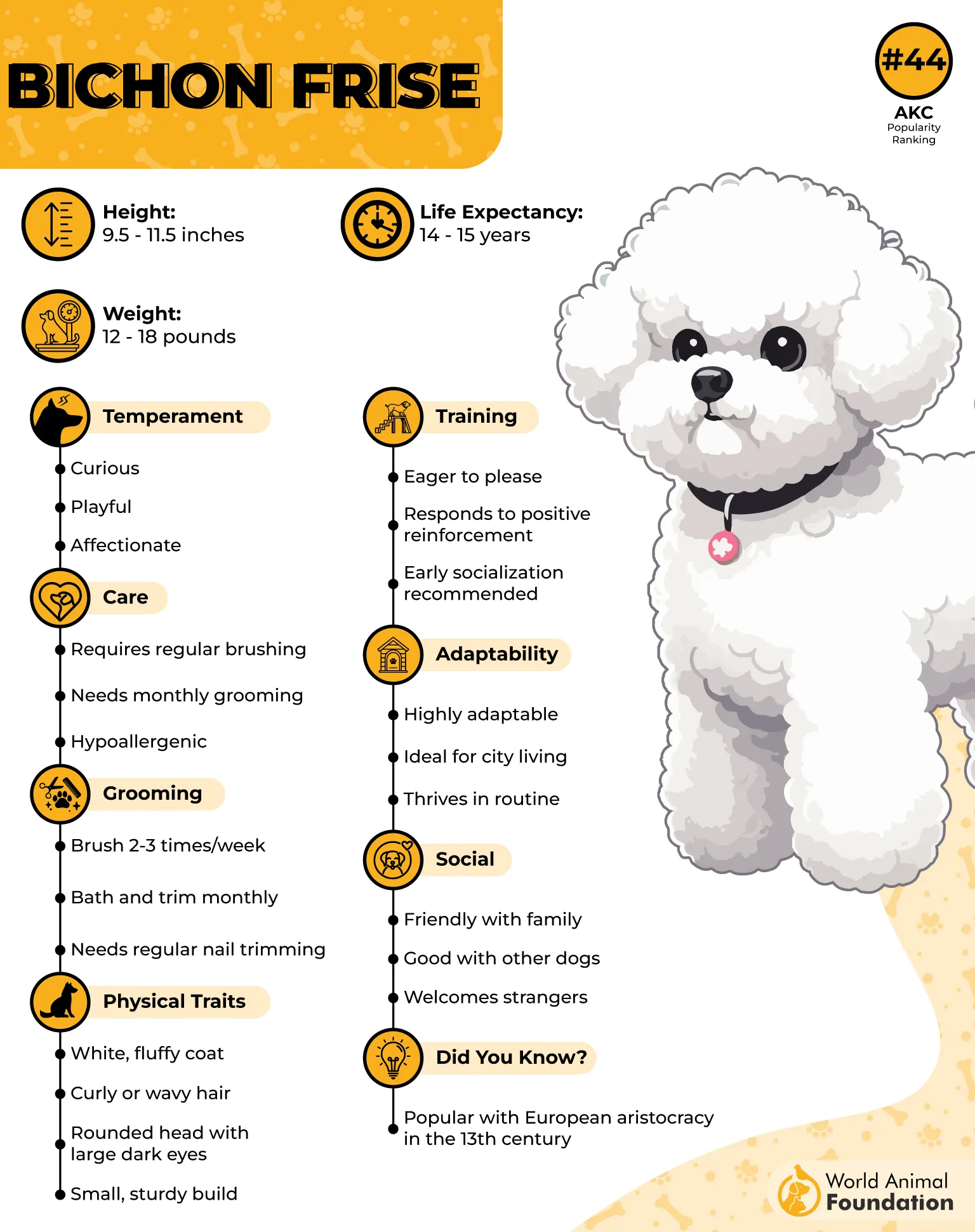
The Bichon Frise developed from small Mediterranean friendly dogs and eventually became associated with European courts and households. Its history centers heavily on companionship rather than specialized working duties.
Generations of selective breeding helped produce the cheerful, affectionate, and people-oriented personality associated with the breed today.
Keep Their Small Frames Mentally Active
Bichons can stay content with short walks, indoor play, interactive toys, and brief learning sessions. Their intelligence makes them capable of mastering household routines, though they can become bored with little stimulation.
Reward-based training can encourage polite behavior around cats and other household pets.
A Cheerful Neighbor for the Family Cat
Their generally sociable nature can make Bichons appealing for feline households. Many are happy to remain near their families and can learn to share common living areas with another animal.
Cats that prefer solitude should still have separate resting locations where the dog’s playful attention cannot follow.
10. Miniature Poodle
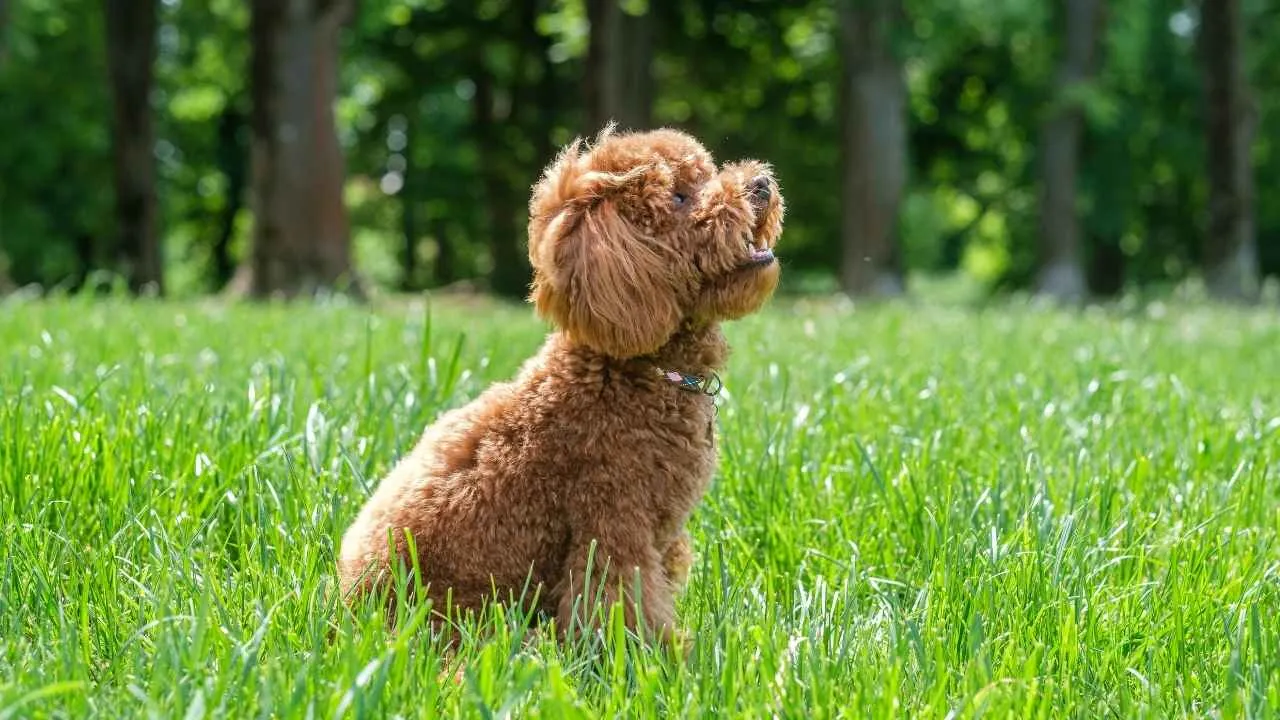
Poodles have roots in European water-retrieving dogs, with Germany often associated with their early development and France later becoming strongly connected with the breed.
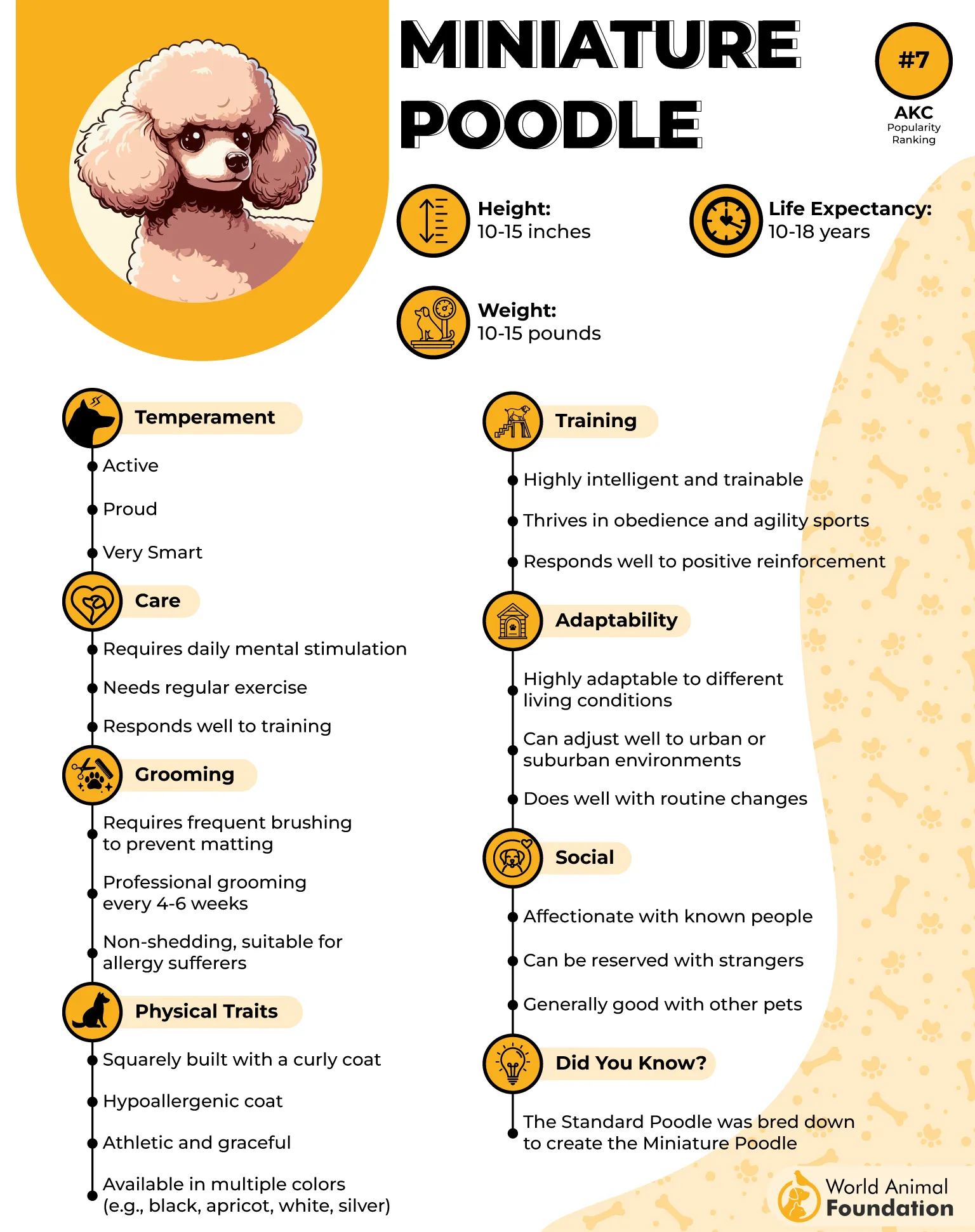
Miniature Poodles were developed as smaller members of the Poodle family while retaining the intelligence, athleticism, and trainability that distinguish their larger relatives.
Exercise Their Intelligence as Much as Their Legs
Miniature Poodles need more than occasional walks to stay satisfied. Trick training, puzzle toys, scent games, interactive play, and obedience exercises can challenge their quick minds.
Their coat also requires regular grooming, so daily routines should include appropriate coat care.
Teach Them to Respect the Household Feline
Their intelligence can be a major advantage when introducing them to cats because owners can deliberately reinforce desirable behaviors.
A Miniature Poodle can learn to remain calm, respond to recall, and give a cat sufficient personal space. With consistent guidance, its curiosity can become controlled companionship rather than persistent pursuit.
Conclusion
No breed should be considered automatically compatible with every feline because individual temperament, previous experiences, age, and prey drive can significantly influence the outcome.
The key to a successful dog-and-cat relationship is thoughtful management rather than breed choice alone. Slow introductions, supervised encounters, positive reinforcement, sufficient exercise, and cat-only retreat areas can give both animals the confidence they need.
With patience and respect for each pet’s boundaries, a dog and cat can move beyond simple tolerance and become comfortable companions under the same roof.
