




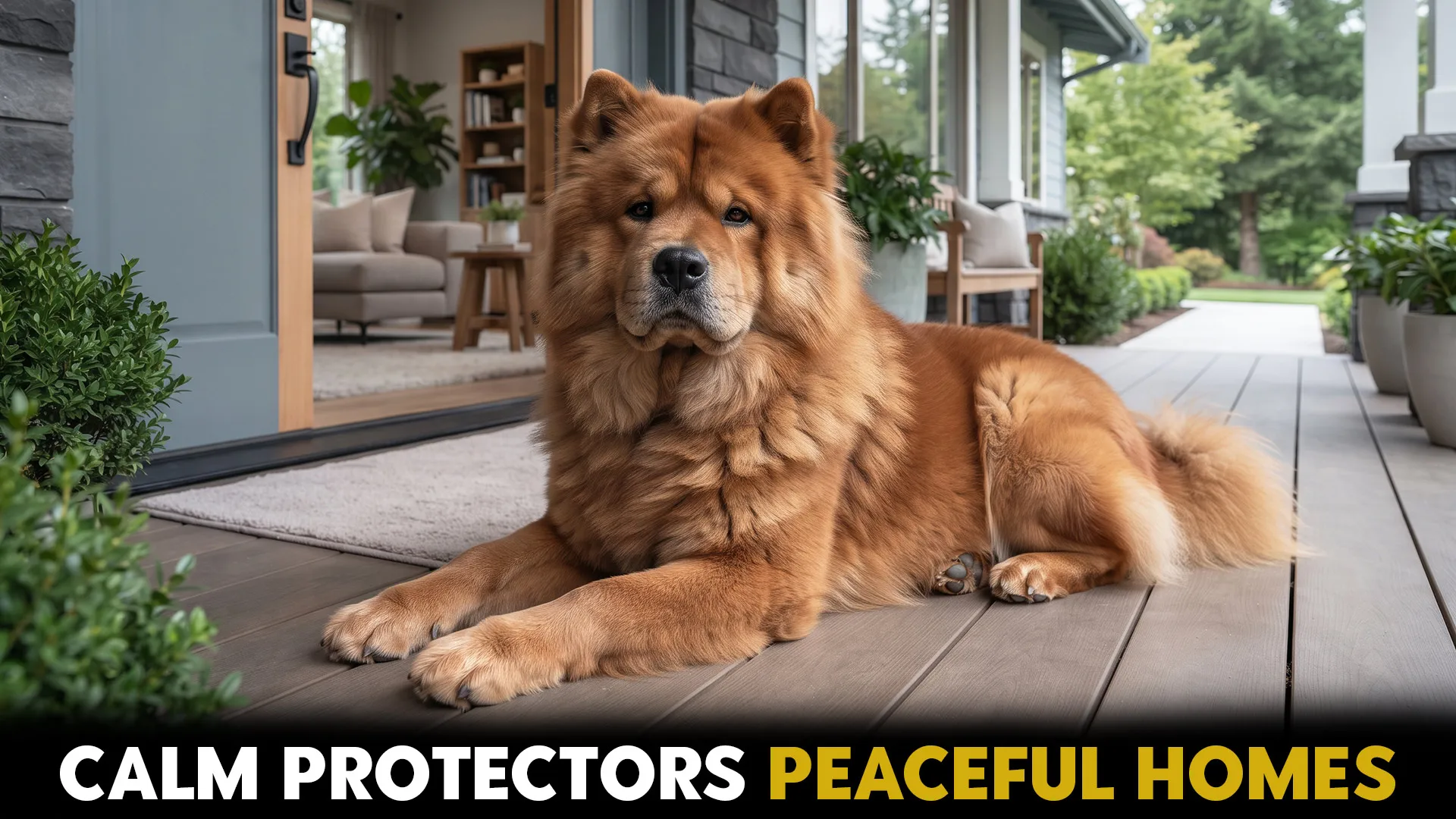
A dependable guard dog does not necessarily need to be loud, restless, or constantly suspicious. Some protective breeds have a naturally composed presence that allows them to watch over their households without turning every unfamiliar sound into an emergency. Their confidence, size, loyalty, and awareness can make them reassuring companions for families seeking both security and a peaceful home environment.
The ideal guardian combines protective instincts with emotional stability. Even a naturally calm dog needs appropriate socialization, obedience training, exercise, and clear household rules. A well-managed guardian should understand when to observe, when to alert its family, and when to settle down.
The breeds below represent different approaches to protection. Some rely on imposing stature, others on territorial awareness or devotion to their families. Their temperaments can vary considerably between individuals, so responsible ownership and early training remain essential.
Serene Guard Dog Breeds: A Calm and Safe Haven
1. Chow Chow
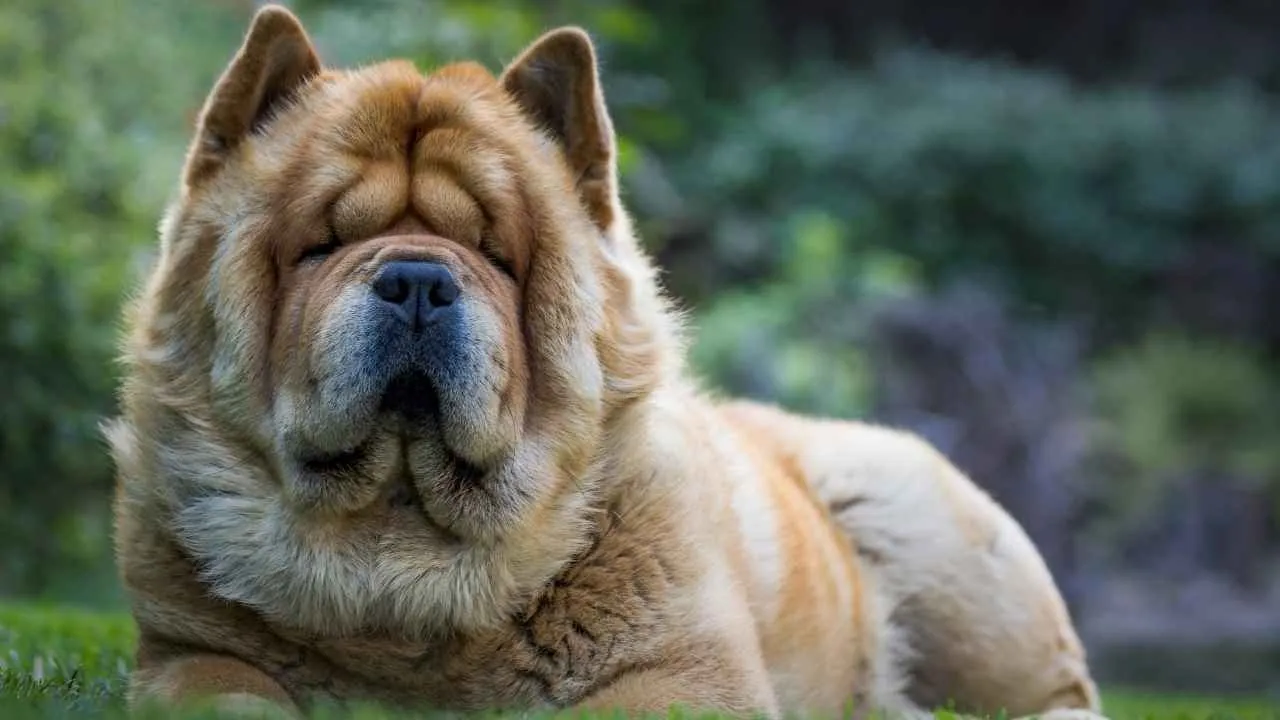
Chow Chows have ancient roots in China, where dogs of this type served a variety of purposes, including guarding, hunting, and pulling. Their distinctive appearance and independent character have remained recognizable for centuries.
The popular breed eventually became valued as a companion as well as a household guardian. Its reserved personality, self-confidence, and tendency to remain observant can make it a naturally imposing presence around the home.
Encourage Calmness Through Consistent Guidance
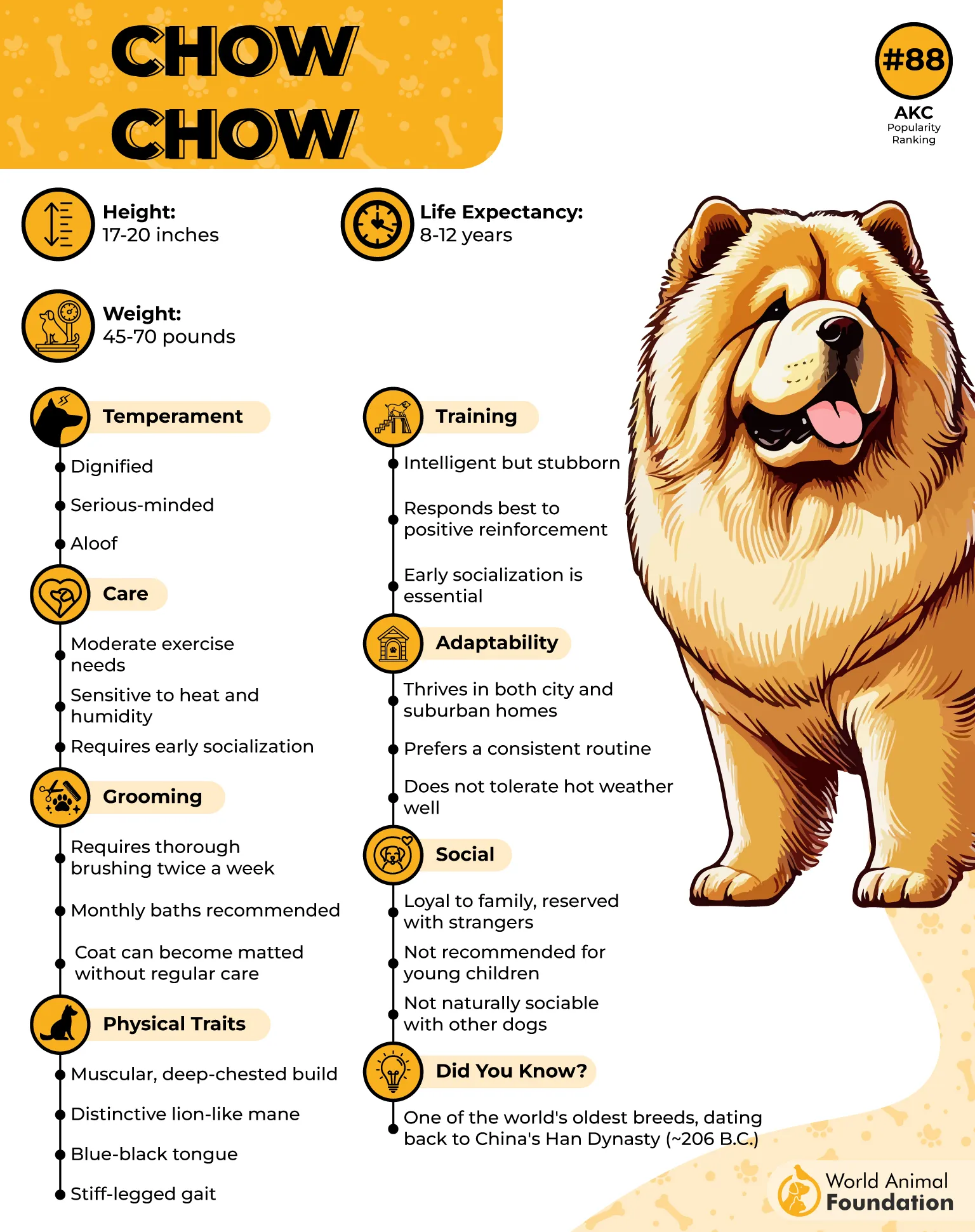
Chow Chows tend to be independent dogs that appreciate predictable routines and clear expectations. Daily walks, controlled exploration, and short training sessions can provide useful physical and mental stimulation.
Socialization should begin early and expose them gradually to different people, environments, and animals. Teaching them to respond reliably to basic commands can help channel their natural reserve into manageable behavior.
Let Their Quiet Watchfulness Do the Talking
Their naturally reserved disposition can contribute to a peaceful guarding style. Rather than seeking attention from every unfamiliar person, a Chow Chow may observe from a distance and decide whether a situation deserves concern.
Their protective tendencies still require responsible management because excessive suspicion can become problematic without proper social experiences. A well-socialized Chow can offer a dignified combination of companionship and territorial awareness.
2. Saint Bernard
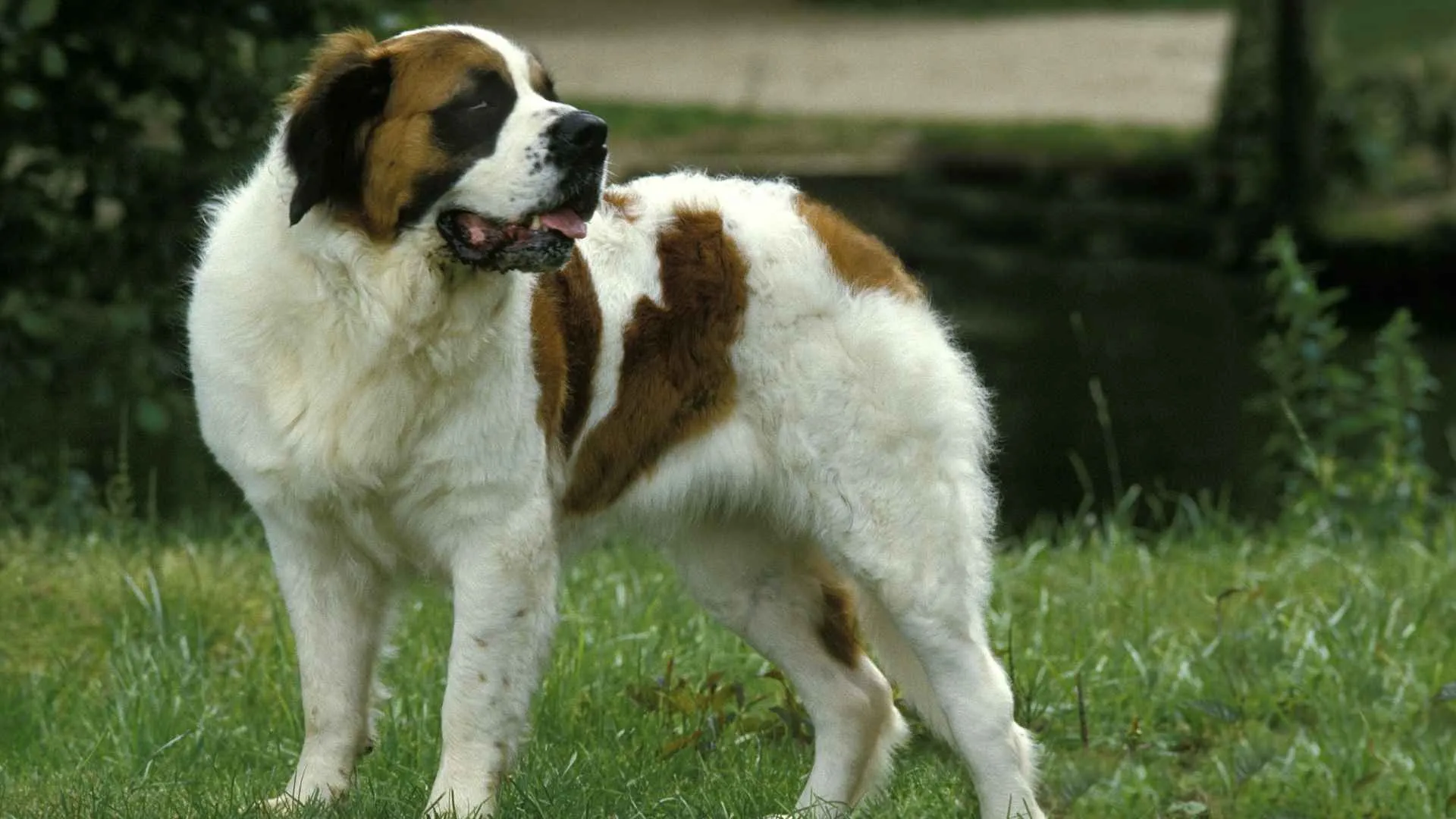
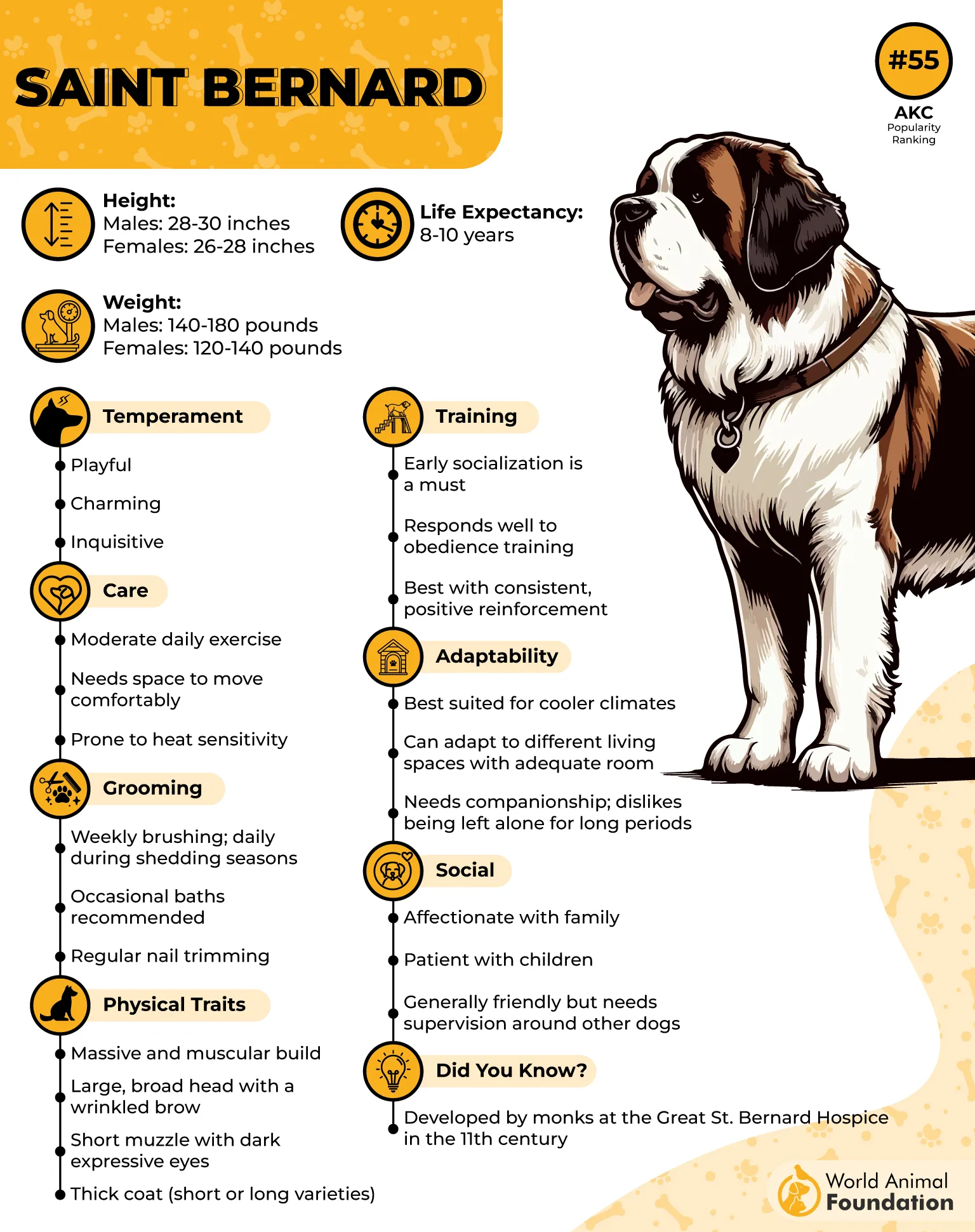
Saint Bernards became famous for their work in the Swiss Alps, where monks at the Great St Bernard Pass used dogs to assist with rescue efforts, as per PDSA. Their strength, endurance, and ability to navigate difficult mountain conditions made them valuable working companions.
Over time, Saint Bernards also became beloved family dogs, recognized for their enormous stature and generally gentle nature. Their history demonstrates that a powerful working dog can also possess a remarkably affectionate personality.
Give Their Large Frames Appropriate Exercise
Saint Bernards benefit from regular, moderate activity that supports healthy muscles and joints without placing unnecessary strain on their substantial bodies. Walks, supervised outdoor activity, and manageable play sessions can help them remain fit.
Training should begin while they are young because an adult Saint Bernard can be difficult to control simply because of its physical size. Basic manners, leash skills, and reliable responses to commands are particularly important.
A Gentle Giant With Natural Deterrence
Their enormous size can make a Saint Bernard an imposing presence even when the dog itself is relaxed. Many individuals are affectionate toward familiar people and can remain calm in ordinary household situations.
That combination of physical presence and amiable temperament can suit families wanting a dog that looks formidable without encouraging unnecessary hostility. Visitors should still be introduced properly, and the dog’s protective responses should be guided through training.
3. Boxer
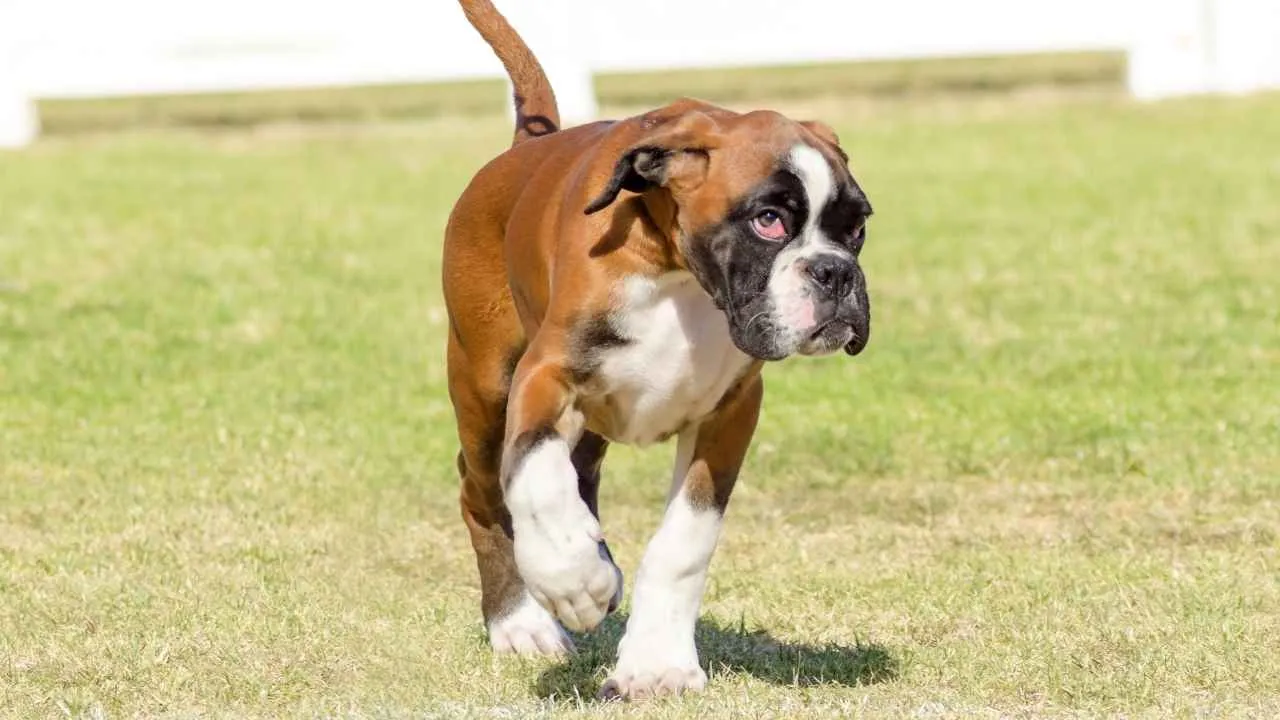
Boxers originated in Germany and descended from working dogs associated with hunting and other demanding tasks, as per Hill’s Pet. Selective breeding eventually emphasized athleticism, intelligence, courage, and close cooperation with people.
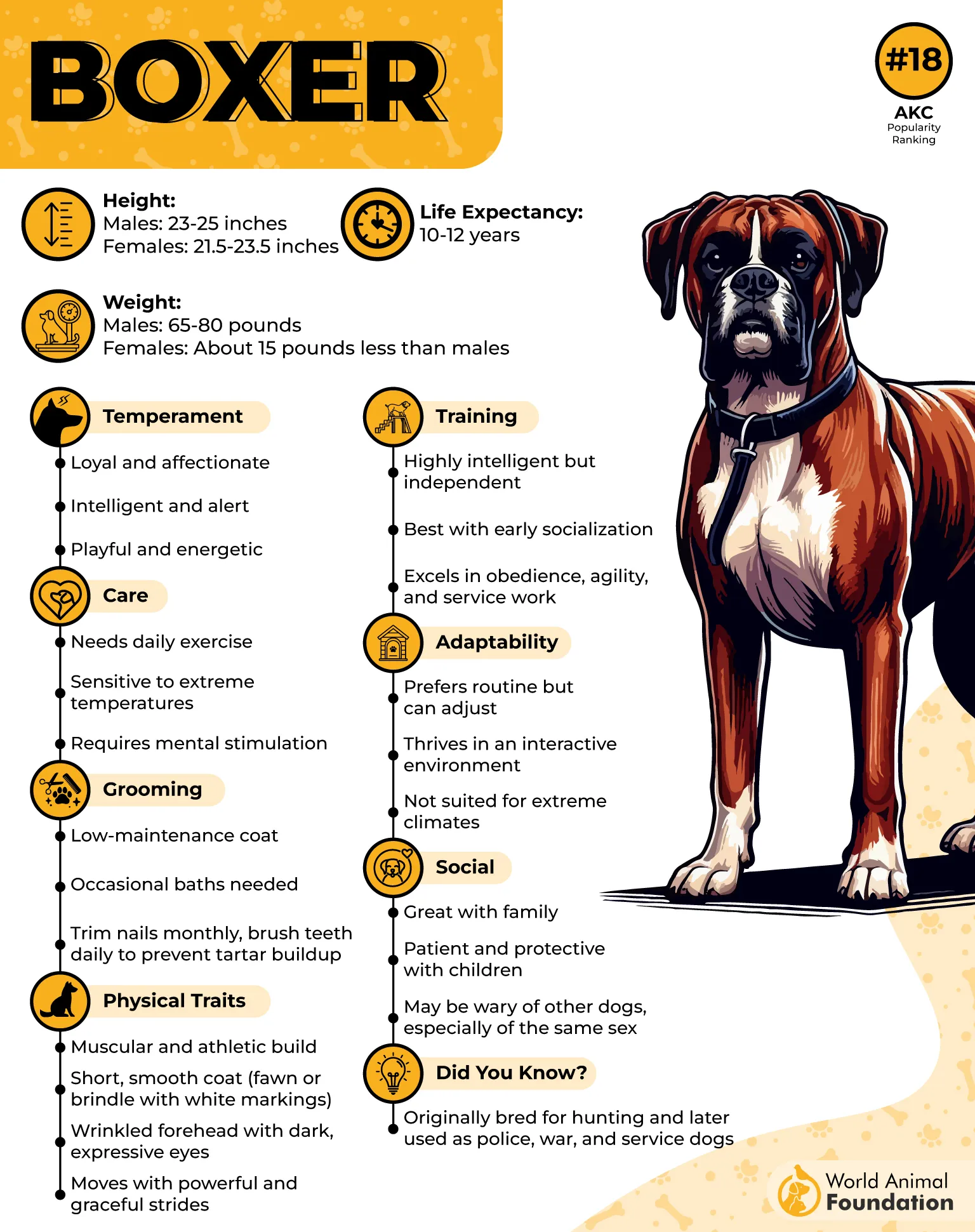
The breed later became popular as a family companion and working dog. Boxers are known for their expressive personalities and enthusiasm, giving them a more energetic character than some of the other guardians on this list.
Channel Their Energy Into Constructive Work
Boxers need regular exercise and mental stimulation to remain content. Brisk walks, interactive games, obedience practice, and activities that involve problem-solving can give them appropriate outlets.
Consistent training is especially valuable because their strength and enthusiasm can become difficult to manage if manners are not established early. Teaching them to settle on command can help balance their naturally lively temperament.
Protective Alertness With a Family-Oriented Heart
Boxers often form strong bonds with their households and can be attentive to unfamiliar activity around their territory. Their alert nature may cause them to investigate unusual sounds or people while remaining closely connected to their owners.
Their protective instincts work best when paired with good socialization. A confident, well-trained Boxer can recognize that ordinary visitors are not automatically threats, allowing its guarding ability to coexist with a welcoming family environment.
4. Estrela Mountain Dog
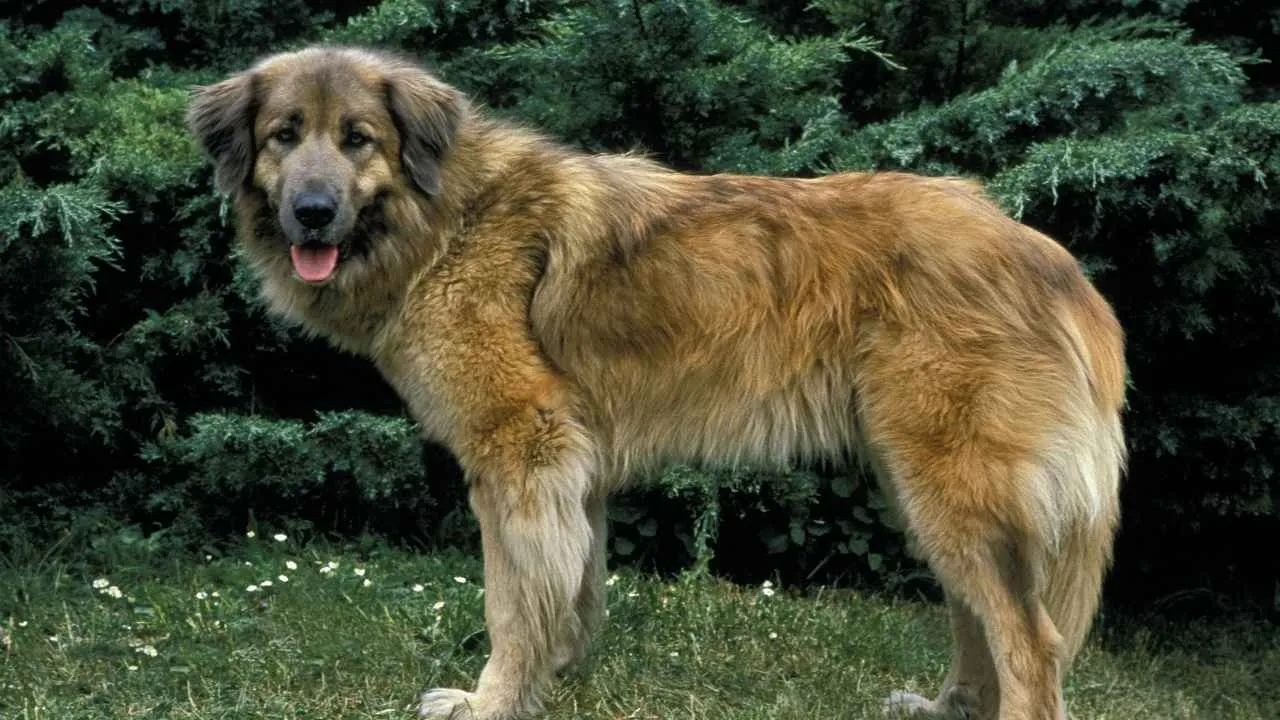
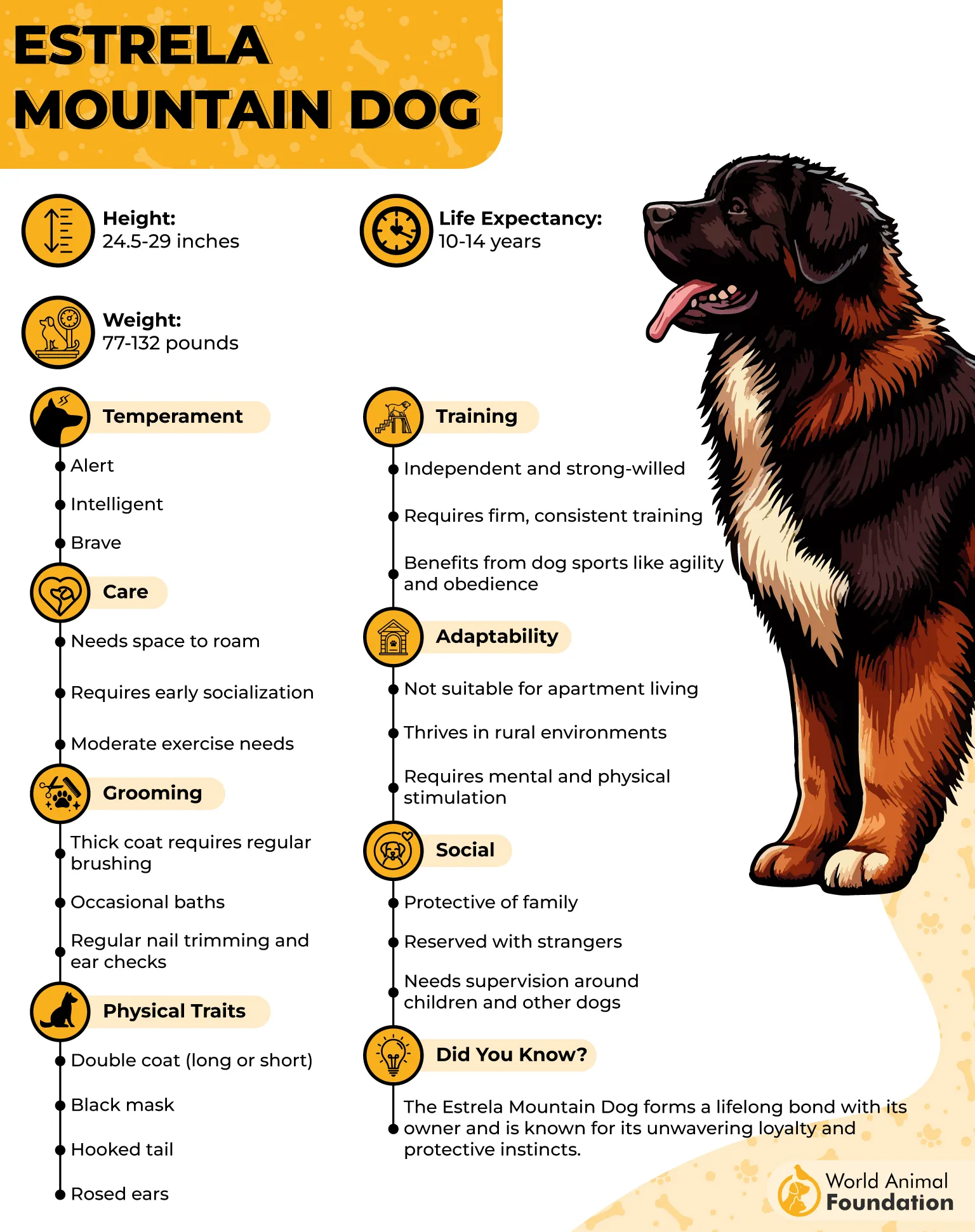
The Estrela Mountain Dog originated in Portugal’s Serra da Estrela, where it was developed to protect livestock in mountainous terrain. Its working duties demanded physical strength, endurance, independence, and the confidence to confront potential predators.
The breed later gained recognition as a devoted property and family guardian. Its substantial frame and serious expression reflect its working heritage, while its loyalty can make it deeply attached to the people it considers family.
Give an Independent Worker a Clear Routine
Estrela Mountain Dogs generally benefit from regular walks, outdoor activity, and opportunities to use their minds. Because they were bred to make decisions while guarding livestock, they may not always wait for instructions before responding to something they consider suspicious.
Early obedience work can establish dependable household rules. Socialization should also be thorough, helping the dog learn that unfamiliar people, sounds, and environments do not automatically represent danger.
A Steady Guardian for the Home
The Estrela’s protective nature can express itself through observation and controlled responses rather than constant excitement. It may spend considerable time monitoring its surroundings before deciding whether something requires action.
This composed approach can make the breed appealing to owners seeking a serious guardian with a stable presence. Its independent character means experienced handling is particularly important for maintaining reliable behavior.
5. Tibetan Mastiff
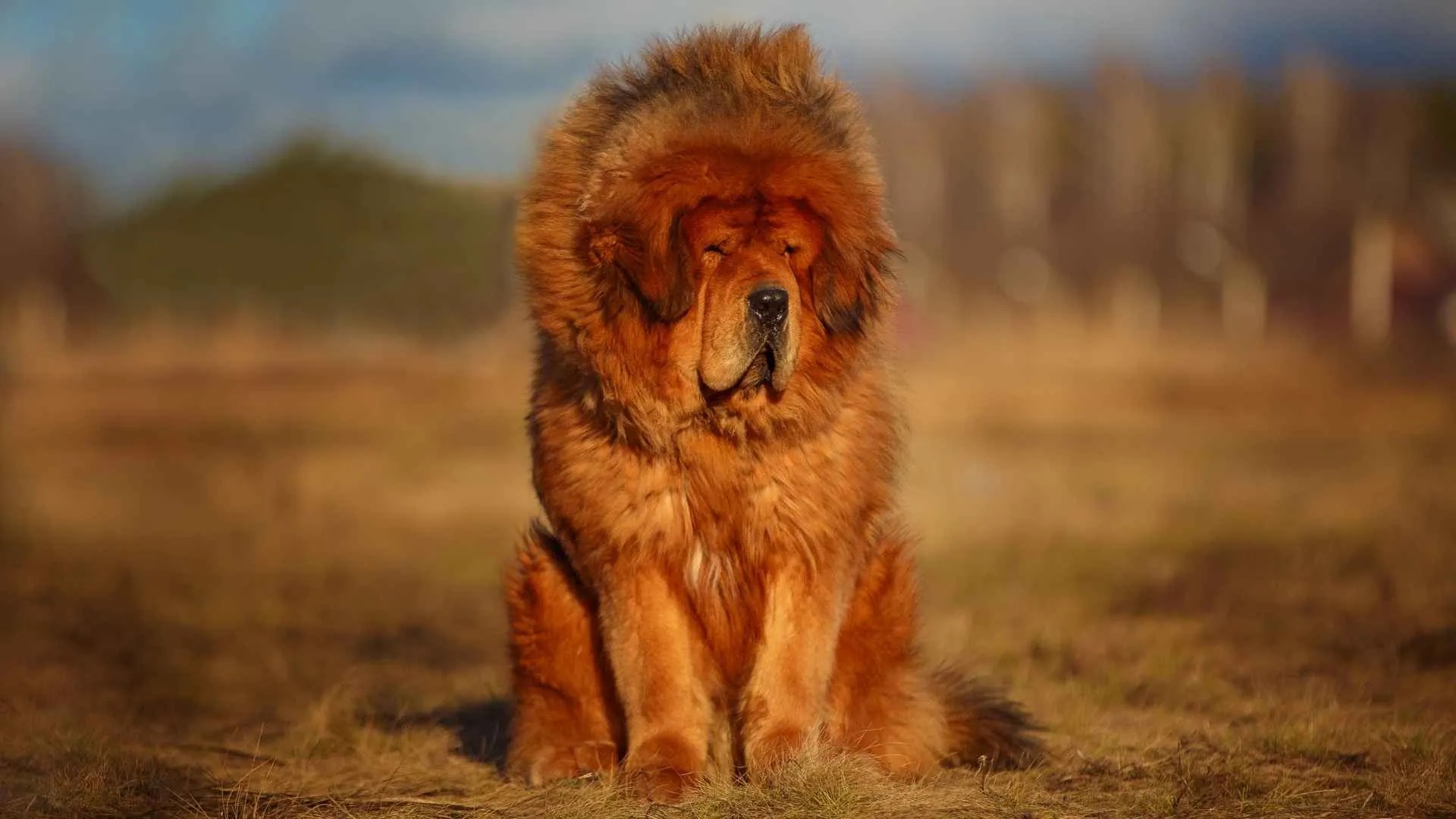
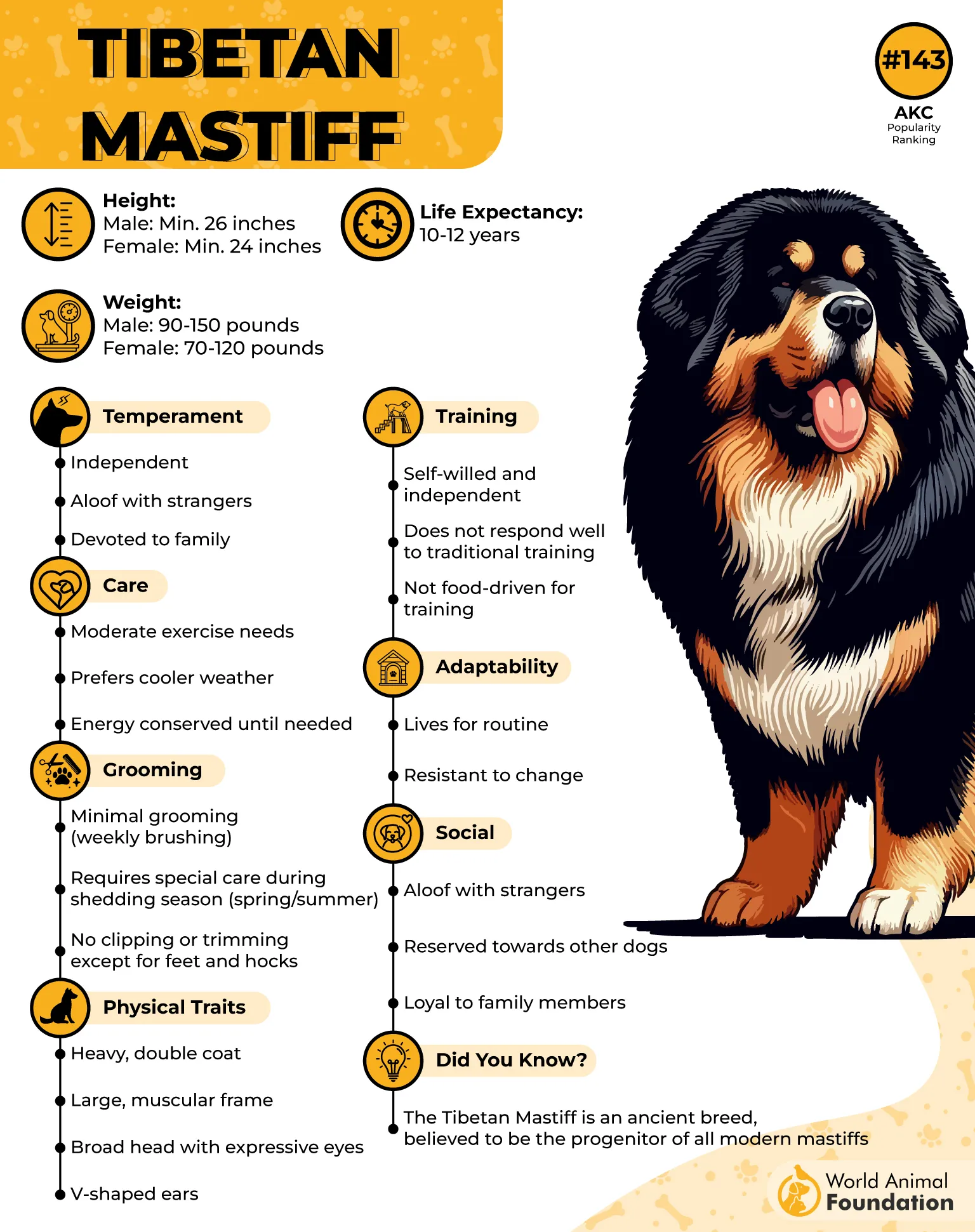
Tibetan Mastiffs have a long association with the Himalayan region, where powerful guardian dogs protected livestock, homes, monasteries, and remote settlements, according to Orvis. Their thick coats and robust bodies helped them withstand challenging outdoor conditions.
Their working background encouraged independence and territorial awareness. Unlike dogs bred primarily to seek frequent direction from humans, Tibetan Mastiffs can be inclined to assess unfamiliar situations for themselves.
Build Confidence Through Early Social Experiences
Tibetan Mastiffs require thoughtful socialization because their natural suspicion of unfamiliar people can become difficult to manage without adequate exposure. Controlled encounters, obedience practice, and clear boundaries can help them distinguish ordinary situations from genuine concerns.
They also need sufficient room and appropriate daily activity. Secure fencing is essential for a breed with strong territorial instincts and considerable physical strength.
A Powerful Sentinel With a Measured Approach
Their guardian heritage can make Tibetan Mastiffs highly attentive to activity around their territory. They may use their deep, imposing bark to alert their owners when something appears unusual rather than immediately rushing toward the perceived disturbance.
This watchful nature can provide a strong sense of security, particularly on suitable properties. Their independence, however, means they are generally better suited to experienced owners who understand how to manage a serious guardian breed.
6. Rhodesian Ridgeback
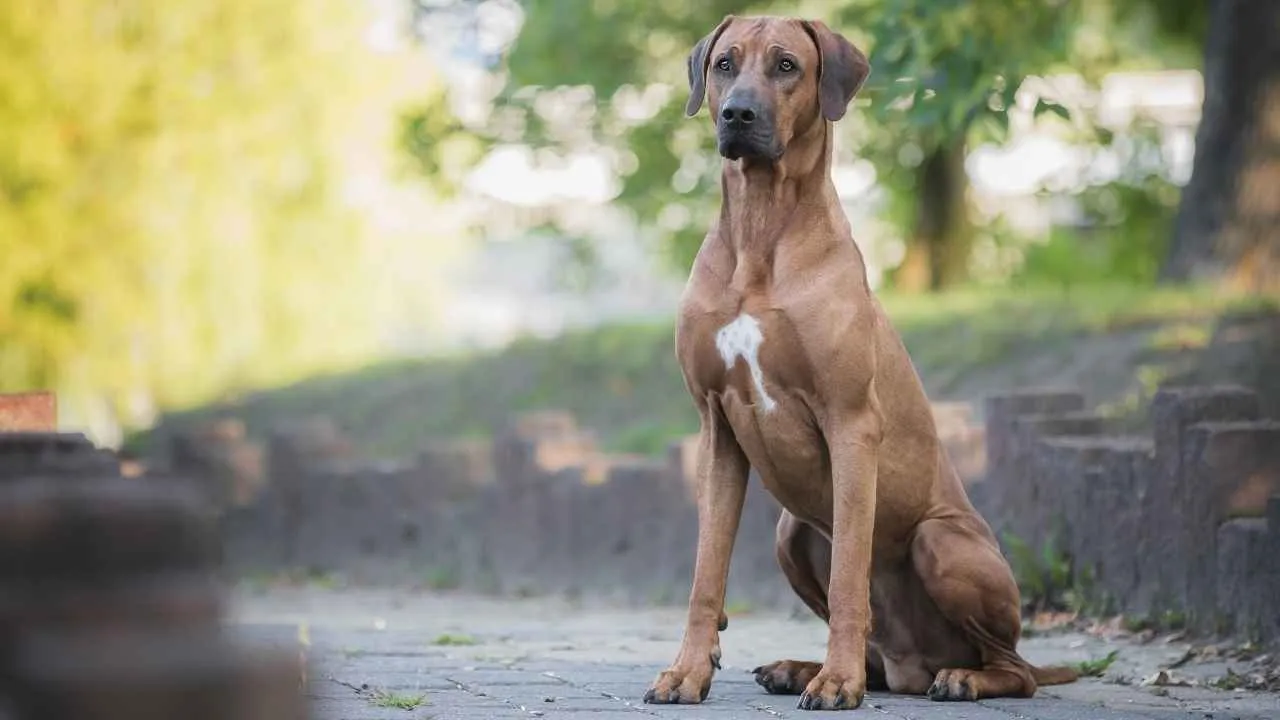
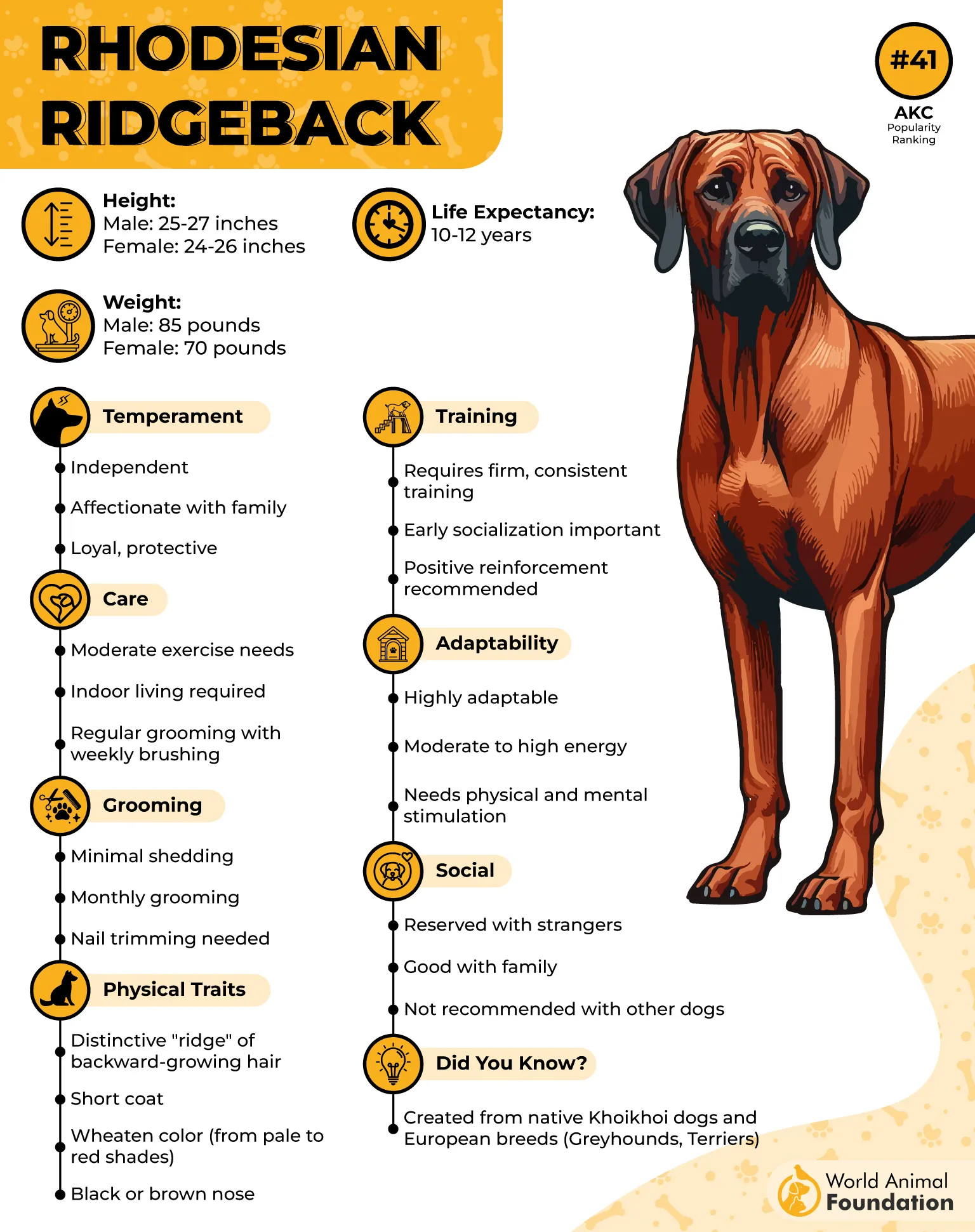
Rhodesian Ridgebacks were developed in southern Africa and became associated with hunting and protecting homesteads. Their athletic bodies, endurance, courage, and distinctive ridge of hair along the spine are among their best-known characteristics.
The breed combines physical capability with a comparatively restrained household personality when its needs are properly met. Ridgebacks can be affectionate with their families while remaining cautious about unfamiliar situations.
Keep Their Athletic Side Properly Satisfied
Rhodesian Ridgebacks need regular physical activity and opportunities to engage their minds. Long walks, controlled running, hiking, and obedience exercises can help prevent unused energy from becoming frustration.
Training should emphasize recall, impulse control, leash manners, and cooperation. Their intelligence and independence can sometimes make repetitive exercises unappealing, so varied activities can keep them interested.
Confident Protection Without Constant Noise
A Ridgeback’s confidence can make it an effective deterrent without requiring nonstop barking or frantic behavior. Its athletic build and self-assured presence may cause strangers to think twice about approaching a property.
Inside the home, a well-exercised Ridgeback can be considerably more relaxed. Strong socialization and consistent household rules are important for ensuring that its natural caution remains controlled rather than developing into unnecessary suspicion.
7. Great Pyrenees
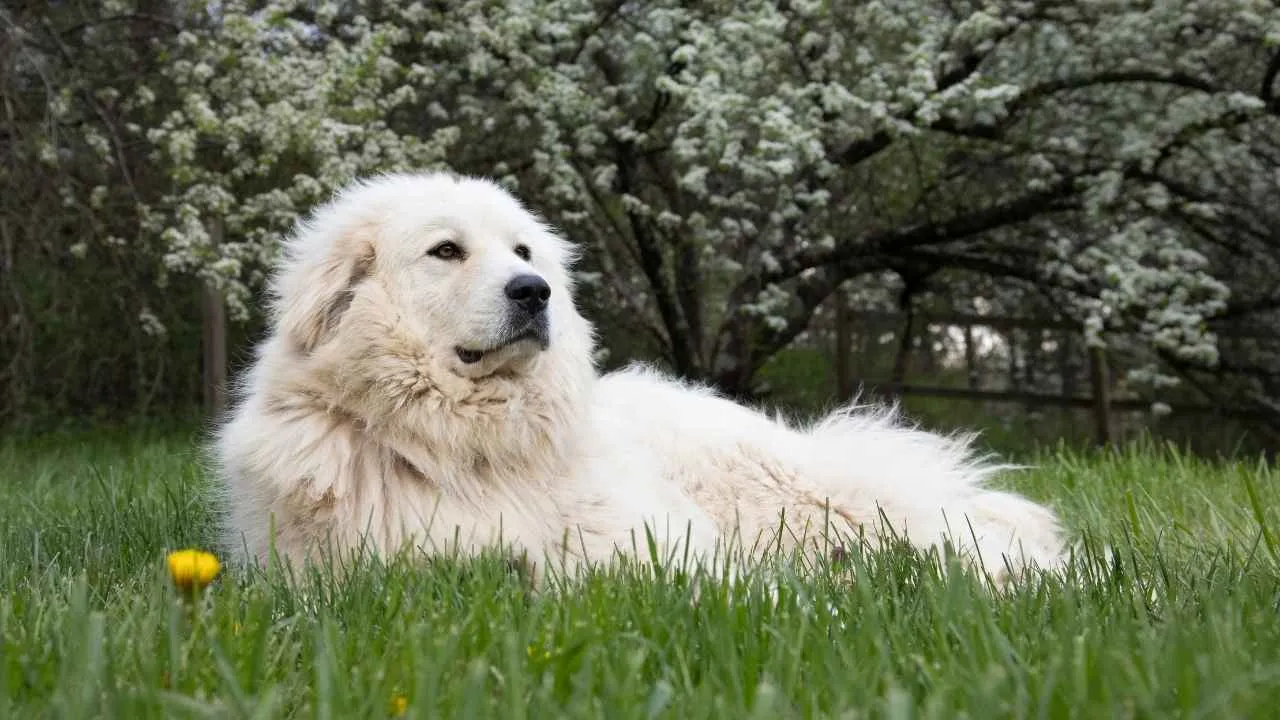
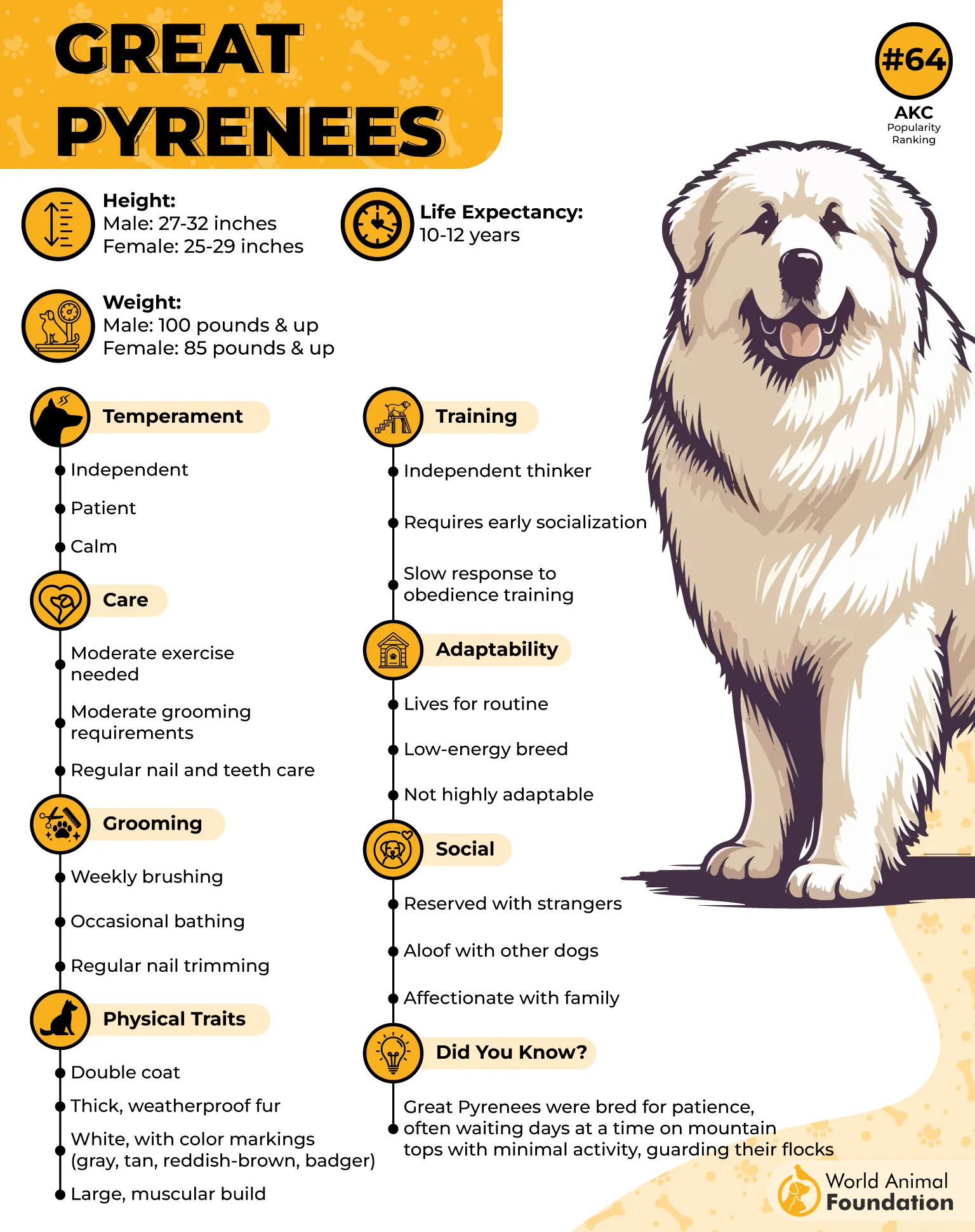
Great Pyrenees dogs originated in the mountainous regions of France and Spain, where they worked as livestock guardians. They were expected to remain with vulnerable animals and independently monitor the surrounding landscape for predators.
Their traditional role encouraged patience, courage, endurance, and territorial awareness. Today, these qualities can make them devoted family guardians when their environment and management suit their needs.
Provide Space for Their Natural Guardian Instincts
Great Pyrenees dogs benefit from regular outdoor activity, although they do not necessarily need the intense exercise demanded by highly athletic breeds. Secure yards and opportunities to patrol appropriate areas can complement their natural working tendencies.
Owners should also prepare for their independence. Reward-based training, consistent boundaries, and early socialization can help teach the dog when its guarding behavior is appropriate.
Patient Protection With a Peaceful Exterior
A Great Pyrenees can spend long periods calmly observing its surroundings before deciding that intervention is necessary. Its impressive size and confidence can provide deterrence even when the dog is simply resting or walking around its property.
This measured temperament can work especially well for households that appreciate a guardian with a slower, more deliberate style. However, their tendency to alert at unfamiliar activity means owners should consider neighbors and local living conditions.
8. Newfoundland
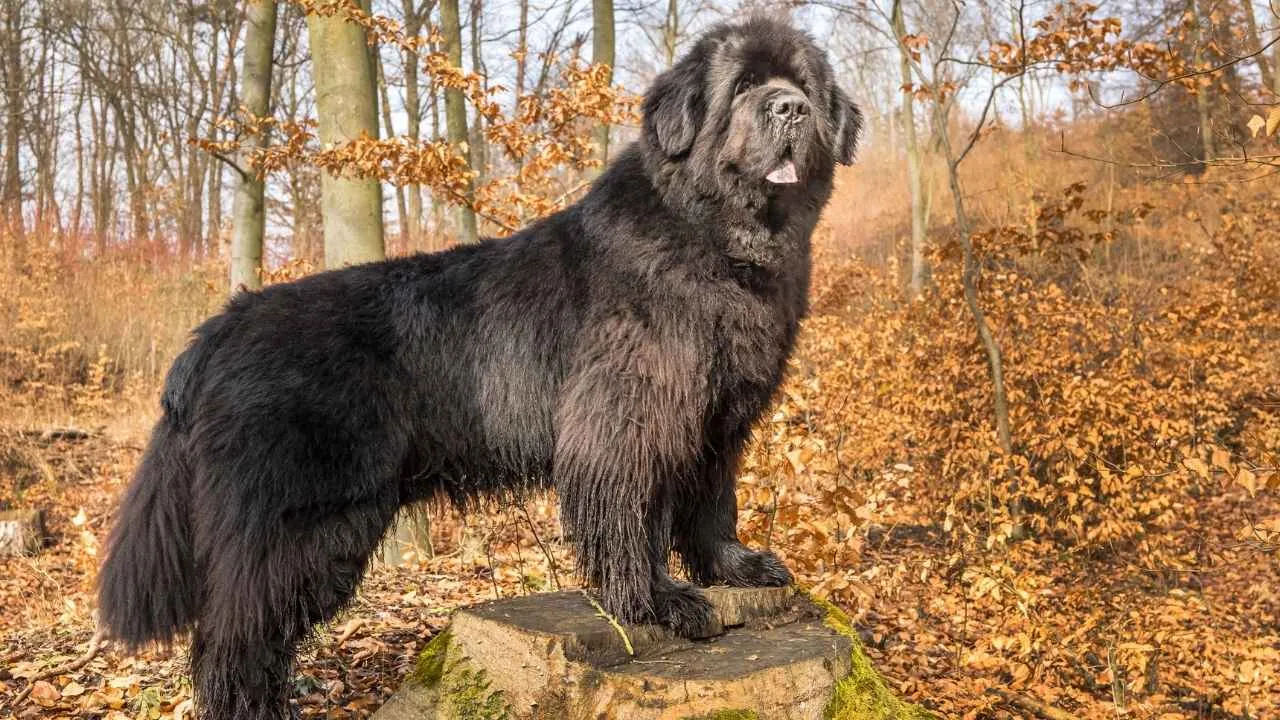
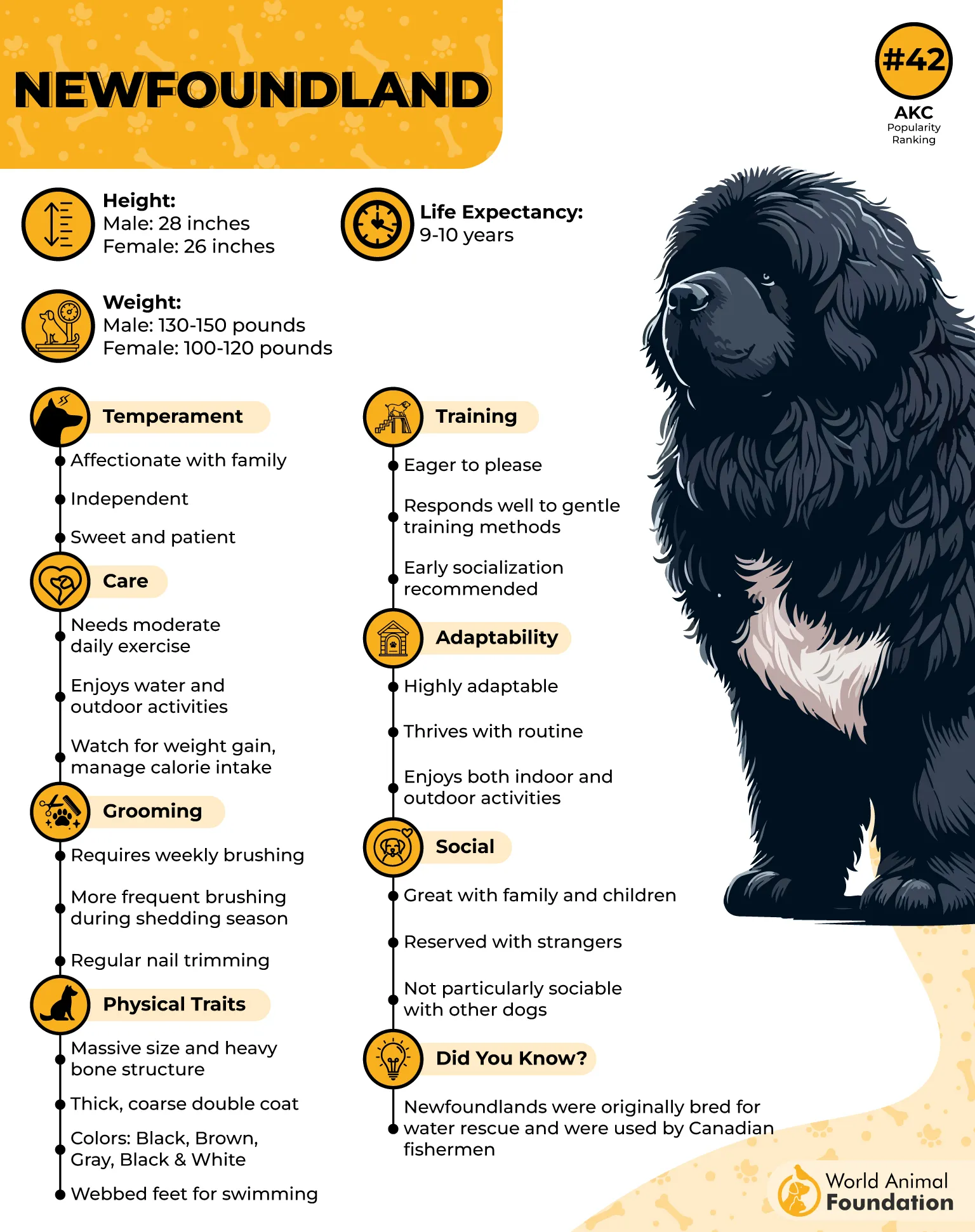
Newfoundlands originated in Newfoundland, Canada, where they worked alongside fishermen and were valued for their strength, swimming ability, endurance, and willingness to assist people. Their thick coats and powerful bodies helped them perform demanding tasks in cold water.
Although they are not traditional attack-oriented guard dogs, Newfoundlands have become celebrated family companions because of their gentle and dependable personalities. Their imposing size alone can also create a natural deterrent.
Keep Their Strength Supported With Moderate Activity
Newfoundlands require regular exercise to maintain healthy bodies, but activities should be appropriate for their size and physical development. Walking, swimming, controlled outdoor play, and gentle retrieving games can provide excellent outlets.
Training should focus on manners from an early age. Teaching a giant dog not to pull, jump, or crowd people is much easier when those habits are addressed before the dog reaches full size.
Gentle Nature With a Reassuring Presence
Newfoundlands are often more likely to win people over with their calm companionship than intimidate them through overt guarding behavior. Their substantial build can nevertheless make them an effective visual deterrent when someone unfamiliar approaches.
Their stable, people-oriented character can be particularly appealing to families who want security without an excessively intense temperament. Proper supervision and socialization remain important because even a gentle giant can accidentally overwhelm smaller people or animals.
9. Anatolian Shepherd
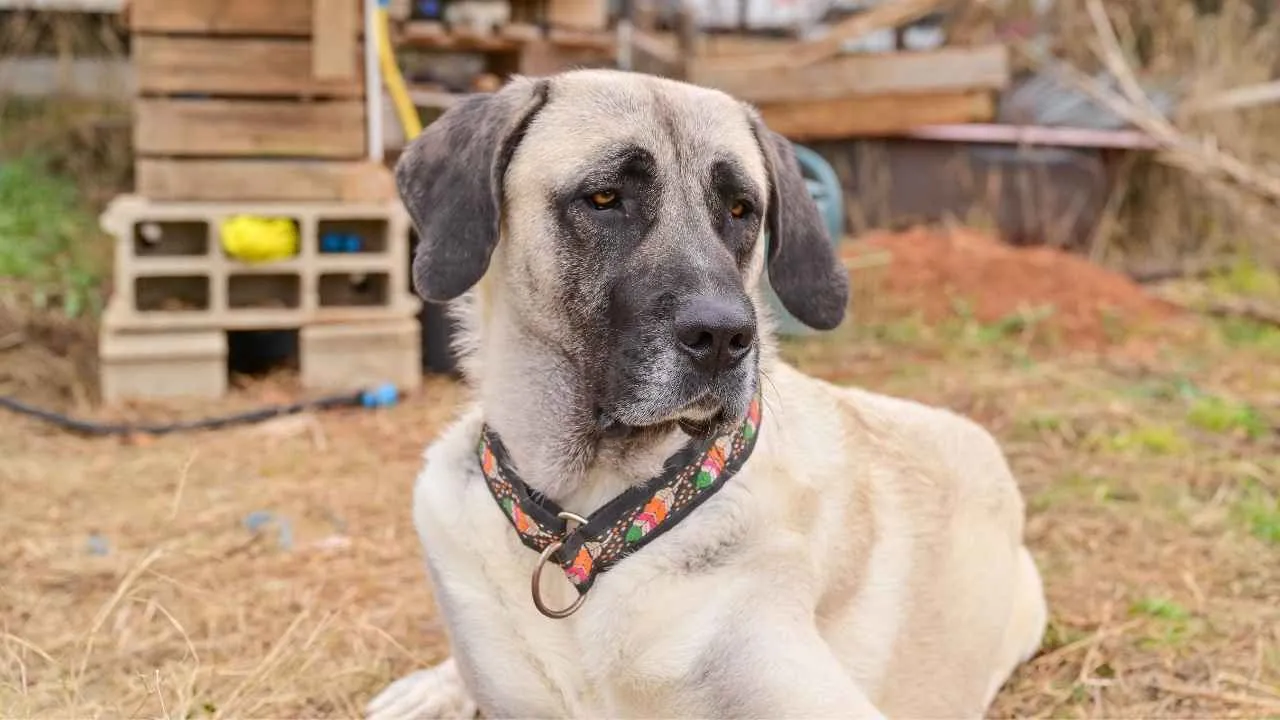
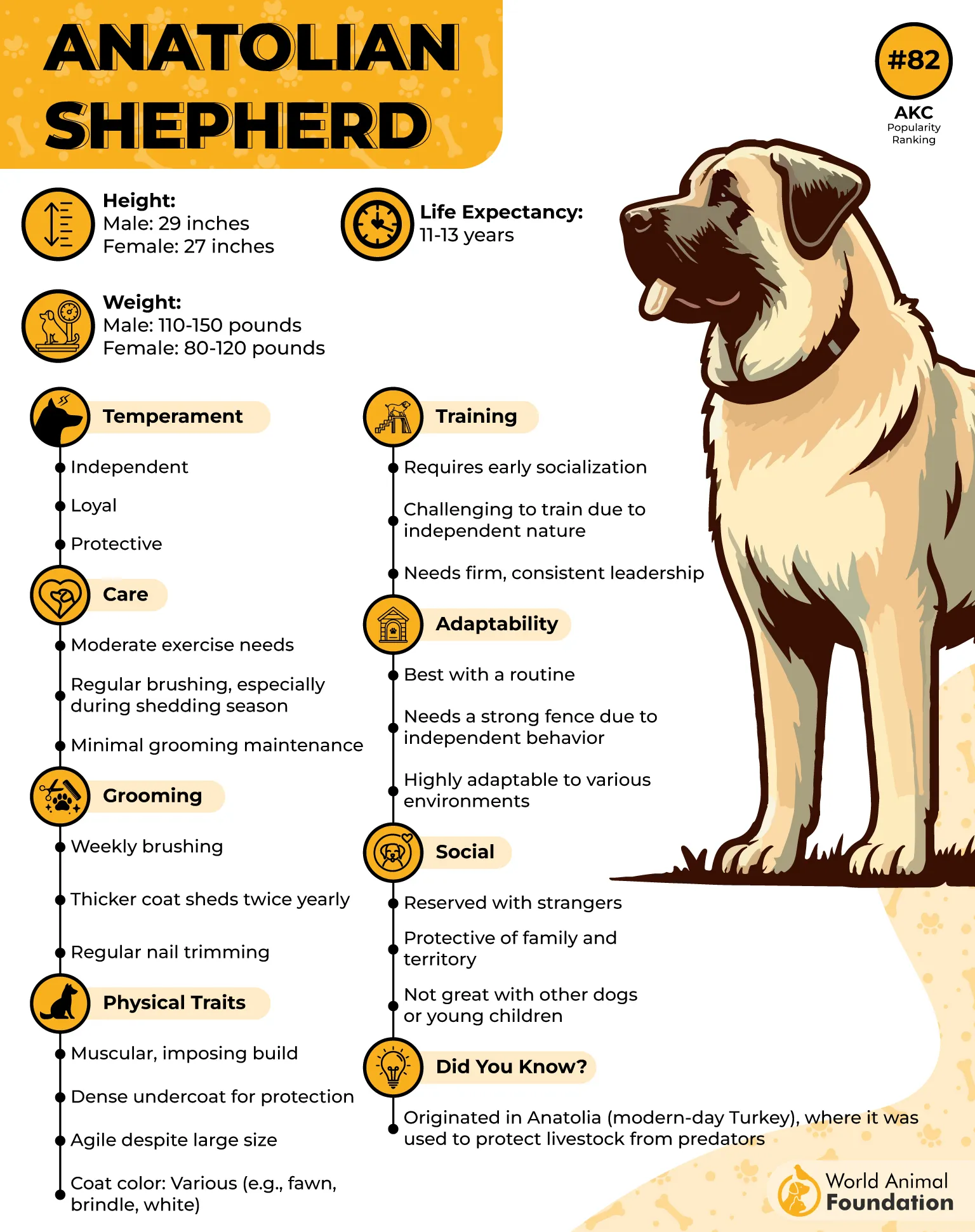
The Anatolian Shepherd is associated with Turkey, where dogs of this type were developed to protect livestock from predators across large and challenging landscapes. Their traditional work required endurance, independence, courage, and an ability to make decisions without constant human direction.
These qualities remain prominent in the modern breed. Anatolian Shepherds can become deeply devoted to their families while maintaining a serious and watchful attitude toward unfamiliar people and animals.
Respect Their Need for Purpose and Boundaries
Anatolian Shepherds benefit from meaningful activity, regular exercise, and opportunities to use their natural abilities. They are not generally suited to owners who expect a highly biddable dog that follows every command without question.
Early socialization and structured obedience can help establish appropriate responses. Secure containment is also important because their territorial instincts and independent nature can encourage them to patrol beyond the boundaries of an inadequately secured property.
A Calm Watchdog With Serious Instincts
An Anatolian Shepherd may spend much of its time quietly surveying its surroundings instead of seeking constant interaction. Its ability to remain observant for long periods is one of the qualities that made it valuable as a livestock guardian.
When properly managed, that vigilance can translate into a composed household guardian that responds when it perceives a legitimate concern. Its independent decision-making should never be mistaken for disobedience that can simply be ignored; experienced ownership and consistent guidance are essential.
Conclusion
Chow Chows, Saint Bernards, Boxers, Estrela Mountain Dogs, Tibetan Mastiffs, Rhodesian Ridgebacks, Great Pyrenees, Newfoundlands, and Anatolian Shepherds all offer different interpretations of calm protection. Some rely heavily on their imposing appearance, while others combine territorial awareness with a reserved personality or strong family attachment.
A serene guard dog is not defined simply by how little it barks or how rarely it reacts. True stability comes from appropriate genetics, socialization, training, exercise, environmental management, and an owner who understands the breed’s instincts. Even a naturally composed guardian needs guidance so that protective behavior remains appropriate.
For families seeking a secure yet peaceful household, the goal should be a confident dog capable of recognizing ordinary life without treating every unfamiliar event as a threat. With responsible ownership and realistic expectations, a well-suited guardian can provide both companionship and a reassuring sense of security.
