





Training a dog at home can be a rewarding way to establish good manners, strengthen communication, and build a dependable relationship. While every dog learns at its own pace, some breeds are particularly appreciated for their willingness to cooperate, people-oriented personalities, or ability to remain engaged during repeated lessons.
Patience does not mean a dog will automatically understand every basic command. Successful home training still depends on consistency, positive reinforcement, appropriate rewards, realistic expectations, and regular practice. Puppies and adult dogs also differ in attention span and previous experience, so lessons should be adapted to the individual.
The seven best dog breeds below have different exercise and grooming requirements, but they can all offer qualities that may make home-based training enjoyable. Each brings a different learning style to the household.
Dog Breeds with the Best Patience for Home Training
1. Cavalier King Charles Spaniel
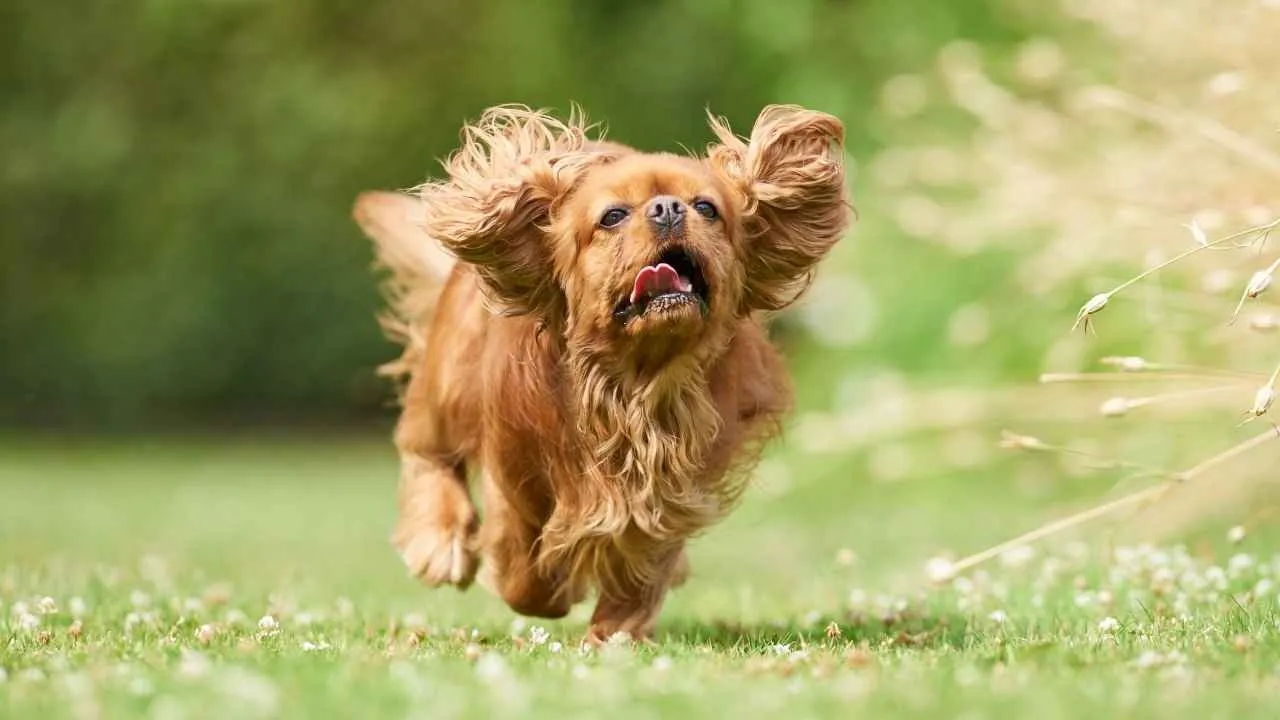
The Cavalier King Charles Spaniel is a small companion breed with a long association with British aristocratic households. Its elegant appearance, feathered coat, and affectionate nature helped it become the most popular family dog rather than a dog bred primarily for strenuous work.
Cavaliers generally enjoy staying close to their families and participating in everyday activities. Their affectionate disposition can make them responsive to gentle interaction and reward-based instruction.
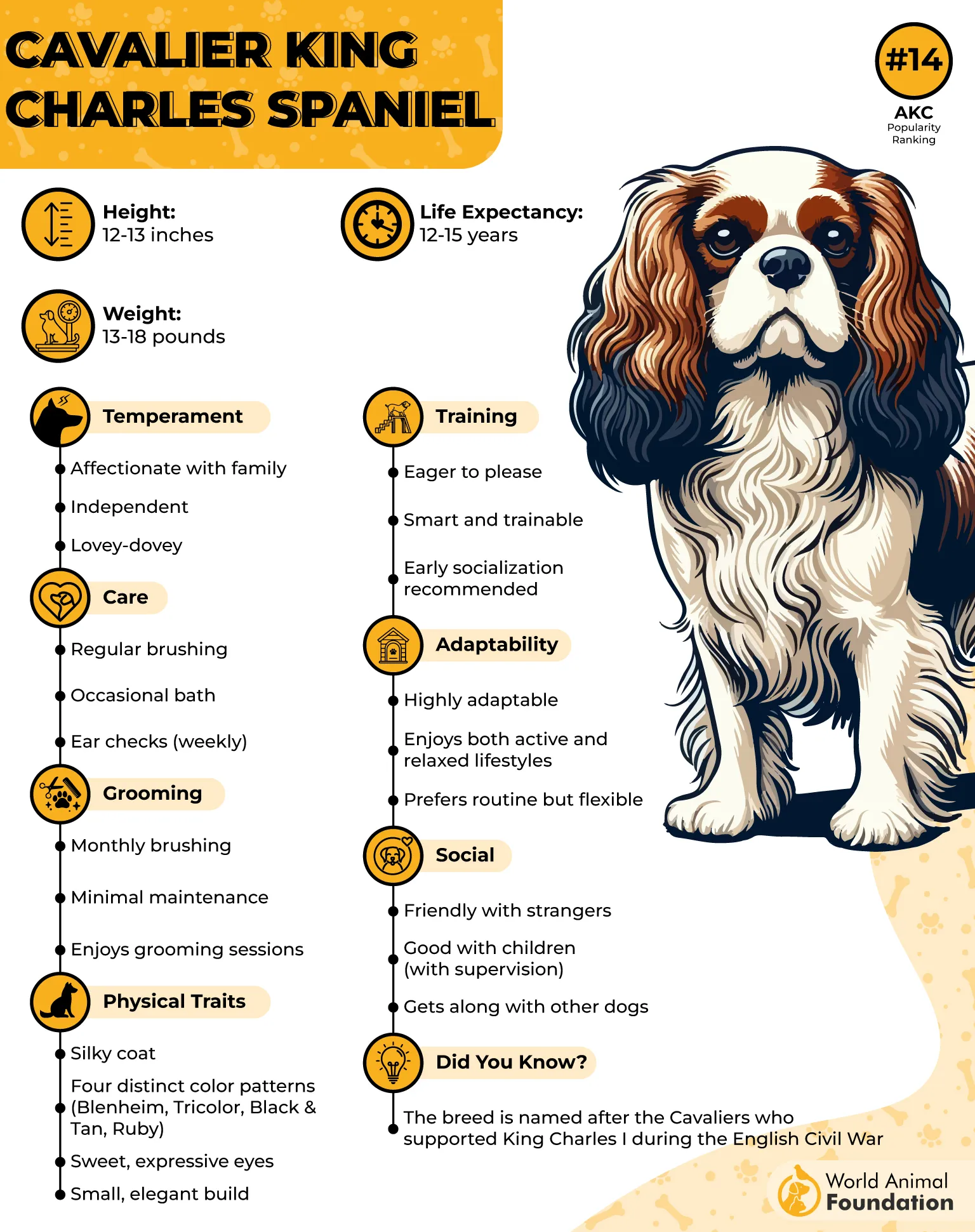
Maintain Their Silky Coat and Watch Their Health
Cavalier King Charles Spaniels have a medium-length coat with feathering around the ears, chest, legs, and tail. Regular brushing helps prevent tangles, particularly in areas where the hair is prone to matting.
Routine dental care, nail trimming, ear checks, and veterinary examinations are important parts of responsible care. The breed can be affected by certain inherited heart and neurological conditions, so appropriate veterinary monitoring is especially valuable.
A Gentle Learner Who Enjoys Encouragement
Cavaliers are often affectionate dogs, eager to please, and responsive to positive attention. These qualities can make them pleasant companions for owners teaching basic household behaviors.
Harsh corrections can be counterproductive for sensitive dogs. Short sessions using treats, praise, toys, and repetition can help maintain enthusiasm while gradually building reliable responses.
2. Clumber Spaniel
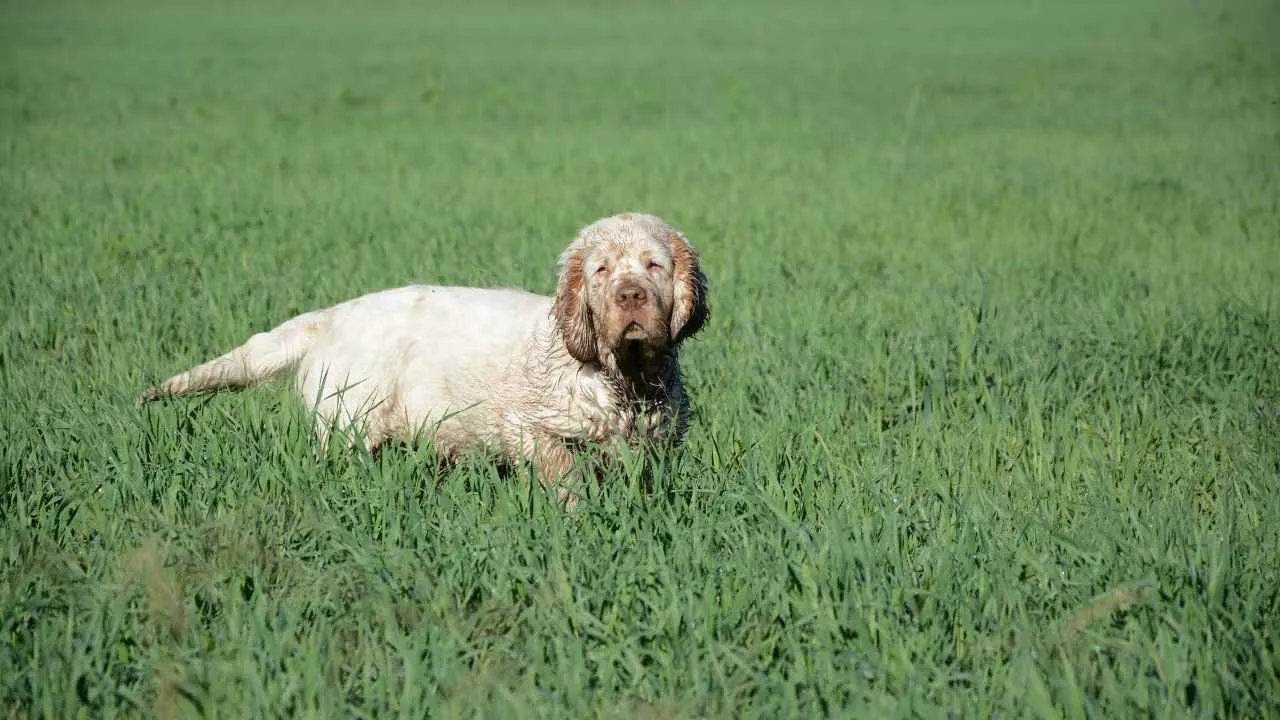
The Clumber Spaniel originated in Britain and was developed as a flushing and retrieving dog, as per Hill’s Pet. Its heavy body, broad head, and distinctive expression give it a markedly different appearance from the lighter sporting spaniels.
Although it has a working heritage, the Clumber is generally associated with a calmer style of activity. Its steady personality can make it appealing to owners who prefer a less frantic companion.
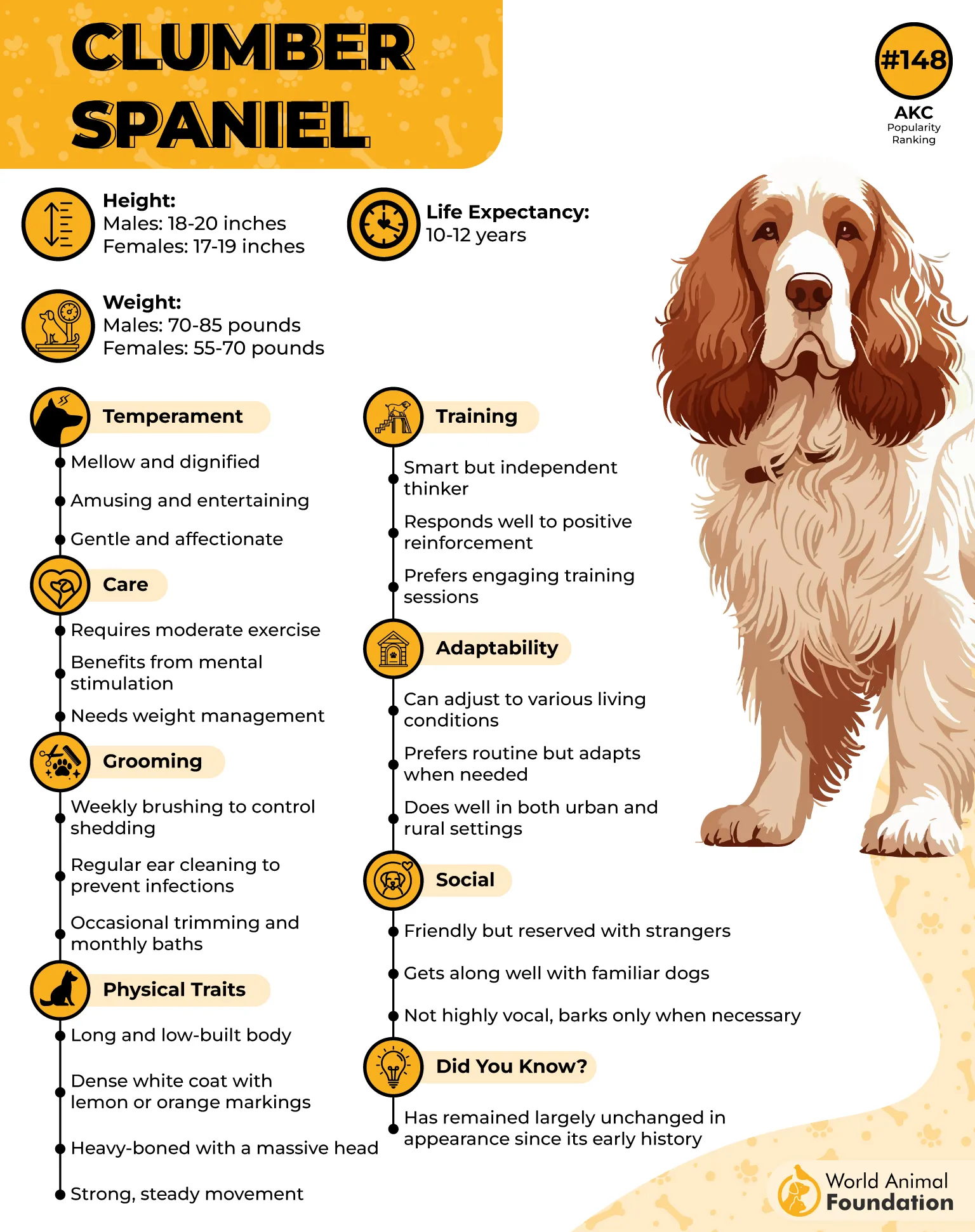
Keep Their Dense Coat Clean and Their Weight Controlled
Clumber Spaniels have a dense, straight coat with feathering that requires regular brushing. Their long ears and facial areas also deserve routine inspection to keep them clean and reduce the risk of irritation.
Because they are substantial dogs with a tendency toward weight gain, portion control and appropriate daily activity are important. Regular veterinary care can help monitor joint health, weight, and other breed-related concerns.
A Steady Temperament for Repeated Lessons
Clumbers can be calm, affectionate, and thoughtful in their interactions with people. They may not have the rapid-fire energy of some sporting breeds, but their measured personality can work well with patient instruction.
Training sessions should remain interesting and reward-focused. Giving the dog time to process a new behavior instead of rushing through repetitions can encourage cooperation and reduce frustration.
3. Golden Retriever
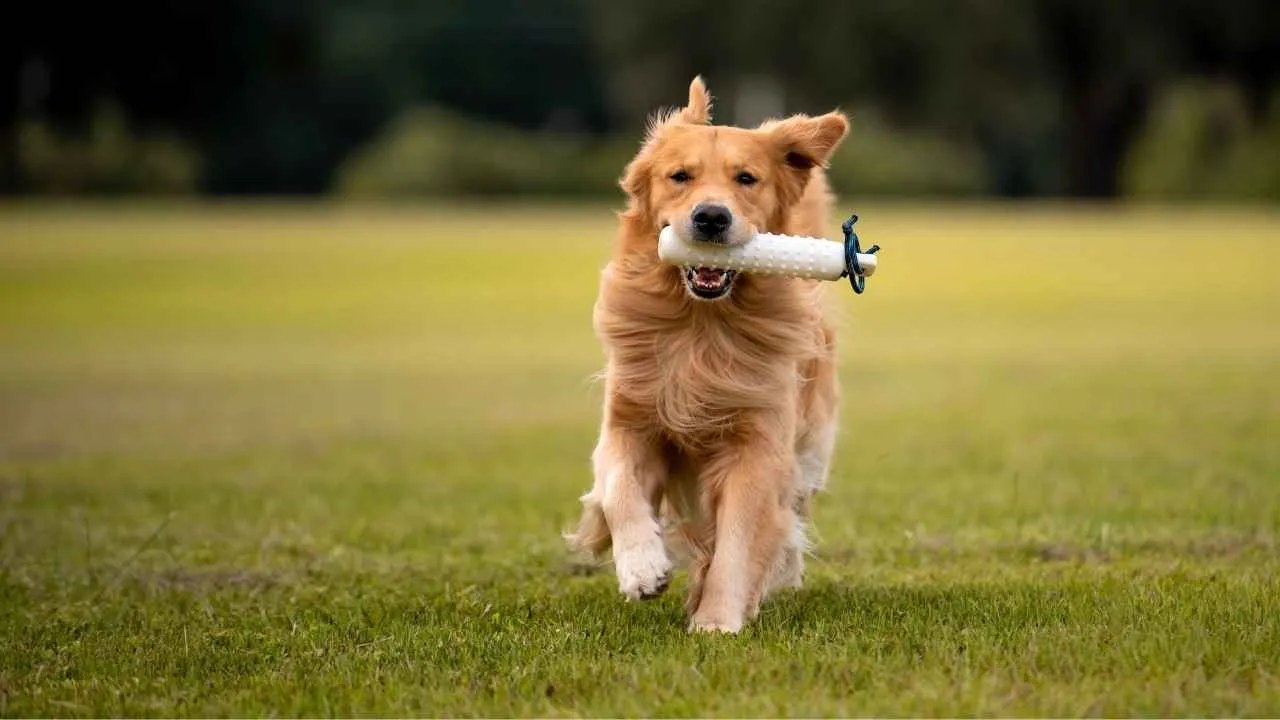
Golden Retrievers originated in Scotland during the nineteenth century and were developed as sporting dogs capable of retrieving game from land and water. Their breeding emphasized cooperation, intelligence, endurance, and a soft mouth.
Those qualities later helped Golden Retrievers become popular family, assistance, and working dogs. Their enthusiasm for human interaction remains one of the breed’s defining characteristics.
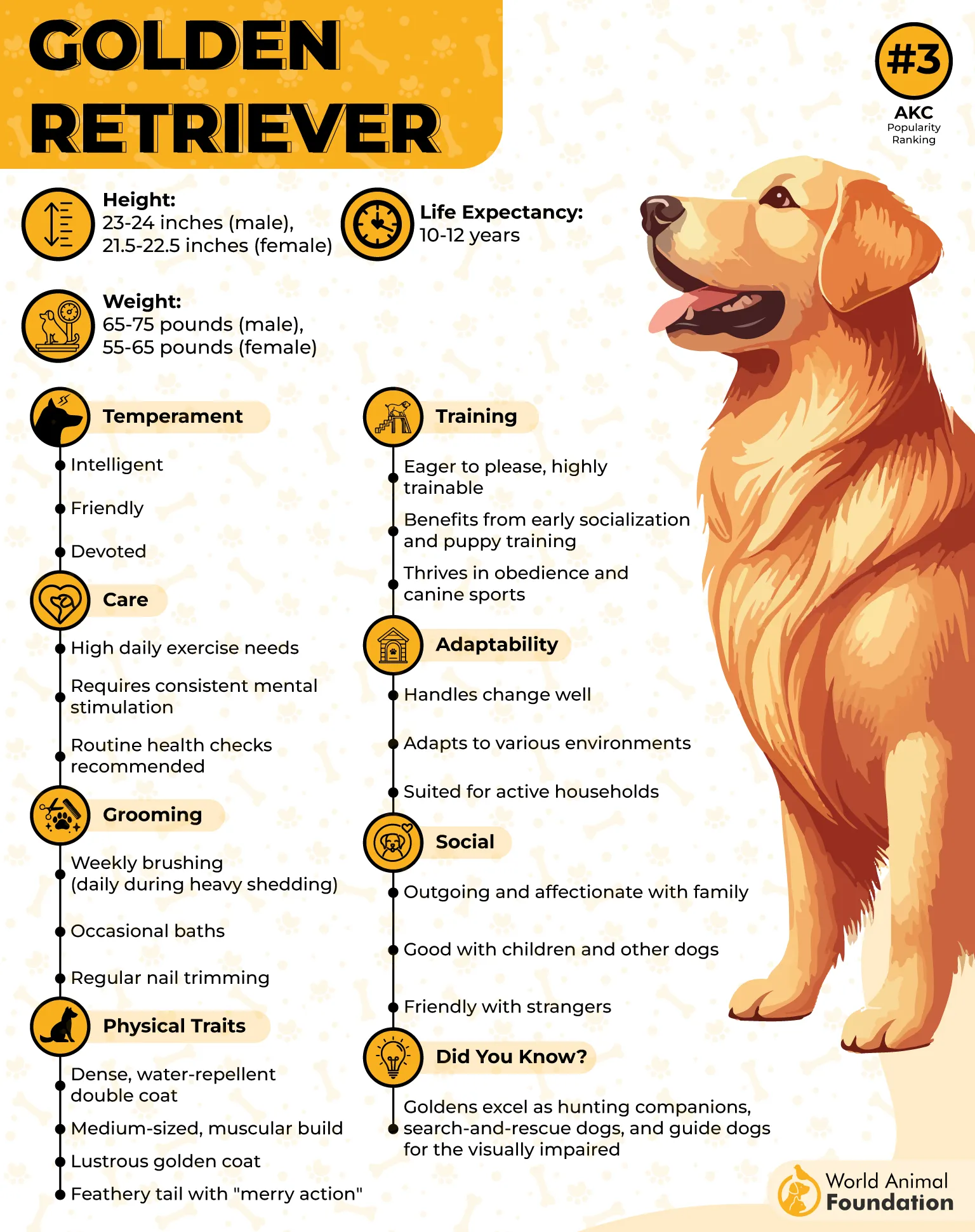
Brush Their Coat Regularly and Support an Active Lifestyle
Golden Retrievers have a dense double coat with feathering that benefits from frequent brushing. Regular grooming helps manage loose hair and reduces the likelihood of tangles.
They also need regular exercise to support physical and mental health. Balanced nutrition, healthy weight management, dental care, and routine veterinary visits are important because excess weight can place additional strain on their joints.
An Eager Student With a Cooperative Nature
Goldens are often highly responsive to people and enjoy learning behaviors that earn praise, treats, or play. Their willingness to work alongside humans can make them particularly rewarding for home training.
These muscular dogs usually benefit from gradually increasing the difficulty of exercises. Practicing recall, loose-leash walking, settling indoors, and impulse control can turn their natural enthusiasm into dependable household manners.
4. Poodle
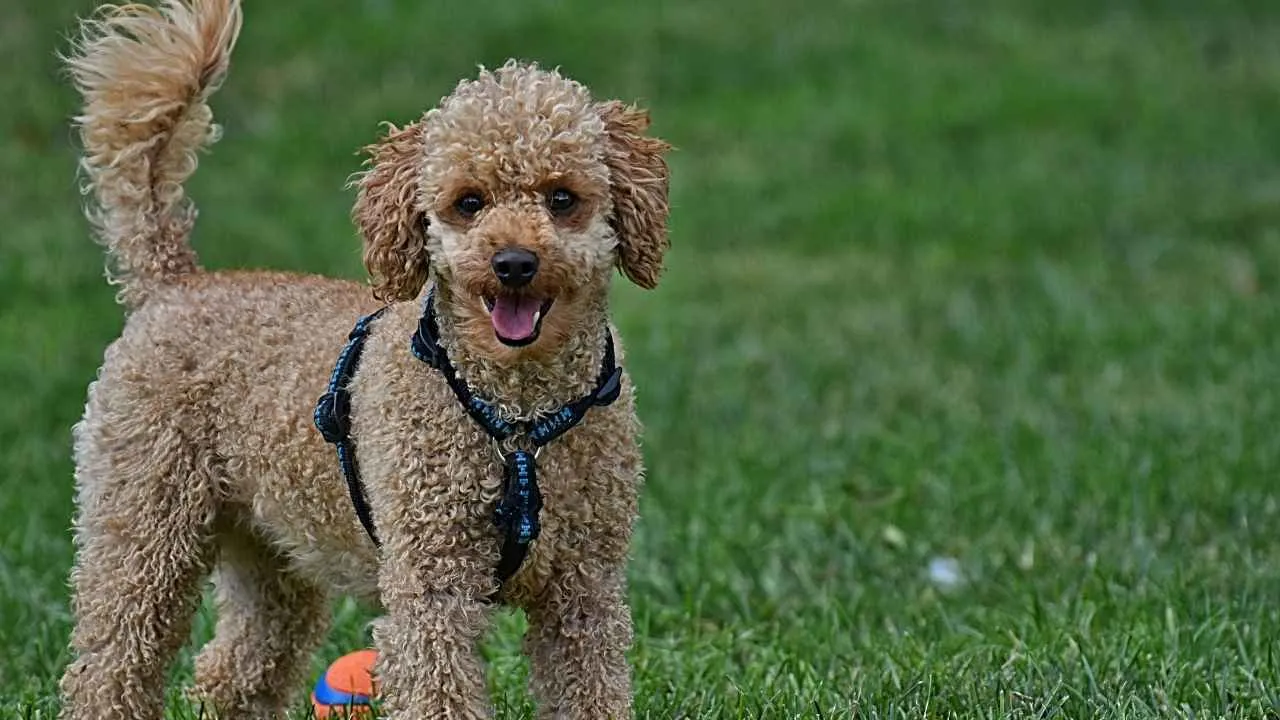
Poodles have roots in European water-retrieving dogs, with Germany associated with their early development and France later becoming strongly connected with the breed. These intelligent dogs were developed as capable working dogs rather than simply decorative companions.
Today, Poodles are recognized in Standard, Miniature, and Toy sizes. Across the varieties, intelligence and responsiveness are among the qualities that have contributed to their popularity in consistent training and performance activities.
Their Coat Needs Regular Professional-Style Maintenance
Poodles have a curly coat that continues growing rather than shedding heavily in the same way as many other breeds. Regular brushing is necessary to prevent mats, and professional clipping is commonly required to maintain a manageable coat.
Dental hygiene, nail care, ear cleaning, and routine veterinary visits should also be included in their care routine. Their active minds benefit from both physical exercise and regular opportunities to solve problems.
Quick Minds That Thrive on Learning
Poodles are often highly intelligent and capable of learning a wide range of behaviors. They can become enthusiastic participants when positive reinforcement training is varied, rewarding, and mentally stimulating.
Repetition without purpose may bore them, so owners can introduce tricks, scent games, obedience exercises, and household tasks to keep lessons engaging. Clear communication and consistency help prevent their intelligence from turning into clever mischief.
5. Havanese
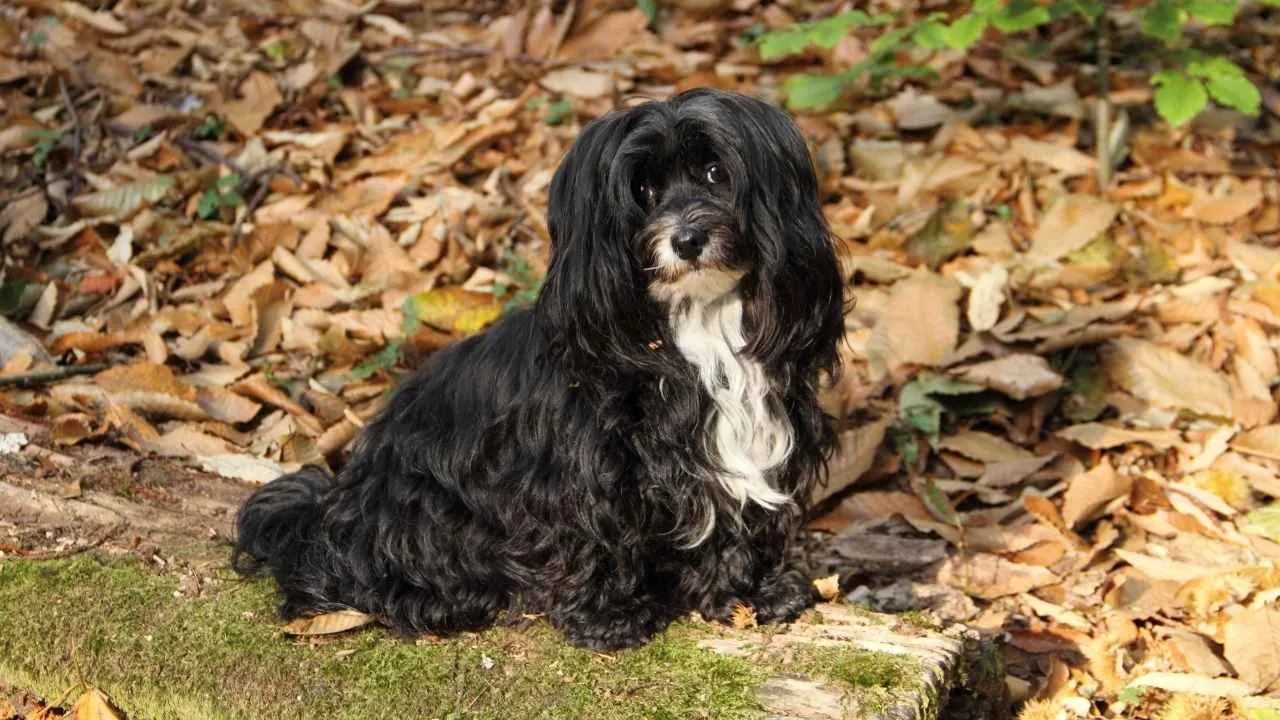
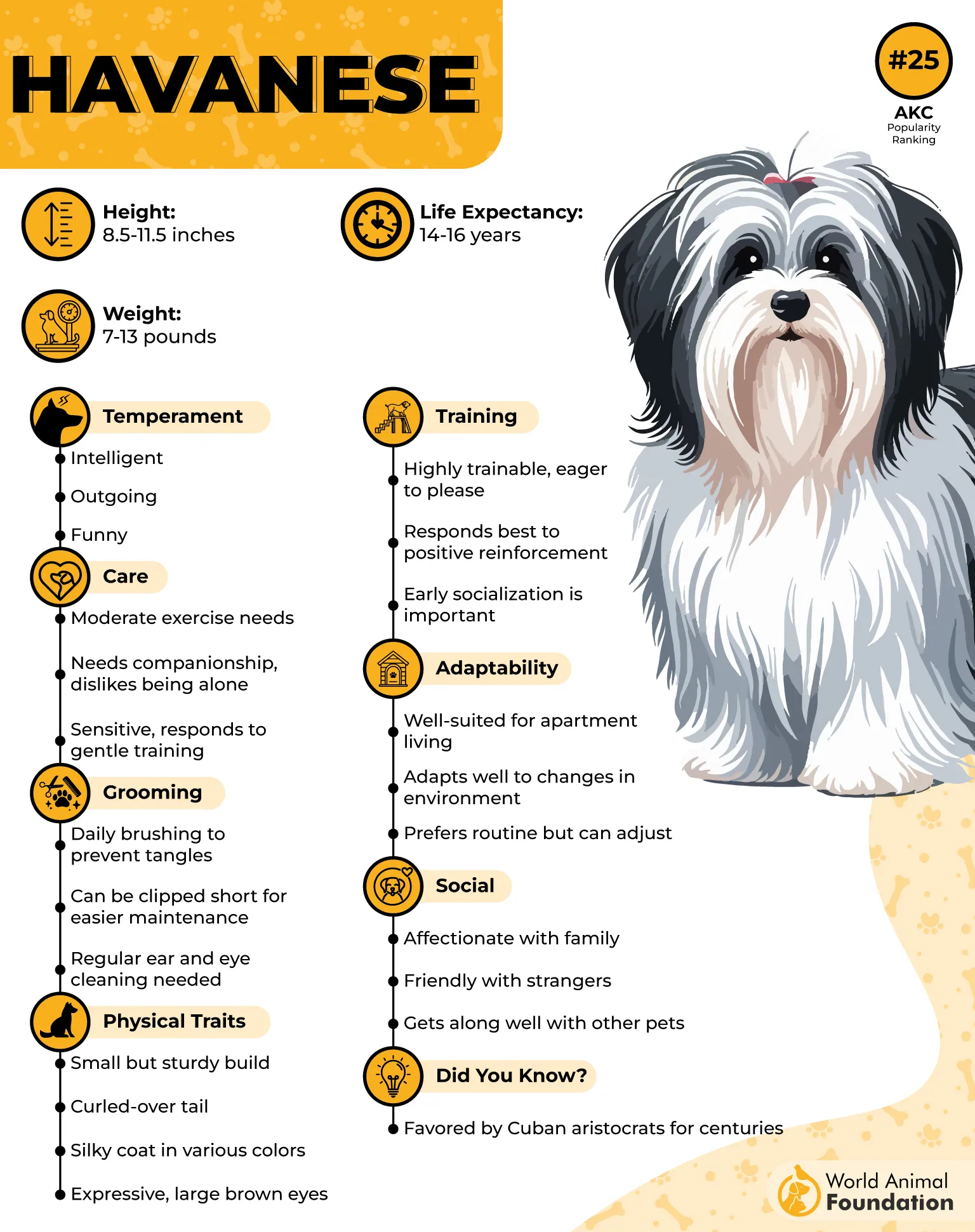
The Havanese developed in Cuba and became associated with companionship among Cuban households. Its small size, silky coat, and cheerful personality helped it become a favored household companion.
Unlike many working breeds, the Havanese was primarily developed for close interaction with people, as per Purina. Its history as a companion continues to influence its sociable and affectionate character.
Give Their Silky Coat Regular Attention
Havanese dogs have a soft coat that can become tangled without frequent brushing. Owners who keep the coat long should expect to spend more time maintaining it, while shorter trims can simplify everyday care.
Regular dental hygiene is especially useful for small dogs, along with nail trimming, ear care, healthy nutrition, and routine veterinary examinations. Daily walks and indoor play can provide appropriate activity for many individuals.
Cheerful Companions With a Willing Attitude
Havanese are often social, affectionate, and eager to interact with their owners. Their enjoyment of human attention can make reward-based training particularly effective.
They may become bored with repetitive lessons, so keeping exercises short and varied can maintain their interest. Teaching household routines, polite greetings, recall, and basic cues through positive reinforcement can build confidence.
6. Labrador Retriever
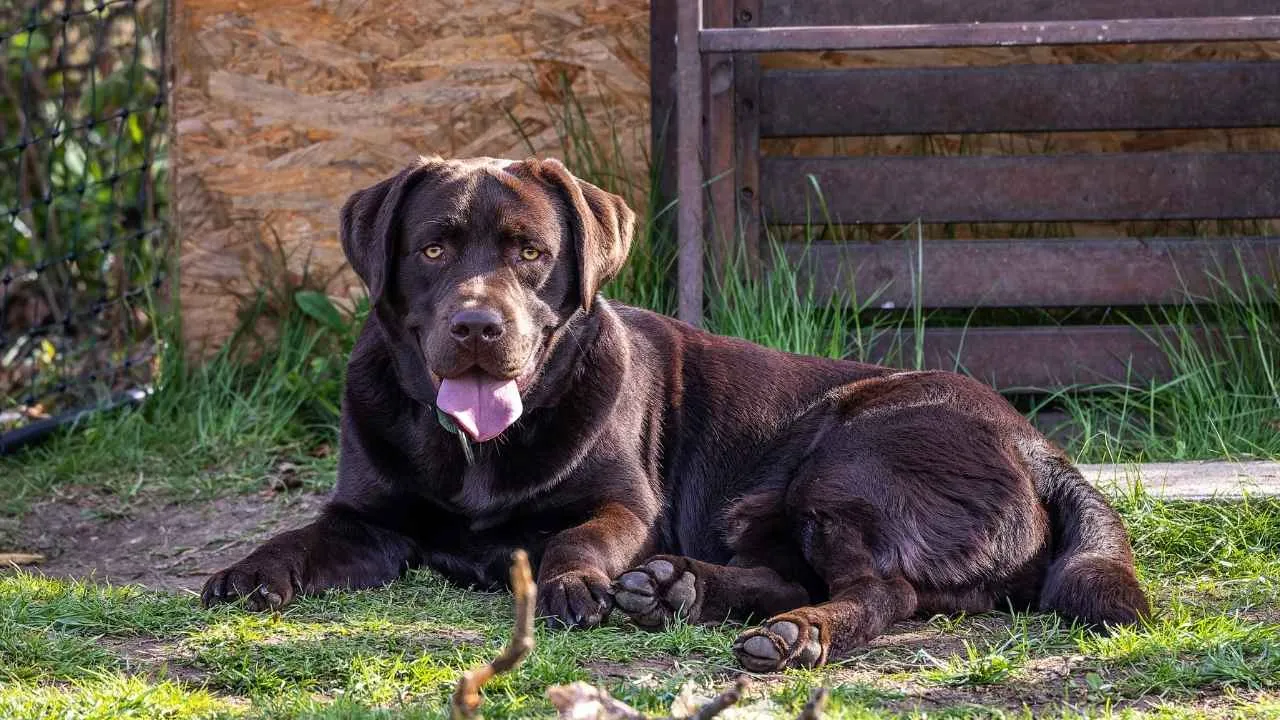
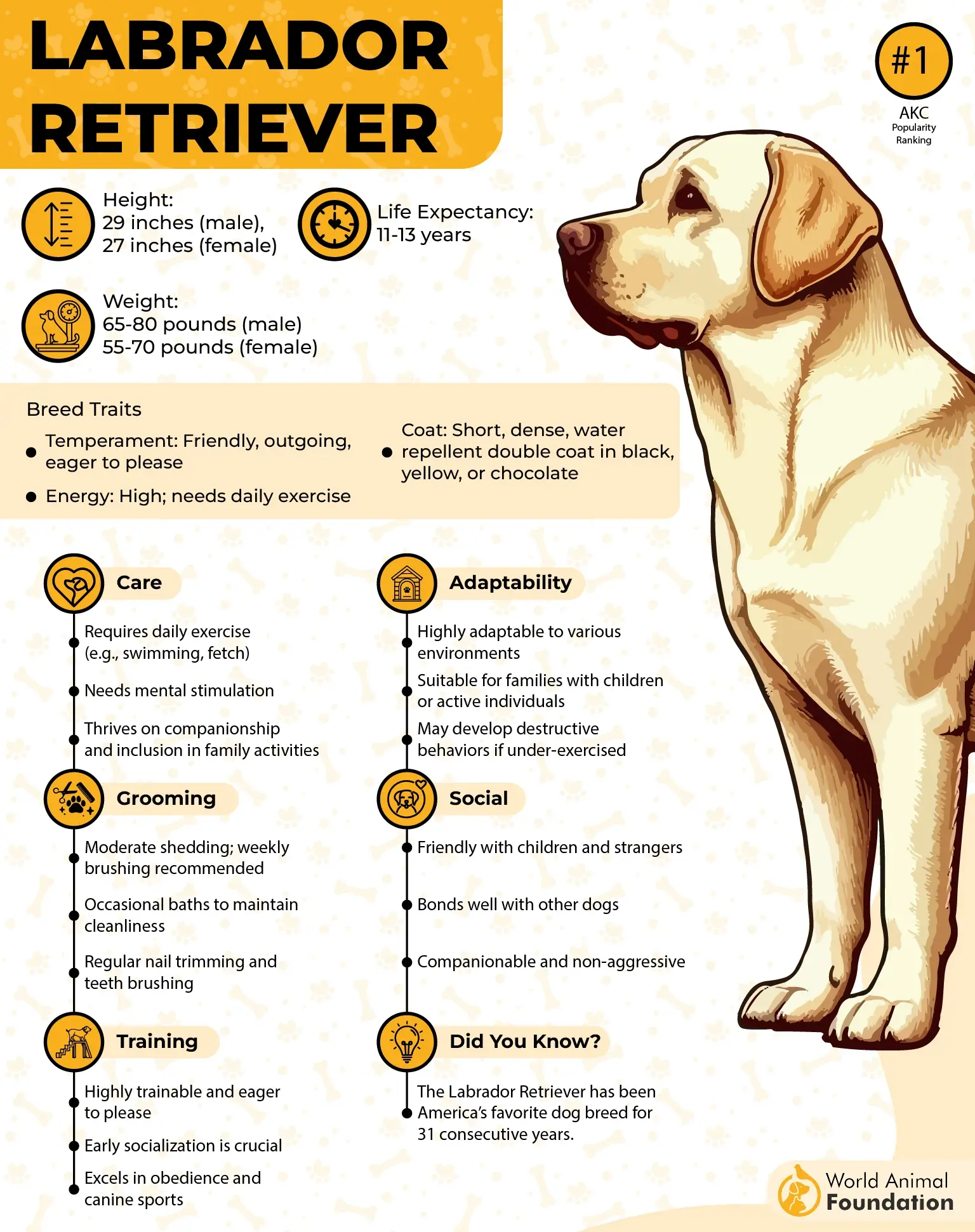
Labrador Retrievers trace their early ancestry to Newfoundland, where working dogs assisted fishermen by retrieving objects from the water, as per the AKC. The breed was subsequently developed in Britain as a sporting dog valued for retrieving ability, intelligence, cooperation, and a strong relationship with handlers.
These qualities helped Labradors become widely used as family dogs, assistance dogs, and working partners. Their enthusiasm and sociable nature remain central to their appeal.
Care for Their Dense Coat and Keep Their Weight Healthy
Labradors have a short, dense double coat that sheds regularly and can become especially heavy during seasonal shedding. Brushing several times a week can help remove loose hair and keep the coat in good condition.
Their enthusiasm for food makes portion control particularly important. Regular exercise, balanced nutrition, dental care, and veterinary checkups can support healthy weight, joints, and overall wellness.
An Enthusiastic Student Who Enjoys Cooperation
Labradors often respond enthusiastically to food rewards, toys, praise, and interactive games. Their desire to participate can make them excellent candidates for teaching household manners.
Their excitement should still be managed carefully. Lessons involving impulse control, calm greetings, recall, waiting, and settling can help transform a lively young Labrador into a well-mannered adult.
7. Pug
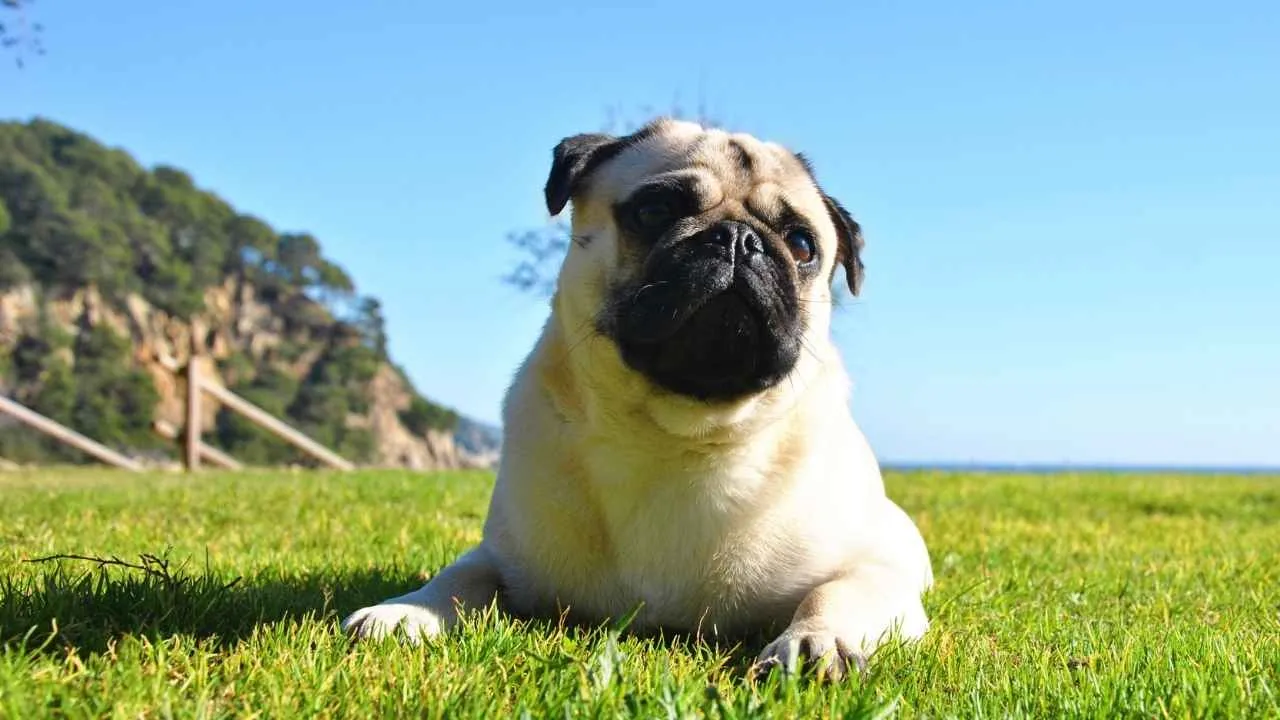
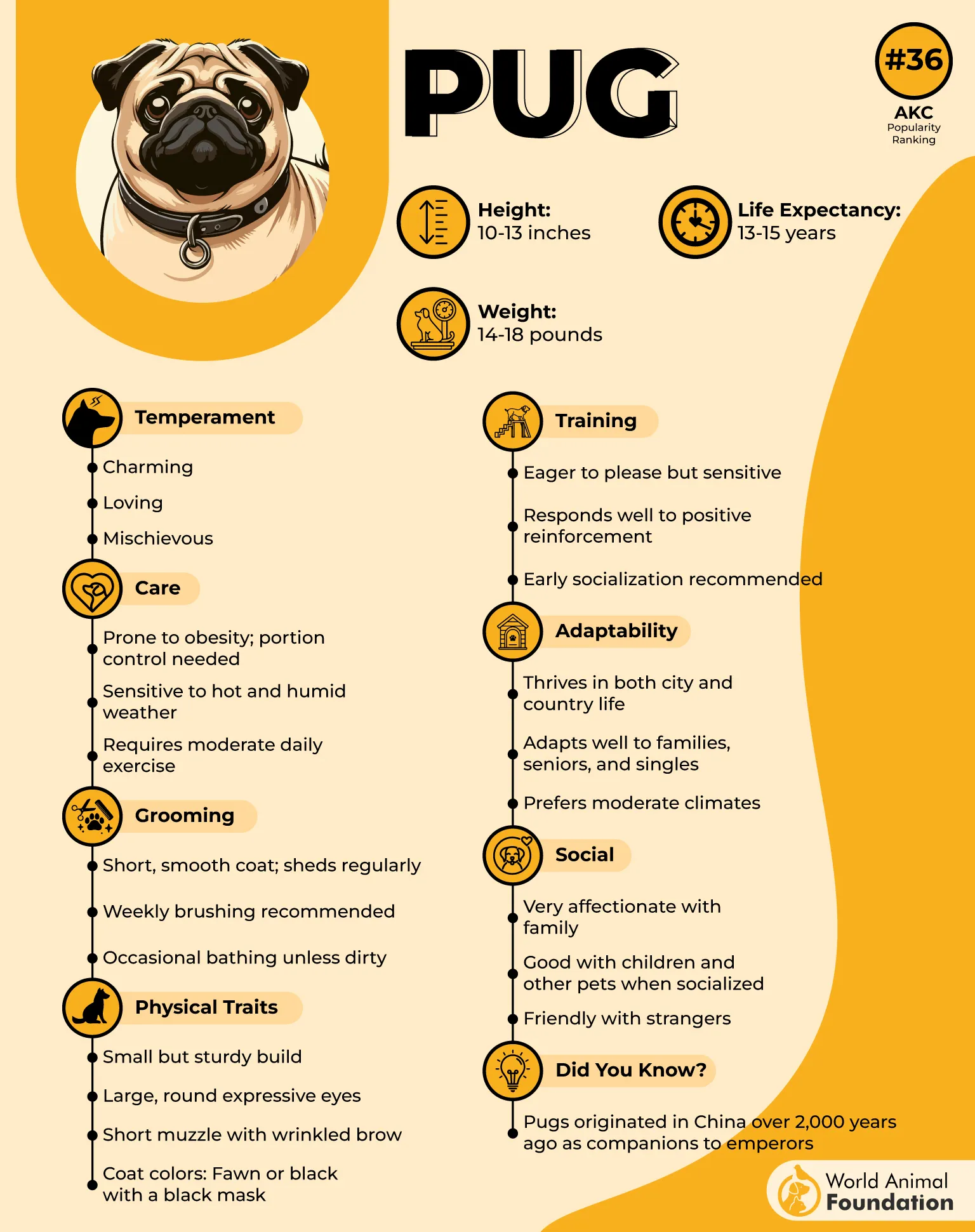
Pugs have ancient roots in China, where small companion dogs were valued by members of royal and aristocratic households. Their primary purpose was companionship, and generations of close association with people helped shape their affectionate character.
Their compact bodies and distinctive faces make them instantly recognizable. Although they can be playful, many Pugs are equally happy spending time beside their owners.
Keep Their Facial Folds Clean and Activity Moderate
Pugs have short coats that are relatively simple to groom, although they can shed considerably. Regular brushing can help remove loose hair, while facial folds should be checked and kept clean and dry, as per Britannica.
Because their short muzzles can make breathing and heat regulation more challenging, strenuous exercise and hot conditions should be approached carefully. Healthy weight is especially important because extra body weight can make breathing and movement more difficult.
A Charming Companion for Gentle Home Lessons
Pugs are often affectionate, entertaining, and motivated by food or attention. Their desire to remain close to their people can help owners establish household routines through positive reinforcement.
They can also be stubborn at times, so training should be patient rather than forceful. Brief sessions with appealing rewards can teach basic cues, polite behavior, and household boundaries without overwhelming them.
Conclusion
Cavalier King Charles Spaniels, Clumber Spaniels, Golden Retrievers, Poodles, Havanese, Labrador Retrievers, and Pugs each bring different qualities to home training. Many mixed-breed dogs are highly eager to please, while others learn best through short, engaging lessons that respect their individual pace.
Patience is only one part of successful training. The owner’s consistency, timing, rewards, expectations, and ability to recognize the dog’s body language all influence the learning process. Health, grooming, exercise, and mental stimulation also affect how prepared a dog is to focus.
For anyone choosing a smart dog breed with home training in mind, temperament should be considered alongside practical care requirements. A well-matched dog, clear communication, and positive training methods can turn everyday lessons into an enjoyable routine that strengthens the relationship between dog and owner.
