




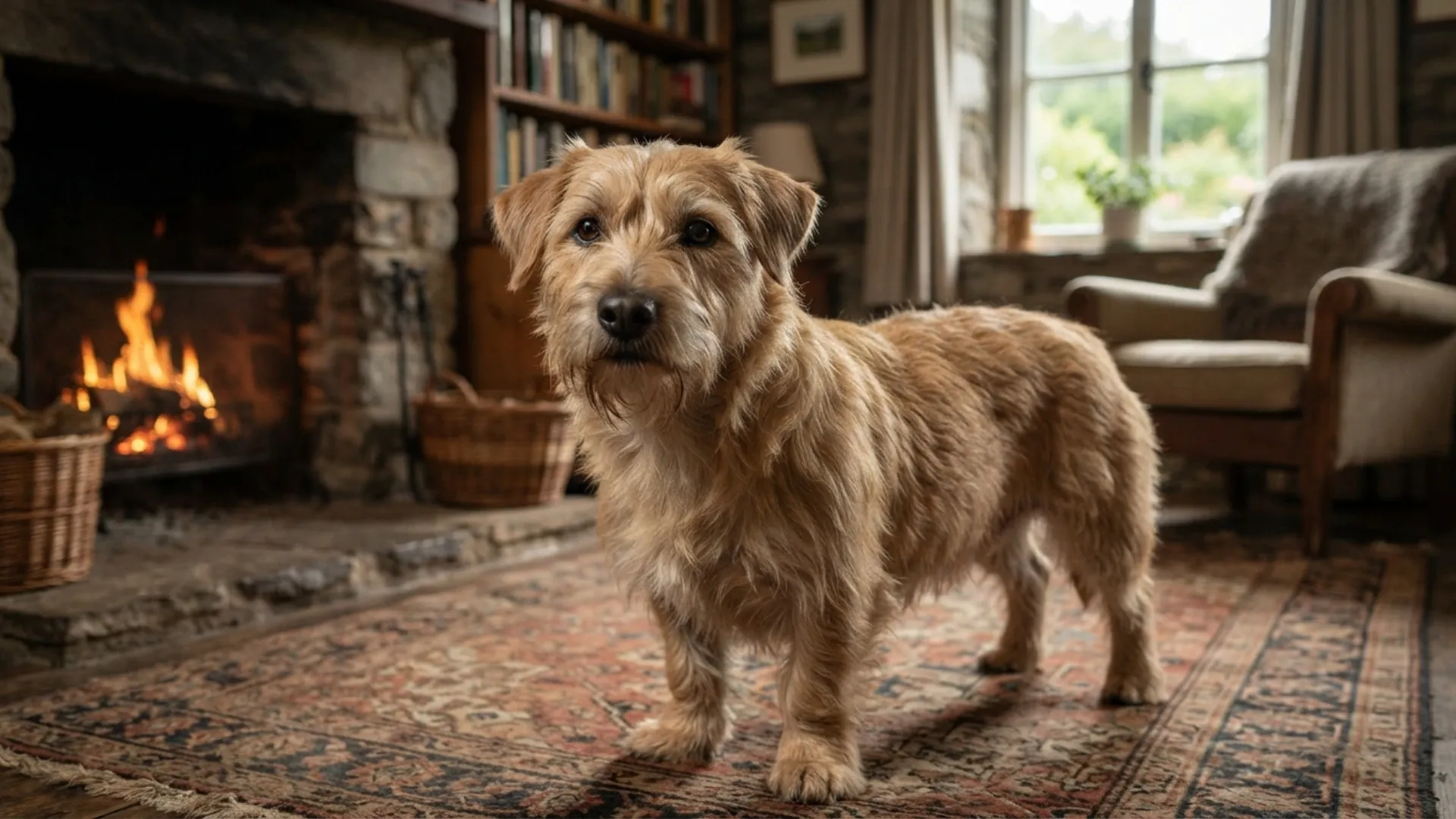
Some dogs hear a leaf rustle three streets away and immediately launch a full-neighborhood press conference. Others notice the same thing, lift one eyebrow, decide it is absolutely none of their business, and return to the sofa.
If you love dogs but do not love living with a four-legged alarm siren, quieter breeds can make home life significantly more peaceful.
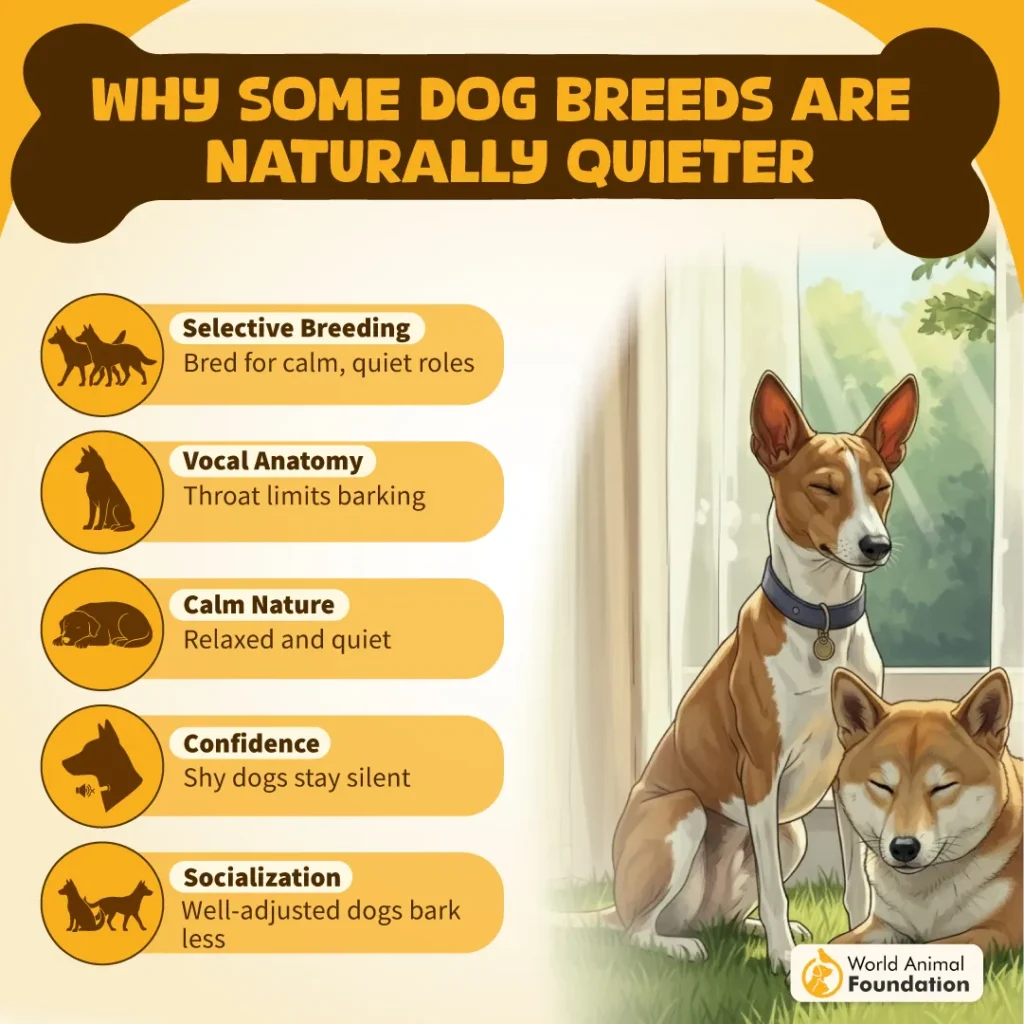
Of course, there is technically no completely silent dog breed. Barking is normal canine communication, and fear, boredom, loneliness, excitement, territorial behavior, or insufficient exercise can make even a naturally quiet dog suddenly discover its inner vocalist.
This list includes sprinting athletes, ancient hunters, giant water-rescue dogs, stubborn independent thinkers, and little Toy dogs that don’t bark!
Dog Breeds That Rarely Bark
1. French Bulldog
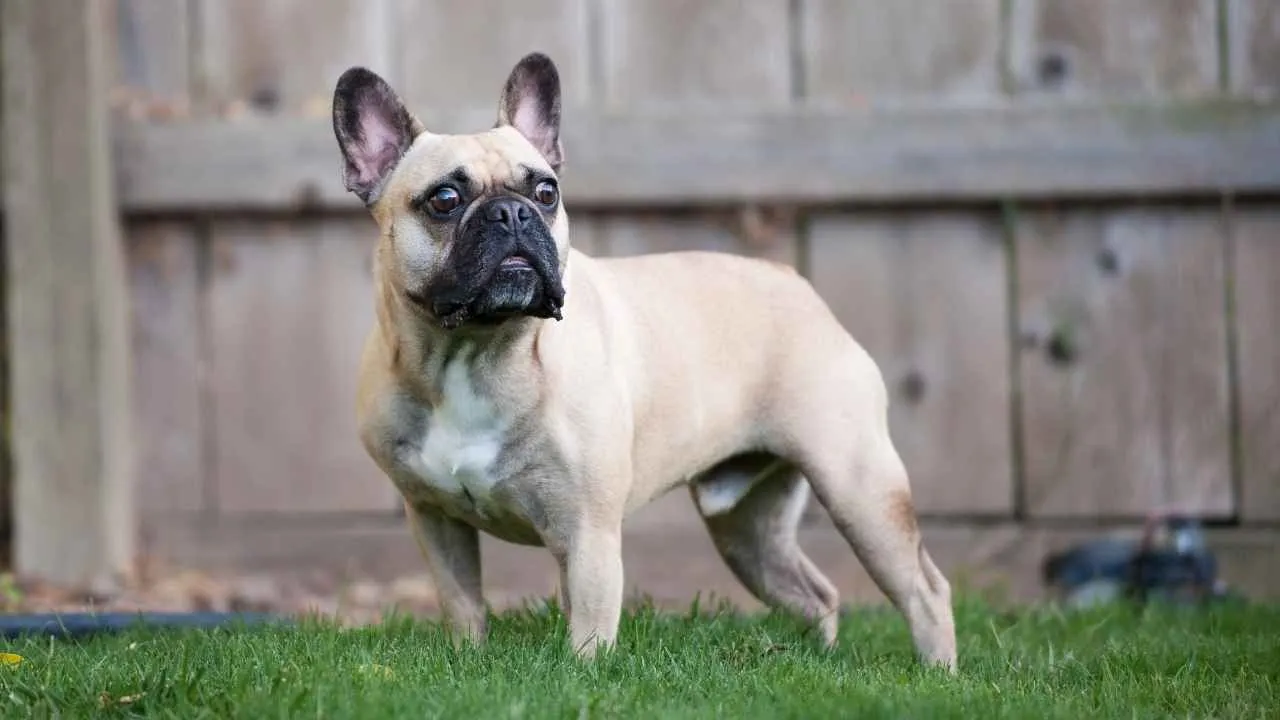
French Bulldogs are proof that a dog can have an absolutely enormous personality without broadcasting it through constant barking. Frenchies are naturally alert and may announce somebody at the door, but the AKC describes them as adaptable companion dogs rather than habitual yappers.
Their quieter nature fits beautifully with the breed’s history, as Frenchies were developed primarily as human companions rather than as livestock guardians or pack-hunting dogs that relied heavily on vocal communication.
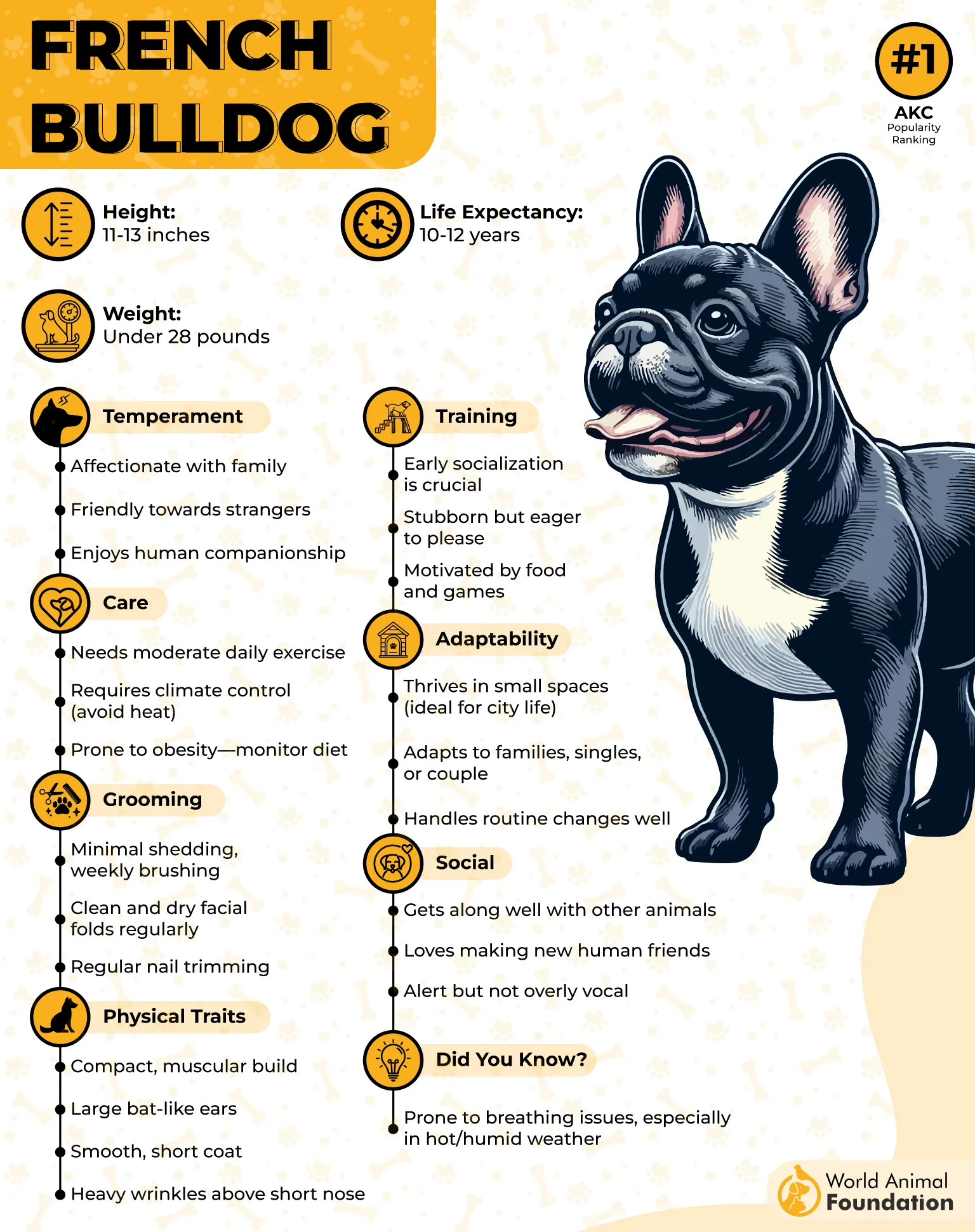
That companionship-first background helps explain why a Frenchie is often more interested in hanging around its humans than in patrolling the property, shouting updates to passing pedestrians.
Apartment dwellers understandably love this combination of compact size and relatively modest vocal habits. French Bulldogs adapt readily to smaller homes, generally need manageable daily exercise, and can alert when somebody arrives.
Their shortened muzzle can contribute to snorting, snuffling, snoring, grumbling, and other wonderfully strange noises.
2. Japanese Chin
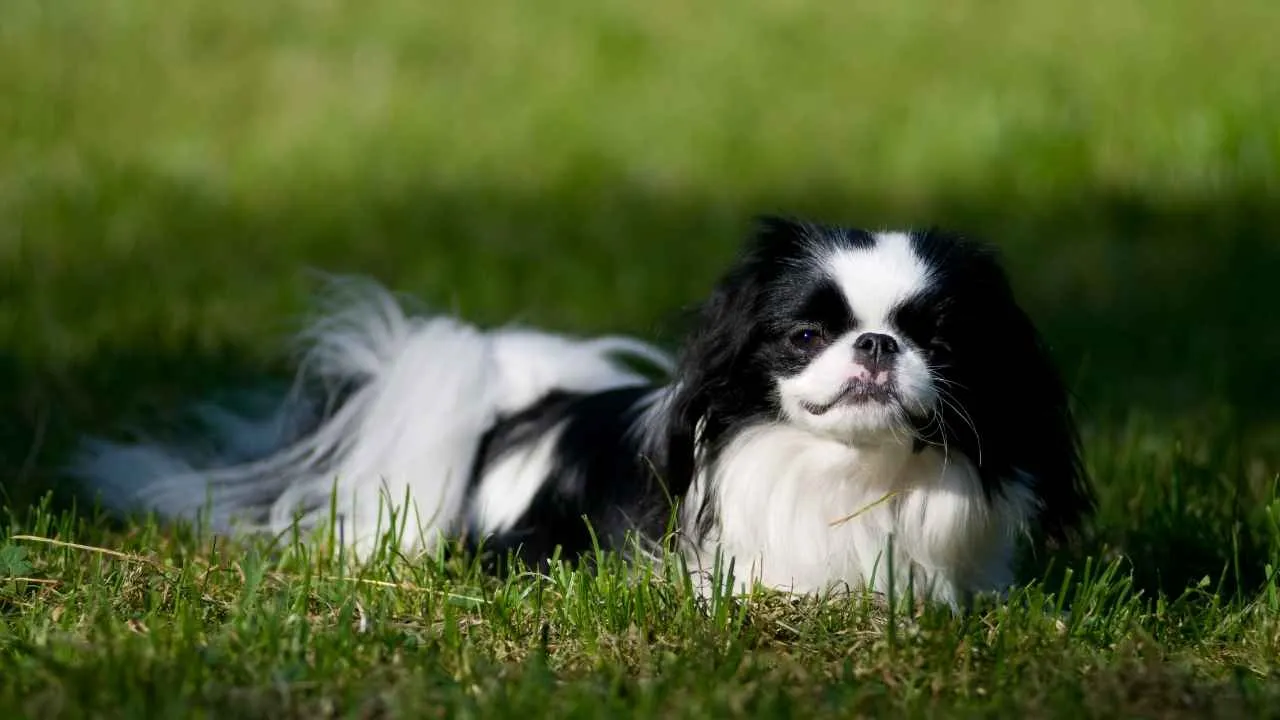
The Japanese Chin has the energy of an aristocrat who notices drama but would prefer not to participate unless necessary. This graceful Toy dog is generally quiet but will usually bark to alert to unfamiliar sounds or approaching strangers rather than vocalizing constantly.
For people who want an observant little companion without the permanent soundtrack sometimes associated with Toy breeds, that is a very appealing combination.
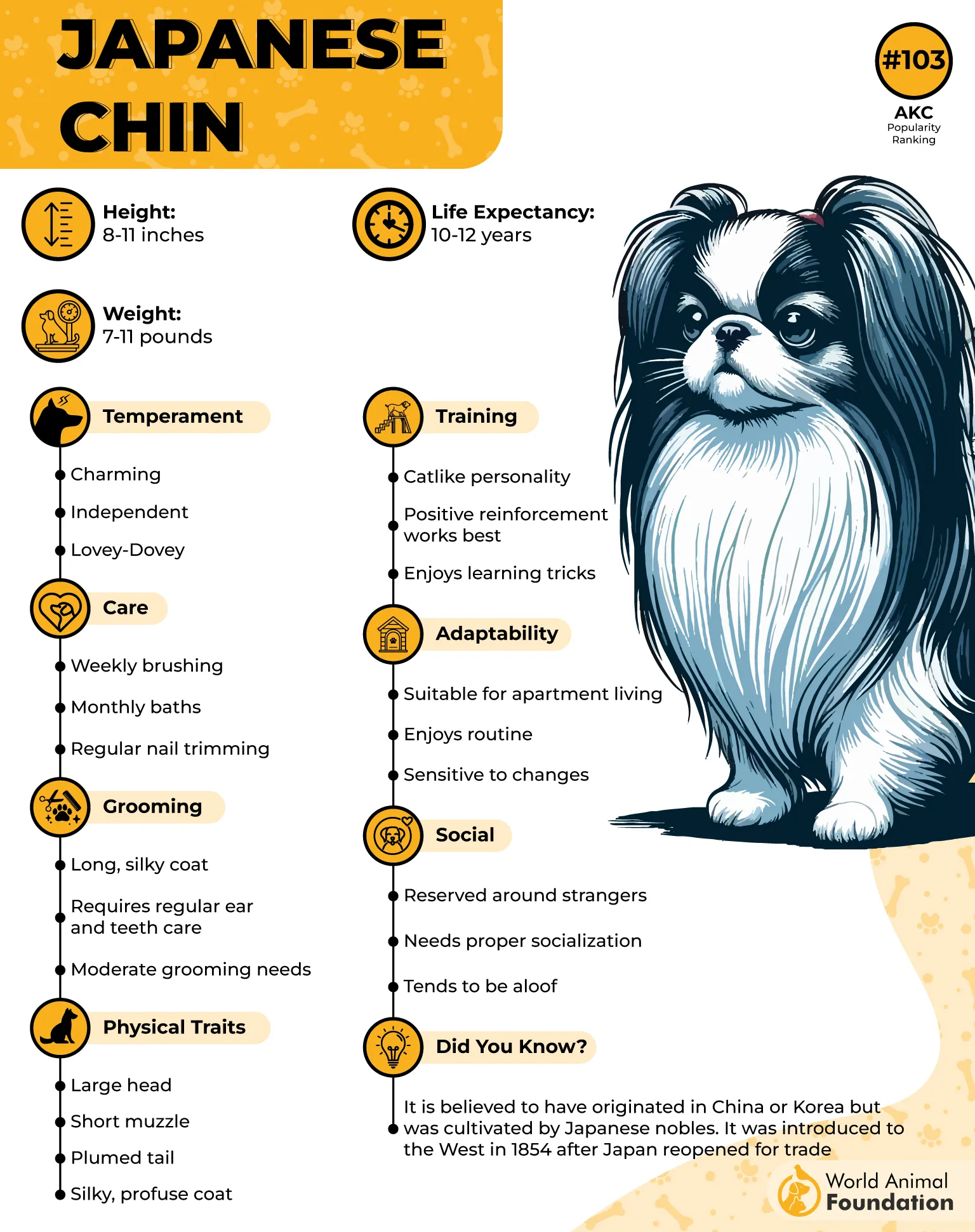
Their personality helps explain the low-noise lifestyle. Japanese Chins tend to be sensitive, devoted, affectionate, and somewhat reserved until they understand a new situation, preferring close family companionship over aggressively announcing their presence to the world.
These Japanese dogs are also famously catlike, and honestly, the comparison gets weirdly specific. Chins may climb onto sofa backs or other elevated spots for a better view, groom themselves with their paws, and move around the home with an almost feline lightness.
Moderate activity needs make them especially practical for people living in apartments or smaller homes.
3. Glen of Imaal Terrier
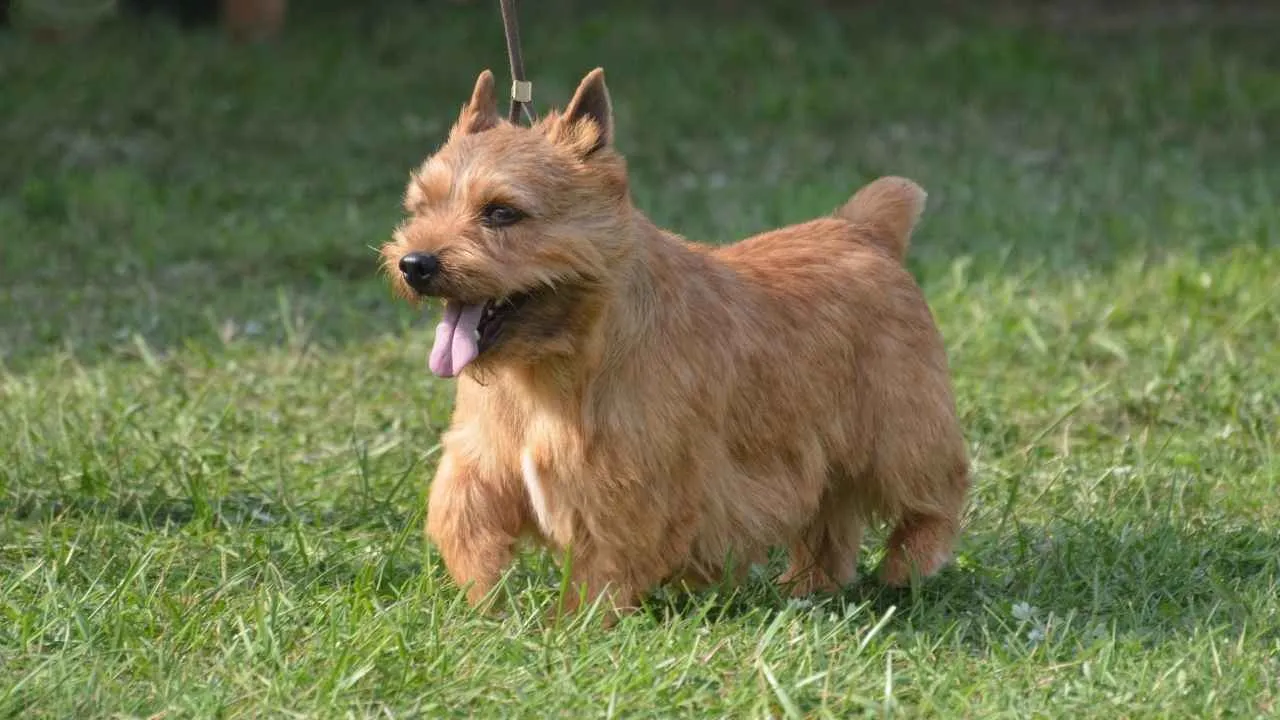
Terriers have a reputation for enthusiastically sharing their opinions, and then the Glen of Imaal Terrier arrives looking like it missed that particular group meeting.
WebMD notes that Glens tend not to bark much, possibly because they were historically expected to work silently. They usually save their surprisingly deep bark for something worth reporting.
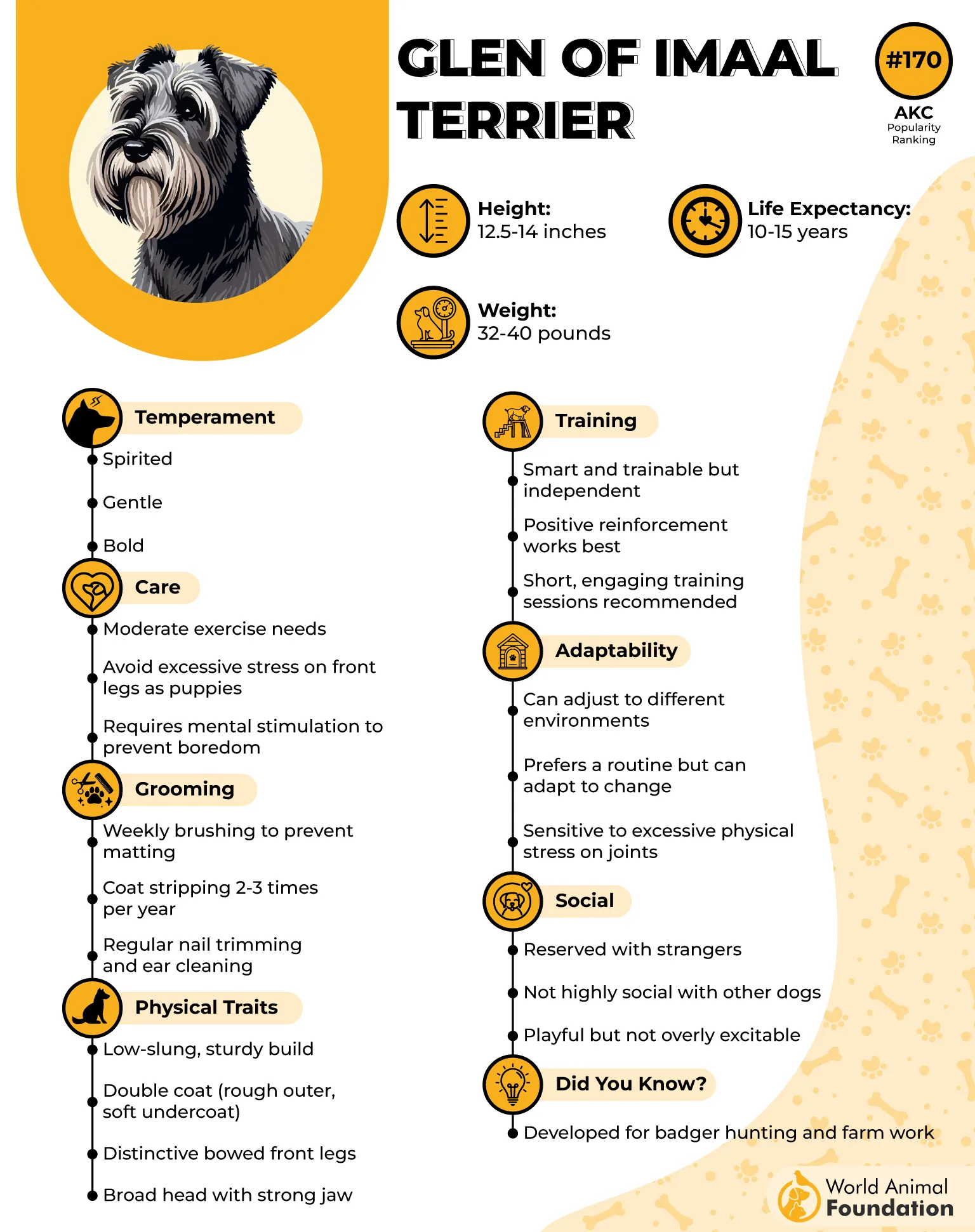
That makes this rare Irish terrier one of the more interesting choices for someone who wants terrier courage without the full-volume terrier commentary.
The quietness has genuine working roots rather than being a modern lifestyle accident. In historical badger work, the Glen functioned as a silent working terrier, and a Glen that barked during certain working tests could actually be disqualified.
Glen of Imaal Terrier’s bark is deeper than expected for such a short dog, so when a Glen finally decides something deserves a warning, visitors may briefly wonder whether a much larger employee has joined the security department.
Low barking also contributes to their surprising suitability for urban life. The breed can be active outdoors and calm inside, enjoying walks, play, Earthdog-type activities, and mental engagement without requiring endless high-speed exercise.
4. Basenji
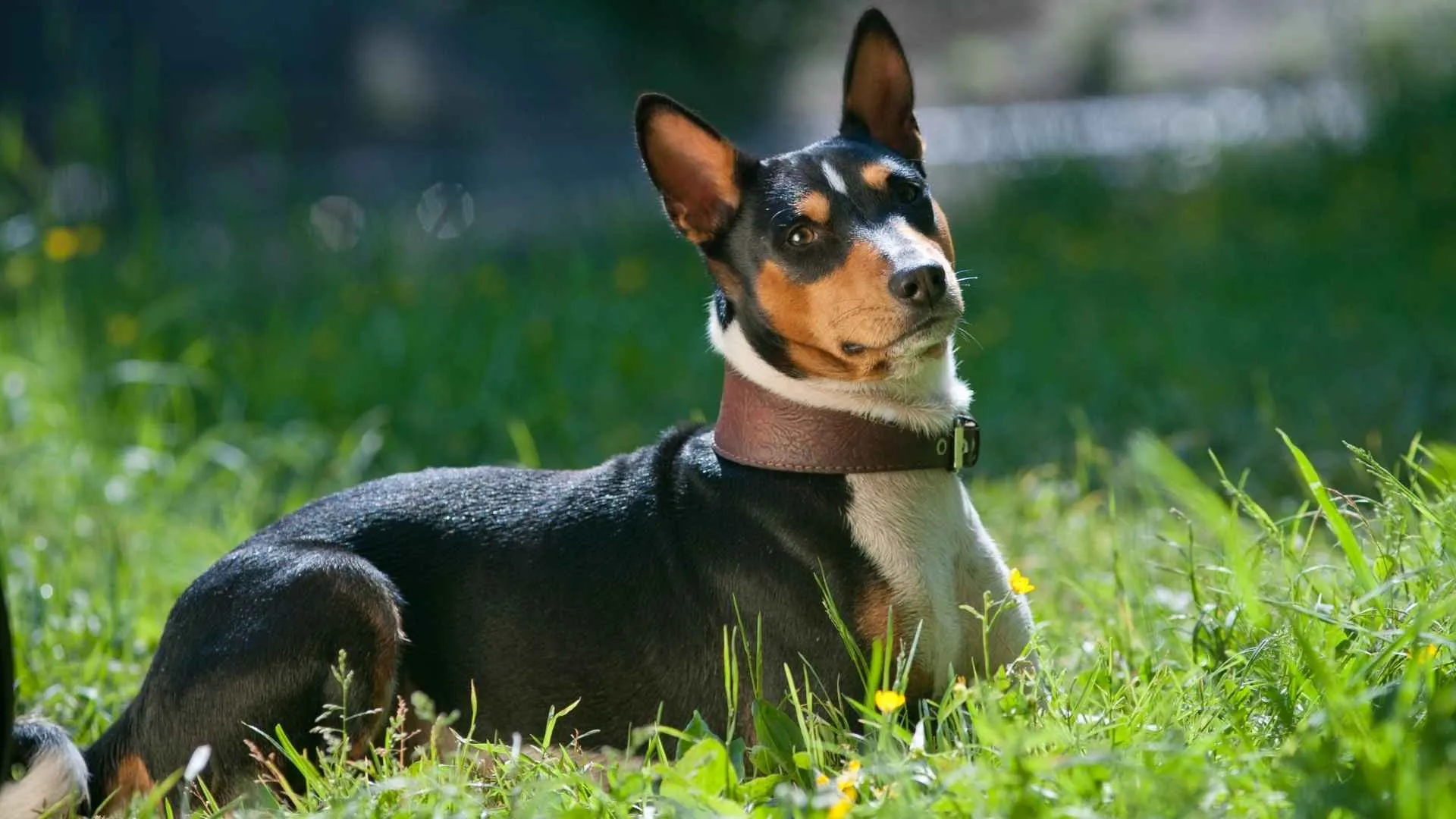
Known as Africa’s “Barkless Dog,” the Basenji does not produce the conventional bark associated with most breeds and instead communicates through sounds that may resemble yodels, chortles, wails, or other creative vocal experiments.
Their characteristic vocalization is called “barroo,” often compared with a cross between a yodel and a howl. Barkless does not mean mute, and Basenjis can produce several unusual sounds. The advantage is that these sounds generally do not produce the repetitive, sharp barking pattern that makes many neighbors consider relocating.
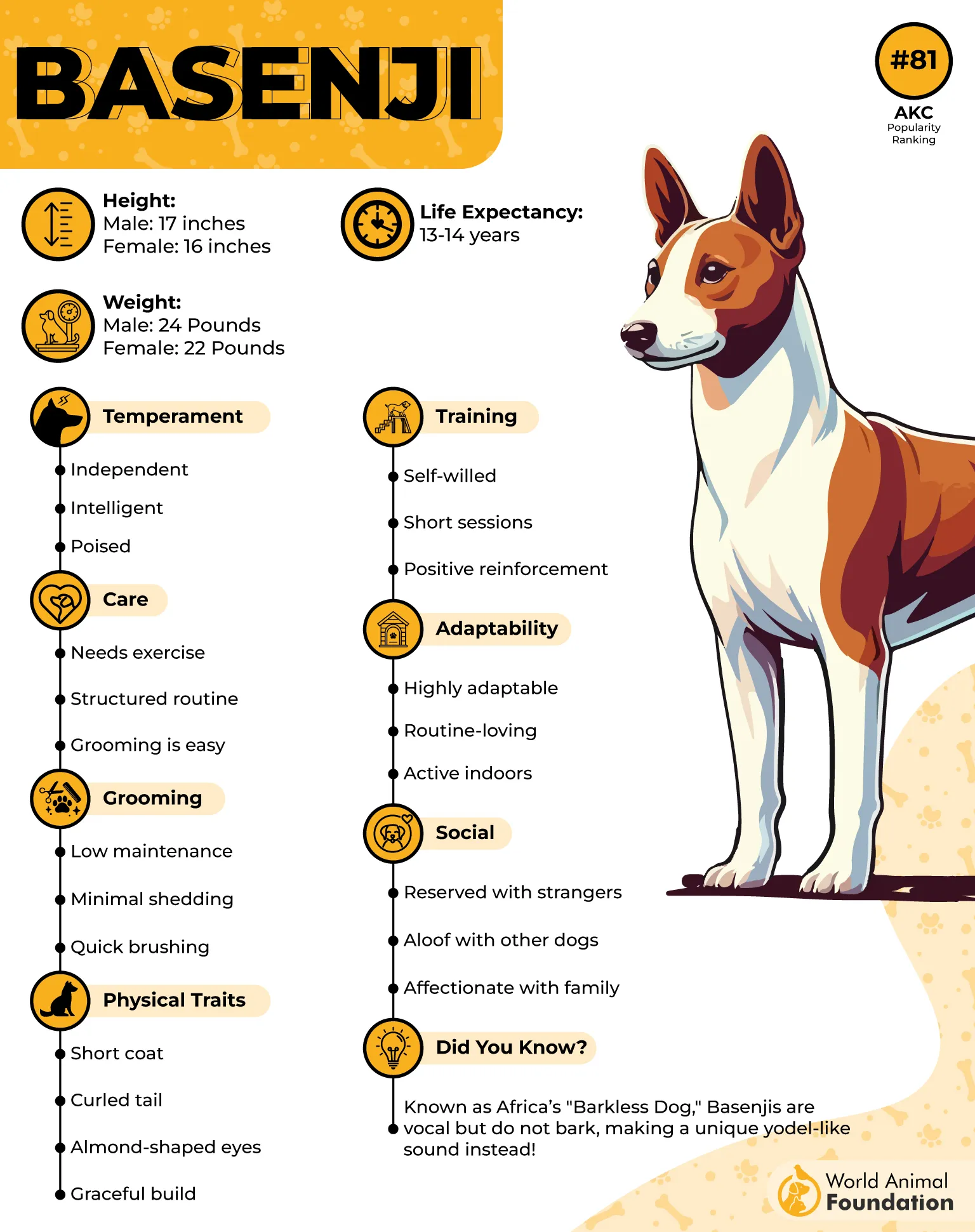
Historically, Purina claims that the Basenji developed as a hunting dog in central Africa, where agility, intelligence, sight, scent, and independent problem-solving mattered enormously. The breed would leap to see above vegetation while hunting and pursuing quarry through challenging environments, explaining why modern Basenjis remain athletic rather than becoming quiet decorative pets.
Their independence is probably the bigger ownership challenge than their voice. Basenjis are clever, clean, curious, and famously catlike, but training one can require creativity because understanding a cue and feeling motivated to perform it are occasionally two completely separate events.
5. Borzoi
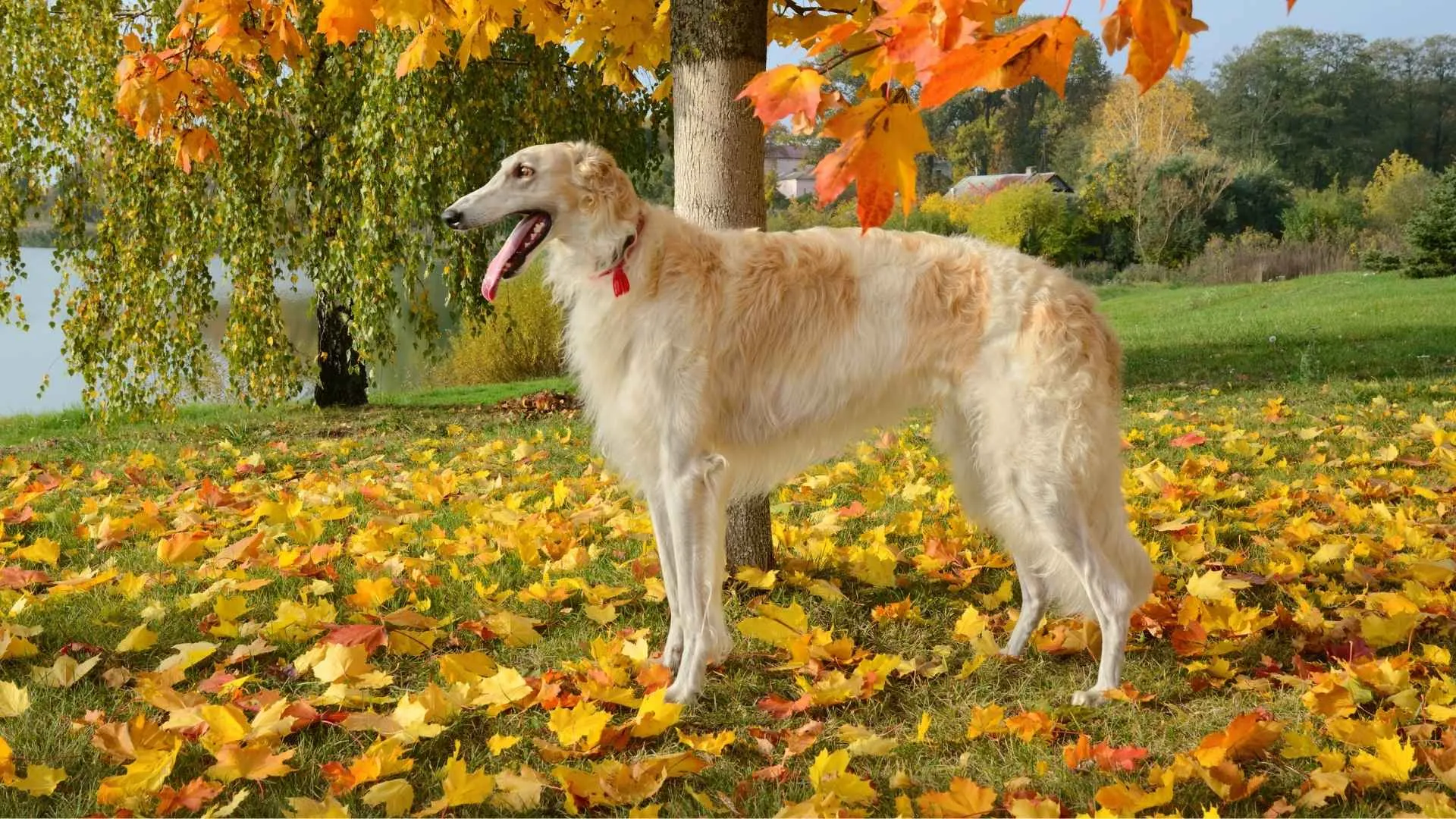
PetMD describes Borzoi dogs as gentle, well-mannered, independent, undemanding, and not very barky, making them one of the quieter, calmer breeds.
Their relaxed indoor behavior can surprise people who know what Borzois are capable of outdoors. These Russian sighthounds were developed to pursue fast-moving quarry, giving them incredible acceleration, athleticism, and an instinctive tendency to chase anything that suddenly runs.
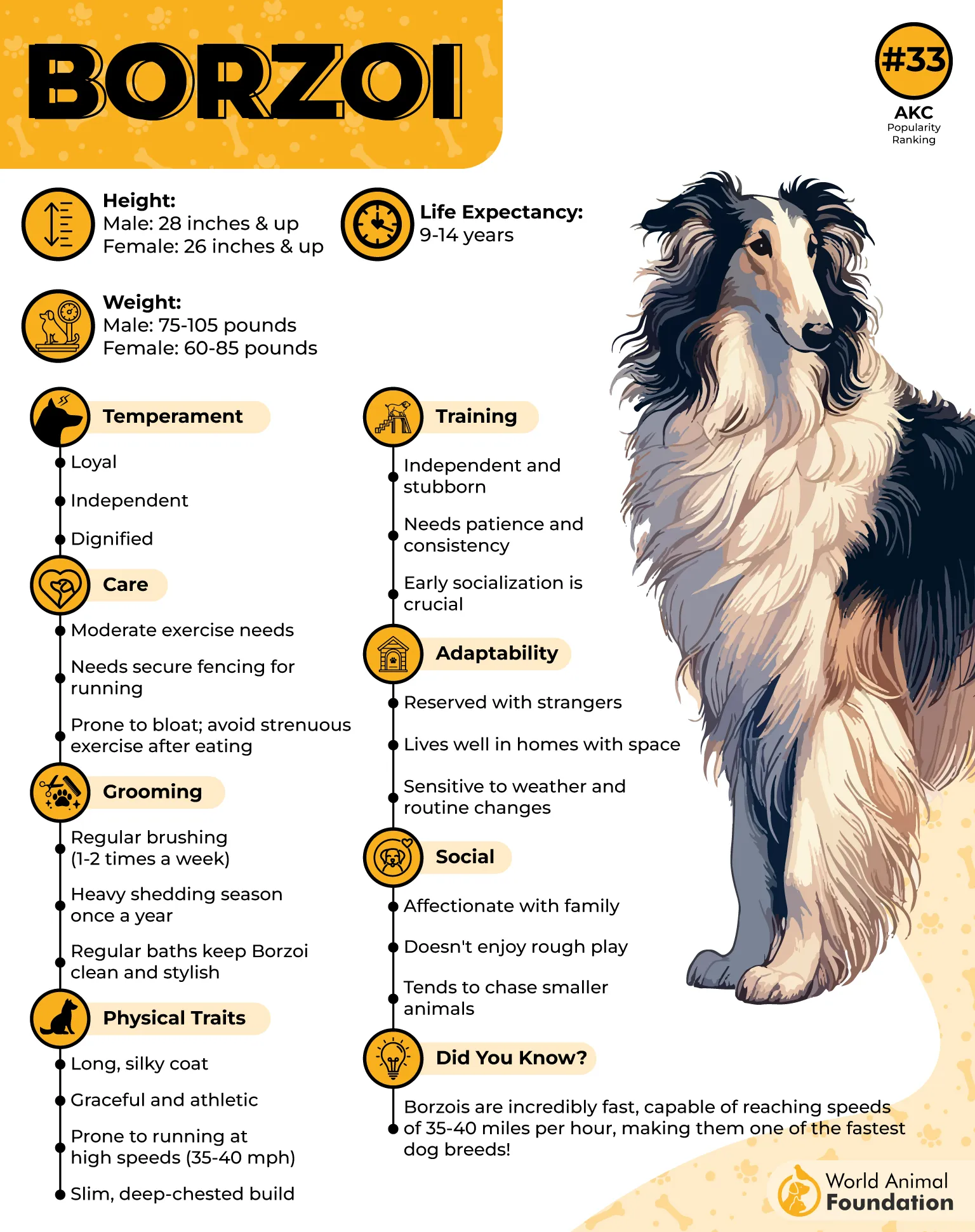
Their low barking partly reflects a temperament that is generally reserved rather than intensely territorial. Borzois often love their own families while treating unfamiliar humans with polite neutrality, and they are not particularly useful as watchdogs because the breed is not compelled to announce everything.
Training benefits from patience, as independence accompanies that calm personality. The Borzoi Club warns that leash training requires consistency, as these are free-thinking hounds, and their chase instinct means that secure fencing or leash control is essential outside.
6. Whippet
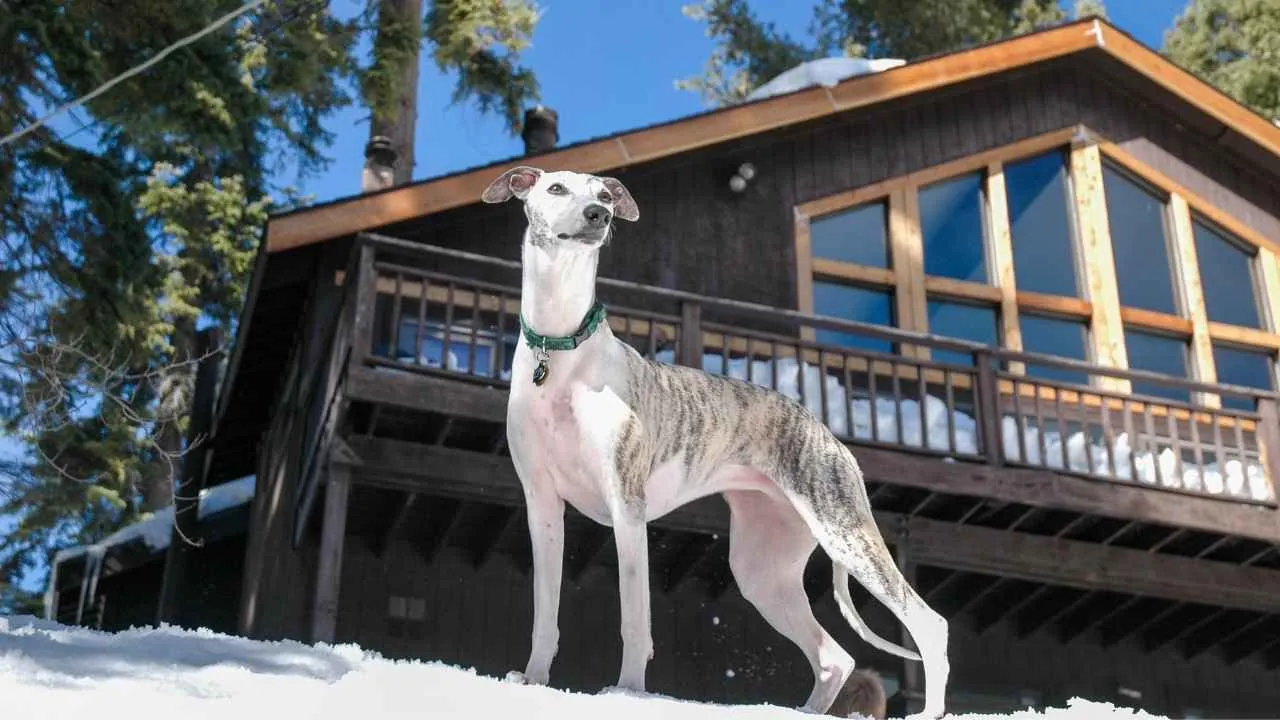
Whippets are not prone to excessive barking, and are rather quiet dogs that rarely vocalize without a clear reason. Speed demon outdoors, library patron indoors—the duality is honestly elite.
Historically nicknamed the “Poor Man’s Racehorse,” Whippets became popular with working-class communities in Britain that enjoyed racing and coursing but could not necessarily maintain larger Greyhounds.
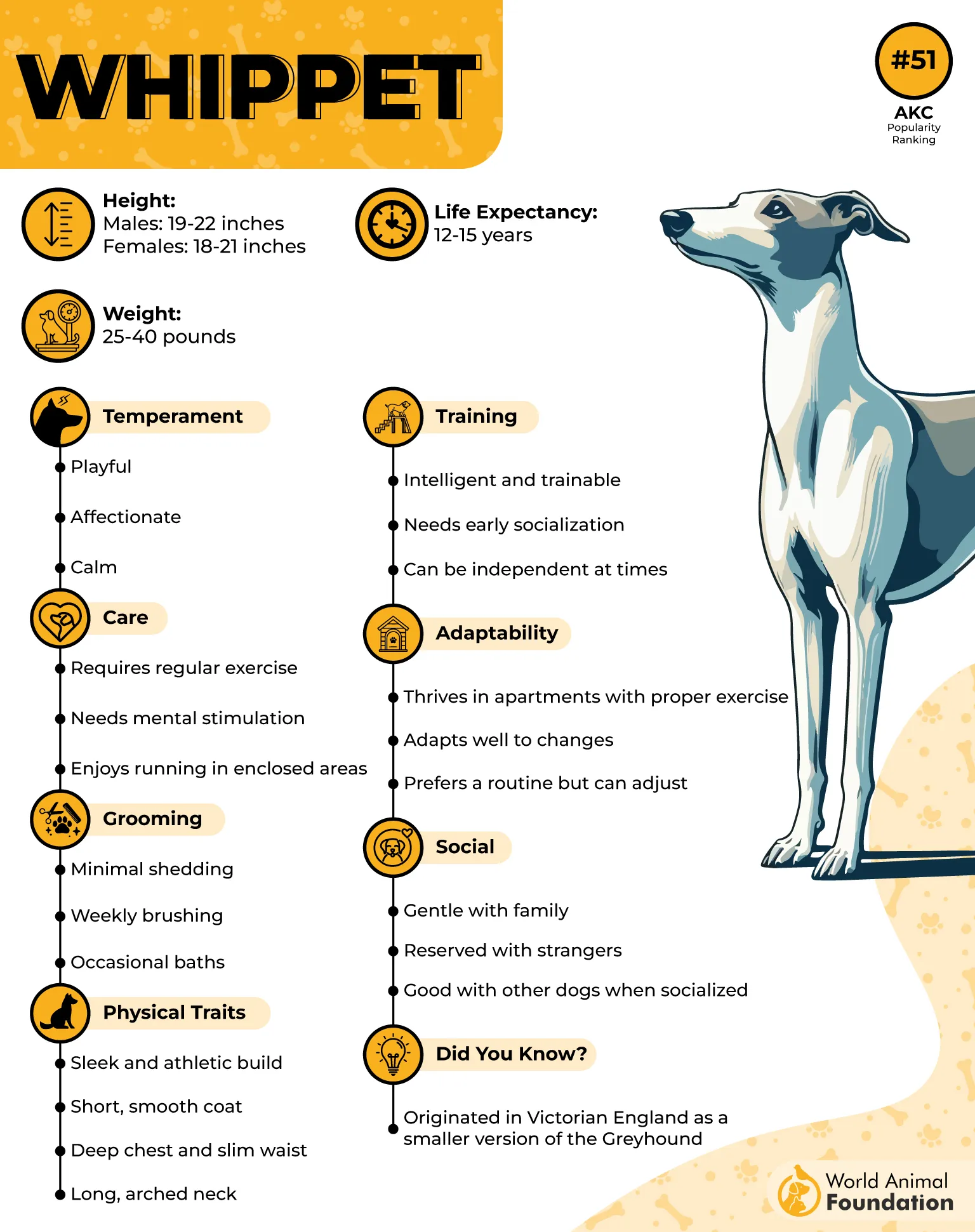
Apartment owners frequently discover that this contrast works beautifully. They can adapt to smaller living spaces, enjoy a proper daily burst of activity, and then spend hours asleep somewhere soft and preferably warm.
They are not usually impressive watchdogs because the arrival of strangers may prompt little more than curiosity. If someone enters hoping to meet a terrifying guardian, there is a nonzero chance the Whippet will ask for affection and return to its blanket.
7. Scottish Deerhound
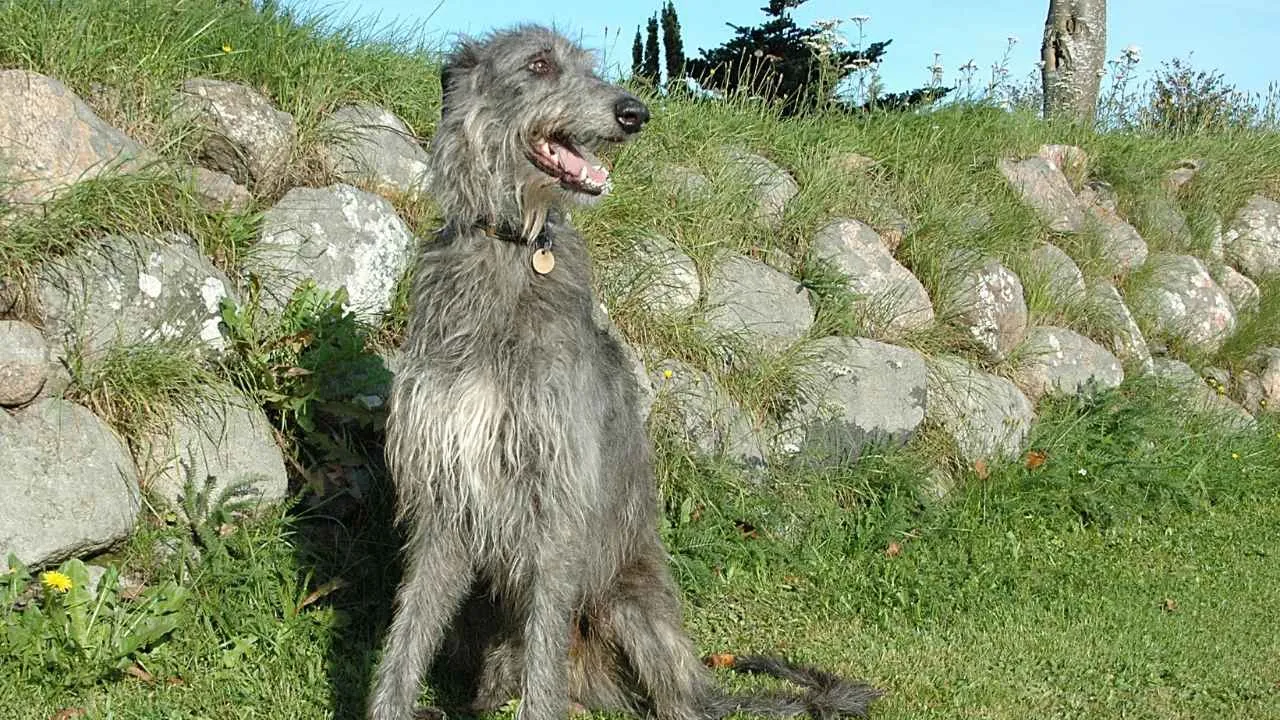
The Scottish Deerhound is enormous, shaggy, historically capable of bringing down red deer, and somehow still gives off the energy of someone who would rather not raise their voice.
That peaceful indoor personality creates an incredible contrast with the breed’s sporting past. These hound dogs were developed in Scotland to pursue powerful red deer across difficult terrain, requiring speed, strength, endurance, and serious courage rather than a loud alarm bark.
When the running is over, however, mature dogs are often wonderfully relaxed companions that seem fully supportive of any human plan involving sofas.
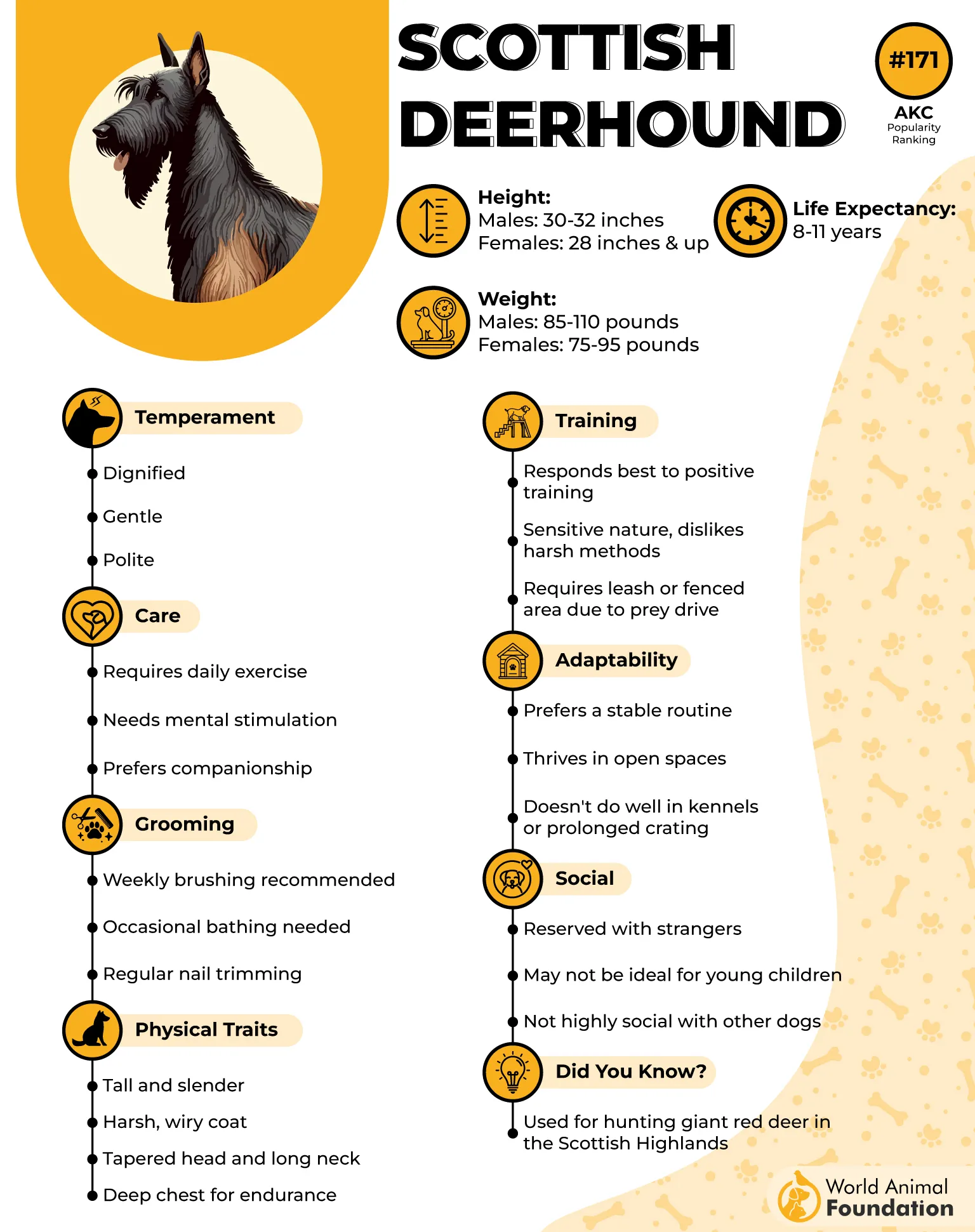
Longtime breeders describe this ability to match their owner’s rhythm with almost poetic affection. If owners want to sit around, the dogs will sit around, while if people head outside, Deerhounds happily join them.
These are also naturally less suspicious and territorial than dedicated guardian breeds. They generally bark only for specific reasons such as excitement or something genuinely unusual, rather than reacting continuously to passersby.
8. Akita
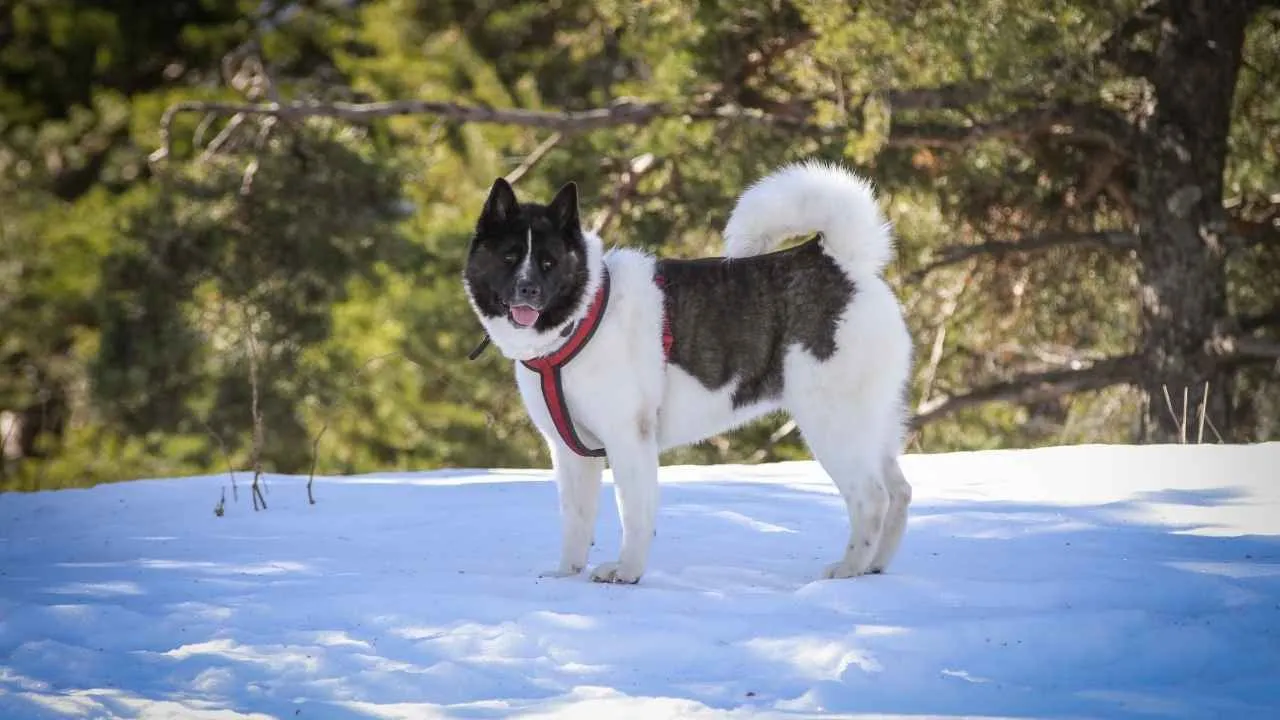
The Akita generally does not bark to hear itself talk. It is naturally quiet and reserved, with barking more likely when an Akita believes there is an actual disturbance, an unfamiliar person, or a territorial concern.
Their reserved personality plays a huge role in that reputation. Akitas are independent, deeply loyal to their families, naturally watchful, and often aloof toward unfamiliar people rather than socially exuberant.
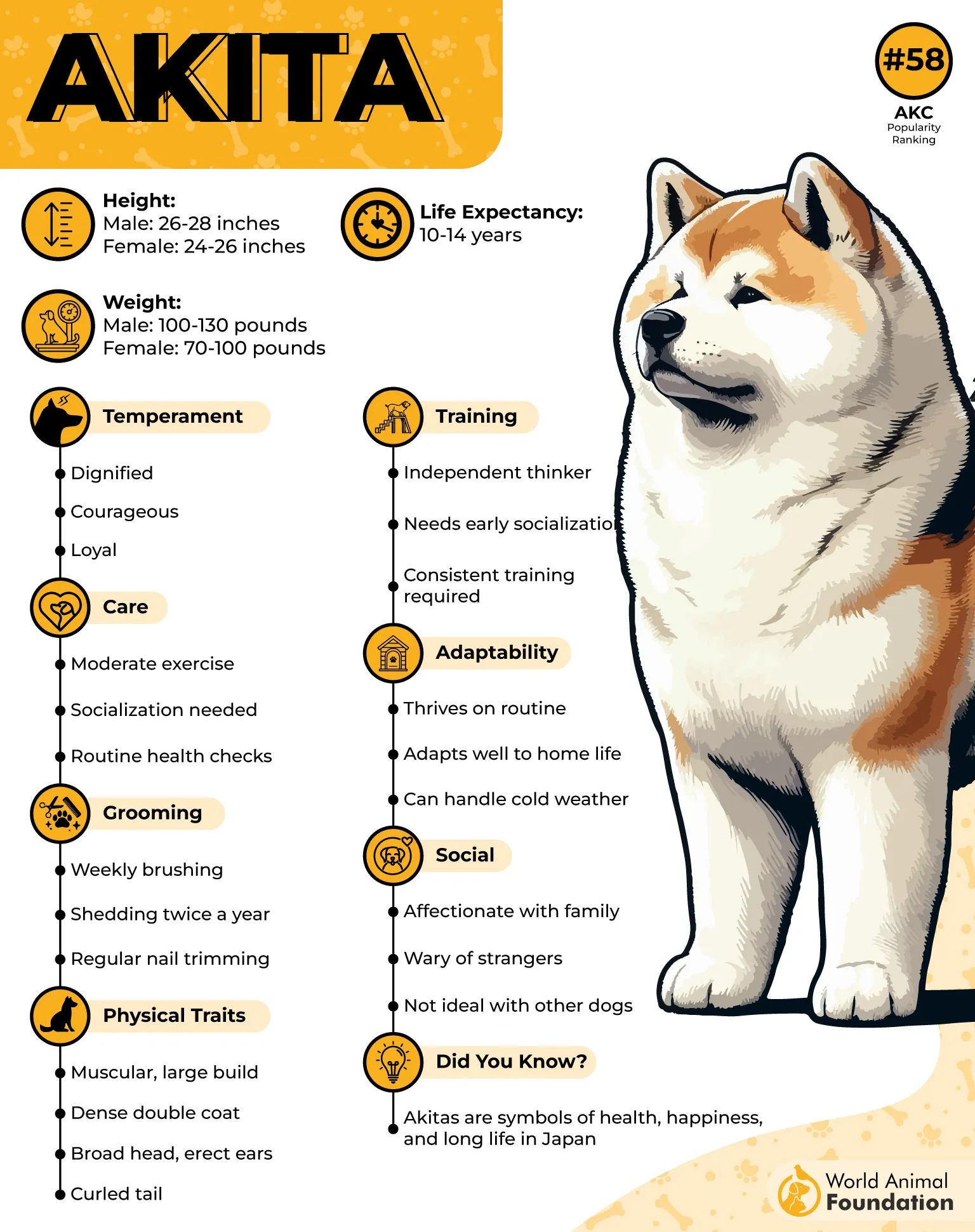
Historically, hunting also shaped their controlled temperament. The breed’s association with quietly pursuing large game describes Akitas as “silent hunters,” helping explain why random repetitive barking was never necessarily central to the job.
Quiet does not mean socially effortless, though, and this is where responsible ownership matters enormously. These large dogs can be territorial and strong-willed, so early socialization, secure management, positive training, and calm exposure to unfamiliar people and dogs are far more important than simply celebrating the breed for not barking much.
They also make plenty of quieter noises that owners quickly learn to interpret. Whines, grumbles, occasional howls, and expressive body language can communicate plenty even when actual barking remains limited, which is why “quiet breed” should never be translated as “emotionless dog.”
9. Newfoundland
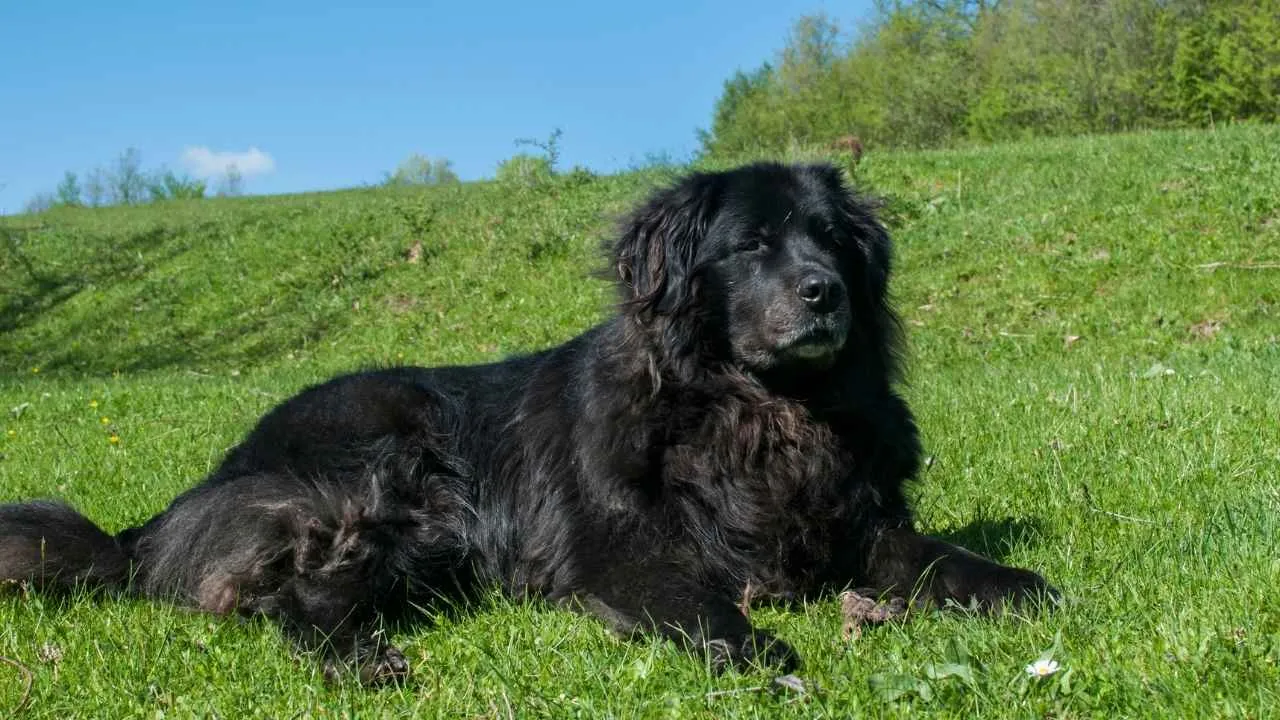
The Newfoundland approaches household life with the energy of a very large, extremely polite cloud. Newfies are widely known for sweet temperaments, patience, and deep attachment to people.
When they do vocalize, however, that enormous chest can produce a bark that reminds everybody within range that quiet and small-sounding are definitely not the same thing.
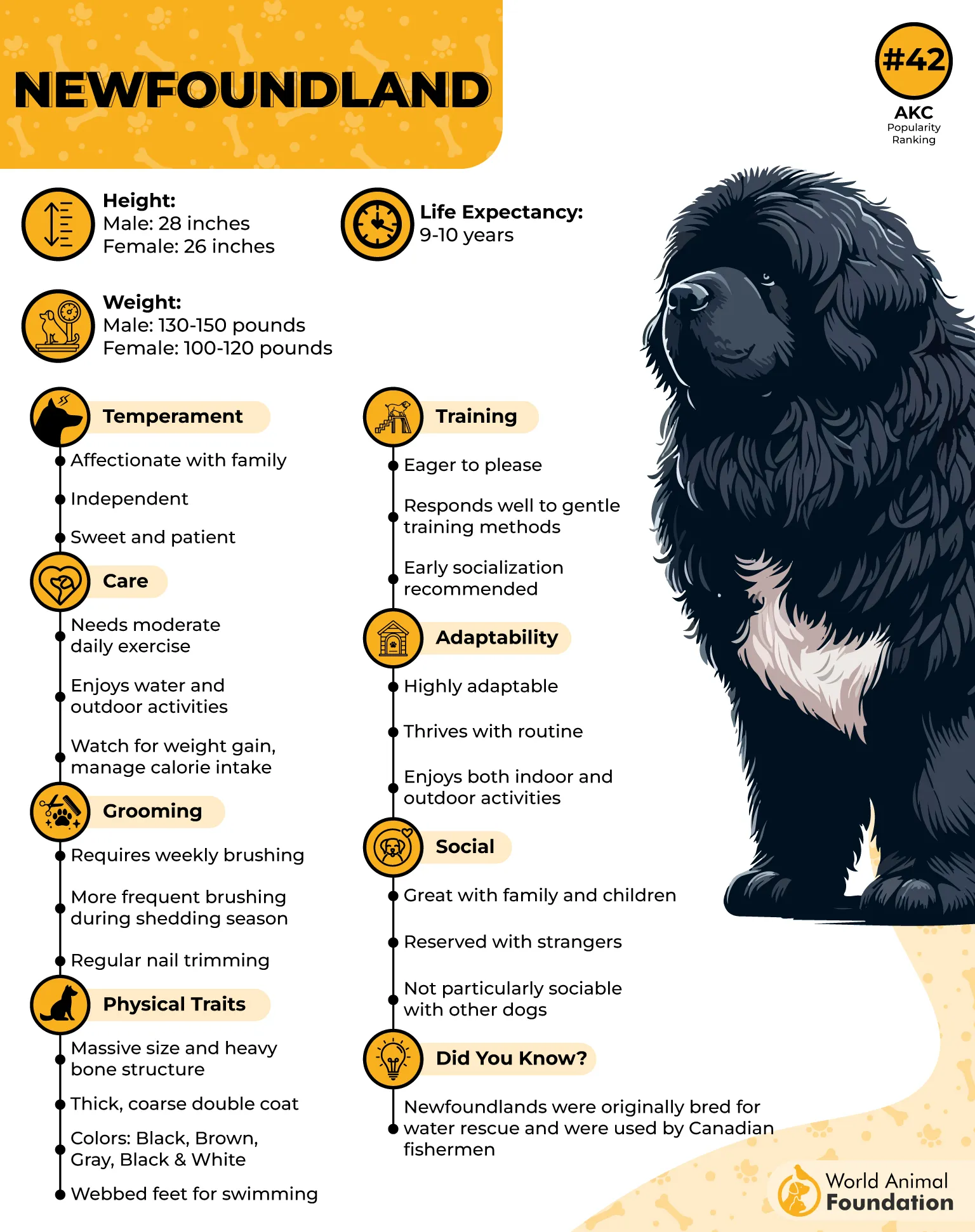
Their history adds to the breed’s calm aura. Newfoundlands developed around the Canadian island from which they take their name and became famous working dogs around water, assisting fishermen and earning an enduring reputation for lifesaving ability.
Barking varies substantially between individual Newfoundlands. Some may alert enthusiastically when someone approaches, while others barely bat an eye. Exercise and impulse control also affect how peaceful the household feels.
Omlet mentions that jumping, pulling, barking, and impulse-control difficulties are among the behaviors that can emerge when rules are unclear or when training fails to create consistent responses.
Conclusion
A peaceful home does not necessarily require giving up the companionship of a dog. No breed comes with a mute button. Genetics can influence barking tendencies, but exercise, socialization, boredom, anxiety, environment, training, health, and individual temperament ultimately determine how vocal the dog living in your home becomes.
Cavalier King Charles Spaniel, Bernese Mountain Dog, Shih Tzu, and Shiba Inu are also some low-barking dogs. With them, you get all the walks, affection, strange sleeping positions, ridiculous routines, and emotional attachment of dog ownership without feeling like somebody installed a motion-activated siren beside your sofa.
