




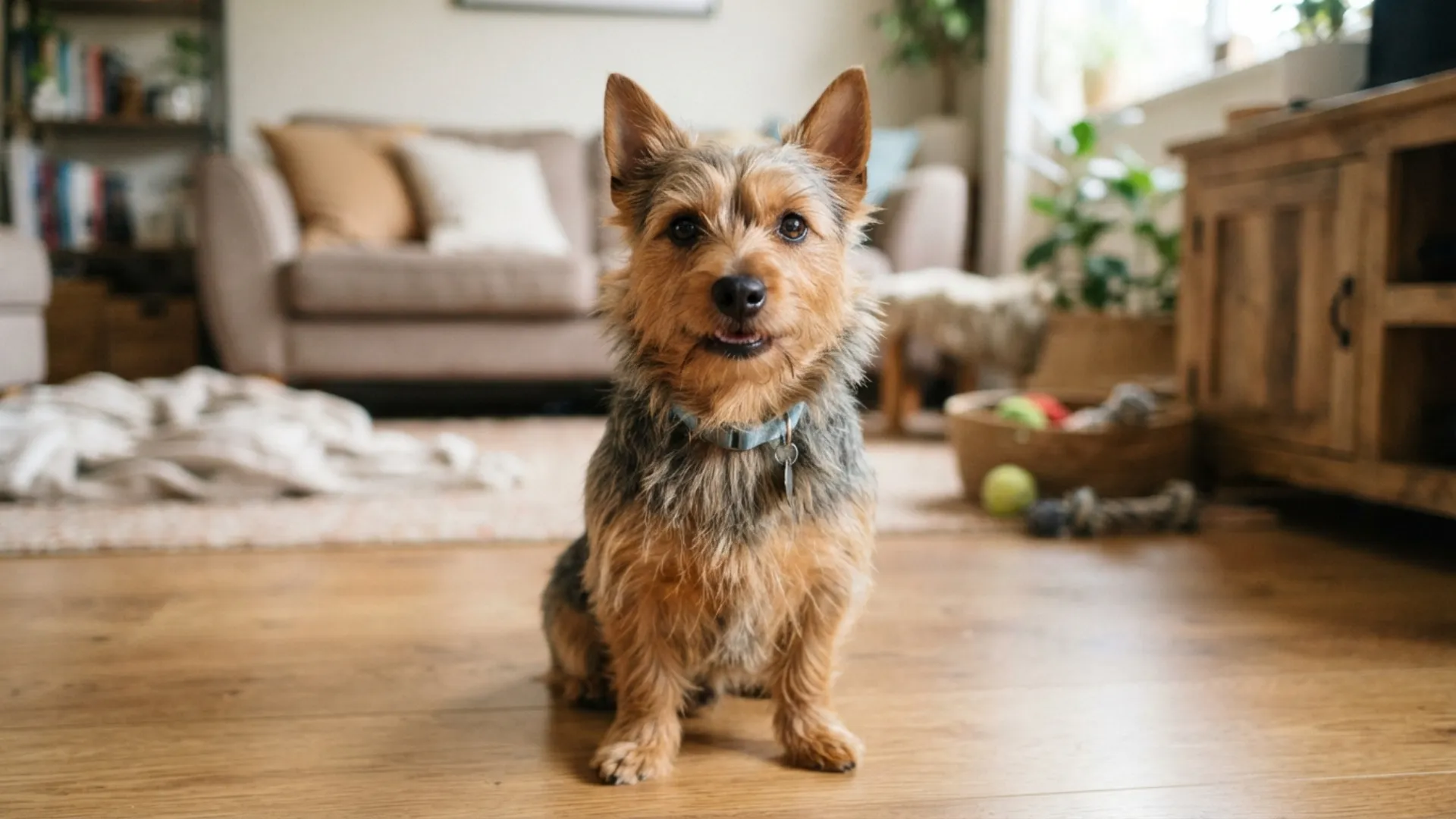
Bringing home your first dog is an exciting milestone, but choosing a breed that fits your lifestyle can make the experience far more rewarding. The ideal beginner-friendly companion should complement your home, schedule, energy level, and experience rather than simply matching current trends.
Some dogs are naturally easier for newcomers to manage, while others demand extensive training, exercise, grooming, or constant mental stimulation. Understanding these differences can help first-time owners build confidence and create a happier relationship with their new companion.
Research suggests 94 million U.S. households own at least one pet, up from 82 million in 2023, reflecting steady growth in pet ownership. For new dog parents, selecting a compatible breed can make the journey smoother, more enjoyable, and deeply fulfilling.
Top Beginner-Friendly Dog Breeds: A Helpful Guide
1. Pug
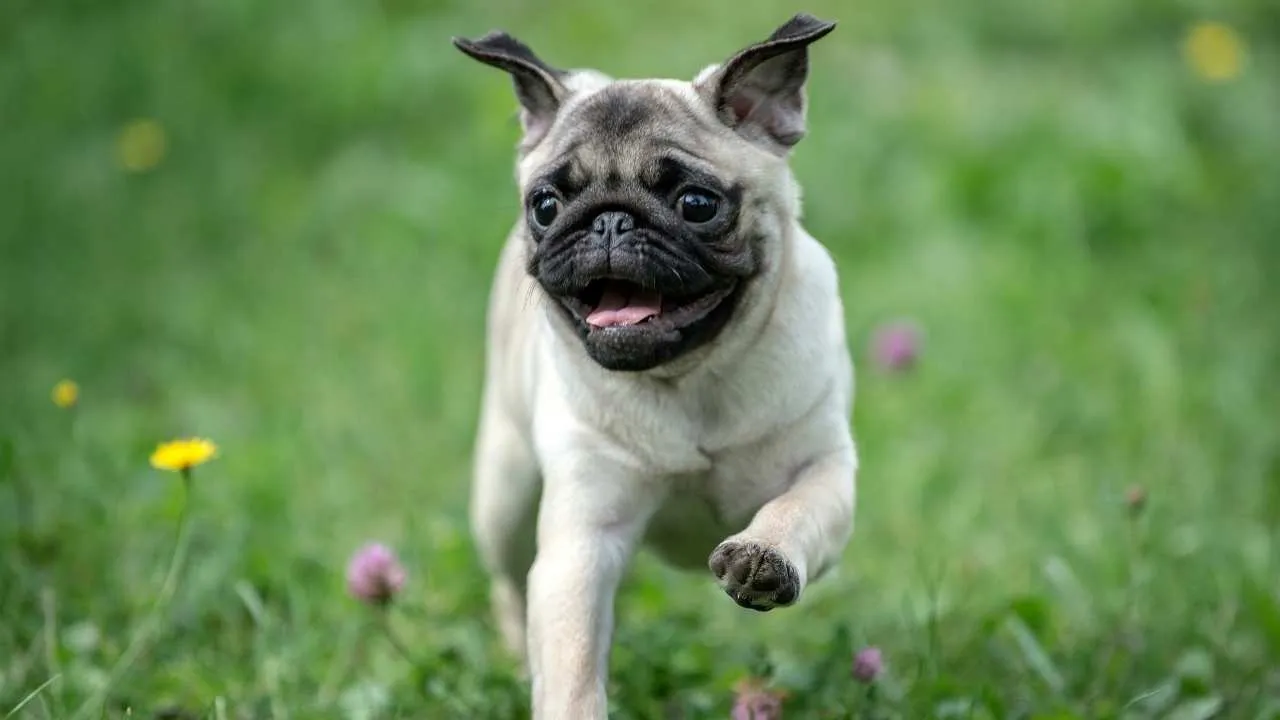
The Pug is a small, adaptable companion known for its affectionate personality and amusing, expressive face. Its compact build and moderate exercise needs can suit smaller homes, while its short coat keeps grooming relatively simple.
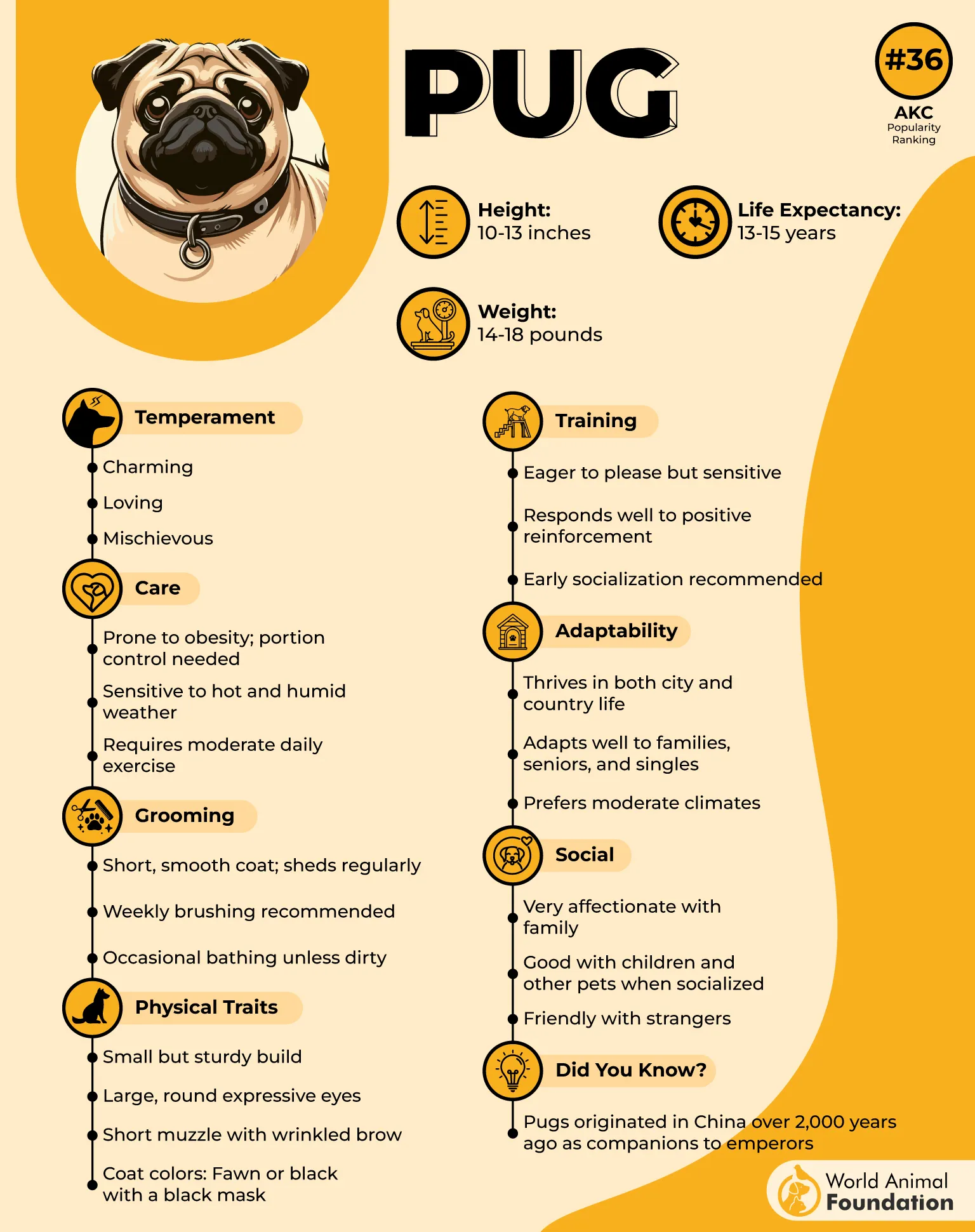
Despite its easygoing nature, the Pug still benefits from regular walks and outdoor activity. Its playful, people-loving temperament helps it fit comfortably into many households, whether living with families or other pets. However, its flat facial structure can contribute to breathing and eye concerns, so owners should be mindful of its activity and environment.
How This Breed Stands Out
Adaptable indoor companion: Its compact size, moderate activity needs, and sociable temperament make it well suited to comfortable indoor living.
Comical, affectionate nature: Large expressive eyes, facial wrinkles, and a playful personality give the Pug its famously charming character.
2. Australian Terrier
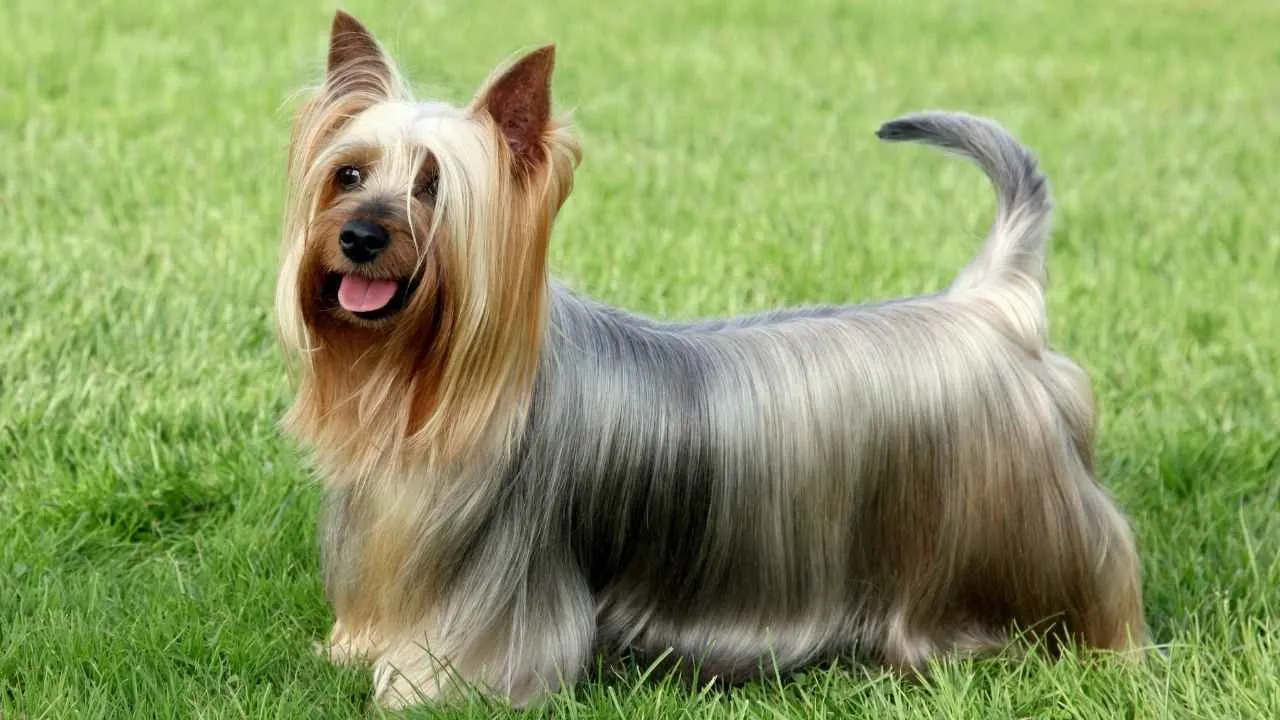
The Australian Terrier is a small yet sturdy working terrier with a spirited, self-assured personality. Its alert nature, keen intelligence, and terrier grit make it an attentive companion that enjoys staying involved with its people.
According to WebMD, this breed is confident, curious, and highly resilient, despite its small yet sturdy build.
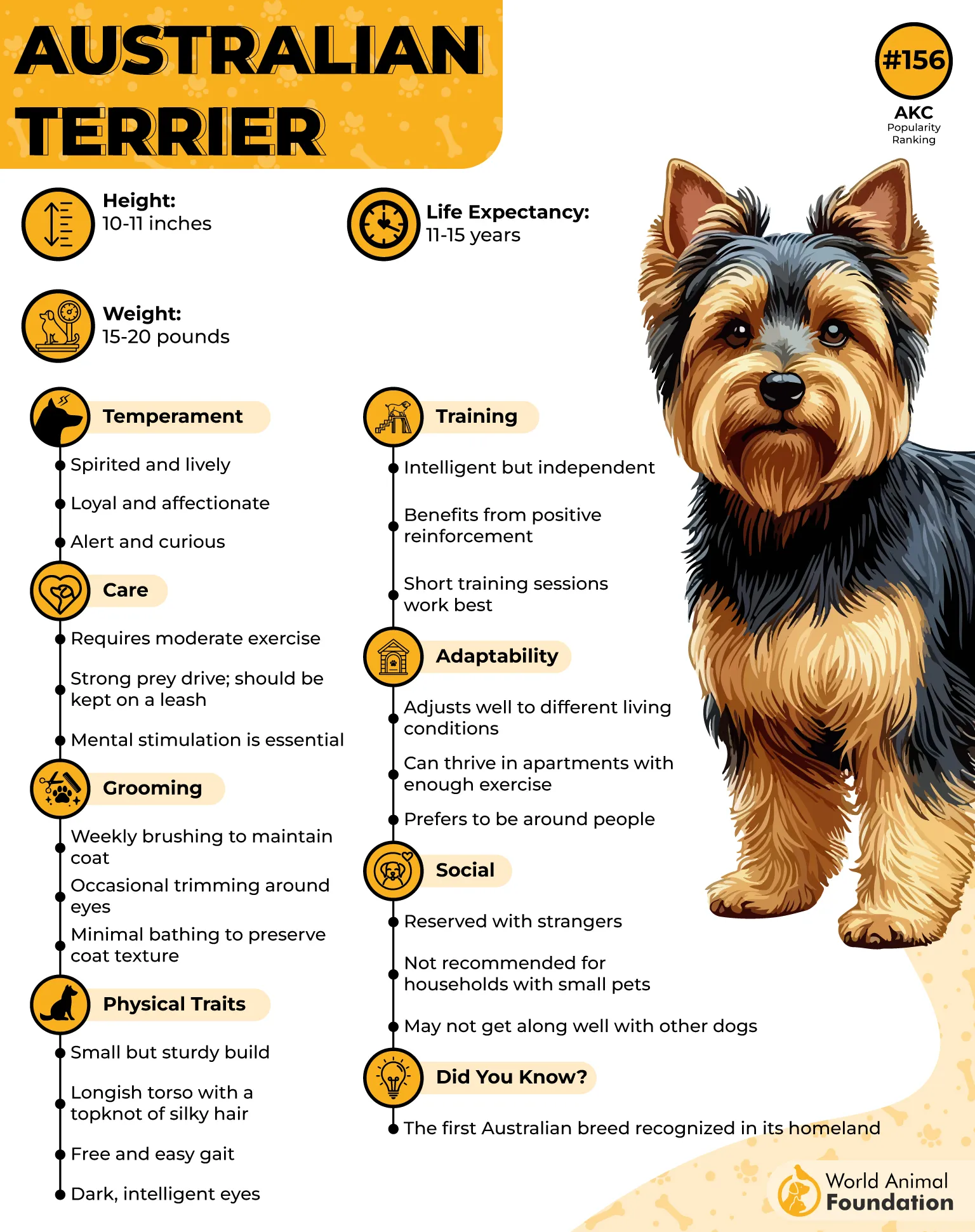
Originally developed as a working breed, the Australian Terrier retains a strong instinct to chase small creatures and plenty of curiosity for exploring its surroundings. Its weather-resistant coat, distinctive furnishings, and free-moving gait reflect its practical working heritage.
How This Breed Stands Out
Confident, spirited personality: The breed approaches activities with boldness and lively curiosity, often bringing plenty of character to everyday life.
Compact working-dog heritage: Despite its small frame, the Australian Terrier retains the toughness, alertness, and determination expected of a working terrier.
3. Brussels Griffon
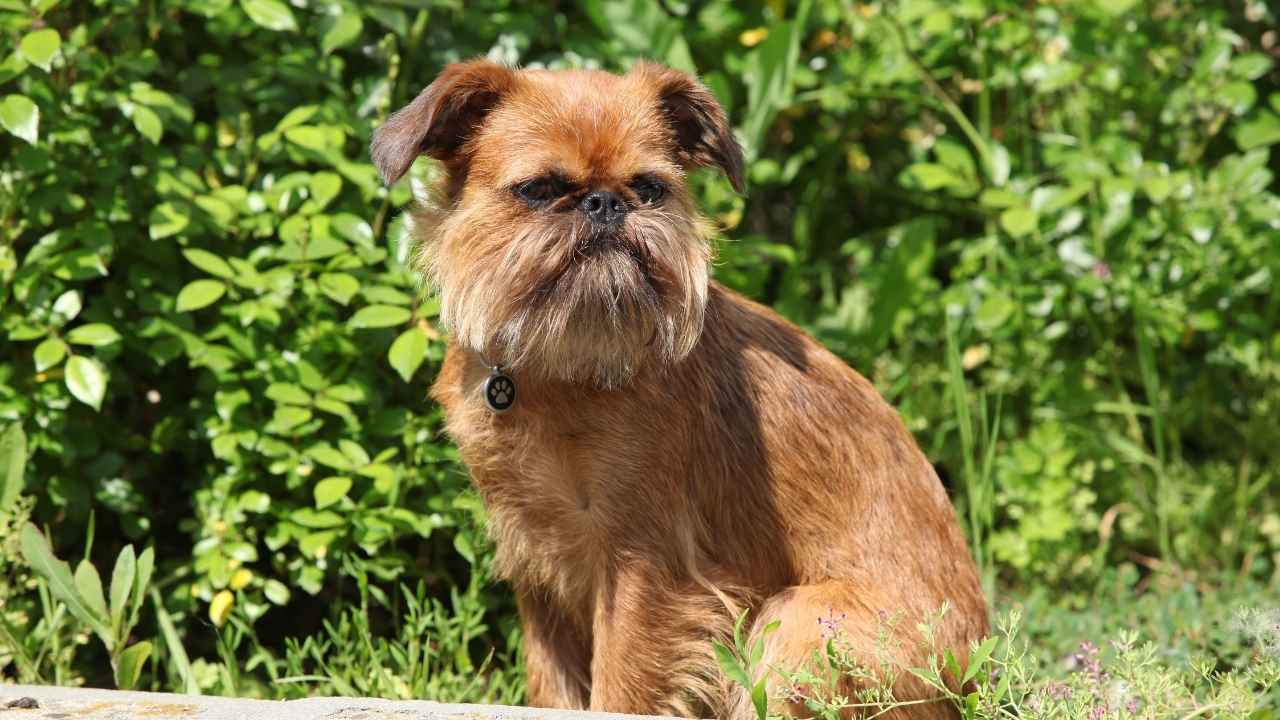
The Brussels Griffon is a tiny companion with an outsized personality, known for its intelligent, devoted, and highly expressive nature. Its large, human-like eyes, bearded muzzle, and sturdy body give it a distinctive appearance, while its alert temperament keeps it engaged with its surroundings.
According to Orvis, Griffons are not typically aggressive, but they may become impatient or react sharply when handled roughly.
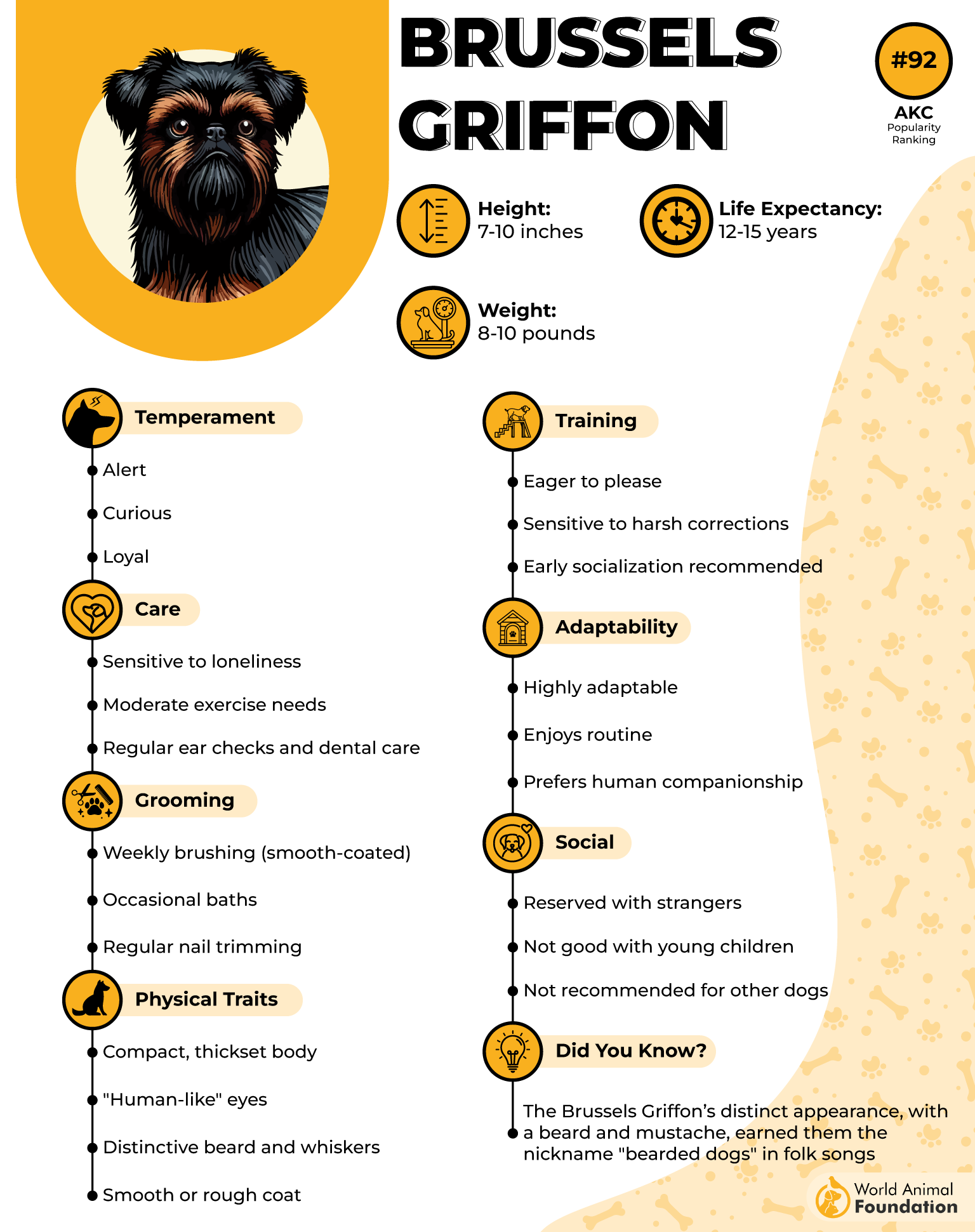
Despite its toy-sized frame, the Brussels Griffon retains a trace of its vermin-hunting heritage and enjoys activities such as tricks and agility. They form exceptionally close bonds with their families and may become unsettled when left alone for extended periods.
How This Breed Stands Out
Highly people-oriented: Brussels Griffons thrive on companionship and prefer staying closely involved with their favorite people.
Expressive, sensitive character: Their striking facial expressions reflect a gentle, emotionally responsive temperament that benefits from kind handling.
4. Border Terrier
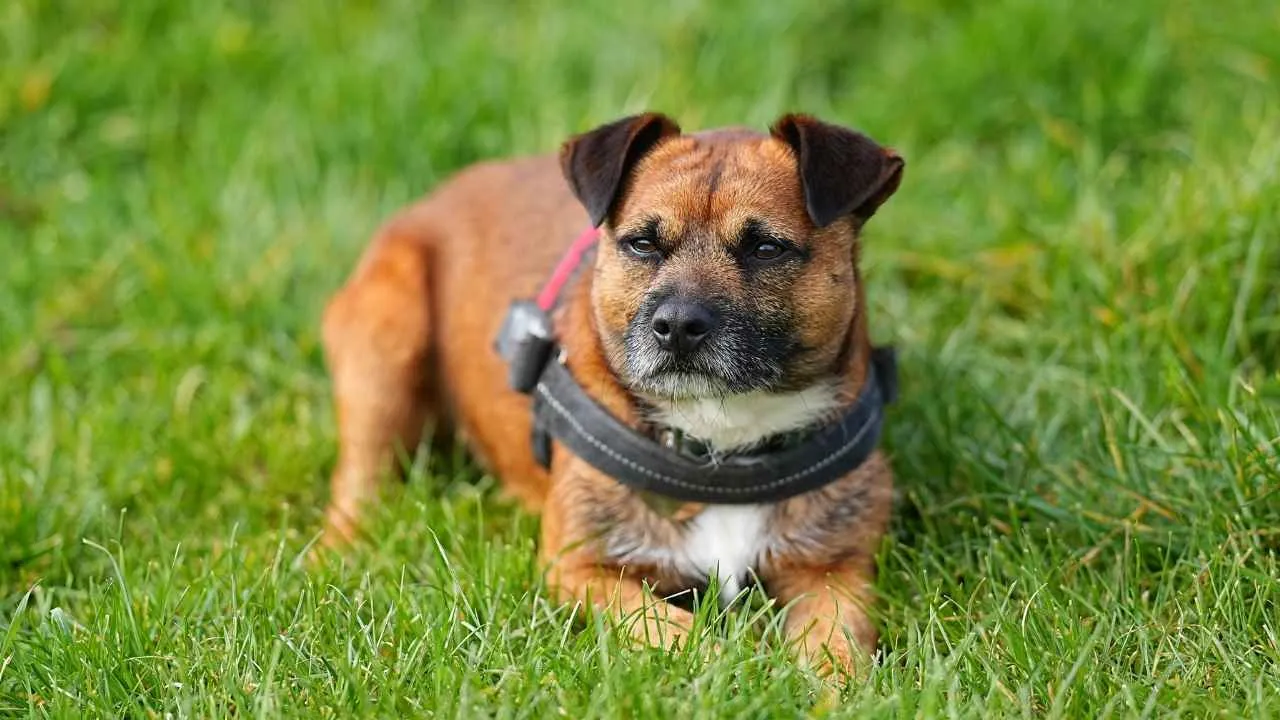
The Border Terrier is a cheerful, agile working terrier with a tough streak balanced by an affectionate temperament. Its distinctive otter-shaped head, wiry coat, and longer legs reflect its traditional role as a practical country hunter and active outdoor companion.
According to PetMD, Terriers need plenty of physical exercise and mental stimulation to channel their abundant energy.
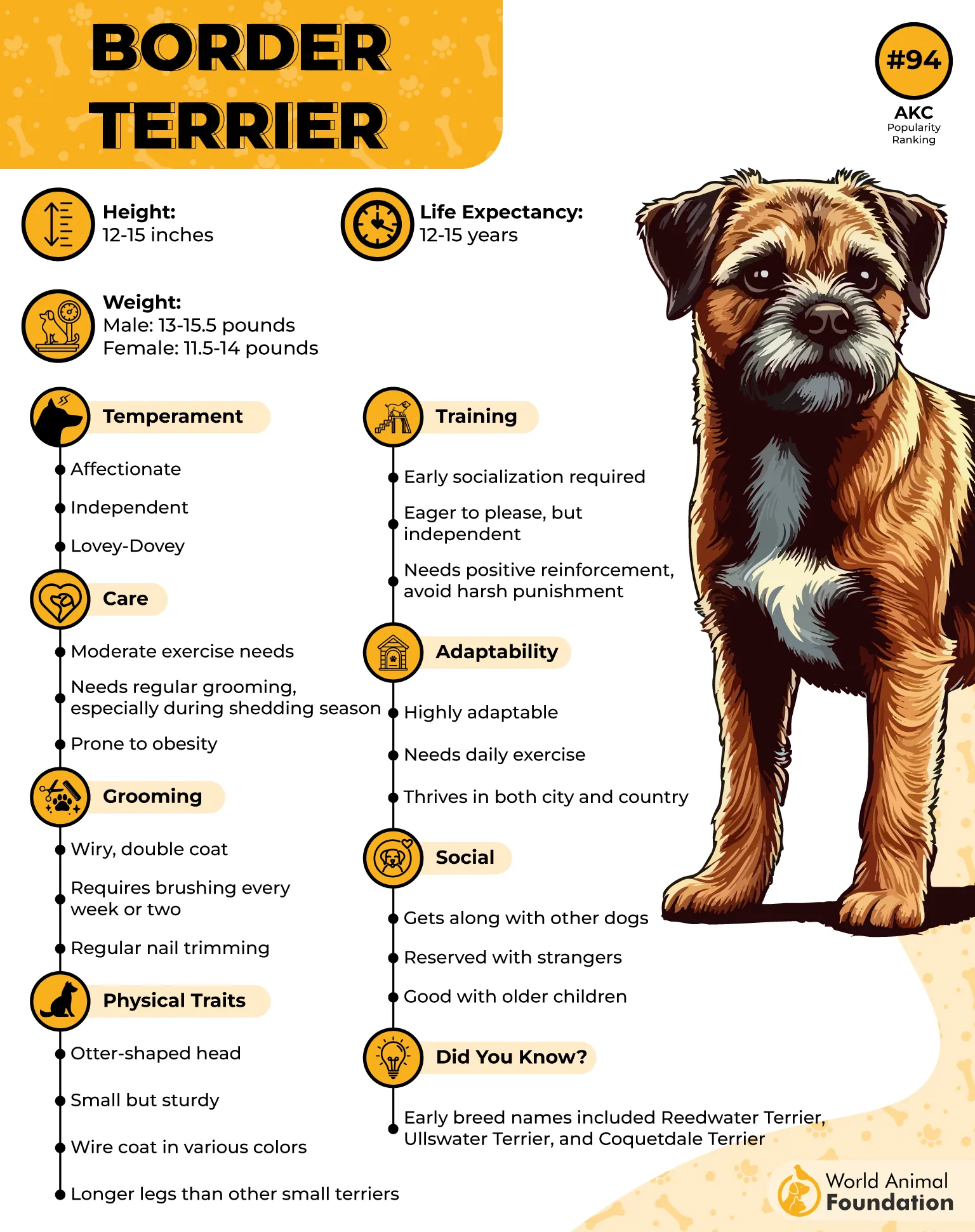
At home, Border Terriers are generally friendly, trainable, and adaptable, making them comfortable in both urban and rural settings when given enough exercise. Their hunting instincts remain strong, however, and squirrels or rabbits can quickly trigger a chase.
How This Breed Stands Out
Easygoing terrier temperament: Despite their working determination, Borders are typically affectionate, sociable, and good-natured at home.
Adaptable to different lifestyles: They can adjust to city or country living, provided they receive regular physical activity and opportunities to explore.
5. Bolognese
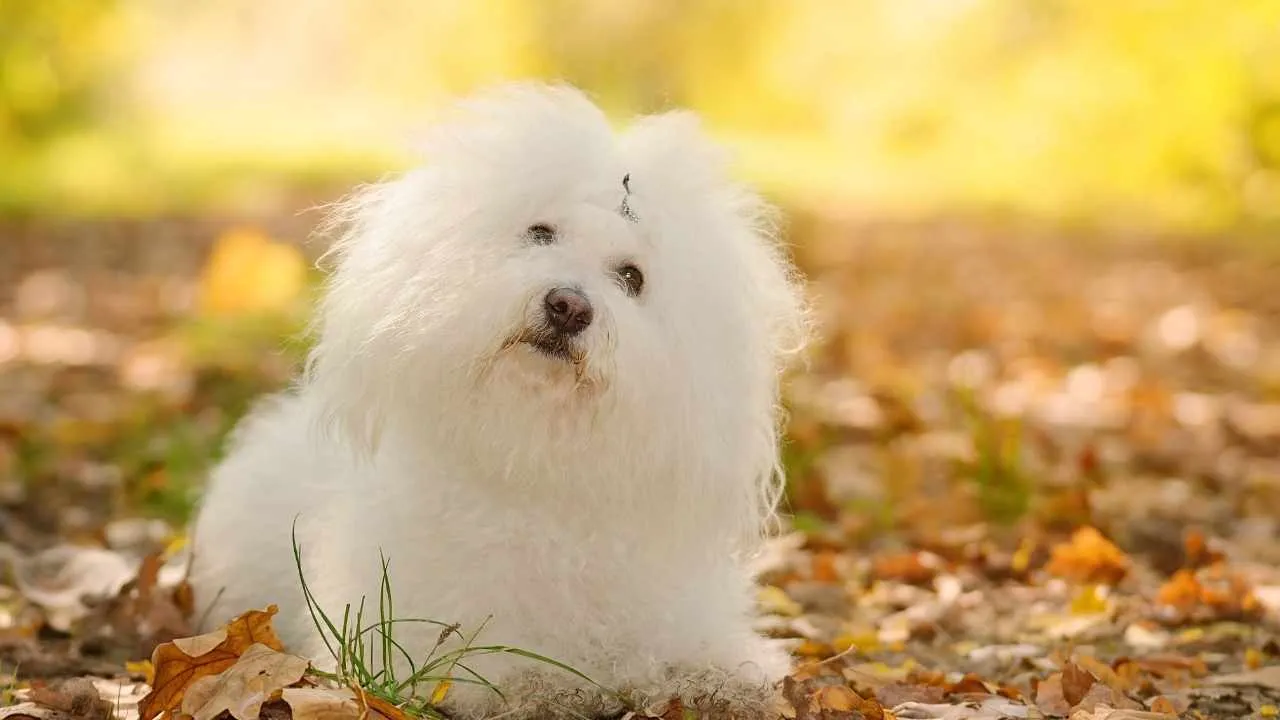
The Bolognese is a small Italian companion breed with a sturdy, square build and a distinctive long white coat. Generally calm and affectionate, it enjoys staying close to its family and often prefers relaxing beside its favorite person rather than seeking constant activity.
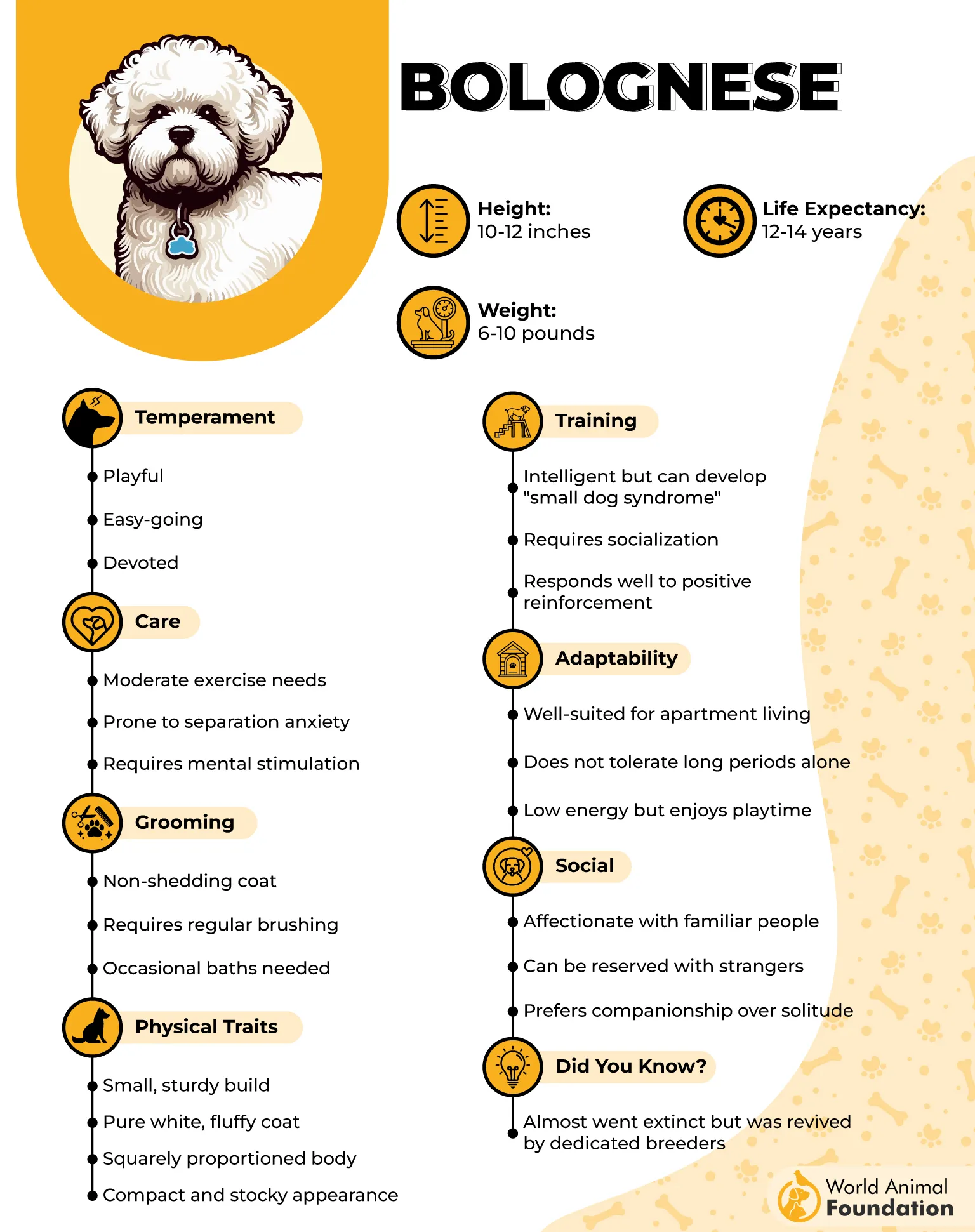
Although gentle at home, the Bolognese can be cautious around unfamiliar people and may bark when someone approaches the door. Early socialization helps build confidence and supports friendly interactions with children, dogs, and other pets.
How This Breed Stands Out
Calm, devoted companion: The Bolognese thrives on affection and enjoys spending much of its time close to its family.
Reserved around unfamiliar people: It may initially be cautious with strangers but can become more welcoming with proper socialization.
6. Toy Poodle
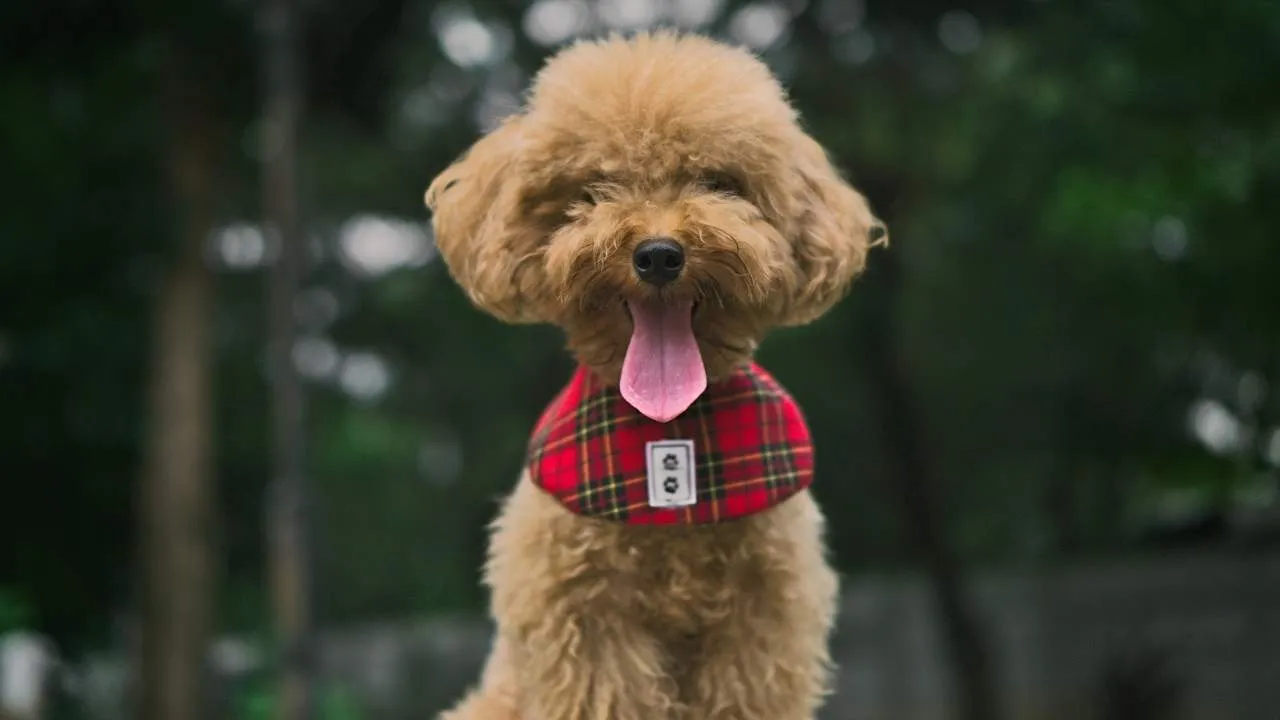
The Toy Poodle may be tiny, but it combines an athletic build with remarkable intelligence and an eager working attitude. Standing no more than ten inches tall, this smallest Poodle variety is graceful, energetic, and highly responsive to training.
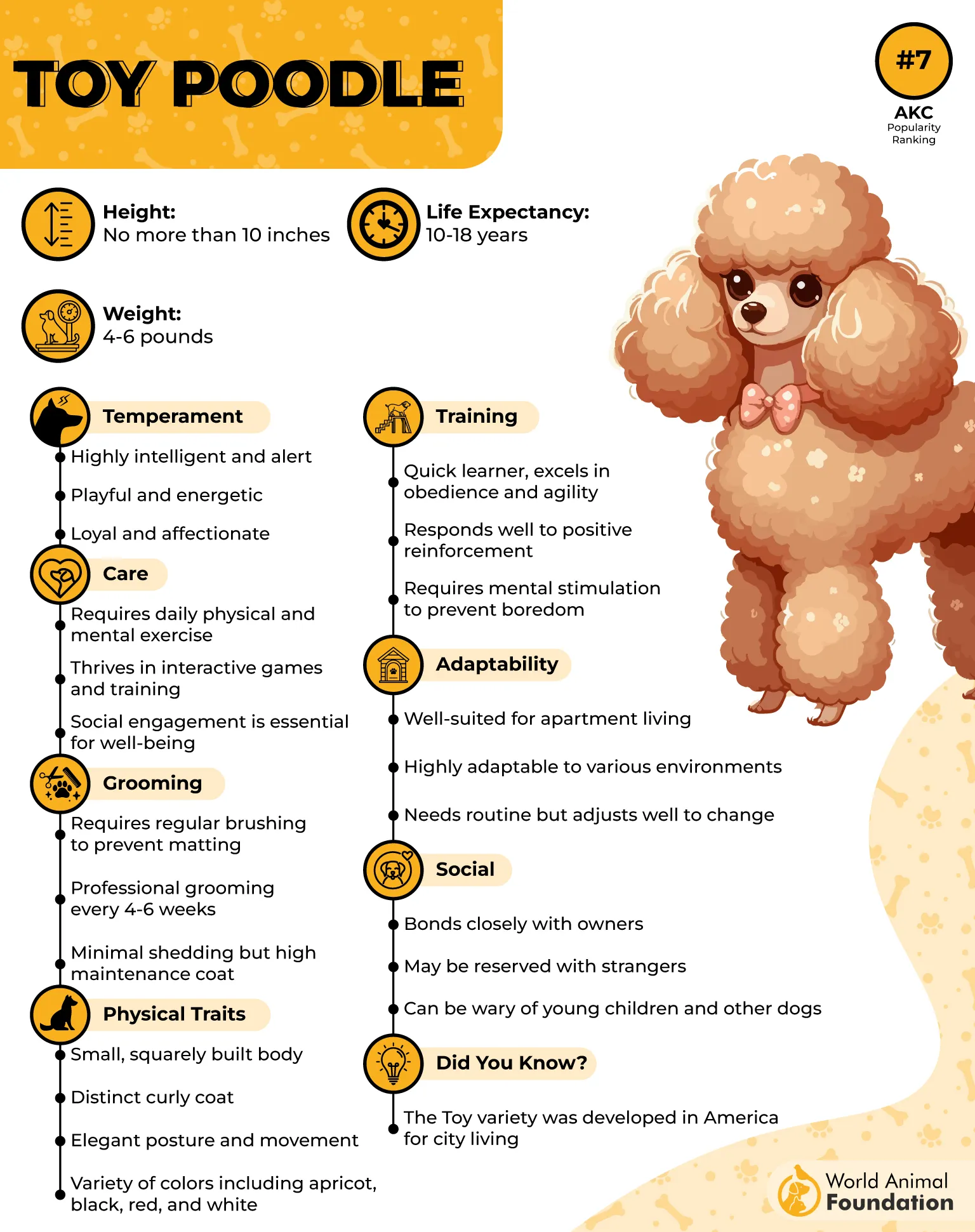
Its curly, hypoallergenic coat sheds very little, but routine grooming is essential, while its people-focused nature makes positive, engaging training especially effective.
Poodles also come in Toy and Miniature Poodle sizes that can suit apartment living. Toy Poodles can excel in activities such as obedience, agility, and even tracking, showing that their small stature does not limit their mental or physical abilities.
How This Breed Stands Out
Quick-learning intelligence: Toy Poodles learn commands and new activities readily, making them highly responsive during training.
Eager-to-please attitude: Their strong desire to interact with people helps them stay engaged when training is consistent, positive, and rewarding.
7. American Hairless Terrier
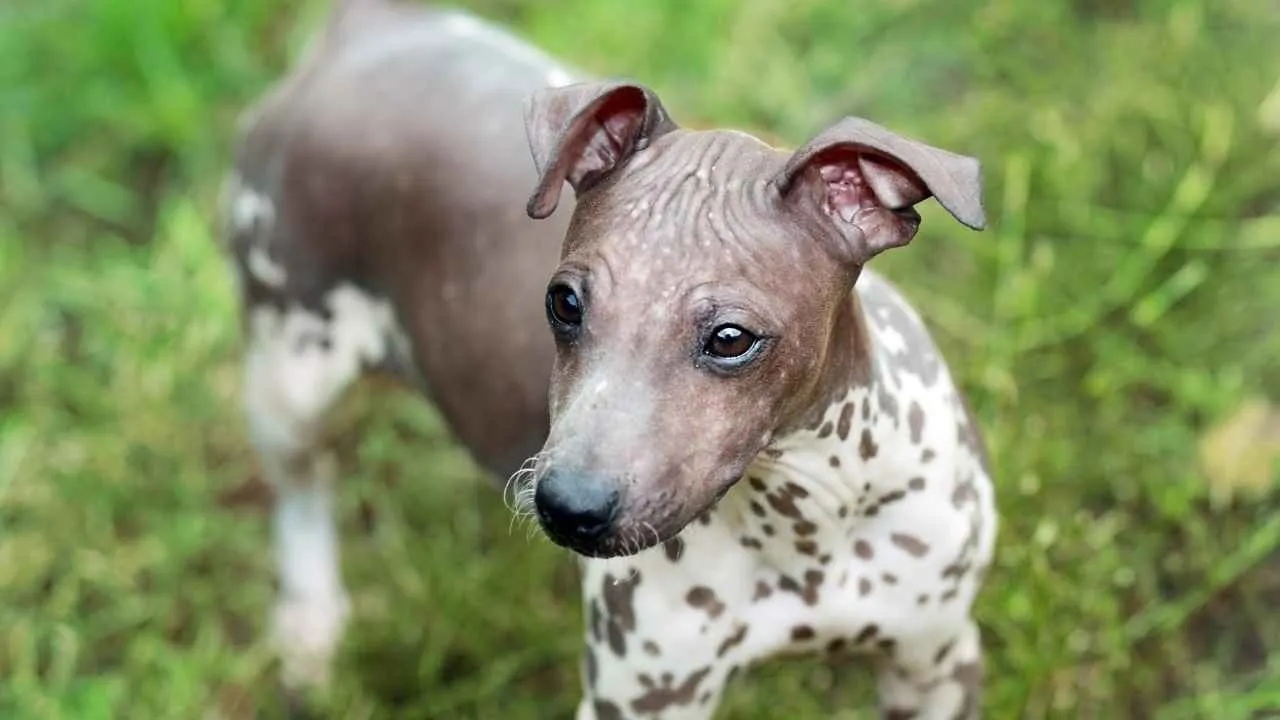
The American Hairless Terrier is a lively, intelligent breed with plenty of classic terrier character packed into a small frame. It comes in hairless and coated varieties, while its curious expression, alert ears, and energetic movement reflect its spirited working heritage.
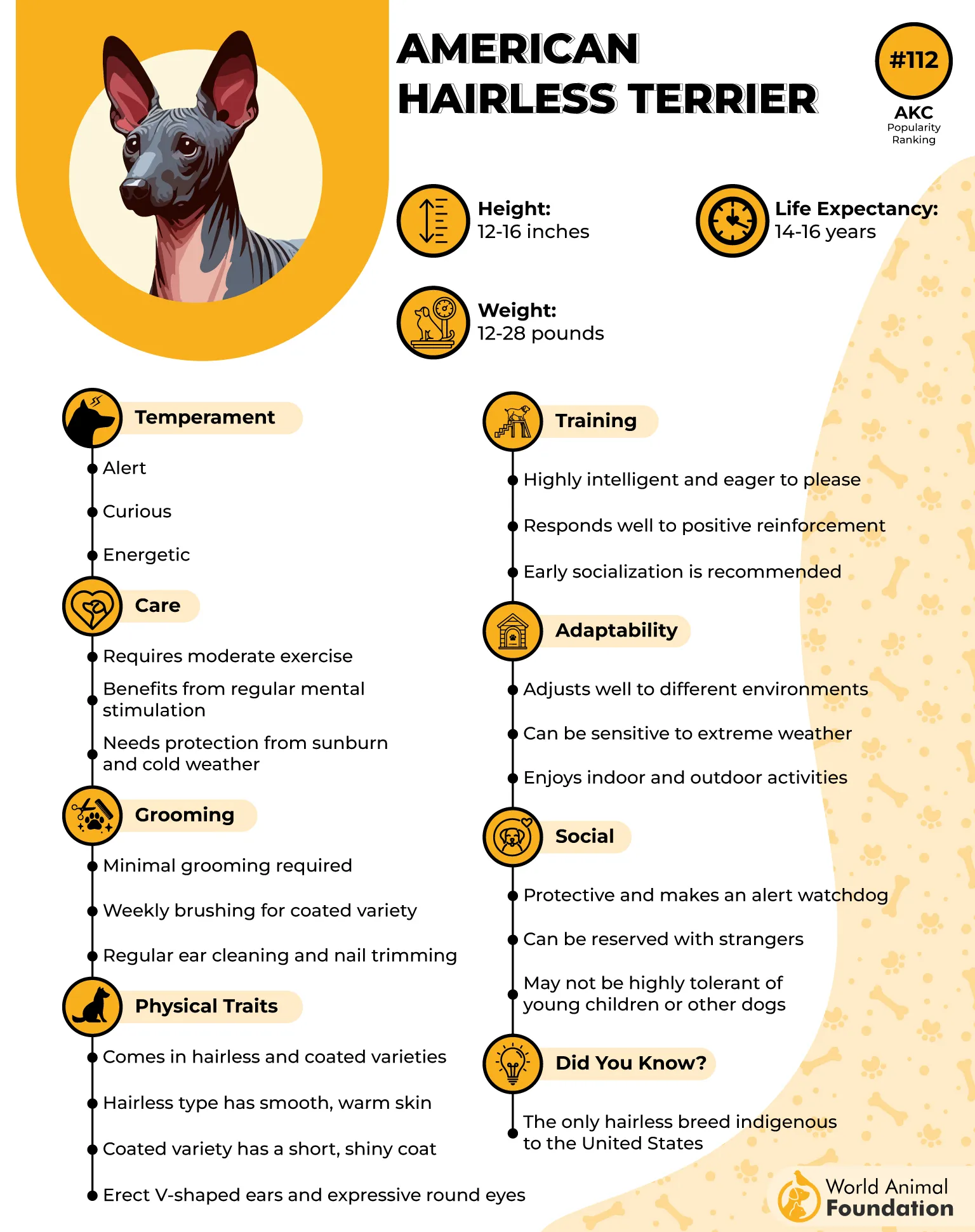
Although the hairless variety requires little coat grooming, owners must protect its exposed skin from excessive sun and cold weather. These dogs are athletic, playful, and surprisingly energetic for their size, with a natural prey drive that can influence interactions with smaller pets.
How This Breed Stands Out
Hairless, low-grooming option: The hairless variety has minimal coat-care needs, making it an appealing choice for owners seeking simpler grooming.
Playful, alert personality: Its inquisitive, energetic nature keeps the American Hairless Terrier engaged, while its terrier instincts contribute to a confident and watchful character.
8. Russian Toy
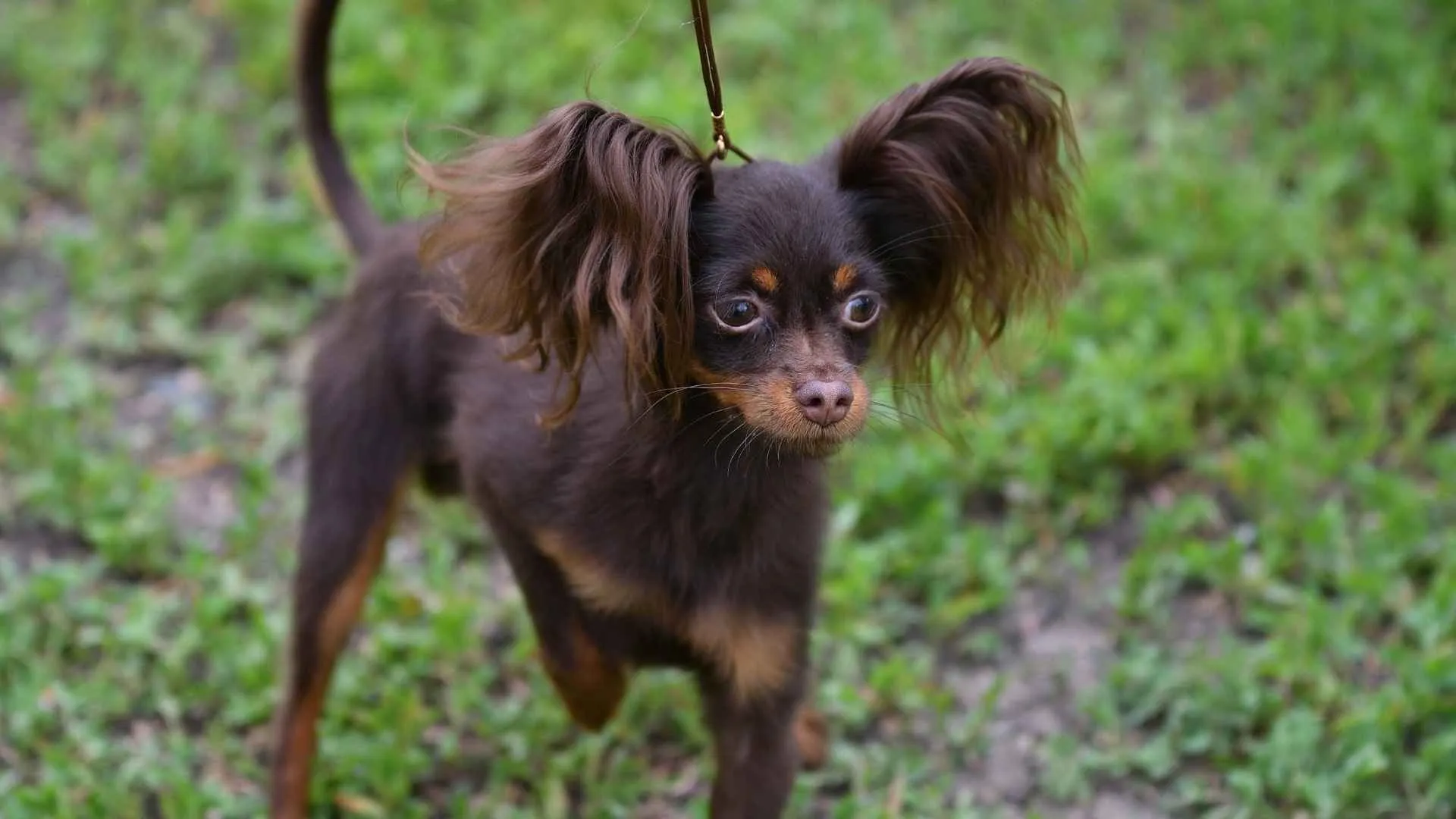
The Russian Toy is a tiny, elegant breed with a lively personality, fine build, and keen intelligence. Originally associated with Russian aristocracy, it developed as a ratter and watchdog, which helps explain its alert nature and tendency to stay attentive to its surroundings.
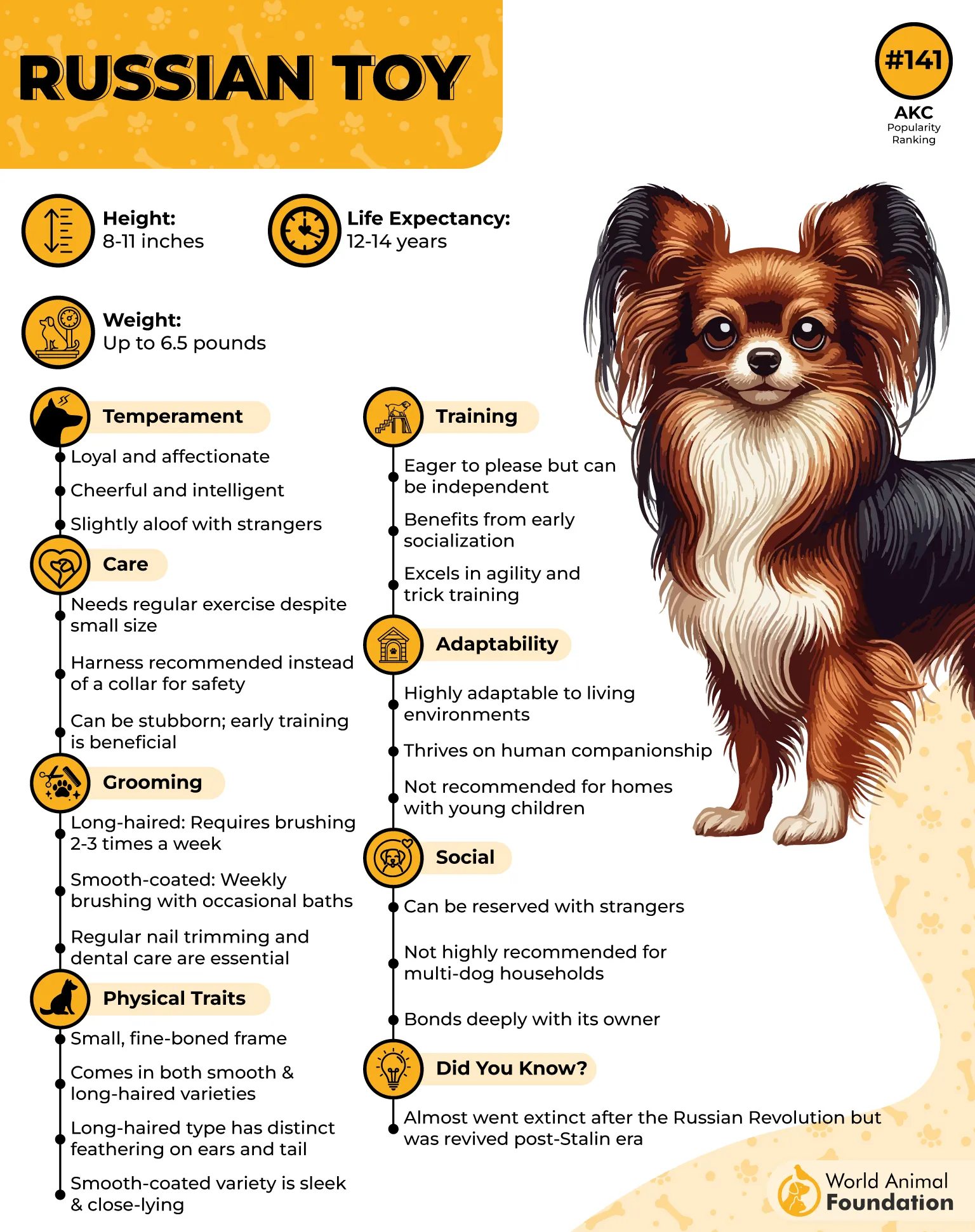
Despite its delicate appearance, the Russian Toy enjoys running, playing, and exploring, so daily walks or safe outdoor play are important. These dogs form strong attachments to their owners and may become vocal when they feel overlooked, while proper socialization can help them remain comfortable around unfamiliar people.
How This Breed Stands Out
Tiny, lively companion: Its small frame does not prevent it from enjoying active play, movement, and daily exploration.
Bonds closely with owners: The Russian Toy thrives on human companionship and often prefers staying close to its favorite people.
9. Havanese
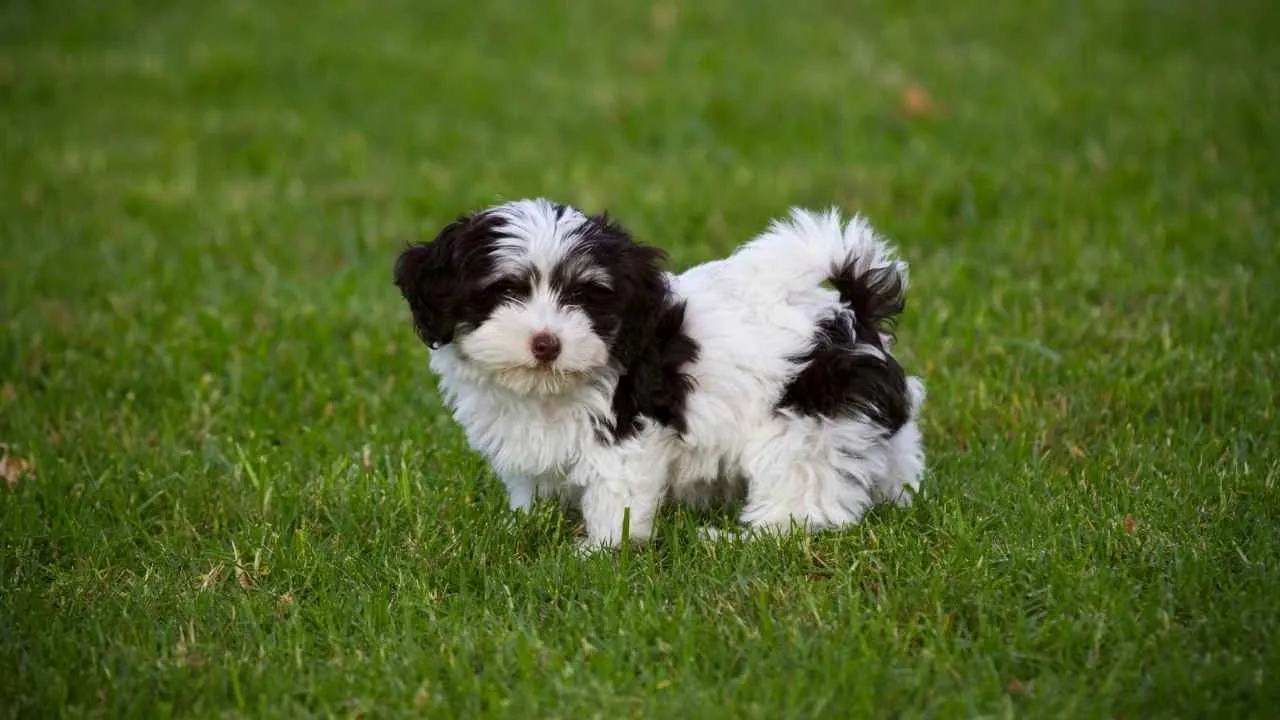
The Havanese is a cheerful, sociable companion with a springy gait, silky coat, and naturally people-oriented personality. As Cuba’s native breed, it developed as a close companion and remains happiest when included in family activities and everyday interaction.
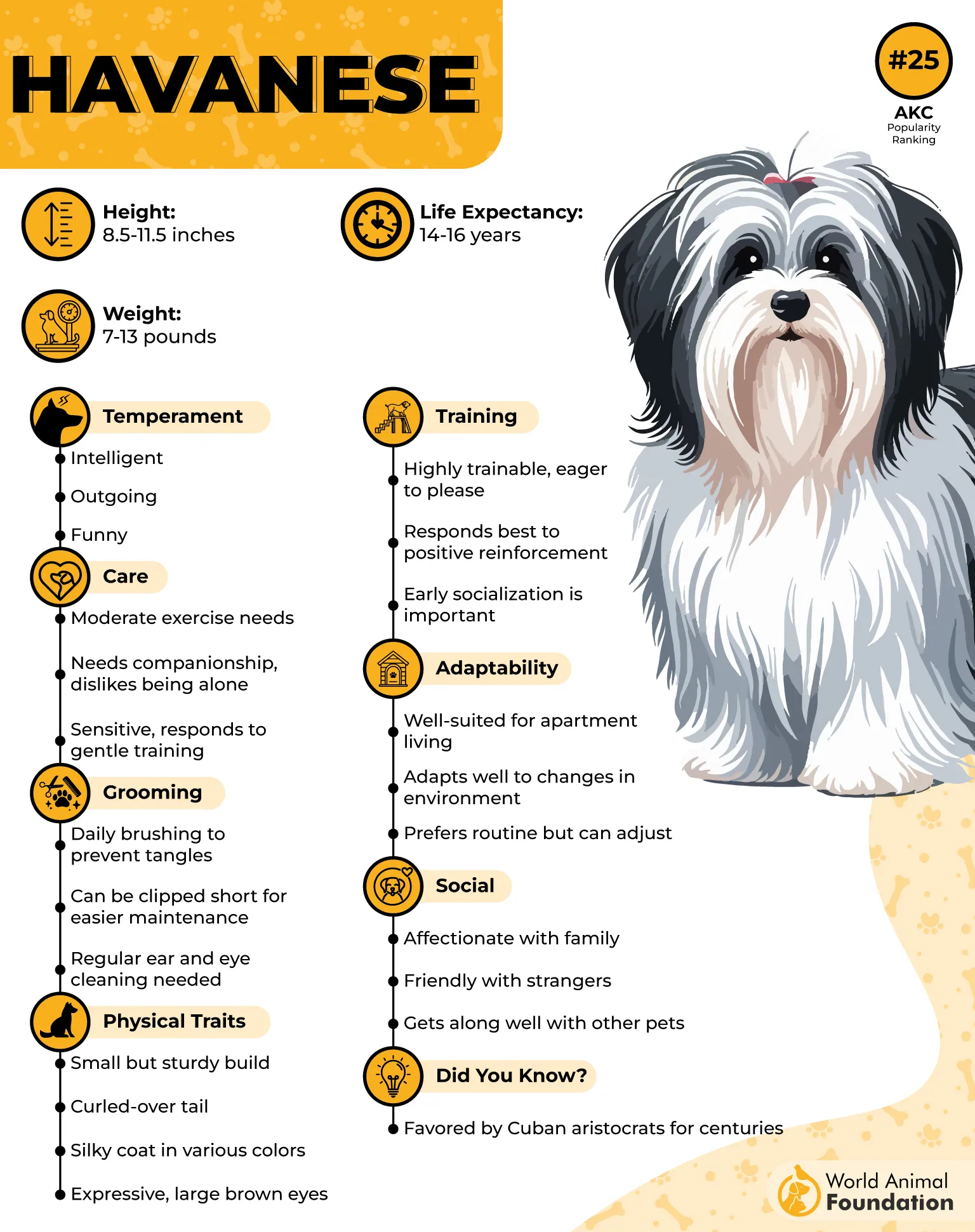
Its moderate activity needs can be met through walks, indoor games, and mentally engaging activities. Havanese are often enthusiastic learners that enjoy tricks and interactive training, while their adaptable nature can suit different living environments.
How This Breed Stands Out
Sociable family personality: The Havanese typically enjoys meeting people and staying involved with household activities.
Enjoys interactive training: Its intelligence and playful attitude make games, tricks, and reward-based learning particularly engaging.
10. Cavalier King Charles Spaniel
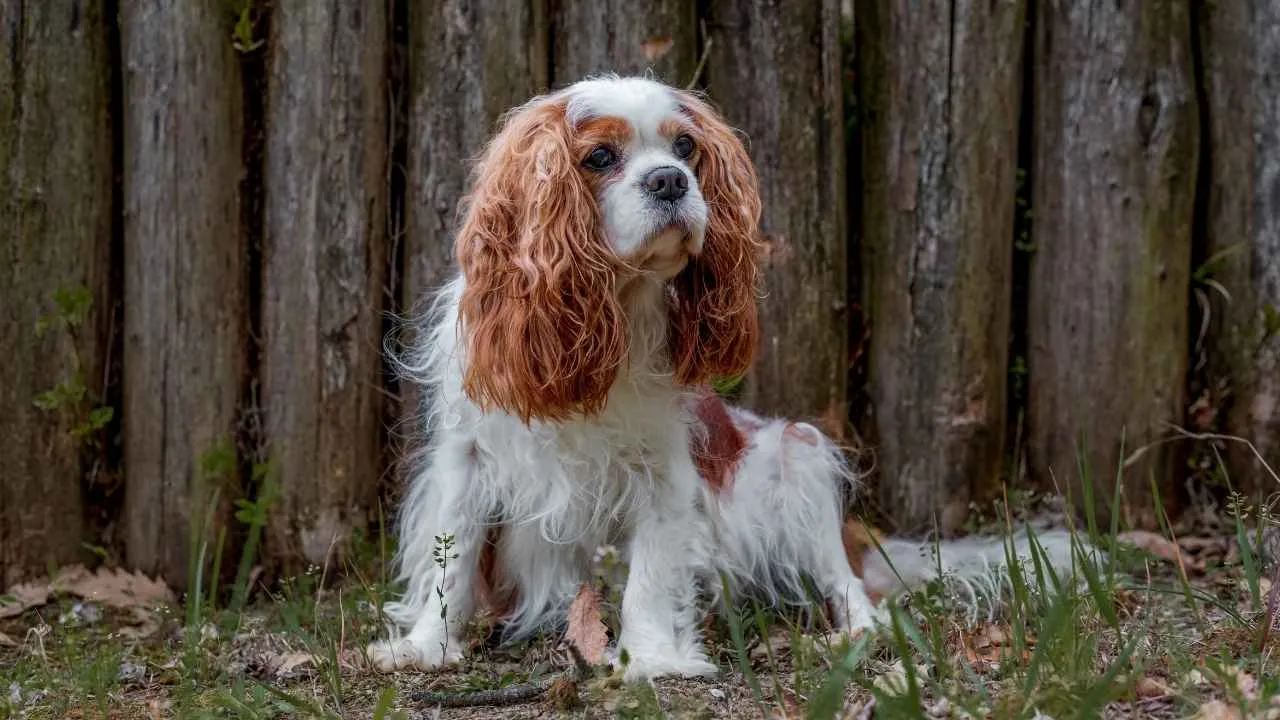
The Cavalier King Charles Spaniel is a small, affectionate companion known for its gentle temperament and adaptable nature. It generally enjoys being around people, including children, and its moderate exercise needs can fit comfortably into apartment living or quieter households.
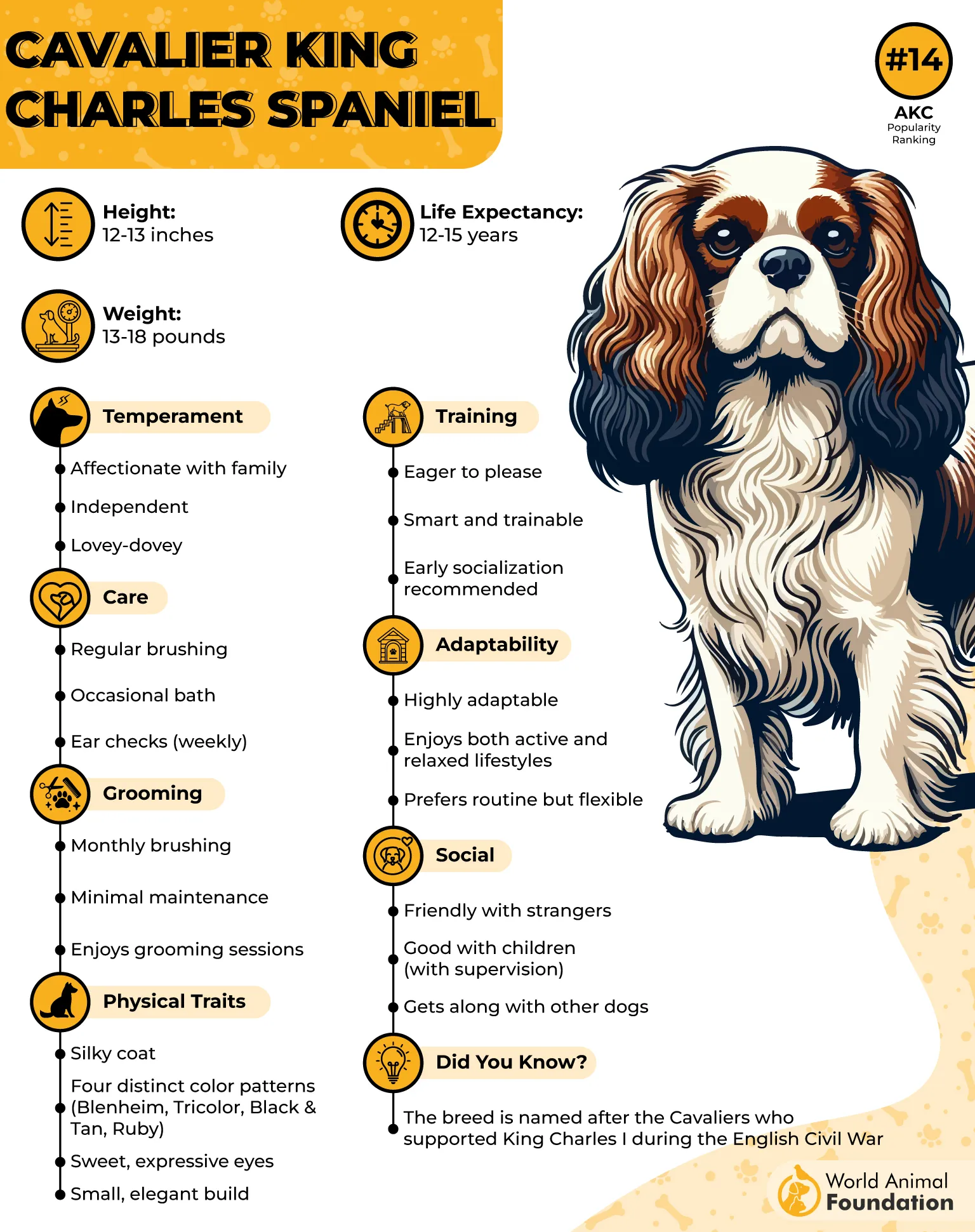
Cavaliers are often eager to cooperate and respond particularly well to positive, reward-based training. Their easygoing personality makes them suitable for first-time owners, while regular walks and play provide enough activity without demanding intense exercise. They also tend to enjoy close companionship and relaxed time with their families.
How This Breed Stands Out
Naturally gentle disposition: Cavaliers are typically friendly, affectionate, and comfortable in calm family environments.
Responds well to positive training: Their willingness to please makes encouragement and rewards effective tools for teaching new behaviors.
Conclusion
Choosing a beginner-friendly dog is about finding a breed that matches your lifestyle, experience, and ability to provide consistent care. The right companion is often one that is forgiving of training mistakes, not just one that seems easy on paper.
Small breeds can offer adaptability and affectionate companionship, while active breeds may suit owners who enjoy regular exercise and outdoor activities. Temperament, trainability, and energy levels are all important factors to consider.
New owners should also think about grooming, socialization, exercise, and mental stimulation before bringing a dog home. Adult dogs can sometimes be a more manageable option for first-time owners than puppies. Even an easygoing breed needs patience, structure, and positive training to thrive.
Ultimately, the best choice is not simply the easiest breed, but the one whose needs fit your daily routine. With responsible care, early training, and plenty of affection, a first-time owner can build a lasting bond with their dog, but the answer depends on lifestyle, living situation, and the specific dog rather than a single breed label.
