




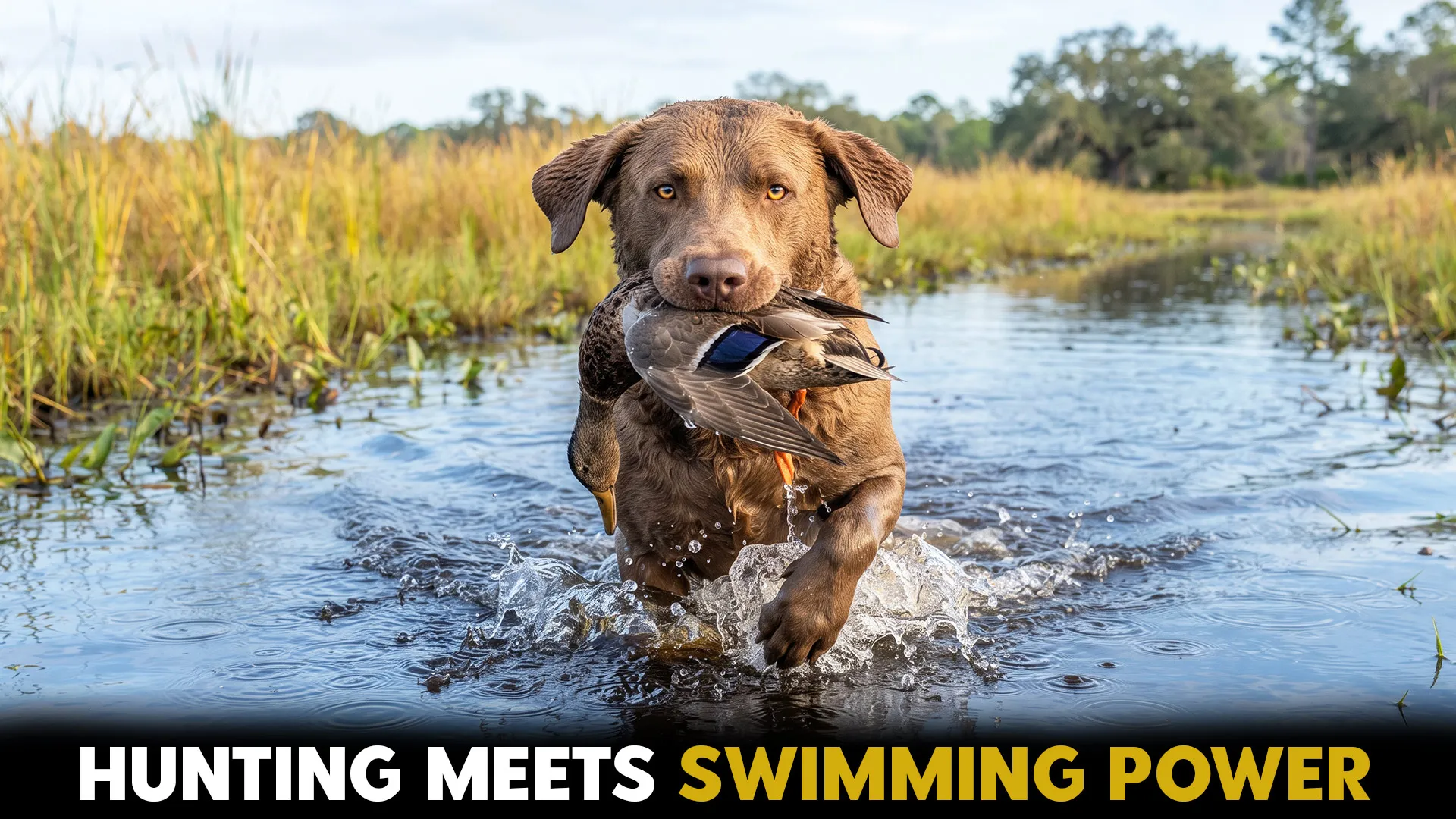
A successful waterfowl hunt often depends on more than the hunter’s skill and equipment. The right retrieving dog can become an invaluable partner, confidently entering cold water, navigating difficult conditions, and bringing downed birds back with precision and determination.
Retrievers, spaniels, and other sporting breeds have been developed over generations for tasks that demand endurance, intelligence, water resistance, and a strong retrieving instinct. Beyond their work in the field, many also become affectionate companions when the day’s hunt is over.
Research suggests millennials make up the largest share of pet parents at 30%, followed by Gen X and Baby Boomers at 25% each. For today’s hunters, choosing a capable breed can bring both dependable performance and rewarding companionship to every waterfowl adventure.
Top Dog Breeds That Retrieve Waterfowl Expertly
1. Boykin Spaniel
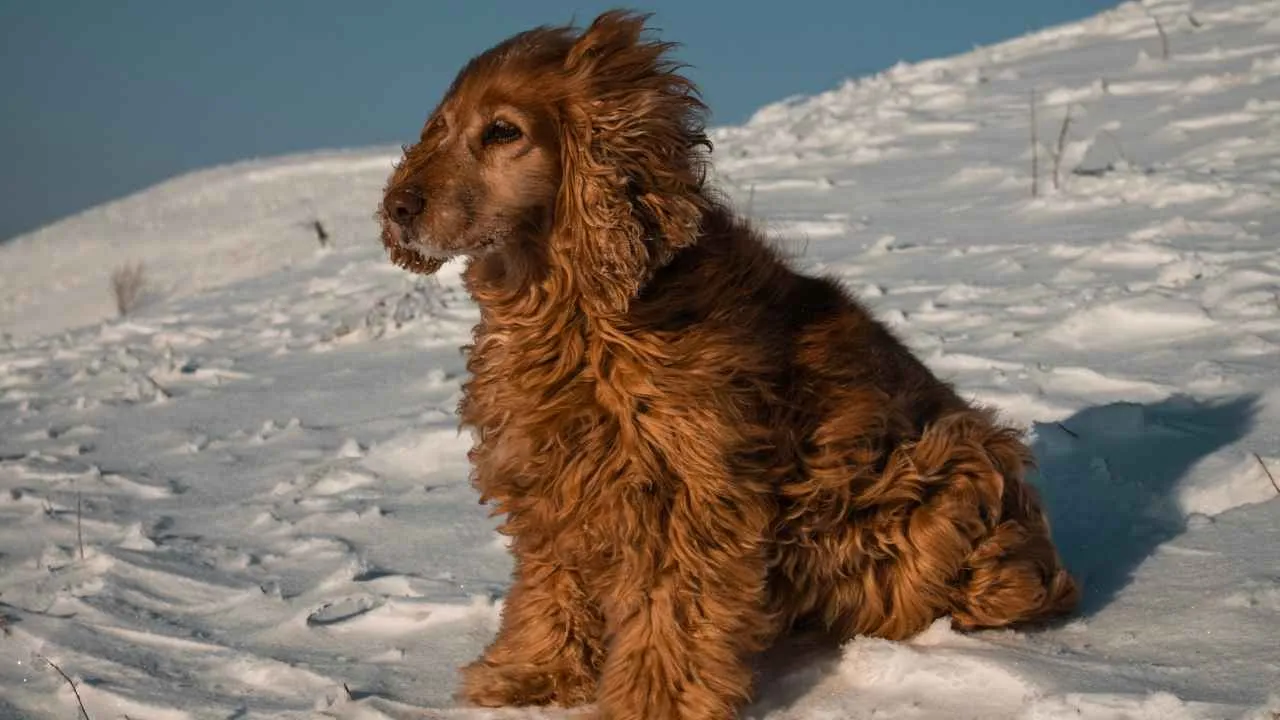
Developed in South Carolina in the early 1900s, the Boykin Spaniel has a strong history as a breed bred specifically for hunting in swamps and river bottoms. Typically weighing 40 pounds or less, it is a good fit for compact waterfowl hunting and excels in small boats and canoes, while its wavy to curly coat and webbed feet support confident swimming.
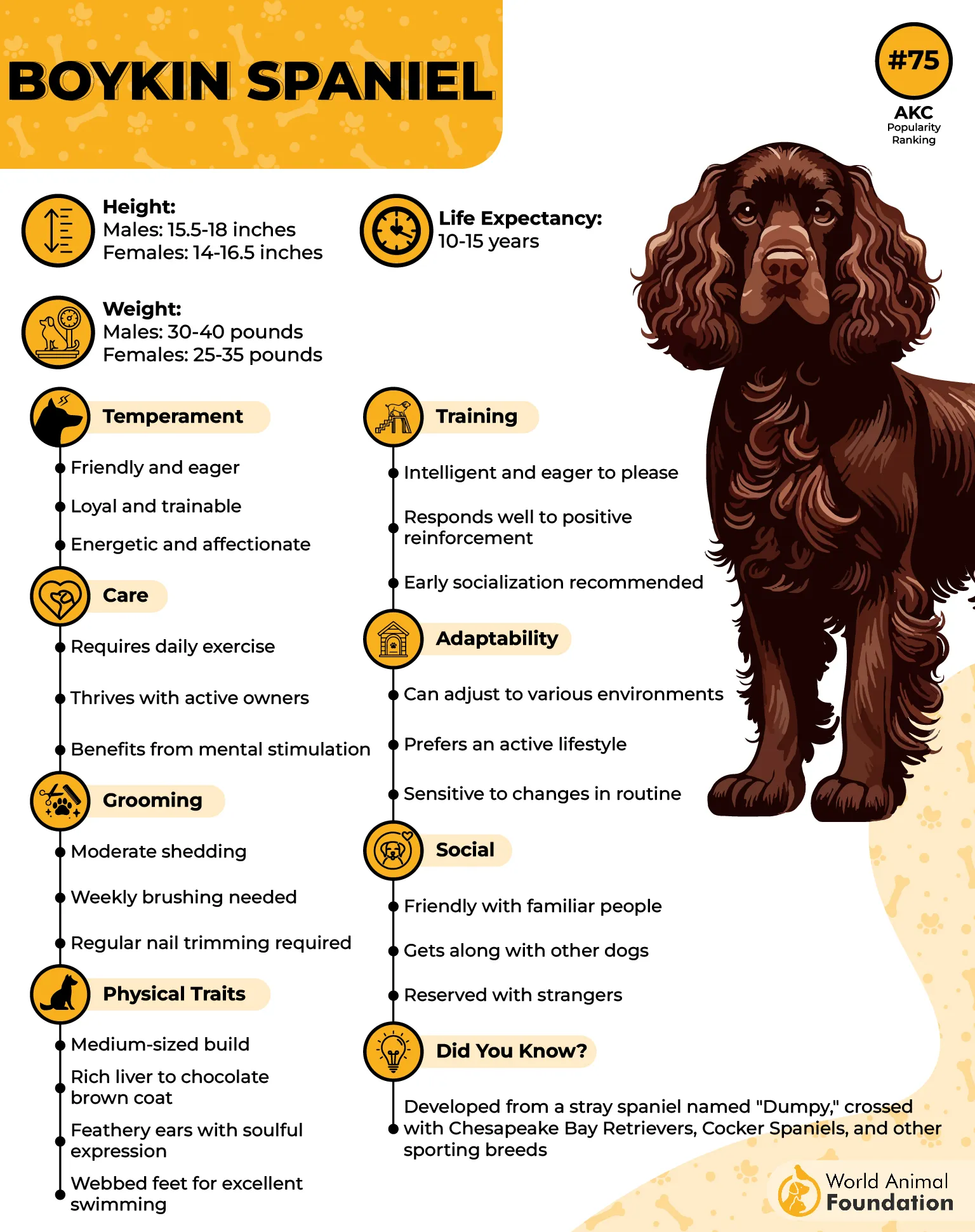
This versatile Spaniel can flush birds from dense cover before retrieving them from water. It is especially suited to wood ducks and other waterfowl in smaller waterways, while also handling upland birds. Its eager, outgoing working attitude and gentle family temperament give it versatility beyond the field.
How This Breed Stands Out
Compact marshland retriever: Its smaller build makes it practical for boat-based hunting in swamps and narrow waterways, and a good fit in canoes specifically.
Strong flushing instinct: It can push birds from cover and quickly transition into retrieving work.
2. Standard Poodle
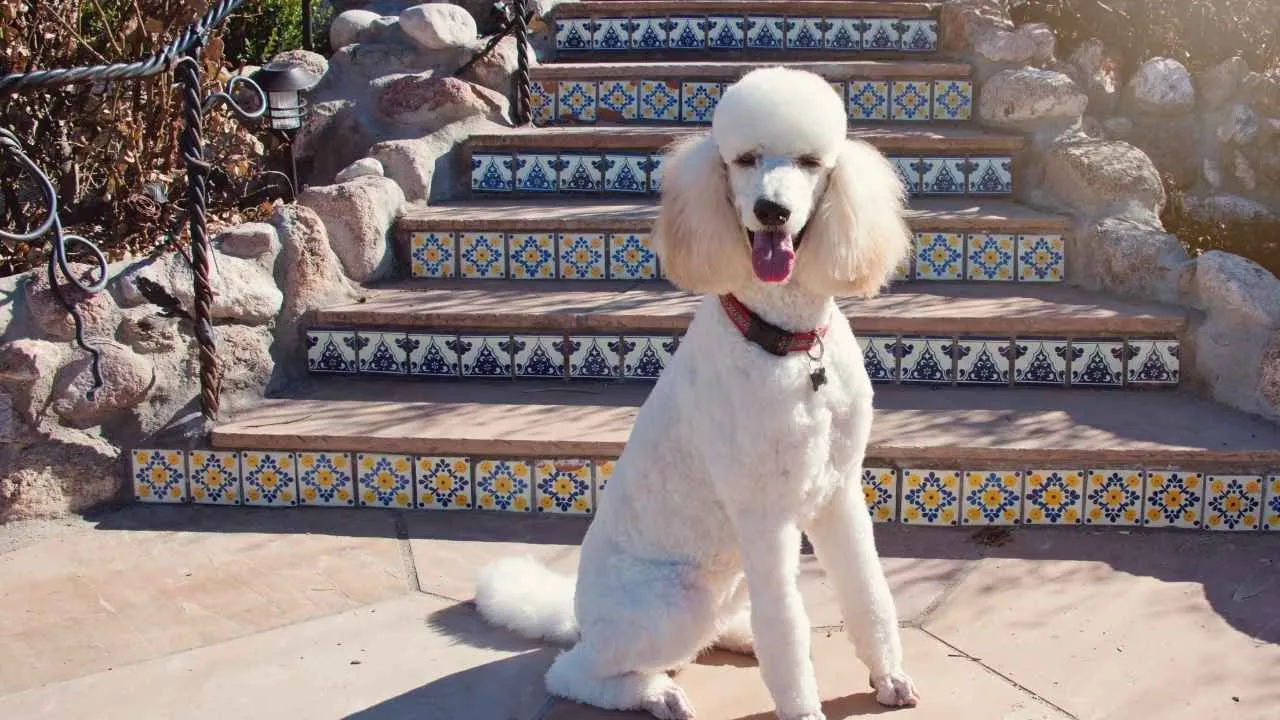
The Standard Poodle has deep roots as a water dog, originally developed to retrieve game from ponds and marshes. Its distinctive coat was historically shaped to protect vital areas from cold water while leaving the limbs free for efficient swimming.
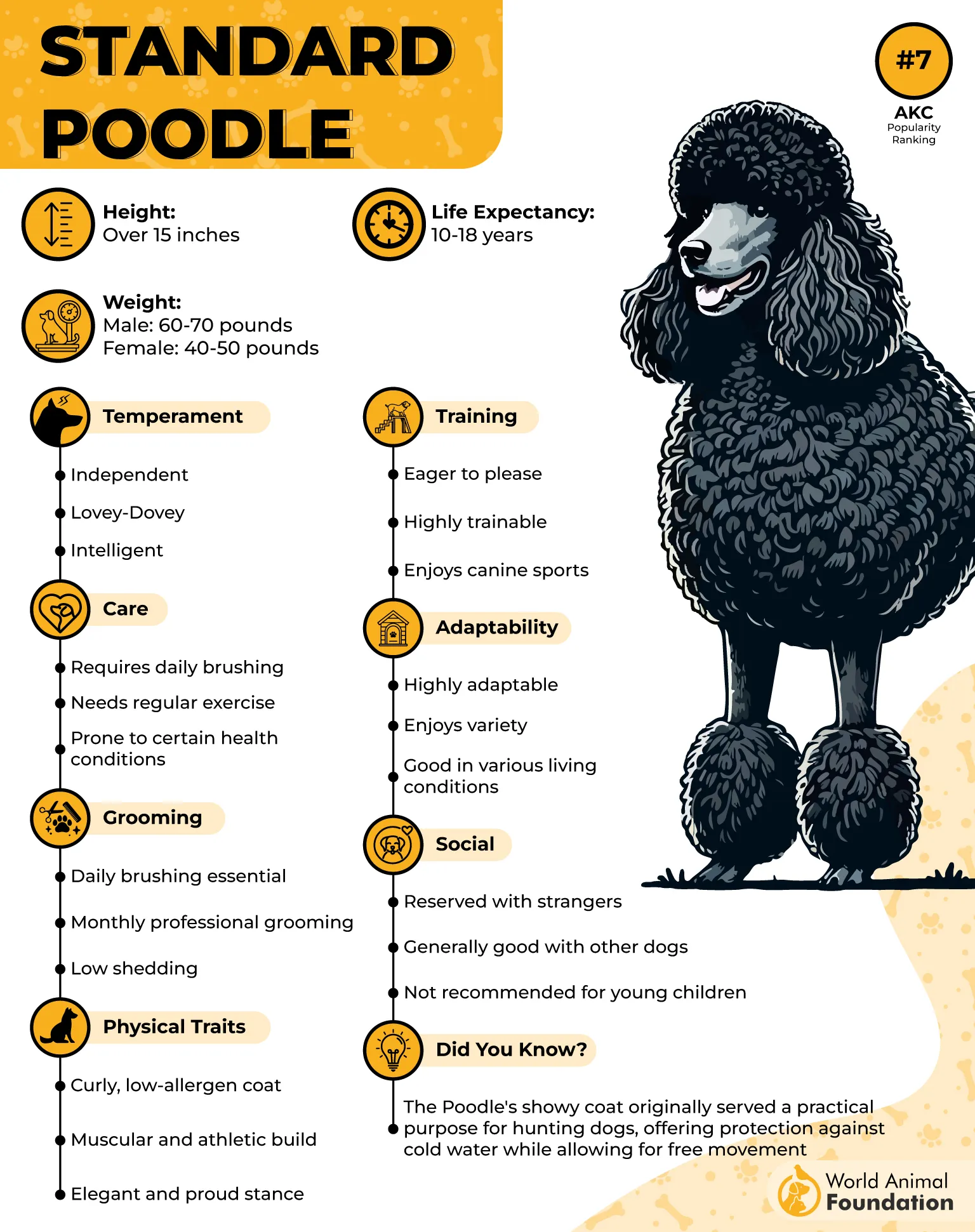
Highly intelligent and eager to work, the Standard Poodle can learn retrieving tasks quickly and remain attentive in the field. Its dense, curly coat also produces less dander than many breeds, making it appealing to hunters with allergies, although dedicated hunting lines can be difficult to find.
How This Breed Stands Out
Exceptional swimming ability: Its athletic build and water-dog heritage allow it to move confidently through cold water.
Water-retrieving heritage: Generations of work around wetlands have shaped its natural ability to locate and bring back waterfowl.
3. Chesapeake Bay Retriever
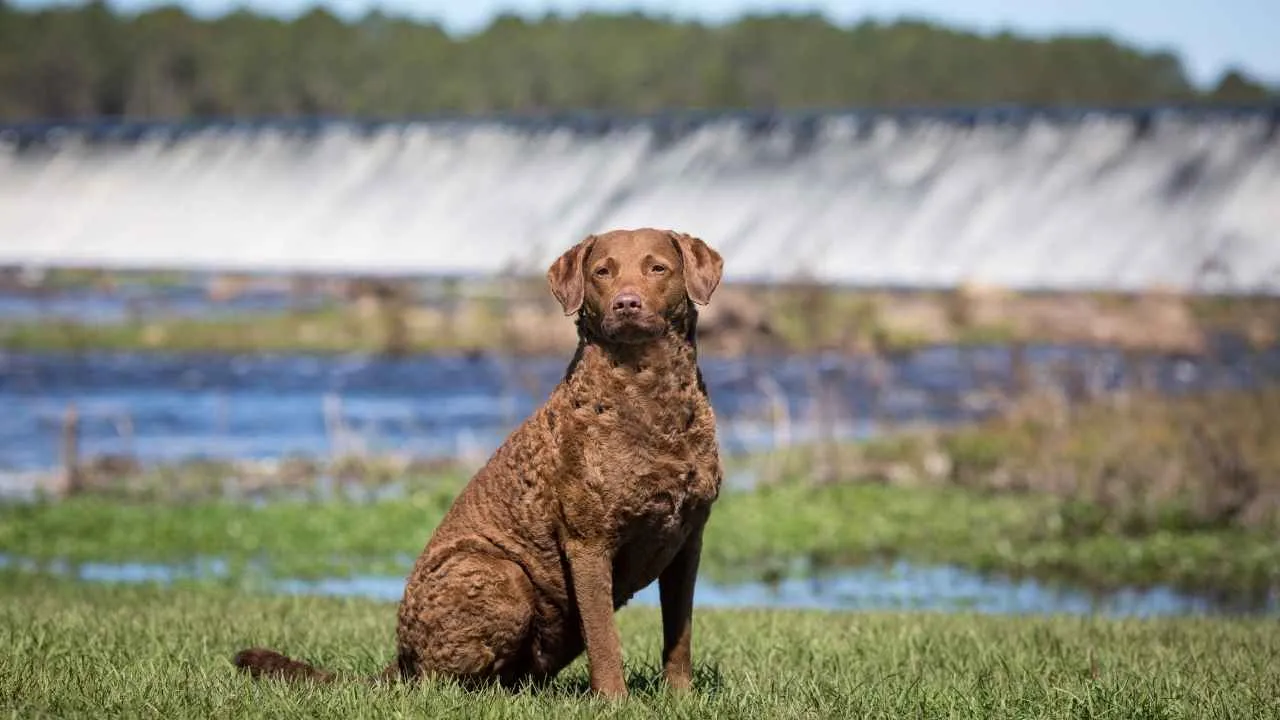
The Chesapeake Bay Retriever was developed in Maryland to hunt diving ducks in demanding, cold water conditions. Its powerful build, stamina, and determined working attitude allow it to retrieve repeatedly while remaining capable in challenging marsh conditions. During heavy hunting eras, Chesapeake Bay Retrievers were known to retrieve over 100 ducks a day.
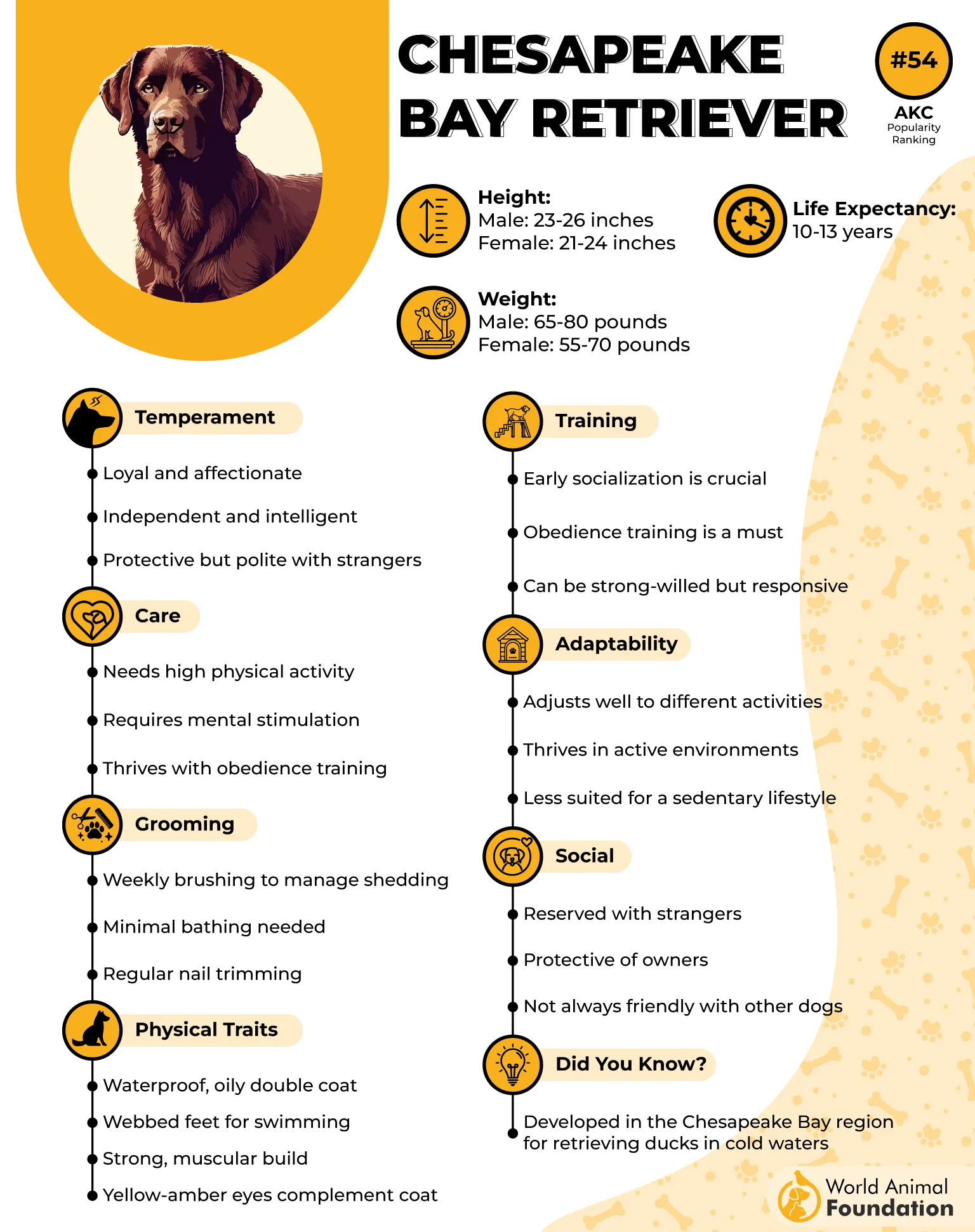
A dense double coat with an oily texture helps repel water and retain warmth during cold swims. Chessies are intelligent and deeply loyal to their families, with a rugged exterior but a generally soft temperament inside, though their independent streak can make training more demanding and calls for patient, consistent handling.
How This Breed Stands Out
Dense, water-resistant coat: Its thick, oily double coat protects cold water and harsh weather.
Cold-water endurance: Strong swimming ability and exceptional stamina help it work confidently in frigid, demanding conditions and handle repeated retrieves in a single day.
4. Nova Scotia Duck Tolling Retriever
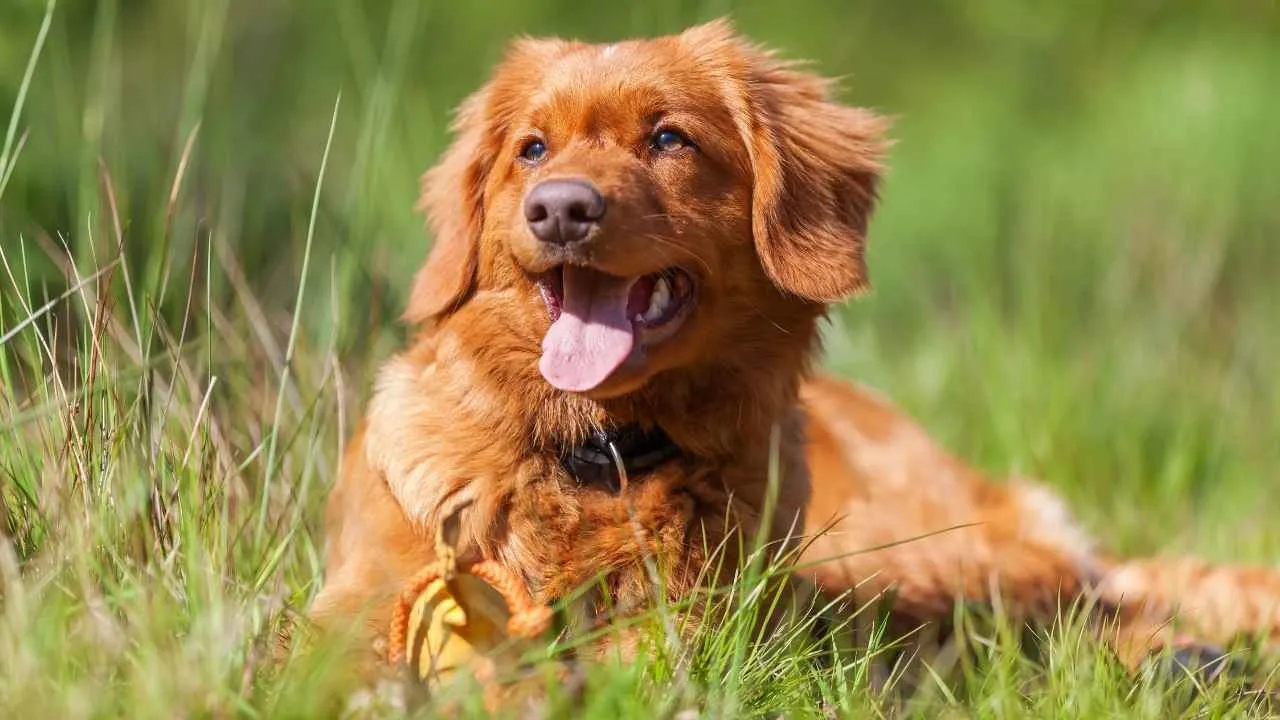
The Nova Scotia Duck Tolling Retriever was developed in Canada in the 1800s, and its history is tied to a distinctive style of waterfowl hunting in Nova Scotia. Its playful movements and wagging tail can attract curious ducks toward the shoreline, and the result is often birds drawn within range of waiting hunters at a time when tolling was a valued field skill.
According to Omlet, playing fetch with a floating dummy helps keep them mentally stimulated while also meeting their physical activity needs.
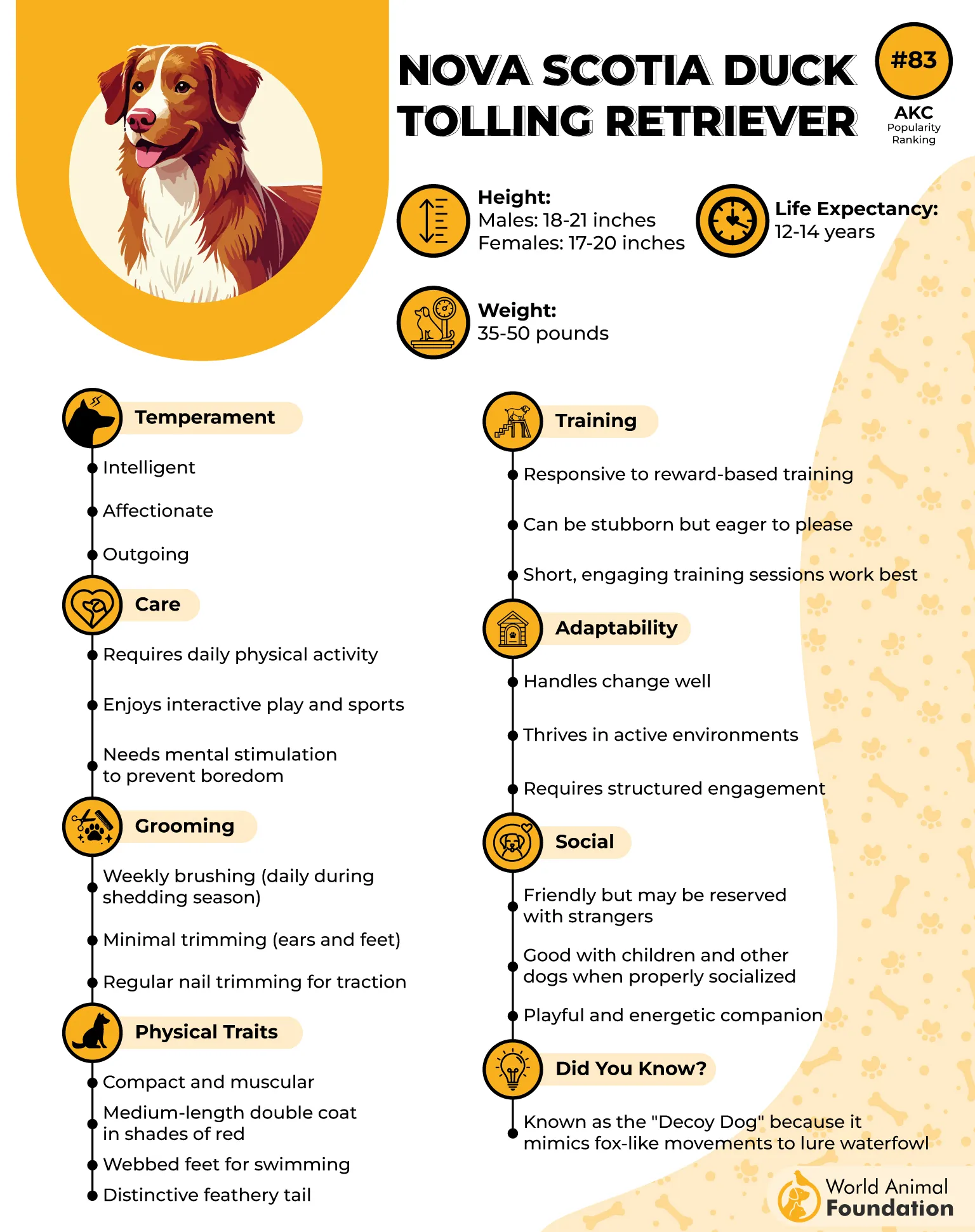
Once the birds approach, the Toller shifts from playful distraction to focused retrieving work. Its compact, agile build helps it maneuver along marshy shorelines while its waterproof double coat provides protection in cold, wet conditions. This breed is also a good fit for hunters who want an energetic retriever without the bulk of a larger dog.
How This Breed Stands Out
Lures curious waterfowl: Its lively movements and animated tail can draw ducks closer to the hunter, a result that brings them within range.
Agile shoreline worker: A nimble build helps it move efficiently through marshes and shallow coastal terrain.
5. Labrador Retriever
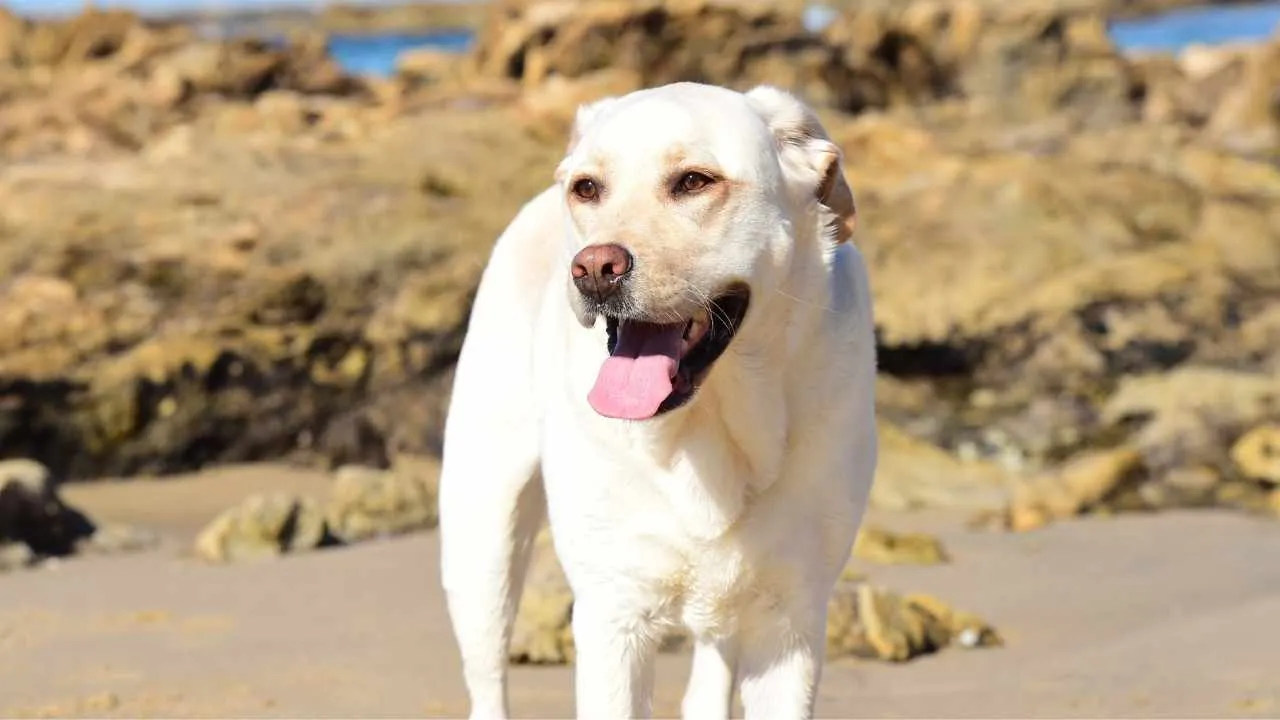
The Labrador Retriever originated in Newfoundland in the 1800s before becoming a leading waterfowl retriever, with a water-resistant coat, webbed paws, and a powerful tail that helps with swimming. Its strong retrieving instinct and physical stamina allow it to work confidently through challenging water conditions.
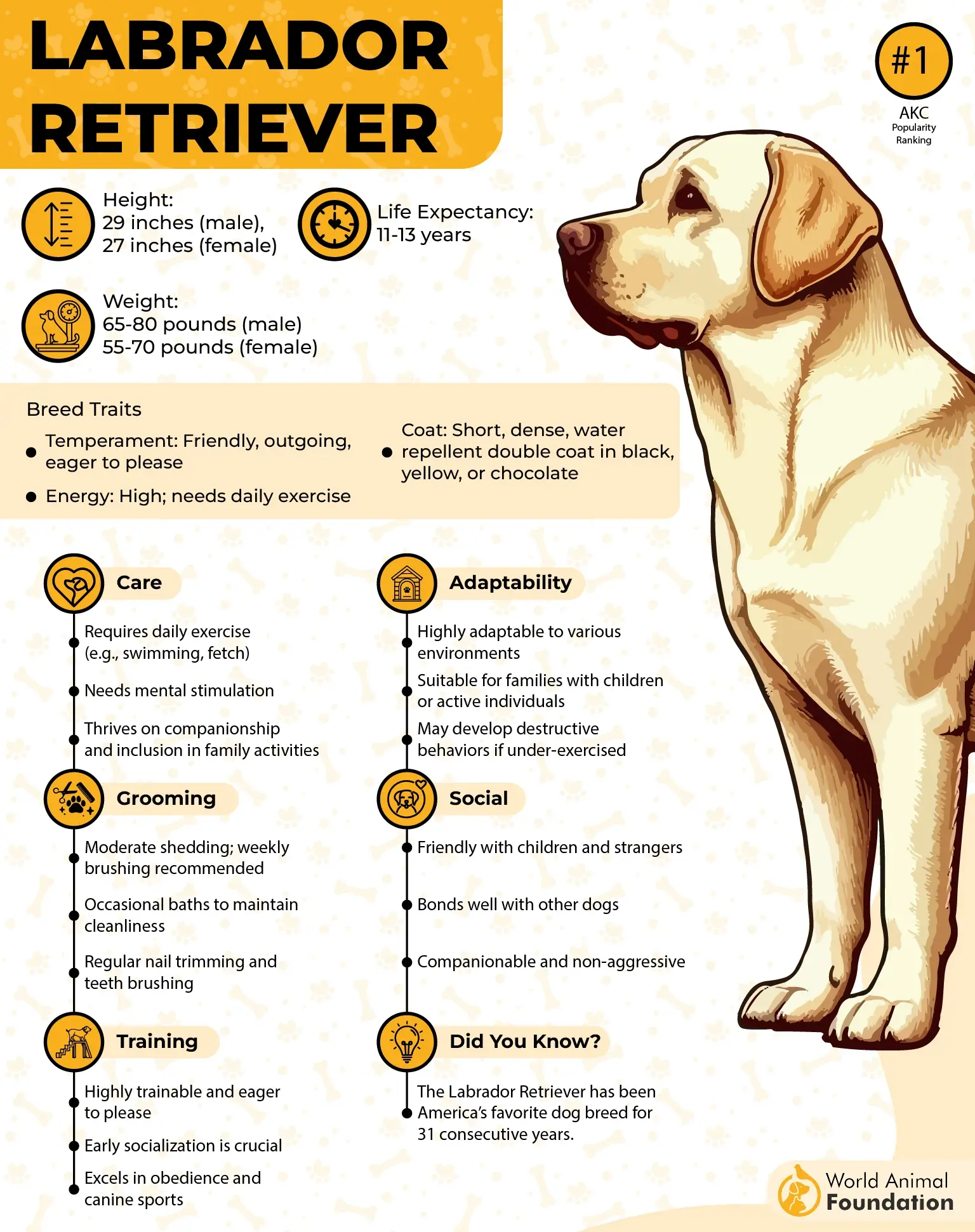
According to WebMD, their loyal and friendly nature makes them well-suited as pets for people of all kinds. The breed is recognized by the American Kennel Club and has been America’s most popular breed since 1991.
Labs are highly intelligent, responsive, and eager to please; they are also quick learners with legendary hunting ability, making them reliable partners during hunting sessions.
Their gentle, sociable temperament also allows them to transition easily from focused fieldwork to relaxed family life, while their strong memory and heart help them locate and retrieve downed birds efficiently. With that mix of temperament and talent, a well-bred Lab is often a good pick for first-time waterfowl hunters.
How This Breed Stands Out
Reliable soft-mouth retrieval: Its natural retrieving instinct, gentle mouth, and responsiveness make it a good choice for first-time handlers who need a steady bird dog, so pick one from proven working lines if retrieval consistency is your priority.
Strong natural swimming: Webbed feet, a water-resistant coat, and a powerful tail support efficient movement through water.
6. Flat-Coated Retriever
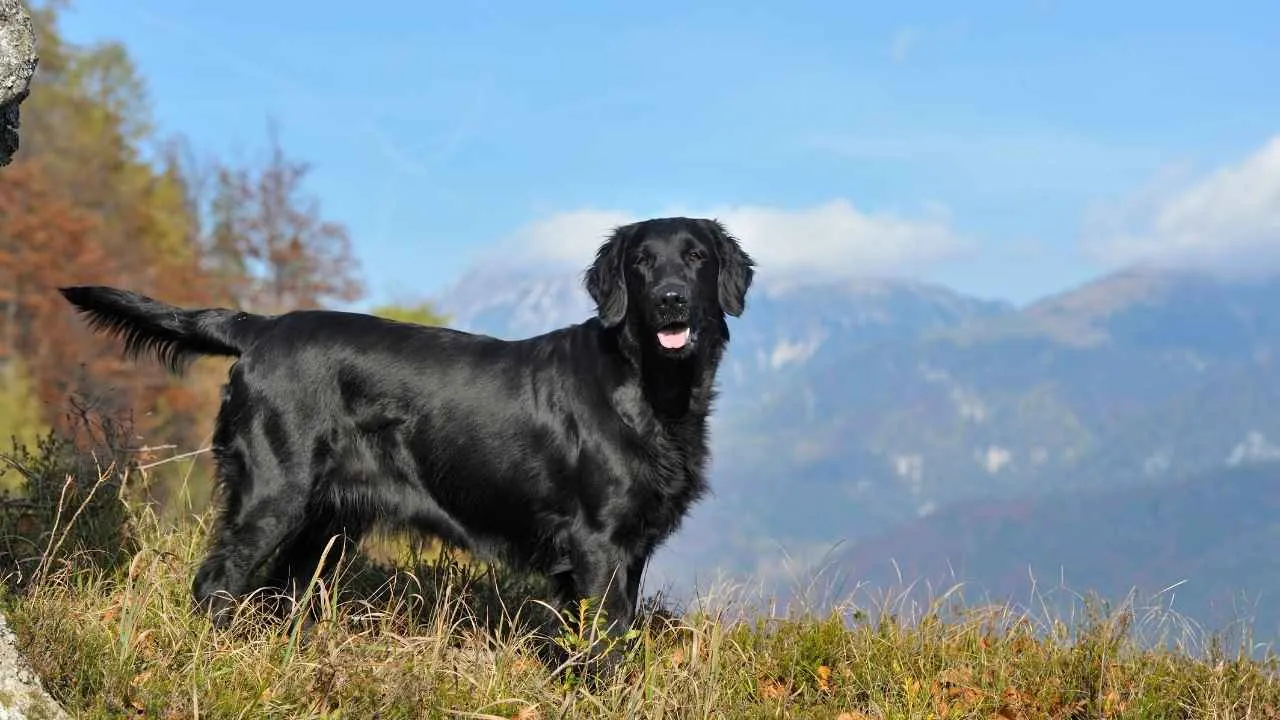
The Flat-Coated Retriever is a sleek, athletic gundog developed in England for retrieving both on land and in water. Its streamlined build, webbed feet, and natural swimming ability allow it to move efficiently while searching for downed waterfowl.
According to Purina, they are lively, intelligent dogs with a bright and alert expression.
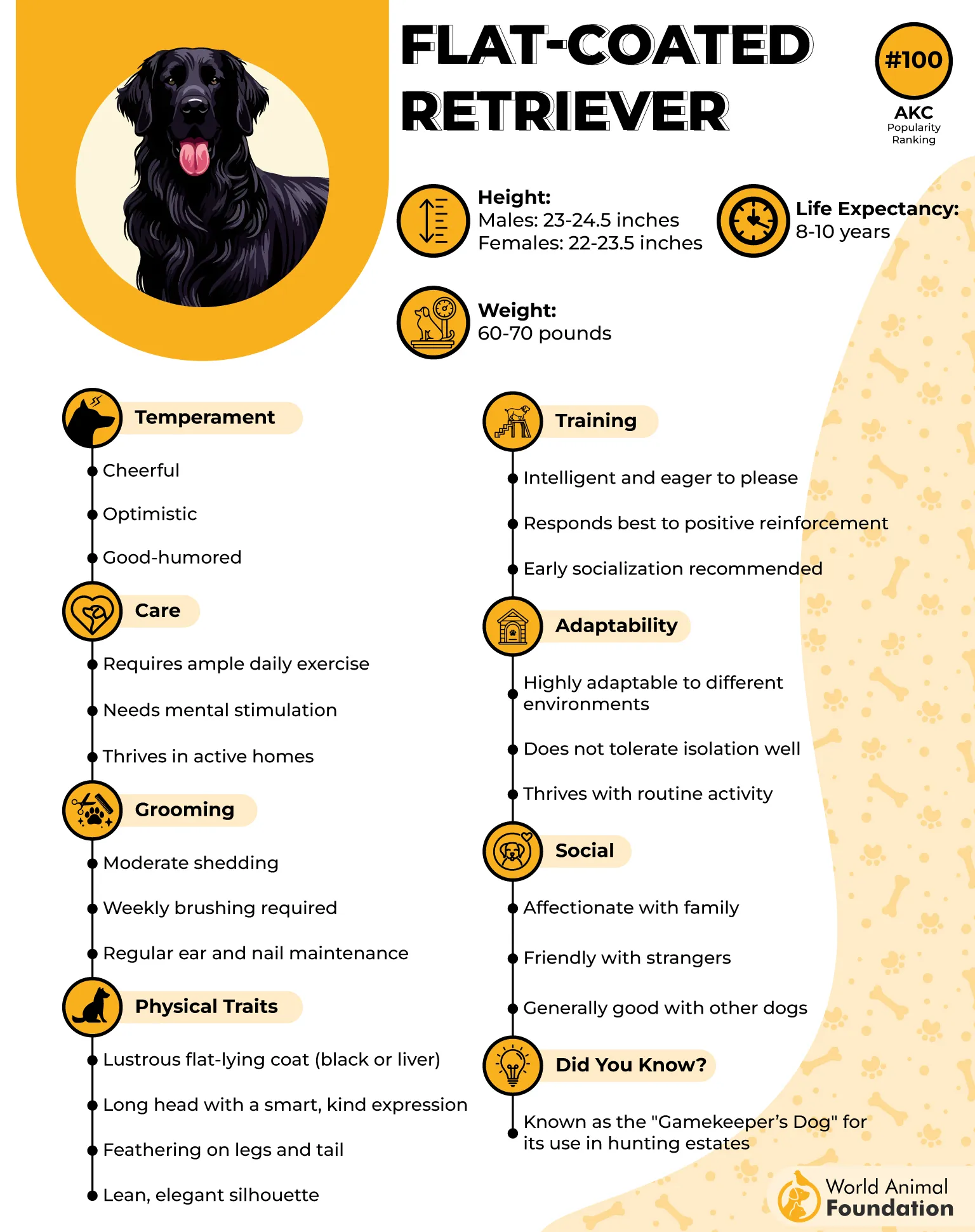
Cheerful and energetic, this breed approaches retrieving with enthusiasm and maintains a playful, youthful outlook well into adulthood. Flat-Coats are also highly biddable and capable of learning field tasks, although they mature slowly. Their lively temperament makes them best suited to active owners who can provide plenty of outdoor exercise and engagement.
How This Breed Stands Out
Buoyant, cheerful retriever: Its upbeat personality and enthusiasm make retrieving work enjoyable and engaging.
Enthusiastic water work: Strong swimming ability and a natural love of retrieving help it perform confidently in wet conditions.
7. German Shorthaired Pointer
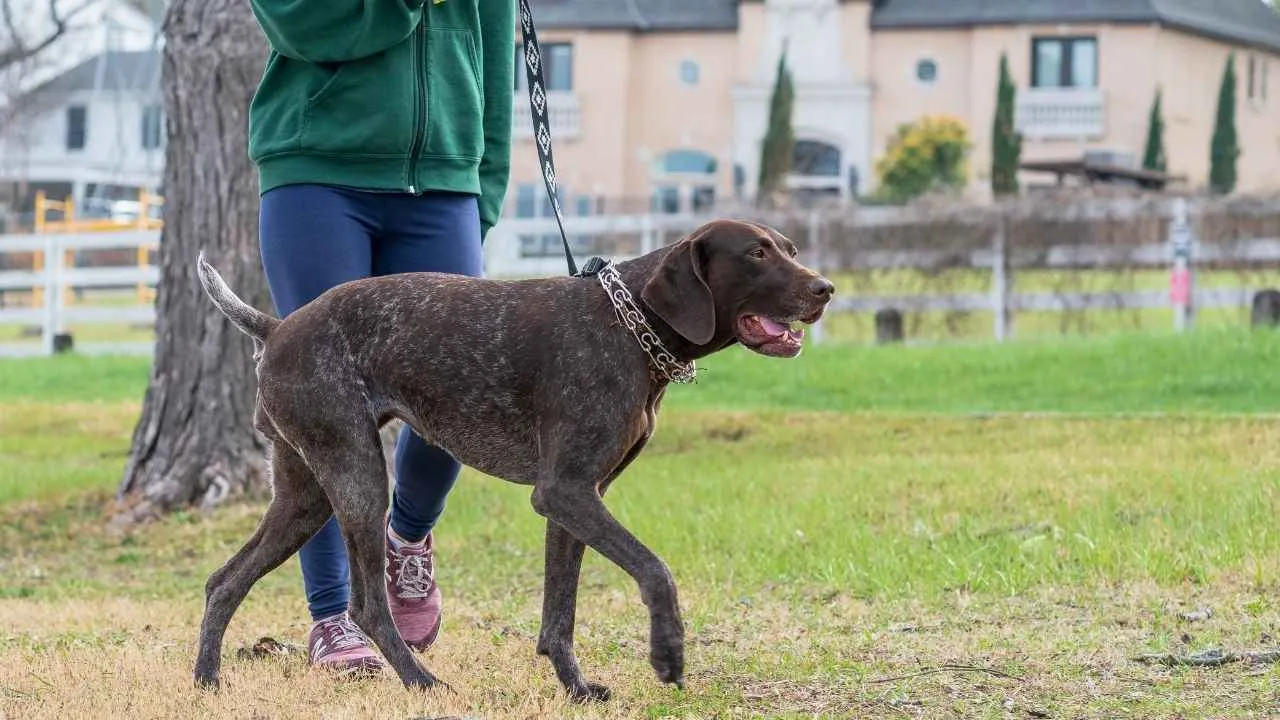
The German Shorthaired Pointer is a highly versatile hunting dog and a good fit for hunters who want one dog for multiple jobs, combining speed, stamina, and a strong nose for work across different environments. Its webbed feet and water-shedding coat support confident swimming, while its pointing heritage helps hunters locate birds before the retrieve.
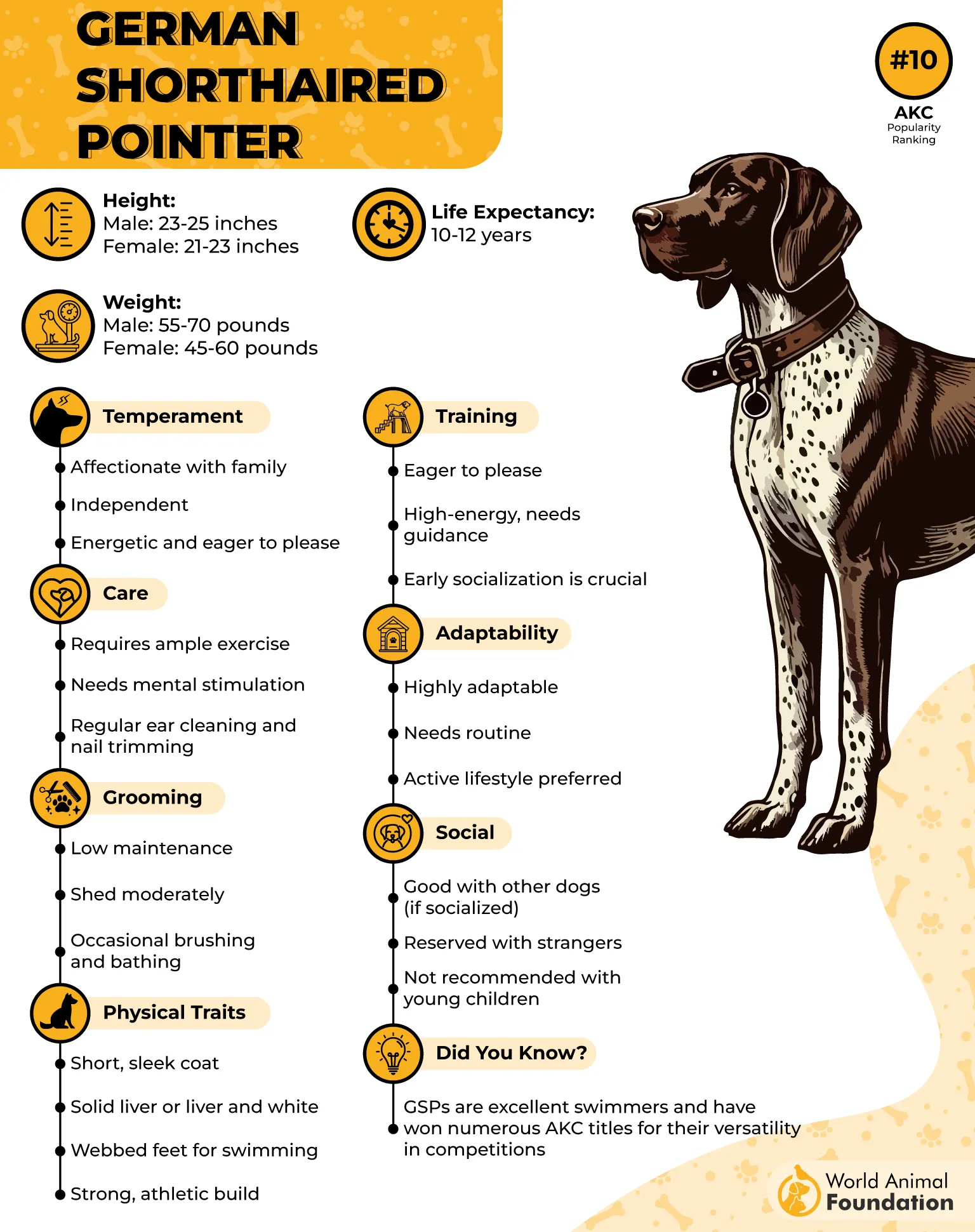
Beyond waterfowl, the breed can track, point, and retrieve both waterfowl and upland game, which is one reason it remains such a dependable all-purpose field companion. German Shorthaired Pointers are eager to learn and generally respond well to training, but their high energy demands plenty of daily exercise and purposeful activity.
How This Breed Stands Out
Versatile land-and-water hunter: It can transition between work on waterfowl and upland game with impressive adaptability.
Strong retrieving drive: Its natural enthusiasm for carrying and recovering game supports reliable work after the shot.
8. American Water Spaniel
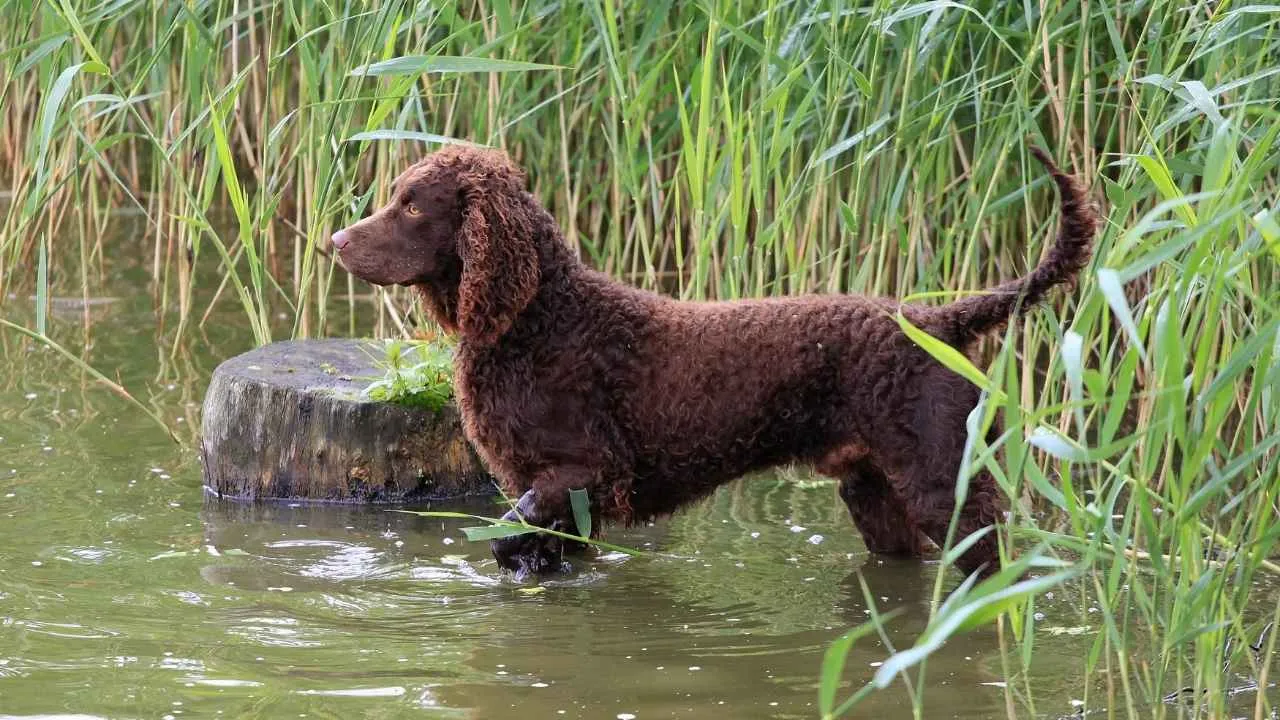
The American Water Spaniel was developed in the Upper Midwest as a compact yet capable hunting companion, typically weighing between 25 and 45 pounds and specifically suited to working from small boats. Its webbed toes, padded feet, and water-resistant curly coat help it swim confidently and handle chilly marshes while pursuing waterfowl.
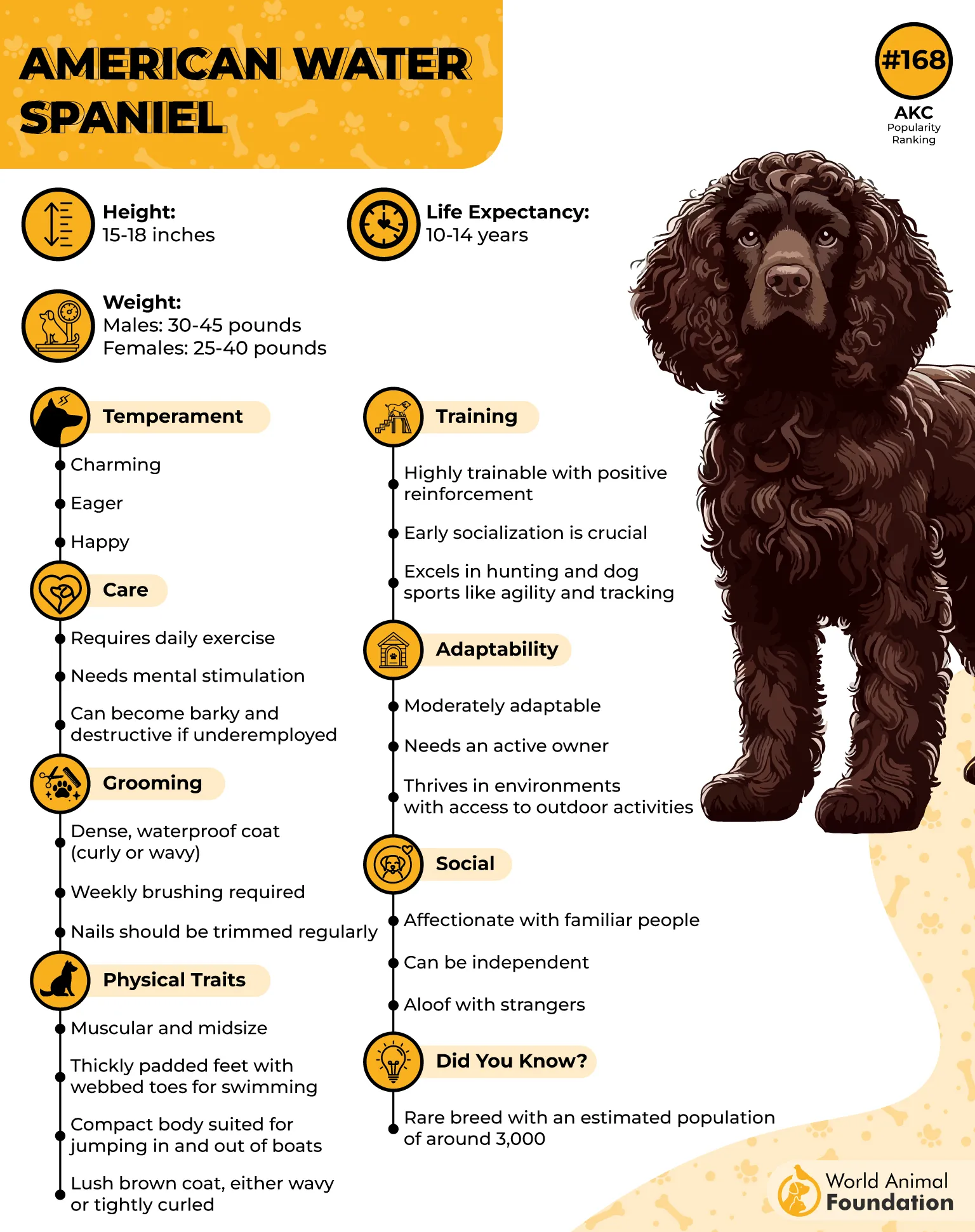
Despite its smaller build, this Spaniel combines retrieving instincts with the flushing skills of a versatile gun dog, making it a good fit for hunters who want one breed for both water and upland work. It can work effectively in both water and upland settings, though its strong hunting drive may require an experienced handler and consistent training.
How This Breed Stands Out
Handles marshy terrain: Its compact build and water-ready features make navigating wetlands and shallow water easier.
Compact swimming specialist: Webbed toes and a protective coat support efficient swimming during waterfowl retrieves.
9. Irish Water Spaniel
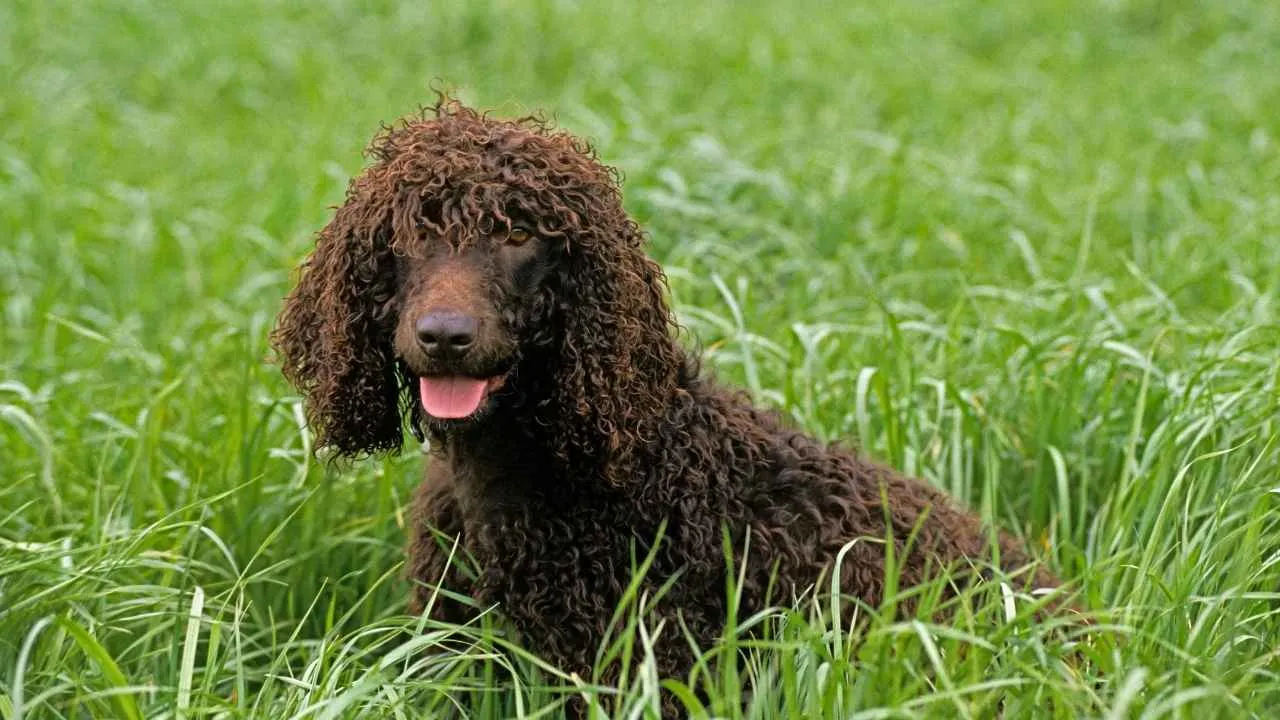
The Irish Water Spaniel was developed in Ireland for demanding waterfowl work, with a build suited to cold, wet conditions. Its distinctive curly, liver-colored coat helps protect it from the elements, while strong swimming ability allows it to work confidently through marshes and open water.
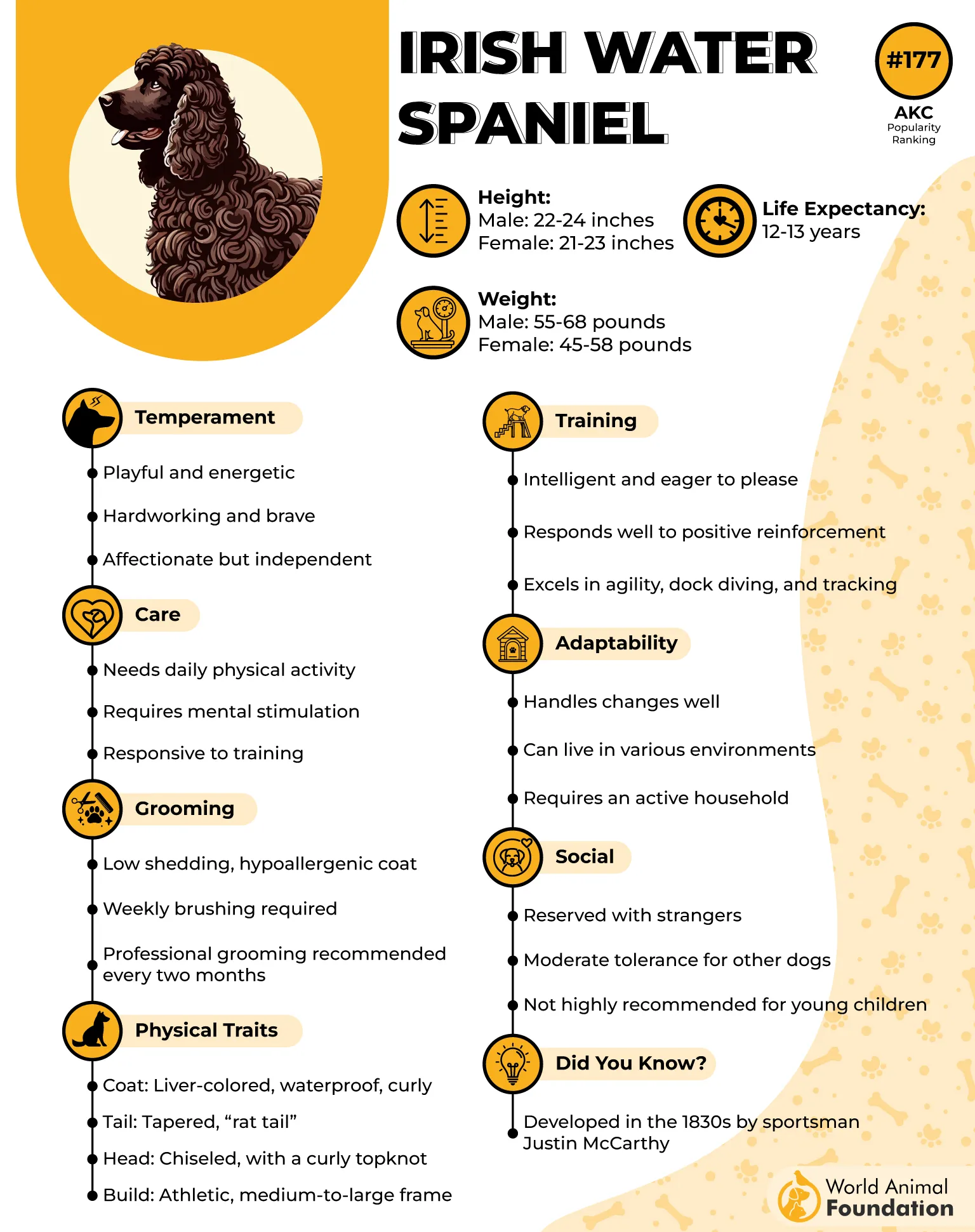
This breed is also capable of upland hunts, using keen eyesight to mark fallen birds and a strong nose to locate them. Intelligent and responsive, Irish Water Spaniels can learn hunting tasks readily and bring a playful, affectionate temperament home.
How This Breed Stands Out
Distinctive curly waterproof coat: Its dense coat provides valuable protection while working in cold, wet environments.
Powerful open-water swimmer: Strong swimming ability and stamina allow it to retrieve birds across challenging water.
Conclusion
Choosing the right waterfowl retriever depends on the hunting environment, the dog’s working style, and the level of training you can provide. Each breed brings distinct strengths to the field.
From the reliable Labrador Retriever to the tough Chesapeake Bay Retriever, these dogs combine natural swimming ability, retrieving instincts, and determination. Others, such as the Boykin Spaniel and American Water Spaniel, offer a more compact build for working around smaller waterways.
Breeds like the Irish Water Spaniel, Standard Poodle, Flat-Coated Retriever, Nova Scotia Duck Tolling Retriever, and German Shorthaired Pointer add versatility, intelligence, and specialized water-working skills.
Whichever breed you choose, consistent training, proper conditioning, and responsible breeding are essential. A well-prepared dog can become both a capable hunting partner and a devoted companion beyond the water.
