




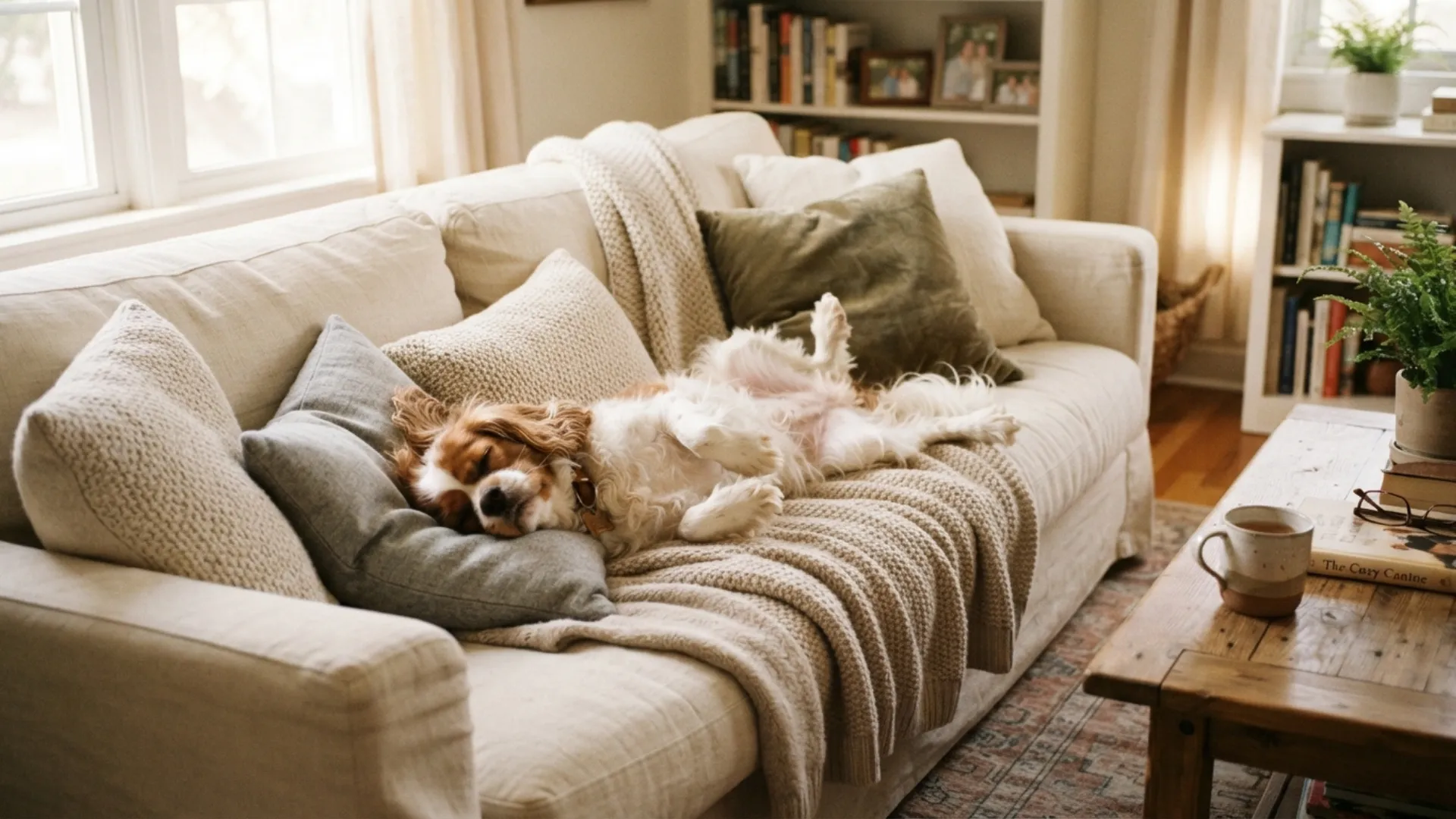
A busy, high-energy dog is not the right fit for every household. If your routine is built around plenty of time at home, you may be better suited to a breed with a naturally calmer pace.
But what does “low energy” actually mean? It does not mean a dog that sleeps all day or needs no exercise.
Every dog still needs regular movement, training, attention, and mental stimulation. The difference is how much activity they naturally expect from their day.
If you want a dog that can enjoy daily walks and playtime without needing constant activity, the breeds below may be a better match for your lifestyle.
Ultimate Couch-Lounge Dog Breeds for Relaxed Living
1. Basset Hound
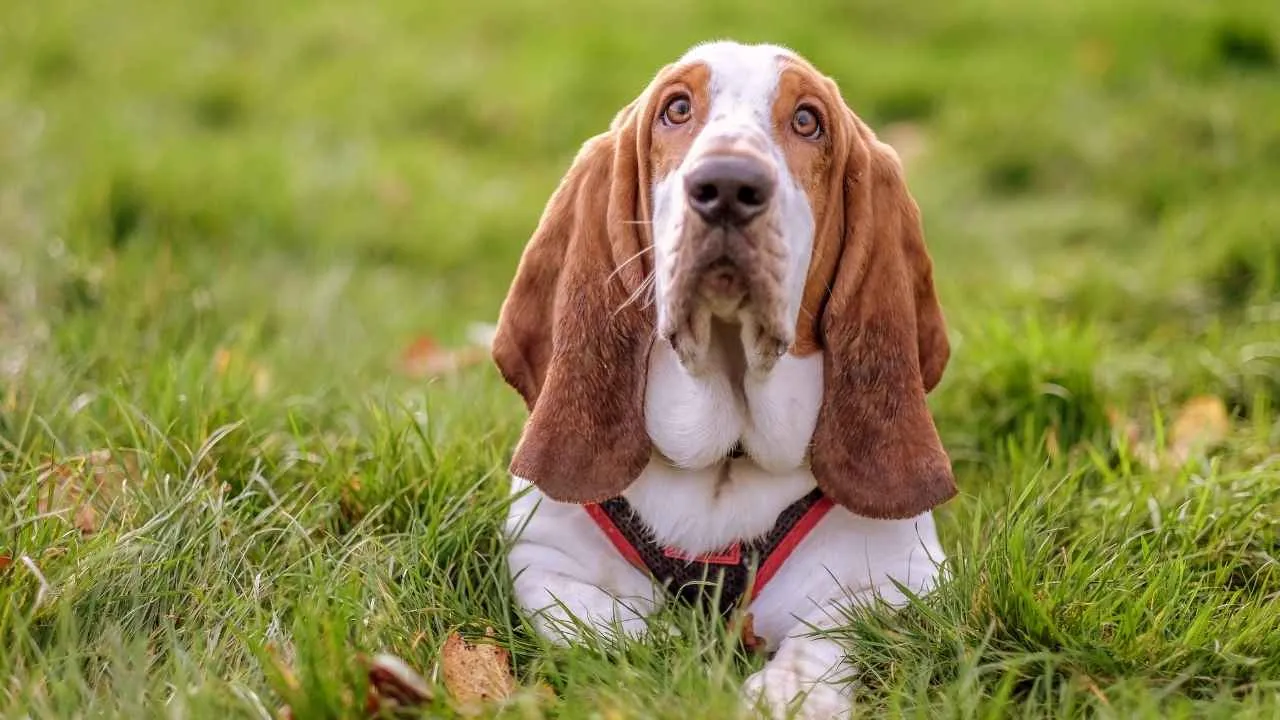
The Basset Hound is the kind of dog that makes a quiet afternoon feel like exactly the right plan. Their heavy build, sleepy expression, and easygoing nature make them happy to settle beside you after a gentle outing.
Why They Suit Relaxed Living
Their roots go back to France and Belgium, where these scent hounds followed trails at a slow, steady pace. That nose is still very much in charge, so a simple walk may turn into a full investigation of every interesting smell along the way.
You do not need to tire them out with hard exercise. Daily walks and plenty of sniffing give this laid-back tracker enough to do, while a secure garden keeps their curious nose from leading them too far.
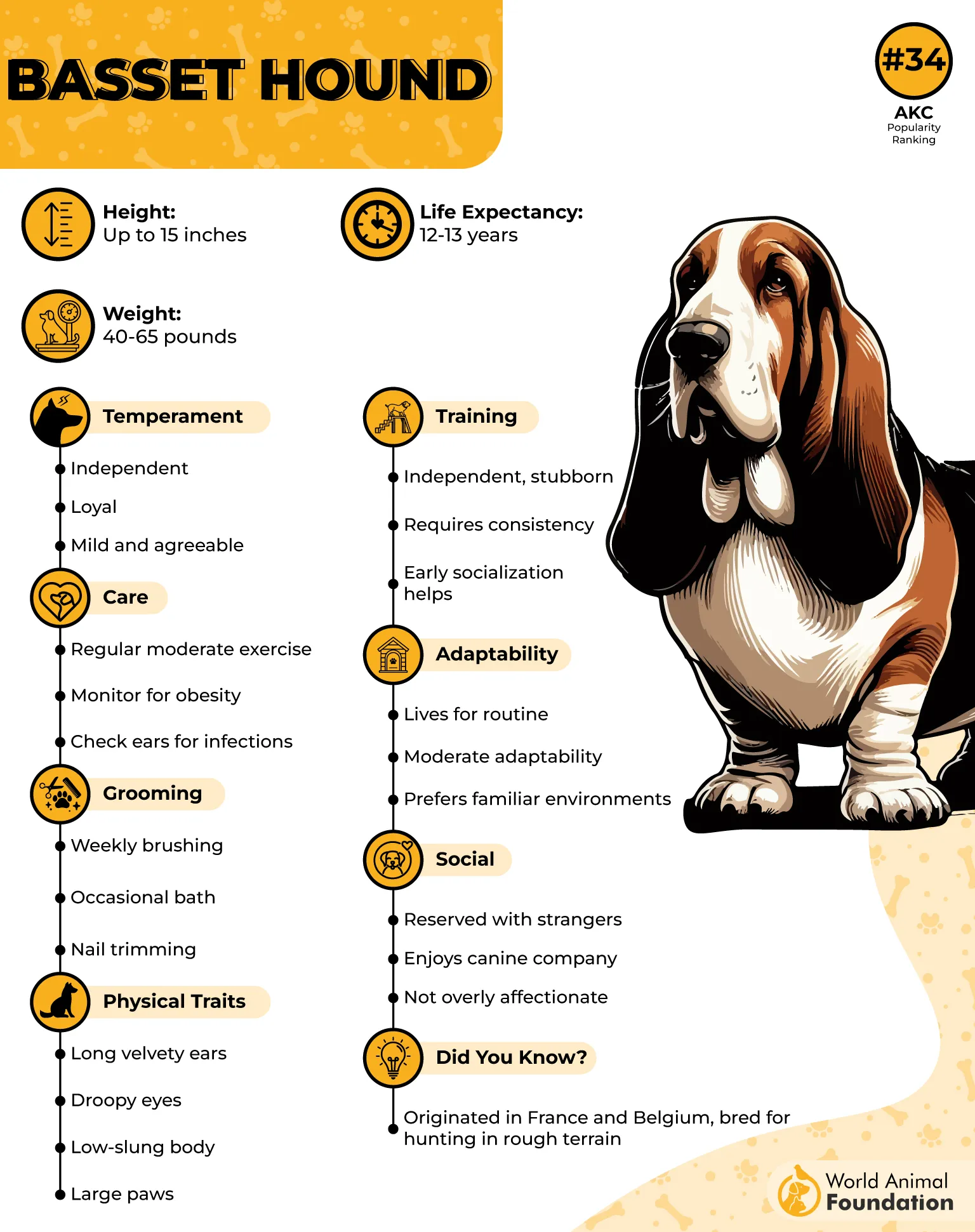
Training takes a little patience because they have no problem ignoring you when a scent suddenly seems more interesting. Keep sessions positive and reward good behaviour rather than turning every lesson into a battle of wills.
Their friendly nature suits families and relaxed households, but their deep, loud bay may surprise you when they decide they have something important to say.
Grooming is fairly simple. Their short coat needs regular brushing, while their long ears need frequent checks to keep them clean and healthy.
2. Cavalier King Charles Spaniel
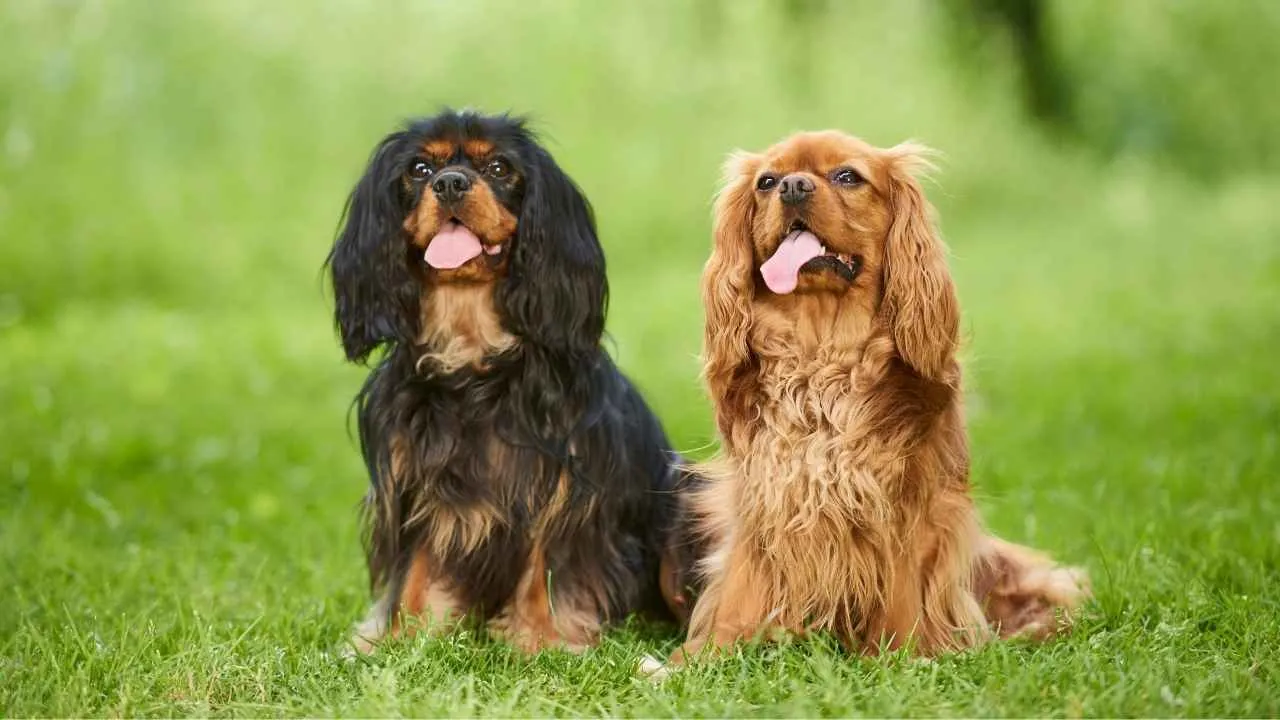
The Cavalier King Charles Spaniel seems to have been made for people who like their dogs close. Give them a soft spot beside you and a little attention, and they are usually quite happy with the arrangement.
Why They Suit Relaxed Living
These small spaniels have a long history as treasured companions in Britain, and that affectionate nature still shines through today. They enjoy being part of whatever you are doing, even when “whatever” means watching television from the sofa.
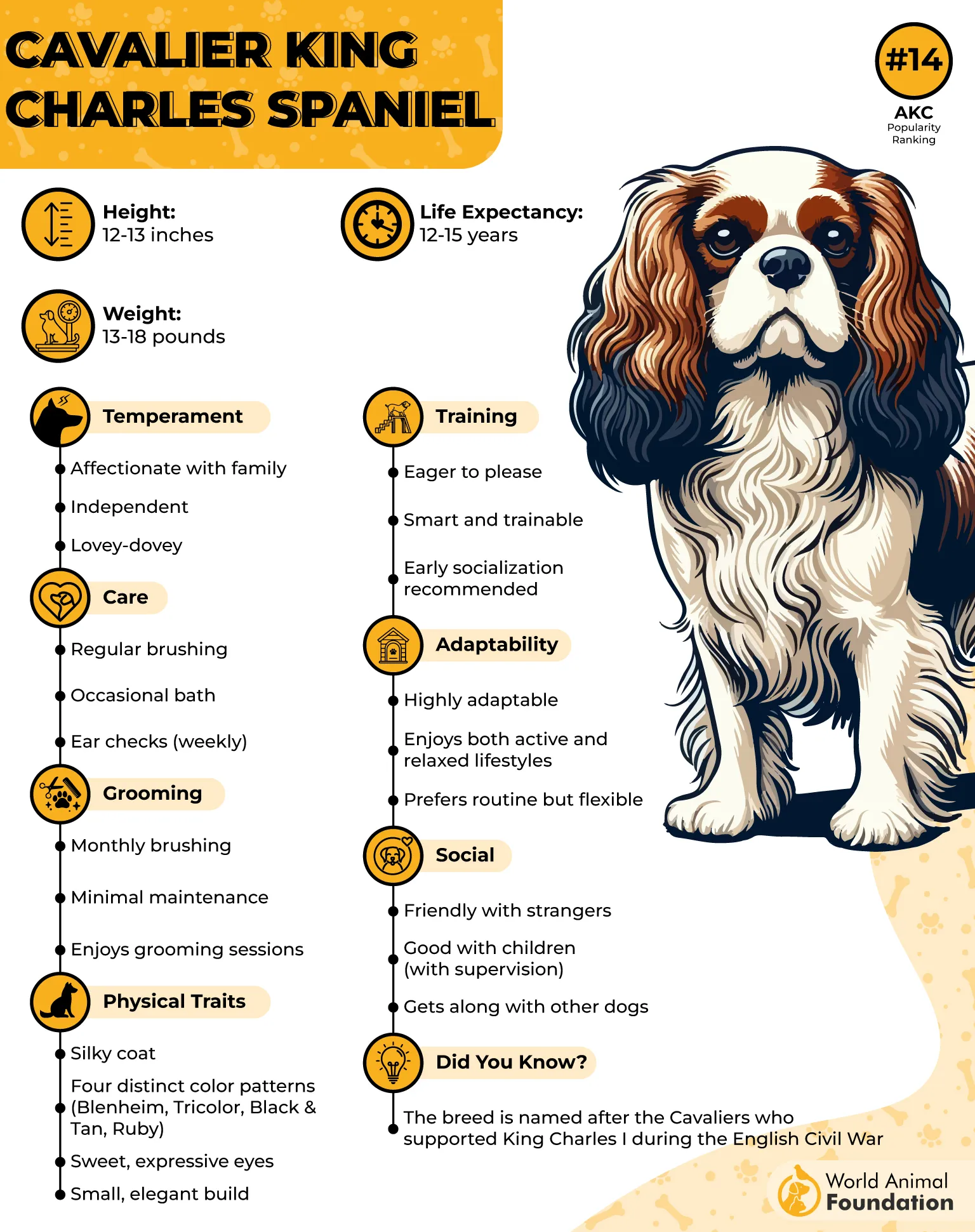
Cavaliers still like a proper walk and some play, but they do not need your day to revolve around exercise. Their adaptable nature makes them a good combination for people who enjoy both quiet evenings and occasional outings.
Training is usually pleasant because they are eager to please and respond well to praise. Early socialization helps them become more comfortable around different people, dogs, and surroundings.
Their biggest consideration is their strong attachment to their family. If you are away for long hours every day, this may not be the easiest match.
3. Greyhound
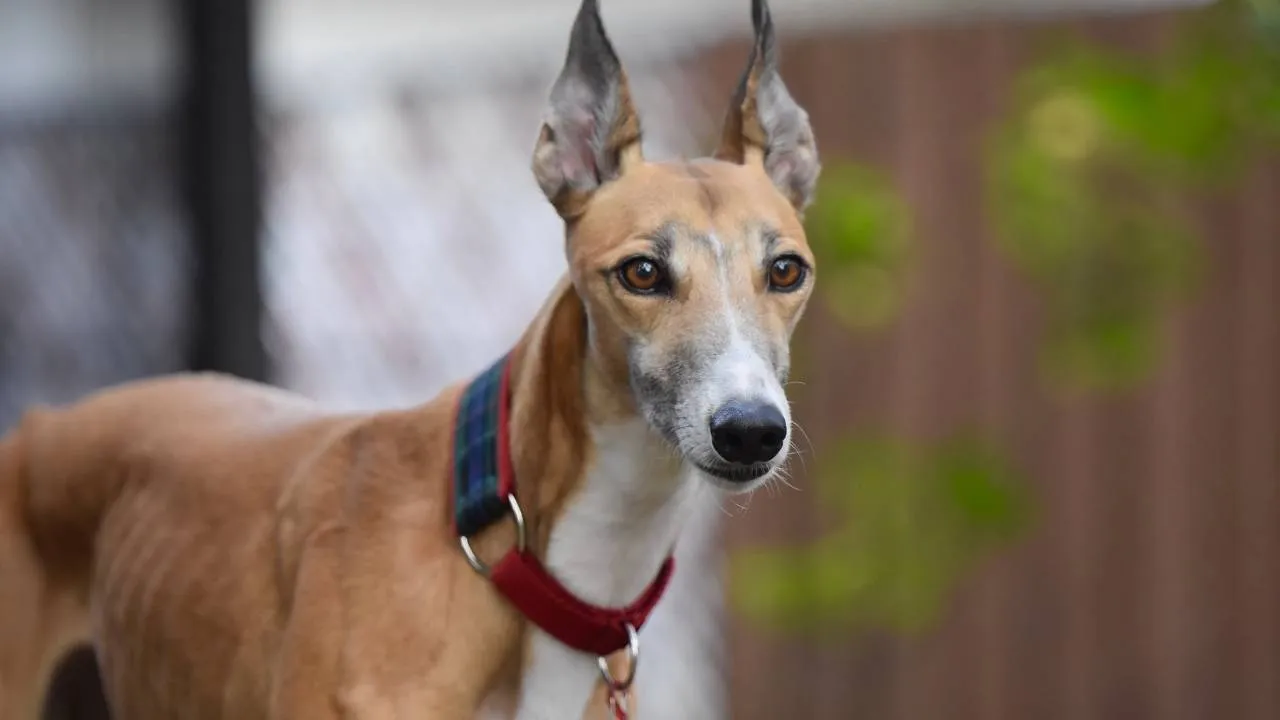
The Greyhound may look like they belong on a racetrack, but at home they often seem far more interested in finding the softest place to sleep. Their gentle manner and love of downtime make them a surprisingly strong choice for a relaxed household.
Why They Suit Relaxed Living
These elegant sighthounds were bred to chase by sight, and their long legs still have plenty of speed waiting to be unleashed. The difference is that they often prefer using that speed in short bursts before returning to their favourite indoor activity: resting.
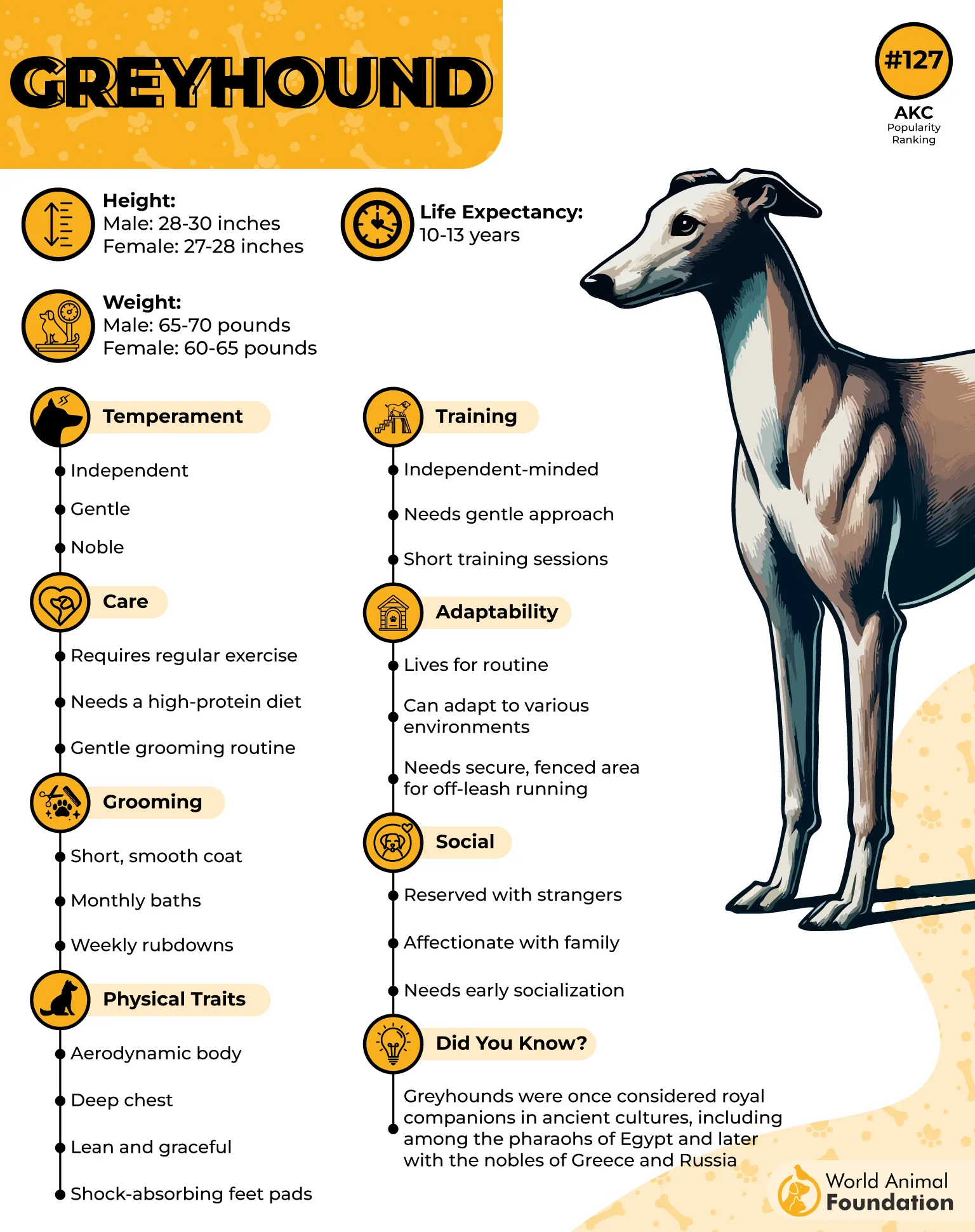
A safe place to run is important, especially because their prey drive may kick in the moment something catches their eye. A secure fence is far more reassuring than trusting them to resist an exciting chase.
They are sensitive dogs, so training goes better when you keep your voice calm and your expectations clear. Harsh handling is unlikely to win their trust.
Their quiet indoor nature works beautifully for people who enjoy a peaceful home, although homes with cats or small pets need extra thought.
4. Clumber Spaniel
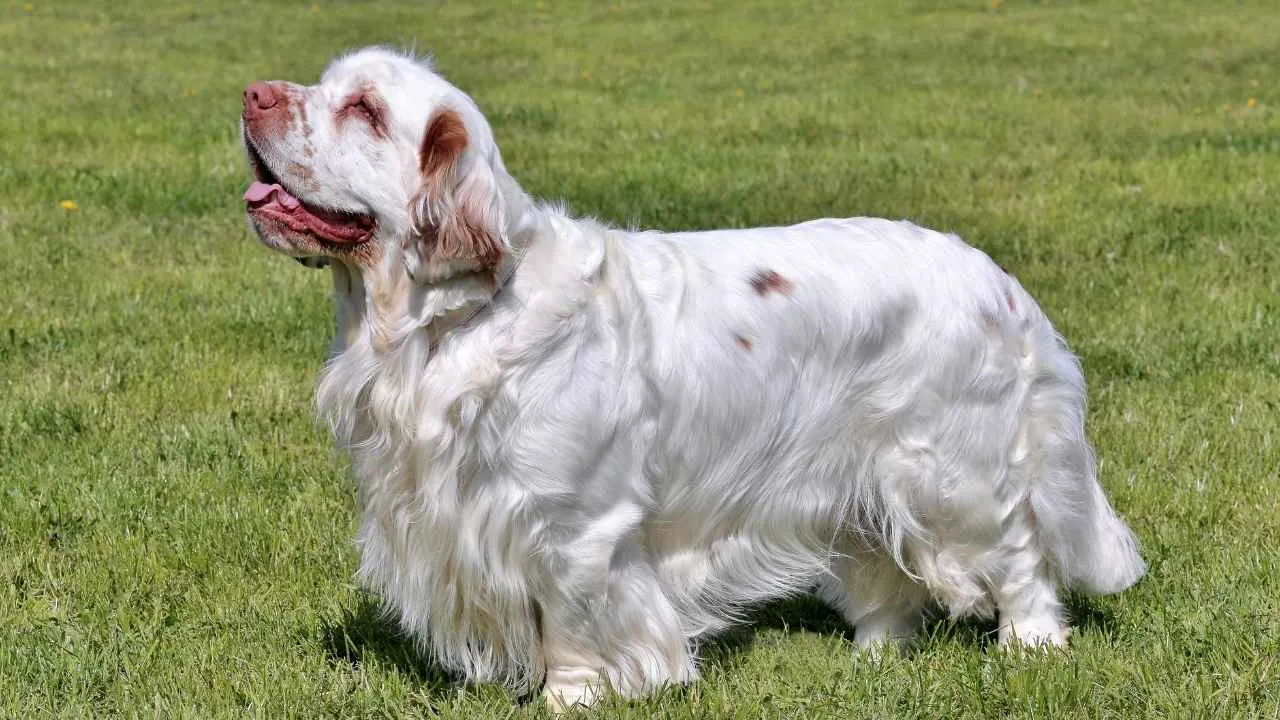
The Clumber Spaniel brings a slower rhythm to the Sporting Group. Their solid body, thoughtful expression, and calm manner make them the sort of companions that are happy to join your day without taking it over.
Why They Suit Relaxed Living
This unusual Spaniel was developed in England for hunting birds around Clumber Park. That working history still shows in their love of walking, sniffing, and exploring, so they are not suited to a completely inactive routine.
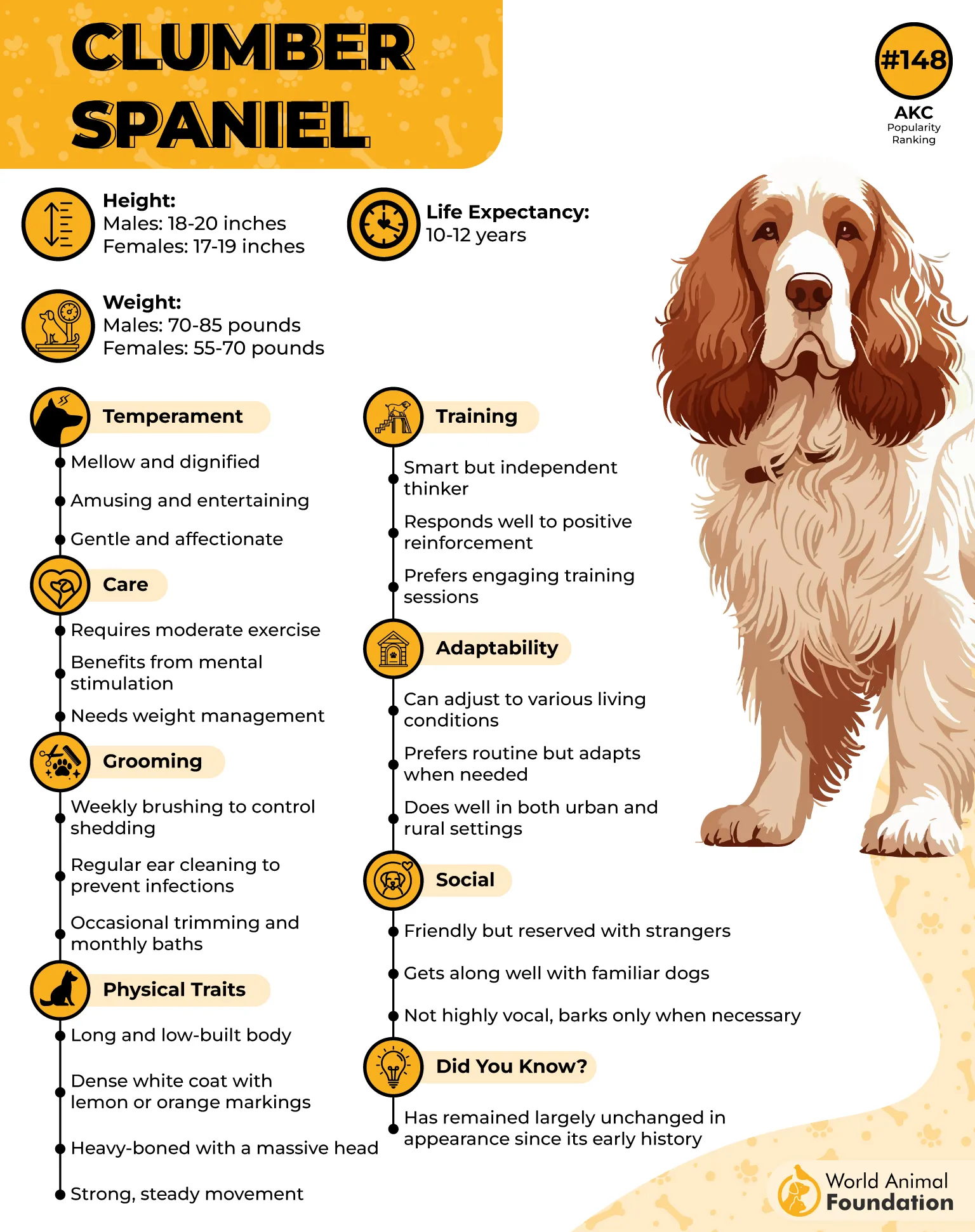
A daily walk gives them room to stretch their legs, while simple scent games provide a nice change when you are spending more time indoors.
Their steady nature makes training manageable, especially when you keep lessons patient and consistent. They are clever enough to enjoy having a little job to do, even if that job is finding a hidden toy around the house.
Their affectionate temperament works well for families and people who prefer a quieter pace at home.
5. Great Dane
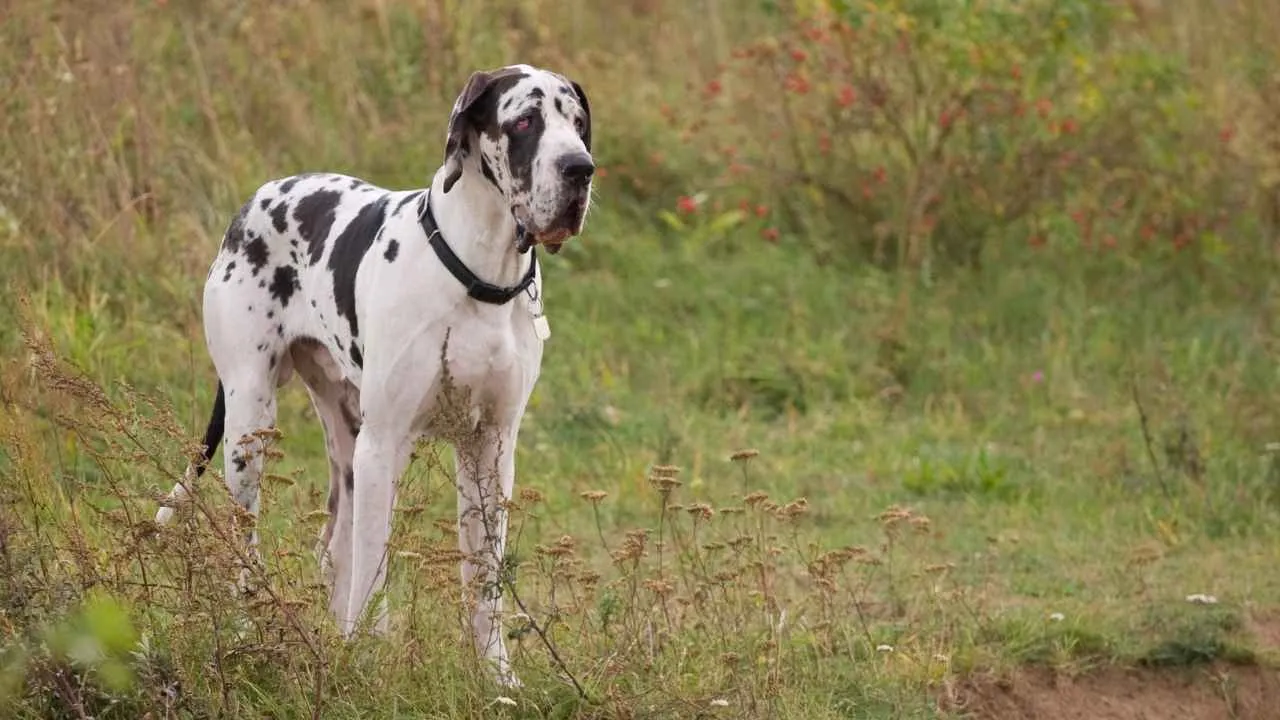
The Great Dane brings a funny twist to a relaxed lifestyle: this enormous dog is the tallest dog breed in the world and certainly the biggest creature in your home. Once these “Apollo of dogs” stretch out, though, your sofa suddenly looks much smaller.
Why They Suit Relaxed Living
Their ancestors were European hunting dogs used for large game, but today’s Great Dane is better known for their gentle, laid-back nature and affectionate personality. They often enjoy being close to their people without demanding constant entertainment.
Daily walks give them the movement they need, while their calm household nature means you do not have to build your entire routine around exercise.
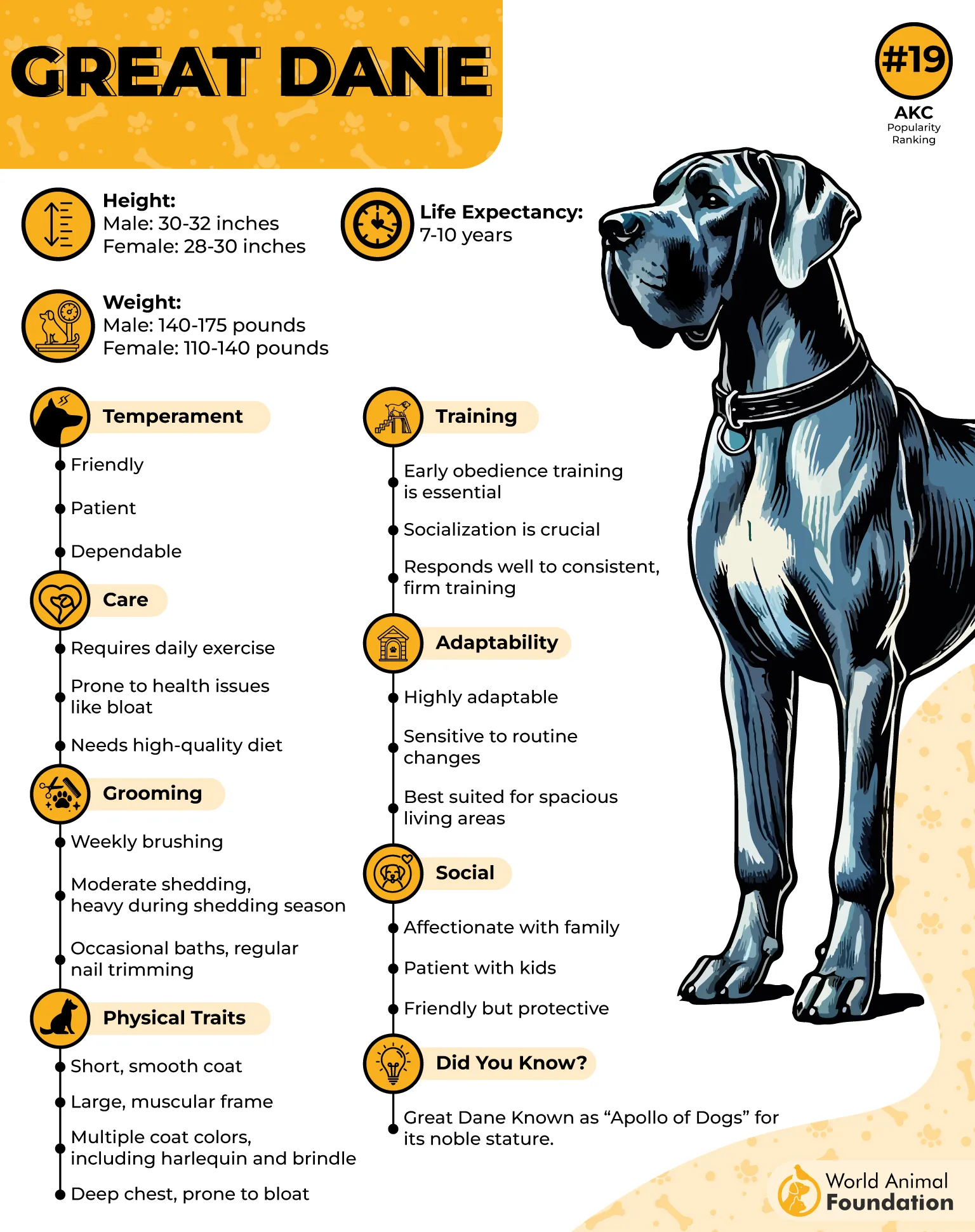
Training deserves an early start. A young Dane is easier to teach good manners than a fully grown one who has already discovered how much space they occupy, the Pawlicy advisor added.
These mighty dogs may adapt to an apartment if their exercise and space needs are properly met, but their height, weight, and long legs still need plenty of room to move comfortably.
6. Pekingese
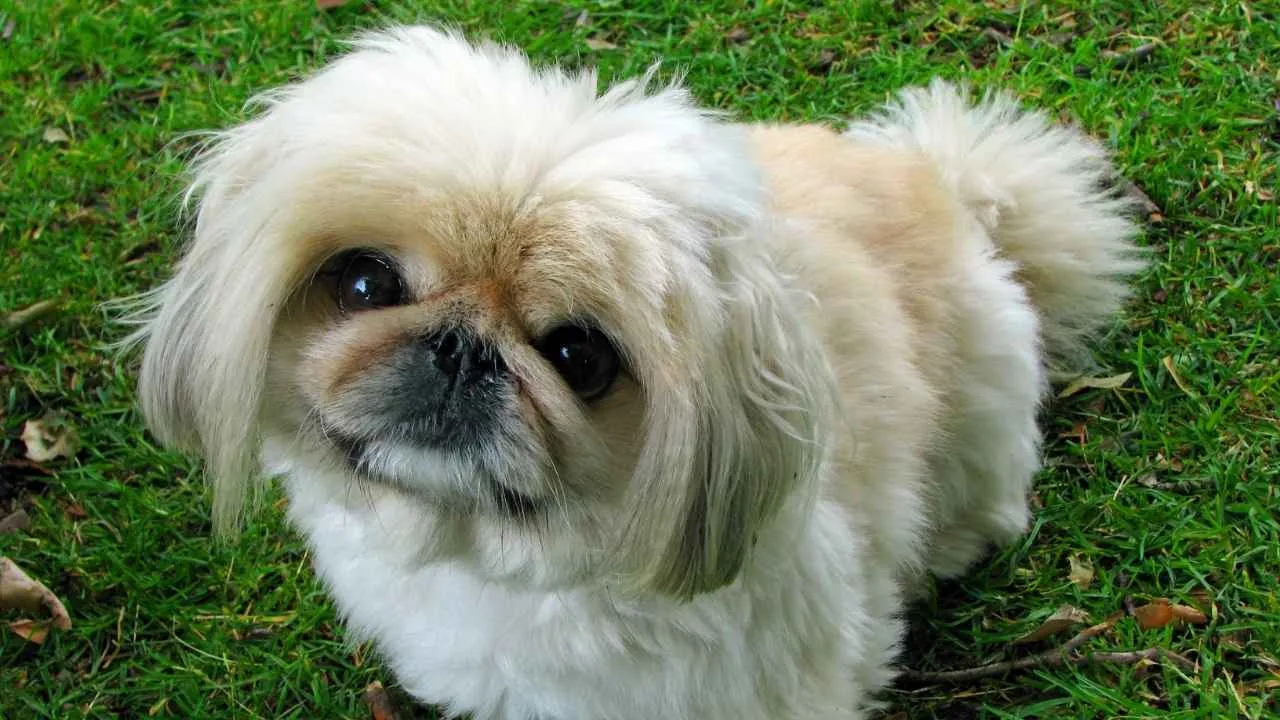
The Pekingese has a very clear idea of what a good day looks like: stay comfortable, spend time with its favorite person, and avoid unnecessary fuss. Their small size and self-assured personality make them natural companions for quieter homes.
Why They Suit Relaxed Living
These ancient Chinese dogs were once treasured by imperial households, and their confident little attitude has not disappeared with the centuries. They are easygoing companion without being desperate for attention every minute of the day.
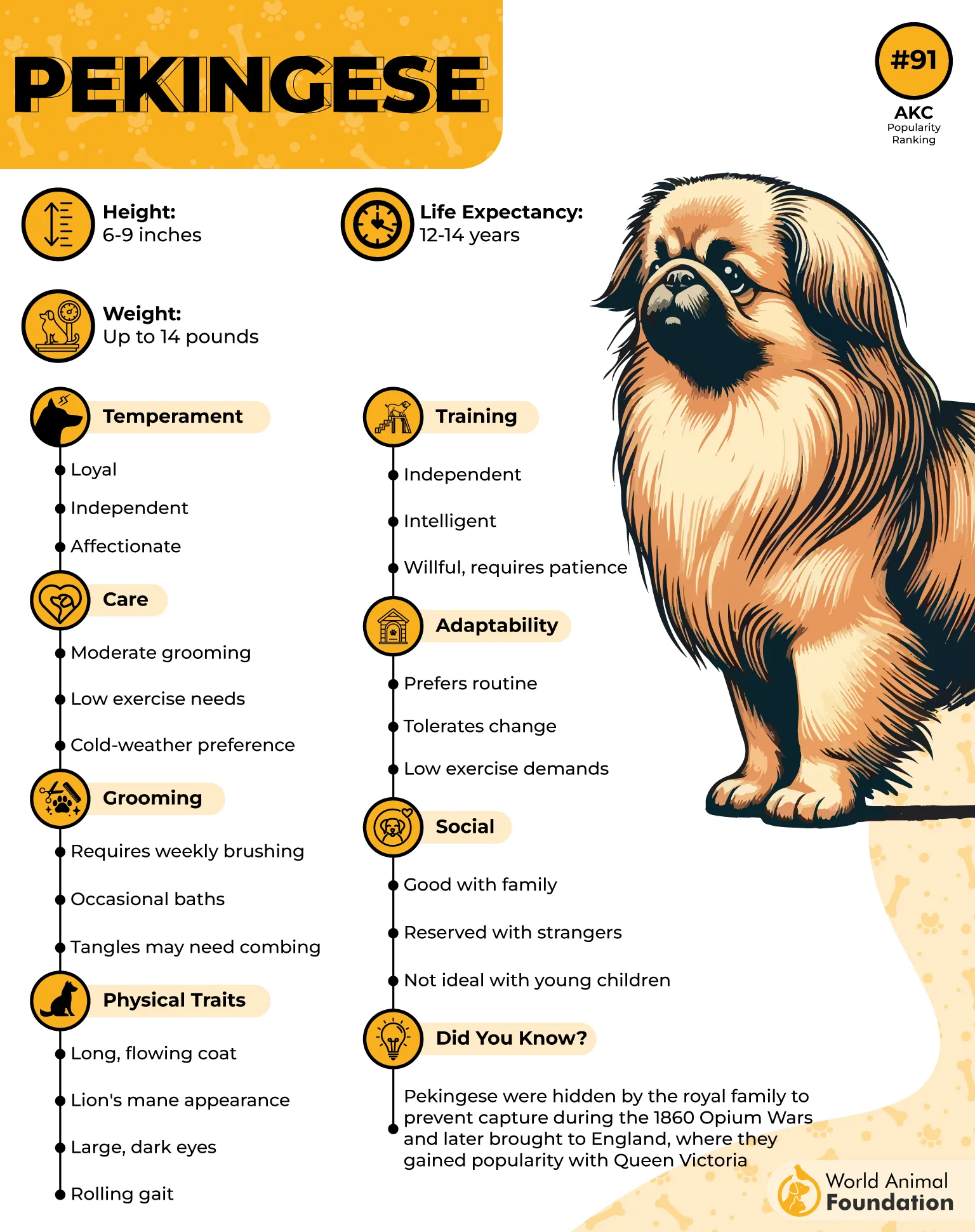
Their exercise needs are modest, so gentle walks and indoor activity are usually enough to keep them moving. PetMD highlighted that these small dogs are alert little guards that bark only when they sense a threat.
Training requires some tact. The Pekingese has an independent streak, so rewards and patience usually get you further than repeated commands or heavy-handed methods.
Their compact frame also means they need protection from rough handling, making a peaceful home particularly important.
7. Saint Bernard
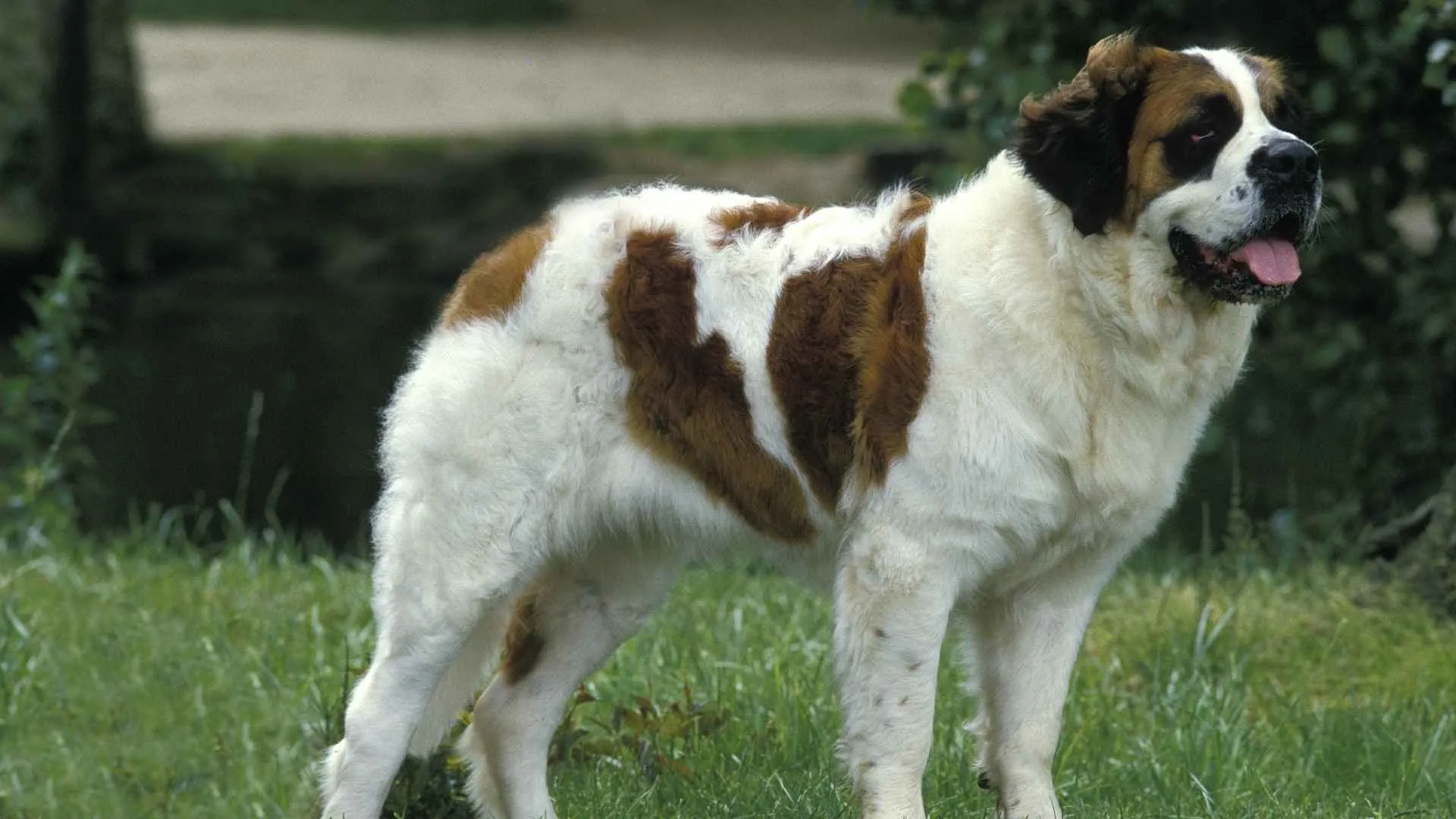
A Saint Bernard may look ready for a mountain rescue mission, but bring it home and you will often find a patient companion that is quite happy to spend a peaceful evening beside the family. Its gentle presence is a big part of its appeal.
Why They Suit Relaxed Living
These Swiss dogs earned their reputation at the Great St. Bernard Hospice, where they helped locate travelers lost in the Alps. Their history is impressive, but their calm temperament is what makes them such appealing household companions.
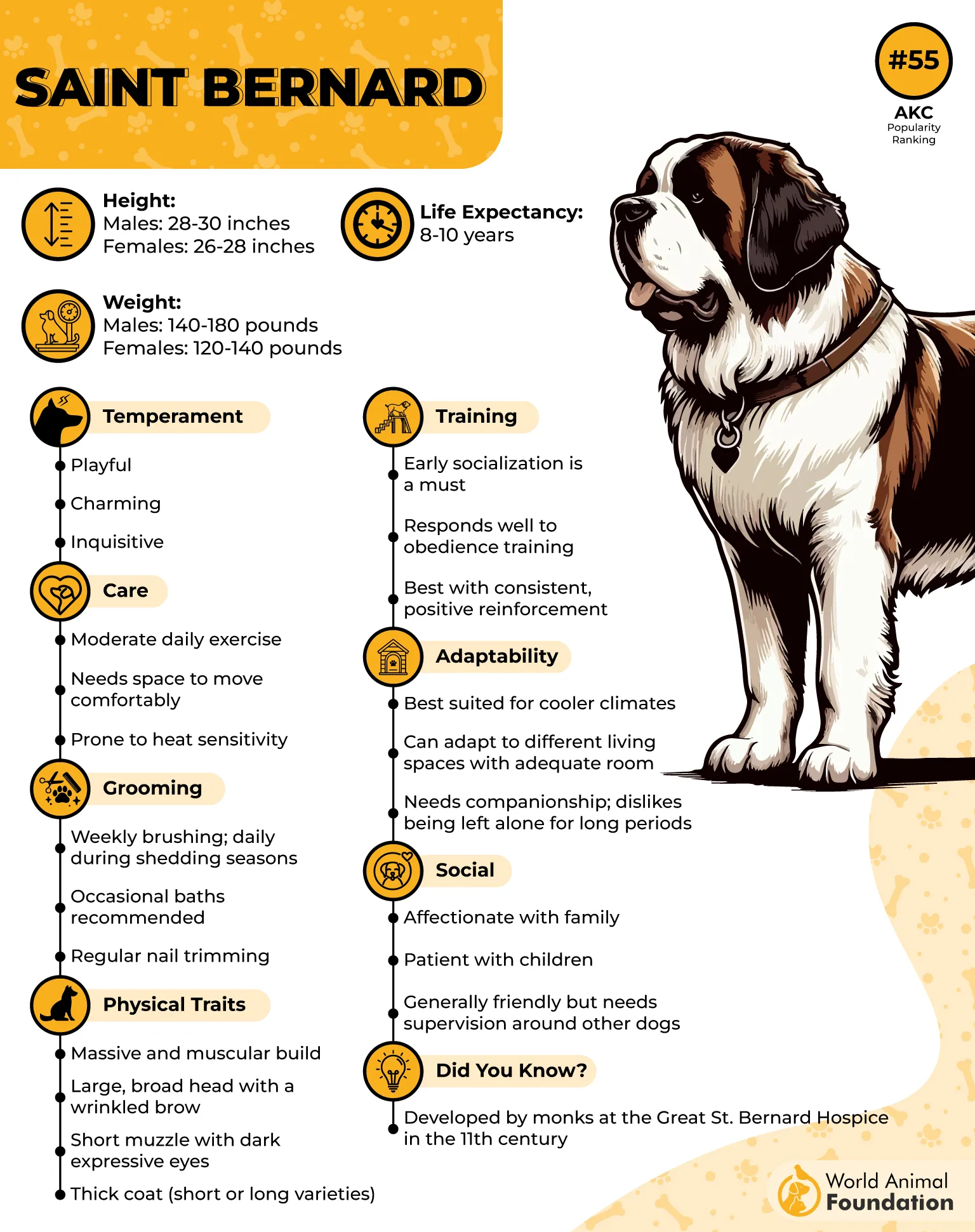
They still need daily walks to keep that huge body moving, although their routine does not need to resemble an athlete’s training plan.
Their patient nature often works well with families, but early obedience matters because a poorly mannered giant is difficult to manage even when they mean no harm.
Living space deserves serious thought. They need room for their size, a comfortable place to rest, and an owner prepared for the realities of sharing a home with a very large dog.
Their thick coat requires regular brushing and brings plenty of shedding with it. Drooling is another small detail worth accepting before you fall completely for that sweet face.
8. Newfoundland
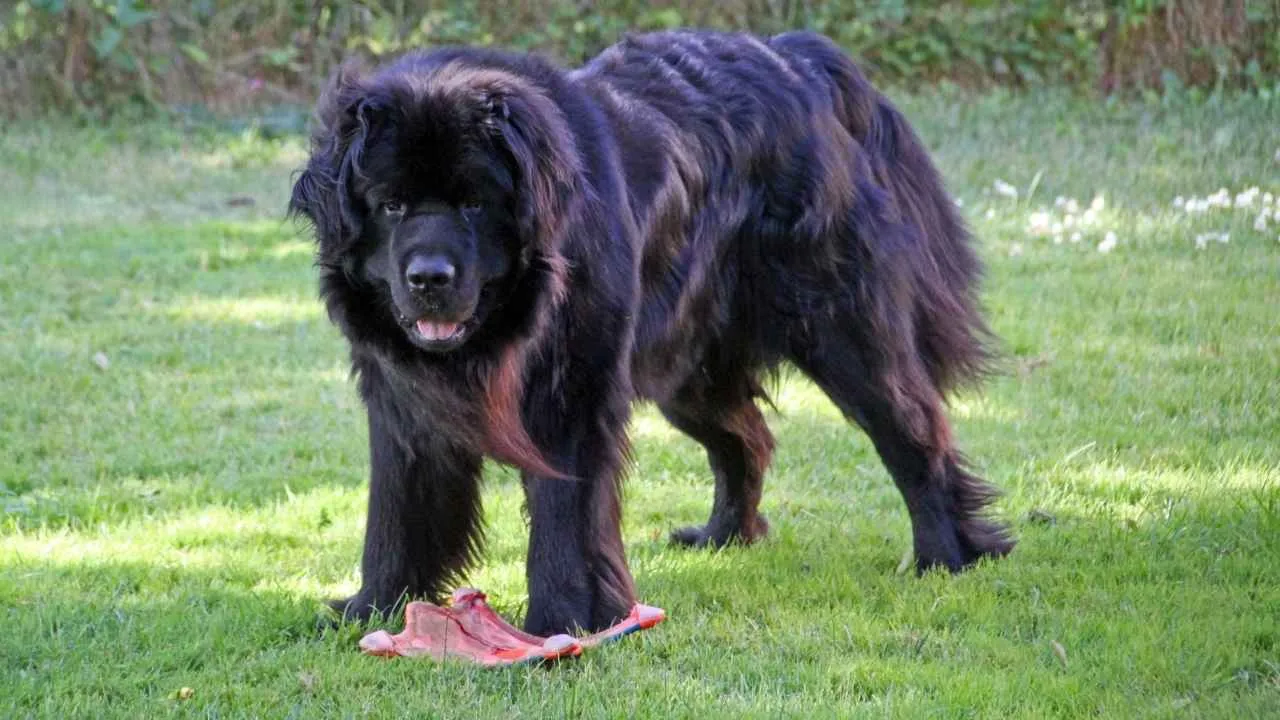
The Newfoundland is a gentle giant with a surprisingly relaxed home life. They were originally bred for demanding work in the water. After their daily activity, they are often happiest when they are simply included in family life.
Why They Suit Relaxed Living
Omlet stated that their Canadian heritage is closely tied to fishing and water rescue. Powerful bodies, webbed feet, and dense coats helped these dogs work around cold water and boats.
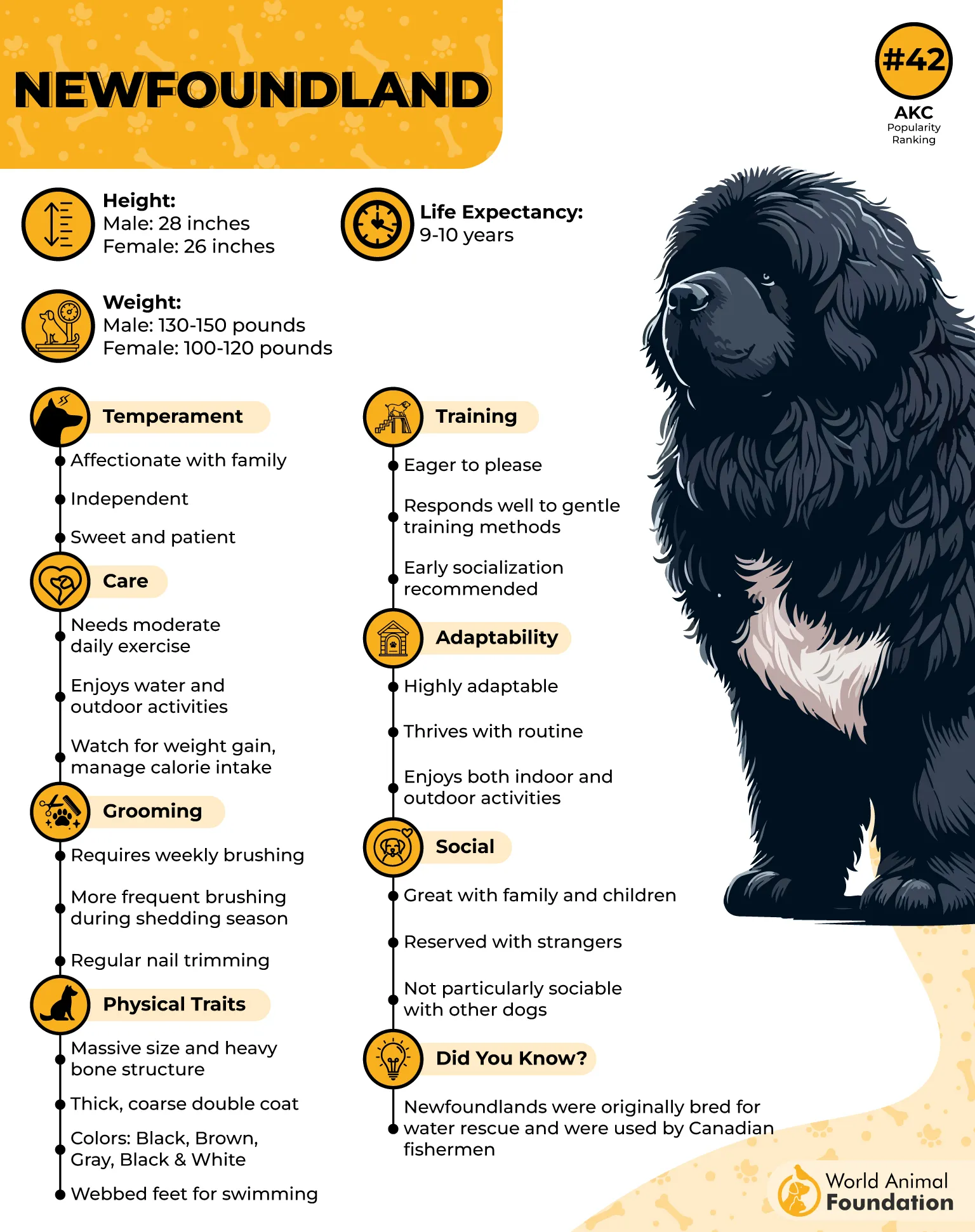
That background means they still enjoy having something to do, with swimming being a particularly natural way to keep them active. They do not need endless exercise, but regular movement is important for such a large breed.
Their affectionate personality makes them easy to bond with, while early training helps you manage their size before a small puppy becomes a very large dog.
They thrive when they are part of the household rather than left on their own for long periods.
Warm weather also needs careful management because their heavy coat is much better suited to cooler conditions.
9. English Bulldog
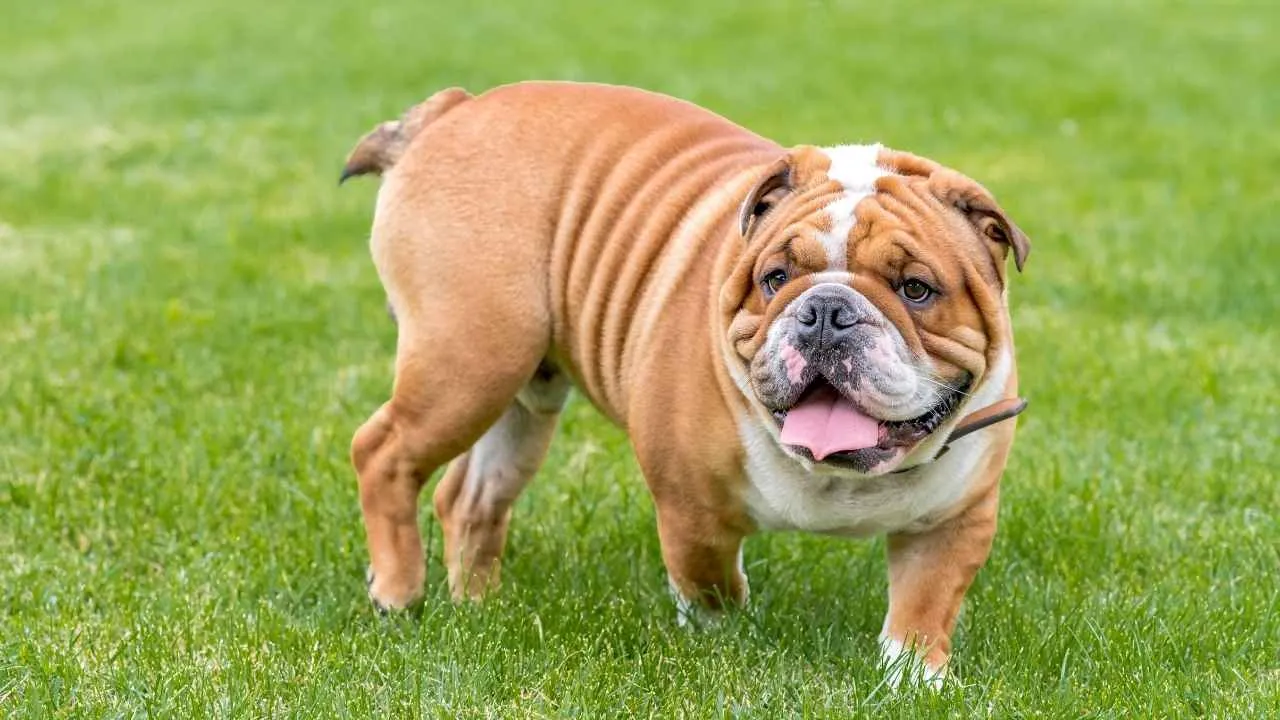
The English Bulldog is wonderfully suited to people who would rather take life at a slower pace. Their sturdy build, amusing expressions, and easygoing personality make a quiet afternoon at home feel right at their speed.
Why They Suit Relaxed Living
Modern Bulldogs are loving household companions, even though their history in England began with a much harsher working role.
Their low energy levels mean they do not need long, demanding workouts. Short walks, gentle play, and time with you usually fit their routine much better.
Training works best when you keep things positive and simple. Petplan mentioned that this lazy dog breed may not rush to impress you with every command, but patience and consistency help build good habits.
Their compact size makes them practical for many homes, but comfort and temperature control matter more than having a large outdoor area.
Conclusion
The right couch-lounge dog still needs attention, training, movement, and care. But when their natural pace matches yours, life feels much easier.
You get a companion who is ready for a walk when it is time to go out and perfectly content to curl up beside you when it is time to stay in.
