




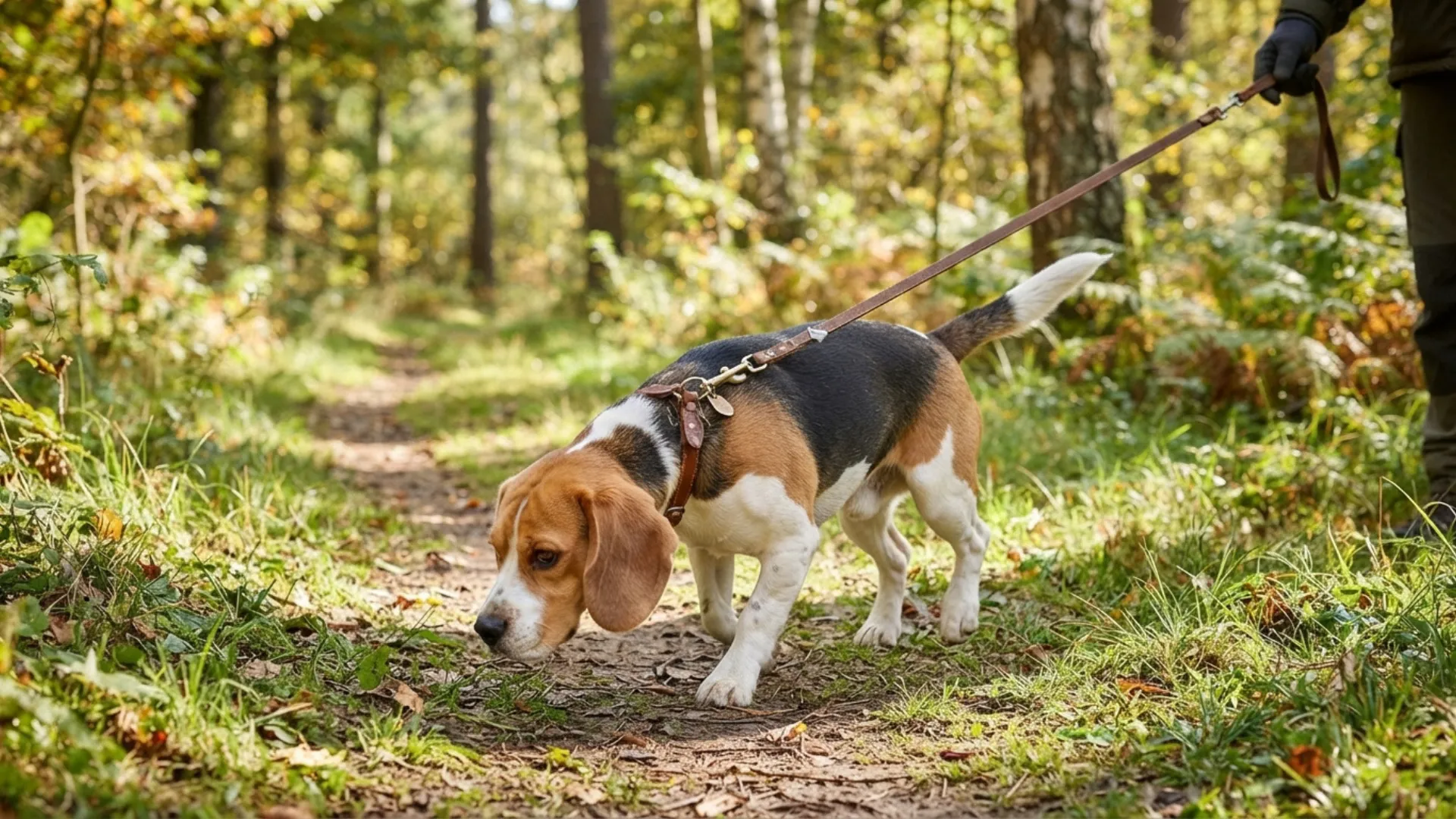
Have you ever watched a dog spot a squirrel and change instantly?
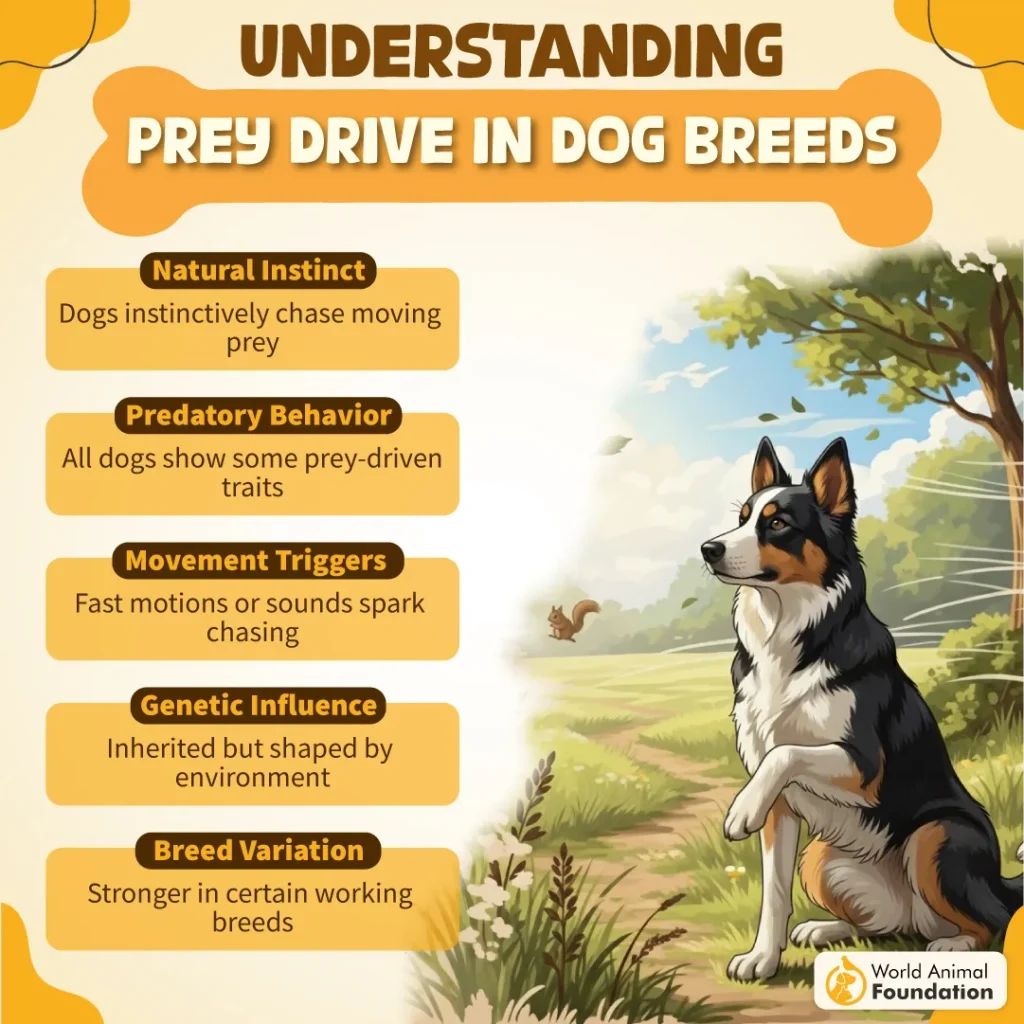
One moment, the dog is enjoying a calm walk. Then, moving prey catches its eye, and the chase begins. This reaction comes from prey drive, an instinct found in domestic dogs.
Every dog has some level of prey drive, but selective breeding has made it much stronger in certain breeds. This helps explain why prey drive in dogs can vary across different breeds.
Scent hounds often follow trails, while sporting breeds can locate and pursue birds or small animals. Some terriers were selectively bred to hunt foxes and other prey. Herding breeds can also show stalking and chasing behaviors in a modified form.
These instincts can make a dog fun and energetic, but they need safe outlets. They also matter around cats, rabbits, birds, and small pets. Understanding these behaviors can help families choose a suitable companion.
Now, let’s look at seven breeds with especially notable hunting instincts.
Dog Breeds with a Notable Drive to Track Prey
Here we go, one by one.
1. American Foxhound
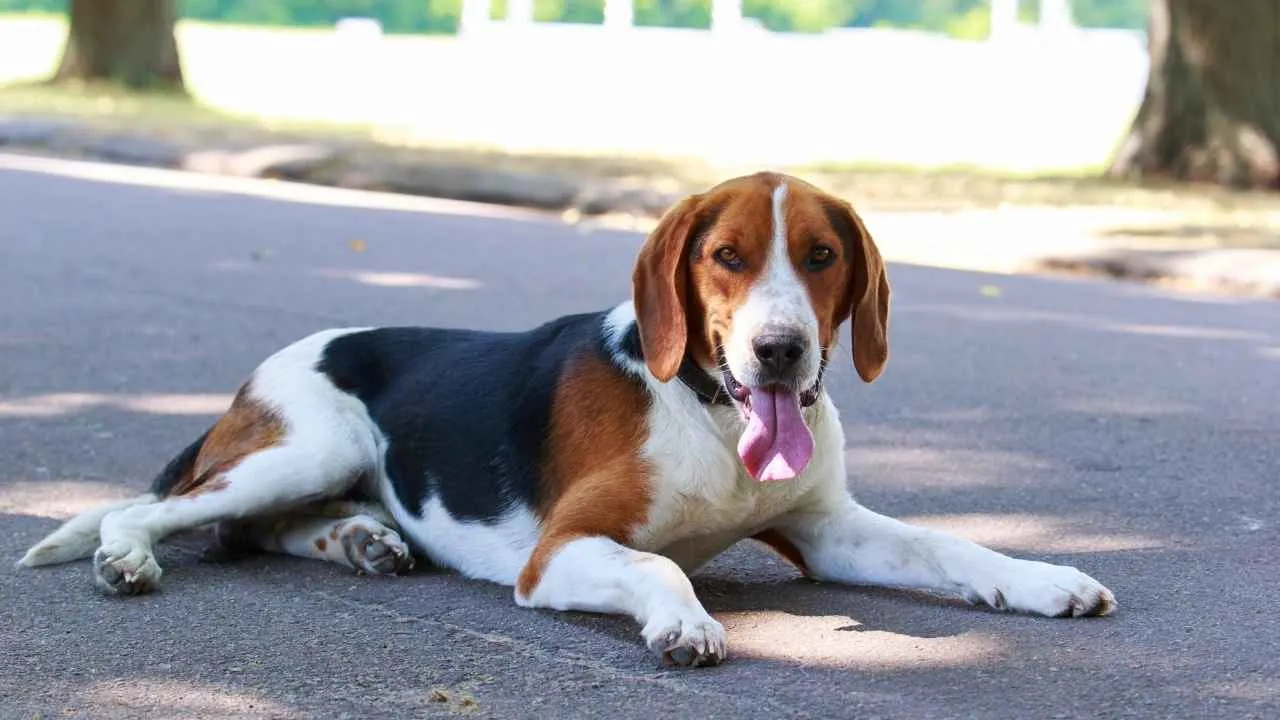
The American Foxhound is a classic hunting dog with remarkable stamina. Its unique feature is its ability to stay on a scent while covering large distances. According to the American Kennel Club, the breed is known for speed, endurance, work ethic, and a very strong prey drive.
George Washington also played a major role in developing this American breed. He crossed his Virginia hounds with French hounds from Lafayette to create a faster dog suited to American terrain. That history still shapes the dog’s prey drive and hunting behavior today.
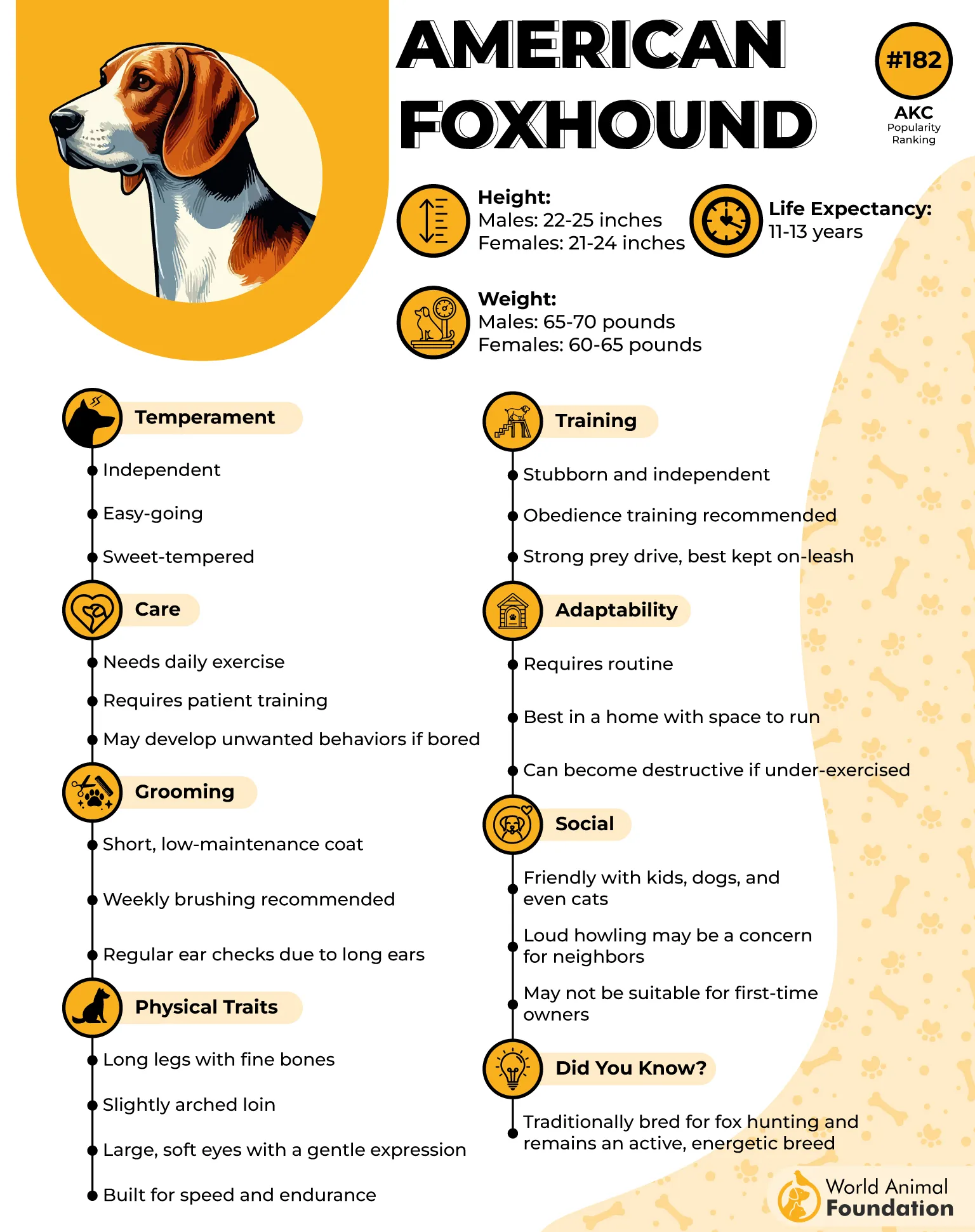
An American Foxhound may chase rabbits, squirrels, birds, or other animals outside. Its endurance also means a short walk may not satisfy this active hound. Long walks and controlled scent trails can better match its natural working style.
Long, controlled walks can let this energetic hound explore without starting a real chase. Its determined nature makes it a good hunting dog for active homes.
Fun Fact
The American Foxhound is Virginia’s official state dog. George Washington is often called the father of the breed.
2. Beagle
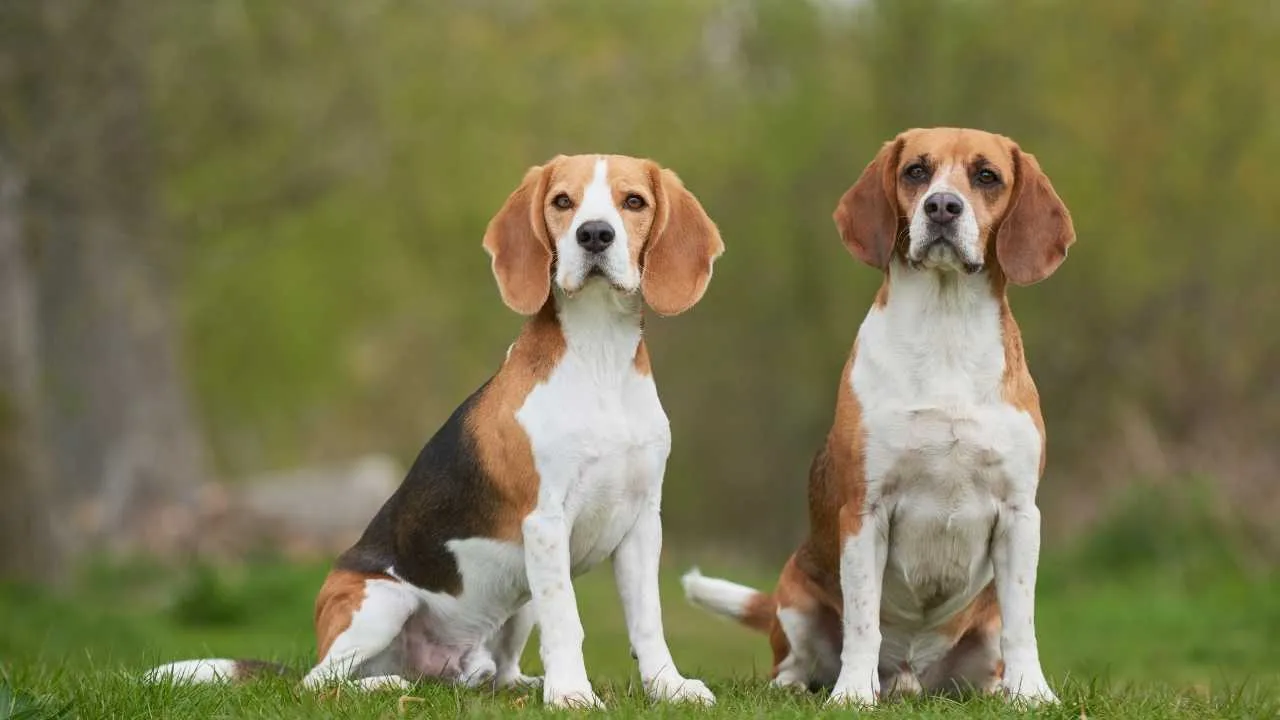
The Beagle may be small, yet its nose is extraordinary. This scent hound was developed to track rabbits and other small prey. Its unique feature is its strong scent focus, which can make an interesting trail hard to ignore.
According to PDSA, Beagles were originally bred as scent hounds and still have strong hunting instincts today. This small dog can become deeply focused after finding an exciting smell. That behavior explains why some Beagles seem to have selective hearing outdoors.
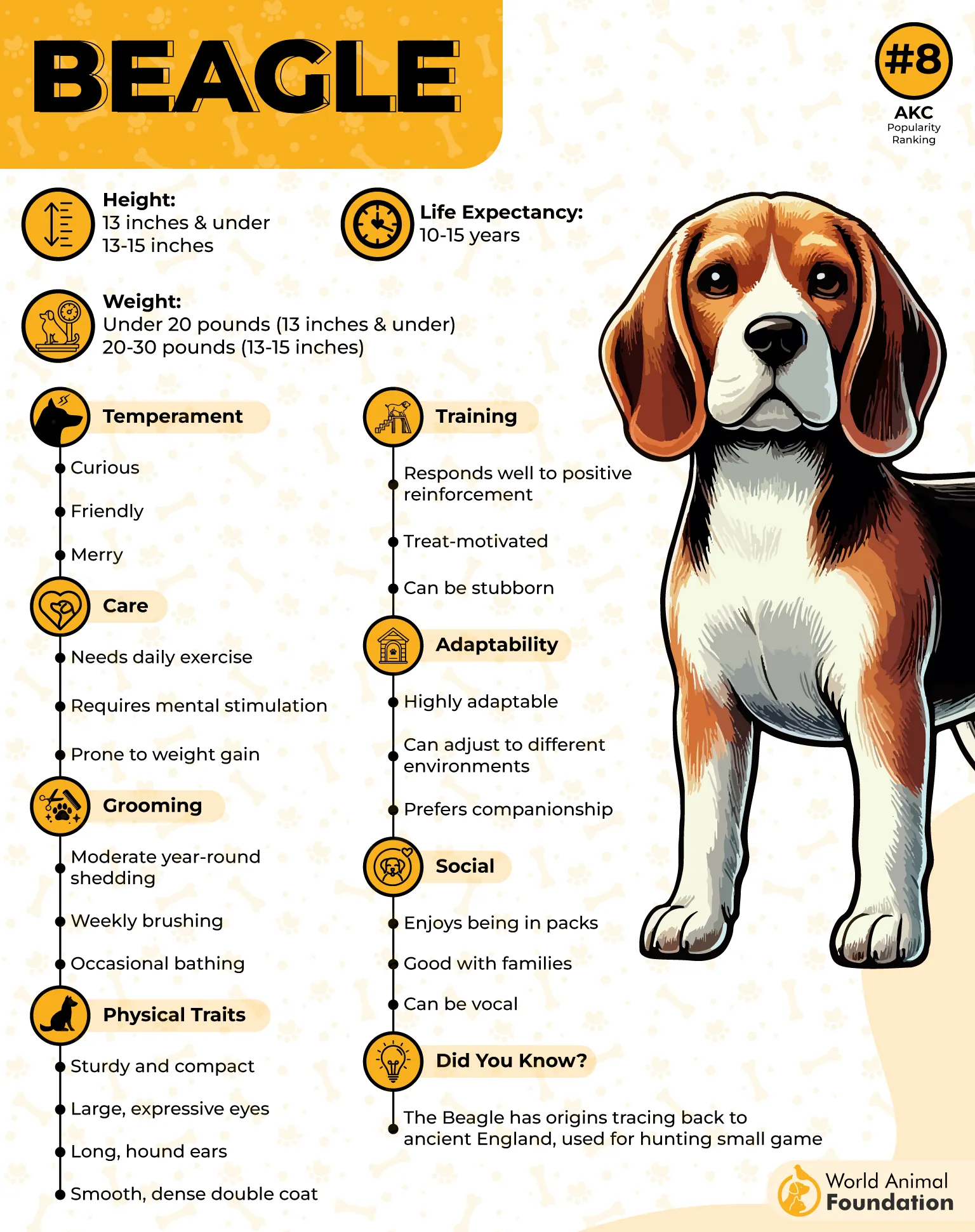
A fresh trail may become more interesting than its person. Even familiar surroundings can become exciting when a new scent appears. Food searches can give pet parents a fun form of mental stimulation for this scent-focused dog.
A Beagle may follow a scent even when its owner calls. Recall can become harder when an exciting trail appears. With good outlets, its high prey drive can become an enjoyable part of daily life.
Fun Fact
Beagles are often used at American airports. Their excellent noses can help detect bedbugs.
3. Bluetick Coonhound
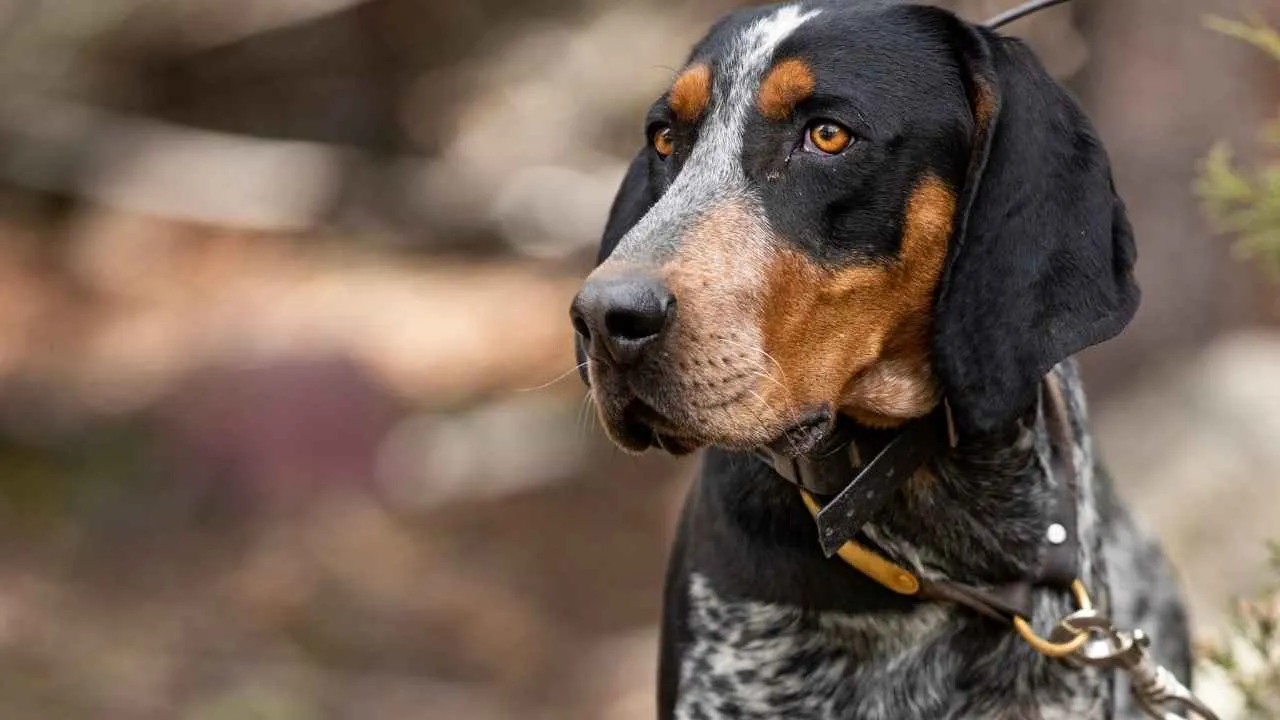
The Bluetick Coonhound is a determined tracker with a powerful hunting instinct. Its unique feature is its ability to track raccoons and then tree them. According to Purina, the Bluetick is an excellent tracker skilled at treeing raccoons and other small animals.
This work requires patience and strong scenting ability. Once the dog finds a trail, it may follow it with remarkable persistence. Its hunting style is less about a quick chase and more about solving a scent trail. That focus helps explain why this breed can stay busy long after another dog loses interest.
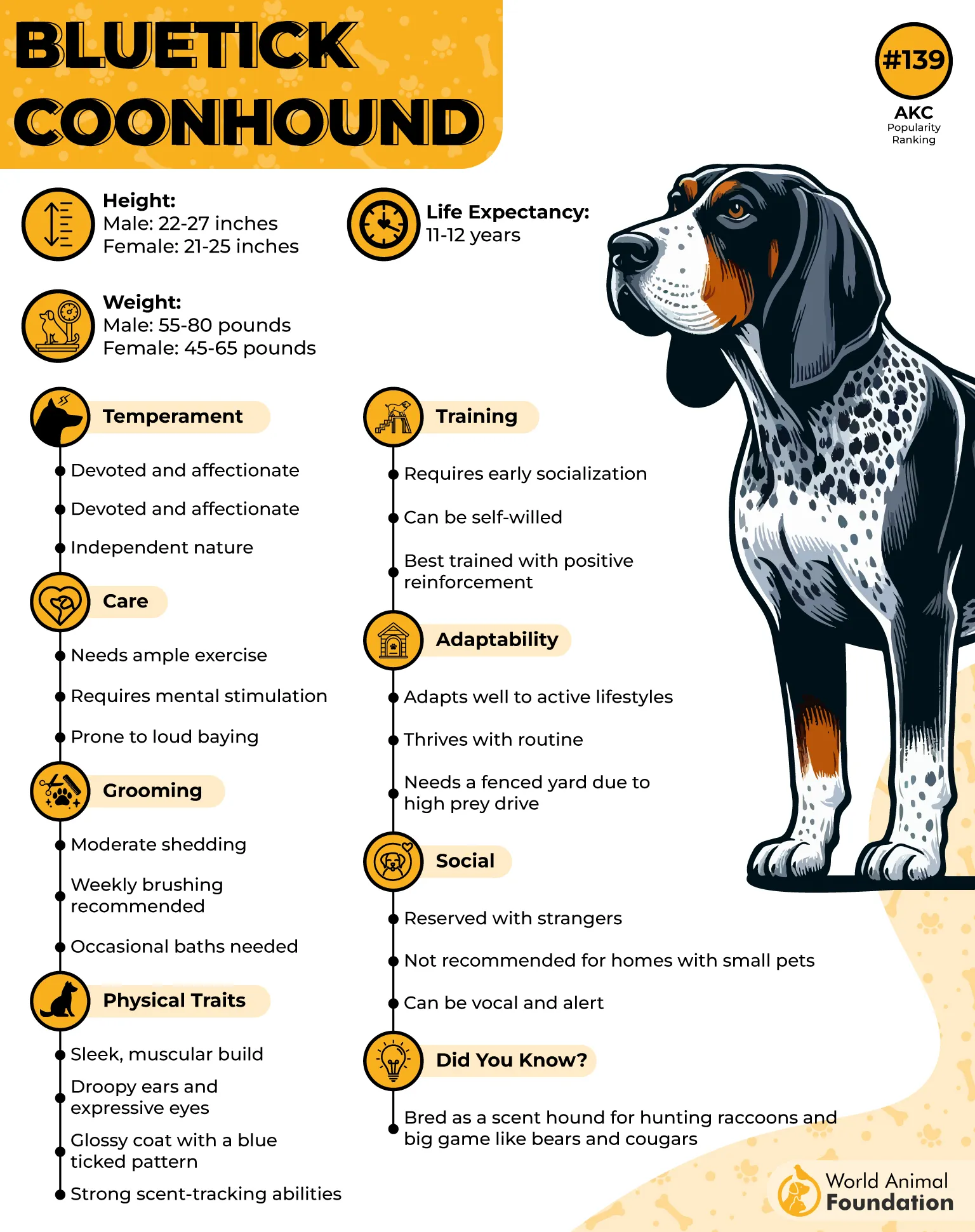
Once a Bluetick reaches the end of a trail, its style changes. It may stay below a tree and use its voice to alert hunters. A securely fenced area also helps prevent a determined escape. Scent games can give the dog a safe way to use its natural skills. These activities help owners manage prey drive while keeping real prey out of the game.
The breed can also enjoy field activities that provide purposeful work. Its trail-focused behavior makes it very different from dogs that mainly chase movement.
Fun Fact
Bluetick puppies are mostly white when born. Their famous ticking pattern develops during the first few weeks.
4. Weimaraner
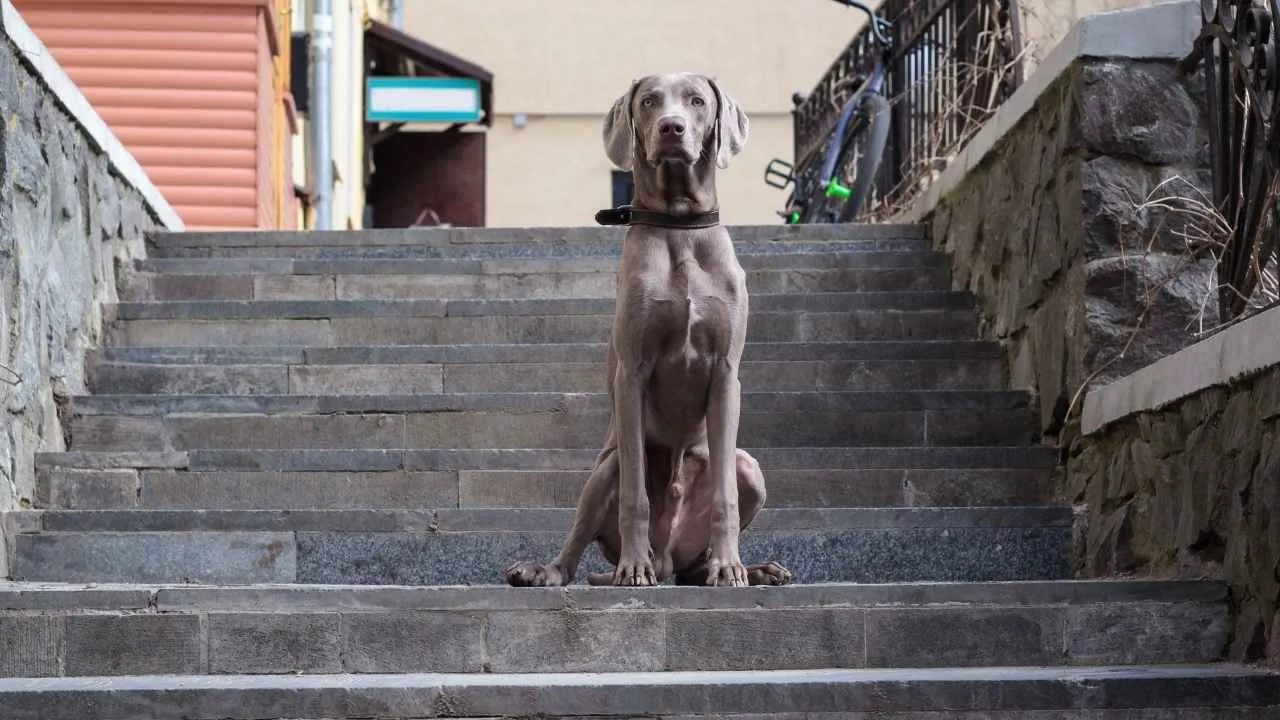
The Weimaraner shows prey drive through versatile sporting ability. Its unique feature is its combination of tracking skill, speed, and durability. According to PetMD, German nobles developed the breed for exceptional tracking ability, speed, courage, and durability.
These qualities created a capable hunting companion for demanding field work. Today, the Weimaraner can quickly shift from searching to pursuing when movement catches its attention. Birds and small game may trigger that response. Its athletic build also makes fast outdoor sessions a natural fit.
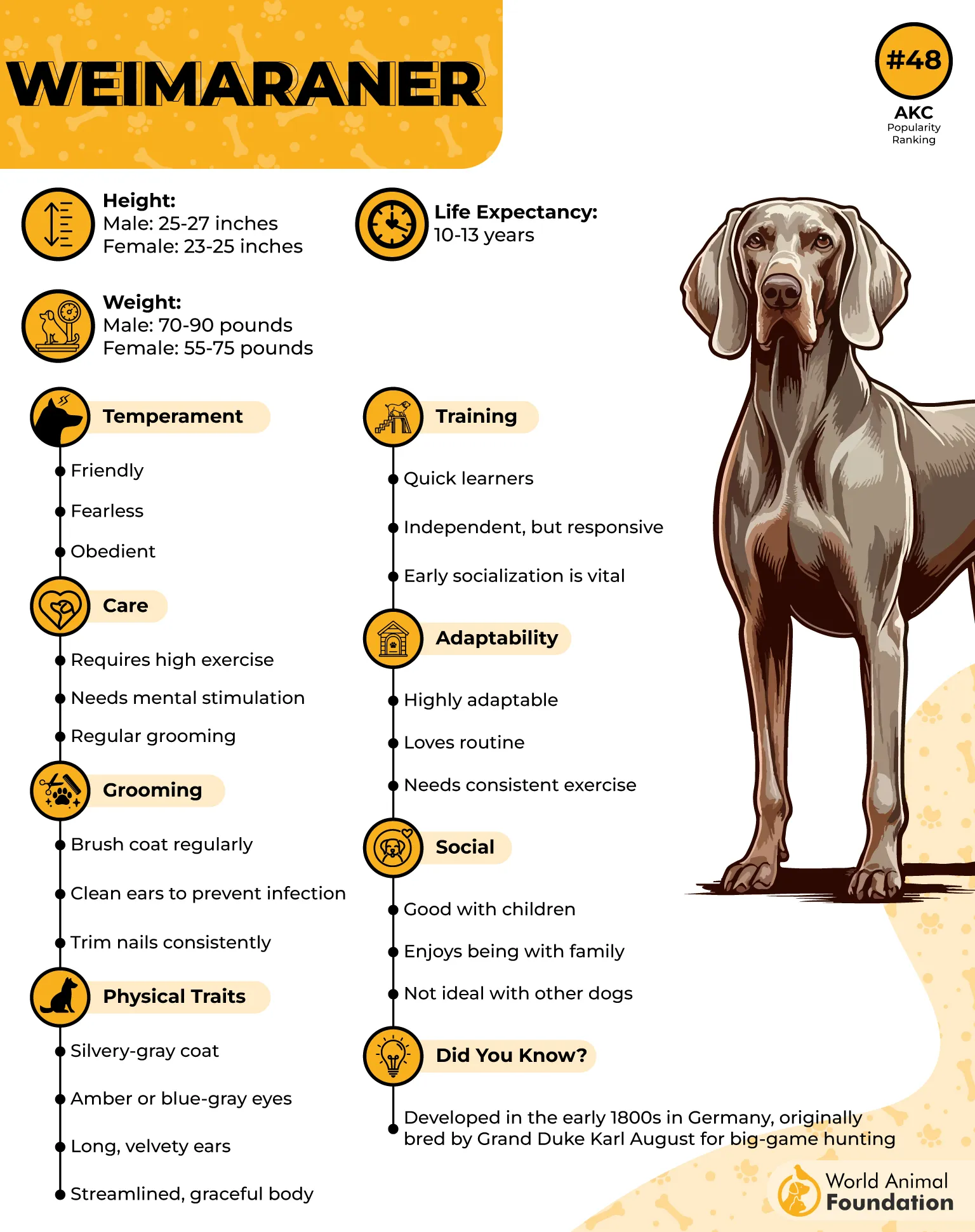
The breed needs demanding daily activity to stay settled. Running, hiking, swimming, and retrieving can use its energy well. It can also enjoy tasks that require quick responses and close attention. This combination makes the Weimaraner especially suited to active owners.
A securely fenced space offers safer freedom for energetic play. Consistent direction can also help the dog ignore distractions. Its high prey drive does not make it a bad family dog, but it does require thoughtful management.
Fun Fact
The Weimaraner is often called the “Gray Ghost.” The nickname refers to its distinctive silver-gray coat.
5. German Shorthaired Pointer
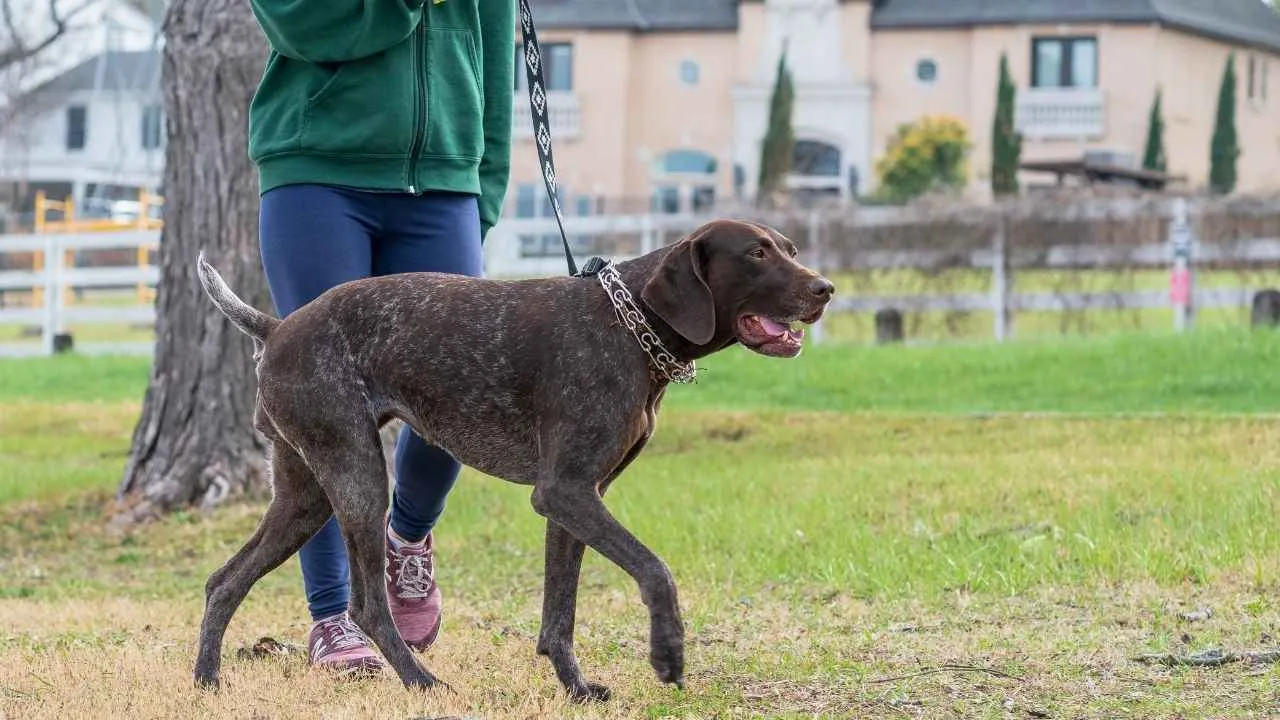
The German Shorthaired Pointer is a versatile sporting breed with strong hunting instincts. Its unique feature is its pointing ability, where the dog stops and directs attention toward game. According to Orvis, the breed excels at hunting, tracking, and retrieving.
It was developed as a multipurpose hunting dog for varied field conditions. Its work can involve finding game, pointing toward it, and retrieving after the shot. That sequence gives the breed a more varied hunting role than dogs bred mainly for pursuit. Game birds are especially important in its traditional field work.
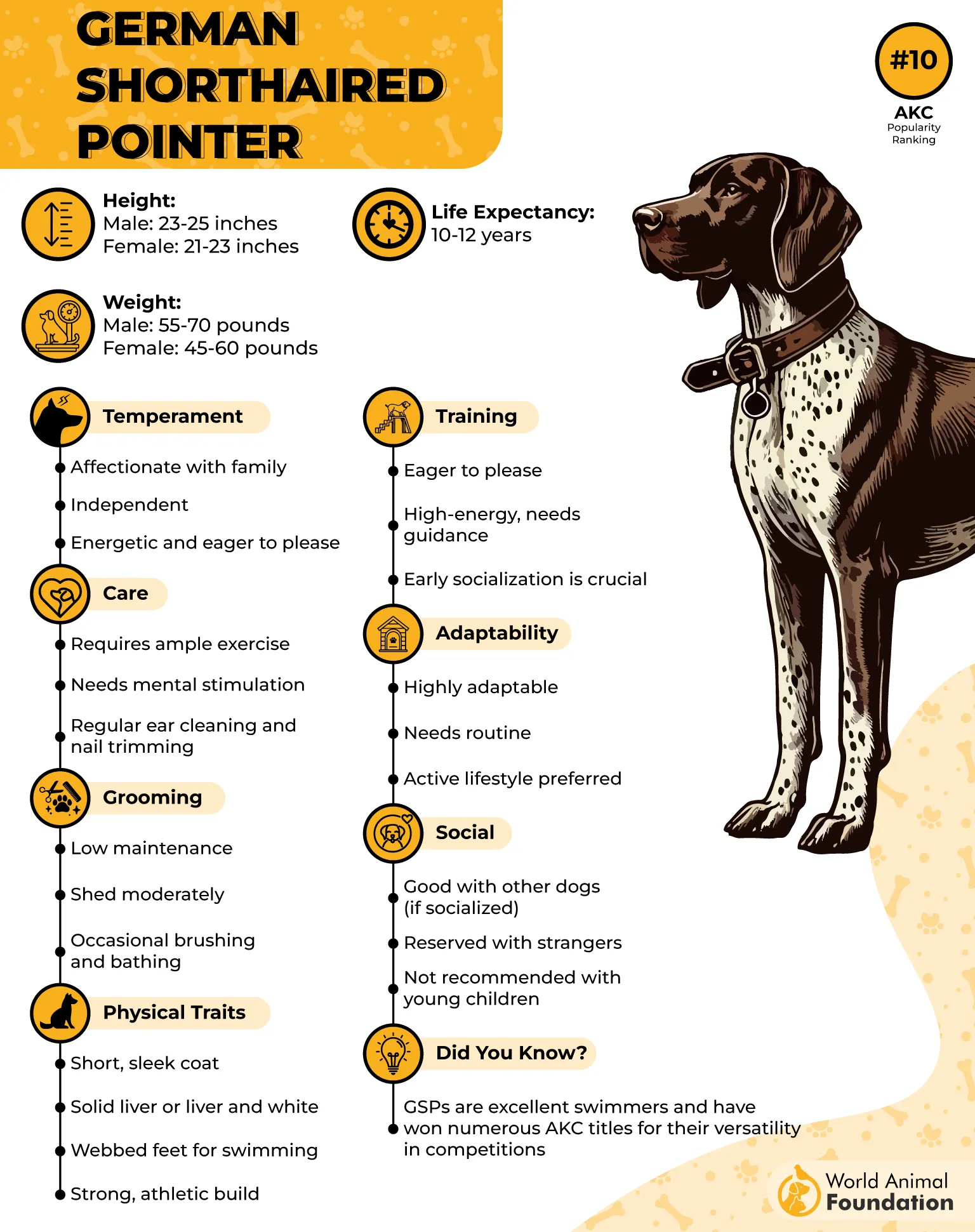
Field retrieving is one of the most natural ways to engage this high-energy breed. Swimming, agility, and long outdoor sessions can also provide useful exercise. Owners who enjoy active hobbies may find the GSP an excellent partner for outdoor adventures.
A fixed leash is useful around wildlife and busy roads. The breed can be trainable, but its hunting instincts still deserve respect. Its combination of pursuit, pointing, and retrieving makes it stand apart from scent-only trackers.
Fun Fact
The first known German Shorthaired Pointer reached the United States in 1925. The AKC recognized the breed five years later.
6. Black And Tan Coonhound
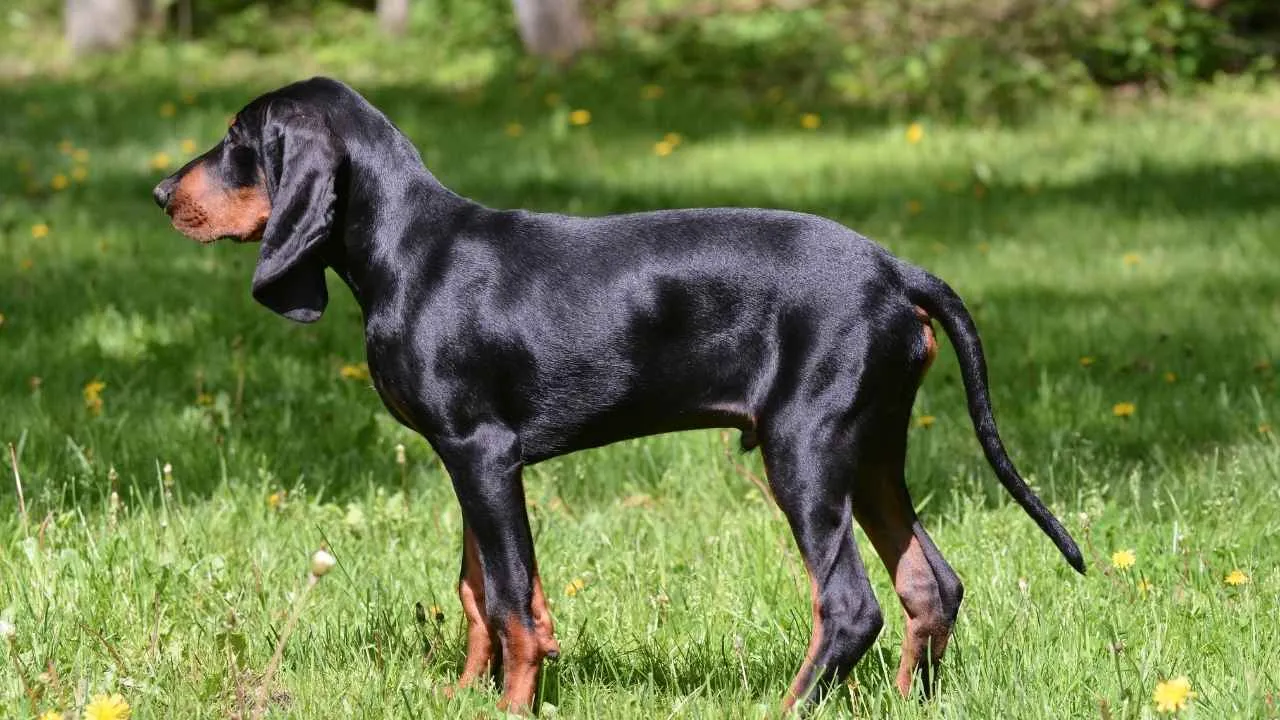
The Black and Tan Coonhound is built for scent-based pursuit. Its unique feature is its ability to track both small and large game across difficult terrain. According to Royal Canin, the breed was developed to track raccoons by scent and can also follow deer, bears, pumas, and other large game.
This history gives the dog a high prey drive and impressive determination. A scent trail can quickly become its main focus outdoors. Unlike a dog that simply reacts to movement, this hound may pursue an invisible trail. That makes recall more difficult when wildlife is present.
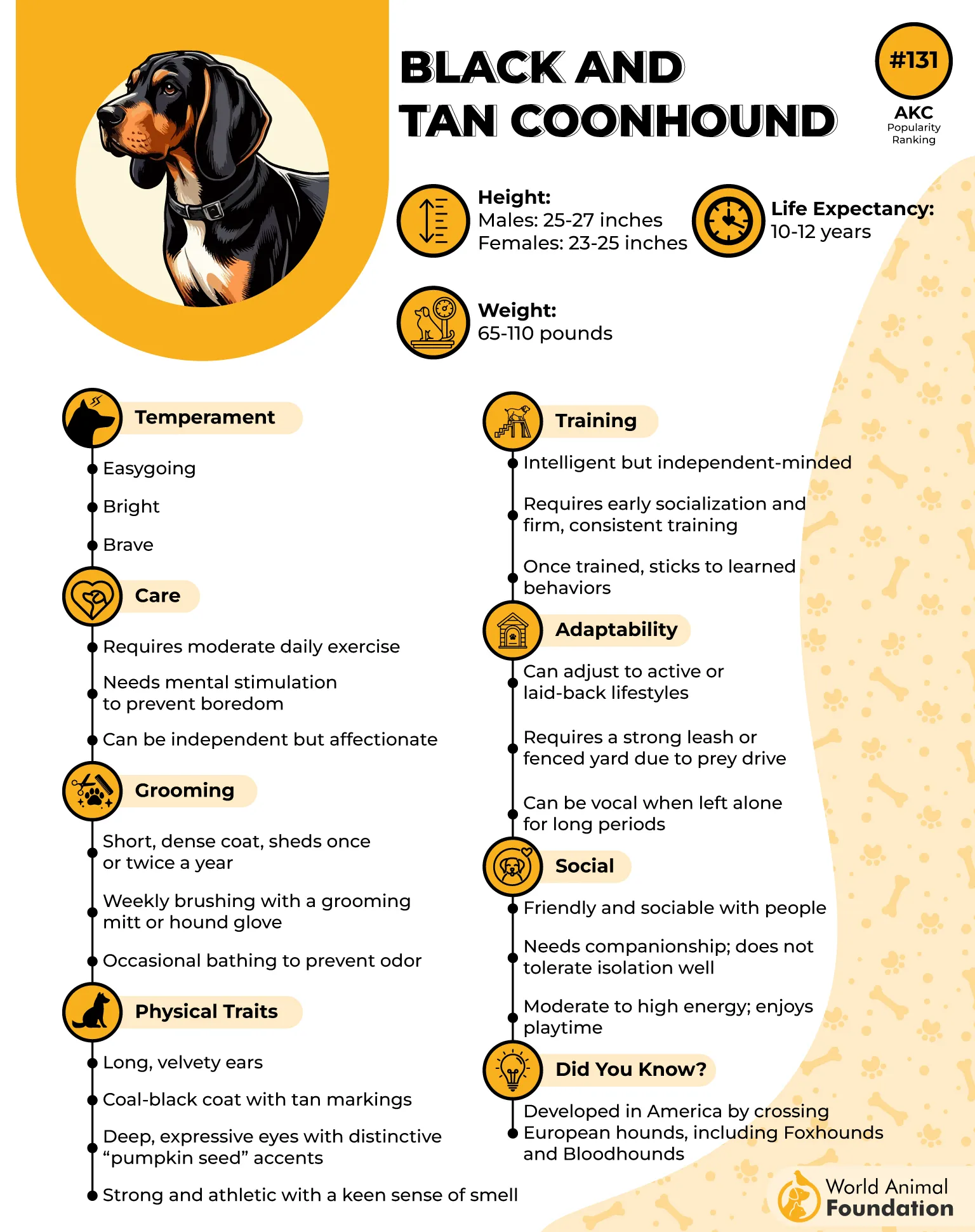
Its famous bay also has a practical purpose. Hunters could use the deep, ringing sound to locate a dog that had followed a trail out of sight. At home, owners should remember that this vocal working style can make the breed quite noticeable.
Its physical exercise needs also make it better suited to active homes. Families should consider this drive before bringing one into a home with cats or other small animals.
Fun Fact
The Black and Tan Coonhound has a famous deep bay. Hunters could use that distinctive voice to locate the dog during fieldwork.
7. Jack Russell Terrier
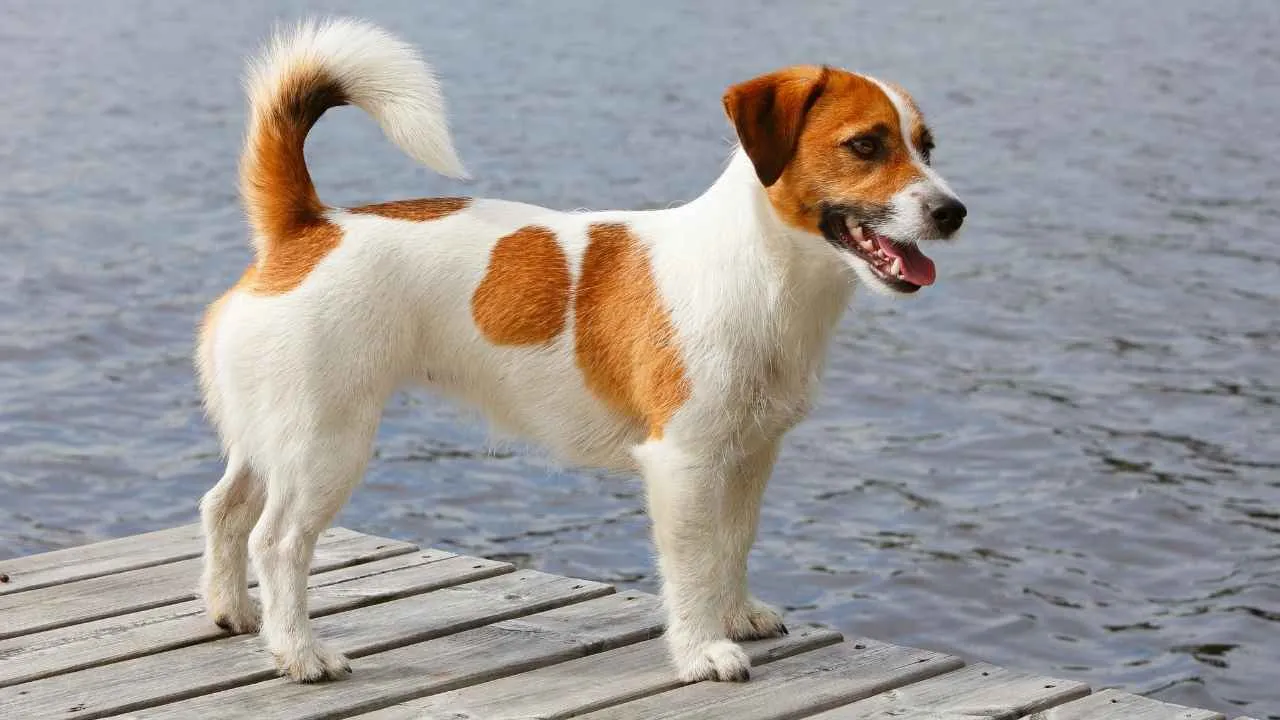
The Jack Russell Terrier has a bold prey drive packed into a small body. Its unique feature is its ability to follow foxes into underground dens. According to VCA Animal Hospitals, Reverend John Russell developed fox terriers for hunting, and breeders continued to value their strong hunting instinct.
Underground hunting demanded courage and determination from this small terrier. A Jack Russell may still rush after fast-moving animals when pursuing prey. Its instinct is especially strong around small prey that moves quickly or suddenly.
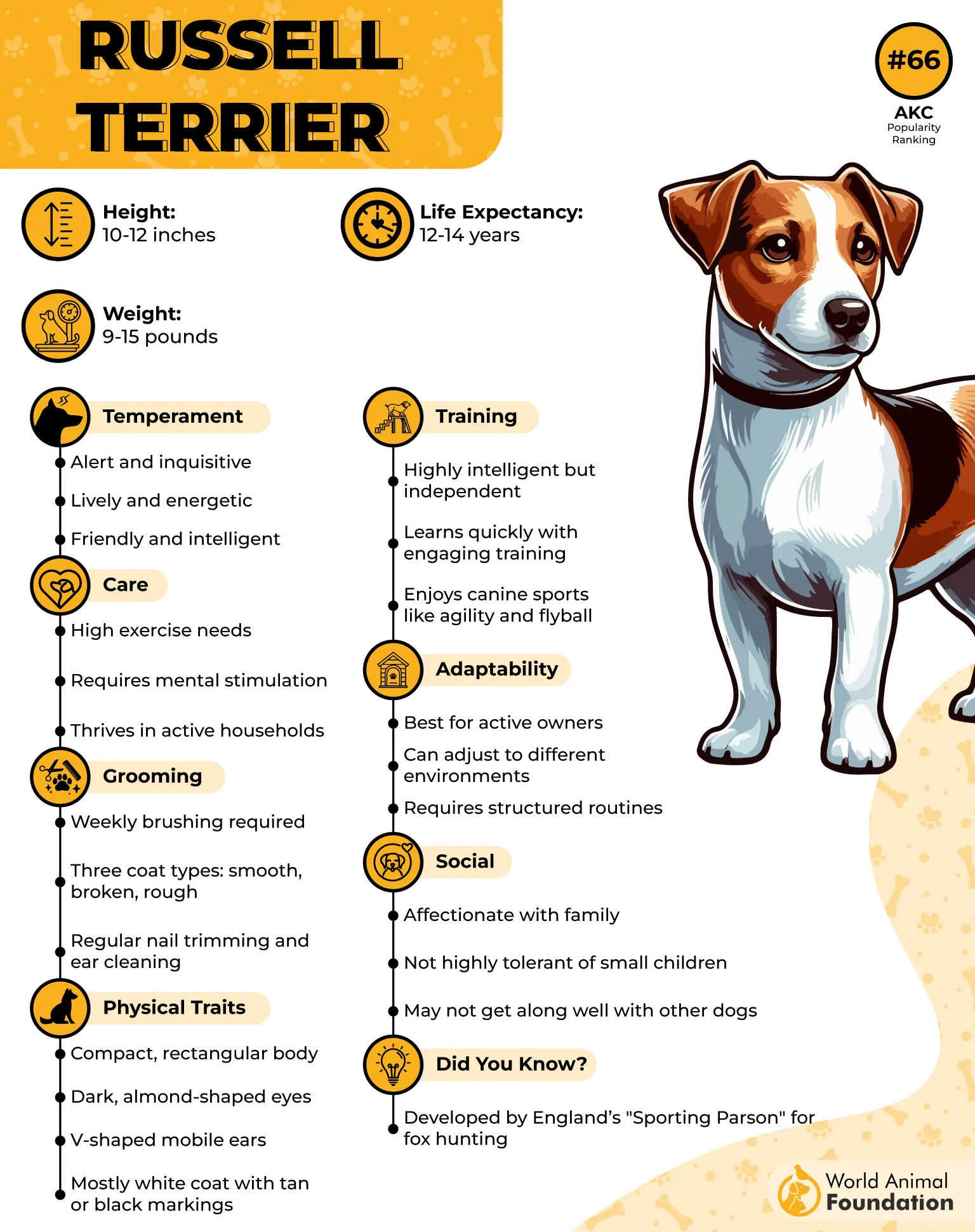
Digging is a better match for its original working purpose. Earthdog-style games can also give this terrier a controlled challenge. Owners should train a strong “leave it” cue before practising around distractions. Rewarding calm choices can help the dog pause instead of immediately pursuing.
These dogs need both physical exercise and mental challenges. Their energetic behavior can become difficult when they have nothing useful to do. Their size may be small, but their hunting determination is anything but small.
Fun Fact
A Jack Russell Terrier named Wishbone became a television star. He played the title character in the children’s series Wishbone.
Conclusion
Dogs with strong hunting instincts can make fascinating companions, but the right match depends on your lifestyle. Think about your daily routine, outdoor space, and other dogs before choosing a breed.
An active owner may enjoy a dog that thrives on field work and long adventures. Another family may prefer a dog whose instincts are easier to manage at home.
The goal is not to eliminate a natural drive. Instead, owners can train a dog to manage prey drive and make safer choices. Good boundaries, suitable tasks, and calm interactions can make life easier for dogs, owners, and other pets.
When you understand the dog’s prey drive, you can make better choices for your family. Natural hunting instincts can then become part of a rewarding companionship.
