




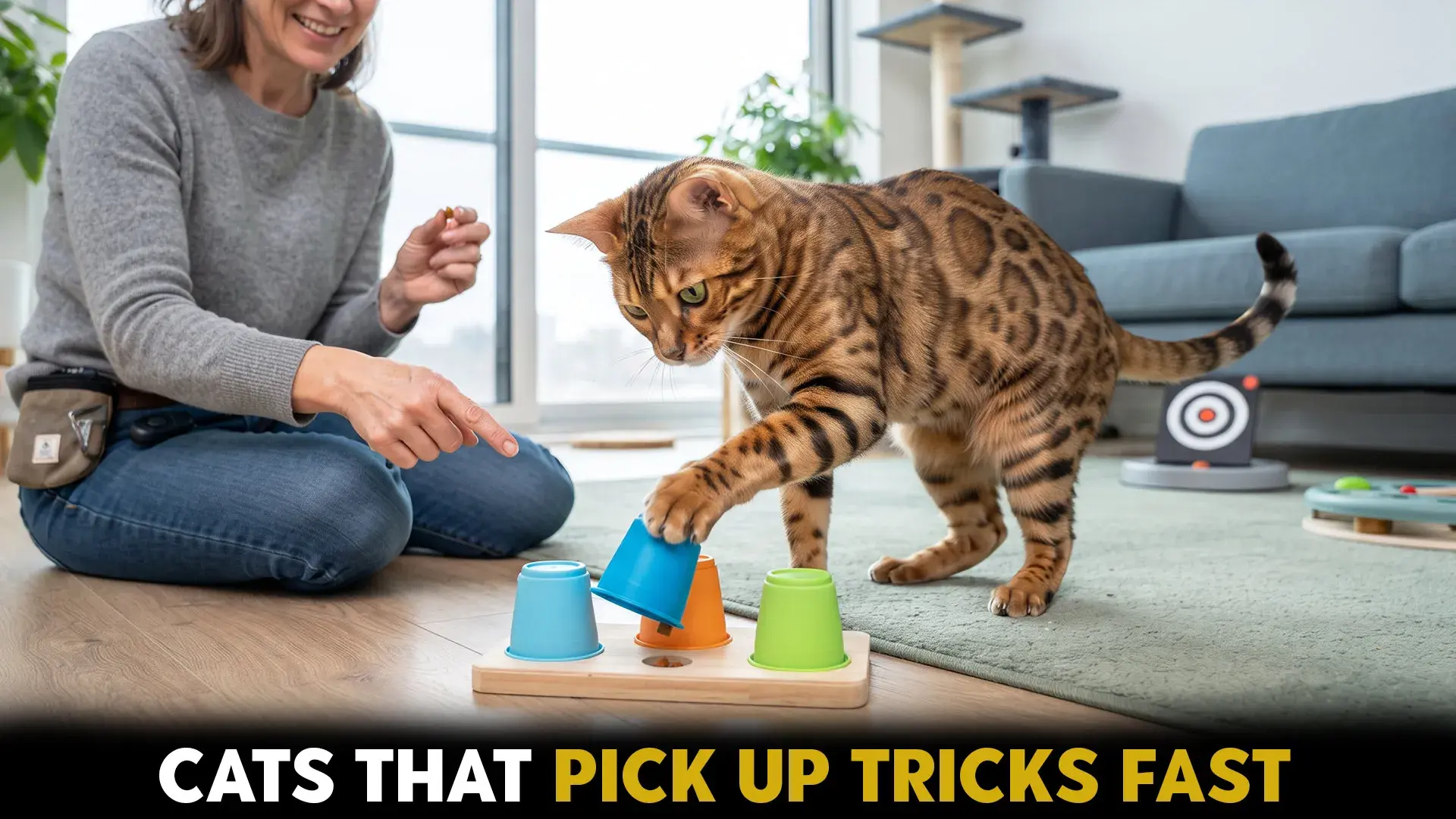
Cats may be known for their independent personalities, but many are surprisingly capable of learning new skills. With patience and positive training, some feline companions can master tricks, respond when called, walk on a harness, and even learn useful everyday behaviors.
While every cat is different, intelligent and curious breeds may be especially receptive to training. Understanding a cat’s natural instincts and motivations can also make the learning process more enjoyable, helping owners encourage desired behaviors without working against their feline nature.
Along with regular care, mental stimulation through training can help create an engaging routine for a clever and responsive feline companion.
Best Cat Breeds That Are Easy To Train
1. Scottish Fold
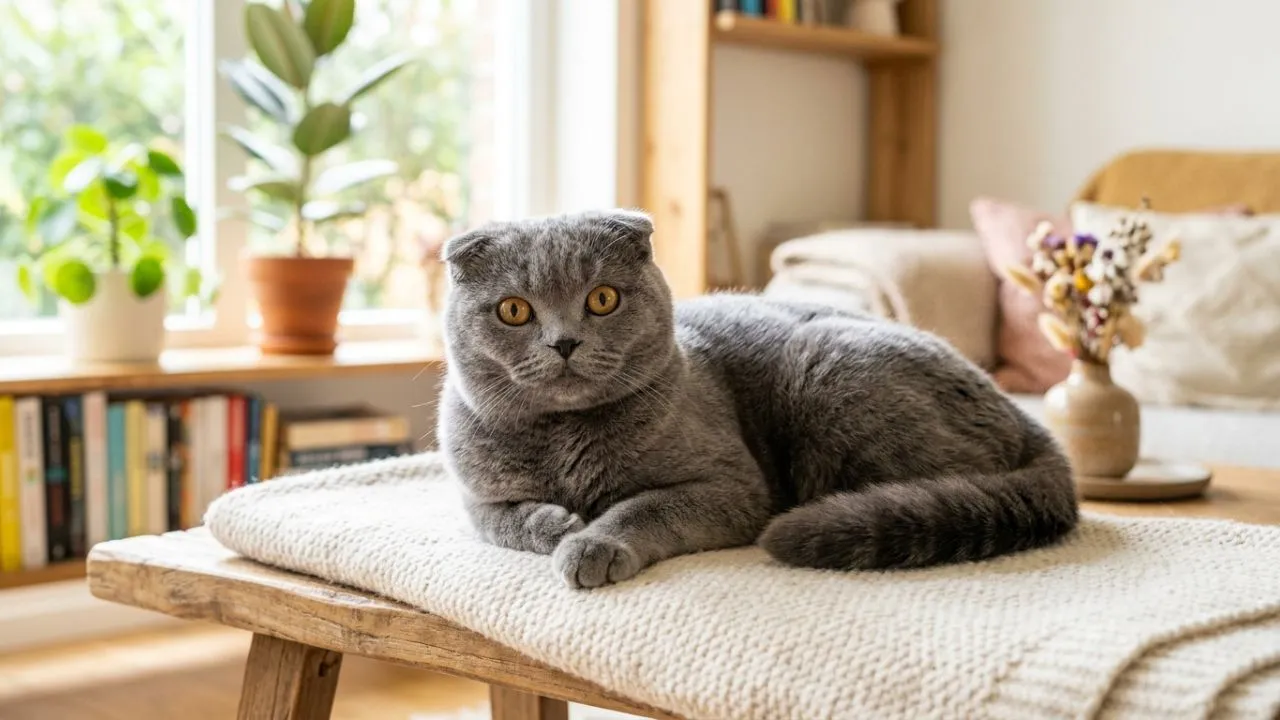
Scottish Folds are calm, affectionate cats that can respond well to positive training methods, including treats and praise. Their gentle, easygoing temperament and interest in learning tricks can make training an enjoyable experience. According to Purina, they can comfortably be left alone for a few hours at a time.

Since they form strong bonds with their owners, they are often attentive and responsive during training. Reinforce positive behavior right away with treats, praise, or affection, and keep sessions short, enjoyable, and engaging to maintain their focus.
However, their distinctive folded ears are linked to a genetic condition that can affect cartilage and bone development, so gentle handling and regular veterinary care are important.
How This Breed Stands Out
Adaptable family companion: Their social, affectionate nature helps them adjust to family life and new environments.
Distinctive folded ears: Their forward-folding ears give them their famous round, owl-like appearance.
2. Russian Blue
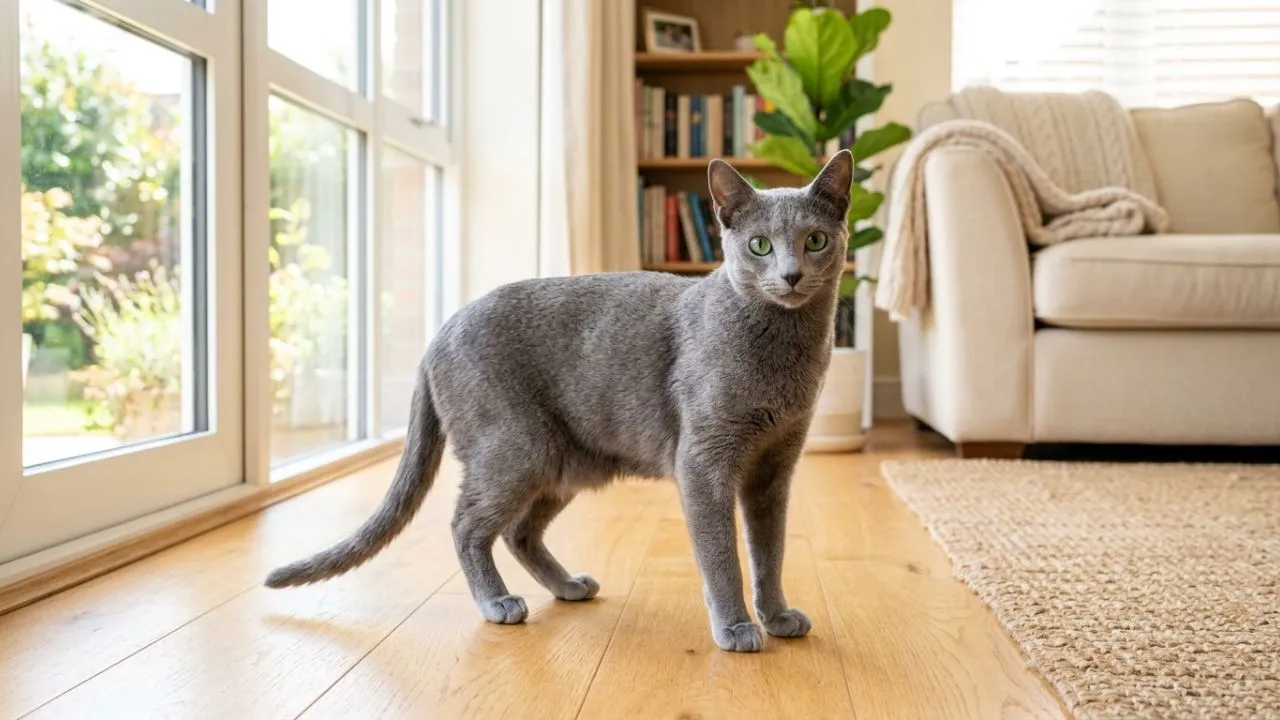
Russian Blues are intelligent cats that can learn quickly, making training easier with patient, positive interactions. Their cleanliness also helps with litter training, while puzzle toys and interactive games can keep their clever minds engaged.
They are often attentive to their surroundings and may enjoy activities that challenge their problem-solving abilities. Short training sessions using treats, praise, and encouragement can help maintain their interest. Their curious nature can also make learning new routines and simple tricks a rewarding experience.
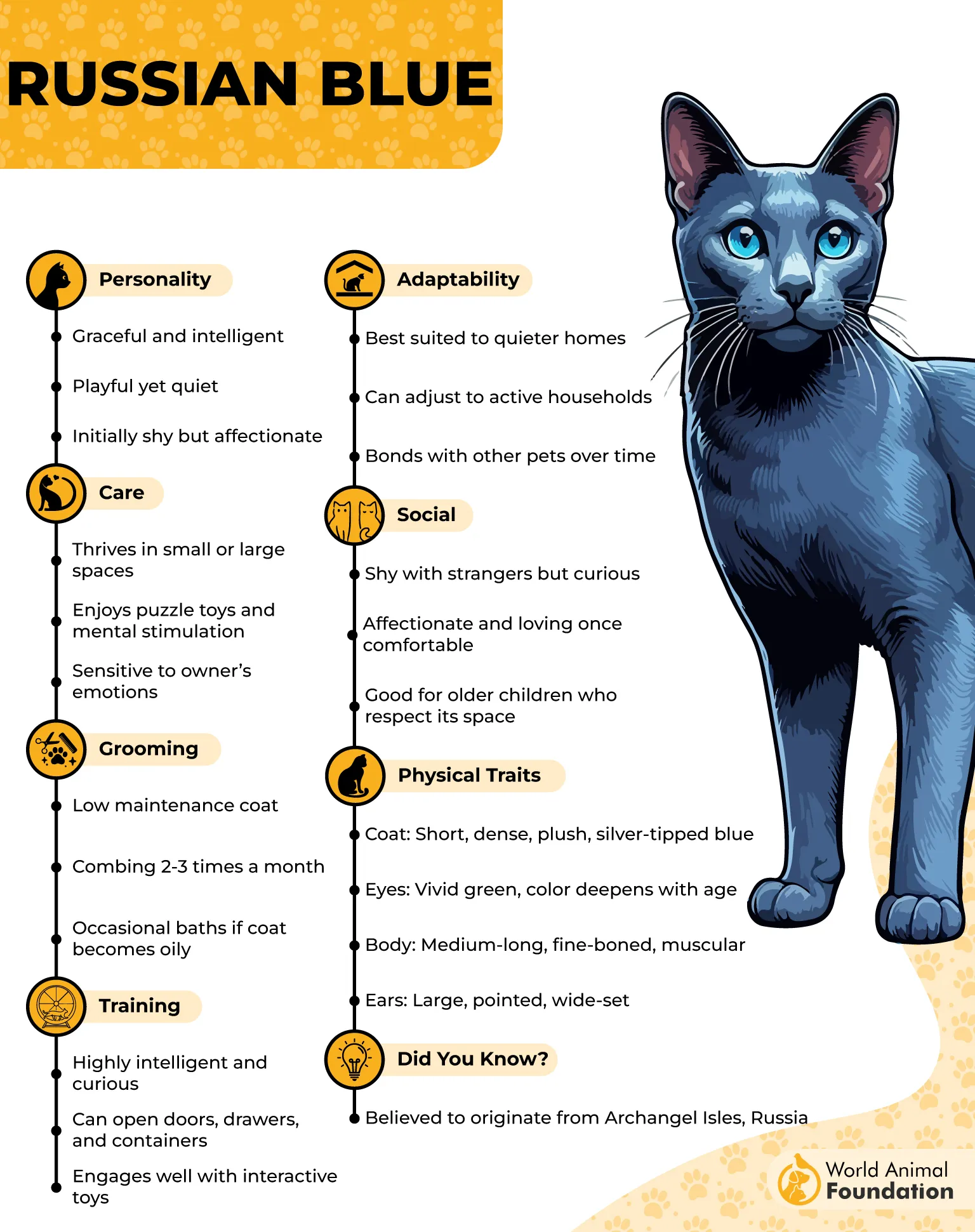
Although often reserved around unfamiliar people, they form strong bonds with their favorite person and become warm companions with family. They are fairly independent but still enjoy playtime and one-on-one attention.
According to Petplan, Russian Blue cats thrive in calm homes with predictable routines, as young children or overly energetic pets may overwhelm them.
How This Breed Stands Out
Quiet, reserved personality: Russian Blues are typically calm and independent, especially around strangers, without constantly demanding attention.
Intelligent, playful nature: Their curious minds enjoy solving challenges, learning routines, and engaging in interactive games.
3. American Shorthair
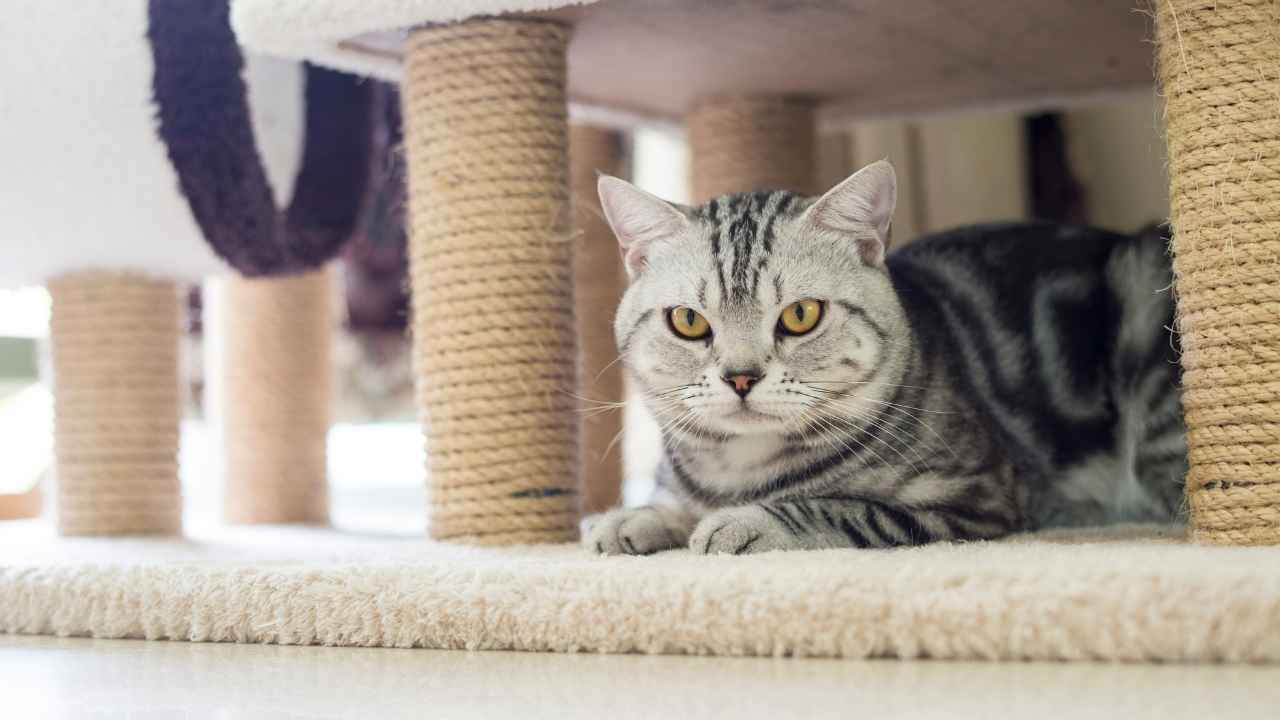
American Shorthairs are calm, adaptable cats that respond well to training cues, treats, and praise. Their easygoing nature can make litter training and teaching simple tricks easier, while their independent side suits busy households. They also enjoy interactive play that provides gentle mental stimulation.
According to Royal Canin, they are sturdy, agile, and energetic cats, admired for their striking and diverse coat colors.
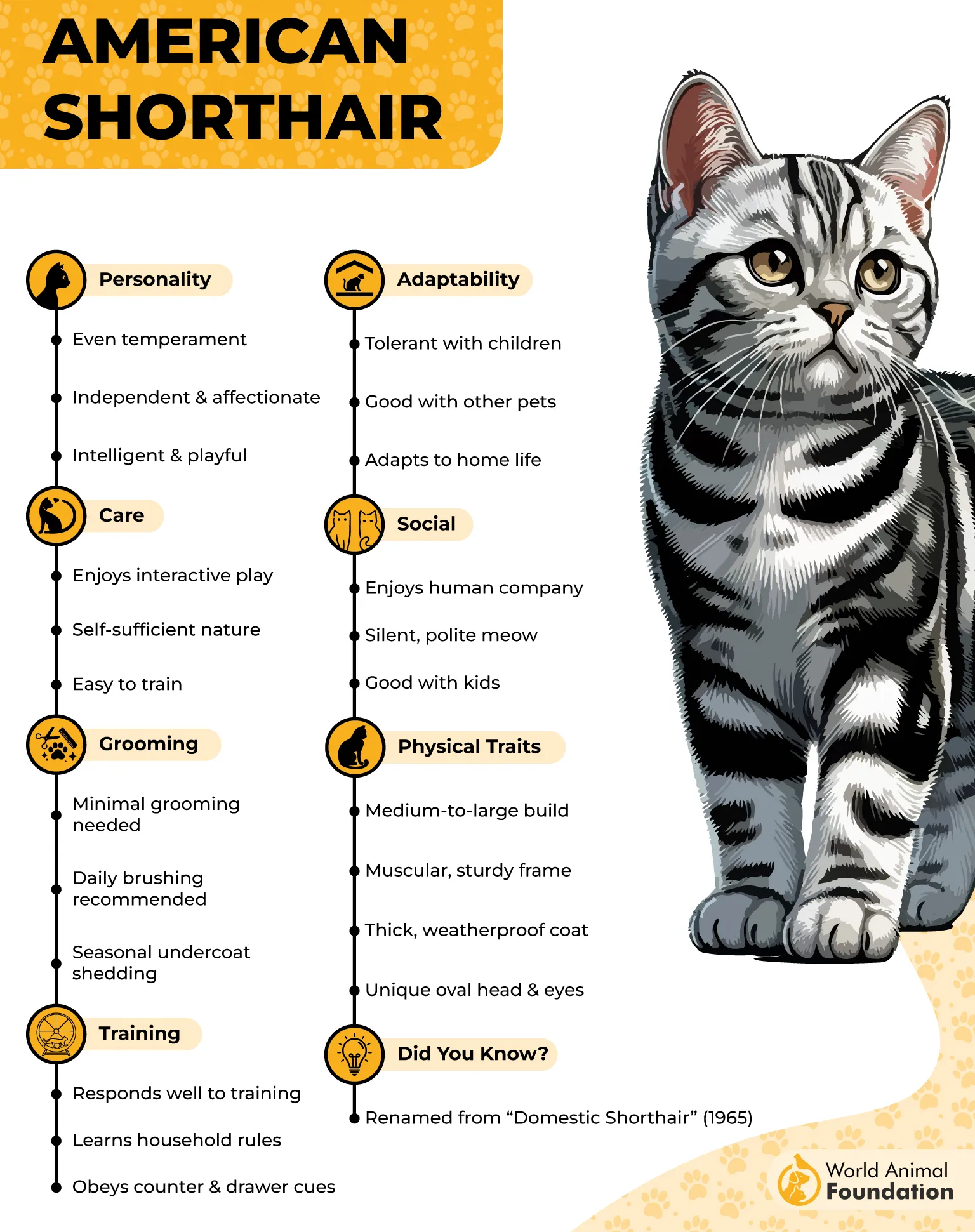
They are playful without needing constant attention and can happily entertain themselves when left alone. Their placid temperament also helps them adjust to different homes while forming affectionate bonds with family members.
How This Breed Stands Out
Hardy, easygoing nature: Their generally robust build and relaxed temperament make them adaptable companions with manageable care needs.
Strong hunting heritage: Originally valued for their hunting skills, they retain an alert, playful nature and enjoy activities that engage their natural instincts.
4. Maine coon
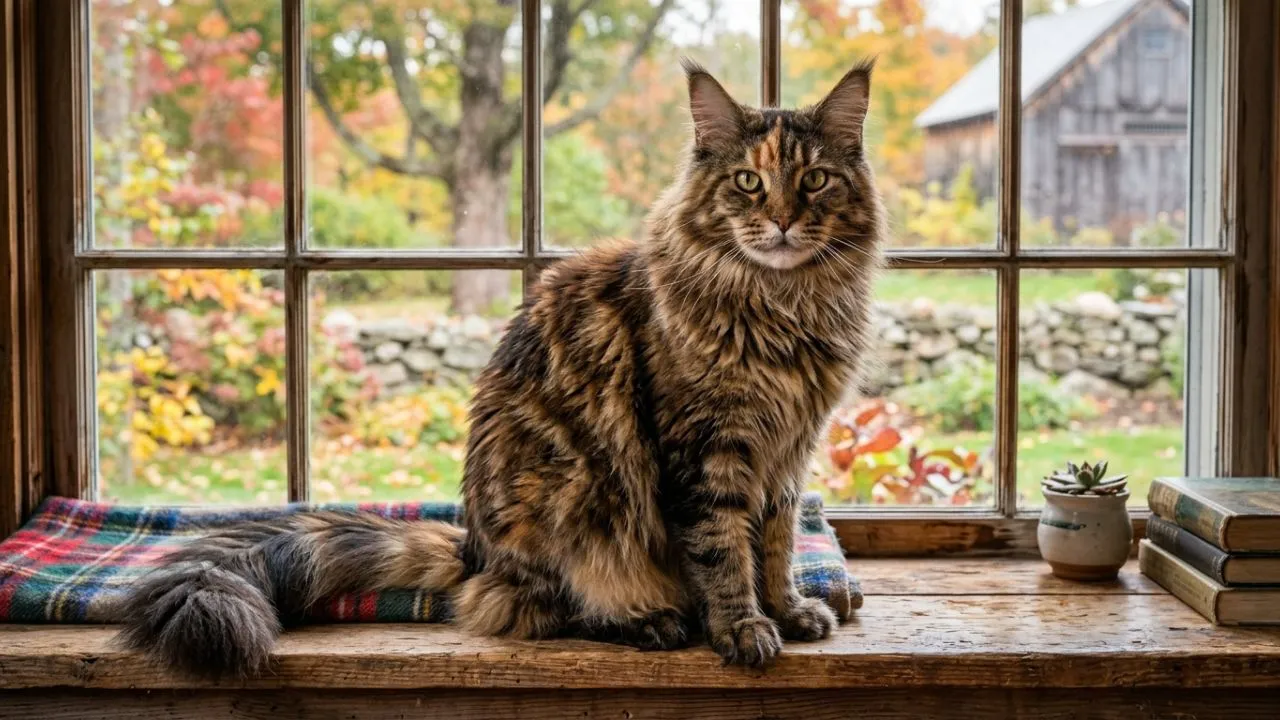
Maine Coons combine impressive size with a gentle, sociable nature and a sharp mind. They can learn tricks such as fetch, come when called, and even leash walking when training uses treats, praise, and regular practice.
Their adaptable personality and interest in interactive play make learning feel more like a shared activity. Despite their large size, these loyal cats can also entertain themselves and are happy relaxing near their family.
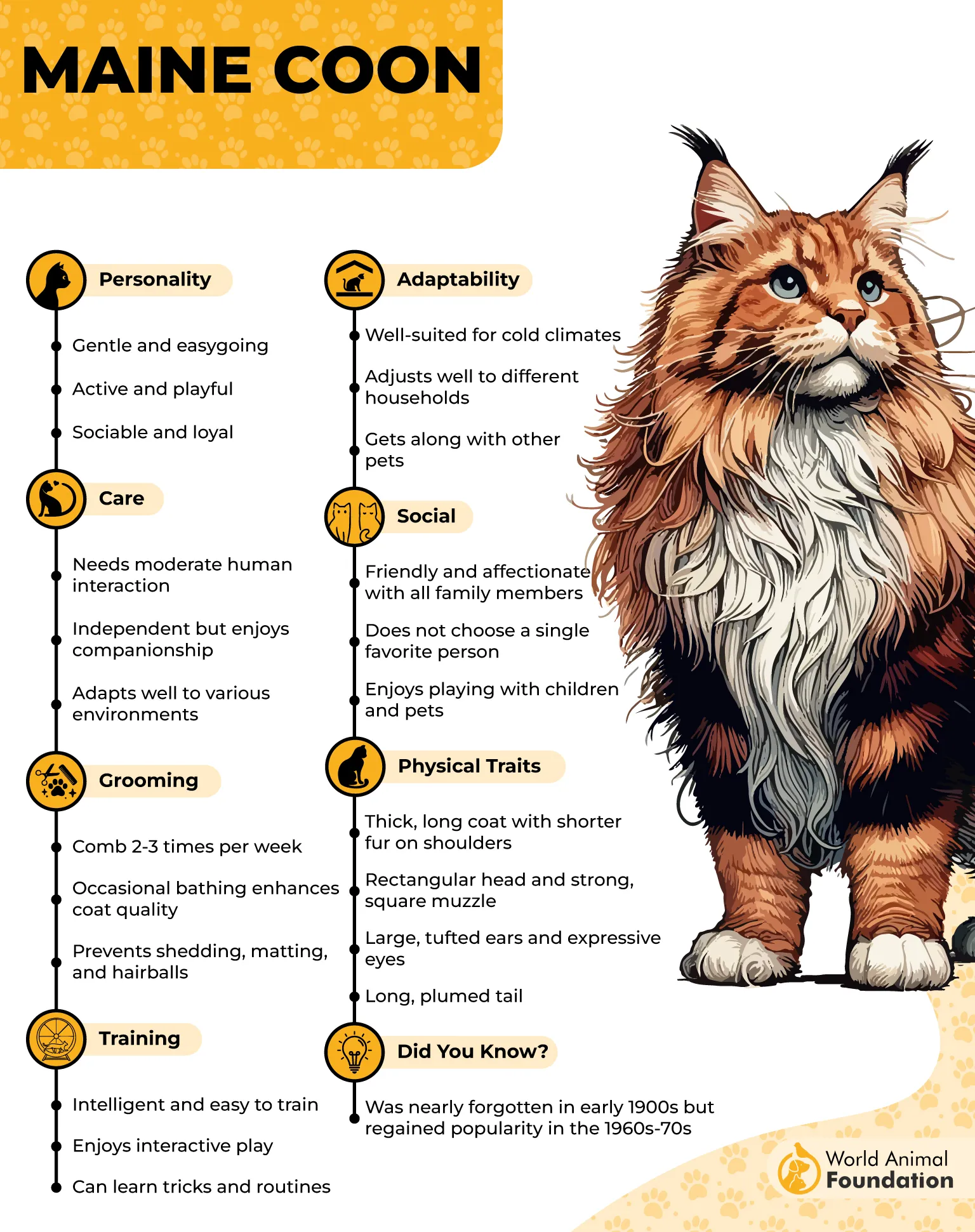
Their relaxed and patient nature helps them stay comfortable during training and one-on-one interaction. Since many Maine Coons respond well to food rewards, use small, tasty treats to encourage desired behaviors. Keep each training session short and engaging to prevent boredom and maintain their attention.
How This Breed Stands Out
Gentle giant personality: Their large build is matched by a sweet, friendly temperament and strong attachment to their people.
Dog-like playfulness: Many enjoy games such as fetch, interactive play, and other engaging activities that help showcase their intelligence.
5. Sphynx
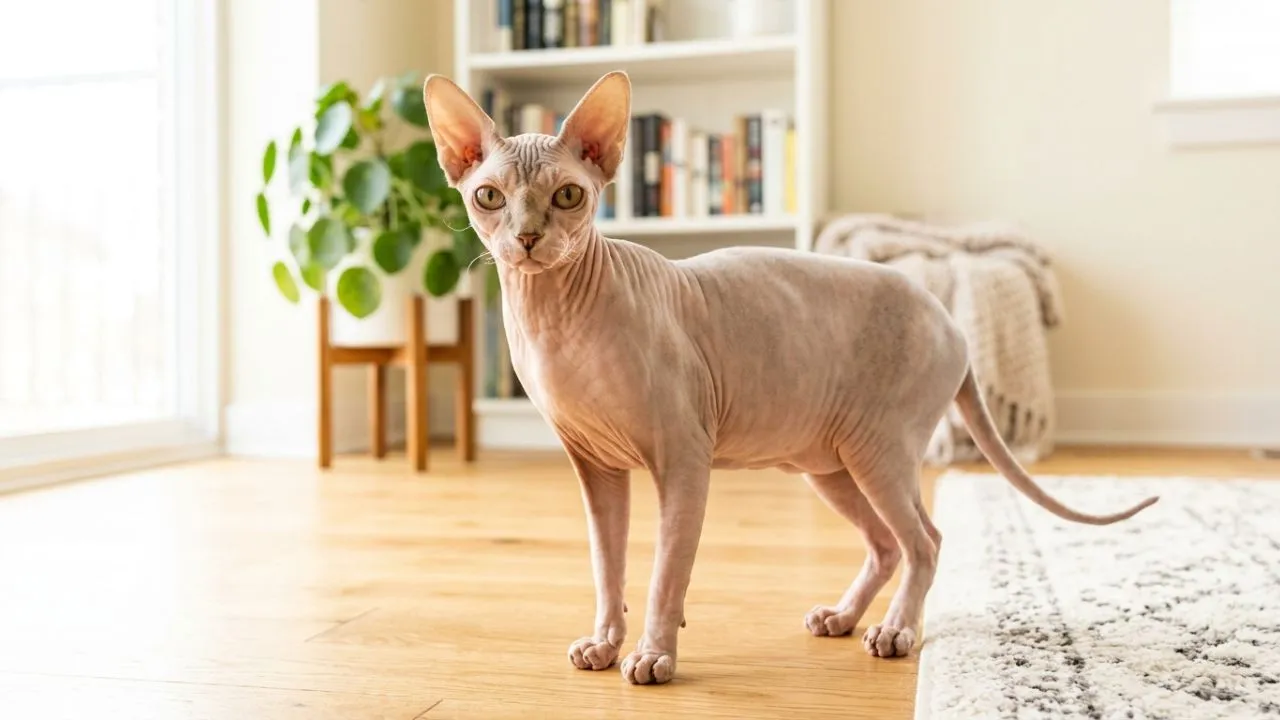
The Sphynx is an intelligent, highly social cat that often enjoys learning tricks and responding to commands. Positive reinforcement with treats and praise can keep training engaging, while its adaptable nature may help it learn in different environments.
Known for its affectionate personality, this breed actively seeks interaction and enjoys joining family activities. Its nearly hairless body feels like soft peach fuzz, but regular bathing and protection from temperature extremes are important parts of its care.
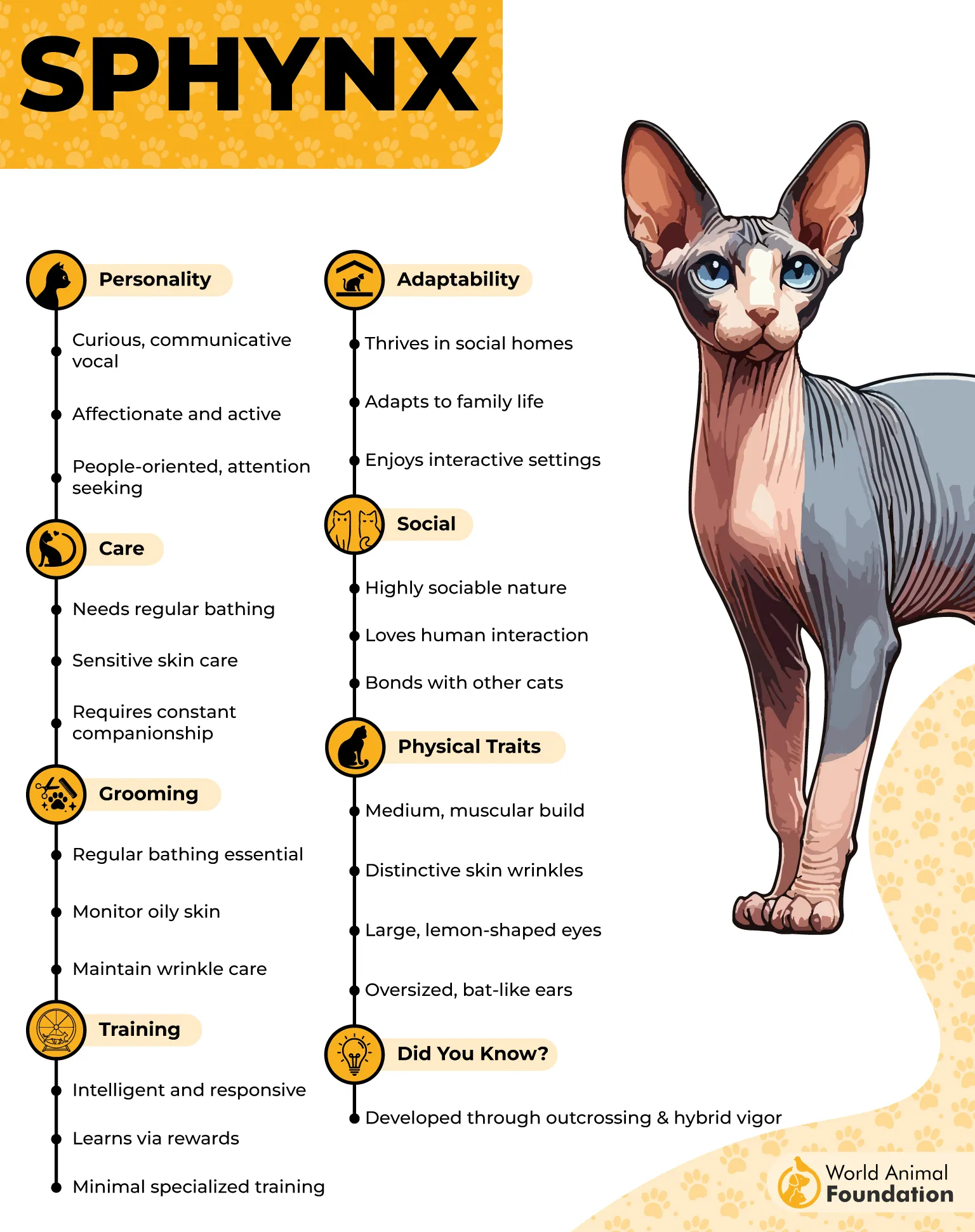
The Sphynx also forms strong bonds with its human family and enjoys plenty of attention. Its curious, playful nature makes interactive toys and activities useful for keeping it mentally stimulated and happy.
How This Breed Stands Out
Hairless appearance: Its distinctive body has little visible fur, giving the Sphynx its instantly recognizable look.
Craves human attention: This affectionate breed thrives on companionship and often enjoys being involved in everyday activities.
6. British Shorthair
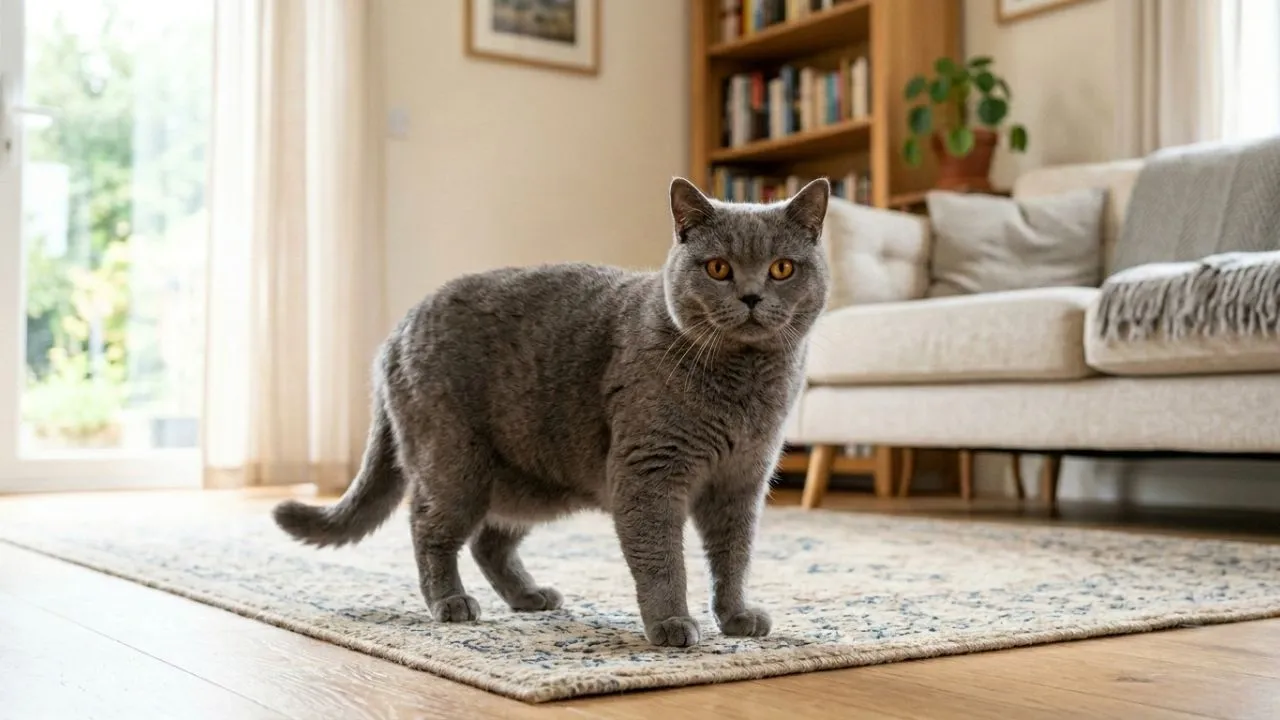
British Shorthairs are calm, easygoing cats that can respond well to training, especially when sessions include treats, praise, and mental stimulation. Their independent nature also means they can happily occupy themselves without needing constant attention.
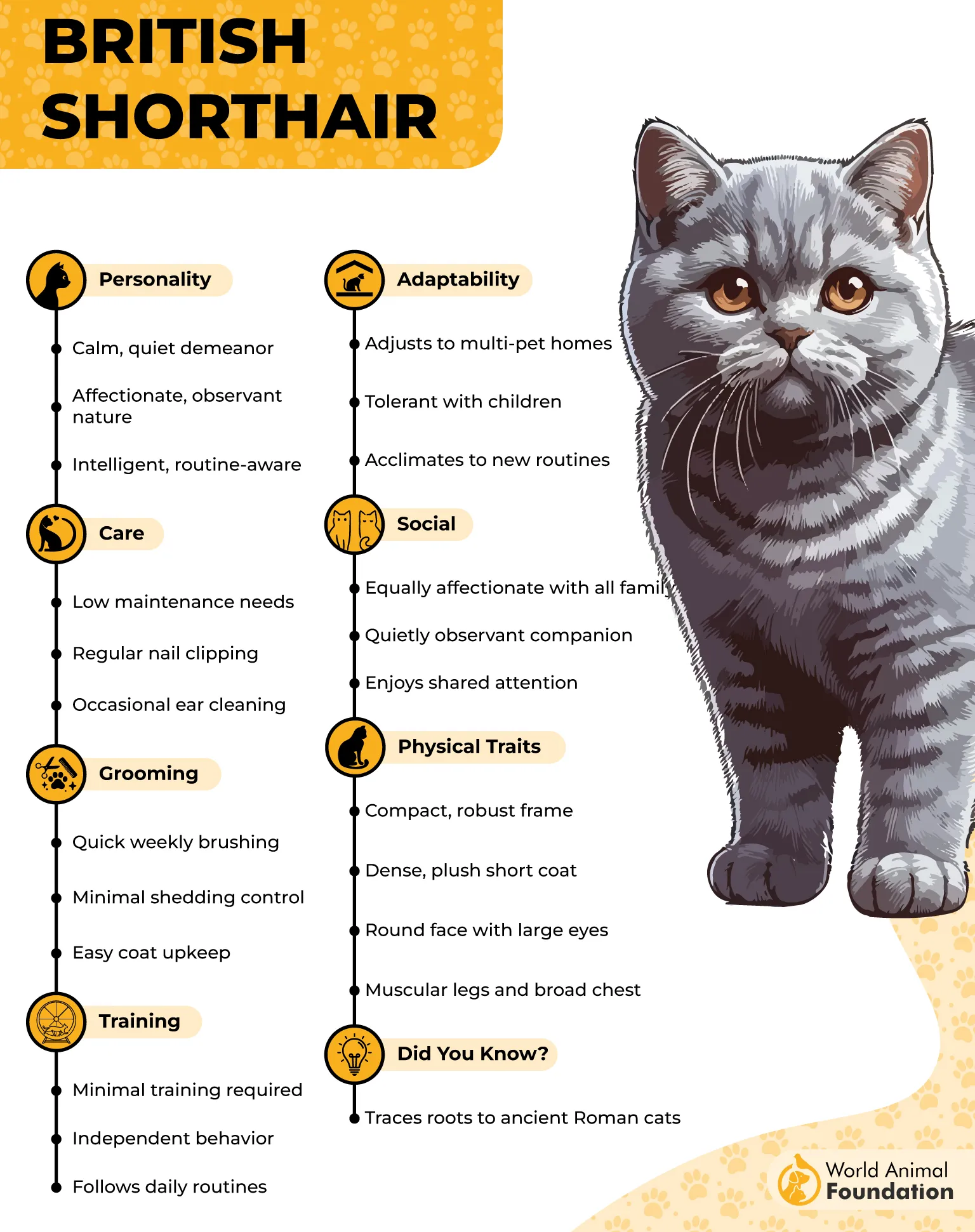
They usually learn household routines quickly, including where to use the litter box and which surfaces are appropriate for scratching. Because British Shorthairs are susceptible to gaining excess weight, use small, low-calorie treats during training and avoid overfeeding.
Their short and dense coat is plush yet fairly simple to maintain, usually requiring regular weekly grooming. Although low-energy, they still enjoy play and training activities that keep their intelligent minds engaged.
How This Breed Stands Out
Independent nature: Comfortable spending time alone while remaining affectionate with family.
Dense, plush coat: A thick, soft coat that needs relatively simple weekly care.
7. Ragdoll
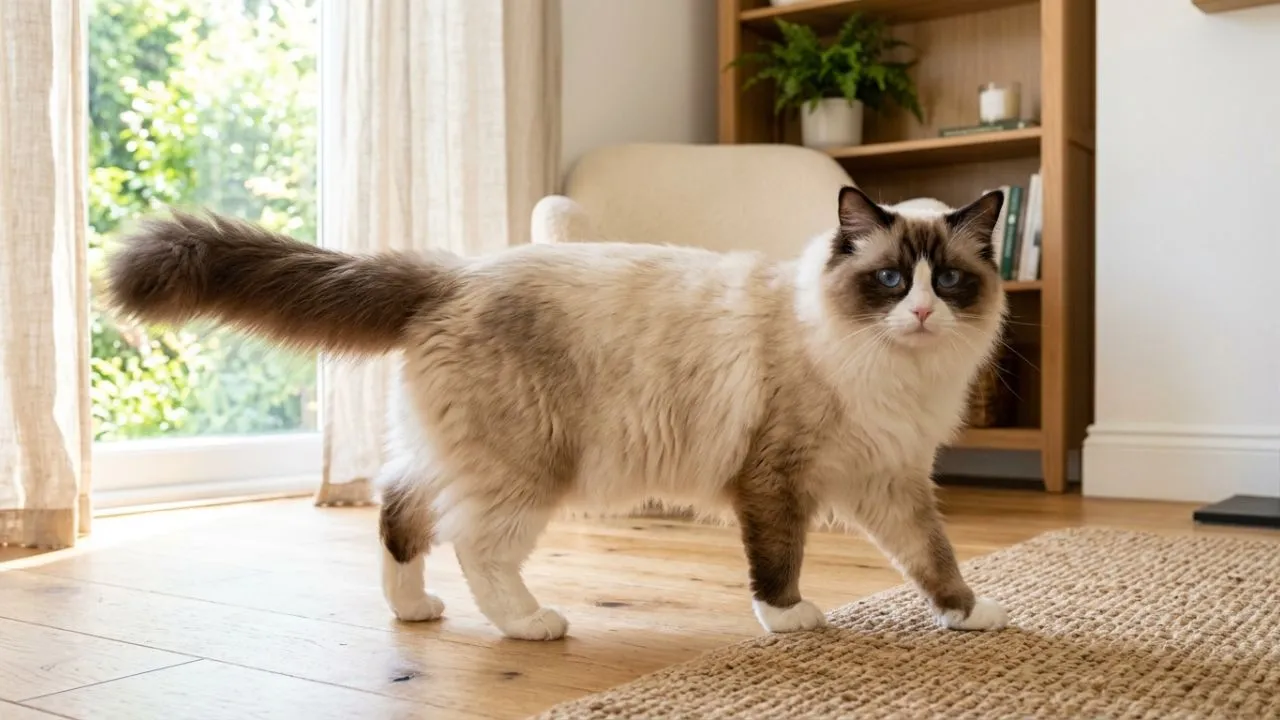
Ragdolls are gentle, relaxed cats that often respond well to positive training with treats and soft praise. Their calm nature can make learning simple commands, such as sit or stay, an enjoyable experience.
Known for their tendency to relax when picked up, they are sociable companions with playful but low-key personalities. Their dense, silky coats need regular grooming to prevent tangles.
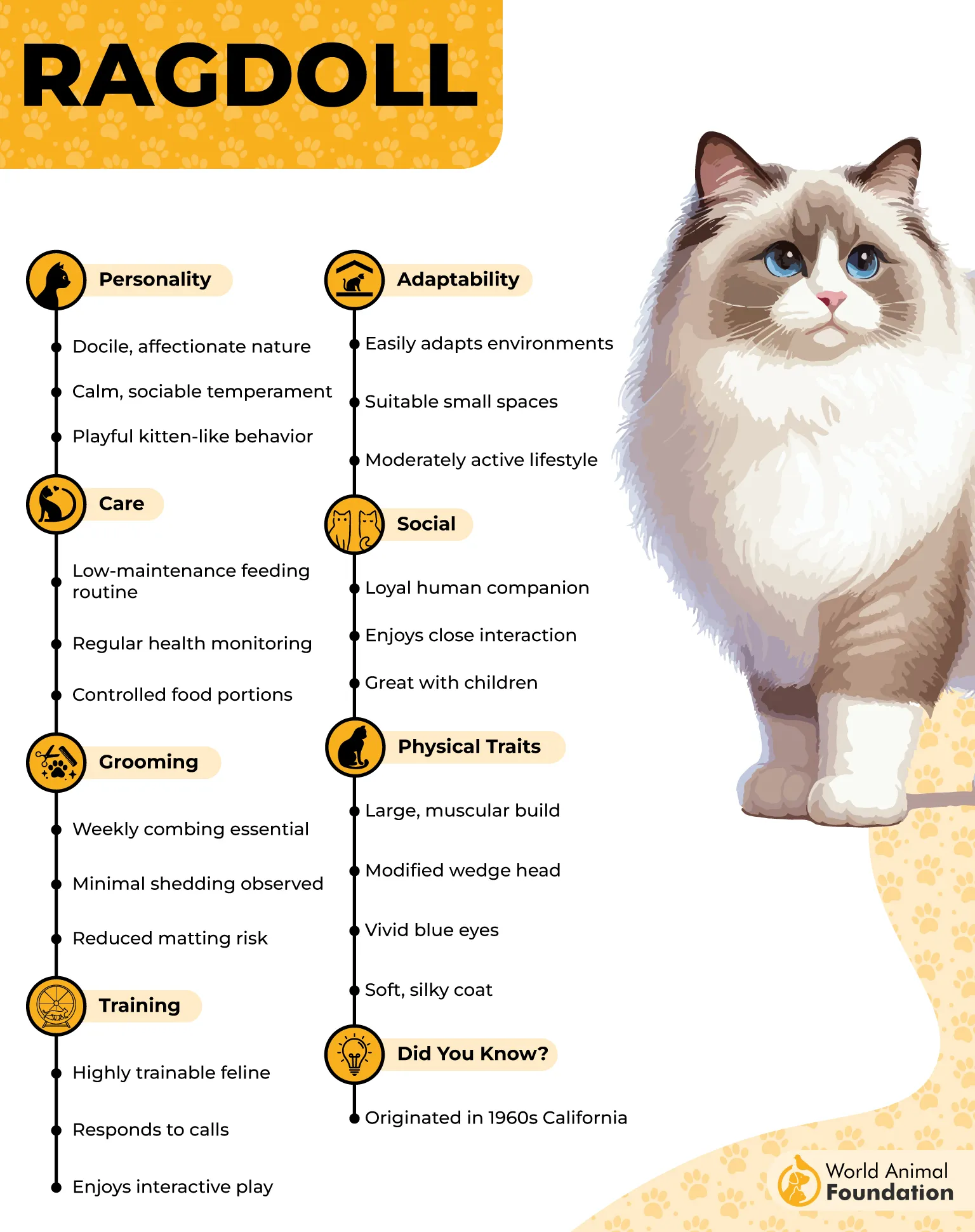
They also tend to form strong bonds with their families and enjoy spending time near their people. Their affectionate and easygoing temperament makes them well-suited to households looking for a friendly cat that enjoys companionship without being overly demanding.
How This Breed Stands Out
Relaxed when held: Often goes limp and comfortable in gentle arms.
Follows family members around: Enjoys staying close and showing puppy-like affection.
Conclusion
Choosing a cat that is easy to train can make life more enjoyable, especially when you use patience, treats, praise, and positive reinforcement. Every cat learns differently, so understanding its personality is important.
They can respond well to training while offering different levels of independence and playfulness. Their strong bonds with family members can also make training a rewarding shared experience.
With consistency and gentle encouragement, these cats can learn useful habits, commands, and fun tricks. Keeping sessions short and engaging can help maintain their attention without making training feel like a chore.
A calm approach is especially helpful, as cats are more likely to respond positively when they feel comfortable and rewarded. Celebrating small improvements can also build confidence and strengthen the bond between you and your cat.
