




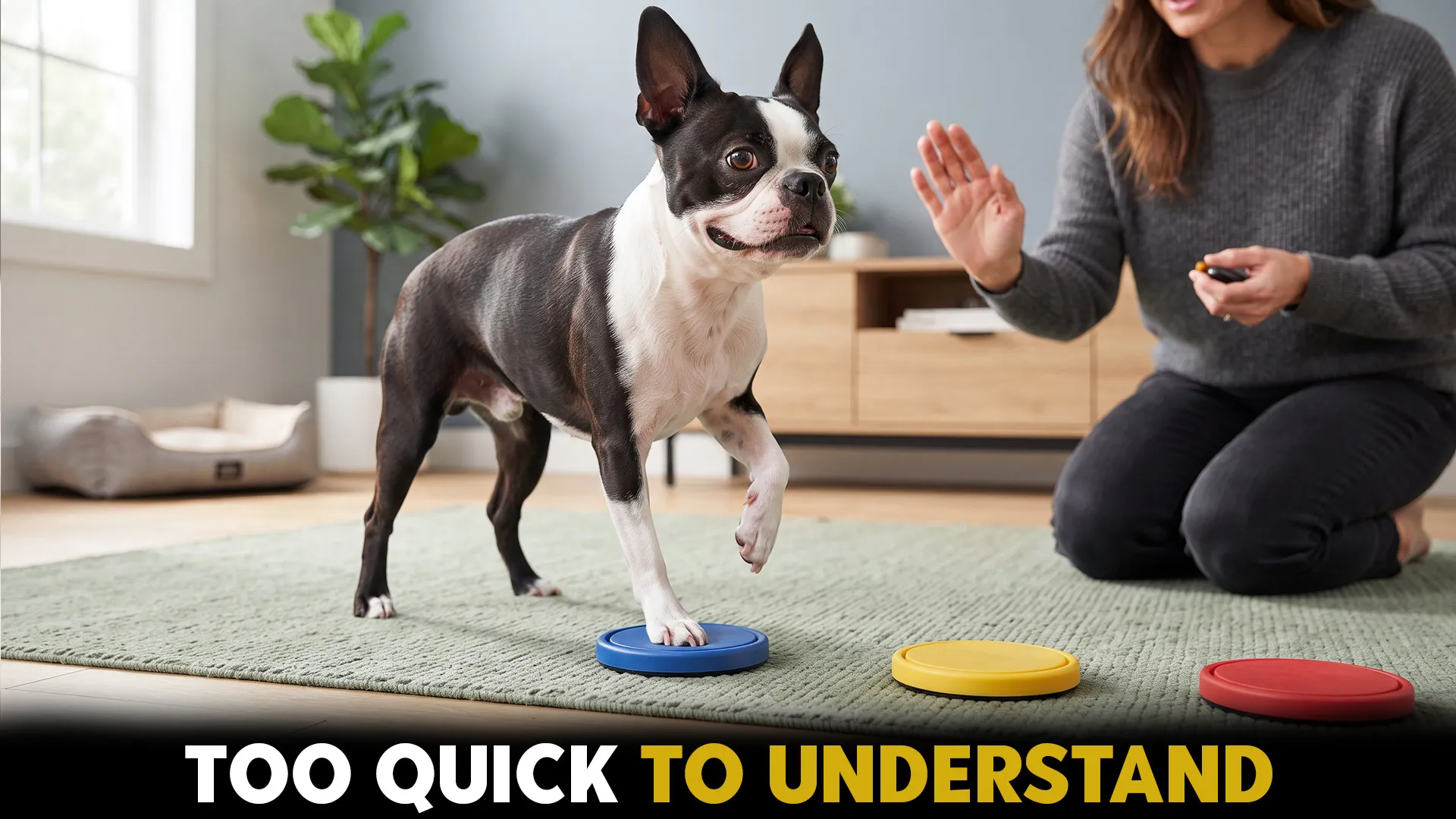
Training a small dog can be an especially rewarding experience when the breed combines intelligence with a willingness to cooperate. Toy and companion dogs may be physically petite, but many are capable learners who can master household manners, basic obedience, tricks, and even advanced activities. Their compact size can also make training practical in homes where outdoor space is limited.
An easy-to-train dog still needs consistency from its owner. Short lessons, positive reinforcement, clear expectations, and regular practice can help behaviors become reliable. Puppies also benefit from early socialization, while adult dogs continue to learn throughout their lives.
Breed tendencies can influence how quickly a dog responds, but individual personality and the owner’s approach remain important.
The nine breeds below come from different backgrounds, and they all bring qualities that can make them responsive to people and enjoyable to teach.
Small Dog Breeds That Are Super Easy to Train
1. Papillon
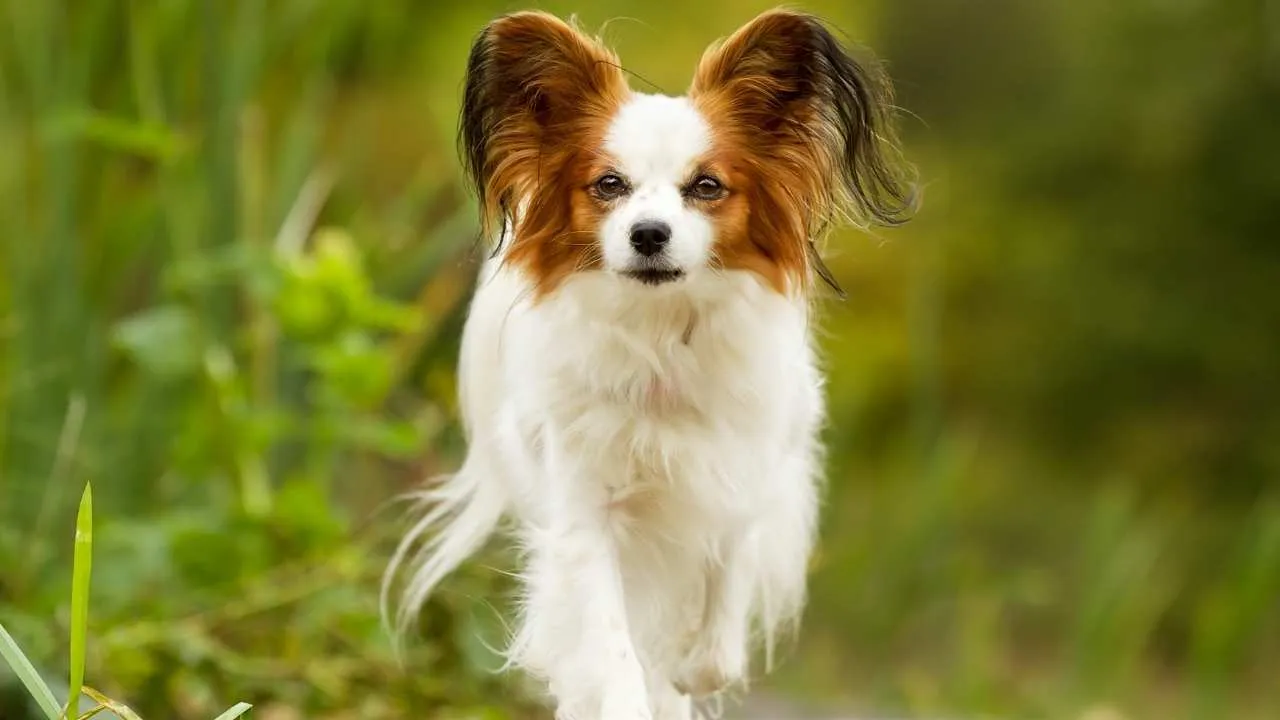
The Papillon is a European toy breed whose ancestors were small continental spaniels kept as companions.
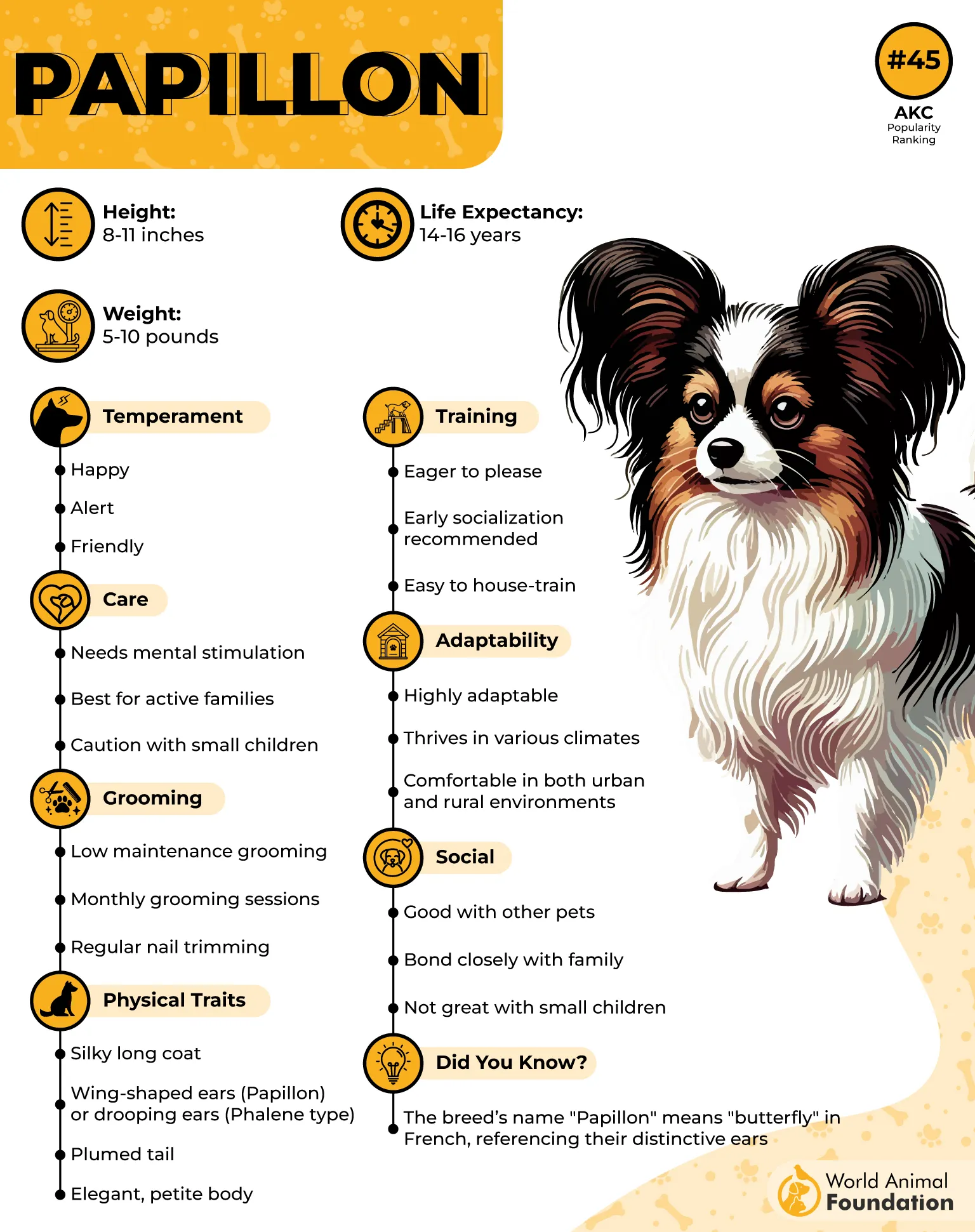
Its name comes from the French word for “butterfly,” referring to the breed’s distinctive upright ears, as per Britannica. Despite its elegant appearance and small frame, the Papillon has long demonstrated considerable ability in activities requiring agility and obedience.
Keep Lessons Short and Engaging
Papillons tend to respond well to positive training that gives them frequent opportunities to succeed. Trick work, basic obedience, interactive games, and agility exercises can provide both mental and physical stimulation. Because they are intelligent and energetic, repetitive lessons can become less interesting if they are not varied.
A Tiny Learner With a Huge Appetite for Skills
Their willingness to participate can make Papillons particularly enjoyable for owners who want to teach more than basic household commands.
Many can become enthusiastic partners in training when communication remains clear and rewarding. Their small size does not prevent them from tackling surprisingly sophisticated behaviors.
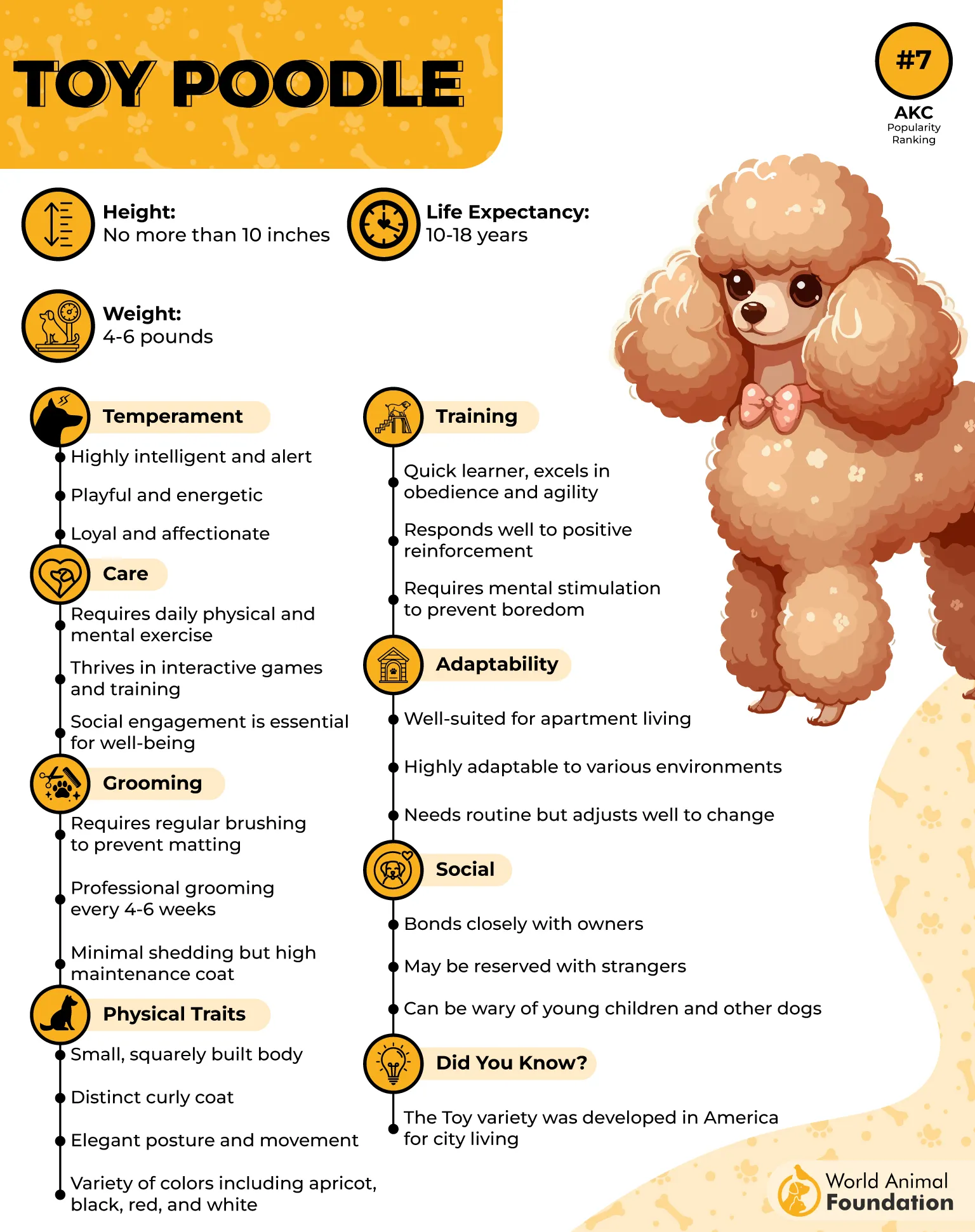
2. Toy Poodle
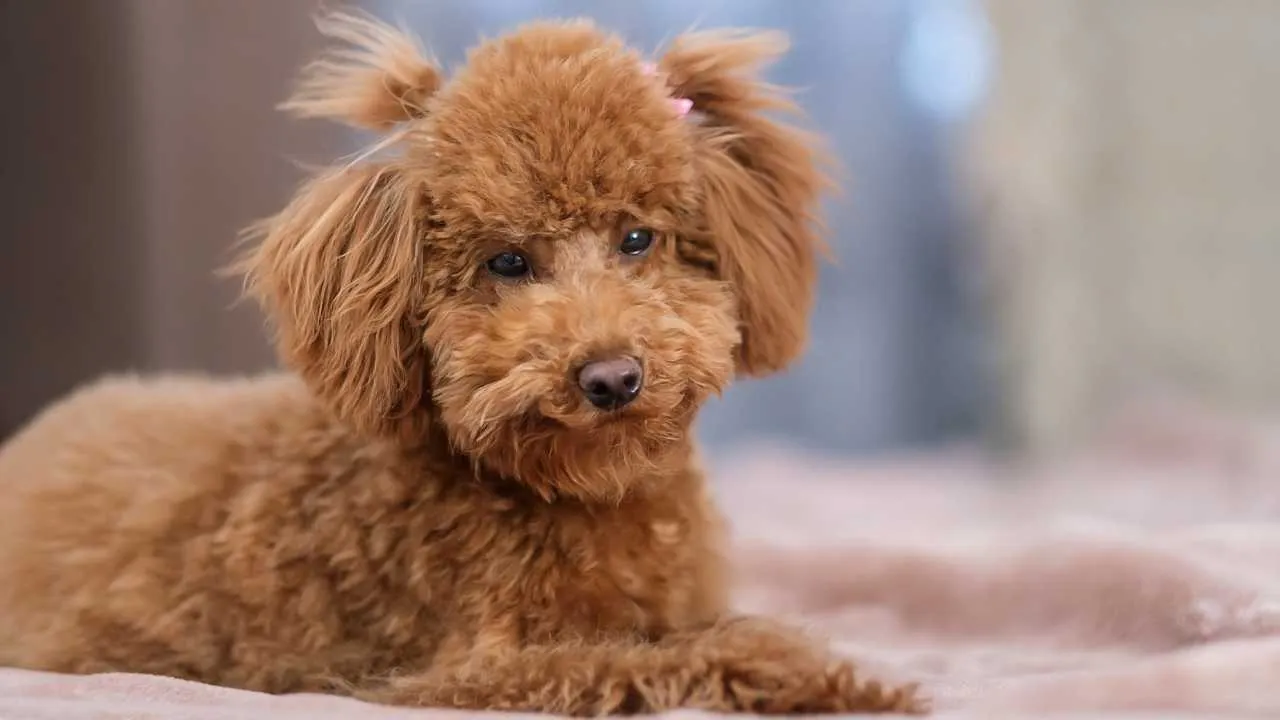
Poodles originated as water-retrieving dogs, with the breed’s early development associated with Germany before it became strongly linked with France.
Selective breeding eventually produced Standard, Miniature, and Toy varieties. Toy Poodles retain the breed’s celebrated intelligence and adaptability within a remarkably compact body.
Turn Their Intelligence Into Daily Practice
Toy Poodles benefit from short obedience sessions, trick training, puzzle toys, scent games, and interactive play. They generally learn quickly when lessons are consistent and rewarding. Mental stimulation is particularly important because an intelligent dog can become bored when its daily routine offers little challenge.
A Quick Study With a Cooperative Streak
Their ability to understand and remember behaviors can make Toy Poodles excellent candidates for first-time training projects and more advanced activities.
They often enjoy working closely with their owners and can turn learning into a form of play. Their eagerness to engage can make progress especially satisfying when training remains positive.
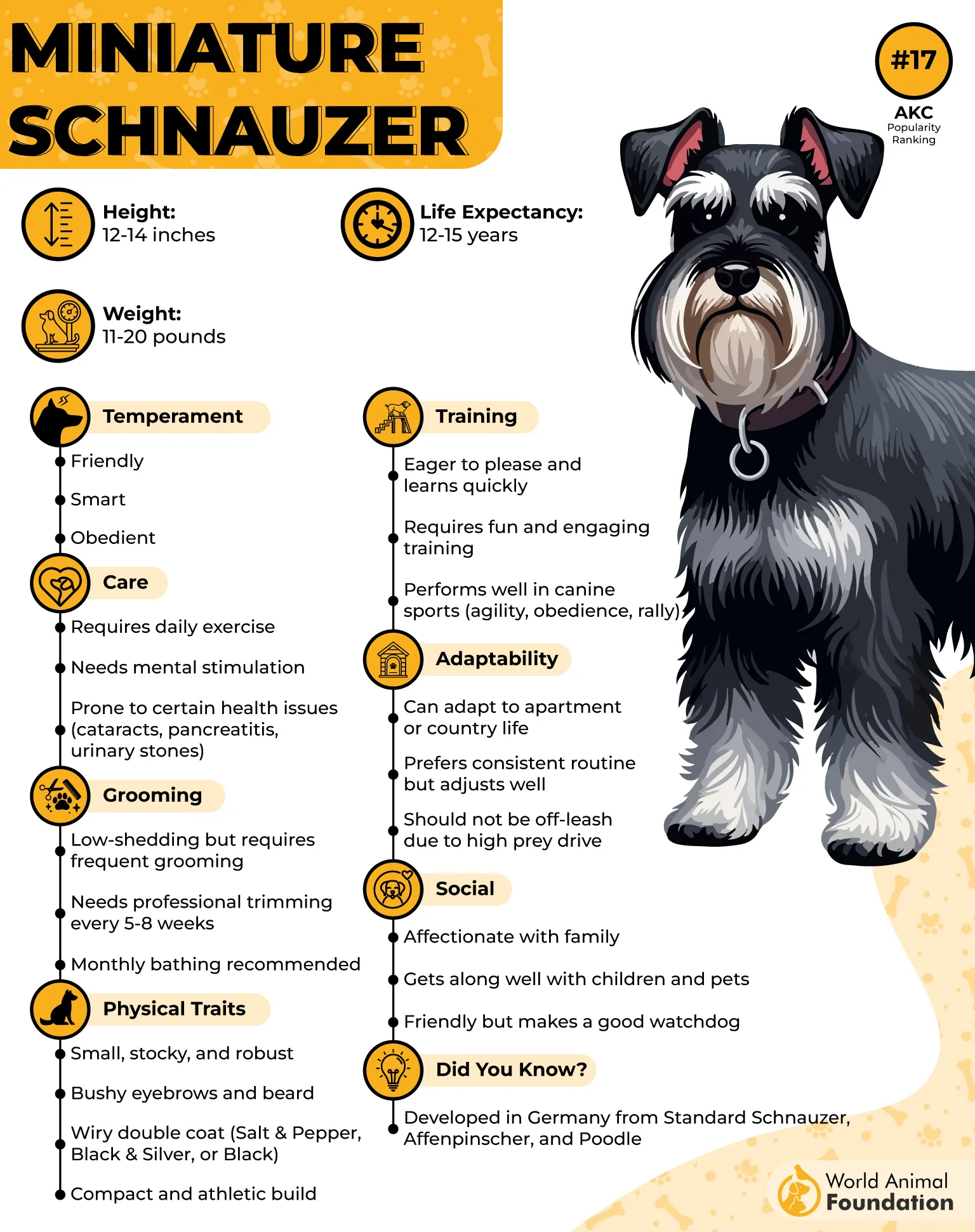
3. Miniature Schnauzer
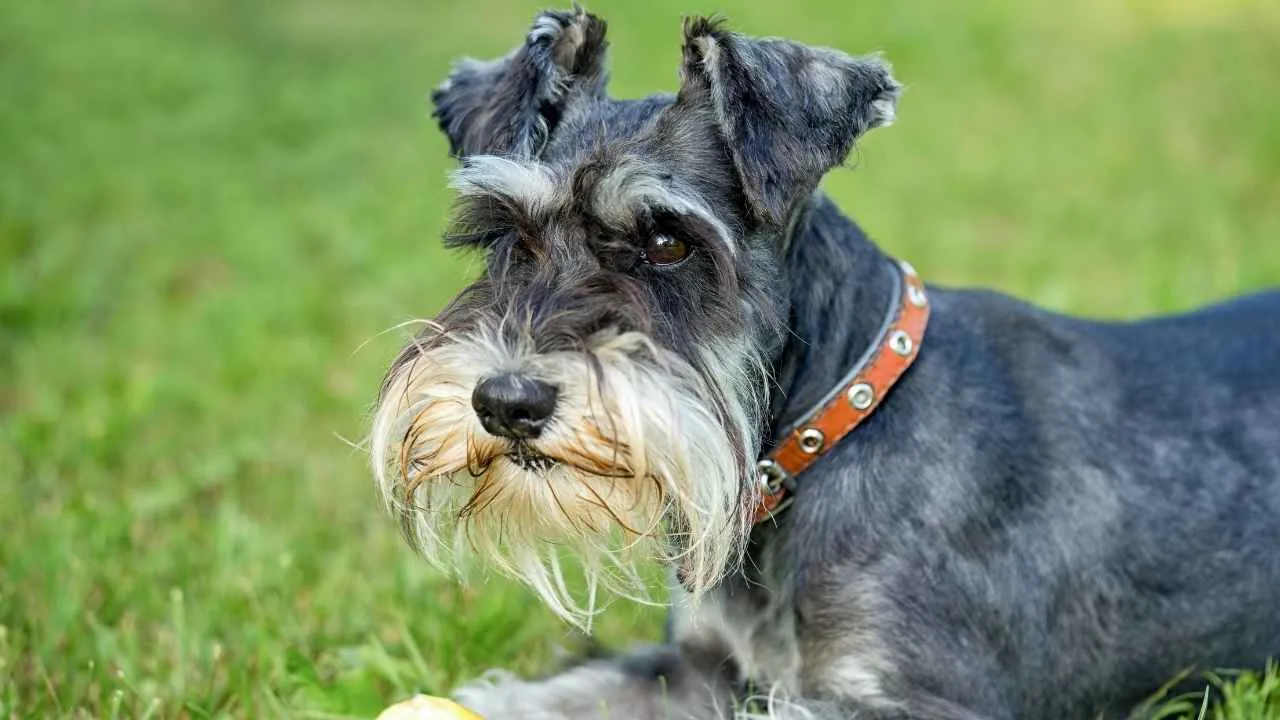
The Miniature Schnauzer was developed in Germany by reducing the size of larger Schnauzer-type working dogs and incorporating other small breeds.
It was originally valued as a farm dog and vermin catcher, as per PetMD. Its working background contributed to the alertness, determination, and intelligence that remain prominent in the breed.
Use Their Working Drive Productively
Miniature Schnauzers benefit from regular walks, scent games, obedience exercises, and interactive activities. Training should be structured but varied because their alert minds appreciate having something meaningful to do. Early lessons in leash manners, recall, and calm behavior can help channel their natural enthusiasm.
A Clever Terrier-Like Student
Their intelligence and attentiveness can make Miniature Schnauzers responsive learners, particularly when training is presented as an engaging challenge.
They may have an independent streak, so owners should remain patient and consistent rather than relying on repeated commands. Their willingness to participate can make learning a lively part of everyday life.
4. Havanese
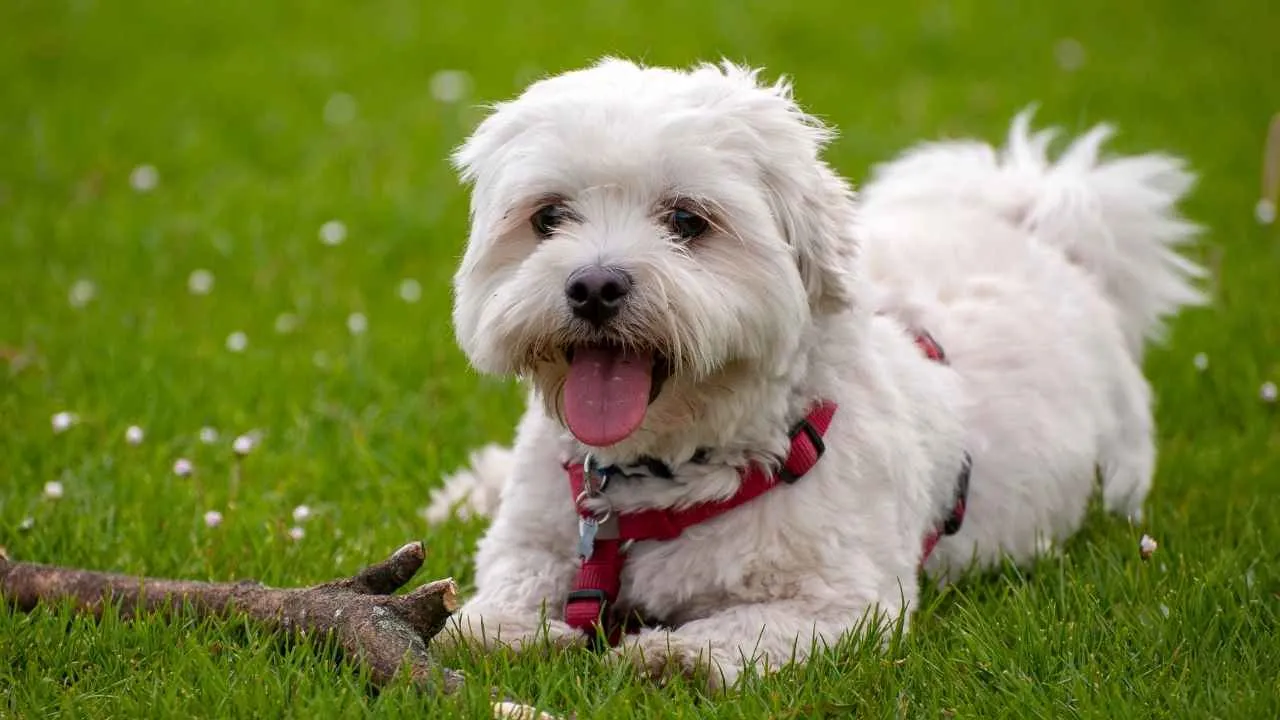
The Havanese developed in Cuba and became a favored companion among wealthy households, as per WebMD.
Its ancestors were small companion dogs brought to the island from Europe, where generations of selective breeding produced the breed’s distinctive coat and sociable character. The Havanese eventually became recognized as Cuba’s national dog.
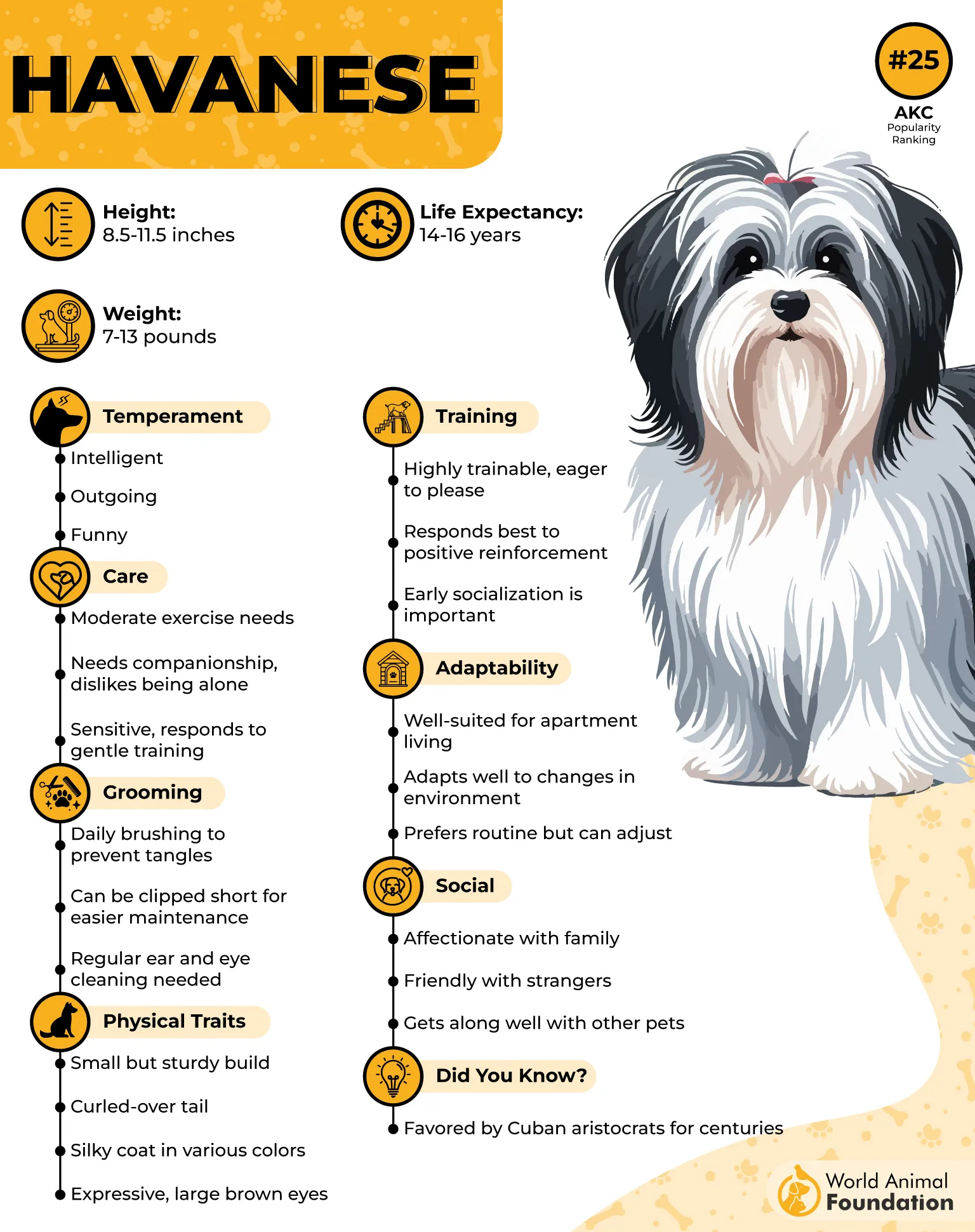
Teach Through Interaction and Encouragement
Havanese generally respond well to training that incorporates praise, rewards, play, and close interaction with their owners. Short lessons can cover household manners, basic commands, tricks, and leash behavior. Their people-oriented nature can make training feel like shared time rather than a formal task.
A Willing Student Who Enjoys Approval
Havanese often enjoy making their owners happy and participating in family activities. Their cheerful personality can make them particularly receptive to training when lessons remain upbeat.
They may also enjoy learning entertaining tricks, allowing owners to turn their natural playfulness into productive behavior.
5. Boston Terrier
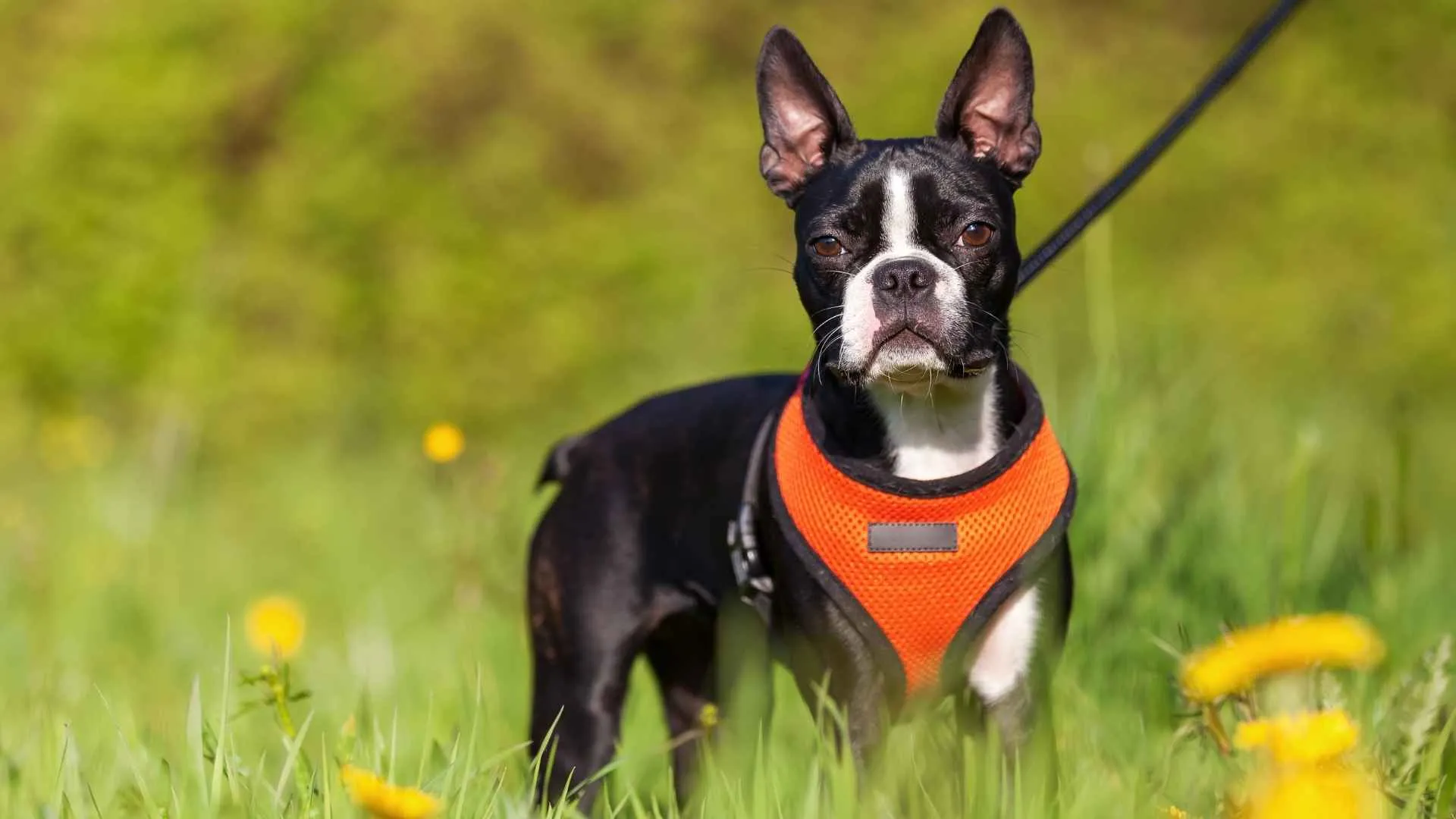
The Boston Terrier originated in the United States, developing in Boston during the nineteenth century from combinations of bulldog and terrier-type dogs.
The breed was eventually refined into a compact companion known for its distinctive markings and lively personality. Its history moved from early sporting roots toward a role centered primarily on companionship.
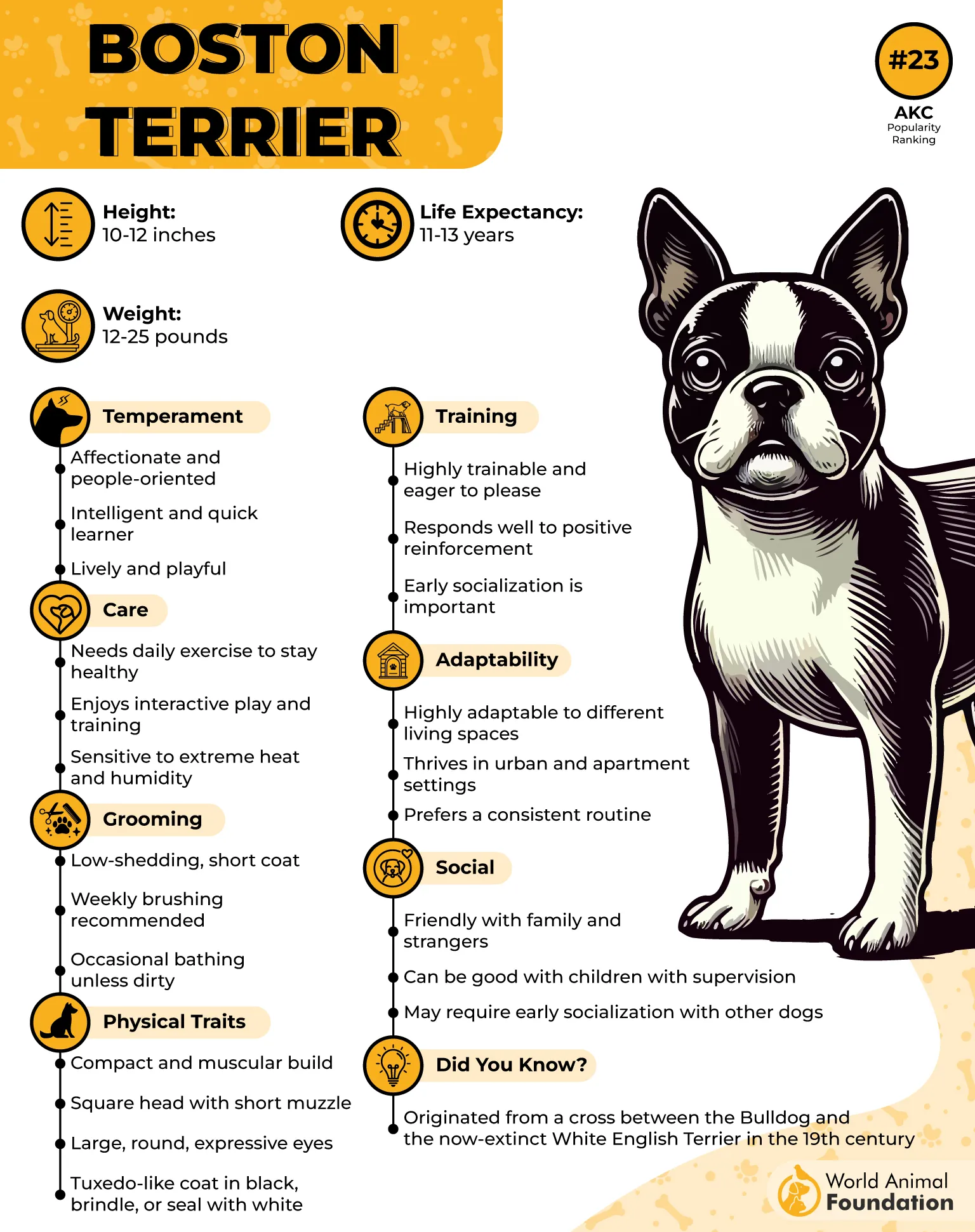
Make Training Energetic but Manageable
Boston Terriers benefit from daily walks, play sessions, and short obedience lessons. Their compact build makes indoor games practical, while interactive toys can provide additional mental stimulation. Training should remain varied because their playful nature can make repetitive exercises less appealing.
A Cheerful Partner for Everyday Learning
Boston Terriers can be affectionate, lively, and responsive to their owners. Their desire to participate in family activities can help turn training into an enjoyable routine.
They may occasionally test boundaries, but patient reinforcement can encourage reliable behavior without making lessons unnecessarily demanding.
6. Coton de Tulear

The Coton de Tulear originated in Madagascar and takes its name from the port city of Tulear, now known as Toliara.
It developed primarily as a companion dog and became associated with Madagascar’s ruling and wealthy families. Its soft, cotton-like coat and people-oriented nature remain among its defining characteristics.
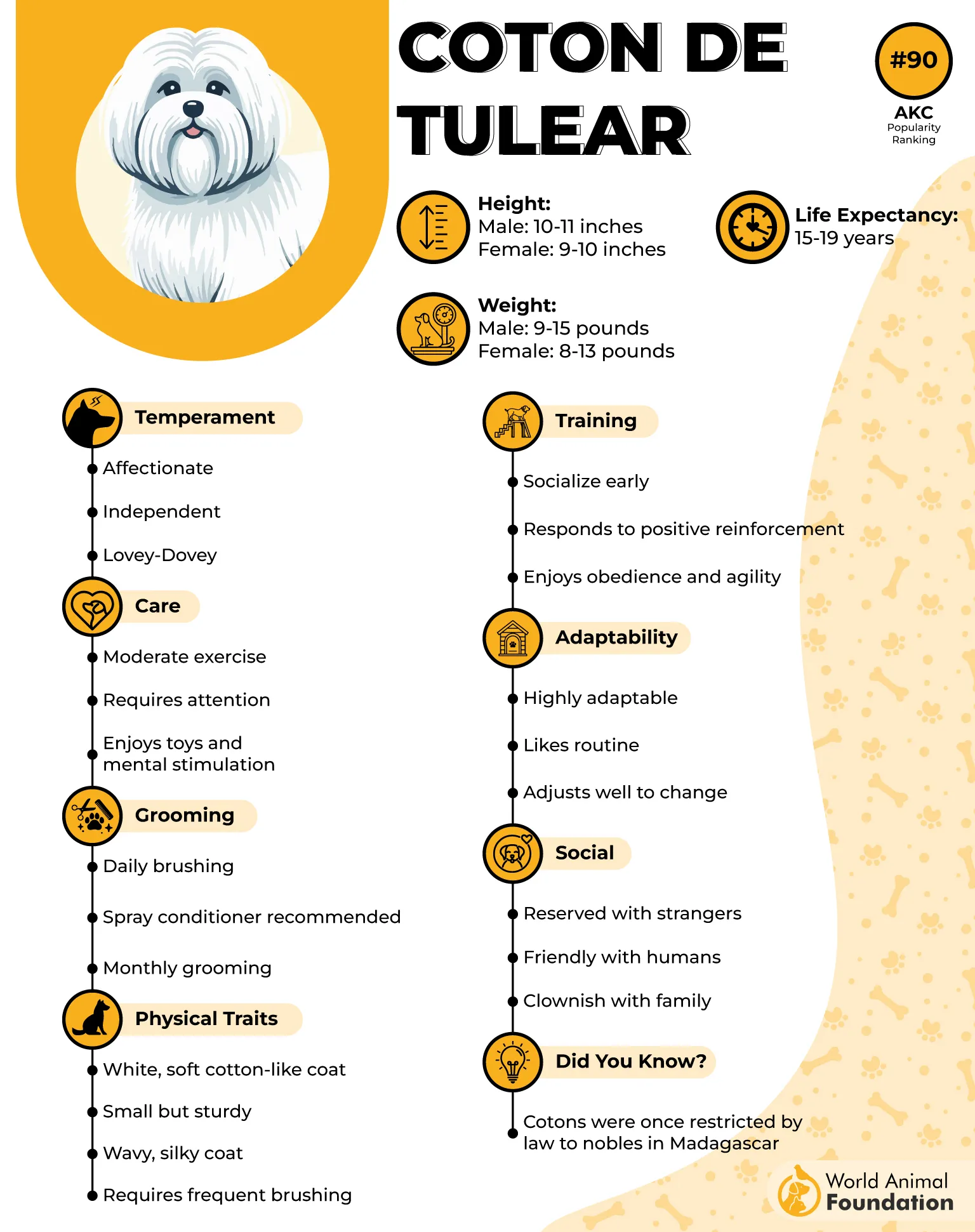
Make Learning a Social Experience
Coton dogs can benefit from short, cheerful training sessions combined with games and everyday interaction, as per PDSA.
Basic obedience, tricks, leash skills, and household routines can be introduced gradually. Keeping lessons positive can help maintain their interest while strengthening the bond between dog and owner.
A Bright Companion That Likes to Participate
Their affectionate and playful nature can make Cotons willing partners during training. They often enjoy receiving attention from their owners and may approach new activities with curiosity. This combination of sociability and intelligence can make teaching new behaviors feel natural rather than forced.
7. Cavalier King Charles Spaniel
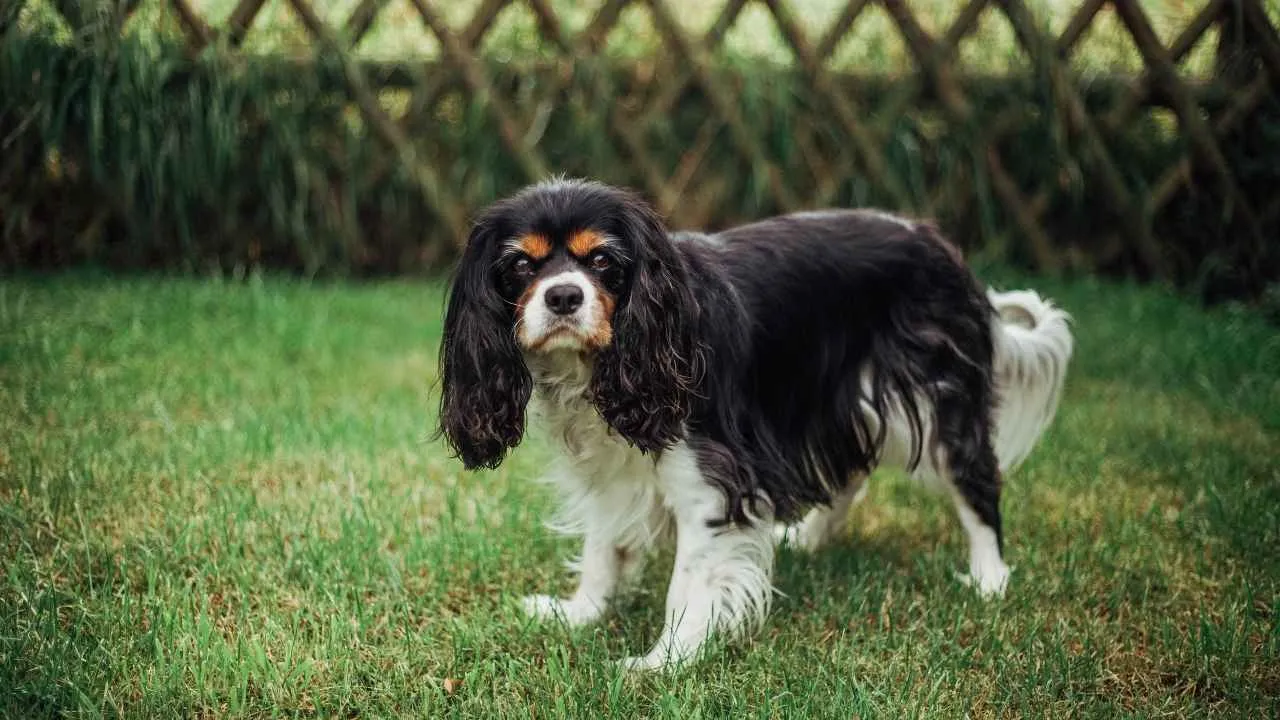
The Cavalier King Charles Spaniel developed in Britain from small spaniels historically kept as companion dogs.
Similar dogs appeared in artwork associated with European aristocracy, while later breeding programs established the modern Cavalier. This loyal breed’s history has remained closely connected with life alongside people.
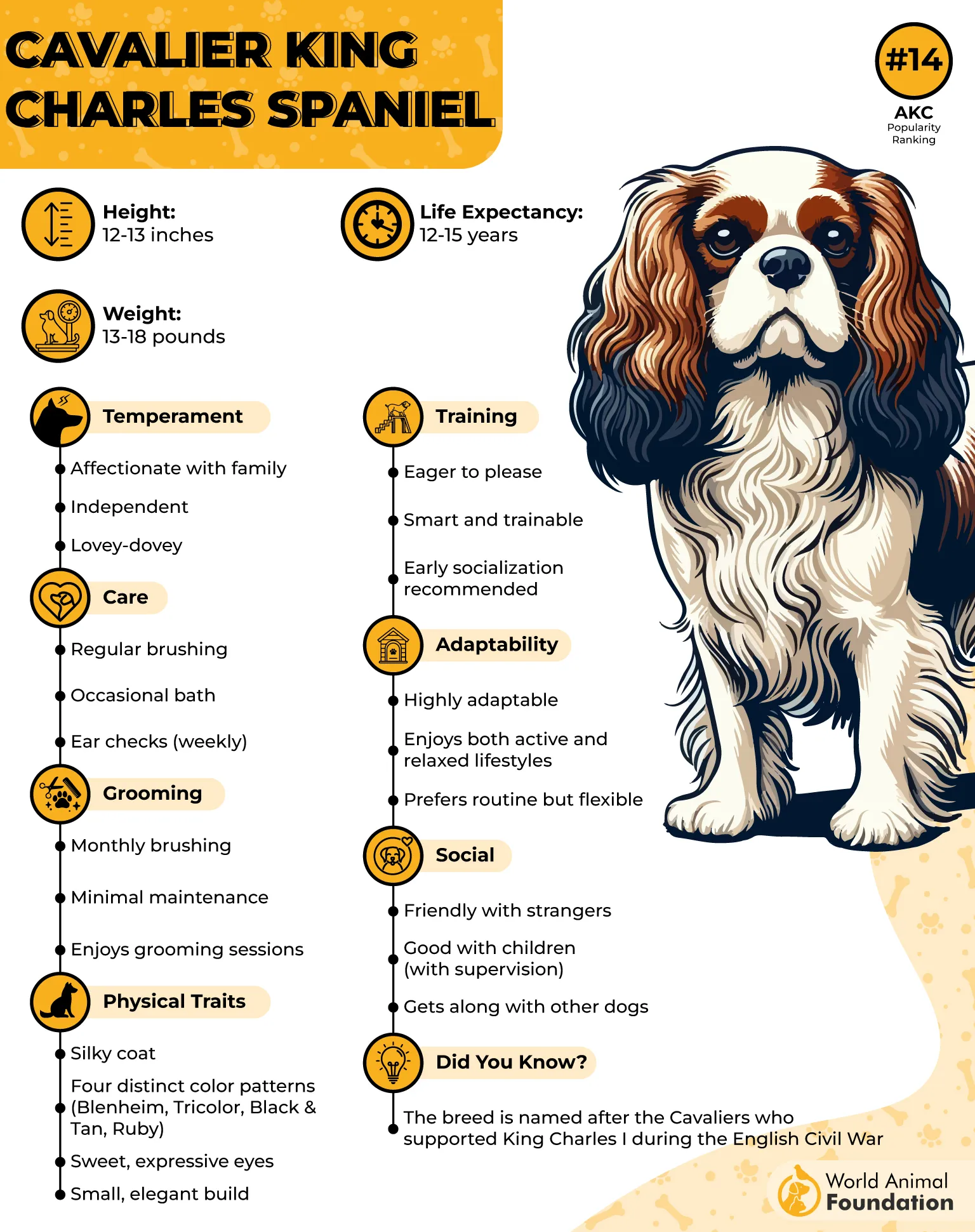
Reward Cooperation With Gentle Guidance
Cavaliers generally respond well to positive reinforcement and short training sessions. Basic obedience, leash manners, tricks, and household routines can be taught through repetition paired with rewards. Their sensitivity means calm instruction is usually preferable to harsh corrections.
An Eager-to-Please Companion
Cavaliers often enjoy interacting with their owners and can be motivated by praise, affection, and treats. Their gentle nature may make them approachable training partners for people who prefer a cooperative dog. They can also enjoy learning tricks, giving owners opportunities to combine mental stimulation with companionship.
8. Bichon Frise
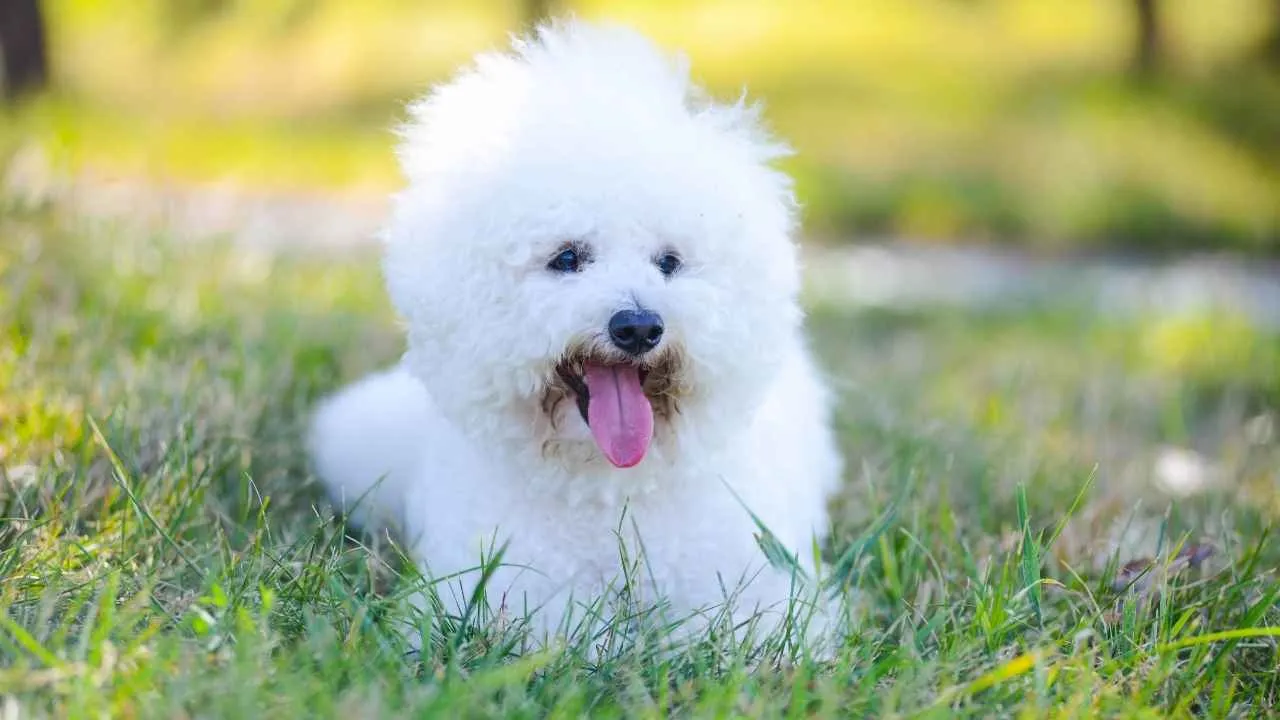
The Bichon Frise has Mediterranean roots and belongs to a group of small companion dogs that became popular in European households.
Its ancestors traveled with sailors and eventually became fashionable among aristocratic families. Over time, its role shifted firmly toward companionship, while its cheerful personality became one of its defining features.
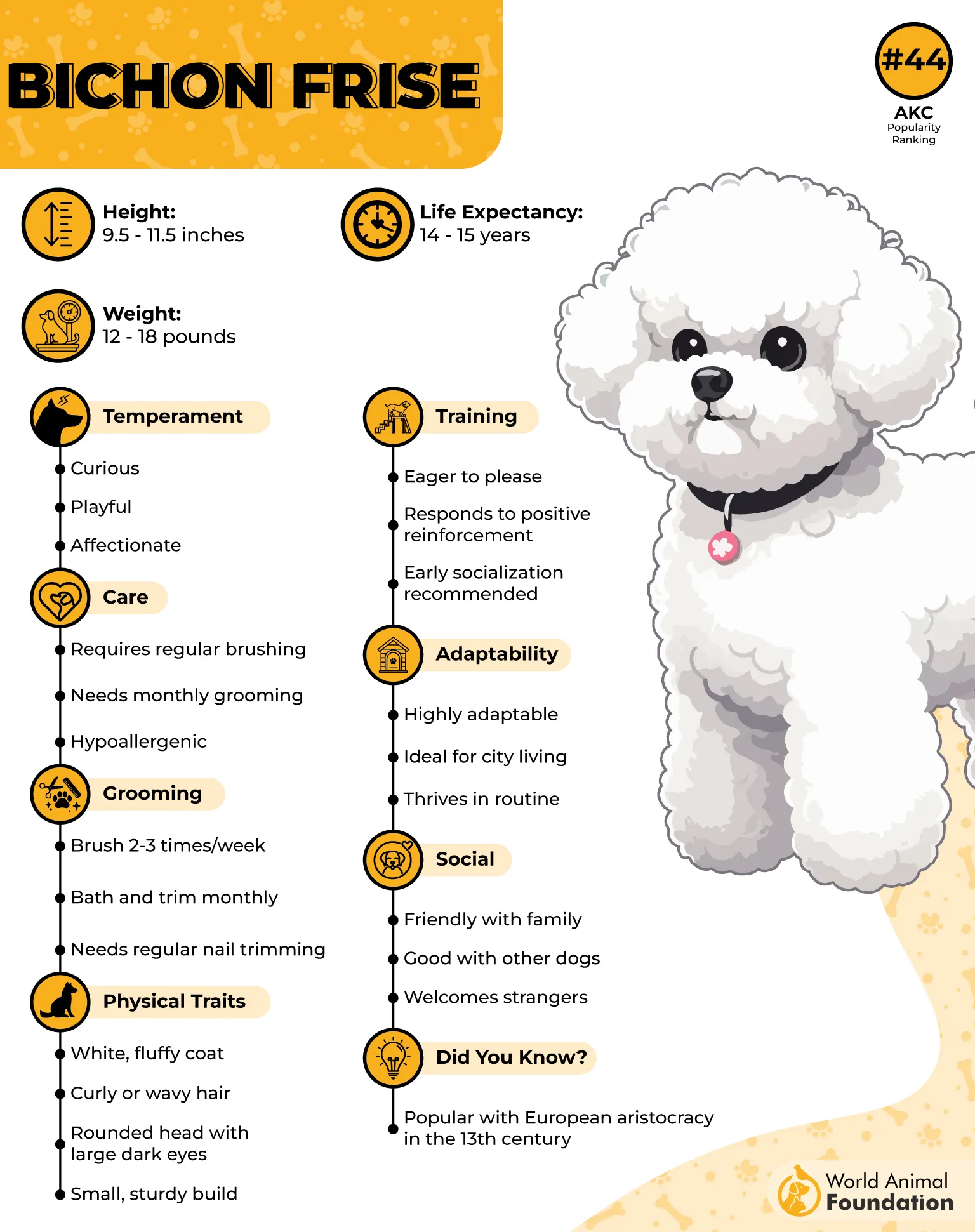
Turn Play Into a Training Tool
Bichon Frises can benefit from brief obedience lessons, interactive games, and trick training. Their intelligence makes them capable learners, while play and rewards can keep them interested in new behaviors. Consistency is important for reinforcing household rules and preventing confusion.
A Happy Learner Who Loves Attention
Their cheerful and people-oriented nature can make Bichons responsive when training becomes an enjoyable social activity. They often appreciate praise and interaction, which can provide useful motivation during lessons. Their upbeat temperament can make even simple obedience work feel like a game.
9. Schipperke
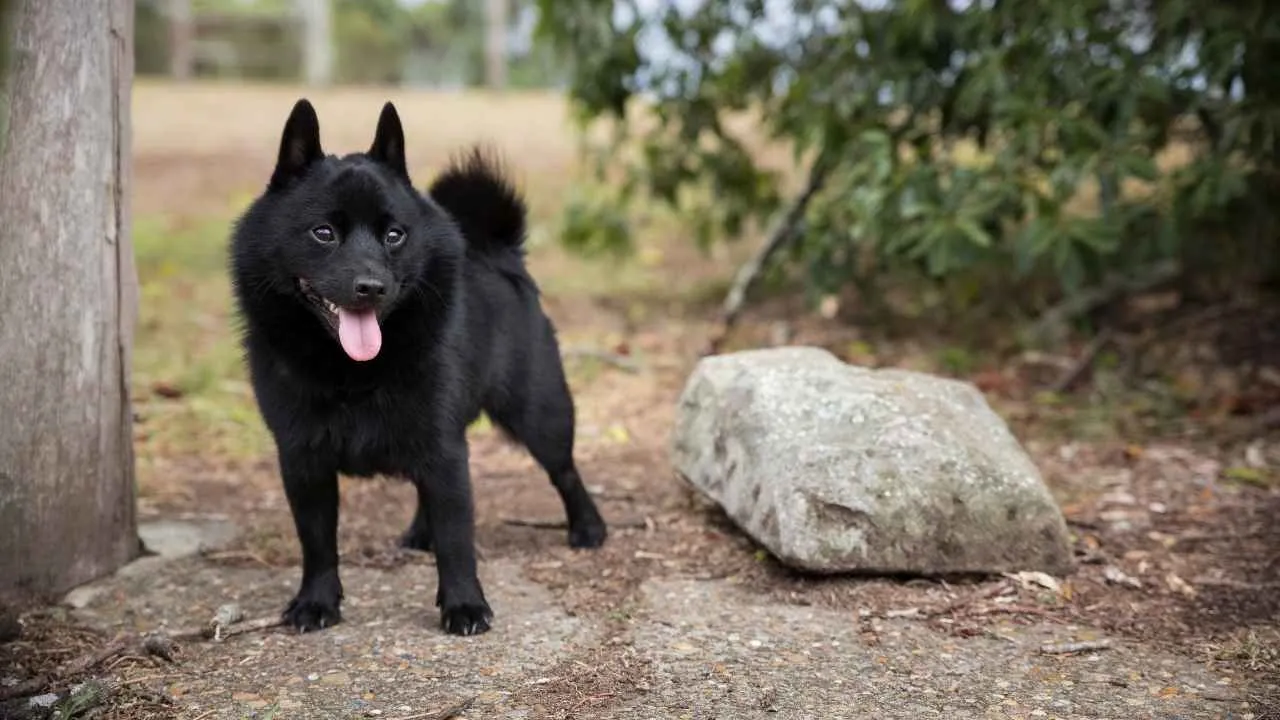
The Schipperke originated in Belgium and developed as a small dog associated with canal boats, workshops, and farms.
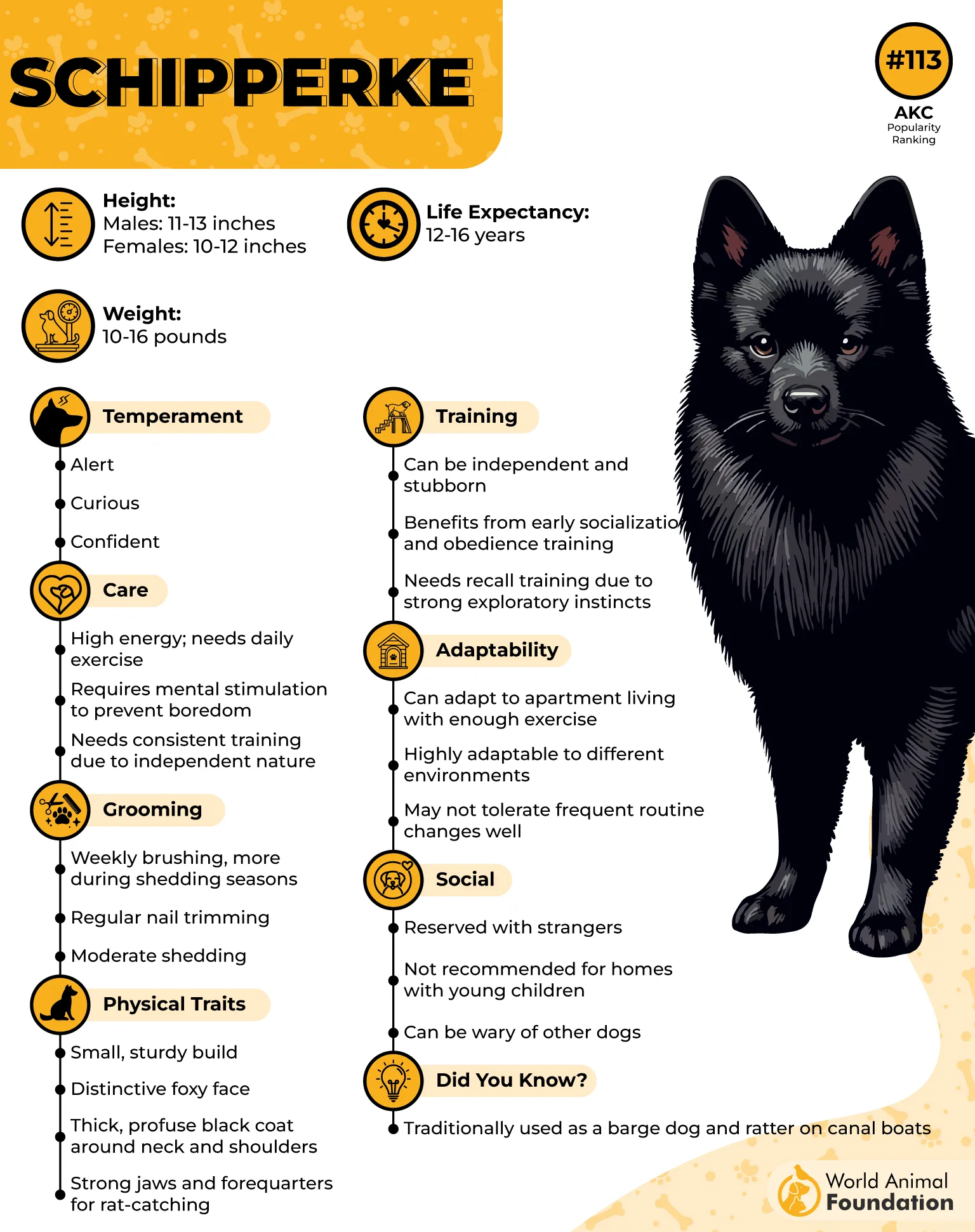
Its duties included guarding property and controlling vermin, giving the breed a history that required alertness and independence. Despite its small stature, it was expected to be an active and useful working companion.
Give Their Sharp Minds a Job
Schipperkes need regular physical activity and mental challenges. Obedience exercises, scent games, interactive toys, and structured play can provide appropriate outlets for their curiosity. Training should be consistent because their independent working background can make them inclined to investigate whatever catches their attention.
A Spirited Student With Plenty of Initiative
Schipperkes are intelligent, alert, and often eager to explore. Their independent streak can create challenges, but it can also make training particularly rewarding when lessons are presented as interesting tasks. Owners who provide clear boundaries and engaging activities can turn their natural curiosity into productive learning.
Conclusion
Papillons and Toy Poodles stand out for their intelligence and enthusiasm for learning, while Miniature Schnauzers and Schipperkes bring the alertness and determination of working backgrounds into small packages. Havanese, Cotons, Cavaliers, and Bichon Frises offer people-oriented personalities that can make cooperative training enjoyable, while Boston Terriers add a playful and energetic approach to learning.
Although these breeds may have reputations for being trainable, no dog automatically becomes obedient simply because of its breed. Progress depends on consistency, timing, motivation, socialization, and the individual dog’s temperament. Training should remain an ongoing part of life rather than something that ends once a puppy learns basic commands.
For owners seeking a small dog that can actively participate in training, these breeds offer plenty of potential. With patient guidance and engaging lessons, their intelligence and willingness to cooperate can turn everyday learning into a rewarding part of the relationship.
