




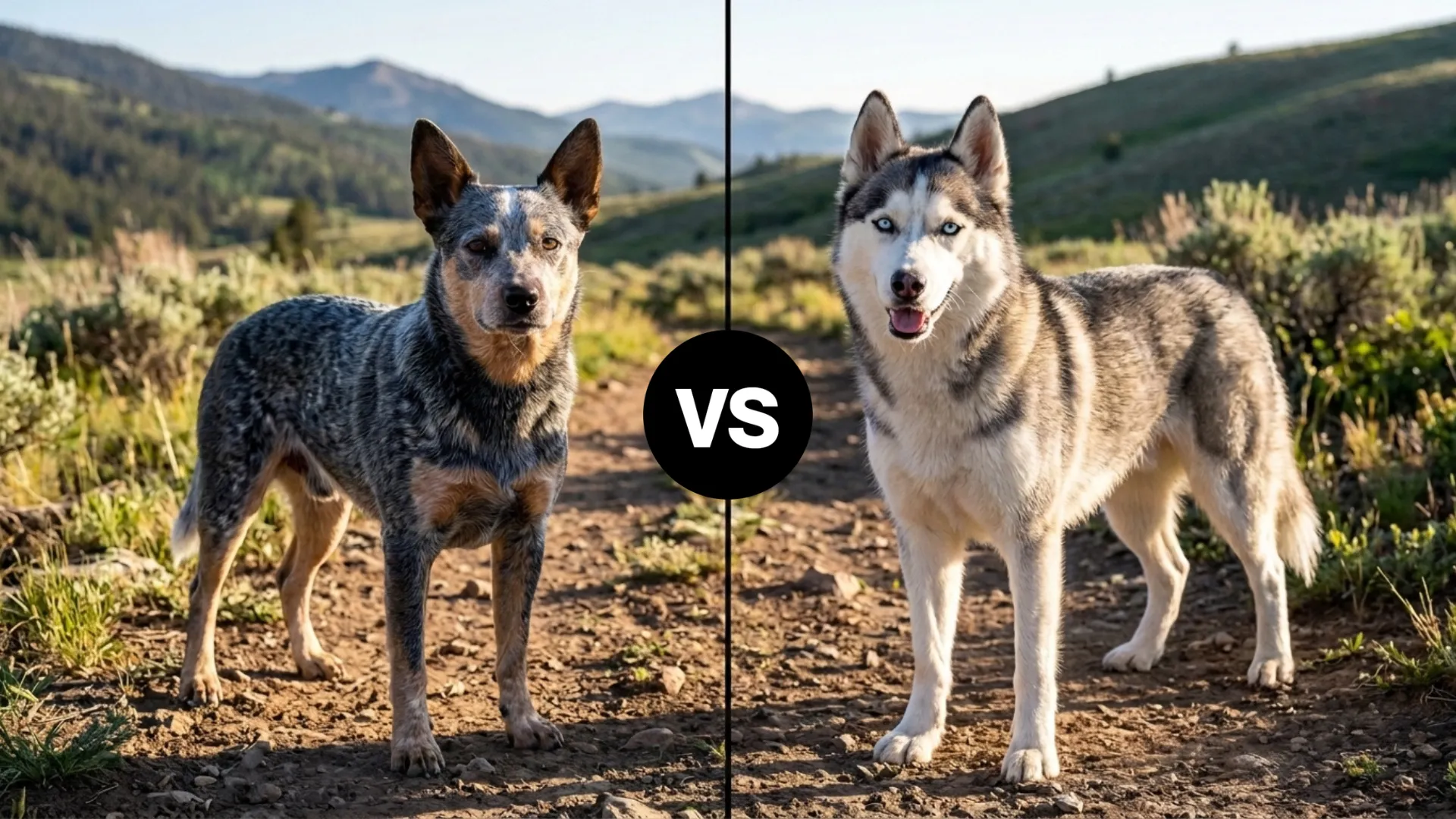
An Australian Cattle Dog and a Siberian Husky can both turn an ordinary day into an adventure, but they bring very different personalities to the journey.
The Australian Cattle Dog is a sharp, hardworking companion with an instinct to stay busy, think independently, and remain close to its people.
The Siberian Husky, meanwhile, is known for its playful, adventurous spirit, endurance, and unmistakable love of the outdoors. Both breeds are intelligent and energetic, yet neither is content with a lifestyle built around a few quick walks and long hours alone.
Their training needs, grooming routines, personalities, and ways of using their energy can make one a much better fit for your household than the other.
So, if you are drawn to these two striking working breeds, it is worth looking beyond appearance. Understanding what makes each dog tick can help you find the companion that truly fits your everyday life.
Australian Cattle Dog vs. Siberian Husky: Which Dog Is Right for You
Origins & Purpose
The Australian Cattle Dog and Siberian Husky were shaped by demanding jobs, but their working lives took place in completely different environments.
Developed in Australia during the 19th century, the Australian Cattle Dog was bred to help drovers manage cattle across rugged terrain and vast distances.
Its stamina, resilience, alertness, and ability to make quick decisions made it well suited to the challenges of moving livestock. The breed’s familiar Blue Heeler and Red Heeler nicknames reflect both its coloring and its tendency to nip at the heels of reluctant cattle.
The Siberian Husky, meanwhile, traces its roots back thousands of years to northeastern Asia, where the Chukchi people developed these dogs for pulling sleds across frozen landscapes.
Speed, endurance, and teamwork were central to their purpose. Later, Huskies gained worldwide recognition through sled racing and the famous 1925 serum run to Nome.
Size & Build
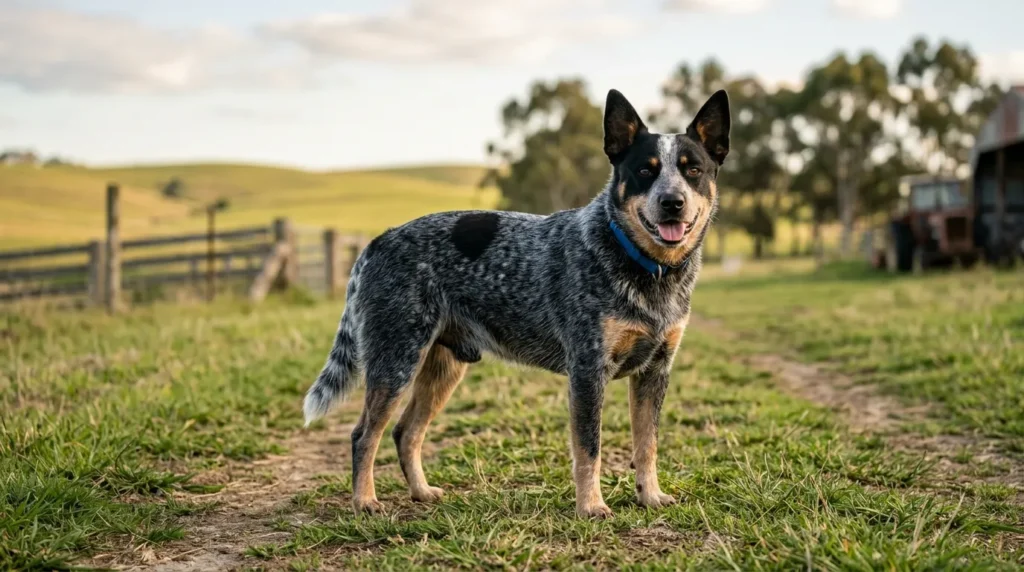
These breeds may both be athletic, but they carry their strength in noticeably different ways. The Australian Cattle Dog is a compact, sturdy herding dog, standing around 17 to 20 inches at the shoulder and weighing approximately 35 to 50 pounds.
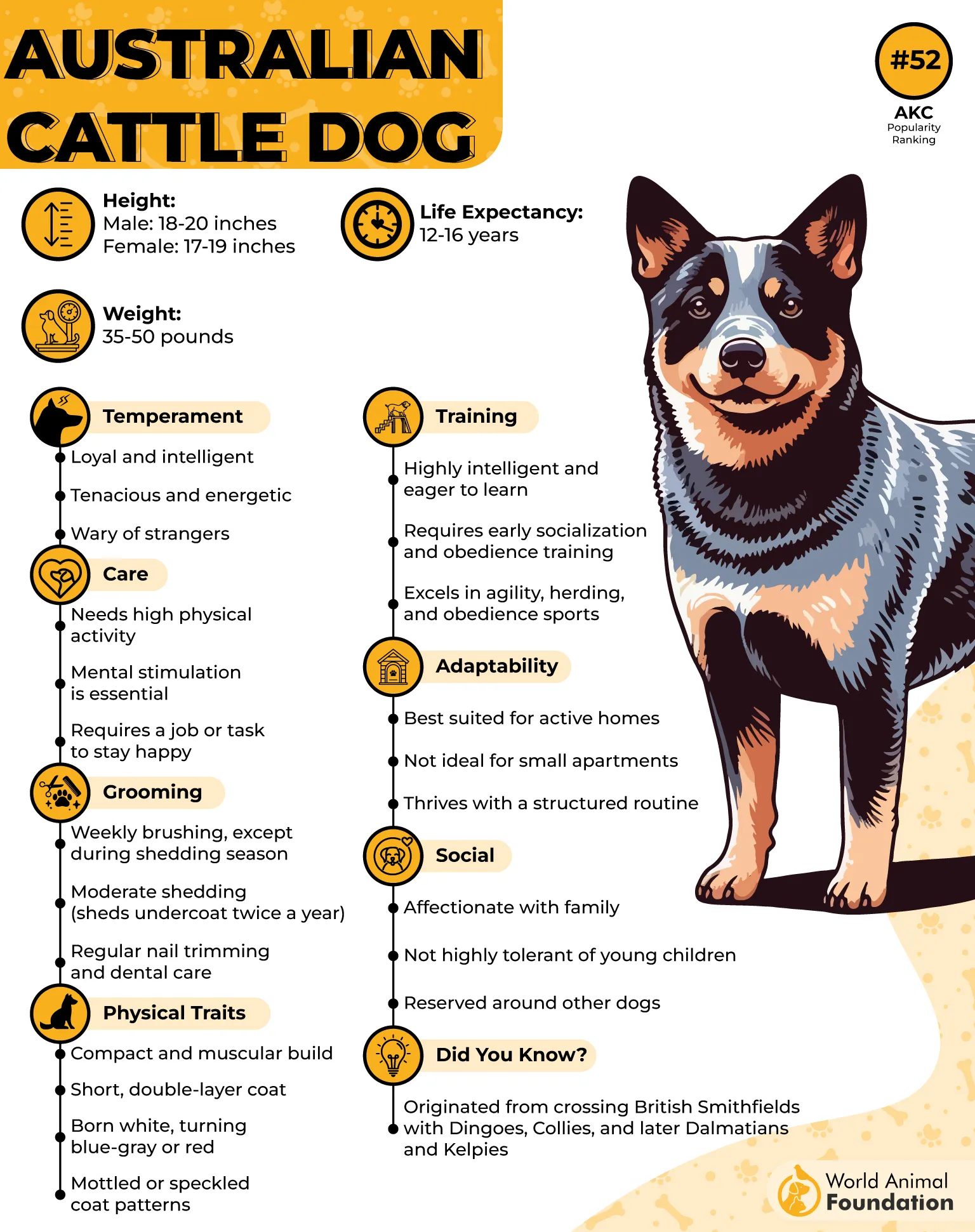
Its hard-muscled body, agility, and balanced build reflect a breed designed to stay active while working closely around livestock.
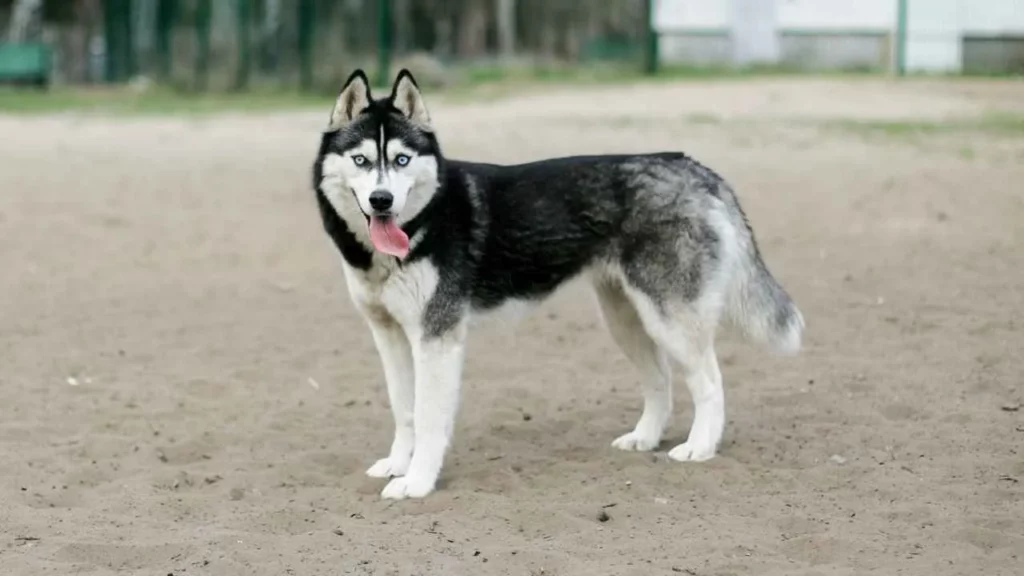
The Siberian Husky generally has a taller, more substantial frame, with an average height of about 20 to 23.5 inches and a weight range of roughly 35-60 pounds.
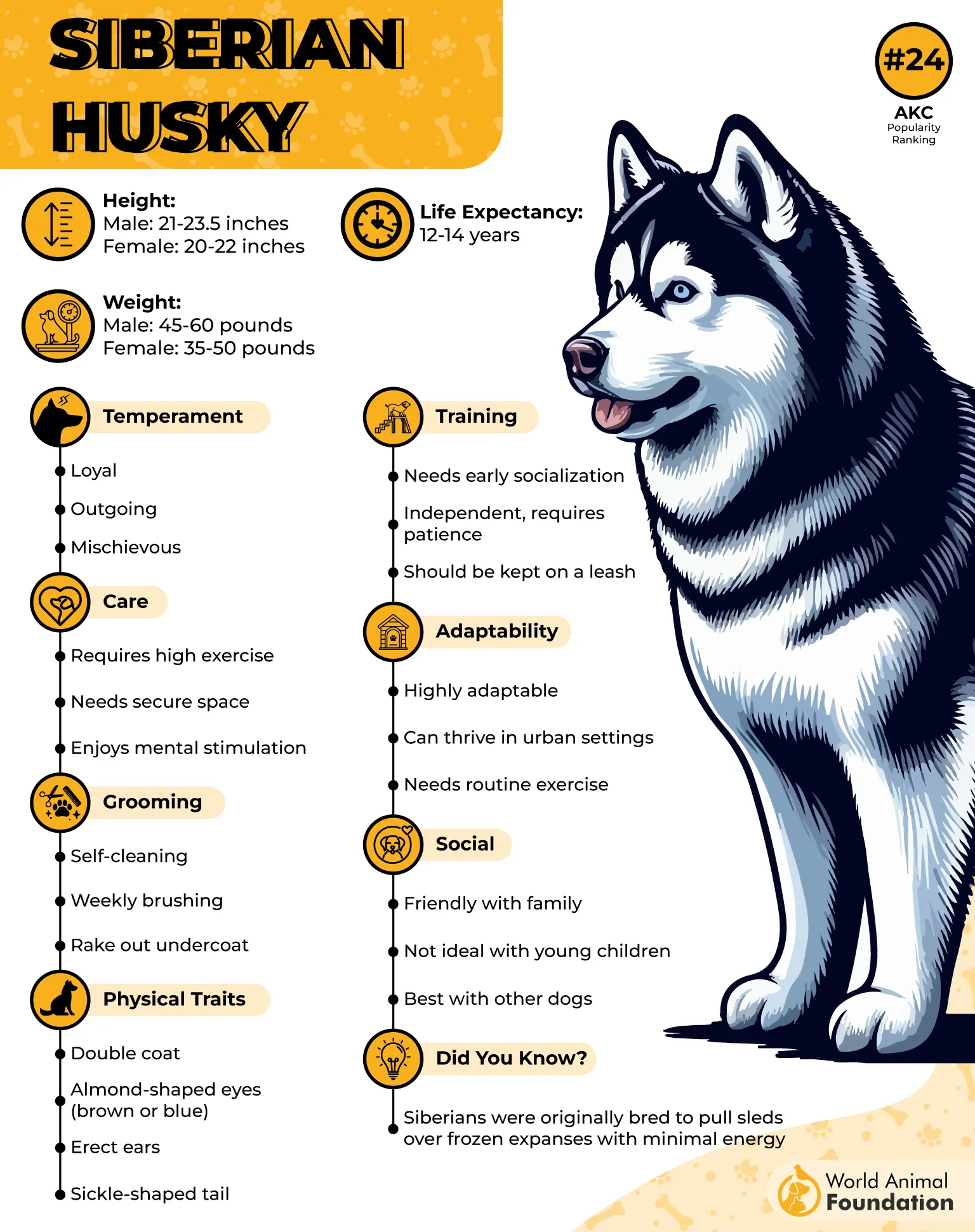
Its build was developed for endurance and movement rather than brute strength, while its thick double coat helped it cope with extremely cold climates.
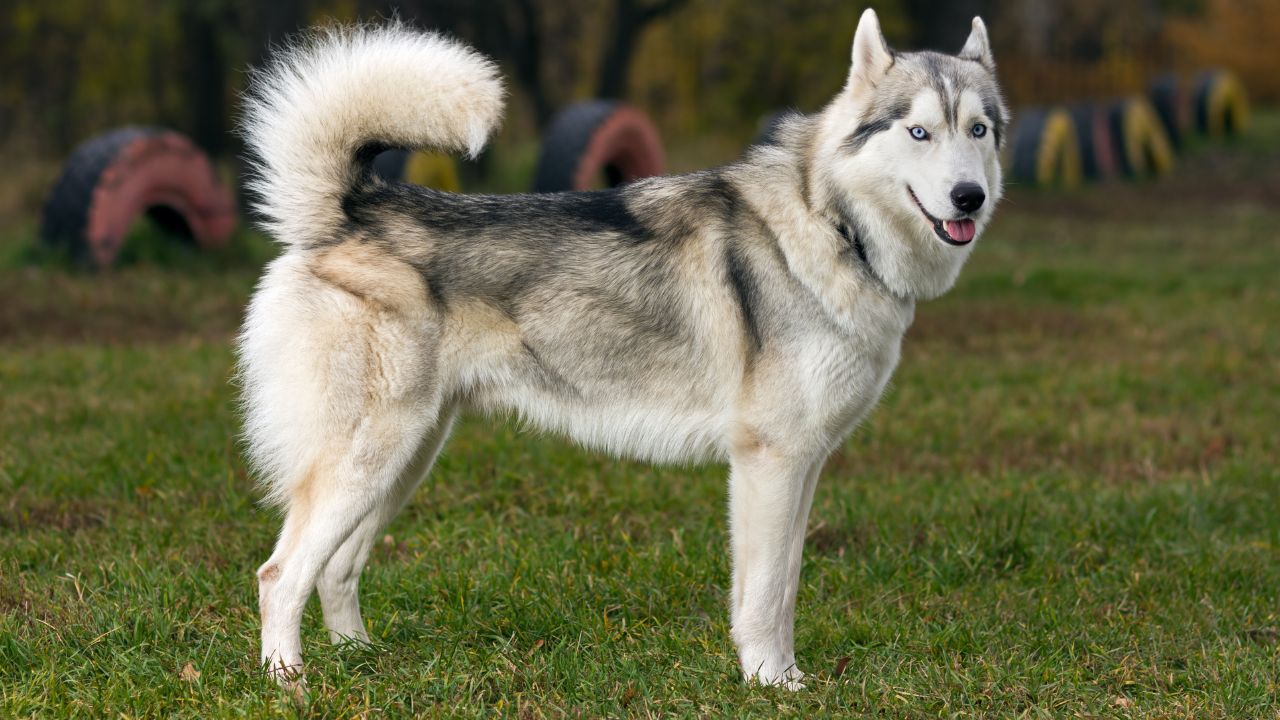
For owners choosing between them, the difference is easy to picture: the Australian Cattle Dog is compact and powerfully built, while the Siberian Husky has a larger, more athletic silhouette suited to covering long distances.
Pricing & Availability
The cost of bringing home either breed depends heavily on where you live, whether you choose adoption or purchase from a breeder, and the dog’s individual background.
Buying a Siberian Husky in the US costs $600 to $2,000 from a breeder, or $150 to $500 if you adopt from a shelter. While an Australian Cattle Dog from a breeder costs $500 to $2,000, shelter adoptions range from $50 to $300.
Beyond the initial price, prospective owners should consider the continuing costs of food, routine veterinary care, vaccinations, preventive treatments, grooming, training, equipment, and possible boarding or pet-sitting needs.
For Siberian Huskies, adoption through a rescue center may be a more cost-effective option than purchasing a puppy, while breeder prices can vary depending on factors such as location, health screening, and bloodline.
The same practical approach applies when considering an Australian Cattle Dog: choosing a responsible source and planning for long-term care matters more than focusing on the purchase price alone.
Temperament & Personality
Choosing between these breeds often comes down to the kind of personality you hope to share your home with. The Australian Cattle Dog is famously intelligent, loyal, alert, and deeply driven by the desire to work, according to the American Kennel Club.
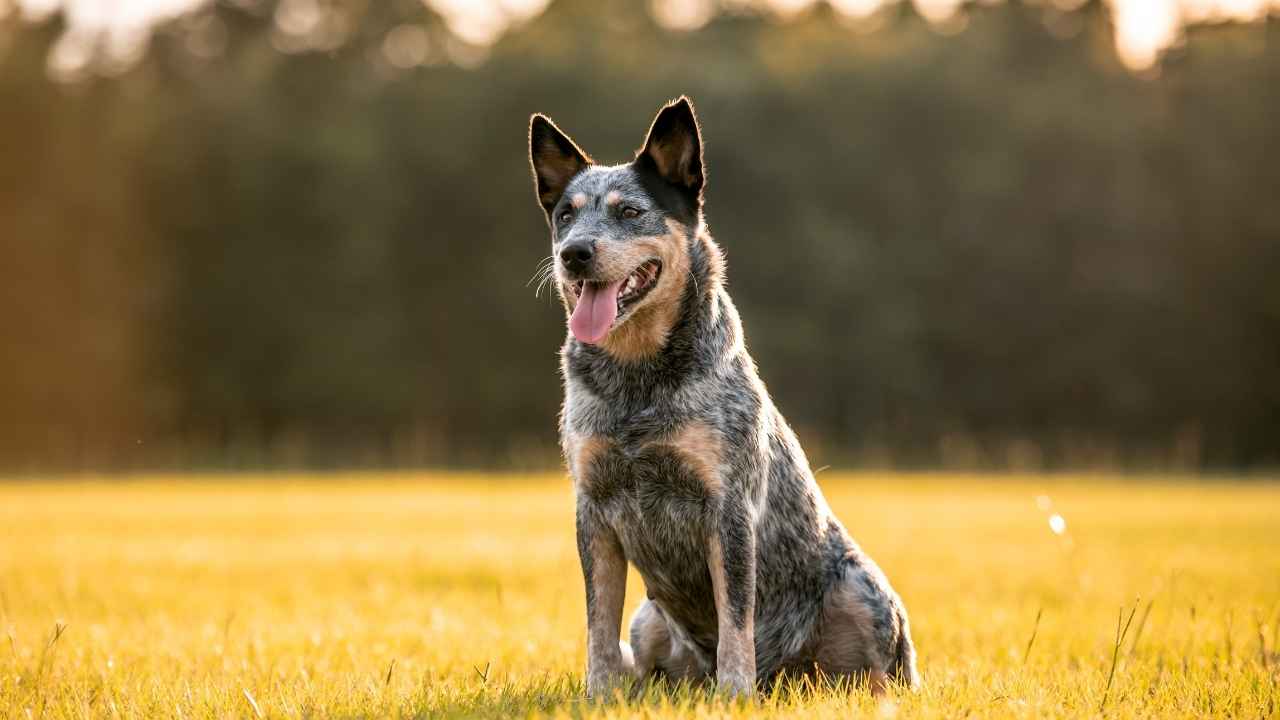
Its herding background has produced an independent thinker who thrives when given direction and a purpose. Because ACDs can be wary of strangers and become bored without enough stimulation, early socialization and consistent training are important.
The Siberian Husky brings a different kind of energy. Huskies are generally outgoing, affectionate, and highly social, often enjoying the company of people and other dogs.
At the same time, they can be independent and strong-willed, which may make training a challenge. Their playful personality also comes with a mischievous streak when boredom sets in.
Australian Cattle Dogs are generally quieter, barking mainly to alert their owners or while herding. Huskies, by contrast, are famously expressive and vocal. They may not bark excessively, but they often howl, growl, and “talk” to communicate. Both breeds can become noisier when bored or lacking sufficient mental and physical stimulation.
Neither breed is simply an “easy” dog. The Australian Cattle Dog may suit someone seeking a focused working companion, while the Husky may appeal to an owner who enjoys an adventurous, sociable dog with plenty of personality.
Exercise Needs & Energy Levels
A quiet, sedentary lifestyle is unlikely to satisfy either of these energetic working breeds. The Australian Cattle Dog was developed to work for long periods and has impressive stamina, so a brief stroll around the block is rarely enough.
Regular physical activity, training, dog sports, or another meaningful outlet can help channel its energy and sharp mind. Without enough to do, boredom may lead to unwanted or destructive behavior.
Siberian Huskies also need substantial daily exercise and mental stimulation, as stated by PetMD. Their history as sled dogs is reflected in their love of movement and endurance, making them well suited to active owners who enjoy walking, running, and spending time outdoors.
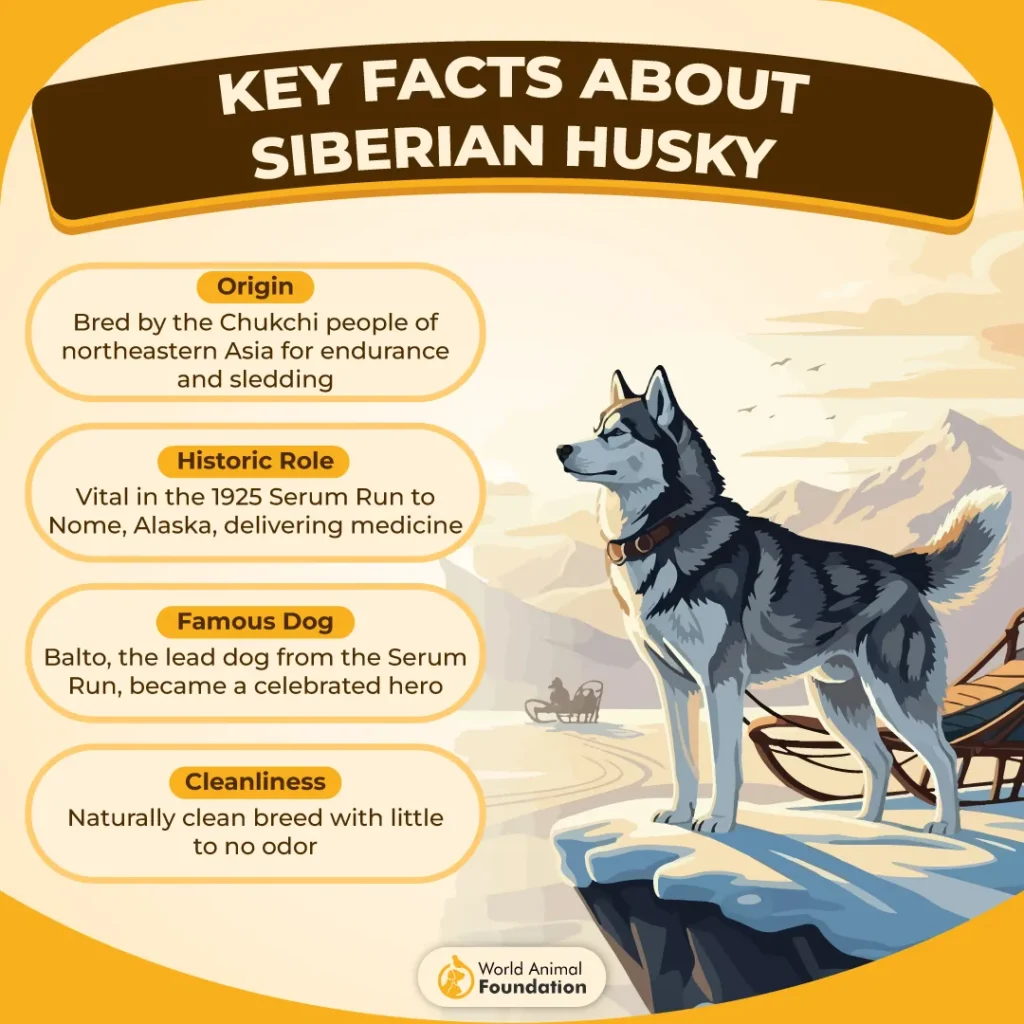
A secure environment is especially important because Huskies are known for their adventurous nature and escape attempts.
The key difference lies in how their energy is expressed: the Australian Cattle Dog often wants a job to focus on, while the Siberian Husky loves to move, explore, and stay socially engaged. Both demand committed, active owners.
You can use our dog exercise calculator to get a better idea of how much daily activity your furry companion may need.
Dog Exercise Needs Calculator
Invalid input. Please enter a valid age and breed.
Trainability & Obedience
Both breeds are intelligent, but training them can feel quite different. The Australian Cattle Dog is a sharp, independent thinker with a strong working background.
It learns quickly and responds well to consistent training, especially when given a task that challenges both its body and mind. Early socialization and structured obedience are particularly important, as an ACD can test boundaries or develop unwanted habits when bored.
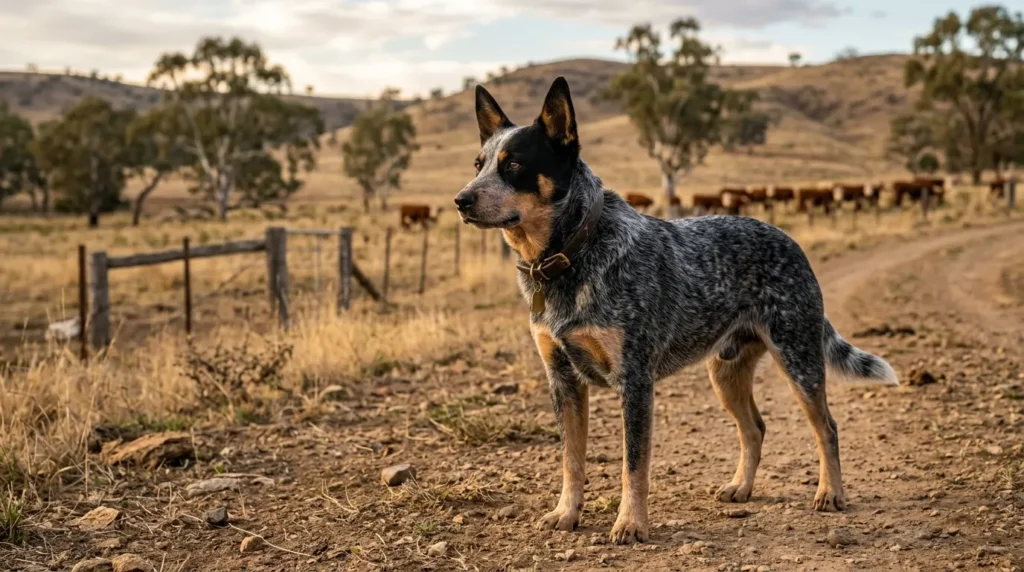
Positive reinforcement, clear expectations, and regular mental stimulation can help bring out the best in this highly capable breed.
The Siberian Husky is equally intelligent but often more independent and stubborn. A Husky may understand what you are asking, yet not always feel inclined to cooperate immediately. Patience, consistency, and reward-based training are essential.
Neither breed is ideal for an owner expecting effortless obedience, but with the right approach, both can become rewarding and responsive companions.
Grooming Needs & Shedding
Grooming is one area where these two energetic breeds can create very different amounts of work around the house. The Australian Cattle Dog has a short, weather-resistant double coat that is relatively easy to maintain.
Regular weekly brushing usually helps remove loose hair, although shedding becomes heavier during seasonal coat changes and may require more frequent grooming.
The Siberian Husky’s thick double coat demands more attention, particularly during periods of heavy shedding.
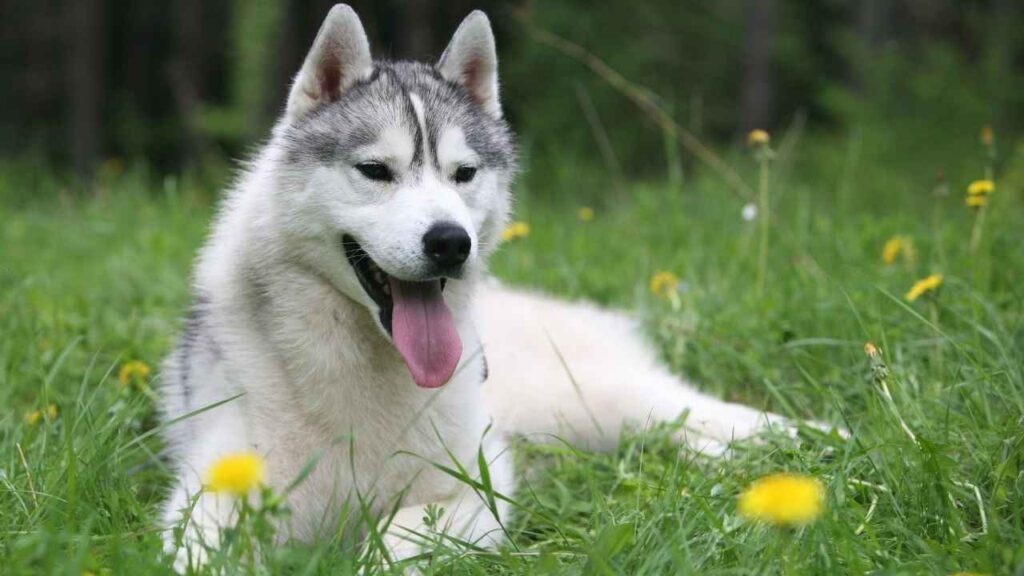
Brushing several times a week can help keep loose fur under control, while more frequent grooming may be needed when the undercoat is being shed. Despite its impressive coat, the Husky does not require elaborate trimming.
Both dogs also benefit from routine nail trimming, ear checks, and dental care. If you prefer a low-maintenance breed, the Australian Cattle Dog may be the easier choice.
However, if you are prepared for regular brushing and plenty of fur during shedding seasons, a Husky’s beautiful coat can be managed with a consistent grooming routine.
Outdoor Adventure & Exploration
For people who would rather spend a weekend outdoors than indoors, both loyal breeds can make exciting companions. The Australian Cattle Dog has the stamina and athleticism to enjoy activities such as hiking, jogging, and active dog sports.
Its working heritage also means it often enjoys adventures that involve purpose, training, and interaction with its owner, as explained by Vets Love Pets.
The Siberian Husky is equally enthusiastic about an active lifestyle and was developed for covering long distances in demanding conditions.
The AKC states that running, hiking, and exploring can provide valuable outlets for its energy. However, its adventurous nature and tendency to roam mean a secure environment and careful supervision are essential.
The difference may come down to what you enjoy doing together. The Australian Cattle Dog often thrives when an adventure feels like a job or challenge, while the Siberian Husky loves movement and exploration. Neither is likely to be satisfied with a life limited to occasional short walks.
Health & Lifespan
Like all breeds, Australian Cattle Dogs and Siberian Huskies can have health concerns that prospective owners should understand before bringing one home. Australian Cattle Dogs are generally robust and may live around 12 to 16 years.
However, the breed can be affected by conditions including progressive retinal atrophy, deafness, and hip dysplasia.
Siberian Huskies are also generally active and resilient dogs, with an often-cited lifespan of around 12 to 14 years. Responsible breeding, regular veterinary care, appropriate nutrition, and maintaining a healthy lifestyle are important considerations for either breed.
Health should never be an afterthought when choosing a dog. Asking responsible breeders about health screening and understanding the possible needs of the breed can help owners make a more informed decision. Adoption may also be worth considering for those who are open to giving a dog another chance at a loving home.
Australian Cattle Dog vs. Siberian Husky: Which Energetic Breed Matches Your Home?
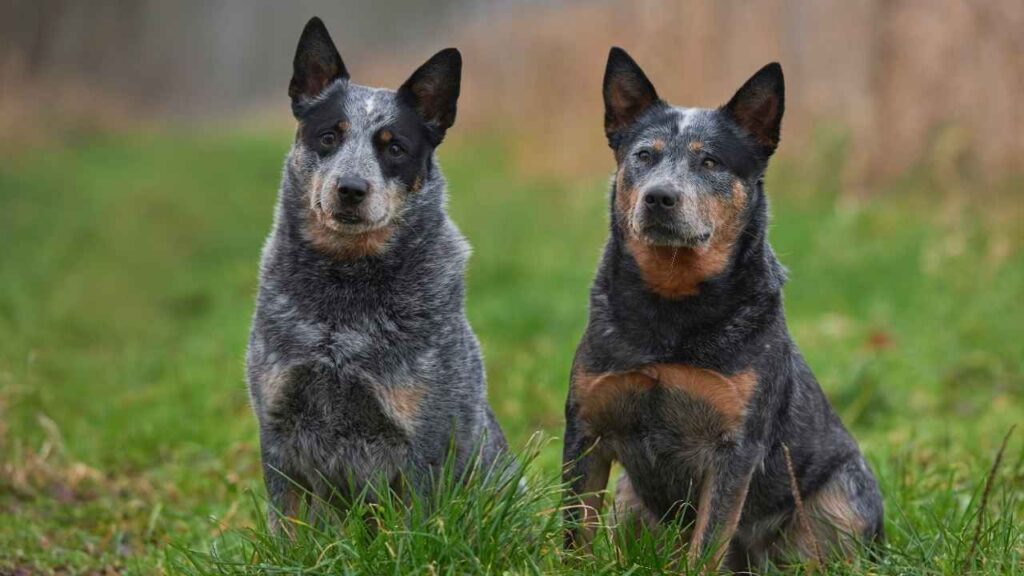
The right choice depends less on which breed is “better” and more on which one fits naturally into your life. The Australian Cattle Dog may appeal to someone looking for a deeply loyal, intelligent companion that enjoys training, structure, and having a job to do.
Its sharp mind and powerful work drive can be incredibly rewarding, but they also demand time and commitment.
The Siberian Husky may be a better match for those drawn to an affectionate, playful, adventurous dog with a famously independent personality. Its love of running and exploring makes it well-suited to active owners who can provide regular exercise and secure surroundings.
Neither breed is a low-effort companion. Both need training, mental stimulation, physical activity, and genuine involvement in family life. If you enjoy keeping busy and want a dog that can keep up with your lifestyle, either breed could become a remarkable companion.
The best match is the one whose energy, personality, and daily needs align with your home and the life you can realistically provide.
Conclusion
Deciding to adopt an Australian Cattle Dog and a Siberian Husky ultimately comes down to the kind of life you can share with your dog. Both are intelligent, athletic, and full of personality, but they express those qualities in very different ways.
The Australian Cattle Dog is a focused, loyal worker that thrives on training, structure, and having a purpose. The Siberian Husky, meanwhile, brings an adventurous, playful, and independent spirit that suits owners who enjoy an active outdoor lifestyle.
Neither breed is likely to be happy with minimal exercise or long periods of boredom. They need committed owners who can provide regular activity, mental stimulation, training, and companionship. Grooming needs, temperament, and independence should also play a role in your decision.
In the end, the best dog is not simply the one you find most beautiful or exciting. It is the one whose needs, energy, and personality genuinely fit your home, routine, and ability to provide a fulfilling life.
