




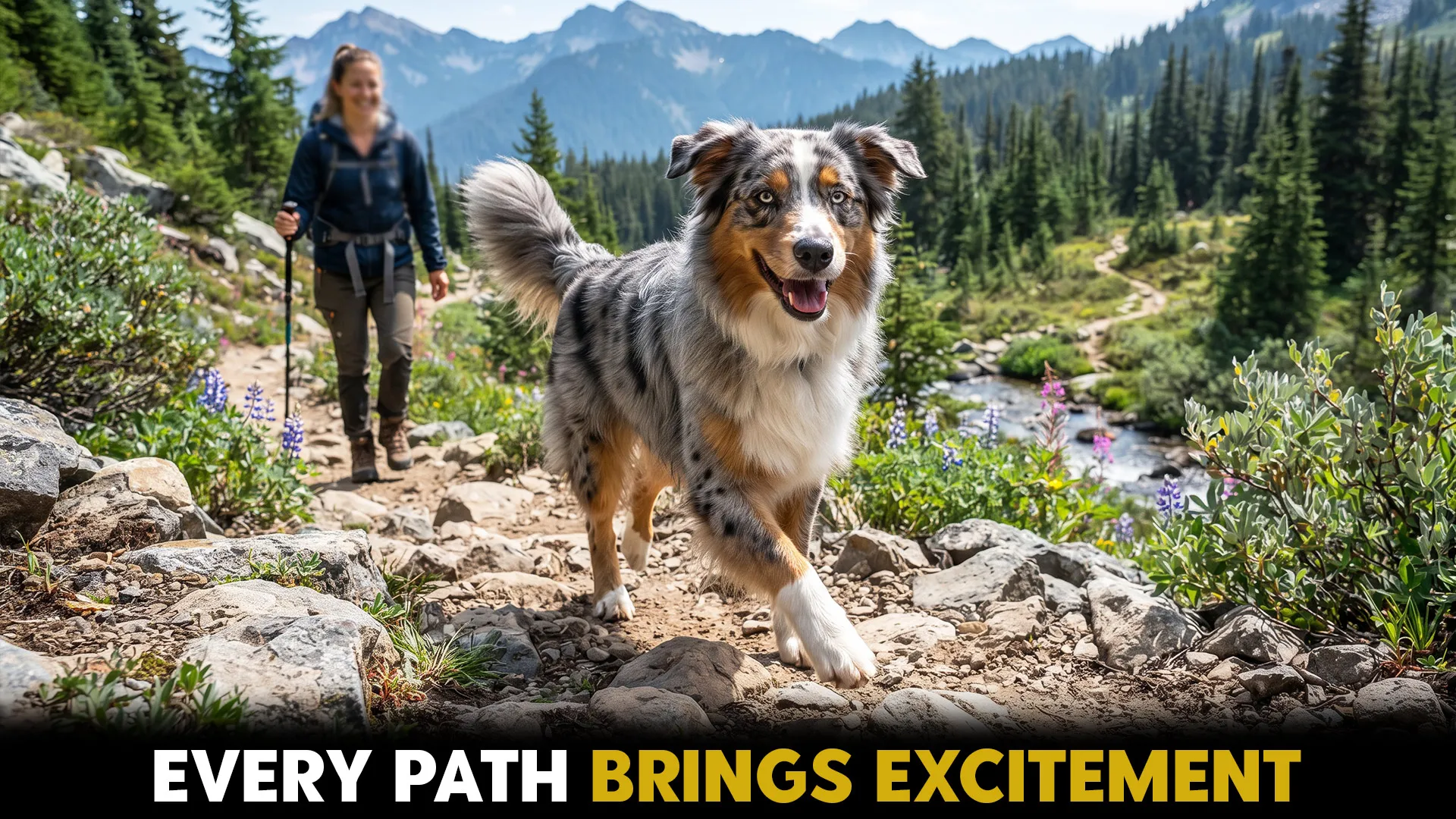
If your idea of a good weekend involves dirt on your shoes, a trail under your feet, and a dog waiting beside the car, breed choice deserves serious thought. Outdoor adventures can place demands on a dog, from long exercise and uneven ground to unfamiliar surroundings.
Athletic ability helps, but it is only one part of the picture. A reliable adventure companion also needs enough confidence to handle new environments, enough trainability to respond to distractions, and enough stamina to finish the day comfortably.
Many breeds with working or sporting roots were selected for exactly these kinds of physical and mental demands. Their natural abilities can make hiking, camping, running, swimming, and active travel more enjoyable with responsible preparation.
The breeds ahead suit adventurous lifestyles. Expect differences in energy, endurance, versatility, and outdoor appeal as you explore the list for active households before your next trip.
Key Takeaways
Dirt on your shoes, a trail ahead, and a dog keeping pace can make an ordinary weekend feel completely different.
Labrador Retrievers were bred to retrieve nets and fish from freezing waters, which says plenty about where their love for outdoor adventures comes from.
Then there are Australian Shepherds that can handle hikes of up to 15 miles, while Border Collies bring the stamina and focus needed for miles of rugged ground.
From the tireless Siberian Husky to the cool-weather-loving Bernese Mountain Dog, the rest of this list has a few surprises worth finding.
Dog Breeds Built for a Life of Adventure
1. Labrador Retriever
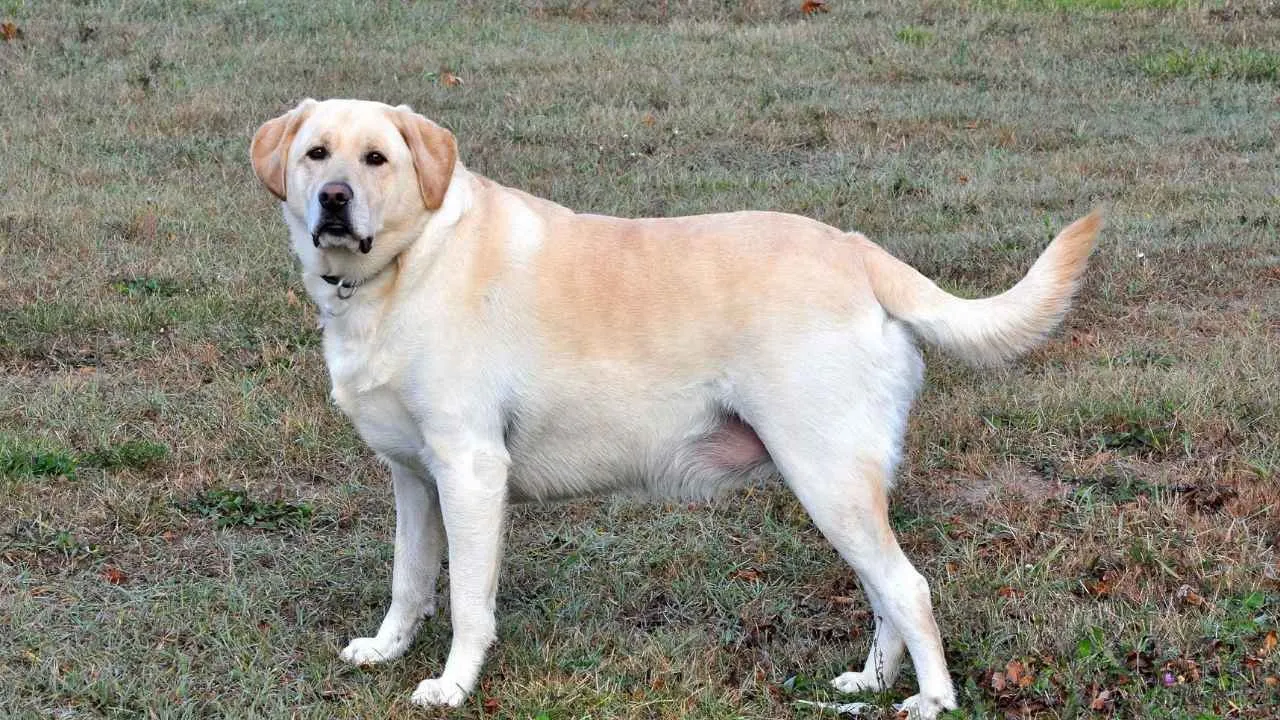
Labrador Retriever began with the St. John’s dogs of Newfoundland, Canada, where fishermen relied on them to retrieve nets and stray fish from freezing waters.
British hunters later brought these capable dogs home and refined their retrieving ability, gentle mouth, and steady temperament for fieldwork.
Built for the Field
Labs have the energy for demanding outdoor days, with activities such as hiking, swimming, running, and fetch fitting naturally into their routine. Its curiosity also makes scent work, tracking, agility, and dock diving useful ways to turn that energy into purposeful activity.
These activities reveal the range of this working breed:
Welcomes visitors with enthusiasm
Patient and affectionate with children
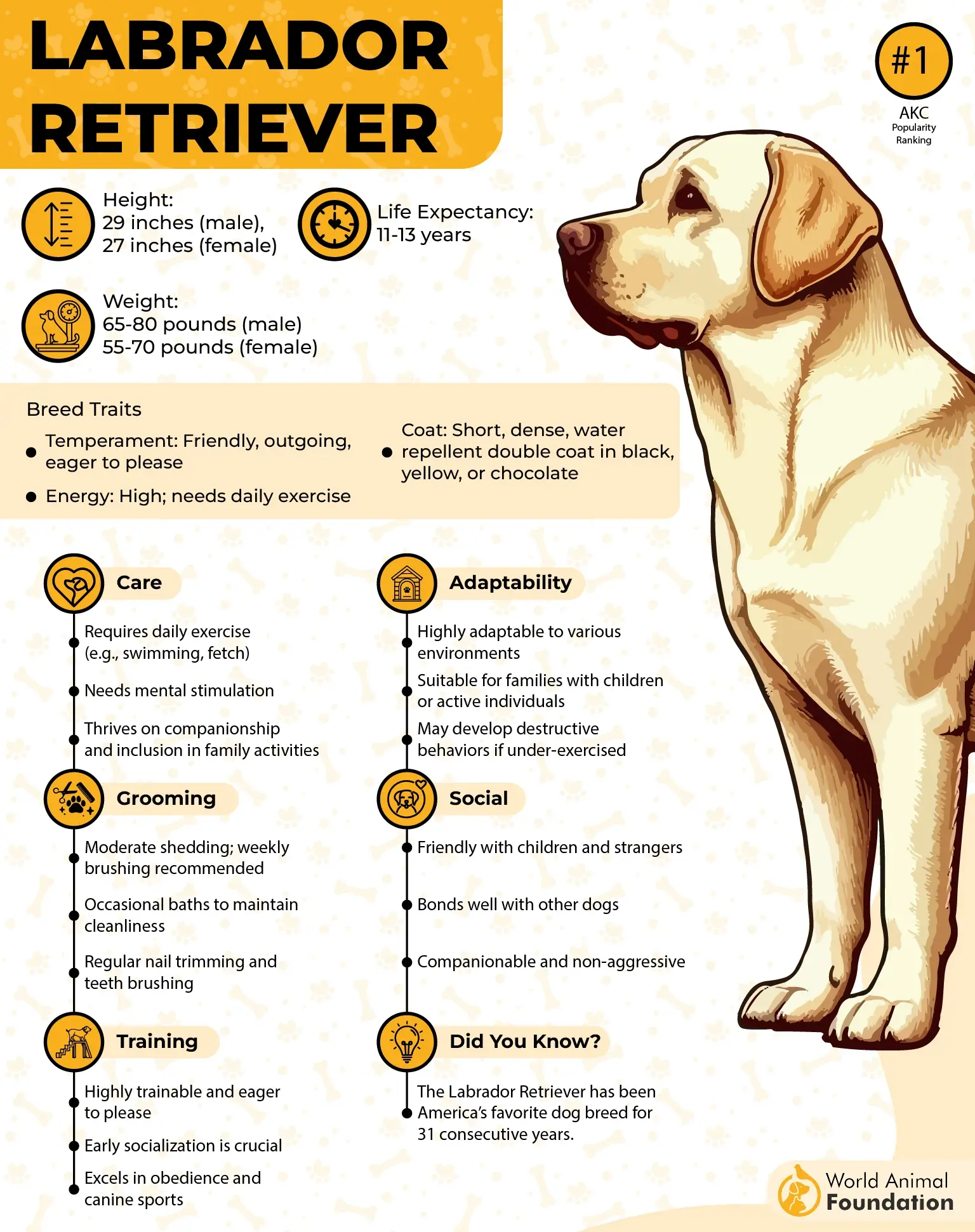
Needs one to two hours of daily exercise
Ready for New Places
This adventure-loving breed combines high intelligence with a strong willingness to learn, making positive reinforcement particularly effective during training.
Early socialization can also help it become more confident around unfamiliar people, other dogs, and new environments encountered on adventures, as PetMD mentioned.
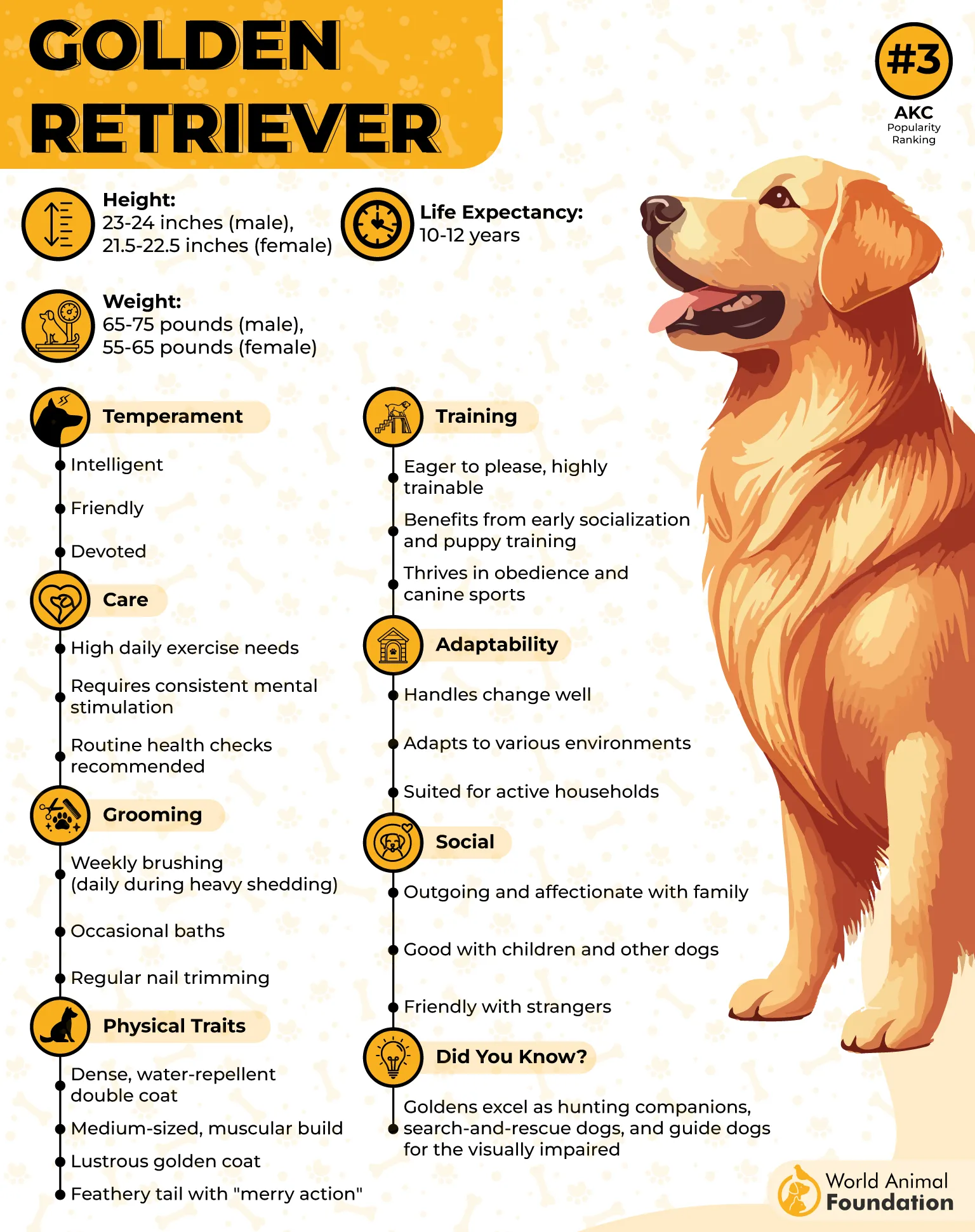
2. Golden Retriever
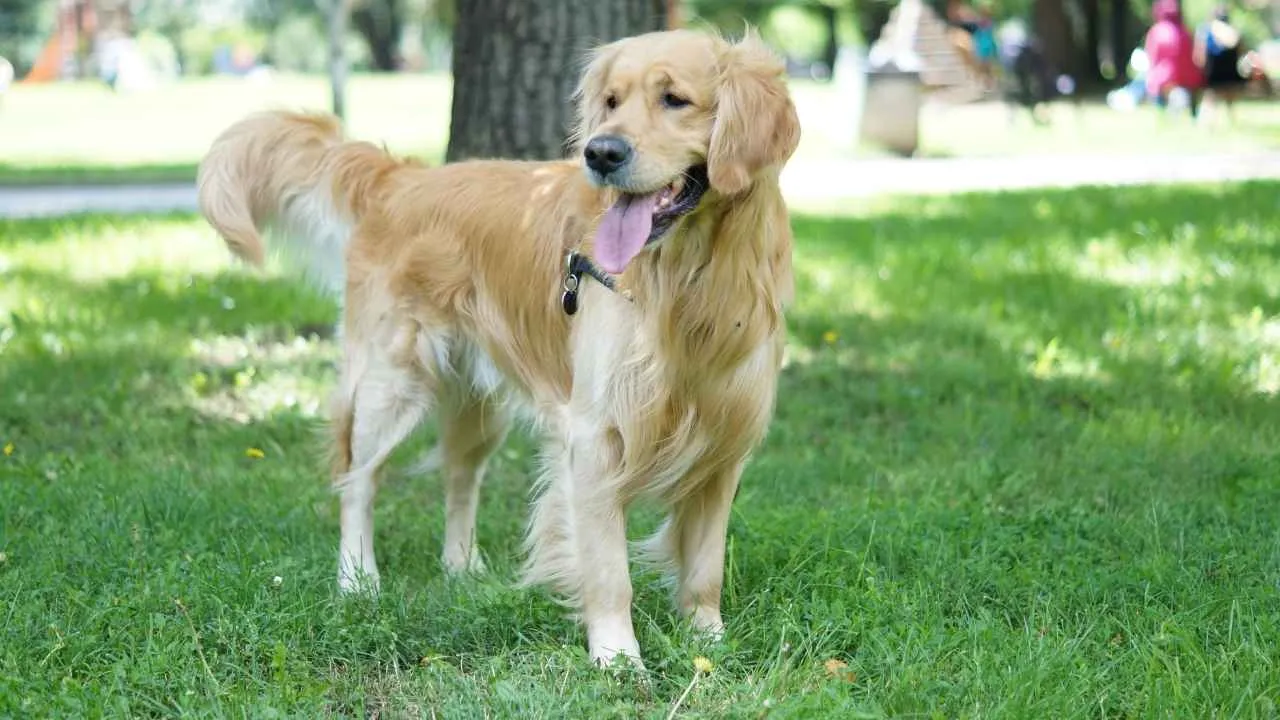
Golden Retriever was bred in Scotland during the 19th century for retrieving game, a role that suited its enthusiasm for water and natural retrieving instinct. The breed’s working purpose also shaped the athletic build and eagerness that remain central to its character today.
Outdoor Companion
This athletic breed brings plenty of energy to hiking, trail exploration, swimming, and games of fetch or frisbee. Its curiosity makes new scents and varied terrain especially engaging, while regular activity also helps manage its tendency toward excess weight.
The following traits matter on longer outings:
Reliable recall helps prevent roaming
Floating toys suit water-based play
Shaded shelter helps during heat or rain
Social by Nature
Golden Retrievers are highly people-oriented and can become lonely or destructive when left alone for extended periods. Their friendly attitude extends to strangers, while their playful habit of jumping, bouncing, and seeking attention can make busy outdoor settings more lively
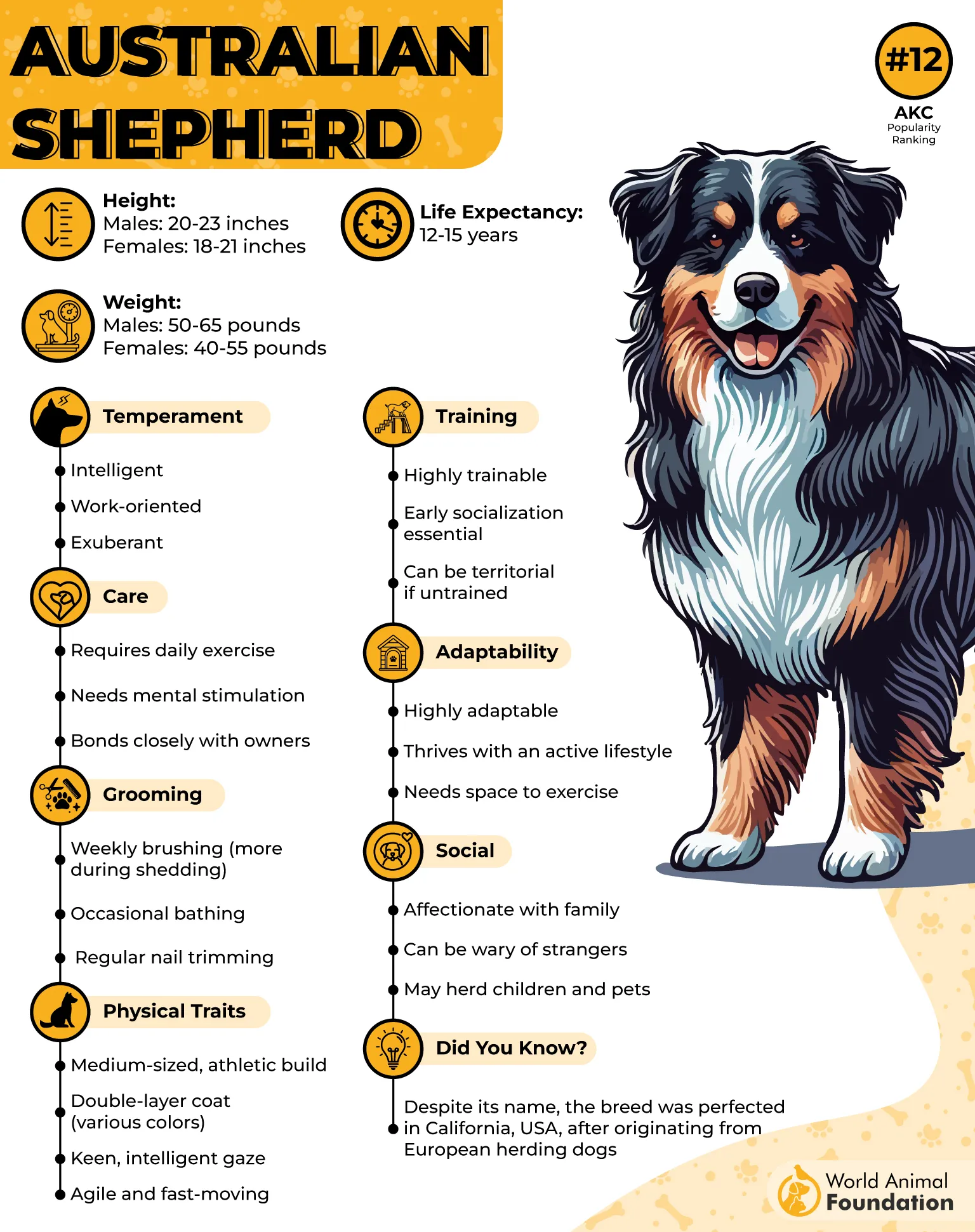
3. Australian Shepherd
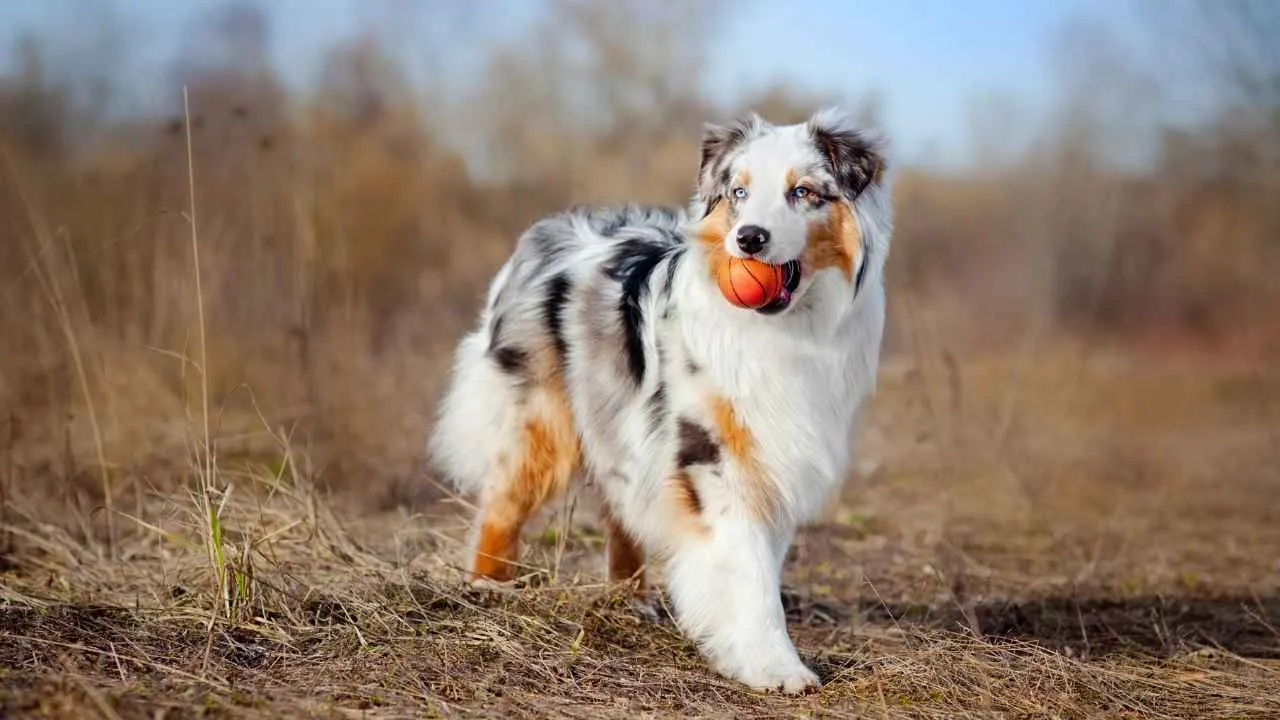
Australian Shepherd began its story with herding dogs linked to the Pyrenees Mountains and Basque shepherds of Spain, before its working legacy continued across North America.
Ranchers in the American West valued the breed for handling livestock and adapting to the altitude and climate of the Rocky Mountains.
Made for the Trail
Their athletic build and efficient gait were suited to trotting, sprinting, and sharp turns across uneven ground. Well-conditioned Aussies can handle hikes of up to 15 miles, while a healthy dog that has gradually built endurance may manage a four- to six-mile run, as per Orvis.
Qualities that make their outdoor abilities especially practical:
Comfortable crossing logs and climbing rocks
Double coat in many lines
Tolerates Rocky Mountain conditions
A Dog That Needs Work
This travel-friendly breed is happiest when its intelligence has something useful to focus on, whether that means agility, fetch, or a demanding training task.
Two to three hours of combined physical and mental activity can help prevent the high-strung or destructive behavior that may appear when its energy has no outlet.
4. Border Collie
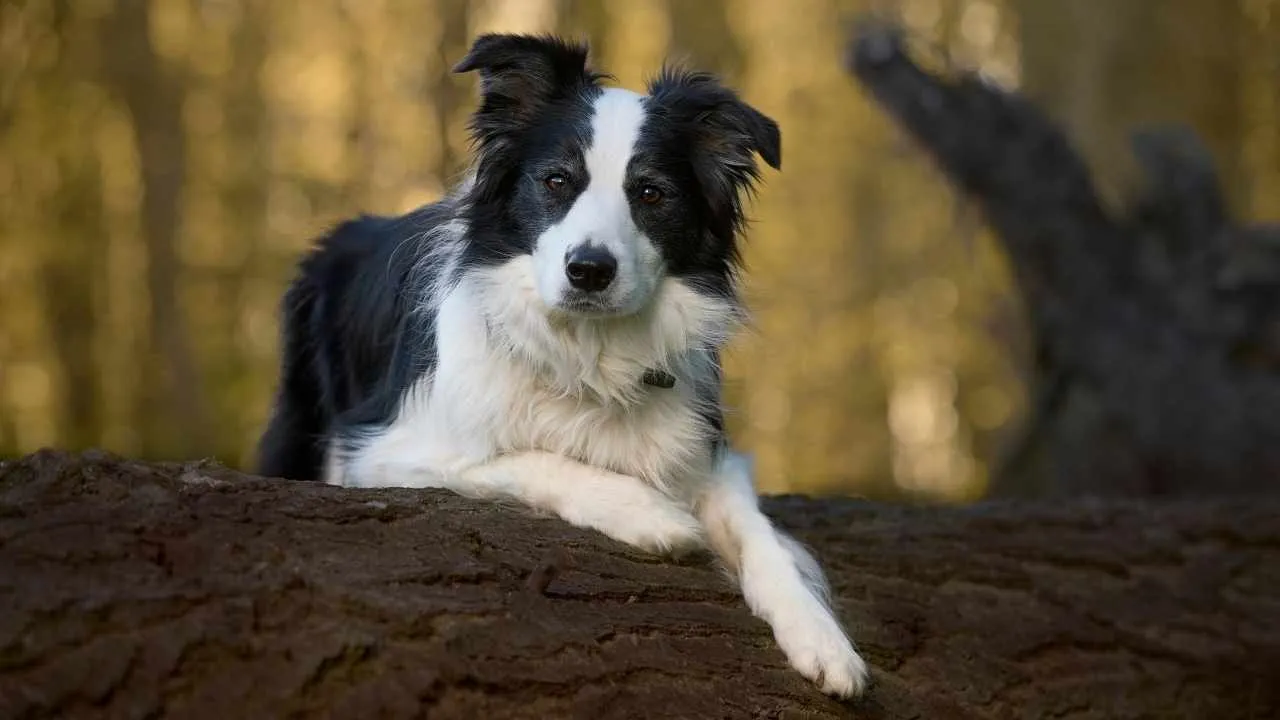
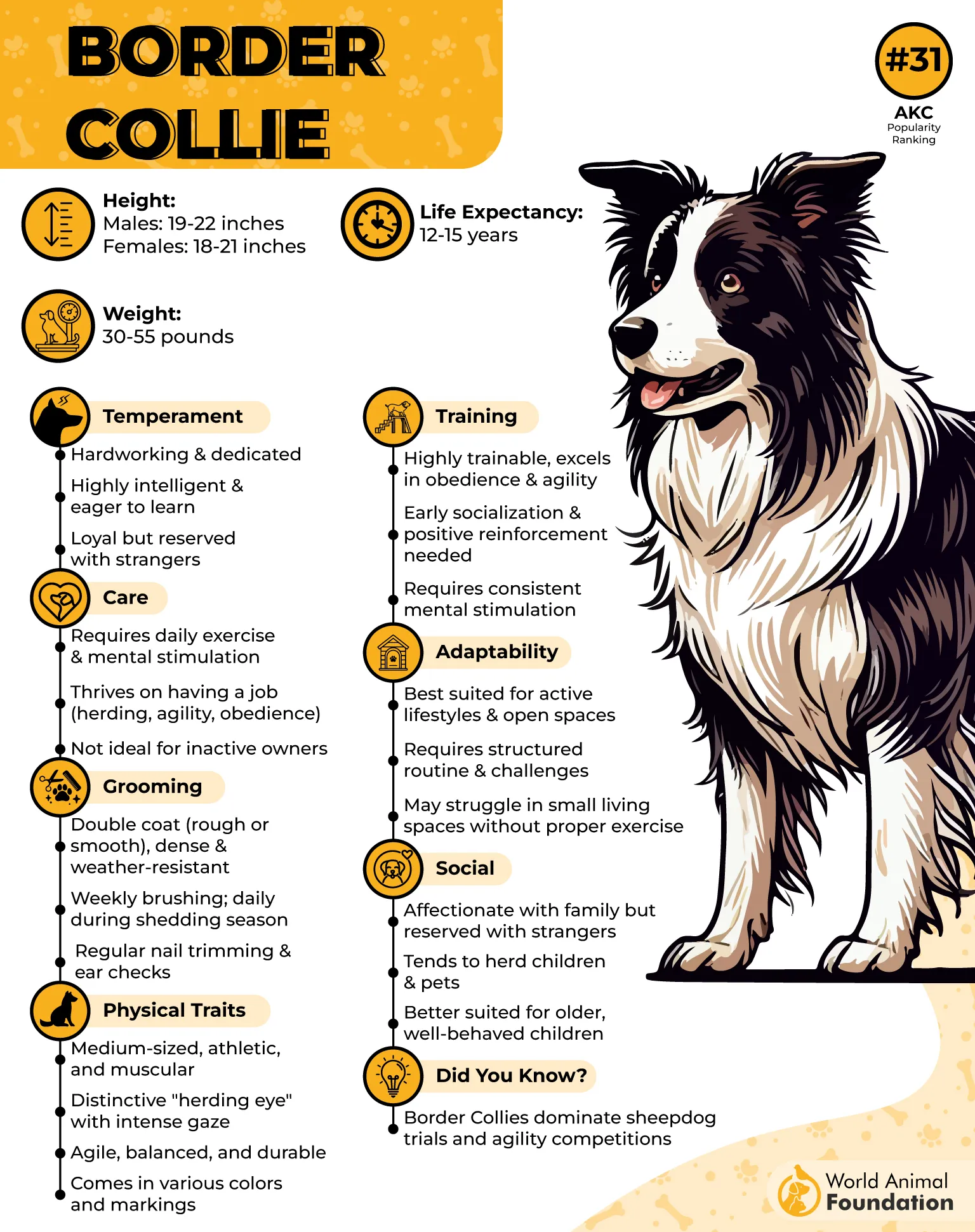
Border Collie originated in Scotland and became associated with the border between Scotland and England, where “collie” was the local term for sheepdogs, as per the American Kennel Club (AKC). Its working lineage may include old Roman dogs and Viking spitz breeds, giving it a particularly athletic foundation.
Made for the Trail
They guide livestock across hills and rocky ground, using stamina, agility, and intense concentration over long distances. For outdoor adventures, that translates into a dog capable of handling three to four miles of hiking and several miles of running beside its person.

Some working details make its abilities easier to picture:
Sweeping outruns around livestock
Famous intense herding stare
Can work without constant commands
A Dog With a Job
Border Collies have a remarkable ability to learn new commands and tricks, while activities such as agility, obedience, herding, and dock diving give their sharp mind something demanding to tackle. Positive reinforcement with treats and toys can make training sessions especially productive.
5. Siberian Husky
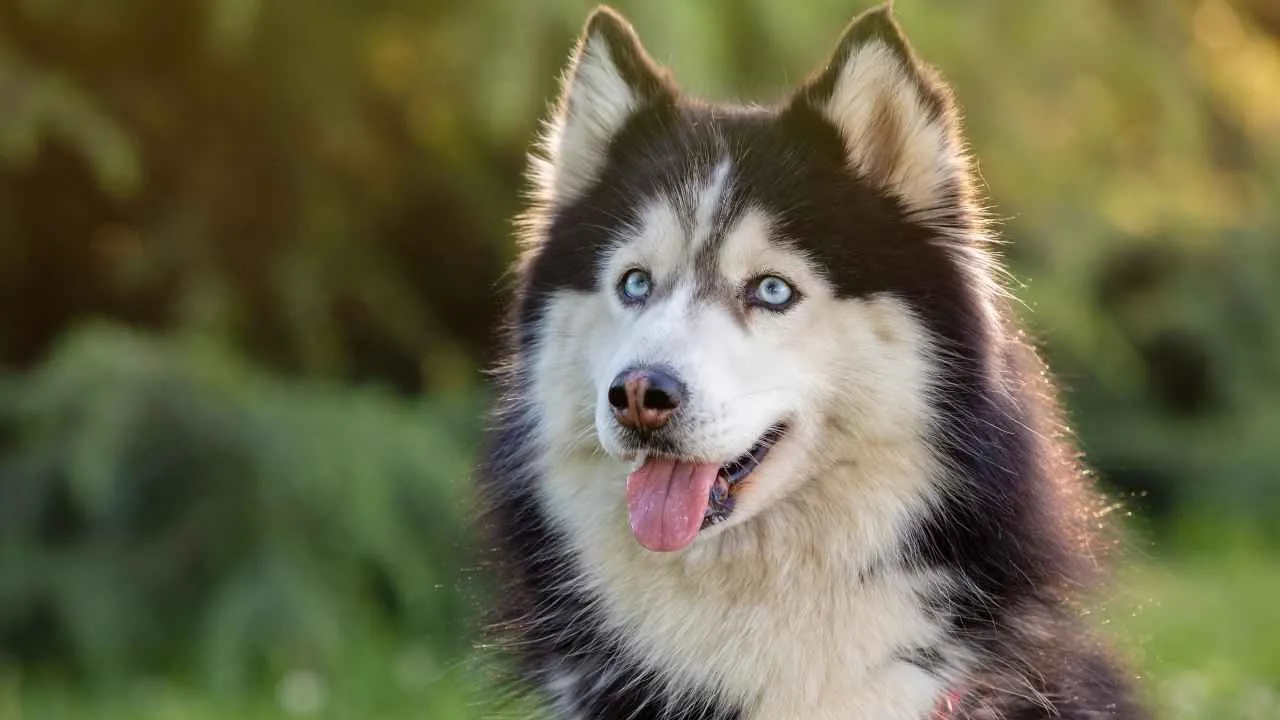
Siberian Husky originates from Northeast Asia, where the Chukchi people used Spitz-type dogs for sled work among nomadic Arctic communities.
The breed is also considered one of the oldest, while its nickname is believed to come from a variation of “Eksy,” a term once used for Eskimos.
Born to Run
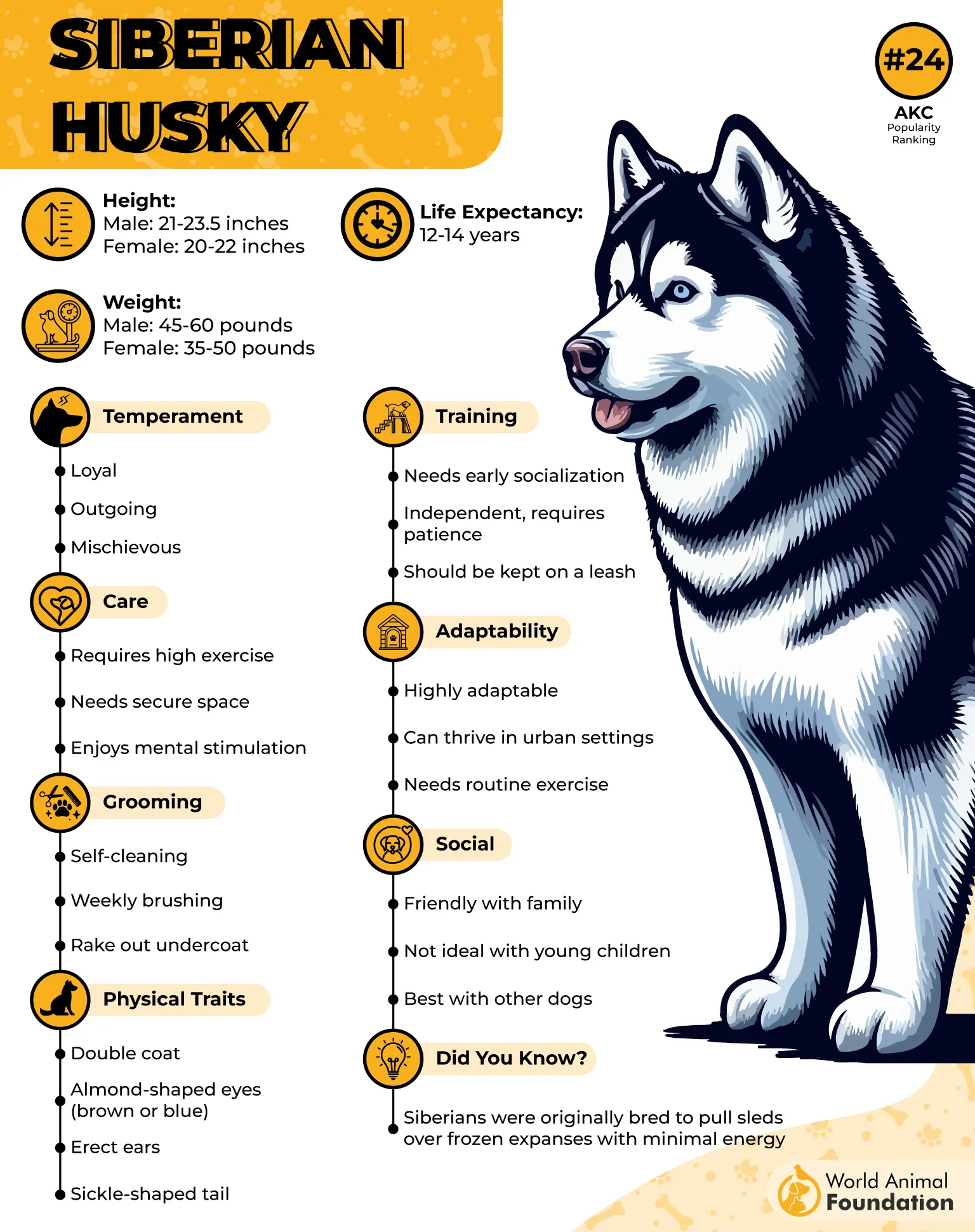
They were used for sustained running, making long hikes, vigorous runs, and active dog sports natural ways to use their energy. At least one to two hours of demanding activity each day can help prevent boredom, digging, chewing, and escape attempts.
This is what matters when planning their route:
Agility can provide a structured challenge
Rally and obedience offer focused work
Dog play groups suit urban routines
Clever Escape Artist
Siberian Huskies have a curious streak that can turn an ordinary yard into a puzzle, with some dogs digging beneath fences or finding ways over them. Secure fencing and keeping the breed leashed or harnessed outside enclosed areas are important safeguards.
6. Vizsla
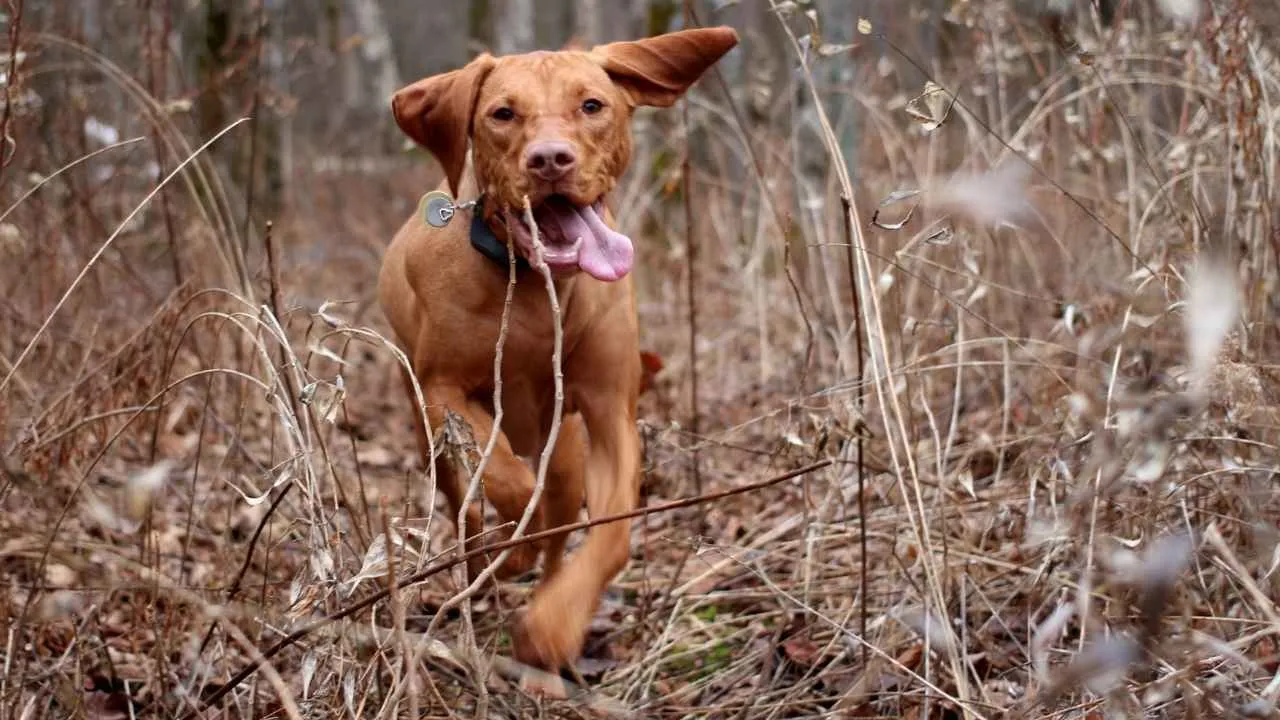
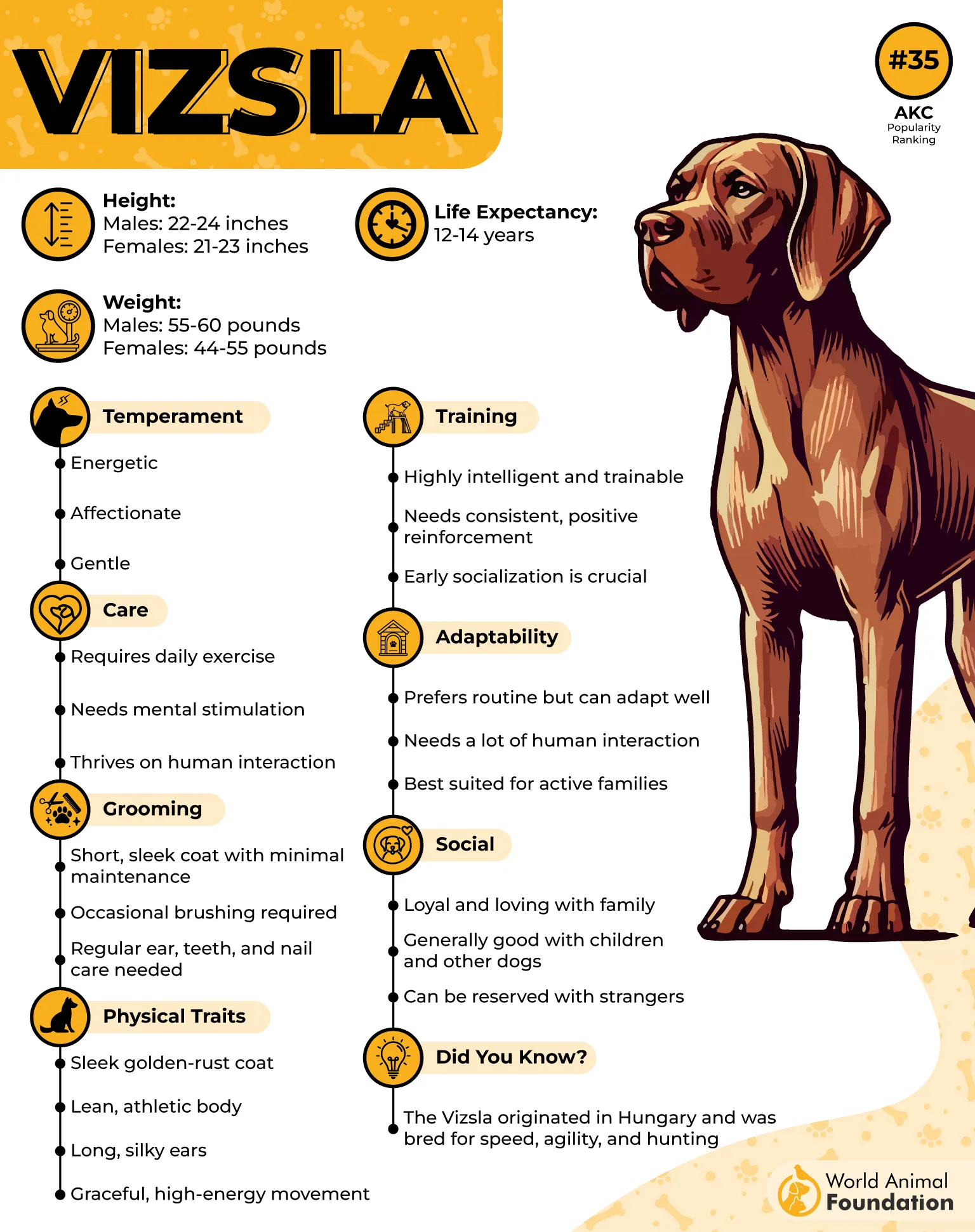
Vizsla comes from Hungary, where it served as a skilled hunting companion with strong abilities in tracking, pointing, and retrieving game. Its slightly smaller frame made moving through thick undergrowth easier, while its rust-colored coat became one of its most recognizable features.
Made for Active Days
Vizslas can handle demanding outdoor routines with ease, with at least an hour of vigorous exercise recommended each day. Long walks, runs, hiking, fetch, and training sessions give this energetic athlete plenty to work on.
For longer outings, here’s what matters:
Running partner for 3 to 4 miles
Comfortable hiking range of 4 to 5 miles
Dog jacket is useful in cold or wet weather
Close to Its People
Vizsla enjoys working closely with its person and has a genuine fondness for water, including swimming during retrieving work. Its personality can range from shy or nervous to confident and outgoing, making early socialization especially valuable.
Note: Its short coat offers little insulation, while younger dogs should avoid long-distance running until their growing bones are ready.
7. Bernese Mountain Dog
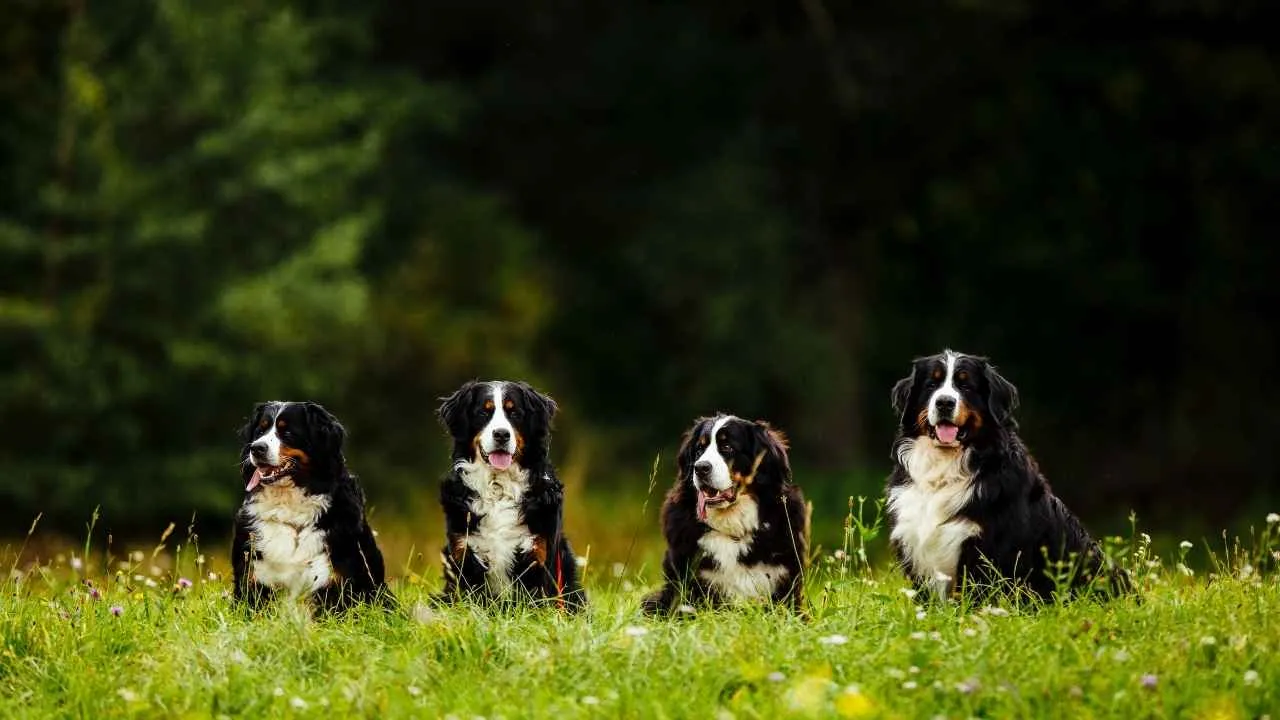
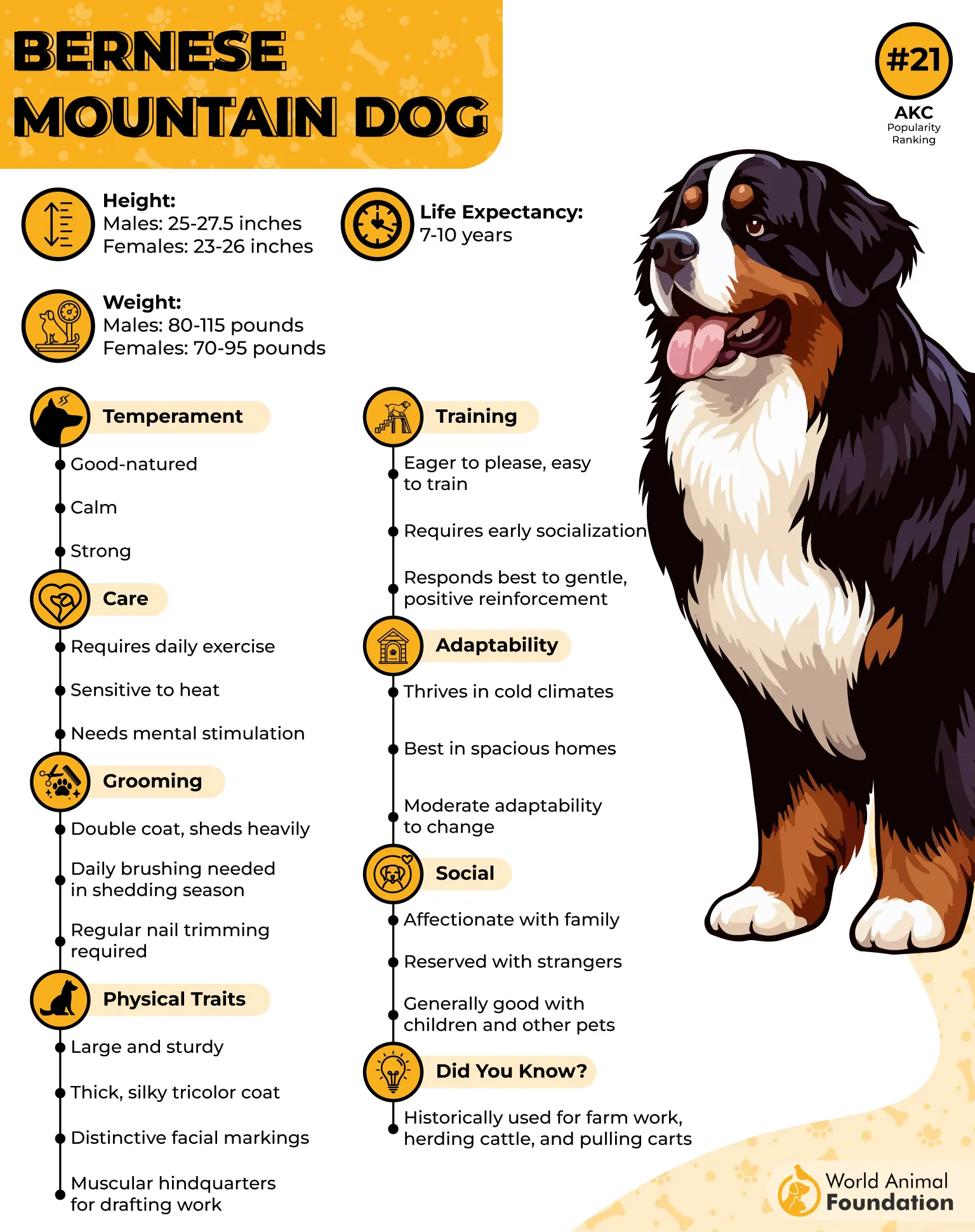
Bernese Mountain Dog spent centuries working around Swiss farms, where it helped drive dairy herds and pull carts. The breed was once called the Durrbachler because a large share of its population came from the Durrbach area before the name Bernese Mountain Dog became widely used.
Cool-Weather Companion
For adventure outings, Bernese can handle long walks and hikes in cooler conditions, with healthy, conditioned dogs reaching about 10 miles on suitable trails. However, in warm or humid weather, their thick coat can quickly create overheating concerns.
These points make their outdoor range more specific:
Up to 4 miles of running in cool weather
Needs regular but moderate activity
Strong enough for child-pulling carts
Home After the Trail
Bernese Mountain Dog is happiest with its family indoors and should not be left outside alone for extended periods. At home, its intelligent and friendly temperament works well around children, while activities such as tracking, herding, obedience, rally, and carting provide varied ways to stay engaged.
Conclusion
Selecting an adventure companion is about more than finding a dog with plenty of energy. You can unleash your adventure by choosing a dog with physical ability, good judgment, trainability, confidence, and a willingness to experience new surroundings. Long hikes and active trips also require gradual conditioning, regular water breaks, suitable gear, and protection from uncomfortable weather.
An adventure-seeking dog that enjoys the outdoors but cannot settle or respond to distractions may create challenges instead of adding to the experience. Pet parents should think about the activities they actually enjoy, then match those demands with their pet’s natural abilities and daily needs. That approach can help unleash your adventure with a healthier, happier partnership on every outing.
