




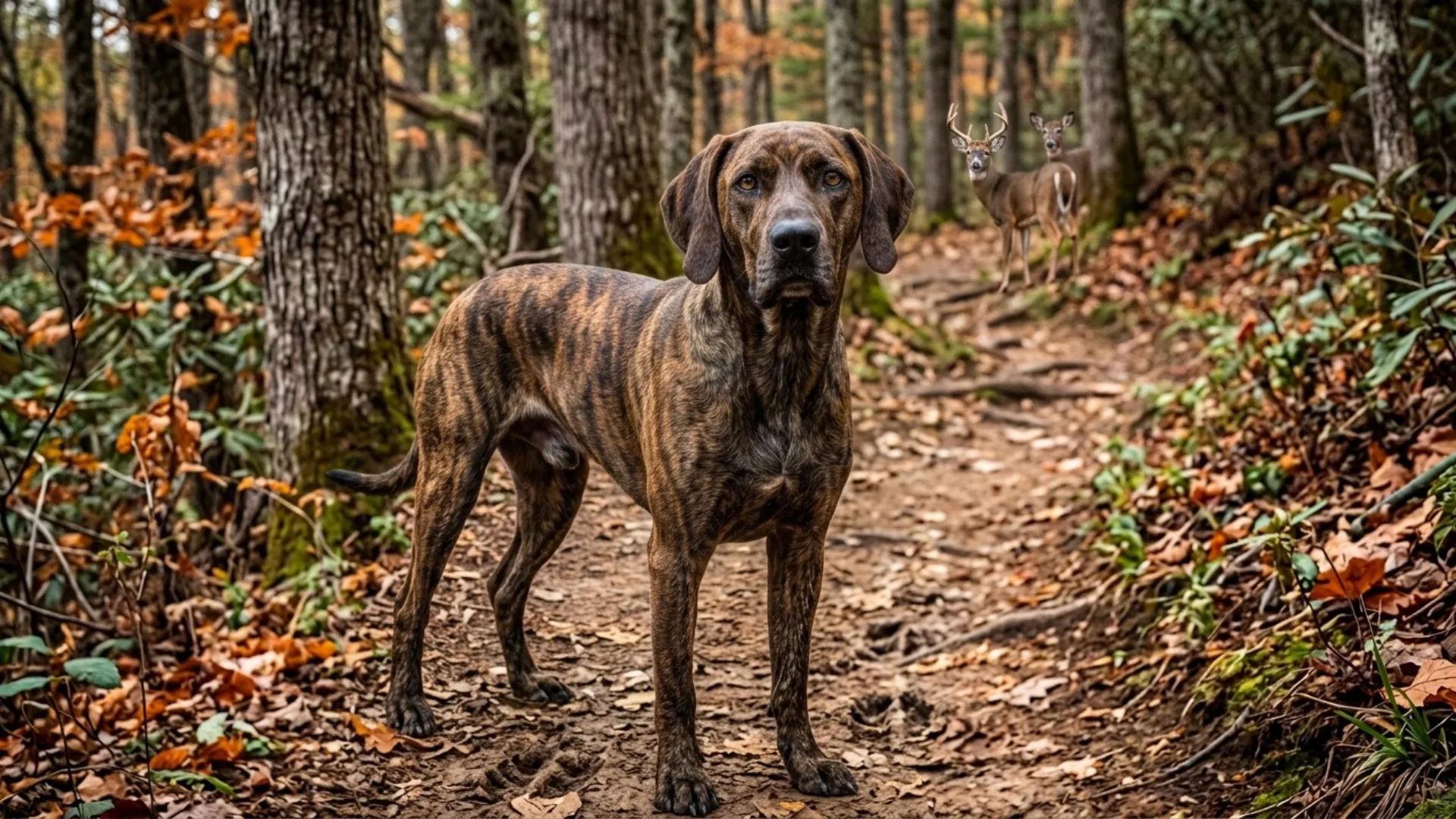
A fading trail, thick undergrowth, and changing winds can turn wildlife tracking into a serious challenge within minutes. When every clue becomes harder to read, the right dog can bring powerful instincts, endurance, and scenting ability to the search for an animal.
The best tracking breeds are built for demanding outdoor work, using generations of specialized instincts to follow scent trails across difficult terrain. Their focus, trainability, and determination can make them valuable partners when tracking other deer or any wildlife becomes especially challenging.
From dense forests to open fields, these dogs stay committed when the trail seems to disappear, helping turn a difficult search into a focused outdoor pursuit.
FACT: A well-trained tracking dog can follow scent trails that may be difficult for humans to detect.
Best Dog Breeds Choices For Deer and Wildlife Tracking
1. Bavarian Mountain Hound
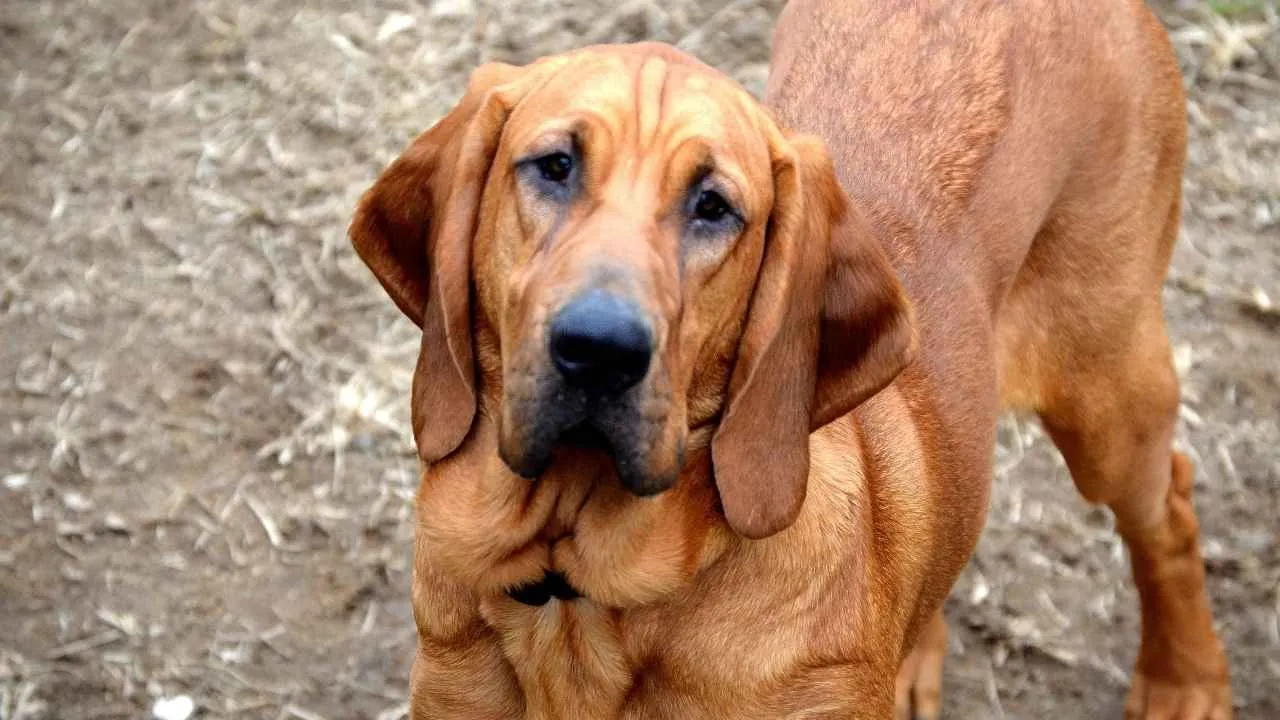
The Bavarian Mountain Hound stands out as a highly specialized blood-tracking dog, particularly skilled at recovering wounded deer and other large game. Developed for demanding tracking work, this German scent hound can follow even an old, faint trail through thick vegetation and challenging terrain.
Its exceptional nose lets it work through scent changes that may confuse other breeds of tracking dogs. Professional hunters and wildlife contractors have utilized the breed for tracking deer and other game, especially when persistence and accuracy are crucial.
This medium-sized hound is reserved and intensely focused, forming a particularly strong bond with its handler. Rather than being openly friendly with strangers, it tends to remain quiet and watchful without unnecessary aggression.
The breed thrives when given meaningful tracking work and can become restless without enough mental and physical activity. Its natural determination, concentration, and ability to read difficult scent trails make it especially suited to experienced handlers involved in serious wildlife tracking.
2. Hanoverian Scenthound
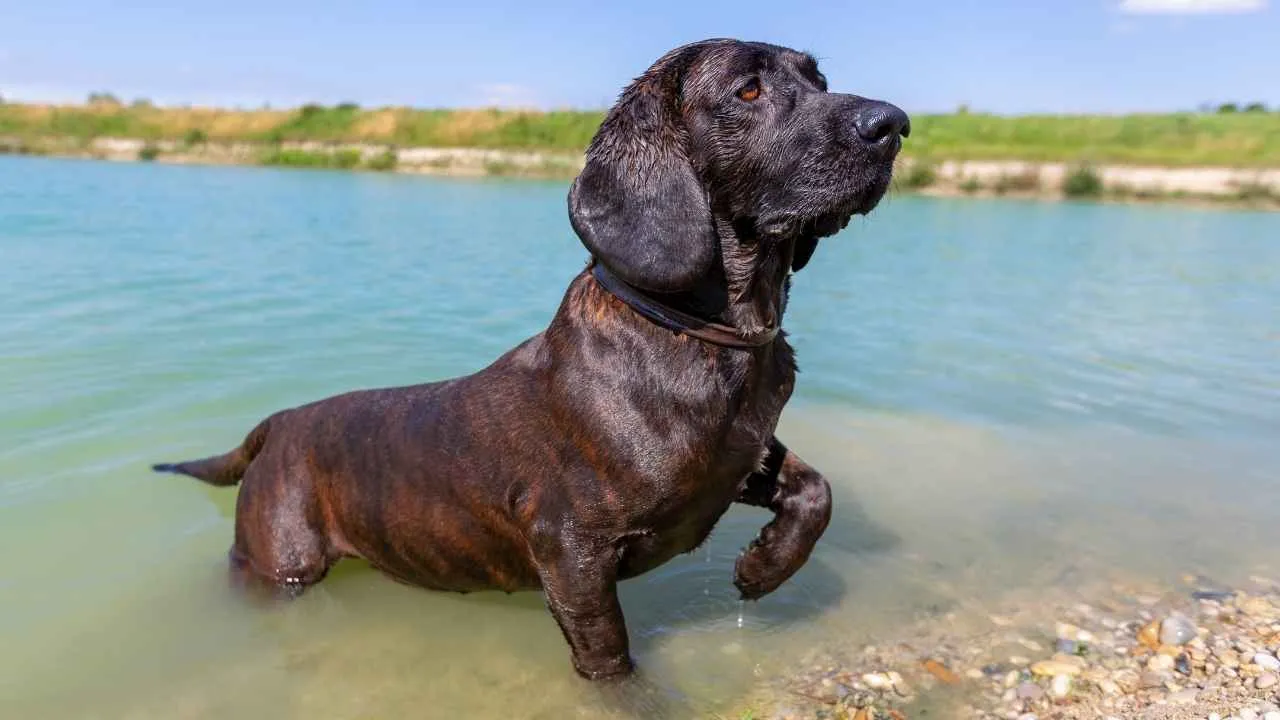
The Hanoverian Scenthound is an intelligent specialist developed for one demanding task: recovering wounded deer and other game by following difficult blood trails.
Rather than rushing ahead, this powerful scent hound works with patience and precision. Its exceptional nose helps it stay on cold or fading trails over long distances, even through dense cover and challenging terrain.
Intelligence also shapes its working style. The breed can think independently while tracking and may remain focused on the scent instead of immediately responding to commands, so consistent training and trust with its handler are essential.
Calm, serious, and highly devoted to its work, the Hanoverian often forms a particularly strong connection with one handler. Its endurance, muscular build, and determined approach make it especially suited to demanding wildlife recoveries where accuracy matters more than speed.
3. Plott Hound
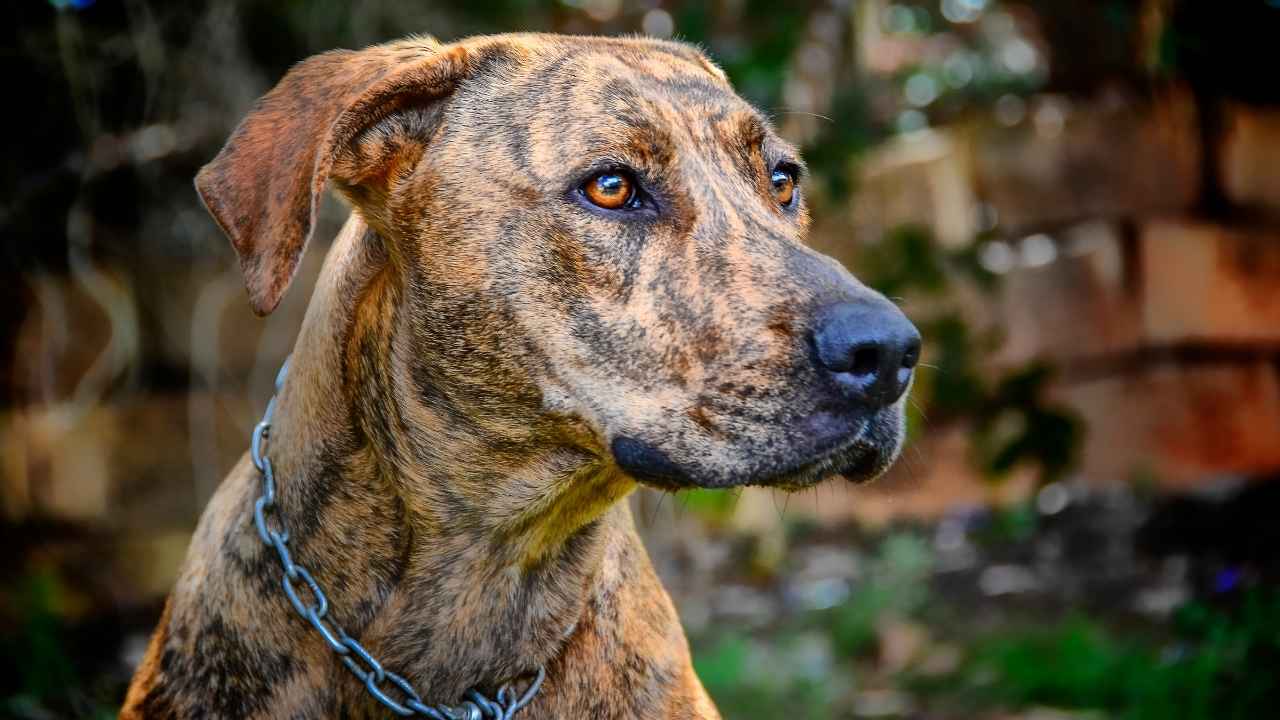
Built for adventure across demanding landscapes, the Plott Hound is a fearless scent hound with the stamina to pursue game through dense forests, steep hills, and rugged mountain trails. Its strong, athletic build helps it remain sure-footed when a deer’s trail leads far beyond easy ground.
This North Carolina breed is especially valued for its determination. Descended from German big-game hunting dogs, Plott Hounds have long been used to track challenging quarry, including wild boar and bears. That same tenacity can make them highly effective when following a difficult deer scent.
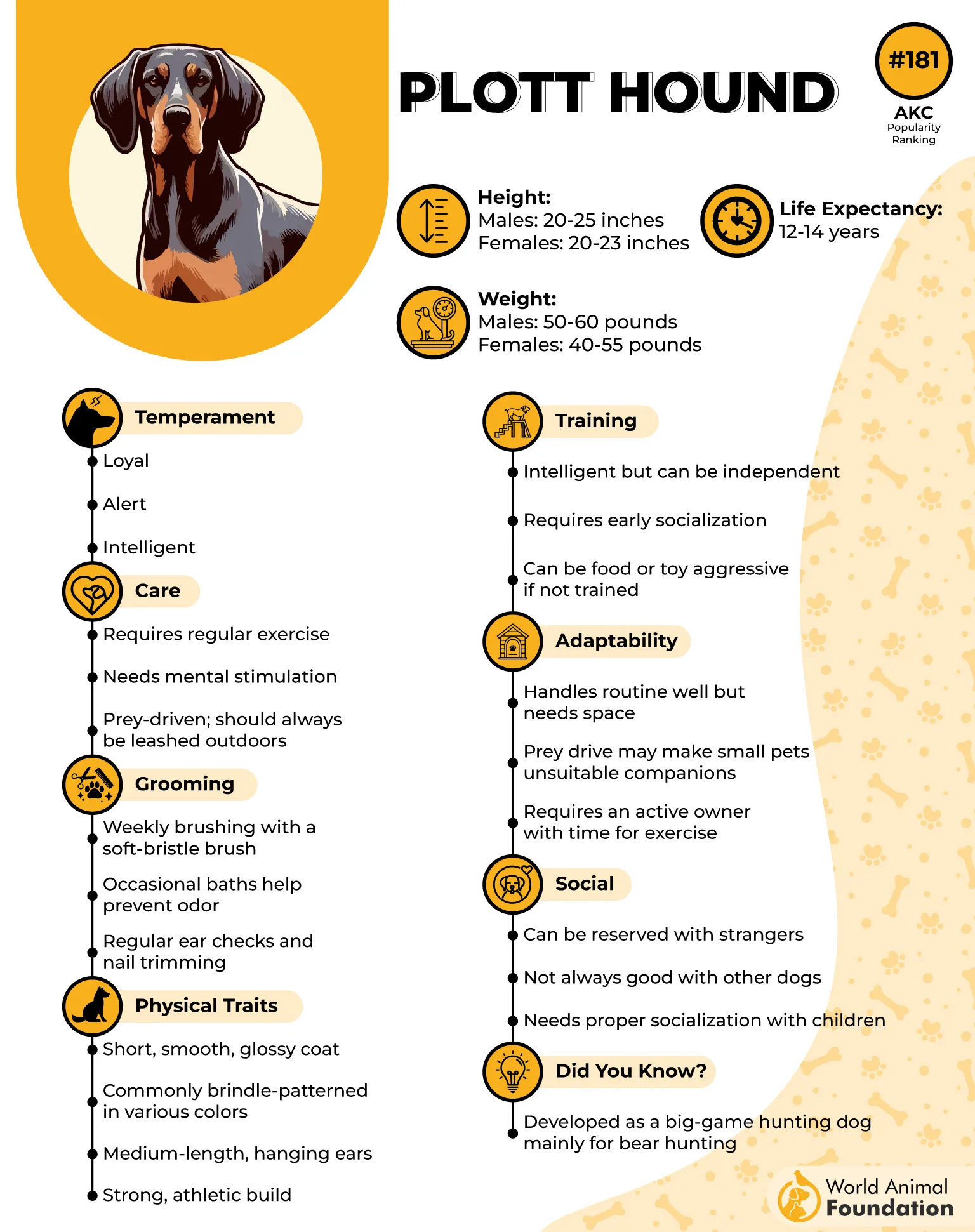
Intelligence adds another advantage to their tracking ability. Plott Hounds can work through changing terrain while responding to consistent training and direction. Their loud, choppy bark also helps handlers follow their progress without needing to stay close behind.
They need an experienced handler who can provide firm guidance. According to the AKC, Plott Hounds have an extremely intense prey drive. With endurance, courage, and a refusal to abandon a trail, this rugged dog is well suited to demanding wildlife tracking adventures.
4. Black and Tan Coonhound
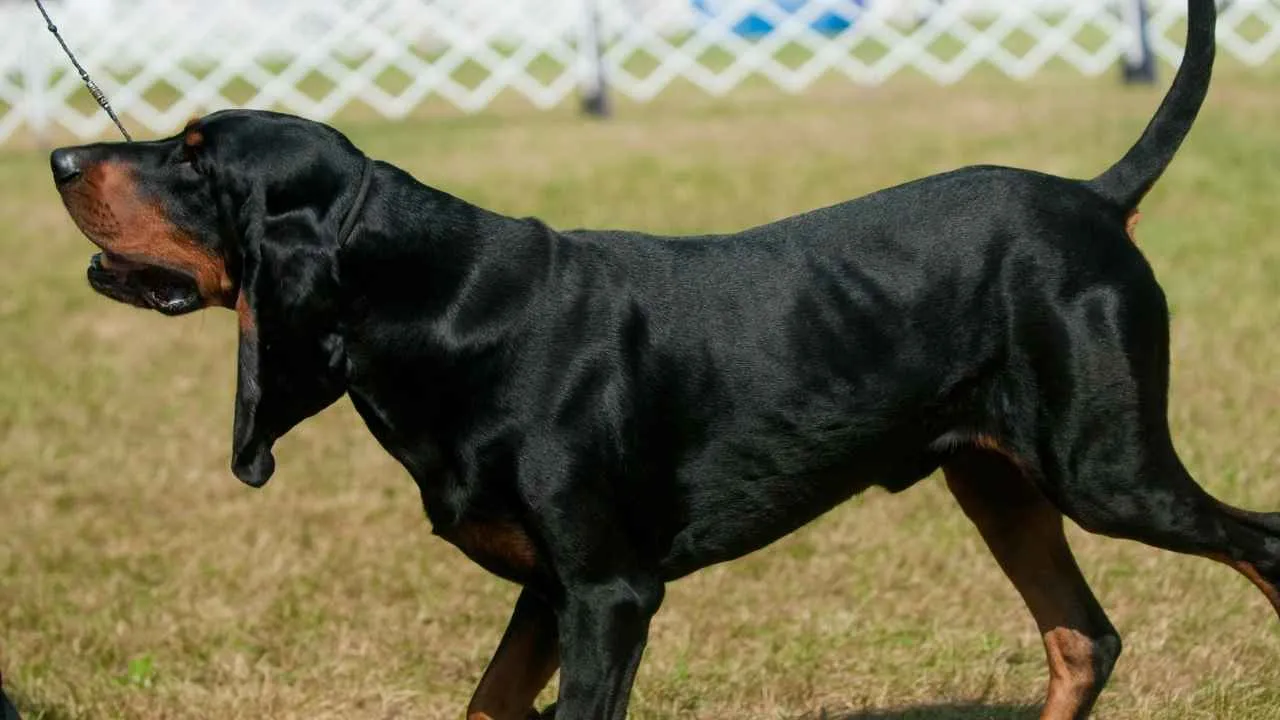
A wounded deer disappears into thick cover, leaving behind a faint trail that grows colder with every passing minute. This is where the Black and Tan Coonhound’s deep nose and patient approach can shine.
Bred to trail game over long distances, this American scent hound works steadily rather than rushing ahead. Its powerful scenting ability and endurance help it stay committed when a trail crosses rough ground, dense woods, or uneven terrain. According to Purina, the Black and Tan Coonhound is smart but matures slowly.
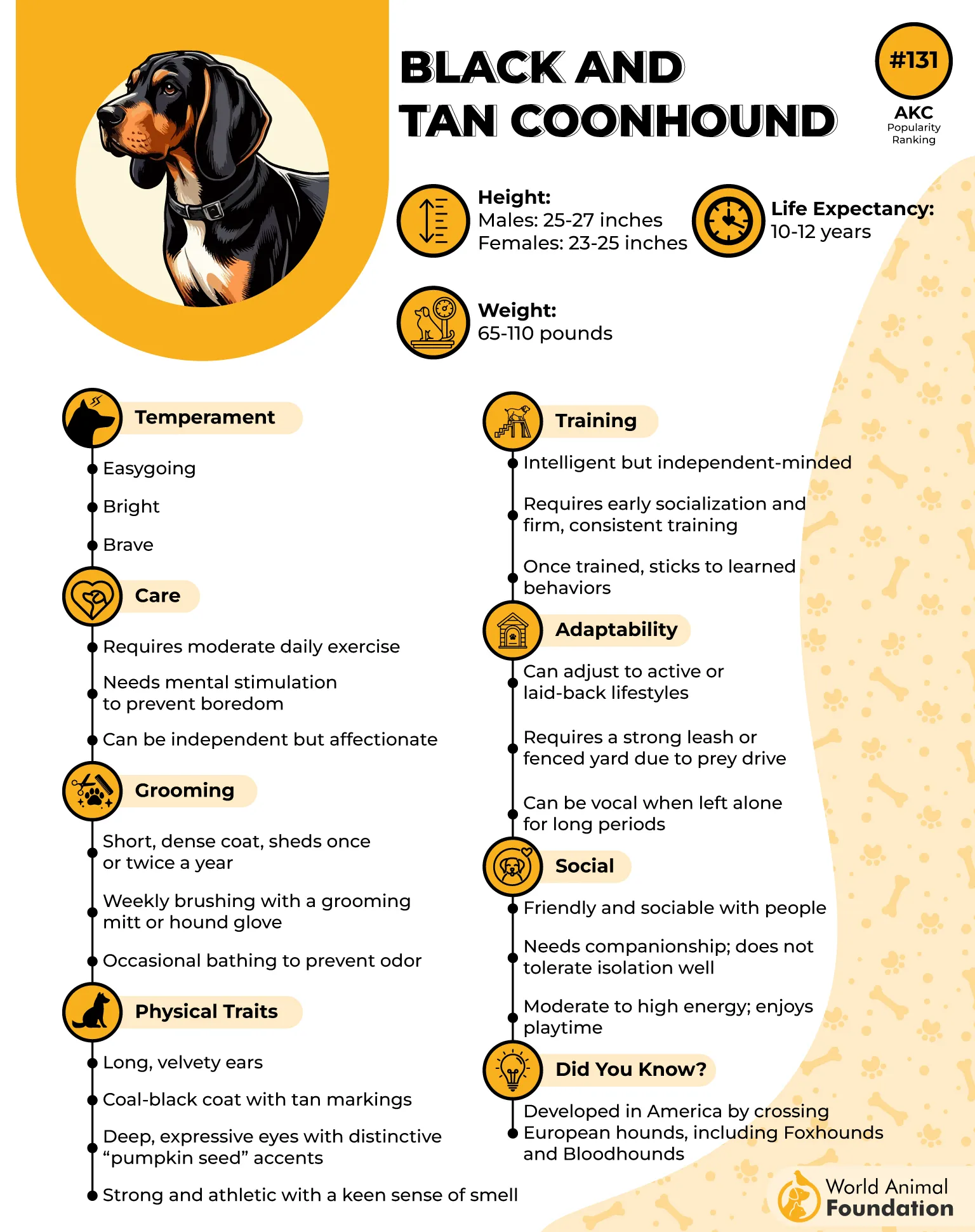
The breed has the strength to handle demanding landscapes without losing its methodical focus. Black and Tans are also valued for their manageable temperament, which can make training for deer recovery more straightforward.
Although traditionally used for raccoons and other game, a properly trained Black and Tan can adapt well to following difficult deer trails. Regular scent drills using legally obtained deer blood, hides, or scent material can help sharpen its tracking skills throughout the year.
5. German Shorthaired Pointer
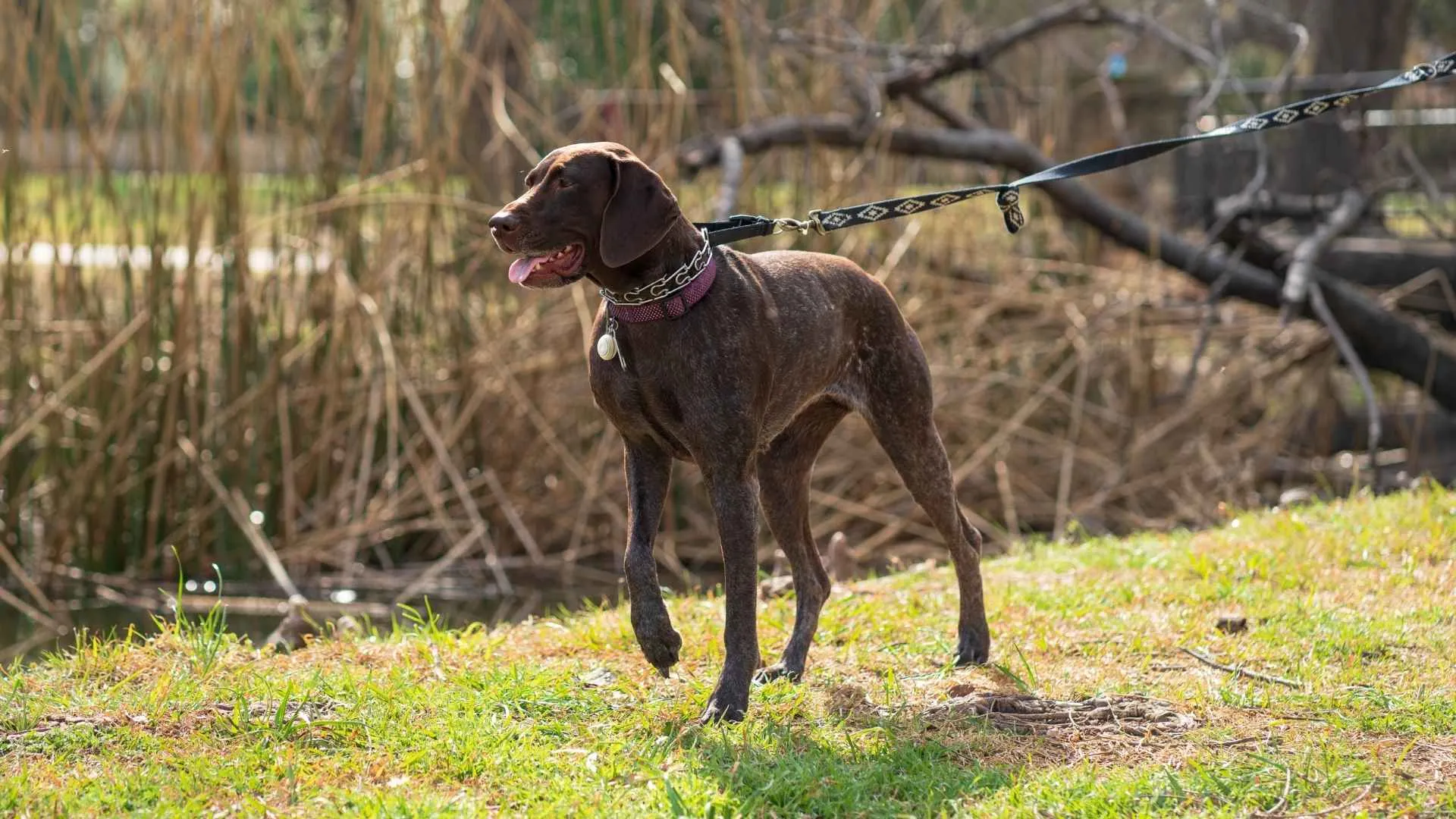
The German Shorthaired Pointer brings an adventure-ready spirit to deer and wildlife tracking, combining impressive speed with a sharp, capable nose. Its athletic build and stamina allow it to cover challenging ground while staying focused on the task. According to Orvis, this breed has long been celebrated for its performance as a gundog.
Originally developed as a versatile hunting companion, this breed can work across different environments and assist with tracking both smaller and larger game. Its ability to hunt alongside people and other dogs also makes it well suited to coordinated fieldwork.
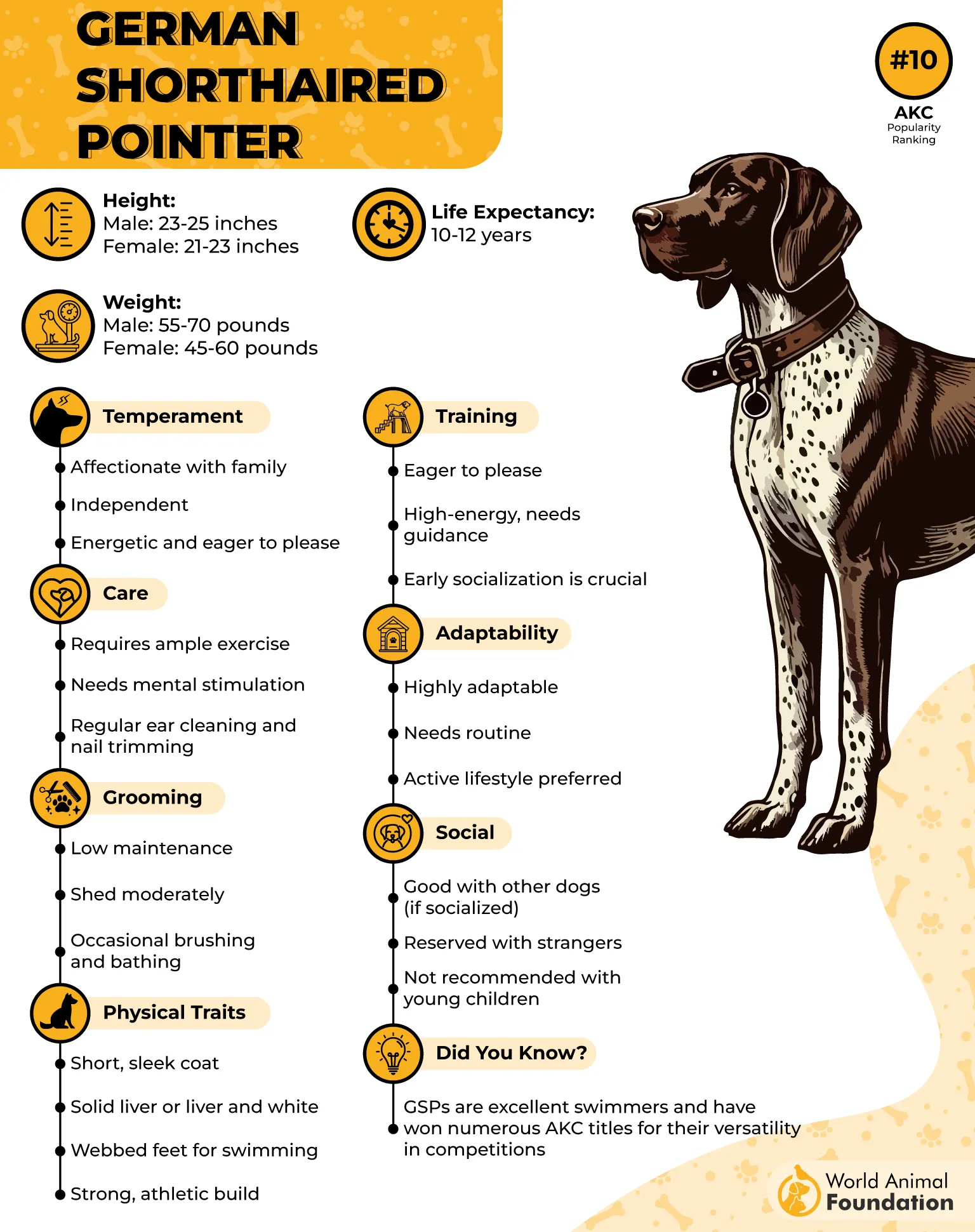
Loyal and responsive, the German Shorthaired Pointer is eager to work and can shift quickly from an active hunting role to a more relaxed companion at home. It is also a natural retriever and can handle lighter water work.
This energetic breed thrives on outdoor activity and regular exercise, making it especially suitable for handlers who enjoy frequent adventures and need a dog with the endurance to match.
6. Weimaraner
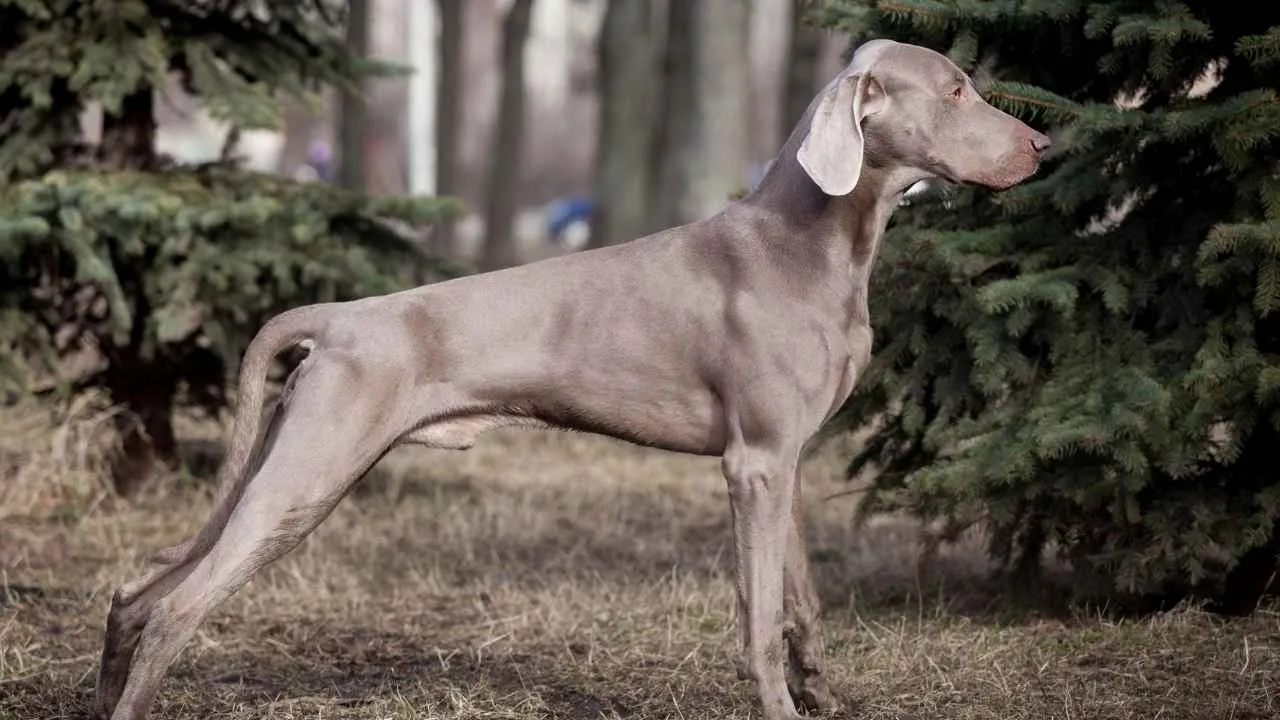
The Weimaraner moves through the field like a sleek athlete with a purpose. Once known as the “Grey Ghost” for its silver-gray coat, this German hunting breed was historically used to pursue large game, including deer and wild boar.
Today, its speed, agility, and strong tracking instincts remain valuable in the field. A Weimaraner can cover considerable ground while staying focused, making it well suited to following deer trails and assisting with other wildlife tracking tasks.
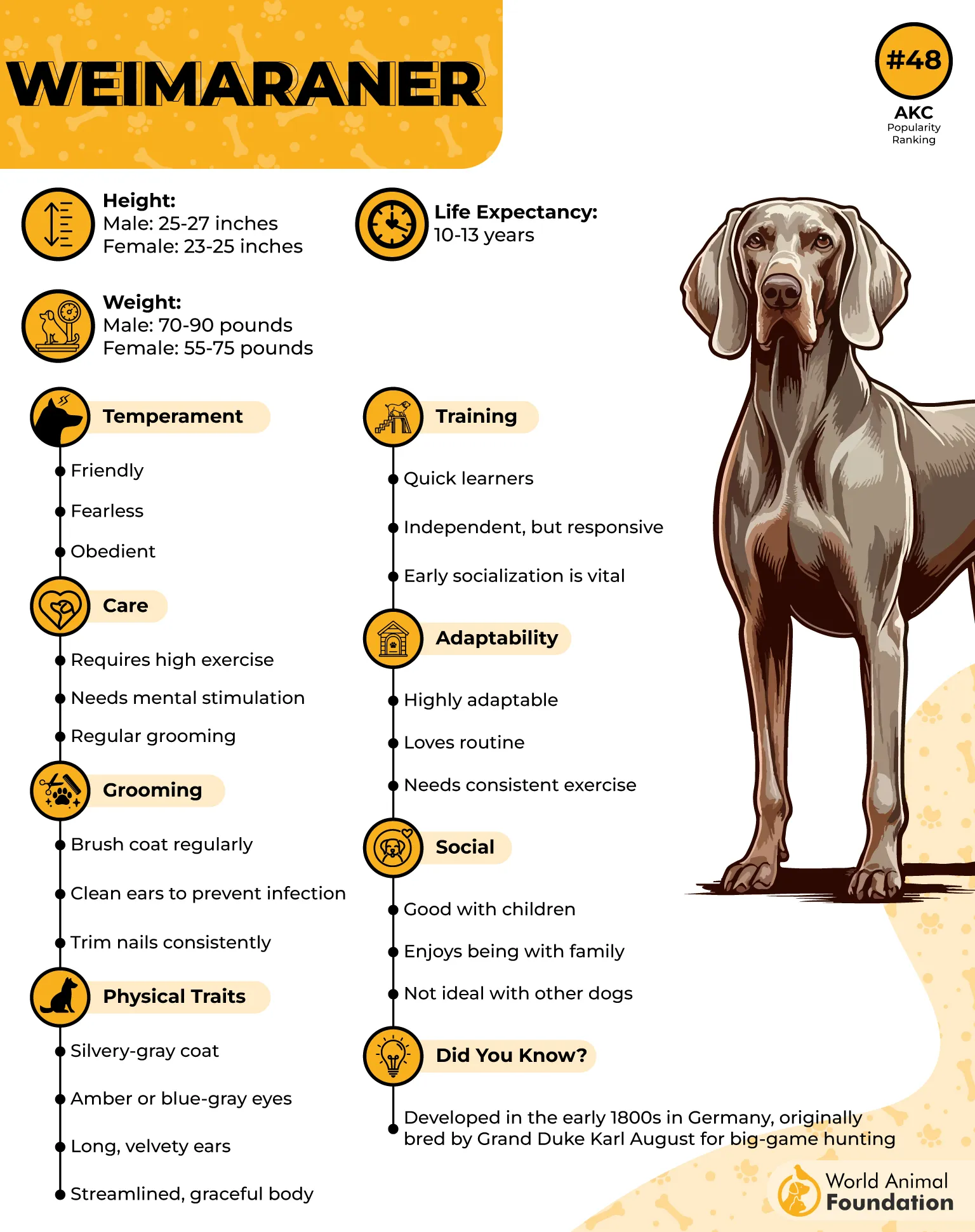
Picture the hunt growing busy and unpredictable: this intelligent dog can remain composed while working. Its trainable nature and natural athleticism also help it adapt to demanding outdoor conditions.
Early, consistent training is important because Weimaraners can be strong-willed. They also need plenty of exercise and mental stimulation, so an active owner who can channel their energy will get the most from their abilities.
7. Bloodhound
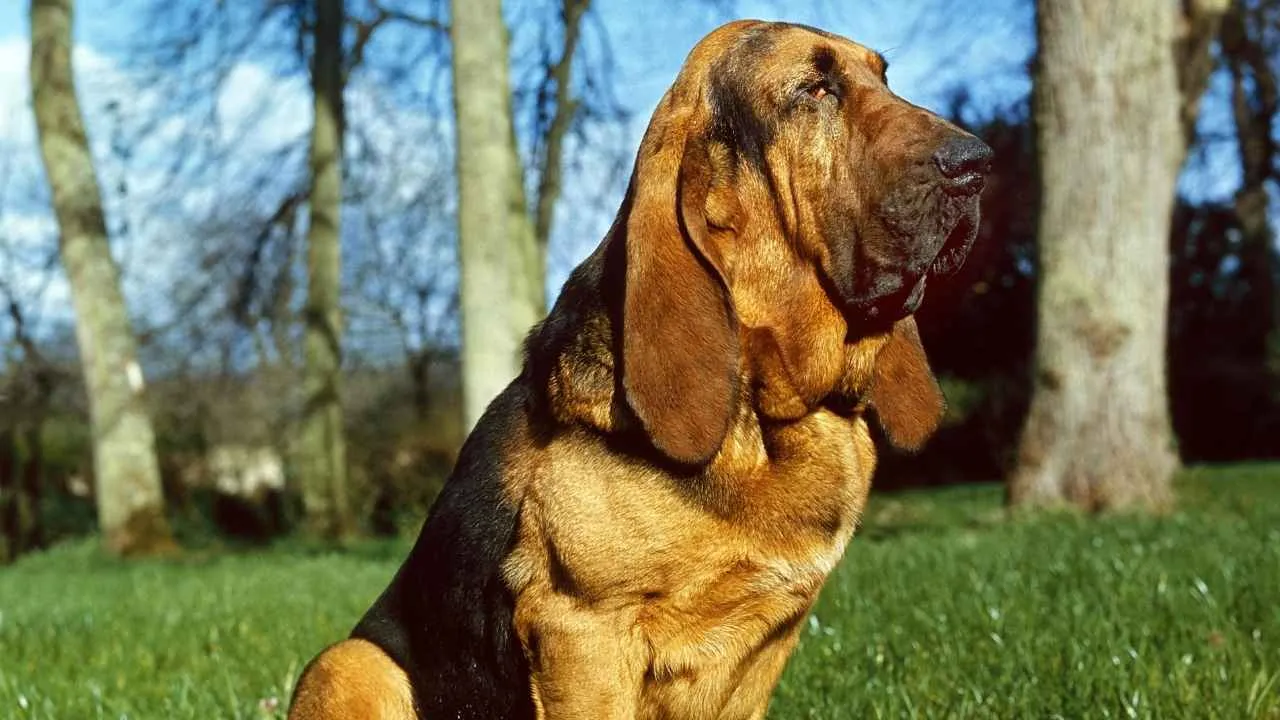
Among intelligent tracking breeds, the Bloodhound stands apart as a legendary scent specialist. Its remarkable nose can follow old scent trails across challenging terrain, helping hunters recover deer even when the trail stretches far from the original location.
Built for patient, methodical work, this scenthound keeps its nose close to the ground and follows the scent line with impressive determination. Its endurance also allows it to continue tracking over long distances, while its distinctive voice can help handlers monitor its progress.
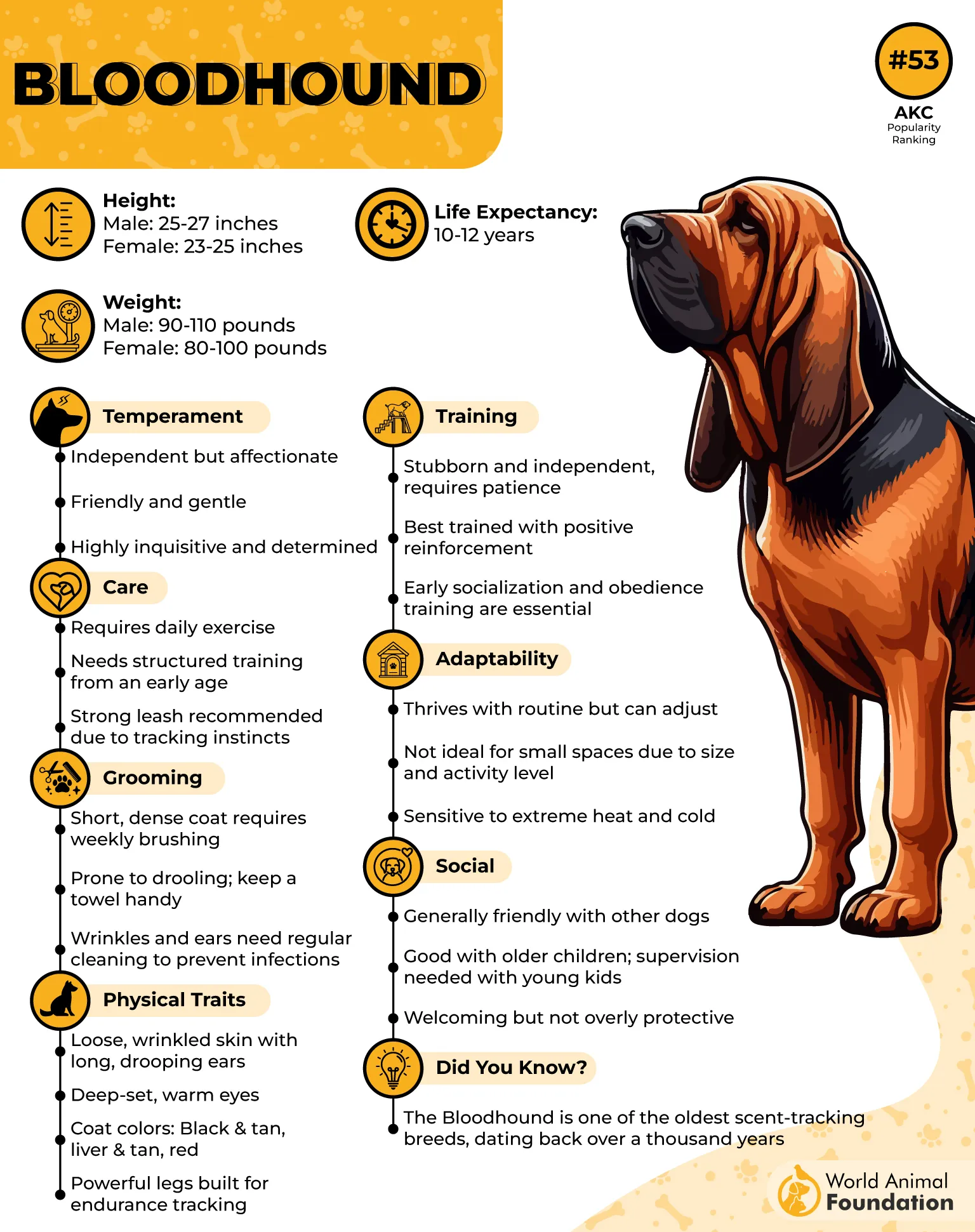
The Bloodhound’s intelligence is closely tied to its powerful instincts, which means instructions require patience and consistency. Once focused on a scent, it may become deeply absorbed in following it, so positive reinforcement and reliable handling are essential.
Cool, damp conditions can help preserve scent, while beginning near a deer’s last known location gives this exceptional tracker a clearer trail to investigate.
Conclusion
Choosing the right dog for deer and wildlife tracking depends on the terrain, the type of trail, and the handler’s experience. A strong sense of smell, stamina, focus, and determination can make a major difference when following game.
Some breeds excel at working old or difficult scent trails, while others combine speed, endurance, and intelligence to handle demanding outdoor conditions. Their instincts can help hunters locate wounded or moving wildlife more effectively.
Proper teaching remains essential, regardless of a breed’s natural abilities. Positive reinforcement, patience, and regular scent work can strengthen tracking skills while helping the dog stay focused on the task.
Whether you need a determined scenthound or an intelligent all-purpose tracker, the best companion should match your hunting environment and tracking needs. With responsible handling and consistent guidance, these dogs can become valuable partners for ethical wildlife recovery.
