




Choosing a first dog can feel overwhelming, particularly when a new owner is trying to balance personality, care requirements, training, and everyday practicality. Small breeds can be appealing because their compact size often makes handling, transportation, and indoor living more convenient.
Size alone, however, does not determine whether a dog will be easy to raise. Some little dogs are highly energetic, others are sensitive or independent, and several require considerable grooming. A suitable match depends on how a breed’s natural tendencies fit the owner’s schedule, experience, and expectations.
The best small dog breeds below represent a broad range of personalities. Some are eager learners, some are devoted companion animals, and others bring a lively terrier character into the household. Understanding those differences can help a first-time dog owner select a pup whose needs are realistic for their lifestyle.
Small‑Sized Dog Breeds Perfect for First‑Time Owners
1. Border Terrier
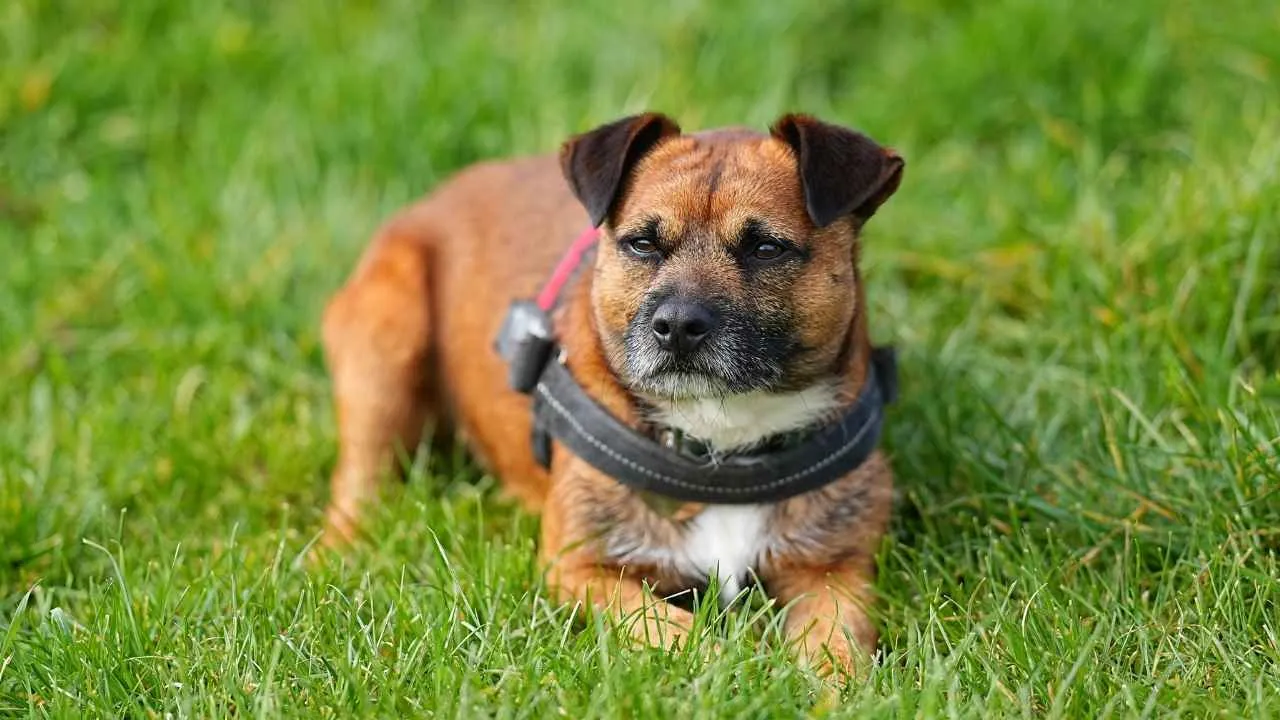
Border Terriers originated along the border between England and Scotland, where farmers and huntsmen developed them to pursue foxes and other quarry.
Their narrow bodies and long legs allowed them to follow horses and enter tight spaces while working in rugged countryside. The breed’s practical background remains visible in its alert expression and sturdy construction.
Build a Consistent Training Routine
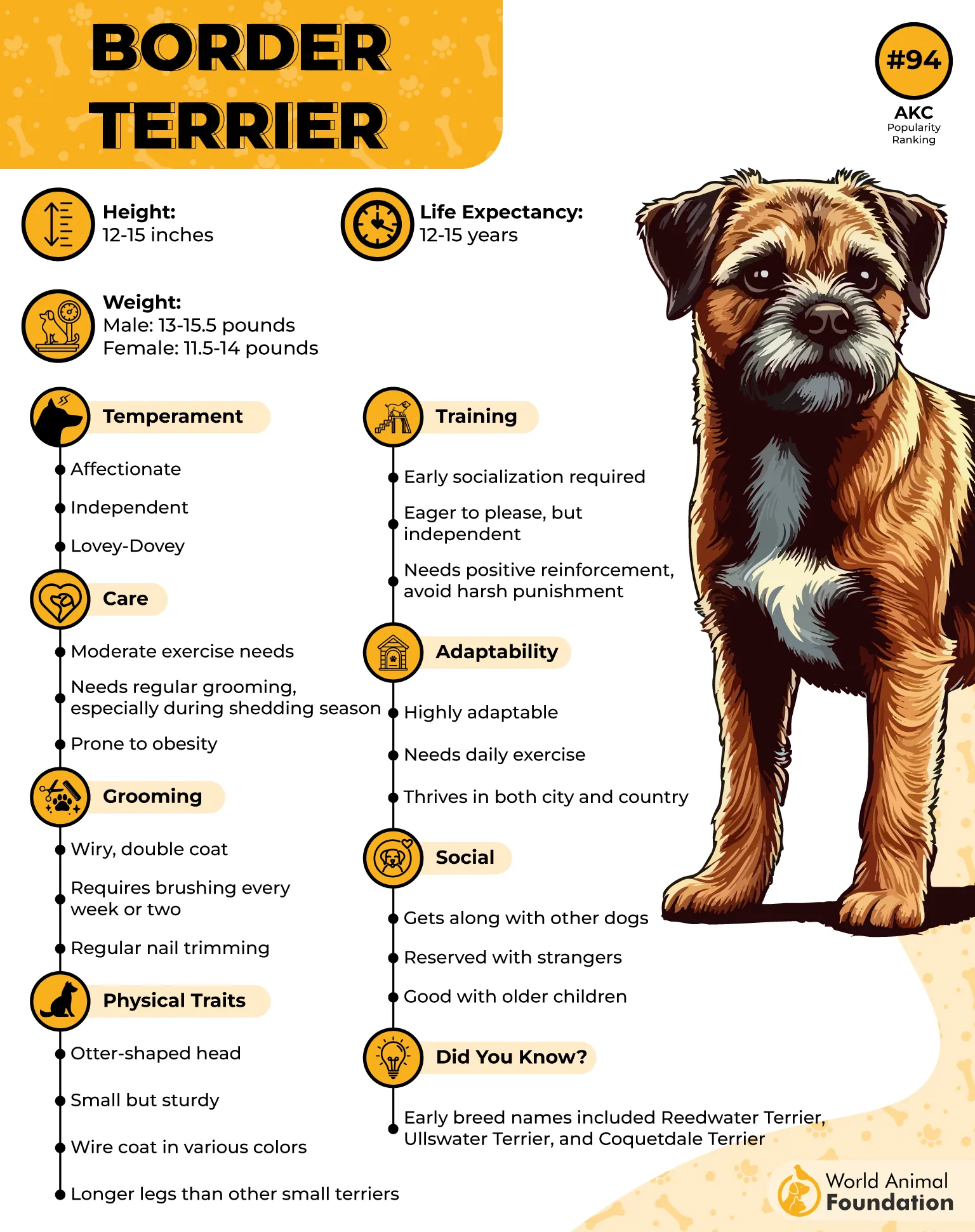
Border Terriers tend to be bright and responsive, but their hunting instincts can compete with their attention when something exciting catches their interest, as per PetMD.
Short lessons using rewards and clear boundaries can establish useful household habits without becoming tedious. Recall deserves particular attention because a fascinating scent can quickly become more interesting than an owner’s call.
Lively Personality in a Compact Package
Their small stature hides a surprisingly adventurous character. Border Terriers often enjoy investigating their surroundings, playing games, and taking part in family activities. They can suit newcomers who want a manageable-sized dog but are prepared to provide regular outlets for curiosity and natural chasing behavior.
2. Bolognese
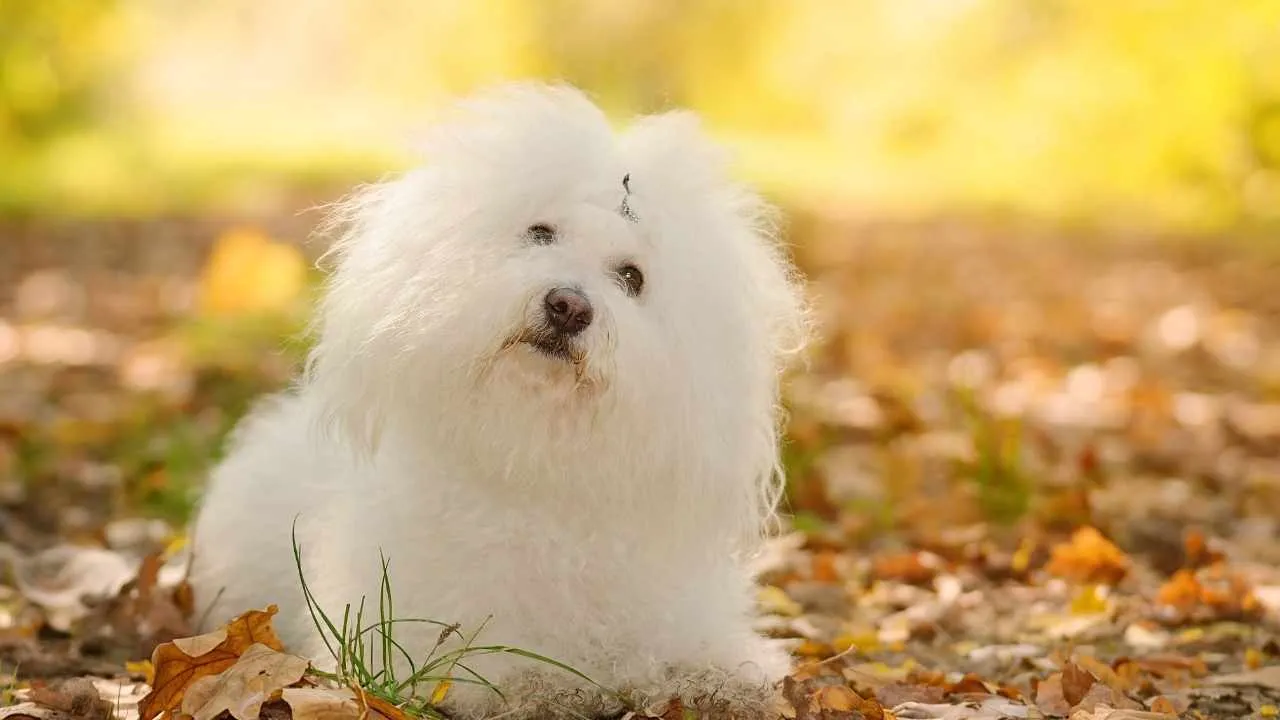
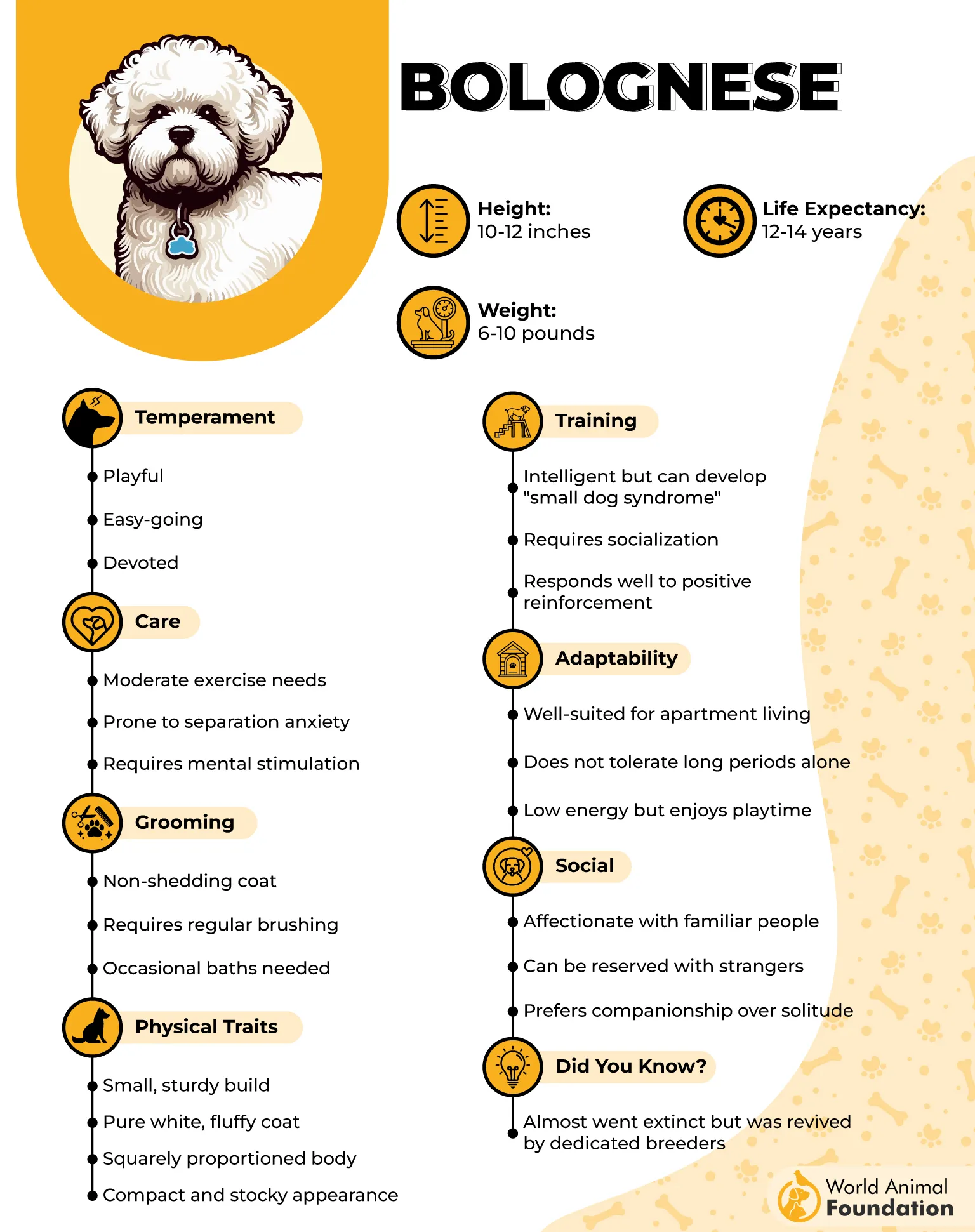
The Bolognese has roots in Italy and belongs to the ancient Bichon family of companion dogs. It was particularly associated with the city of Bologna and became favored among European nobility, where its charming appearance and sociable nature made it a prized household companion.
Unlike breeds developed for demanding fieldwork, its historical purpose centered largely on human company.
Gentle Introduction to Obedience
Bolognese dogs can respond well when lessons remain upbeat and predictable. New owners can concentrate on household basics such as house training, polite greetings, leash behavior, and settling calmly indoors. Because the breed is closely attached to its family, positive interaction can be a useful foundation for teaching new behaviors.
Devoted House Companion
Their affectionate disposition can make the Bolognese appealing to someone seeking a close relationship with a dog.
They often prefer being included in household life rather than spending long stretches isolated. Prospective owners should therefore consider whether they can provide sufficient companionship instead of assuming a small breed will be content alone.
3. Toy Poodle
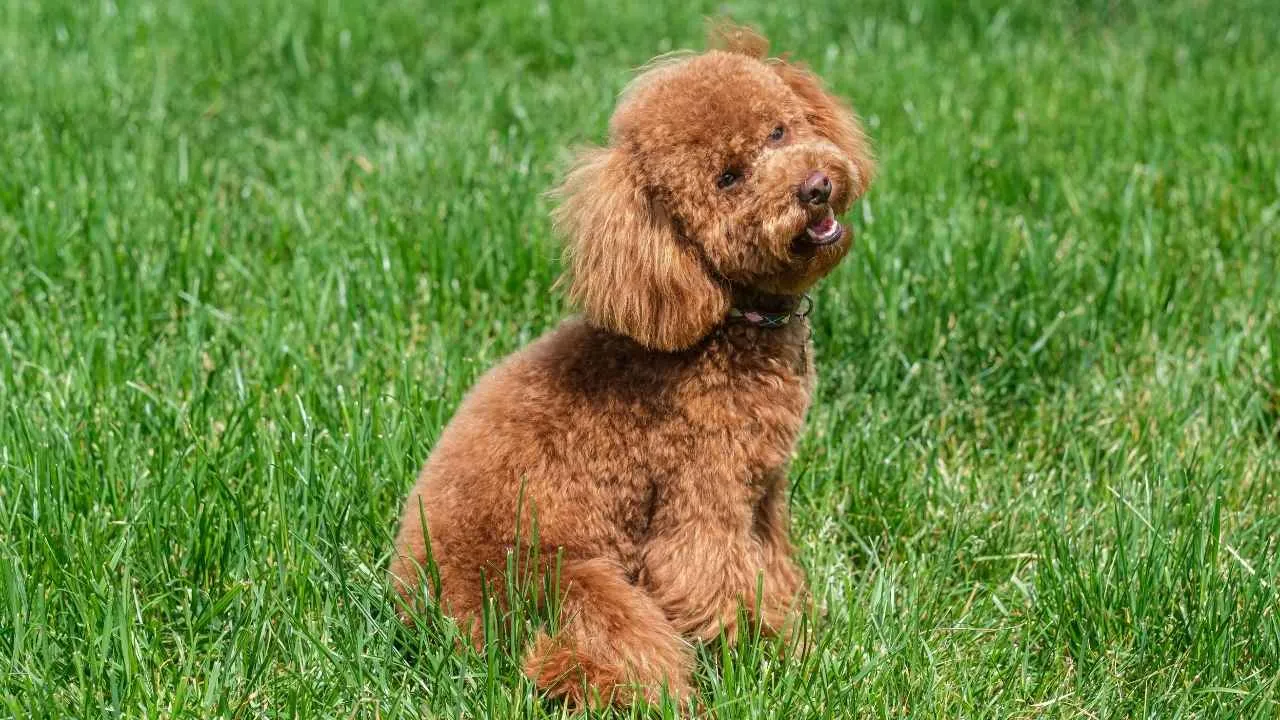
Toy Poodles are the smallest size variety of the Poodle, a breed whose development is closely connected with continental Europe.
Larger Poodles were historically used as water retrievers, while smaller versions became fashionable companion dogs. Their distinctive coat and elegant appearance eventually became associated with both practical grooming traditions and refined domestic life.
Make Learning Part of Daily Life
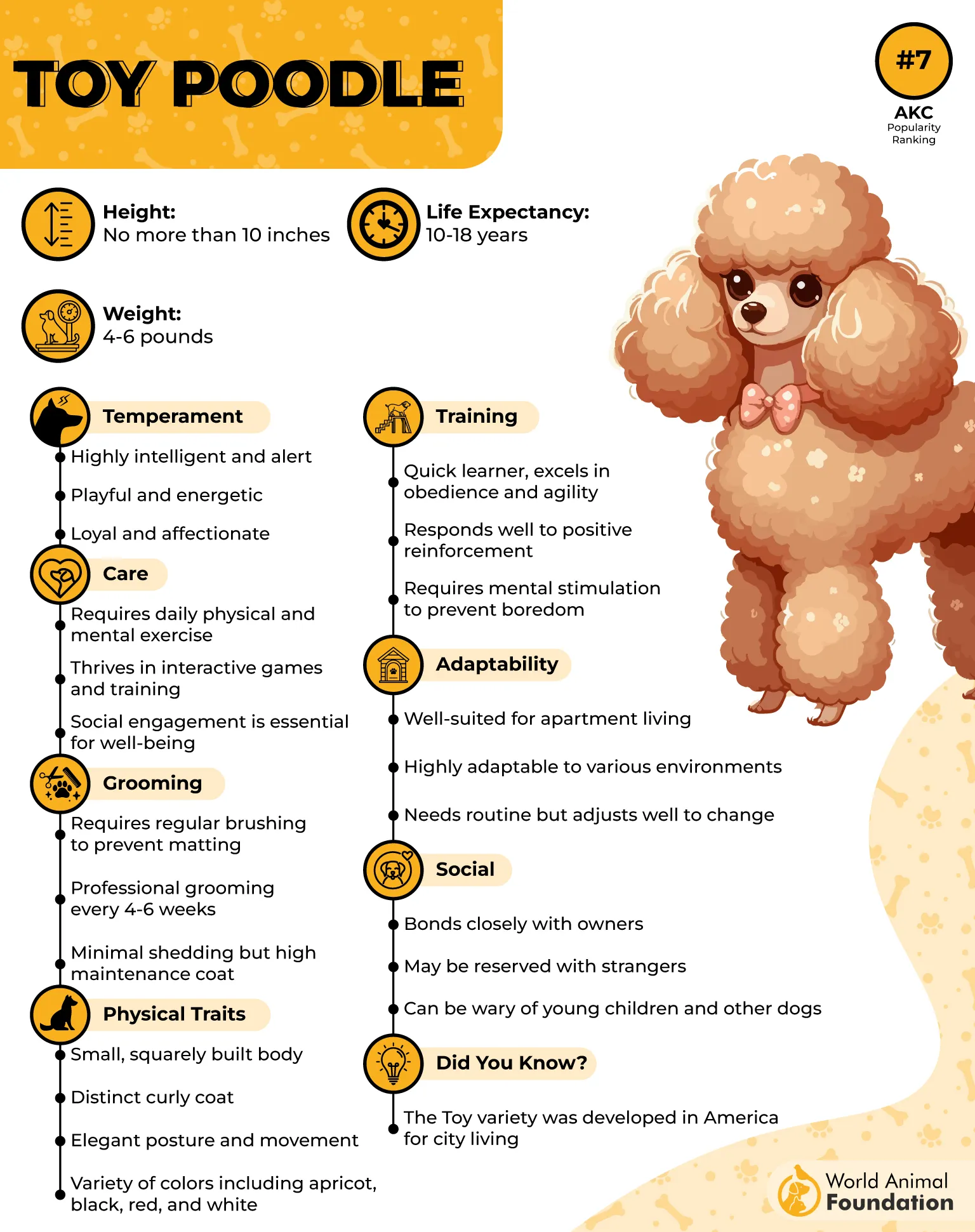
Toy Poodles are notably intelligent dogs and often pick up new behaviors rapidly. For an inexperienced owner, this can make basic obedience enjoyable, provided training remains structured and varied.
Simple tricks, manners, scent games, and household commands can all turn their mental ability into a constructive advantage.
Alert and Adaptable Companion
Although tiny, Toy Poodles are not merely decorative pets. Many are observant, playful, and keenly interested in what their owners are doing. Their coat requires professional or careful home grooming, so first-time owners should be comfortable establishing a dependable maintenance schedule.
4. American Hairless Terrier
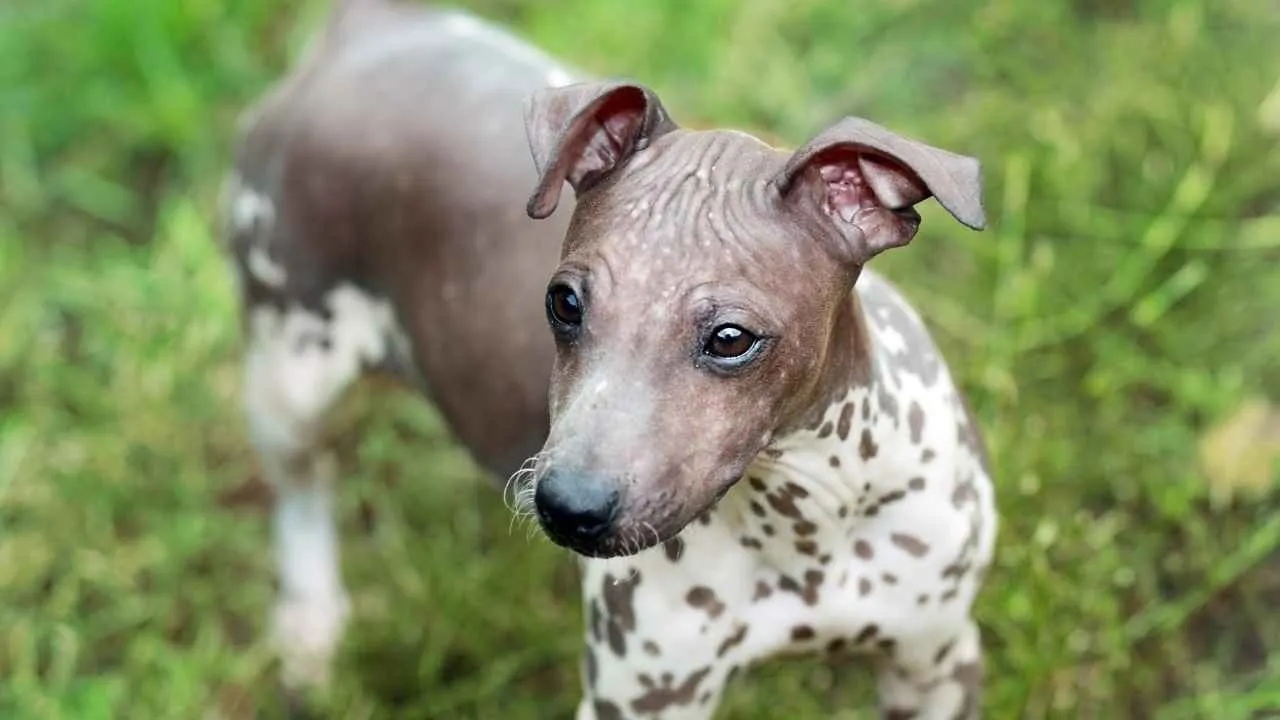
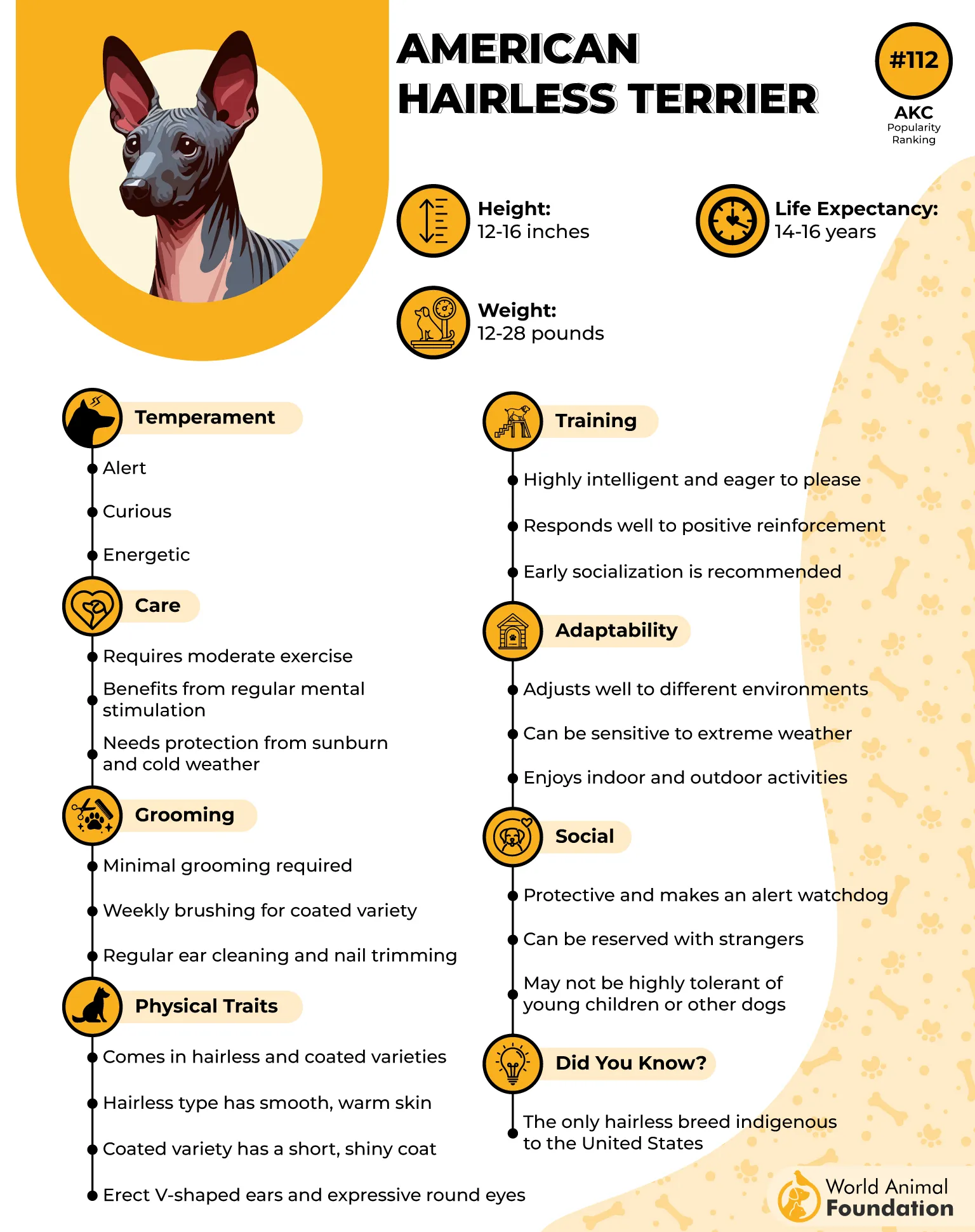
The American Hairless Terrier developed in the United States from Rat Terriers, with the hairless trait emerging through a natural genetic mutation.
Breeders subsequently established it as a distinct type. Its unusual lack of a traditional coat gave the breed a recognizable appearance while retaining much of the lively character associated with its terrier ancestry.
Teach Manners Through Engagement
This hairless breed can be enthusiastic during training, particularly when lessons incorporate play or food rewards.
Early work on leash manners, response to cues, and appropriate interaction with visitors can help channel its spirited nature. A predictable routine can also make expectations easier for a novice owner to communicate.
Low Coat, Not Zero Maintenance
The absence of a conventional coat can reduce brushing demands, but it does not eliminate skin care. Hairless individuals can be more exposed to sunlight and chilly conditions, making sensible protection important. Their lively temperament also means they benefit from games and activities that keep them occupied.
5. Russian Toy
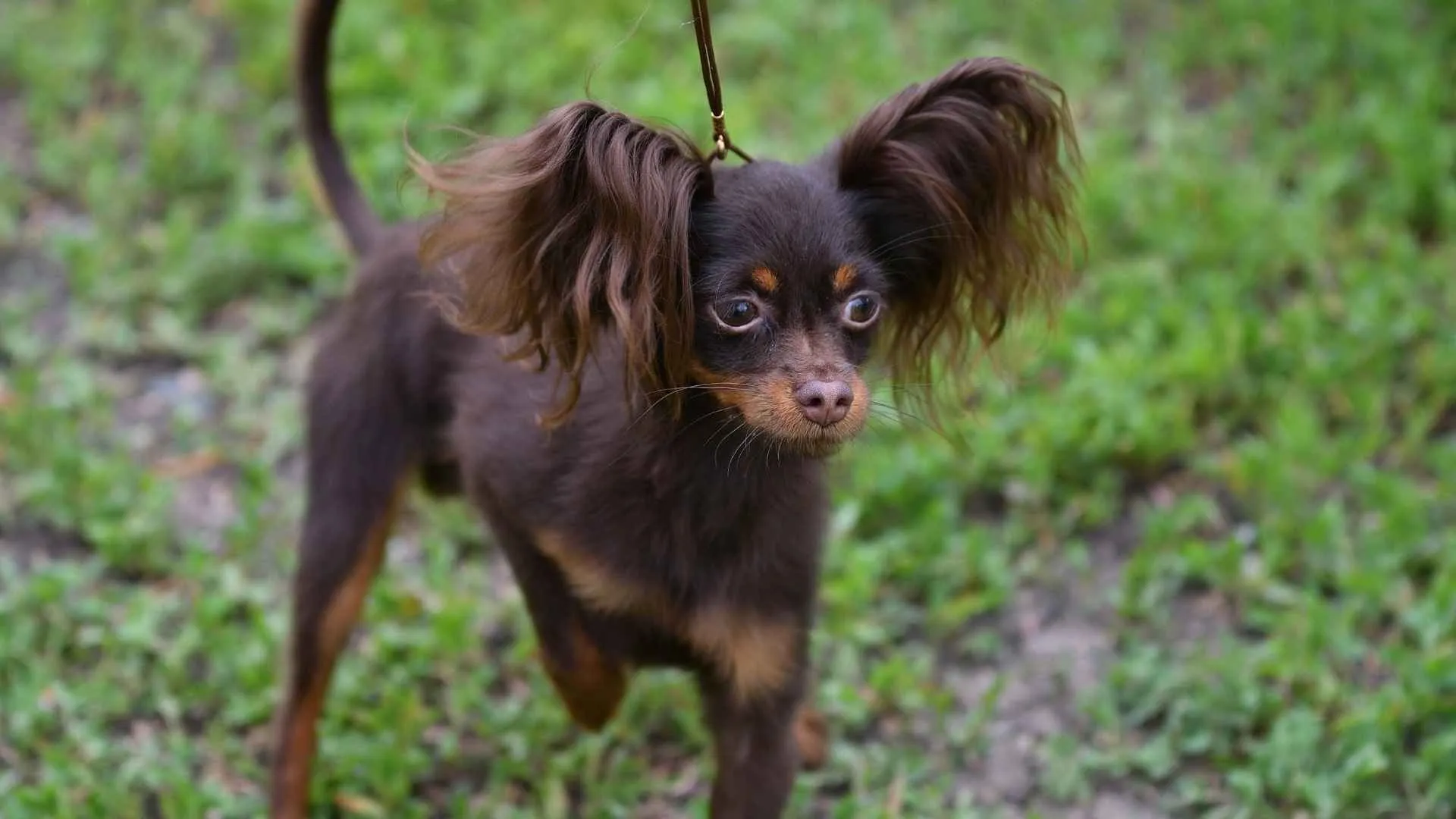
The Russian Toy was developed in Russia from small English Toy Terriers and related companion dogs. It became particularly popular among Russian households before the breed’s population was disrupted during periods of political and social upheaval. Later breeding efforts helped preserve its distinctive appearance and establish the modern breed.
Encourage Calm, Everyday Obedience
Russian Toys can learn household rules effectively when their education begins early. Because of their diminutive size, owners may be tempted to overlook behaviors that would be addressed in a larger dog. Consistent expectations around barking, jumping, toileting, and handling help create a well-mannered companion.
Delicate Frame With a Spirited Side
This breed combines a very small physical presence with an alert and lively temperament. It can enjoy interactive play and short walks while also appreciating comfortable indoor time.
Its fine structure means owners should supervise interactions with larger animals and young children to reduce the chance of accidental injury.
6. Russian Tsvetnaya Bolonka
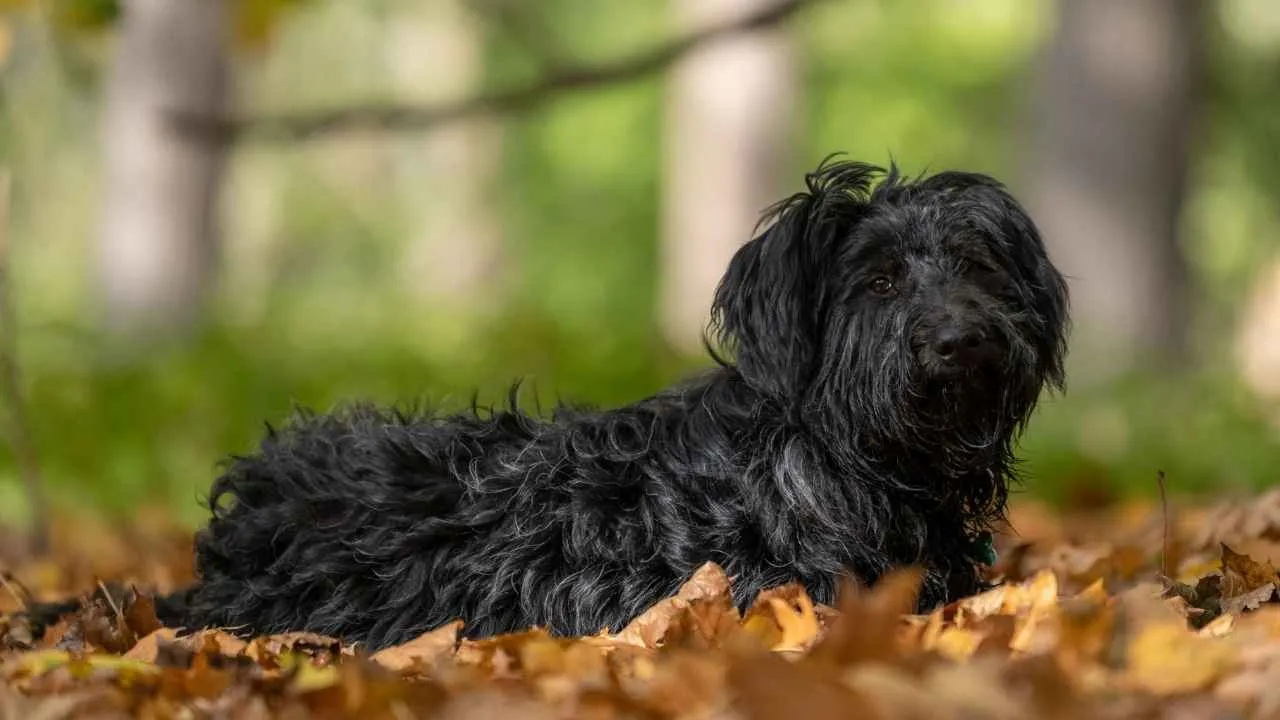
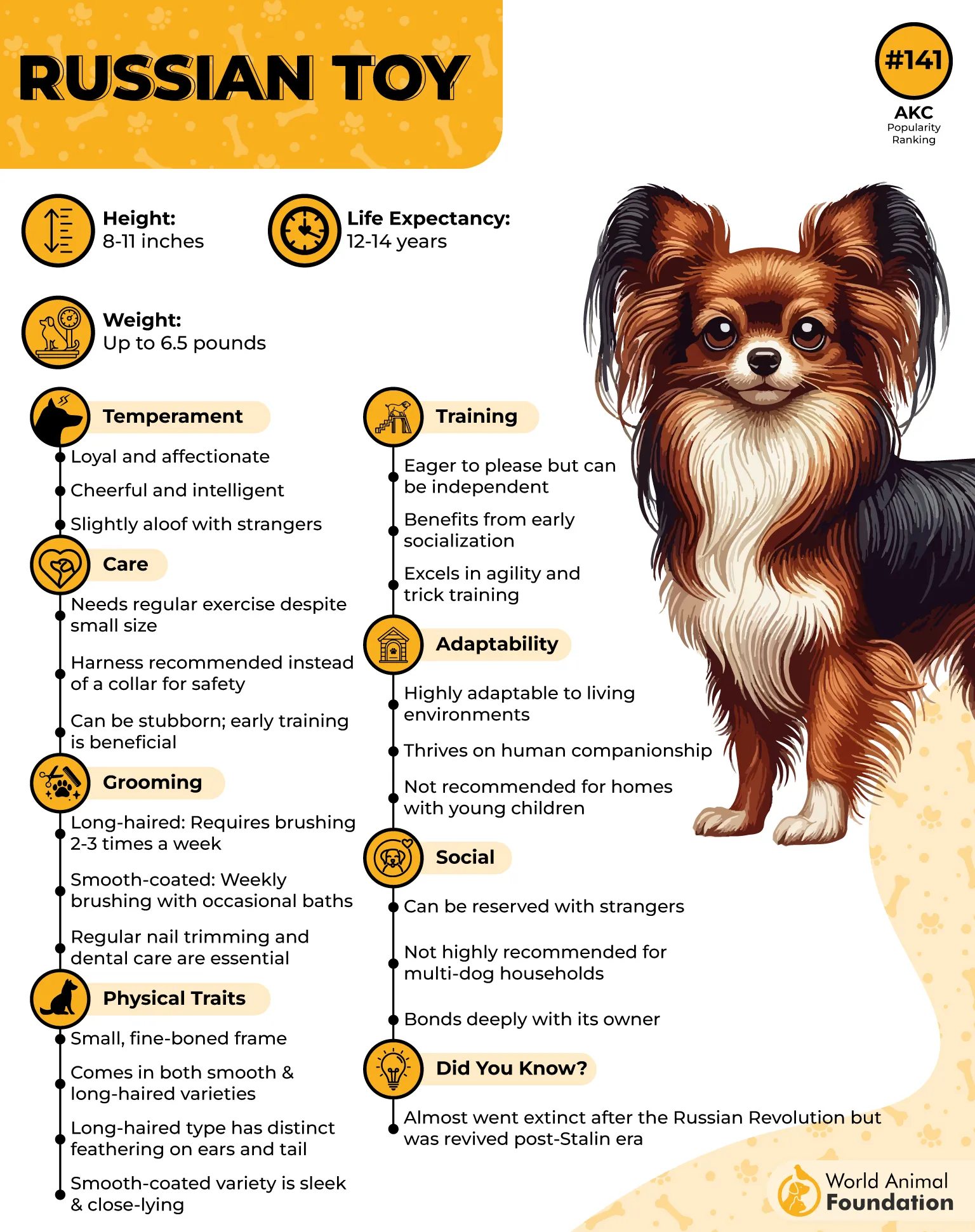
The Russian Tsvetnaya Bolonka was developed in Russia from small companion dogs brought into the country through European connections, as noted by the AKC.
Breeders shaped these dogs into affectionate household companions with colorful coats, distinguishing them from the white-coated Bolognese and several other related breeds.
Favor Positive, Patient Lessons
Bolonkas can respond nicely to gentle instruction that uses repetition without harsh corrections. A first-time owner can begin with name recognition, house manners, leash work, and simple cues before gradually introducing more demanding tasks. Their cooperative nature can make everyday training feel approachable.
Cheerful Companion for Indoor Living
Their friendly character and modest physical requirements can suit households that spend considerable time at home.
Bolonkas often enjoy interactive attention and comfortable surroundings rather than needing an extensive athletic routine. Their long, textured coat does require regular brushing to keep it free from knots.
7. Havanese
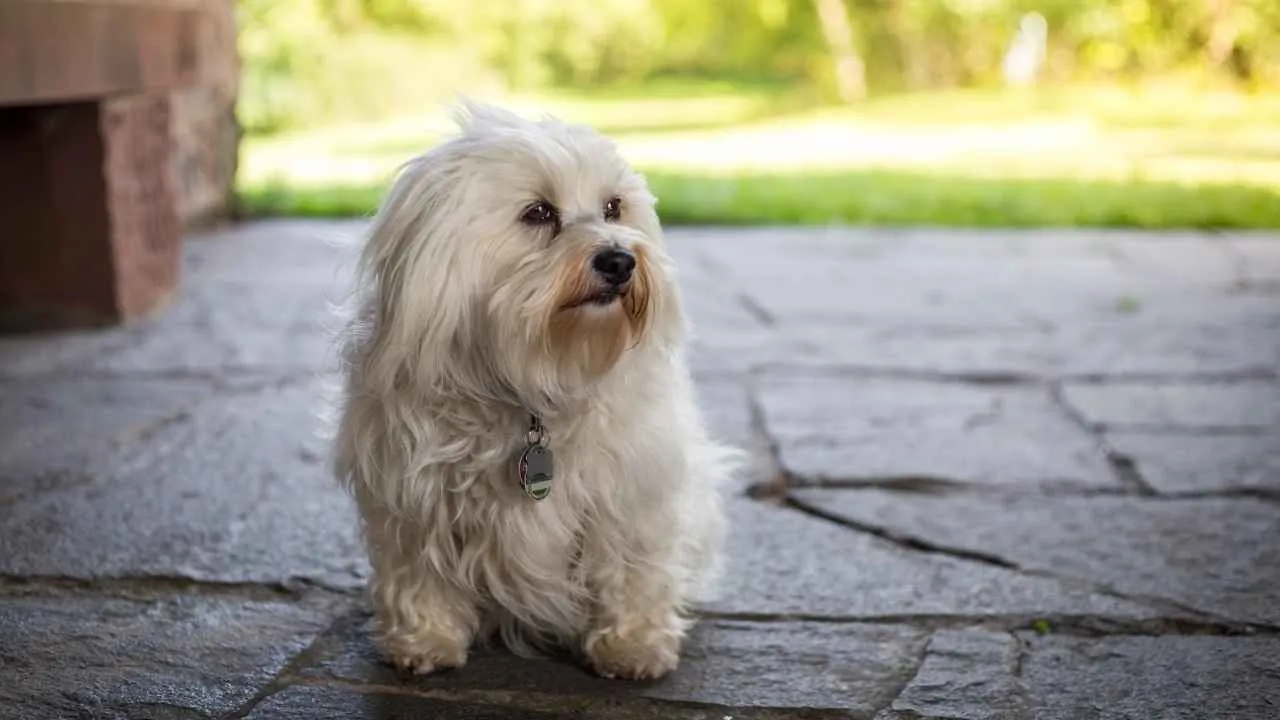
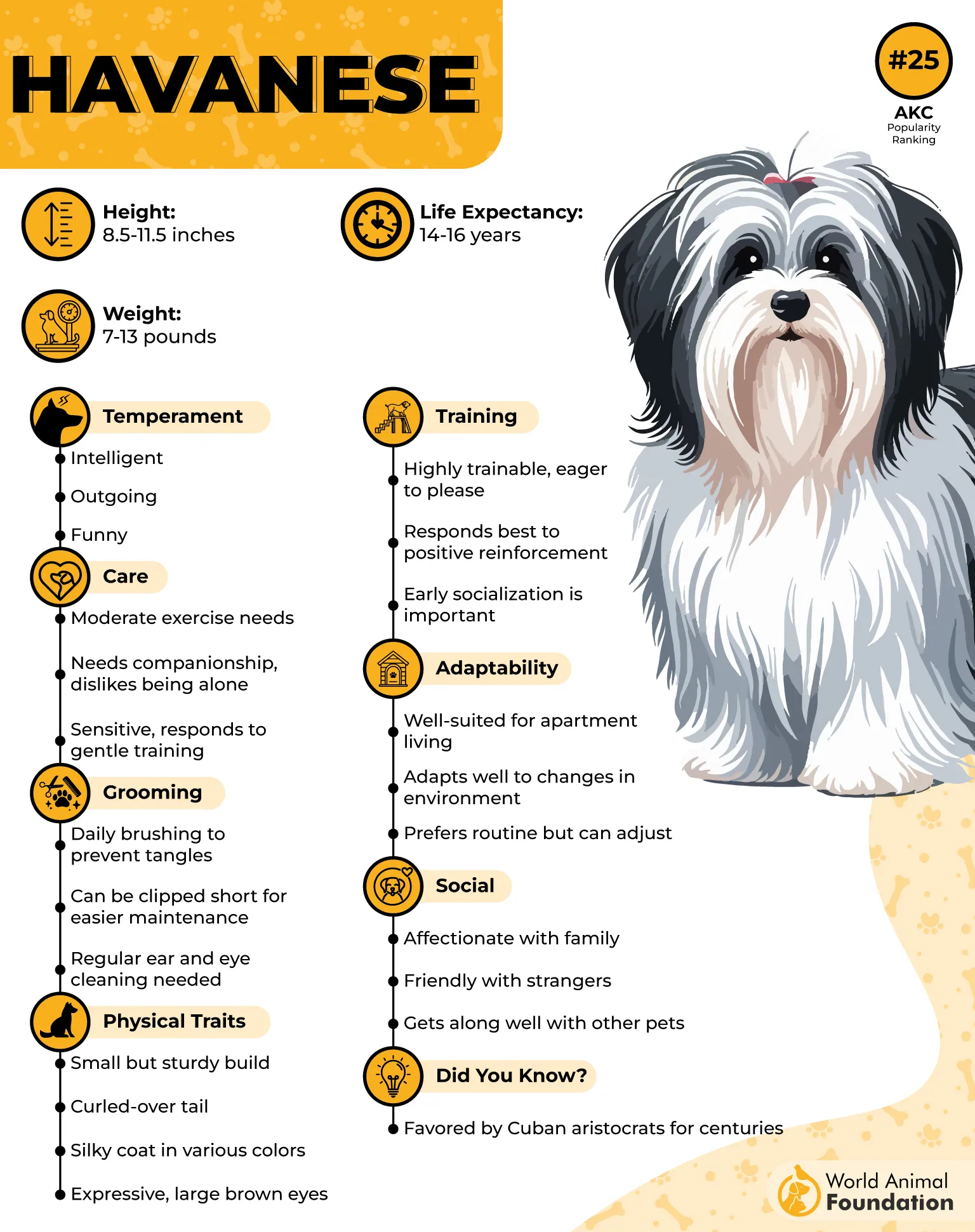
The Havanese originated in Cuba and descended from small companion dogs brought to the island by European settlers.
Over generations, these dogs became closely associated with Cuban households and eventually developed into the country’s national dog. Their history was centered on companionship, which remains a prominent feature of the breed.
Use Social Interaction as a Training Tool
Havanese are often responsive when lessons involve praise, treats, toys, and close cooperation with their owners.
First-time handlers can establish useful habits by incorporating brief exercises into ordinary activities, as per WebMD. Early social exposure can also help puppies become comfortable around different people, environments, and sounds.
Sociable and Good-Humored
A Havanese can bring considerable warmth into a household without requiring the physical capacity of a large working dog. These dogs often enjoy games and walks but are equally interested in spending time with their families. Their flowing coat is attractive yet demanding, requiring regular attention to prevent tangles.
8. Cavalier King Charles Spaniel
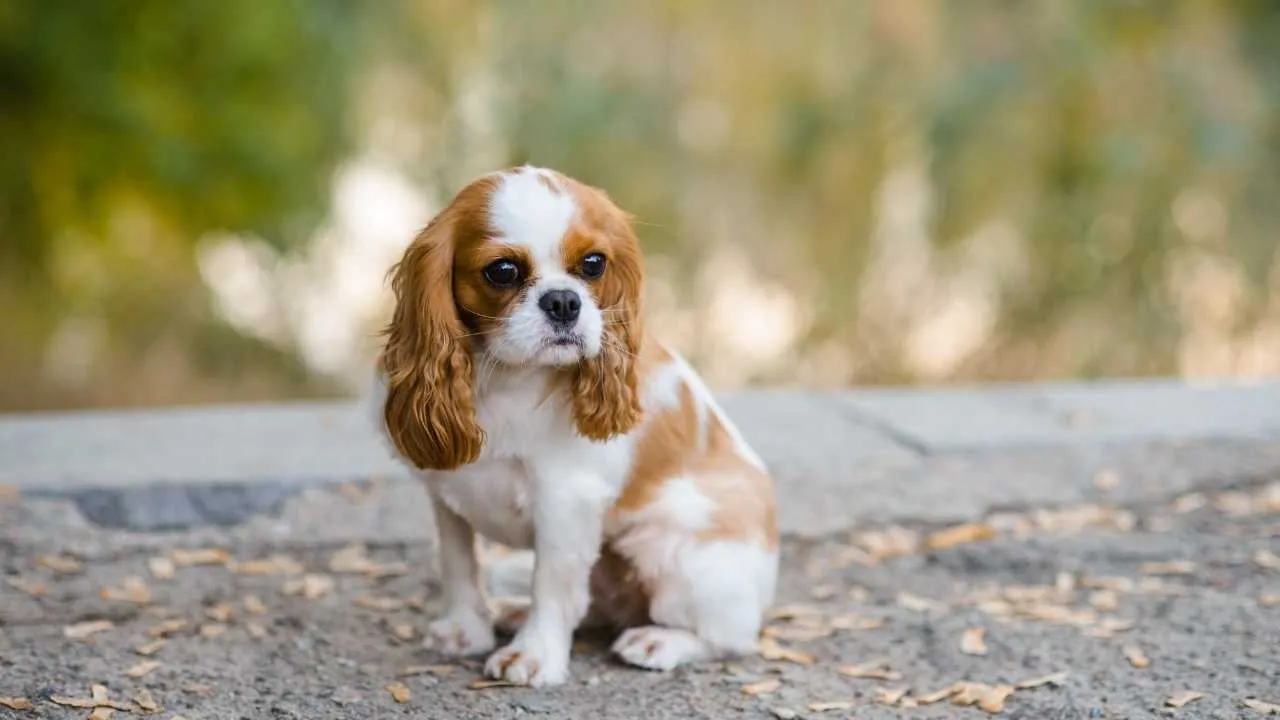
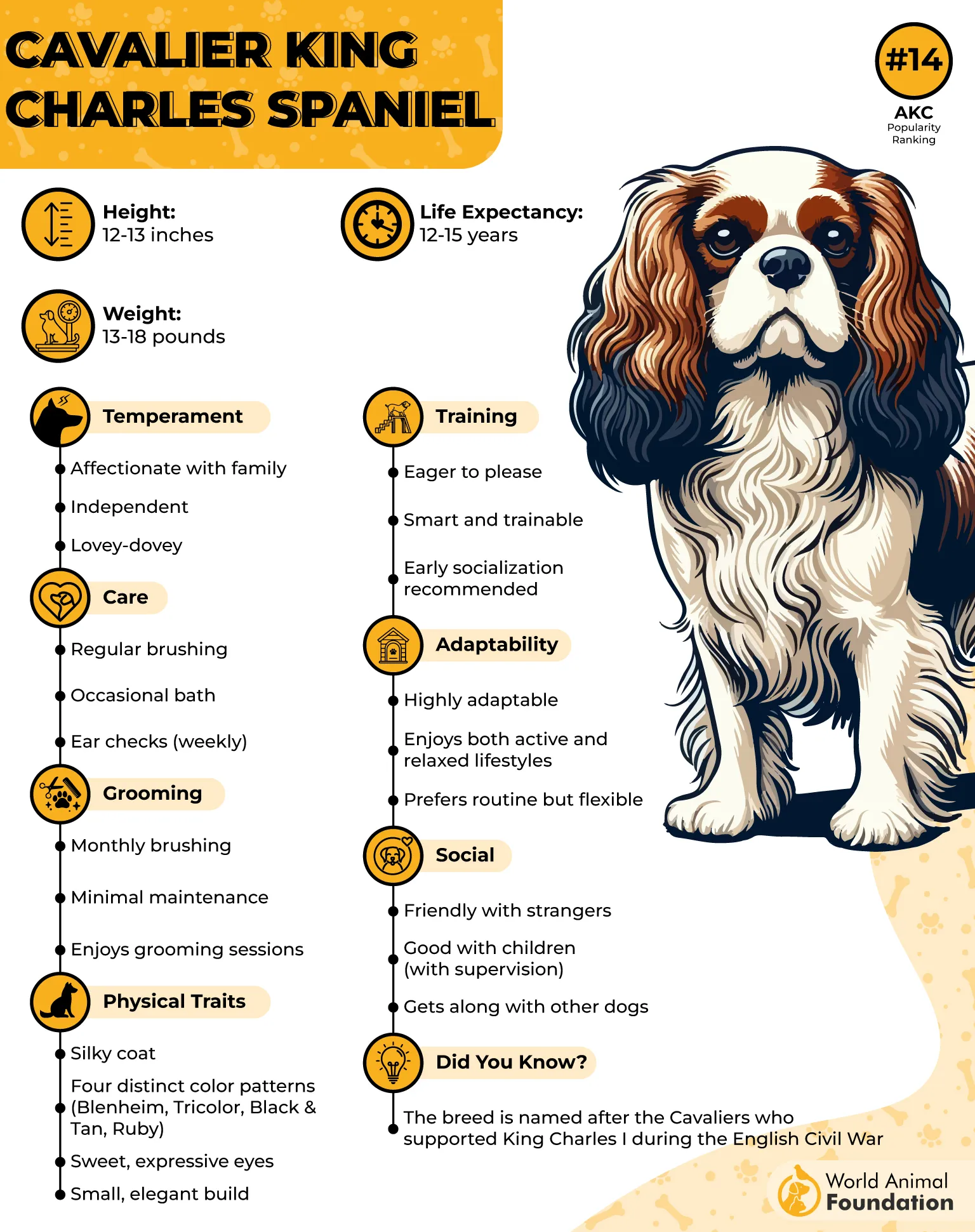
The Cavalier King Charles Spaniel emerged in Britain from the tradition of small spaniels kept as aristocratic companions.
Historical artwork depicts similar long-nosed toy spaniels beside members of the nobility. Modern breeders later worked to recreate that older type, producing the Cavalier as a distinct breed recognized for its elegant appearance and affectionate character.
Establish Good Habits Early
Cavaliers generally benefit from reward-based teaching that combines clear instructions with plenty of encouragement. Beginners can focus on recall, leash etiquette, settling indoors, and comfortable handling from puppyhood. Their willingness to engage with people can make those early lessons especially rewarding.
Affectionate Nature
These dogs often prefer staying close to their favorite people and can become deeply attached to household routines, as per Hill’s Pet.
Their moderate exercise requirements allow room for walks, play sessions, and relaxed time indoors. New owners should nevertheless research the breed carefully, including its known health considerations, before making a commitment.
9. Pug
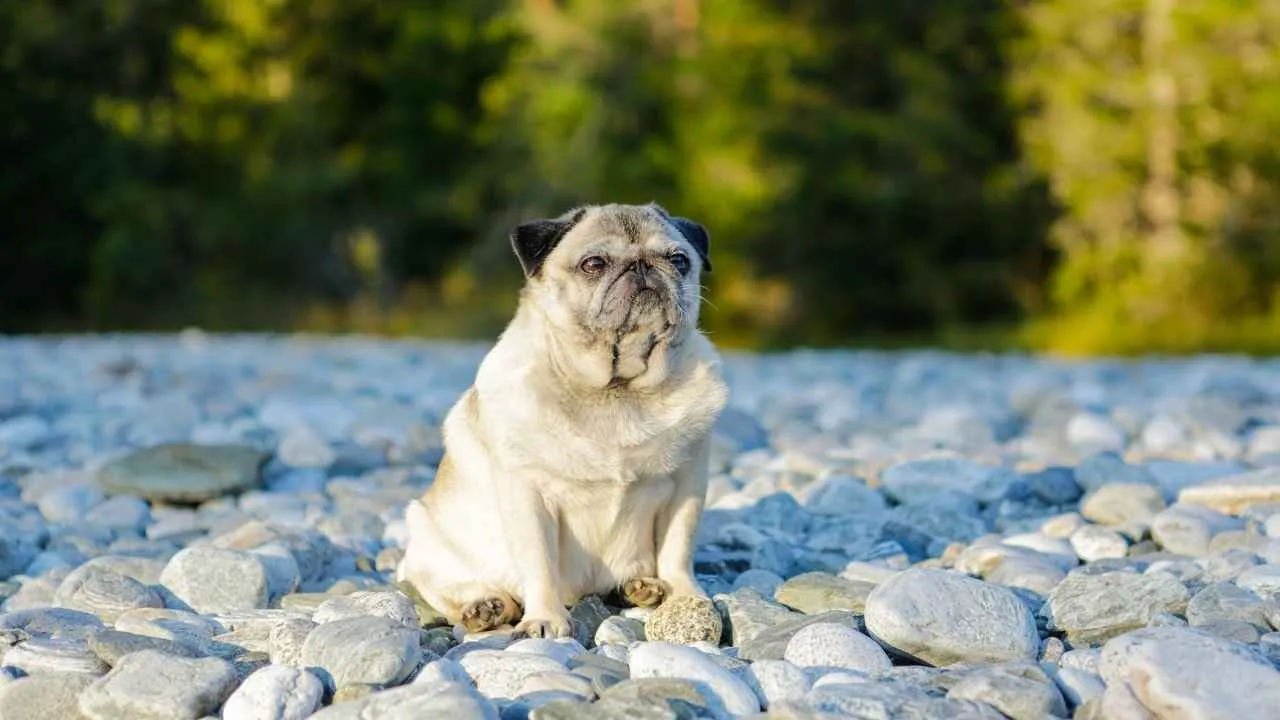
Pugs have an ancient history in China, where small flat-faced companion dogs were treasured by imperial households.
They later became fashionable in Europe after arriving through trade and diplomatic connections, particularly among aristocratic families. Their compact bodies, curled tails, and distinctive facial features have remained recognizable for centuries.
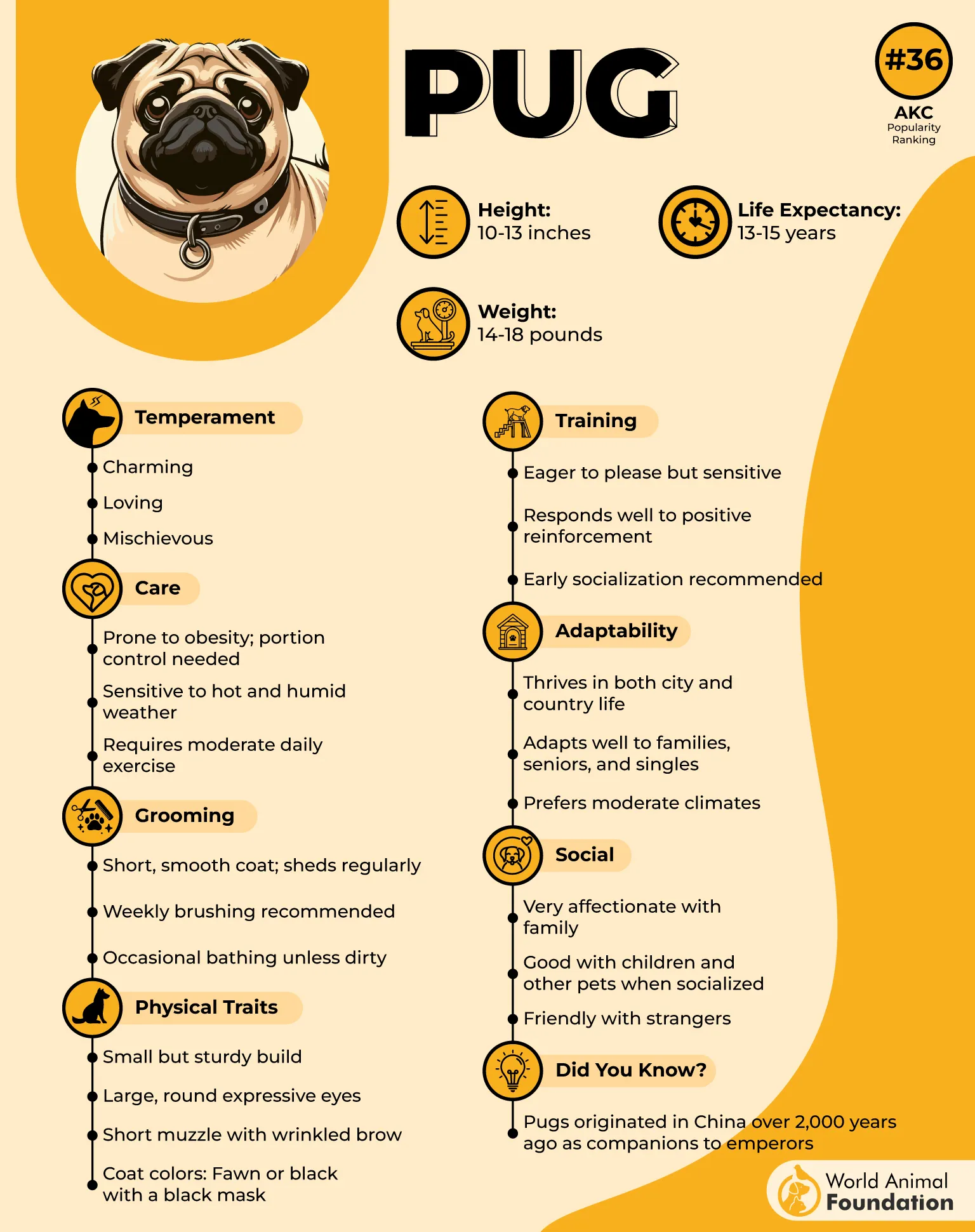
Keep Exercise Sensible
Pugs can enjoy brief walks and indoor games, but strenuous exertion is not an appropriate goal for this brachycephalic breed. Heat and humidity deserve particular caution because their shortened airways can make cooling themselves difficult. New owners should favor comfortable activity and watch for signs of breathing distress.
Charming Domestic Personality
Their playful expressions and people-oriented character have helped make Pugs popular companion animals.
Many are happiest when participating in ordinary household life and can provide plenty of amusement without demanding extensive outdoor adventures. Their facial folds, eyes, nails, and weight all deserve attentive routine care.
10. Australian Terrier
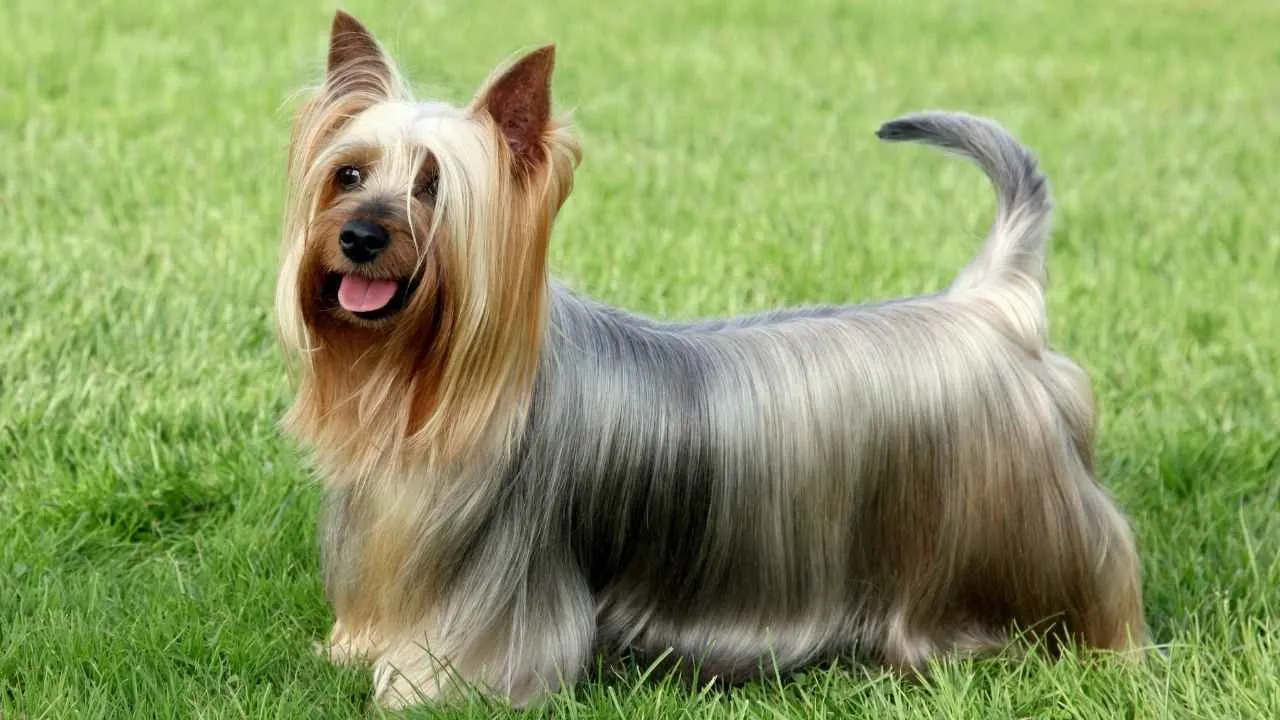
The Australian Terrier was developed in Australia from British terrier stock brought by settlers. Farmers needed a compact dog capable of dealing with rodents, snakes, and other pests around homesteads and remote properties. Selective breeding produced a hardy little worker able to cope with Australia’s challenging conditions.
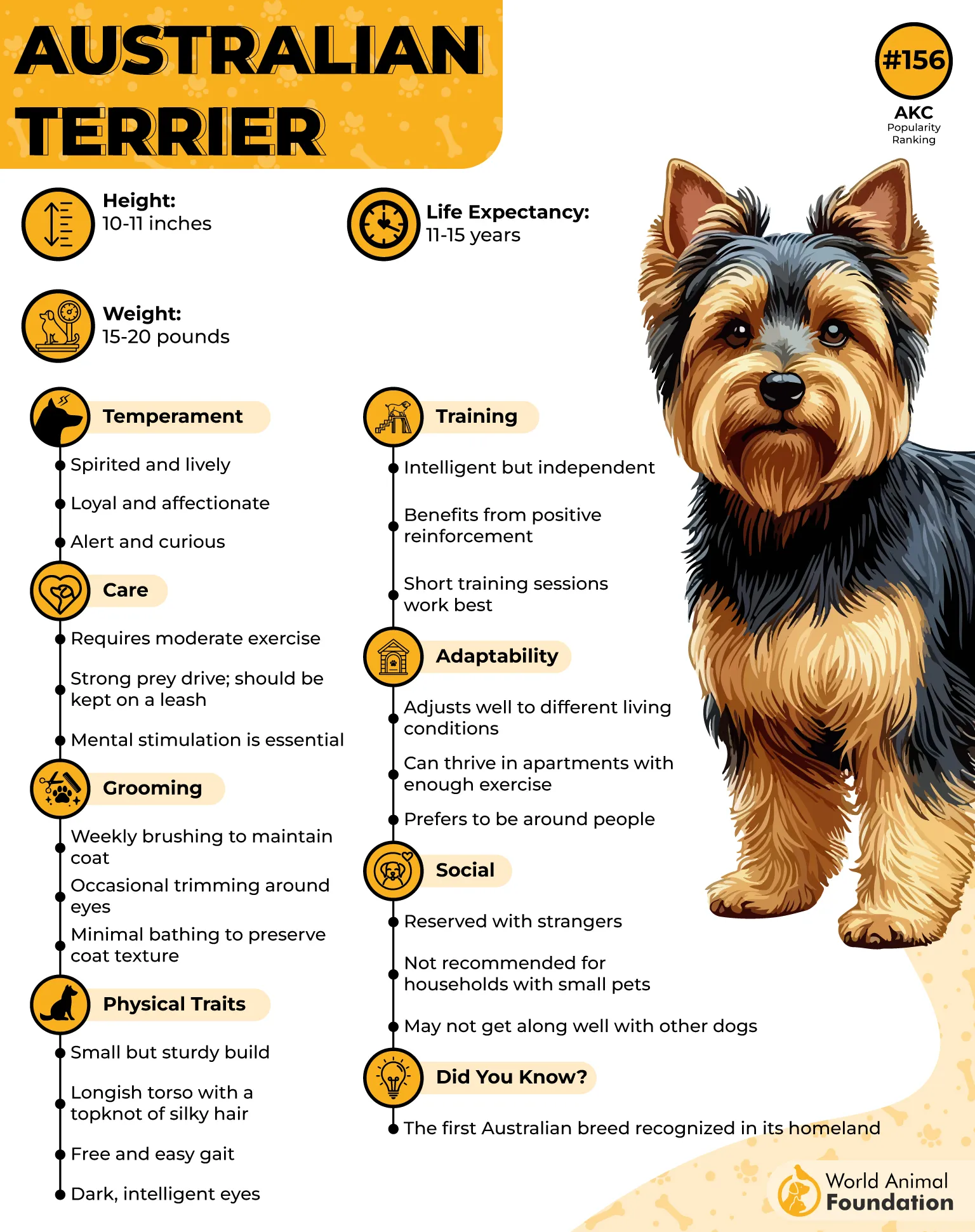
Channel Terrier Instincts
Australian Terriers tend to benefit from training that gives their active minds something constructive to accomplish.
Short obedience sessions, searching games, and supervised outdoor exploration can provide useful mental outlets. New owners should establish firm but fair boundaries because an independent terrier may test rules when given the opportunity.
Confident Character
Despite its small stature, the Australian Terrier often behaves like a much larger working dog. It can be alert, spirited, and ready to investigate unfamiliar activity.
That confidence can be entertaining for an owner who wants personality in a compact package, although socialization remains important for developing polite responses to people and other animals.
Conclusion
These cute small dog breeds can offer an approachable introduction to canine companionship, but every breed brings its own responsibilities.
For a first-time owner, the most important question is not simply which breed is smallest or cutest. Consider the dog’s behavioral tendencies, grooming commitment, activity level, training responsiveness, social requirements, and potential health concerns. A thoughtful match at the beginning can make the transition into dog ownership far more rewarding for both sides.
