





Sharing your home with a dog should bring joy, not a constant battle with loose hair on your clothes, furniture, and floors. For owners who love a tidy space or want to reduce exposure to pet allergens, minimal-shedding breeds can offer an appealing solution.
Although no dog is completely non-shedding, some breeds lose far less hair than others due to their coat type, texture, or genetics. Curly, wiry, single-layered, and continuously growing coats can hold onto loose hair, but regular grooming remains essential for keeping them healthy.
The minimal shedding breeds can offer the perfect balance of canine companionship and less fur around the house. Let’s get to know these beauties!
Minimal Shedding Dog Breeds: Perfect for Clean Homes
1. Cavalier King Charles Spaniel

The Cavalier King Charles Spaniel combines the affectionate nature of a companion dog with a touch of sporting enthusiasm. According to Orvis, they are friendly, lively, and gentle companions that make great playmates for children and enjoy the attention they receive from them.
Its medium-length, silky coat may be straight or slightly wavy, with attractive feathering that adds to its elegant appearance. Although the breed does shed, it is not considered a heavy shedder, making loose hair easier to manage around the home.
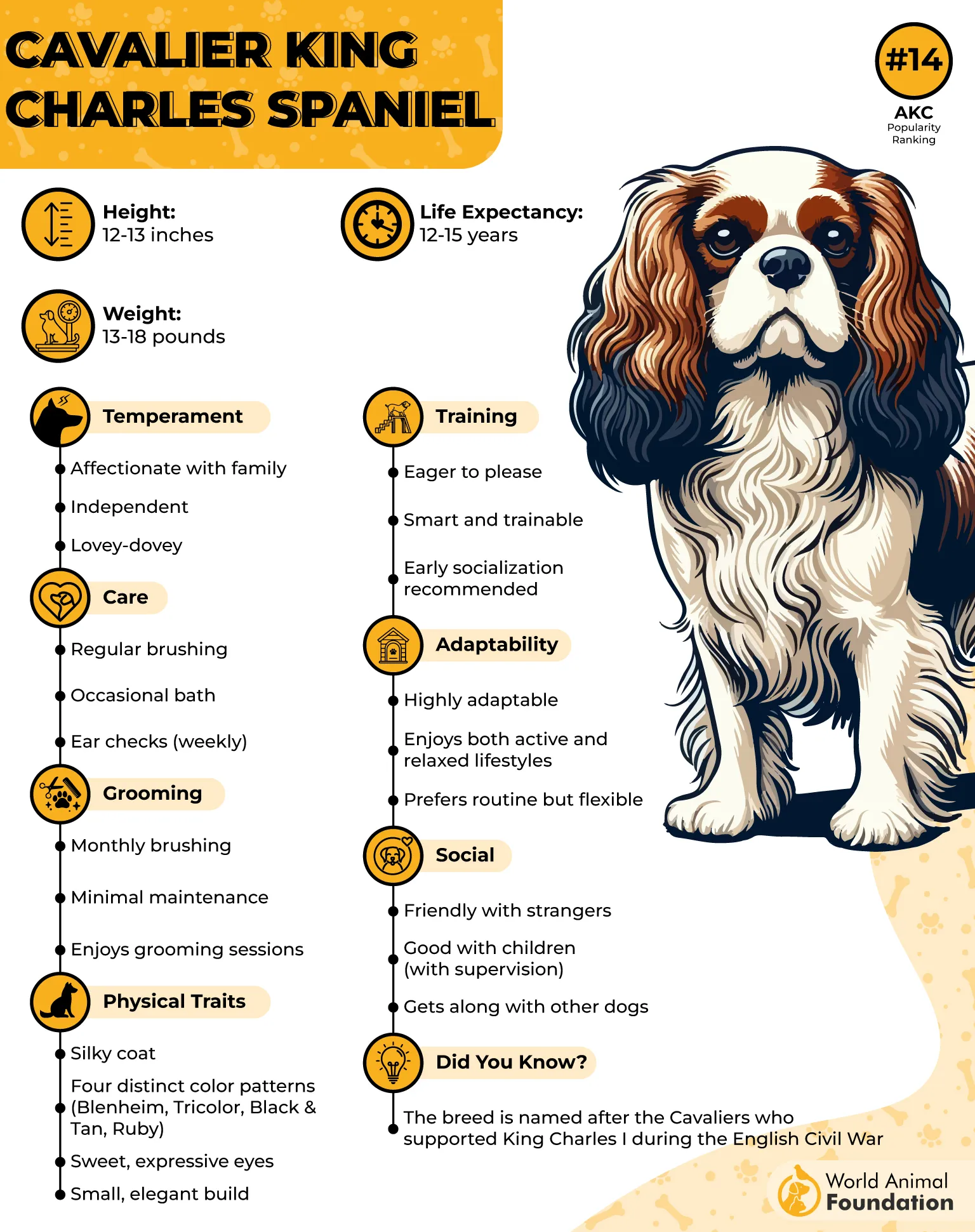
This adaptable dog enjoys spending time with its people and can fit comfortably into both active and relaxed households. Regular grooming is still important, particularly to remove loose fur before it spreads across furniture and floors. A slicker brush can help keep the coat neat and reduce the amount of hair left behind.
How This Breed Stands Out
Silky, feathered coat: Its soft coat and graceful feathering give this breed an elegant appearance.
Regular brushing controls loose hair: Consistent brushing helps collect shed fur and keeps the home cleaner.
2. Whippet
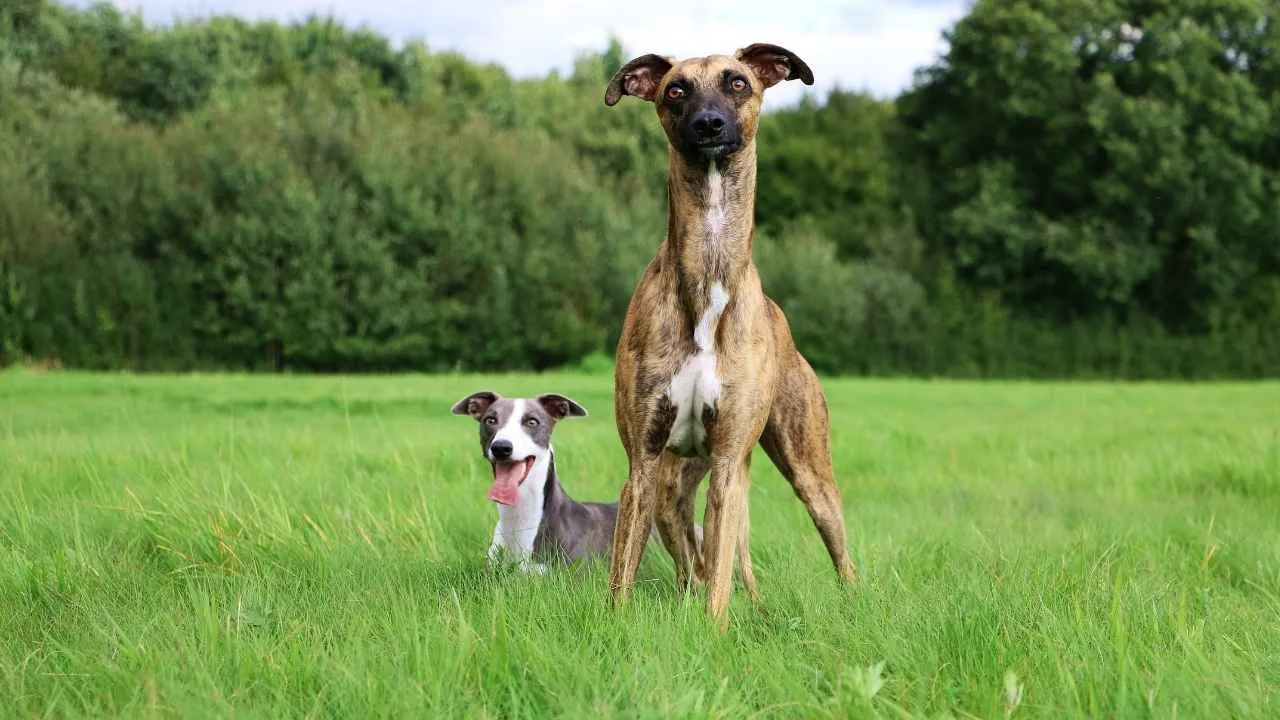
The Whippet is known for its impressive speed, but its low-shedding coat is another advantage for keeping a cleaner home. Its very short, smooth fur requires little upkeep and does not demand daily grooming.
A weekly session with a brush or rubber curry brush is generally enough to remove loose hair, while occasional baths help keep the sleek coat fresh. According to Purina, they are affectionate toward their families and can be rewarding companions in a suitable home.
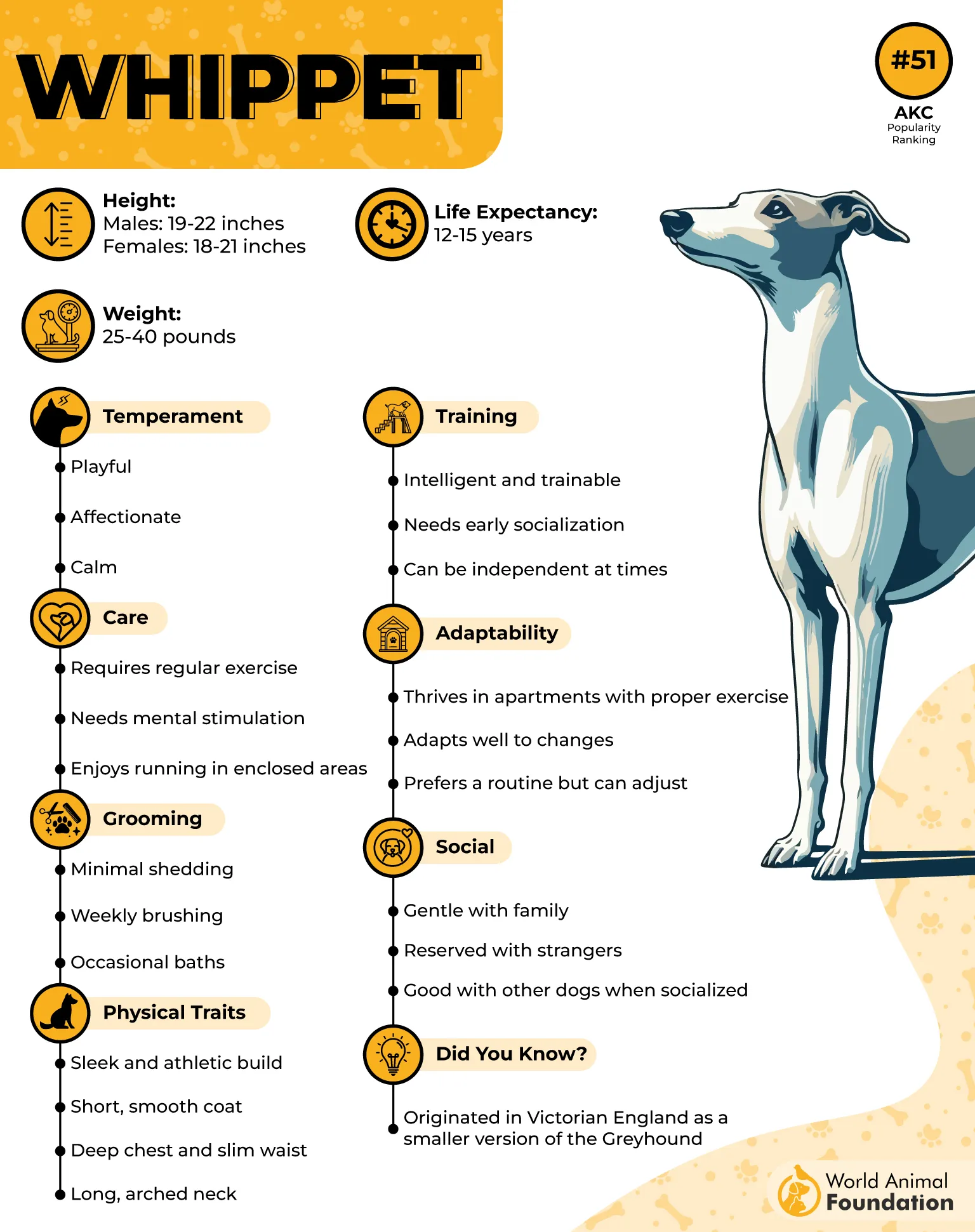
Despite being a swift and athletic sighthound, the Whippet also enjoys spending long periods relaxing with its family. Its easy-care coat and generally quiet nature can suit apartment living when it receives proper exercise. Regular ear checks and nail trimming should also be part of its routine care.
How This Breed Stands Out
Very short, smooth coat: Its sleek fur sheds minimally and is easy to maintain.
Minimal grooming needs: Weekly brushing and occasional baths are usually sufficient.
3. Basset Hound

The Basset Hound may have a short, smooth coat, but it should not be mistaken for a truly minimal-shedding breed.
Its dense fur sheds throughout the year and can increase during seasonal coat changes, leaving short hairs on floors and furniture. Still, regular brushing with a soft brush or shedding tool helps collect loose hair before it spreads around the house.
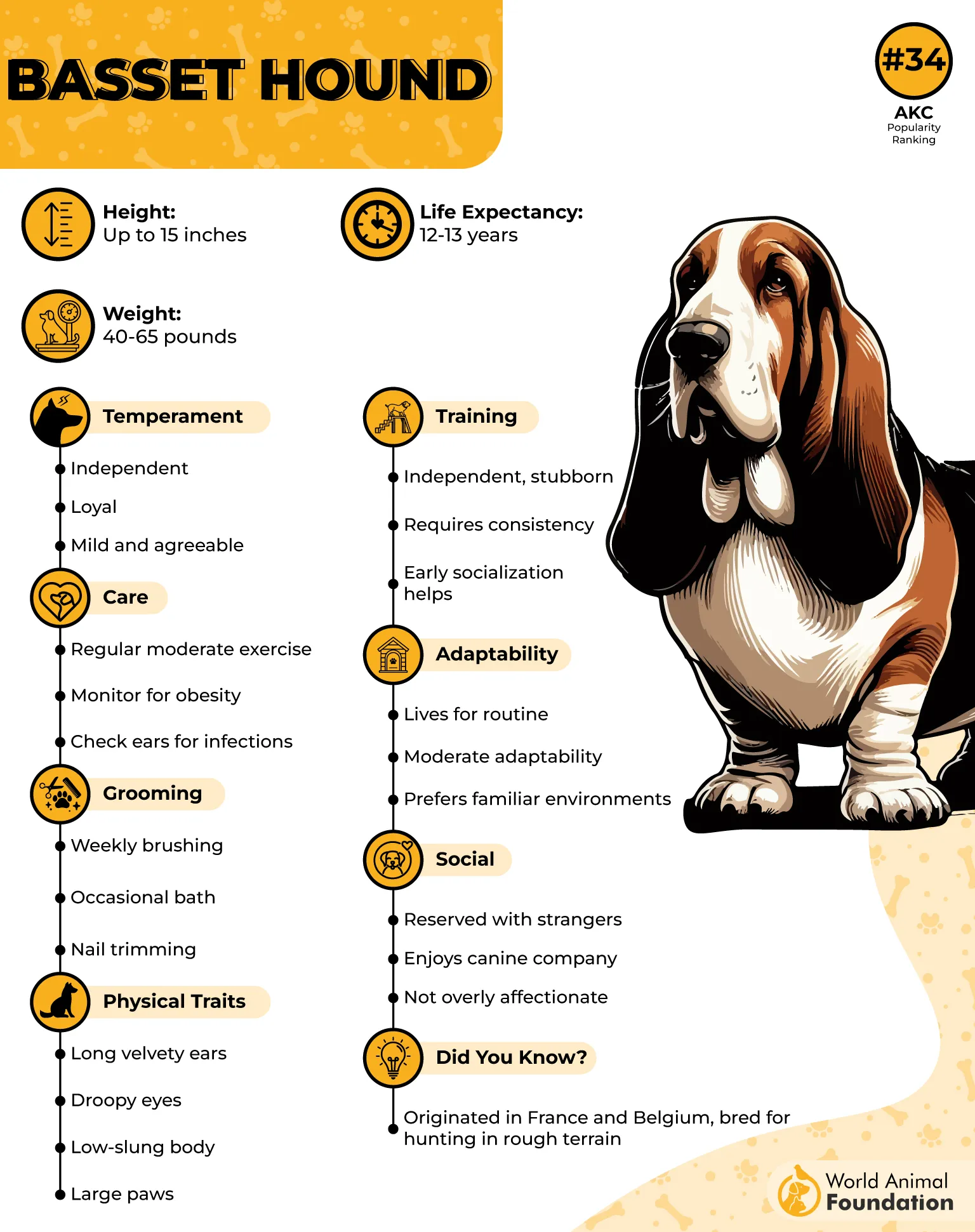
Known for its droopy ears, soulful expression, and gentle personality, this low-slung hound is a friendly and patient companion. Grooming needs are otherwise fairly simple, though its long ears, skin folds, and eyes need regular attention to stay clean and comfortable.
How This Breed Stands Out
Short, dense coat: The smooth coat is easy to groom but sheds regularly.
Seasonal shedding management: Weekly brushing helps control loose hair, especially during heavier shedding periods.
4. Bichon Frise
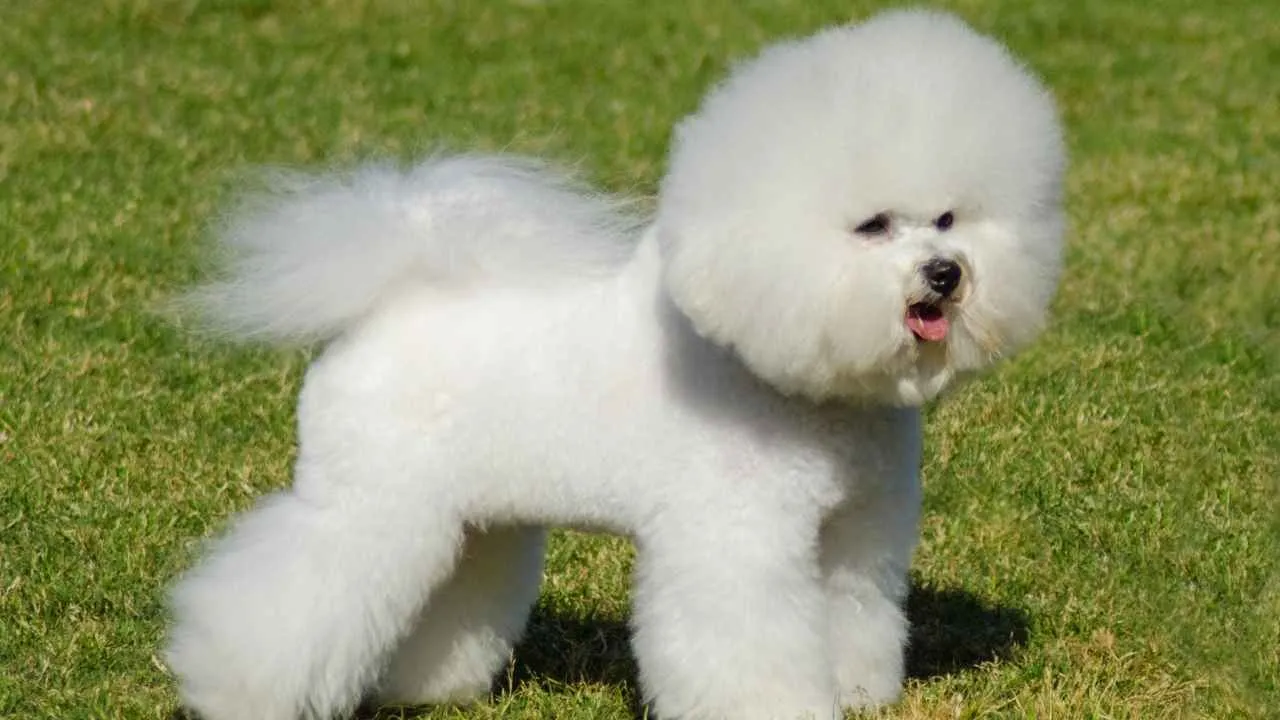
The Bichon Frise is a low-shedding breed whose curly double coat helps keep loose hair from spreading around the home.
Instead of falling easily onto furniture and floors, shed strands often become caught within its soft curls. However, this cleaner-shedding advantage comes with a trade-off, as trapped hair can quickly form tangles and mats without frequent brushing.
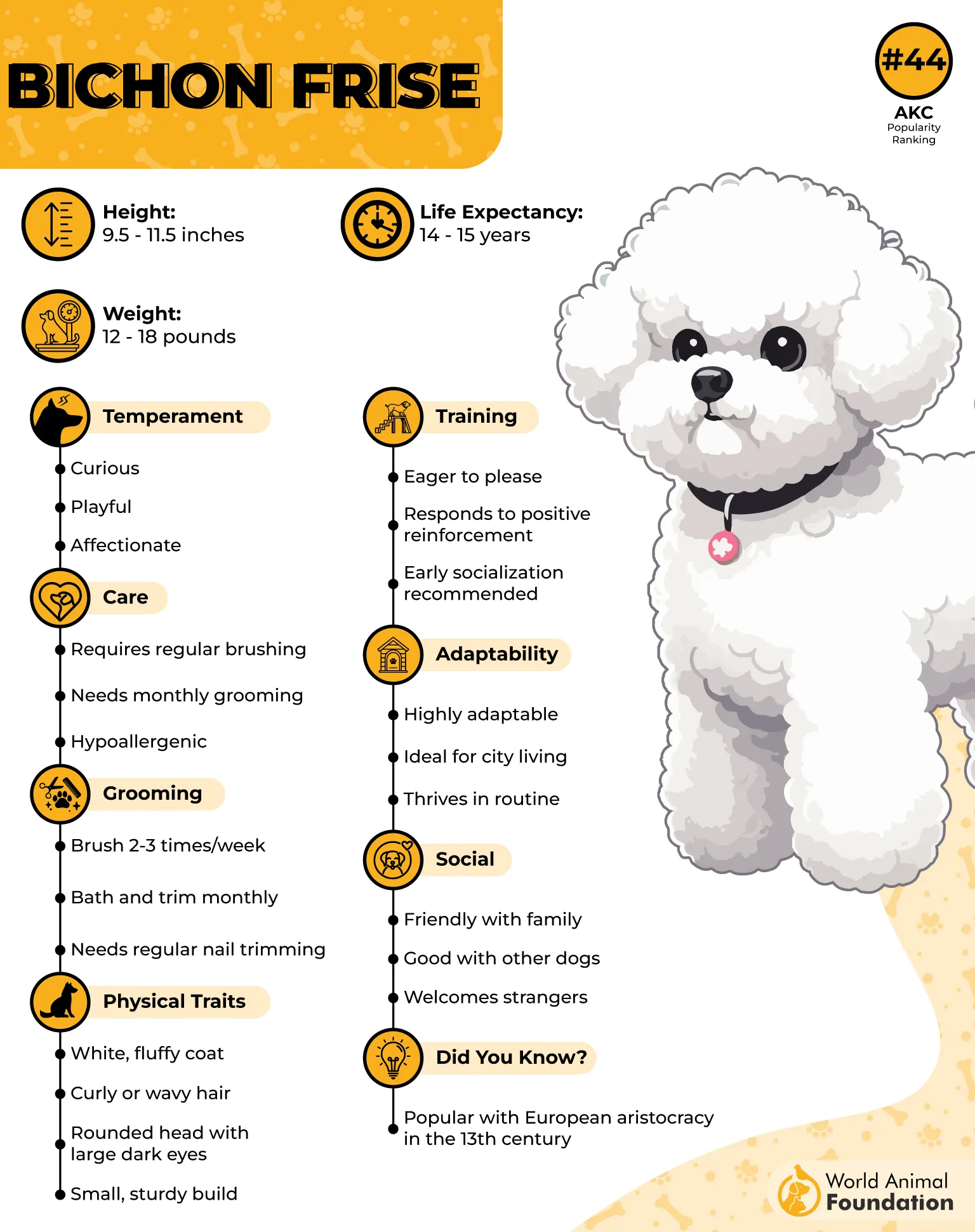
This cheerful, sociable dog requires considerably more coat care than its low shedding might suggest. Daily combing helps maintain the dense coat, while regular bathing, trimming, and ear and nail care are also important. Professional grooming every four to six weeks can keep the coat clipped, shaped, and manageable.
How This Breed Stands Out
Loose hair trapped in curls: Shed hair often remains within the curly coat rather than spreading around the house.
Professional grooming needs: Regular salon visits help prevent matting and maintain a neat appearance.
5. Shih Tzu
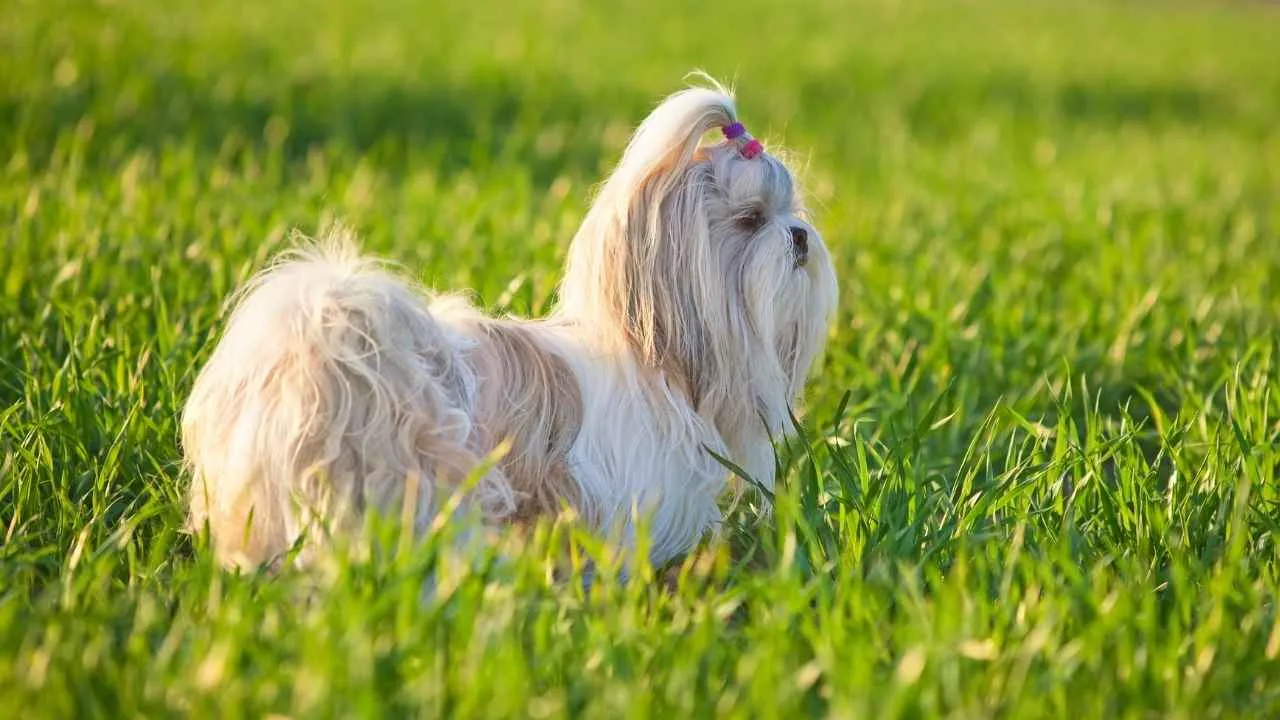
The Shih Tzu is a low-shedding companion breed with hair that grows continuously rather than shedding in the same way as many fur-coated dogs. This can mean less loose hair around the home, making the breed appealing to owners who prefer a tidier living space.
Its calm and affectionate nature also allows it to adapt well to households of different sizes. According to PetMD, they are cheerful, lively companions that are typically friendly and sociable around people.
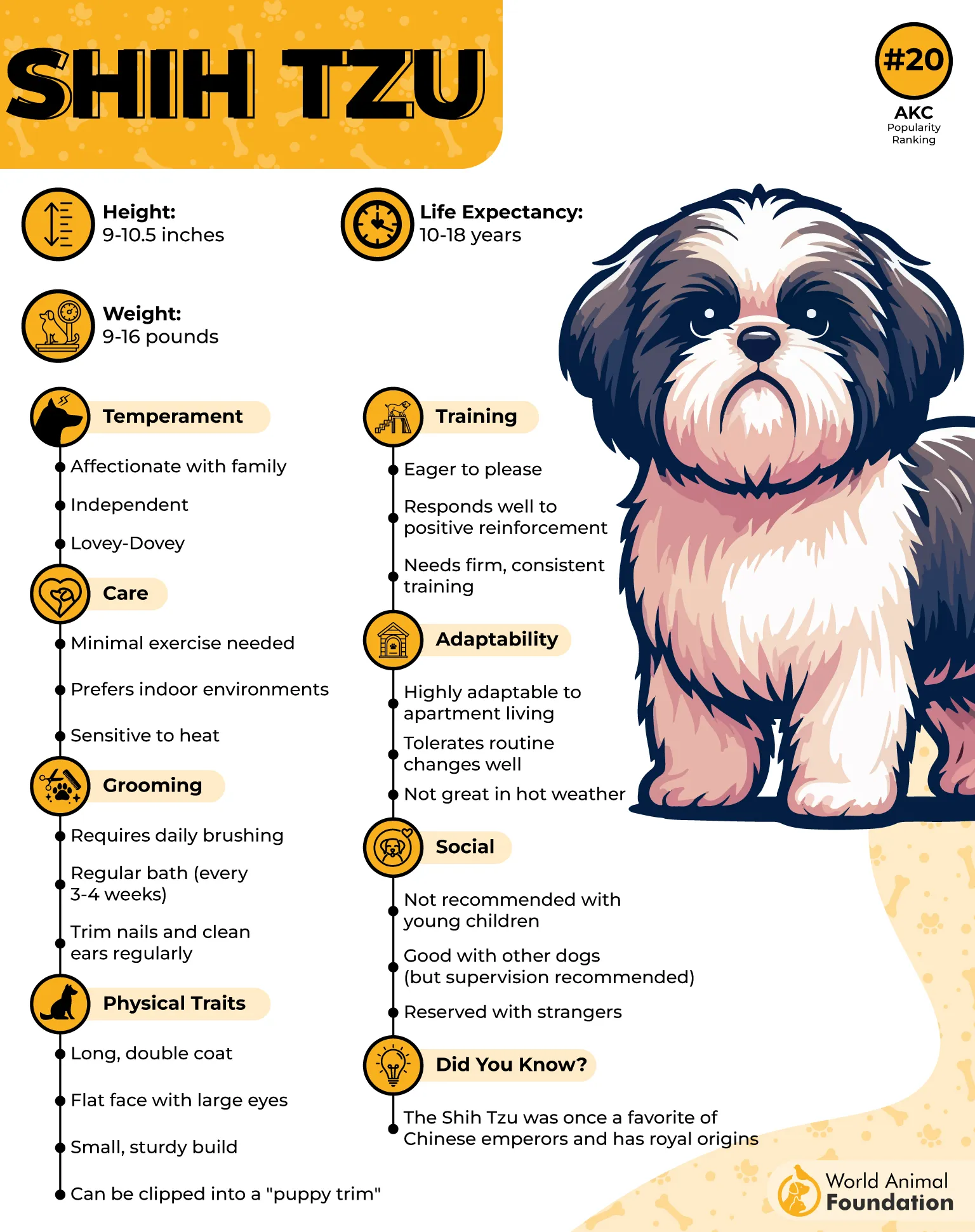
Low shedding, however, does not mean low grooming needs. The long, dense double coat requires frequent care to prevent tangles and matting. Owners can choose a shorter puppy cut for easier maintenance or keep the coat long, which requires more regular brushing and upkeep.
How This Breed Stands Out
Continuously growing hair: Its hair-like coat sheds less and continues growing over time.
Frequent coat care: Regular brushing and trimming help keep the luxurious coat clean and manageable.
6. Maltese
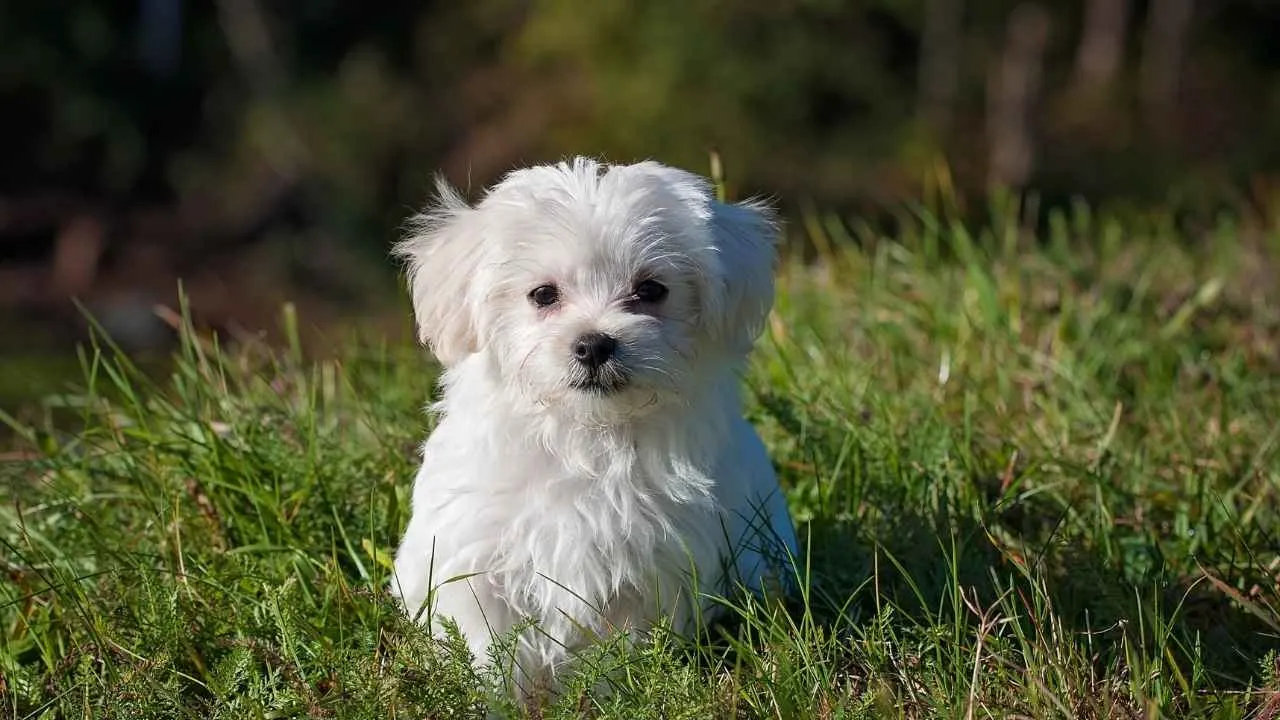
The Maltese is known for its long, flowing white coat, yet it produces very little loose hair around the home.
Its silky single coat sheds minimally, which can make it appealing for people who prefer cleaner furniture and floors. Affectionate and devoted, this small companion also enjoys staying close to its owners and fits comfortably into apartment living.
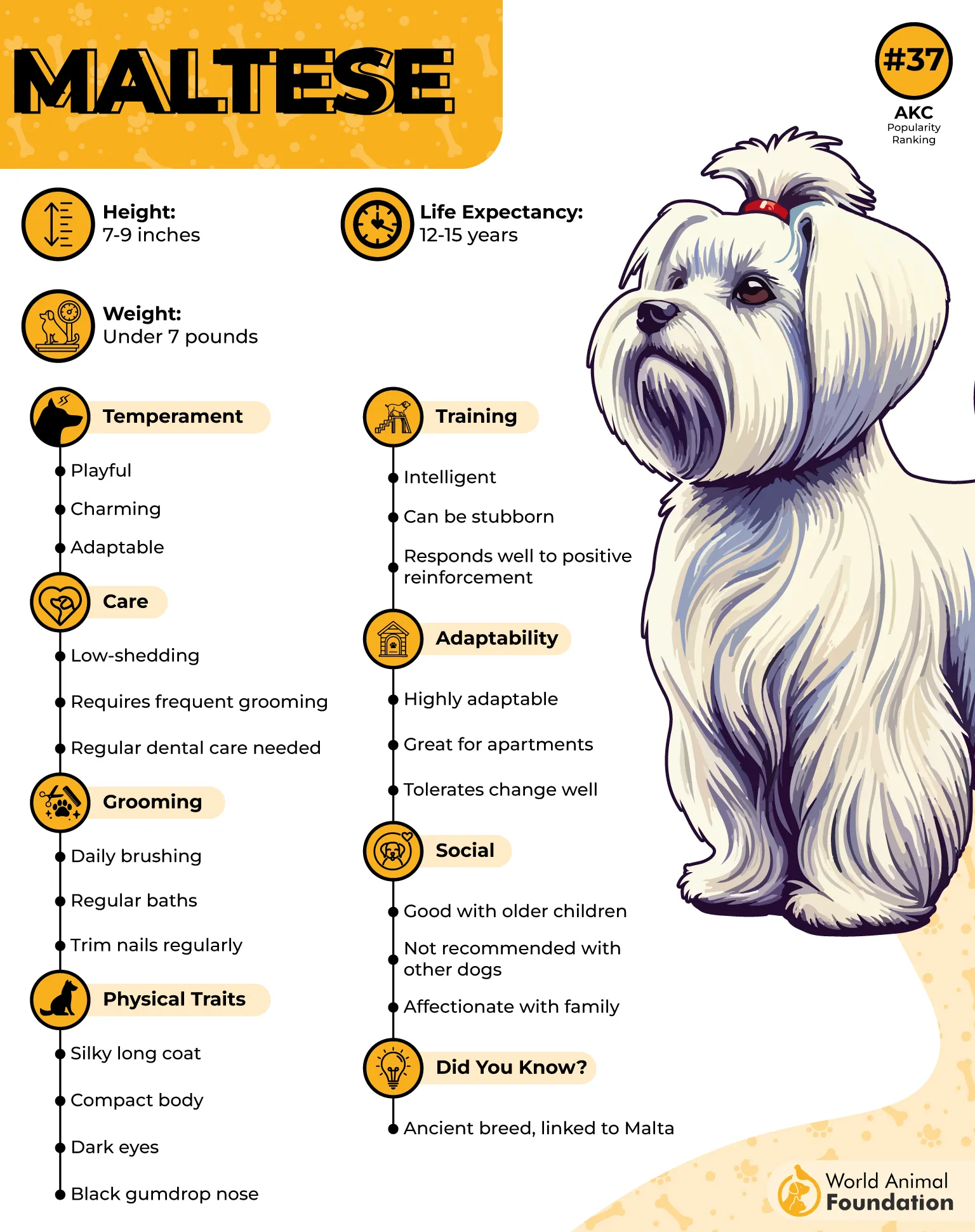
Its elegant appearance does require regular attention. Daily brushing is important to prevent the fine hair from tangling and forming painful mats, especially when the coat is kept long. Owners can also choose a shorter trim for easier maintenance while still enjoying the breed’s soft, silky appearance.
How This Breed Stands Out
Silky, single coat: Its long, fine coat has a smooth texture and sheds very little.
Minimal loose hair: Less shedding means fewer stray hairs left on clothing, furniture, and floors.
7. Dachshund

The Dachshund’s distinctive long body and short legs are instantly recognizable, but its coat can also appeal to owners looking for less hair around the home.
The smooth-coated variety sheds lightly and is generally the easiest to care for, requiring only moderate grooming. While long-haired Dachshunds tend to shed more, the smooth coat remains a more convenient option for cleaner living spaces.
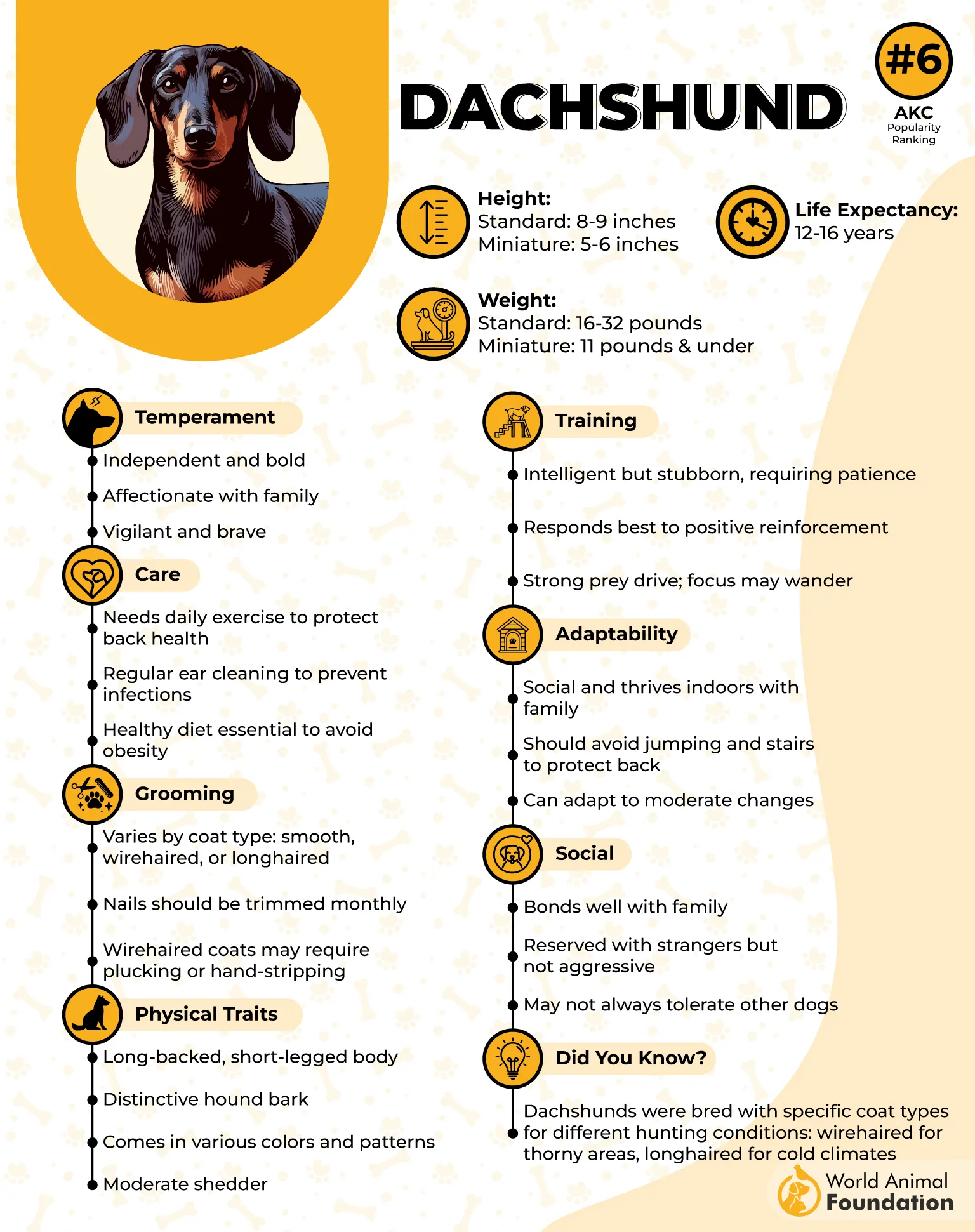
Small but full of character, Dachshunds are clever, adventurous, and deeply loyal to their families. They can adapt well to apartment life and often enjoy both active play and relaxing close to their owners. Daily exercise remains important, while their short, simple coat makes routine grooming relatively straightforward.
How This Breed Stands Out
Smooth-coated variety sheds lightly: This coat type produces less loose hair than the long-haired variety.
Easy-to-maintain short coat: Occasional brushing is usually enough to keep the smooth coat neat and clean.
Conclusion
Choosing a low-shedding dog breed can make it easier to maintain a cleaner home, but every breed has its own grooming needs. From sleek, short coats to silky hair and curly textures, less shedding does not always mean less care.
Breeds such as the Whippet and smooth-coated Dachshund offer simple coat maintenance, while regular brushing helps manage loose hair in breeds like the Cavalier King Charles Spaniel and Basset Hound.
Curly or continuously growing coats can trap shed hair instead of releasing it around the home. The Bichon Frise, Shih Tzu, and Maltese therefore need frequent brushing and regular grooming to prevent tangles and matting.
The right choice depends on how much grooming you can manage alongside your preferred lifestyle. With consistent coat care, these breeds can offer loving companionship while helping reduce the amount of loose hair on furniture, clothing, and floors.
