





A spirited dog may be the better choice for a camping trip than the quiet companion people picture. Mountain adventures involve long walks, uneven terrain, changing weather, and plenty of stimulation, so a dog with drive can bring energy to the experience.
The important part is directing that energy well. A dog needs physical conditioning, proper training, and a temperament that allows it to remain manageable around wildlife, other hikers, and unfamiliar campsites. Athletic ability matters because steep trails place demands on joints, muscles, and paws.
An energetic dog is not automatically ready for those conditions, and even active breeds may struggle with the terrain or climate. The better match brings enthusiasm along with practical trail qualities such as endurance, responsiveness, confidence, and good recovery.
If your idea of a great weekend involves a tent, a trail, and a serious climb, the dog in this article deserves a closer look before your next adventure begins.
Key Takeaways
What makes a dog truly ready for a mountain trail? It takes stamina, confidence, and enough drive to keep going when the path gets steep.
Australian Shepherds can handle hikes of up to 15 miles when properly conditioned, while German Shorthaired Pointers can reach speeds of 72 km/h.
Then there is the Siberian Husky, a sled dog built for endurance, and the Bord6er Collie, a breed with records for intelligence, speed, and agility.
From camping beside a tent to climbing toward a summit, these seven breeds bring something special to the trail. Read on to see which one matches your kind of adventure.
Spirited Dog Breeds That Thrive on Camping and Summiting
1. Australian Shepherd
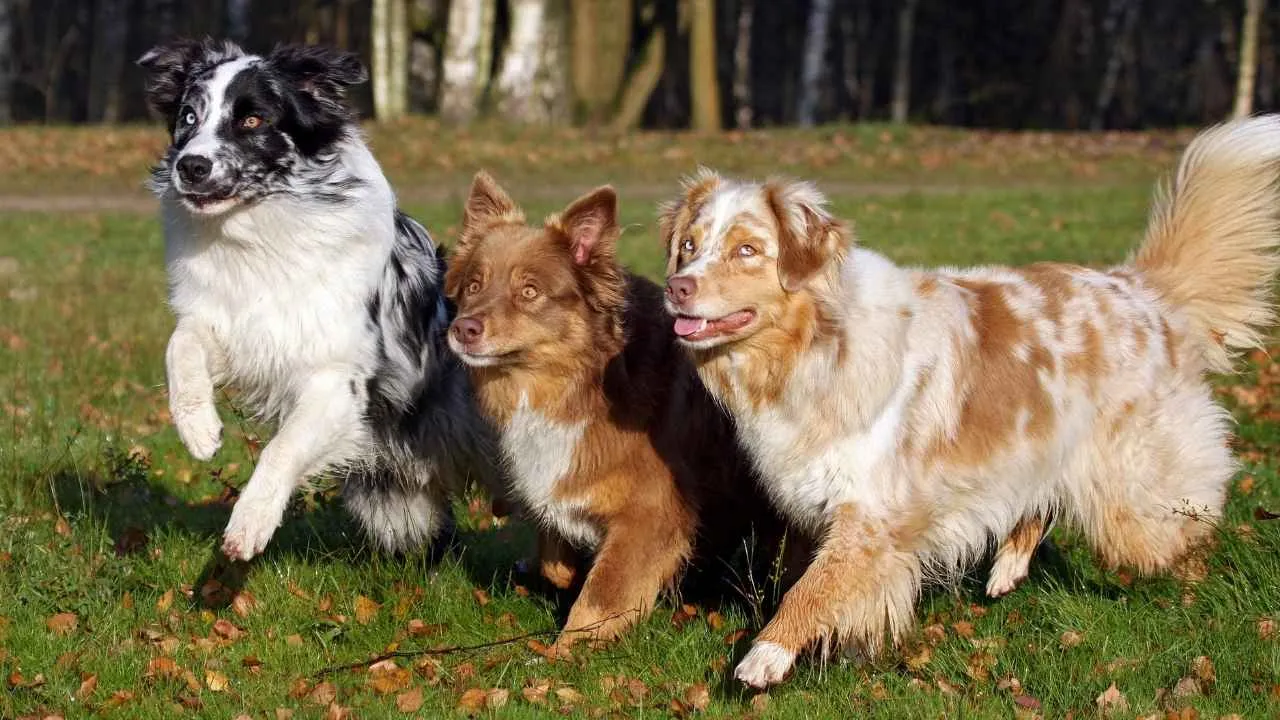
Australian Shepherd has roots linked to the Pyrenees Mountains, with Basque herding dogs believed to have contributed to its lineage before the breed became closely associated with North America.
Ranchers in the American West later valued Aussies as stockdogs suited to the Rocky Mountains and their demanding terrain.
Made for Long Routes
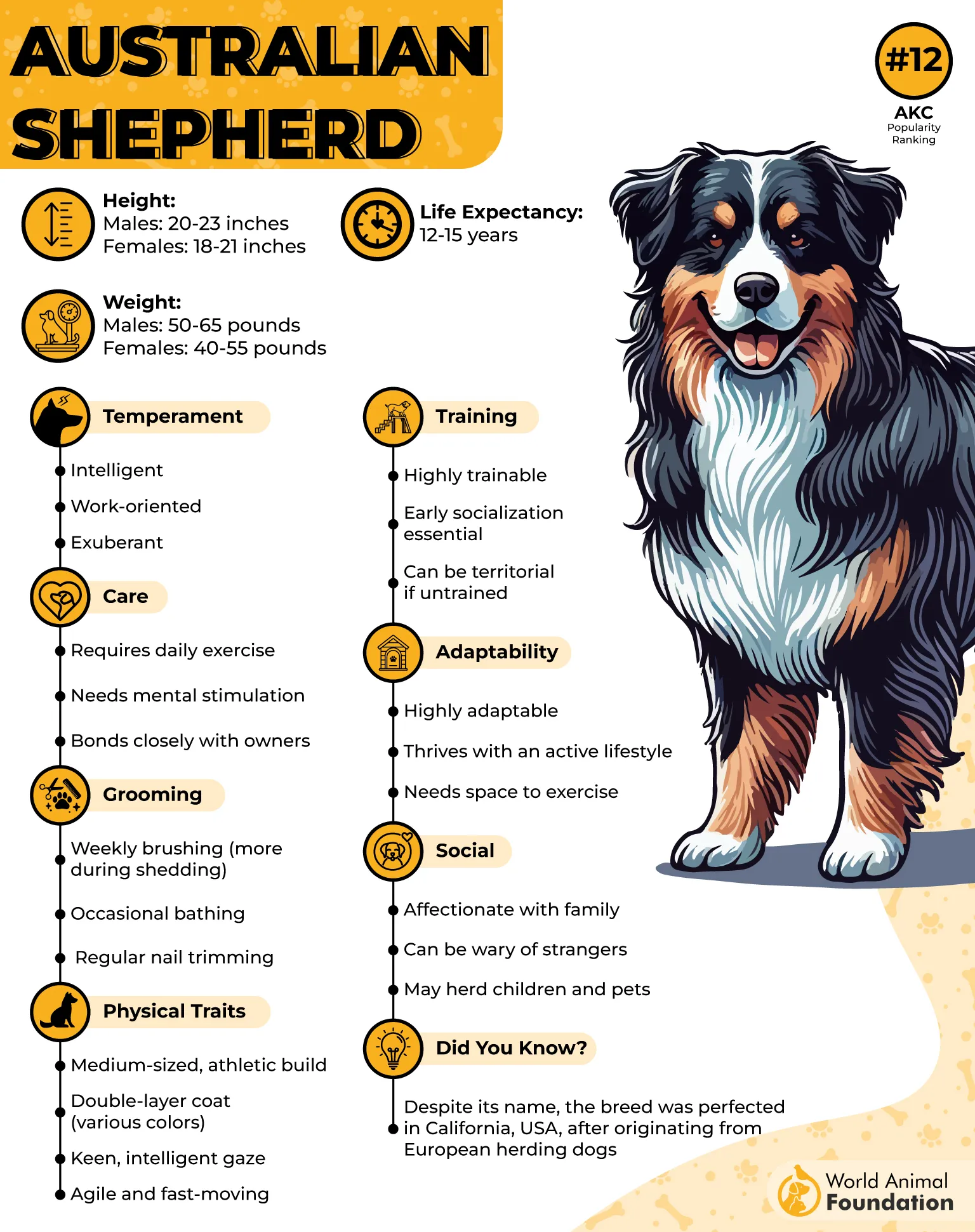
Aussie can handle one to two hours of heavy activity daily, making running, mountain biking, and hiking natural choices for an energetic companion. Well-conditioned Aussies may handle runs of four to six miles and hikes reaching 15 miles, as Orvis mentioned.
These working details add another layer to their capabilities:
Effective sheep-herding partner
Useful for nose-work exercises
Suited to agility training
A Working Mind
This great hiking companion also ranks among the smartest dog breeds and learns new routines, tasks, and activities quickly. Without enough mental work, that intelligence can turn toward destructive behavior, persistent barking, or herding children and cats around the home.
2. Weimaraner
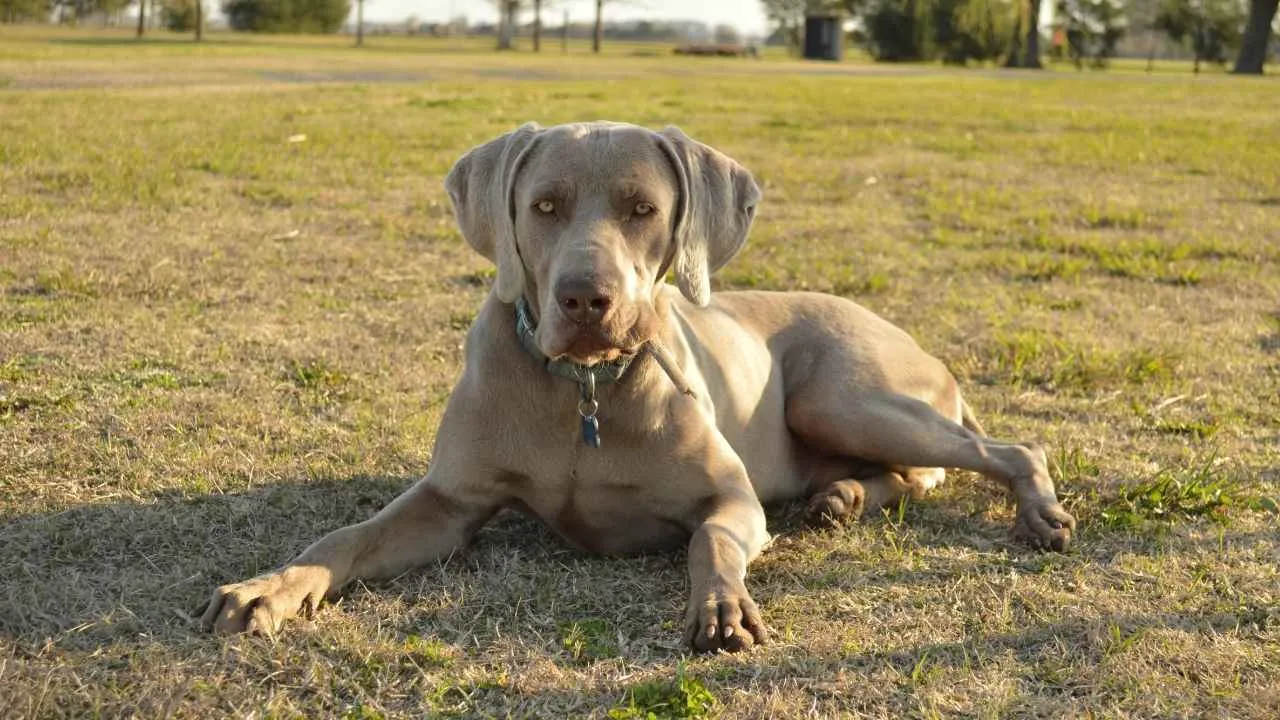
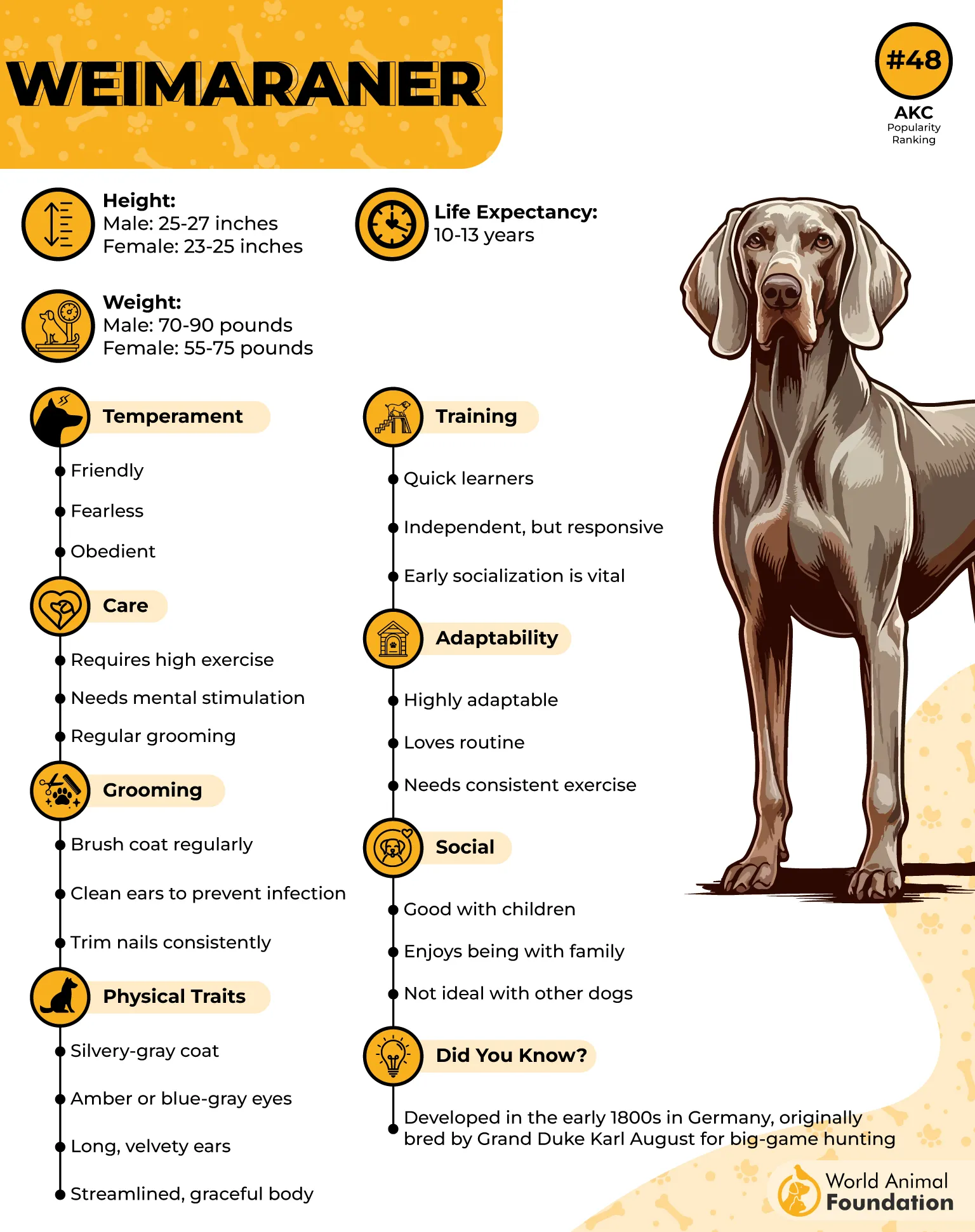
Weimaraner was kept as a hunting dog around Weimar in the early 19th century, with royals originally using the breed for large game. As hunting preferences changed, its work shifted toward smaller game and birds, where scent, speed, stealth, pointing, and retrieving became especially valuable.
A Natural Trail Companion
For a dog built around scent work and pursuit, a summit day offers plenty to investigate and plenty of ground to cover. Hiking, running, fetch, lure coursing, and mantrailing can give this energetic breed a more meaningful outlet than a casual walk.
These activities fit its working instincts particularly well:
Mantrailing through varied terrain
Agility with fast direction changes
Lure coursing for pursuit
A Dog With a Job
Weimaraner can become restless when physical and mental demands go unmet, with boredom sometimes leading to chewing, digging, or excessive barking.
Puzzle toys, tug-of-war, dock diving, and rescue-dog training offer additional ways to give that sharp mind something worthwhile to work on, as PetMD claims.
3. Siberian Husky
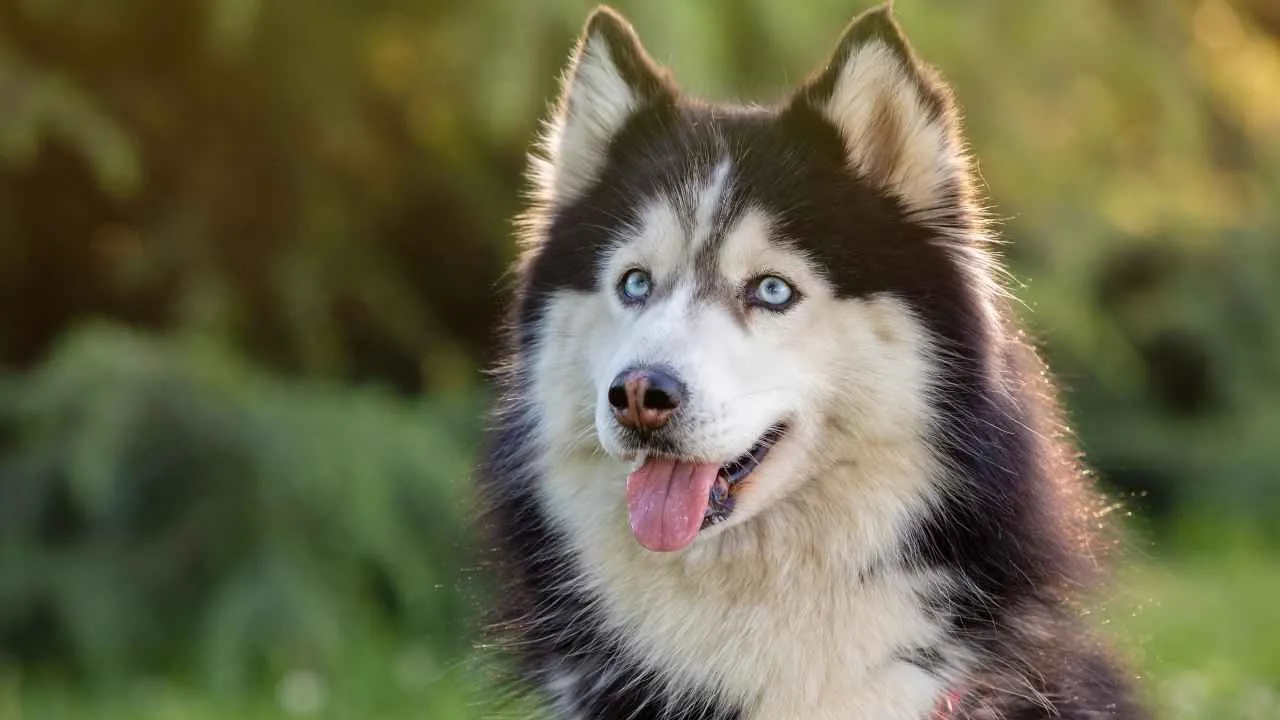
Siberian Husky originated in Northeast Asia with the Chukchi people, who relied on this medium-sized Spitz breed for demanding sled work. In the early 20th century, Alaskans took interest in these dogs and began bringing them into the United States through Alaska.
Thrives on the Trail Run
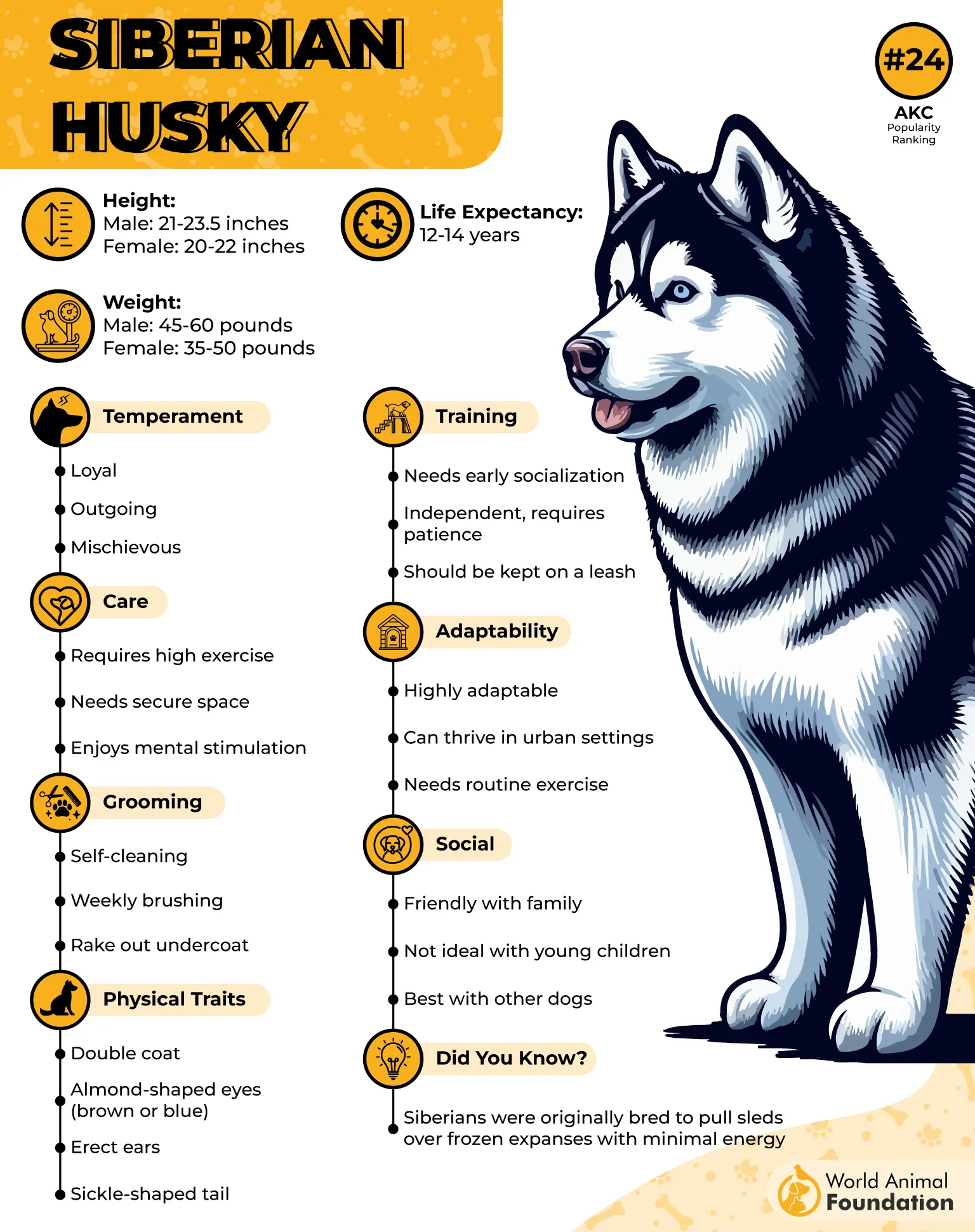
These hiking companions have the proportions of an athlete, balancing power, speed, and endurance across a medium-sized frame. For active adventures, sledding, dryland mushing, CaniX, and bikejoring offer outlets closely matched to its working instincts, as Purina stated.
Three details matter when planning those outings:
Requires two-plus hours of daily exercise
Needs a secure area for running
Strong prey drive around small animals
A Free Spirit
Siberian Husky is intelligent and independent, with a selective attitude toward obedience training that can make reliable recall difficult. Its strong urge to run also means a secure, high-fenced space is essential, since this breed can jump from a standstill and may look for an escape route.
4. German Shorthaired Pointer
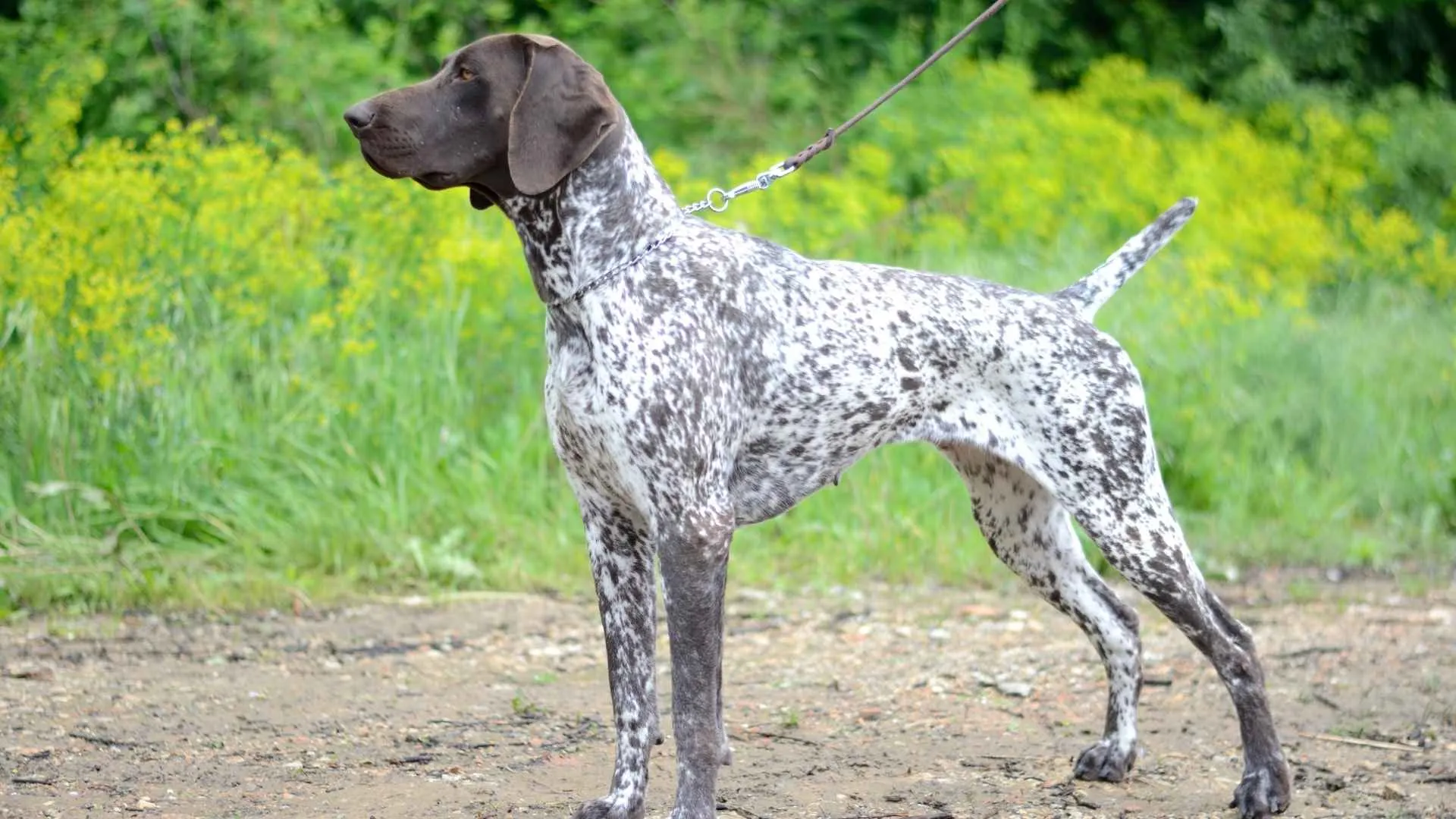
German Shorthaired Pointer was originally bred in Germany during the 19th century, with its lineage linked most closely to the German bird dog and the old Spanish Pointer.
Other German hound and pointing breeds also contributed to its ancestry, although their exact identities are no longer known.
Made for the Wild
This pointer breed is built for long days outdoors, with the stamina and athletic ability suited to hiking, camping, and hunting across varied terrain. Its hunting range includes waterfowl, rabbits, raccoons, possums, and even deer, giving it plenty to investigate on an active outing.
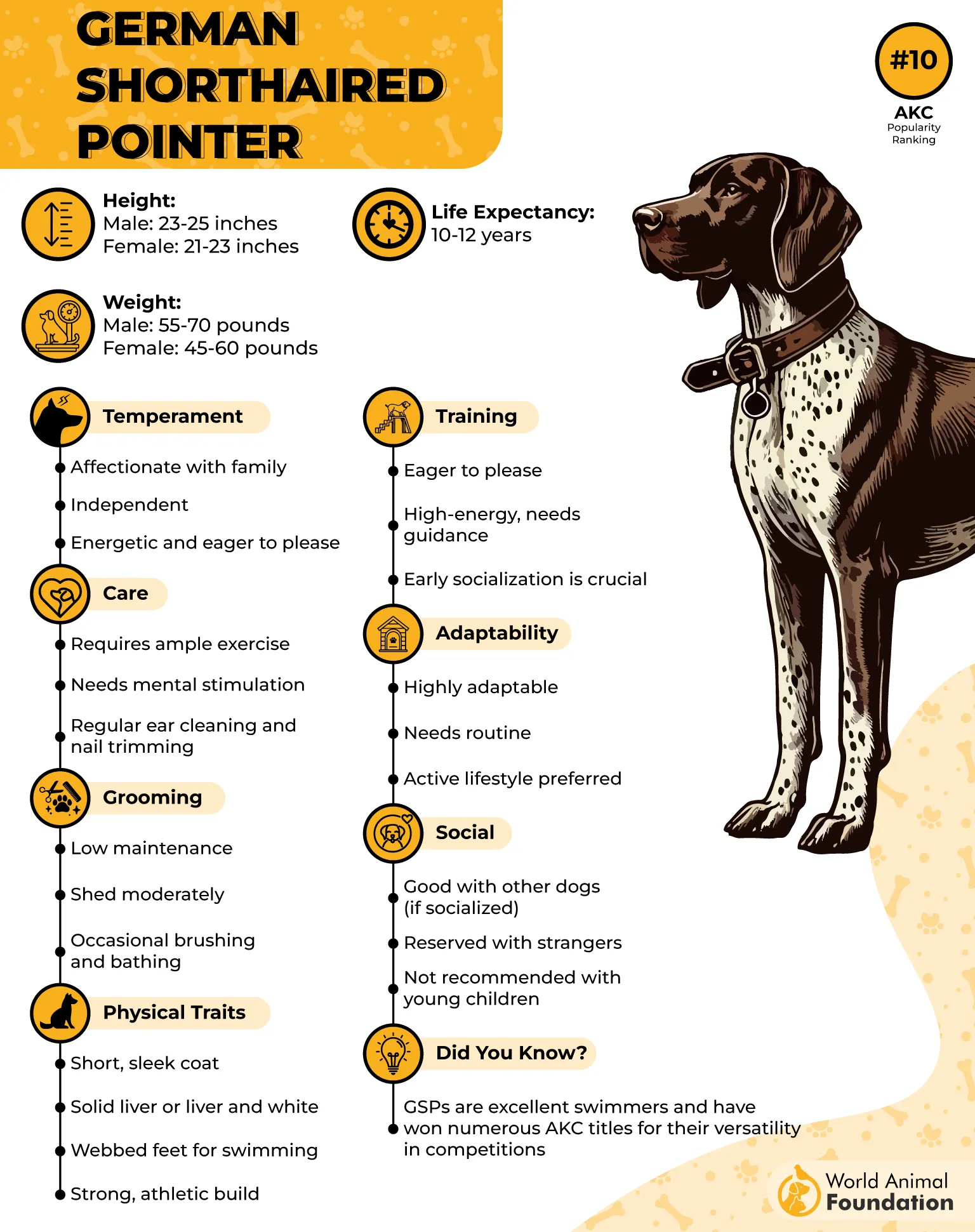
These numbers put its physical ability into perspective:
Ran up to 45 mph at full speed
One to two hours of intense daily exercise
Five out of five for trainability
A Busy Mind
German Shorthaired Pointer watches its surroundings with an alert, curious expression and brings plenty of energy into everything it does. The first three years can be especially demanding, while consistent training helps channel that intensity into useful behavior and outdoor activities.
5. Rhodesian Ridgeback
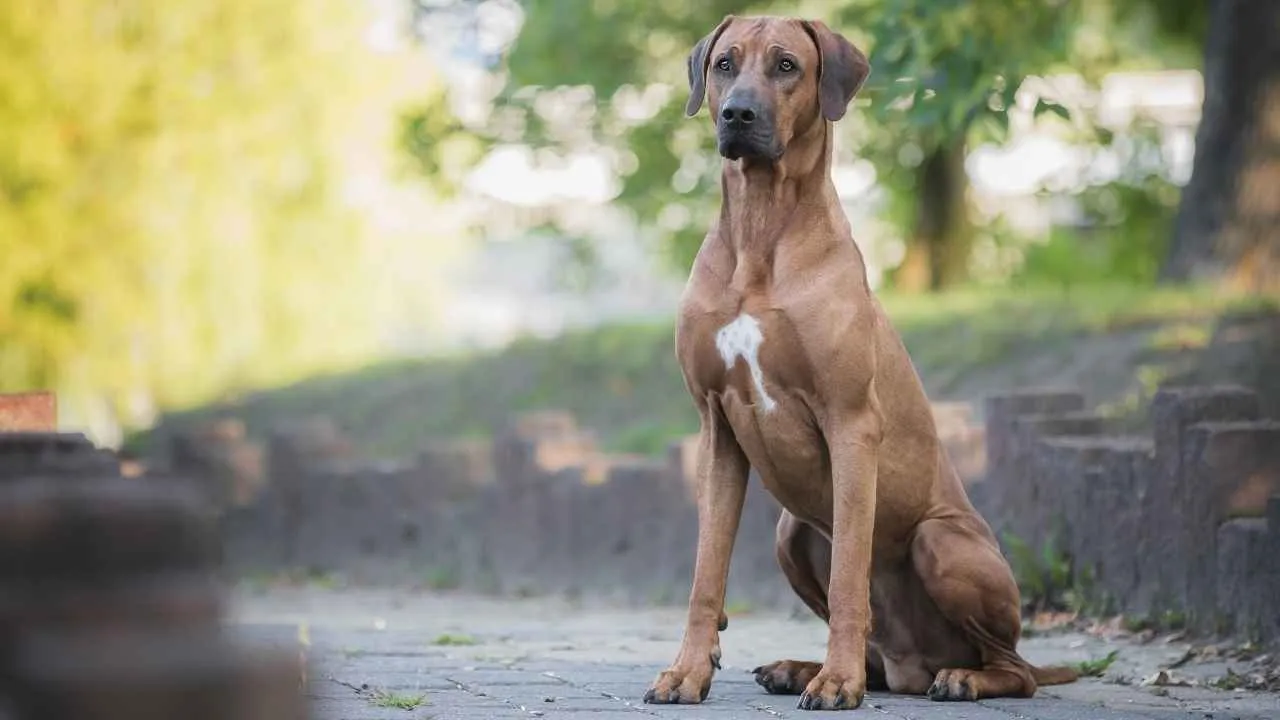
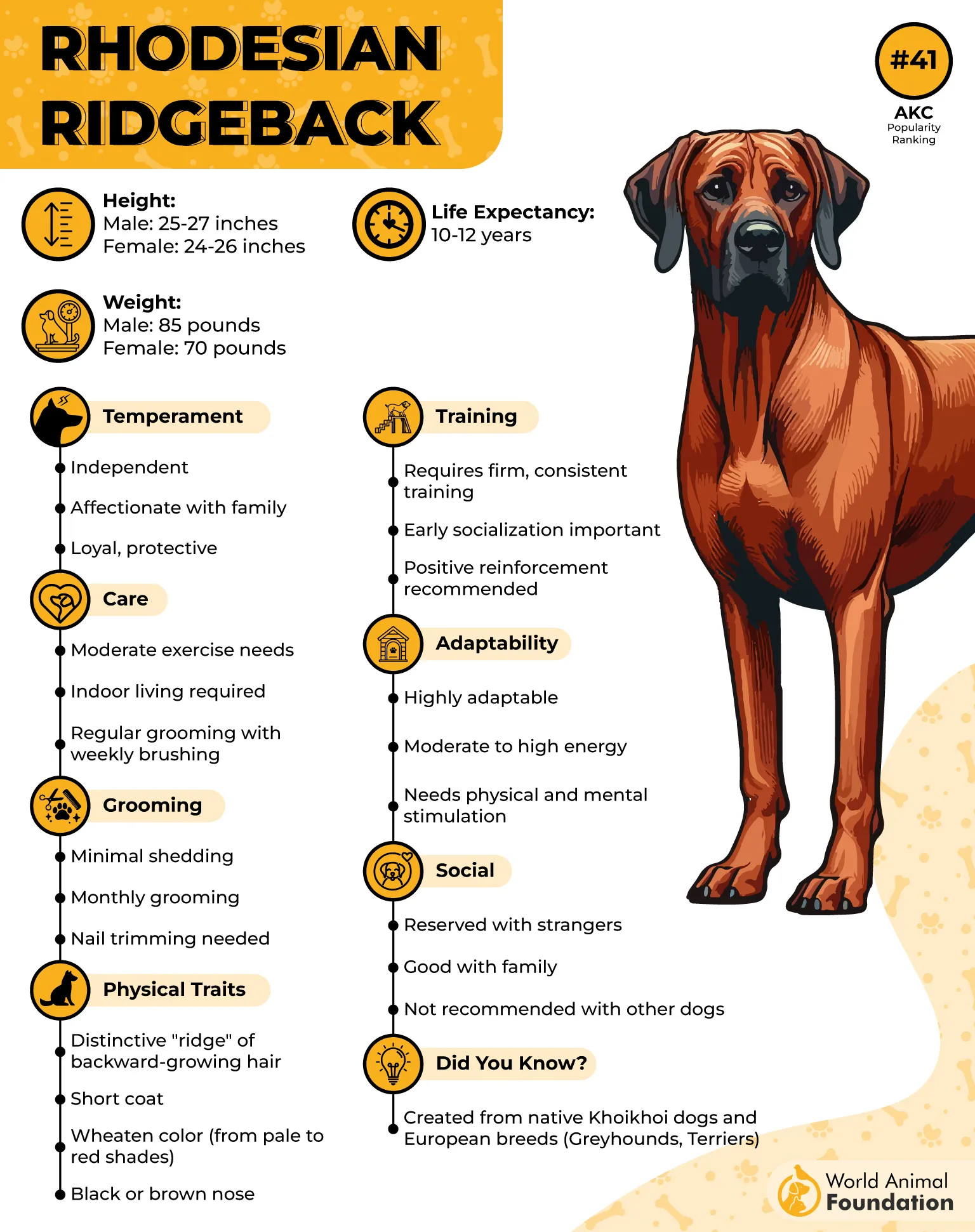
Rhodesian Ridgeback emerged from crosses between European dogs such as Mastiffs, Bloodhounds, Great Danes, Pointers, and Greyhounds with native hunting dogs.
The resulting breed was recognized by the strip of fur along its back that grows in the opposite direction from the surrounding coat.
Ready for Active Lifestyle Adventures
In the late 1800s, these dogs were taken to Rhodesia, now Zimbabwe, where they were used for hunting and tracking, including lion hunting. Their athletic build and ability to handle heat also suit demanding outdoor pursuits such as long-distance running and hiking.
Some specific figures put that stamina into perspective:
30 minutes of brisk exercise is the minimum
60 minutes is considered ideal
Six to eight running miles can suit a fit dog
Serious Hiking Stamina
Rhodesian Ridgeback can remain active over considerable distances when properly conditioned, with a healthy dog potentially hiking 10 miles and still having energy left. Its trail awareness also gives it a protective role when unfamiliar situations arise outdoors.
6. Border Collie
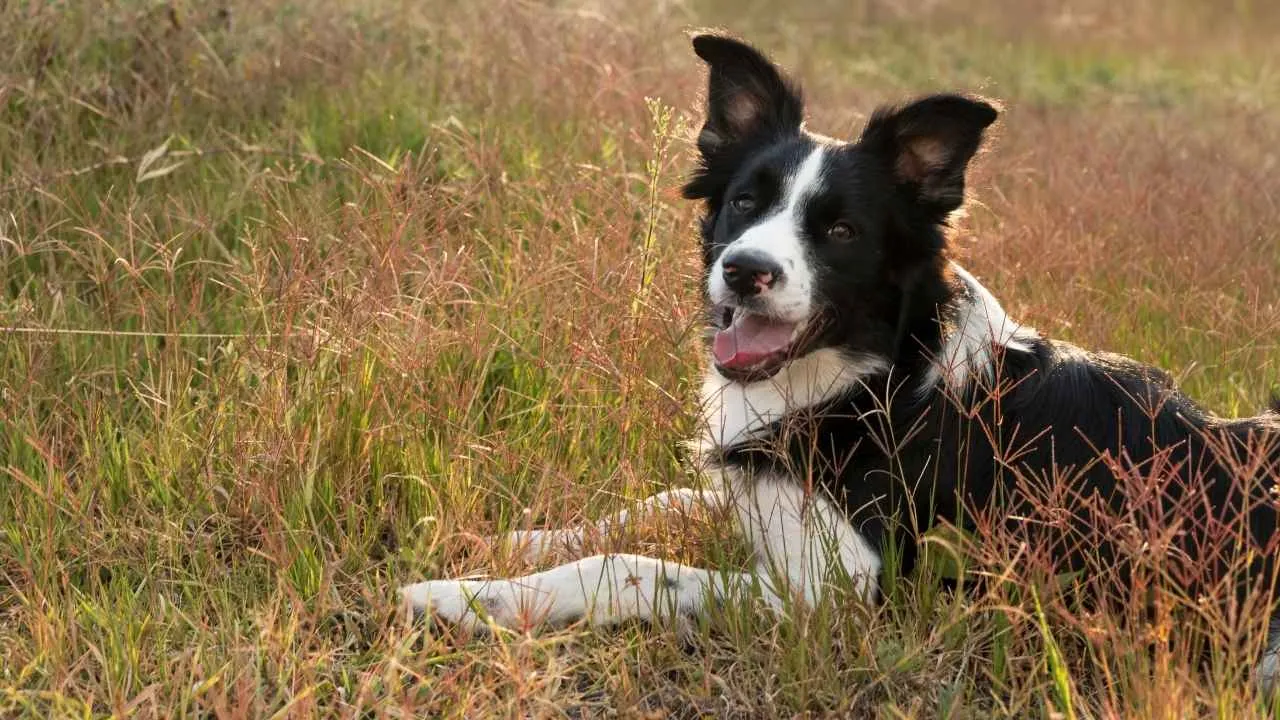
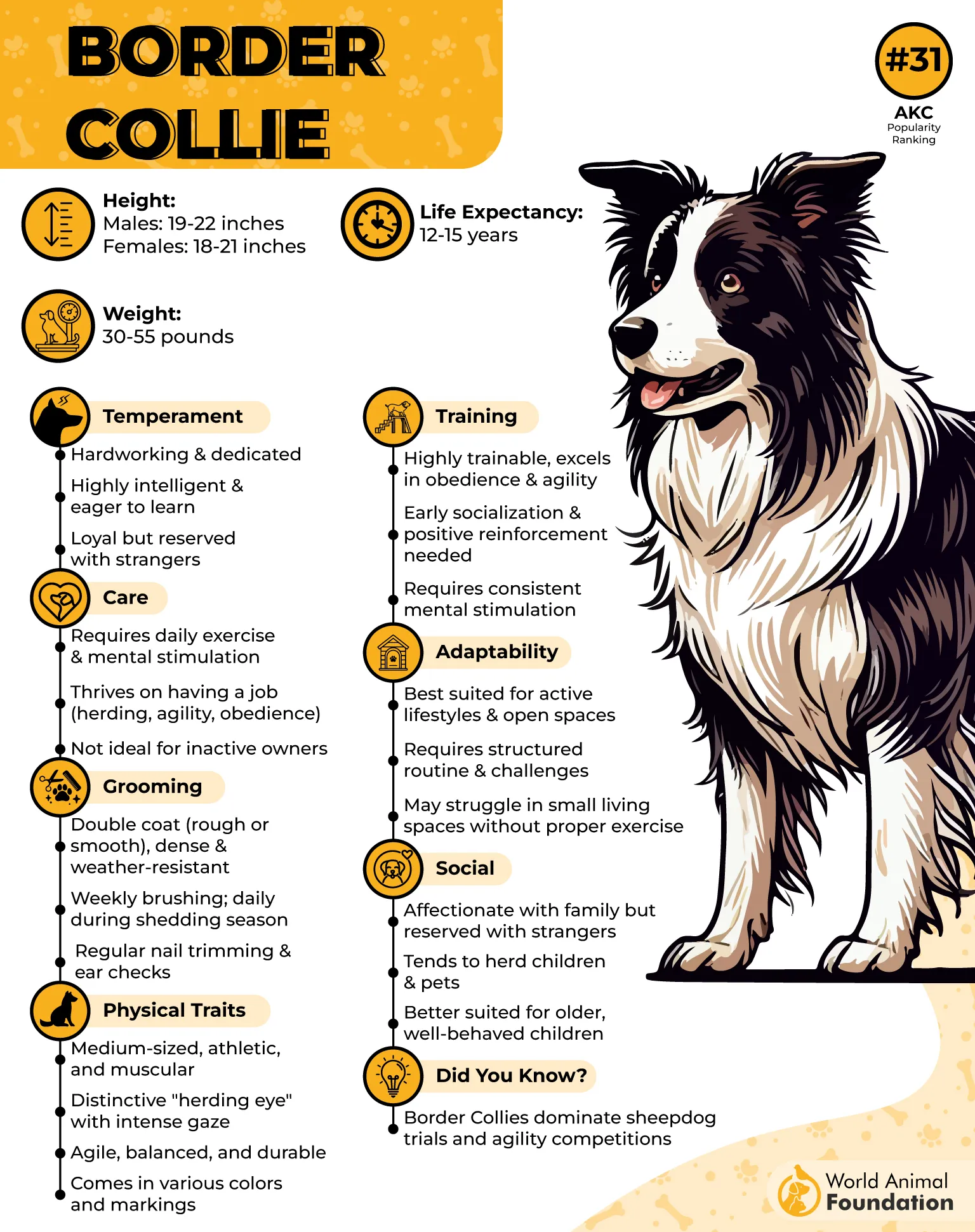
Border Collie emerged along the Scotland and England border, where the word “collie” referred to local sheepdogs. Old Roman dogs and Viking spitz breeds contributed to its working lineage, shaping a muscular and agile herder capable of handling rugged country.
Energy for the Long Haul
These herding breeds can handle hills, rocky ground, long hikes, brisk runs, swimming, and biking with remarkable drive. Their herding instincts also give active outings a sense of purpose, especially when fetch, Frisbee, or agility work adds a task to the day.
These impressive records add another layer to their abilities:
Guinness World Record for dog intelligence
Fastest dog slalom record
Fastest dog tightrope crossing
Alert and Sensitive
Border Collies can be affectionate, playful, and social with familiar people, children, and pets raised alongside them. Sudden sounds such as fireworks and thunder may bother this noise-sensitive breed, while unfamiliar visitors can trigger alert behavior around the home.
7. Vizsla
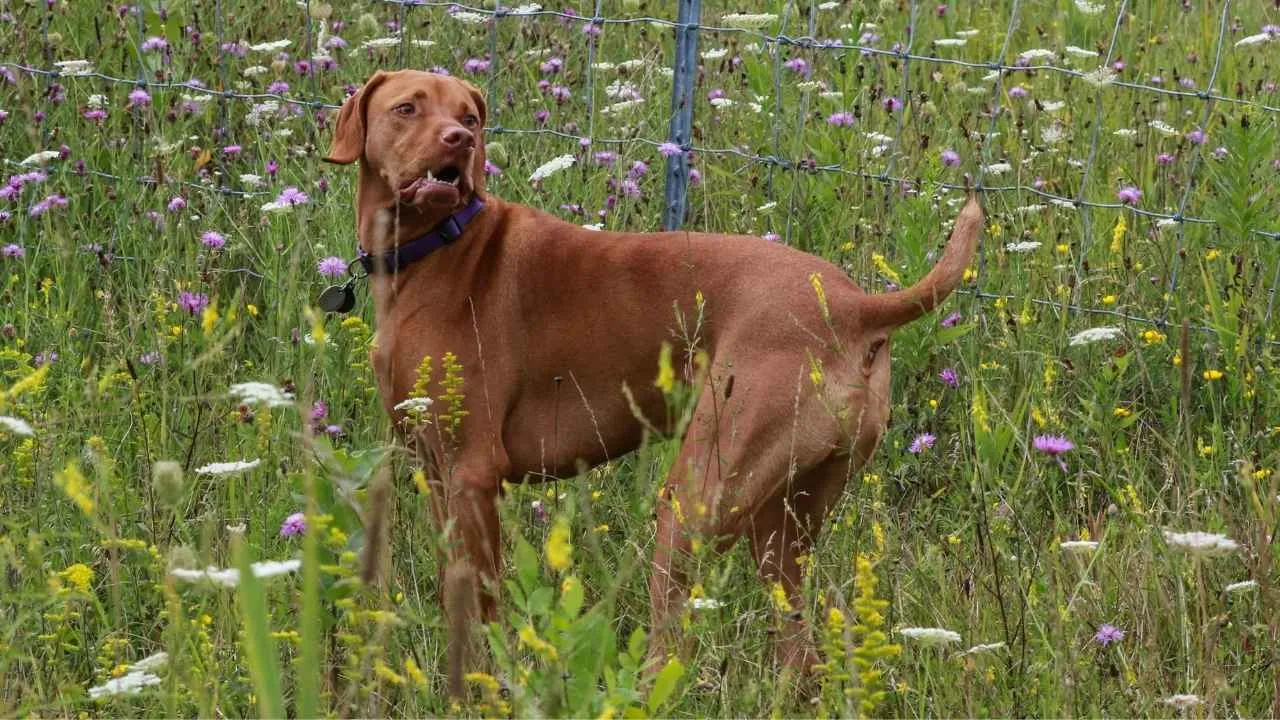
Vizsla has roots reaching back to 10th-century Hungary, where Magyar tribes valued these agile hunting dogs for both pointing and retrieving game. Their speed and stamina suited the country’s wide plains, while their close working style kept them near hunters in the field.
Plenty of Stamina to Burn
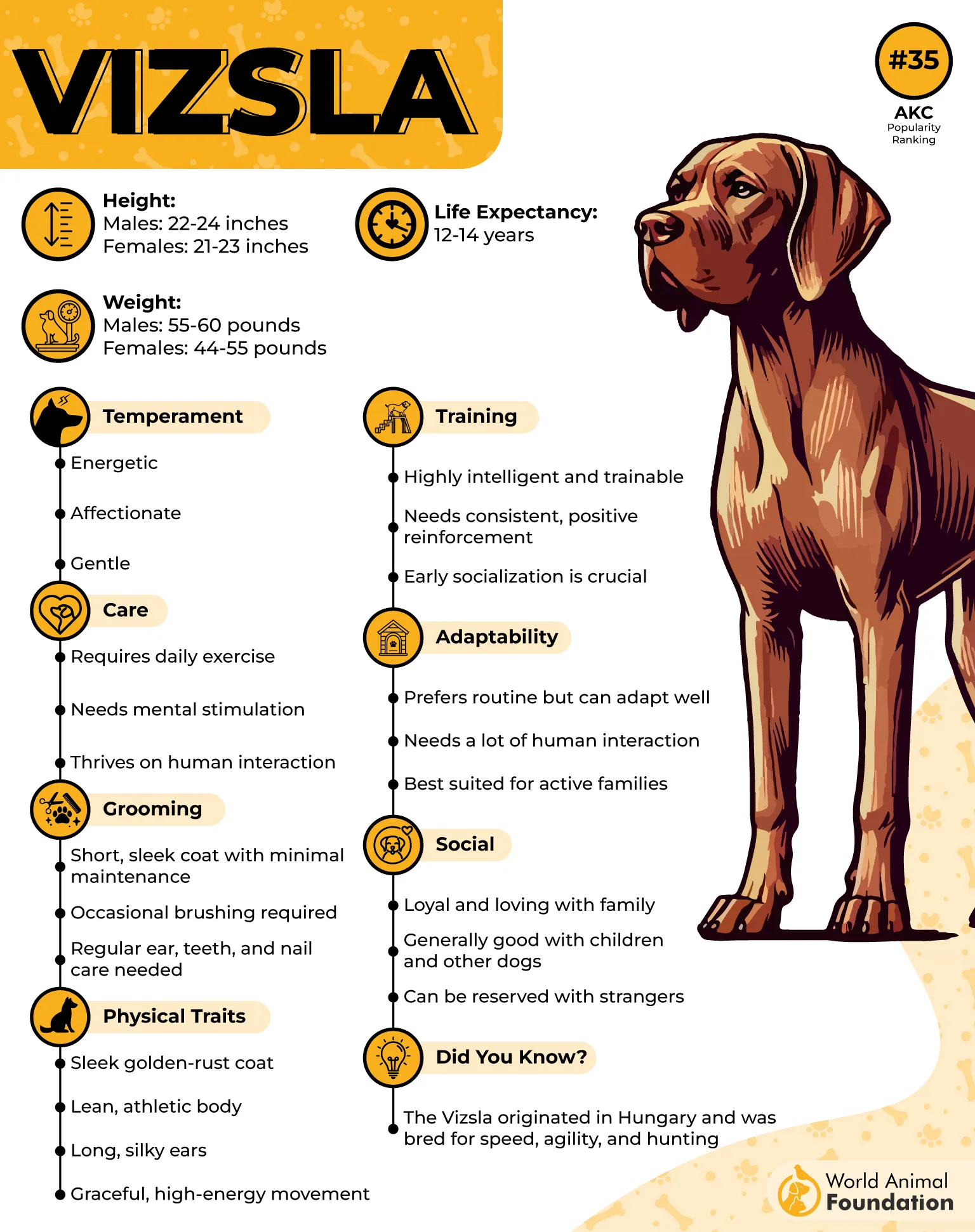
This camping breed needs substantial daily activity, with the Vizsla Club of America recommending at least seven hours of exercise each week. Hiking, running, swimming, and dock diving give this energetic breed the kind of demanding work suited to active outdoor days.
The following practical details add to that picture:
Can work in search-and-rescue roles
Competes in agility and other dog sports
Enjoys retrieving and Frisbee games
The Velcro Dog
Vizsla earned the nickname “Velcro dog” because it tends to follow its person closely, a behavior linked to its traditional hunting work. That attachment can make this breed especially attentive on outdoor trips, where it often wants to remain near its human companion.
Conclusion
Taking a dog into the mountains means asking it to handle much more than an ordinary walk. Steep climbs, rocky paths, changing temperatures, wildlife, and long days outdoors all test physical ability and behavior.
The best dog breeds for such outdoor adventures may bring boundless energy, but that drive needs direction through conditioning, training, and clear expectations on the trail.
Start with manageable distances and gradually build fitness before tackling demanding summits. Camping also requires attention to weather, sleeping arrangements, hydration, and secure handling around unfamiliar surroundings.
The right match can become one of the great hiking partners for pet parents, especially when regular mental stimulation and activity are part of the routine.
