




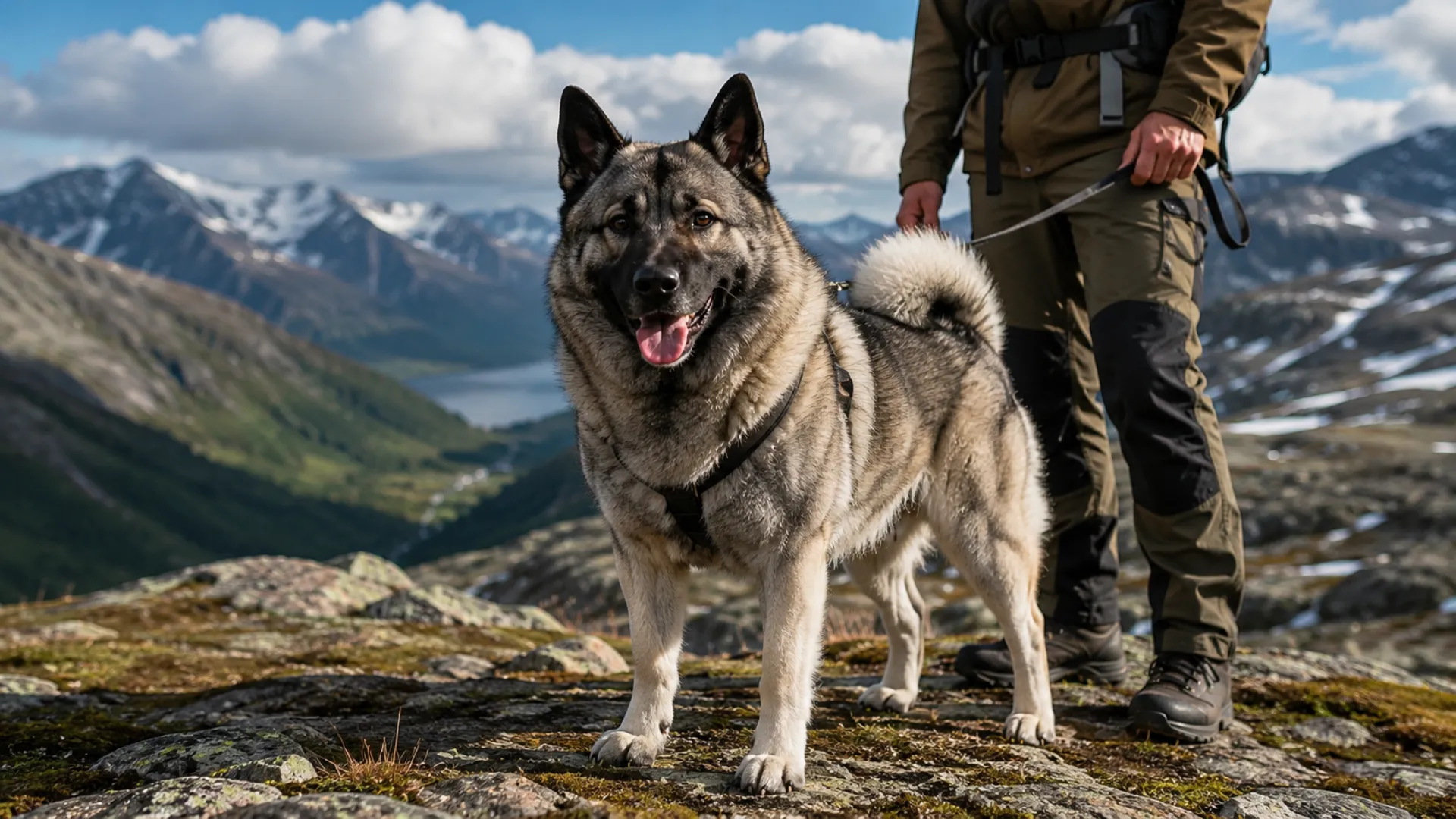
If you’re someone who plans multi-day mountain treks, wilderness camping trips, or heads out into extreme weather, you already know that just any dog won’t cut it. Adventurers and survivalists need more than a playful companion by their side.
What you really need are tough, hardy dogs with real resilience and a fearless streak, ones built to endure harsh climates and step up to protect you if things go sideways.
Standard pets tend to tire quickly, get injured easily, or struggle in extreme heat or cold. But the breeds on this list are built differently. They typically have dense, protective coats, exceptional stamina, sharp survival instincts, and the ability to stay steady in high-stress situations.
We’ve put together 9 tough and strong dog breeds built for outdoor adventure and survival situations. We’ll cover their survival instincts, love for the outdoors, exercise needs, training requirements, and grooming routines in detail.
So take a good look at the breakdown below before choosing your dog, because not every dog is cut out to go with you off the grid or through a genuinely serious situation.
Toughest Dog Breeds for Outdoor Adventures and Survival
1. Norwegian Elkhound
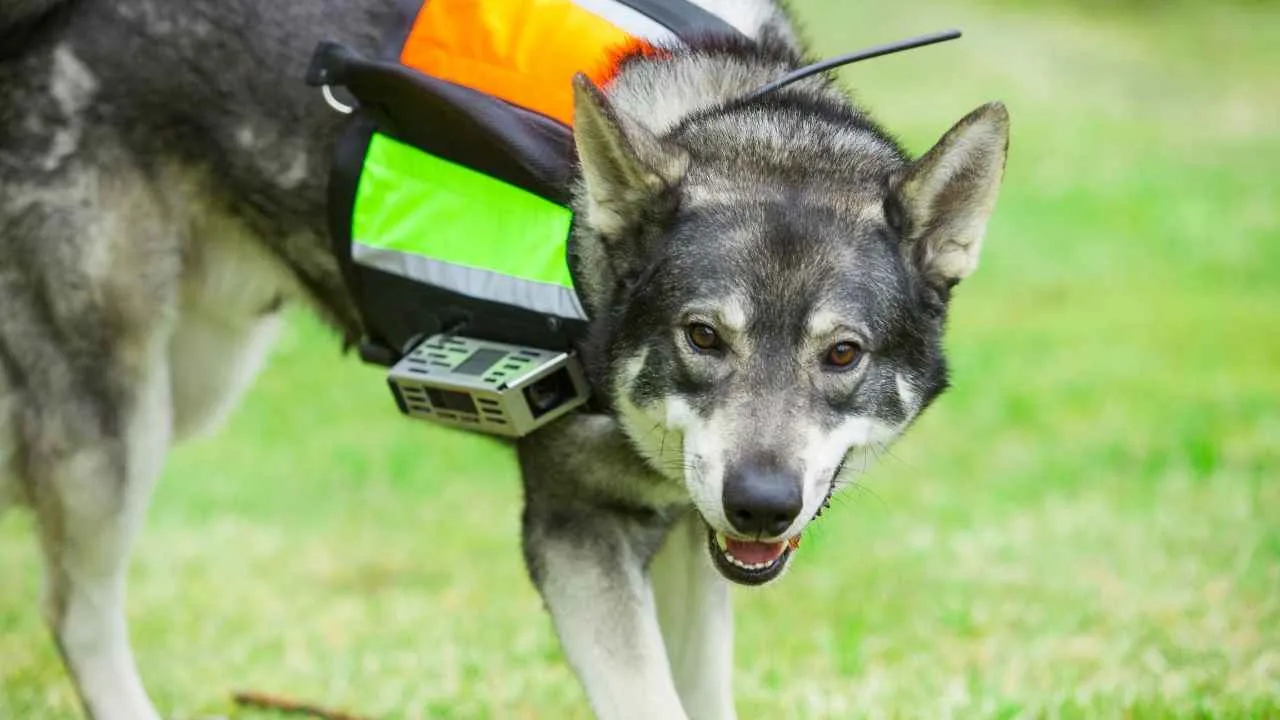
Norwegian Elkhounds are bold, energetic, and loyal companions with strong protective instincts. They tend to stay calm, alert, and composed even when facing unpredictable challenges out in the wild. Elkhounds are also friendly by nature and generally do well with children when properly socialized.
These medium-sized dogs were originally bred to track, corner, and hold big game like moose, bears, and wolves, which explains their strong natural survival instincts. As Purina notes, Elkhounds are true all-weather dogs.
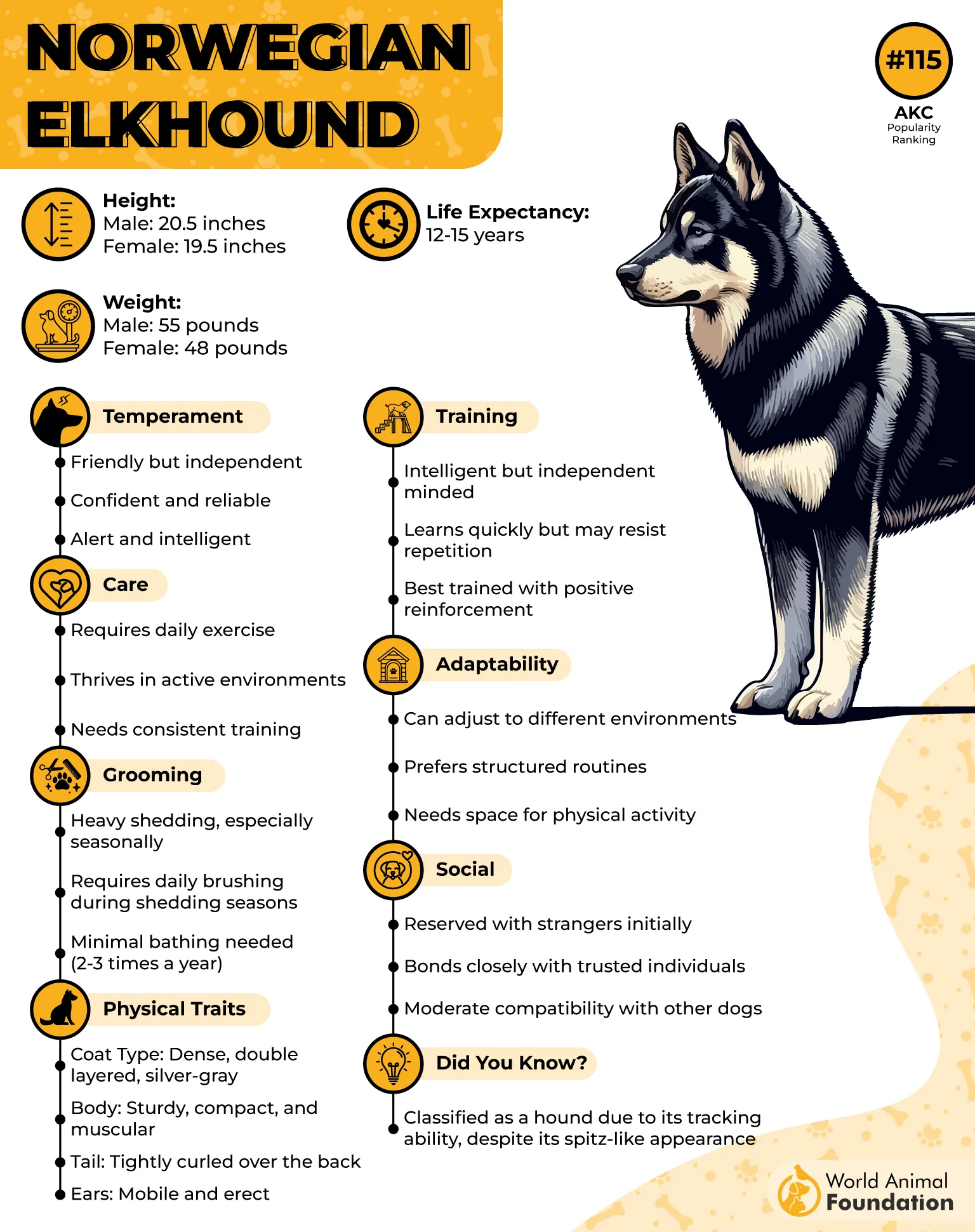
With a broad chest, impressive endurance, and dense muscle, they can travel for hours across steep, rocky terrain without wearing out.
Elkhounds are high-energy dogs that need about 1 to 1.5 hours of exercise daily. Because of their independent streak, they tend to do best with experienced owners who understand how to work with that mindset.
2. Bernese Mountain Dog
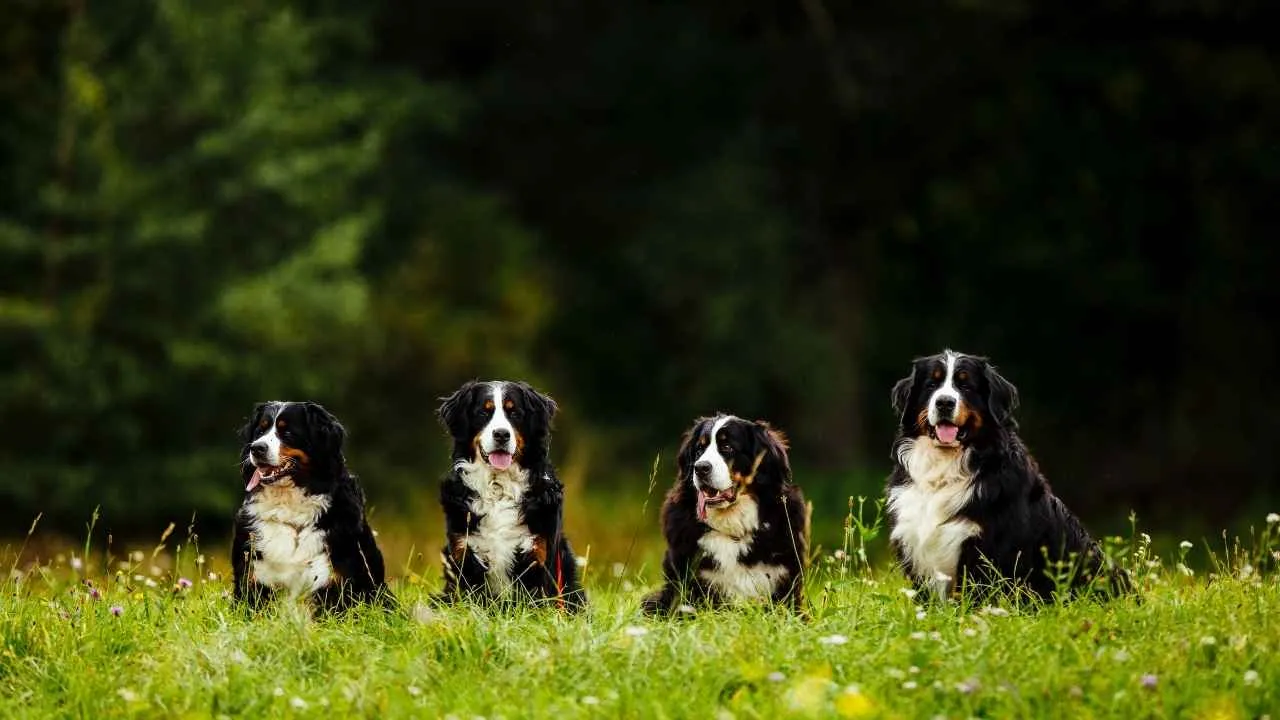
Bernese Mountain Dogs are calm, courageous, and deeply loyal, with a self-assured mindset that really shines under pressure. They tend not to panic and stay level-headed even around loud noises, which makes them wonderful family dogs.
These multi-purpose working dogs were originally bred on Swiss farmland to pull heavy carts and help herd cattle. Their large size brings raw power, a heavy bone structure, and impressive cold-weather endurance, all paired with a genuine love for the outdoors.
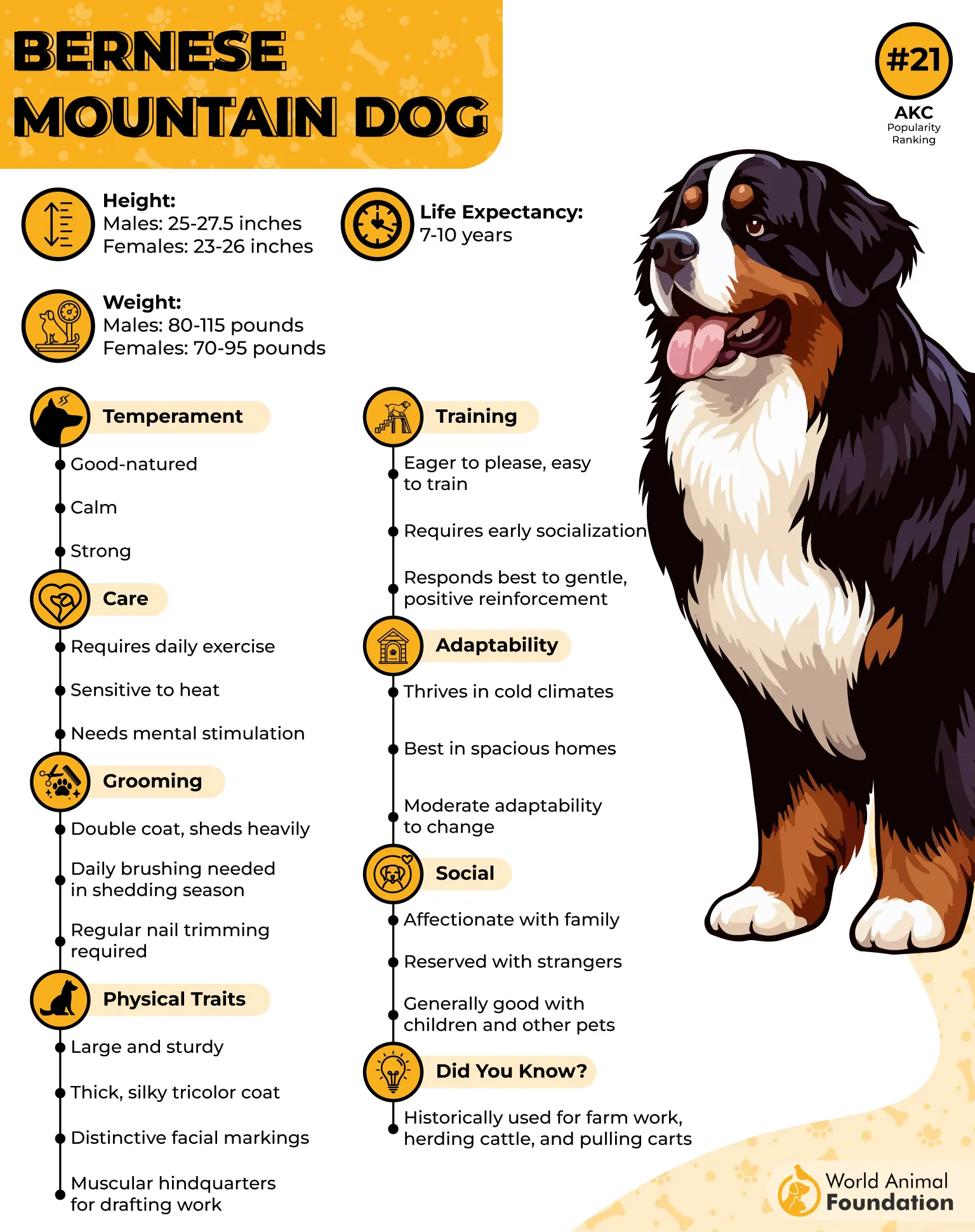
These mountain dogs have a strong bite force ranging from 200-400 PSI, along with a naturally vigilant and protective nature. Their moderate exercise needs make them great companions for alpine hikes, snowshoeing, and cart pulling. On top of that, their eagerness to please makes them fairly easy to train.
3. Great Pyrenees
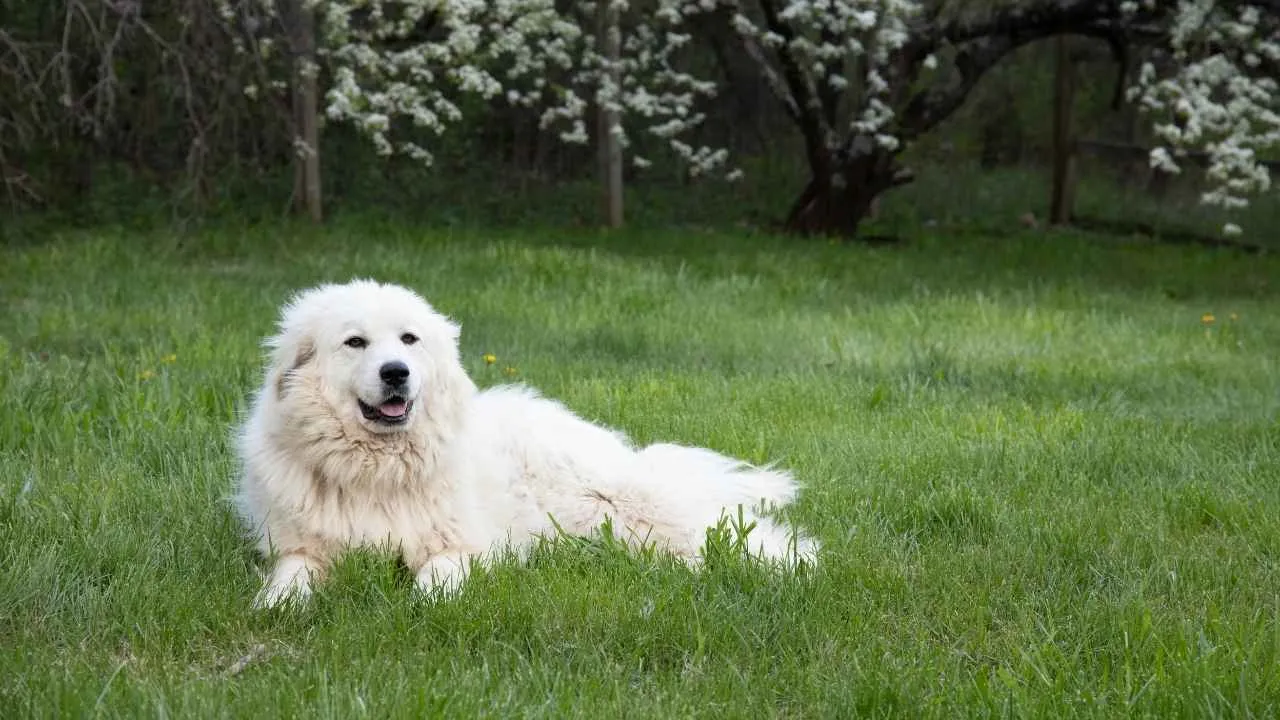
Great Pyrenees are calm, fearless, and deeply protective giant dogs. With a patient demeanor and impressive stamina, they make excellent guard dogs, no surprise given they were originally bred as mountain dogs to guard livestock.
These survival-ready giants have strong territorial instincts, a thick double coat, and even double dewclaws on their hind legs for extra stability on steep, icy terrain. Their sharp sense of smell also makes them natural guardians on camping trips, capable of picking up on threats from miles away.
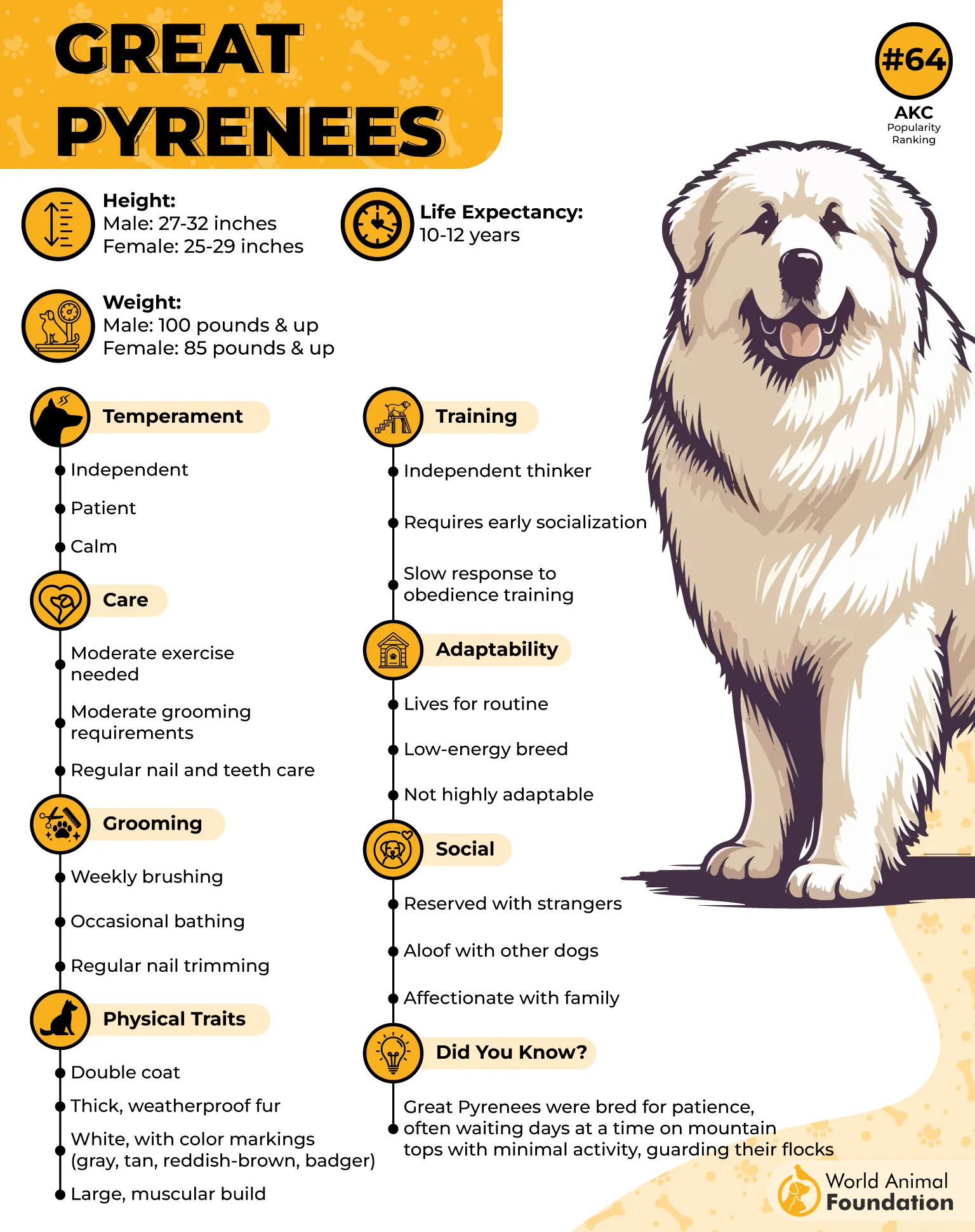
According to PetMD, Great Pyrenees have moderate exercise needs and often run on the lower-energy side. They can be a bit challenging to train given their strong-willed, independent streak, and their thick coat sheds heavily, so weekly brushing is a must.
4. Rhodesian Ridgeback
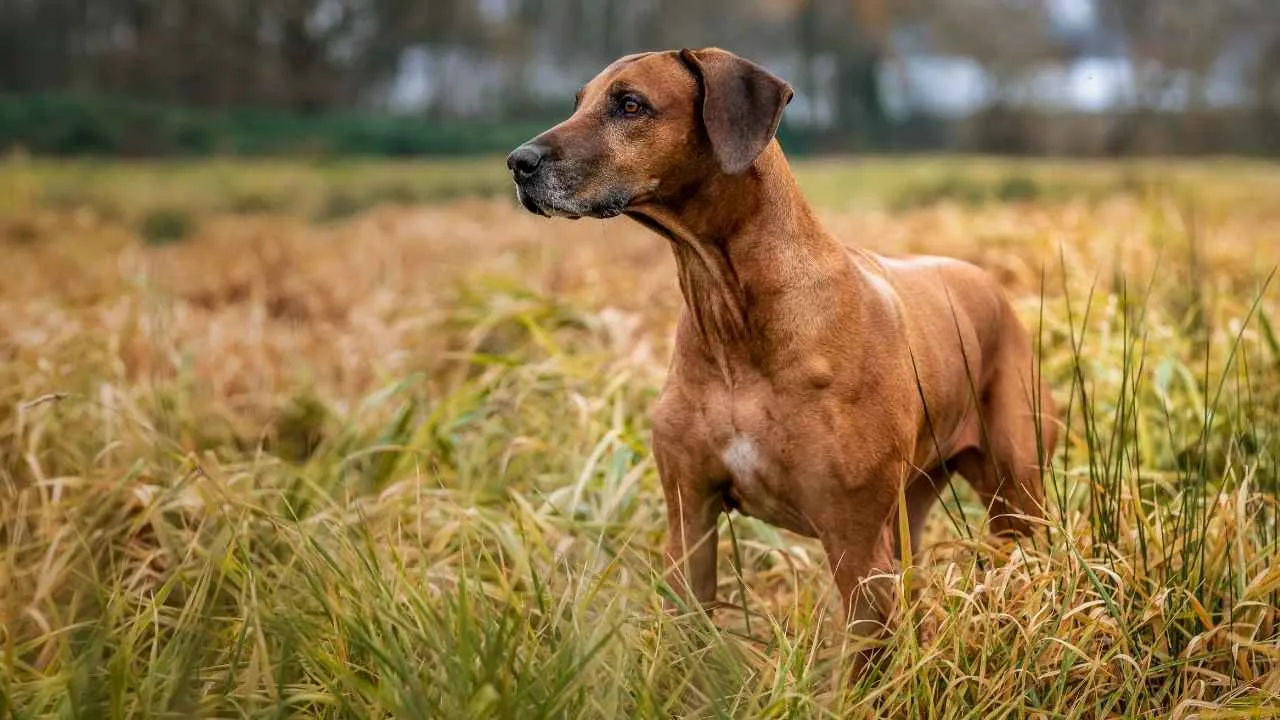
Rhodesian Ridgebacks, also known as African Lion Hounds, are even-tempered, dignified, affectionate, and protective dogs. Originally bred for hunting and tracking large game like lions, the breed’s signature feature is the ridge, a strip of hair along the back that grows in the opposite direction from the rest of the coat.
Ridgebacks are athletic, with the stamina and speed built for survival situations. They typically have moderate energy levels and need around 45-60 minutes of outdoor activity daily for both exercise and mental stimulation. These muscular dogs genuinely enjoy tracking, agility, and puzzle-style mind games.
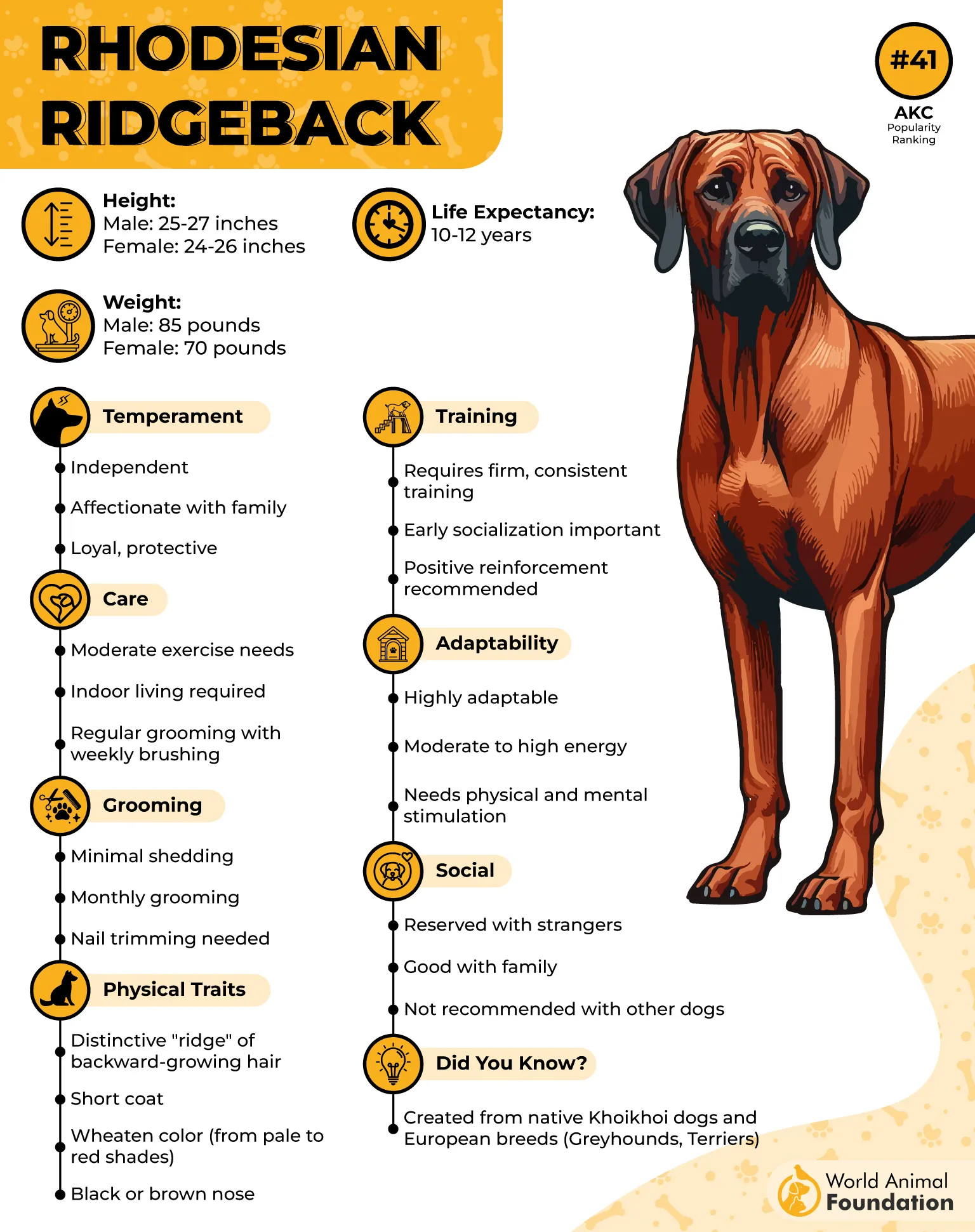
That said, Rhodesian Ridgebacks have a strong prey drive and an independent streak, so they generally do best with experienced, firm handlers. Their coat is low maintenance and sheds moderately, needing just weekly brushing to manage loose hair, along with occasional baths.
5. Siberian Husky
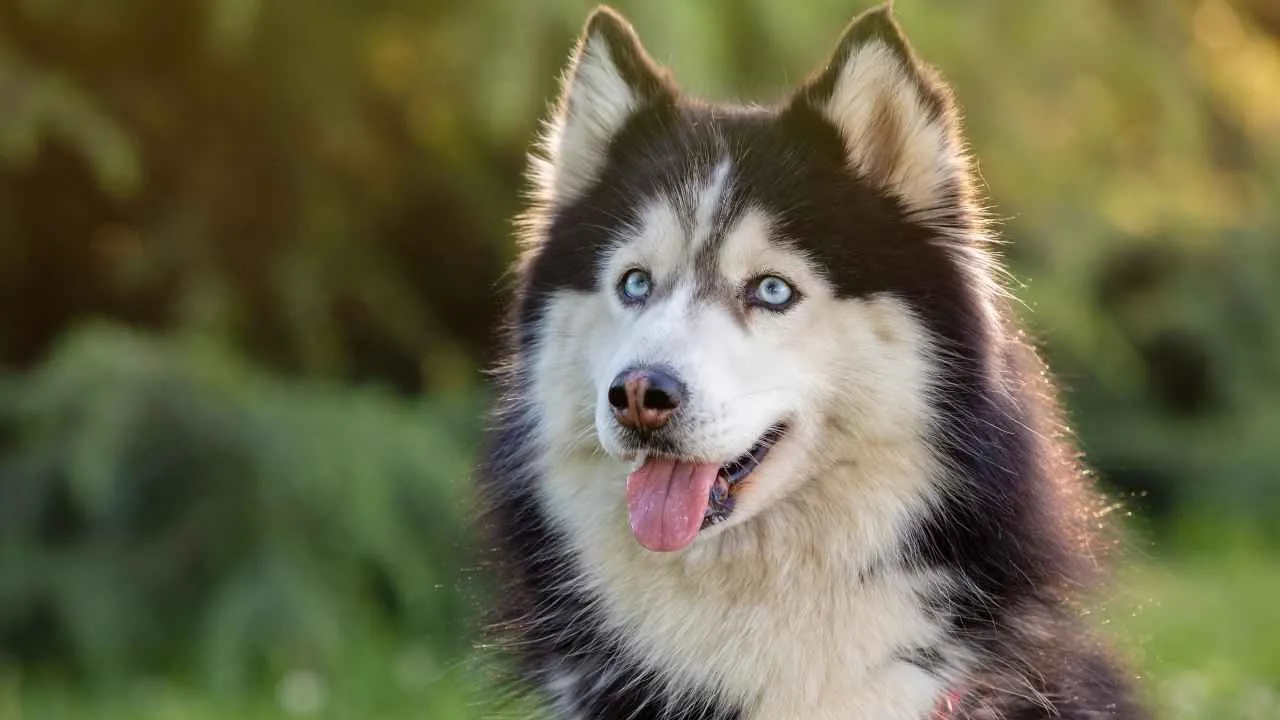
Siberian Huskies are outgoing, mischievous, and resilient dogs with an optimistic mindset and a strong work ethic. Originally bred by the Chukchi people to haul loads across long distances through the frozen Arctic, sub-zero temperatures and all, they’ve always been built for tough conditions.
Huskies come with strong survival instincts, a weather-resistant coat, and impressive endurance and strength. Their bite force clocks in at around 320 PSI, powerful enough to break bones. On top of that, Huskies genuinely love the great outdoors and are always game for long walks, trekking, and camping trips.
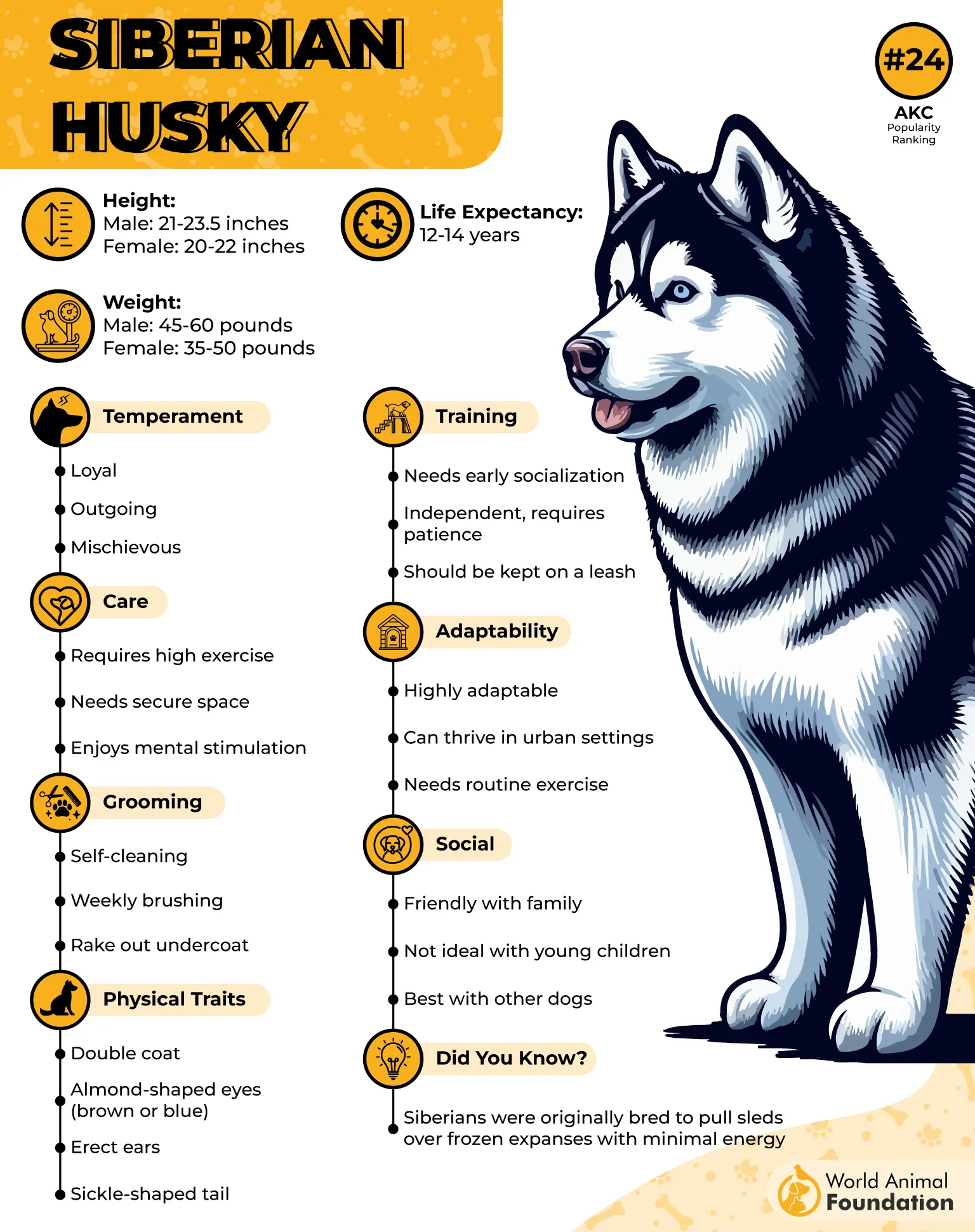
Siberian Huskies are high-energy dogs that need 1-2 hours of daily exercise to stay both physically and mentally satisfied.
As the Royal Kennel Club notes, these outdoor dogs can get a case of the zoomies now and then. Their medium-length double coat sheds moderately to heavily, so regular brushing is a must.
6. Alaskan Malamute
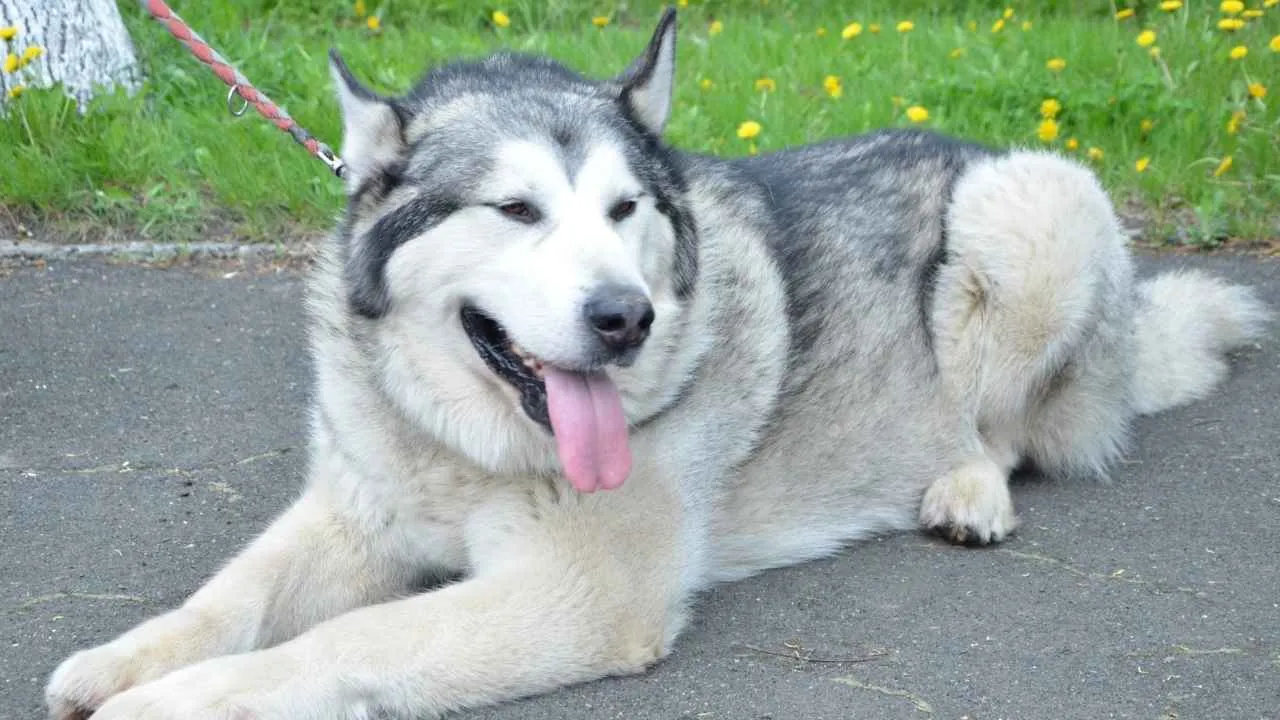
Alaskan Malamutes are deeply loyal, independent dogs with a self-reliant mindset that holds up well under pressure. As the AKC notes, they were originally bred as Arctic sled dogs, hardworking and steady companions used to pull heavy loads and track large game.
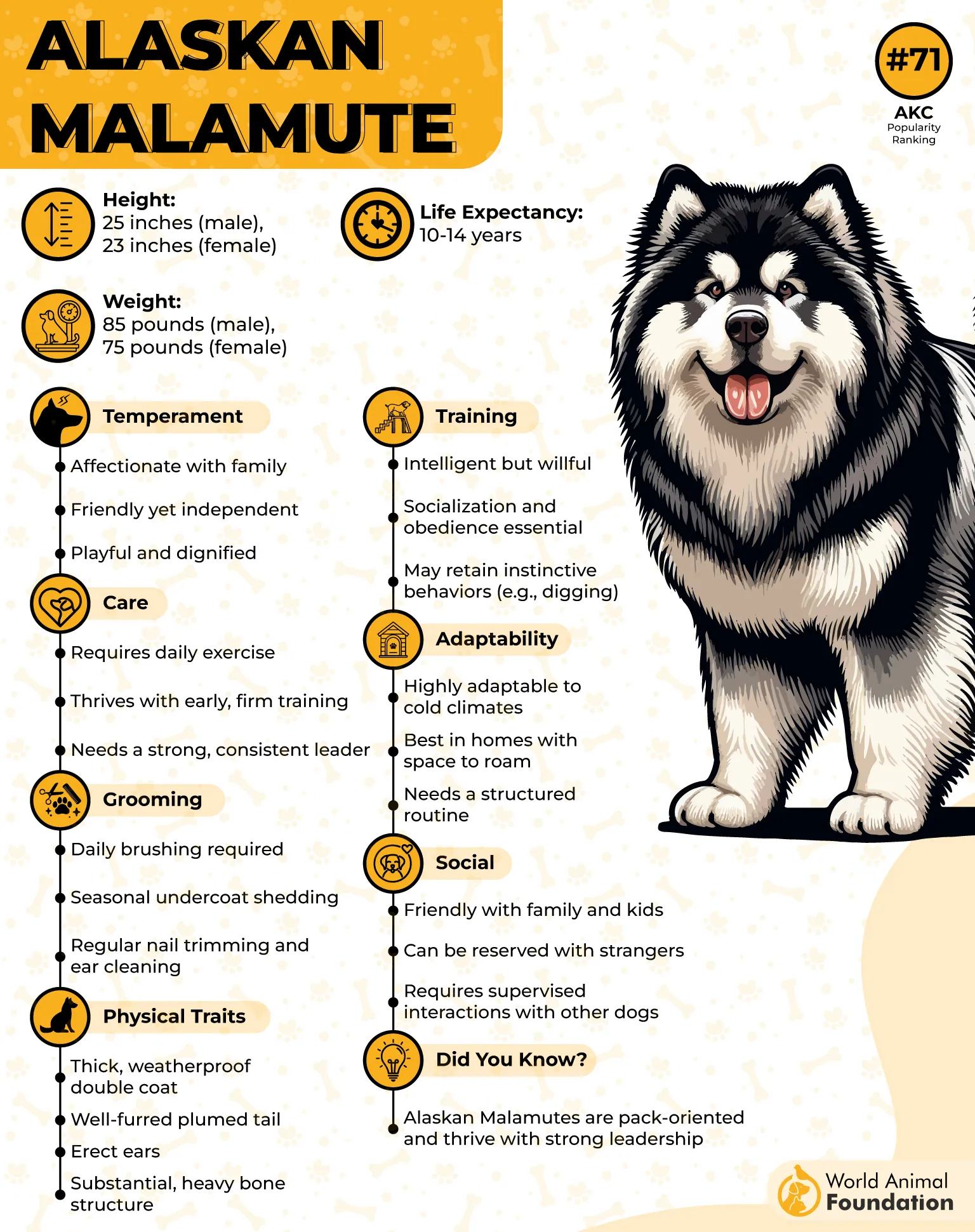
These large, survival-built dogs bring serious physical power, a heavy-boned frame, and a weather-resistant coat to the table. Their heavily padded paws give them a strong grip, especially useful during treks or camping trips.
Fun fact: These hiking dogs are known for their distinctive “awoo” howls and vocal sounds.
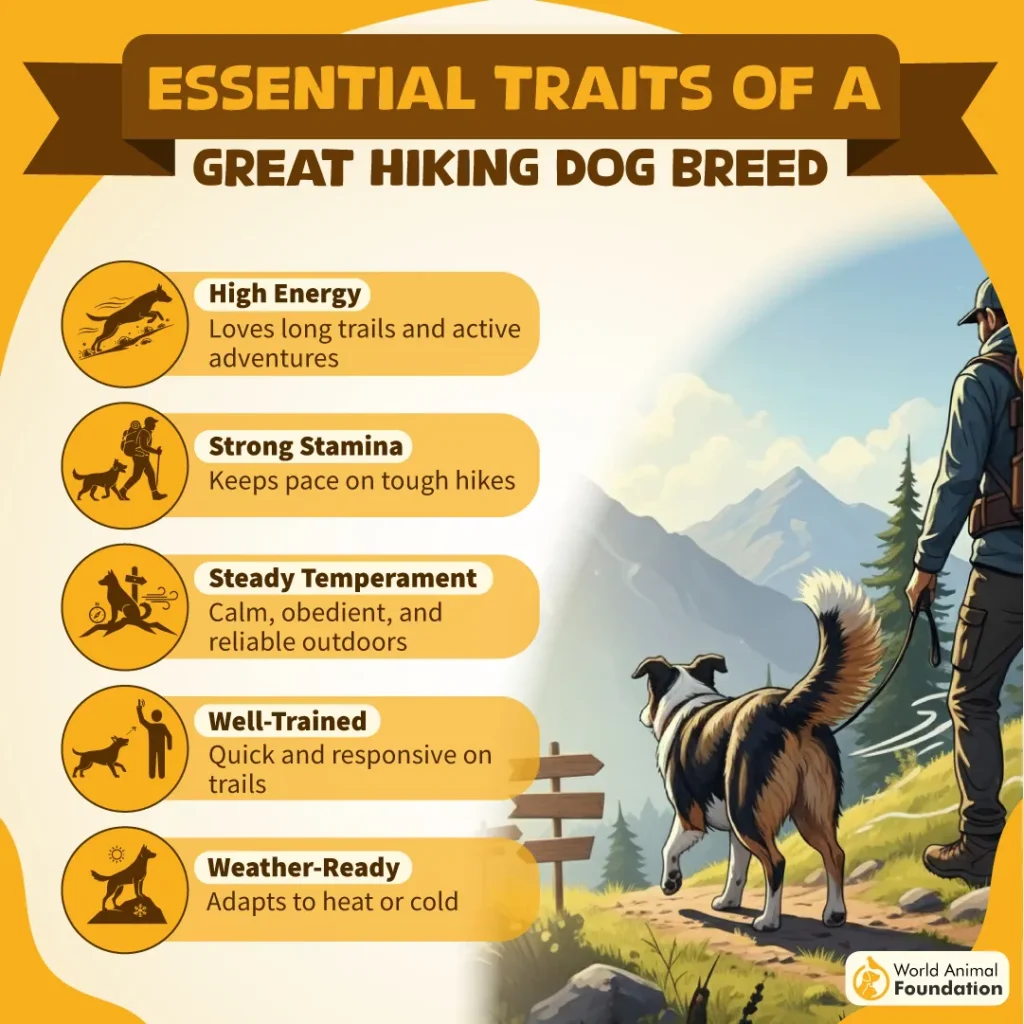
Malamutes are energetic dogs that need vigorous exercise and can be moderately challenging to train due to their independent streak. They do best with firm, confident handlers who don’t mind the heavy shedding, regular brushing, and baths every 6-8 weeks that come with the territory.
7. Akita
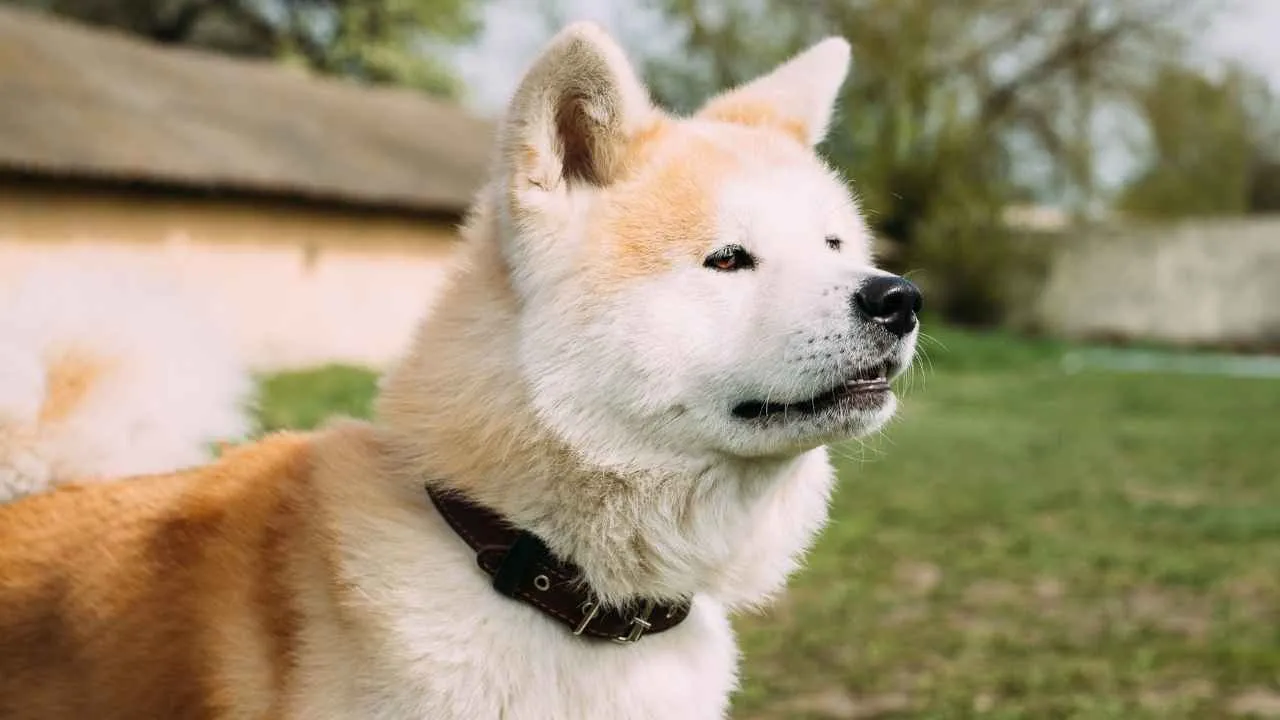
Akitas are quiet, fearless, loyal, and intelligent dogs with a naturally vigilant mindset. Wonderful guardians by nature, they stay calm and composed under pressure while keeping a close eye on their surroundings. Interestingly, as the Akita Club of America shares, these dogs were traditionally gifted to families to celebrate the birth of a new baby.
Originally bred as big game hunters, Akitas bring serious strength, a high pain tolerance, and strong territorial instincts. They actually resemble foxes in appearance, and with a heavy bone structure, broad chest, powerful paws, and a bite force of 350-400 PSI, they’re built to handle tough situations.
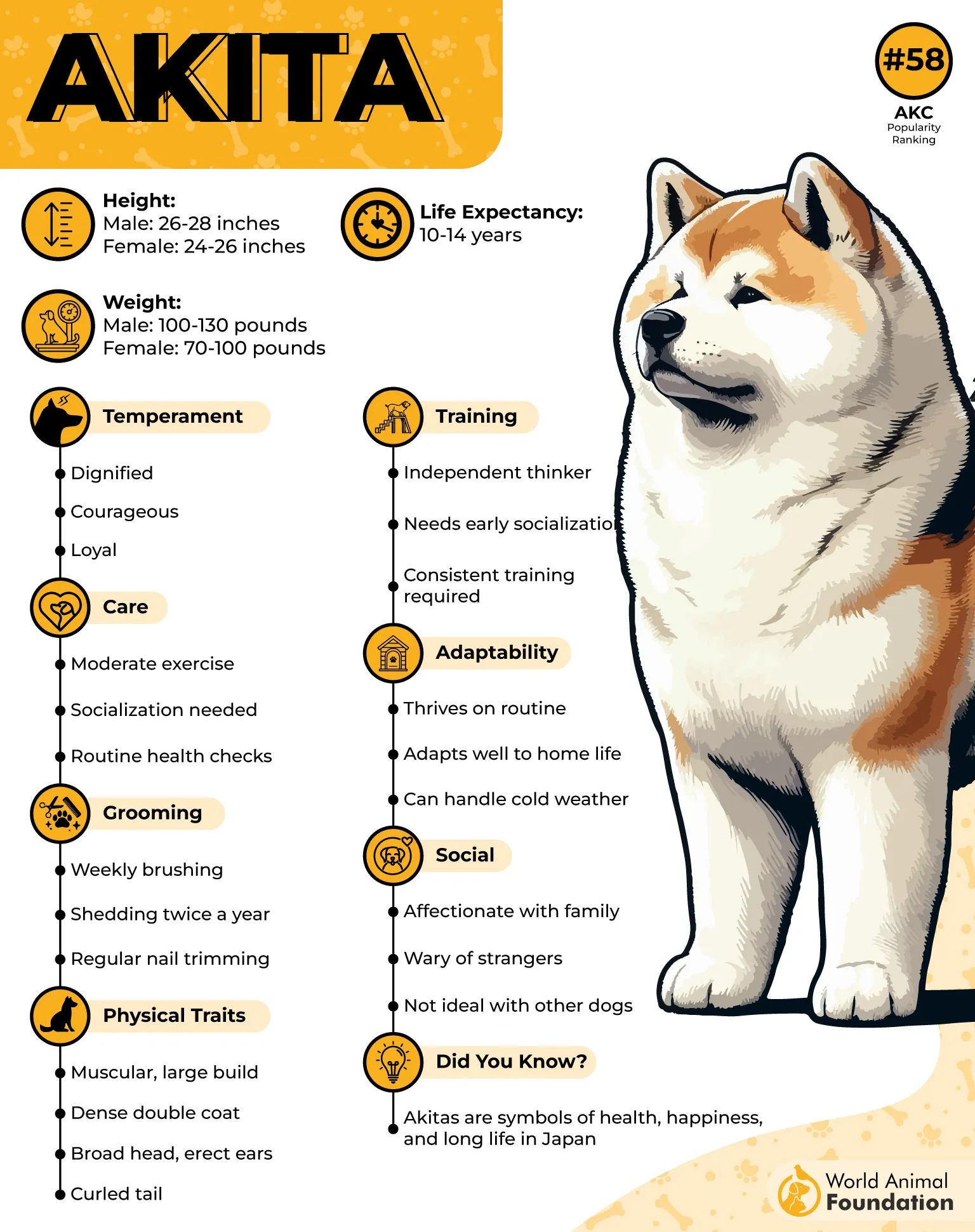
These outdoor-ready dogs have cat-like, webbed feet that evenly distribute their weight, along with a plush double coat for insulation. Their independent streak and strong prey drive can make training a bit of a challenge, so they do best with active owners who can keep up.
8. Newfoundland
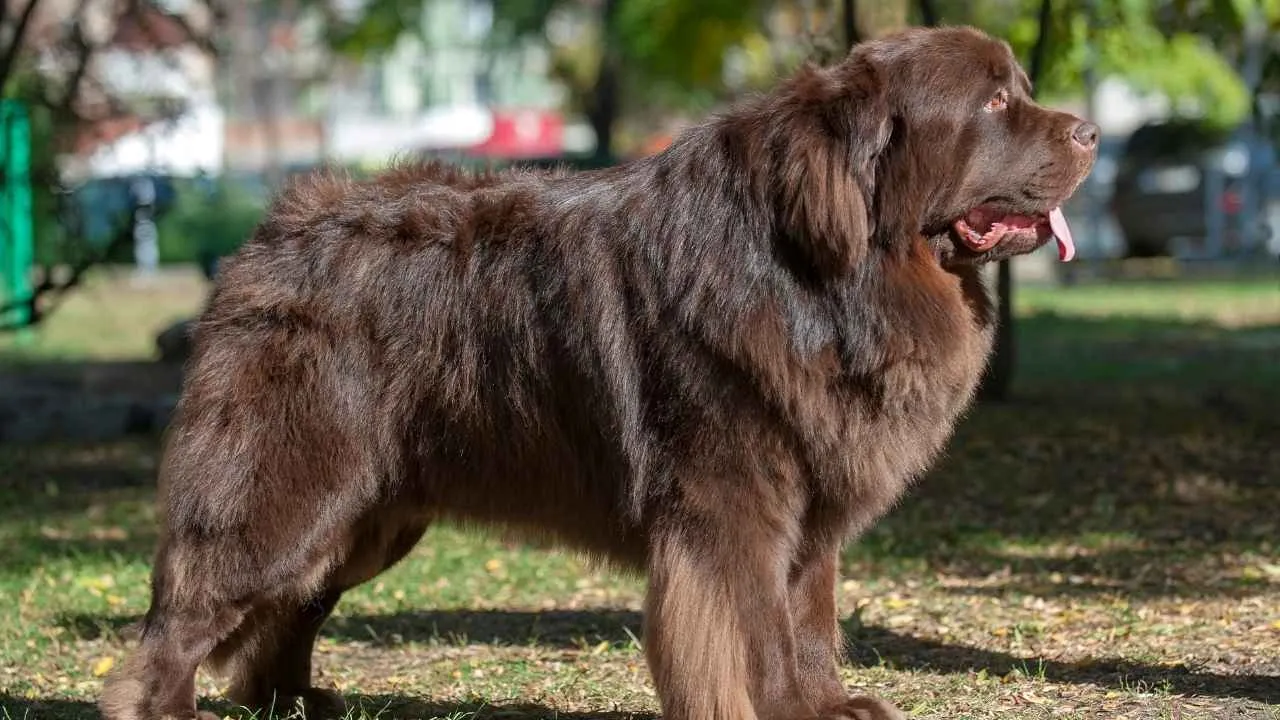
Newfoundlands are gentle, courageous, and remarkably calm working dogs, originally bred to haul heavy fishing nets. These large dogs are absolutely obsessed with water and mud, and thanks to their webbed feet, they’re natural swimmers, always ready to jump into the nearest lake.
Newfies are among the toughest survivalist breeds out there, with impressive strength (a bite force of around 400 PSI) and a weather-resistant coat that lets them handle sub-zero temperatures, down to around -20°F (-29°C), for short stretches. They also genuinely love outdoor activities, especially anything involving water.
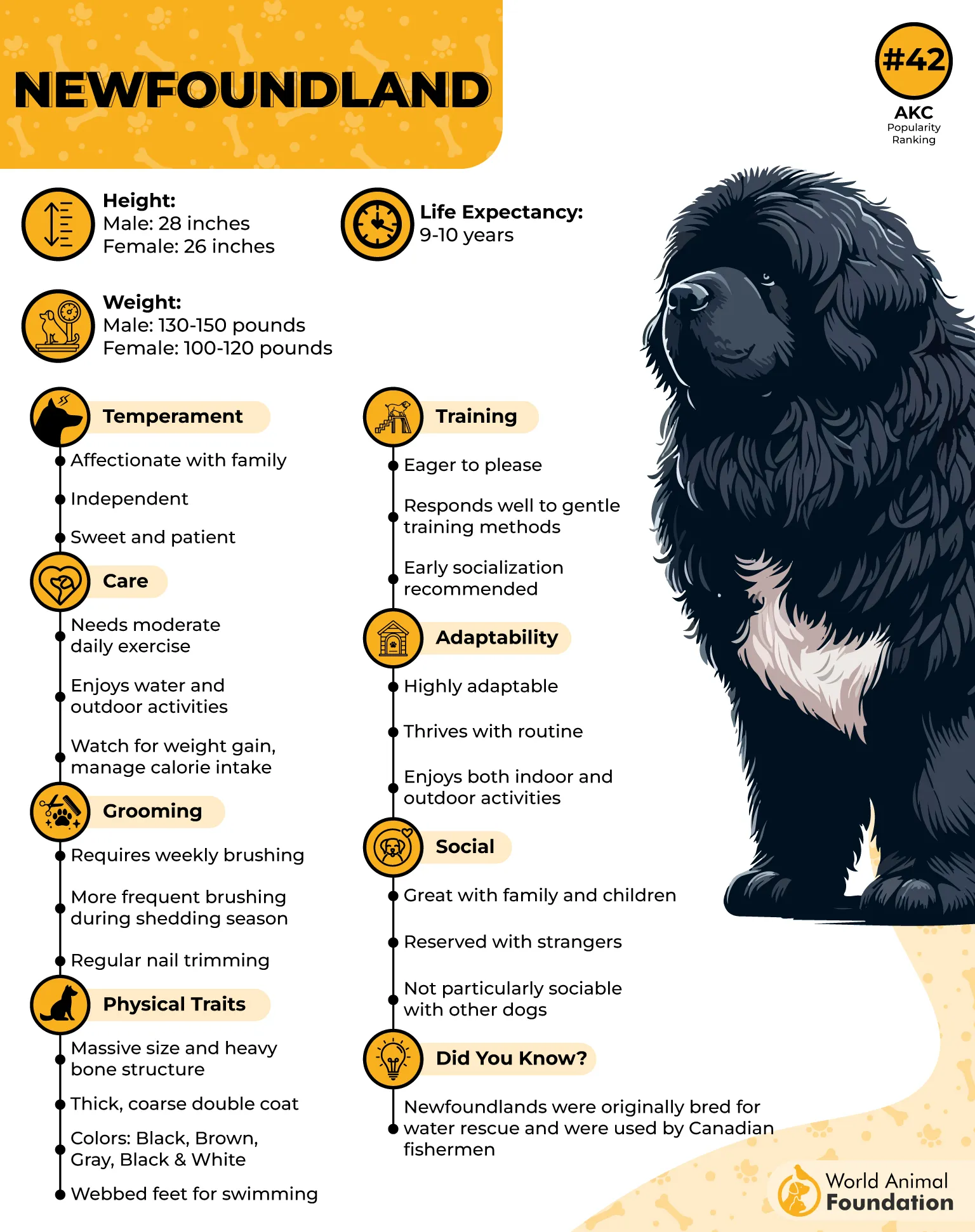
Newfoundlands shed a lot, so brushing 3-4 times a week is important to prevent painful matting. Their exercise needs are fairly moderate, and honestly, they can get a bit lazy, so don’t be surprised if you have to coax them out for walks. They’re highly intelligent dogs that respond best to gentle, patient training.
9. Anatolian Shepherd Dog
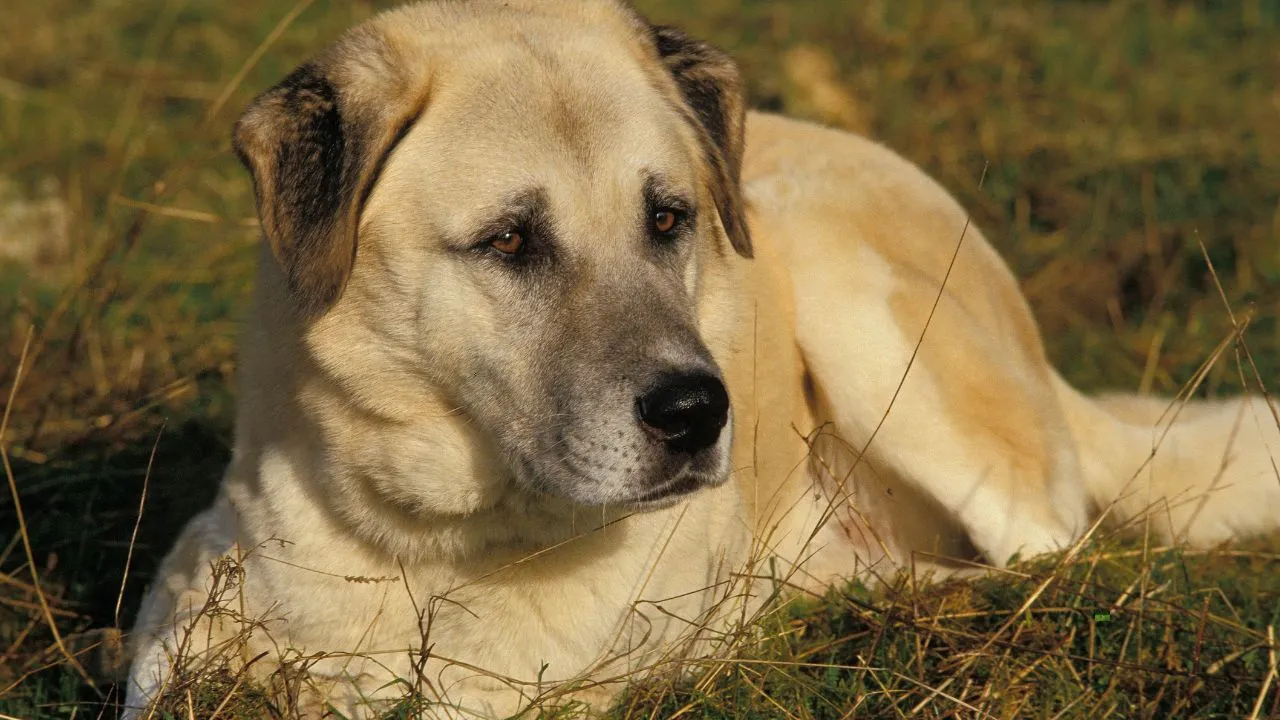
Anatolian Shepherds were bred to independently guard livestock against predators, and that protective instinct still runs deep. They’re courageous and remarkably steady, even under extreme stress. With a bite force of around 743 PSI, they have one of the strongest bites in the dog world, powerful enough to break bones.
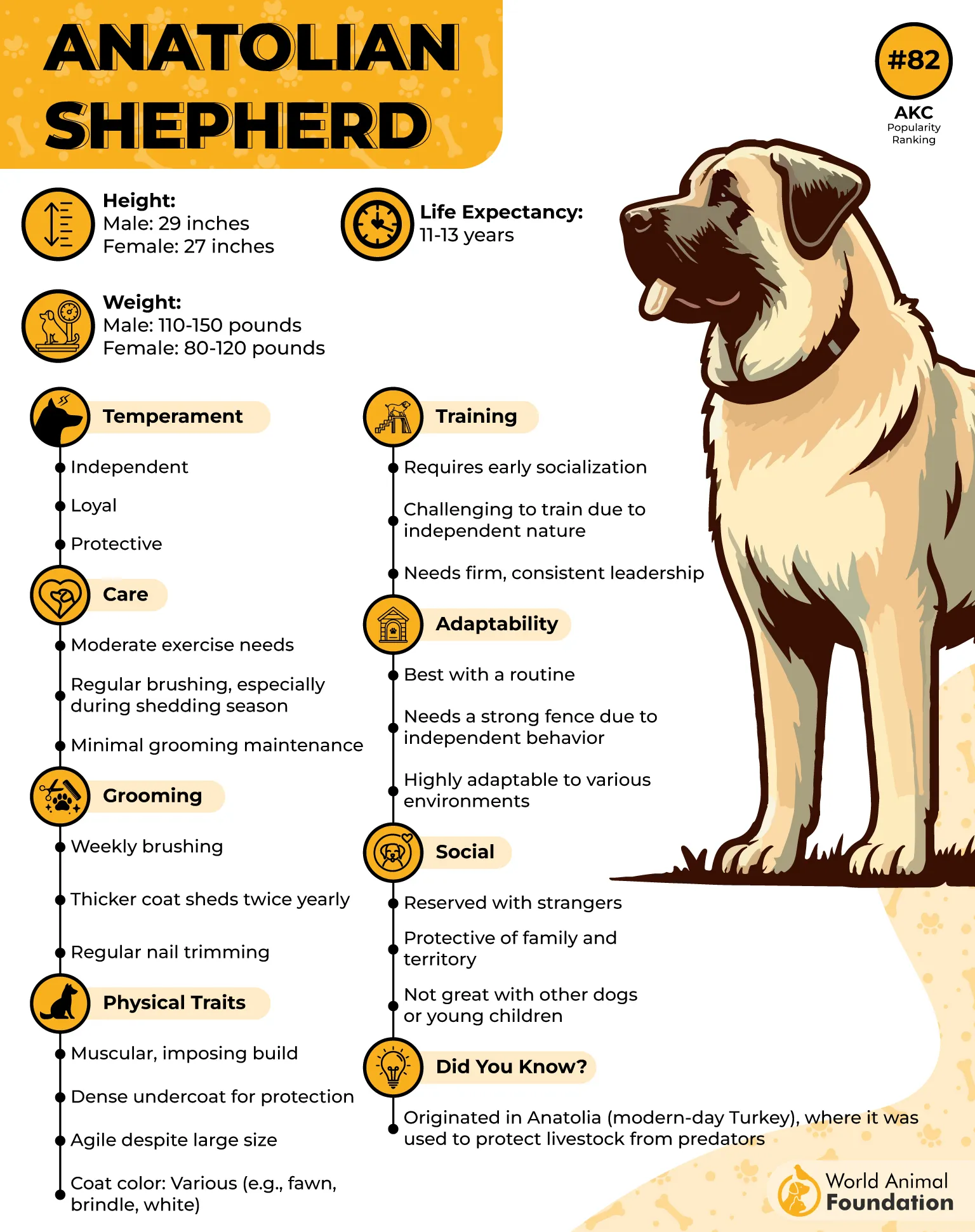
Their powerful jaws, deep chests, and thick, loose skin let them take on large predators without suffering serious injury themselves. A dense double coat helps them handle extreme weather conditions, and these Shepherd dogs also have heavily padded feet that provide stability on tough outdoor terrain.
Anatolian Shepherds have moderate exercise needs and enjoy pack walks, patrolling their territory, and long hikes alongside their owners. They can be quite challenging to train due to their strong-willed nature, so they do best with calm, firm owners who know how to manage that independent streak.
Conclusion
Adventures are thrilling, right up until something unexpected happens. Sometimes a bear or wolf can show up out of nowhere, and having a dog with a powerful bite and serious stamina by your side can be an absolute blessing in that kind of moment. That’s exactly why we’ve rounded up these 9 best dog breeds for outdoor lovers.
These dogs are always ready for winter adventures, with the strength, muscular build, and padded paws needed to handle steep, icy terrain. Their weather-resistant coats help them brave the cold, though it’s worth keeping in mind that many of them are prone to overheating in hot weather.
Take a good look at the details above to understand what kind of owner each breed needs before you go out and find your four-legged best friend.
