




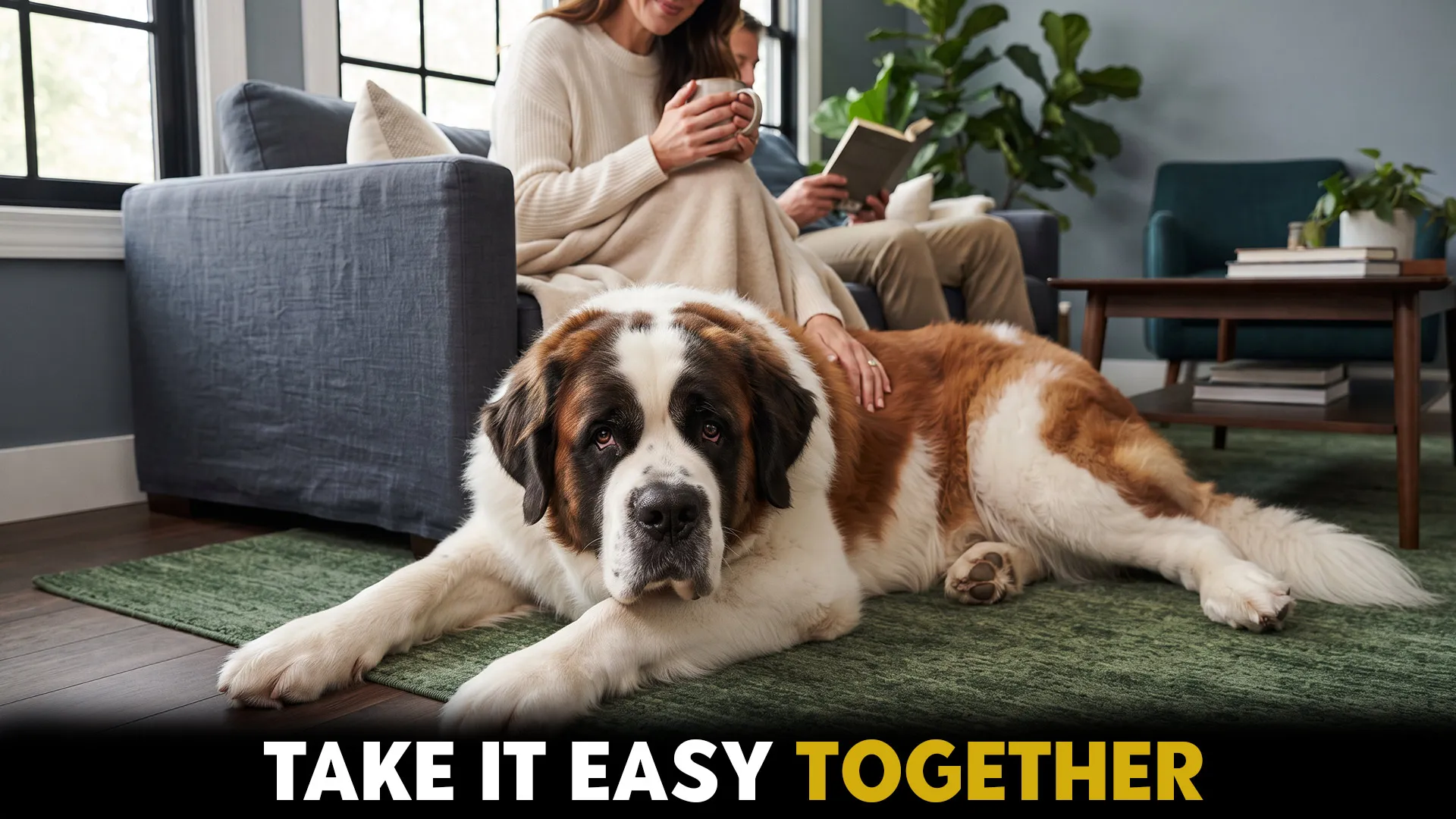
Imagine a quiet morning, a warm cup of tea, and a gentle dog resting peacefully beside you instead of demanding endless activity. For households that enjoy a slower rhythm, the right companion can make everyday moments feel even warmer.
While some dogs thrive on constant adventure, others are naturally more composed and comfortable with leisurely walks, relaxed routines, and plenty of time close to their families. Choosing a breed whose calm temperament matches your lifestyle can create a calmer and more rewarding home for everyone.
These gentle breeds bring affection without always bringing chaos, making them wonderful companions for peaceful families, seniors, and anyone who prefers life at an unhurried pace.
FACT: A dog’s breed temperament can influence its typical energy level and reactions, but every individual dog has a unique personality.
Gentle Dog Breeds That Thrive in a Slow-Moving Household
1. Irish Wolfhound
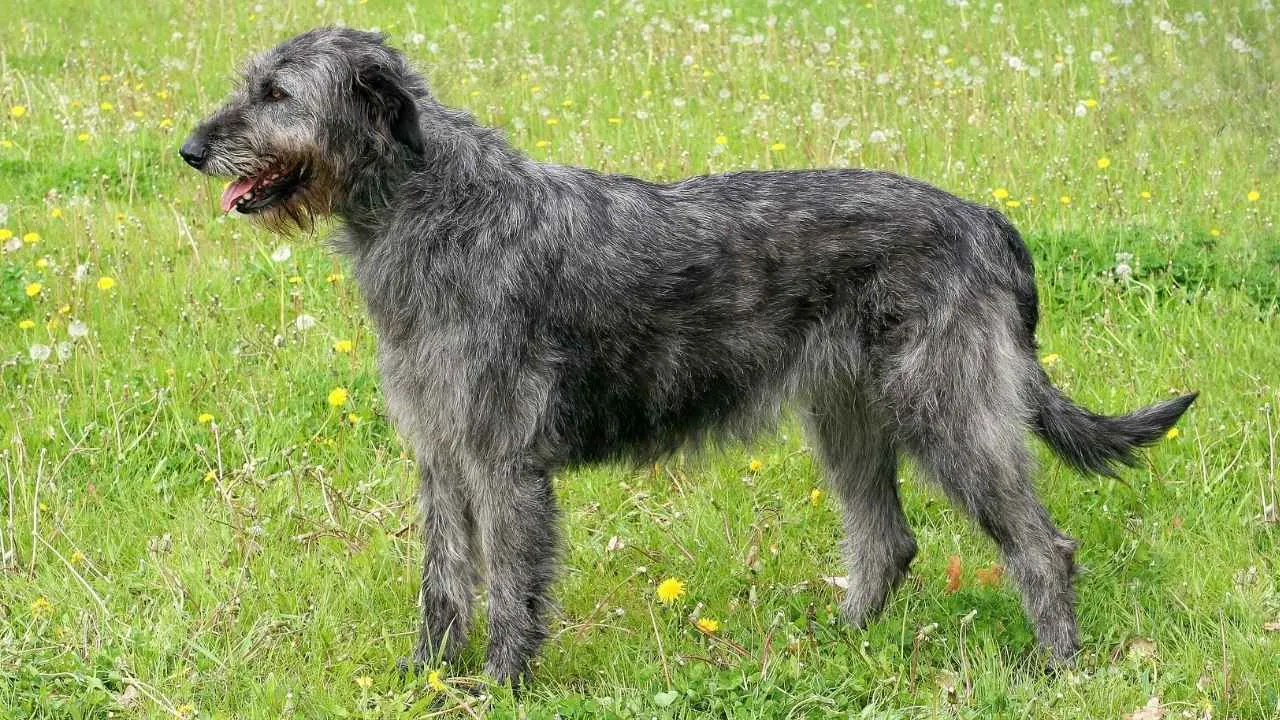
The Irish Wolfhound may tower over most dogs, but beneath that impressive and muscular frame is an unhurried and remarkably gentle companion. Often described as dignified, this breed carries its size with a quiet grace that can feel especially heartwarming in a peaceful home.
Rather than demanding constant activity, Irish Wolfhounds are generally calm and surprisingly low-energy indoors. They enjoy being close to their people and may happily remain nearby while everyday life unfolds around them, offering silent companionship without overwhelming the household. According to Hill’s Pet, their prey drive is still present but rarely becomes intense.
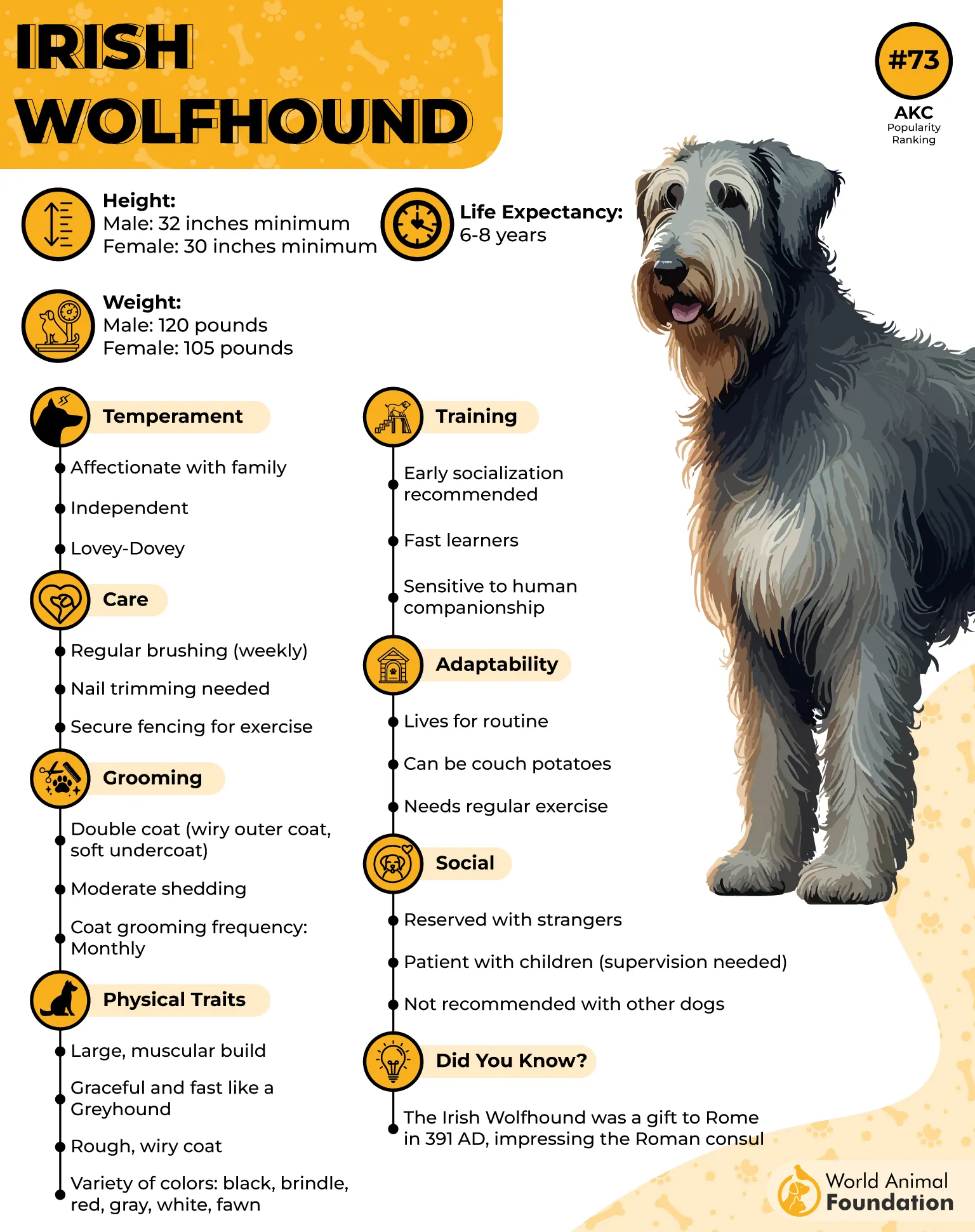
Their sensitivity to human emotions and affectionate nature add to their appeal. Intelligent and quick to learn, they can form deep bonds with their families and have a gentle temperament suited to therapy work.
Despite their laid-back personality, these giant dogs need enough room to stretch out comfortably and benefit from a moderate daily walk. Their calm presence can bring warmth to a slow-moving household.
2. Saint Bernard
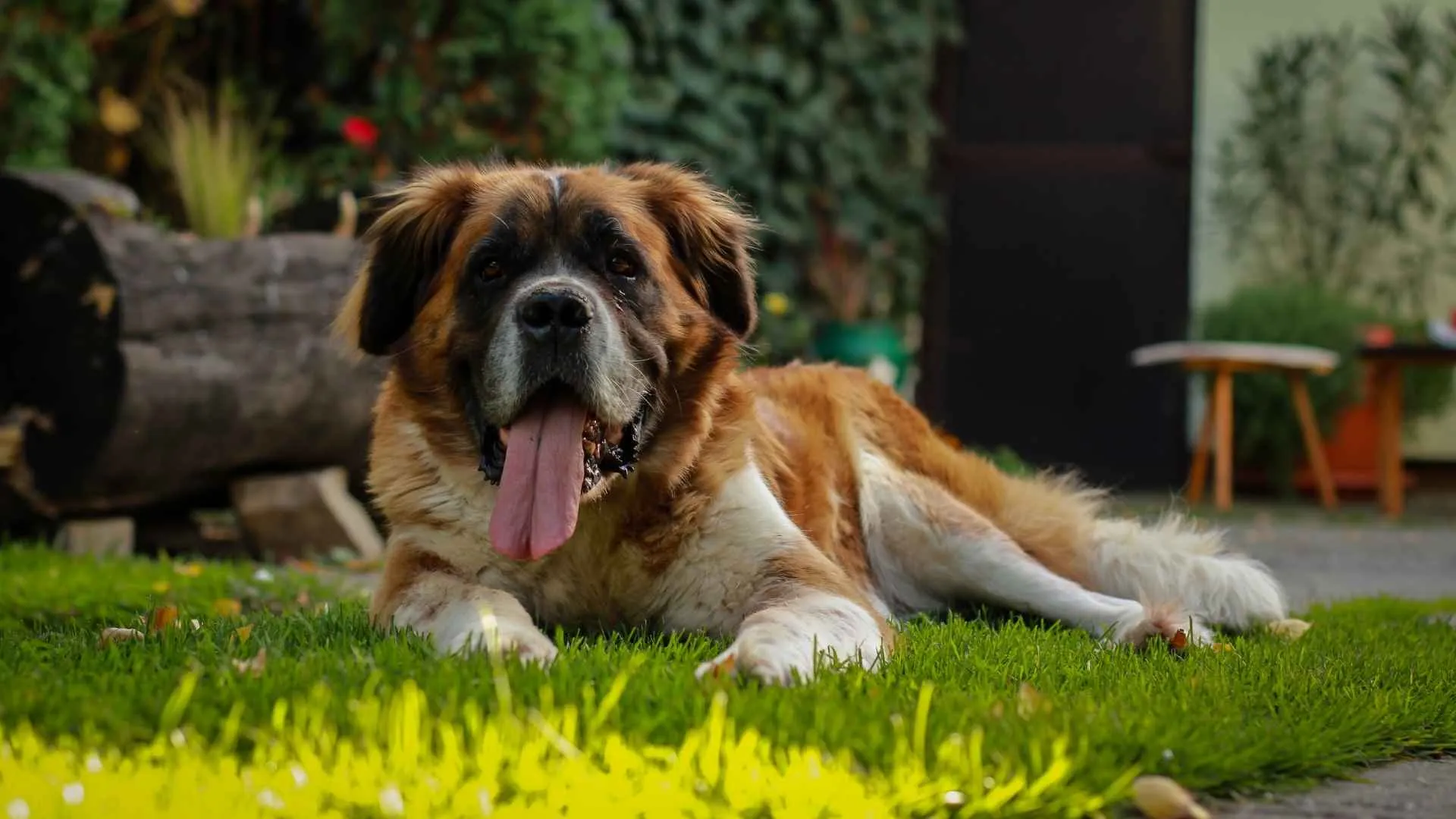
High in the snow-covered Alps, Saint Bernards once worked alongside hospice monks, helping search for lost travelers. Behind that enormous frame, however, was the same gentle nature that now makes them well suited to a quiet, slow-paced home.
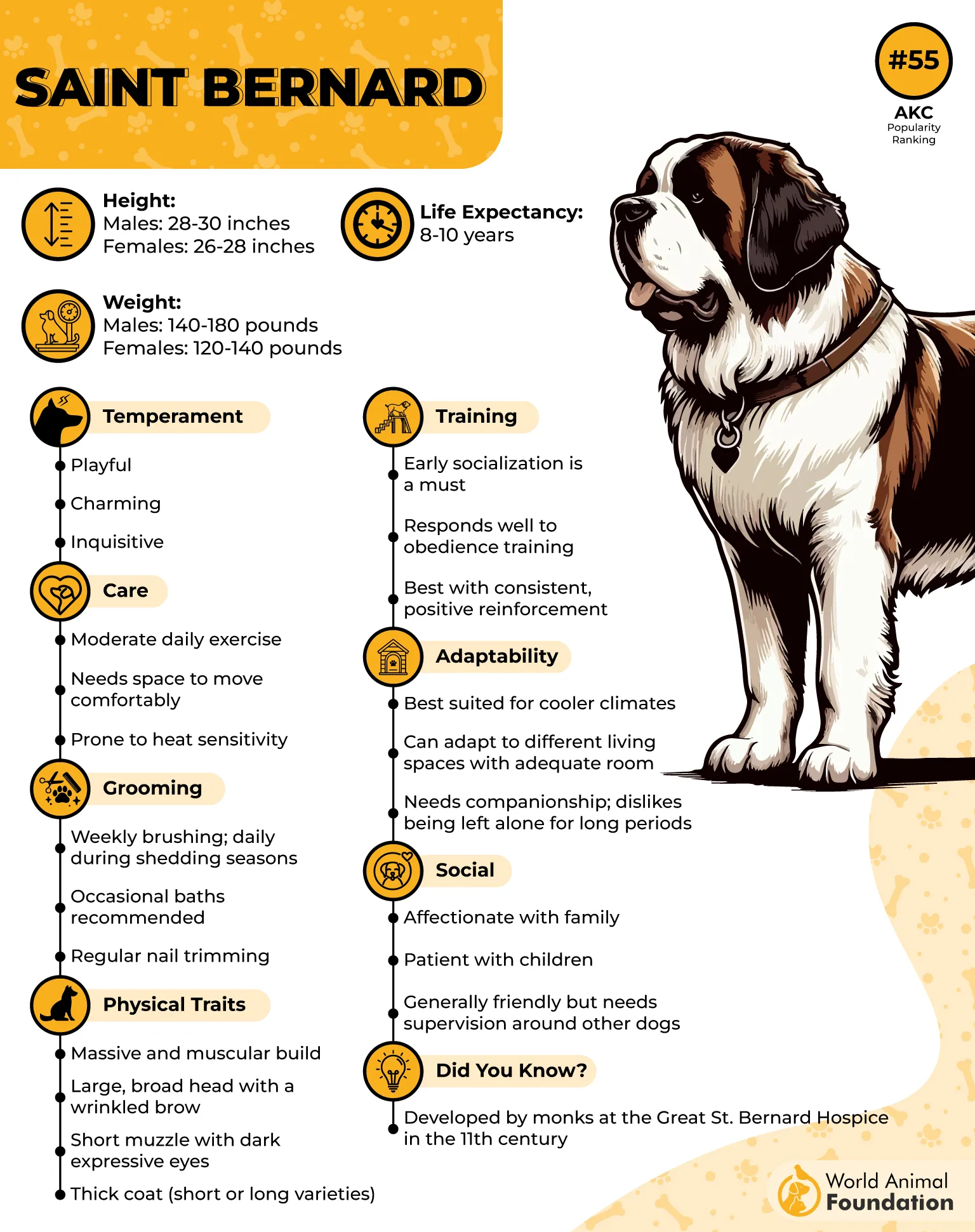
Despite their imposing appearance, these dogs are famously calm, patient, and affectionate. They have relatively low energy levels and are often content to lounge near their family, bringing a steady and comforting presence to the household.

Saint Bernards also form strong bonds with their people and enjoy spending plenty of time with them. Their friendly dog nature and protective temperament can make them particularly affectionate around families and children, although their sheer size means interactions with small children should be supervised.
Early socialization and consistent training are important, as an enthusiastic Saint Bernard can accidentally knock someone over. They also need enough room to stretch out and regular grooming to maintain their thick coat.
3. Mastiff
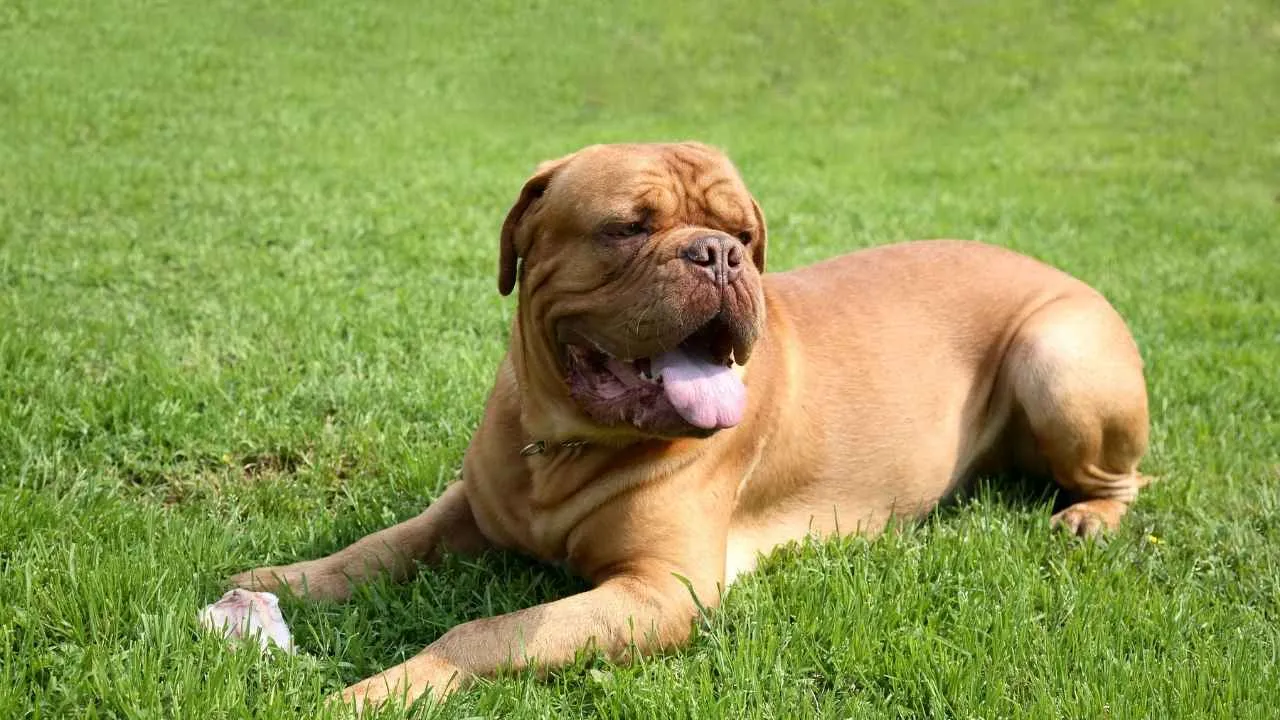
The Mastiff may look intimidating, but her personality is often much softer than her massive appearance suggests. This dignified giant is typically calm, good-natured, and deeply devoted to her family.
At home, a Mastiff is usually more interested in finding a comfortable place to stretch out than constantly looking for something to do. Her slow-moving nature and low indoor energy can make her feel like an oversized piece of furry furniture.
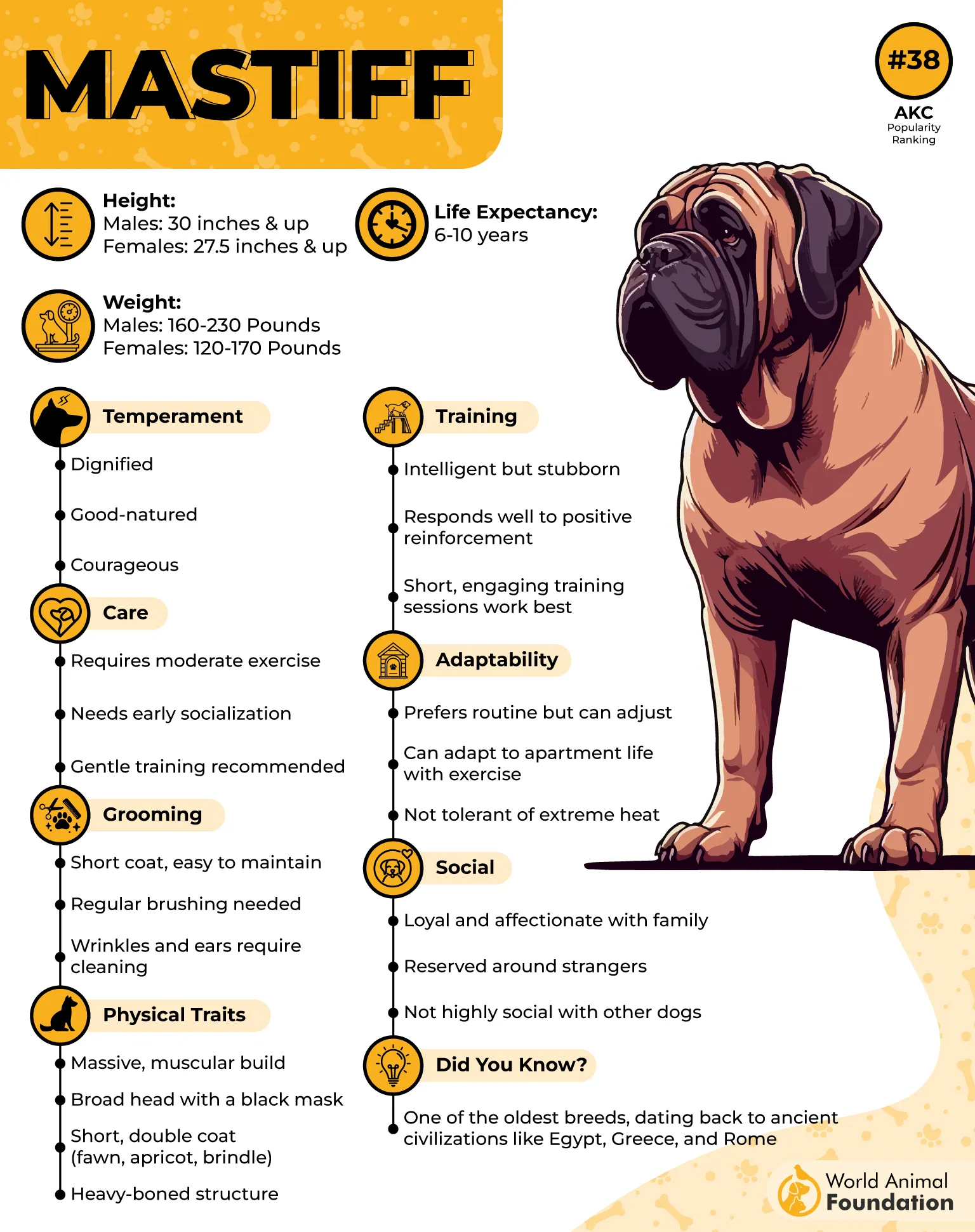
Despite their history as protective dogs, Mastiffs can be remarkably gentle with their loved ones, including children and older adults. They may, however, remain wary of unfamiliar visitors and can be suspicious of people outside their family circle.
Their short coat is relatively easy to maintain, making grooming relatively low maintenance, and they generally do not need excessive exercise. Still, their enormous size means they need enough room to move around comfortably, while drooling and dislike of being left alone are factors worth considering.
4. Greyhound
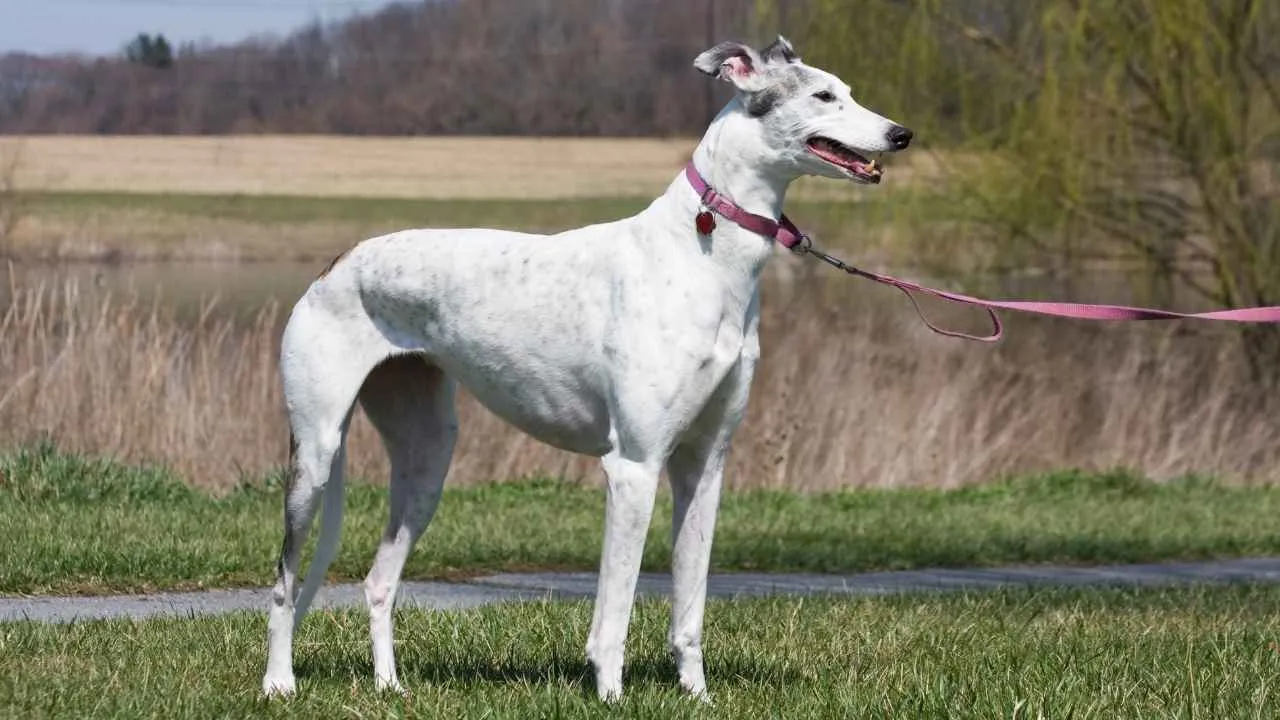
The Greyhound may be famous for racing, but its home life tells a very different story. This graceful speedster is often surprisingly peaceful indoors, preferring to stretch out on a comfortable couch rather than race around the house.
For a slow-moving household, this laid-back nature can be especially appealing. Greyhounds are gentle, quiet, and fairly independent, often spending much of the day relaxing. They enjoy affection and snuggling with their owners without constantly demanding attention. According to Purina, these dogs are composed and sociable.
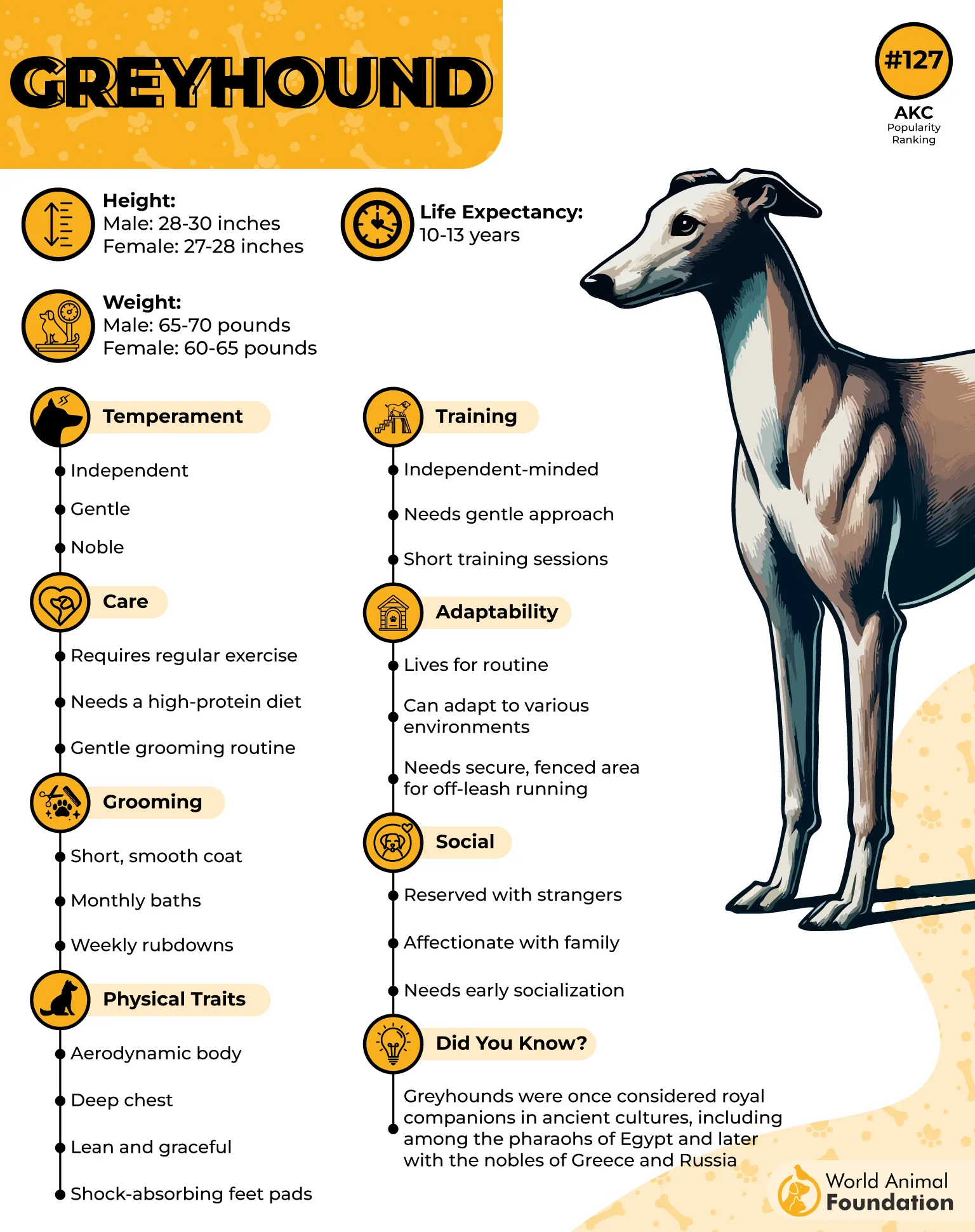
Their lifestyle needs are also relatively straightforward. Moderate exercise, including daily walks and occasional opportunities for a short sprint in a safely enclosed area, can keep them satisfied. Their short, smooth coat requires minimal care, with a quick weekly brushing or wipe-down usually enough.
Greyhounds can adapt well to apartment living, though patient training is important because they can be sensitive and somewhat reserved around unfamiliar people. Like other sighthounds, their prey drive may also require caution around cats or other pets.
5. Great Pyrenees
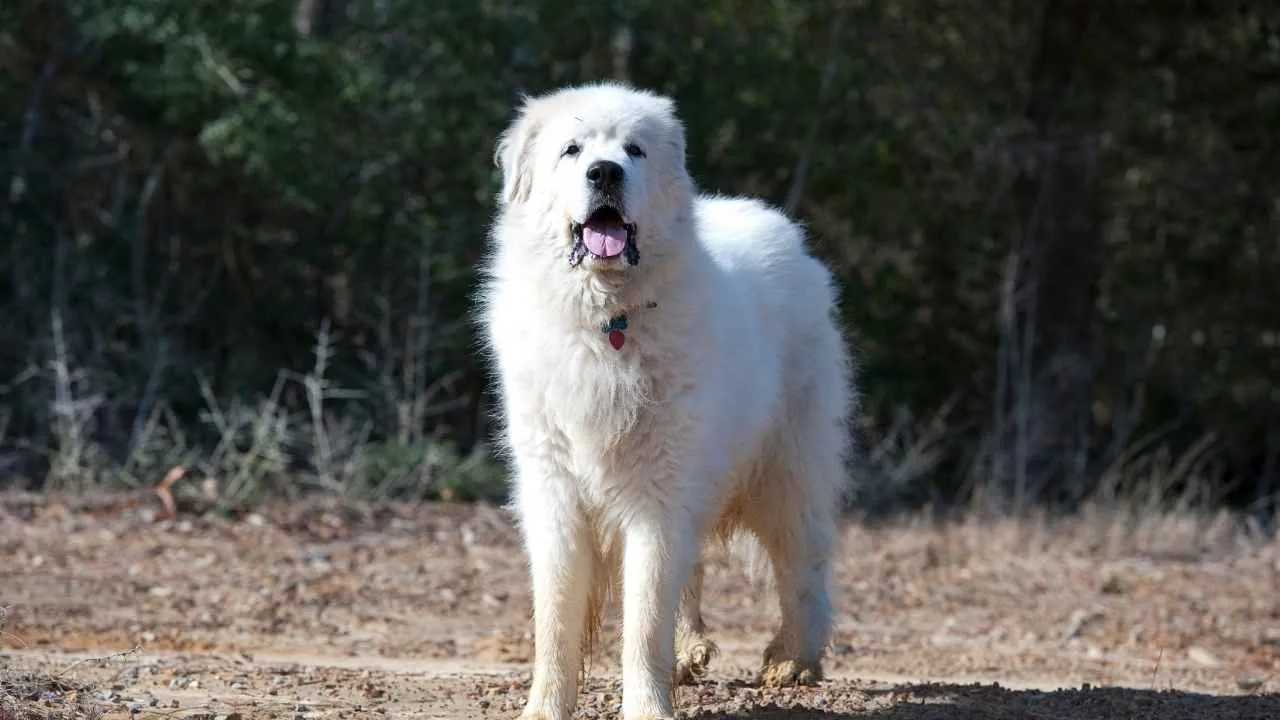
The Great Pyrenees carries the quiet dignity of its history as a livestock guardian. Bred to watch patiently over flocks, this majestic dog still has a naturally protective nature paired with a calm and gentle temperament.
Rather than constantly demanding attention, it often seems content to observe its surroundings. Its relaxed energy and quiet behavior indoors can suit a slow-moving household, while around 20 to 40 minutes of daily exercise generally helps meet its activity needs.
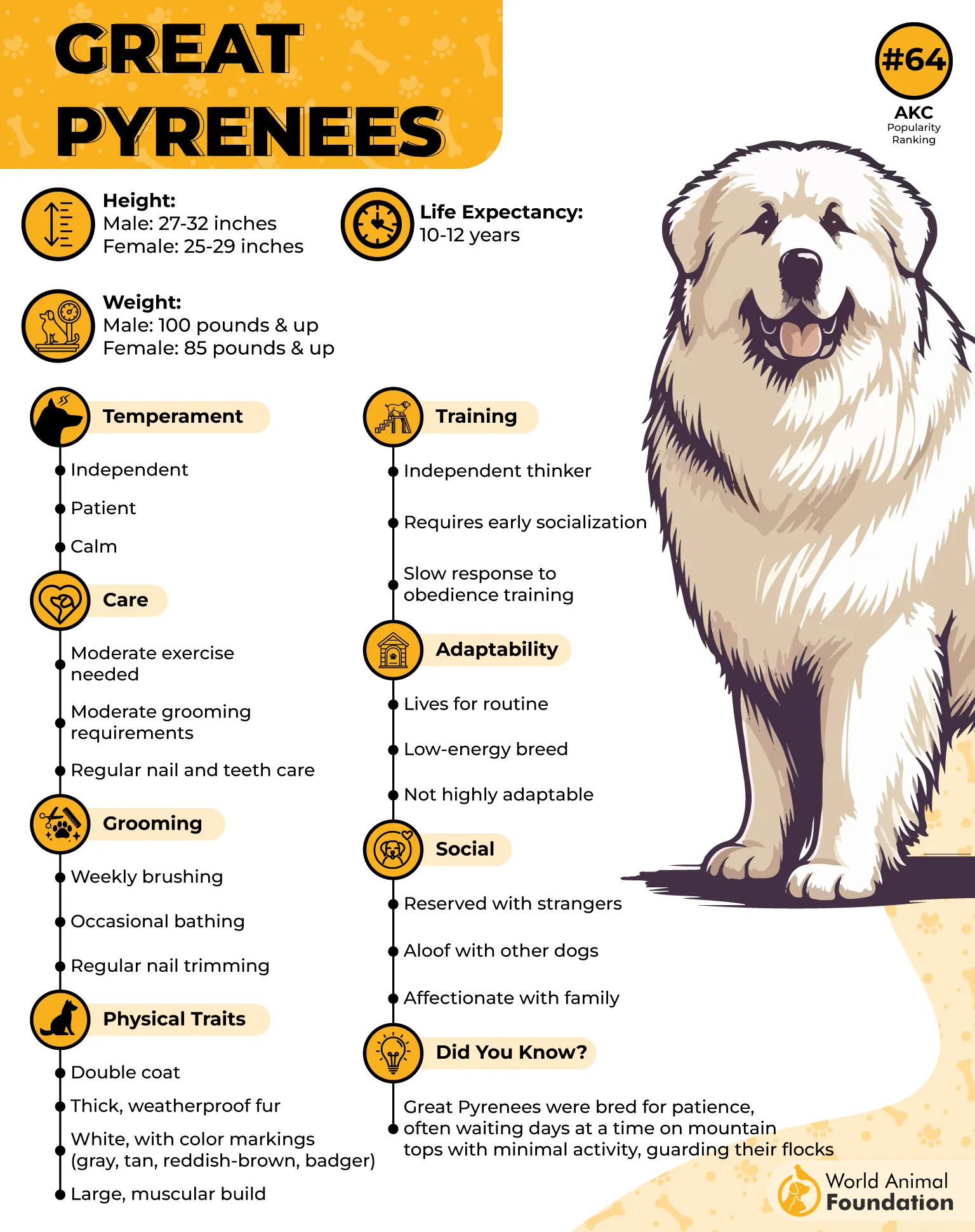
This large, serious-minded breed is devoted to its family and can have excellent manners. Although intelligent, its independent nature may occasionally show through as stubbornness, reflecting the self-reliance once needed for its historical guarding role.
Its thick, weather-resistant double coat needs regular care, with weekly brushing helping maintain it. Great Pyrenees dogs are also typically gentle with children, though their considerable size means interactions with younger kids should be supervised.
6. Great Dane
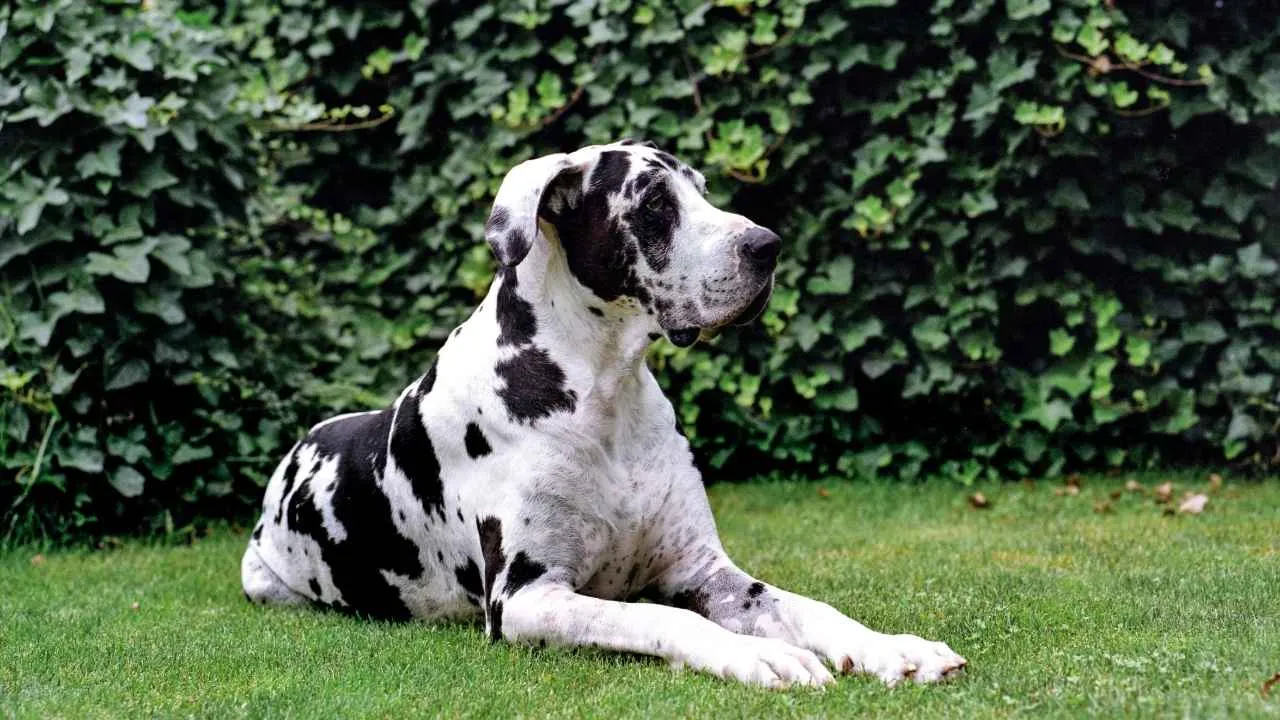
Great Danes may tower over most dogs, but this gentle giant often behaves like a calm housemate with a strong attachment to the sofa. Rather than constantly racing around the yard, many are content to stretch out beside their family and enjoy a peaceful day indoors.
Their affectionate nature also makes them deeply loyal companions. Although they can be reserved around unfamiliar people, proper socialization helps them become dependable family dogs that form strong bonds with their loved ones.
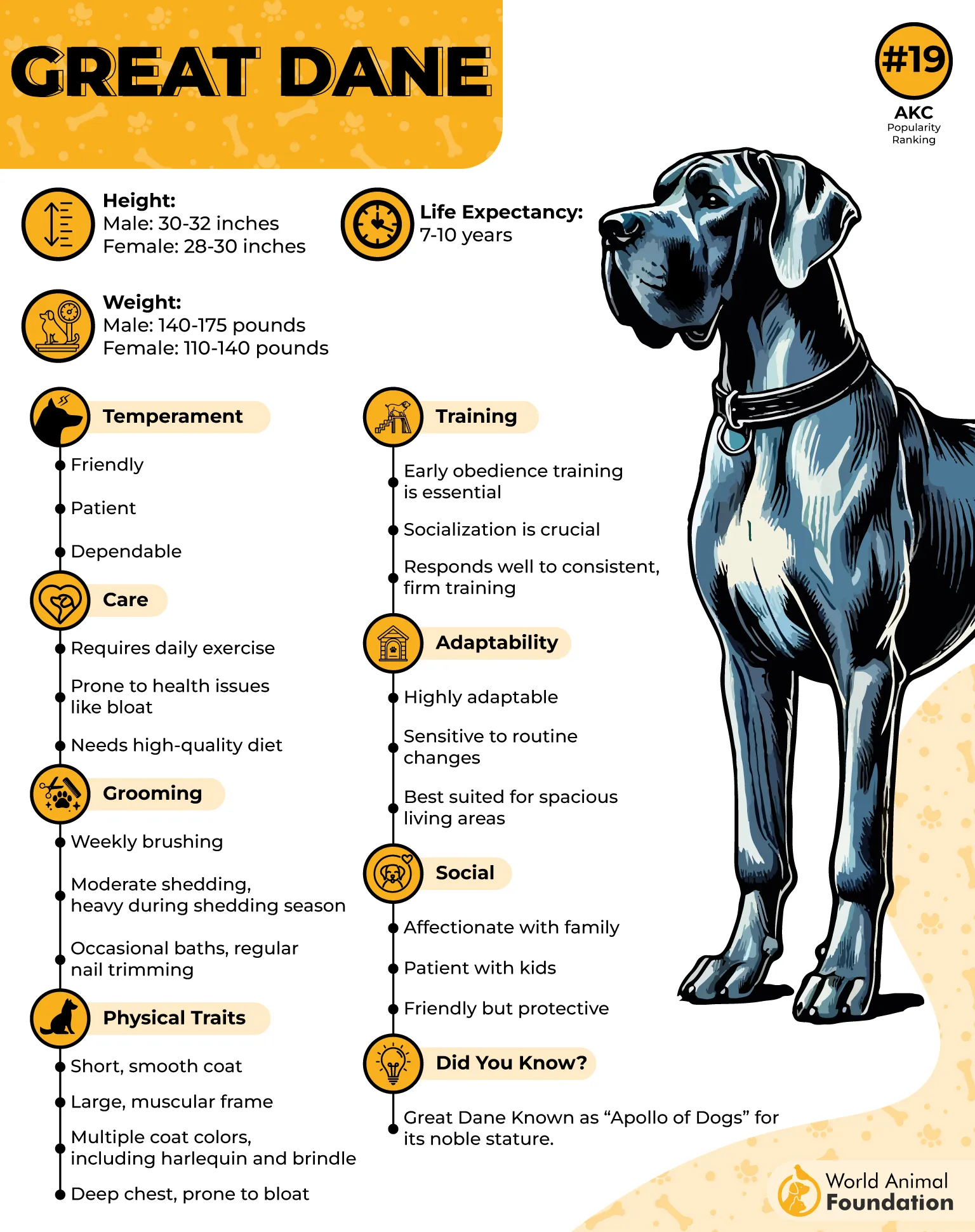
They generally need only moderate daily exercise, making regular walks a suitable way to keep them active. Their patient and quiet temperament can also make everyday outings feel more manageable in a slower-paced household.
A Great Dane’s short coat is relatively easy to maintain with weekly brushing, though more frequent grooming may be helpful during heavier shedding. Their enormous size, however, means they need enough room to move comfortably, even if their favorite place is often the couch.
7. Newfoundland
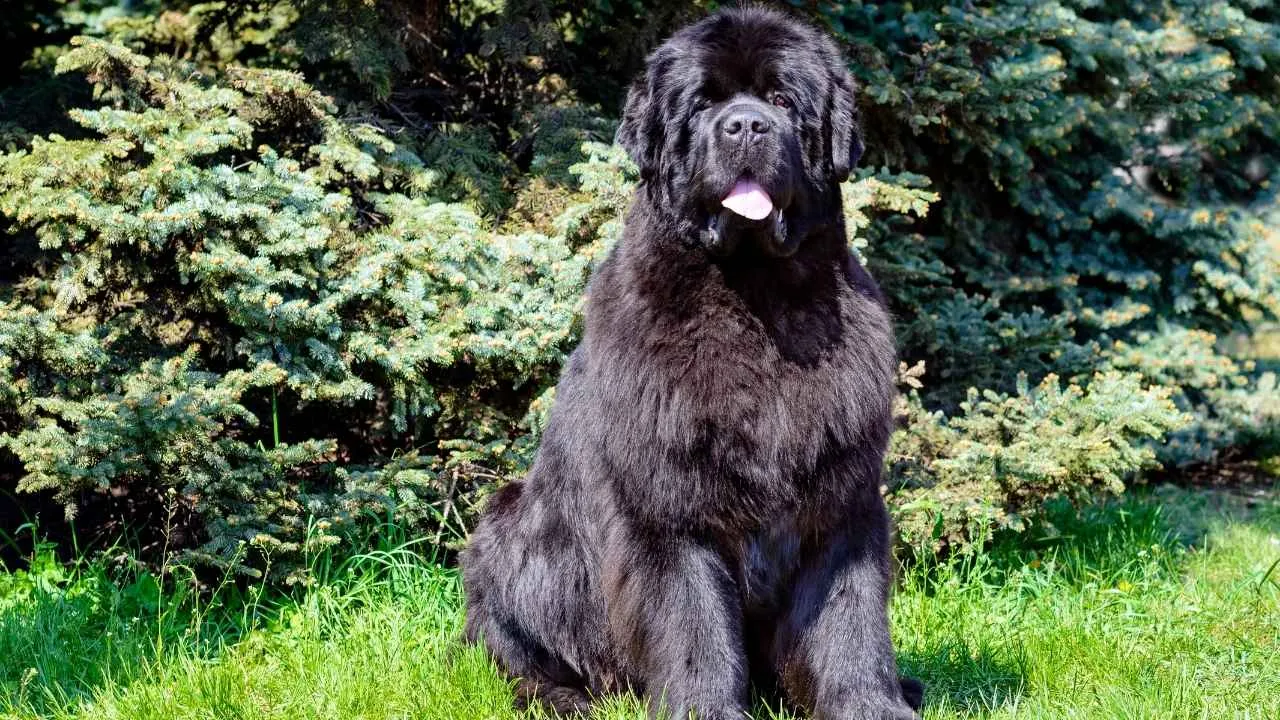
Newfoundlands bring a heartwarming sense of comfort to households where life moves at an unhurried pace. Despite their enormous size, these devoted dogs are known for their sweet temperament, patience, and remarkably calm presence.
A Newfie may happily lean against a loved one rather than constantly seek an energetic game, making its companionship feel especially reassuring on quiet days. Loyal and nurturing, this gentle giant is also naturally protective without being aggressive.
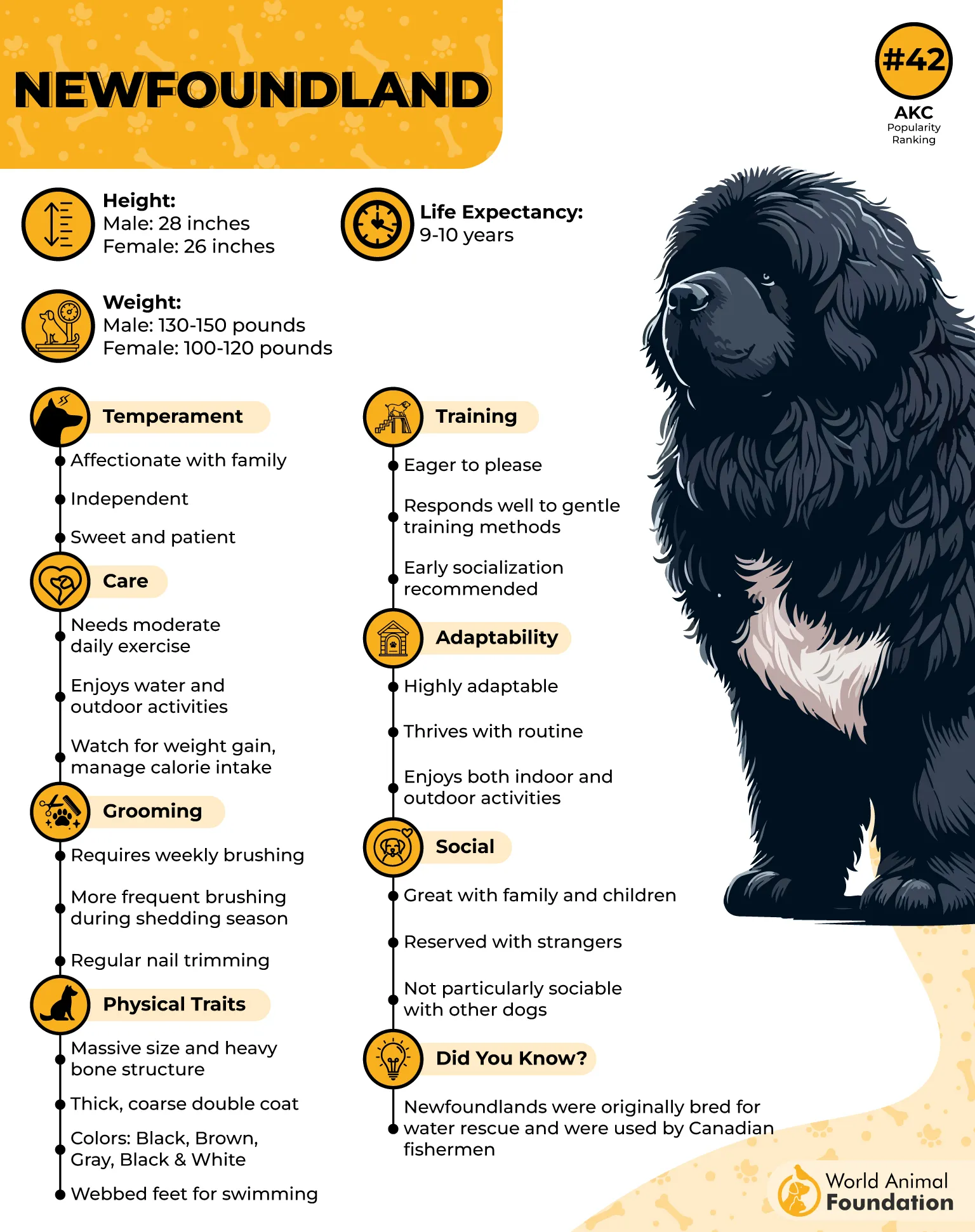
Although they need regular exercise, they generally do not demand nonstop activity, and many enjoy swimming. Their relaxed nature makes them particularly well suited to families who appreciate peaceful companionship.
Their thick, water-resistant double coat requires consistent brushing, but their affectionate personality can make grooming time another opportunity for bonding. Gentle with children and deeply devoted to their families, Newfoundlands thrive when surrounded by calm, loving company. According to PetMD, the Newfoundland’s demeanor makes it an excellent family pet.
Conclusion
A slow-moving household can be a wonderful match for some of the calmest dog breeds that value calm companionship, gentle affection, and a predictable daily routine. The right breed can bring warmth and happiness without constantly demanding excitement.
These gentle dogs often enjoy relaxing near their families, sharing quiet moments, and taking part in everyday life at an unhurried pace. Their patient and affectionate personalities can make them especially comforting and lovable companions.
However, every dog has individual needs, including proper exercise, grooming, training, and social interaction. A peaceful lifestyle should still provide enough physical and mental stimulation to support a happy, healthy life.
By considering temperament, energy level, and care requirements, you can find a companion that suits your home beautifully. With the right match, even the quietest days can feel more loving, comforting, and complete.
