





The most useful little watchdog may not be the one with the loudest bark. For home security, several traits work together: strong hearing, awareness of unfamiliar people, confidence around new situations, quick reactions, and a willingness to alert the household.
A dog that notices activity but rarely responds may be less helpful than one that gives a clear warning when something changes. At the same time, nonstop barking can become frustrating, particularly in apartments or neighborhoods with close neighbors.
That is why temperament matters alongside natural alertness. Training also plays a major role because owners need to teach dogs when barking is appropriate and when it is time to settle. A small companion can fit easily into a home while still providing an effective early-warning presence.
If that combination sounds appealing, the choices ahead focus on dogs with useful watchdog qualities, manageable size, and personalities that can work at home.
Key Takeaways
A small dog does not need to look intimidating to make you aware that someone is at the door.
The Yorkshire Terrier was once used to control rats in busy clothing mills, which helps explain its sharp reactions and watchful nature today.
The Pomeranian can also turn a quiet home into an alert zone, while the Chihuahua is quick to make its feelings known when a stranger gets too close.
There is much more behind these little watchdogs, especially when you reach the Lhasa Apso and Tibetan Spaniel with their centuries-old guarding roles.
Best Little Dog Breeds for Home Security and Alertness
1. Yorkshire Terrier
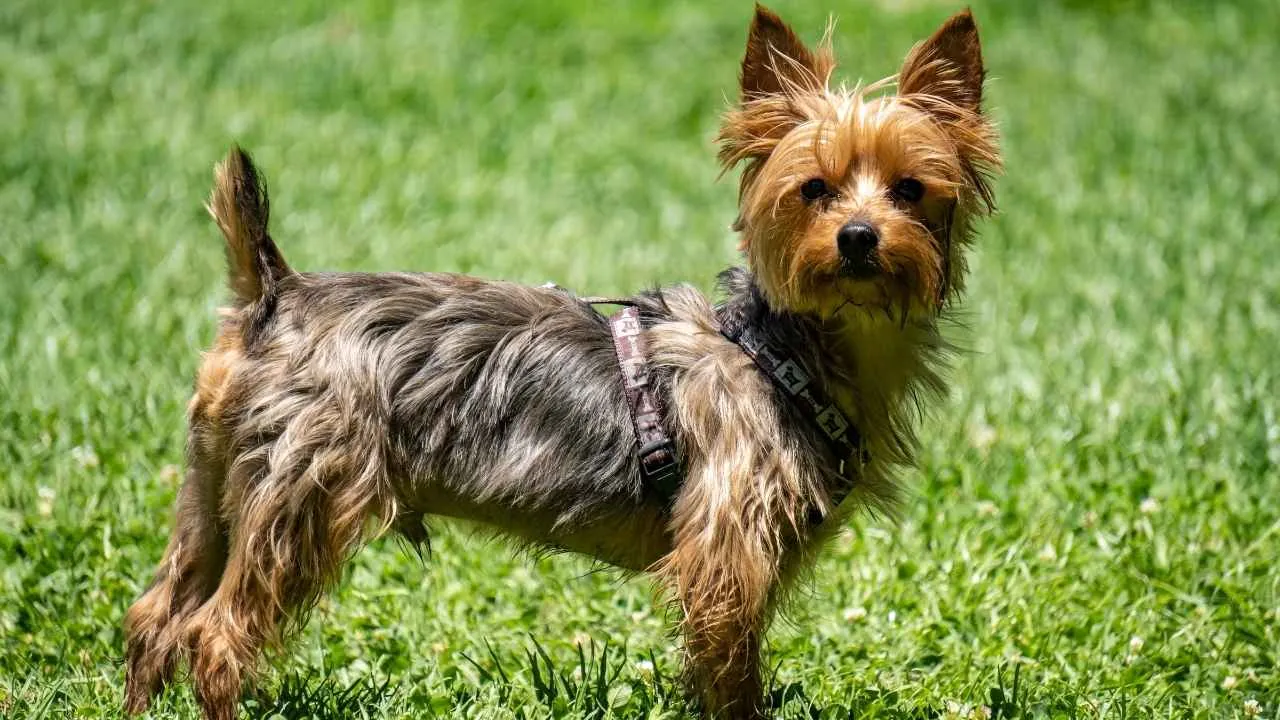
Yorkshire Terrier took shape in northern England during the mid-19th century, when workers arriving from Scotland brought several small terrier types to the Yorkshire clothing mills. Selective breeding among these dogs eventually produced the compact breed associated with Yorkshire today.
A Sharp Little Watchdog
Yorkies were bred to deal with rat infestations inside busy clothing mills, giving this tiny dog a practical reason to pay close attention to its surroundings. Today, that awareness can appear at the front door, where unfamiliar people and strange noises may trigger a quick bark.
The following specific details add further context:
Often bonds closely with one person
May follow its favorite human around
Can show independence during training
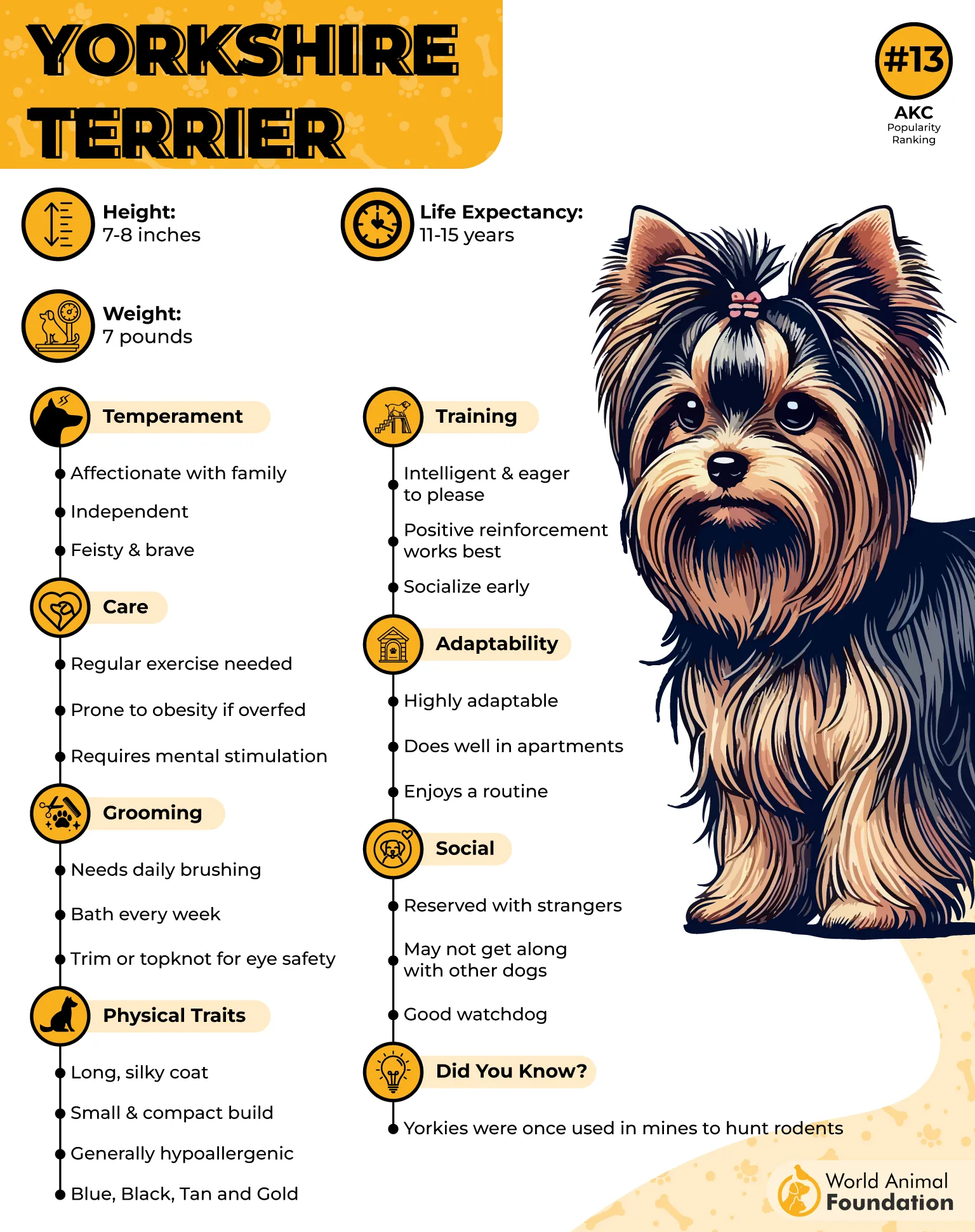
Big Attitude, Small Frame
Yorkshire Terrier has a determined temperament and often approaches situations with far more confidence than its size suggests, as Royal Canin writes. Its athletic side comes through during walks and games, while interactive toys and puzzles give its sharp mind something useful to work on.
2. Lhasa Apso
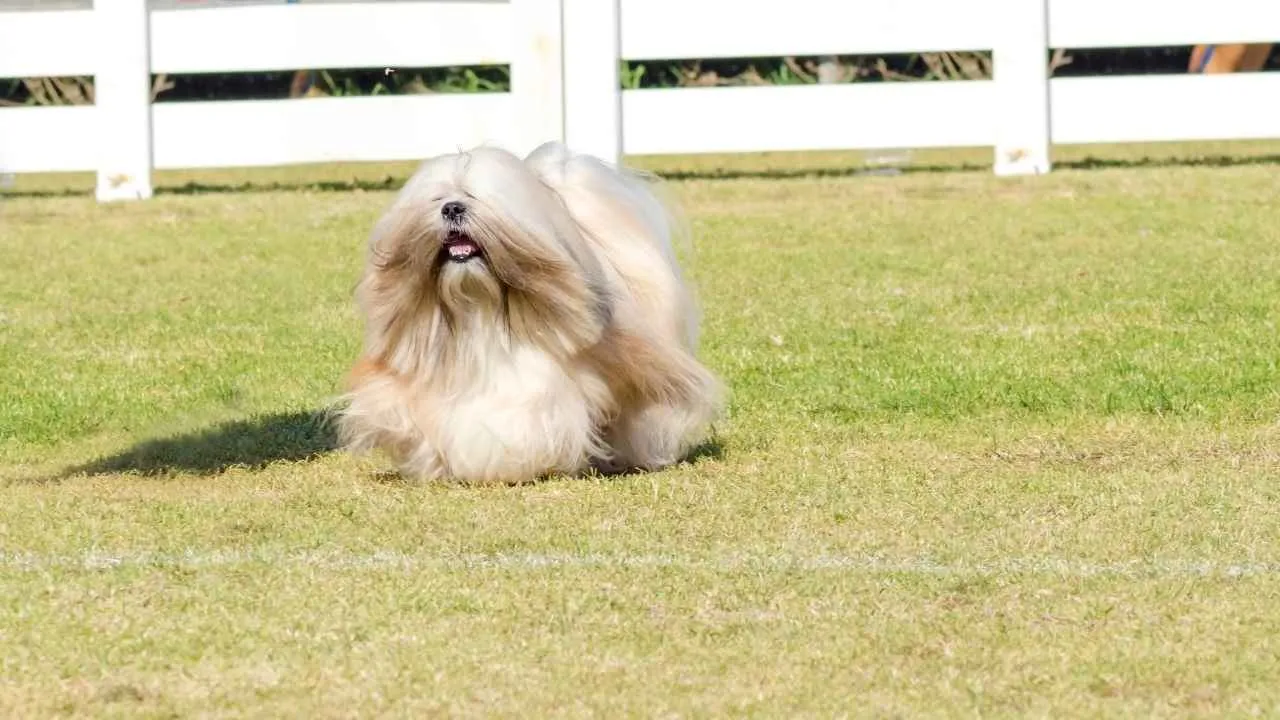
Lhasa Apso has roots reaching more than 1,000 years into Tibet, where these small dogs guarded palaces and sacred sites. Their name combines Lhasa with “Apso,” a Tibetan term associated with small, shaggy dogs, and they were also regarded as symbols of good luck.
Sharp Ears, Serious Bark
This small guard dog was used as an inner guard while larger Tibetan Mastiffs watched the outer walls, giving this breed a specific role in layered protection.
Keen hearing, a surprisingly powerful bark, and a reserved nature around unfamiliar people make its alertness particularly useful in a home.
Three details add useful context:
Often listens for activity at the door
Can remain cautious around unfamiliar animals
May need early socialization with children
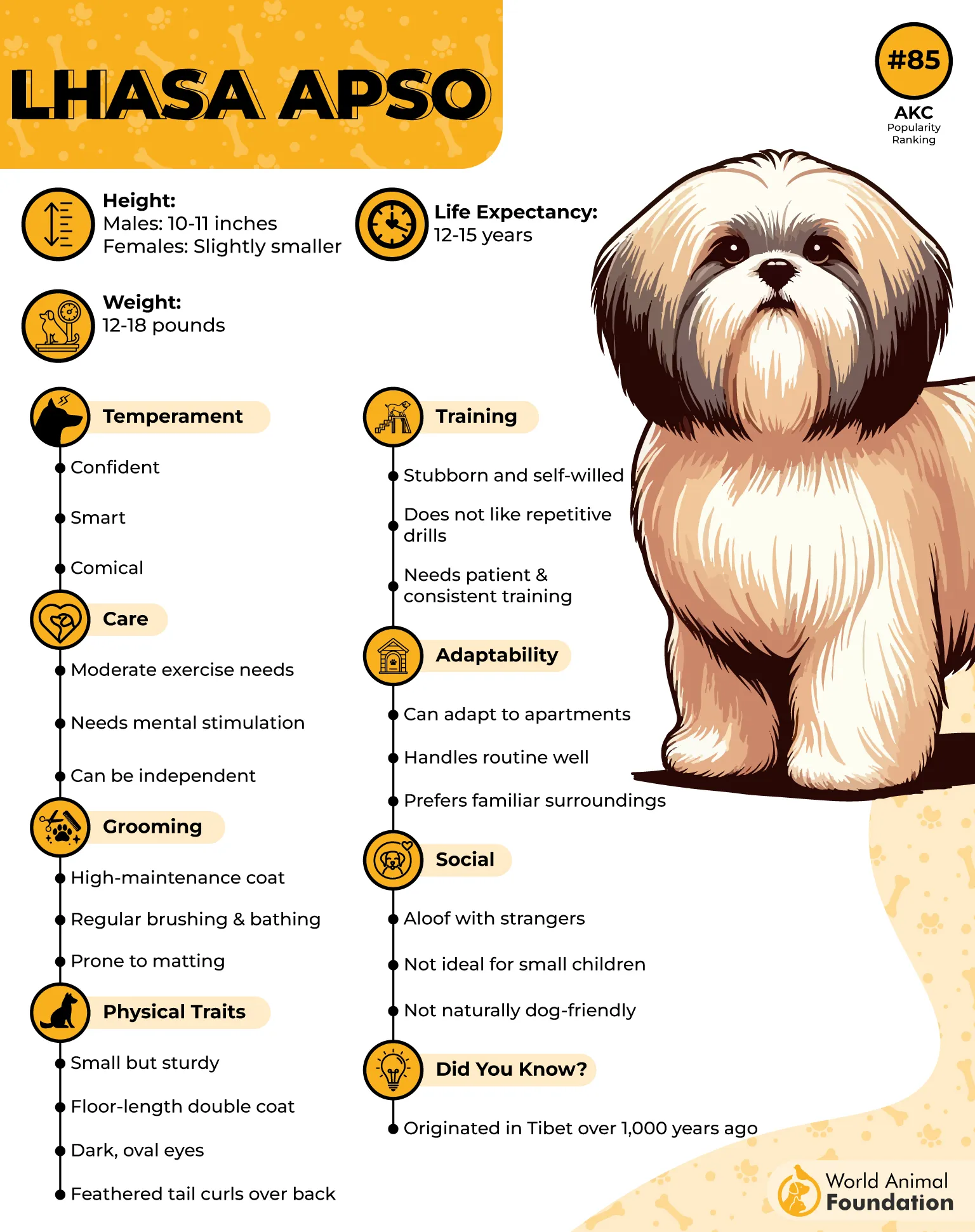
A Watchful Perch
Lhasa Apso likes to sit on elevated spots such as a sofa, giving it a clear view of what is happening around the room, as mentioned by Omlet. Its independent nature also allows it to handle short periods alone, while a brief daily walk can suit its modest exercise needs.
3. Miniature Pinscher
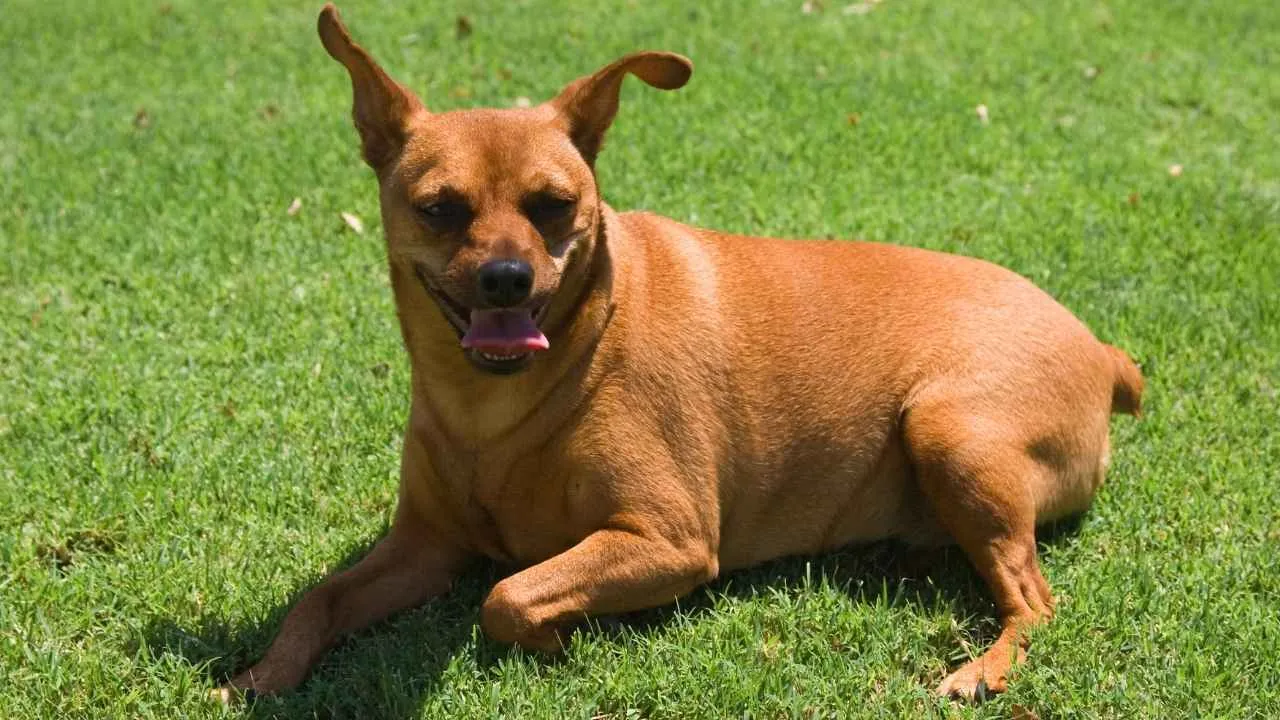
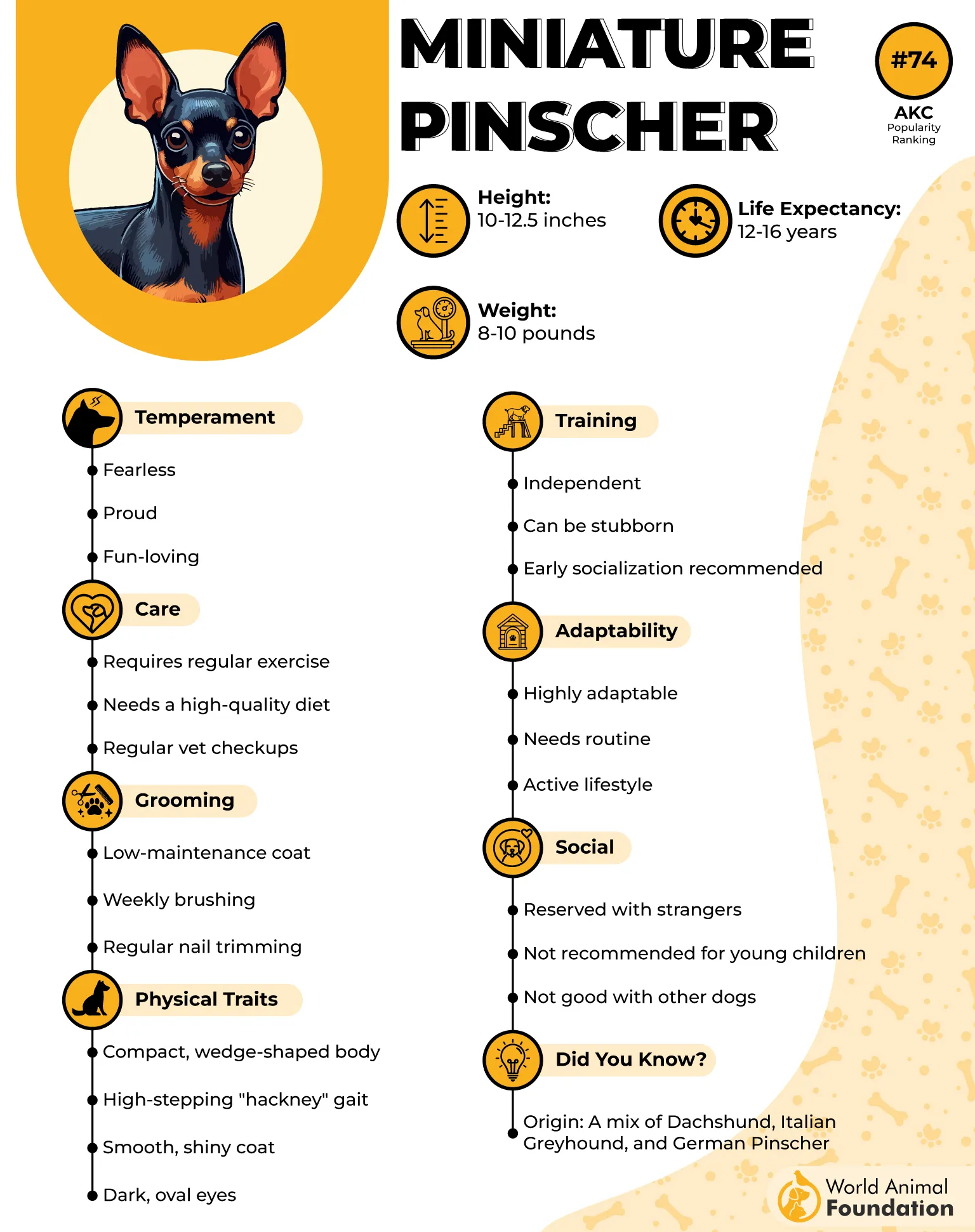
Miniature Pinscher originated in Germany and dates back hundreds of years, with written records reaching back roughly two centuries. Its early work involved catching rats and controlling vermin in homes and farms, long before the Doberman Pinscher became established as a breed.
An Unmissable Watchdog
Min Pin is naturally quick to react to unfamiliar people or activity around the home, making it particularly suited to alerting a household. Its tendency to bark at unknown visitors can be useful for security, although frequent noise matters in apartment settings.

A few details sharpen that picture:
Smallest of the three Pinscher breeds
Nicknamed the “King of Toys”
Assertive personality despite its size
Socialization Matters
This small dog breed needs early exposure to different people and unusual sounds because suspicion can become excessive without careful socialization.
Consistent training also helps channel its bossy streak, while households with very young children require particular caution because of its small frame and assertive nature.
4. Chihuahua
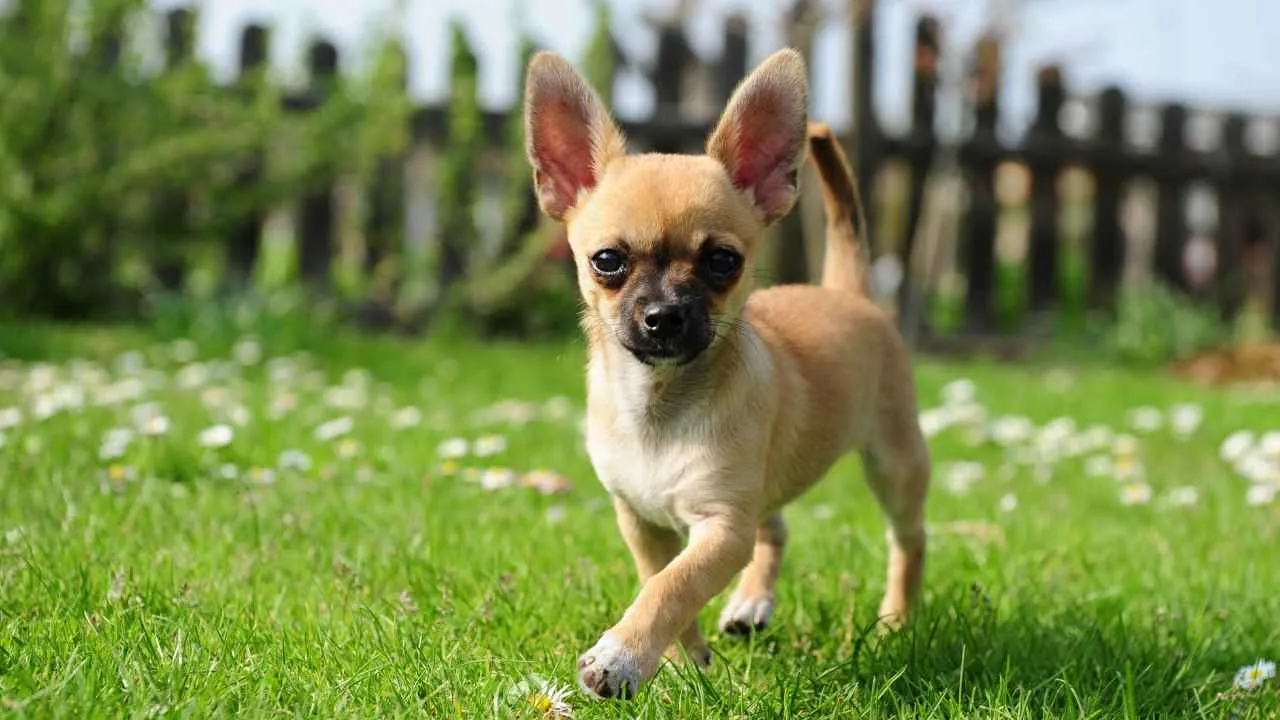
Chihuahua descends from ancient companion dogs associated with the Maya and Toltec civilizations, with similar remains found at Chichen Itza in Mexico.
Spanish explorers likely introduced the little dogs to Europe, while the modern name came from Chihuahua state, where American travelers encountered them.
Small Dog, Sharp Alarm
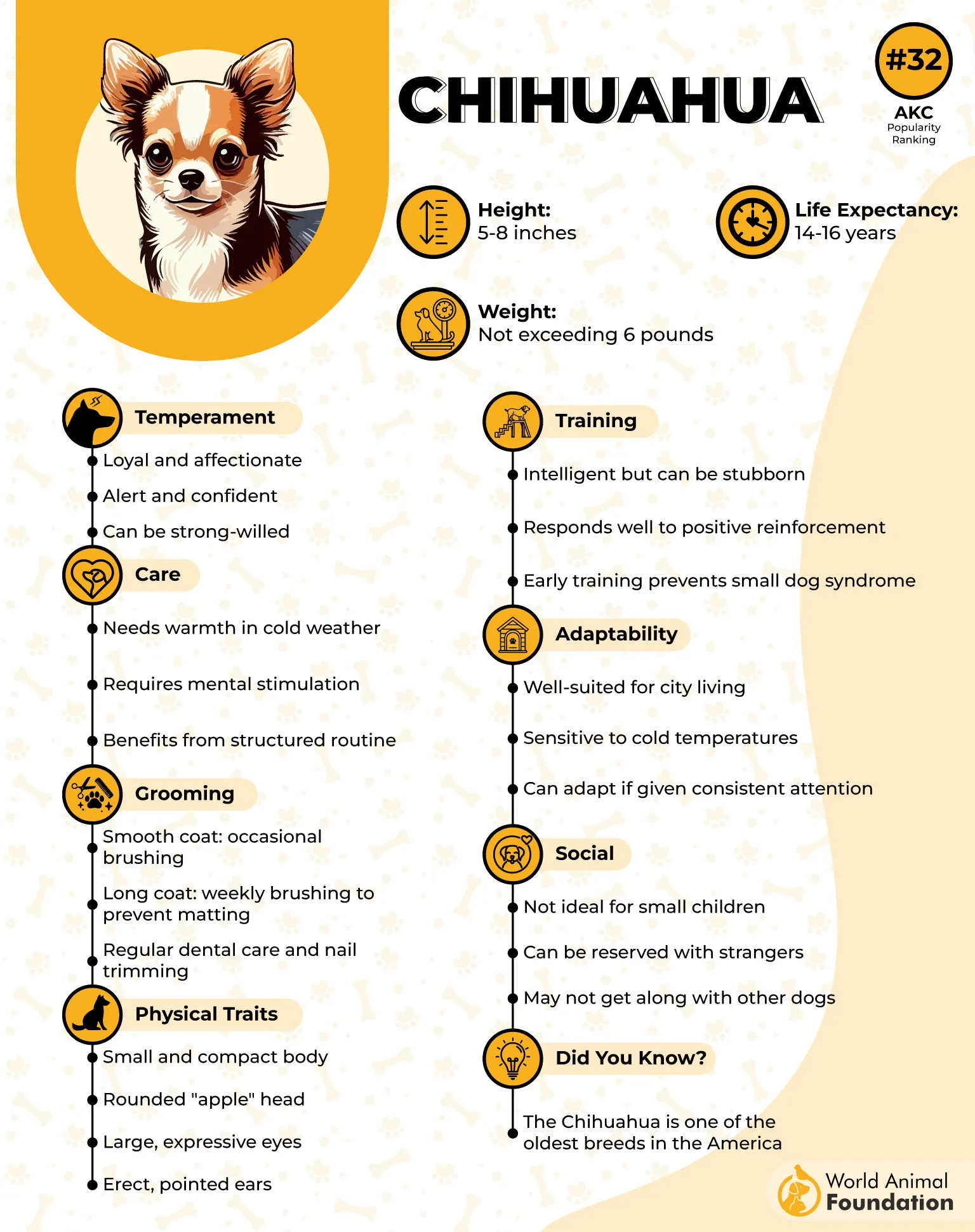
Chihuahua has a naturally alert, confident manner and can react quickly when someone approaches the home. Its protective attitude toward familiar people and personal space can turn a quiet household into a surprisingly noisy one when a stranger comes near.
A few practical details are worth knowing:
May challenge dogs much larger than itself
Works well for apartments and smaller homes
Delicate for rough play with toddlers
Tiny but Particular
This protective dog can be affectionate and playful, often choosing a favorite person’s lap or arms for much of the day, as Britannica claims. Its independent streak also means training may require patience, while early socialization helps reduce combative behavior around unfamiliar dogs.
5. Pomeranian
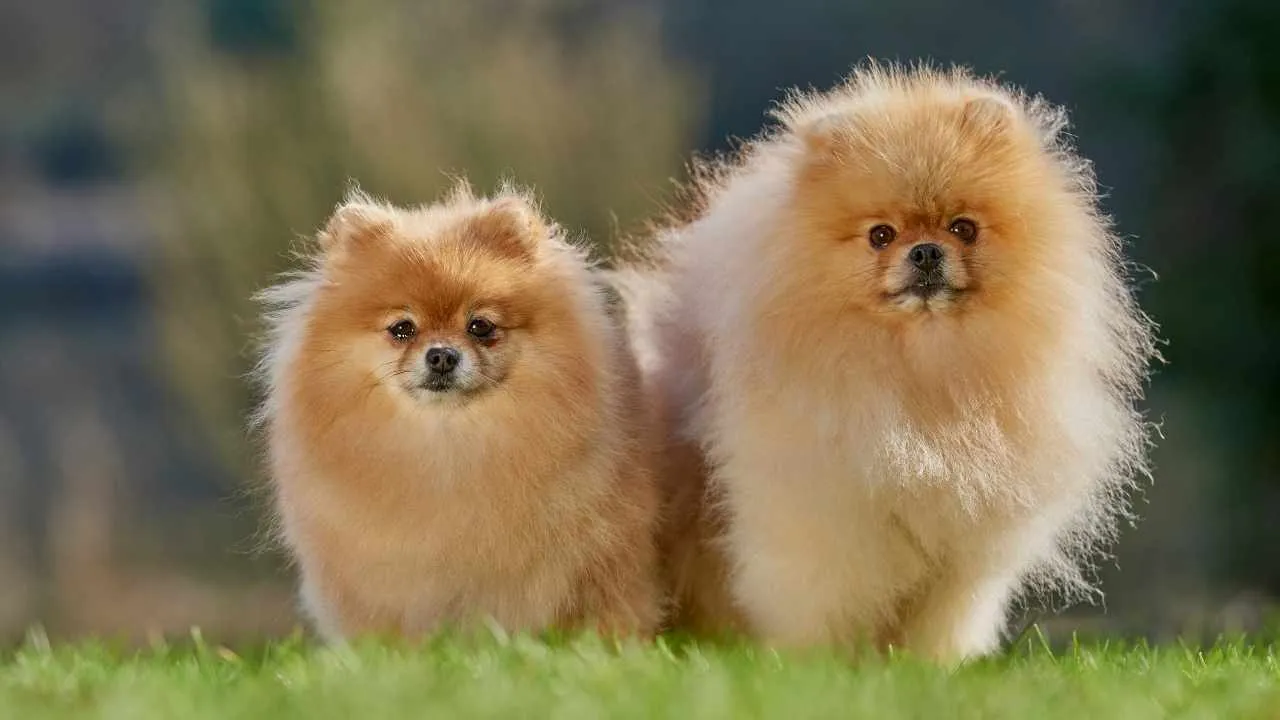
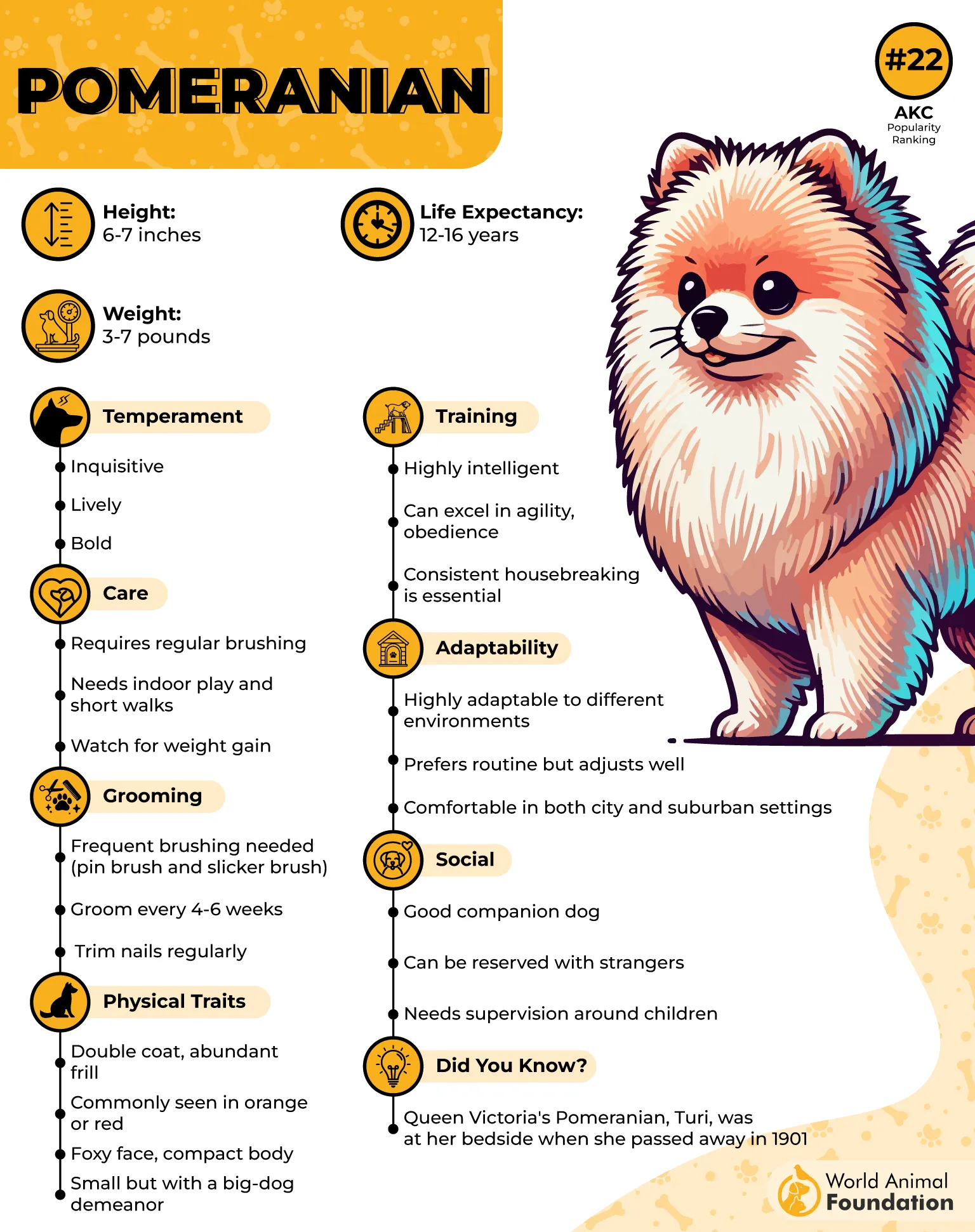
Pomeranian began as a larger German Spitz-type dog in Pomerania during the 1800s, with early breeding programs selecting smaller dogs over time. Queen Victoria became closely associated with the breed, and dogs from her line were bred down further to the tiny companion size recognized today.
A Natural Alarm
Pom fits the home-security role through its alert nature and tendency to react vocally to unfamiliar activity. Its small frame takes up little room, while its habit of listening for sounds and people approaching the door can make it a surprisingly active household alarm.
These characteristics make their behavior easy to understand:
Enjoys tricks, toys, and agility activities
Needs early house training due to frequent bathroom breaks
Requires secure outdoor areas to prevent escapes
Small Dog, Big Opinions
Pomeranian can be remarkably confident for its size, sometimes confronting larger dogs or loudly challenging them. Its independent streak can also appear during training, where patience, consistency, praise, and small treats help reinforce the behaviors you want.
6. Tibetan Spaniel
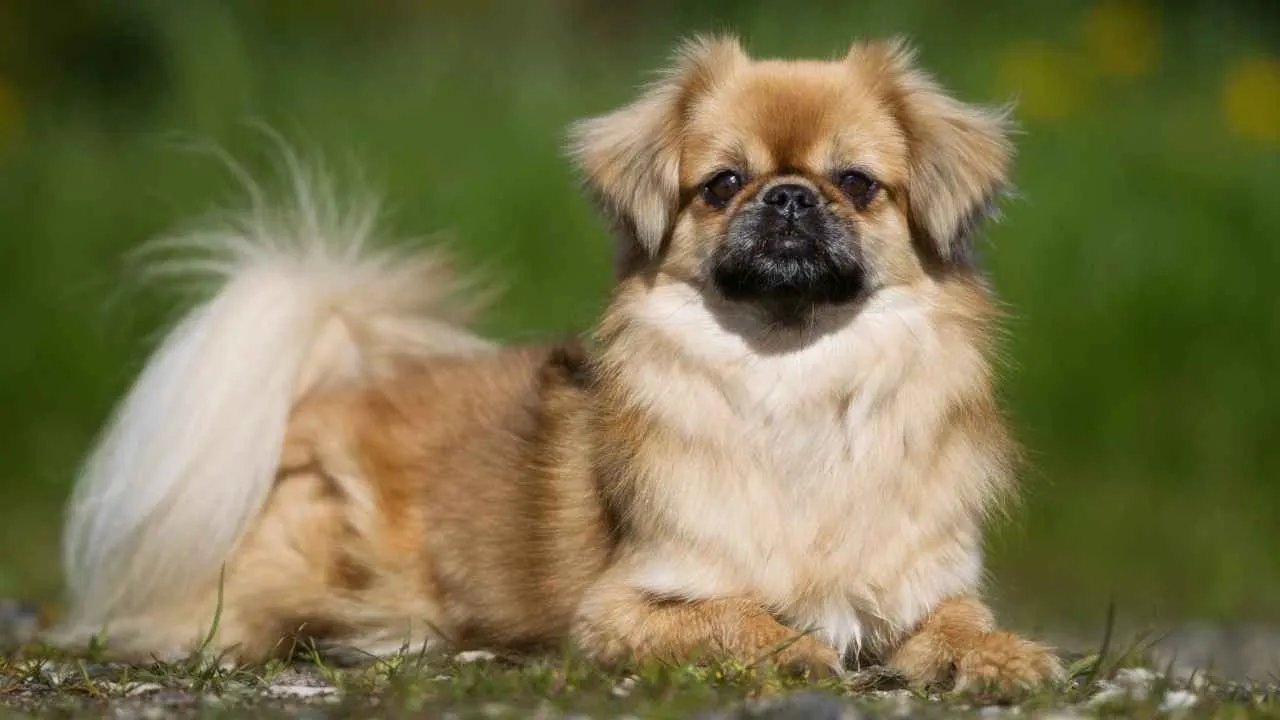
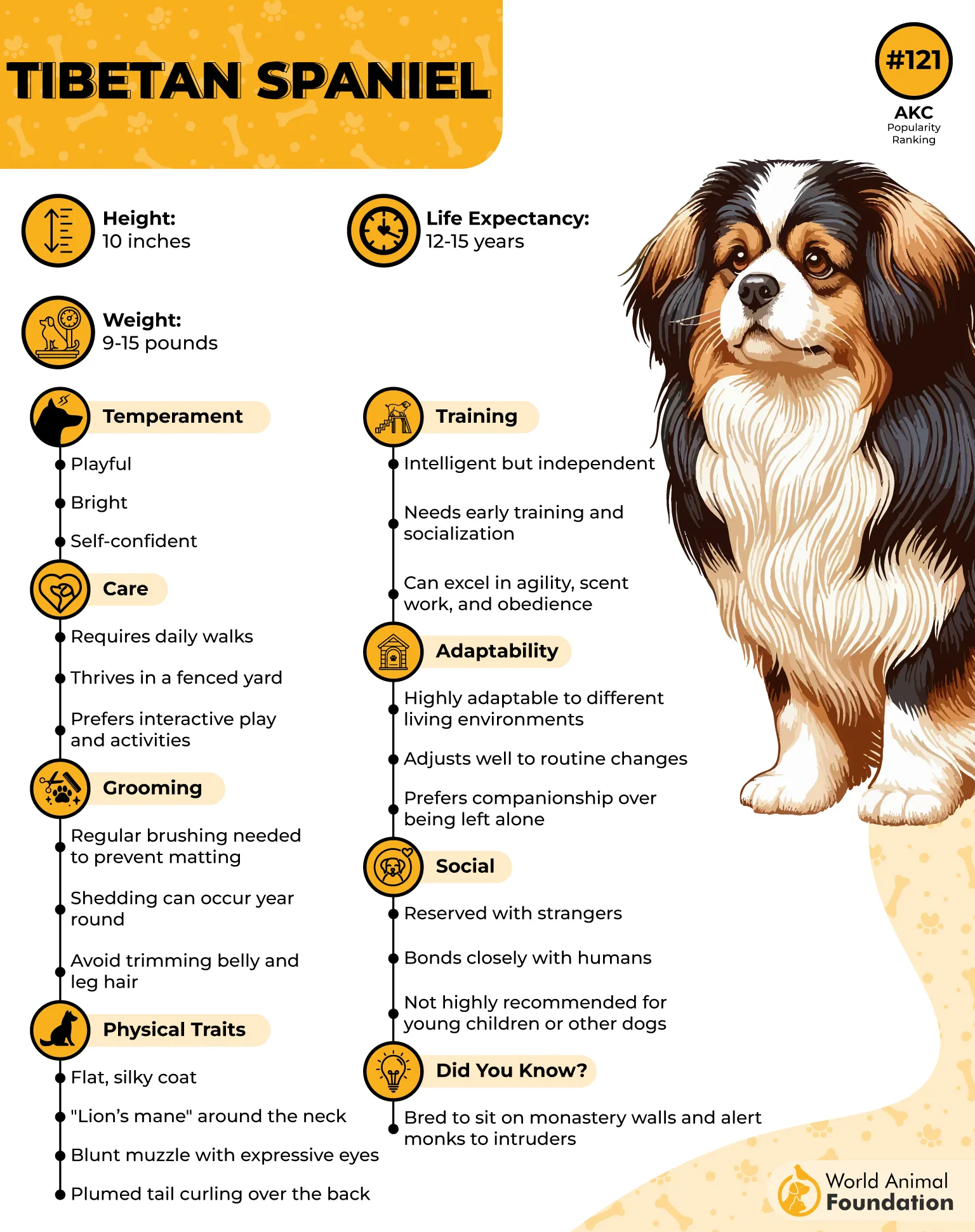
Tibetan Spaniel began life thousands of years ago in the mountains of Tibet, where monks valued these small dogs as companions and sentries. They patrolled high monastery walls, watching the surroundings from elevated positions and barking when unfamiliar people approached.
A Sharp Alarm
Tibetan Spaniel has keen territorial awareness and can raise a loud alarm when someone comes close to the household or family. Its small frame limits its ability to physically confront an intruder, making its alert bark the more useful security feature.
These traits make that alertness especially interesting:
Watches from high perches
Protective around family members
Wary of unfamiliar visitors
Small Dog, Strong Will
This small guard dog breed needs only moderate daily activity, with a neighborhood walk or backyard play often fitting its routine. Training calls for a gentle but firm approach because this headstrong breed can become quite determined about having things its own way.
7. Dachshund

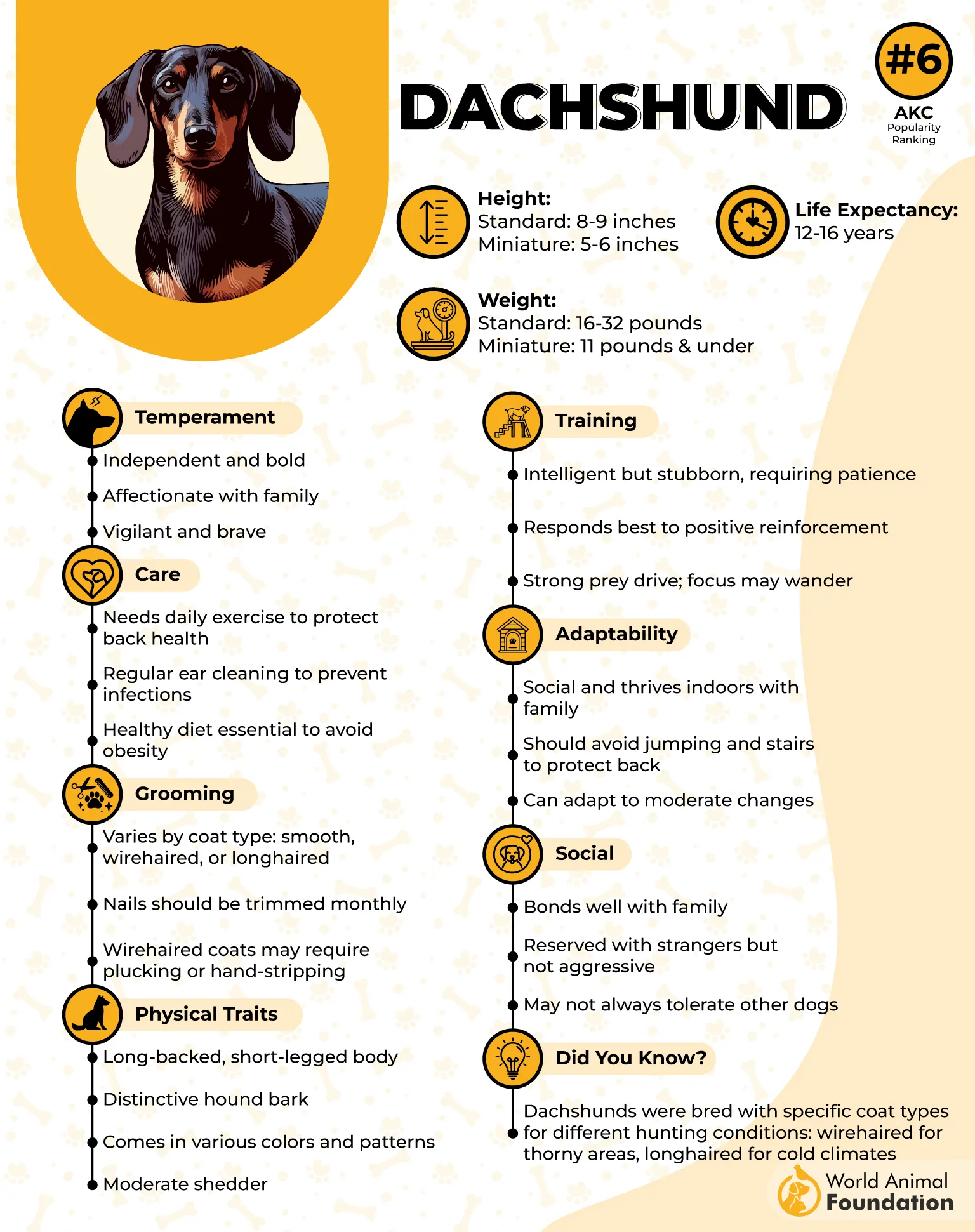
Dachshund was originally bred in Germany as a hunting dog bred to pursue badgers, with its name combining the German words for “badger” and “dog.” Its long, low frame was well suited to the demanding work of following prey into confined underground spaces and flushing them from their dens.
Always Listening
Dachshunds can be remarkably alert around the home, barking when someone approaches the house, a squirrel crosses the yard, or an unfamiliar person enters its territory. Its protective nature makes it more suited to sounding the alarm than physically confronting an intruder.
That watchful personality comes with some interesting details:
Often attaches especially closely to one family member
Miniature varieties can be more reserved with unfamiliar people
They are clever and persistent
Different Coats, Different Vibes
This little muscular dog’s personality can vary with coat type, with long-coated dogs described as calmer and wire-coated varieties as more outgoing and playful. Their strong digging instinct can also lead to destructive habits, while gentle supervision matters around children who may play too roughly.
Conclusion
A small dog can bring useful awareness to a home without taking up much space or demanding an overwhelming daily routine. Strong hearing, territorial awareness, confidence, and natural protective instincts can make a little companion surprisingly effective at alerting owners to unfamiliar activity. Still, barking should not become the only response.
Early socialization and proper training help dogs learn when to alert and when to settle, making them excellent guard dogs without encouraging unnecessary reactivity. Exercise, companionship, grooming, and veterinary care remain part of responsible ownership. The best choice is a good guard dog whose alert nature fits your household and can provide useful early warning systems with the right guidance.
