




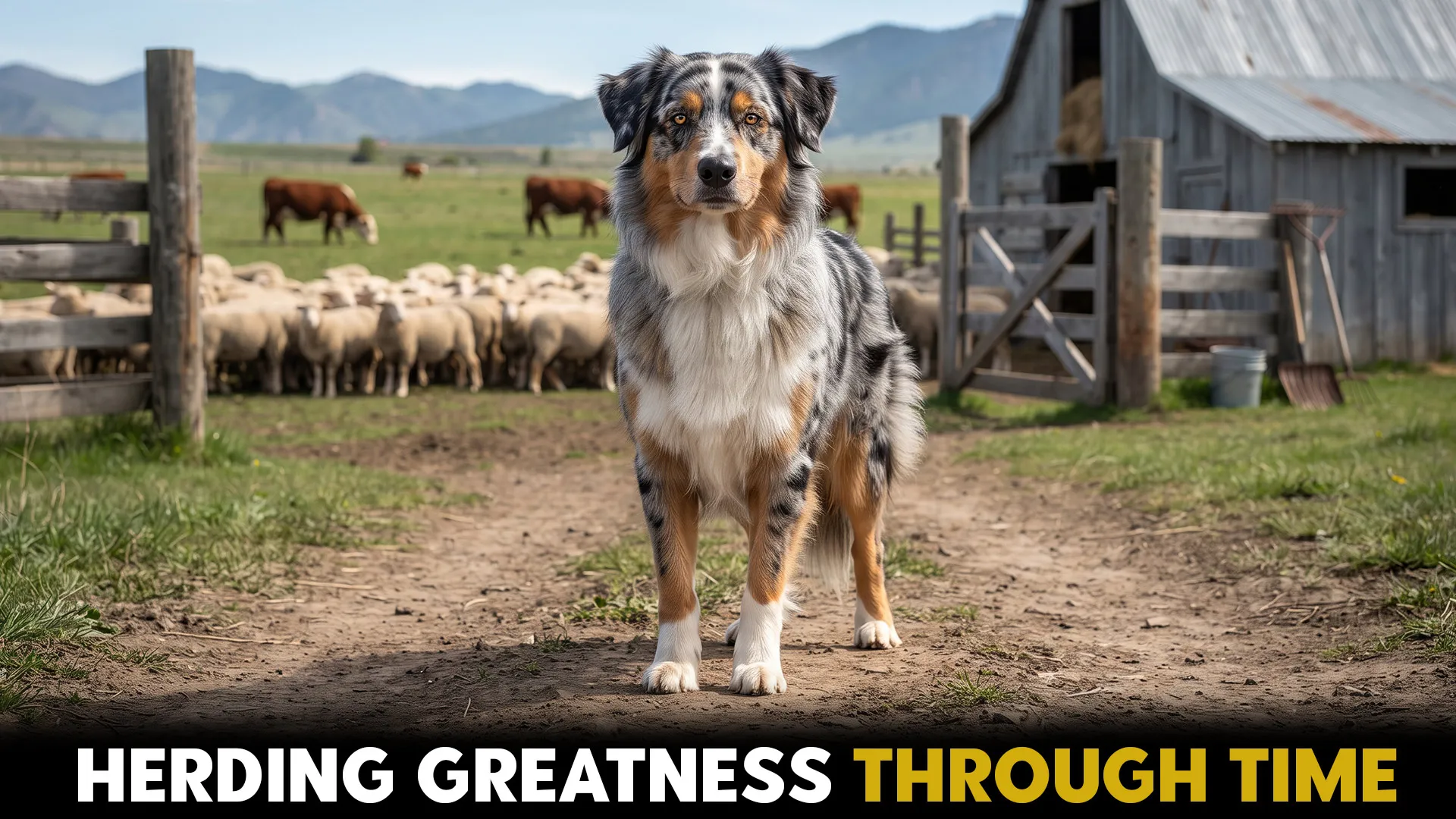
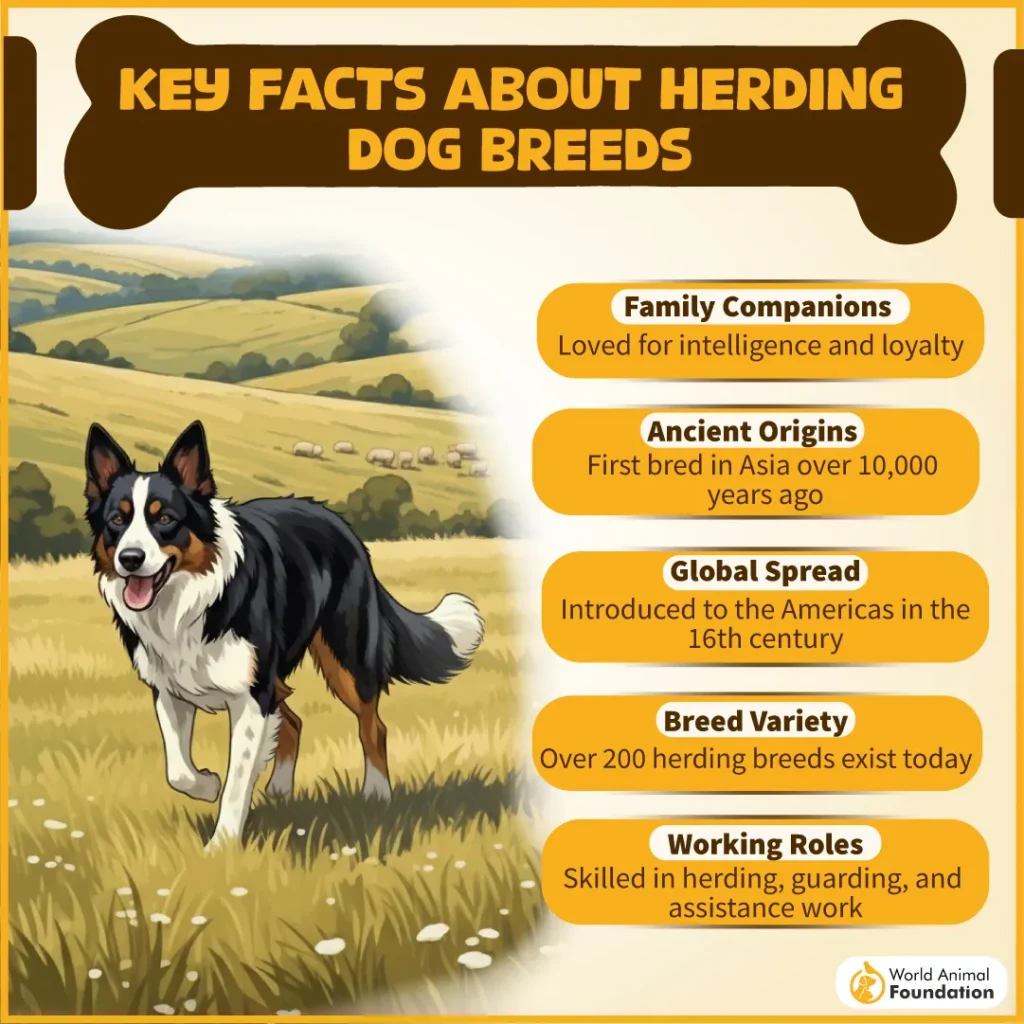
What if some of the world’s hardest-working farmhands had four legs? Long before herding dogs became beloved family pets, they worked alongside farmers and shepherds, helping control livestock, prevent animals from wandering, and protect herds from danger.
These dogs were bred for more than speed. They needed sharp intelligence, stamina, agility, and the ability to respond to whistles, gestures, and commands. Depending on their job, some guided livestock from the front, while others stayed behind and pushed animals forward.
Their working history still shapes them today. Many have gone on to excel in agility, obedience, police, military, and service work. Even as family companions, they have strong instincts that make them eager to keep everyone and everything organized.
Let’s explore some of the best herding breeds and the fascinating roles they were bred to perform.
Key Takeaways
Meet 10 legendary herding breeds shaped by centuries of hard work and adventure.
From the Border Collie’s sharp mind to the Beauceron’s fearless strength, discover what makes each breed unique.
See how the Australian Cattle Dog and Pyrenean Shepherd were built for tough terrain and demanding livestock work.
Explore their history, working roles, instincts, training needs, energy levels, and care requirements.
Legendary Herding Dog Breeds and Their Historical Roles
1. Pembroke Welsh Corgi
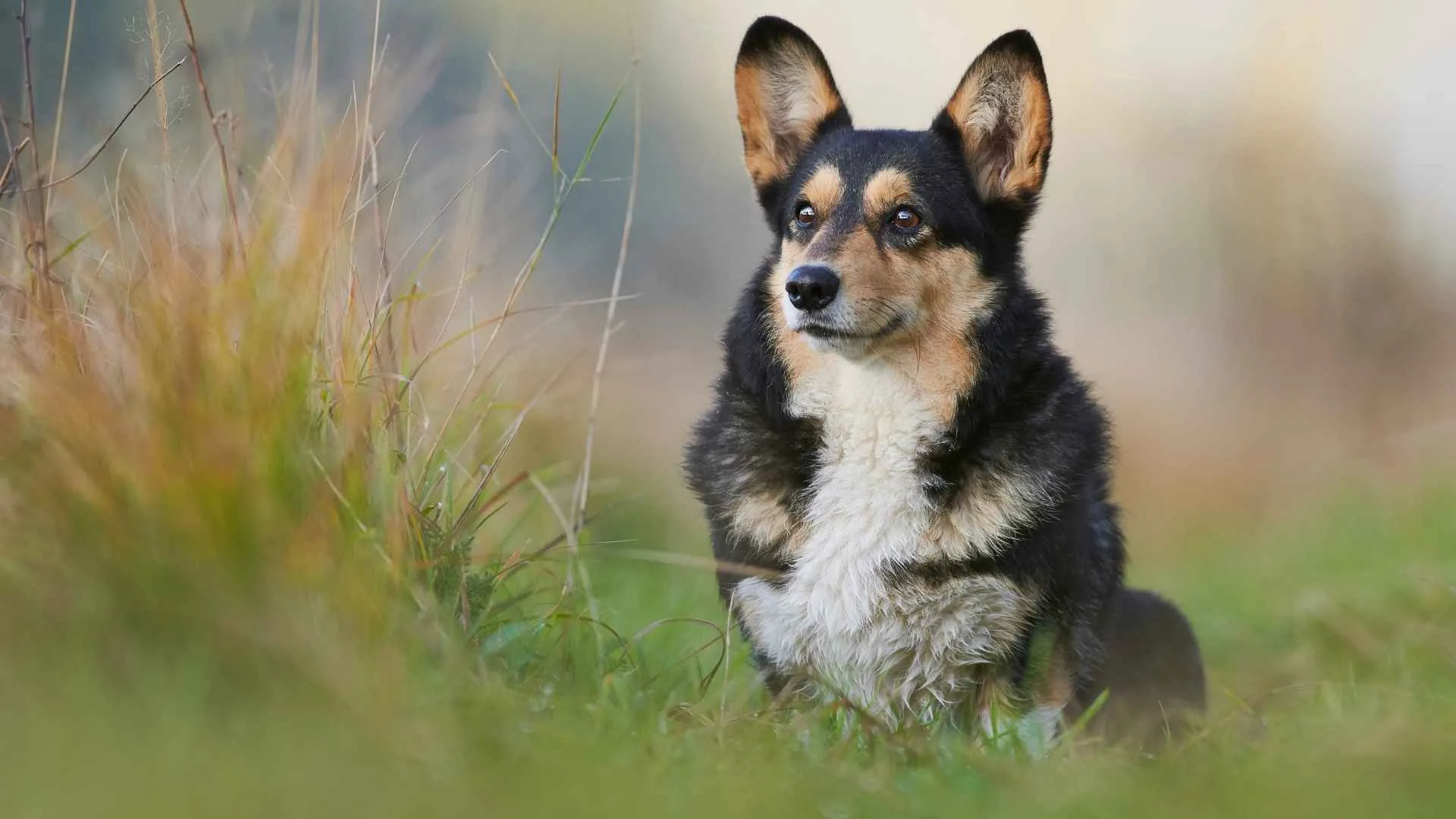
Don’t let their short legs fool you. Pembroke Welsh Corgis are sturdy, athletic dogs with a long working history. Developed in Wales, they were bred to herd cattle and sheep on farms.
Their low build helped them move around livestock while driving animals forward. Their intelligence and strong work ethic made them valuable farm partners.
From Welsh Farms to Family Homes
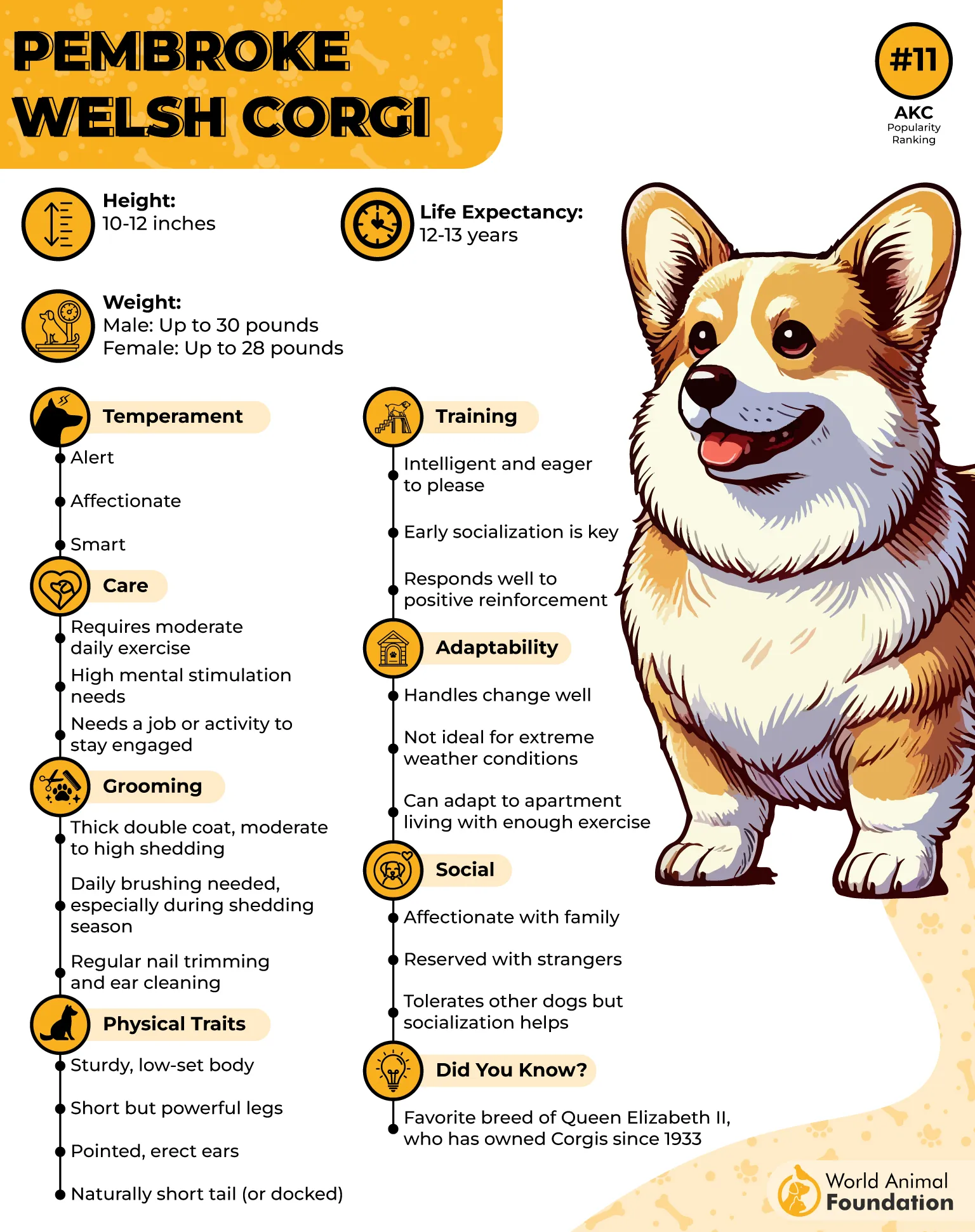
Pembroke Welsh Corgis have been part of Welsh life for more than 1,000 years, though their exact origins remain debated. Some theories link them to Flemish weavers, while others suggest Swedish Vallhund ancestry.
They also served as companion and guard dogs. In 1934, Pembrokes and Cardigans were officially recognized as separate breeds. Queen Elizabeth II later helped make Pembrokes widely famous.
Traits That Reflect Their Past
Today, Pembroke Welsh Corgis are friendly, loyal, playful, and eager to learn. Their herding instincts may still appear when they try to round up children or pets by nipping at their heels, as mentioned by Omlet.
Early training and socialization can help manage this behavior. They need regular exercise and mental stimulation, with activities like agility training, tracking, herding, fetch, and Treibball being great outlets.
2. Bergamasco Sheepdog
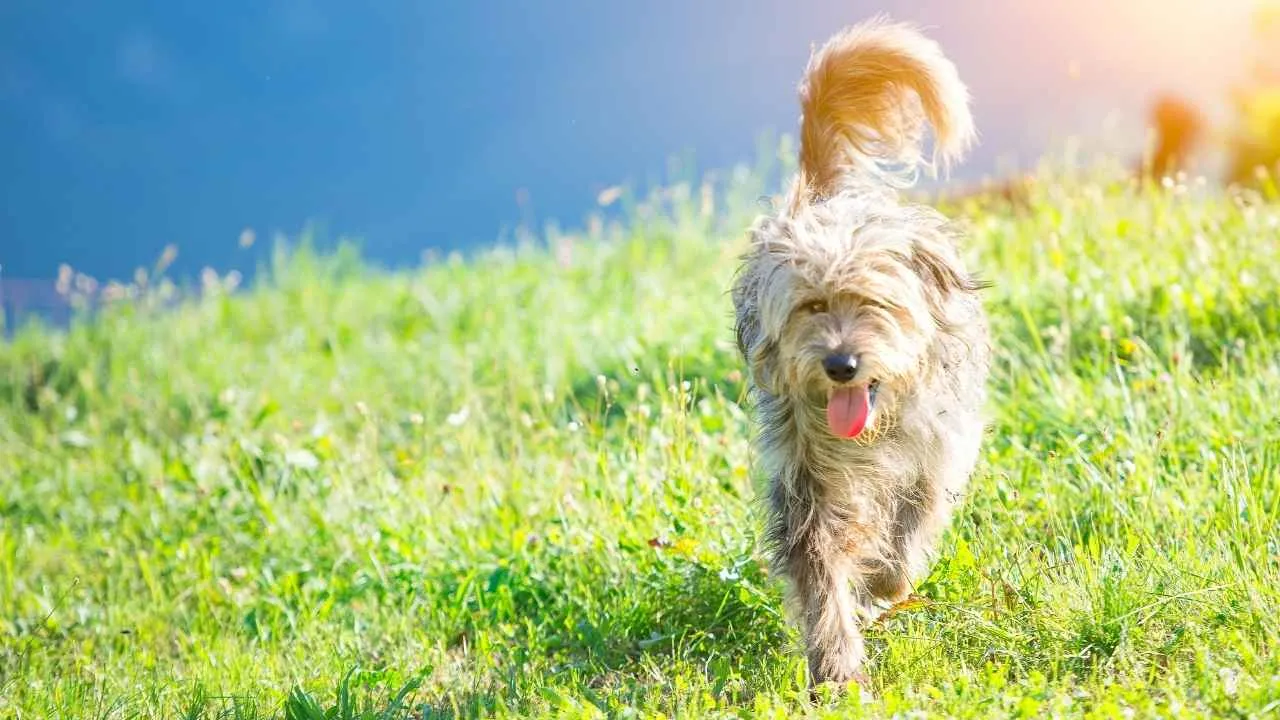
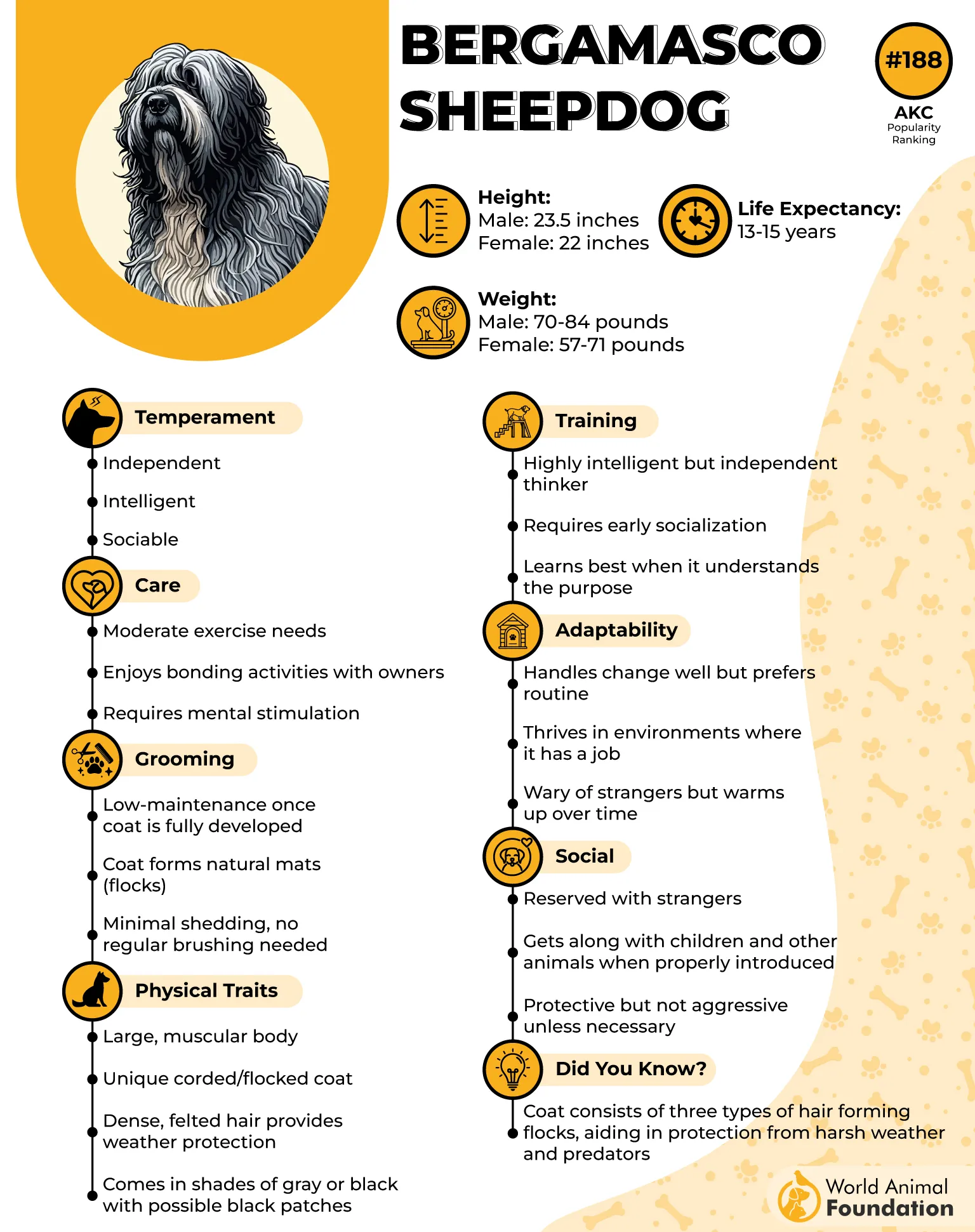
With its distinctive flocked coat, sturdy build, and calm expression, the Bergamasco Sheepdog is a unique herding breed from the Italian Alps. Bred to herd and guard livestock across rugged mountain terrain, these dogs needed intelligence, endurance, and the ability to work independently.
Their close partnership with shepherds allowed them to manage flocks while making quick decisions when faced with challenges.
Independent Workers With a Strong Herding Instinct
Bergamascos are intelligent, loyal, patient, and protective dogs with a natural sense of responsibility. They were bred to think for themselves rather than simply follow every command, which can sometimes make them strong-willed during training.
A Rare Breed With a Lasting Legacy
The Bergamasco population declined significantly after World War II as traditional sheep farming and wool production changed, but dedicated breeders helped preserve the breed.
Today, these rare dogs remain capable working companions and enjoy activities such as herding, hiking, agility, and other dog sports.
3. Australian Shepherd
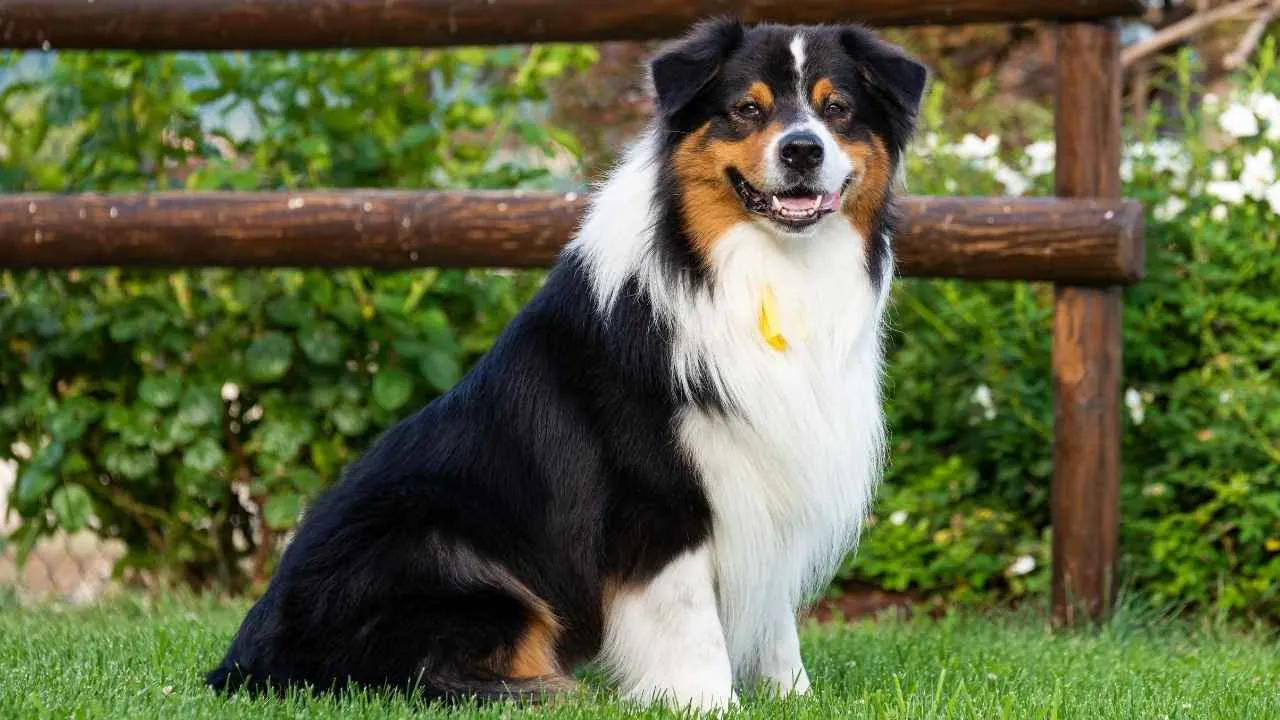
With their athletic build, bright expression, and energetic nature, Australian Shepherds are versatile herding dogs with a strong history of working alongside ranchers in the western United States.
Despite their name, they were developed in America and became closely linked with ranching and cowboy culture. Their intelligence, agility, stamina, and strong work ethic made them dependable partners for managing livestock.
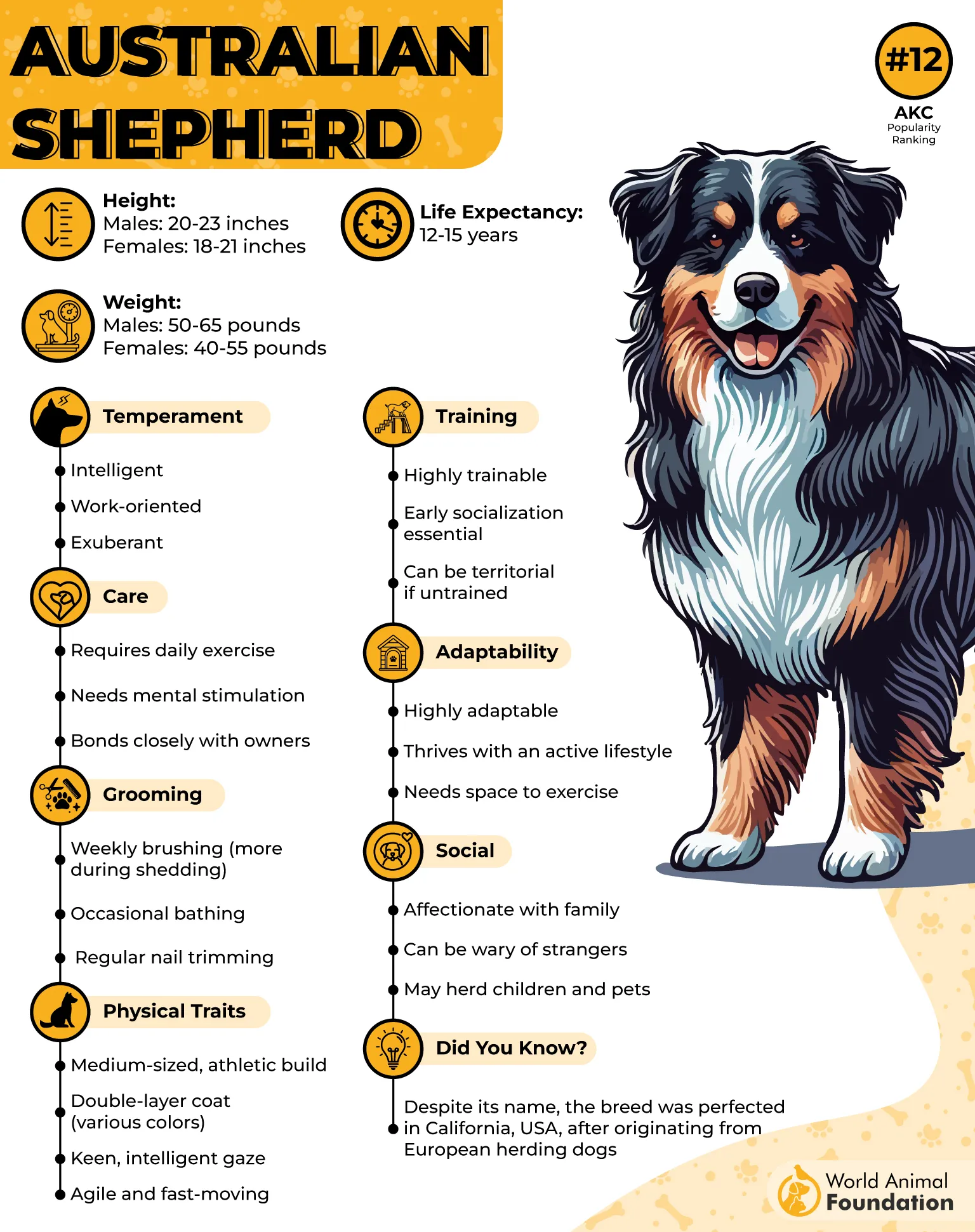
Intelligent Workers With Plenty of Drive
Australian Shepherds are highly intelligent, energetic, and eager to learn, with a natural instinct to control and move livestock.
They thrive when they have a job or activity to focus on and enjoy herding, agility, obedience training, hiking, running, fetch, and other active pursuits. Without enough physical and mental stimulation, their energy can become difficult to manage.
Excellent Companions With Strong Herding Instincts
Aussies are loyal, playful, and devoted to their families, although they can be somewhat reserved around unfamiliar people. Their instinct to herd may lead them to chase or attempt to control children, pets, or moving objects, making early socialization and consistent training important.
4. Border Collie
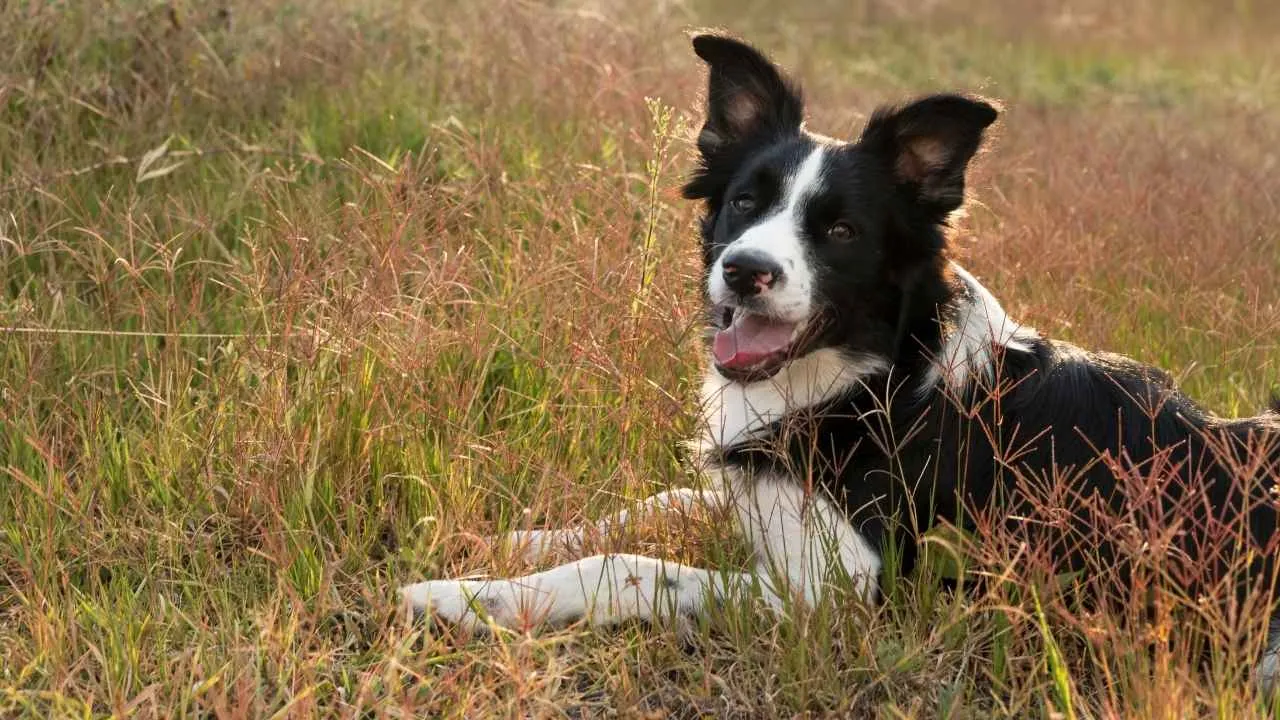
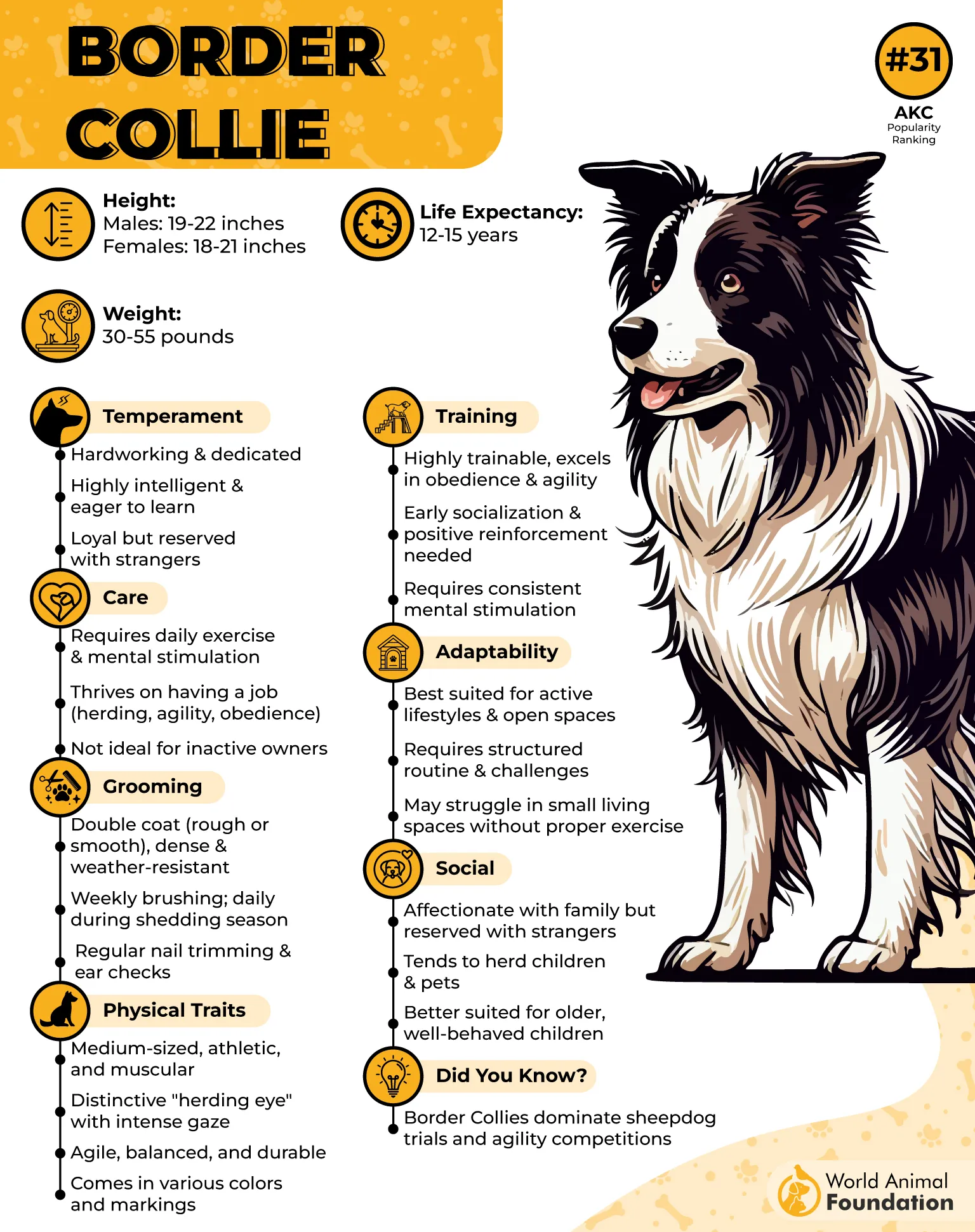
Border Collies are athletic, highly intelligent dogs known for their incredible energy, focus, and strong herding instincts. Originating along the border between England and Scotland, they were developed to work closely with shepherds and manage livestock across challenging terrain.
Their ability to learn quickly and respond to commands made them exceptional working dogs, while their problem-solving skills allowed them to work independently when needed.
An Athletic Breed With Endless Energy
The Border Collie’s lean, agile build was designed for speed, stamina, and long hours of demanding work. These dogs need ample exercise and mental stimulation, with activities such as running, hiking, fetch, agility, Frisbee, and herding helping keep their active minds occupied.
Intelligent Workers With a Lasting Legacy
Border Collies are loyal, responsive, eager to learn, and remarkably trainable, though their intense drive can become challenging without enough activity.
They may try to herd children or other pets and can develop destructive habits or excessive barking when bored, according to WebMD. Early socialization, consistent positive-reinforcement training, and plenty of daily activity help bring out their best qualities.
5. Australian Cattle Dog
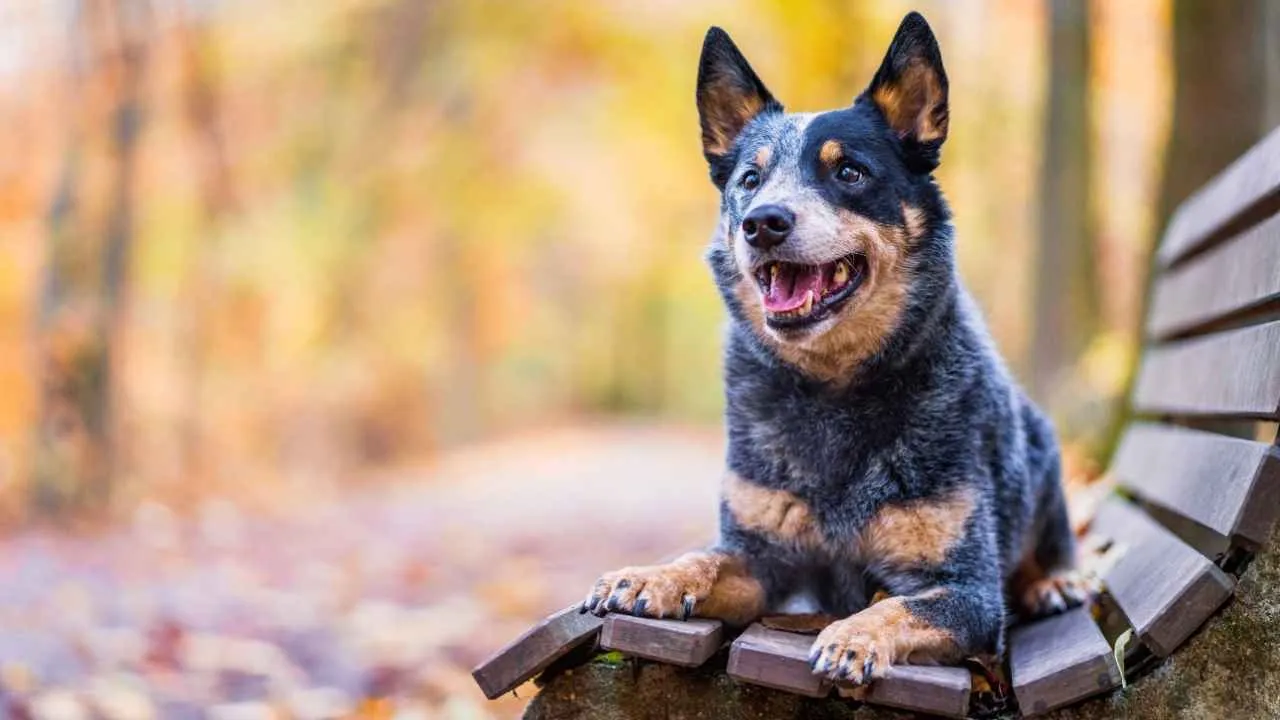
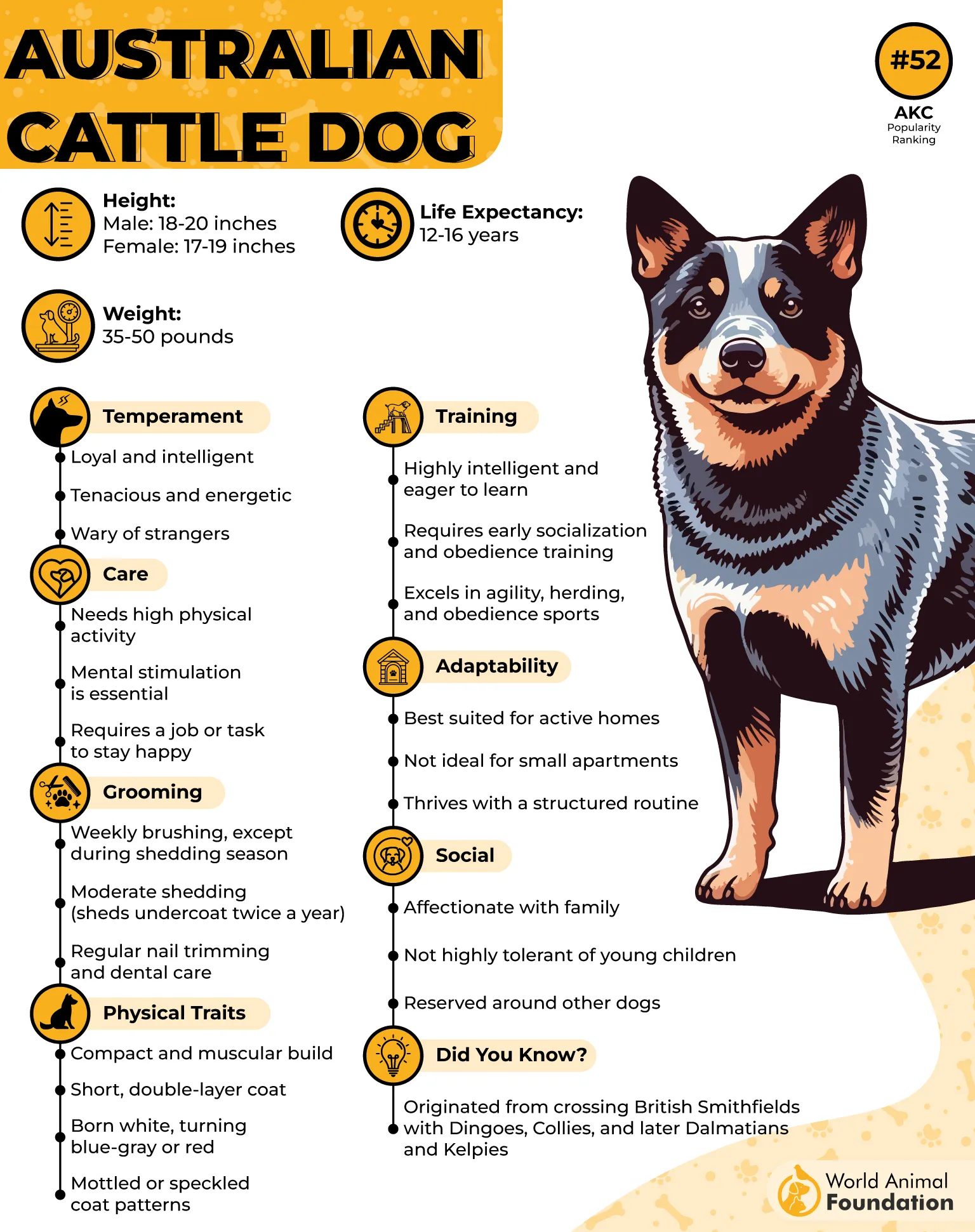
With their sturdy build, alert expression, and distinctive blue or red-speckled coat, Australian Cattle Dogs are tough working breeds developed for demanding ranch life.
Descended partly from the dingo, they were developed in Australia to move cattle across vast properties, rugged terrain, and challenging conditions. Their intelligence, courage, and stamina made them dependable workers capable of handling livestock much larger than themselves.
Tough Workers With Impressive Stamina
Australian Cattle Dogs were bred to work long hours and cover large distances while keeping cattle moving in the right direction.
Their compact, muscular build gives them the agility and endurance needed for demanding farm work, while their instinctive heel-nipping technique helps control stubborn livestock. They remain highly active dogs that need plenty of exercise and mental challenges to stay content.
Loyal Dogs With a Fearless Spirit
Intelligent, alert, courageous, and fiercely loyal, Australian Cattle Dogs form strong bonds with their owners and can be protective of their families. They may be wary of strangers and can try to herd children, pets, or other animals, making early socialization and consistent training important.
6. Shetland Sheepdog
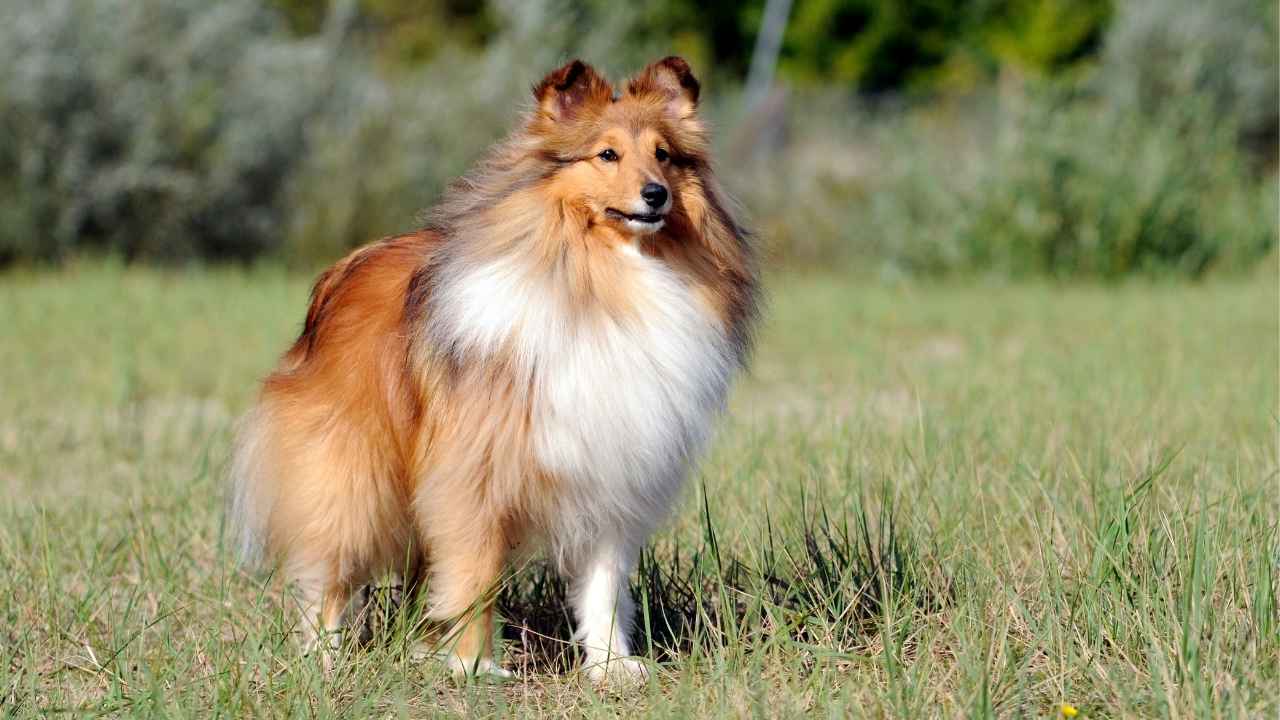
With their elegant appearance, alert expression, and compact athletic build, Shetland Sheepdogs are small but highly capable herding dogs. Developed in Scotland’s rugged Shetland Islands during the 1800s, they were bred to help manage small livestock, poultry, and ponies.
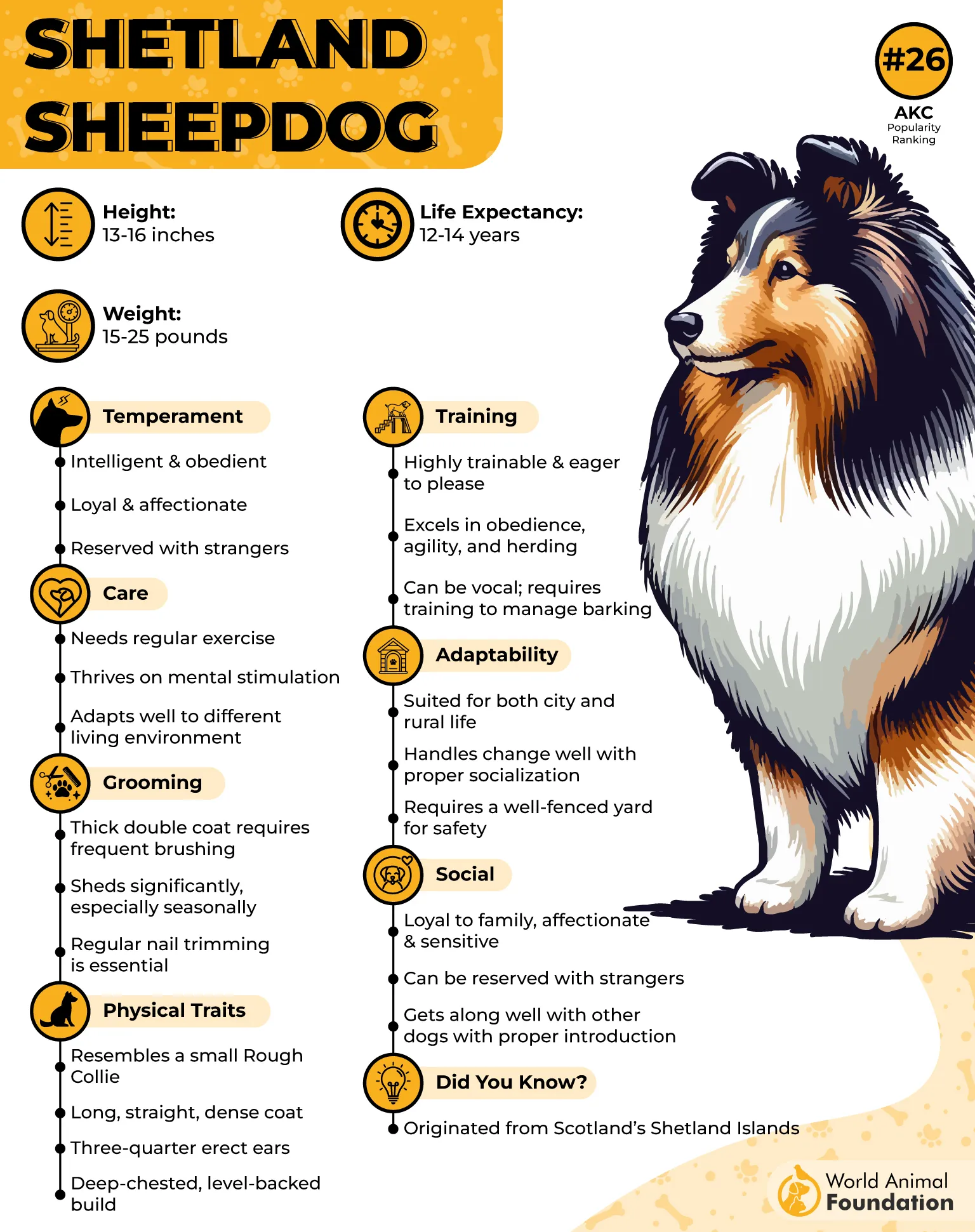
Smart Workers With a Strong Herding Instinct
Shetland Sheepdogs are highly intelligent, agile, and eager to please, making them quick learners and indispensable partners.
They thrive when given regular physical activity and mental challenges through activities such as agility, obedience, herding, tracking, and fetch.
Affectionate Companions With a Watchful Nature
Shelties form strong bonds with their families and are known for being affectionate, sensitive, and loyal. Purina mentions that they can be cautious around unfamiliar people and are often quite vocal, making them naturally attentive watchdogs.
With enough exercise, companionship, and purposeful activities, these versatile dogs can thrive as both hardworking herders and devoted family companions.
7. Pyrenean Shepherd
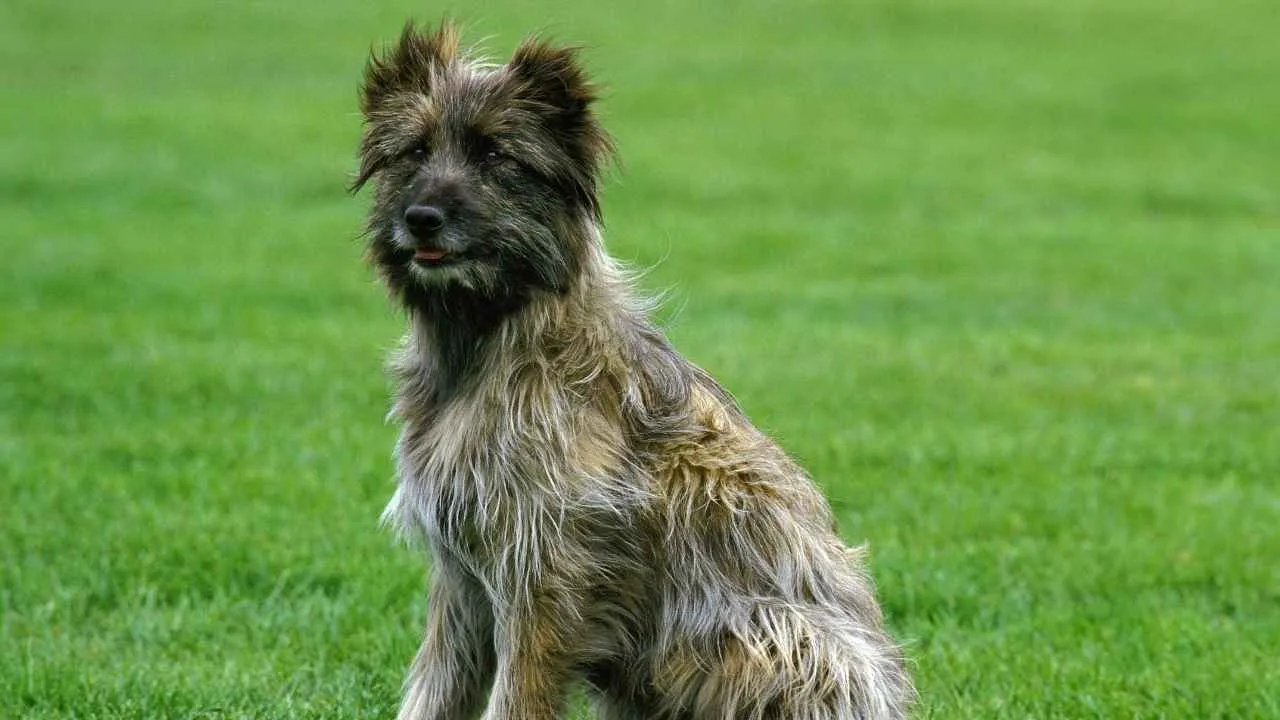
With their lean build, expressive eyes, and lively nature, Pyrenean Shepherds are agile working dogs developed in the Pyrenees Mountains of Southern France.
To herd and manage sheep across rugged mountain terrain, they relied on their speed, intelligence, and stamina to work closely with shepherds. Despite their relatively small size, these energetic dogs had the determination and endurance needed for demanding work.
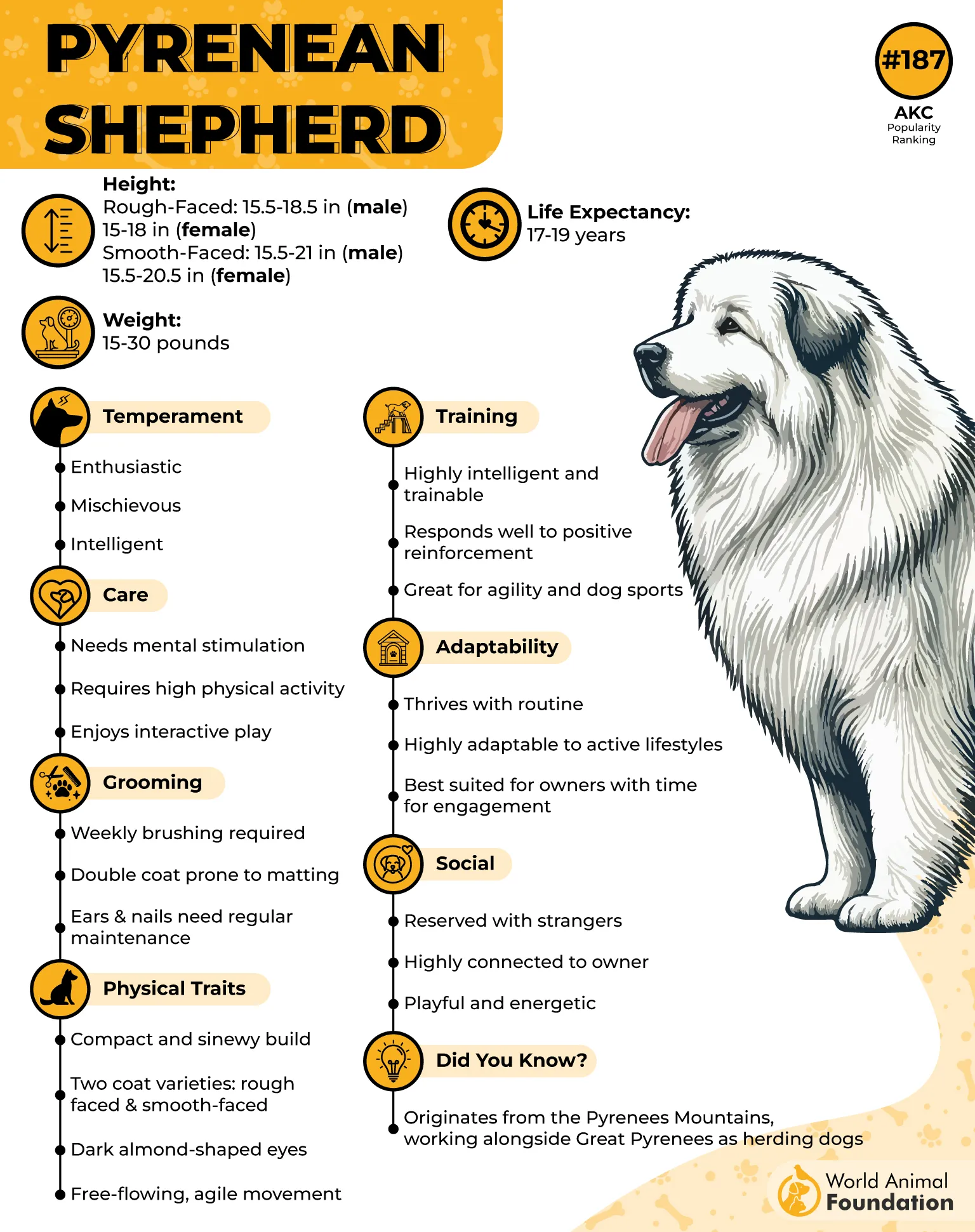
Agile Workers Built for the Mountains
Pyrenean Shepherds were bred to move quickly across steep and challenging terrain while keeping livestock together. Their lightweight, athletic bodies gave them the speed and agility needed to cover large areas and respond quickly to their shepherds.
Their strong working instincts remain an important part of the breed, making regular exercise and mental stimulation essential.
Intelligent Companions With Plenty of Energy
Highly intelligent, alert, energetic, and devoted, Pyrenean Shepherds form strong bonds with their families but can be cautious around unfamiliar people.
Their natural herding instincts may lead them to chase, bark at, or attempt to herd children and other pets, making early socialization and consistent training important.
8. Beauceron
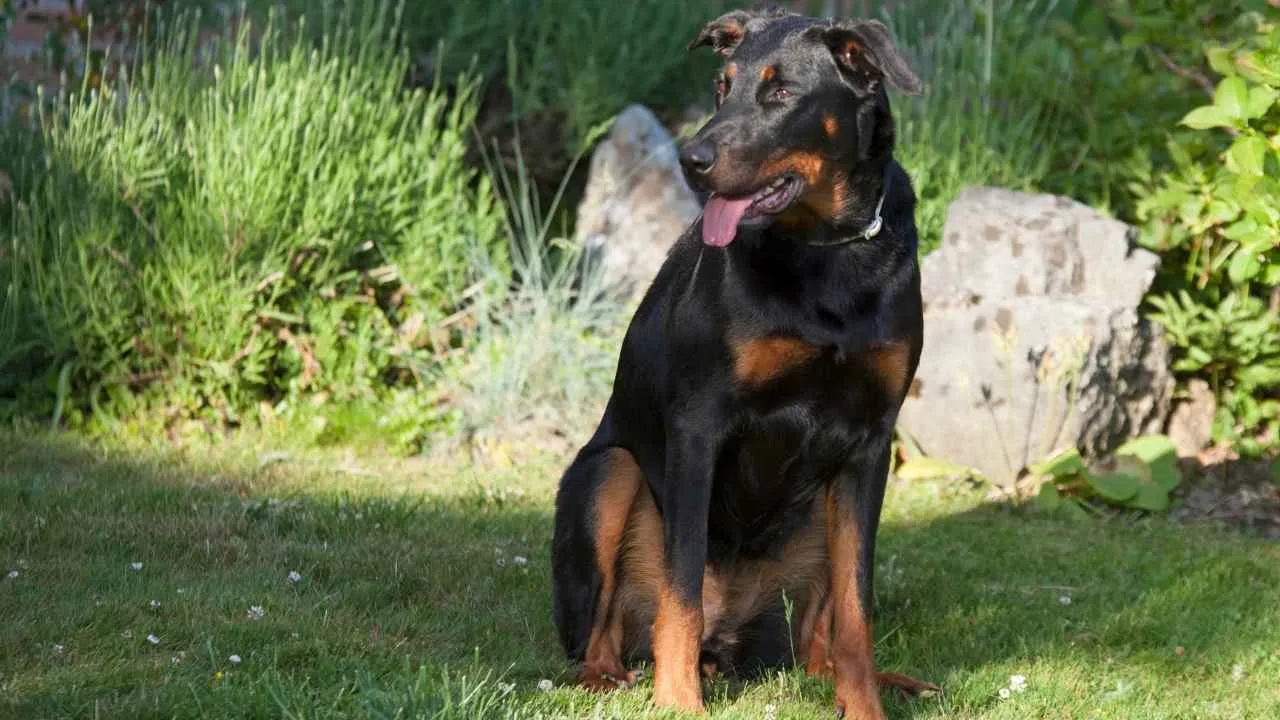
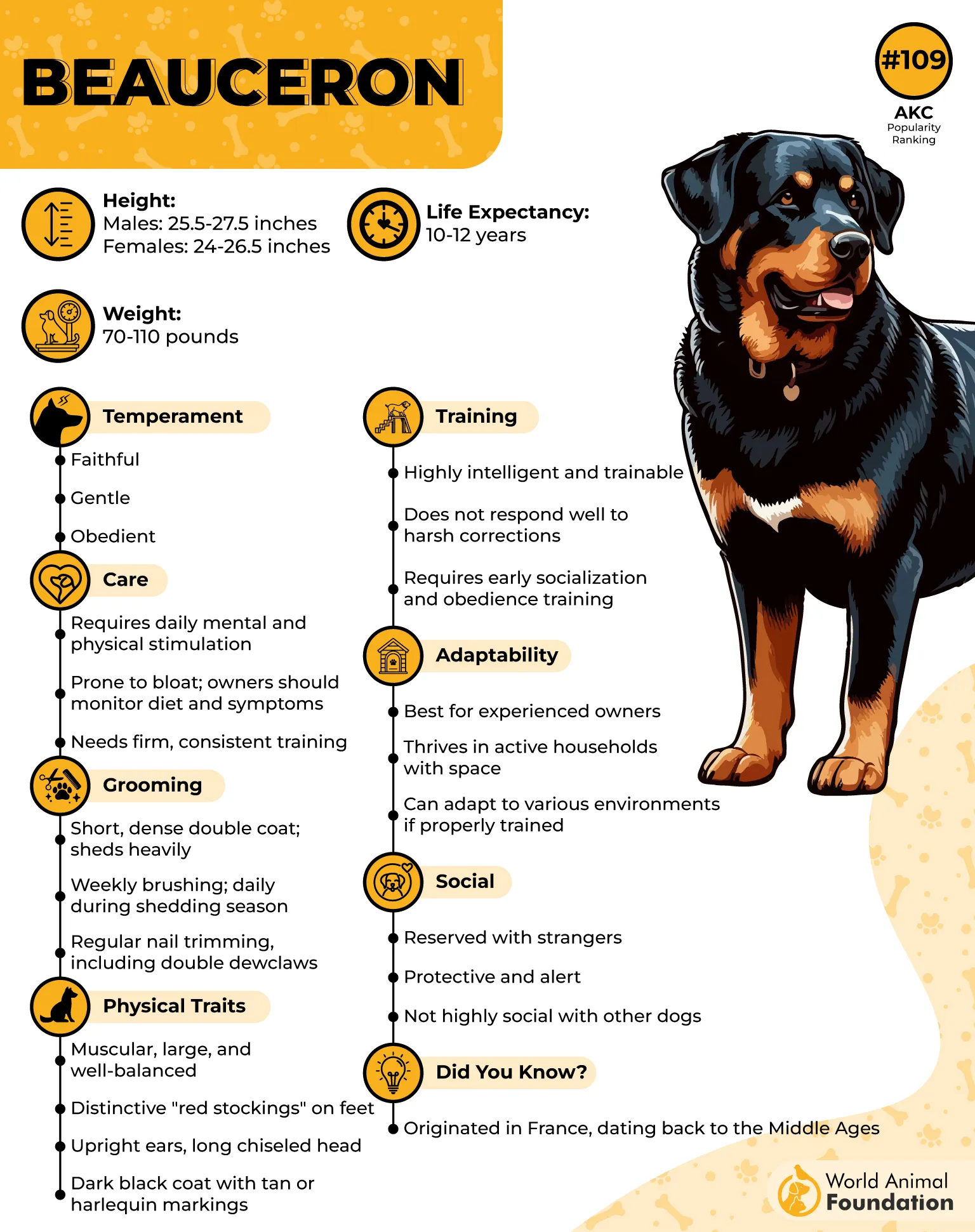
With their muscular build, confident expression, and distinctive black-and-tan or harlequin markings, Beaucerons are powerful herding dogs with a long history of hard work in France.
Originally bred to herd and protect sheep, these large, athletic dogs were trusted to manage livestock while guarding farms and territory. Their intelligence, courage, stamina, and loyalty also helped them take on demanding roles in military and service work.
Powerful Workers With Strong Herding Instincts
Beaucerons are intelligent, energetic, courageous, and highly devoted to their families. Their strong working instincts make them eager to have a purpose, whether that means herding livestock, learning obedience skills, or taking part in demanding dog sports.
They can be affectionate with children and other dogs when properly socialized, but their size and confidence make early, consistent training especially important.
Loyal Companions With Plenty of Drive
These dogs thrive on physical activity and mental challenges and can become restless or destructive when they do not have enough to keep them occupied. Regular exercise, structured training, and early socialization help them develop into well-mannered family dogs.
9. Old English Sheepdog
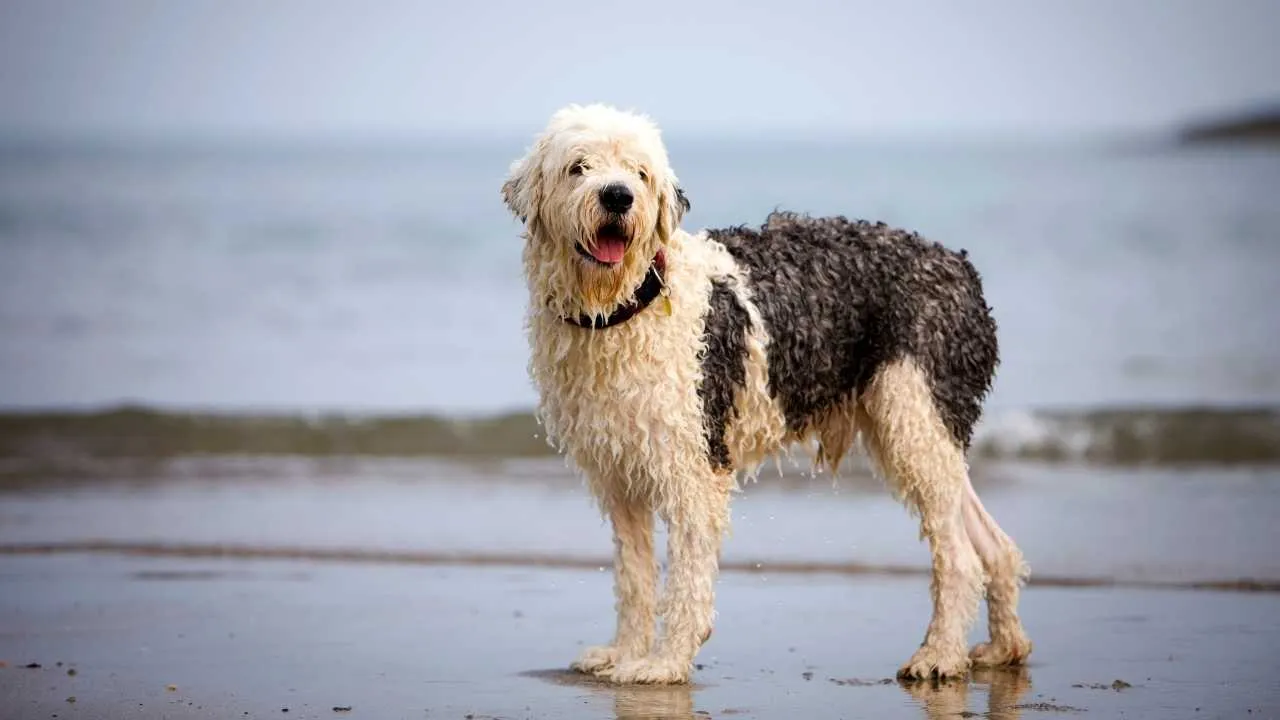
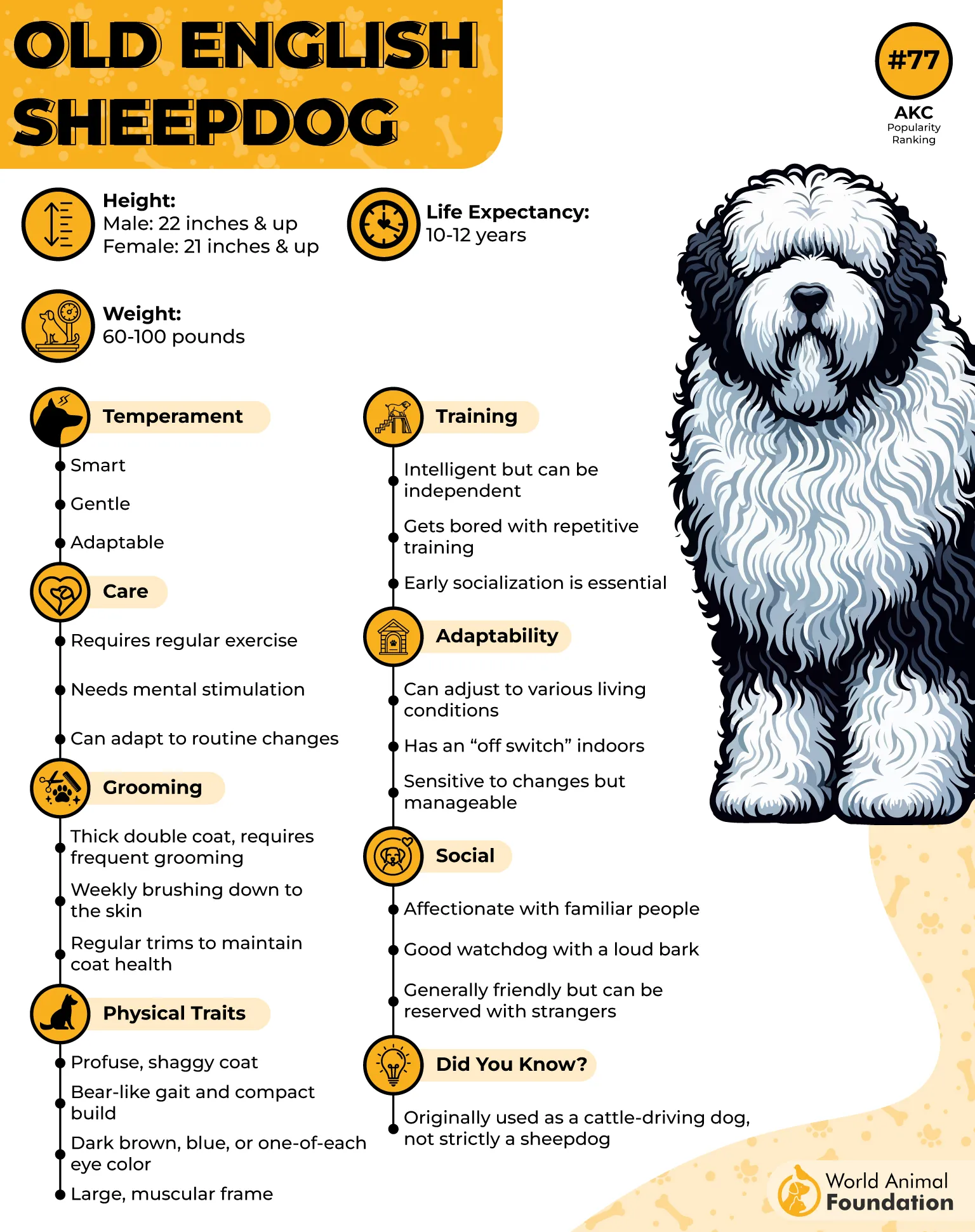
With their shaggy appearance, sturdy build, and cheerful personality, Old English Sheepdogs are large working dogs with a long history in the English countryside.
Originally bred to drive and protect livestock, they were valued for their endurance, intelligence, and ability to work alongside farmers over long distances. Their playful and affectionate nature has also helped them become beloved family companions.
Hardworking Dogs With a Strong Instinct
Old English Sheepdogs are intelligent, energetic, independent, and devoted to their families. Their background as livestock workers gives them a natural desire to stay active and have a primary purpose.
They can be playful and affectionate with children and other pets when properly socialized, but their large size and strong personality make early, consistent training important.
Playful Companions With Plenty of Energy
These dogs need daily physical exercise and mental stimulation to stay happy and avoid boredom-related behaviors such as excessive barking or chewing. Long walks, agility, obedience, herding, fetch, and skills training can give them useful outlets for their energy and intelligence.
10. Belgian Malinois
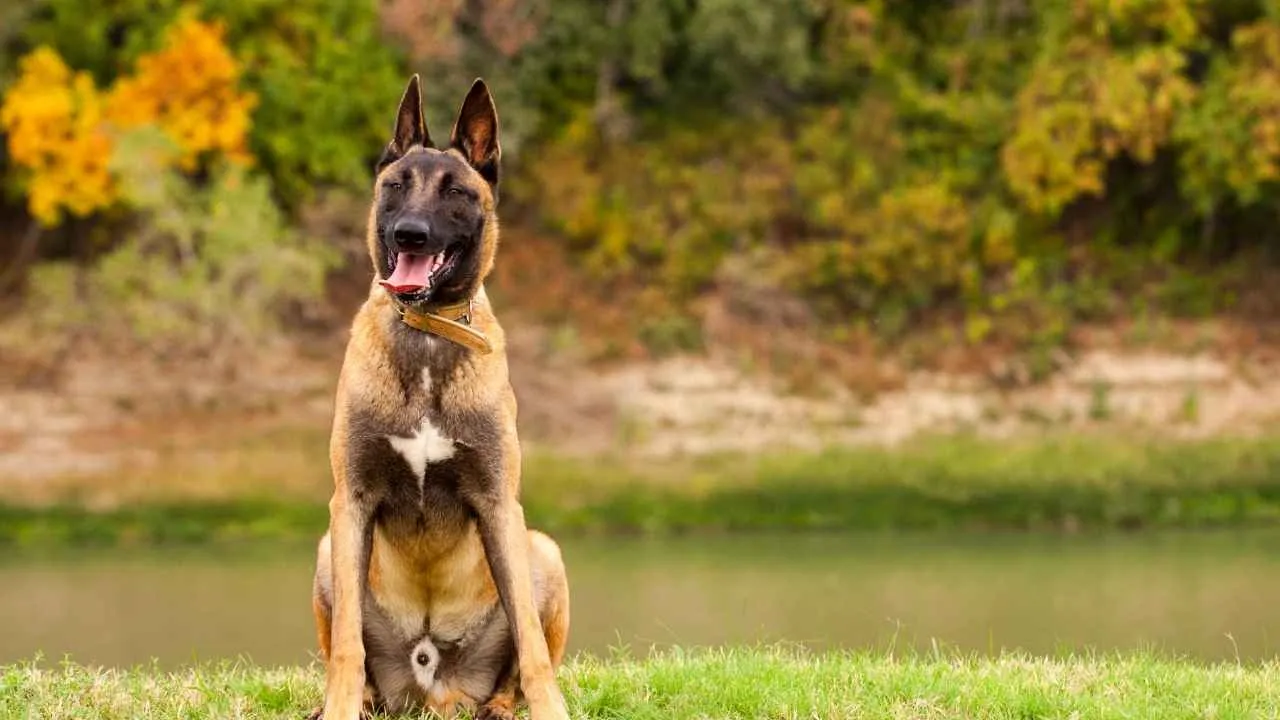
With their athletic build, alert expression, and incredible drive, Belgian Malinois are highly capable working dogs originally developed in Belgium for herding and farm work.
Their intelligence, agility, courage, and stamina have also made them valuable in police, military, search-and-rescue, and protection roles.
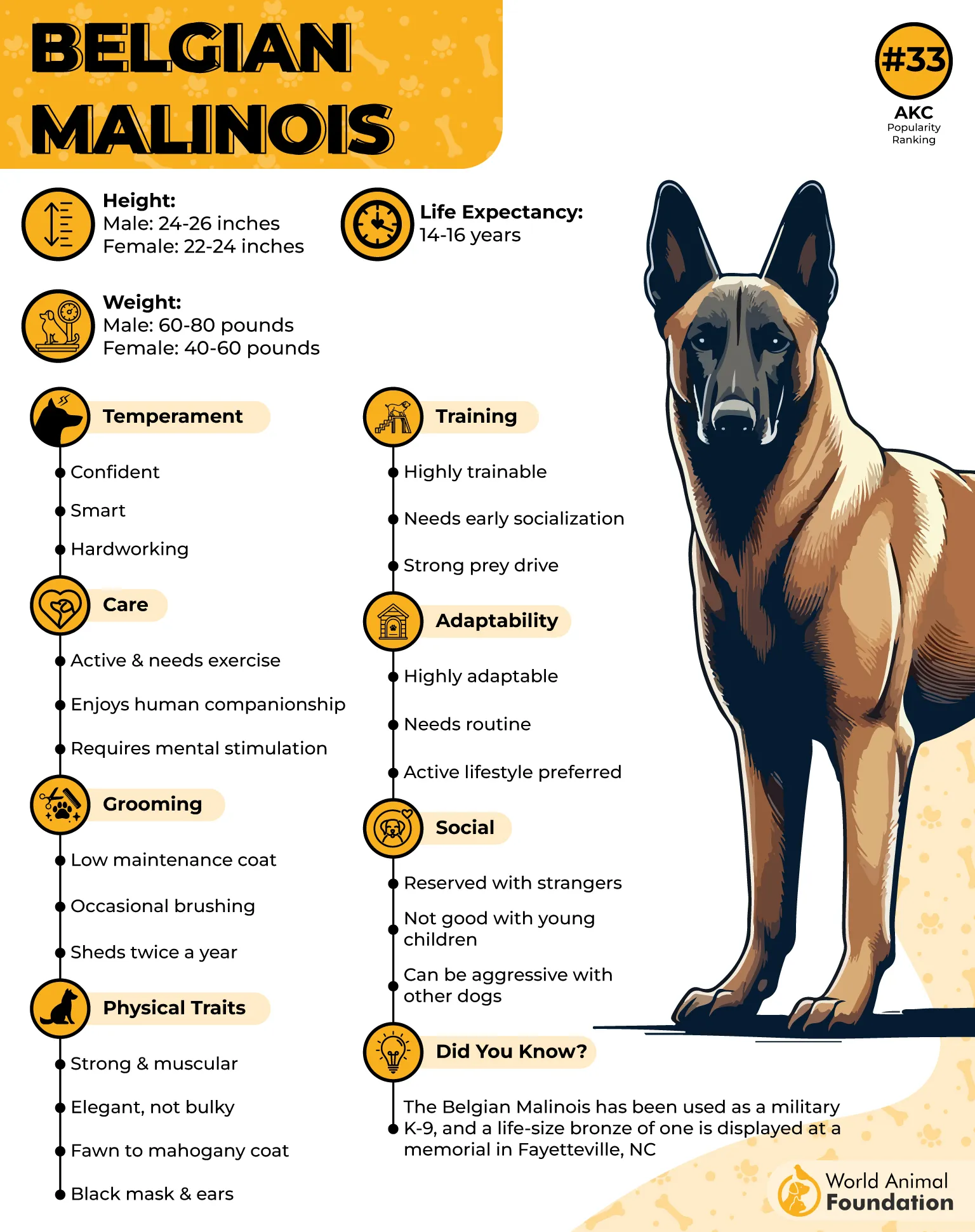
Driven Workers With Impressive Intelligence
Belgian Malinois are intelligent, energetic, loyal, and eager to work. They form strong bonds with their families and handlers but need early socialization and consistent training to channel their intense working instincts.
Their sharp minds allow them to learn quickly, while their athletic build helps them handle demanding physical tasks with ease.
High-Energy Companions That Need a Job
These farm dogs require plenty of daily exercise and mental stimulation to stay happy and well-behaved. Without enough activity or structure, they can become restless and develop unwanted behaviors.
Obedience, agility, tracking, running, hiking, herding trials, and other challenging activities give Belgian Malinois the physical and mental outlets they need to thrive.
Conclusion
Herding dogs are more than just energetic companions. They’re intelligent, hardworking breeds with strong instincts, impressive stamina, and a natural desire to have a job to do.
From their history on farms to their roles in modern homes and working fields, each breed brings its own personality, abilities, and care needs.
Before choosing a herding dog, consider its exercise requirements, training needs, grooming routine, and temperament to make sure it fits your lifestyle.
With the right guidance, activity, and companionship, these remarkable dogs can become loyal family members and enthusiastic partners for years to come.
