




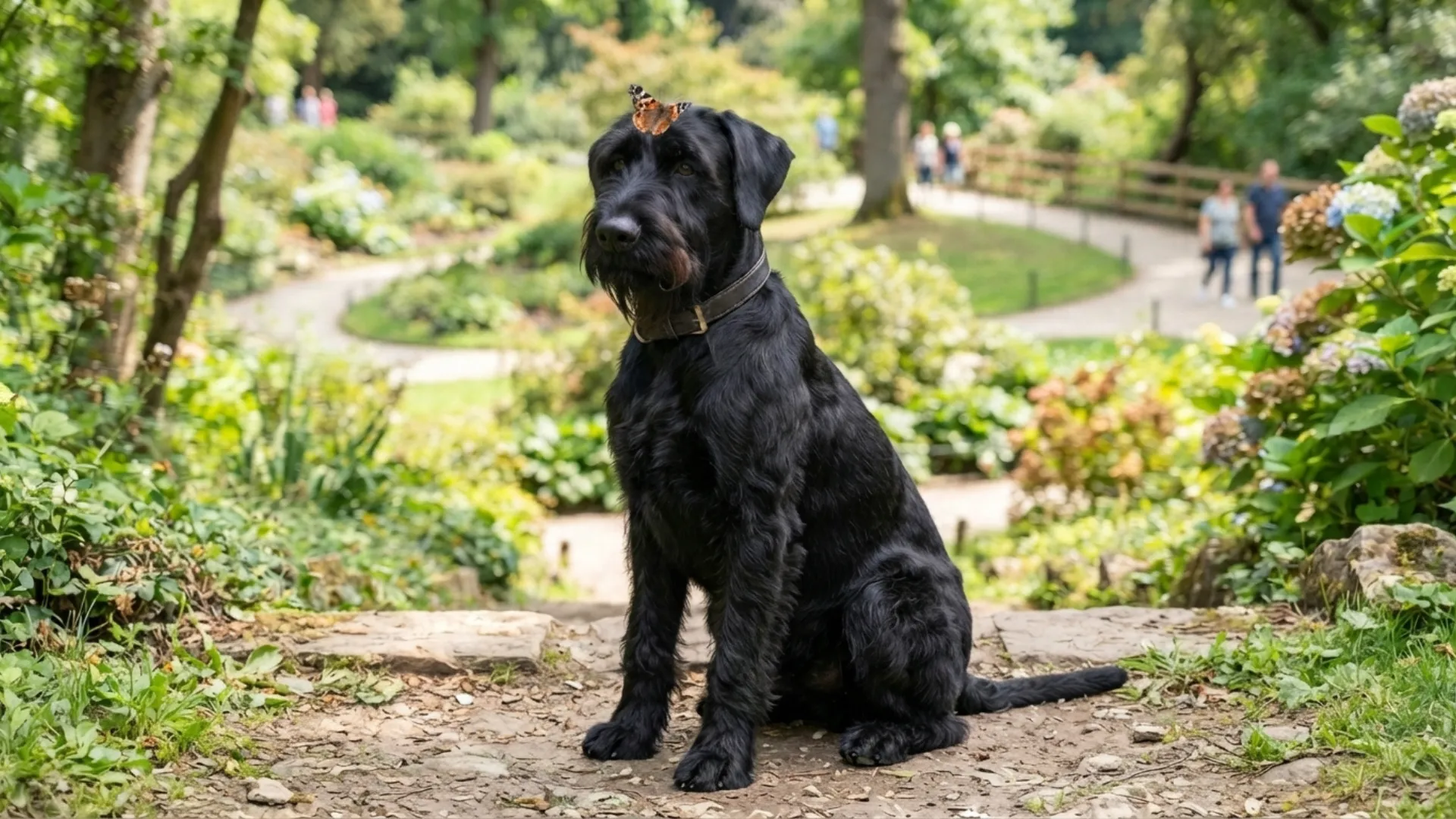
Bringing a protective dog home does not have to mean living with constant tension or reactivity. From powerful working breeds to devoted family guardians, some dogs combine strong protective instincts with the calm confidence needed for everyday life.
The best-balanced protectors know when to relax and when to pay attention. Their loyalty, intelligence, and steady nature can make them reassuring companions, but proper training, socialization, and responsible ownership remain essential.
Whether you prefer a large, imposing guardian or a more versatile protector, breed temperament can vary widely. The right match offers both a sense of security and a loving presence at home.
FACT: A calm protective dog is not necessarily low-energy—it is typically valued for confidence, stability, and the ability to distinguish ordinary situations from genuine concerns.
Protective Dog Breeds with a Calm and Even Temperament
1. Bullmastiff
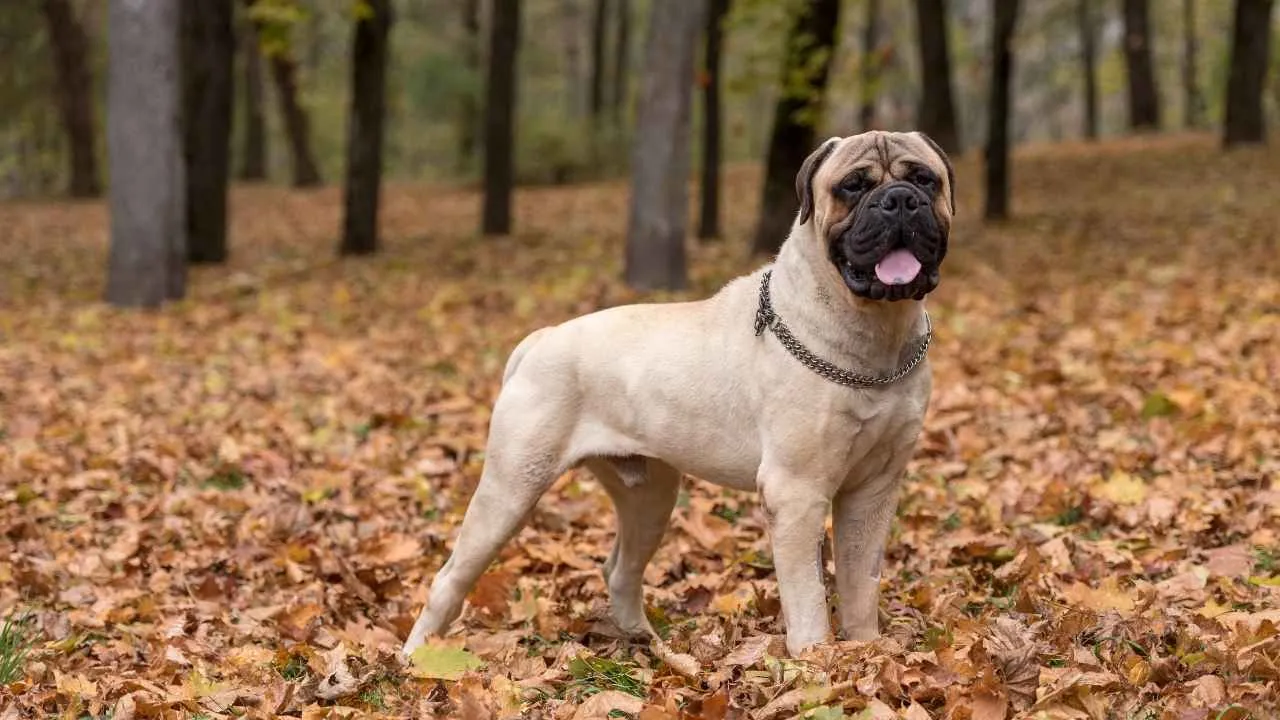
The Bullmastiff is a powerful yet composed guardian originally developed in England by crossing the Bulldog and Mastiff. Gamekeepers relied on these dogs to silently track and restrain poachers, creating a breed whose protective nature is rooted in controlled action rather than unnecessary aggression.
One of its defining traits is its quiet presence. A Bullmastiff does not usually bark simply to attract attention or react to every disturbance. Instead, it tends to observe its surroundings calmly, using its imposing appearance and natural confidence to deter potential threats.
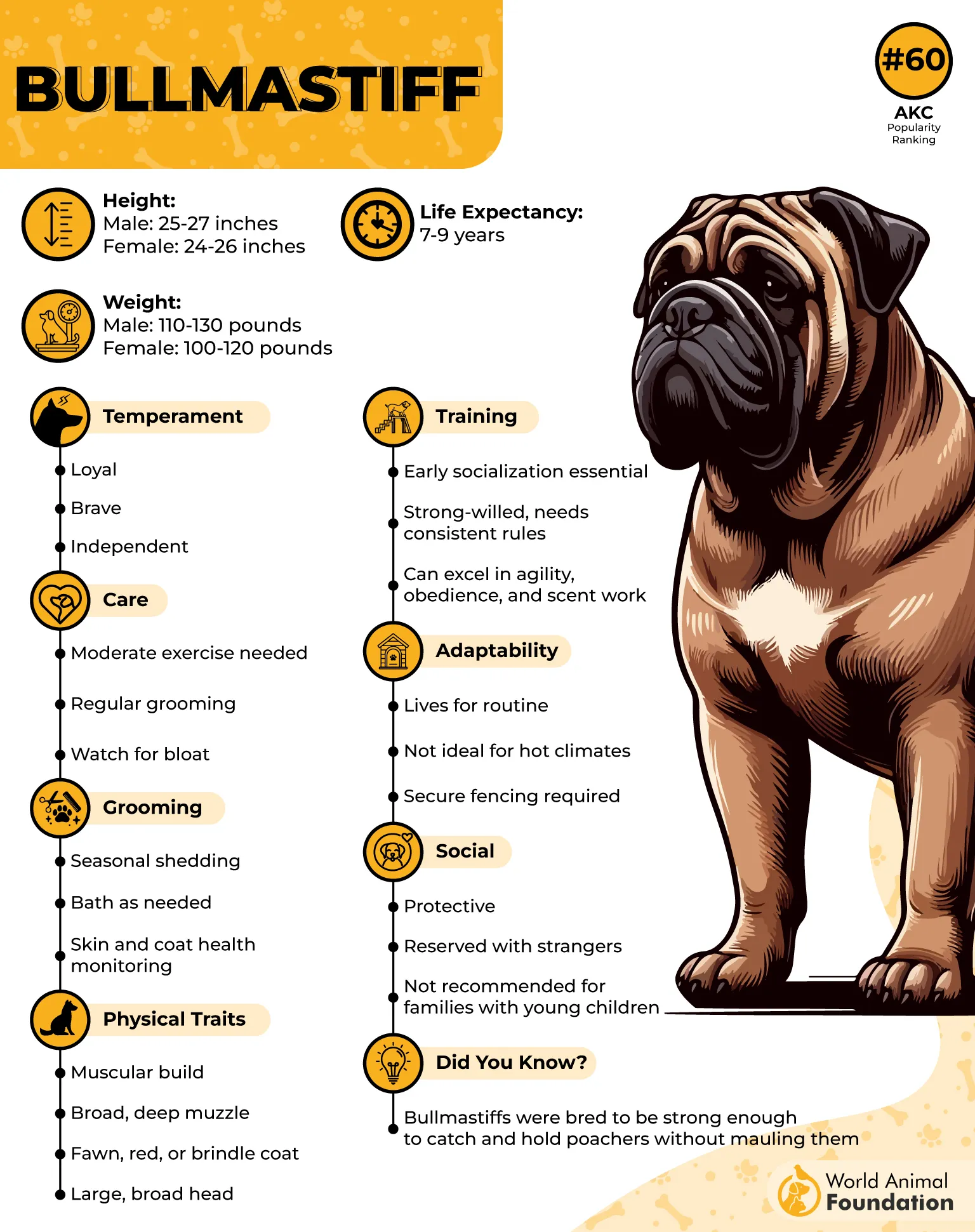
Behind that watchful exterior is a deeply loyal and affectionate companion. Often described as a gentle giant, the breed can be patient and loving with its family. Its calm, reassuring temperament helps it remain settled at home while staying naturally aware of its surroundings.
Early obedience training and consistent socialization are important because Bullmastiffs can have an independent streak. With firm, positive guidance, they can develop into confident, well-mannered dogs that understand when to stay relaxed and when their protective instincts are genuinely needed.
2. Cane Corso
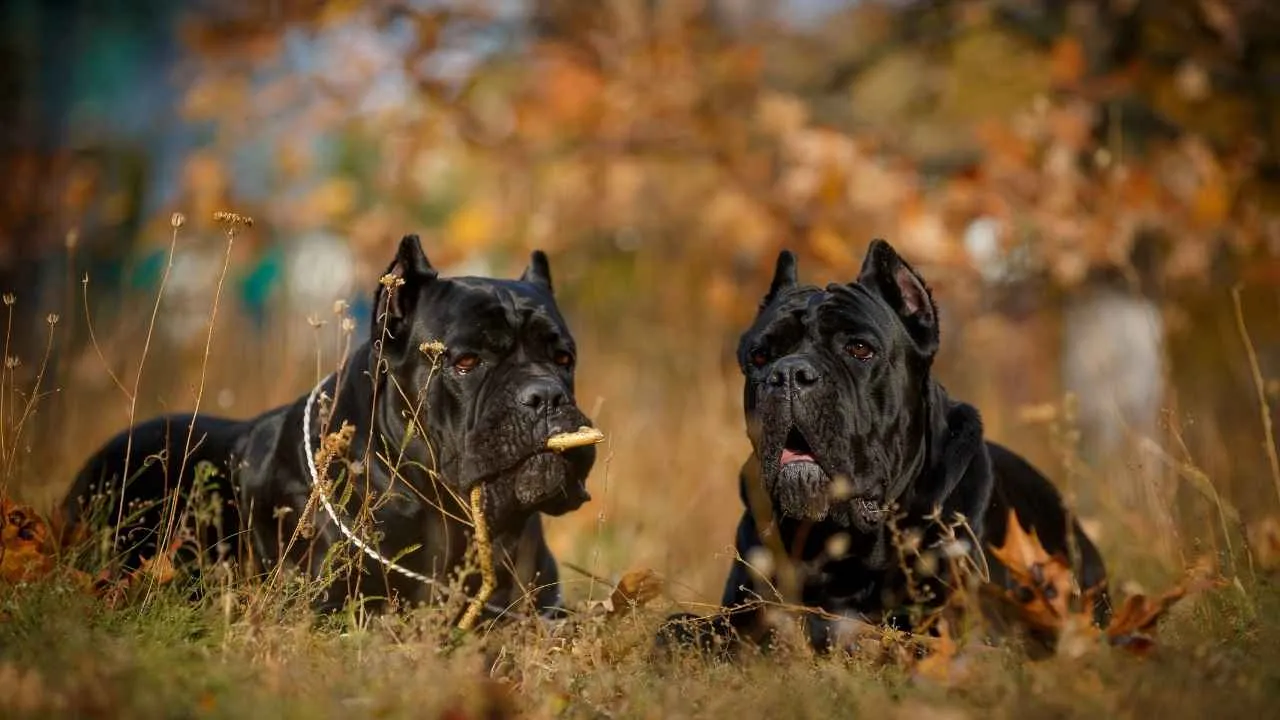
The Cane Corso carries a long history as an Italian guardian, with ancestors linked to ancient Roman Molossus dogs. According to Orvis, Cane Corsos were bred to guard homes, families, and livestock.
Despite its imposing appearance, a well-bred and properly trained Cane Corso does not need to react recklessly. Instead, it can observe unfamiliar situations with controlled awareness, often assessing people and surroundings before responding. This measured approach makes its protective temperament different from simple aggression.
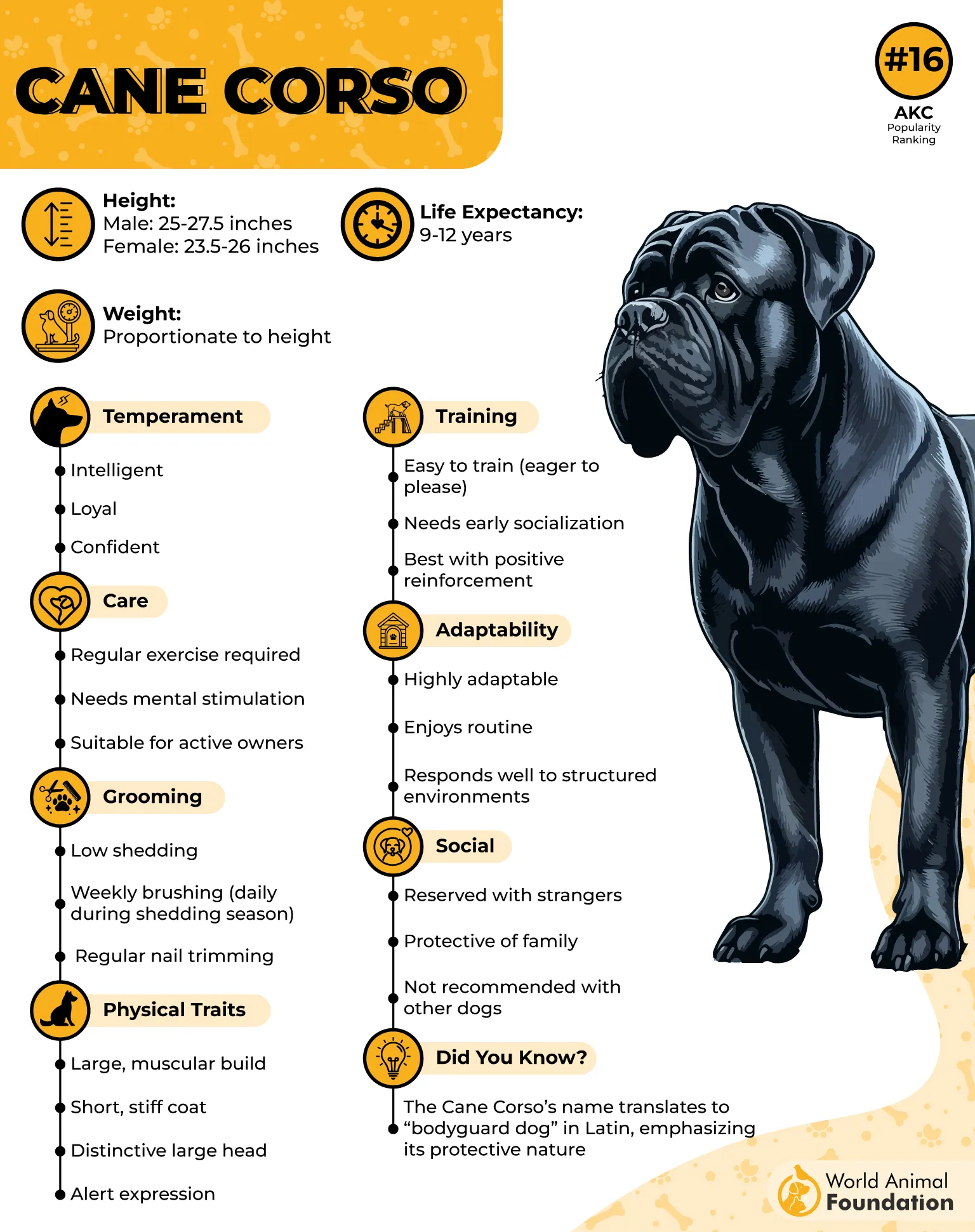
Corsos form exceptionally strong bonds with their families and can be highly territorial about their home. Their serious presence and natural confidence require clear boundaries, consistent training, and careful management.
Extensive socialization from puppyhood is particularly important for this powerful, strong-willed breed, as it helps the Cane Corso distinguish between normal visitors and genuine concerns.
3. Giant Schnauzer
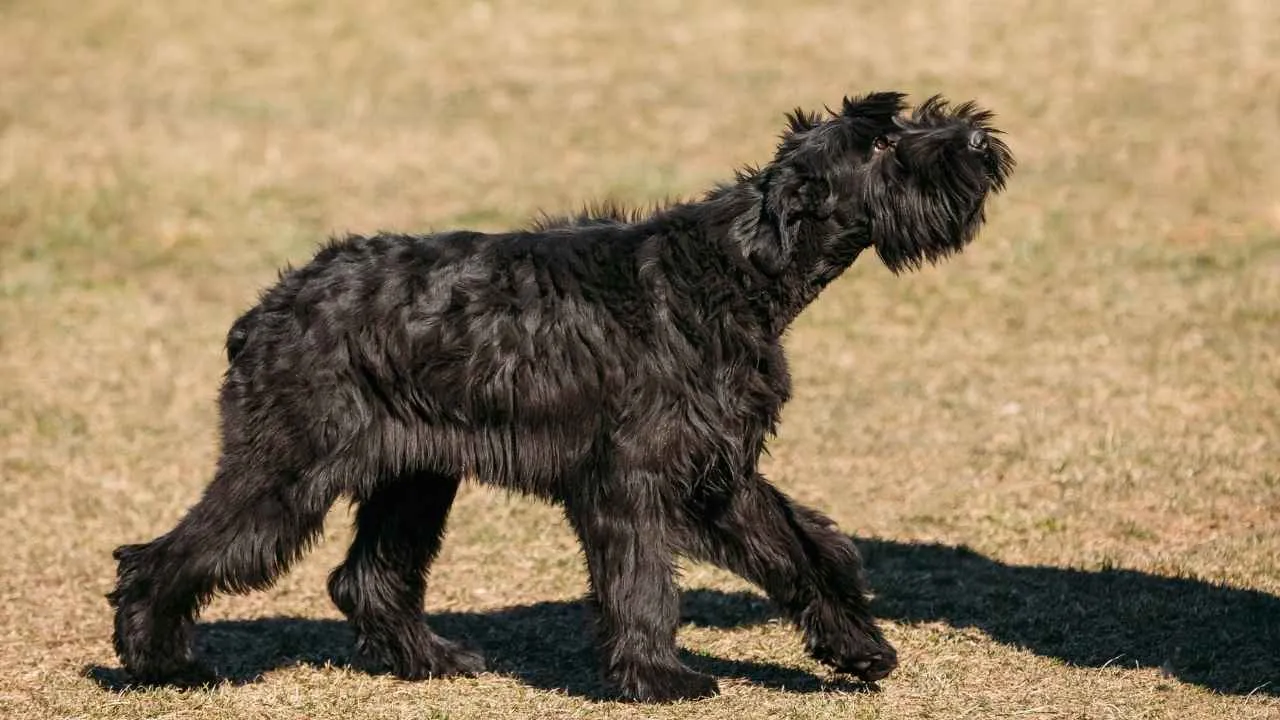
The Giant Schnauzer combines a commanding presence with sharp intelligence, making it a naturally alert protector of its home and family. Deep loyalty and a strong protective instinct give this powerful breed the confidence to watch over the people it loves.
Despite its serious appearance, this dog has plenty of energy and enjoys being part of an active household. Adventure can be especially appealing, as Giant Schnauzers are playful and often ready to jump into the car for the next outing. According to Purina, this is an athletic dog that enjoys spending time outdoors.
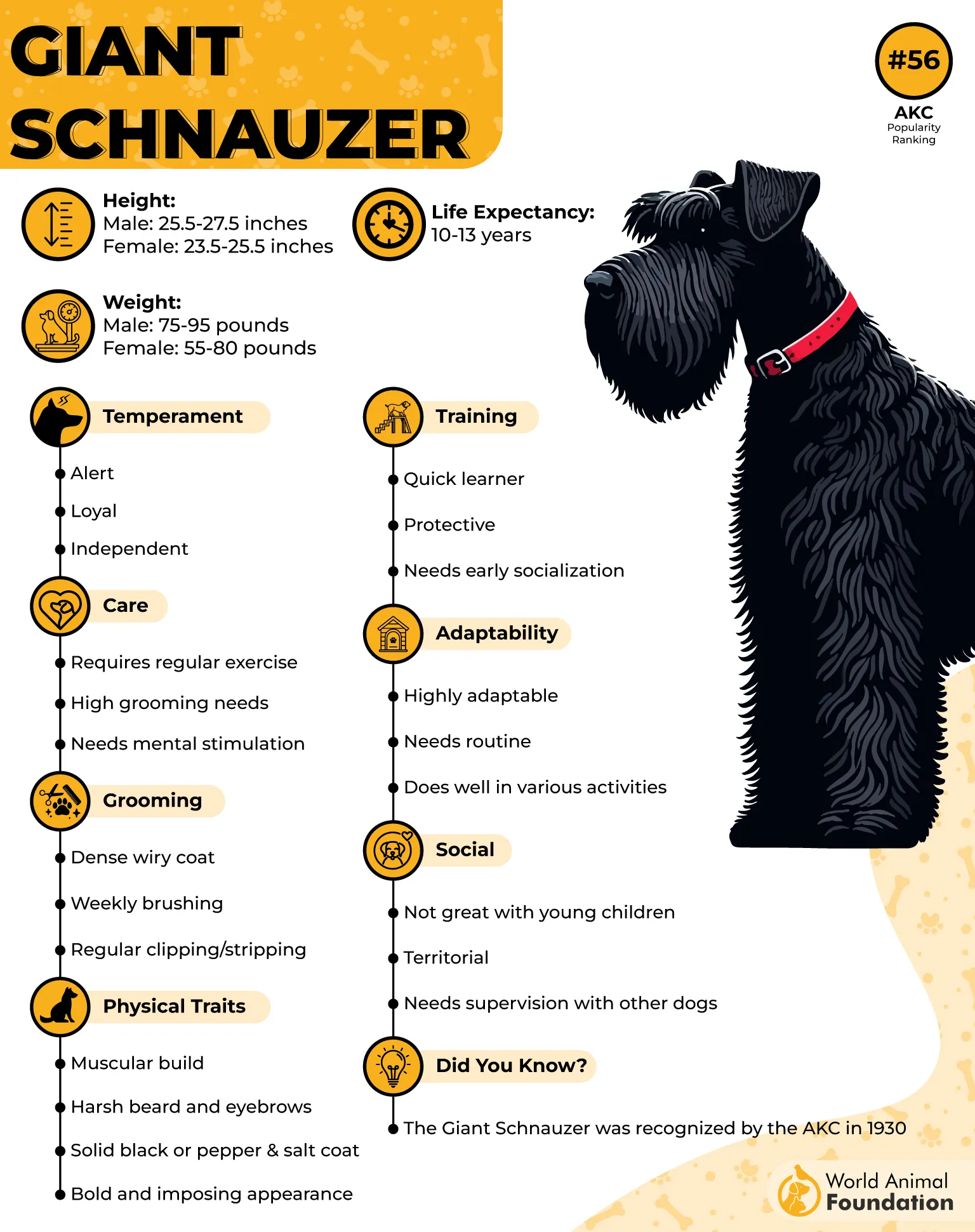
Their intelligence also means they need more than physical activity. Regular training, mental challenges, and structured routines help keep this occasionally mischievous breed focused and well-behaved.
A Giant Schnauzer thrives when given a purpose, whether learning advanced commands or taking on simple jobs around the home. Proper socialization, regular exercise, and regular grooming are essential for managing its energy and maintaining its distinctive weather-resistant coat.
4. Newfoundland
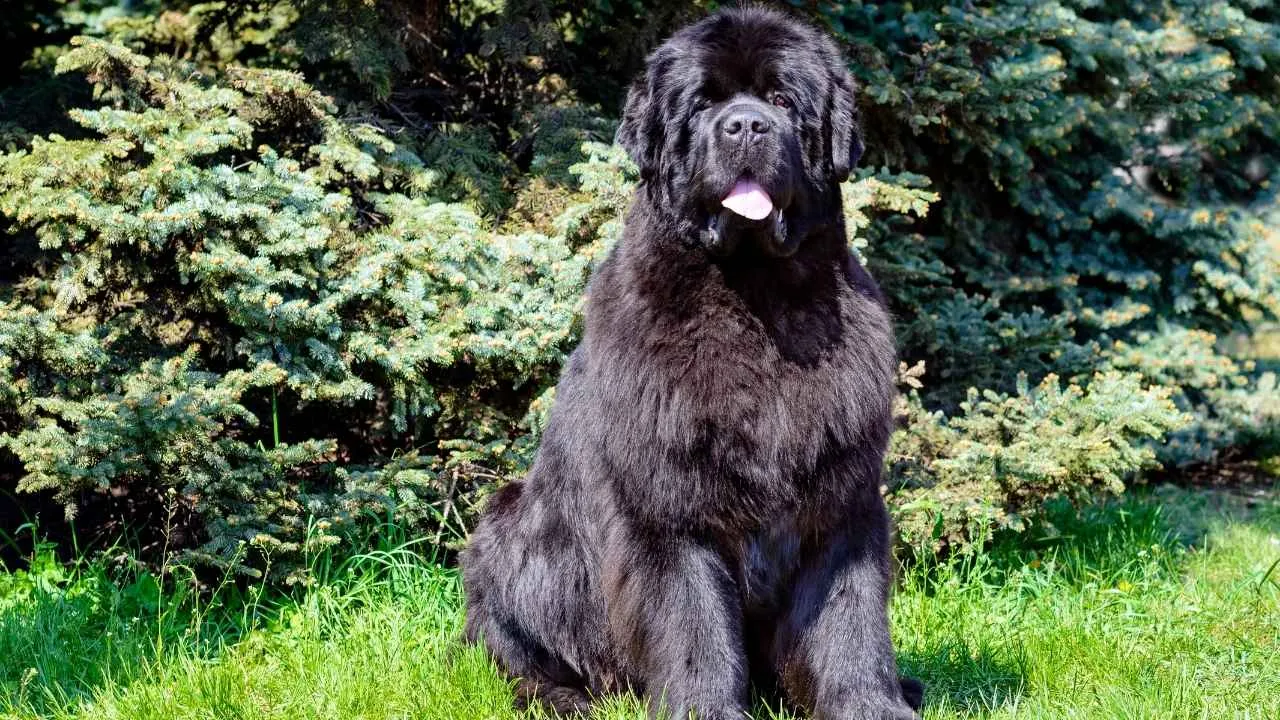
The Newfoundland’s enormous presence can be reassuring, but its heartwarming nature is what makes this gentle giant truly special. Originally developed on Newfoundland Island, this powerful working breed became famous for water rescues and could also serve as a watchdog and loyal companion.
Despite its impressive size and strength, the Newfoundland is generally calm, patient, and easygoing. Its gentle personality often extends to family members, visitors, other dogs, and household pets, while its natural affection for children has earned it the nickname “nanny dog.”
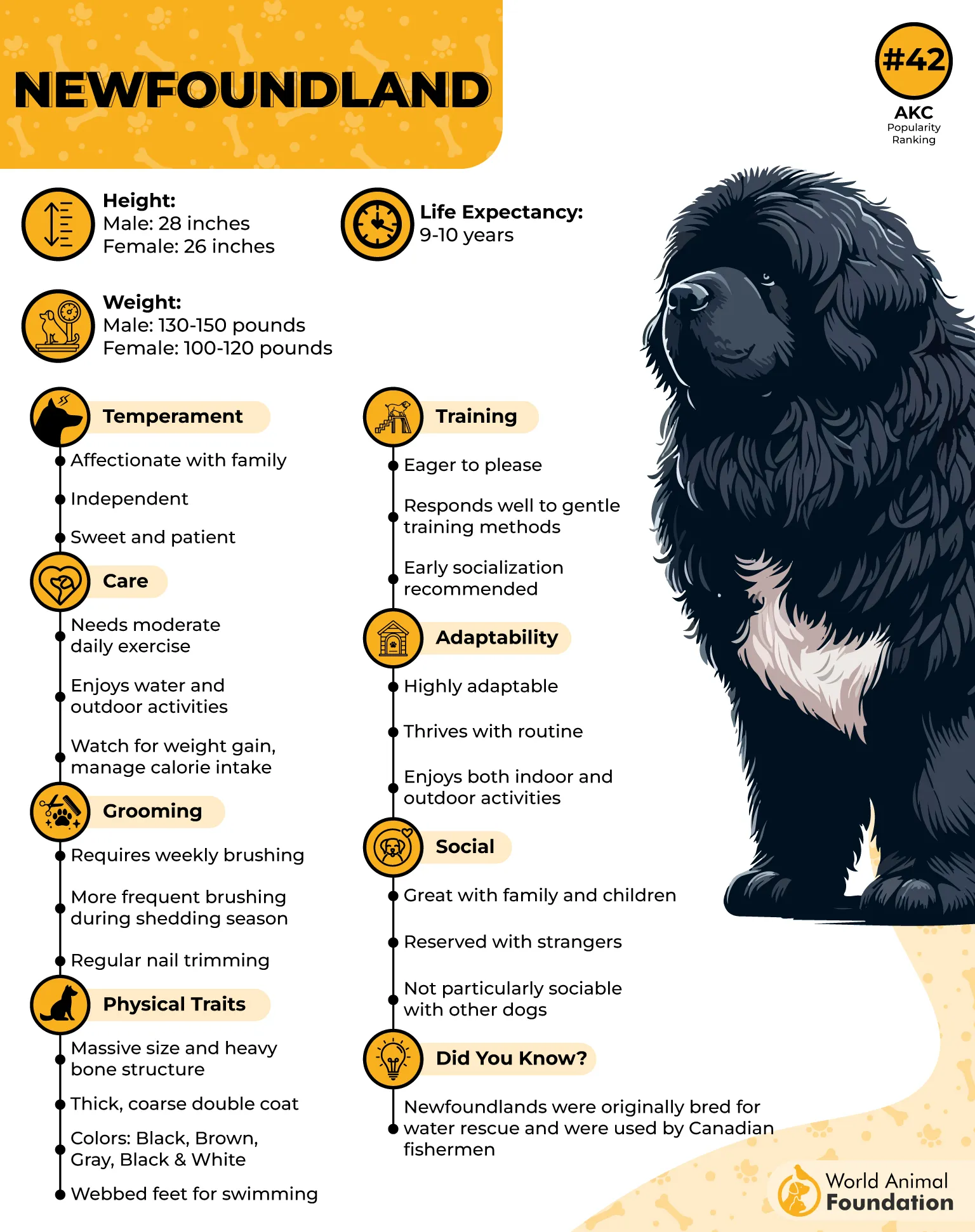
A Newfoundland can also offer a sense of protection without constantly displaying aggression. Its sheer size may be enough to make strangers think twice, while its history as a watchdog adds another layer to its reassuring presence.
Although affectionate and willing to please, this breed can respond slowly at times. Still, it is considered relatively easy to train for a giant breed, and its patient temperament can make its companionship especially comforting.
5. Bernese Mountain Dog
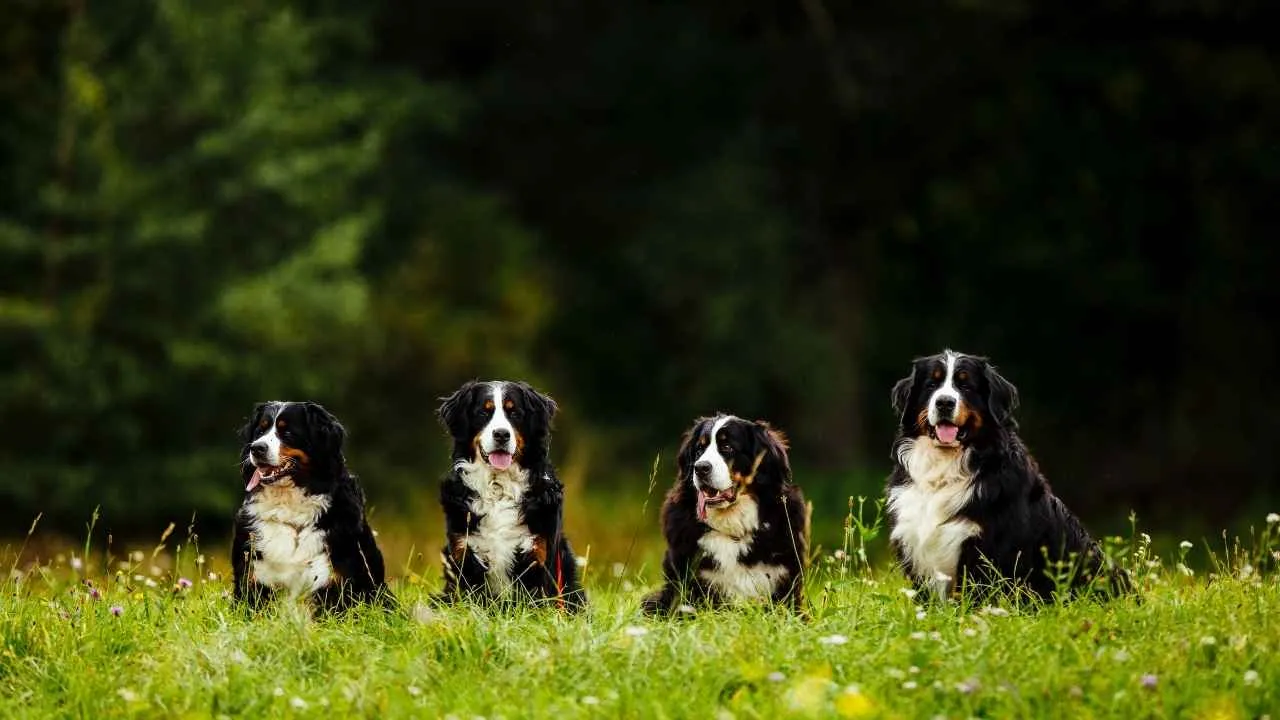
The Bernese Mountain Dog seems to carry the calmness of its Swiss mountain heritage wherever it goes. Originally developed as a hardworking farm dog, this large breed pairs a gentle heart with a steady, even-tempered nature, despite its imposing appearance.
At home, a Berner often prefers staying near its family, quietly observing what is happening. Its deep loyalty can also make it naturally watchful, and it may bark to alert its people when someone unfamiliar approaches.
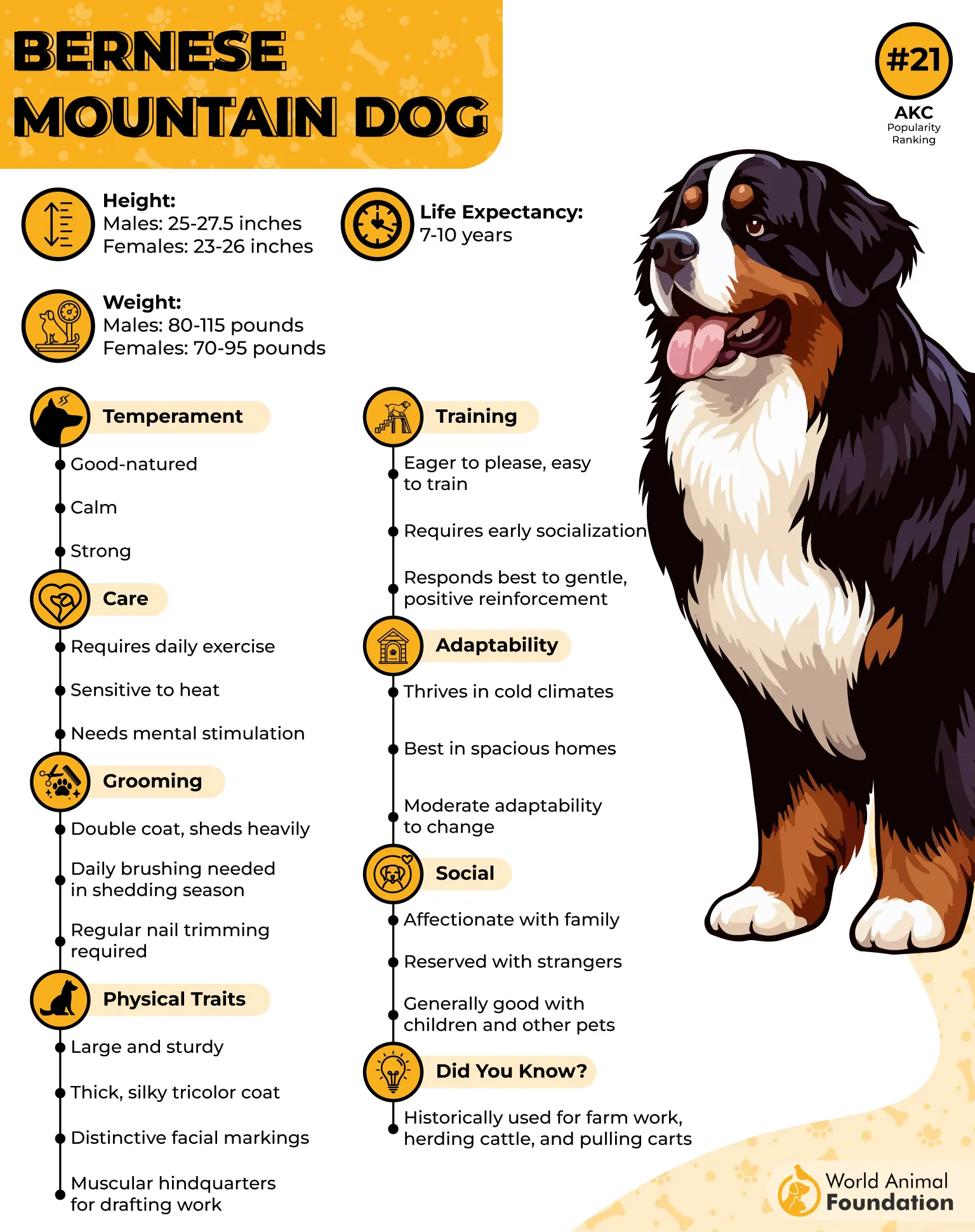
Beneath that protective awareness is an affectionate and loving personality. Berners form strong bonds with their families and are especially known for their gentle interactions with children.
They enjoy play and regular exercise but are not typically overly energetic indoors. With sufficient space, mental stimulation, and early socialization with other animals, they can grow into peaceful yet dependable companions.
6. Great Pyrenees
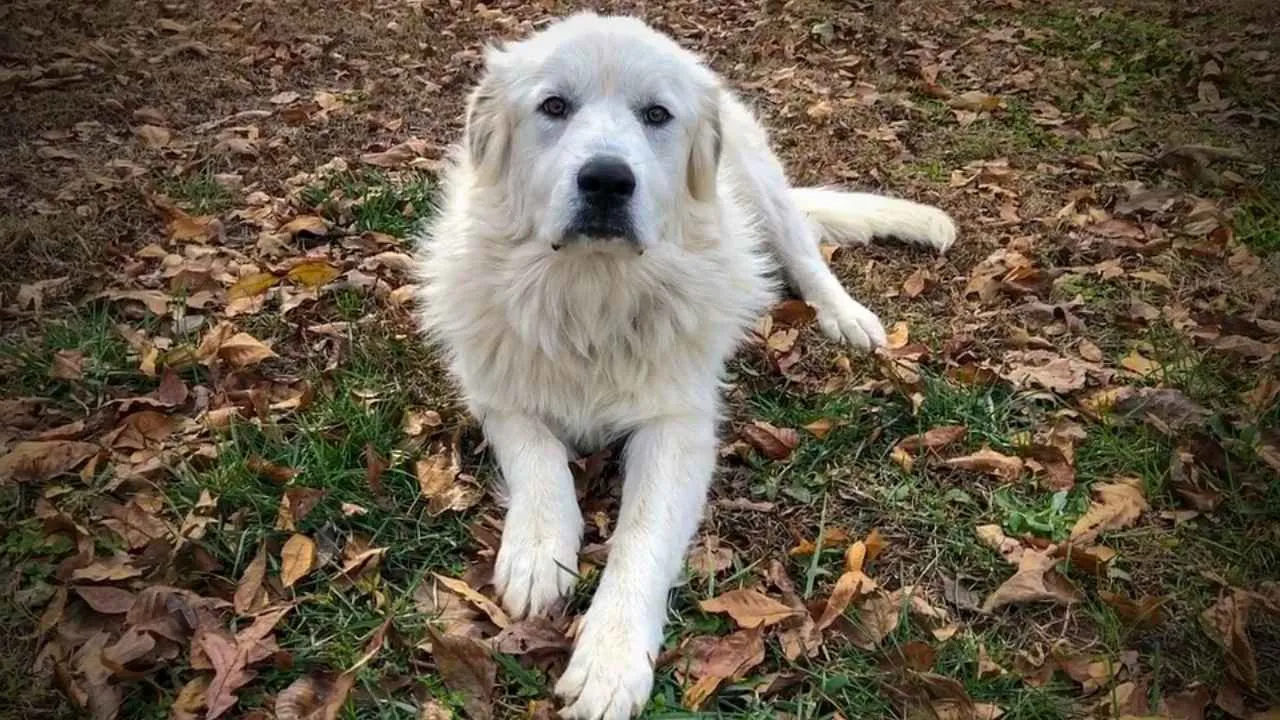
Bred for centuries to guard livestock in snowy mountain regions, the Great Pyrenees developed into a patient and dependable guardian capable of watching over its surroundings independently.
Rather than reacting to every movement, this calm breed often observes first. Its protective instincts remain strong, but its composed, dignified nature helps it assess unfamiliar situations before taking action. According to the AKC, Great Pyrenees are not a particularly active breed.
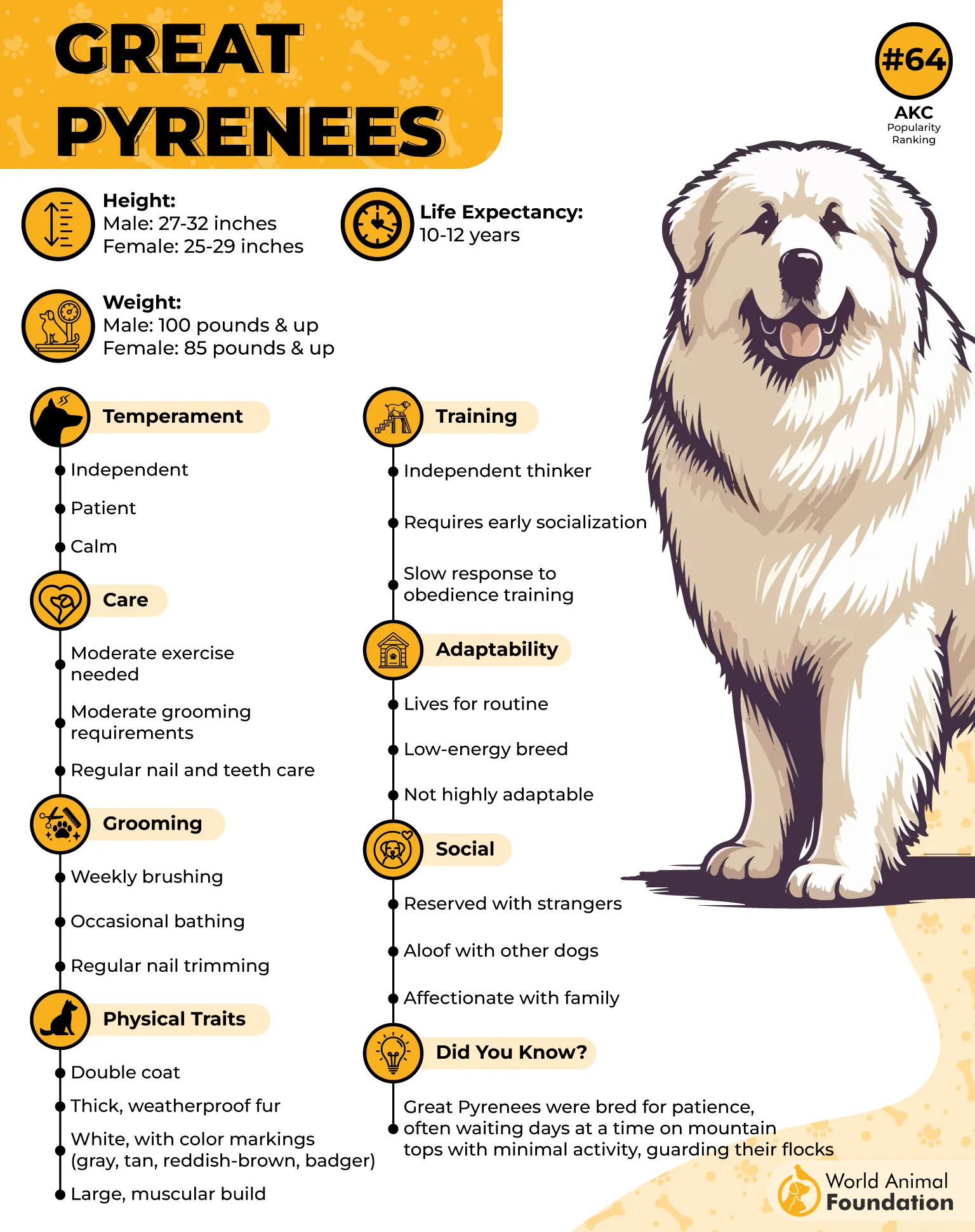
With family members, the Great Pyrenees can be remarkably affectionate, gentle, and especially protective of children. It may remain reserved around strangers, making early socialization important for developing a well-adjusted temperament.
This intelligent but independent dog responds best to patient, consistent training and positive reinforcement. Moderate exercise, secure outdoor space, and companionship suit its needs, while its historical role as an autonomous livestock guardian explains its occasional stubborn streak.
7. Great Dane
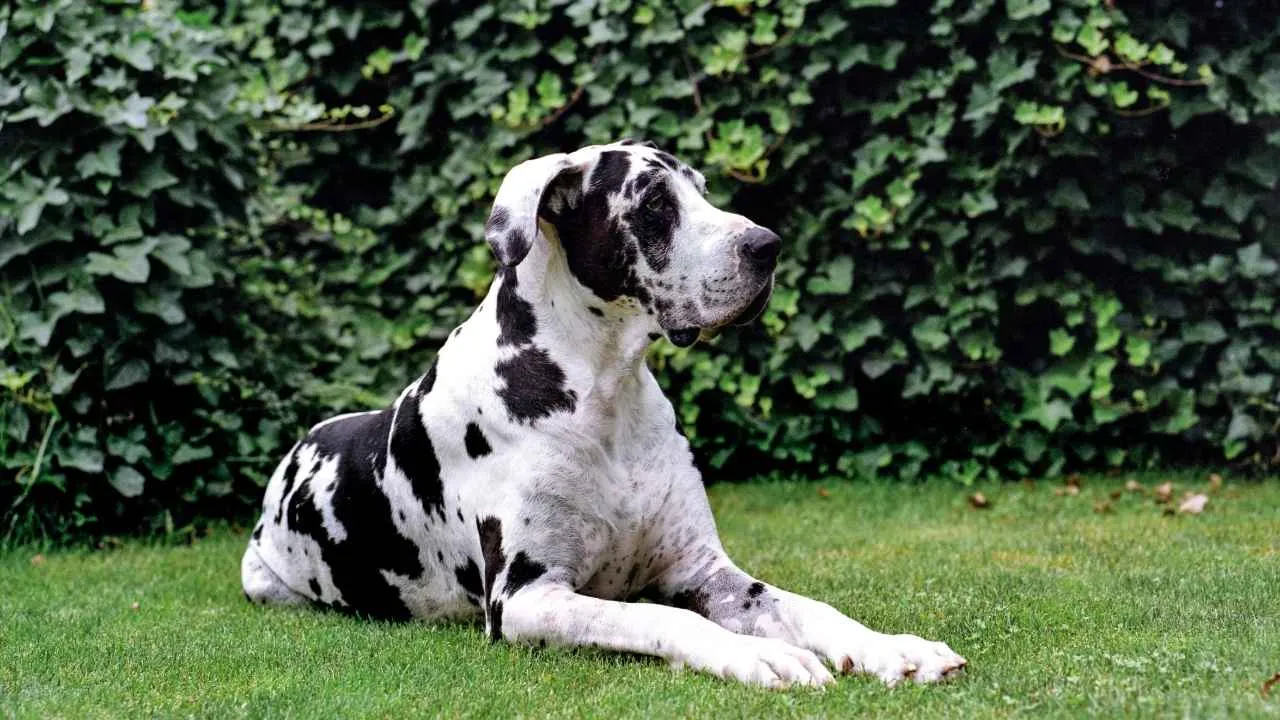
The Great Dane is a towering companion with a surprisingly gentle side. Although its imposing size can make strangers think twice, this breed is typically affectionate, patient, and deeply devoted to its family. Its history as a German estate guardian also adds to its naturally protective presence.
At home, Great Danes often prefer a relaxed lifestyle. Despite their large build, many enjoy lounging beside their people and can behave like oversized couch potatoes when their exercise needs are met.
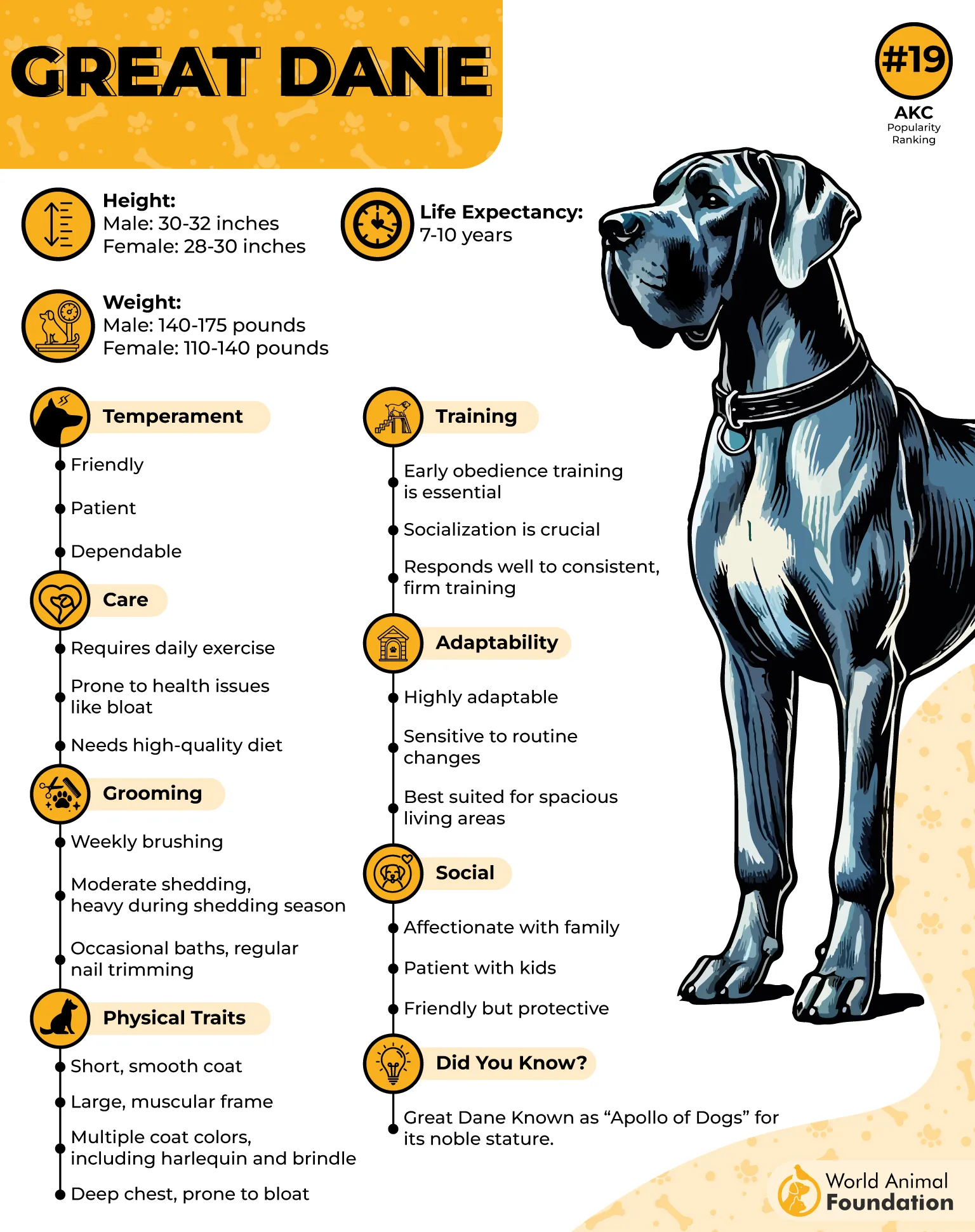
Their patient and laid-back nature can also help them live peacefully with other pets. Early socialization is important, allowing them to grow into well-mannered dogs that remain calm in different situations.
Great Danes are trainable, though occasional stubbornness may require consistent guidance. Long walks, room to stretch, and mental stimulation suit their lifestyle, while their sheer size and watchful presence can make them effective natural deterrents.
Conclusion
Protective dogs do not always need to be intense or difficult to manage. Some breeds combine natural watchfulness with a calm, steady nature, making them dependable companions for households seeking both security and affection.
From loyal family guardians to gentle giants with an imposing presence, these dogs can offer reassurance without bringing constant chaos into the home. Their protective instincts often work alongside patience, loyalty, and strong bonds with their people.
However, temperament depends on proper socialization, training, and responsible care. Even a naturally even-tempered dog needs guidance, exercise, mental stimulation, and an environment that supports its individual needs.
Choosing the right breed means considering your lifestyle, living space, and ability to meet its needs. With the right match and consistent care, a calm protective dog can become both a devoted companion and a reassuring presence at home.
