




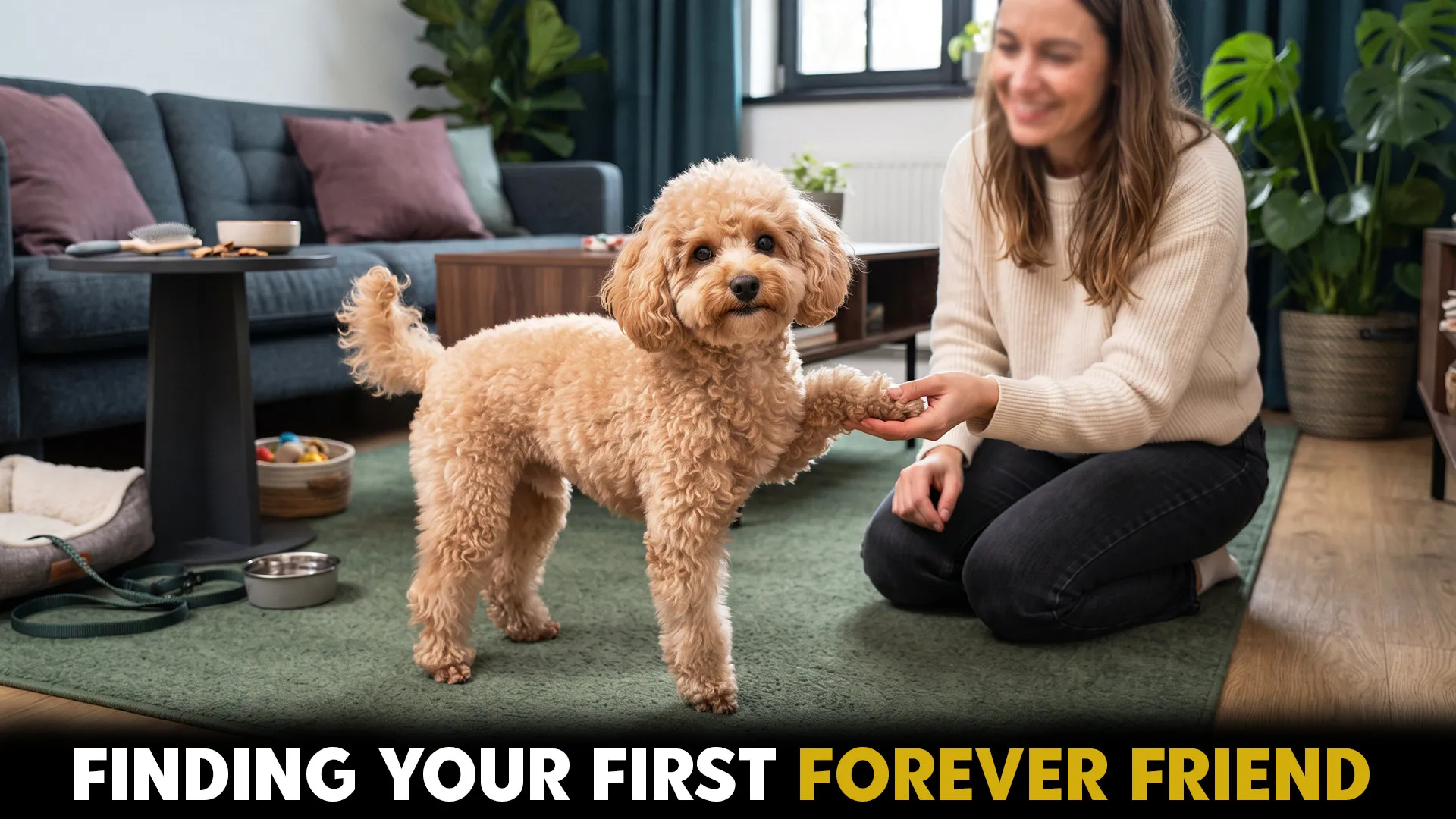
Choosing a first dog is an exciting decision, but finding a breed that matches your experience level can make the transition into dog ownership considerably smoother. Every dog requires commitment, including proper nutrition, veterinary attention, exercise, socialization, training, and companionship.
For beginners, certain breeds can be especially appealing because their personalities, size, trainability, or household adaptability may be easier to navigate. That does not mean they are effortless pets.
Individual dogs can differ significantly, and even breeds known for being approachable still need patient guidance and consistent care.
The following breeds offer a variety of qualities that may suit people welcoming their first dog. Some are eager learners, others are naturally affectionate, while several combine manageable physical requirements with adaptable personalities.
Amazing Dog Breeds for First-Time Dog Ownership
1. Border Terrier
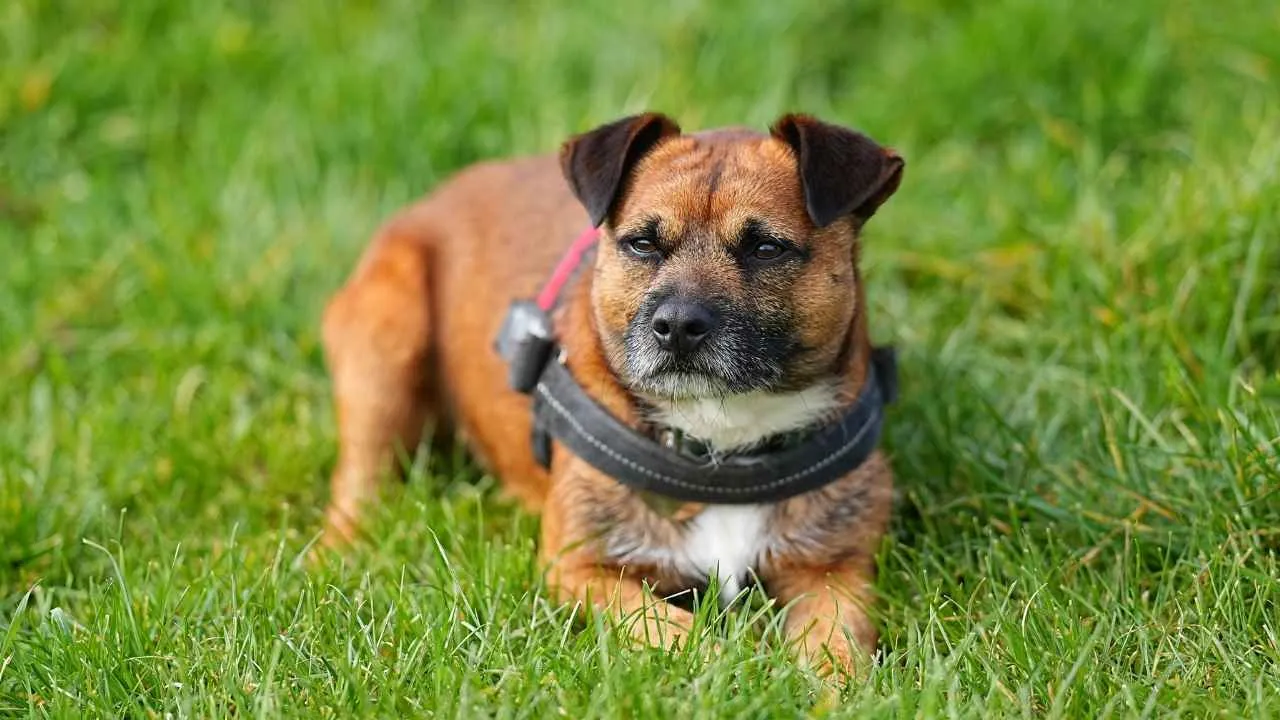
Border Terriers originated along the border region between England and Scotland, where farmers and hunters valued them for their ability to pursue foxes and control vermin, as noted by Britannica. Their working background produced a sturdy, energetic small dog with considerable determination despite its modest size.
Spirited Without Being Overwhelming
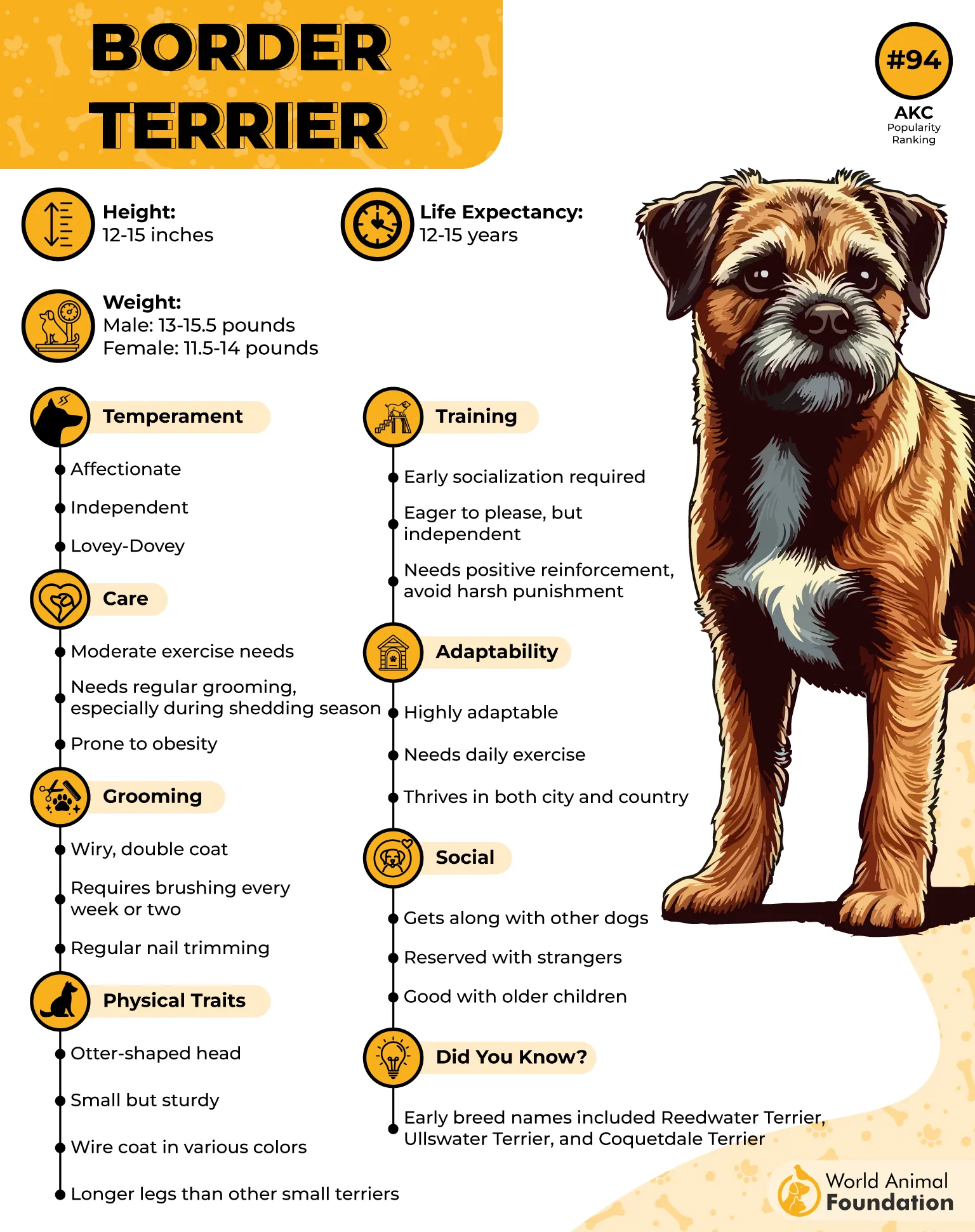
Border Terriers are often lively, curious, and strongly connected to their families. They enjoy exploring and playing but can settle down after receiving enough physical and mental activity. Their size can also make everyday handling relatively straightforward for a new owner.
A Small Dog with a Practical Coat
The Border Terrier’s rough, weather-resistant coat generally does not demand elaborate styling. Regular brushing and occasional coat maintenance can help keep it in good condition. Beginners should remember that their terrier instincts can make chasing and investigating especially appealing, so secure outdoor areas and dependable training are important.
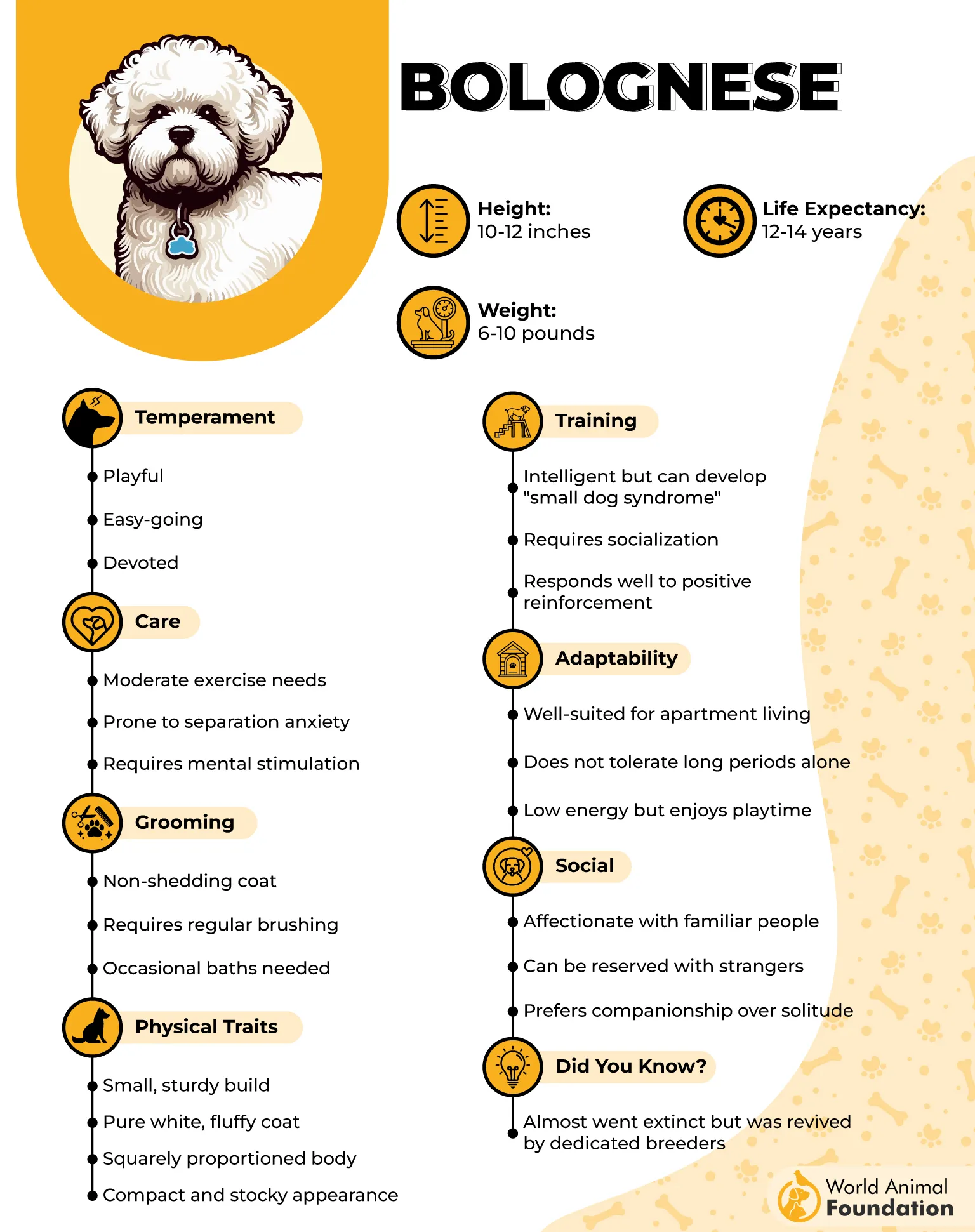
2. Bolognese
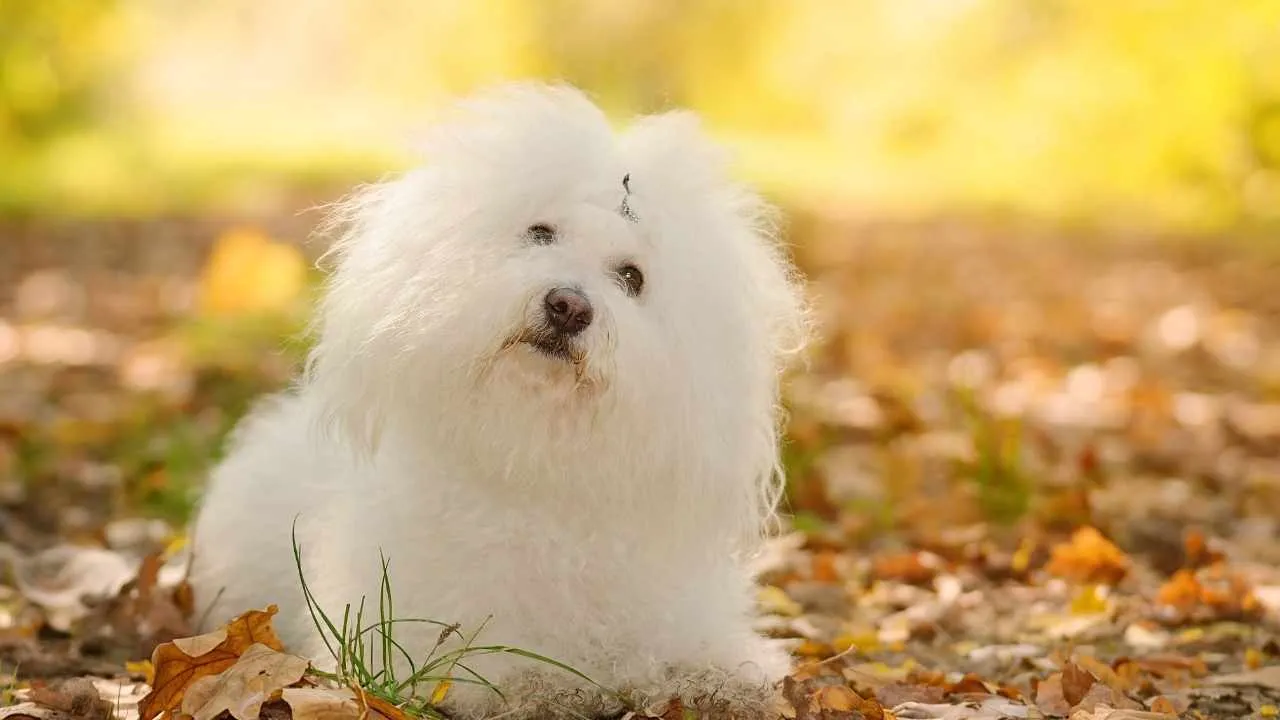
The Bolognese is an Italian companion breed with a long history among European aristocratic households. Developed primarily for companionship, these small white dogs became valued for their affectionate personalities and close relationships with their owners.
Gentle, Devoted, and People-Focused
Bolognese dogs tend to form strong bonds with their families and often enjoy spending substantial time with their people. Their relatively calm nature can work well for households looking for a companion rather than a dog with demanding working requirements.
Soft Coats Require Consistent Attention
The breed’s fluffy white coat needs regular brushing to prevent knots and tangles. Owners who prefer convenience may choose a shorter pet trim, although grooming remains part of responsible care. Their small size can make bathing, transportation, and routine handling easier for someone new to dog ownership.
3. Toy Poodle

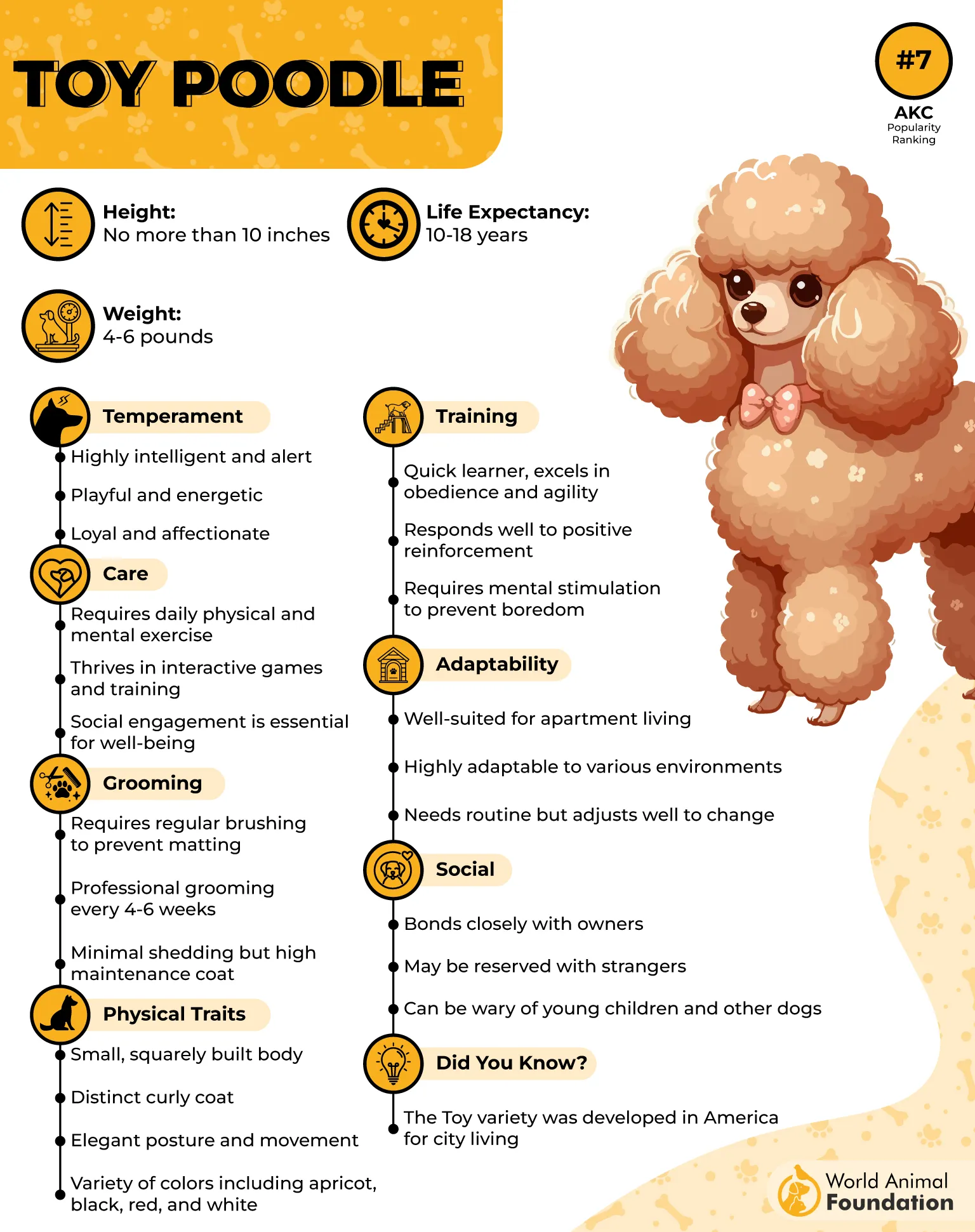
Toy Poodles are the smallest recognized Poodle variety and share the breed’s reputation for intelligence and responsiveness. Although Poodles are often associated with elegant companion dogs, their ancestry includes water retrieving and working activities, which helps explain their physical coordination and mental sharpness.
Clever Dogs That Enjoy Learning
A Toy Poodle can be an excellent introduction to training because these dogs often pick up new commands and routines quickly. They typically enjoy interaction and can thrive on games that involve both movement and problem-solving. Their intelligence also means they benefit from having enough stimulation throughout the week.
A Compact Companion with Regular Grooming Needs
Their small stature can simplify many aspects of ownership, particularly transportation and indoor exercise. However, the continuously growing coat needs brushing and professional clipping to prevent matting. Establishing a dependable grooming schedule from the beginning can make coat care much easier for inexperienced owners.
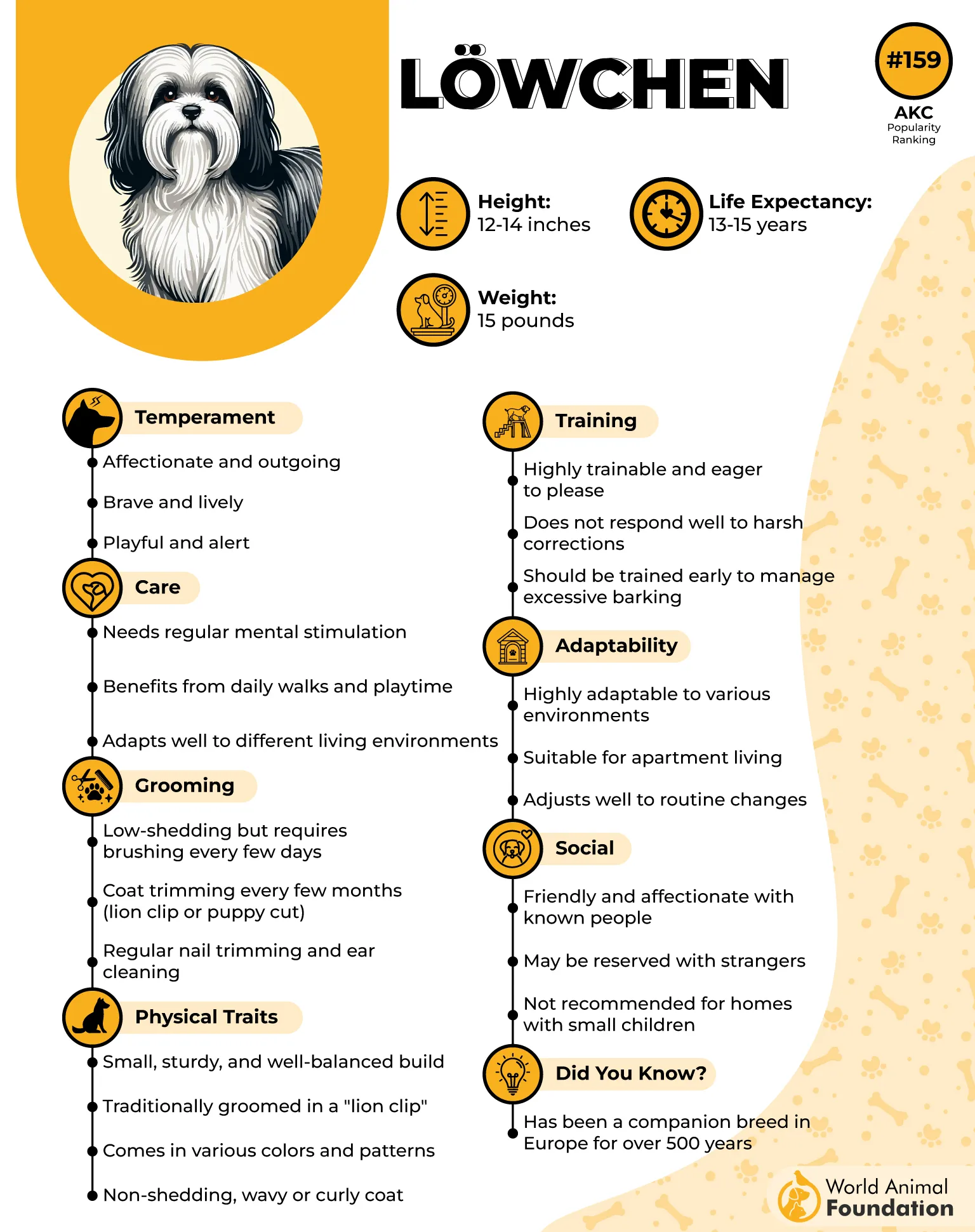
4. Lowchen
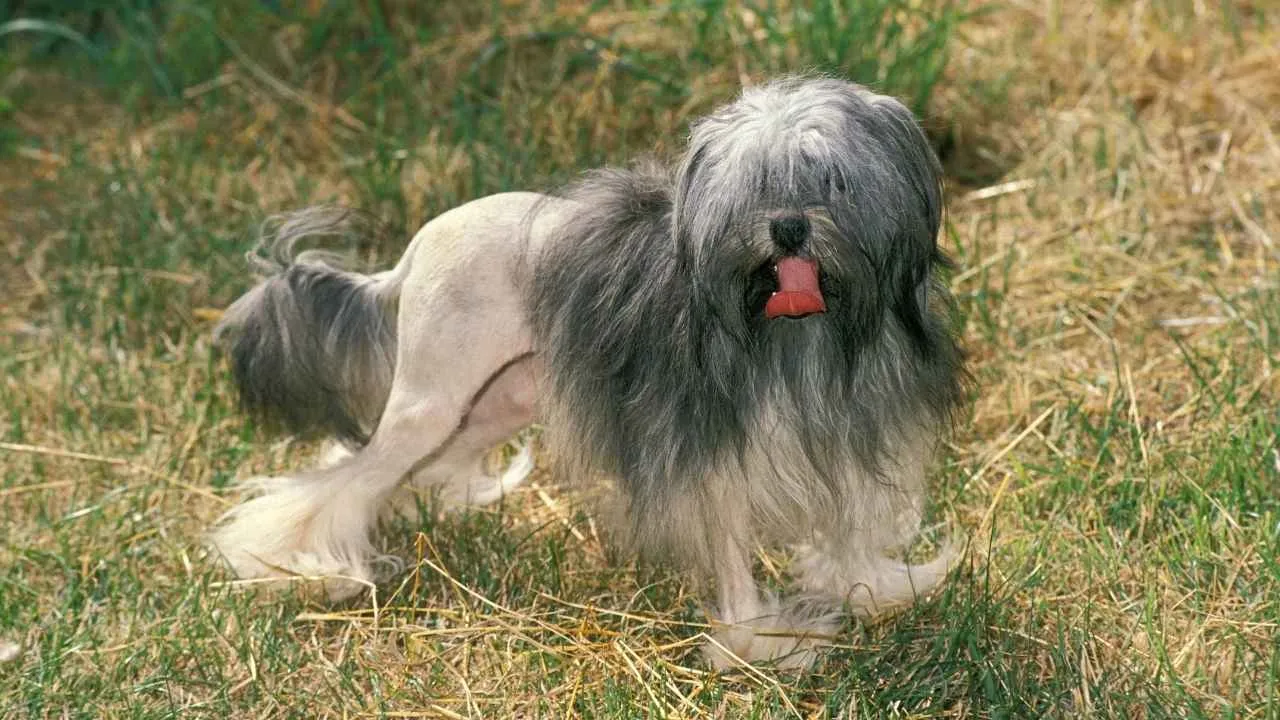
The Lowchen, whose name means “little lion” in German, is a historic European companion breed. Its distinctive appearance and affectionate nature helped it become associated with households seeking a personable small dog. Despite its decorative appearance, the breed is generally active and enjoys participating in family activities.
Friendly, Bright, and Full of Character
Lowchen are often cheerful and responsive, with enough energy to enjoy walks and games without being an especially intense, muscular breed. Their affectionate disposition can make them engaging companions for owners who want a dog that remains closely involved in household life.
Grooming Can Be Tailored to the Owner
The Lowchen’s coat can be styled in different ways, including the traditional “lion” appearance. Owners who want a simpler routine can opt for a practical pet trim, though brushing and periodic professional grooming are still necessary. Early training and socialization can help this confident little breed develop into a well-mannered companion.
5. Russian Tsvetnaya Bolonka
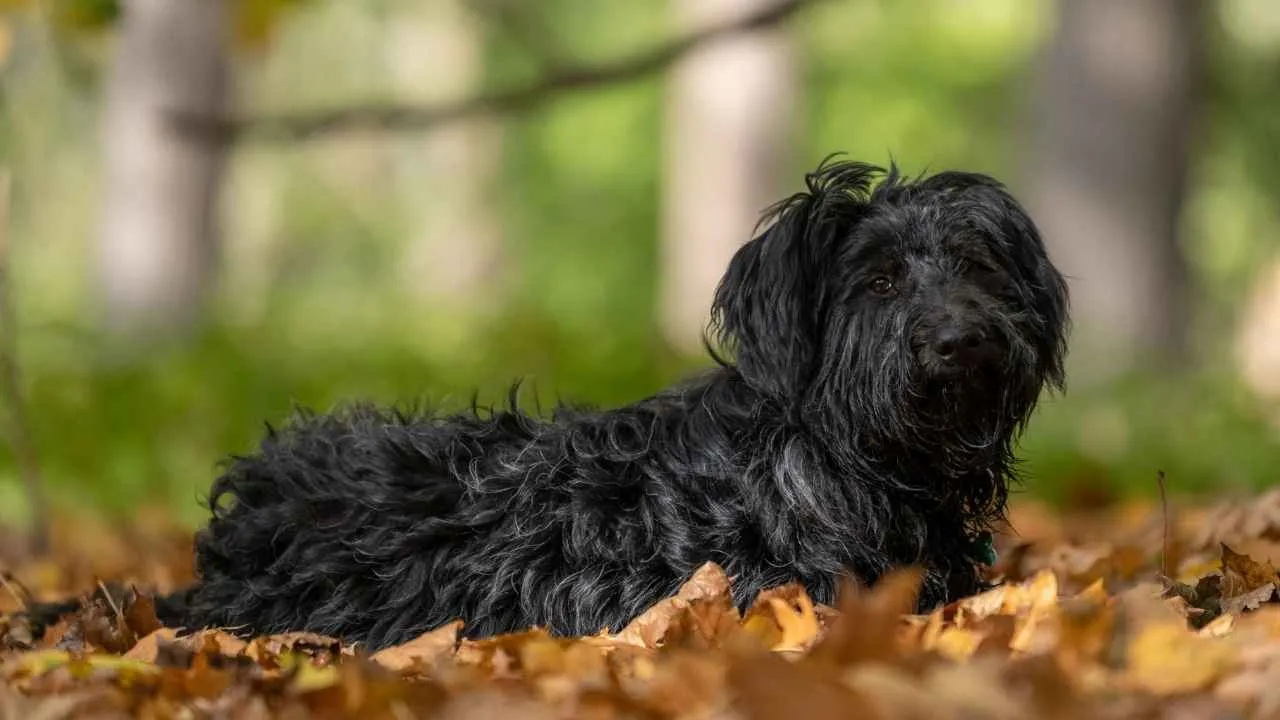
The Russian Tsvetnaya Bolonka was developed in Russia from small companion-dog lines and was bred primarily for life as a household pet, as noted by the AKC. Its history is closely connected with the development of small companion breeds suited to urban homes.
Affectionate and Well Suited to Companion Life
These dogs are generally social and attached to their owners, making them appealing to people who want a close canine companion. Their small size can also make them practical for many indoor living situations. As with other companion breeds, they tend to appreciate regular human interaction.
A Small Breed with a Manageable Household Presence
The Bolonka’s textured coat requires routine brushing and grooming, particularly when kept longer. Maintaining an appropriate haircut can make everyday coat care more manageable. Their compact frame also makes routine handling relatively convenient, although their social nature means owners should not overlook their need for companionship.
6. Havanese
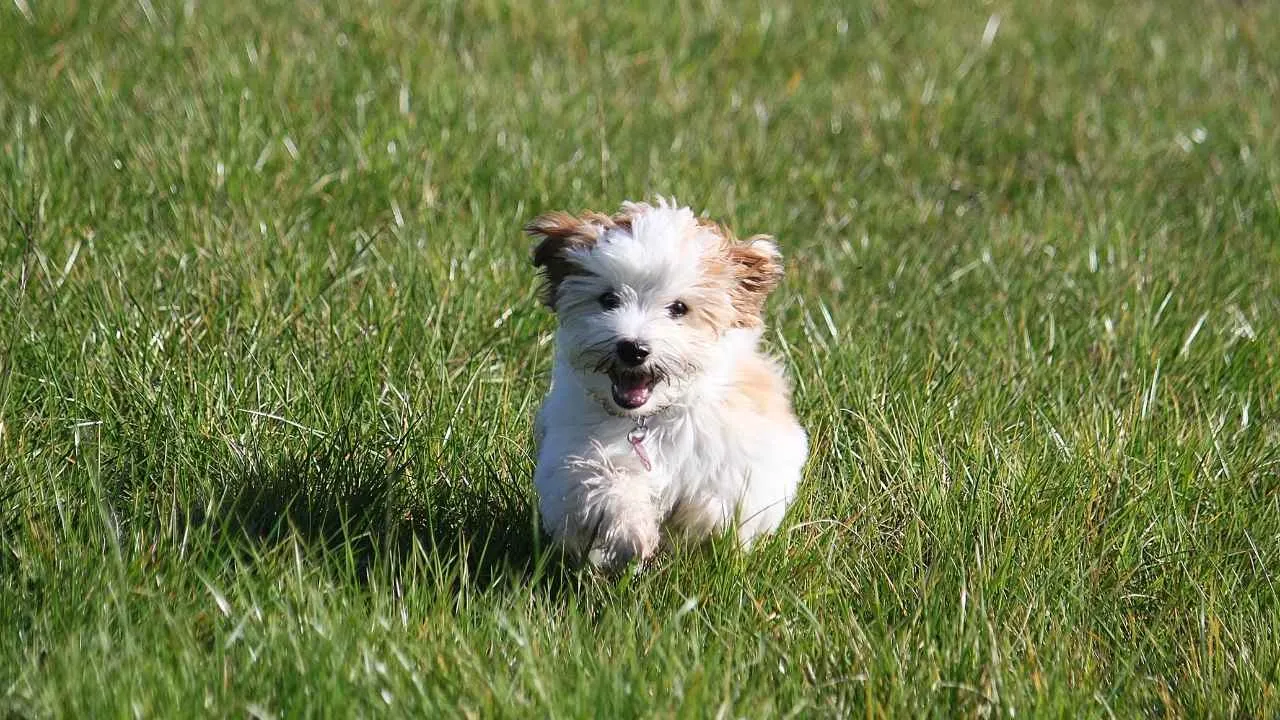
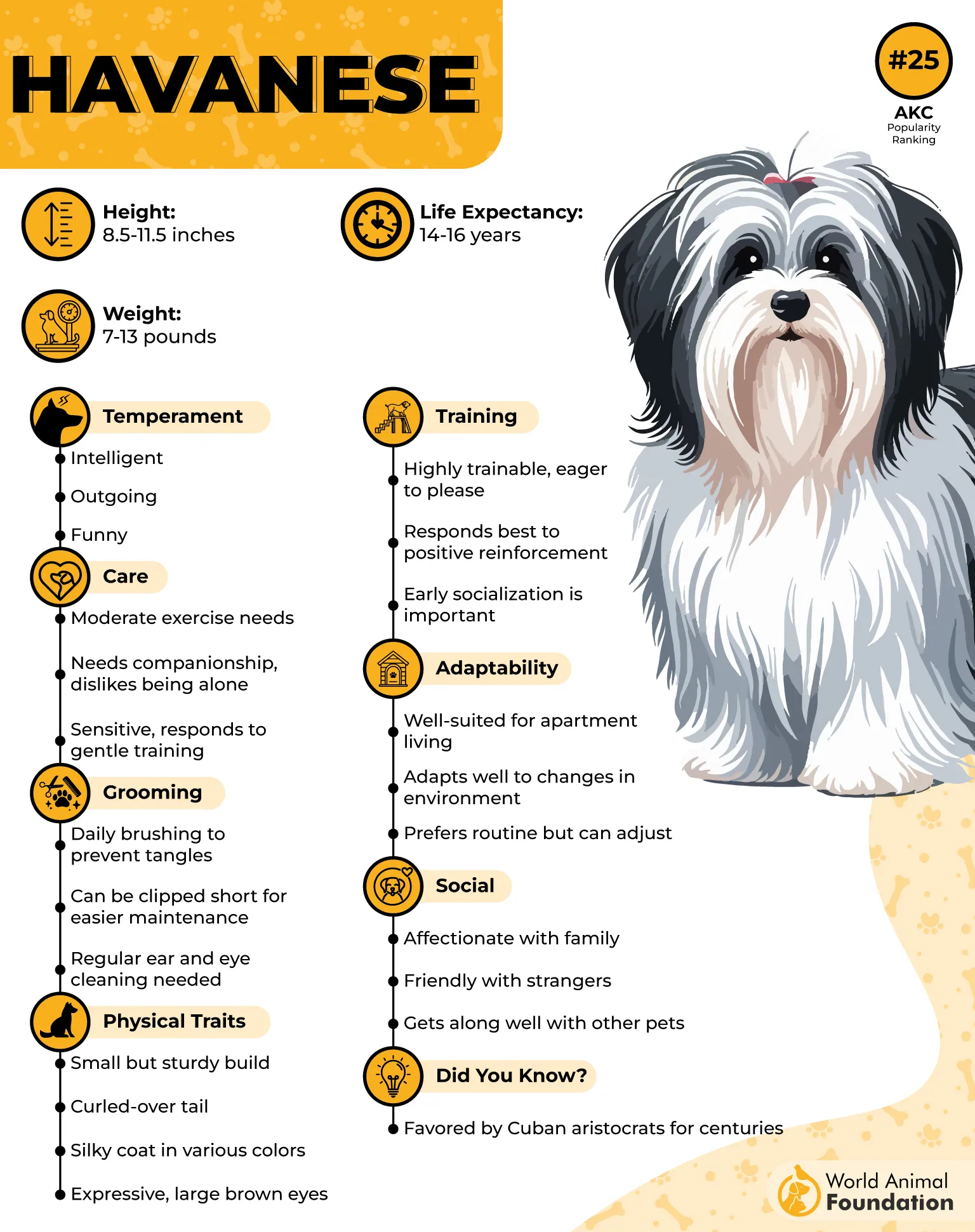
The Havanese developed in Cuba and became closely associated with households seeking an affectionate small companion. Over time, the breed became especially admired for its sociable character and distinctive silky coat.
Sociable, Playful, and Highly Engaging
Havanese often enjoy being involved in whatever their owners are doing. They can be playful and energetic without requiring the extensive physical workload of many larger sporting breeds. Their willingness to interact can also make basic training enjoyable for first-time owners.
A Companion Breed That Benefits from Routine
Their coat can be kept long or maintained in a shorter style, giving owners some flexibility in managing grooming. Regular brushing is still important, especially with a longer coat. Havanese can become strongly attached to their families, so prospective owners should be prepared to provide companionship and gradually teach them to cope with appropriate periods alone.
7. Cavalier King Charles Spaniel
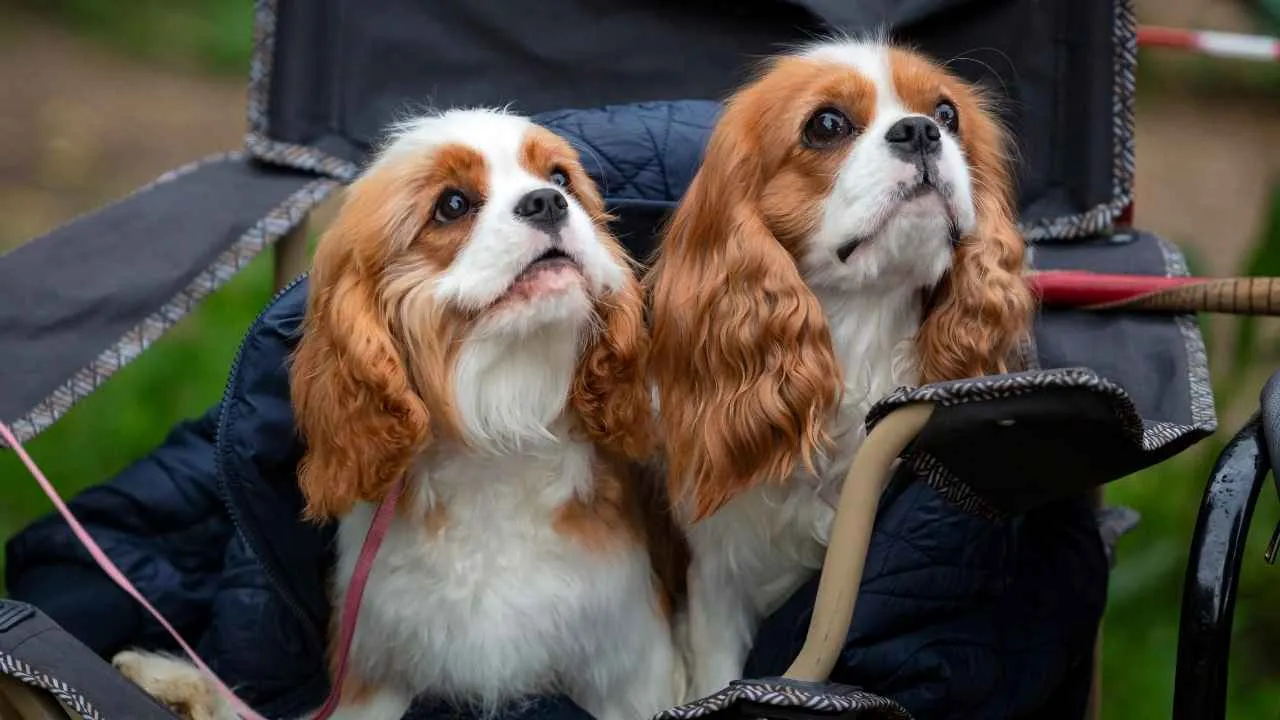
The Cavalier King Charles Spaniel was developed in Britain as a companion breed and has a long association with aristocratic households, as per Hill’s Pet. Its elegant appearance is paired with a generally affectionate and approachable personality, which has helped it become one of the best-known companion dogs.
Affectionate and Eager to Participate
Cavaliers are often happiest when they can stay close to their owners. They typically enjoy walks, games, and training while also being content to relax with their families. Their combination of sociability and moderate activity can appeal to people who want an interactive dog without an extremely demanding exercise routine.
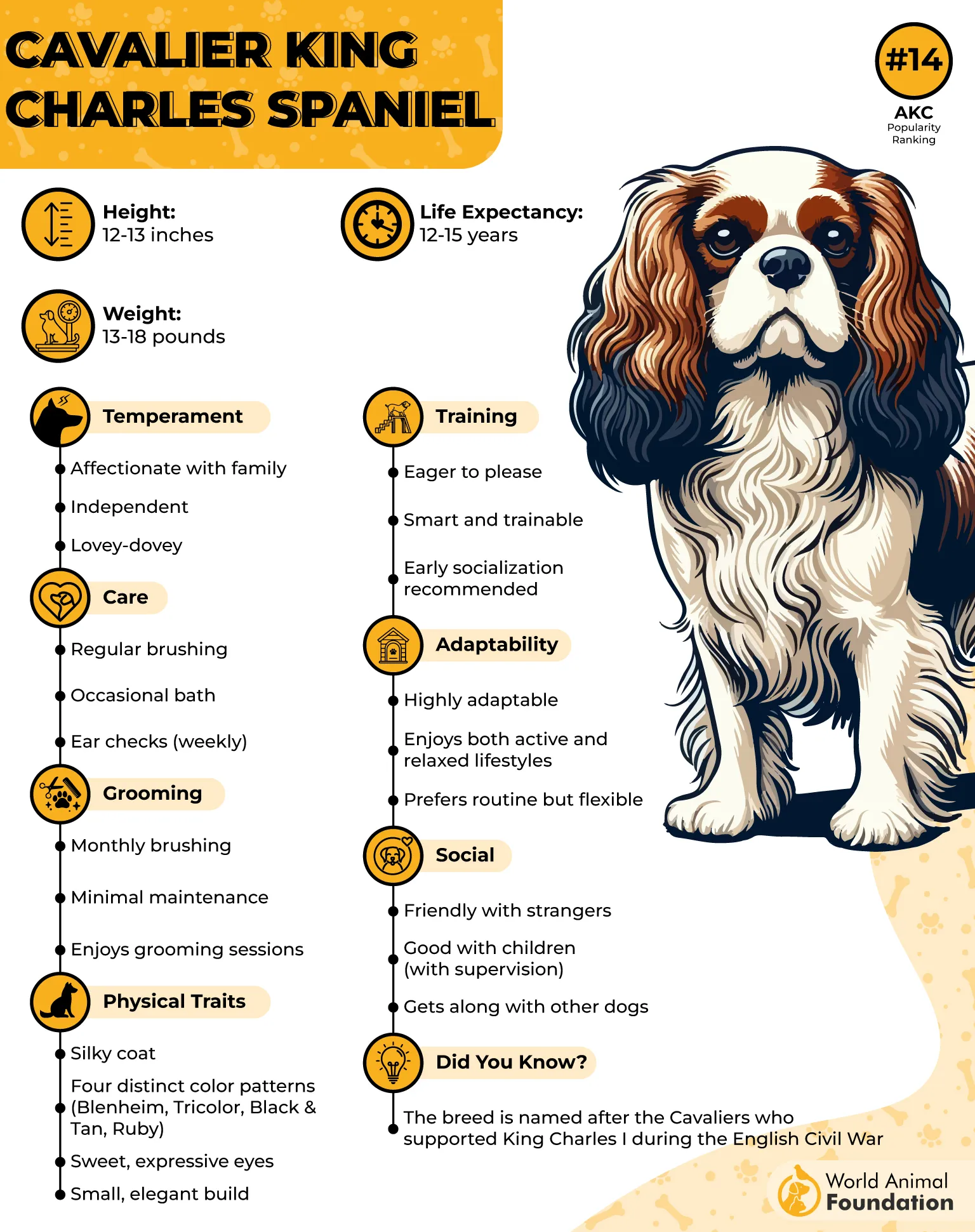
An Approachable Personality with Regular Care Needs
The Cavalier’s medium-length coat needs routine brushing to keep feathering free from tangles. Its long ears also deserve regular attention as part of normal grooming. New owners should investigate breed-specific health considerations before choosing a Cavalier and establish veterinary care early.
Conclusion
The best first dog is not simply the breed that appears easiest on paper. A successful match depends on whether the dog’s exercise requirements, grooming routine, personality, training needs, and social preferences fit the owner’s everyday life.
Before bringing any dog home, first-time owners should consider more than appearance or popularity. Meeting adult dogs, learning about the breed’s typical behavior, understanding grooming and exercise commitments, and researching health concerns can all contribute to a better decision.
A well-matched first dog can turn the learning curve of pet ownership into one of the most rewarding experiences a household can have.
