




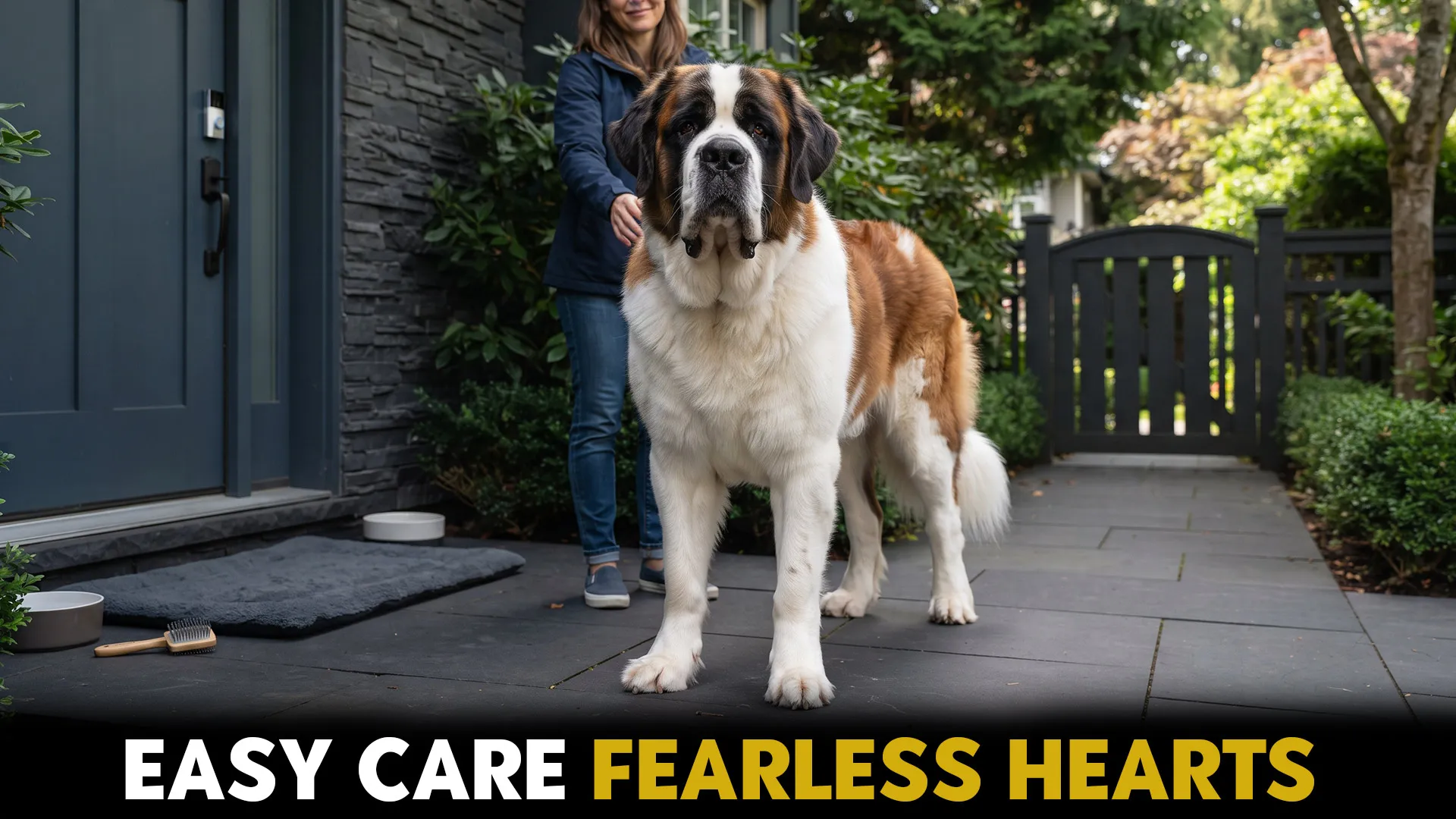
Want a dog that can help you feel safer at home without demanding endless grooming or an overly complicated routine? The right guard breed can offer a reassuring mix of watchfulness, loyalty, and companionship while fitting comfortably into everyday family life.
A good guardian is more than a powerful presence. Intelligence, trainability, alertness, and a stable temperament all matter, while manageable exercise and grooming needs can make ownership easier. Proper training and socialization are also essential for developing a controlled, dependable companion.
For households seeking security without unnecessary upkeep, these breeds offer an impressive balance of protection and practicality.
FACT: An effective family guard dog should be protective and alert, but proper training helps ensure it remains calm and reliable around its family.
Low‑Maintenance Guard Dog Breeds That Keep Home Safe
1. Mastiff
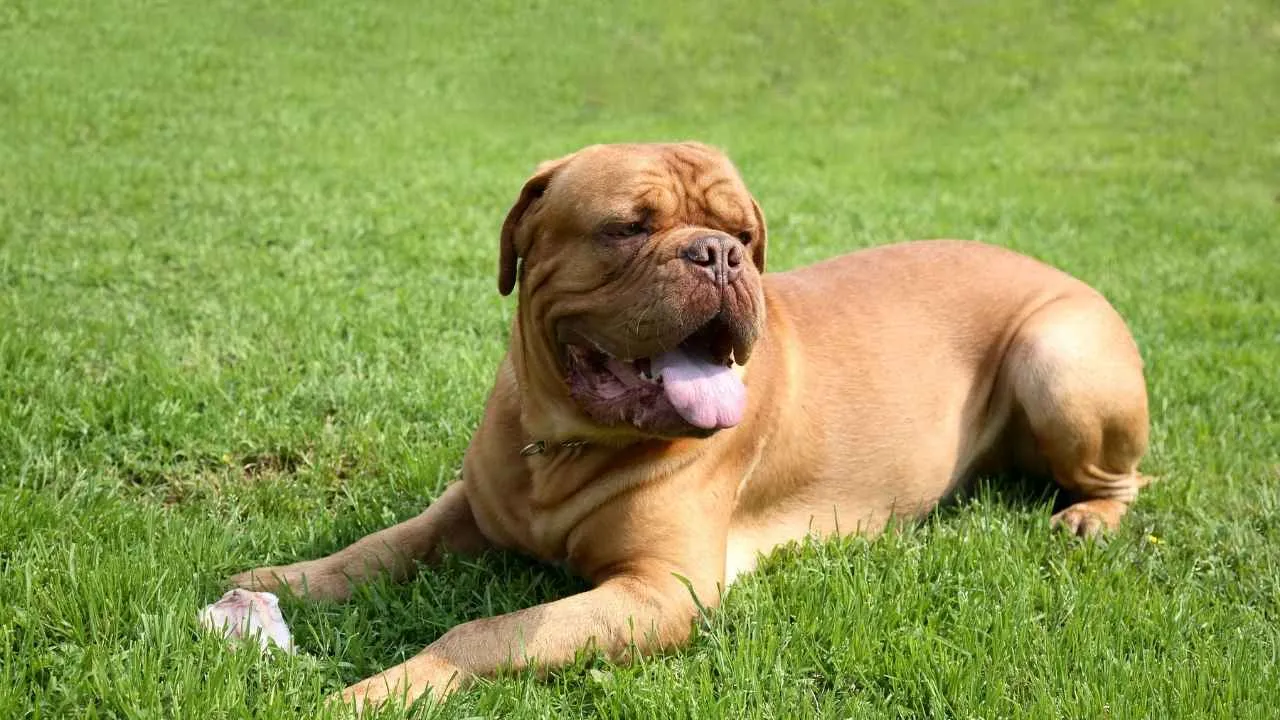
The Mastiff brings an imposing presence to home security without creating constant activity indoors. This giant guardian is naturally protective, while its calm and steady temperament allows it to settle comfortably around the house. Its enormous build alone can discourage unwanted visitors, and its deep bark adds another layer of deterrence when necessary.
Maintenance is fairly simple in some areas. The Mastiff’s short coat only needs occasional brushing, and it does not require intense daily exercise. It is generally relaxed at home and can also be affectionate and gentle with its family, including children.
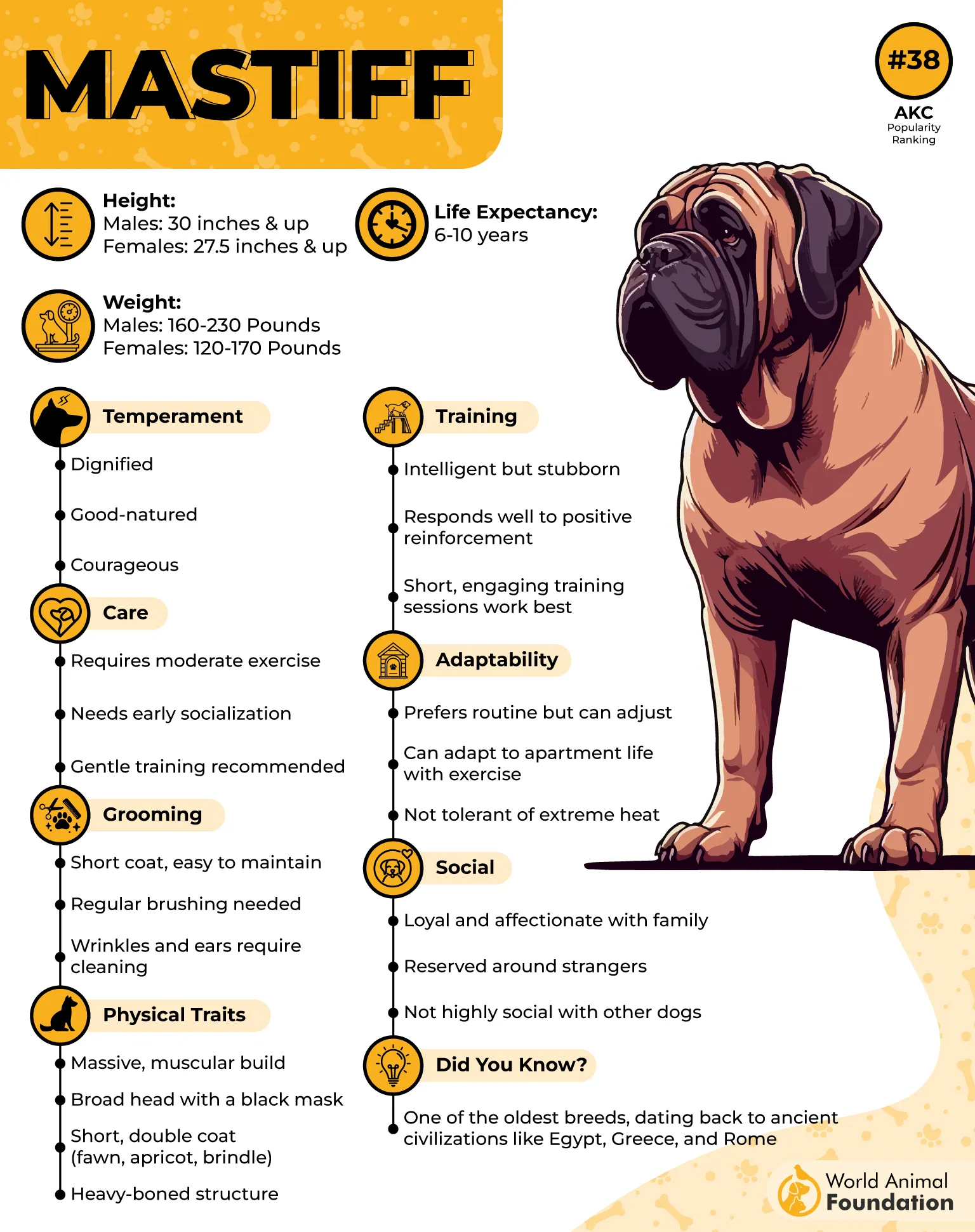
That said, owning such a large dog comes with practical responsibilities. Drooling can mean extra cleaning, while feeding and veterinary care may cost more because of its size.
Early teaching is especially important. Good manners and basic obedience help owners manage this powerful dog safely as it grows.
2. Great Dane
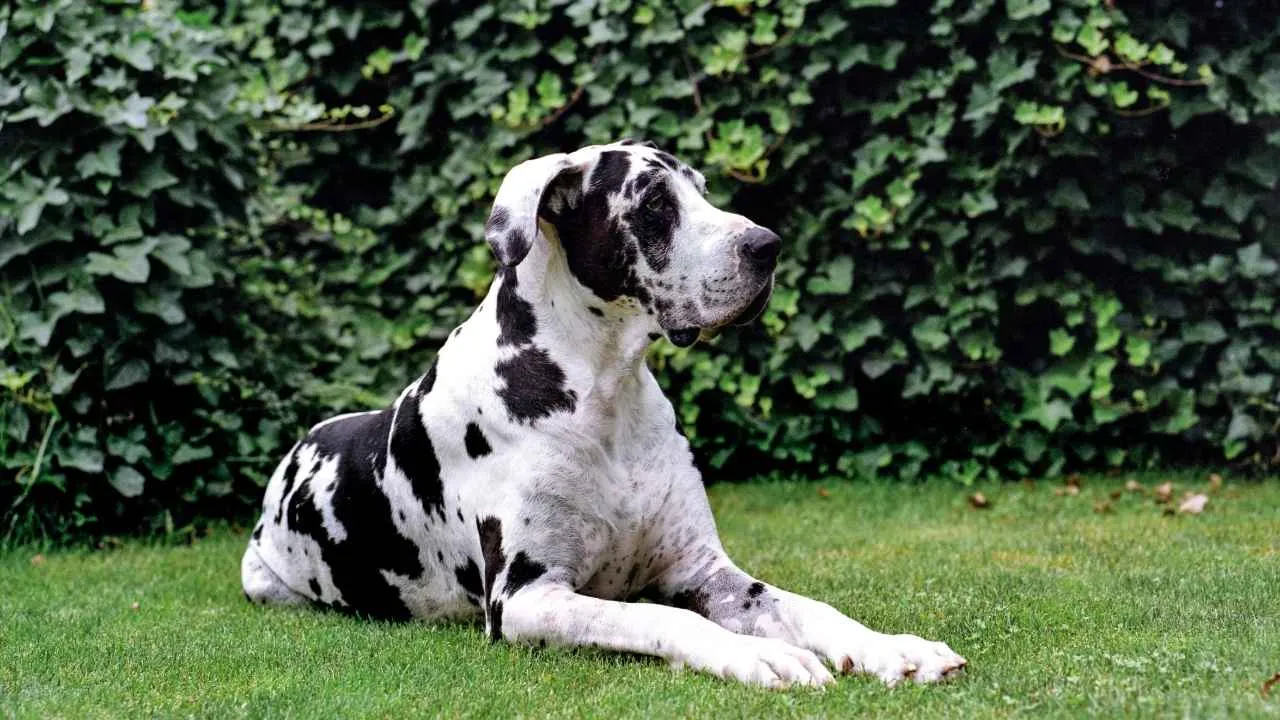
Towering over most other breeds, the Great Dane creates an instant impression. Its sheer size and deep bark can make strangers think twice, while its loyal nature helps it stay attentive to its home and family.
Despite its imposing appearance, this giant breed is often affectionate, gentle, and eager to relax beside its favorite people. It can fit well into family life, including homes with children. According to Purina, they may need extra supervision when living with children.
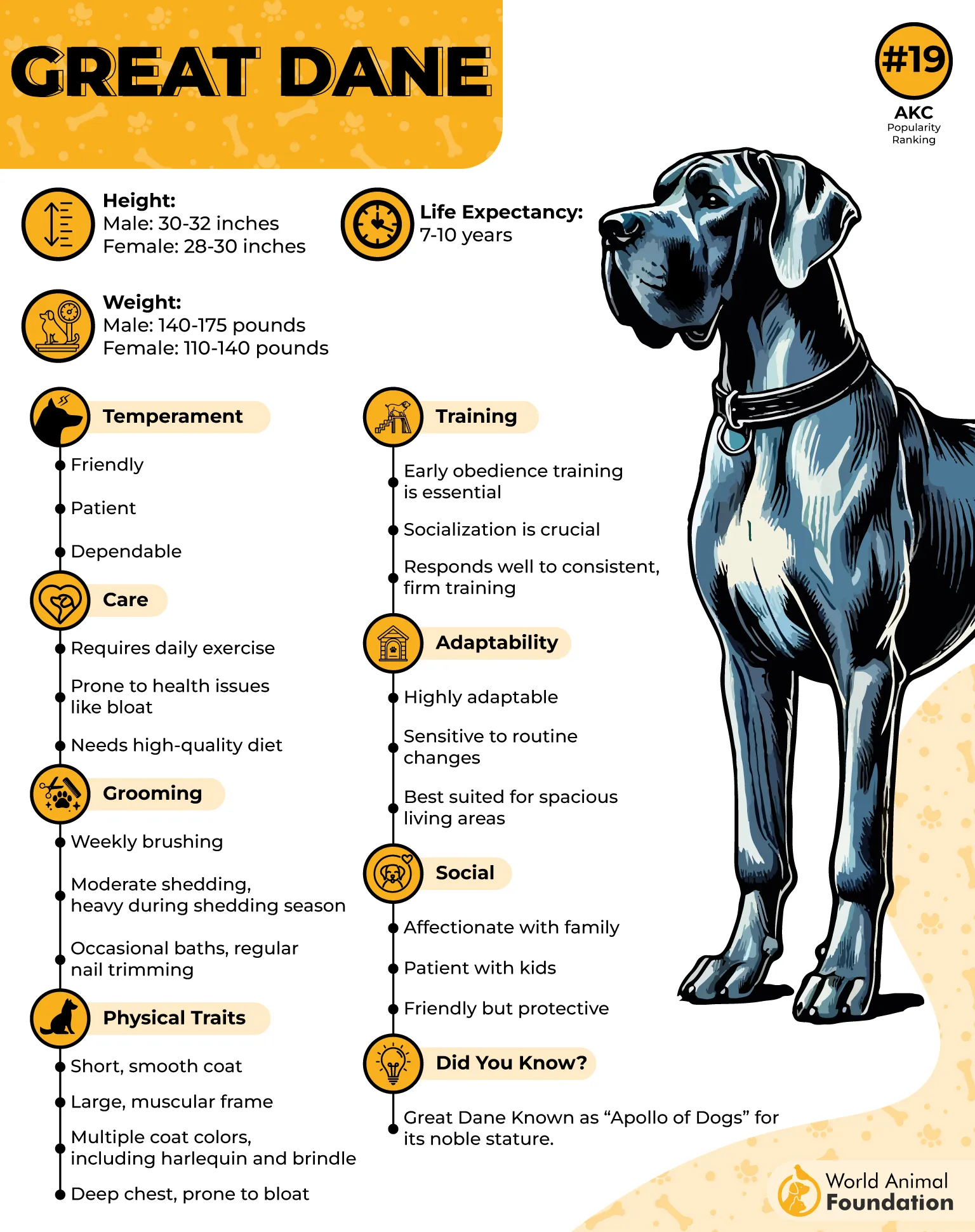
A Great Dane is better suited to a spacious home where it has room to move comfortably and stretch out. Regular walks and enough daily activity are also important to keep this active, intelligent companion physically and mentally satisfied.
Early obedience guidance with positive reinforcement helps establish good manners and control. Consistent guidance is especially valuable because its enormous size alone can make this loyal companion a naturally intimidating presence.
3. Saint Bernard
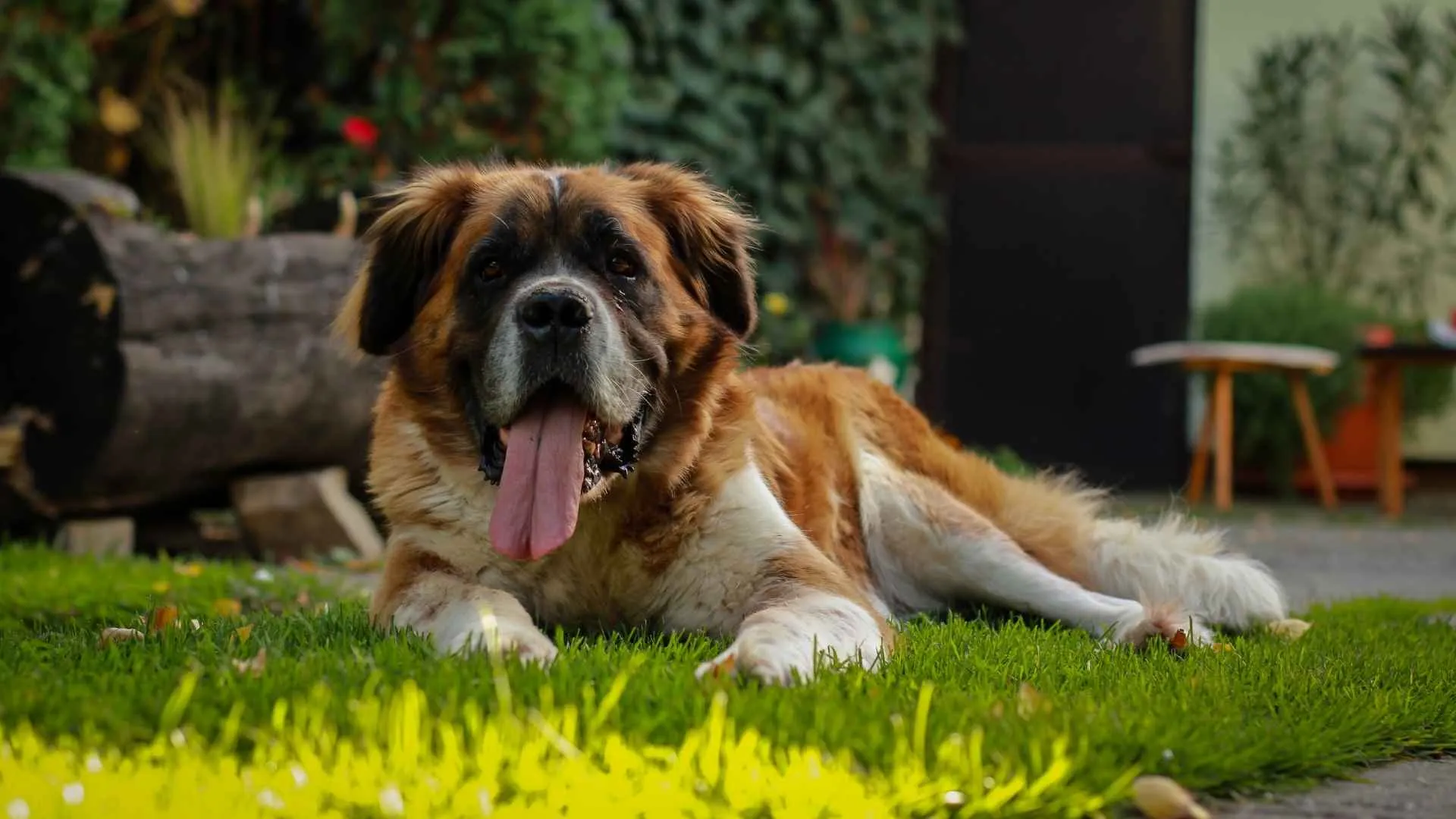
The Saint Bernard brings a heartwarming blend of affection and impressive size. This calm giant creates a naturally reassuring presence around the home.
It is not an aggressive guard dog and is unlikely to attack an intruder. However, its enormous frame and deep, booming bark can make unwanted visitors think twice before coming closer. According to Orvis, St. Bernards are easygoing dogs.
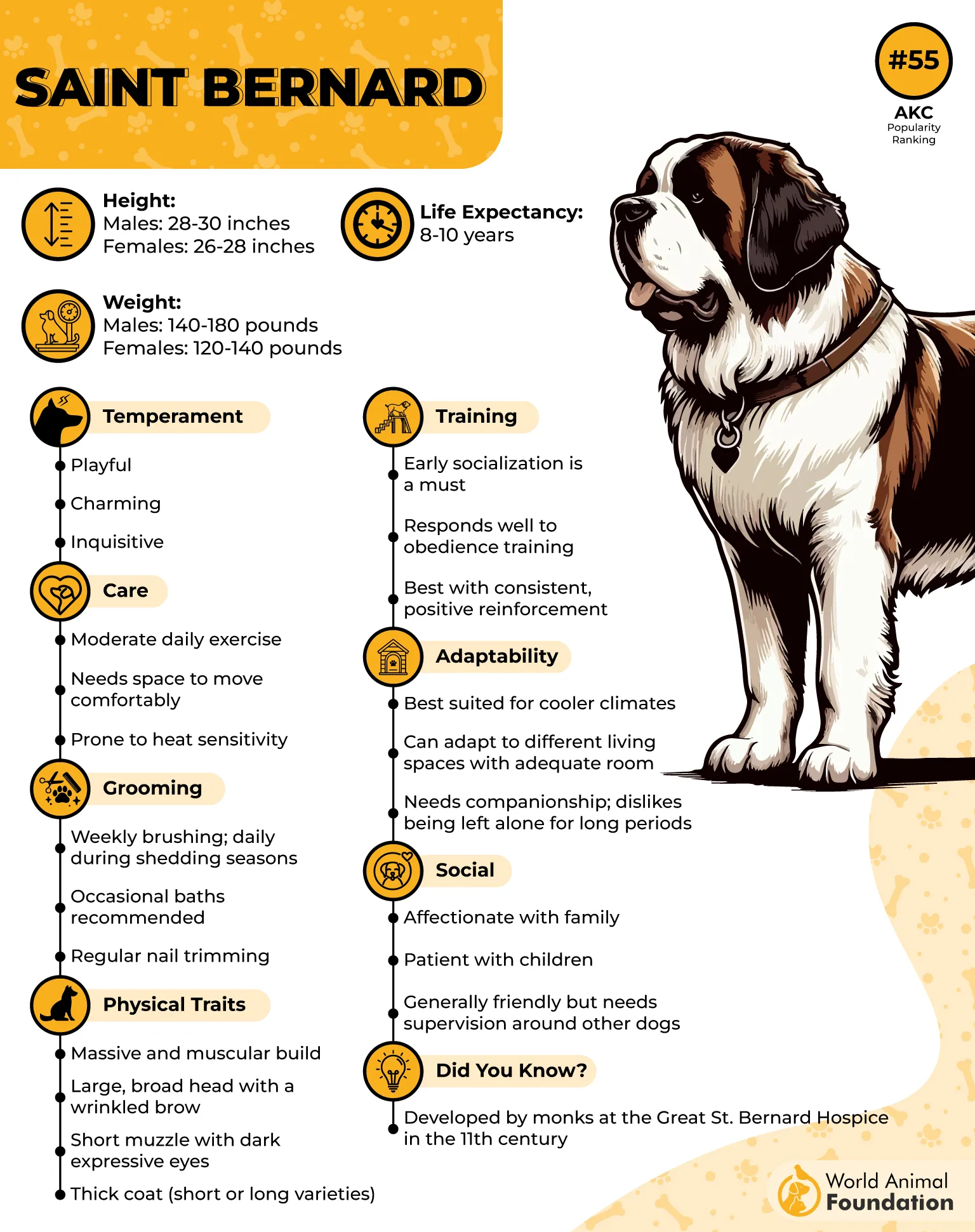
For owners seeking a lower-maintenance activity routine, Saint Bernards have modest exercise needs and generally need only a few walks each week. Training can sometimes require patience, as these gentle dogs may be slower to mature.
Their sweet nature makes them loving family companions, especially for homes with older children. Young Saint Bernards can be clumsy and may accidentally knock over smaller kids, while their care still includes regular brushing, managing heavy drooling, and keeping them comfortable in cool weather.
4. Broholmer
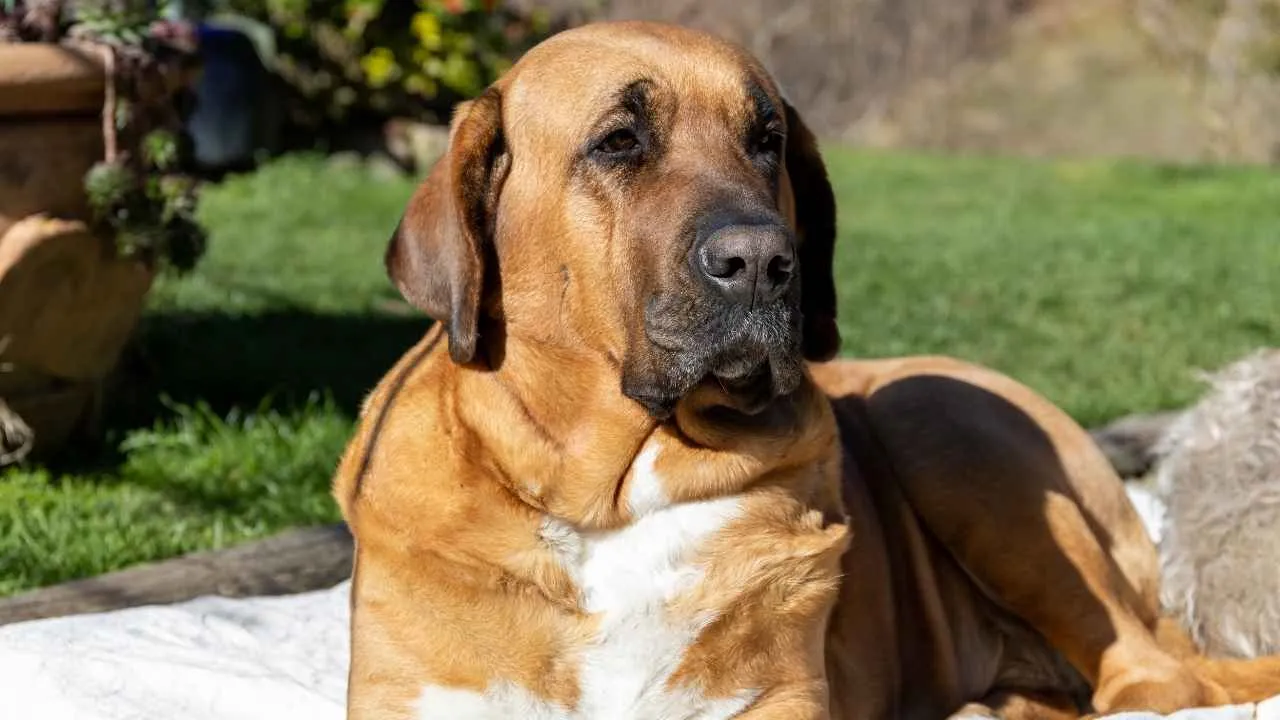
The Broholmer combines an imposing Mastiff-like build with the steady temperament expected of a traditional guard dog. Originally developed for guarding, this powerful breed can also become an affectionate companion while remaining naturally protective of its home and cautious around unfamiliar people.
Its composed nature does not eliminate the need for firm, knowledgeable handling. Broholmers can be stubborn, so consistent coaching and clear leadership should continue into adulthood. They are generally better suited to families with older children than homes with very young kids.
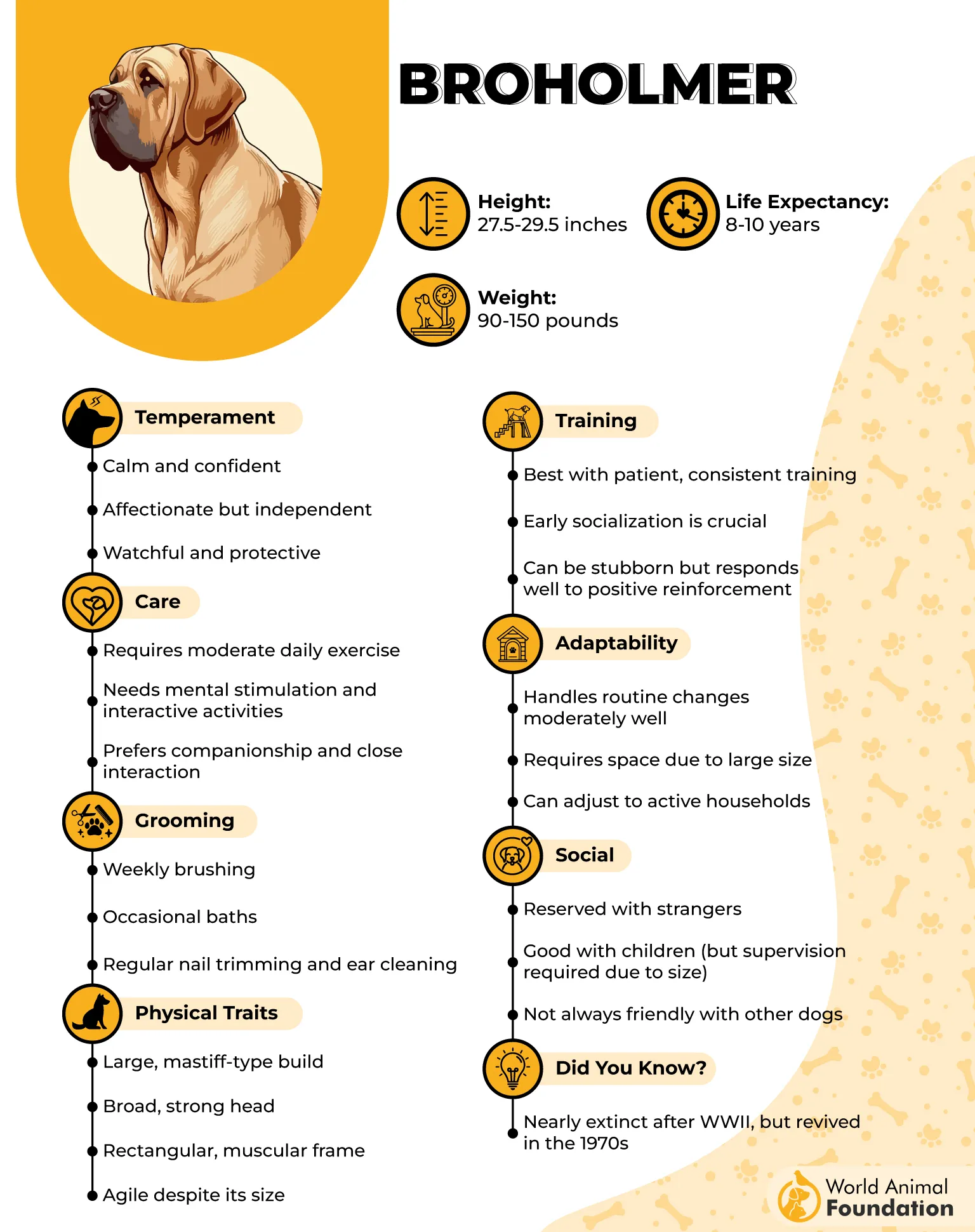
Despite its large, muscular appearance, grooming is relatively straightforward. The short coat lies close to the body, though a dense undercoat causes heavier shedding during seasonal coat changes.
Weekly brushing is usually sufficient, but daily brushing may be needed during heavy shedding periods. Regular nail trimming and early acceptance of grooming routines are especially important because handling a fully grown Broholmer can be challenging.
5. Boerboel
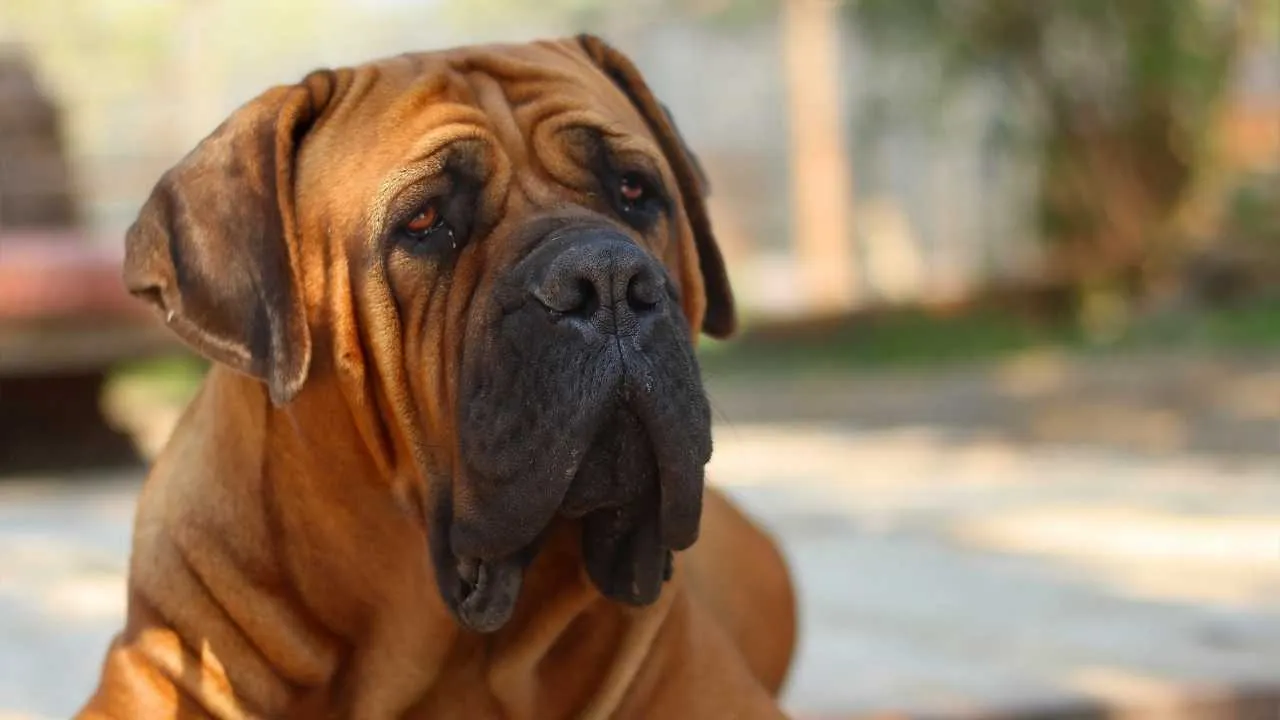
The Boerboel is a serious South African property guardian whose immense physical presence can discourage intruders before any action is needed. Originally developed as a farm dog, this powerful mastiff has strong protective instincts and remains deeply loyal to its family.
Intelligence is one of its defining strengths. Confident and calm by nature, a well-trained Boerboel can assess situations thoughtfully rather than reacting unnecessarily. Its short coat also requires relatively little grooming, supporting its low-maintenance appeal.
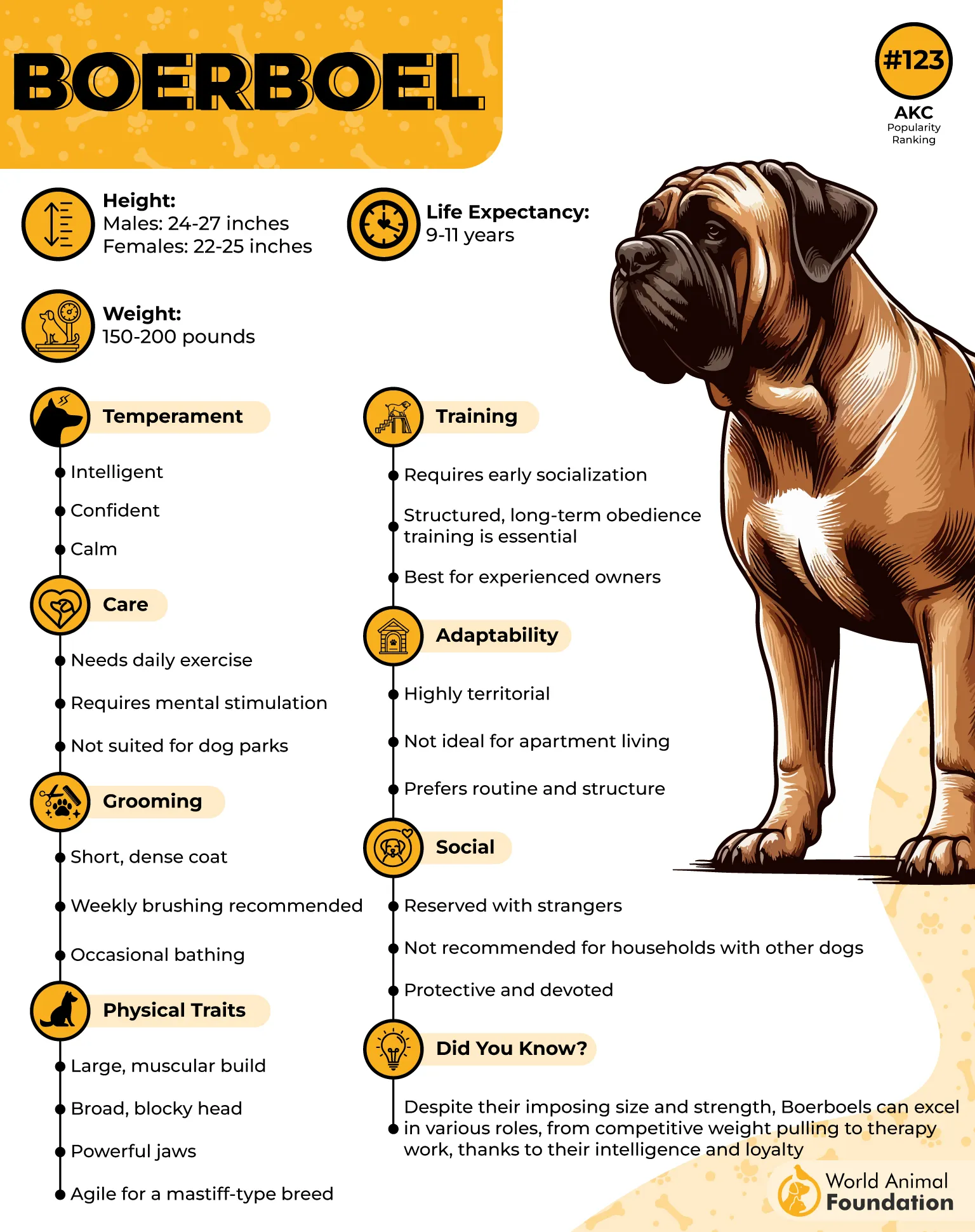
However, its dominant personality and great strength demand firm, structured training, early socialization, and an experienced owner who can provide clear boundaries.
When raised properly, the Boerboel can be mellow around children and familiar pets while remaining naturally reserved with strangers. Its instinct to protect homes, property, and loved ones makes it a formidable watchdog.
6. Bullmastiff
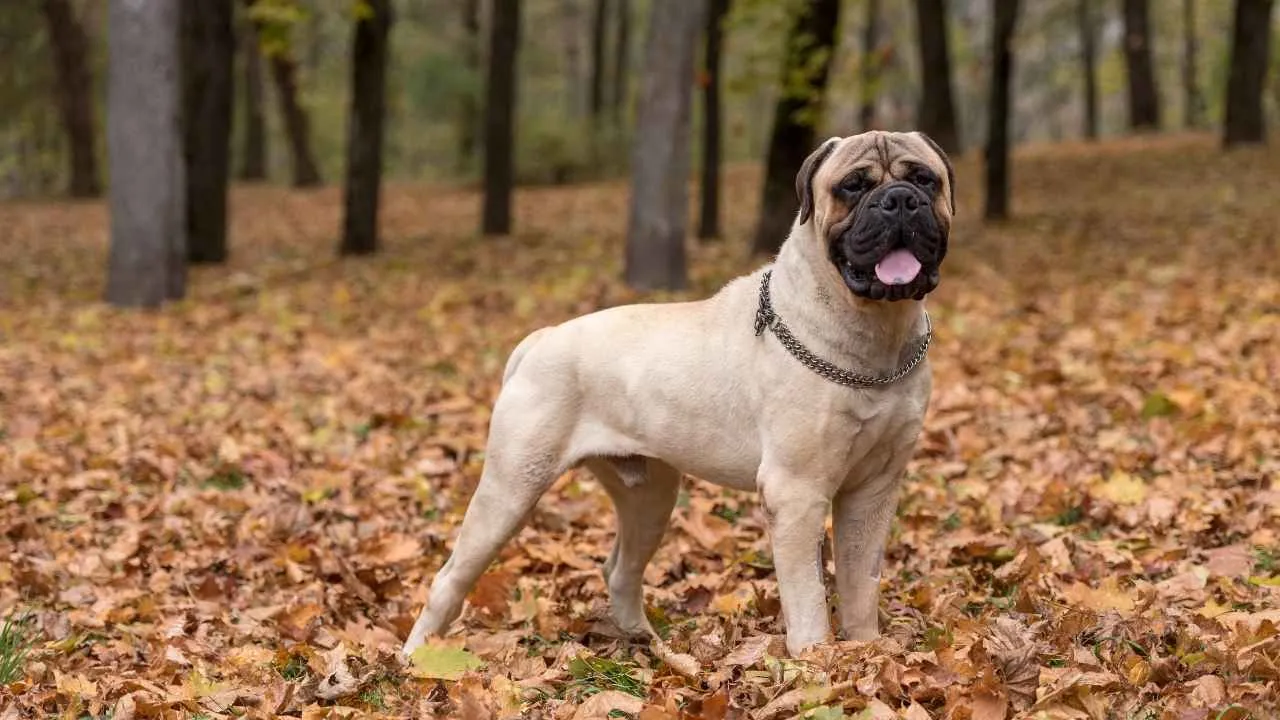
The Bullmastiff is a quiet powerhouse whose imposing build alone can discourage unwanted visitors. Originally developed in nineteenth-century England by crossing Bulldogs and Mastiffs, these dogs were bred to help estate guards stop poachers. Their strength and controlled watchfulness remain valuable qualities in a home guardian.
Despite their intimidating appearance, Bullmastiffs are usually calm and affectionate with their families. They are deeply loyal and naturally protective, often staying alert without becoming unnecessarily noisy. With proper socialization, they can also be gentle around children.
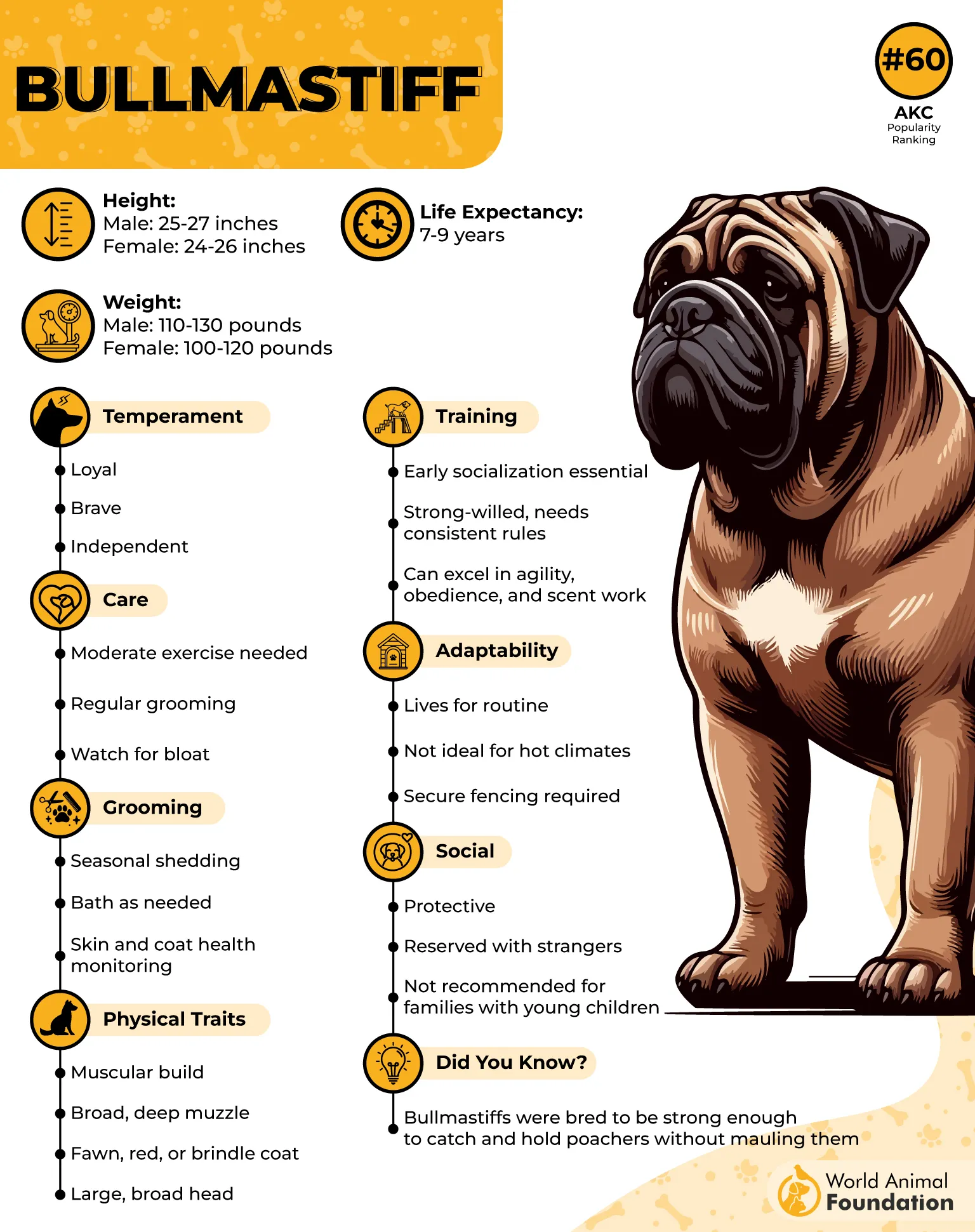
Their low-maintenance grooming needs make them easier to care for than many heavily coated guard breeds. Moderate exercise is generally enough to keep them physically and mentally satisfied, making them suitable for owners who prefer a less demanding activity routine.
Early, consistent instructions are essential because of their exceptional strength and large size. Teaching obedience and good manners from an early age helps keep this powerful protector manageable.
7. Great Pyrenees
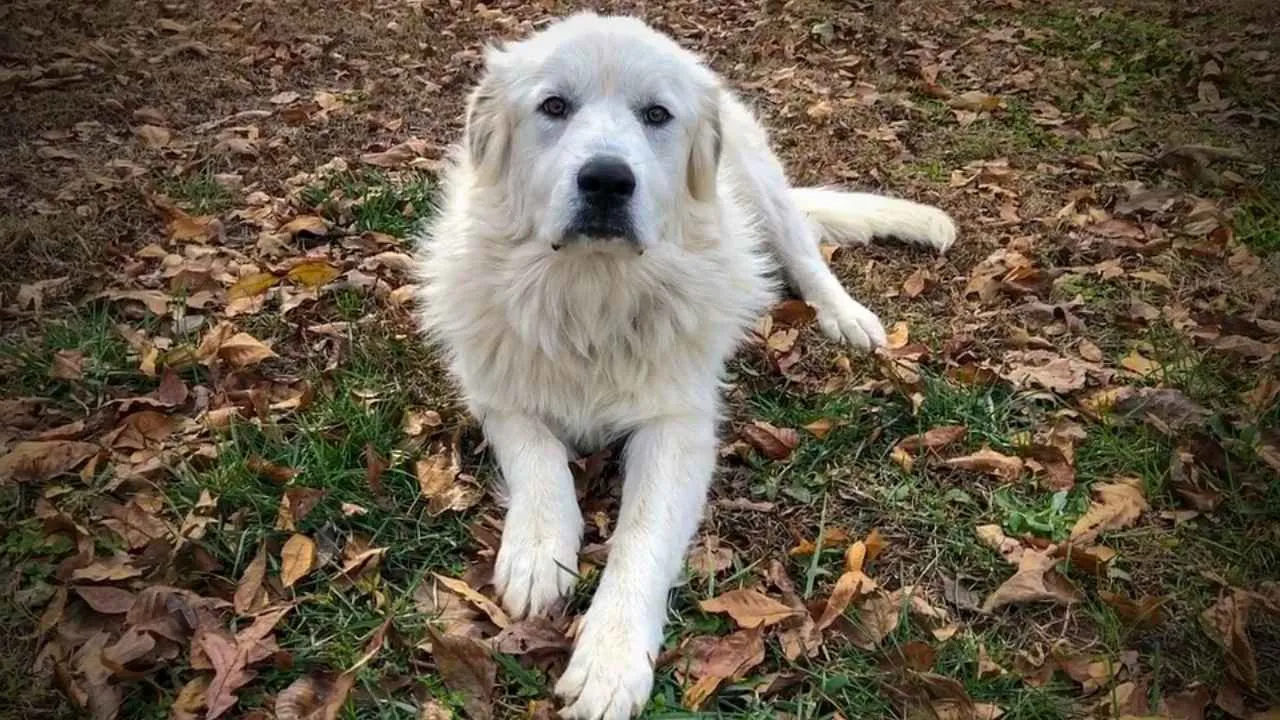
For centuries, the Great Pyrenees have stood watch in the Pyrenees Mountains, guarding sheep from predators and unwanted visitors. That history still shows in this calm, patient dog, which naturally keeps a careful eye on its surroundings.
At home, it can be gentle and deeply devoted to its family. Yet when a stranger approaches its territory, its alert and protective instincts quickly become apparent. According to WebMD, Great Pyrenees are exceptionally perceptive dogs.
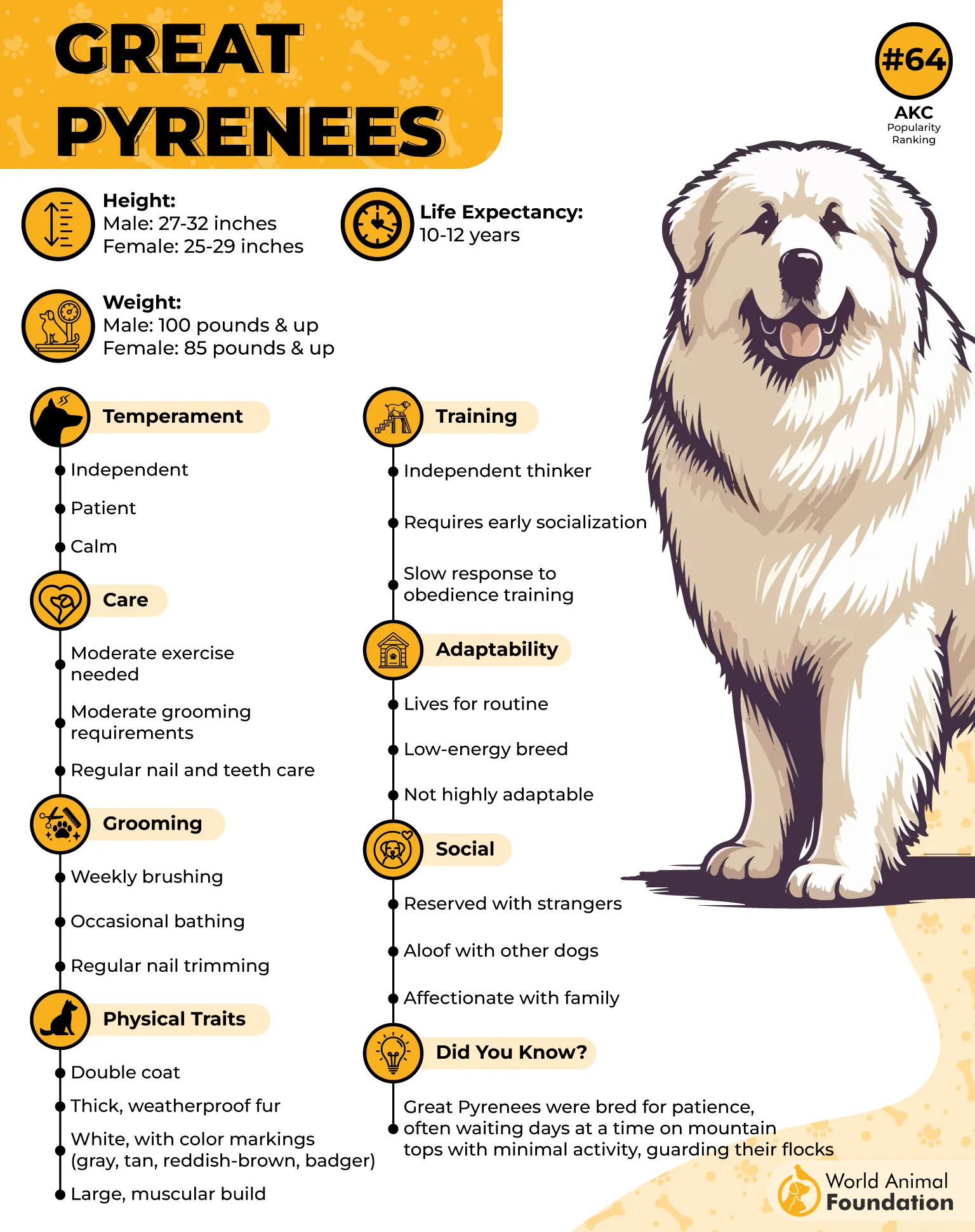
This breed does not demand intense exercise. Daily walks and time outdoors are generally enough, making their physical care more manageable than that of highly energetic guard dogs.
Training, however, requires patience. Great Pyrenees dogs are independent and may challenge their owner’s authority. Early socialization, consistent routines, and positive reinforcement can help shape their barking and protective behavior from puppyhood.
Conclusion
Choosing a low-maintenance guard dog does not mean giving up reliable protection. The right breed can offer watchfulness, loyalty, and a strong protective instinct while fitting comfortably into a manageable daily routine.
Each breed brings its own approach to keeping a home safe. Some stay alert and observant, while others rely on their courage, size, or natural suspicion of unfamiliar people.
However, low maintenance should never be confused with no responsibility. Every dog still needs proper instructions, socialization, exercise, affection, and consistent care to develop into a dependable companion and protector.
Consider your home environment, lifestyle, experience with dogs, and ability to meet the breed’s needs. With thoughtful training and responsible ownership, these dogs can become devoted family members while helping you feel more secure at home.
