




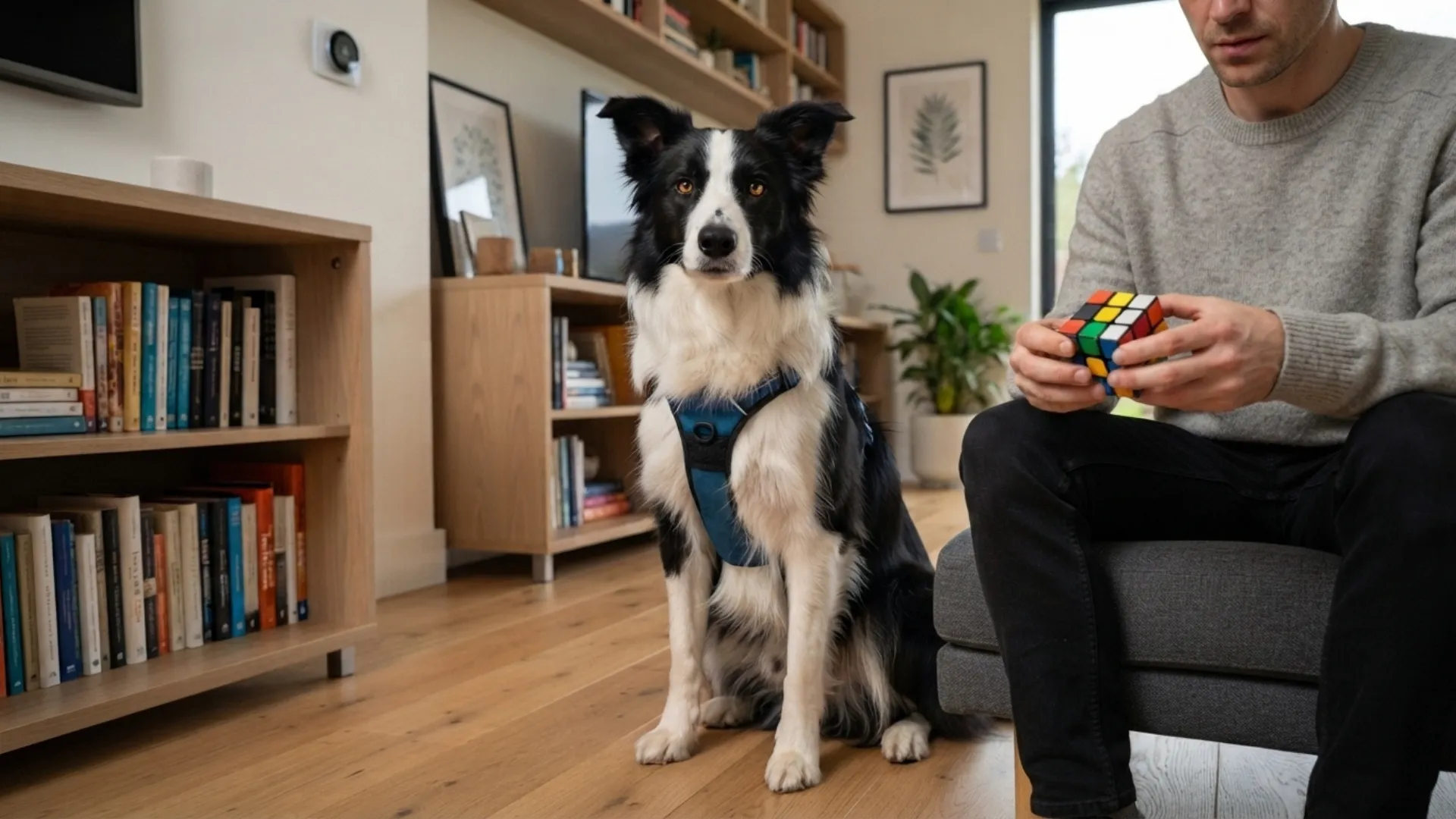
Choosing a clever dog can make life at home more rewarding. These seven most intelligent dog breeds for smart homeowners can learn commands, solve problems, and adapt to daily routines with ease.
However, canine intelligence is not just about quick obedience. Some dogs shine through sharp focus, while others excel at working tasks or finding creative solutions. Size does not decide how smart a dog can be, either.
Tiny breeds can match larger dogs in learning ability and mental skill. Many highly intelligent dogs can grasp new commands in just a few repetitions, but their brains need regular challenges. Puzzle toys, games, new tasks, and positive reinforcement can keep them focused and happy.
This guide is ideal for families, active owners, and anyone seeking a dog that enjoys learning. Each breed brings its own strengths, needs, and personality, so choosing the right match matters.
Now, let’s explore the clever breeds that stand out.
Most Intelligent Dog Breeds for Smart Homeowners
1. Border Collie
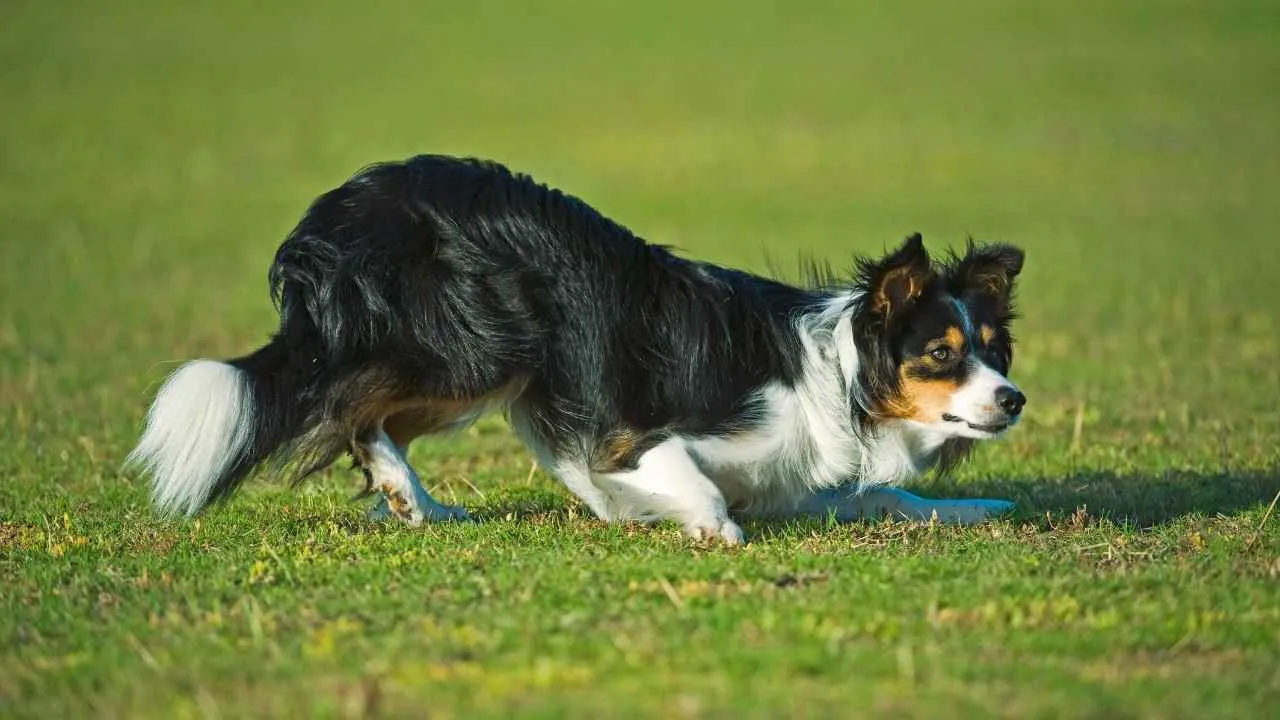
Some dogs learn quickly, but Border Collies seem to think ahead.
Often called the smartest dog breed, this herding breed is famous for sharp intelligence and quick responses. Their working background helped shape a strong instinct to watch, follow, and react.
This also makes them easy to train with clear, positive guidance. In fact, highly intelligent dogs may learn new commands in fewer than five repetitions. According to PetMD, Border Collies can make wonderful pets for active singles and families.
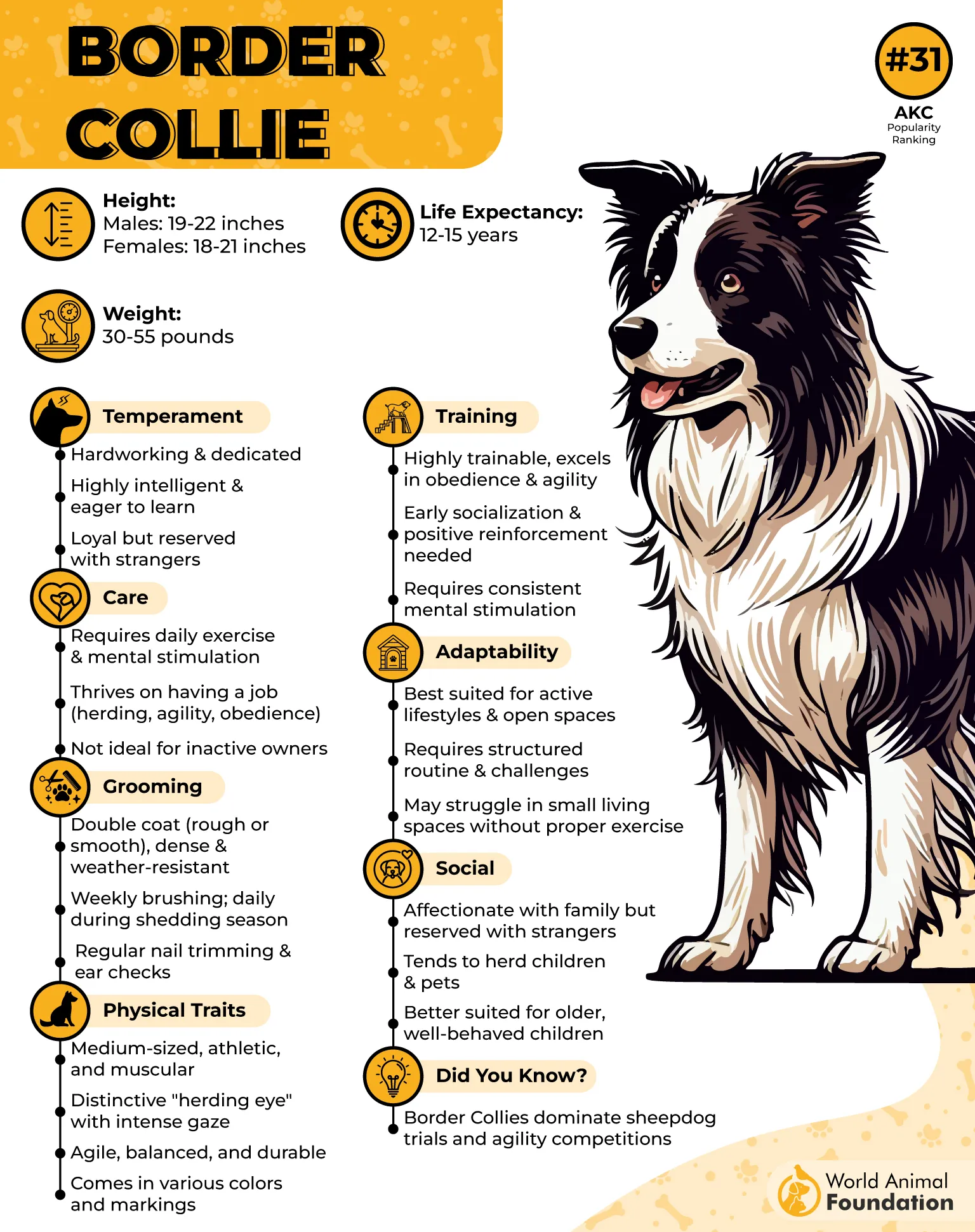
Their gentle temperament can also make them enjoyable companions for children. However, this energetic breed needs a purpose each day. An active household is often the best match for its busy mind and body.
Keeping Their Clever Minds Busy
Agility courses turn their athletic skills into fun.
Frisbee games offer an exciting physical challenge.
Hiking gives them new sights and smells.
Herding activities can satisfy their natural drive.
Puzzle toys provide valuable mental stimulation.
Regular variety helps prevent boredom and unwanted habits.
2. Miniature Poodle

Small in size but huge in ability, the Miniature Poodle brings plenty of talent home.
It is an intelligent dog breed with a playful nature and a knack for learning different skills. Poodles come in three sizes: Toy, Miniature, and Standard. Standard Poodles are the largest, while Miniatures stand no more than 15 inches tall.
According to VCA, the name Poodle comes from a German word linked to splashing or puddles. That name reflects the breed’s history as a water retriever.
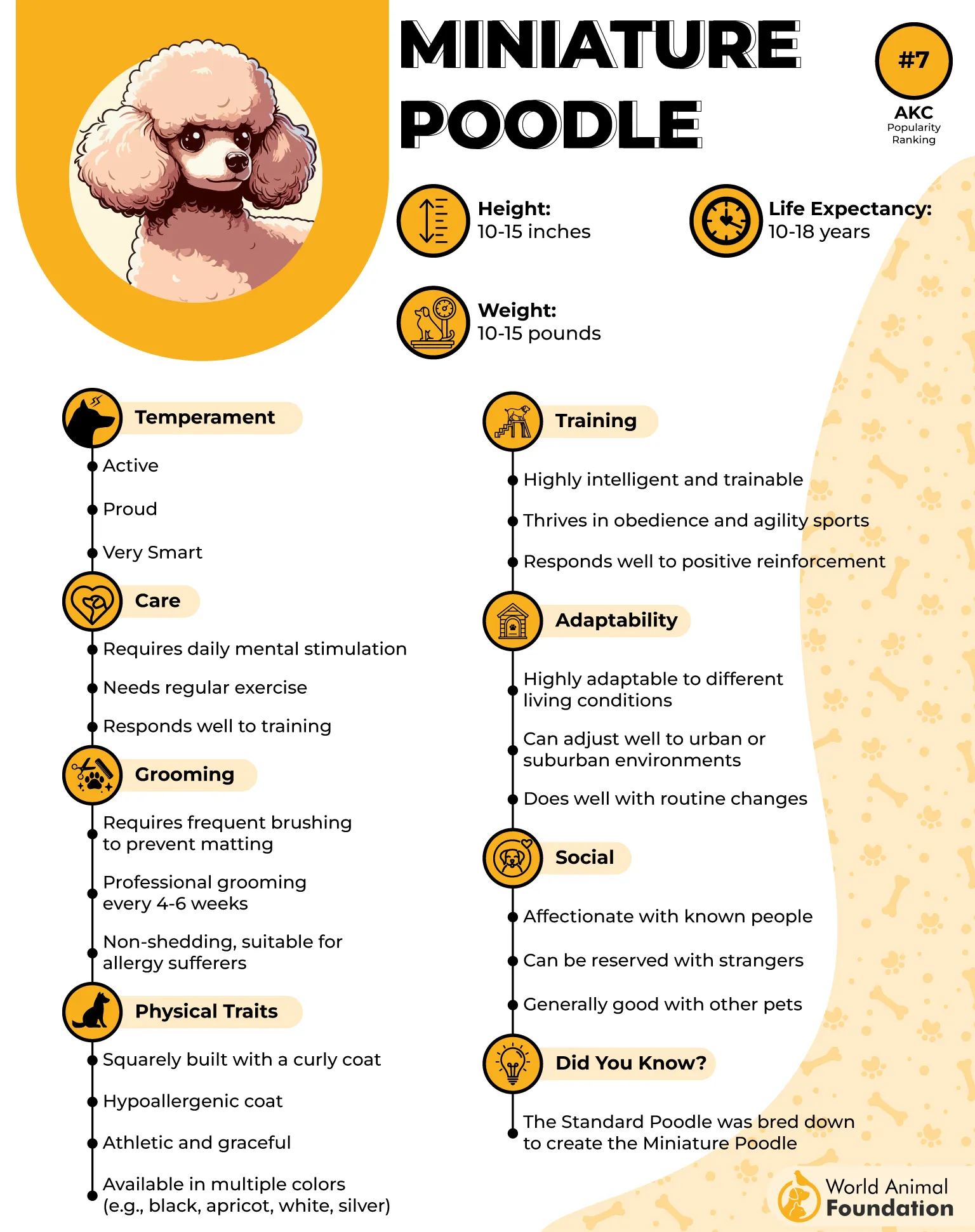
Today, these smart dogs can enjoy tricks, obedience, swimming, and dog sports. Their boundless energy also makes them lively companions for active homes.
With consistent training, this smartest breed can master new tasks with ease. Unlike other breeds, its mix of grace and athletic skill gives owners many ways to keep learning fun. This makes the Miniature Poodle especially family-friendly, including in a warm climate.
Why This Poodle Stands Out
Their curly coat gives them a distinctive appearance.
Miniatures offer athletic ability in a compact frame.
Trick learning can become a fun family activity.
Swimming suits their natural love of water.
Their size can work well in various homes.
3. German Shepherd
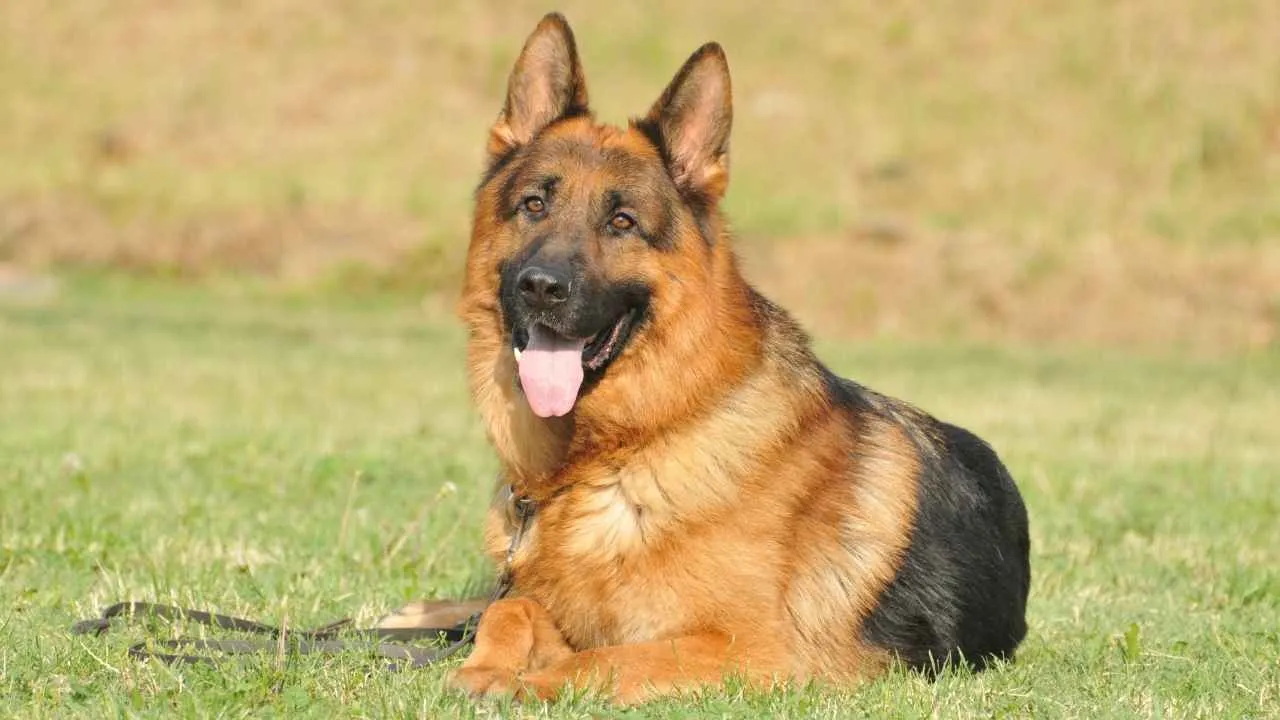
Few dogs adapt to demanding jobs like German Shepherd dogs.
This intelligent dog breed combines courage, focus, and remarkable flexibility. As a herding breed, it was built to respond quickly and work closely with people. According to Purina, German Shepherds can learn new tricks and behaviors in only a few repetitions.
That makes them easy to train for many useful roles. Today, they can work as a service dog, search specialist, or working partner. Their ability to handle changing tasks also shows impressive adaptive problem-solving.
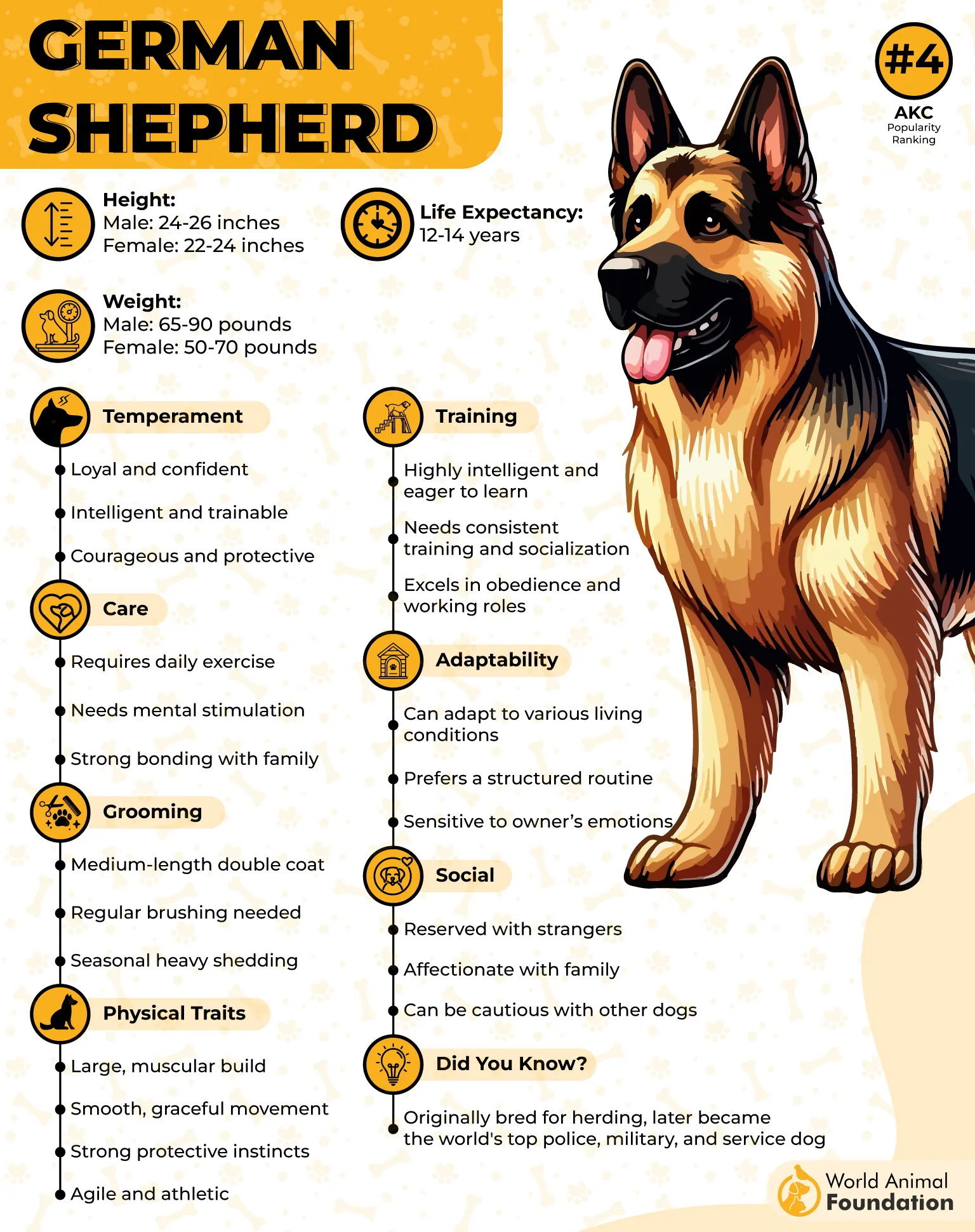
Obedience training can build the control needed for complex work. They can also enjoy agility competitions and scent work, which challenge different skills. Along with physical activity, mental exercise helps keep their busy minds focused.
German Shepherds can adjust to warm climates with proper care and suitable routines. With good socialization, they can also become loyal companions around children.
Working Skills That Set Them Apart
Their strong character supports demanding responsibilities.
Scent games can develop their natural searching abilities.
Agility courses test speed, control, and coordination.
Service work gives their abilities a meaningful purpose.
Clear routines help channel their drive in useful ways.
4. Golden Retriever

A Golden Retriever can turn an ordinary family day into an adventure.
This intelligent breed blends dog intelligence with a warm, willing nature. It is also one of America’s most popular dog breed choices for families. According to Britannica, the breed began in Scotland as a gundog and water retriever. Its willingness to work with people still shines today.
Golden Retrievers can learn household rules and useful tasks with structured training. They also enjoy outdoor activities, especially swimming and retrieving games. Their friendly nature helps them fit naturally into active households.
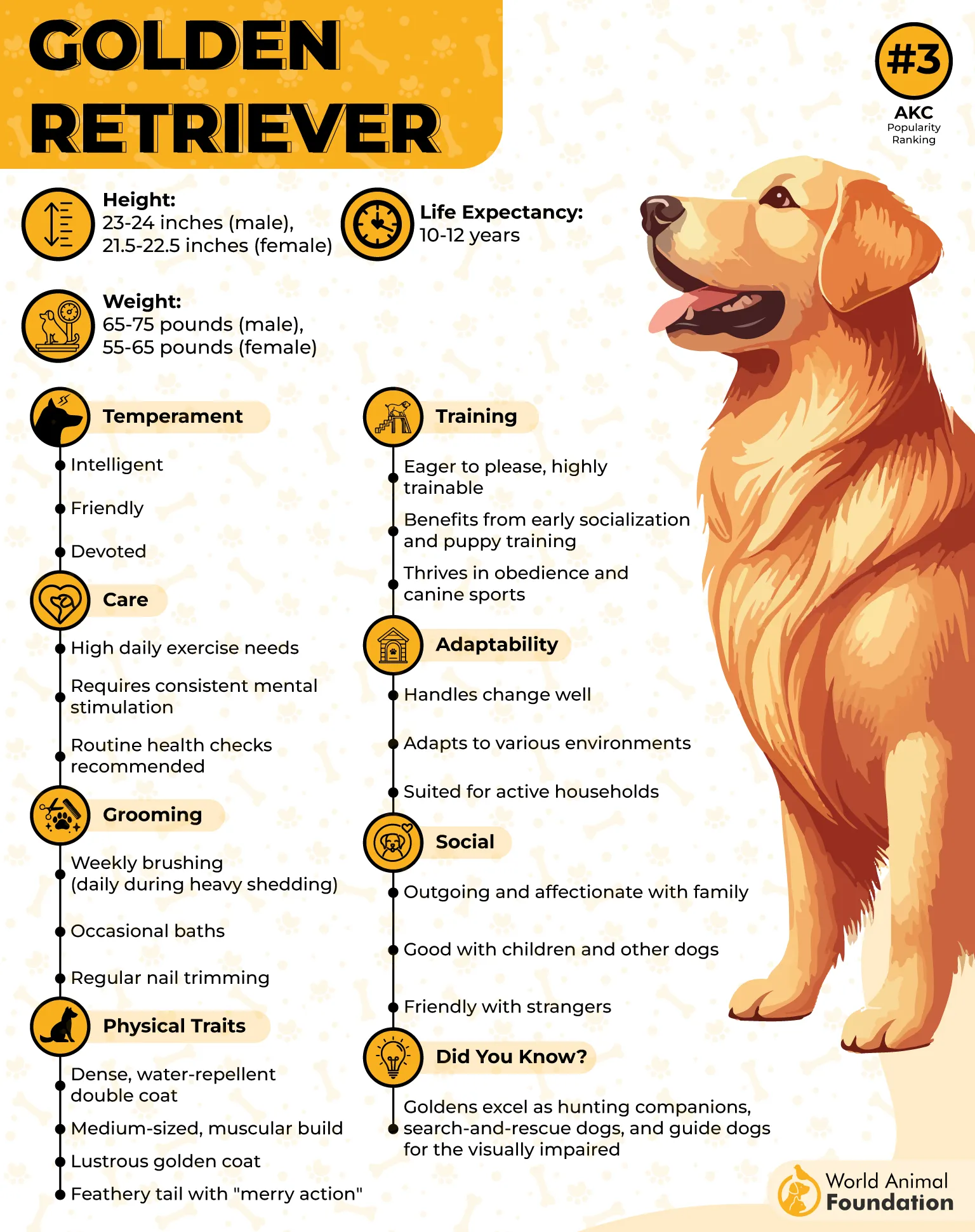
Beyond family companionship, Goldens can support therapy work and guide work because they respond well to people. Some owners may even call them the smartest dog breed, but intelligence varies from dog to dog.
Their minds still benefit from consistent mental stimulation through games and new skills. From playful pups to steady adults, Goldens often bring an affectionate, family-friendly spirit wherever they go.
What Makes Goldens Great Family Partners
Fetch can turn exercise into shared family time.
Swimming gives them a natural way to cool down.
Retrieving games connect play with their working roots.
Simple household tasks can give them useful jobs.
Their cheerful nature suits homes with busy routines.
5. Doberman Pinscher
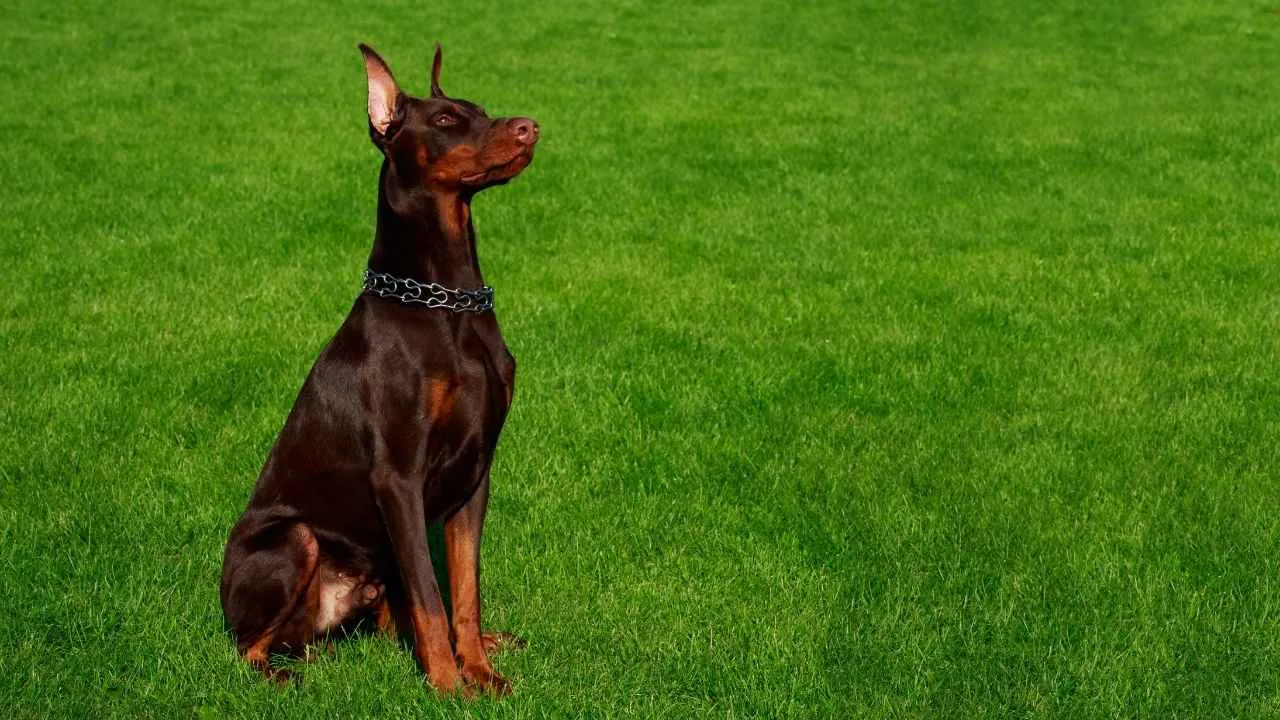
Few dogs project confidence like the Doberman Pinscher.
This intelligent dog breed combines sharp awareness with unwavering loyalty. Its strong canine intelligence helps it notice changes in its surroundings and respond quickly. The Doberman is intelligent, alert, and tenaciously loyal.
These qualities explain its long history as a guard and companion dog. Dobermans have also served as search and rescue dogs, where focus and courage matter. Their highly alert nature can make them effective watchdogs at home.
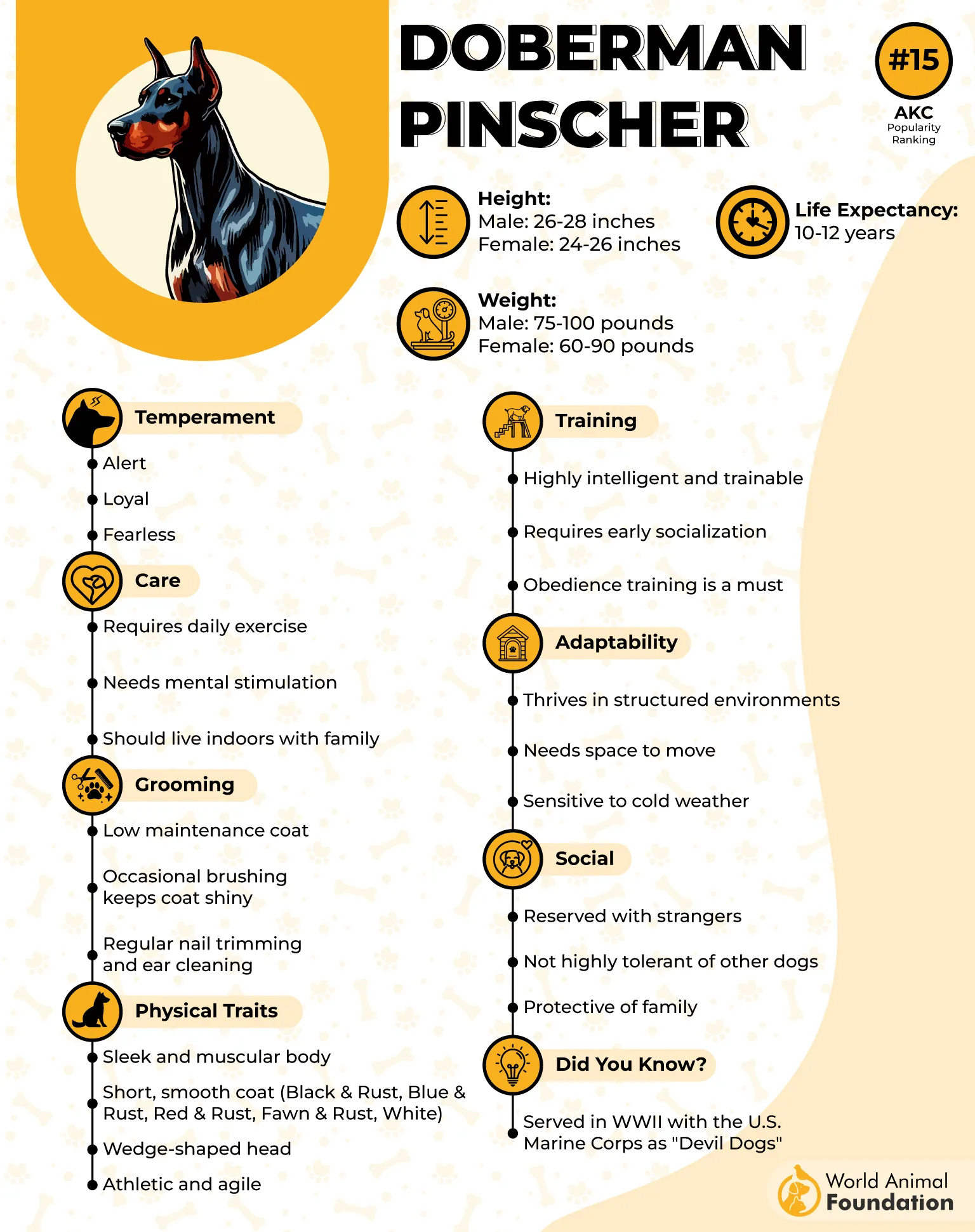
Still, their protective instinct needs careful direction and responsible handling. Positive reinforcement and a reward-based method can encourage reliable responses without harsh treatment. Owners may also use advanced training to build useful skills and improve control.
This high-energy breed needs a clear purpose and regular engagement. With proper guidance, Dobermans can become devoted household companions and remain gentle around children they know and trust.
Why Their Alertness Matters
They can quickly notice unfamiliar sounds.
Their presence may discourage unwanted visitors.
Clear boundaries help manage protective responses.
Socialization can build confidence around unfamiliar people.
Structured tasks can give their working nature direction.
6. Shetland Sheepdog
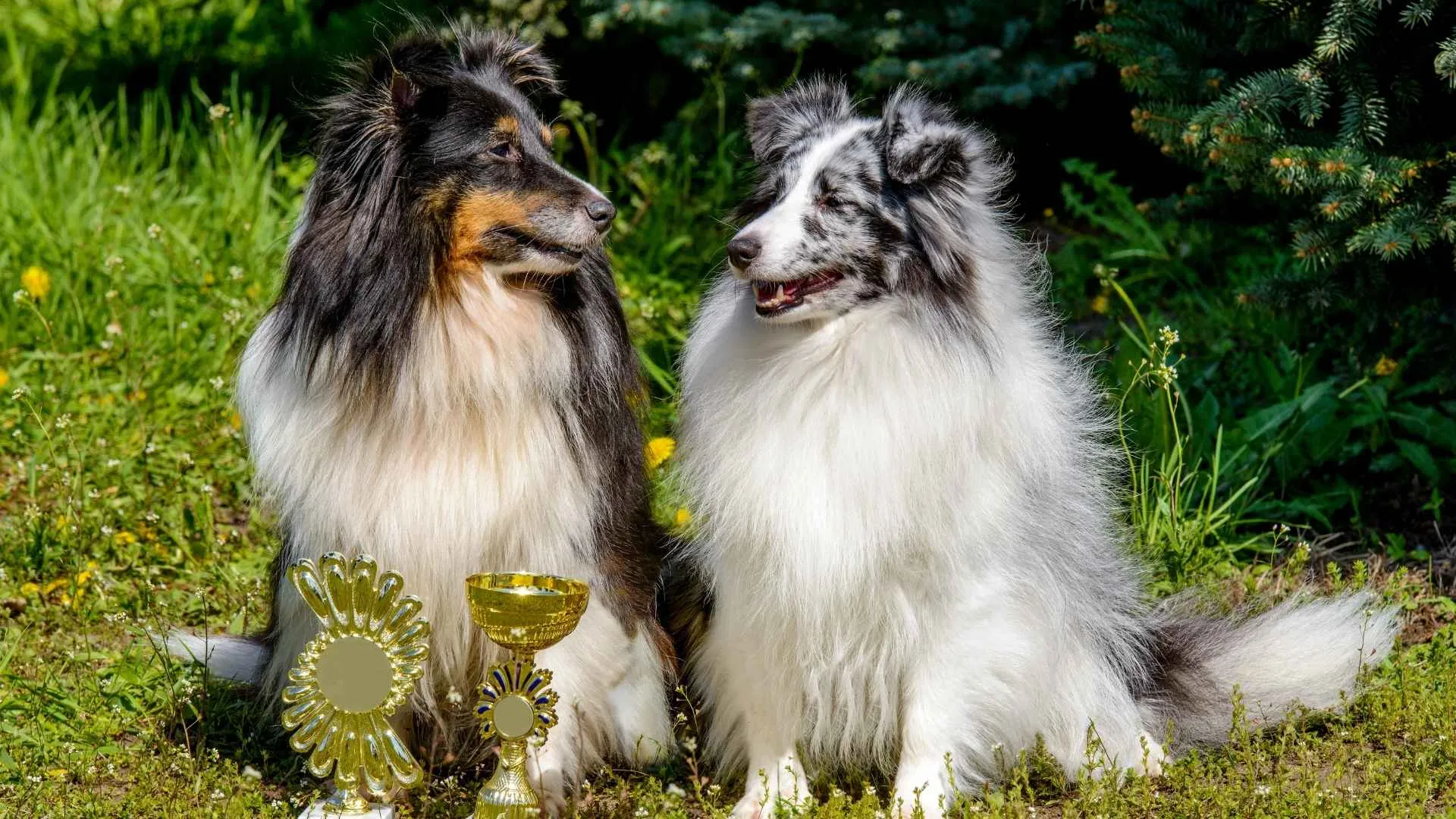
Few small dogs combine intelligence and eagerness like the Shetland Sheepdog.
Often praised as a highly intelligent breed, the Sheltie is easy to train and eager to please. According to the American Kennel Club, the Shetland Sheepdog is an extremely intelligent, quick, and obedient herder from Scotland’s rugged Shetland Islands.
Its close bond with people helps it respond well to guidance and daily routines. This makes it a rewarding choice for a first-time dog owner who enjoys teaching new skills.
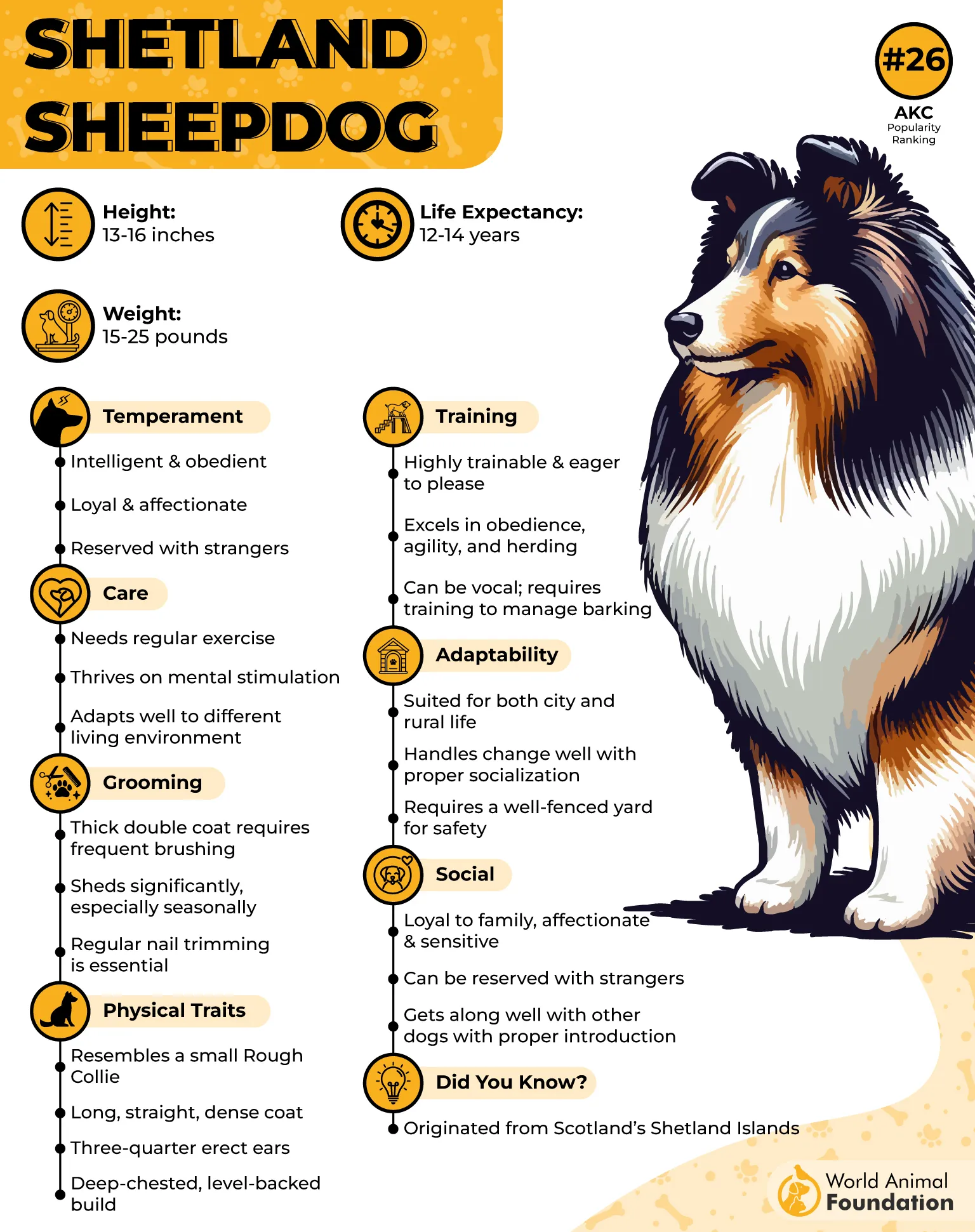
While some may call it the smartest dog breed, intelligence varies between individual dogs. Shelties can also be affectionate family companions and often notice changes around them quickly.
Skills That Keep Shelties Engaged
Obedience training can channel their eagerness to learn.
Agility trials offer a fun challenge for their quick movements.
Herding activities connect with their working heritage.
Early socialization helps them handle new situations calmly.
Their highly alert nature can make them attentive watchdogs.
Positive introductions can help them live peacefully with other pets.
7. Labrador Retriever

When intelligence meets an easygoing nature, the Labrador shines.
A Labrador Retriever brings a rare mix of brains, warmth, and versatility. Labs are highly capable learners with a natural desire to work alongside people. According to WebMD, Labrador Retrievers are among the most popular pet breeds and were bred as gun dogs to retrieve game for hunters.
Their intelligence helps them learn useful skills through consistent training and clear training sessions. They can also adapt well to family life, making them a popular choice for households with children.
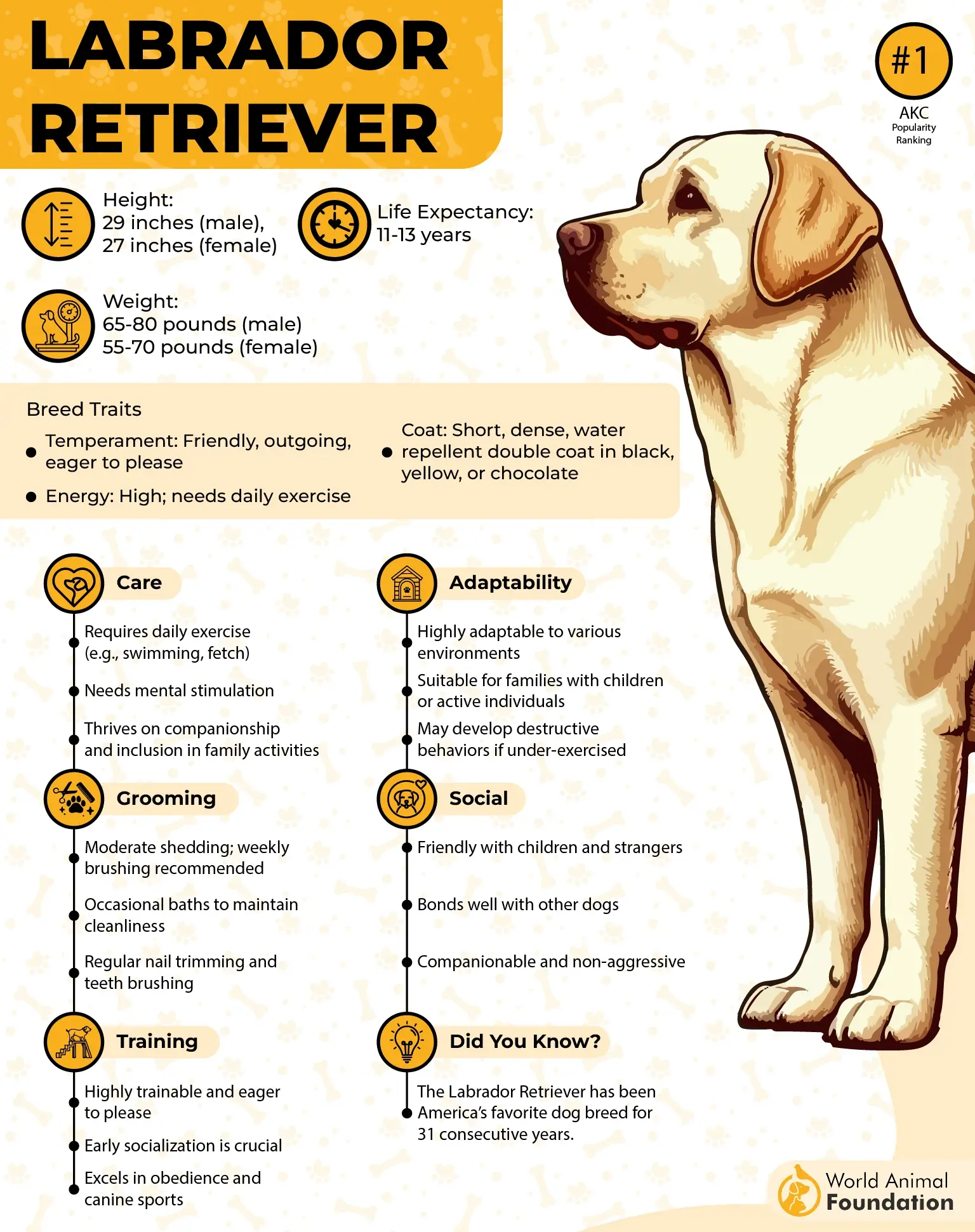
Although some may call them the smartest dog breed, their real strength lies in their versatility and willingness to cooperate. Good obedience can support good behavior as they grow. Labs also need more exercise than a quiet homebody dog.
Along with activity, proper nutrition, veterinary visits, and other preventive care can support a healthy life and help them handle new situations with confidence.
Why Labs Make Versatile Companions
Fetch connects naturally with their retrieving heritage.
Swimming gives them an enjoyable way to stay active.
Service and guide work put their abilities to practical use.
Tracking activities can give their curious minds a useful outlet.
Regular play can strengthen bonds between dogs and owners.
Conclusion
Choosing among intelligent dog breeds is about more than finding the fastest learner. Smart dogs can show their abilities through problem-solving, focus, adaptability, and a willingness to work with people.
Border Collies may shine at quick learning, while Poodles bring impressive versatility. Papillons prove that small size does not limit intelligence. Dobermans offer alertness, Golden Retrievers bring warmth, German Shepherds excel at demanding tasks, and Rottweilers show purposeful focus.
Still, the right intelligent dog is the one that matches your lifestyle and time. Simple training tips, positive rewards, and clear routines can support better obedience and help each dog use its intelligence well. Some owners may even explore obedience competition as a fun challenge.
If you welcome a new dog, remember that exercise, socialization, and preventive care matter too. With patience and commitment, many families can enjoy a clever companion that thrives at home.
