




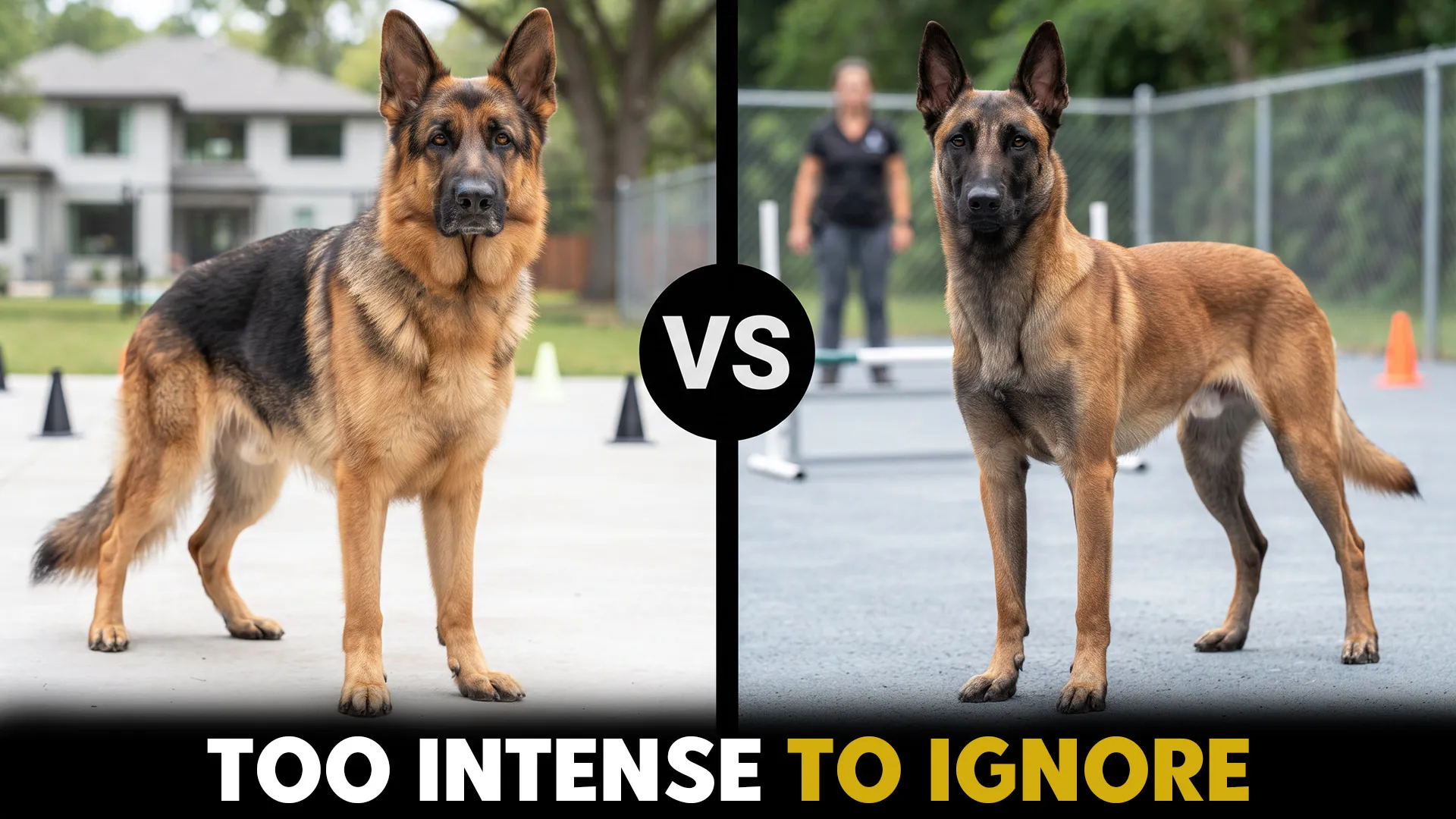
Two highly capable working dogs can share the same reputation for intelligence and still feel completely different to live with. Both are widely recognized for protection work, police duties, service roles, sport, and demanding obedience.
Their physical and behavioral profiles create different expectations for handlers. One generally weighs more, has a stronger physical presence, and broad versatility across work and home settings. The other is typically leaner, quicker, and more intense, with substantial stamina and a strong need for activity.
Neither profile automatically makes one better. The important question is whether the dog’s natural pace matches the owner’s experience and routine. Exercise, training, mental stimulation, socialization, household dynamics, and handling ability all deserve attention.
This article brings those differences into focus, from personality and physical ability to daily demands, training expectations, household fit, and suitability for your household.
Key Takeaways
Two dogs can look remarkably similar and still give their owners very different experiences.
German Shepherds bring size, endurance, and a strong protective nature, while Belgian Malinois are known for speed, intensity, and an almost constant need for purposeful work.
The Malinois can turn a moving car, animal, or even a running child into something worth chasing, which makes early training especially important.
Their exercise, temperament, training, and guarding instincts reveal which one may fit your everyday life better.
German Shepherd vs. Belgian Malinois: Important Qualities That Set Them Apart
Origins & Purpose
German Shepherd: From Herding to Service
German Shepherds trace their modern identity to Germany, where Capt. Max von Stephanitz established the breed in 1899 from older shepherd and farm dogs, as noted by the AKC. Their early purpose centered on dependable farm work and close cooperation with people.
Interest spread internationally in the early 1900s, with AKC recognition following in 1908. During the World Wars, the breed was often called the Shepherd Dog or Alsatian, and its popularity later inspired breeds such as the King Shepherd.
Belgian Malinois: A Working Dog at Heart
Belgian Malinois belongs to Belgium’s four shepherd varieties and takes its name from Mechelen, where breeders shaped it into a capable herder and protector during the 1800s. A strong work ethic was central to that goal.
After reaching the United States in the early 1900s, the breed gained renewed attention after AKC recognition in 1959. By the 21st century, Malinois were serving in police, military, detection, and search-and-rescue roles, including White House security and Navy SEAL operations.
Size & Build
German Shepherd Size and Athletic Build
The German Shepherd dog has a medium-to-large, muscular frame with a slightly elongated body, deep chest, and structure built for endurance. Its erect ears, long muzzle, strong jaw, and dense double coat give it the unmistakable look of a serious working dog.
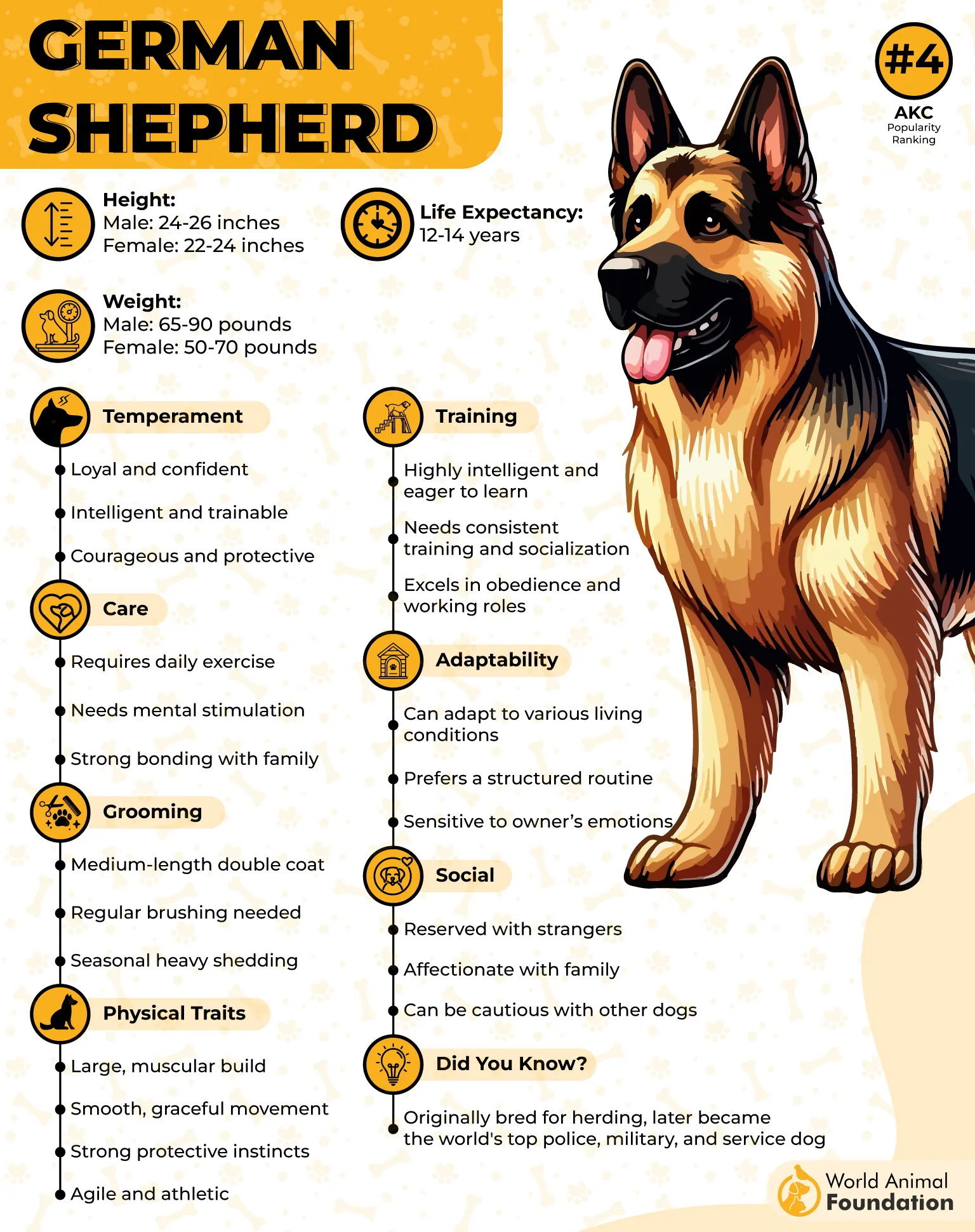
Males usually stand 24–26 inches and weigh 65–90 pounds, while females reach 22–24 inches and weigh 50–70 pounds. Males tend to have broader heads and heavier bones, whereas females often look more refined while keeping the same athletic proportions.
Belgian Malinois Leaner Working Frame
The Belgian Malinois dog has a more compact, dry-muscled build, with a relatively square outline that gives it a lighter and more agile appearance, as noted by Britannica. High-set triangular ears, dark almond-shaped eyes, and the pronounced black mask add to its sharp, alert expression.
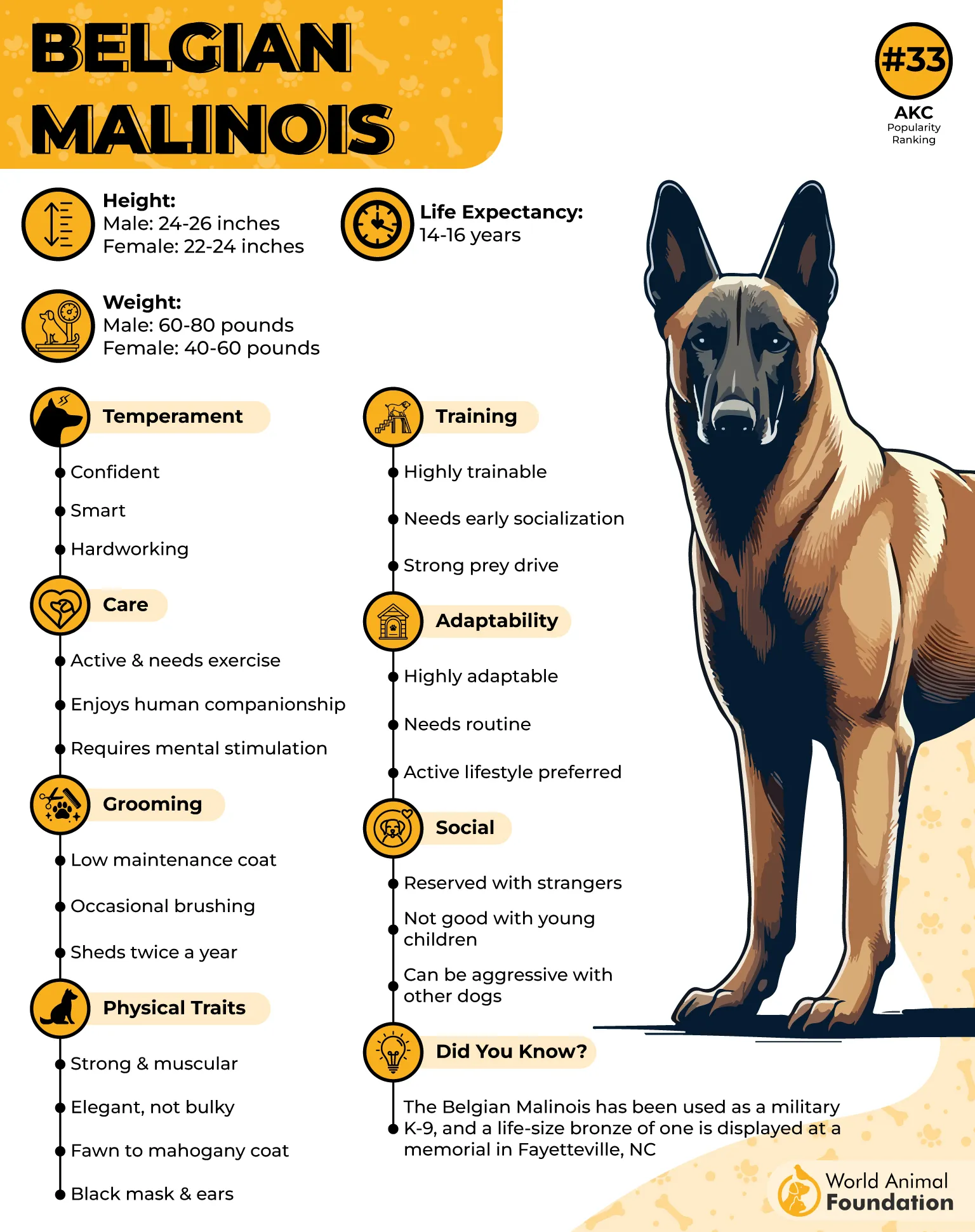
Males measure 24–26 inches and weigh 60–80 pounds, while females stand 22–24 inches and weigh 40–60 pounds. Males generally show more substance through the neck, chest, and shoulders, while females have a leaner, more streamlined silhouette.
Pricing & Availability
German Shepherd Pricing and Adoption Options
A German Shepherd puppy from a breeder generally costs around $1,500 to $3,500, so breeder quality matters as much as the price tag. If buying is outside your budget, local shelters and breed-specific rescues can also be worth checking.
Adoption can open another route to finding a German Shepherd, particularly through rescue groups that focus specifically on the breed. Searching nearby organizations or checking local shelters may uncover adult dogs looking for homes.
Belgian Malinois Cost and Rescue Routes
A Belgian Malinois puppy usually falls between $1,500 and $4,000 from a breeder, putting the breed toward the higher end of this comparison. A responsible breeder is the safer starting point when you decide to purchase a puppy.
Rescue is another possibility, with organizations such as New York Belgian Malinois Rescue and Mission Rescue K9 helping Malinois find suitable homes. Some retired working dogs also enter adoption programs after their service years.
Temperament & Personality Style
German Shepherd: Watchful and Deeply Loyal
The German Shepherd is intelligent, curious, and intensely devoted to its people, with a natural wariness toward strangers. Its alert, watchful nature gives it a strong guarding instinct, while its personality can remain reserved or stubborn without proper direction.
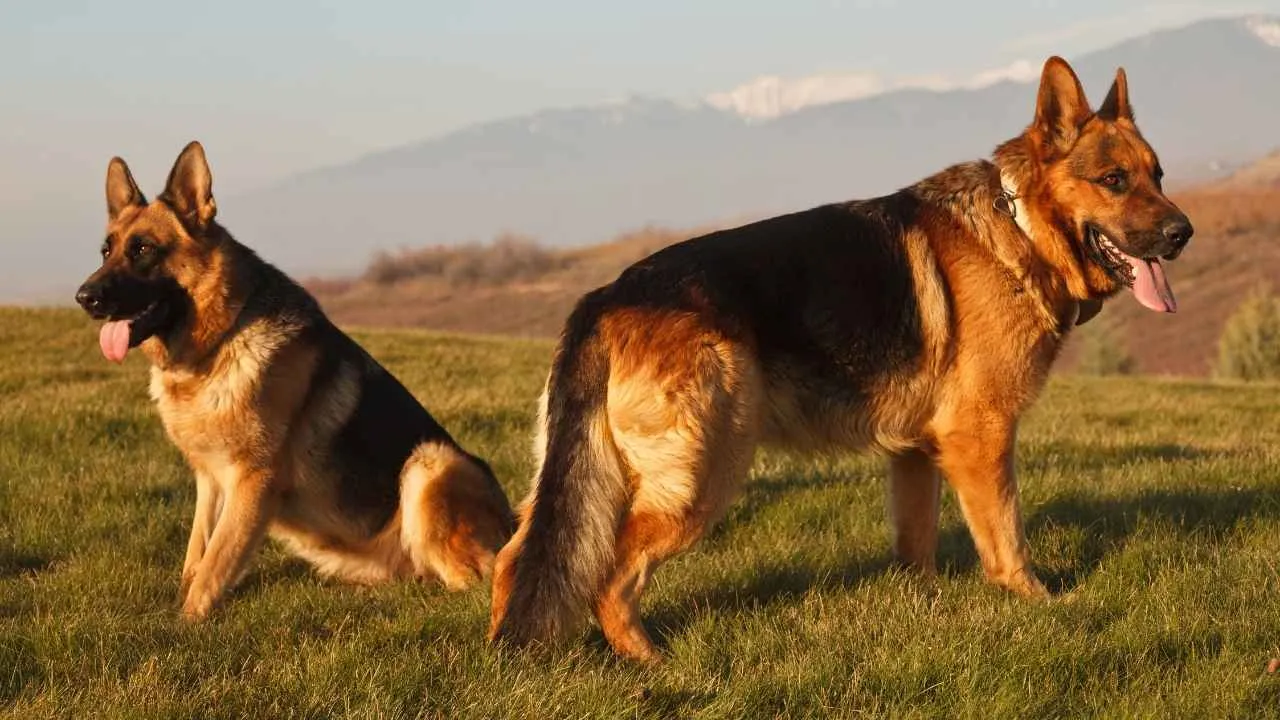
With early training and exposure to children, it can become both a dependable family companion and a protective presence. Cats and other pets can also fit into the household when introduced young and taught appropriate boundaries, as Pawlicy Advisor stated.
Belgian Malinois: Spirited and Work-Driven
The Belgian Malinois brings a much more demanding working temperament, combining remarkable intelligence with strength, responsiveness, and a constant desire to stay involved. It excels across protection, police work, detection, tracking, search and rescue, agility, and obedience.
That intensity makes experience especially important, particularly in a home with children or other animals. Its high prey drive can turn moving toddlers, cats, dogs, or even cars into things worth chasing, so early socialization and obedience matter greatly.
Exercise Needs & Energy Level
German Shepherd: Energy and Daily Outlet
The German Shepherd needs around 1.5–2 hours of daily exercise to stay physically settled and mentally engaged. Long walks can help, while activities such as agility, herding, tracking, and dock diving give its working mind something more purposeful to do.
For younger dogs, short walks and play in a safely fenced area are a sensible starting point. Off-leash freedom still deserves caution, since even a well-trained German Shepherd can lose focus when something grabs its attention.
Belgian Malinois: Needs More Than a Walk
The Belgian Malinois needs roughly 90–120 minutes of vigorous activity each day, often split into several sessions, with some dogs benefiting from two hours or more. It especially suits people who want an active partner for running, hiking, biking, or structured dog sports.
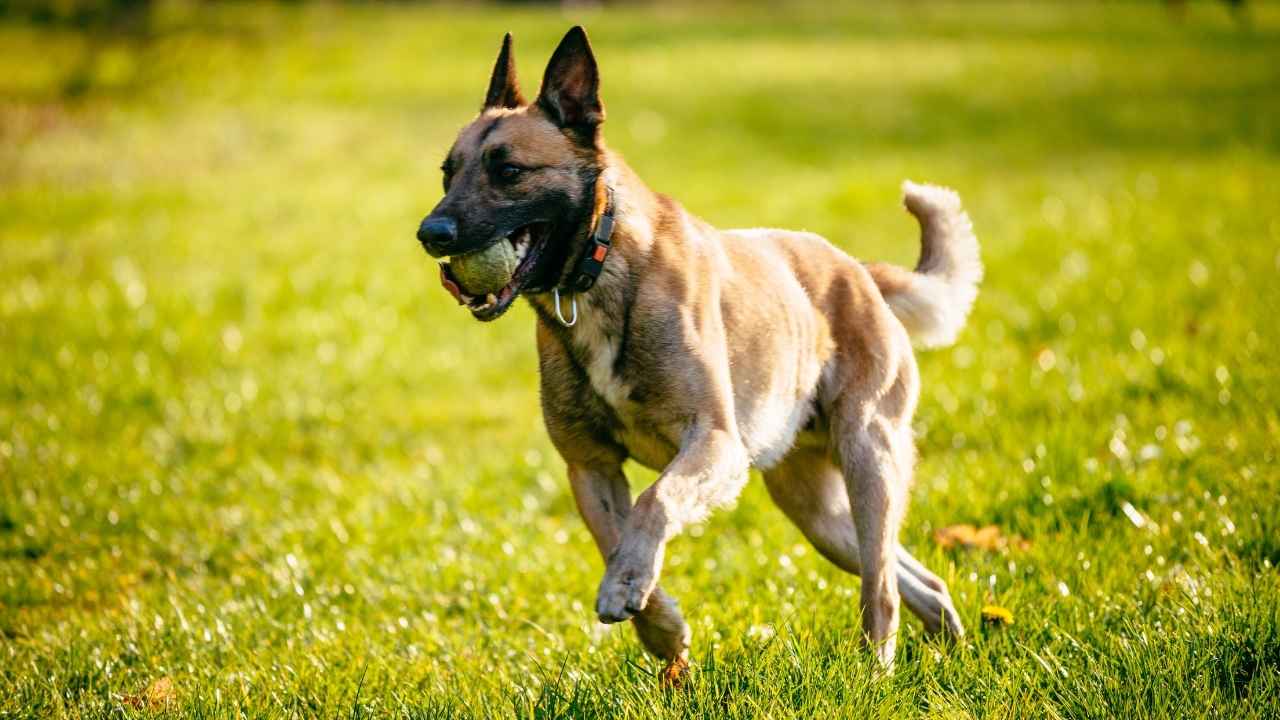
The exercise needs of this herding dog are closely tied to interaction with its person, so simply leaving it in a yard will not meet them. Agility, tracking, herding, obedience, and Schutzhund can turn that intense energy into focused work.
Trainability & Obedience
German Shepherd Learning Style
German Shepherds respond strongly to consistent, reward-based training and usually pick up household manners quickly when lessons begin early. Their close bond with family also makes everyday training easier when they are included in normal household life.
Early socialization and puppy classes help shape an adaptable adult, while basic cues such as “sit,” “down,” and “off” provide the foundation for more advanced work. Once those skills are reliable, they can also open the door to obedience competitions and other dog sports.
Belgian Malinois Drive and Control
Belgian Malinois bring intense drive into training, especially around anything that moves, so chasing children, vehicles, or animals needs a clear outlet from an early age. Structured socialization and obedience help them learn to stay neutral instead of reacting to everything around them.
Recall and impulse control are especially important because their speed and prey drive can turn a decision into immediate action. Purposeful sport, job-based training, and an introduced “off switch” give their intelligence somewhere useful to go when ordinary obedience alone is not enough.
Grooming Needs & Shedding
German Shepherd Coat Care
The German Shepherd’s double coat renews seasonally, so weekly brushing helps remove dead hair and keeps shedding more manageable around the home. Its coat should never be clipped, while light scissoring can help shape areas that need tidying.
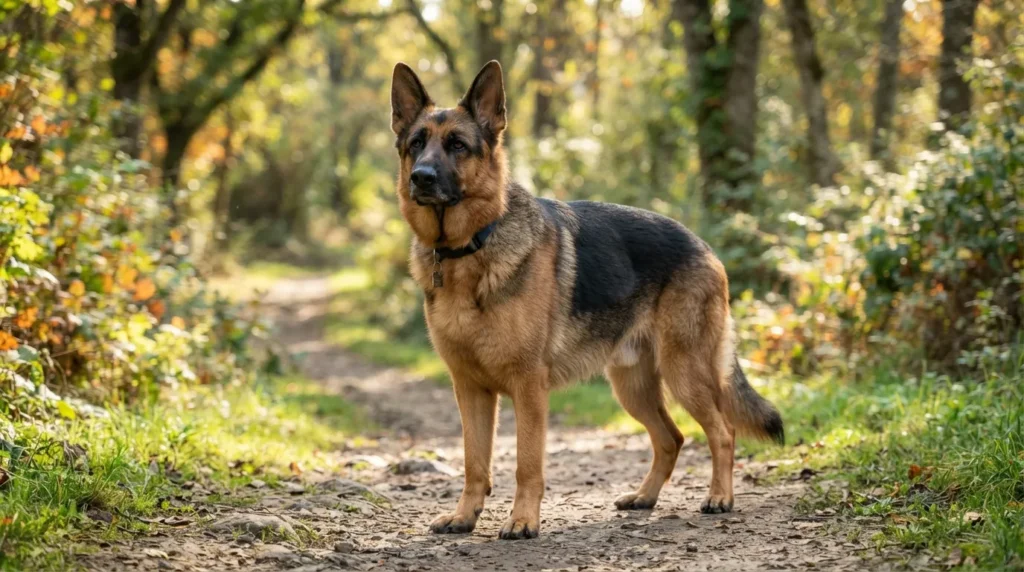
Regular care also includes a monthly bath and attention to the nose and paw pads, where dryness can lead to cracking and wounds. Professional grooming every 8 to 12 weeks may be useful, with more frequent visits around the heavier spring and autumn shedding periods.
Belgian Malinois Grooming Routine
The Belgian Malinois follows a similarly straightforward grooming routine, with weekly brushing helping clear loose hair as its coat goes through seasonal renewal. Clipping is unsuitable for this coat, while gentle brushing and light scissoring help maintain its condition.
Monthly bathing supports healthy skin and coat, while the nose and paw pads deserve extra attention when they become dry. Professional grooming every 8 to 12 weeks can keep shedding under control, with shorter intervals during seasonal coat changes.
Guarding Instincts & Alertness
German Shepherd: Loyalty and Protective Judgment
German Shepherds bring loyalty, alertness, and courage together in a way that makes their protective nature especially dependable. They form deep attachments to their families, giving them a strong reason to stay attentive to what happens around them.
Their alertness also comes with good judgment, allowing them to notice unusual activity while distinguishing everyday situations from genuine threats. When danger is clear, their courage helps them respond with confidence rather than hesitation.
Belgian Malinois: Vigilance and Threat Awareness
Belgian Malinois are remarkably tuned into small changes around them, from unfamiliar sounds to shifts in routine or activity. A well-socialized dog often studies something new quietly and looks to its handler for direction before deciding how to react.
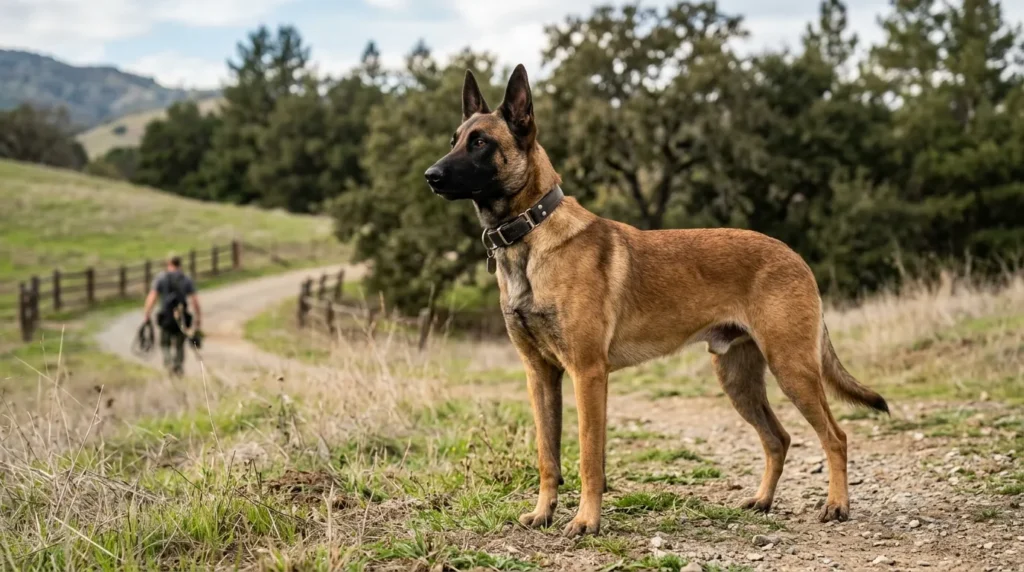
Their intense household loyalty adds another layer to that vigilance, while their athletic frame, erect ears, and focused gaze can naturally discourage unwanted attention. With proper socialization, they can also distinguish normal visitors and daily activity from situations that truly warrant concern.
Health & Lifespan
German Shepherd Health Watchpoints
German Shepherds are generally healthy, though responsible breeding includes screening for hip and elbow dysplasia and degenerative myelopathy. Their larger build also makes awareness of bloat important, since this sudden abdominal swelling can become life-threatening.
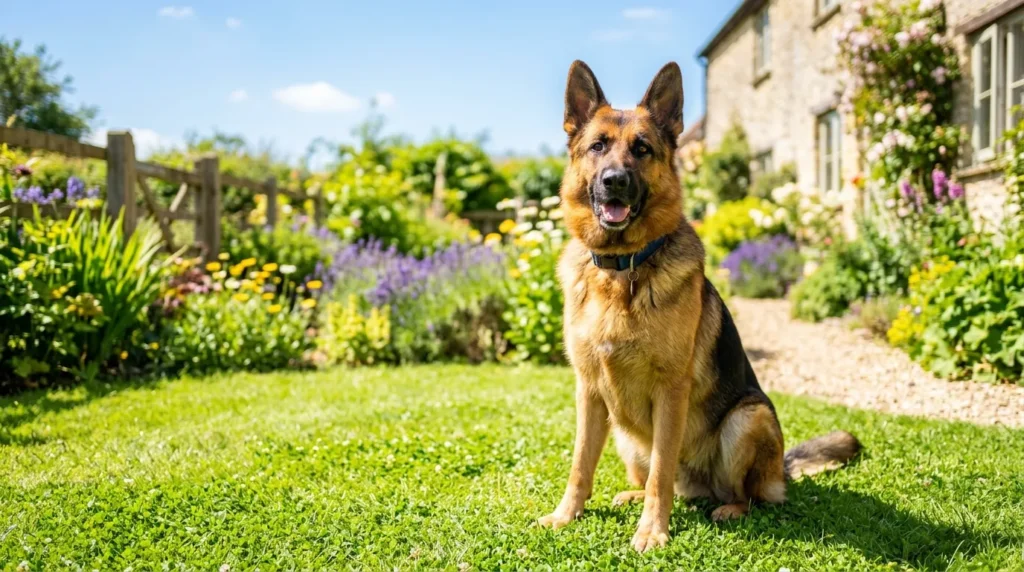
Routine health planning can focus on the breed’s main screening priorities, including hip and elbow evaluations and a temperament test. These checks help breeders assess both physical soundness and behavioral stability.
Belgian Malinois Health Profile
Belgian Malinois are generally healthy dogs, with responsible breeders screening for hip and elbow dysplasia as well as certain eye conditions. Regular ear checks and frequent tooth brushing also matter for keeping routine health issues from becoming bigger problems.
The recommended breed-club screenings include hip and elbow evaluations plus an ophthalmologist evaluation. That combination gives breeders a closer look at orthopedic soundness and eye health before breeding decisions are made.
Conclusion
Selecting between two highly capable working dog breeds comes down to more than size, speed, or reputation. One offers a little more substance and a balanced approach to work, while the other brings lighter movement, intense drive, and exceptional athletic ability. Both have distinct personality traits and need consistent training, regular exercise, socialization, and meaningful involvement from their people.
Their protective instincts can be valuable, but those same qualities require responsible handling in everyday situations. Understanding the key differences between these highly intelligent companions can help you weigh your experience, routine, living environment, and expectations. Looking closely at those details can help you find a better fit for your lifestyle.
