




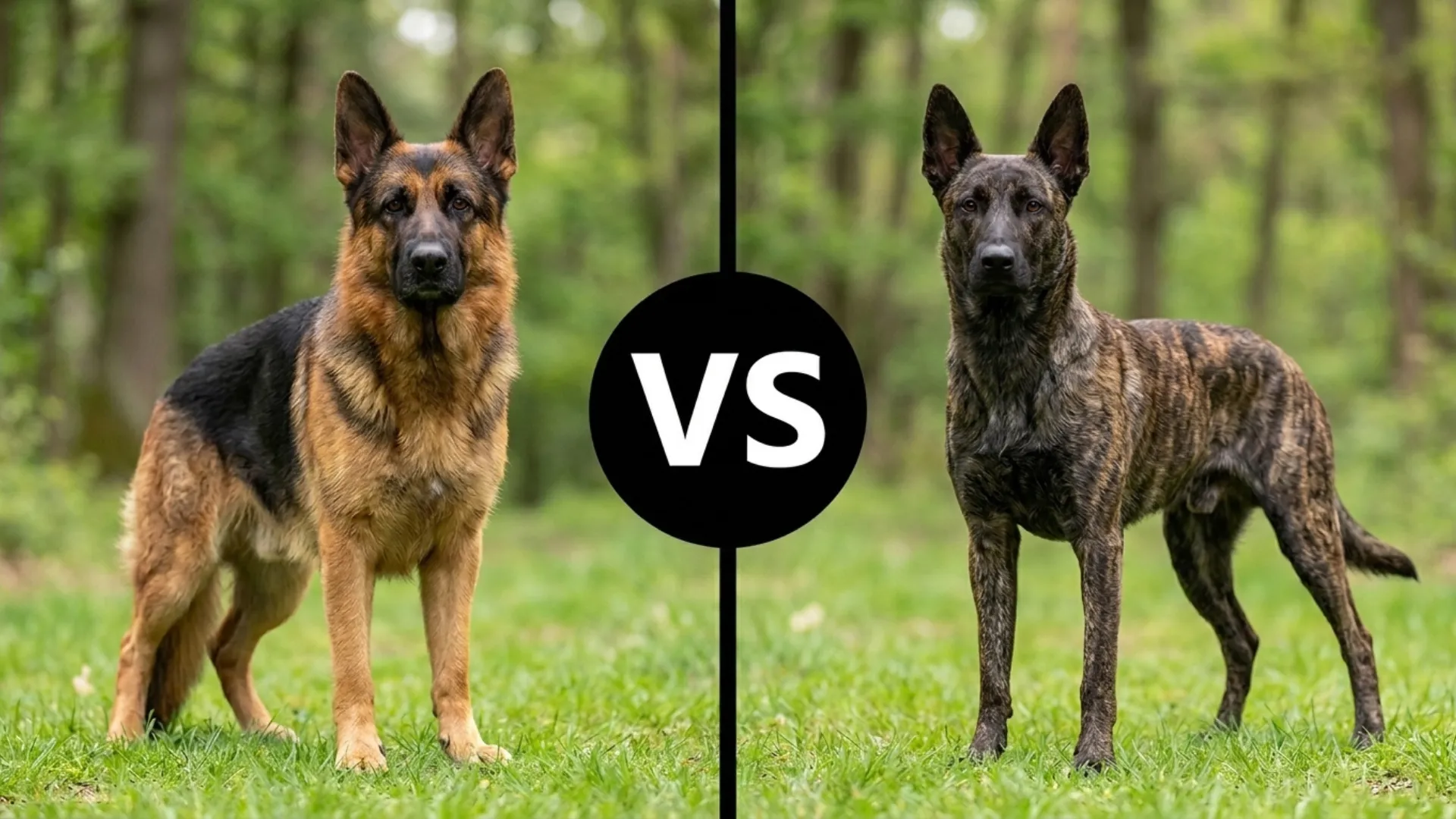
Two shepherds, one impressive working dog legacy, but their greatest strengths may not be the ones you expect. German Shepherds and Dutch Shepherds are both admired for their smartness, courage, and devotion, yet each brings a different edge to the table.
German Shepherds are significantly versatile, with an ability to move between protection, service work, obedience, and family companionship with impressive confidence. Dutch Shepherds are often more relentless athletes, combining stamina, agility, alertness, and determination in a compact package.
Key differences go beyond appearance or breed reputation. They influence how each dog learns, responds to pressure, and fits into an owner’s lifestyle. Looking beyond obvious traits reveals why both breeds continue to earn respect among handlers and families.
German Shepherd vs. Dutch Shepherd Dog Breeds: Surprising Strengths
Origin, Background & Purpose
German Shepherds and Dutch Shepherds both originated in Europe as working breeds; however, their histories started in different countries with various roles. German Shepherds originated in Germany, while Dutch Shepherds developed in the Netherlands.
In 1899, the first breed standard was written by A. Meyer and Max Von Stephanitz for herding purposes. This breed’s versatility and great work ethic led it to be one of the most popular dogs worldwide. In the right environment, a good German Shepherd is a multi-talented canine friend.
Dutch Shepherds were selected for working on farms by local farmers. They used to guard the farmhouses, move sheep along roads, keep cattle away from crops, and also pull the carts of milk and other goods. Thus, their beginning was started as versatile farm dogs.
Size, Weight & Build Differences
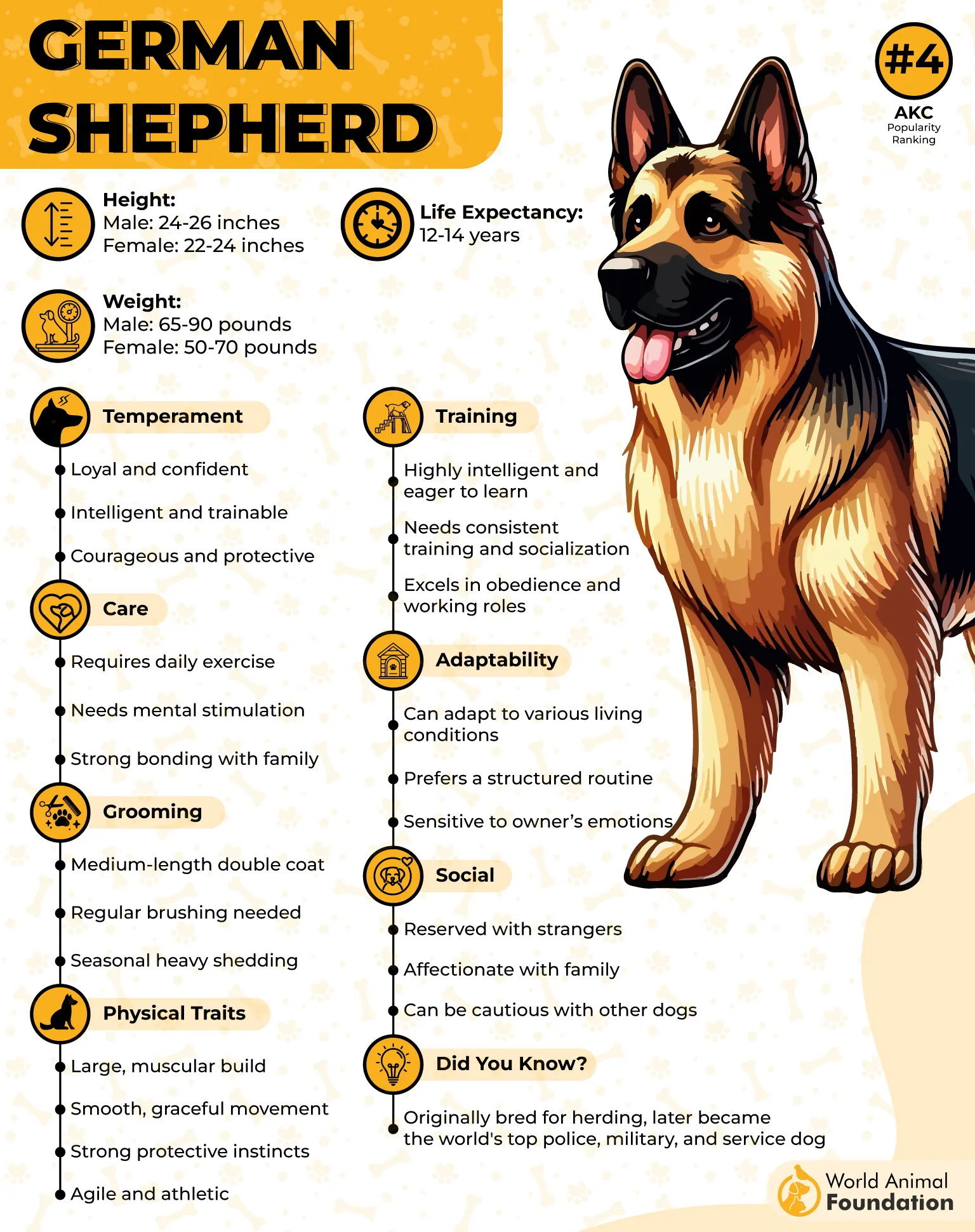
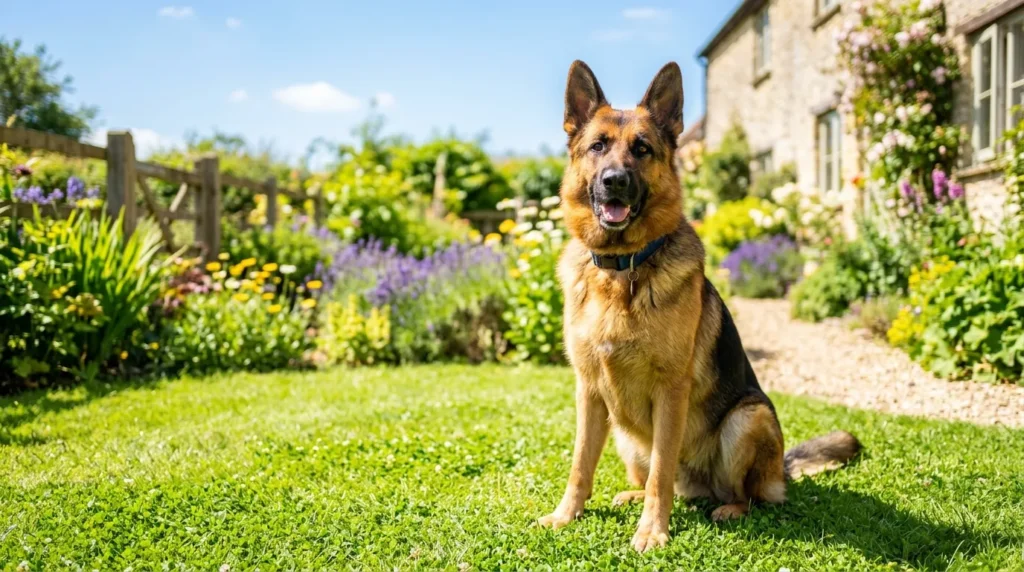
German Shepherds are generally more substantial than the other breed. Males typically have 65 to 90 pounds weight with 24 to 26 inches tall height while female GSDs weigh around 50-70 pounds on average while standing around 22-24 inches tall.
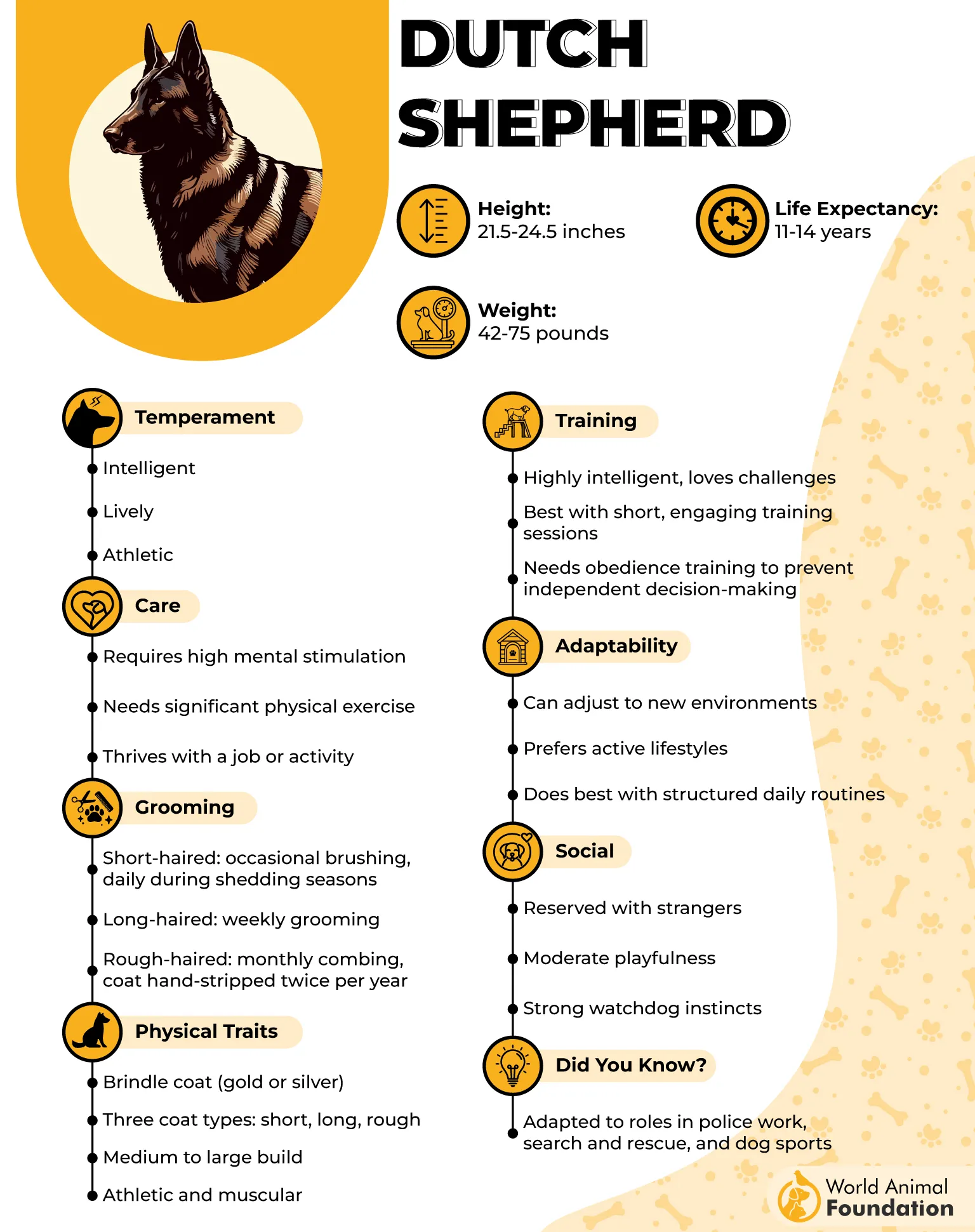
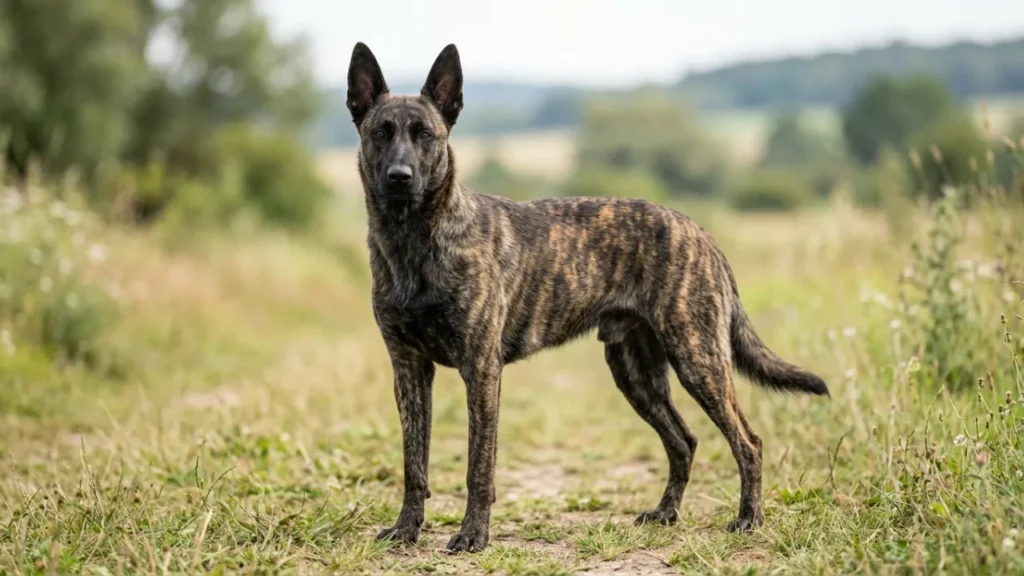
Dutch Shepherds, though, have a strong and athletic appearance, but in comparison with German Shepherds, they look slightly smaller and lighter. They averagely weigh between 42-75 pounds and generally measure about 21.5 to 24.5 inches, according to the AKC.
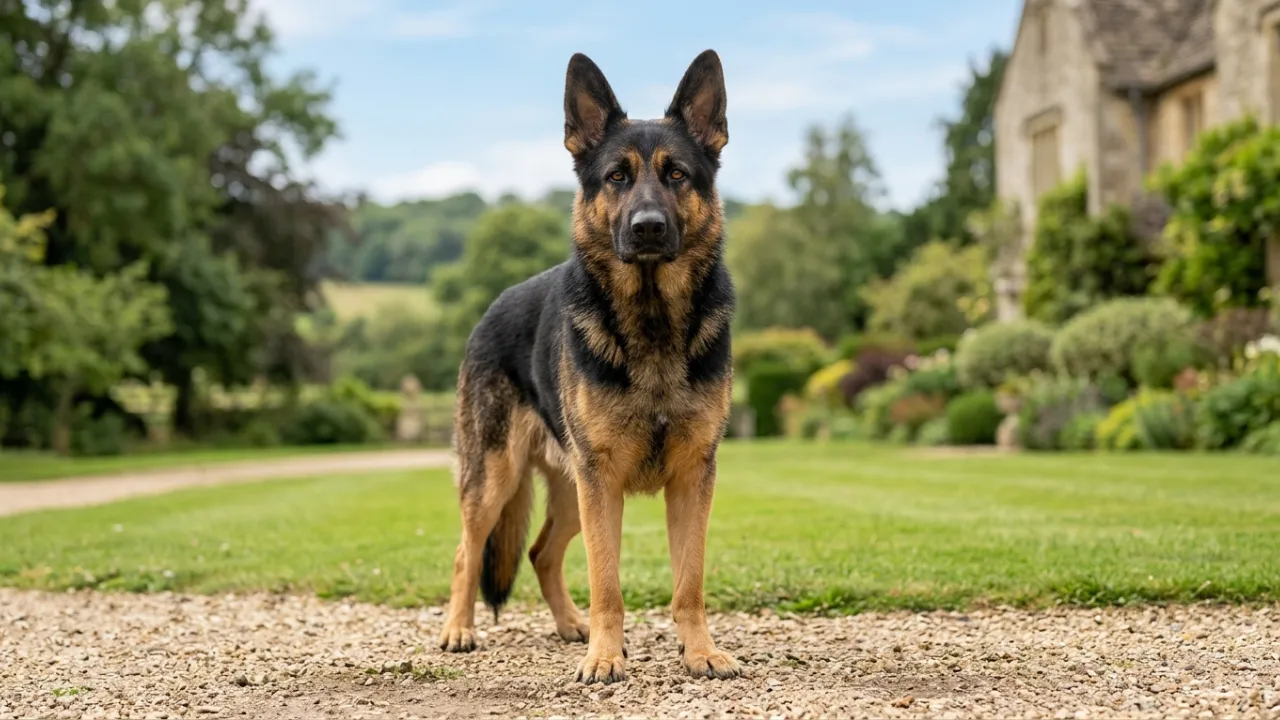
German Shepherds tend to have a muscular and powerful build with a great bite force. Whereas Dutch Shepherds tend to be leaner, lighter, and agile. Both show athleticism, but their frames reflect slightly different physical strength.
Coat Types, Grooming & Maintenance
German Shepherds are blessed with a double coat, while Dutch Shepherds offer greater coat types. The medium-length coat of German Shepherds varies in color, and Dutch Shepherds have short, long, and rough-haired coats, with different grooming requirements.
Short hair type needs occasional brushing that can be transitioned to daily during shedding seasons. Long-haired Dutch Shepherds need weekly care, and the rough-haired type requires hand stripping. Overall, these dogs are generally manageable for owners prepared to maintain them according to type.
The undercoat is soft, and the outer coat type is coarse and heavy. They shed heavily when the season changes, and thus their grooming needs more care in this context. Frequent daily brushing is required to handle their loose fur, and monthly baths keep them healthy and fresh.
Temperament, Personality & Behavior
The personality of each dog differs even within the same breed, mentions PetMD, and when we talk about two different dog breeds, their temperament and behavior definitely reflect their own flavor. Both are naturally intelligent, loyal, and alert dogs, but their interaction with people feels different.
German Shepherds are famous for their devotion and streak to get along well with families. They also remain gentle and protective of their owners in a controlled manner and do not hesitate to be in danger just to protect their loved ones.
Dutch Shepherds also show strong attachment towards their favorites while showing aloofness towards strangers. They are observant, steady, and ready to respond to their environment. They thrive in performing different tasks rather than being couch potatoes.
Intelligence, Trainability & Responsiveness
Intelligence is more than just learning commands. Both German Shepherds and Dutch Shepherds are exceptionally capable of learning things, but the differences lie in how they channel their intelligent personality in various ways.
German Shepherds are among the smartest dogs on earth, eager to please and highly trainable, as noted by Britannica. They retain complex commands when indulged in consistent and reward-based methods during training. A lack of training will develop undesired behaviors in them, which may act as a threat to others.
Dutch Shepherds bring more independence, though they enjoy the learning process. They are highly responsive to experienced ownership and excel in obedience, agility, and other activities. When training provides them clear purpose and variety, they happily participate in such drills.
Energy Levels, Activity Needs & Work Drive
Here, these two shepherds are unlikely to negotiate. Both of them are designed for thriving in demanding environments, so neither breed is naturally suited to a sedentary lifestyle. Dutch Shepherds offer more intense and persistent work drive, while GSDs are easier to transition between serious and family work.
Dutch Shepherds need at least an hour to channel their energetic personality in the form of physical and mental stimulation. Since they bloom when facilitated with dog sports and adventures like agility, scent work, and obedience, they are well suited to outdoorsy and active families.
German Shepherds have high energy and substantial exercise requirements. Daily walks alone are not enough for them; long walks, running, and plenty of playtime either in the backyard or at the park are compulsory to avoid any boredom-related behaviors in them.
Health Concerns, Durability & Average Lifespans
No dog breed on this globe is free from inherited health problems. And when we are comparing breeds that carry athletic backgrounds and contribute to good overall durability, responsible breeding, balanced diet, exercise, and preventive care become non-negotiable.
German Shepherds are very active and healthy, but due to their large frame and activity levels, they may develop bone- and joint-related issues such as hip dysplasia and elbow dysplasia. They are also prone to degenerative myelopathy, gastric dilation-volvulus, and bloating.
Dutch Shepherds are considered hardy and relatively healthy dogs. Long-haired dogs are predisposed to thyroid issues, while rough haired to goniodysplasia. The typical lifespan of Dutch Shepherds is approximately 11 to 14 years, and the average life expectancy of GSDs is around 12-14 years.
Working Roles, Primal Instincts & Adaptability
Originating from herding livestock, German Shepherds evolved into an impressive range of modern working roles. Whereas Dutch Shepherds developed as adaptable farm workers, giving them strong instincts for herding, guarding, chasing, tracking, and managing other tasks with independence.
As long as provided with structured training and proper socialization, German Shepherds offer more versatility in protection work, family life, or service abilities. Dutch Shepherds stand out more for athleticism, intensity, and sustained work drive.
German Shepherds live calmly with other dogs and pets with proper early socialization, and the same goes for Dutch Shepherd puppies. However, strong hunting instincts may appear in any dog, which is why they must be leash trained as well as channeled well physically and mentally to curb this behavior.
Cost Factors, Availability & Popularity
German Shepherds rank among the most recognizable dog breeds in the world, so they are easy to find through established breeders, working dog programs, and rescue and adoption organizations, which also means prices vary depending on pedigree, health testing, and location.
In comparison, Dutch Shepherds are less common, especially outside Europe. And in this case, searching for reputable breeders is quite hectic; therefore, more research and waiting for a planned litter are required. Their lower popularity makes them harder to source, but it also appeals to owners who want a rare dog breed.

Typically, the puppy prices of GSDs cost from $1500-$3500, and imported puppies can cost more than $5000. From a reputable breeder, Dutch Shepherd puppies cost from $1200 to $2500, which may increase when sourced from sport-bred lines.
Conclusion
German Shepherds and Dutch Shepherds may share a reputation for toughness, intelligence, and versatility, but their strengths reveal two distinctly capable working dogs.
The German Shepherd often stands out for their exceptional adaptability and strong handler focus, with an ability to switch smoothly from family life to working roles, and Dutch Shepherds bring remarkable athleticism, endurance, agility, and relentless work ethic that can shine in fast-paced environments.
