




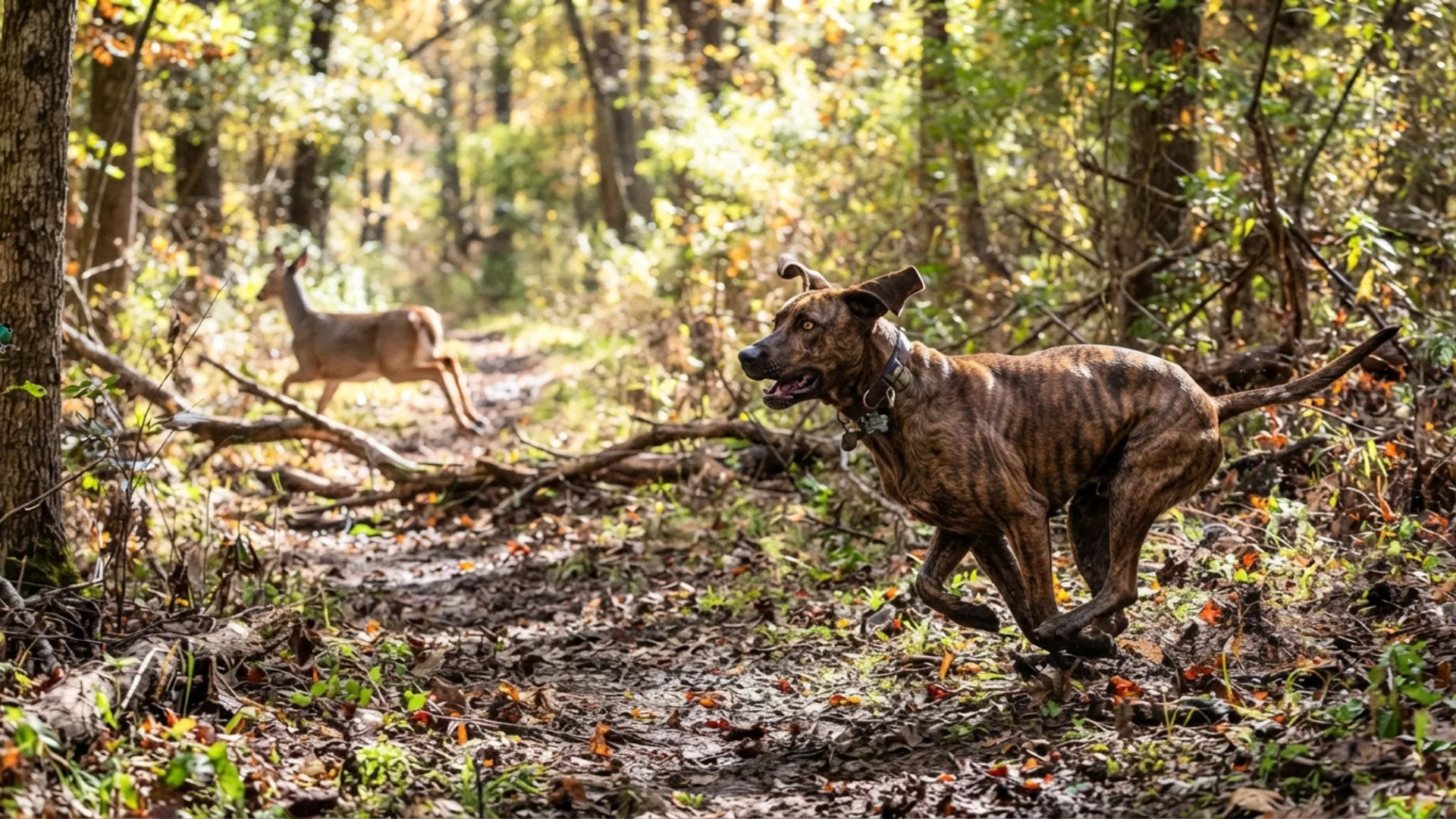
Not every fast dog can keep up with a deer, and that surprises more people than you might expect. Speed alone is only part of the equation.
A dog also needs quick judgment, relentless determination, and the ability to keep pushing across rough ground without losing focus. Very few breeds possess that complete package, which is why only a small number earned a lasting reputation in deer hunting. Their success came from more than powerful legs or lean bodies.
It came from generations of careful breeding that rewarded endurance, sharp instincts, and unwavering commitment to the chase. Even today, those natural abilities remain deeply rooted in their behavior, making them fascinating to watch whether they’re working in the field or burning off energy during exercise.
Keep reading to meet seven impressive breeds whose remarkable speed and relentless pursuit have made them unforgettable partners in deer hunting.
Key Takeaways
How fast does a dog have to be to keep up with a fleeing deer? For some breeds, speeds of 35 to 45 mph are only part of what makes the chase possible.
The German Shorthaired Pointer can reach those speeds, while breeds such as the Bluetick Coonhound rely on an incredible nose to follow trails that may already be hours old.
Then there is the Weimaraner, known as the “Gray Ghost,” which can combine silent pursuit with speeds of up to 35 mph.
Keep reading to see which seven breeds have the speed, instincts, and determination to make a deer chase truly unforgettable.
Dog Breeds That Chase Deer with Untamed Speed
1. Bluetick Coonhound
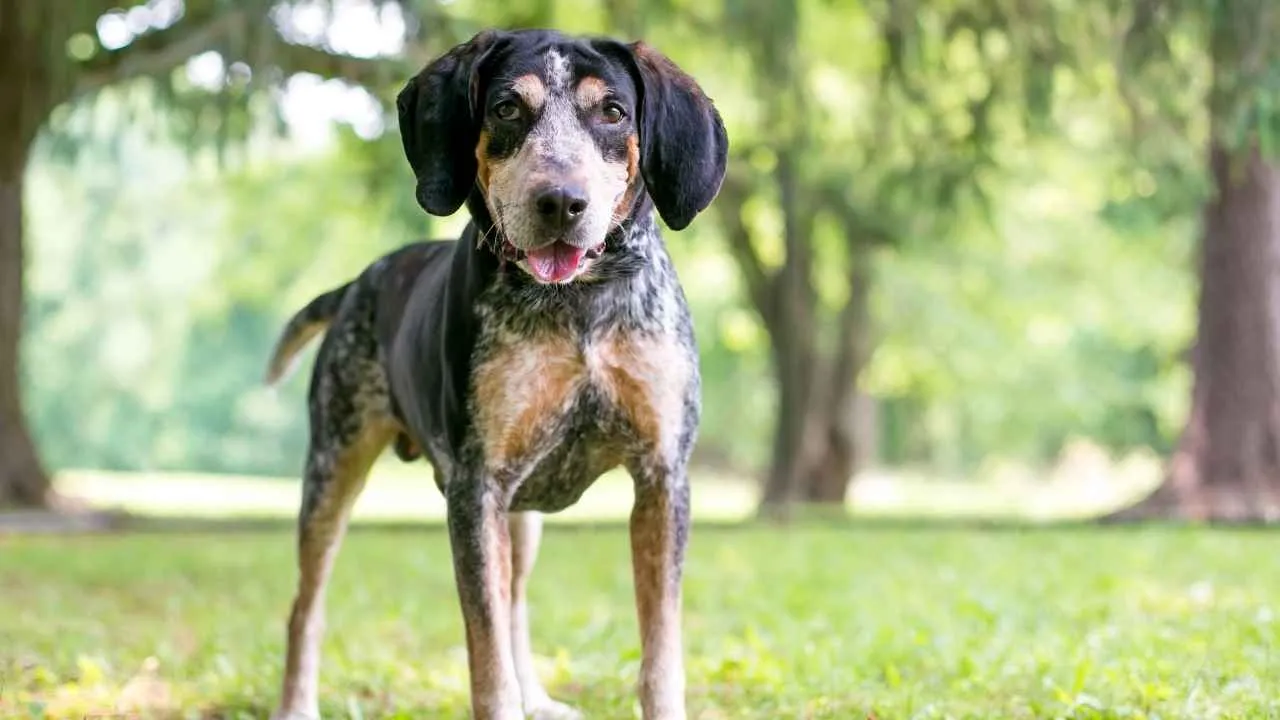
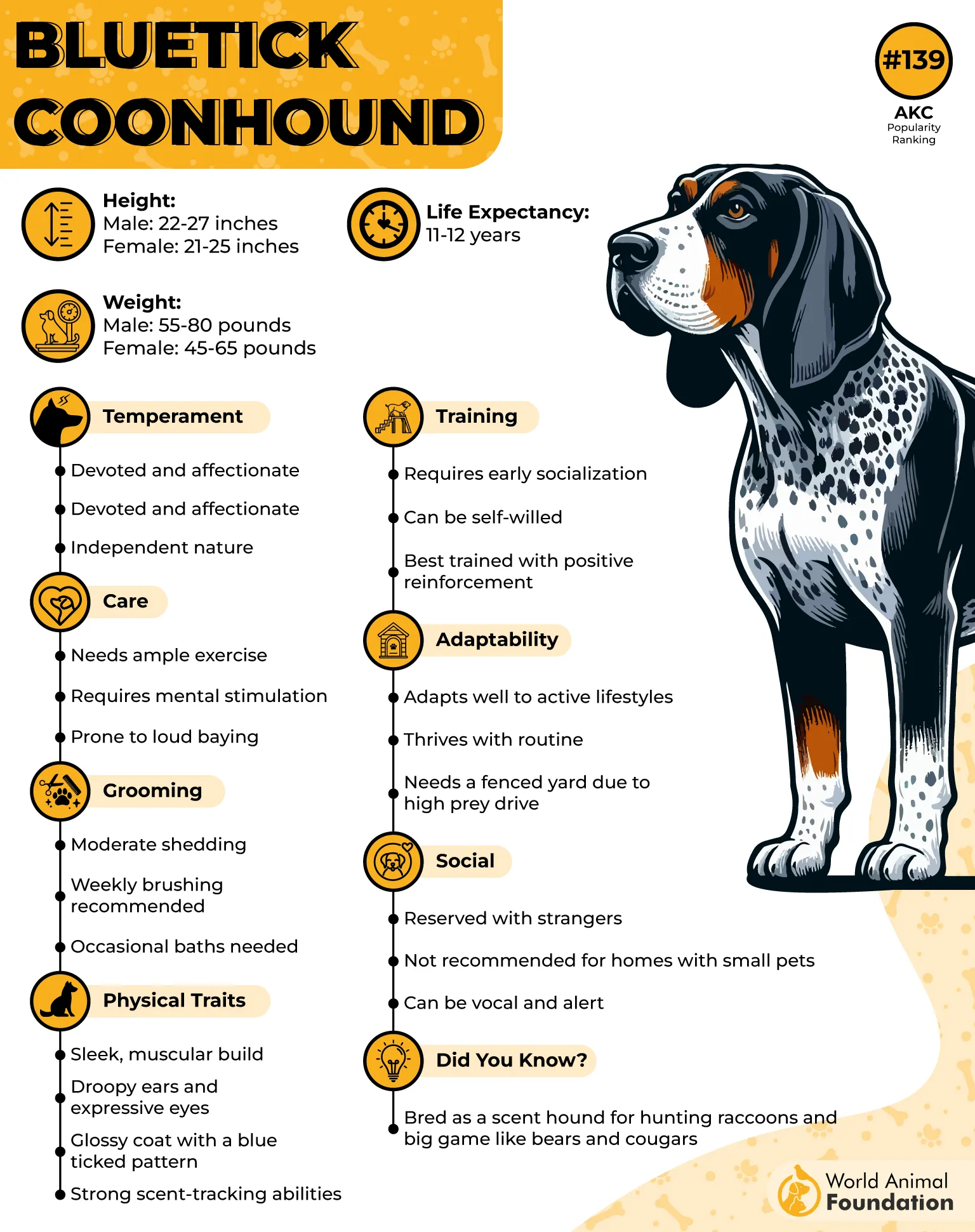
Bluetick Coonhound descends from French staghounds given to George Washington by the Marquis de Lafayette, linking this breed to one of America’s earliest hunting traditions.
From those early days, it gained recognition for pursuing everything from raccoons to formidable game such as bears, wild boars, and cougars.
Built for the Chase
With a nose built to pick up faint scents, this hunting dog breed can stay on an aging trail for miles without losing its way. Once that trail leads it closer to the target, short bursts of 25 to 30 mph help it cover ground quickly and keep the pursuit going.
Several working details deserve a closer look:
Uses “cold-nosing” to detect hours-old scent trails
Thick, cat-like paws grip wet leaves and muddy ground
Deeply arched toes improve traction on uneven terrain
Voice With a Purpose
Bluetick Coonhound communicates through a deep, ringing bay that helps hunters recognize its location while tracking game through dense cover, as WebMD noted.
That powerful vocal style can become challenging in neighborhoods, although consistent training helps reduce excessive baying, barking, and howling.
2. Plott Hound
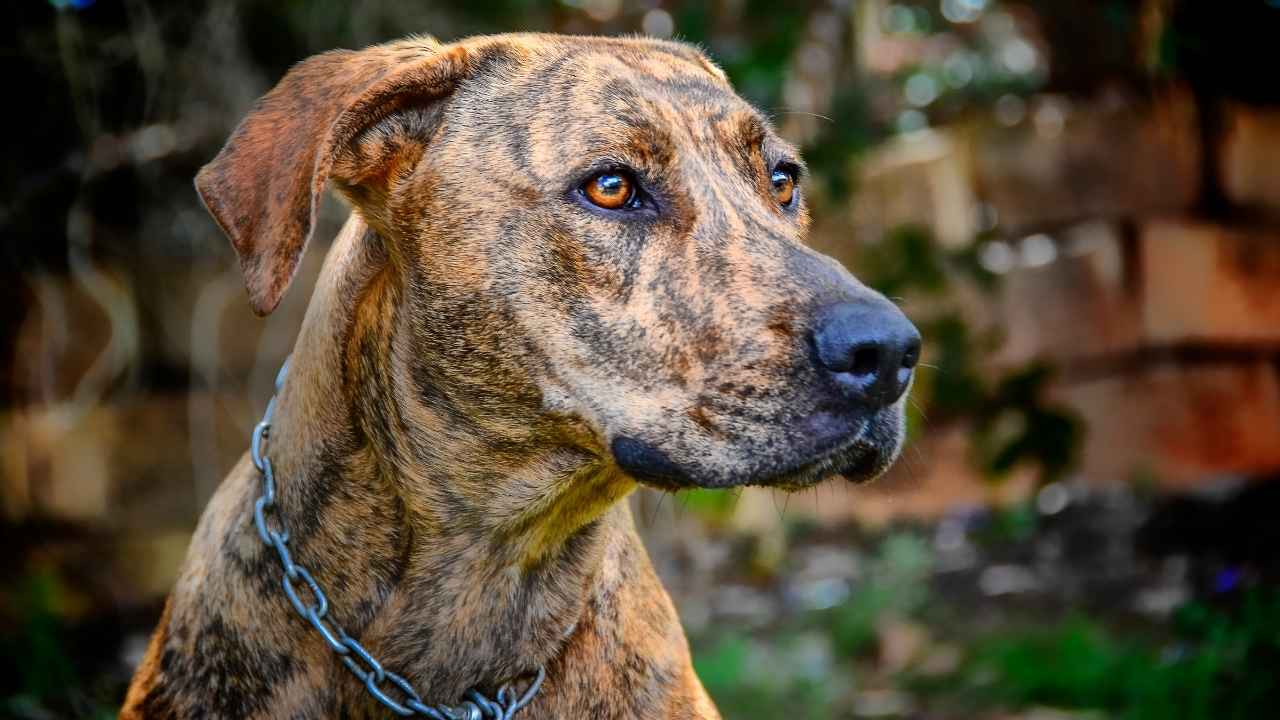
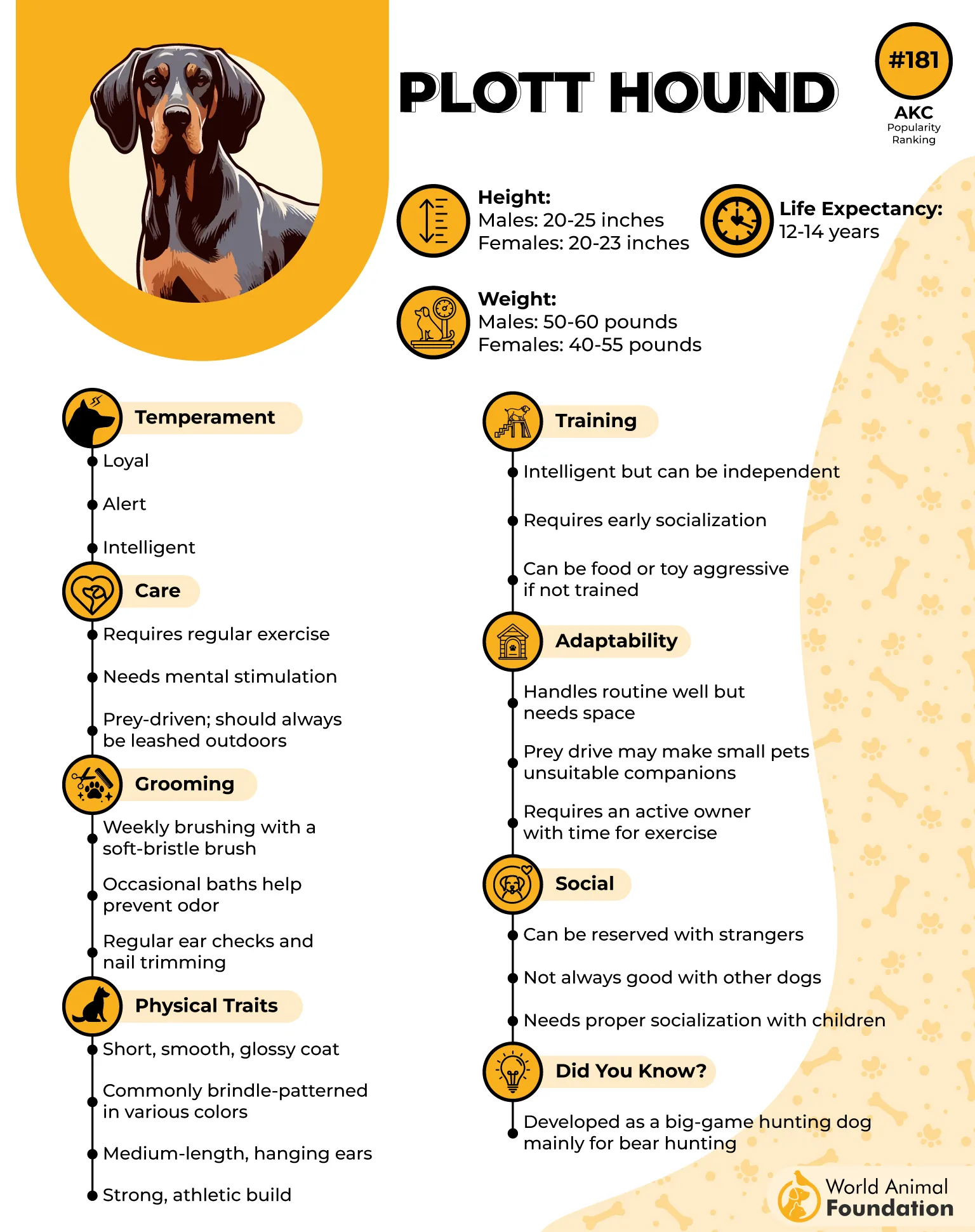
Plott Hound began in North Carolina after German gamekeeper Johannes Plott arrived in America with Hanoverian Scenthounds during the 18th century.
Over time, his family’s breeding program shaped the line that later became known as the Plott Hound, now recognized as North Carolina’s official state dog.
Built for the Chase
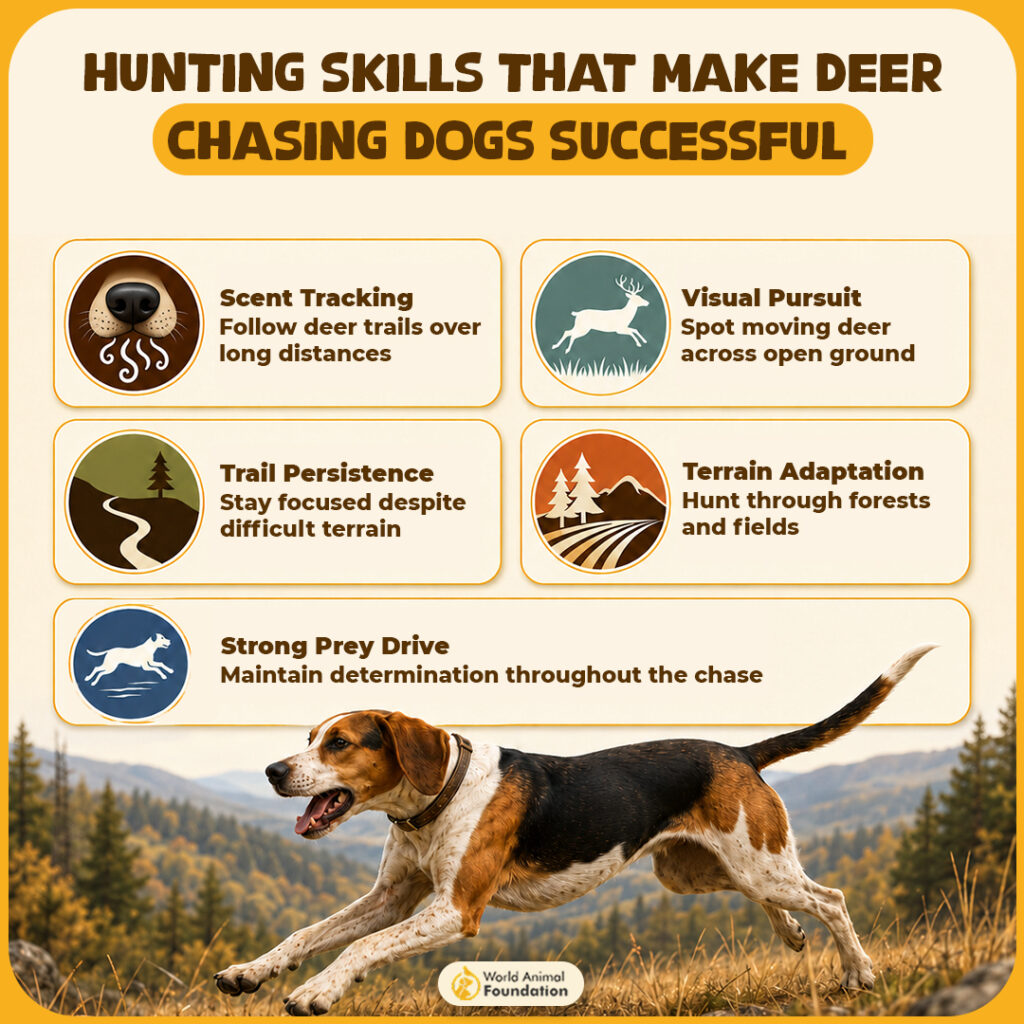
This hunting breed relies on a streamlined frame, deep chest, and long athletic legs that help it cover ground quickly through dense woodland. Short bursts of 25 to 32 mph and the ability to cut sharp corners give this breed a clear advantage when pursuing deer through difficult terrain.
Here’s why they perform so well:
Brindle coat reduces brush resistance
Large lung capacity for extended pursuits
Fearless and determined for their game
Life Beyond the Hunt
Plott Hound enjoys sharing time with both people and other dogs, while activities such as hiking, swimming, and long walks filled with new scents suit its active nature, as PetMD writes.
Because powerful scent instincts and a strong prey drive can quickly redirect its attention, a secure fence or leash remains an important precaution outdoors.
3. American Foxhound
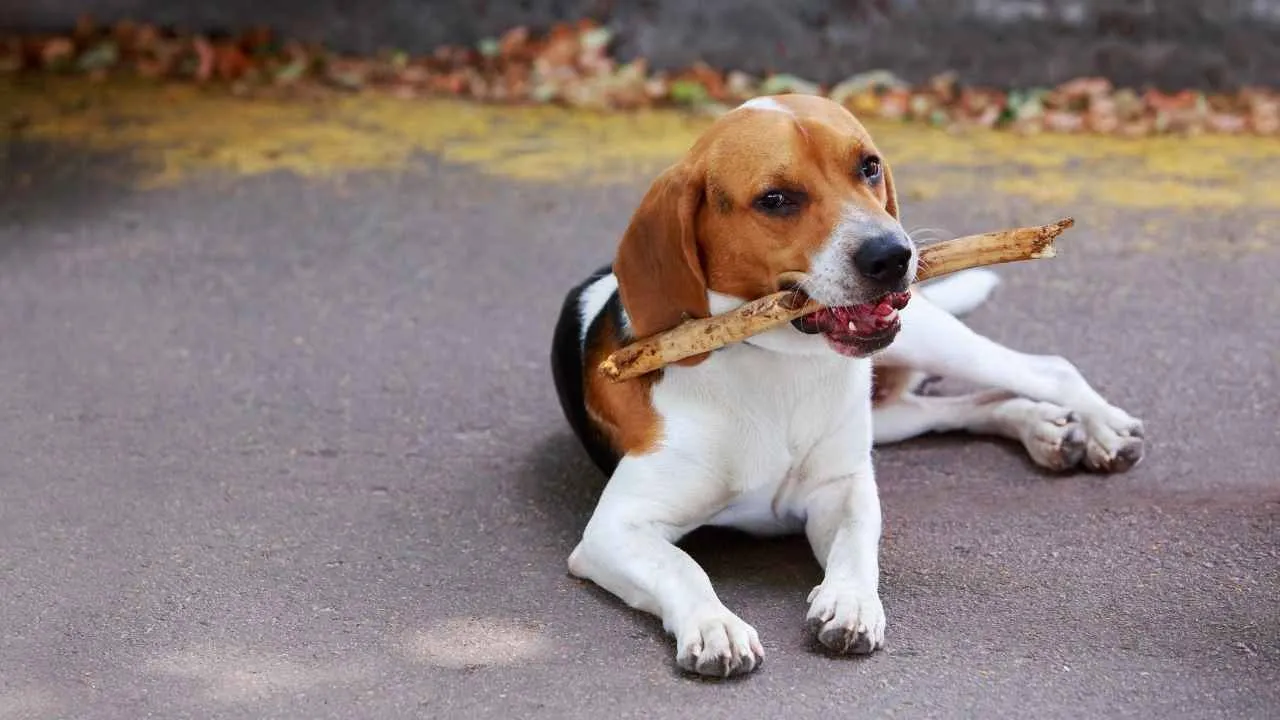
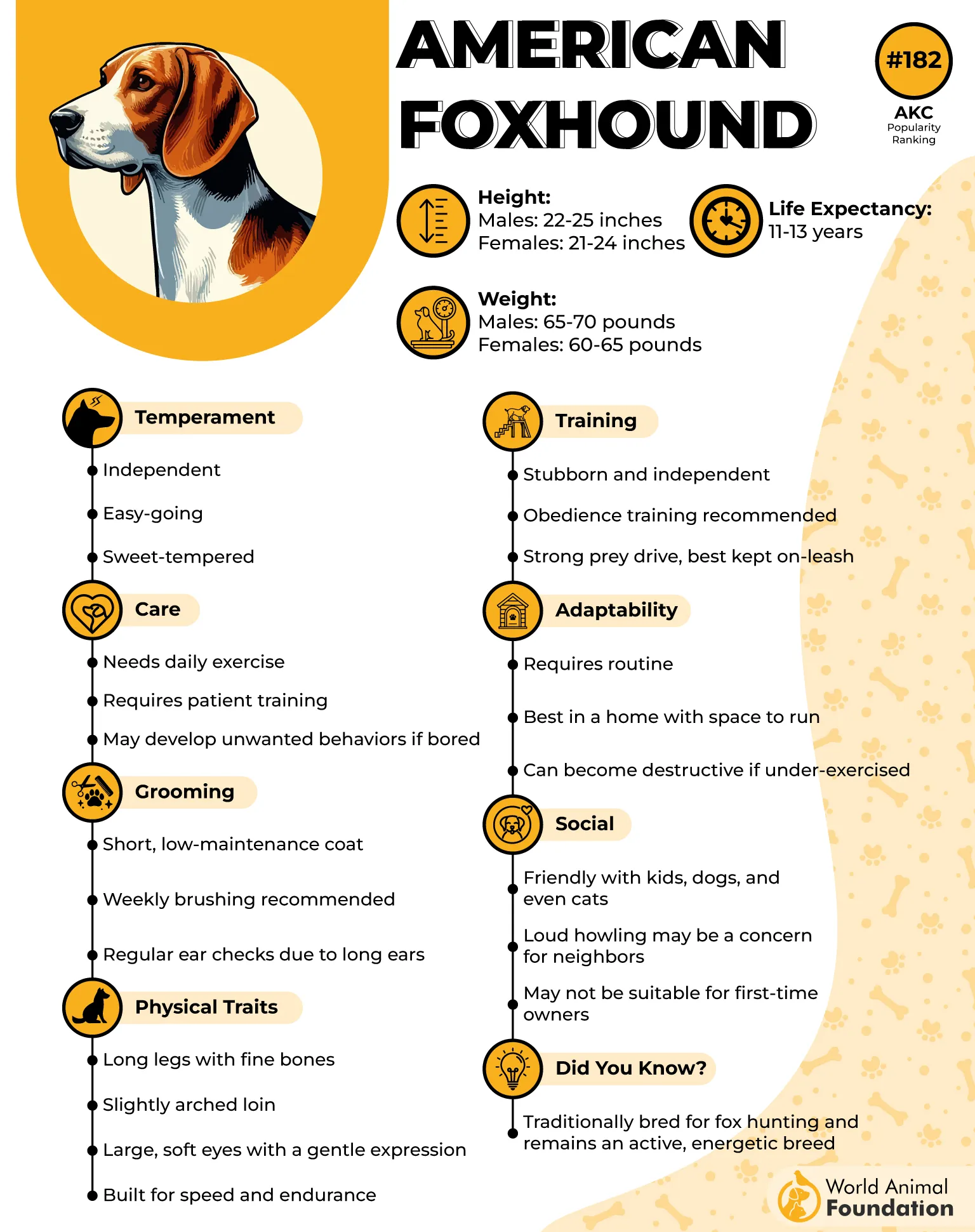
American Foxhound took shape during the Colonial period through breeding efforts supported by George Washington, who combined dogs from England, France, and the United States. The breed later became the official state dog of Virginia and received American Kennel Club recognition in 1886.
Built for the Chase
This hunting companion has a lean frame with long legs, a slightly arched loin, and a deep chest that helps deliver oxygen efficiently during extended pursuits. This structure allows sprint speeds of up to 35 mph while covering long distances chasing deer without tiring quickly.
A closer look reveals several distinctive details:
Tail held upright like a flag while running
Bell-like bay signals progress on a scent trail
Long ears flap noticeably during full-speed pursuit
Focus Never Breaks
American Foxhound follows scent with remarkable determination, which explains why deer and other fast-moving game can hold its attention for long stretches. That powerful prey drive also makes secure fencing and careful introductions to smaller pets especially important.
4. Treeing Walker Coonhound
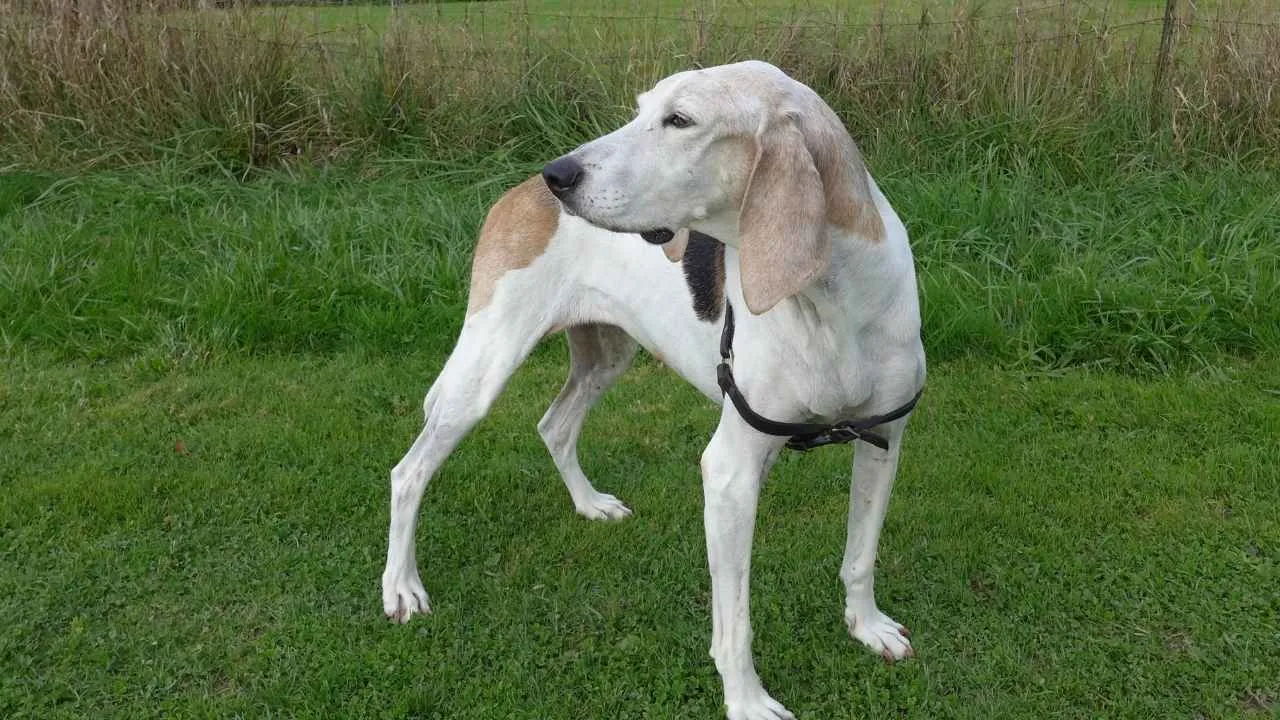
Back in the mid-1700s, Thomas Walker worked with American and English Foxhound lines in the Appalachian Mountains to develop a hound known for its speed on the trail. The breed later received recognition from the UKC in 1945 and the AKC in 2012 after years of dependable field work.
Built for the Chase
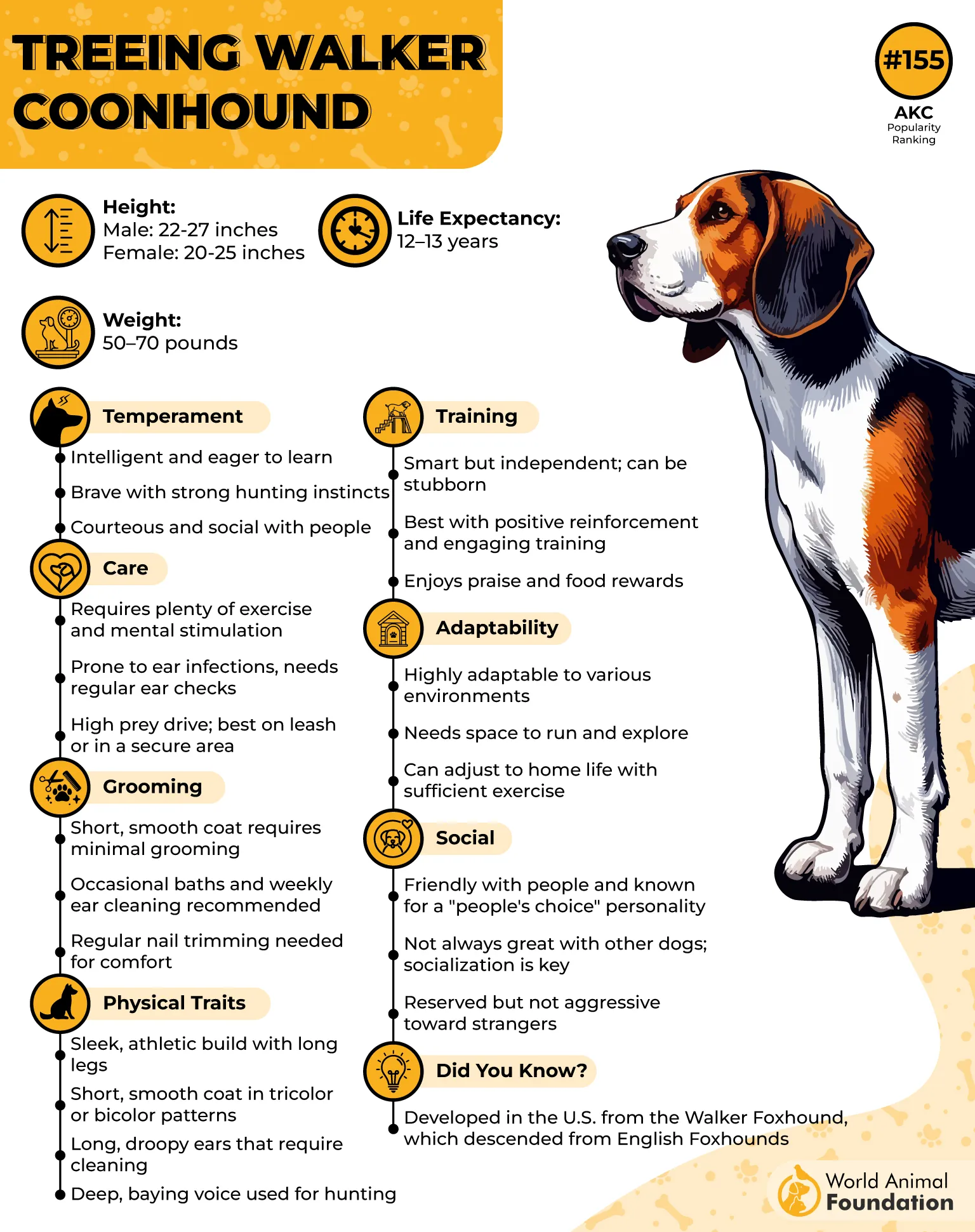
Fresh scent is all this hound needs before launching into an explosive pursuit, making it a classic “hot-nosed” tracker. Sprinting speeds of 20 to 25 mph allow it to cover rugged woodland with impressive pace while keeping close to a newly laid trail.
The following features help him perform remarkably:
Bugle-like bay while pursuing game
Short, choppy bark after quarry is cornered
Wide stride powered by long muscular legs
Life Beyond the Hunt
The AKC mentions that the Treeing Walker Coonhound brings plenty of energy into everyday life and benefits from activities such as running, hiking, or organized hunting outings instead of brief neighborhood walks.
Its friendly nature also fits active families, although a securely fenced yard is valuable because a tempting scent can quickly lead this hound far from home.
5. Mountain Cur
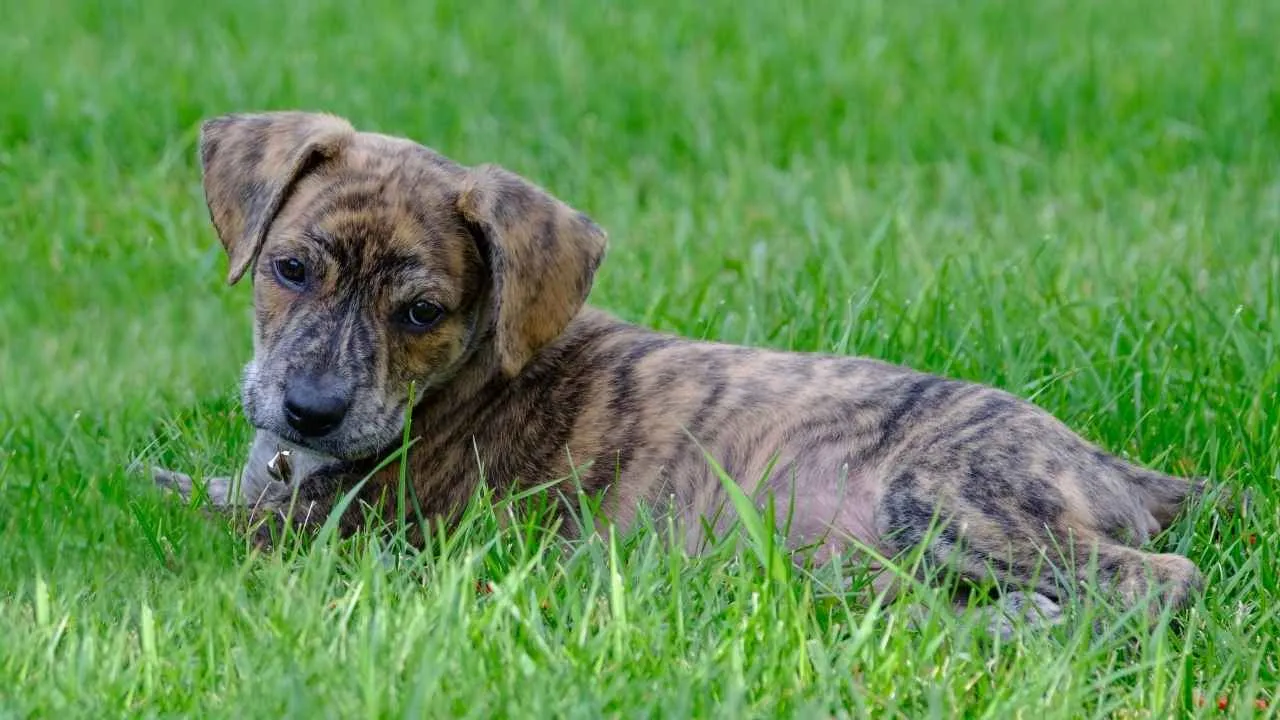
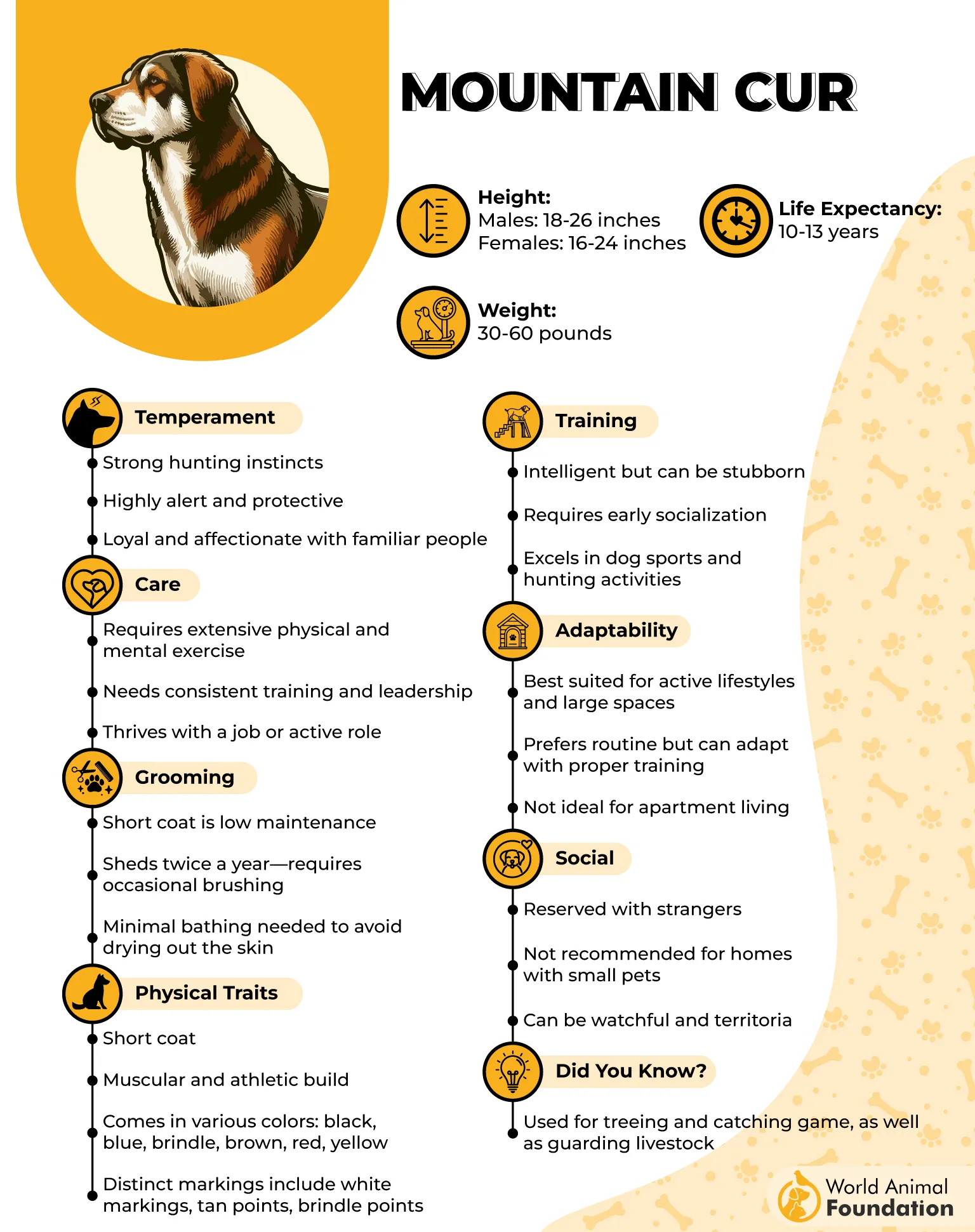
Mountain Cur served as an essential working dog for early pioneers, settlers, and homesteaders, where dependable hunting skills supported everyday life. Its place in those communities came from versatility, intelligence, and the ability to handle demanding work across rugged country.
Fast on the Trail
Mountain Cur can reach sprinting speeds of around 26 to 28 mph, using quick bursts of acceleration to close the distance on fleeing deer. Instead of stretching a chase across endless miles, this breed relies on agility to pressure deer toward thick brush or water before holding the animal at bay.
That hunting style becomes even clearer through a few details:
Tracks with its head held high
Runs open, semi-open, or silent on trail
Gives a loud bark after baying game
Built for Demanding Work
This great family dog pairs sharp intelligence with a strong treeing instinct, making it easier to redirect away from unwanted game through consistent training and regular human interaction.
Long walks, outdoor sports, and challenging activities also help channel its energy into productive work rather than destructive habits.
6. German Shorthaired Pointer
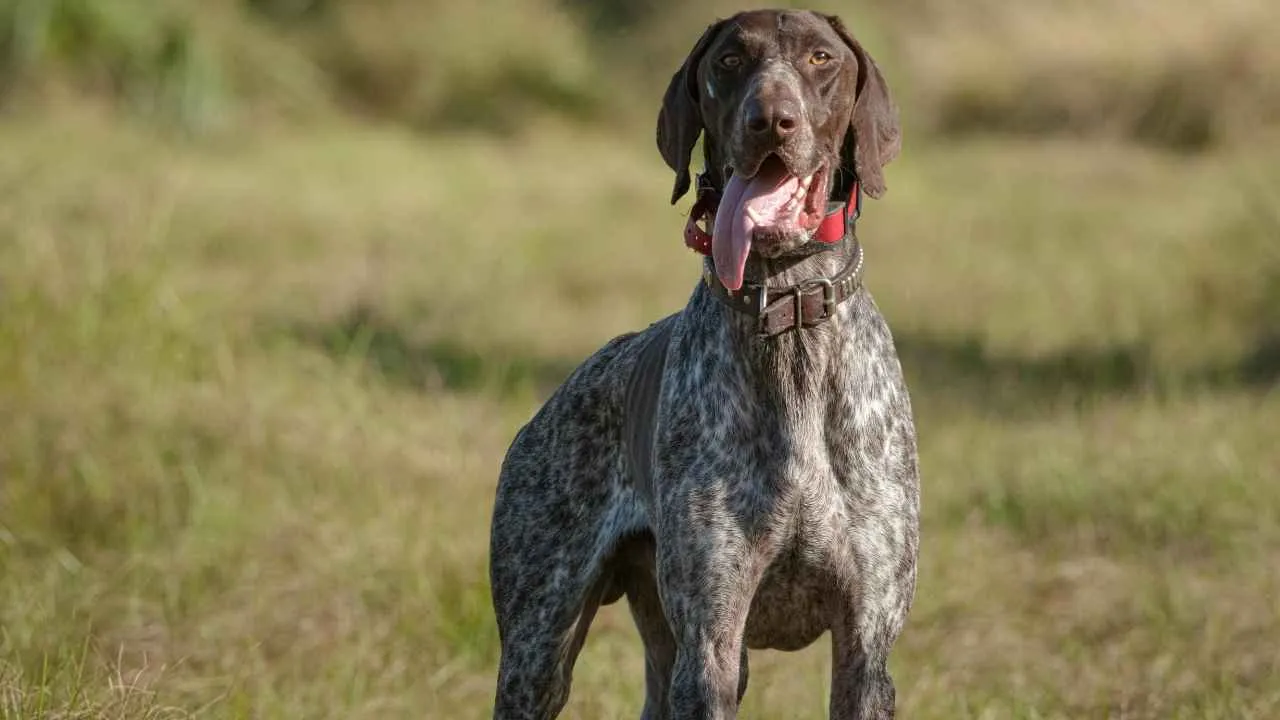
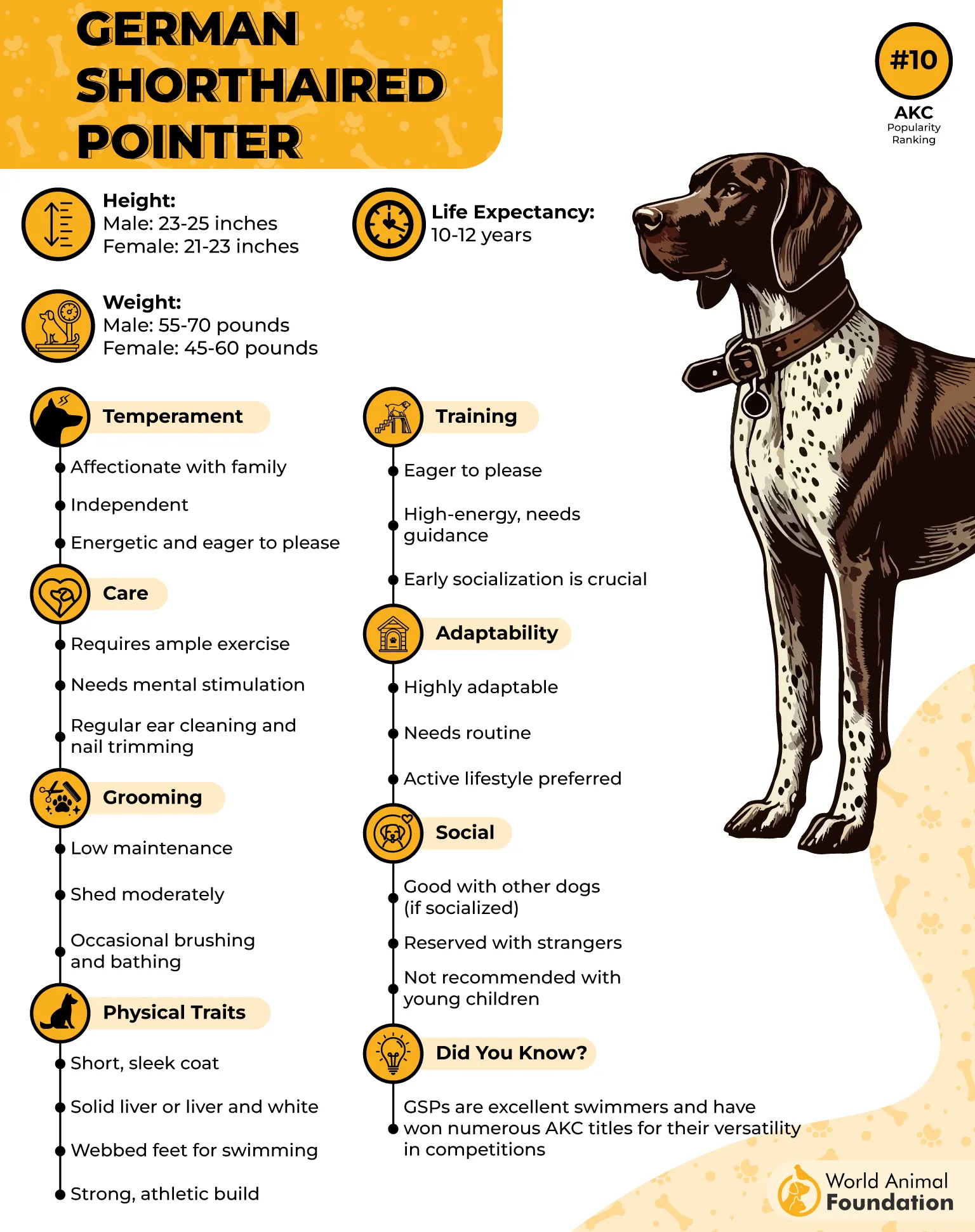
German Shorthaired Pointer was bred for the full hunting job, from tracking down game and holding a point to retrieving it afterward. Its work often meant moving between open fields, wetlands, and thick cover, demanding a dog that could handle changing ground with confidence.
Built for the Chase
Reaching speeds between 35 and 45 mph, this pointer can cover serious ground when chasing fast game such as deer. Its long muscular legs drive each stride, while the deep chest and streamlined frame support the stamina needed to keep the chase going.
Traits that explain their athletic ability even further:
Webbed feet improve footing on marshy ground
HPR dog trained to hunt, point, and retrieve
Often pursues game with little or no vocalization
Energy Beyond the Hunt
German Shorthaired Pointer requires one to two hours of vigorous daily activity when field work is not part of its routine. Running, agility exercises, and retrieving games provide productive outlets, while insufficient activity can lead to destructive behaviors around the home.
7. Weimaraner
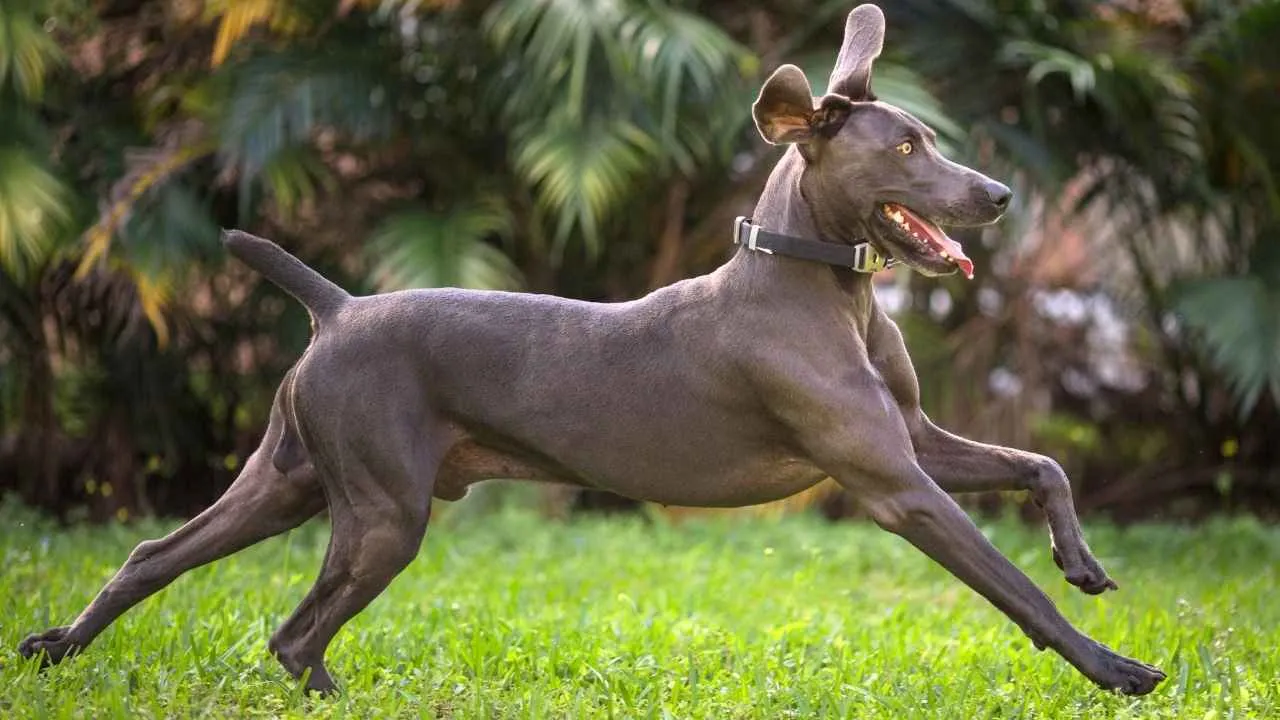
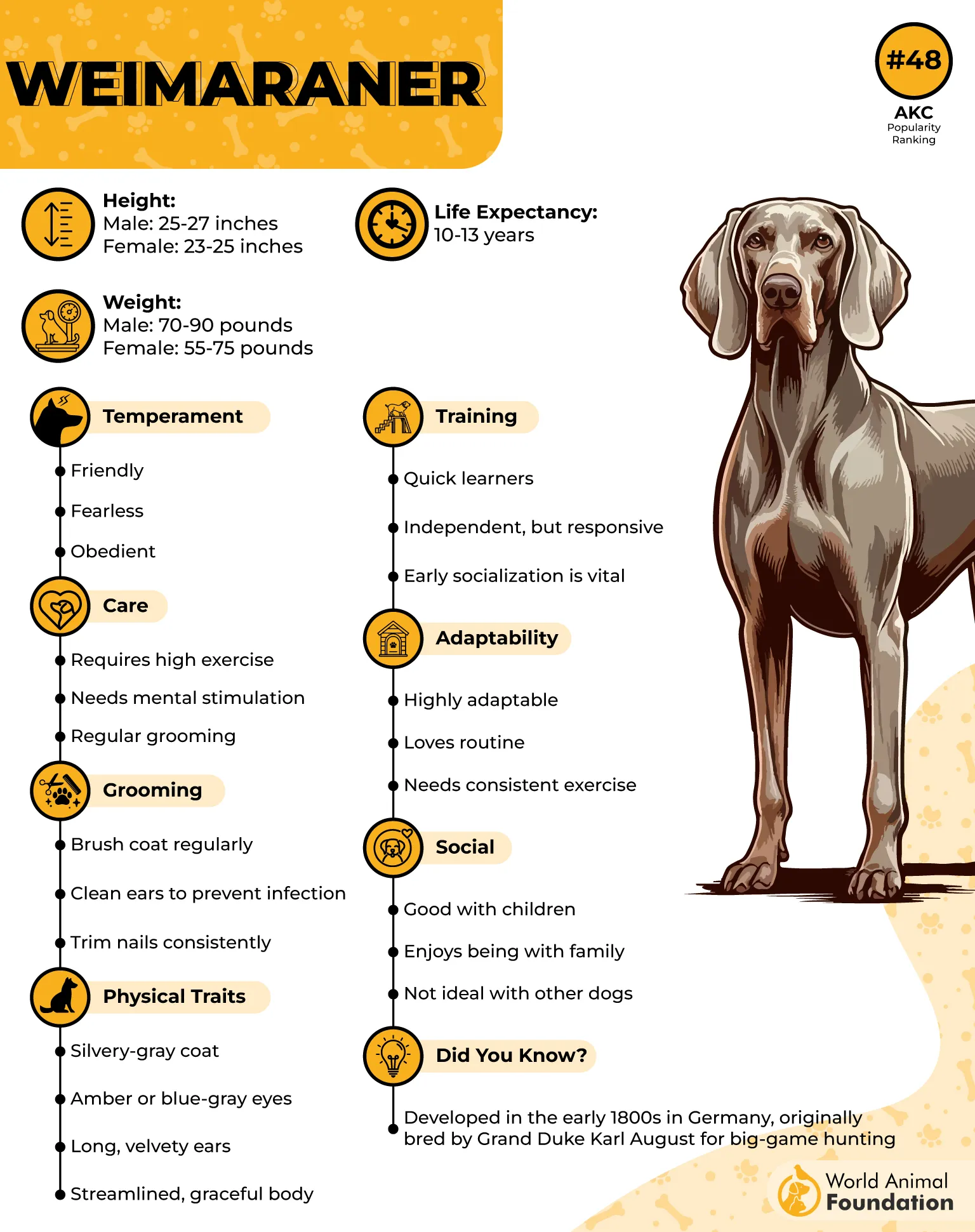
German nobles developed the Weimaraner during the 19th century for demanding hunts, looking for a dog that could track game, keep up at speed, and stay determined over long distances. Those qualities remain part of what makes the breed such an athletic hunting dog today.
Built for the Chase
This breed relies on visual tracking, wind scenting, and explosive speed while pursuing fast-moving game across open ground. A deep chest, powerful legs, and strong bone structure also help this breed sustain fast chases through demanding terrain instead of fading after short bursts.
There is more to consider about this breed:
Nicknamed the “Gray Ghost”
Top speed reaches 35 mph (56 km/h)
Silent approach during pursuit
Sharp Mind
Weimaraner brings just as much intelligence as athletic ability, often figuring out how to open doors, unlatch gates, or even turn on faucets. Without enough purposeful activity, that clever mind can quickly drift toward chewing, digging, excessive barking, or attempts to escape.
Conclusion
Every memorable hunting story begins with trust between a hunter and a dependable dog. That partnership grows through steady training, shared experience, and a deep understanding of each other’s strengths in the field.
The best dog breeds for hunting earned their reputations by combining instincts with remarkable determination, making them ideal hunting companions across challenging landscapes.
Although each works differently, they all reflect generations of careful selection for demanding pursuits. Many remain active dogs in everyday life while also becoming devoted family pets and one of the most loyal companions an owner can have.
Those qualities continue earning admiration throughout the dog world and help create rewarding partnerships that last for many successful seasons together.
