




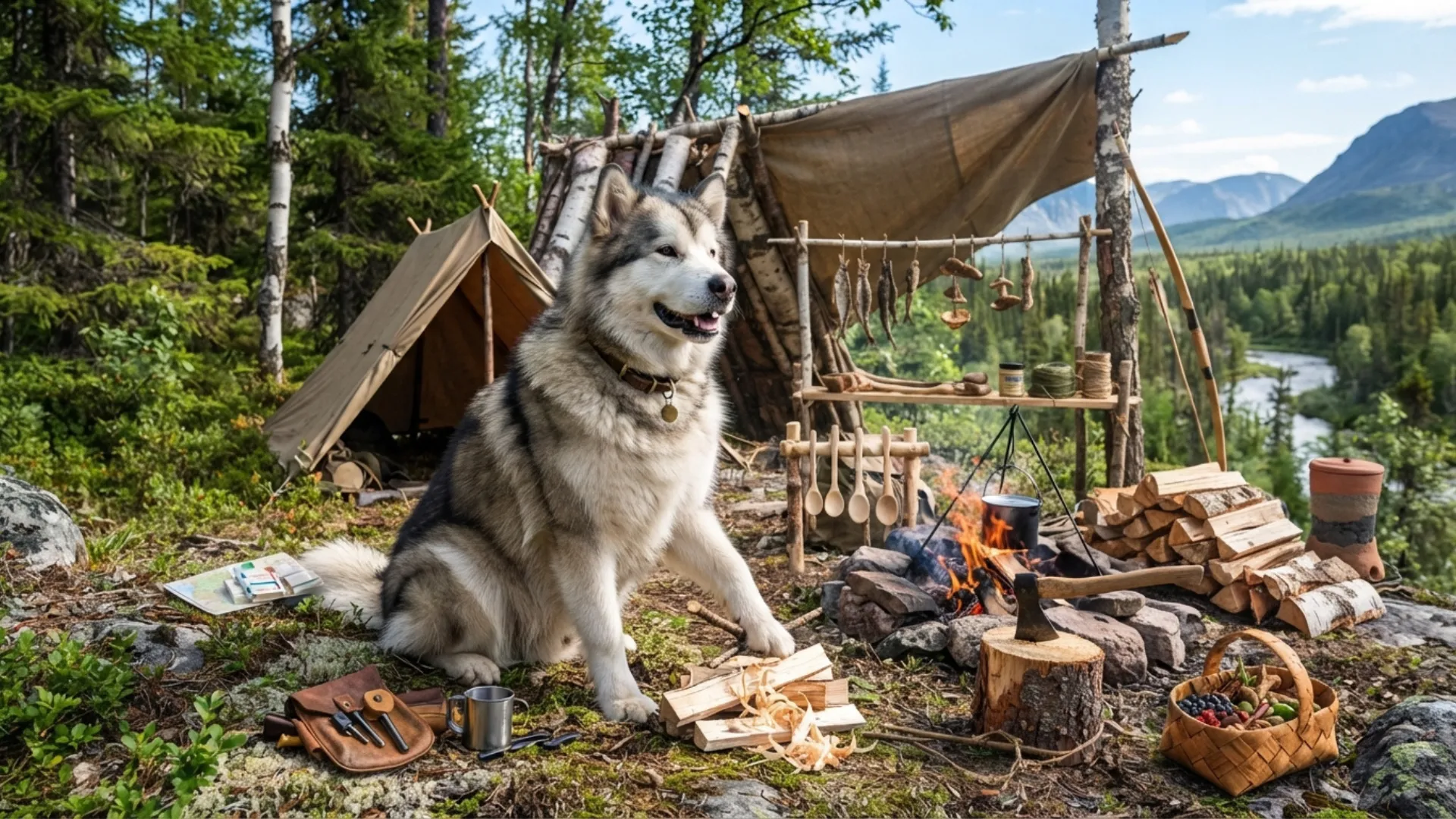
Bushcraft and wilderness adventures demand preparation, resilience, and a willingness to work with the environment rather than against it. For dog owners who enjoy remote trails, woodland camps, rugged terrain, and extended outdoor trips, a suitable canine companion can add both enjoyment and practical companionship.
Certain breeds possess physical toughness, environmental awareness, strong instincts, and the confidence needed for life beyond paved roads.
However, not every energetic dog is naturally suited to demanding backcountry conditions. Coat type, weather tolerance, independence, guarding tendencies, trainability, and physical size can all influence how comfortably an animal handles remote environments.
Owners must also consider water, food, shelter, first aid, paw protection, temperature, wildlife encounters, and local regulations before taking a dog into isolated country.
The seven breeds below come from working traditions shaped by mountains, forests, Arctic settlements, and pastoral landscapes. Some were hunters, others protected livestock, while several served as dependable farm guardians. Their histories gave them qualities that can translate particularly well to wilderness-oriented lifestyles when their individual needs are respected.
Dog Breeds That Love Bushcraft and Wilderness Survival
1. Norwegian Elkhound
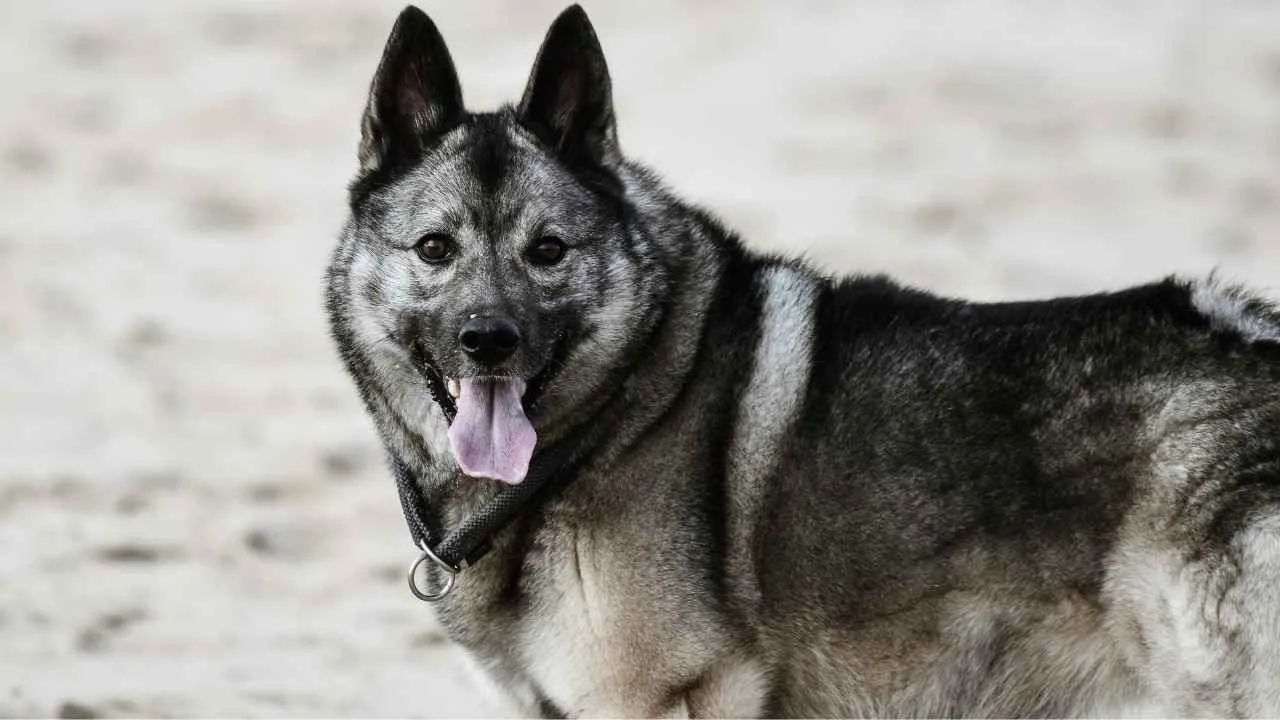
The Norwegian Elkhound is an ancient Scandinavian breed whose roots reach back thousands of years in Norway, as noted by Purina. Archaeological evidence suggests dogs resembling the breed existed alongside early Nordic communities, while later generations became valued hunting partners for pursuing moose and other large game.
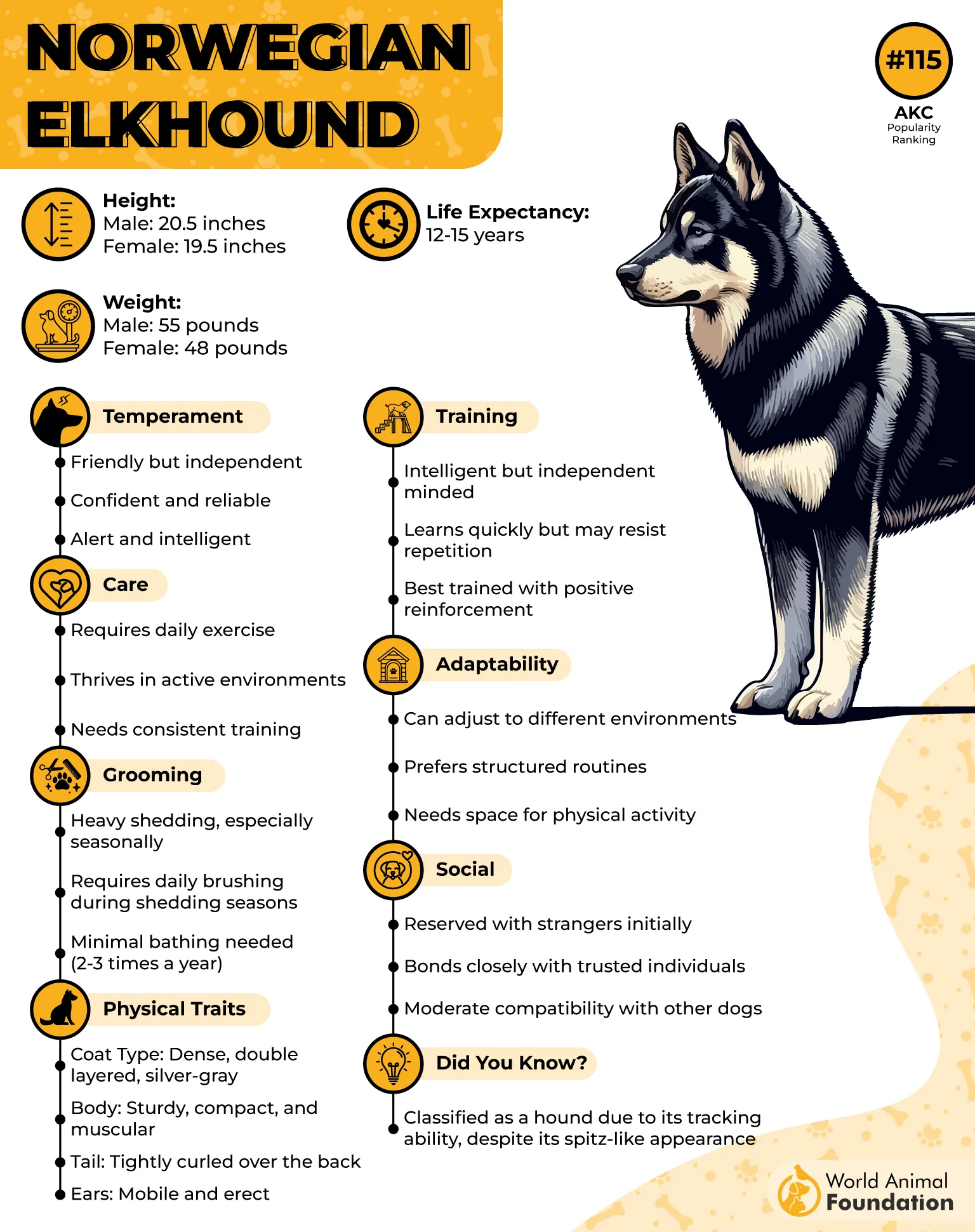
Independent and Lively
Norwegian Elkhounds are confident, intelligent, and energetic, with a personality that often combines affection with considerable independence. They tend to remain alert to sounds and movement around them, reflecting their hunting background. Training benefits from consistency because these dogs may prefer investigating their surroundings over immediately following instructions.
Forest-Born Adventurer
This Scandinavian hunter can make an engaging companion for hiking, camping, and woodland exploration. Its weather-resistant coat provides useful protection in chilly environments, while its sturdy body supports prolonged movement across uneven ground. With sensible conditioning and appropriate supervision, the Elkhound can bring enthusiasm to extended time outdoors.
2. Alaskan Malamute
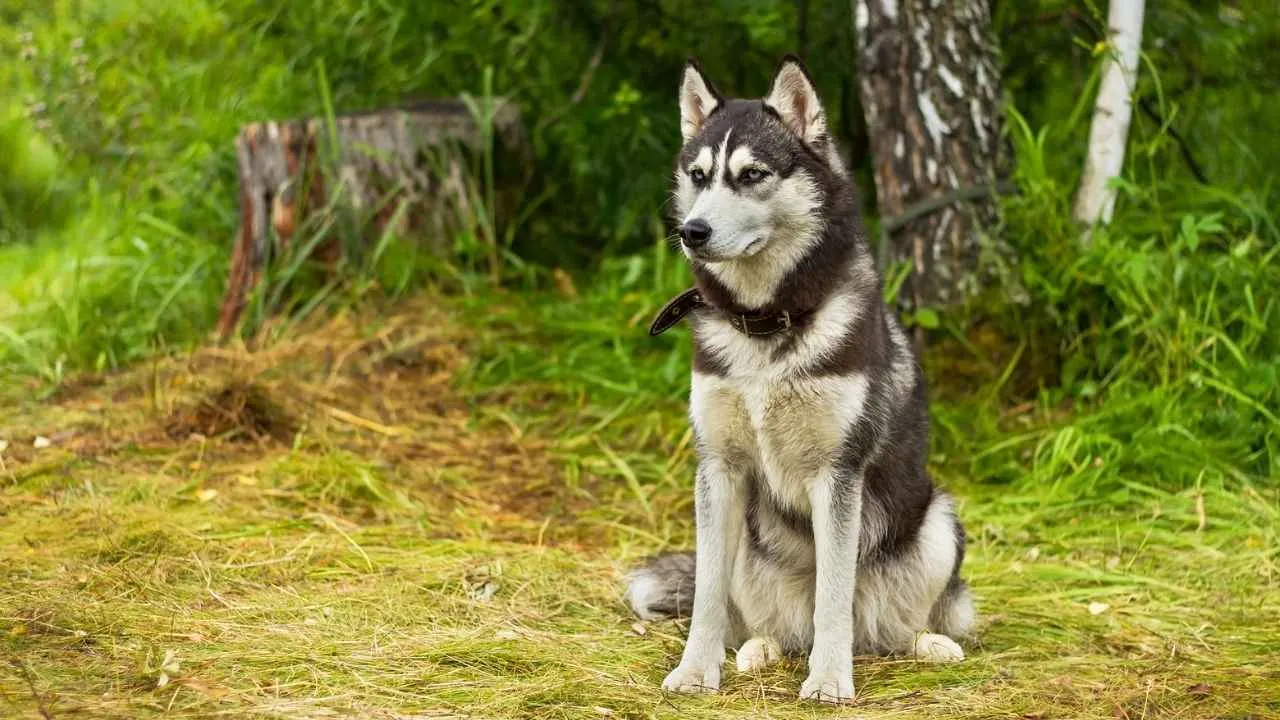
The Alaskan Malamute was developed by the Mahlemut people of northwestern Alaska, who relied on powerful sled dogs to transport heavy loads through harsh Arctic landscapes, as noted by the AKC.
Unlike racing sled breeds designed for speed, these muscular dogs were selected for strength, endurance, and dependable pulling ability. Their history is closely connected to Indigenous Alaskan communities and traditional northern travel.
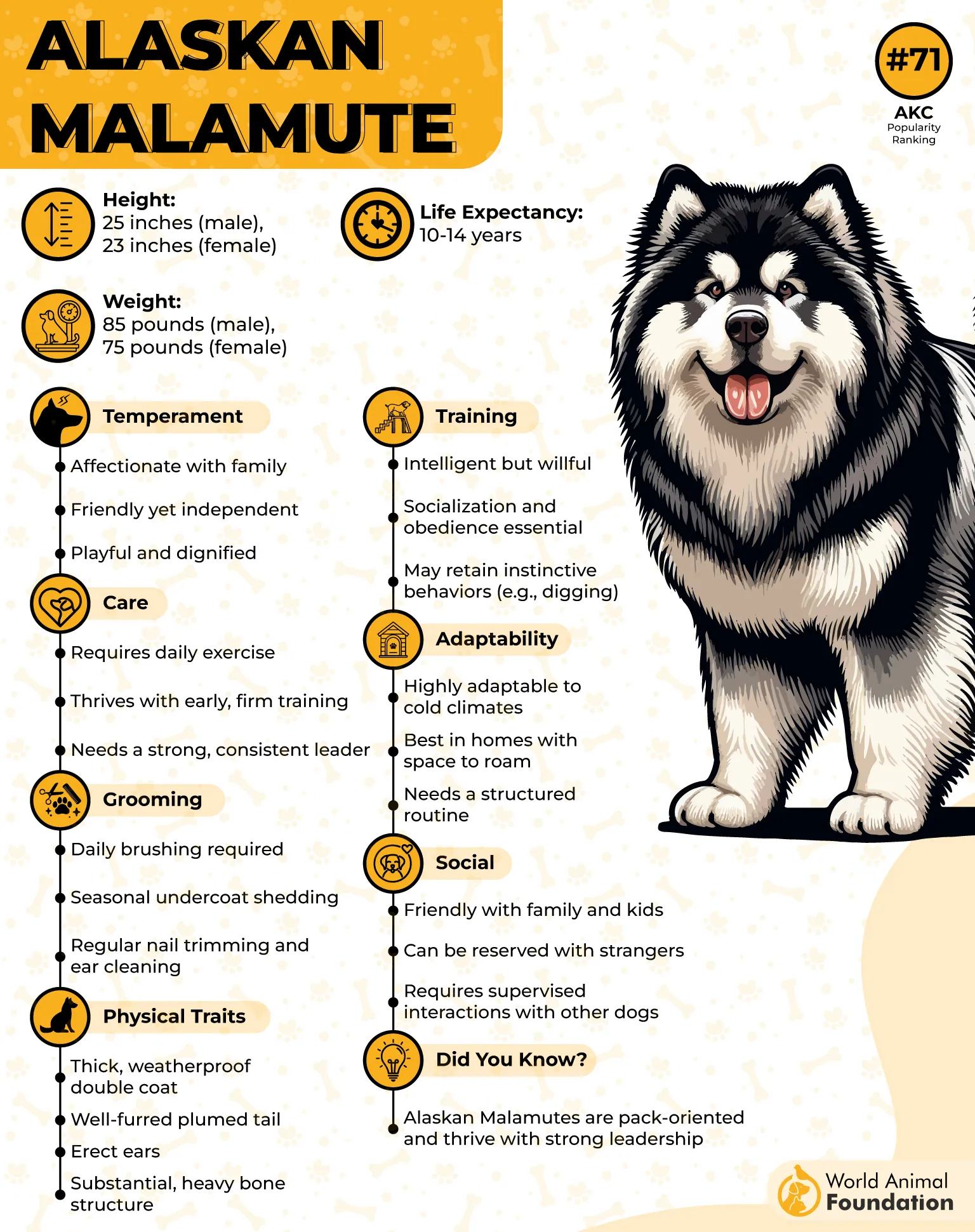
Powerful but Affectionate
Malamutes often display a warm relationship with household members while retaining a self-assured working temperament. Their physical strength makes early manners training essential, particularly when navigating narrow trails or populated campsites. Regular brushing is needed to manage the heavy double coat, with substantial shedding during seasonal changes.
Arctic Trail Companion
For winter-oriented bushcraft, few breeds possess such an obvious connection with snowy environments. A conditioned Malamute can enjoy trekking, backpacking, and other outdoor pursuits in suitably cool conditions. Secure control remains important because this independent breed may wander when given an opportunity.
3. Anatolian Shepherd Dog
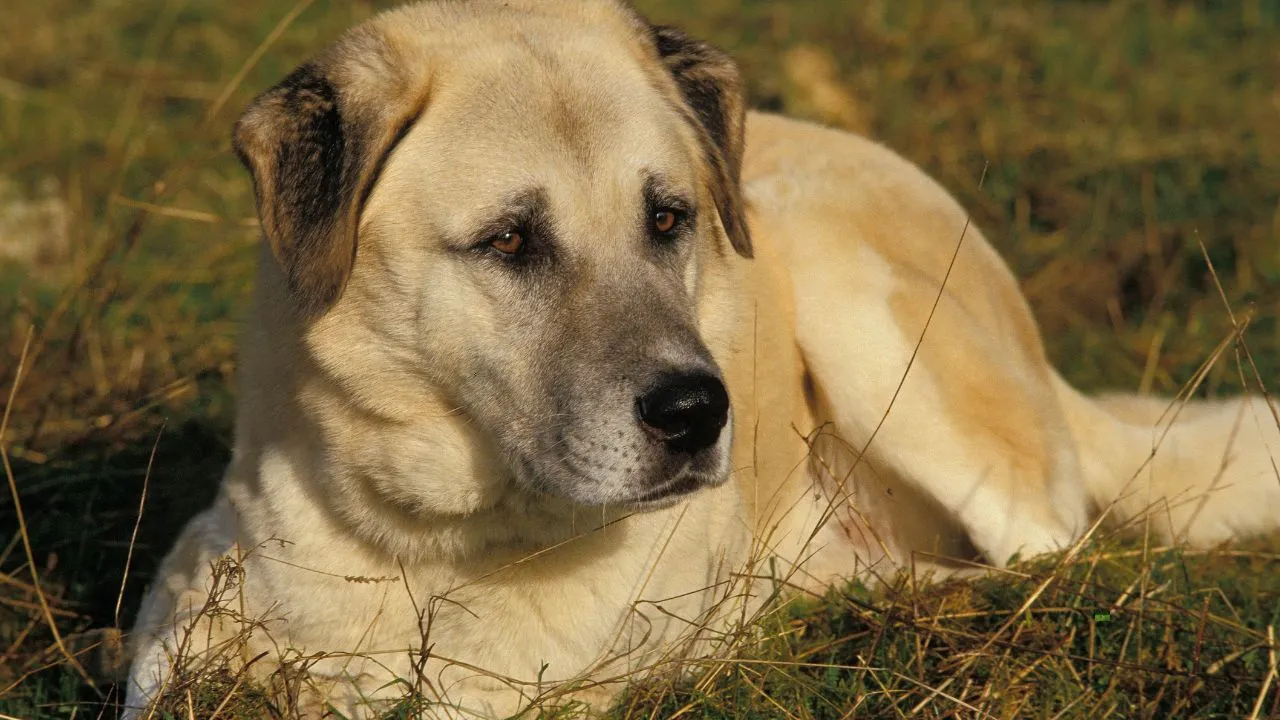
The Anatolian Shepherd Dog developed in Turkey from ancient livestock-guardian traditions. Rural communities depended on these large dogs to protect sheep and goats across enormous territories where human supervision could not always be constant, as noted by Showsight Magazine.
They needed to withstand heat, cold, rough ground, and long periods of vigilance while making independent decisions about potential threats.
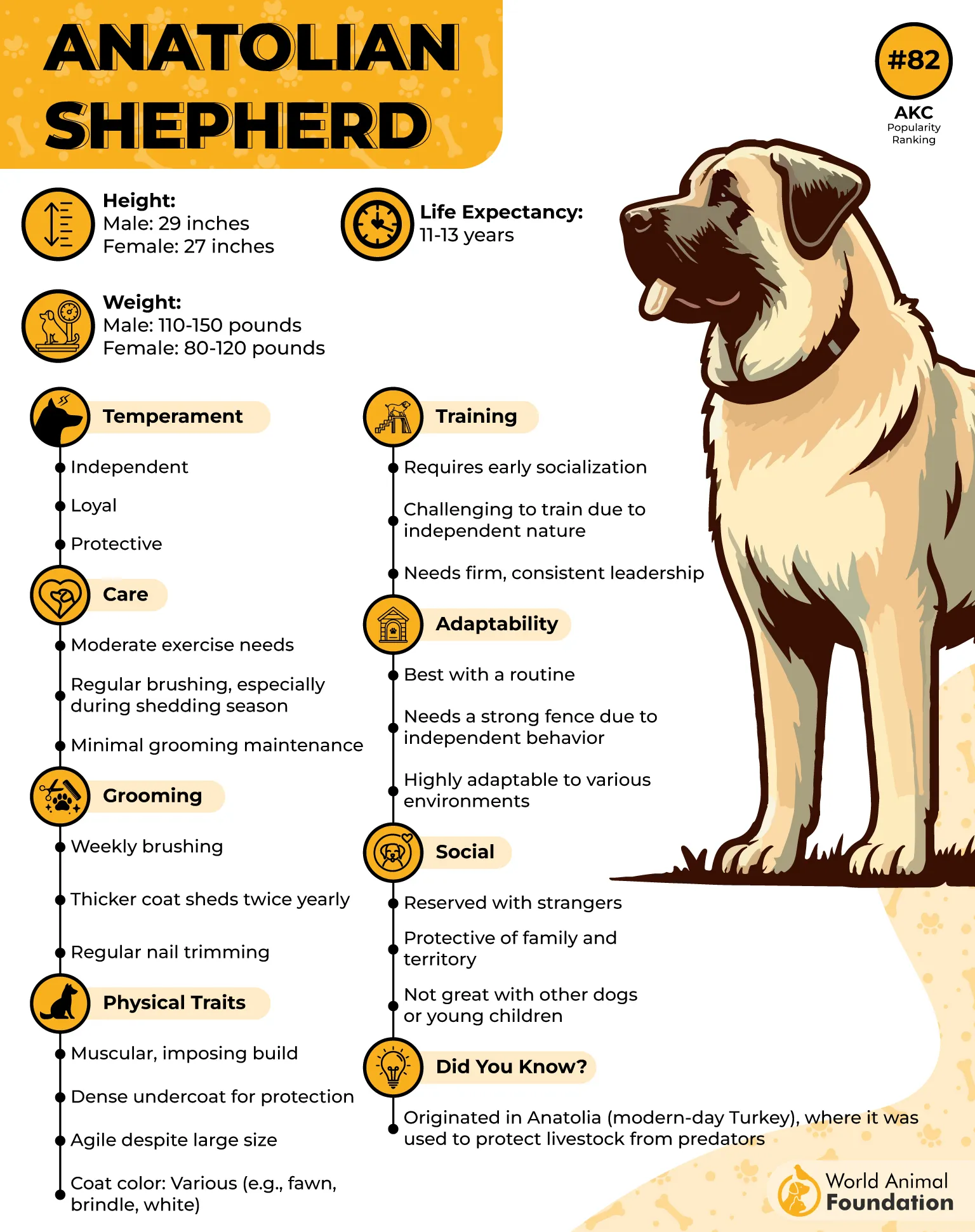
Calm and Self-Reliant
Anatolian Shepherds are typically observant, confident, and independent-minded. Early socialization is essential because their protective instincts can be substantial. Their short-to-medium double coat needs regular brushing, particularly during shedding seasons. Large-breed nutrition should support controlled development in youngsters and healthy body condition in adults.
Wilderness Watchdog
Their natural vigilance can be valuable around remote camps, particularly where unfamiliar sounds or wildlife may appear after dark. However, owners must understand that a guardian breed may interpret strangers and unusual activity differently from a typical hiking companion. Secure management and reliable boundaries are therefore essential.
4. Great Pyrenees
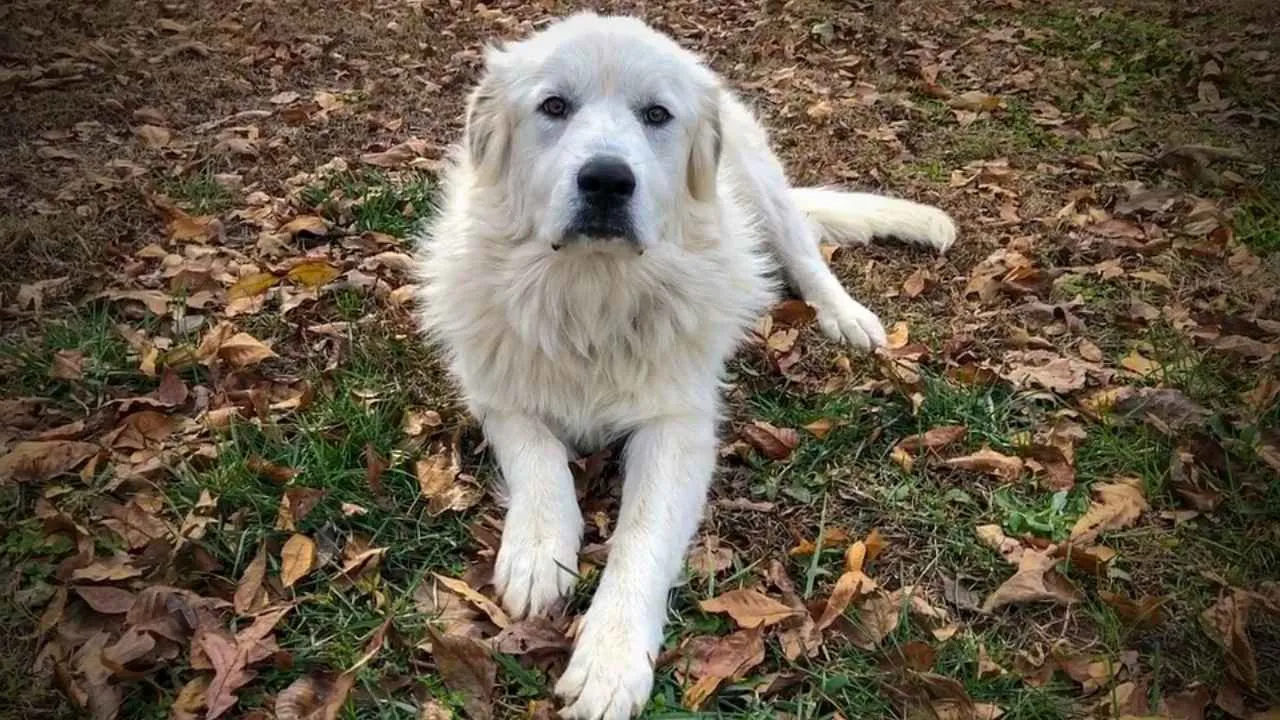
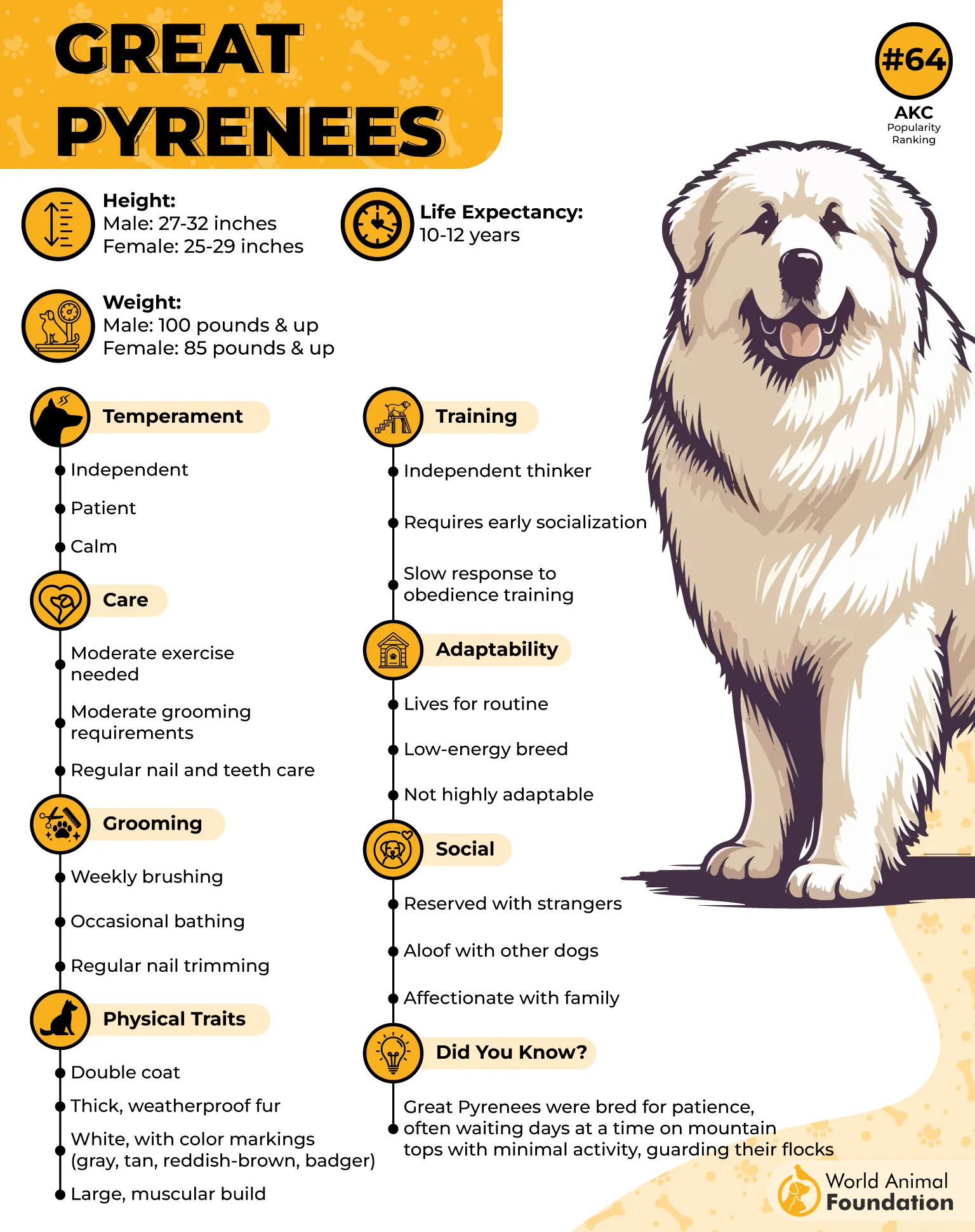
The Great Pyrenees originated in the mountain regions between France and Spain, where large white guardian dogs protected sheep from predators. Over time, their impressive appearance and calm disposition also brought them into aristocratic French households, where the breed gained further recognition.
Gentle with a Protective Streak
Great Pyrenees are often calm, affectionate, and patient with their families, yet they can become highly vigilant when something appears unusual. Their independence means they may make decisions without waiting for human direction. The long, thick coat requires frequent brushing to manage loose fur and prevent tangles.
Mountain Camp Guardian
This breed’s historical ability to remain watchful in remote surroundings can translate well to wilderness settings. It may prefer observing a campsite rather than constantly racing along a trail, making it different from highly athletic sporting breeds. Owners should select quiet, appropriate locations rather than crowded recreational areas.
5. Estrela Mountain Dog
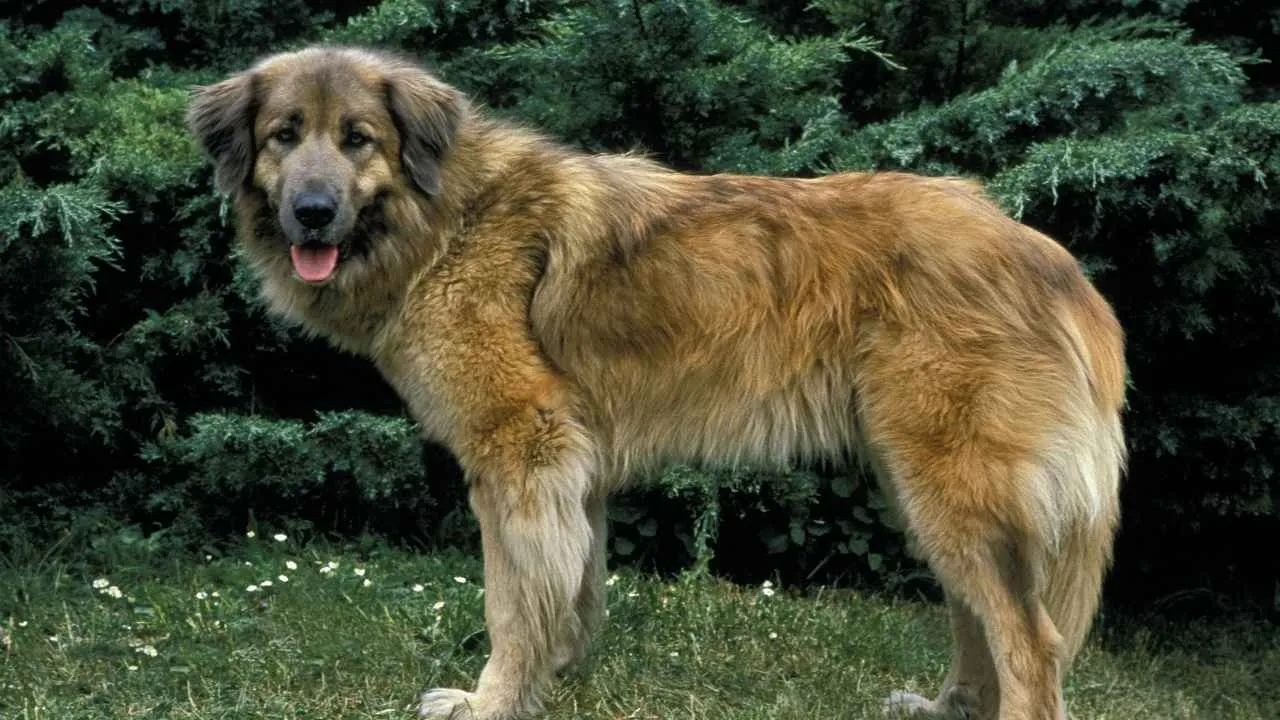
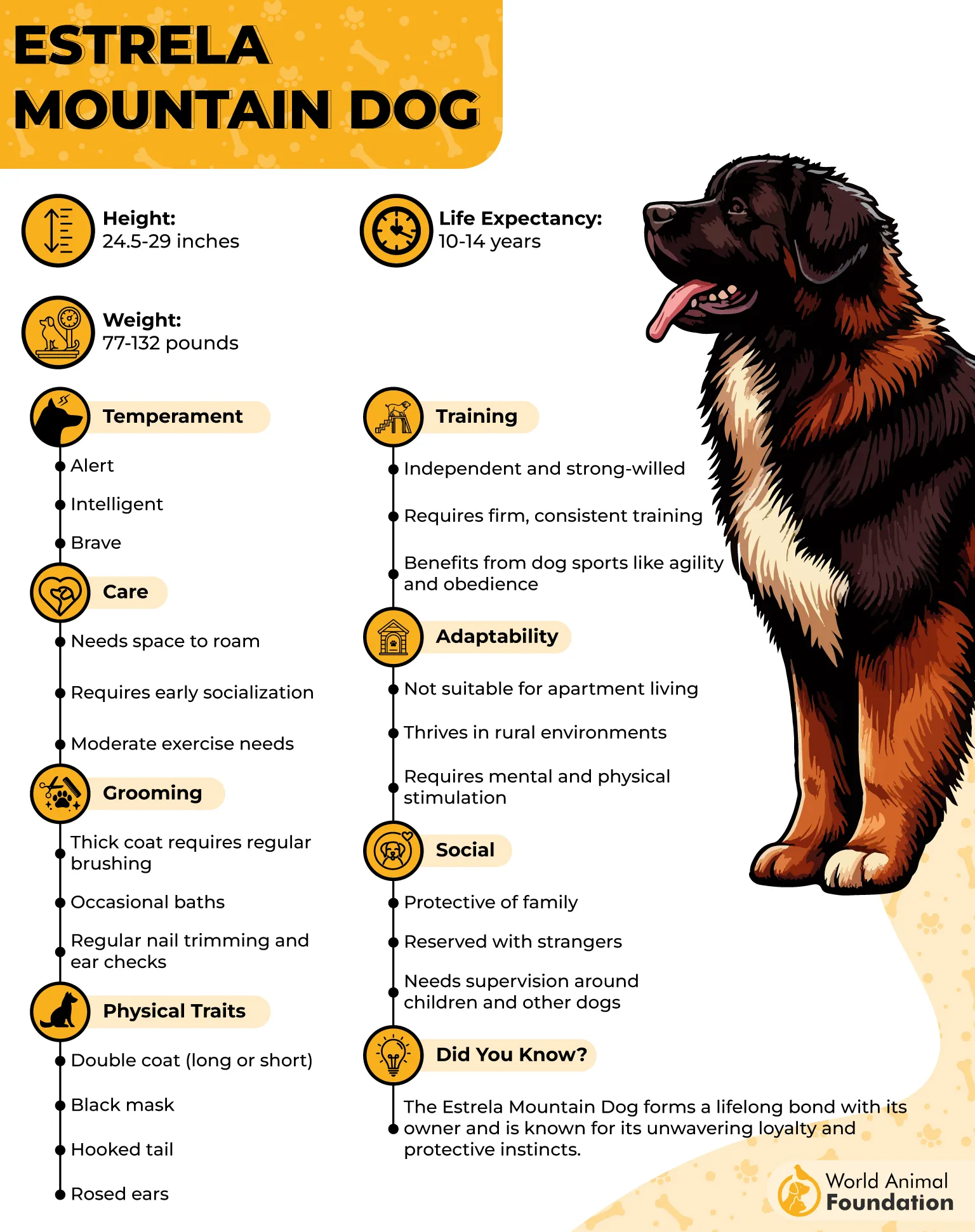
The Estrela Mountain Dog developed in Portugal’s Serra da Estrela, a rugged mountainous region where shepherds needed dependable guardians for sheep and goats. The breed evolved in relative isolation, with local working dogs selected for strength, courage, endurance, and independence. Its substantial build and weather-resistant coat helped it function across steep landscapes and changing conditions.
Robust and Composed
Estrela Mountain Dogs generally possess a confident temperament and can become deeply attached to their households. They are not typically frantic workers; instead, they often observe situations before reacting. Depending on coat type, grooming may involve regular brushing to prevent matting and manage shedding.
Mountain-Hardened Explorer
The breed’s background makes it naturally comfortable with challenging terrain and variable weather. It can accompany experienced owners on measured hikes, especially where the environment provides enough space for its guardian instincts. Bushcraft enthusiasts who appreciate a steady, watchful companion may find the Estrela particularly appealing.
6. Caucasian Shepherd Dog
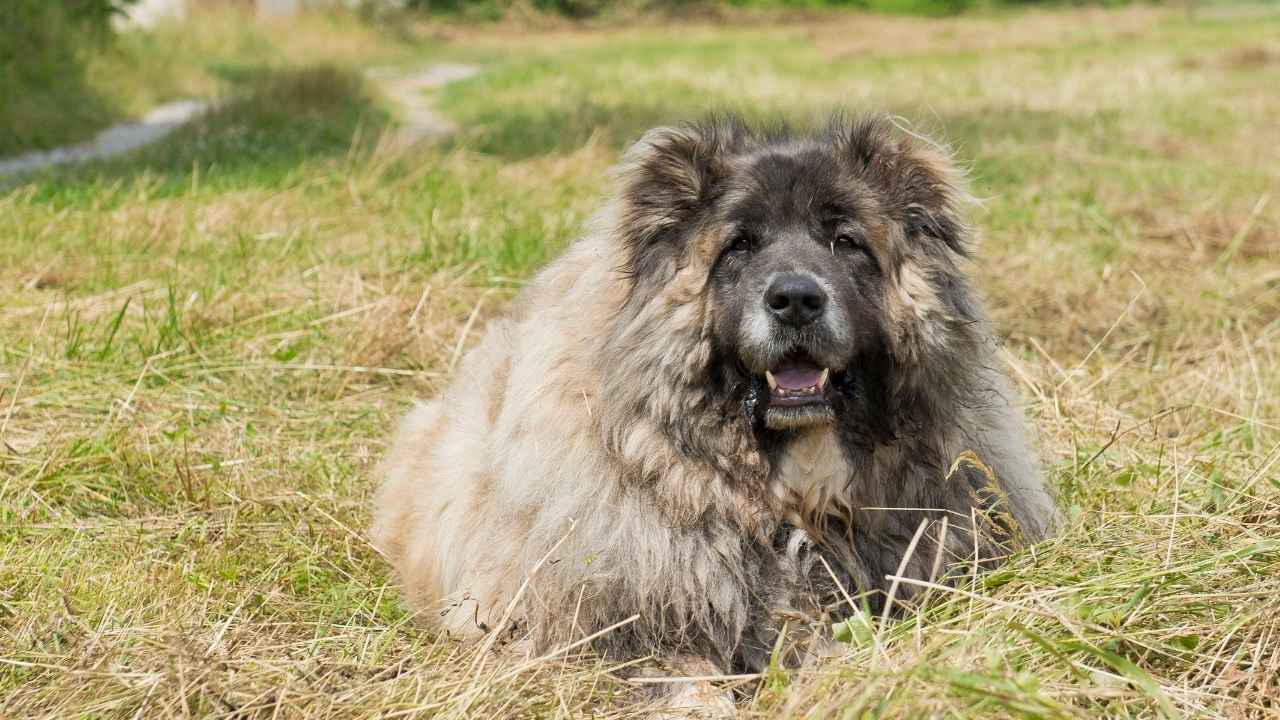
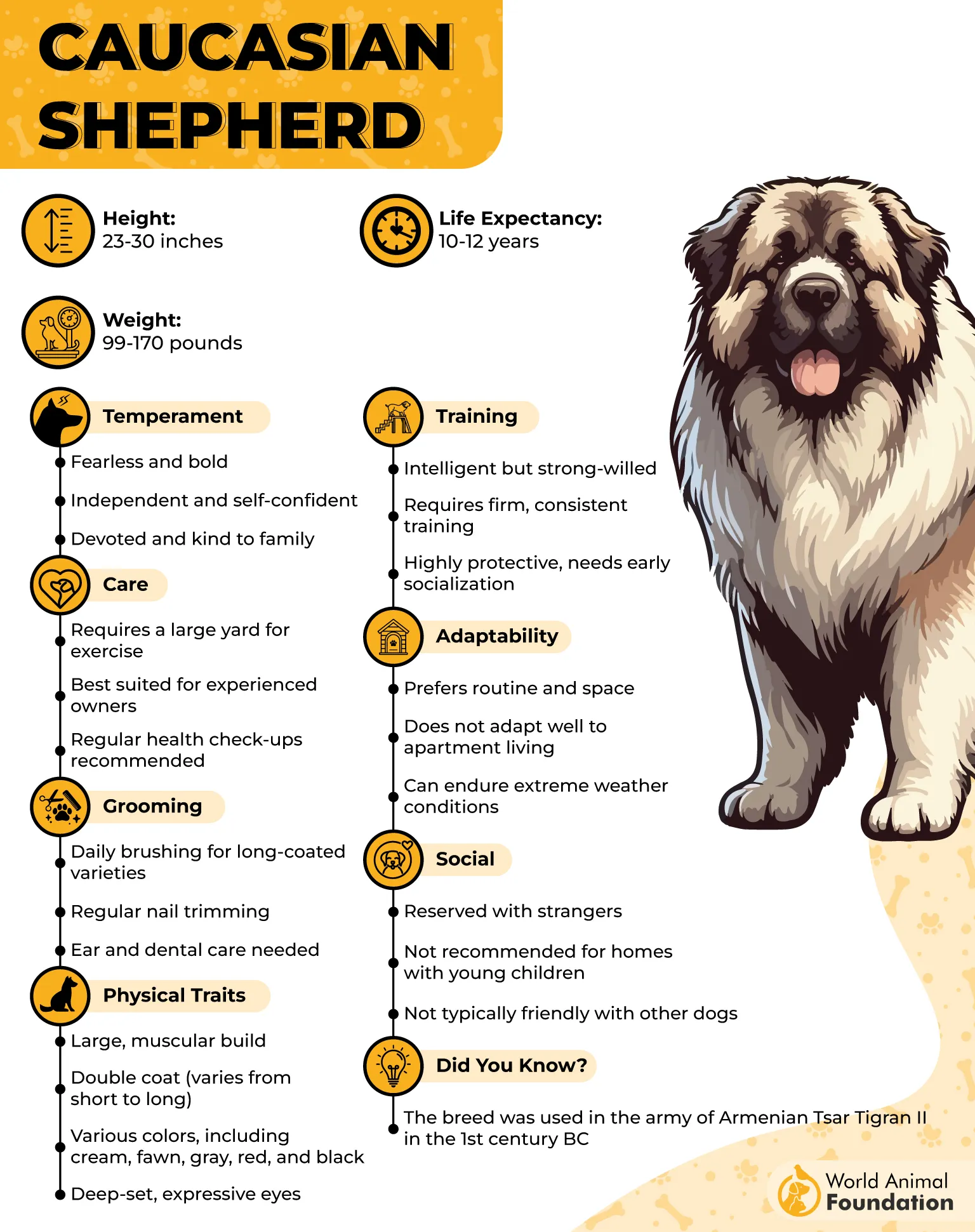
The Caucasian Shepherd Dog developed across the Caucasus region, where communities used powerful livestock guardians to protect flocks, homesteads, and property from predators and intruders. Different regional populations contributed to variations in size, coat, and appearance, but all were shaped by demanding environmental conditions.
Strong-Willed and Vigilant
Caucasian Shepherds can be deeply loyal dogs to their families while remaining suspicious of unfamiliar people and situations. Their protective instincts make early socialization and experienced handling especially important. The dense coat requires consistent grooming, with frequency depending on length and seasonal shedding.
Rugged Wilderness Presence
This breed is better suited to remote properties and carefully managed outdoor environments than crowded trails. Its natural tendency to monitor territory can make it a formidable campsite guardian, but that same instinct requires responsible control. For experienced guardians who understand the breed’s temperament, its toughness and environmental awareness are impressive.
7. Romanian Mioritic Shepherd Dog
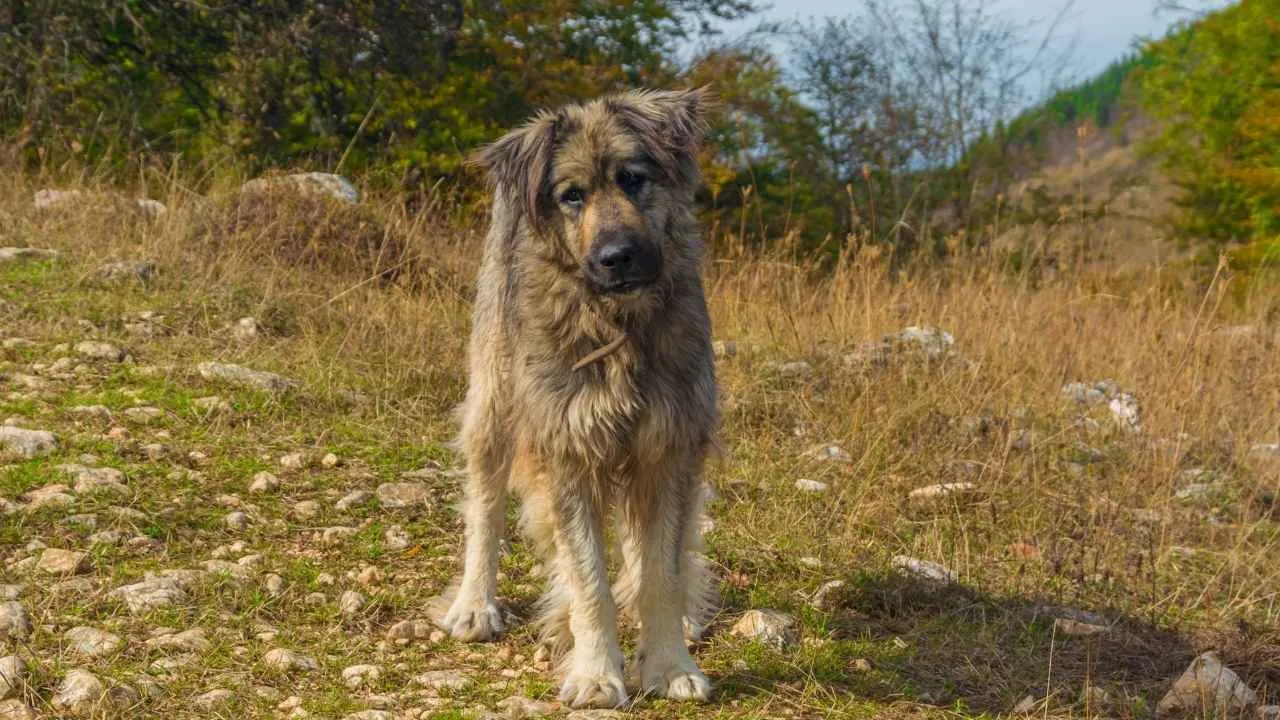
The Romanian Mioritic Shepherd Dog originated in the Carpathian Mountains of Romania, where pastoral communities relied on large livestock guardians to protect sheep flocks.
The breed developed around rugged mountain work, requiring courage, endurance, and independence in isolated surroundings. Its long, abundant coat provided insulation against cold conditions while its imposing size helped deter predators.
Loyal and Watchful
Mioritic Shepherd Dogs are generally devoted to their families and strongly protective of those they consider part of their social group. They can be reserved around unfamiliar individuals, making early exposure to different people and environments beneficial. Their profuse coat requires regular brushing to prevent tangles and remove accumulated debris.
Carpathian Survivor
The breed’s mountainous heritage makes it naturally suited to cold, rugged surroundings and extended outdoor living. Its strength lies less in rapid movement than in resilience, vigilance, and the ability to remain attentive across challenging landscapes. Proper socialization and secure control are indispensable in shared wilderness areas.
Conclusion
Wilderness-oriented dog ownership requires more preparation than simply choosing a hardy-looking breed.
Norwegian Elkhounds bring centuries of Nordic hunting heritage, while Alaskan Malamutes offer extraordinary cold-weather strength. Anatolian, Great Pyrenees, Estrela, Caucasian, and Romanian Mioritic Shepherd Dogs represent another tradition: independent guardians shaped by remote pastoral environments.
Each breed has qualities that can complement bushcraft and outdoor living, but those abilities come with responsibilities. Temperature, terrain, hydration, nutrition, paw condition, wildlife, shelter, and recovery time should all be considered before an extended excursion.
Guardian breeds also require careful socialization and management because their protective instincts can create challenges around unfamiliar campers or animals.
The ideal wilderness companion is therefore not simply the toughest dog available. It is an animal whose temperament, conditioning, environmental tolerance, and training genuinely match the owner’s style of adventure.
