




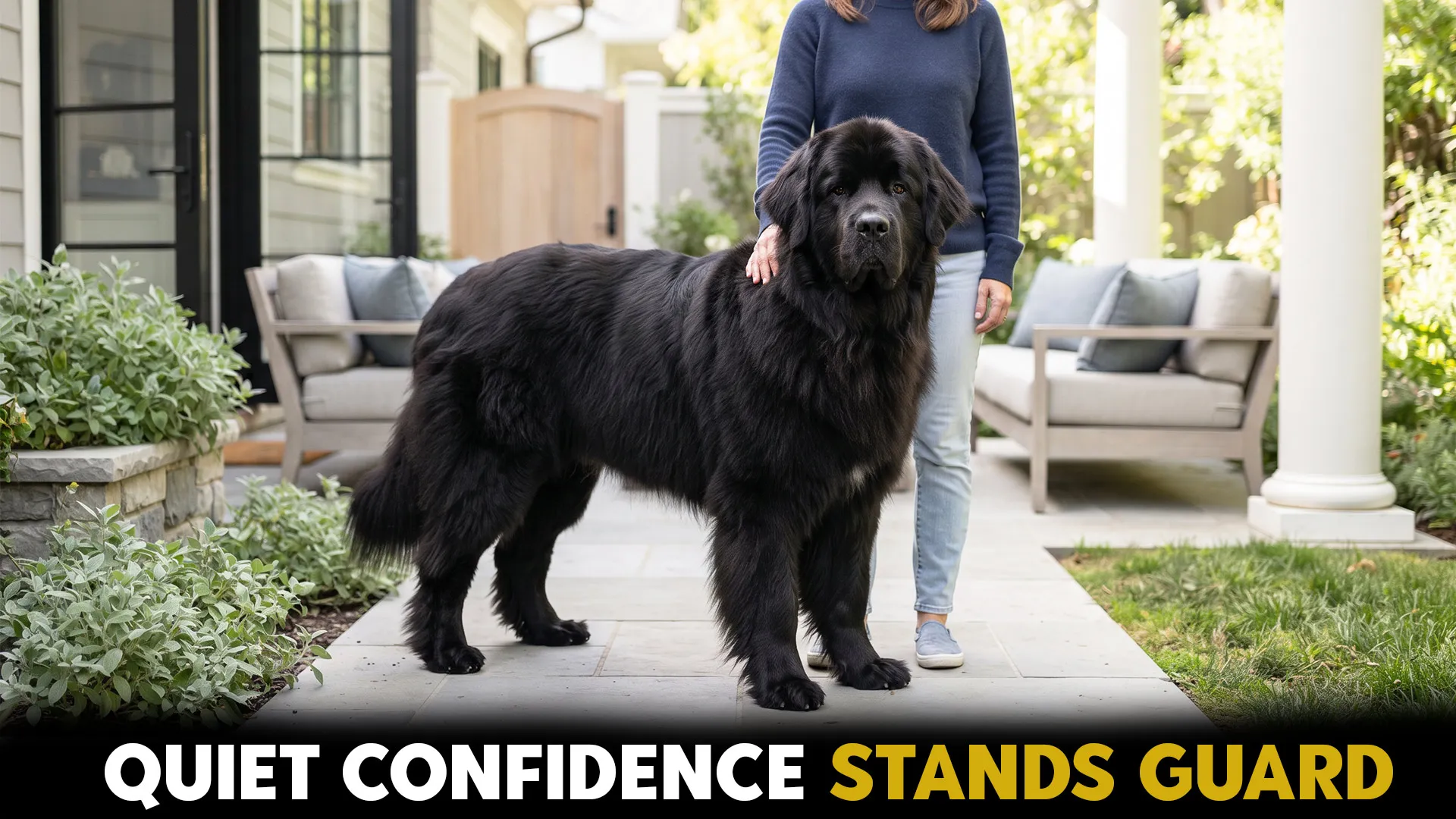
A decent guard dog doesn’t have to sit there all day scanning for every little trouble. For lots of families, the better option is a companion that stays pretty relaxed at home, can share the family moments, and still turns watchful when something feels off. It really helps daily life get easier and a lot calmer.
Some bigger dog breeds seem to come with both a steady temperament and a real protective drive. Their sheer size can already act like a warning. Their loyalty builds a strong kind of bond with the family. With solid training and early socializing, these “gentle giants” can turn into reliable guardians without giving up the warm, affectionate vibe that makes them such good family pets.
Some guard dogs were first developed to guard livestock rather than houses. That job taught them to keep a close awareness for long stretches, without needing constant instructions. A calm guardian can spot strange activity without panicking at every tiny sound.
Balanced Temperament Guard Dog Breeds: A Calm Choice
1. Great Pyrenees
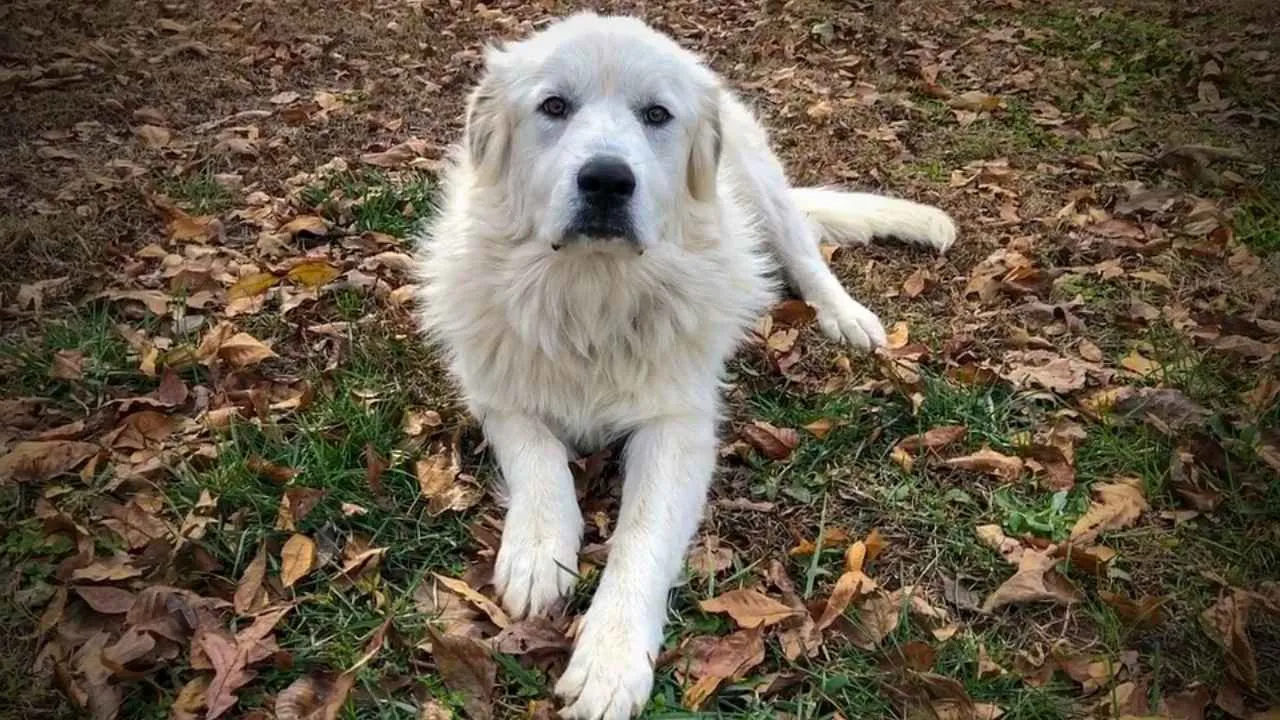
The Great Pyrenees gives off a peaceful vibe that can make people overlook it. Under the thick white coat is a serious working dog, bred to protect livestock from wolves and other predators, especially in mountain areas.
So yeah, that history is why the breed can seem calm for a lot of the day, but still be naturally alert. A Great Pyrenees may watch the yard quietly, notice when something unfamiliar shows up, and step in only when there’s a real issue.
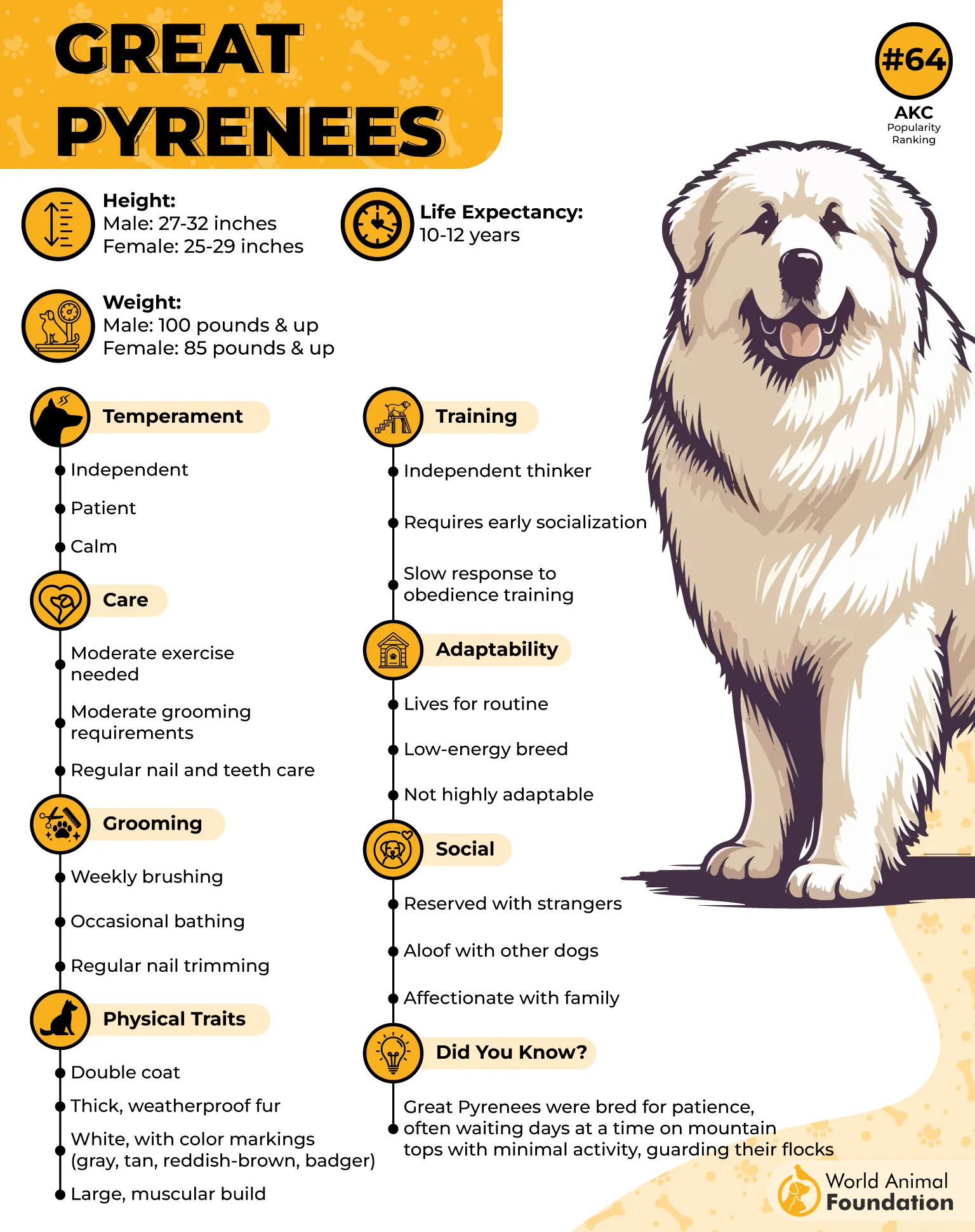
The blend of patience, independence, and protective instincts gives this companion a pretty special spot among guardian breeds. Regular exercise plus mental stimulation are important too, even if this isn’t the constantly energetic kind of dog that really needs nonstop activity all the time every day.
The American Kennel Club says this breed is a mellow companion and also a vigilant guardian. The thick coat then needs consistent attention, especially during the heavier shedding windows, and that part can be a bit of a routine.
2. Great Dane
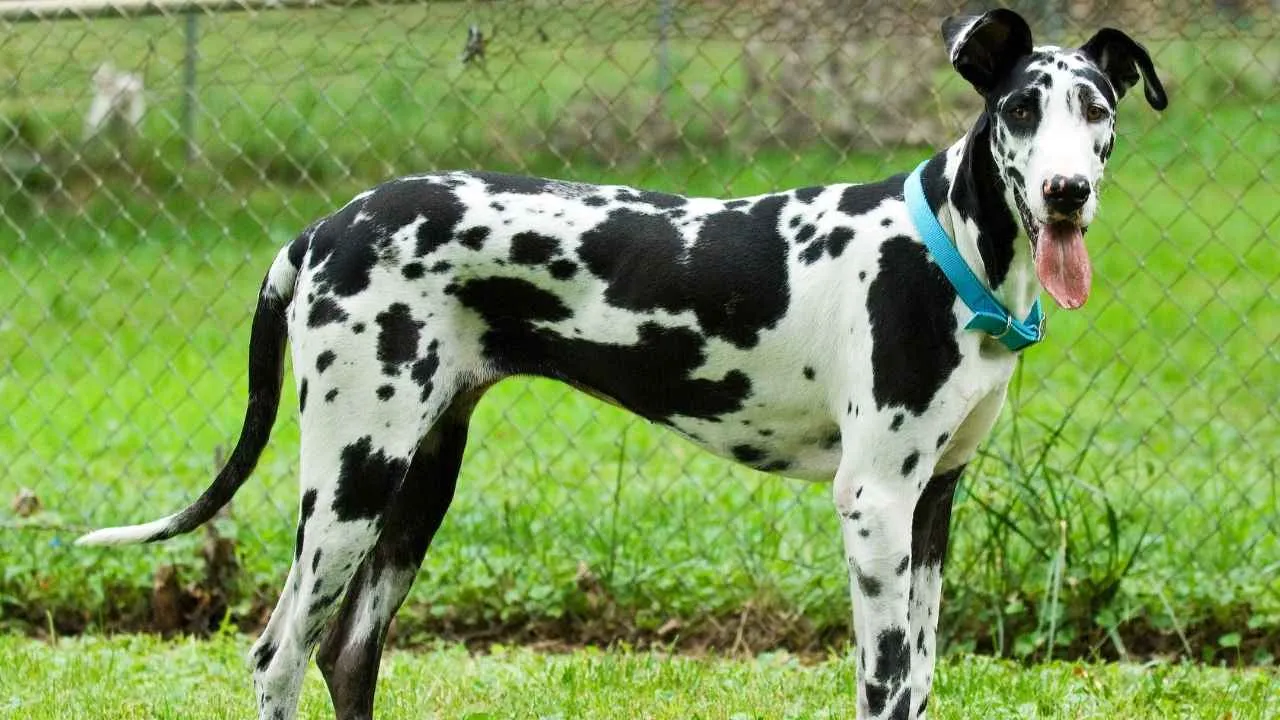
The Great Dane can look scary, sure, with that tall, muscular frame, but the temperament tells a softer story. This gentle giant is often described as friendly, steady with patience affectionate, and really tied into the household routine, like a closely involved family member.
Built at first for hunting wild boar, the Great Dane later became more linked with companionship and home protection. Nowadays, the breed can be a solid guard dog for families who want a watchful presence, not an overly intense vibe.
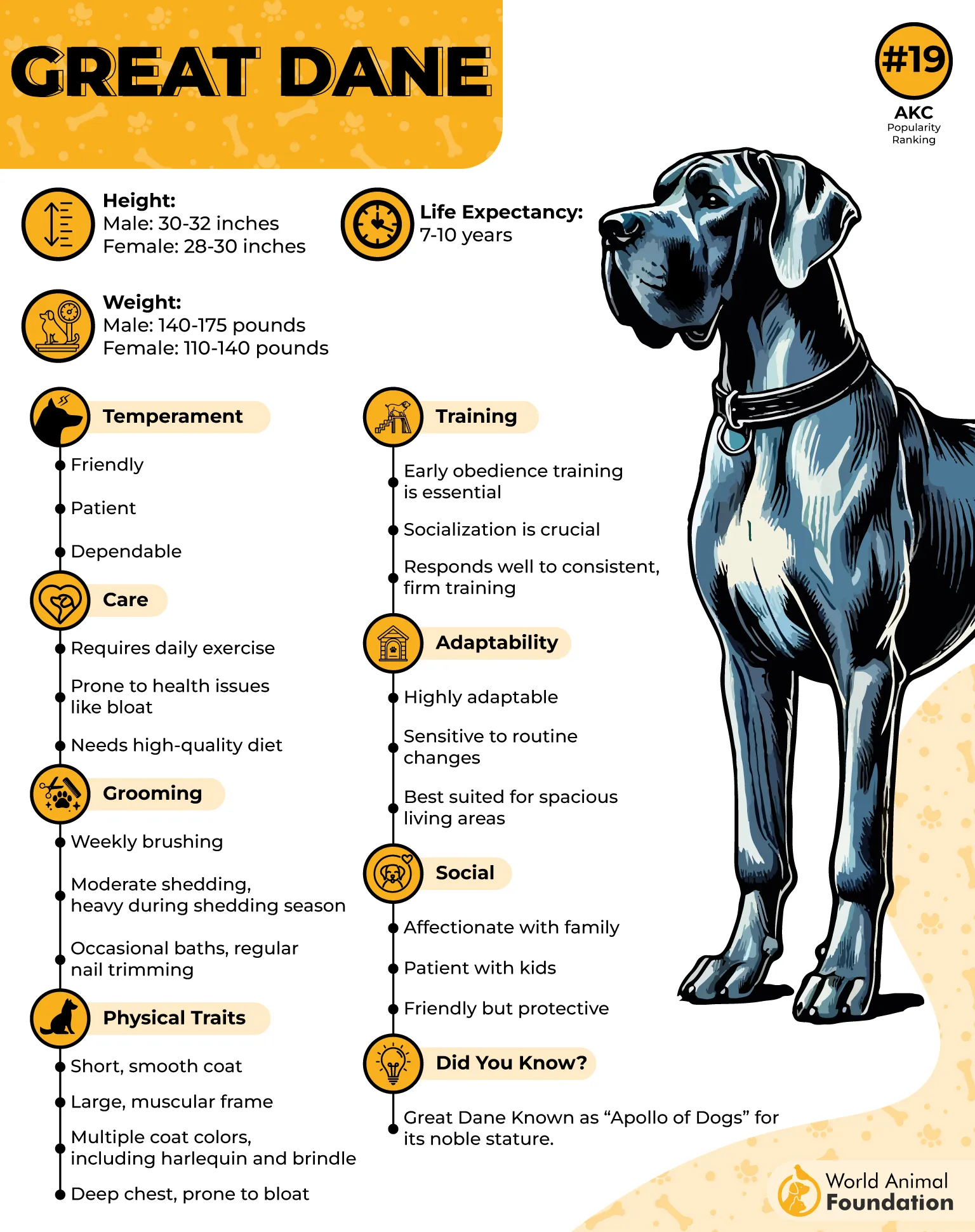
Purina portrays the Great Dane as friendly, patient, dependable, gentle, and loving, while also mentioning the breed’s alert guarding ability. That combination is why the Great Dane works well for people who want a calm guard dog with a loving personality too.
3. Saint Bernard
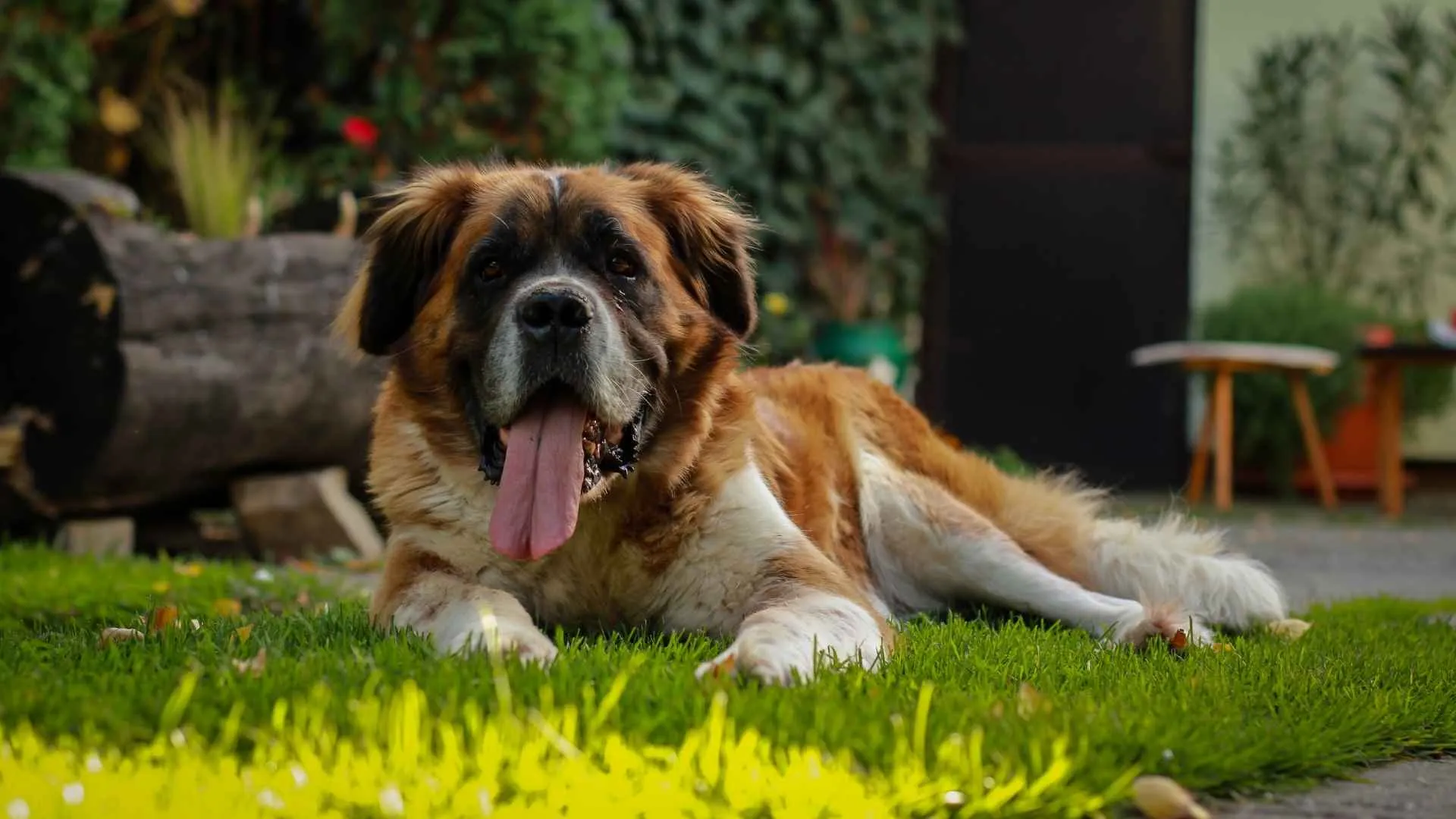
Saint Bernards are famous for their huge size, but the thing people remember most is usually that steady, gentle mood. These big, cozy companions can be very affectionate with families, and they often end up creating deep bonds with the folks around them.
A Saint Bernard can give a feeling of safety just from that powerful look. Still, the breed isn’t really known for being all-time aggressive or super jumpy. Instead, it’s more like a calm presence, quiet watchfulness, and loyal attachment that make it feel like a fairly relaxed pick for family homes.
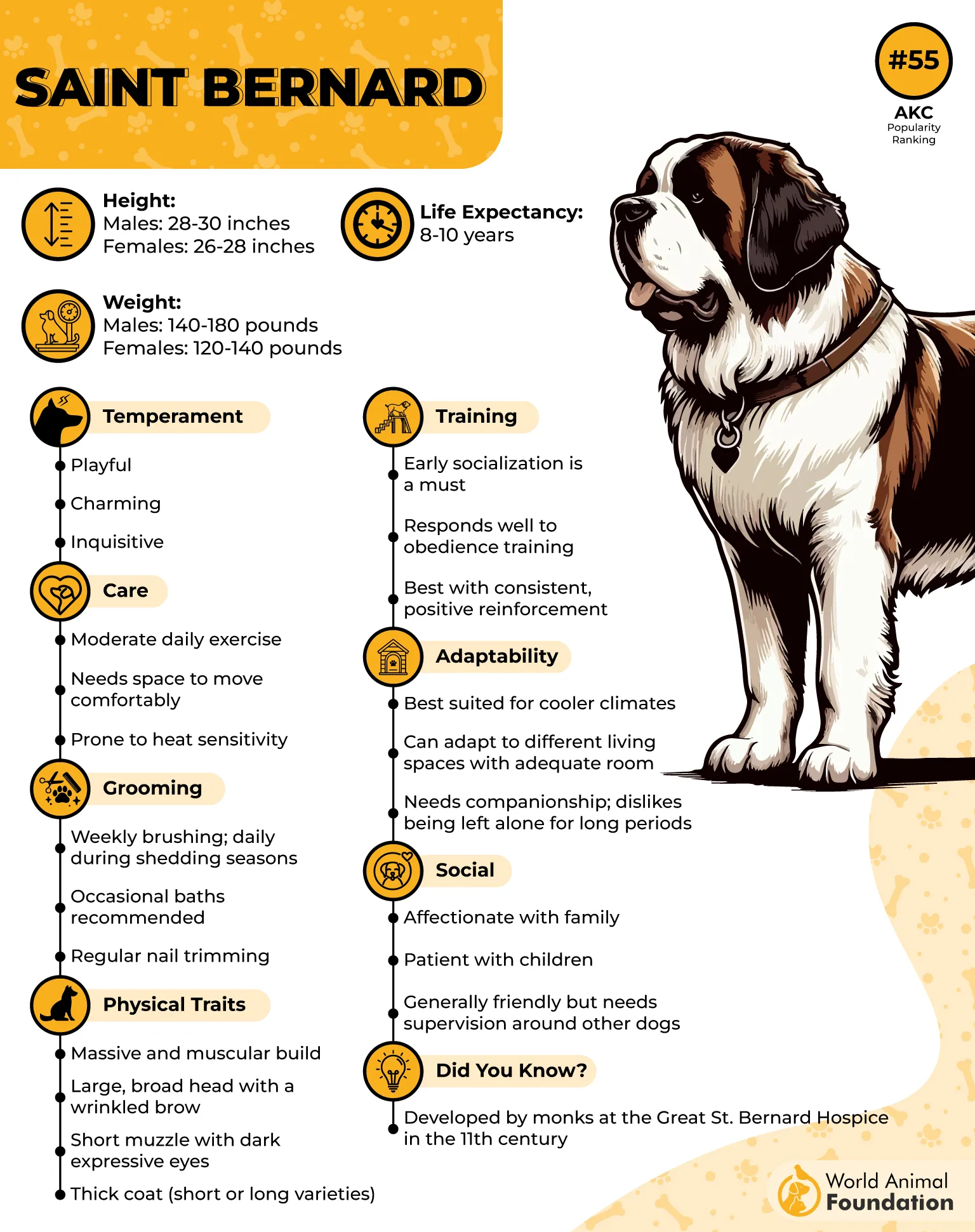
Training should start early, so good manners become a normal habit in everyday life. Using positive approaches can make a Saint Bernard learn commands while also building confidence with the household. Regular walks plus age-appropriate play also help support a healthy weight and a stable temperament.
4. Newfoundland
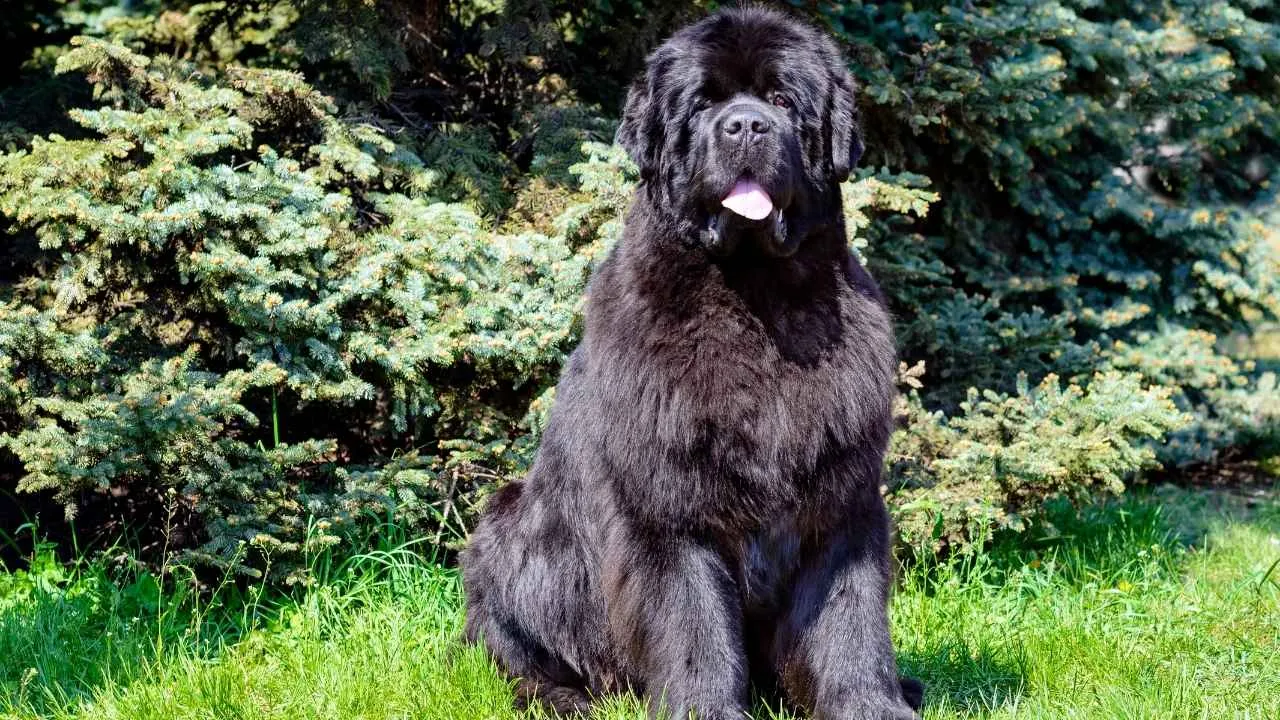
Newfoundland adds a different kind of protection to family life. Instead of leaning on a constantly intense personality, this large working breed blends strength with a sweet, calm, dependable nature, and that combination can feel really reassuring.
The broad body, strong build, and deep bark can make a Newfoundland seem like it owns the place. Still, the temperament is usually gentle and tolerant, particularly when it comes to family members. That’s why the breed feels interesting for households that want a sense of guarding, but don’t want to pick one of the more intense protection dogs.
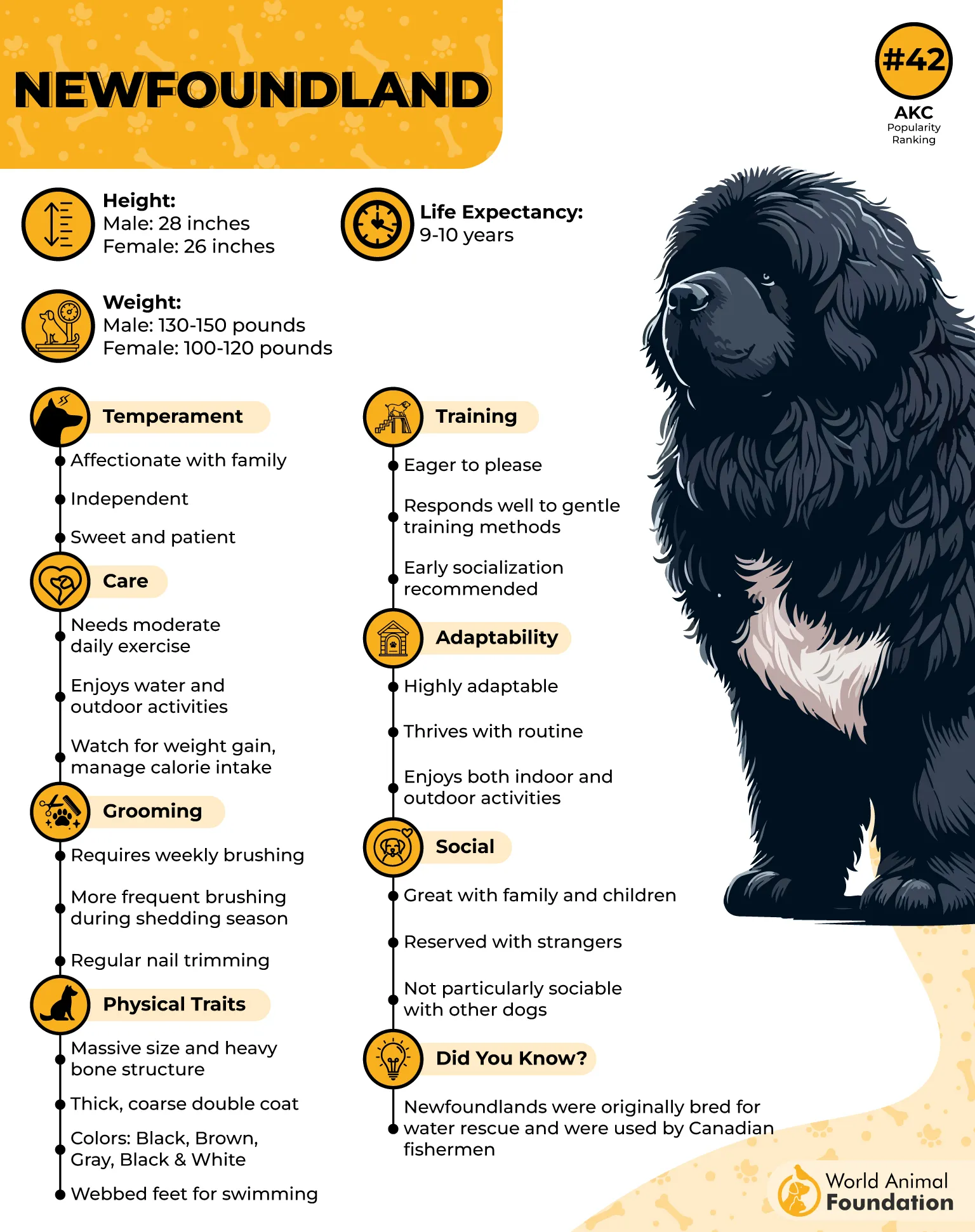
Hills Pet says the Newfoundland is watchful, reliable, protective, and patient with children. The breed may also settle well into home life, as long as exercise, companionship, and proper care are actually provided.
5. Mastiff
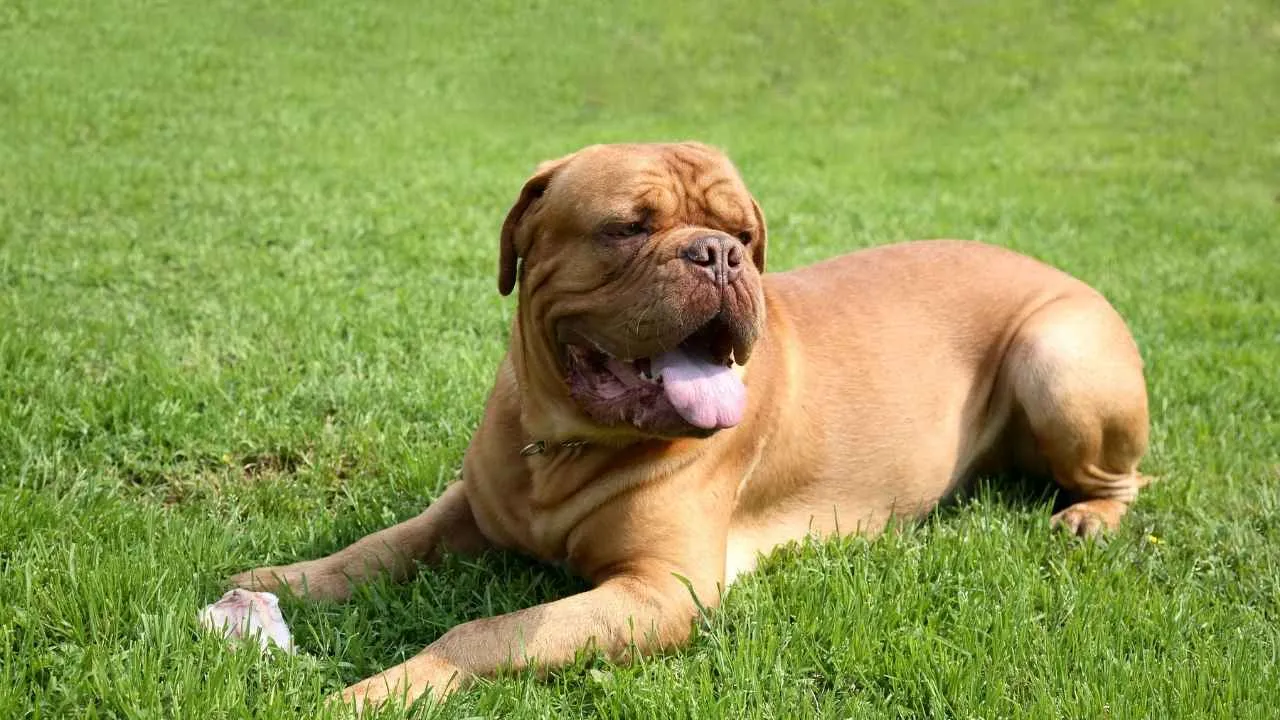
The Mastiff looks intimidating enough to make an intruder pause before coming closer. A massive body, muscular frame, and steady confidence naturally leave a strong first impression. But inside the home, the personality can be surprisingly calm, even warm and affectionate.
Historically, Mastiffs were used for guarding and other demanding tasks. Those protective instincts still show up in the modern dog, though a well-socialized companion tends to stay patient and can be quite gentle with family members.
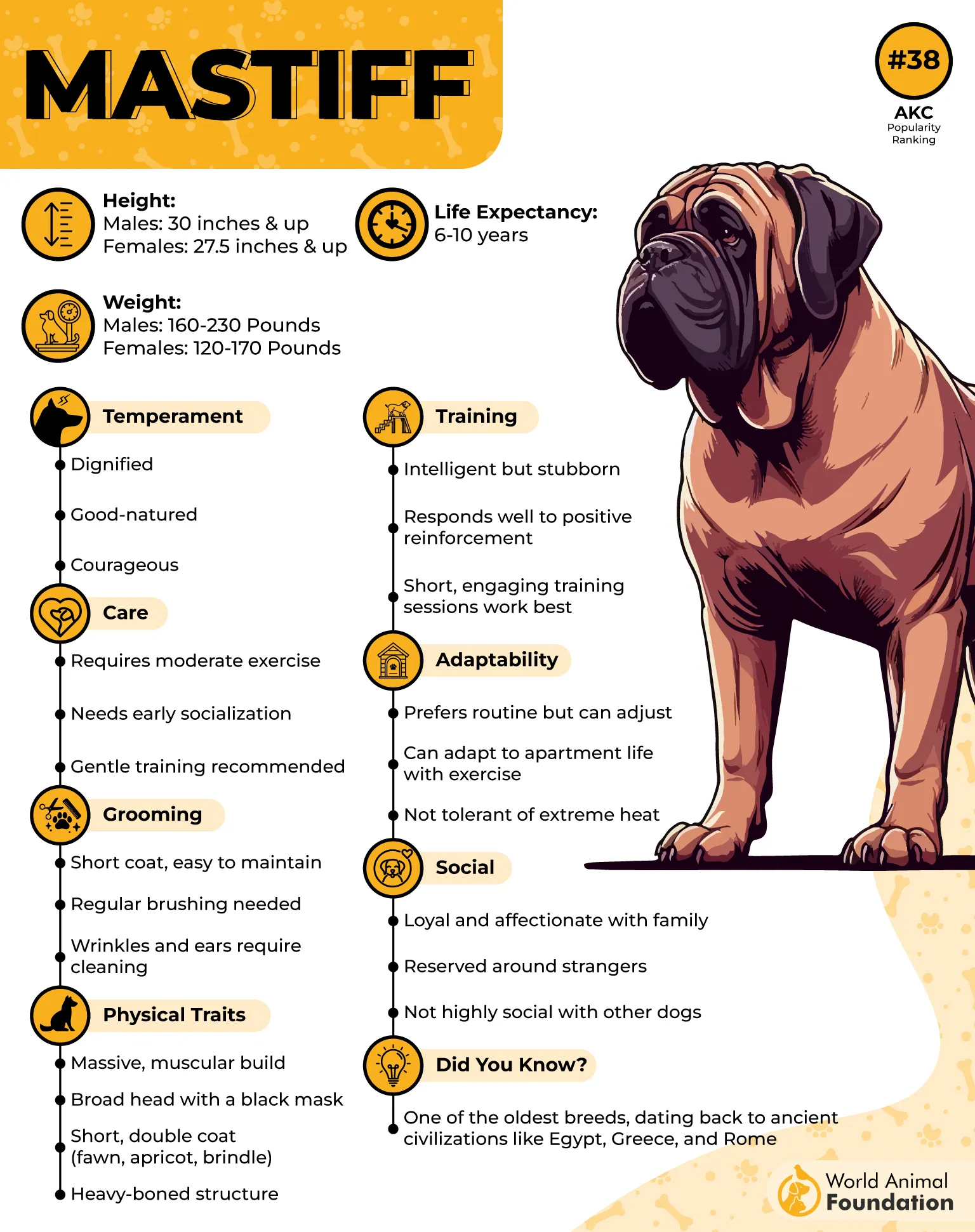
Early socialization plus consistent training matters a lot because the breed is so powerful. Clear household rules help keep behavior from turning into a long-term headache. Moderate exercise, regular companionship, and a cozy place to rest can fit this calmer guardian just fine.
6. Leonberger
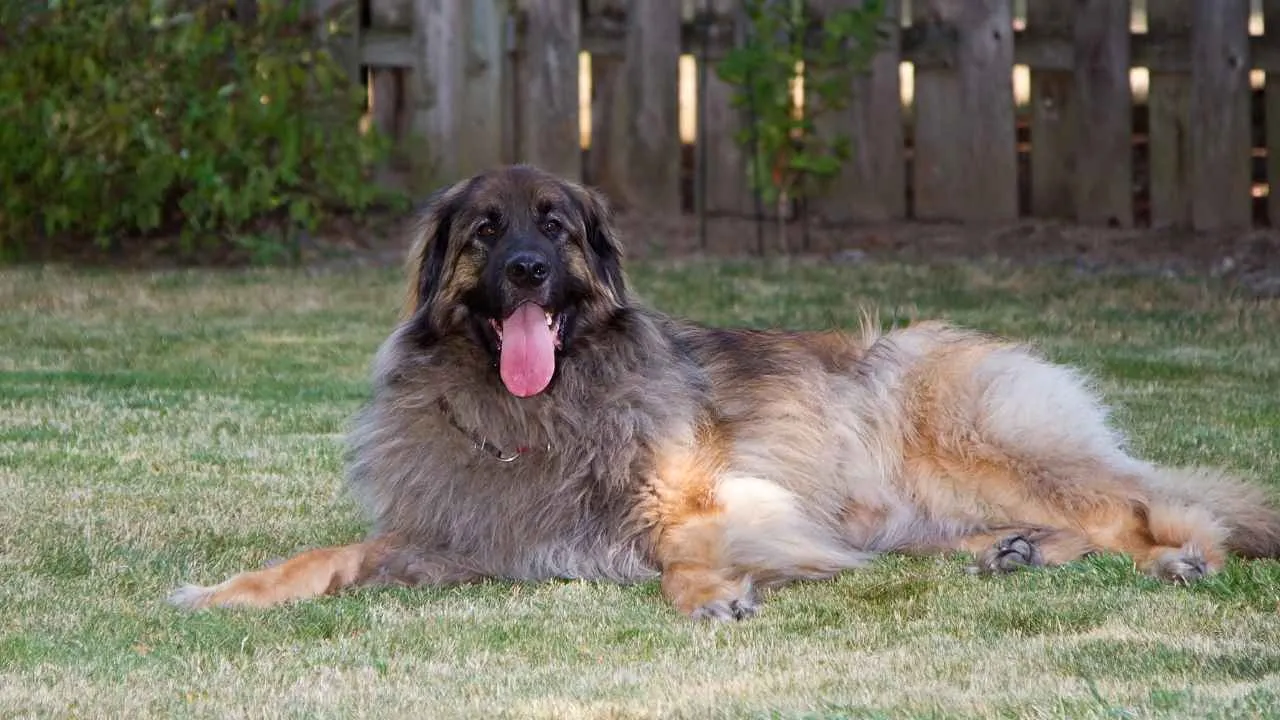
The Leonberger combines, somehow in a very natural way, a big, impressive size with this warm family personality. The breed worked as a companion in daily life, and over time it became known for strength and loyalty, plus a calm, gentle nature.
A Leonberger can look intimidating at first glance, especially to someone who doesn’t know the breed, but family routines usually reveal a softer side. These companions can be affectionate, sociable, and patient. That blend is what helps them slide into a home that wants a protective presence without going into an overly sharp mood or behavior.
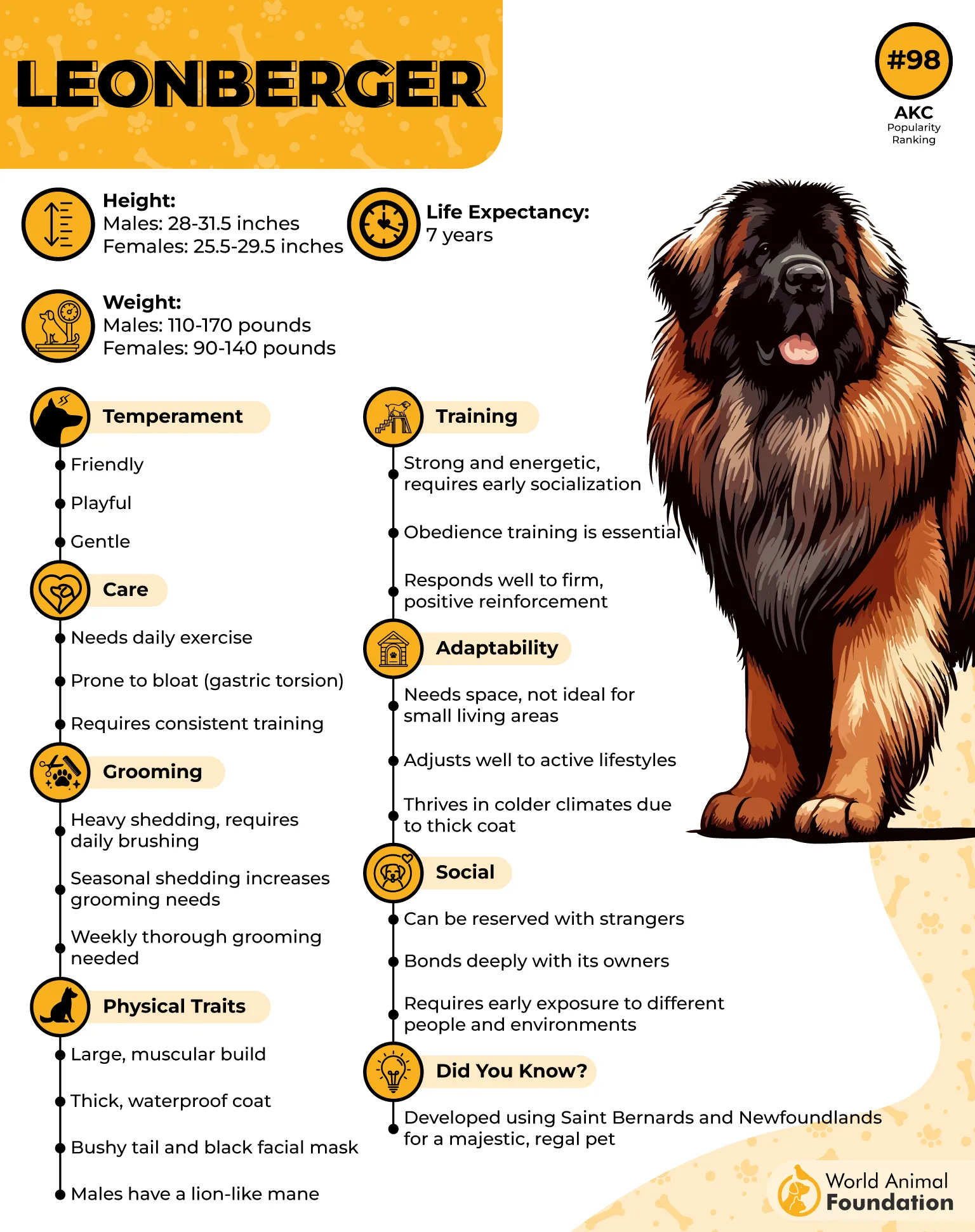
PDSA mentions that Leonbergers need over two hours of exercise. However, care is needed for puppies as their bones are not fully developed. For the right household, this gentle giant can turn into both a devoted companion and a dependable guardian.
7. Boerboel
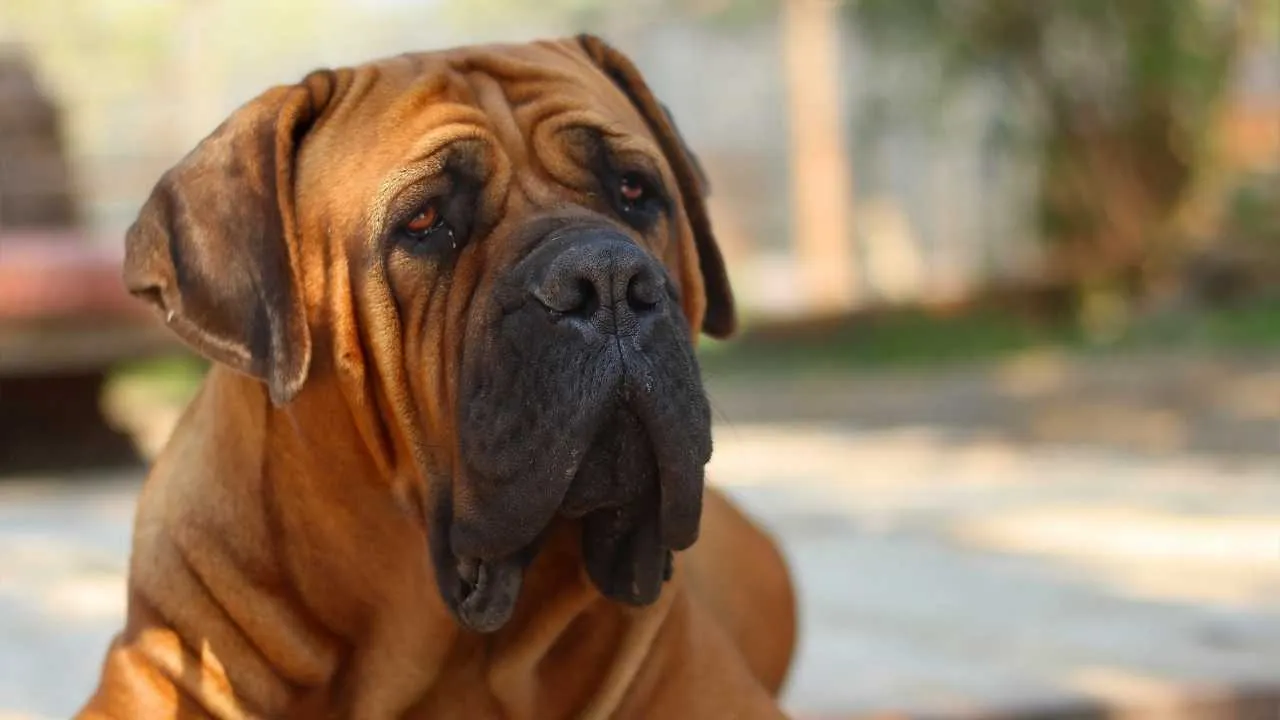
The Boerboel carries a powerful look that goes with a serious history as a farm guardian. Originally developed in South Africa, this large Mastiff-type breed helped protect farms from predators and learned to respond seriously to new or unfamiliar situations.
Even with that solid guarding history, life inside a home can still bring out this calmer, pretty affectionate personality. A properly socialized Boerboel can end up having deep bonds with family and then stay gentle with people it knows, or sees regularly, even if strangers get a bit of side-eye at first.
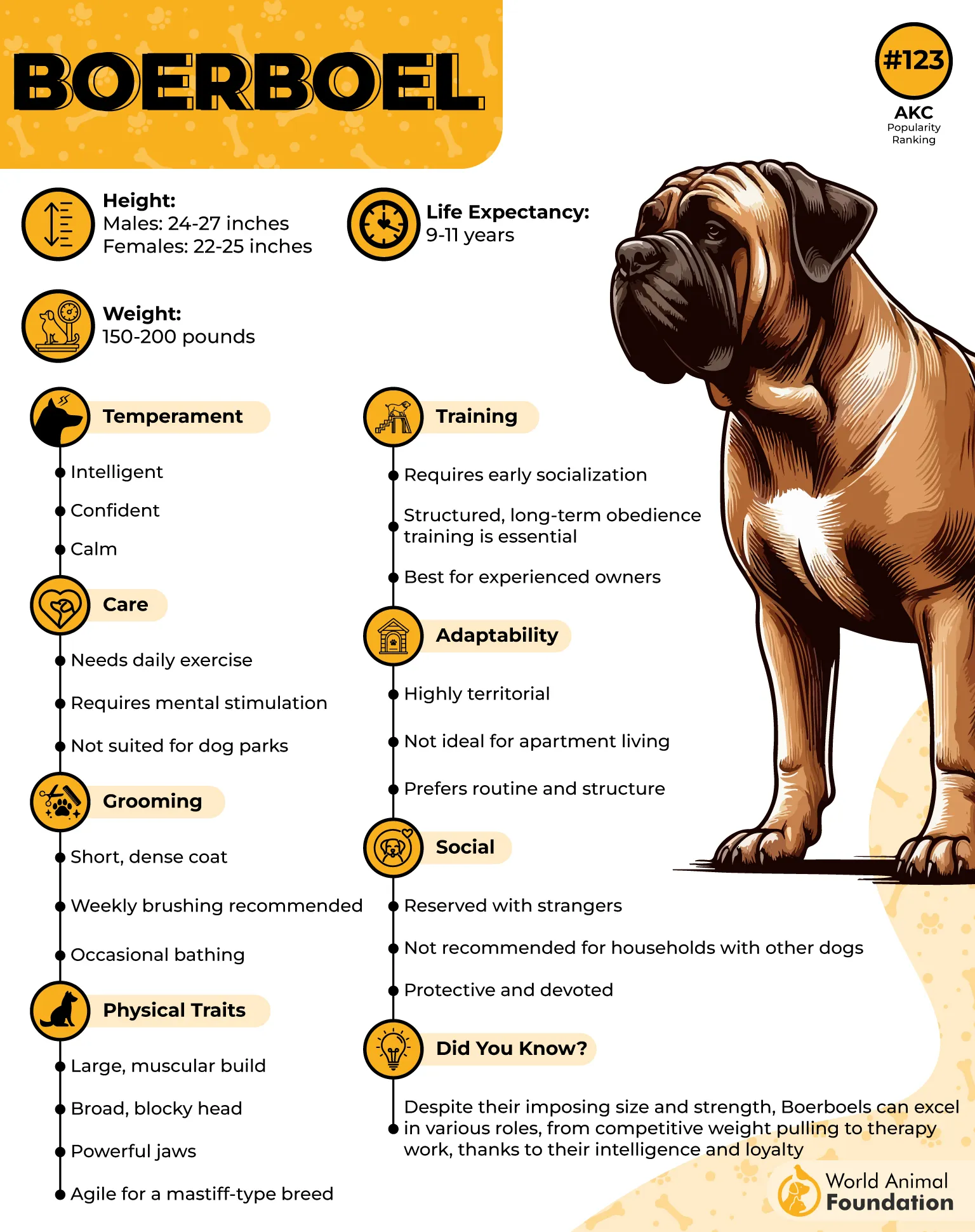
PetMD notes that Boerboels often keep a calm and gentle attitude toward family, yet they may be cautious around unfamiliar folks. It also stresses early socialization, consistent training, and this part matters that owners should have real experience because of the breed’s size and also because their confidence can be pretty strong.
Conclusion
A protective dog doesn’t need to be the loudest one in the room, or the most pushy, aggressive presence either. In a lot of homes, a steady temperament is honestly more useful.
When a companion seems to understand when to settle down and when to stay alert, it creates a different sort of steadiness in everyday family life, not just noise or tension.
If you are comparing breeds, the Great Pyrenees tends to give quiet watchfulness while the Great Dane often shows a friendly personality with this big, impressive presence. Saint Bernards and Newfoundlands can work for families who want gentle “giants,” and Mastiffs can provide a strong but calm kind of protection.
Leonbergers often bring warmth along with loyalty, and Boerboels fit experienced owners who are ready to shape, guide, and channel those strong guardian instincts without letting them run wild.
