




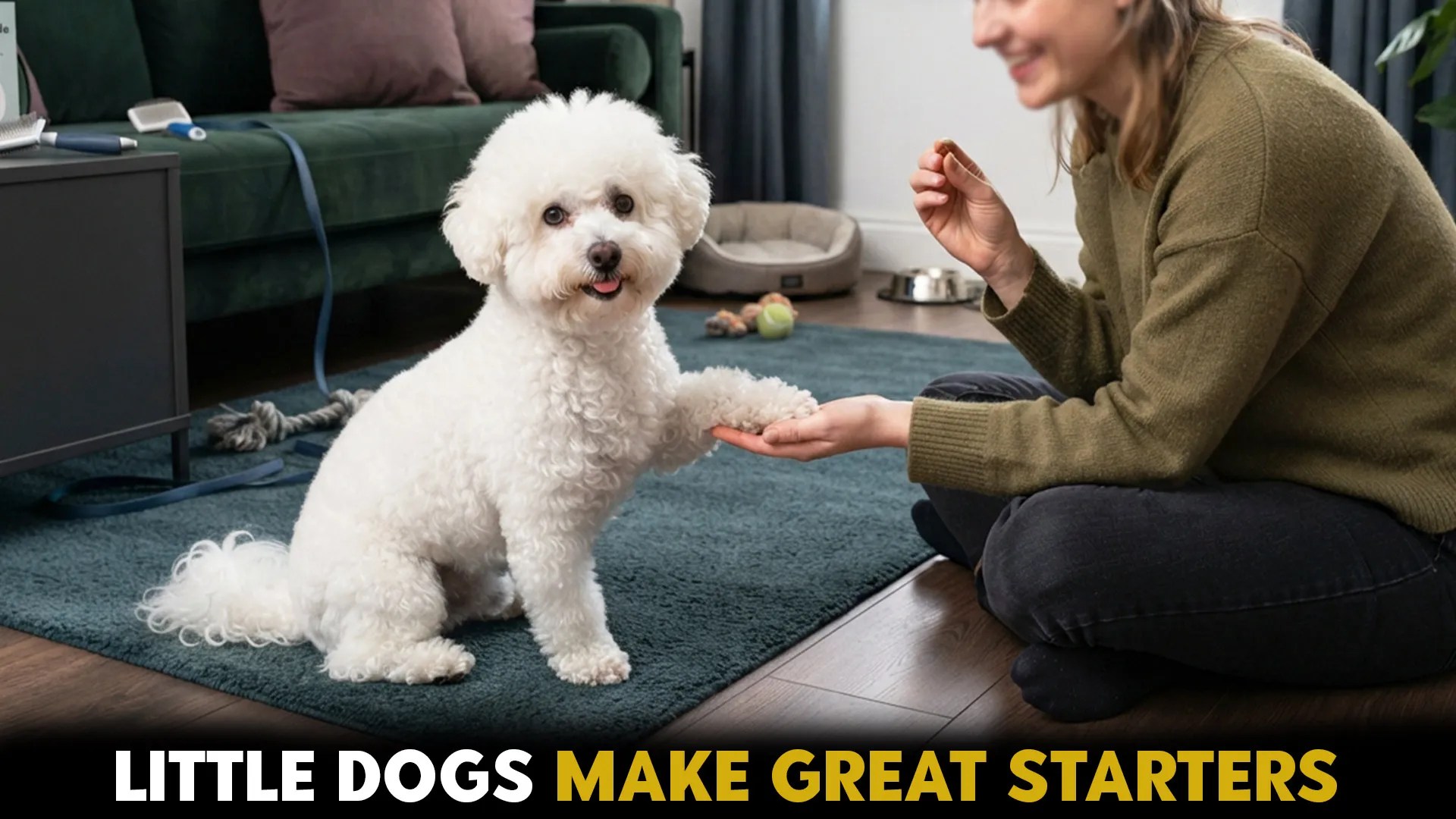
Bringing home a first dog is exciting, sure, but it can also stir up plenty of questions. Like, will the new companion actually mesh with the family routine? Will the whole training thing feel doable in real life, not just “on paper”? And can a breed settle comfortably in a smaller apartment, or in a loud, busy household where stuff is always going on?
The good news is that some dog breeds seem to naturally bend and adapt to different living situations. A warm personality, a readiness to learn, and a real bond with people can make the first go-round feel less confusing. Still, every new dog requires patience, daily care, brain work, plus routine vet checkups.
Adaptability is not just about picking what seems easy. A solid fit also hinges on the energy level, grooming demands, how much living space there is, and how much time a pet parent can actually give. Even breeds that adapt well may still struggle if they’re left alone for long stretches, or when daily needs are brushed aside.
Adaptable Dog Breeds Great for First-Time Dog Owners
1. Golden Retriever
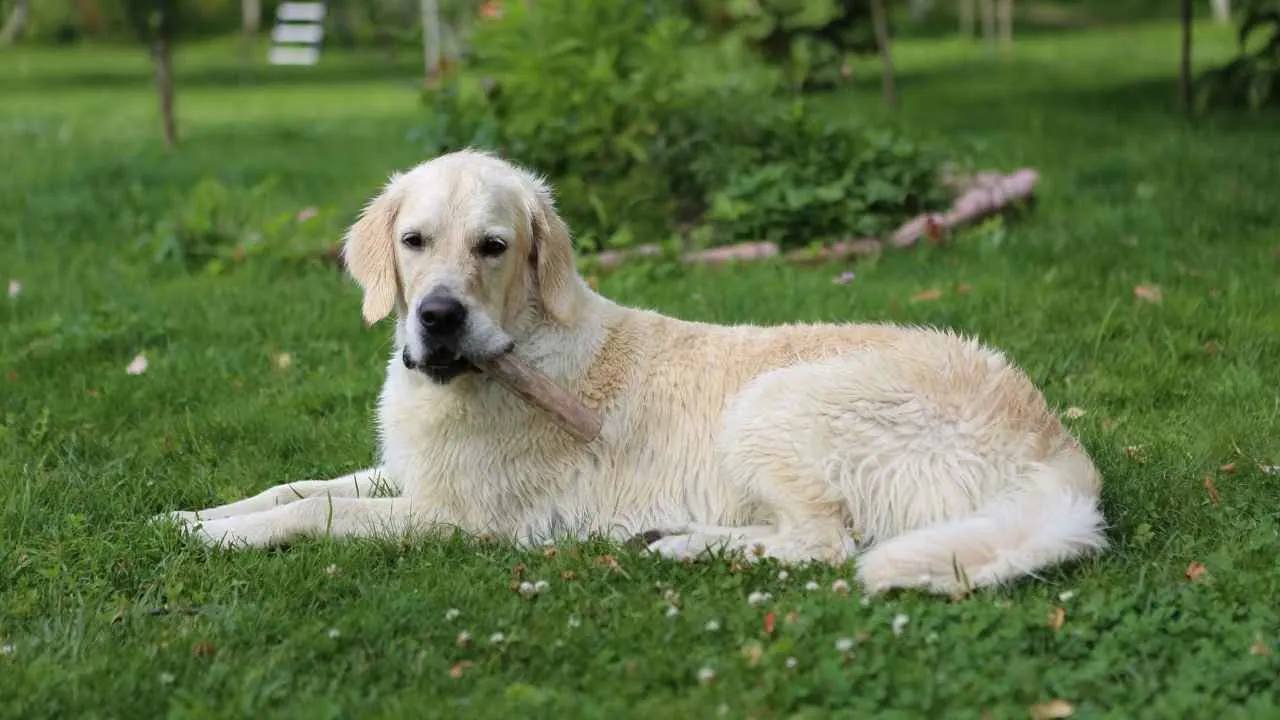
Golden Retrievers often make first-time dog owners feel welcomed into the world of pet parenting. Their friendly, playful attitude fits families, couples, and also people who just want a steady companion for day-to-day life. They usually love meeting folks, and they tend to greet strangers with warmth, not suspicion.
These smart dogs also handle training really well because they enjoy working with people. Their athletic build fits long walks, games, outdoorsy moments, and other forms of movement. Purina notes Golden Retrievers are loyal, friendly, eager to please, and usually simple to train, which is why they show up so often among the best dog breeds for new owners.
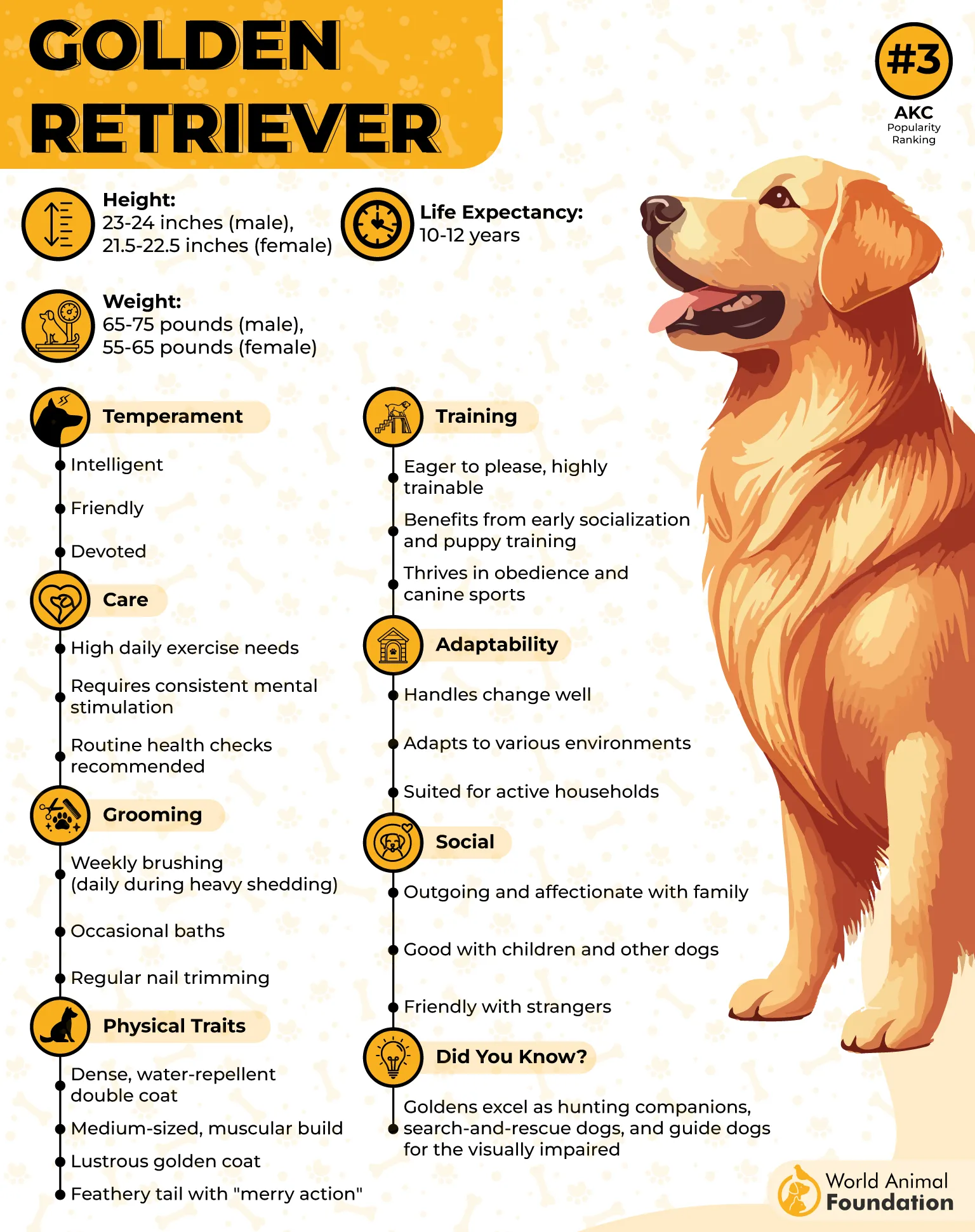
Golden Retrievers bring a lot of affection into a home, but they still need steady movement, you know, daily. If you keep a routine with walks, playtime, training sessions, and family time, those busy minds and bodies stay in a good rhythm. Their medium-length golden coat also asks for frequent brushing, especially when shedding picks up and gets heavier.
2. Labrador Retriever
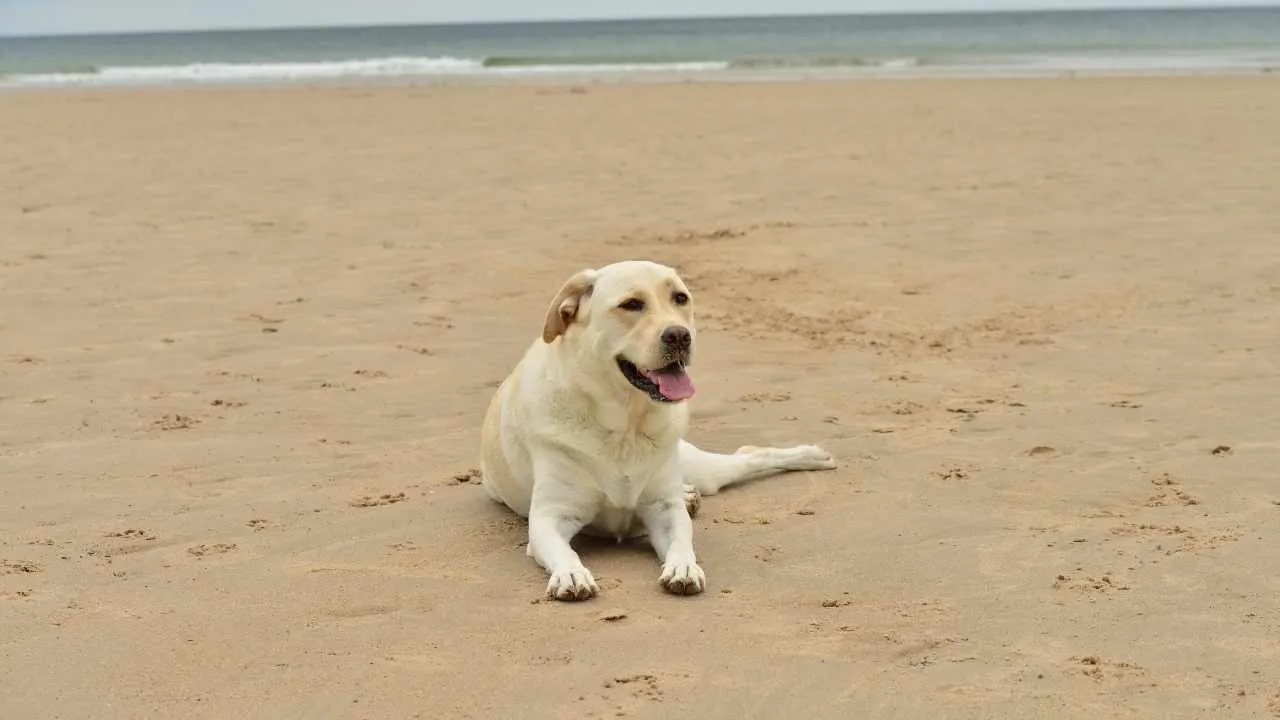
Labrador Retrievers bring a bright energy that can make day-to-day life with a first dog feel enjoyable and not stressful. Their broad heads, expressive eyes, short double coats, and solid builds create that familiar look. Black, yellow, and chocolate coats add to the classic appeal.
A Labrador Retriever also fits owners that like being outside. Webbed feet plus a water-resistant coat support the breed’s natural gift for swimming, and the well-known otter tail helps with how they move in the water. Hills Pet mentions the athletic build, water-repellent coat, and exercise that’s on the moderate side.
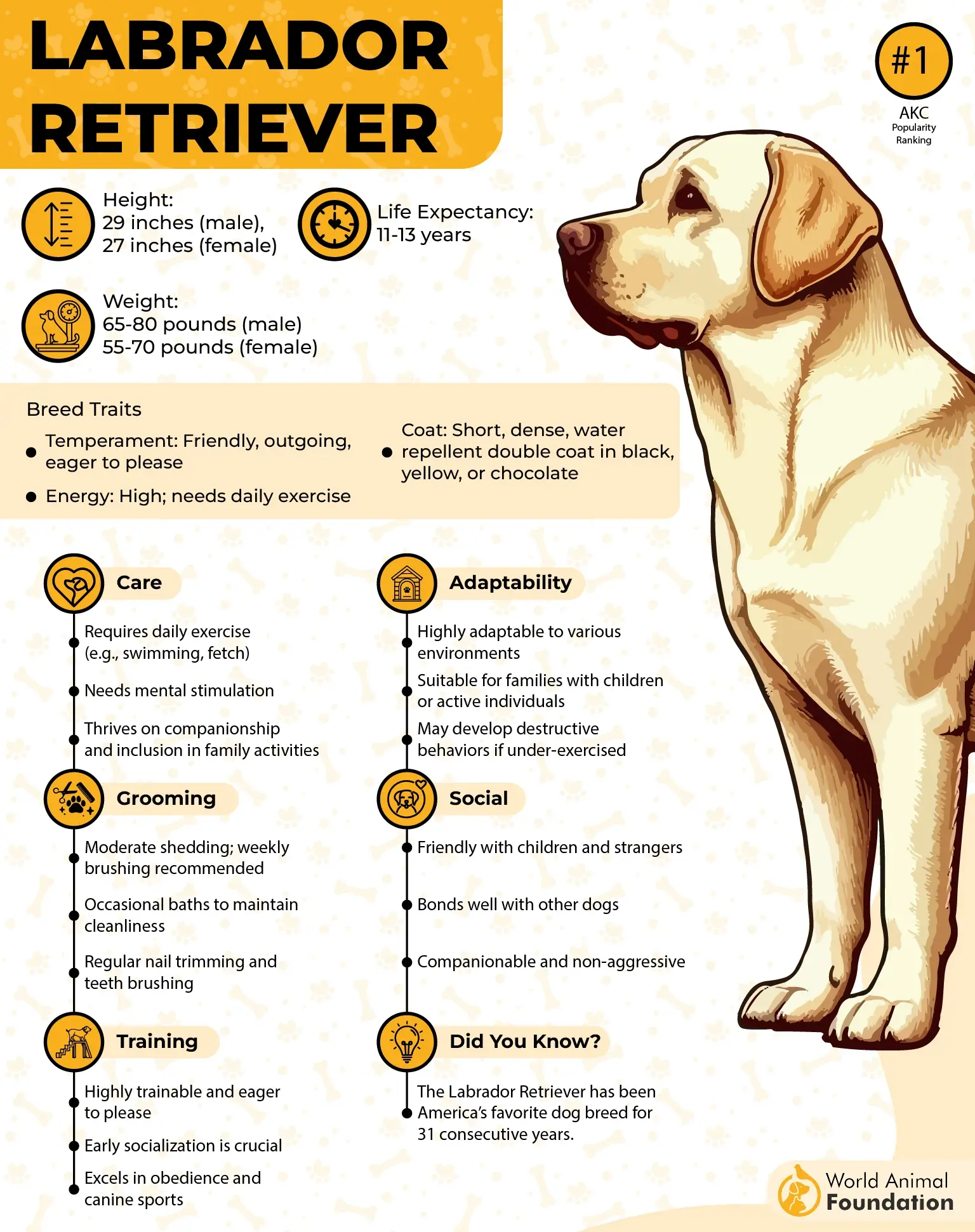
Labrador Retrievers often need more exercise than many smaller breeds, so just one daily walk may not work for every individual dog. Fetch, swimming, training games, and longer outings can be extra stimulation. Regular brushing also keeps loose hair under control around the house, even when everyone is excited, and shedding seems to happen anyway.
3. Bichon Frise
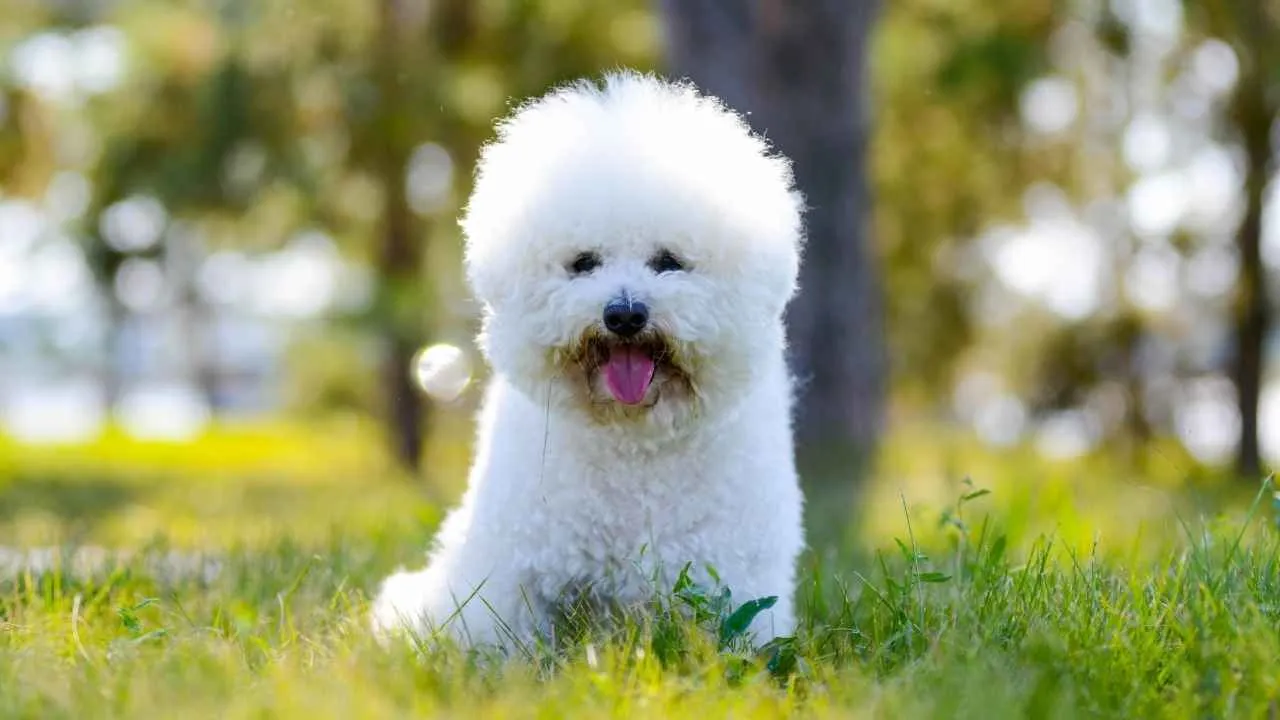
Bichon Frises carry a bright, kind vibe in a small body. These happy companions usually like humans, kids, and other pets, so they can feel pretty good for households looking for flexible dog breeds. Because they stay compact, they also work well in apartments or in smaller places where space is kinda limited.
A Bichon Frise might be fine with a brief stroll, an indoor game, or a tiny training moment. They don’t need hours of hard, intense exercise like some high-energy types. Their soft, curly coat requires responsible care. Bichon Frises are adaptable companions, and they often get along nicely with children and other dogs.
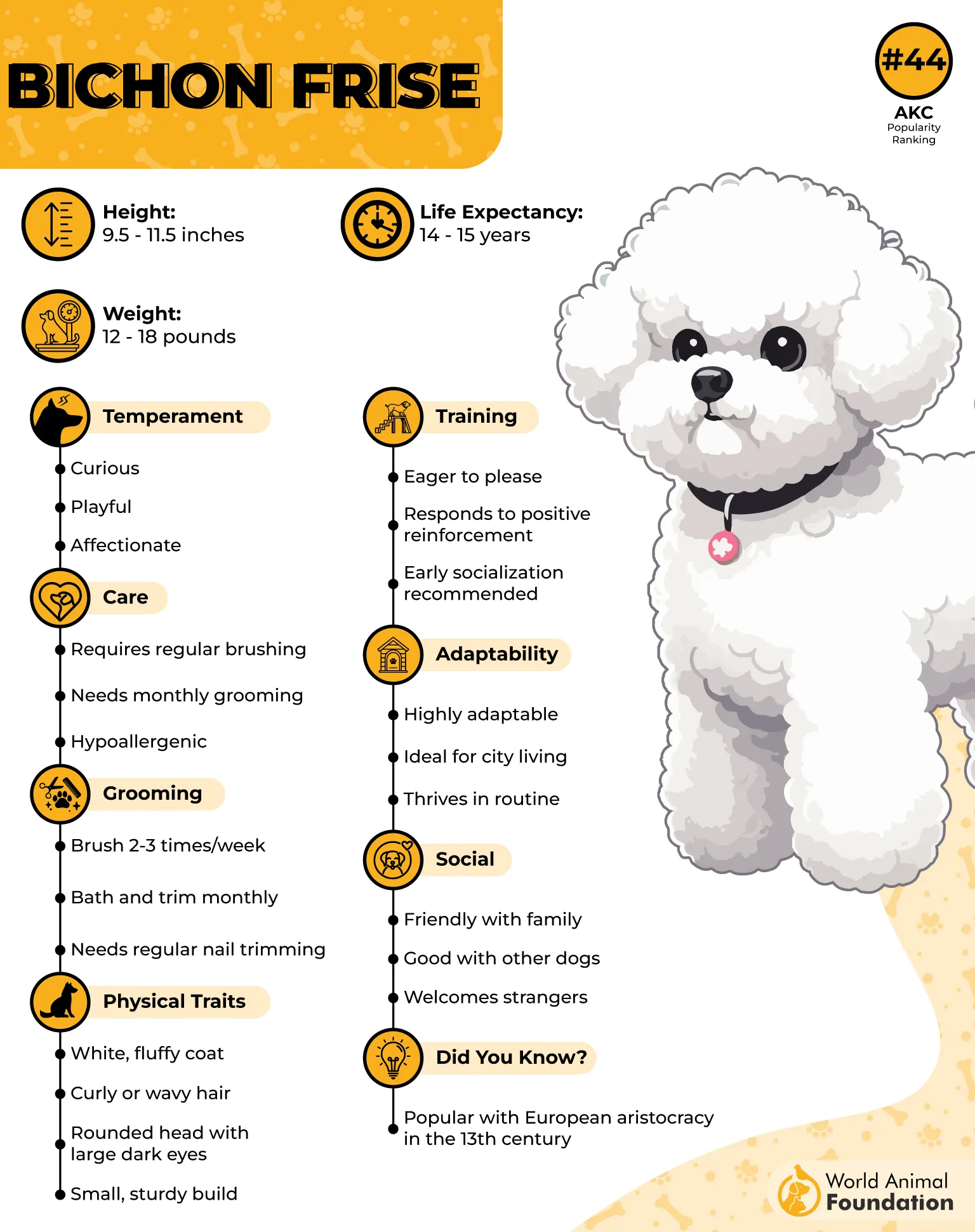
These little dogs tend to enjoy staying near people, so companionship is a real factor. If they are left alone for too long, it can trigger stress or lead to unwanted behavior. Positive training, gentle touch, and regular social outings can support confidence early on, from a young age.
4. Pug
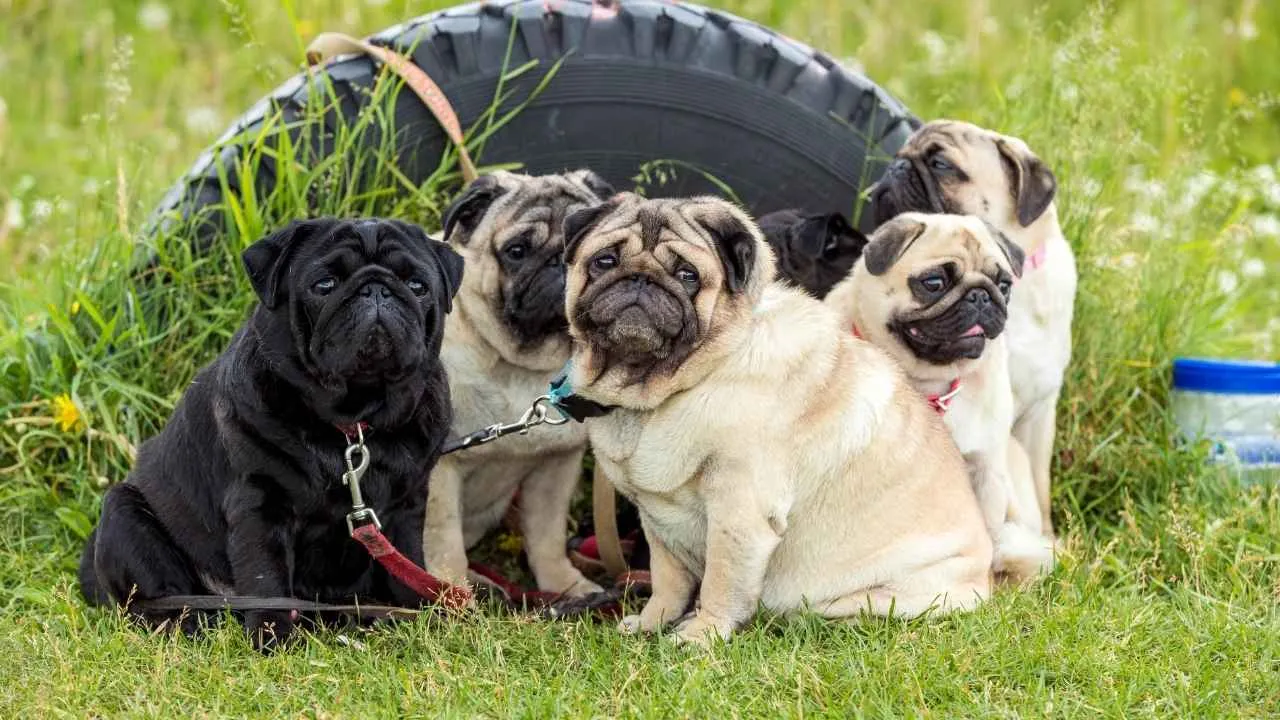
Pugs are famous for their funny, expressive faces and their affectionate temperament. Their playful nature can bring a lot of giggles to a home, and their strong bond with people makes them feel like a steady little shadow.
Exercise is usually moderate, but their flat face needs extra attention. Pugs may have trouble with breathing and overheating, especially in hot seasons or during tough play. PDSA suggests shorter walks, play sessions, and brain-stimulating tasks while you keep a close eye on tiredness or any signs of breathing trouble.
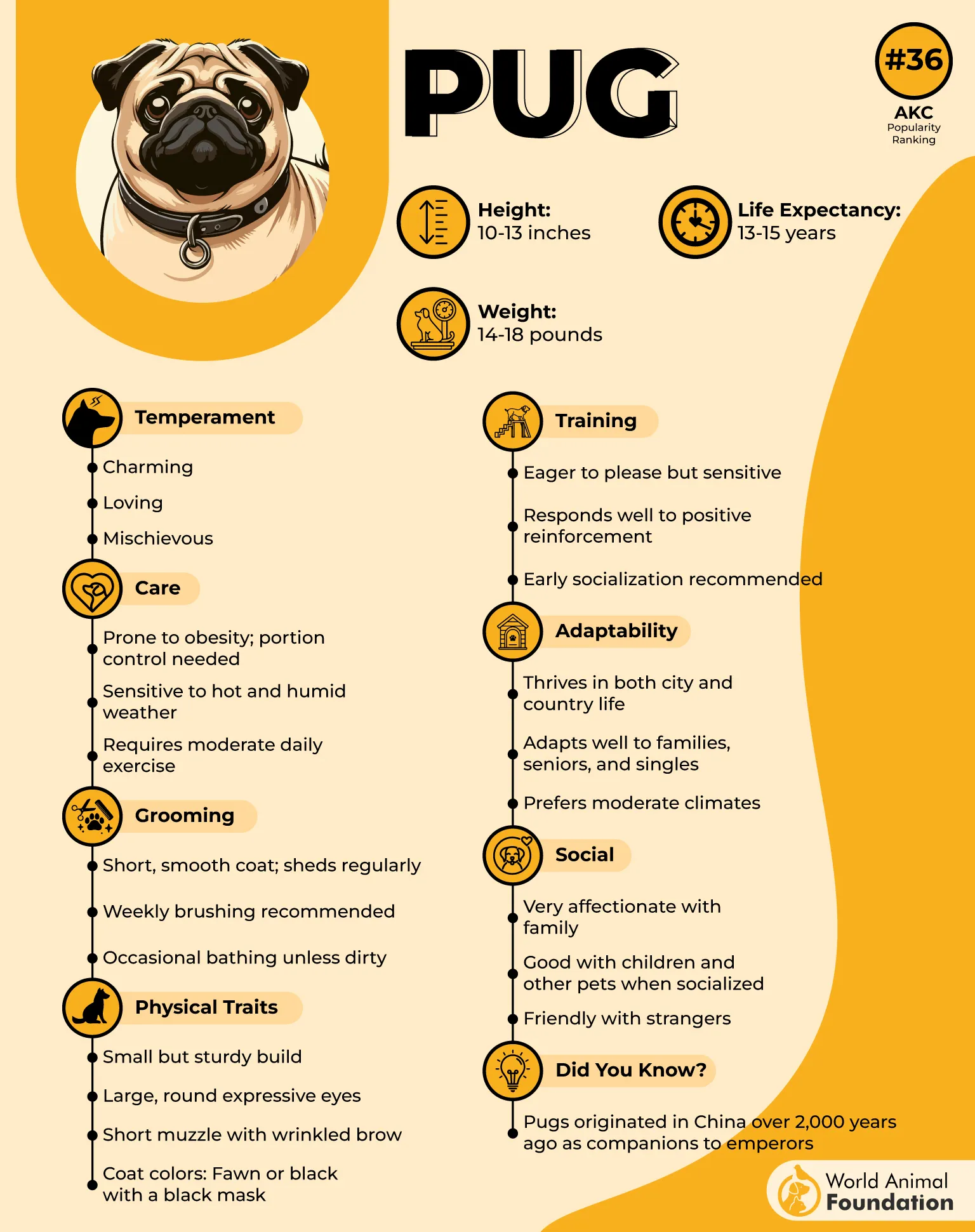
A Pug can fit owners who like easygoing indoor hours, plus some mild effort here and there. Keeping weight in check, staying aware of heat or cold, grooming properly, and not skipping vet appointments should stay on the mind during their whole life.
5. Shih Tzu
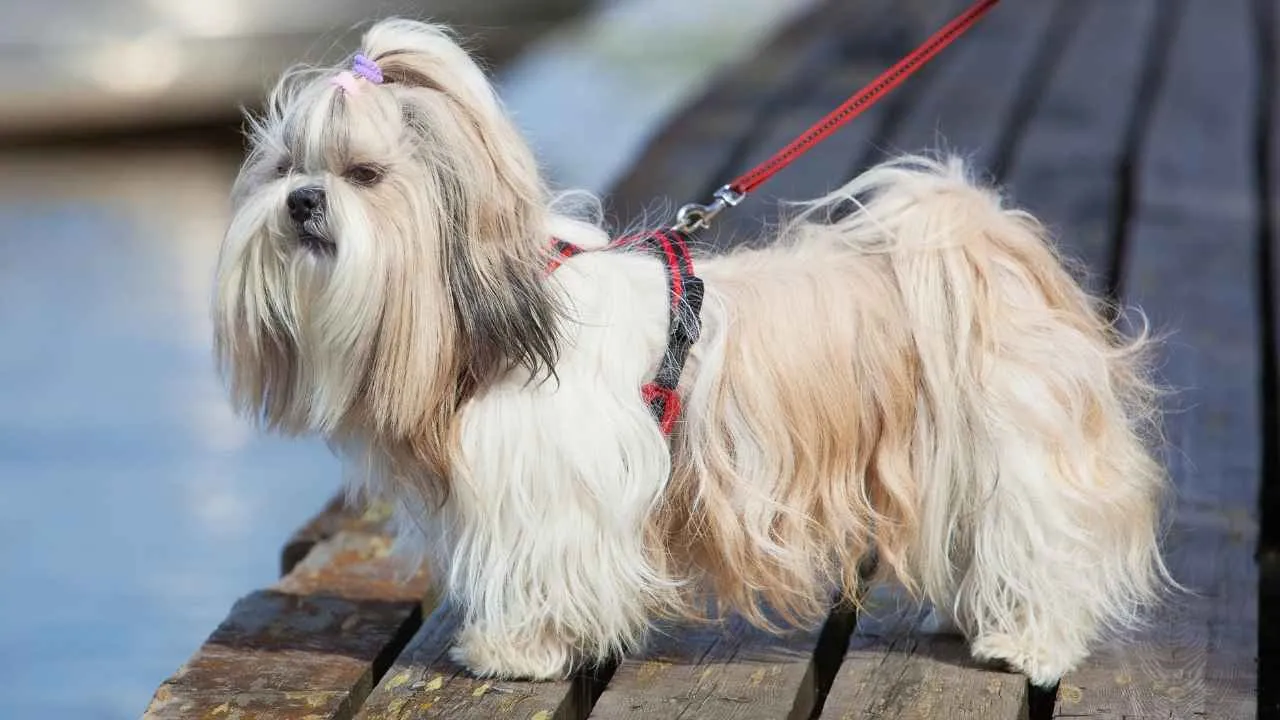
Shih Tzus were shaped mostly as companion dogs, and that background still pops up in how they act day to day. These small dogs often like to stay near family, follow familiar routines, and get lots of affection. A quiet home setting can work really well for them.
Because they are small, they also do fine in apartments or any place with less room. Moderate exercise, indoor play, and short walks tend to keep their attention. Shih Tzus are gentle house dogs that build strong bonds with people, while also pointing out their significant coat care needs.
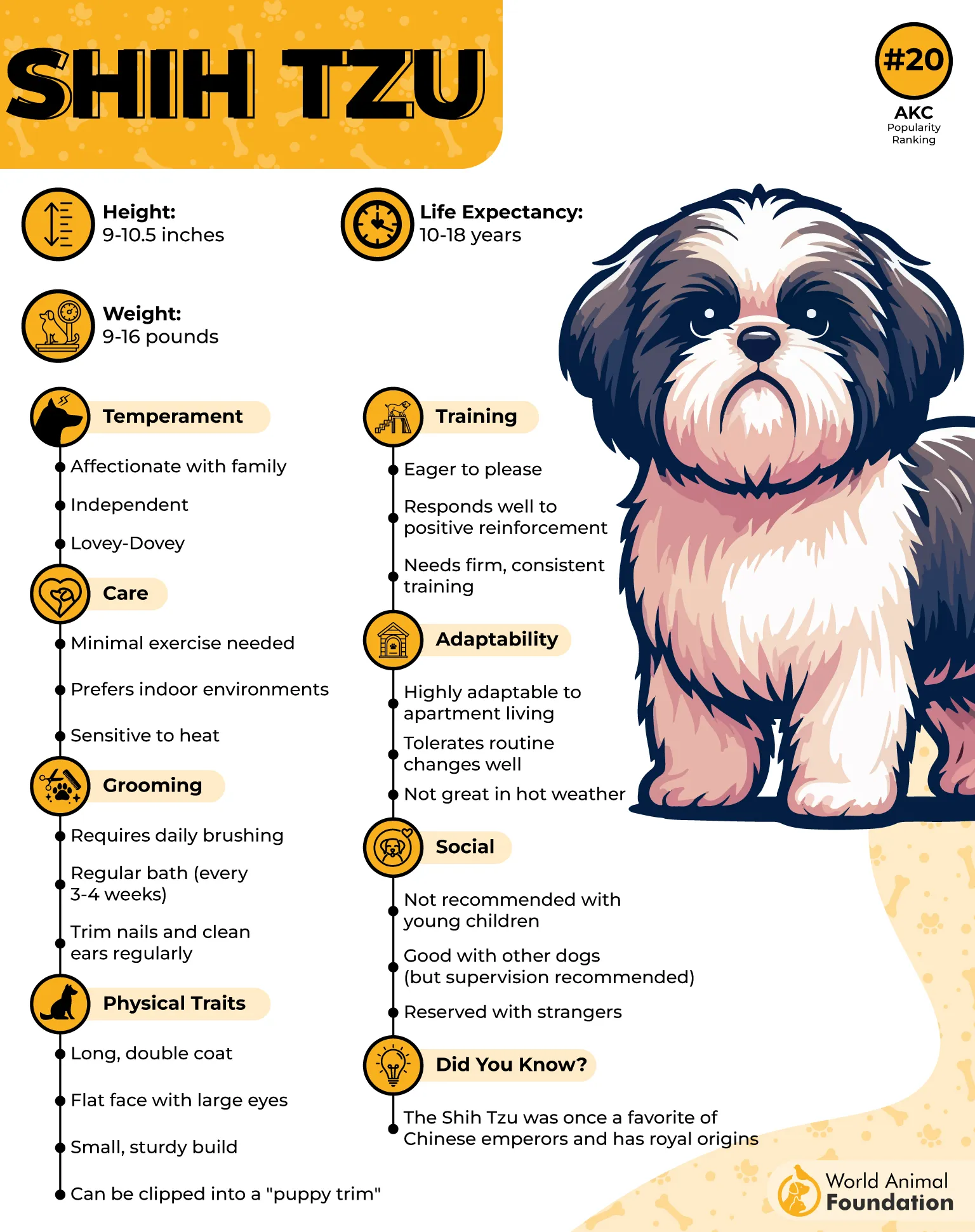
That long, dense fur requires regular brushing so tangles and mats don’t sneak in. Training can be a bit tricky too, because this small companion might show an independent streak. With steady schedules and reward-based lessons, it usually becomes simpler.
6. Havanese
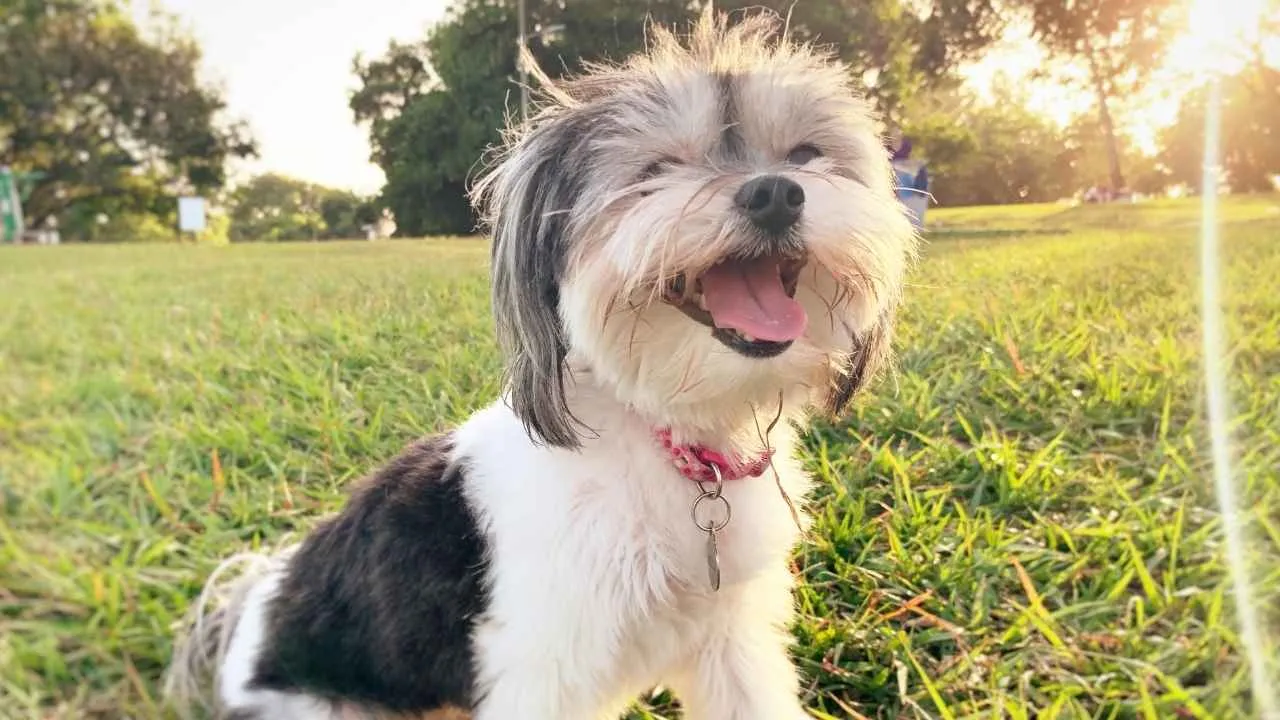
Havanese dogs bring a cheerful, social vibe into family life. These small buddies often like greeting folks and hopping into normal home activities. Their size also fits city apartments, and they can be comfortable in suburban houses too.
They also respond pretty well to training when lessons stay positive and consistent. This breed can end up being closely tied to family members, so regular time together matters a lot. The Havanese are cheerful, bright, social companions that can fit both city and suburban living, nothing too wild.
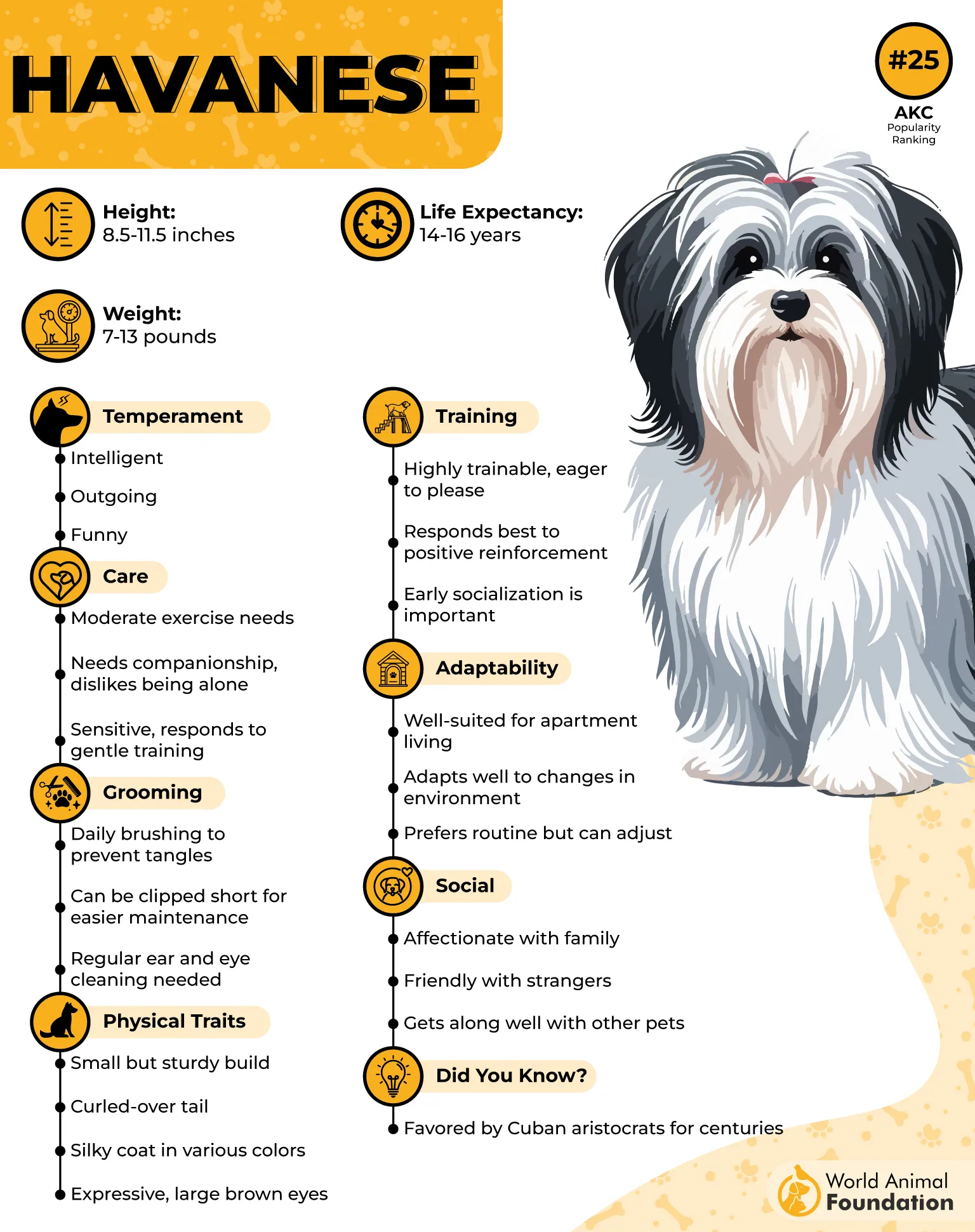
Daily walks, play sessions, and short training games can give a decent combo of physical movement plus mental recharging. Their long coat needs frequent brushing, while early socialization helps tone down shyness near unfamiliar people.
7. French Bulldog
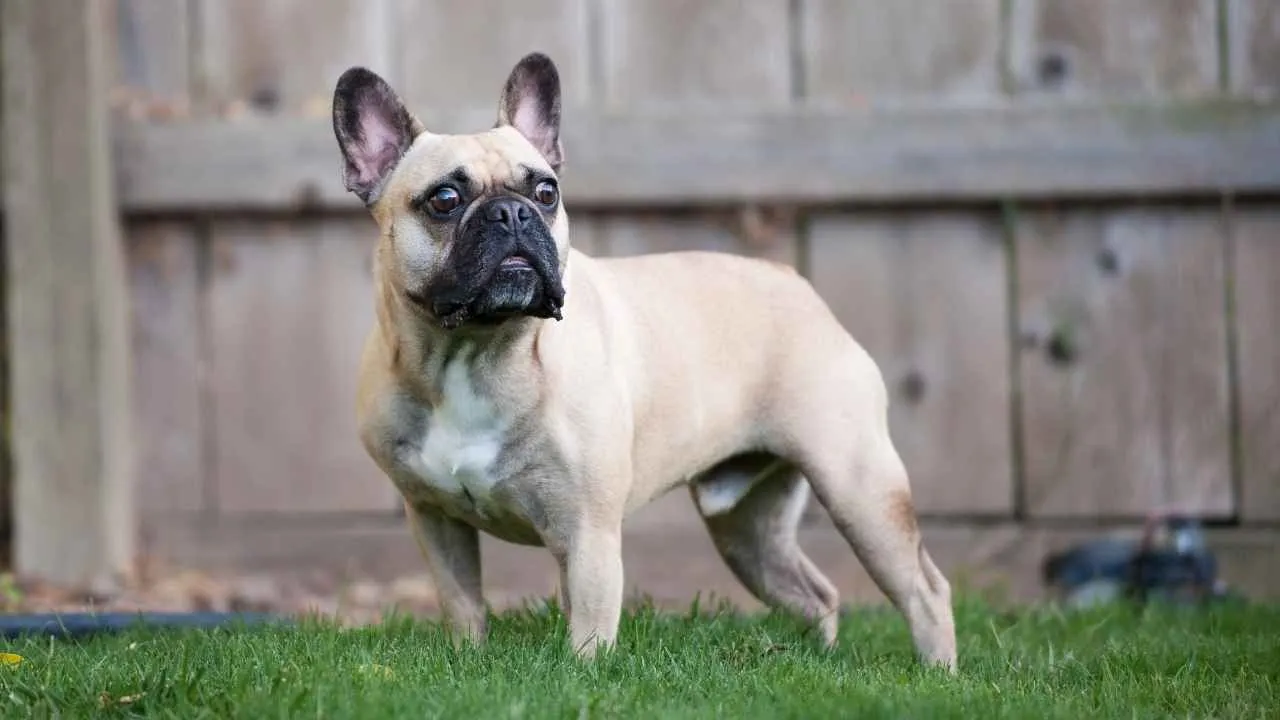
French Bulldogs can bring a laid-back but playful mood into a home. Their affectionate temperament usually makes them fun companions for families, and their smaller size tends to work well for many city setups.
They typically don’t need the exercise level of the truly high-energy breeds. Easygoing walks and indoor games can be plenty, and reward-based training helps too because they sometimes show a stubborn little streak.
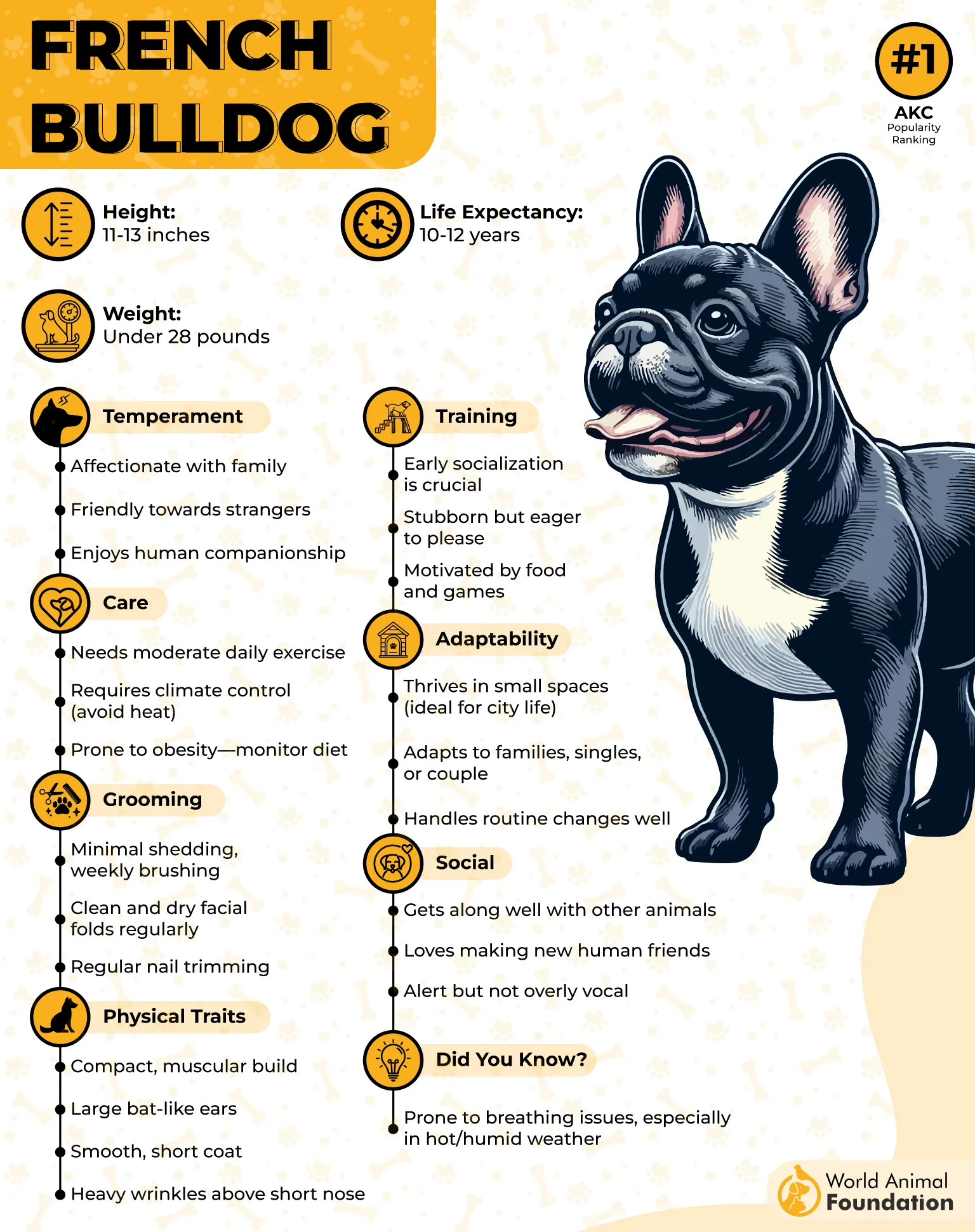
Warm weather needs extra care because the short face can make cooling harder. Owners should skip hard workouts during heat and keep a comfy indoor place ready. Weekly brushing helps, and regular care around facial folds and wrinkles can support cleanliness too.
8. Miniature Poodle
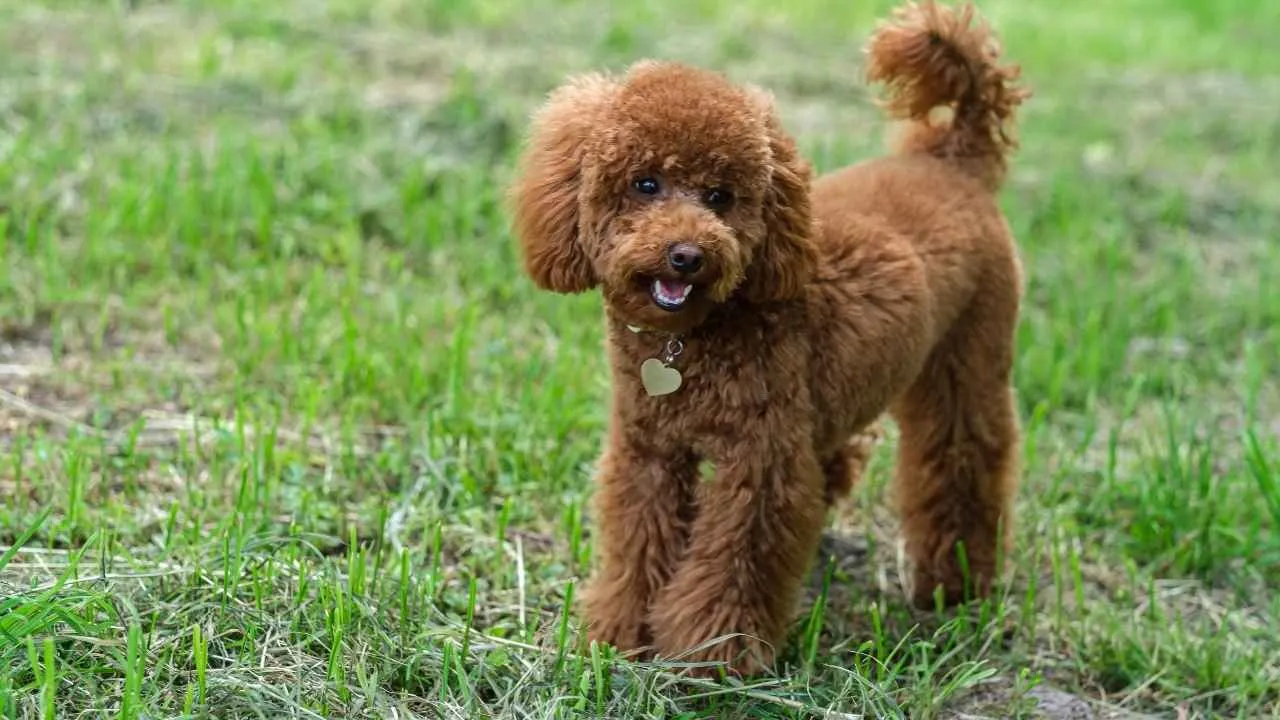
Miniature Poodles prove that a small dog can still bring a lot of pep and smarts into home life. These dogs seem to enjoy learning, playing, going for walks, and trying new little challenges. And their compact size can make them fit in different living setups, even when space is limited.
Their curly, low-shedding coat might catch your eye if you really don’t want loose fur around. But low shedding still doesn’t mean “easy mode” all the time. Regular brushing and grooming by a professional are still needed. PetMD also says Miniature Poodles are intelligent, social, lively, quick to learn, and they often settle in well across a range of homes.
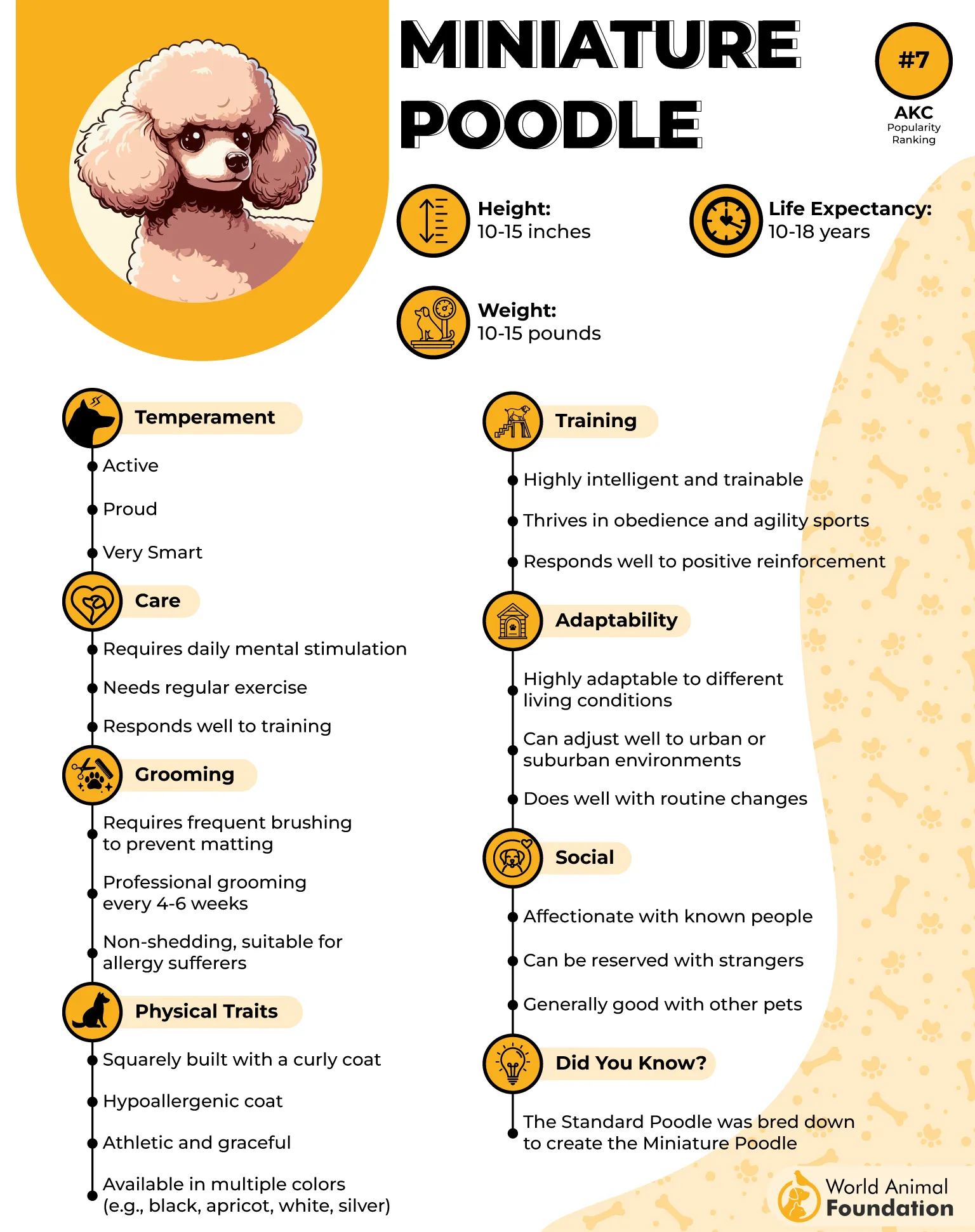
Mental stimulation should be folded into the day, not just “maybe later”. Puzzle toys, obedience sessions, tricks, scent work games, and hands-on play can keep this clever companion busy. Plus, early socialization is helpful too; it can shape a steadier, confident temperament.
9. Bernese Mountain Dog
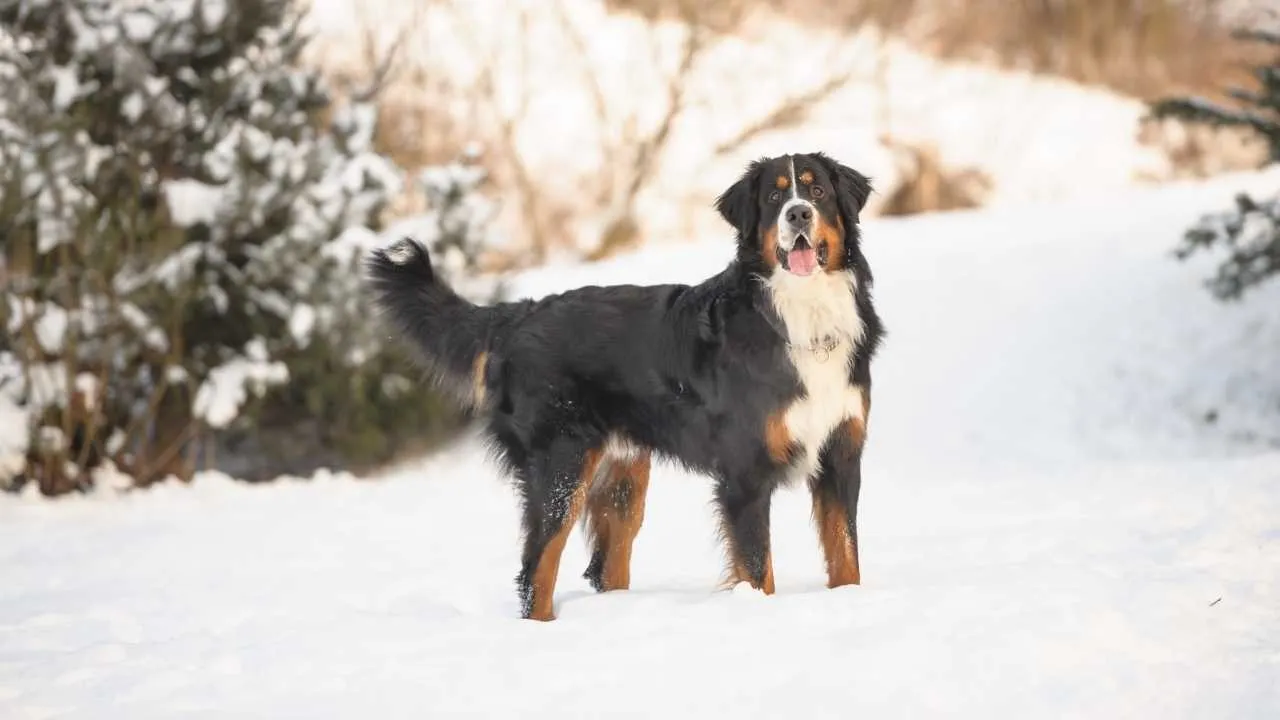
Bernese Mountain Dogs might seem pretty imposing due to how big they are, but honestly, their gentle vibe can make them feel like great family companions. These large dog breeds are often described as loyal, calm, and affectionate plus they seem really tied to the people around them.
Their tri-color coloring gives this breed a very noticeable, almost dramatic look, and the sturdy body suggests a real working background. As big-hearted, gentle, loyal, and calm companions that really seem to do best when they are around people.
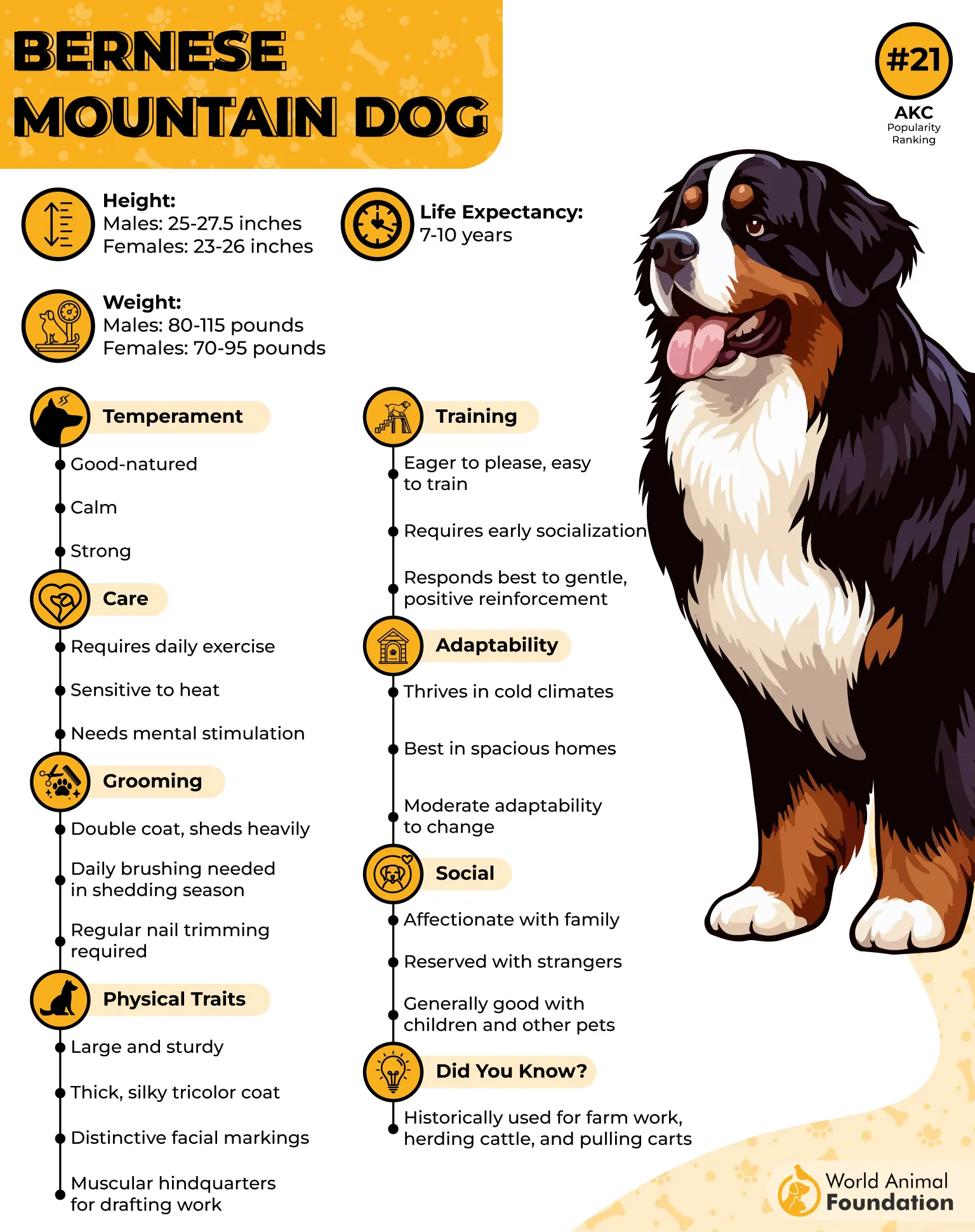
Because of their size, first-time owners usually need some extra room, the right kind of food, regular grooming, and a sensible exercise routine that doesn’t get skipped. Daily walks and time outside can support fitness; companionship stays just as important.
Conclusion
Picking a first dog should begin with a real check of your everyday routine. A small apartment, a hectic work schedule, young kids, another pet in the house, or even a strong interest in outdoor time- all of that can shift what breed actually fits. The most convenient dog breed for one family might not be the right match for someone else.
You don’t have to rush; take your time a bit. Meeting different breeds, reading up on grooming needs, sorting out exercise expectations, and talking with a veterinarian can make the decision feel clearer. Also, adoption can be a good path, because a mixed-breed dog may bring a really charming personality and more adaptable traits.
