





Thinking about bringing home a dog when your cat already rules the house? It can feel like you’re setting up an unlikely friendship, but the right dog can become a wonderful companion for your feline friend.
While some dogs may be more likely to chase or overwhelm cats, others tend to be gentle, social, and happy to share their home with other animals.
A dog and a cat don’t just have to tolerate one another. They can become genuine friends. With the right match, a slow introduction, plenty of supervision, and safe spaces where your cat can retreat when needed, your home can become a happy multi-pet household.
Let’s look at seven cat-friendly dog breeds known for their potential to form strong, loving friendships with cats.
Dog Breeds That Form Strong Friendships with Cats
1. Golden Retriever
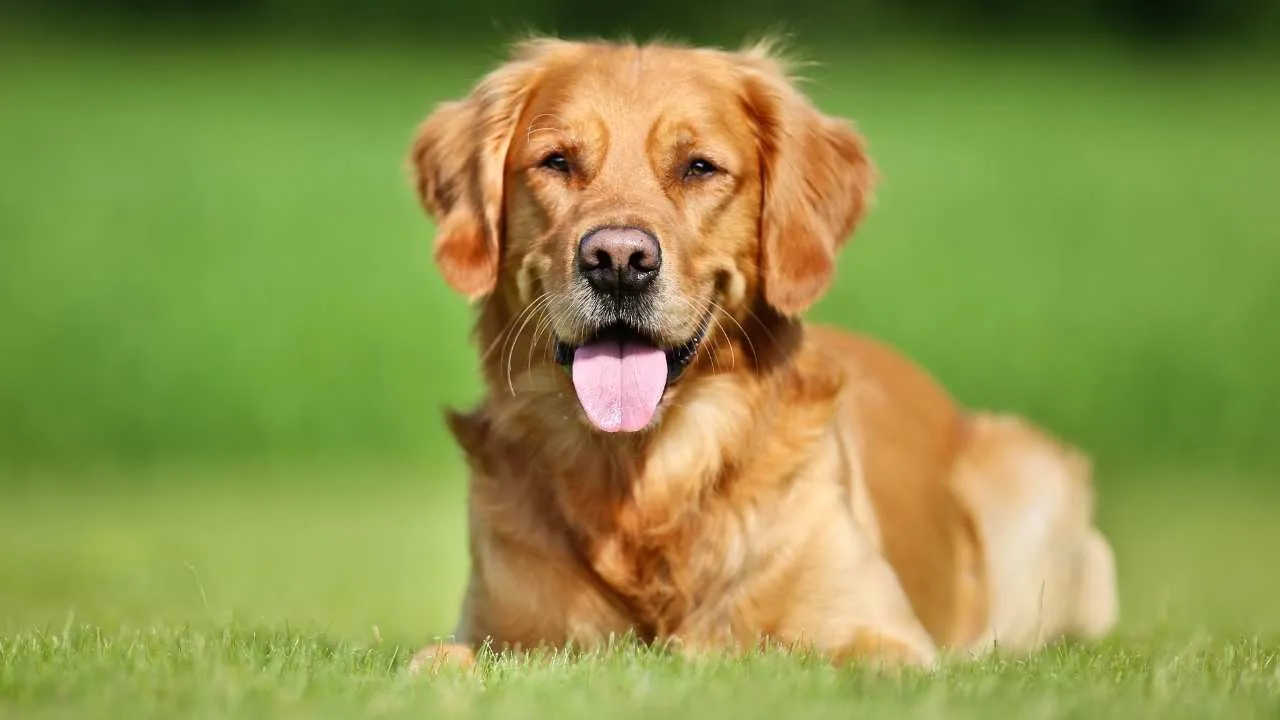
Golden Retrievers are natural social butterflies. They are outgoing, affectionate, and eager to please, which can make them a strong choice for homes with cats. With early socialization and a careful introduction, they can happily live alongside other household animals.
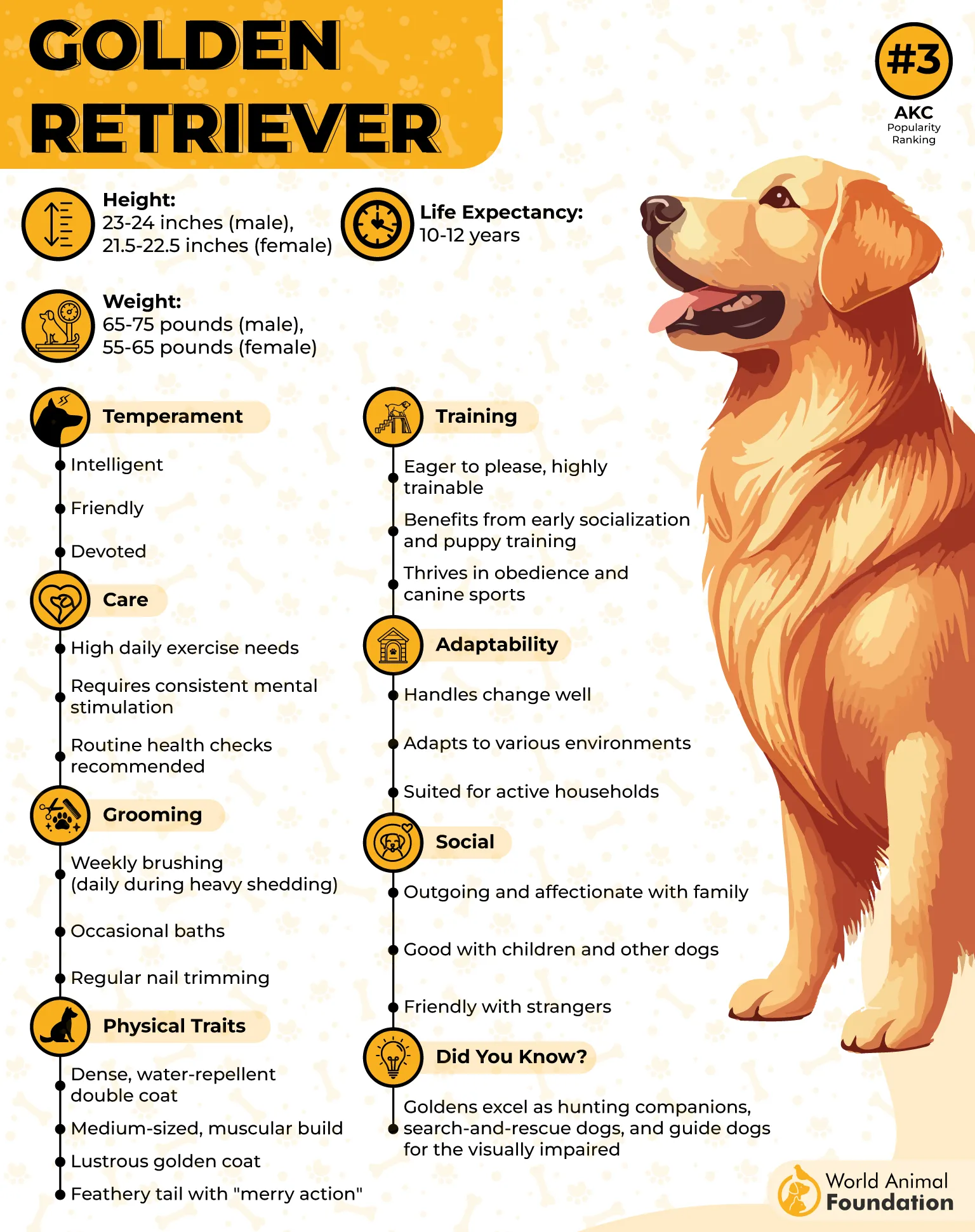
Their gentle nature also makes them friendly toward children, strangers, and other dogs. They love being involved in family life, whether they are heading outdoors for an adventure or relaxing at home.
Friendly, Smart, and Easy to Train
Golden Retrievers are bright dogs and usually learn quickly with patient training. Originally bred to retrieve birds for hunters, they were developed to work closely with people and carry items gently.
Today, their intelligence and willingness to learn also make them popular as guide, therapy, and search-and-rescue dogs. Early training is still important, as young Goldens can become distracted or pull on the leash when they get excited.
Exercise and Everyday Behavior
These playful dogs need plenty of physical exercise and mental stimulation. They enjoy retrieving, carrying things in their mouths, playing fetch, and swimming.
Without enough activity, bored Goldens may chew socks, shoes, furniture, or get into the trash. PetMD mentions that they are generally quiet and do not bark often, but their energy and curiosity still need proper direction.
2. Labrador Retriever
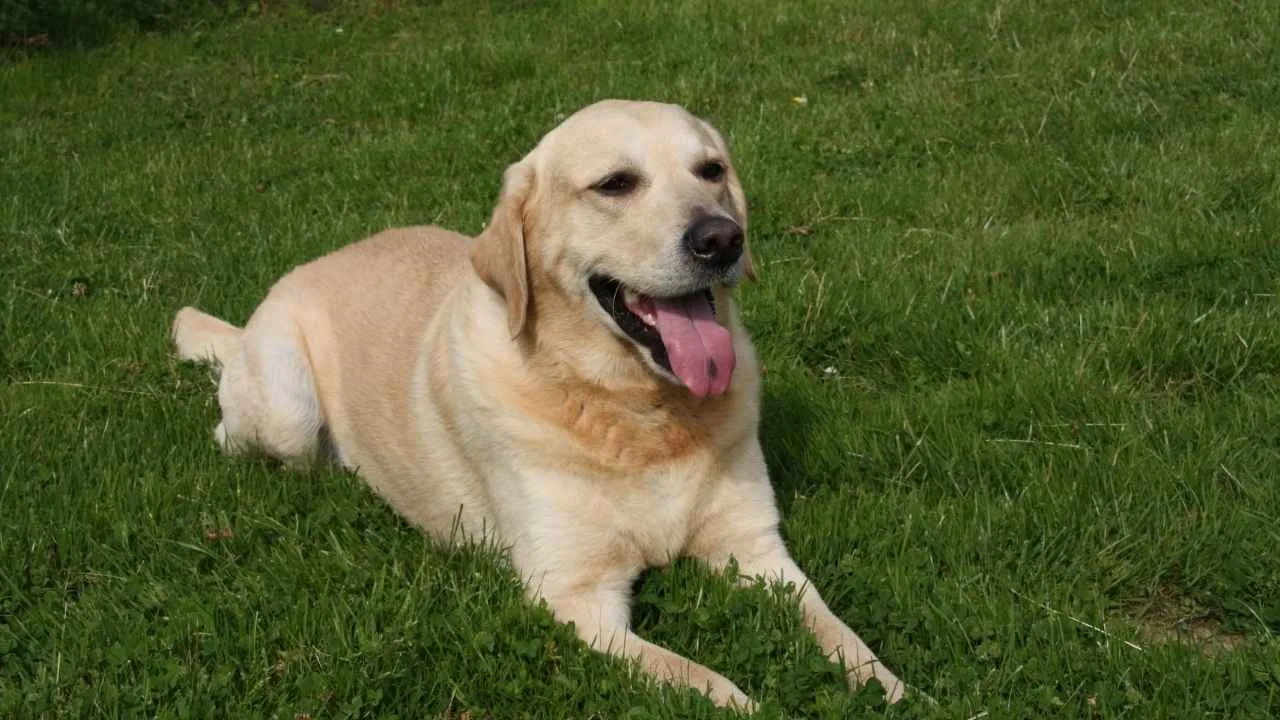
Labrador Retrievers are cheerful, outgoing dogs that often enjoy making friends with everyone they meet. This includes other animals, and many Labs can happily share a home with cats when they are properly socialized.
Their friendly nature and desire to be around people make them popular family dogs. They are especially suited to active homes where they can be part of daily activities rather than spending long periods alone.

Friendly, Intelligent, and Eager to Work
Labs are intelligent and eager to please, which makes them fairly easy to train. They were bred to work and retrieve, so they love having a job to do. Retrieving games, agility, dock diving, outdoor adventures, and training sessions can all give them a positive outlet.
Early obedience training is important because their enthusiasm can make them strong and excitable, especially when walking on a leash.
Exercise and Everyday Behavior
Labradors have plenty of energy and need regular physical exercise and mental stimulation. Field lines can be especially energetic, while some show lines may have more moderate exercise needs.
If a Lab becomes bored or is left alone too often, chewing, digging, barking, or other destructive behaviors can develop. Their strong retrieving instinct can also make them natural chewers, so sturdy toys, training, and exercise are helpful.
3. Basset Hound
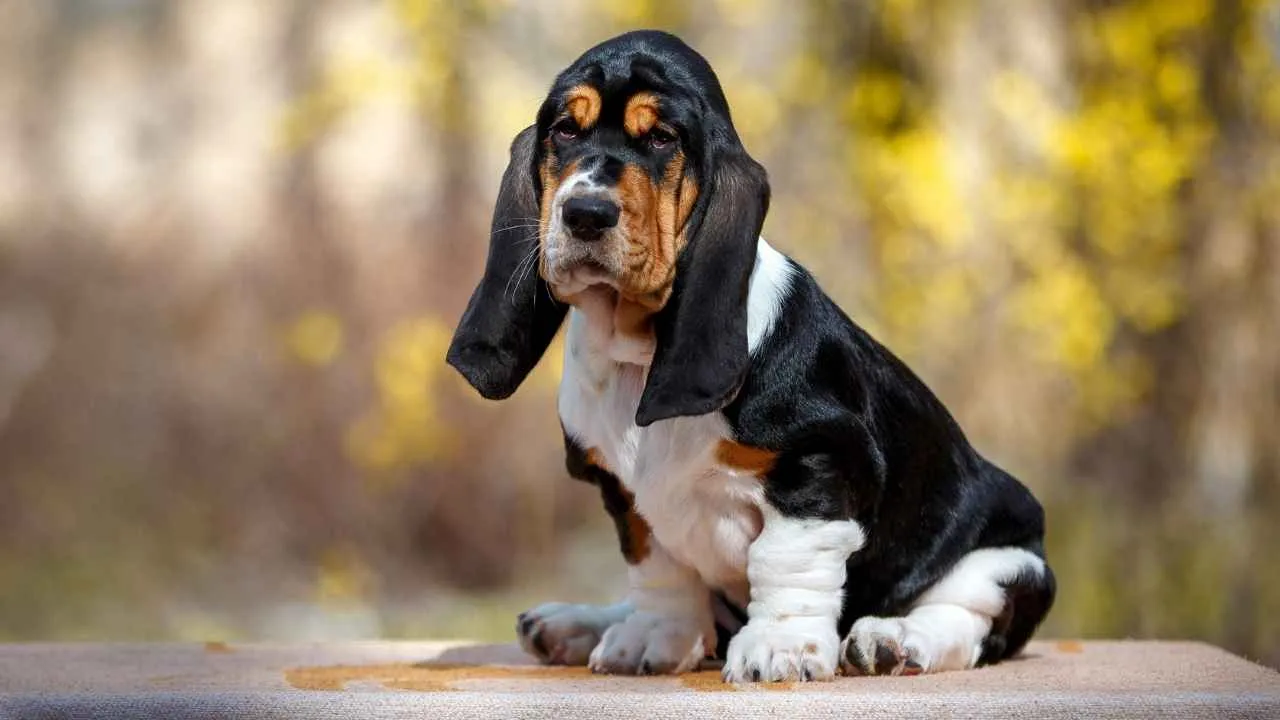
Don’t let their serious faces fool you. Basset Hounds are calm, sociable, and quietly playful dogs that can fit well into homes with cats. Originally bred to hunt rabbits and hares in packs, they are generally comfortable around other dogs and pets.
Their friendly nature can help them settle into a multi-pet household, especially when they are introduced to other animals with patience and proper training.
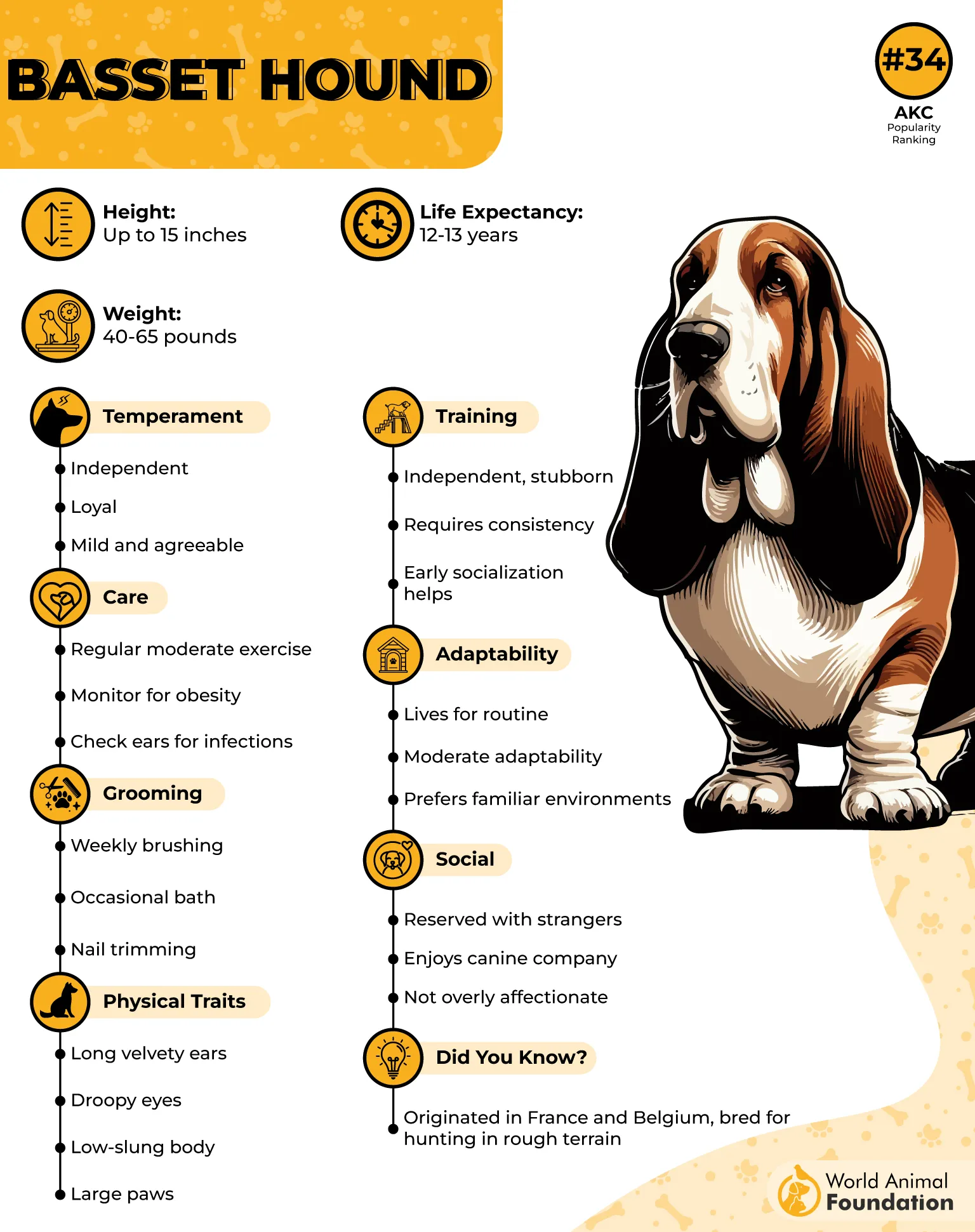
Calm Companions With Strong Noses
Basset Hounds are known for their laid-back personalities and usually enjoy a relaxed indoor lifestyle. They are affectionate with their families and tend to be polite with strangers. Purina says they also enjoy spending time with children and dislike being left alone for long periods.
However, their hunting background still shows in their behavior. Their powerful noses can lead them to follow interesting scents, so secure areas are important.
Gentle, But Sometimes Stubborn
Although Basset Hounds are fairly smart, training can take patience. They can be stubborn and are not known for doing things in a hurry. A firm but gentle approach, consistency, and creative training methods can bring out their best qualities.
Their hunting instincts can also make them prone to wandering, digging, and following scents when given the chance.
4. Cavalier King Charles Spaniel
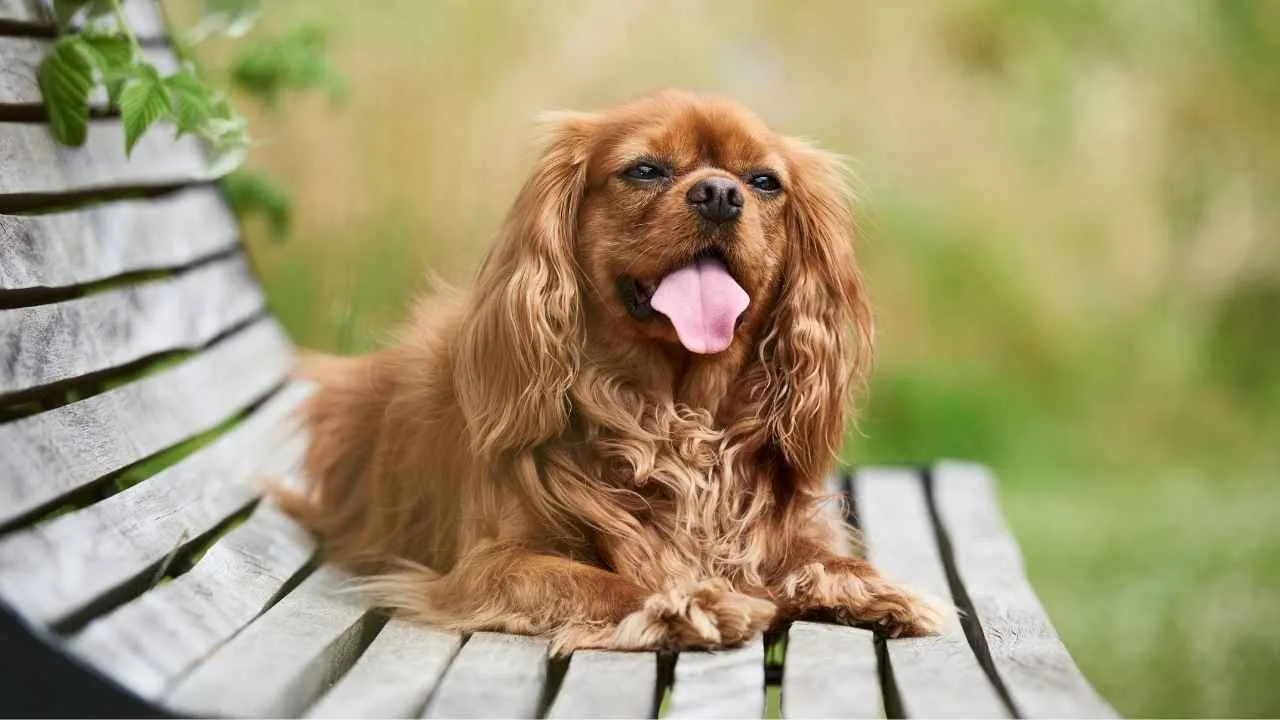
If you want a dog that brings plenty of affection without taking over the house, Cavalier King Charles Spaniels are worth considering. These cheerful companion dogs are gentle, patient, and highly sociable.
They were bred to be close to people and are happiest when they can stay near their families. Their friendly nature also helps them get along well with children, other dogs, and cats, making them a natural fit for many multi-pet homes.
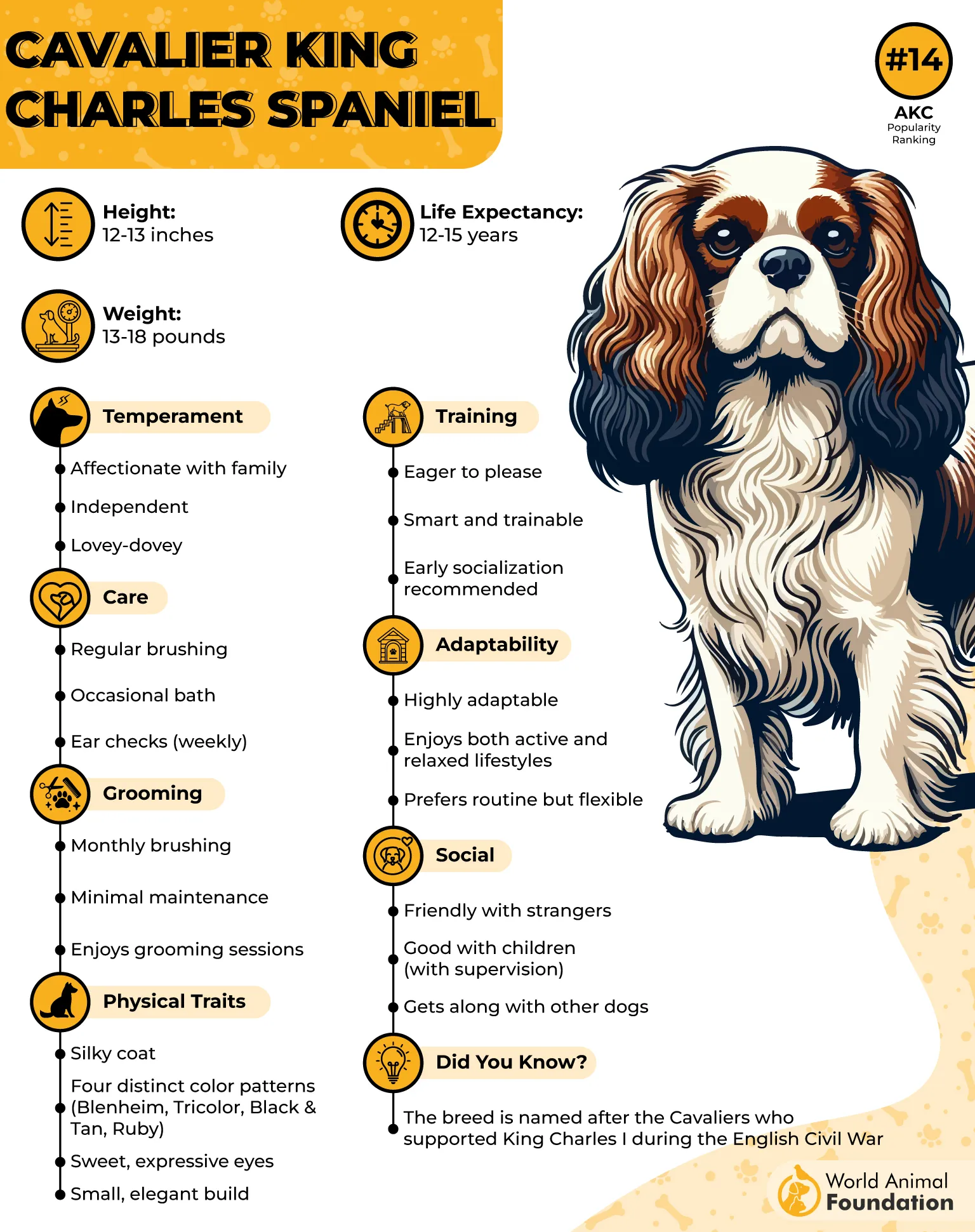
Gentle Personalities and Easy Training
Cavaliers are eager to please and generally respond well to positive training. They are playful but have moderate energy levels, so they can enjoy outdoor activities without needing constant exercise.
Two daily walks of around 20–30 minutes, along with some play and mental stimulation, can usually help meet their needs. Once they have had enough activity, they are often happy to settle beside their families.
Social Dogs That Love Company
Their affectionate nature can make Cavaliers especially suitable for homes with cats. They are usually tolerant and friendly toward other animals, although their spaniel background means they may still chase moving objects, birds, or other small animals.
Introductions should therefore be gradual and supervised. Cavaliers also need plenty of human companionship and should not be left alone for long periods.
5. Pug
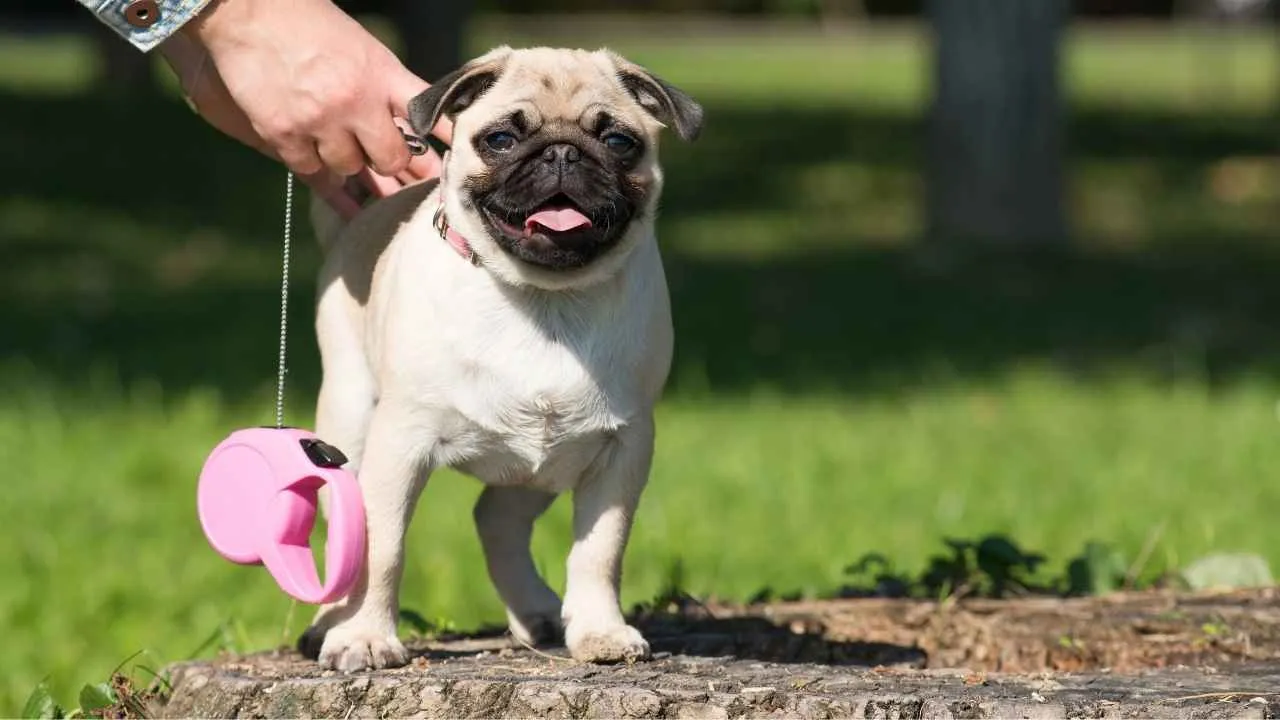
With their wrinkled faces, curled tails, and playful personalities, Pugs are hard to resist. These ancient companion dogs were originally bred in China to stay close to people, and that affectionate nature is still a big part of their personality today.
They are friendly, easygoing, and usually happy to share their home with other pets. With proper socialization, their relaxed attitude can help them form a comfortable relationship with cats.

Playful Personalities With a Laid-Back Side
Pugs love attention and enjoy being involved in whatever their families are doing. They can be funny, mischievous, and surprisingly energetic at times, but they are also famous for settling down for a long nap.
They generally get along well with children, dogs, other pets, and strangers. Their desire for companionship also means they prefer having people around rather than being left alone for long periods.
Gentle Exercise and Indoor Living
Pugs need regular activity, but they are not built for intense exercise. Several short walks of around 15–20 minutes can provide suitable daily exercise, along with gentle play at home.
Their flat faces and narrow airways can make breathing more difficult, especially during hot weather or strenuous activity. They are therefore best suited to primarily indoor living, with careful attention to overheating and breathing difficulties.
6. Maltese
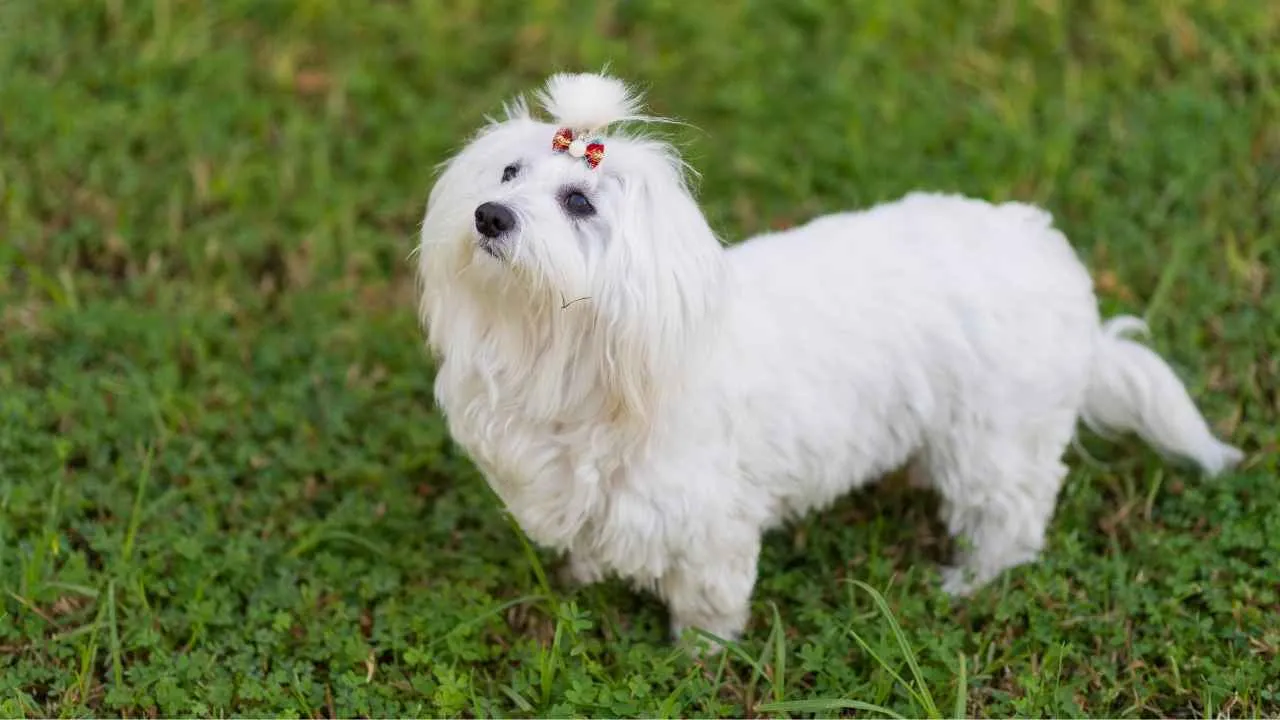
Small in size but full of personality, Maltese dogs can bring plenty of charm to a home with cats. These gentle and loving companions have been loved for centuries and are known for their playful, trusting nature.
They are generally agreeable with people and can live well with cats and other dogs, especially when they are socialized from an early age. Their adaptable nature also makes them suitable for many different types of homes.
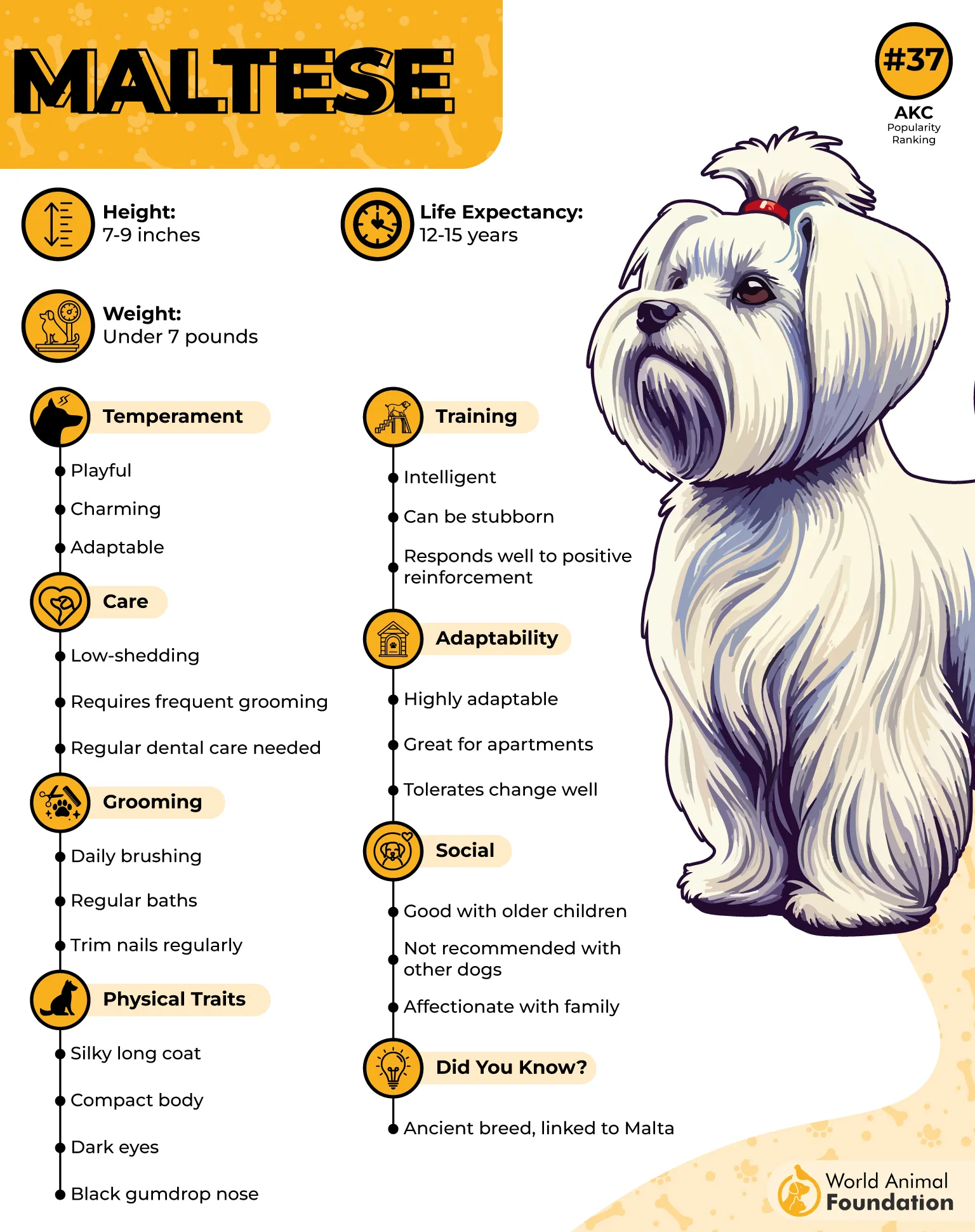
Playful, Smart, and Affectionate
Maltese dogs are intelligent, responsive, and usually enjoy learning tricks. They need daily exercise, mental stimulation, and positive reinforcement to stay happy and well-behaved.
Although they are gentle and loving, they can be fearless and highly alert. Unfamiliar sounds may trigger plenty of barking, so early training can help manage this behavior. They can also be a little snappy with rough or overly energetic children, making supervision important.
Grooming Needs and Life With Cats
Their long, silky white coats are one of their most recognizable features, but that beautiful coat needs regular care. Near-daily grooming helps keep it clean and free from tangles. According to Hill’s Pet, Maltese dogs are light shedders and suitable for allergy sufferers.
When introduced properly, Maltese dogs can become comfortable companions for feline housemates. Their playful nature can make them curious about cats, but early socialization and gentle introductions help teach them how to share their space.
7. Bichon Frise
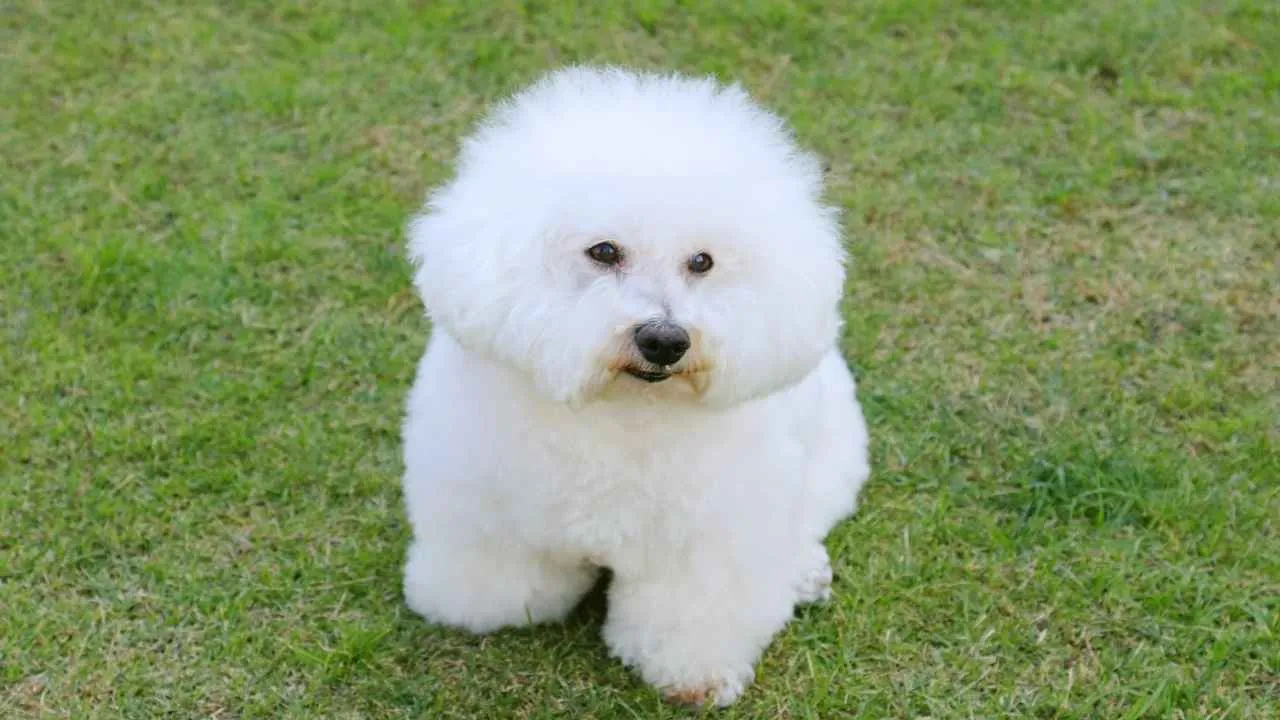
Bichon Frises seem to treat every day like a reason to celebrate. These cheerful, affectionate dogs are playful, curious, and naturally social. They usually enjoy meeting new people and can get along well with other dogs and pets, including cats.
Their friendly personalities and eagerness to please can make them a good choice for a lively multi-pet home, especially when they are socialized from an early age.
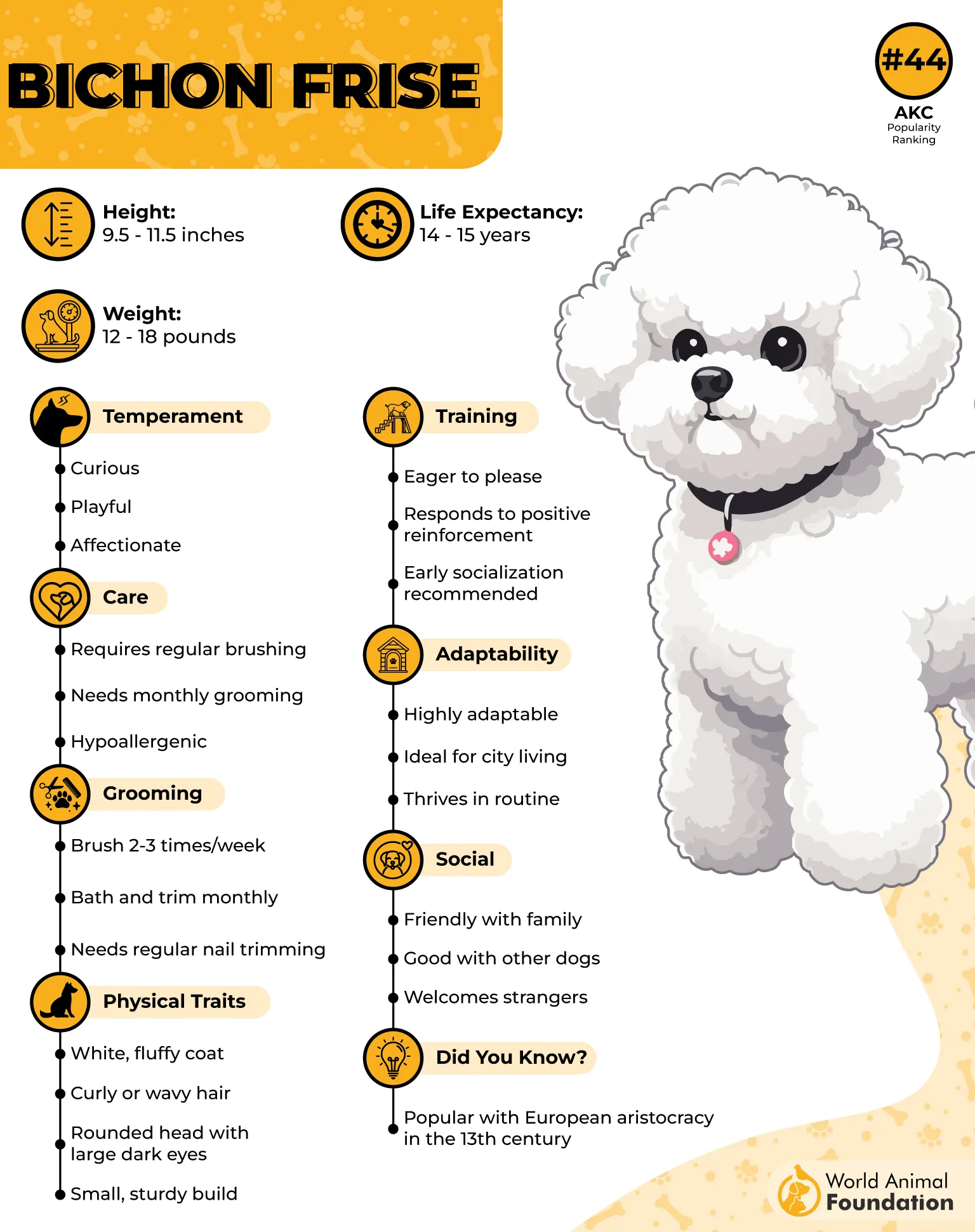
Playful, Social, and Easy to Train
Bichons love attention and enjoy being involved in family life. They can spend their time learning tricks, playing with toys, going for short walks, or simply cuddling on the couch.
Their exercise needs are moderate, so they can adapt well to apartments as well as larger homes. They are also clever and responsive to training, although their strong desire to stay close to people means they do not enjoy being left alone for long.
A Friendly Match for Cats
Their gentle and playful nature can help Bichons settle into homes with feline companions. They may be curious about a cat at first, but early socialization and calm introductions can help them learn how to share their space.
Their small size does not stop them from being enthusiastic watchdogs, and they can bark at unfamiliar sounds. Early training can help keep this habit under control.
Conclusion
Finding a dog that can live happily with a cat is about more than choosing a breed. Friendly, gentle, social, and trainable dogs may have an easier time sharing their home with feline companions, but every dog and cat has a personality of its own.
A slow introduction, early socialization, patient training, and plenty of space for both pets can make a big difference.
If you’re ready to welcome a new dog into a cat-loving home, focus on the individual dog as much as the breed. Give your pets time to build trust instead of expecting an instant friendship.
After all, the best dog-cat relationships often start with a little patience and end with an unexpected pair of best friends.
