





Imagine settling into bed after a long day, only to hear your dog barking at every passing car, distant footstep, or mysterious nighttime sound. For some households, that constant noise can quickly turn peaceful evenings into frustrating ones.
Luckily, certain breeds are naturally more reserved and less likely to fill the night with unnecessary barking. While no dog is completely silent, breed personality, energy, and communication style can make a noticeable difference.
Selecting a quiet breed is especially appealing for apartment dwellers, light sleepers, and families who simply enjoy a calm home after sunset. Some dogs are content to curl up beside their owners rather than investigate every sound outside the window. Let’s explore these breeds to know more.
Serene Dog Breeds That Won’t Bark on Quiet Nights
1. Bolognese
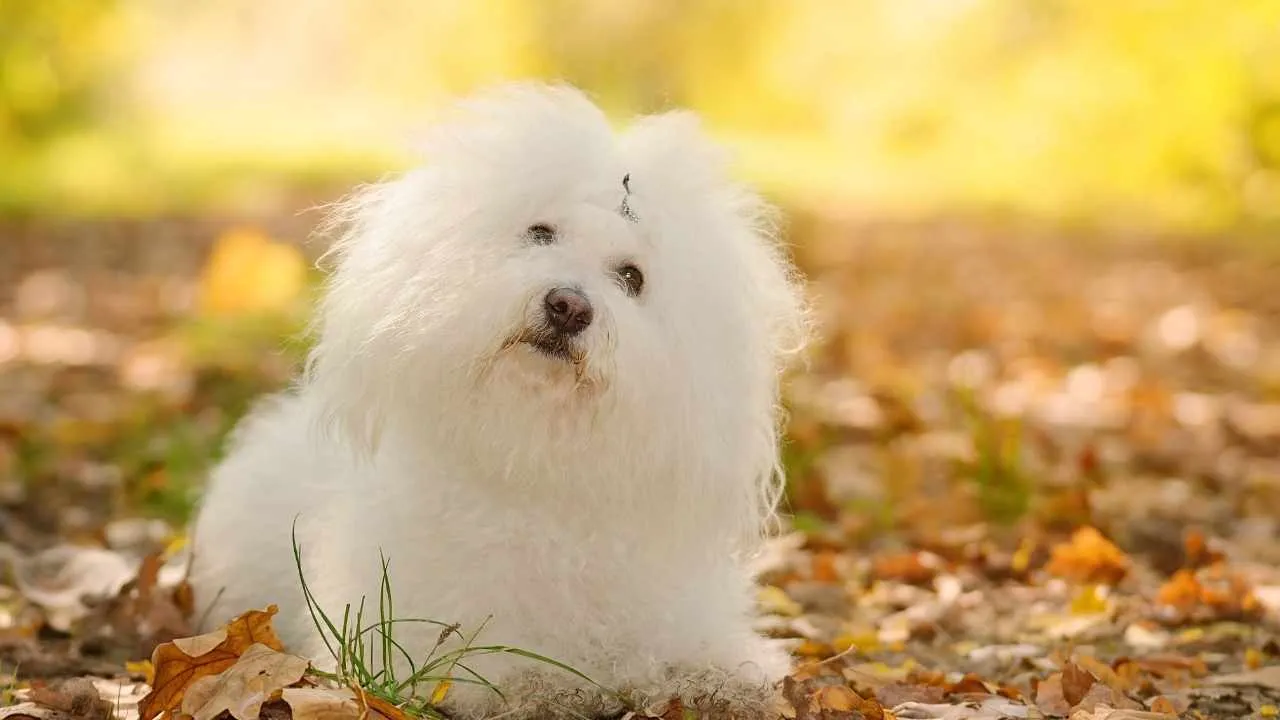
These little dogs look amiable but have an alert personality that keeps them tuned in to their surroundings. Bolognese were bred to be companions and still show that same temperament today, calm and affectionate. They tend to form a strong bond with their humans.
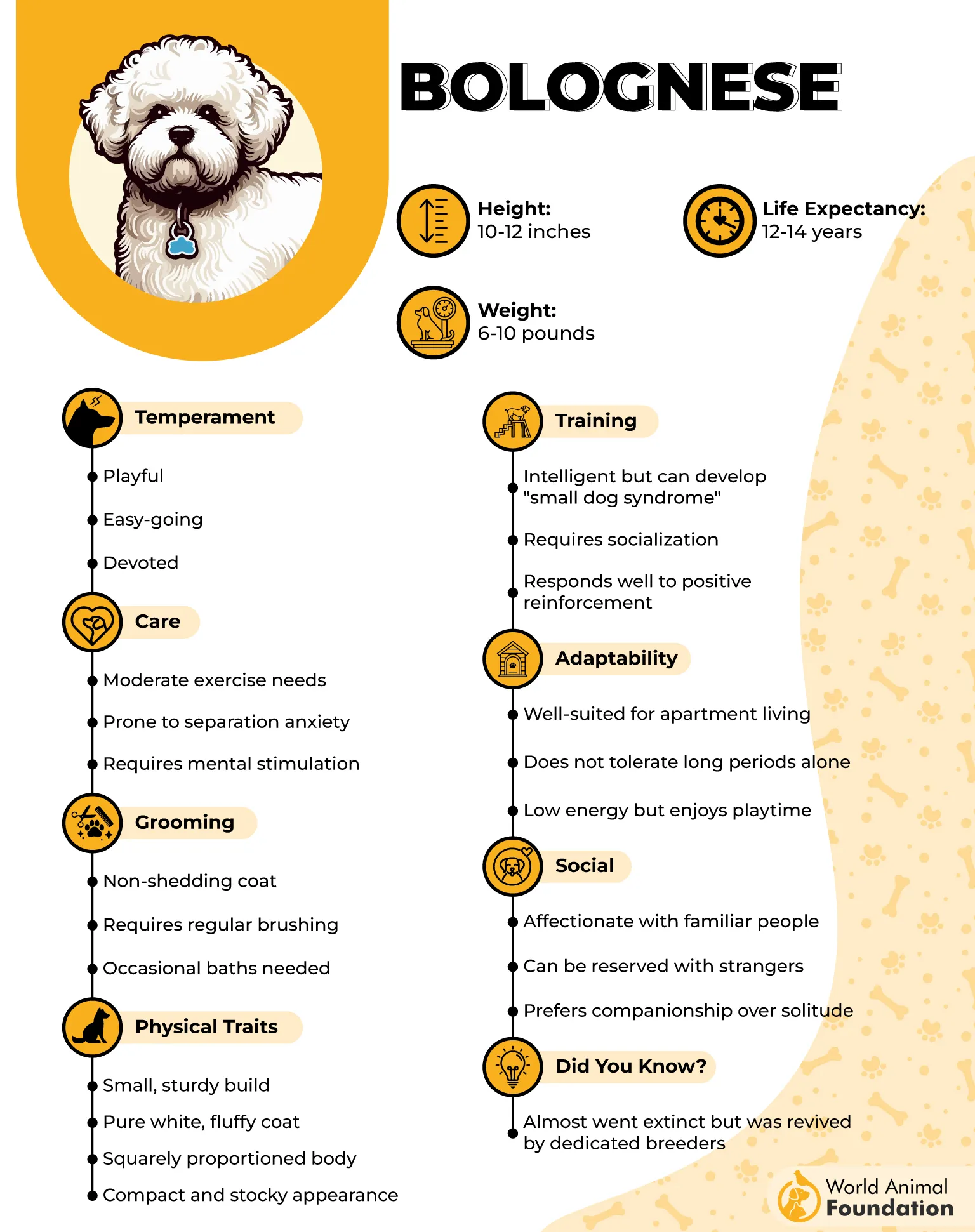
Bolognese are highly trainable and intelligent dogs, which is why they’re adored in so many households. Their easygoing nature and low energy levels also make them a popular choice for first-time pet parents. Their wavy coats do need regular grooming to keep them looking their best.
Bolognese are a great match for people who want a watchful yet calm dog. They also get along well with kids and other pets when introduced early on. With a life expectancy of 12 to 14 years, Bolognese are considered a healthy breed overall.
2. Bulldog

Deeply loyal, calm, and people-oriented, Bulldogs have an interesting history to share. Often called English Bulldogs, they were originally developed for bull baiting, but thanks to breeders who worked on softening their temperament, we now enjoy them as loving companions with solid watchdog instincts.
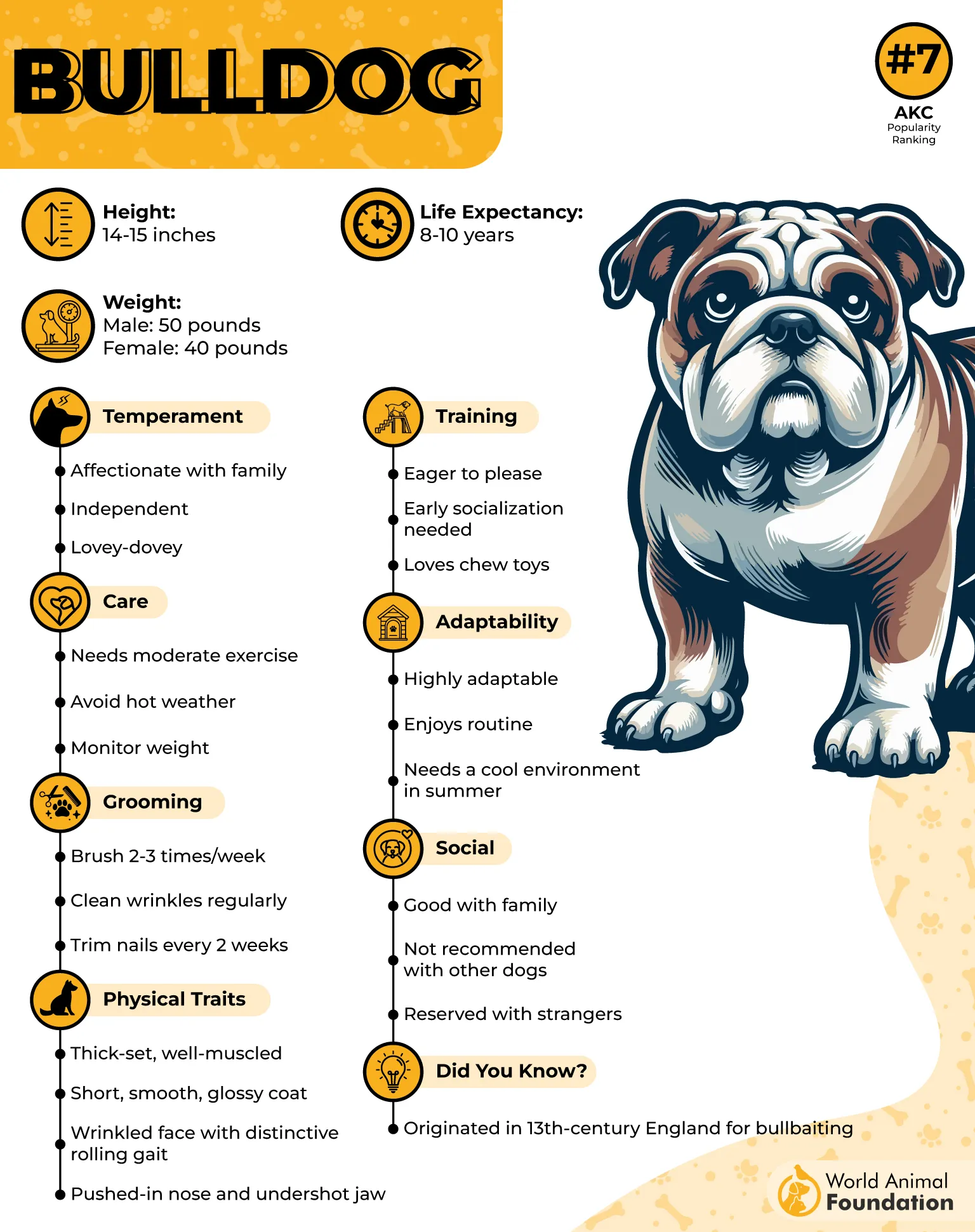
Bulldogs are considered one of the calmest dog breeds worldwide, but their stubborn streak can make training a bit of a challenge. That’s why positive reinforcement methods work best when incorporated into training sessions.
They’re naturally protective of their owners and tend to stay reserved around strangers. Their personality can switch from classic lap dog to playful puppy in an instant, and they genuinely enjoy being part of family activities. Regular walks and plenty of mental stimulation go a long way in helping them live healthy, happy years.
3. Japanese Chin
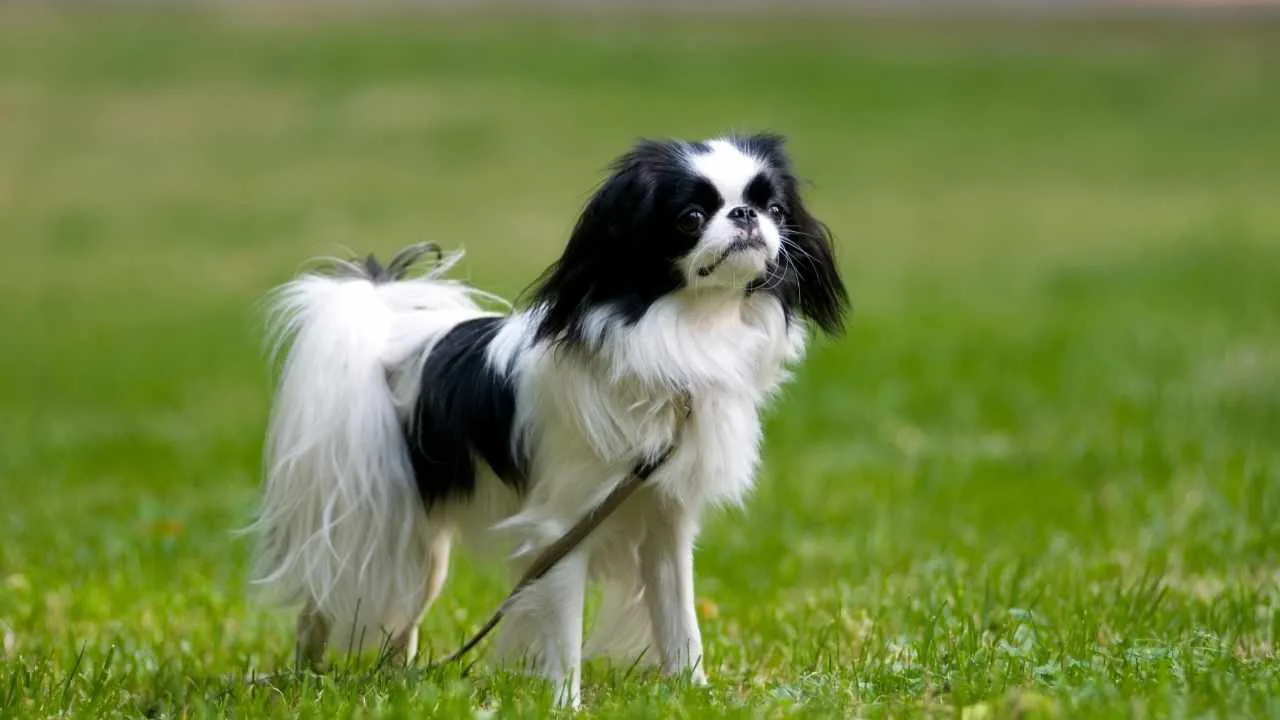
Once tucked into the sleeves of Japanese royal women for both protection and entertainment, Japanese Chins are small enough for compact homes, yet they still bring plenty of courage when it comes to watching over their families.
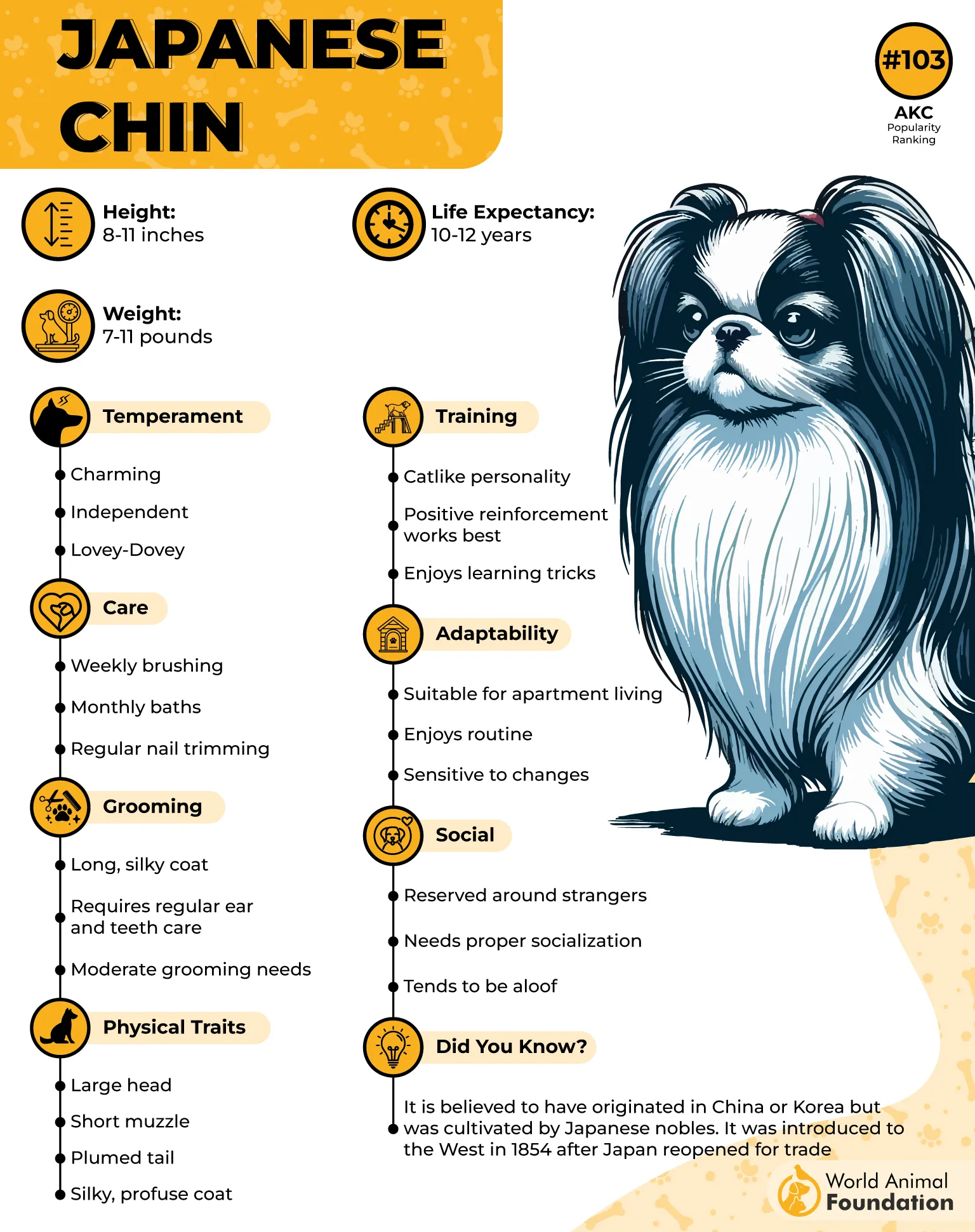
Japanese Chin are generally listed among the quieter dog breeds and are highly trainable, according to WebMD. They enjoy being the center of attention and bond closely with their family members. Their playful side means they’re up for short bursts of activity, but they’re just as happy lounging and napping.
Thanks to their tiny size and adaptability, these dogs are a great fit for apartment dwellers. They carry a natural calmness and gentleness that make them wonderful companions across a variety of living environments. Japanese Chin are curious yet easygoing dogs that don’t show aggression toward unfamiliar people.
4. Pekingese
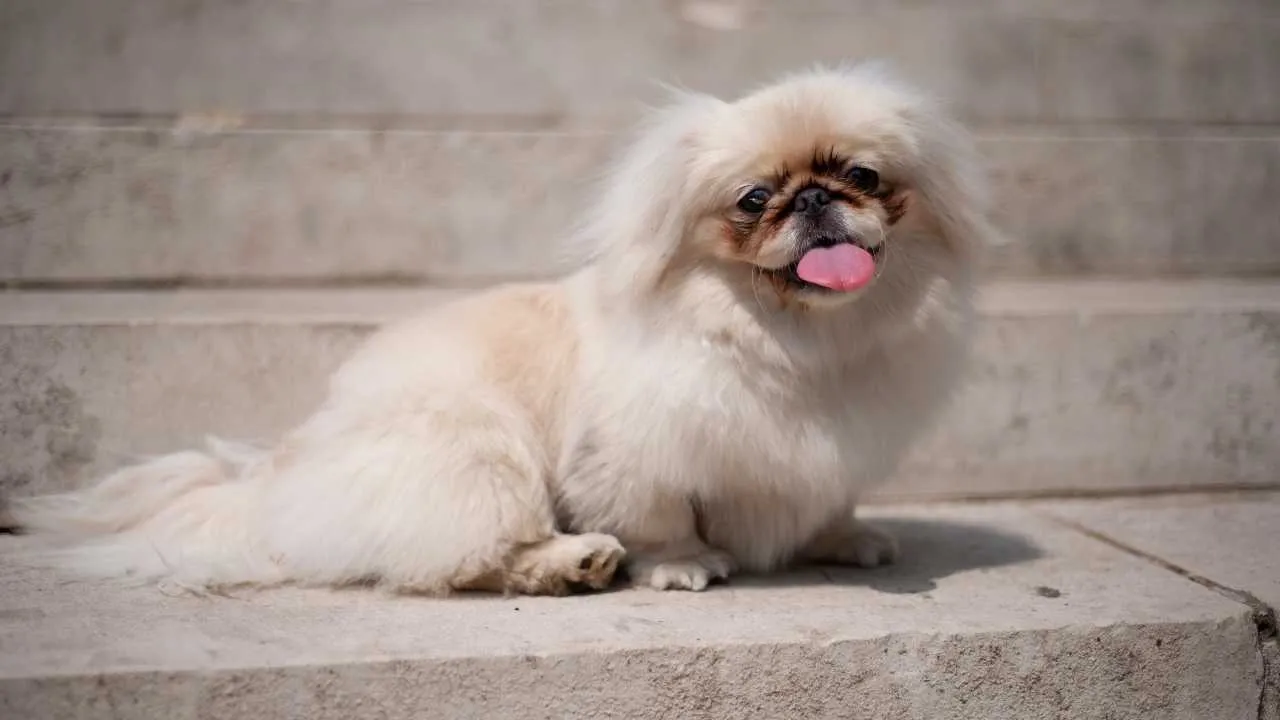
Pekingese may be small in stature, but they alert their owners with loud barks whenever strangers approach, and they bring plenty of character and charm along with it. They’re not just vigilant; they’re also affectionate and calm at heart.
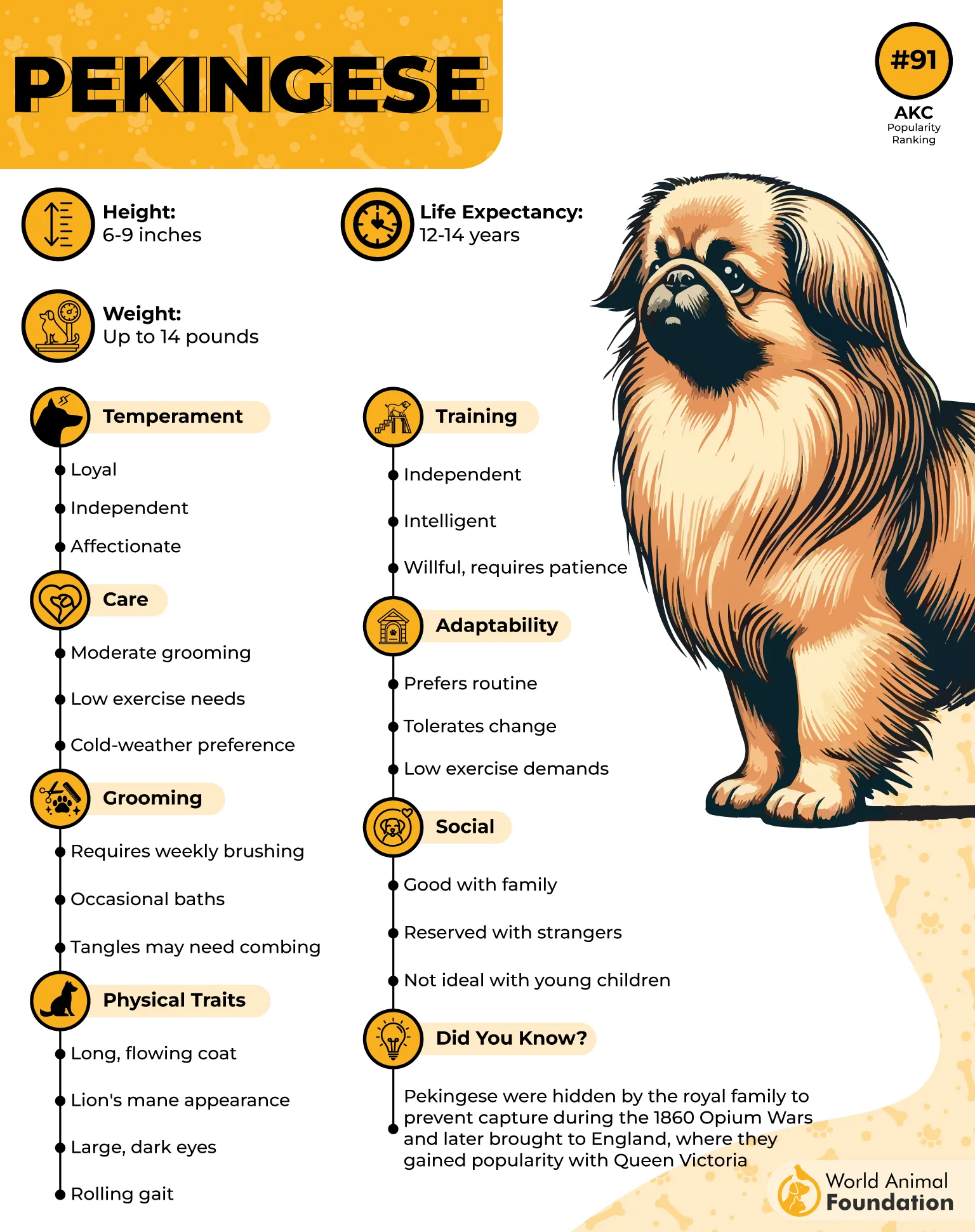
According to Royal Canin, they tend to bond more commonly with teenagers and adults. Their size and low energy levels also make them one of the best apartment dogs around. They’re not naturally great with young kids, but they can live under the same roof without issue.
Pekingese are fairly independent and can handle a few hours alone indoors, though separation anxiety can set in if they’re left alone for too long. They mostly enjoy their sleep and make wonderful lap dogs, but regular walks and indoor play sessions are still important for keeping them happy and healthy.
5. English Toy Spaniel

Ranking among the quiet dog breeds, English Toy Spaniels prefer peaceful environments and structured routines. They’re also watchful of their territory and will bark to let owners know about any potential threats, making them solid little watchdogs.
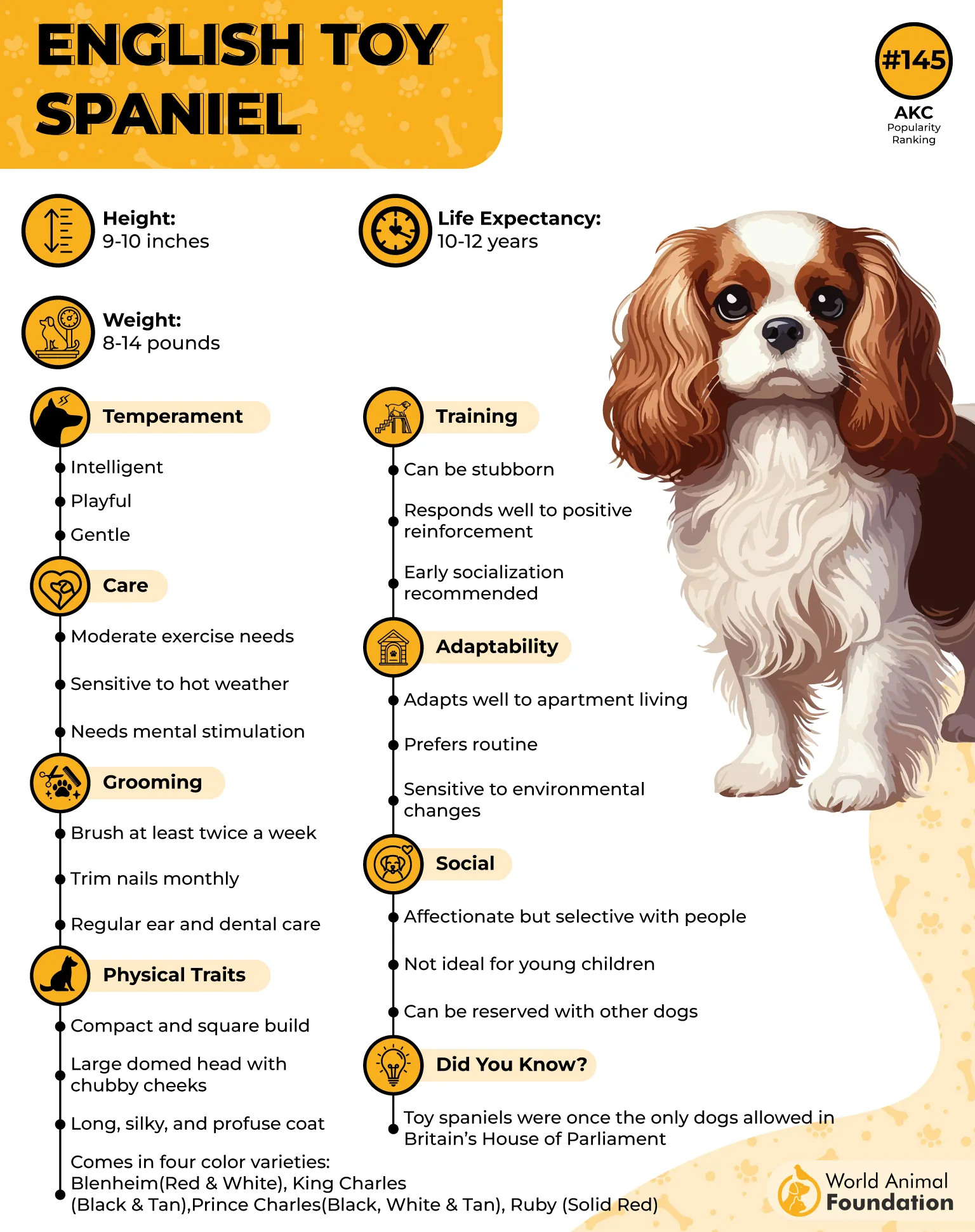
These small dogs love cuddling with their favorite people just as much as they enjoy short bursts of physical activity paired with mental engagement. Their sensitive nature makes them highly attuned to their owner’s emotions, bringing comfort, warmth, and love into busy lives.
English Toy Spaniels were companions of royalty for a long time, but despite that history, they’re wonderfully flexible, affectionate, and loyal toward their pet parents today. Because of their pushed-in face, they can be prone to breathing difficulties, especially in humid or warm weather.
6. Basenji
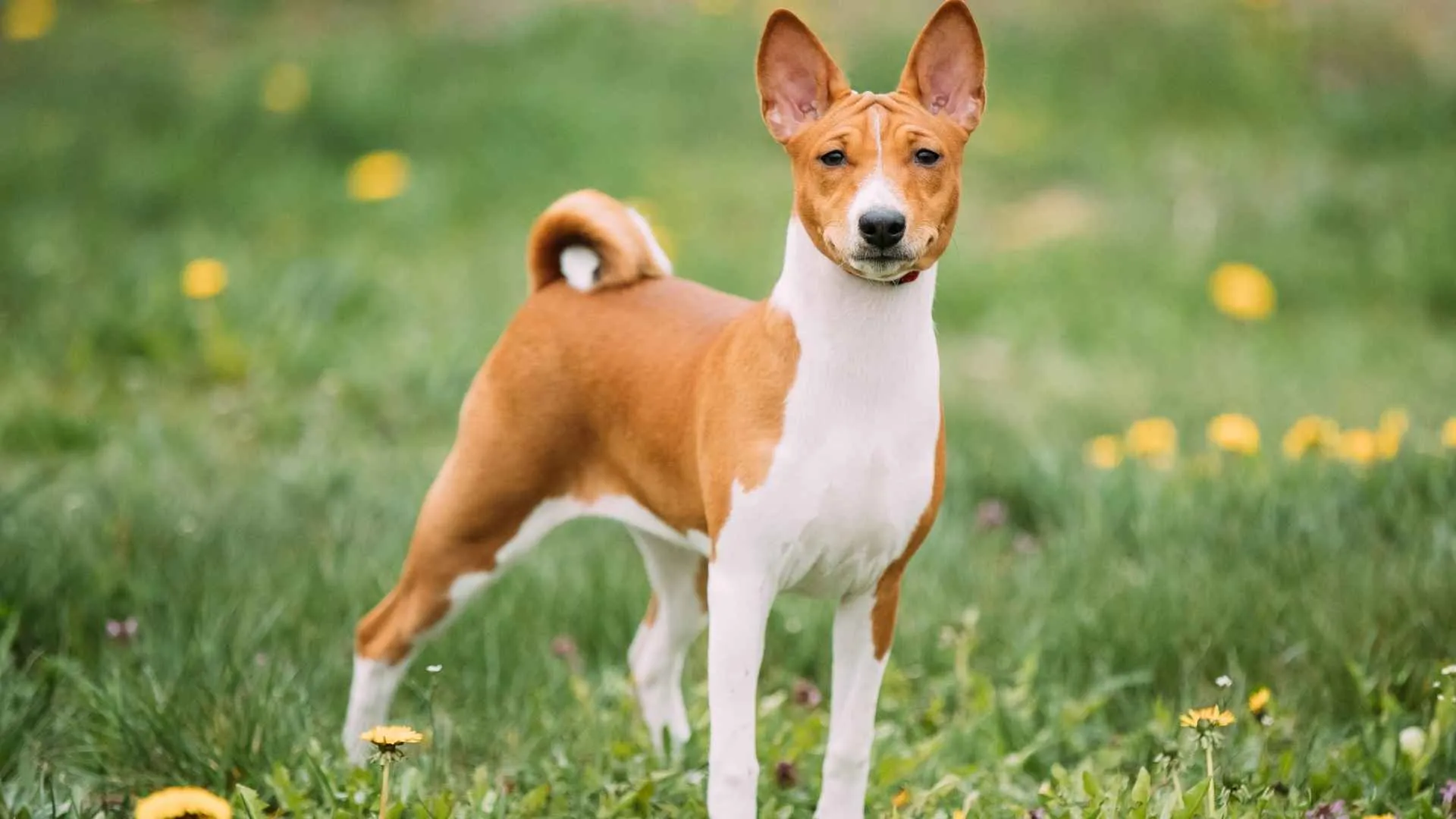
Developed as hunting companions who locate game silently, Basenjis are also known by another name: Barkless Dogs. They’re a unique blend of quietness, independence, and intelligence. These small canines carry high energy levels, but that energy can be managed well in the right hands.
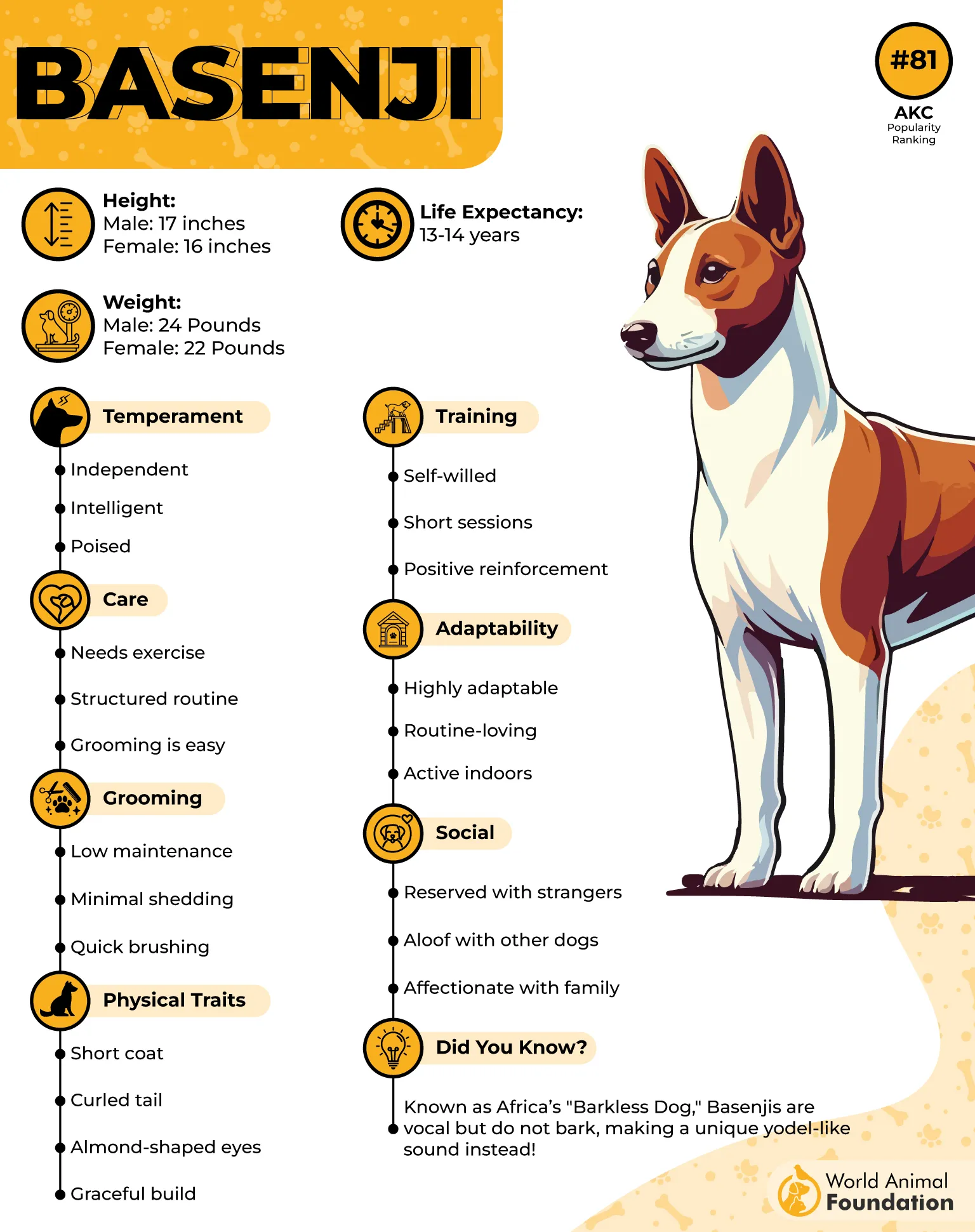
Short, engaging training sessions can help curb their strong prey drive, the instinct that compels them to chase after small, fast-moving animals. They’re also clean, low-odor dogs, which keeps their grooming needs pretty minimal.
Basenjis tend to stay aloof around strangers, and they’ll happily sit for hours watching the world go by from a window, alerting their owners if anything seems off. When they get enough exercise, they settle into calm, easygoing indoor companions. Long walks and playtime with interactive toys are usually enough to keep them healthy and active.
7. Whippet
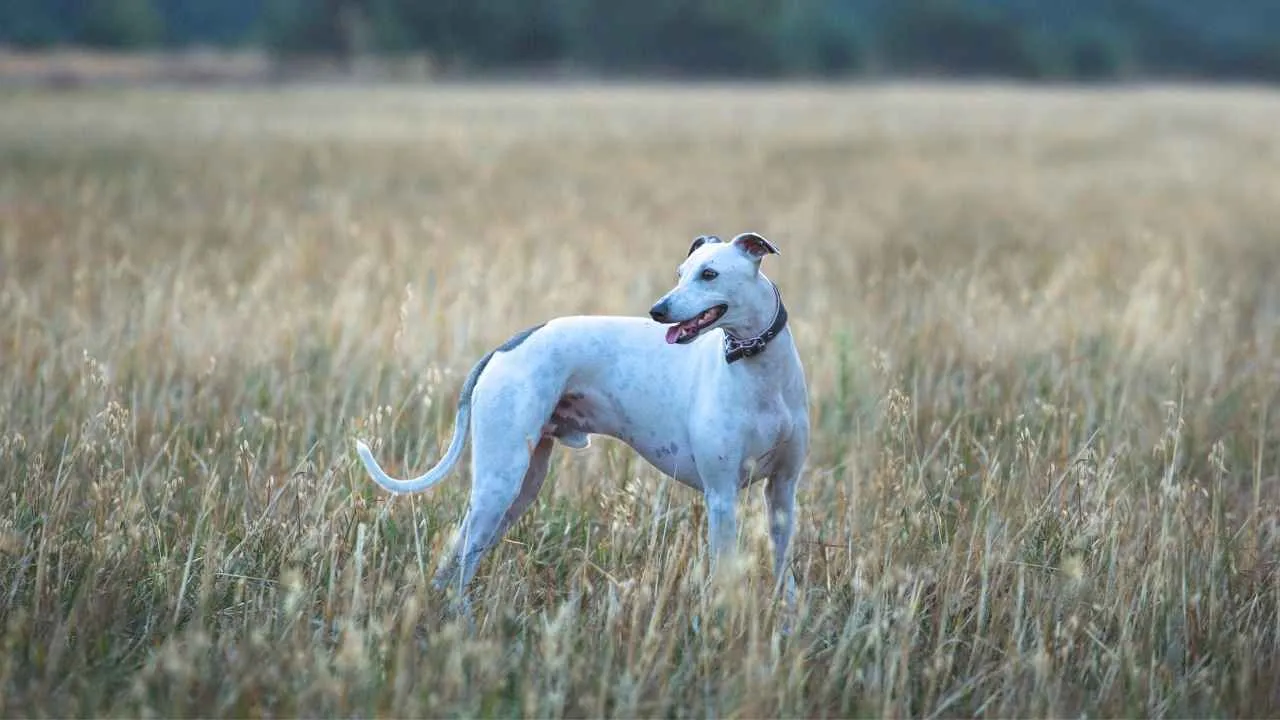
Families looking for a calm, gentle breed that can live with children while keeping a watchful eye over them will find a great fit in Whippets. They look large, but they’re surprisingly laid back, with a sleek build and gentle nature. Their quiet temperament and moderate exercise needs have made them popular around the globe.

Whippets genuinely enjoy human companionship and also excel in agility competitions. They don’t mind a good cuddle session after a sprint in the park either. Because of their strong hunting instincts, they should be leash-trained and given access to a securely fenced yard.
Whippets rarely show aggression when socialized and trained early on. Keep training sessions gentle and reward-based, since they’re sensitive dogs that pick up on harsh body language or tone quickly. They’re not known for excessive barking, but when they do bark, it’s usually a sign of stress or boredom.
8. Saint Bernard
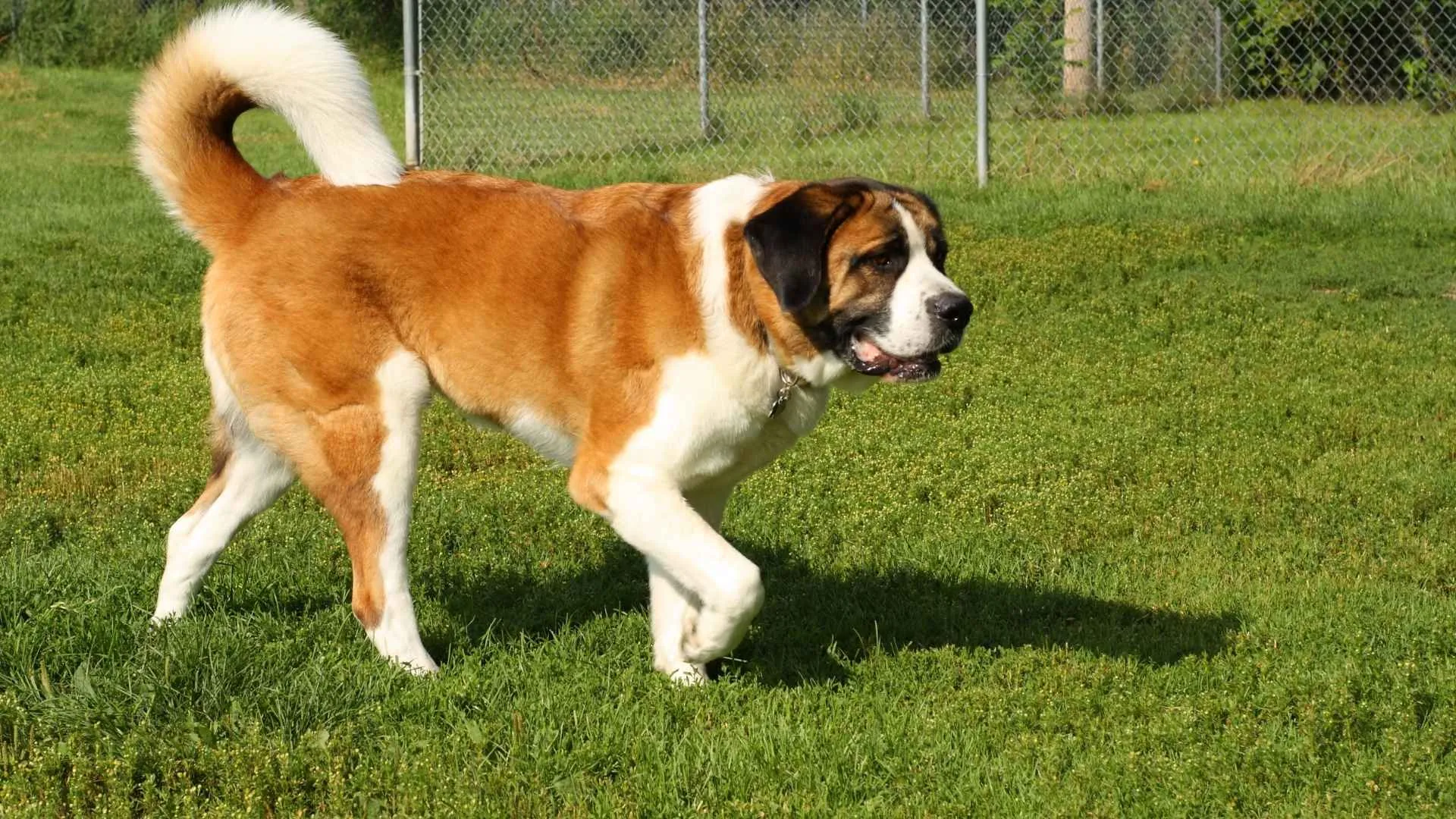
Despite having big frames and an imposing presence, Saint Bernards are considered the gentle giants of the dog world. As long as they have enough space to relax and wander around, these calm dogs can suit a variety of environments, including families.
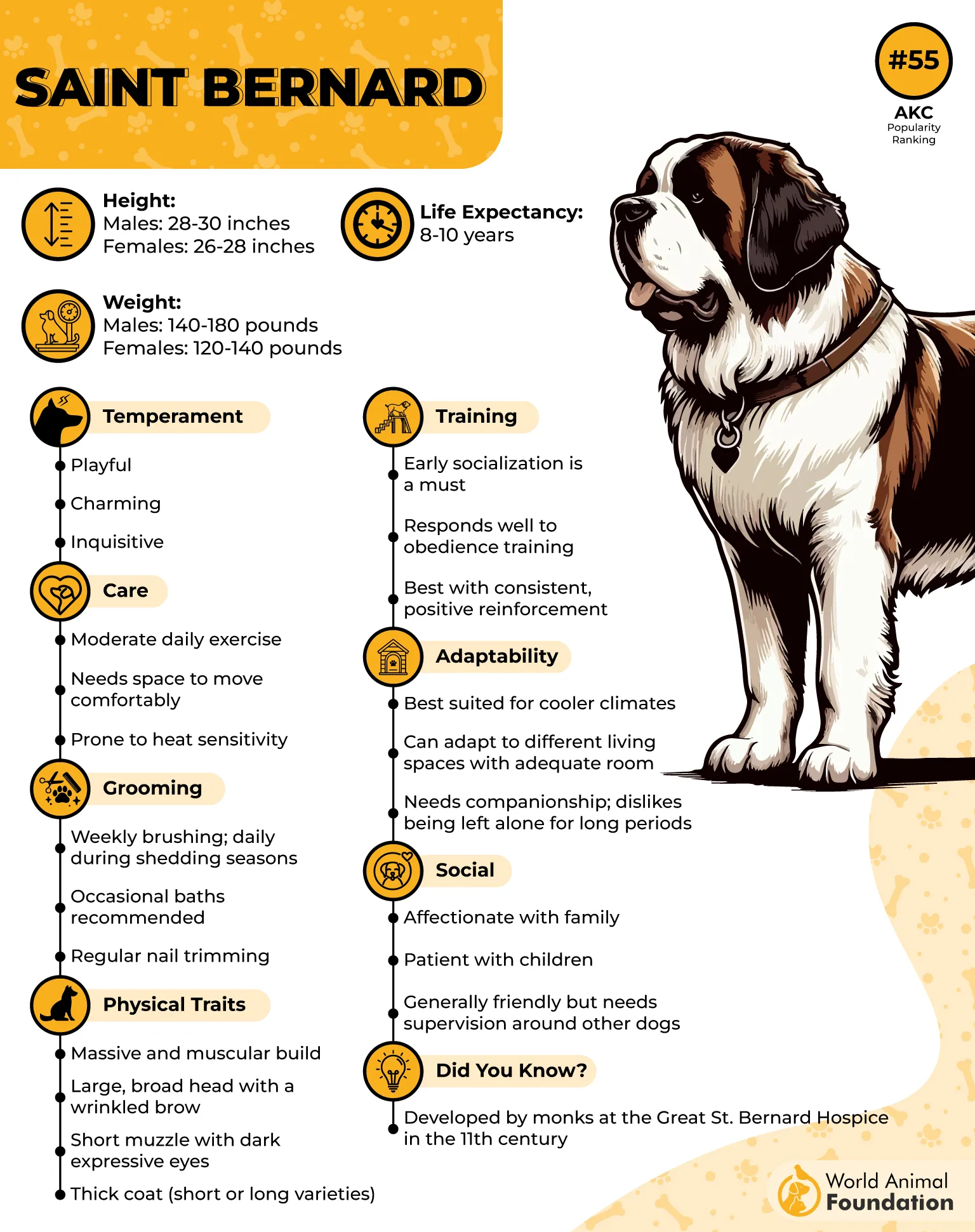
They’re also beloved by many people for their affectionate and protective nature. Saints show a special fondness for kids and tend to look out for them, which is part of why they’re often called nanny dogs. They need at least 30 minutes of exercise a day, including long walks.
Saint Bernards were once used to rescue people buried in avalanches, a testament to their strength and endurance. These sweet pups need training and socialization from a young age to avoid behavioral issues later in life. They tend to settle in most easily in family environments where attention and rest are part of the routine.
9. Newfoundland
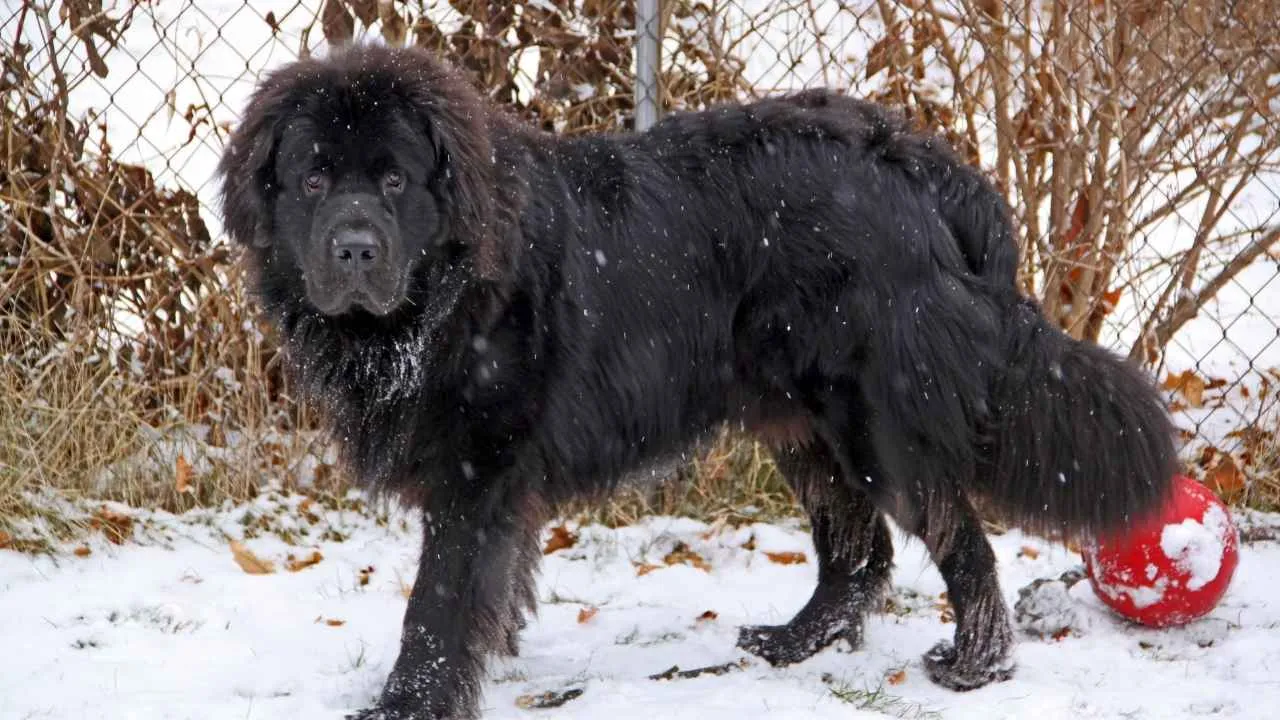
One of the calmest dog breeds for their size, Newfoundlands started out as water dogs, with these powerful canines once used to rescue people from drowning. As calm and good-natured companions, they get along well with everyone, including other dogs, says PDSA.
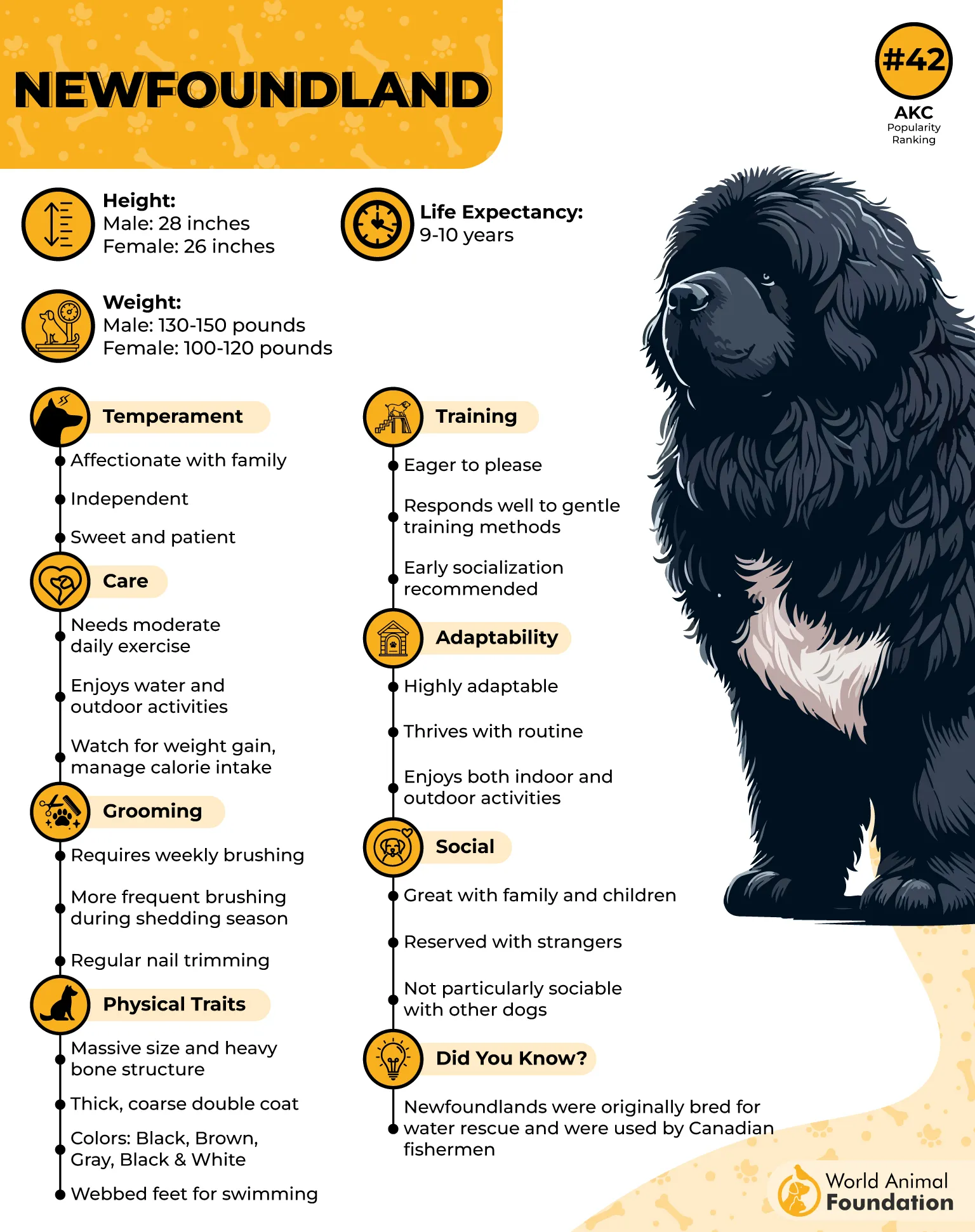
Nicknamed Newfies, these gentle souls are naturally drawn to children and can even be trained to watch over them. They’ve earned a reputation for being friendly and patient, especially around kids. They thrive on swimming, long walks, and the occasional outdoor adventure.
Newfies need a good-quality diet to support healthy joint and bone growth. Despite being a large breed, they don’t require excessive amounts of exercise or food. They’re smart, eager to please, and easy to train, though training should ideally start while they’re still puppies.
10. Irish Wolfhound
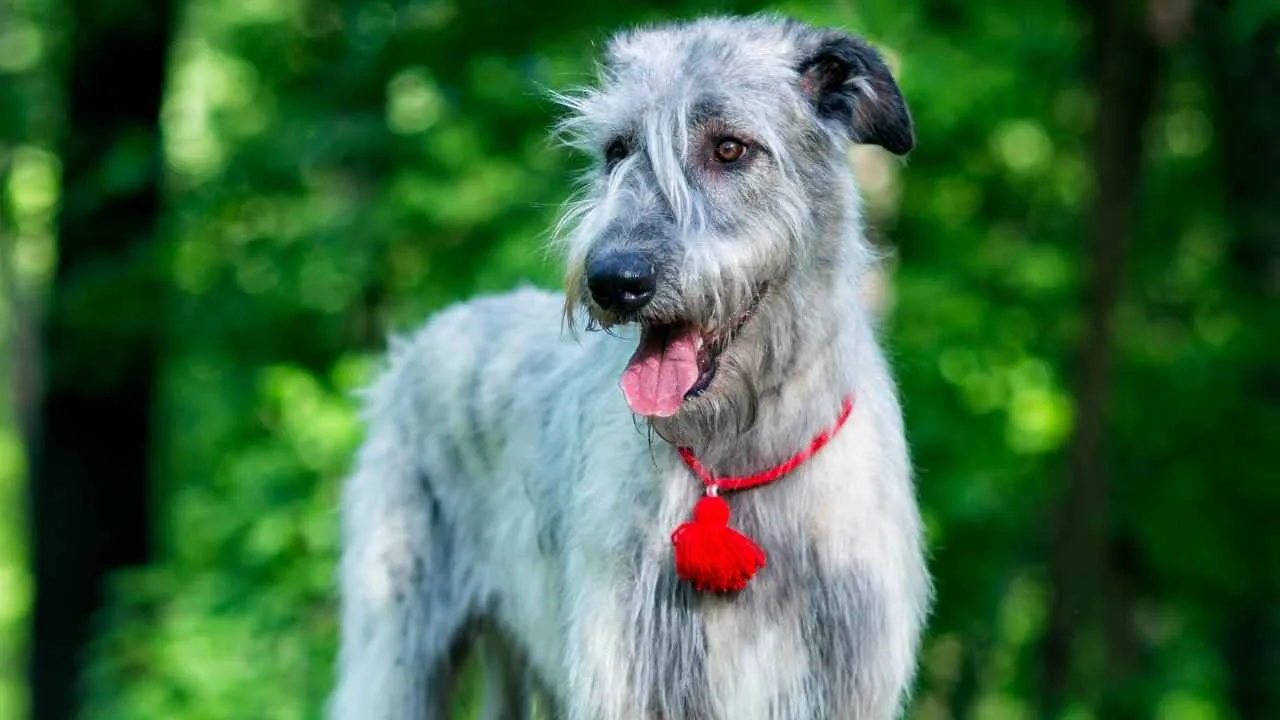
Calm, relaxed, and sweet with remarkable strength to show off, Irish Wolfhounds are blessed with a dignified appearance and a fascinating history. They started out as hunting and war dogs, and later became companions to royalty and nobility.
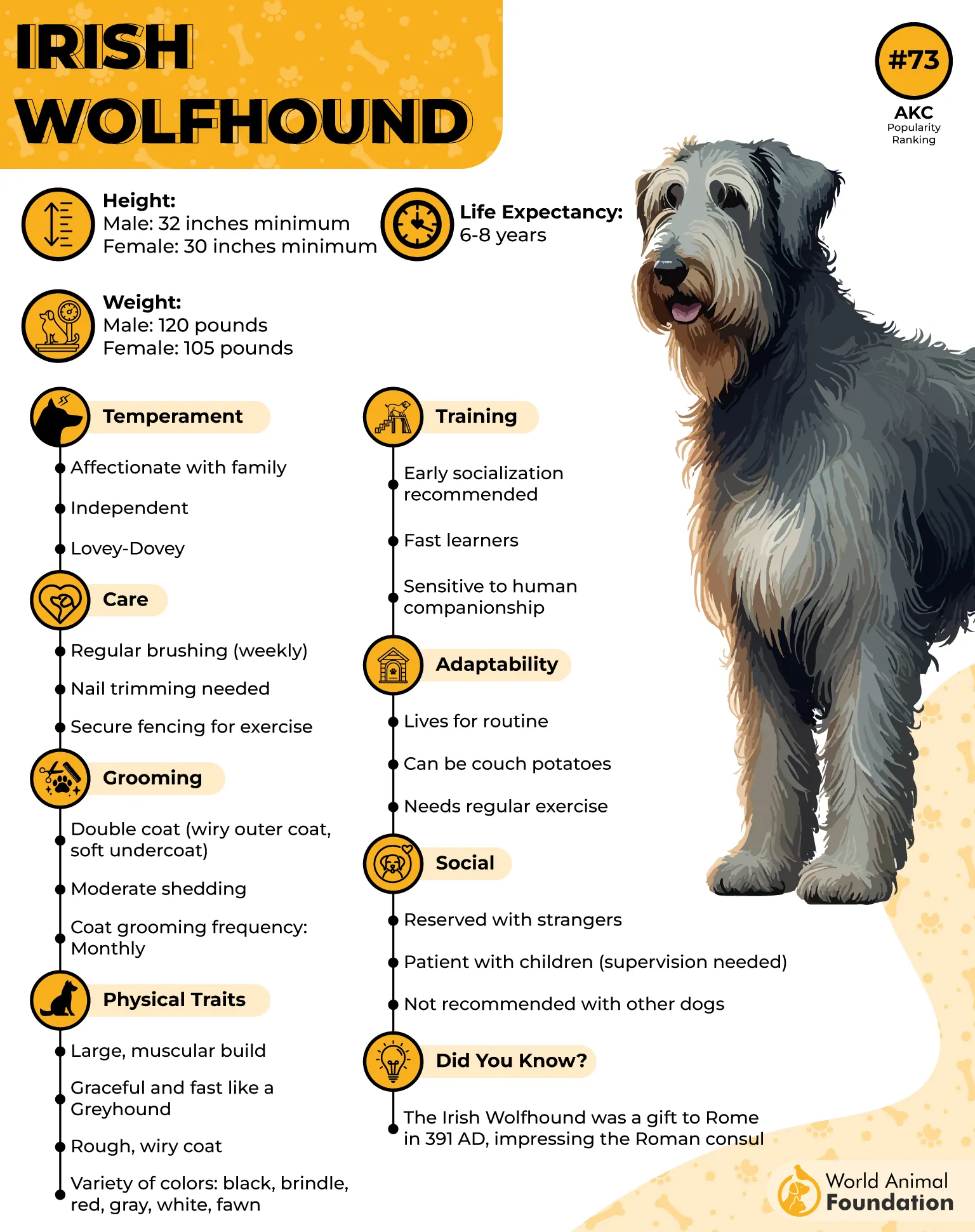
Their intimidating presence alone is often enough to deter potential threats, but their owners know just how calm and gentle Irish Wolfhounds really are underneath it all. They love being around their family members and make sweet, devoted companions.
Because of their hunting background, Irish Wolfhounds have a strong prey drive, which is why they’re not recommended for homes with cats or other small, quick-moving pets. They’re not prone to excessive barking, but they will alert their owners when something seems off.
Conclusion
A quiet home doesn’t mean giving up the joy of having a dog. The breeds covered in this guide show that affectionate, loyal, and playful companions can also have a more reserved, quieter side. By considering temperament, exercise needs, and living conditions, owners can find a chill dog that fits comfortably into a peaceful home.
