




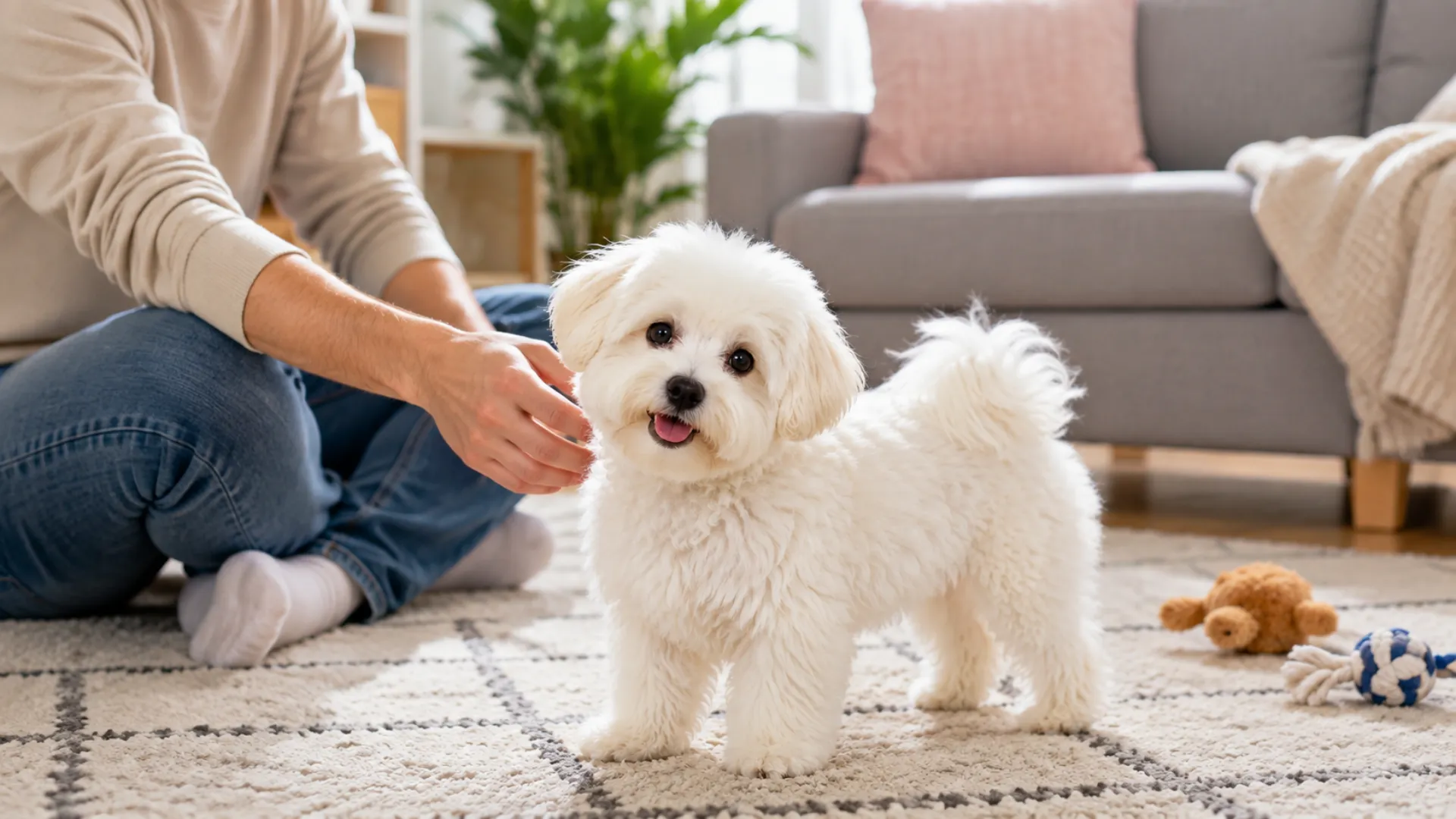
Your first dog can either make you feel confident or leave you questioning every decision you make. Much of that experience begins before the dog reaches your home.
Breed traits influence how much exercise a dog needs, how readily it responds to training, how much grooming it requires, and how comfortably it handles people, pets, and everyday activity. Those differences matter when you are still learning how to read canine behavior and build a reliable routine.
A beginner-friendly breed can give you a practical starting point, especially when its needs match your schedule and living situation. You will still need patience, consistency, socialization, veterinary care, and daily interaction, because no breed comes fully prepared for your household.
Here, you will find amazing breeds suited to first-time owners, with qualities that can make those first years together genuinely rewarding.
Key Takeaways
- Your first dog can shape how you feel about dog ownership for years, so finding the right match matters.
- Bolognese makes a strong case for beginners with its gentle nature, small-home suitability, and love of being around people.
- Then there is the Border Terrier, a little dog once bred to follow horses and chase foxes across the English countryside.
- From royal companions to dogs with surprisingly bold histories, the breeds ahead have plenty more to offer first-time owners.
Amazing Dog Breeds for First-Time Owners to Love
1. Bolognese
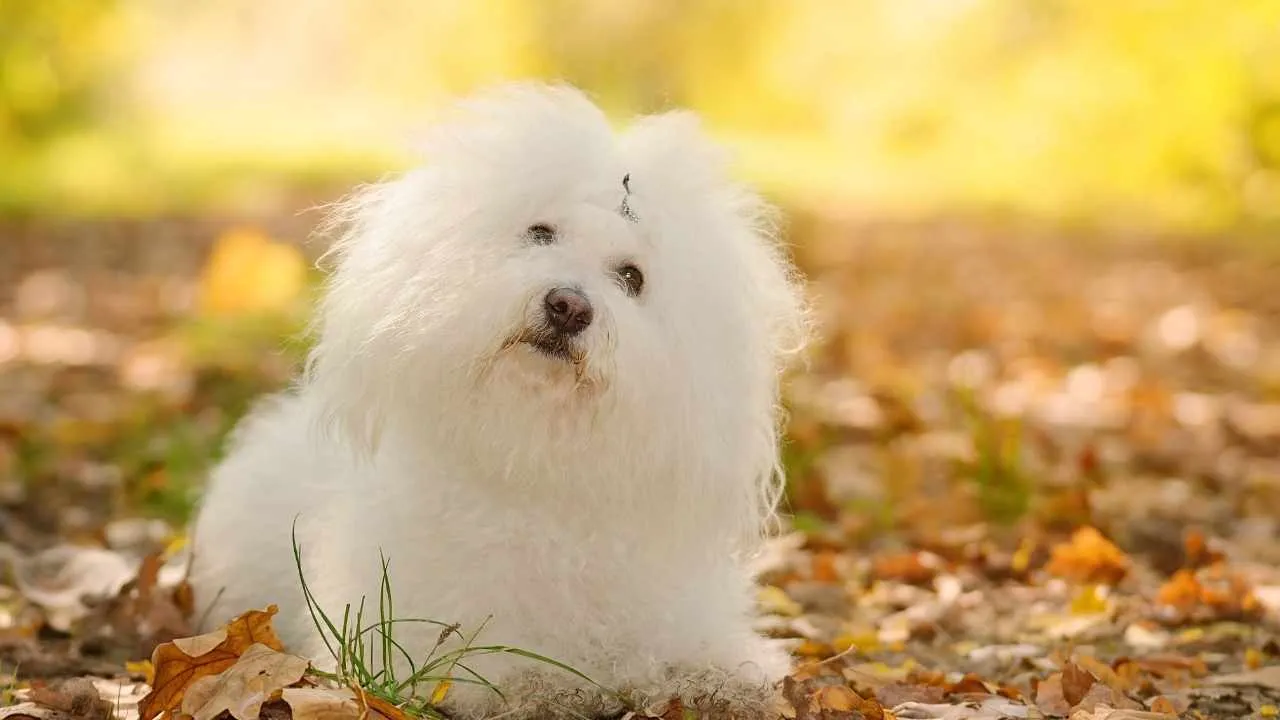
Bolognese originated in Bologna, Italy, where this small companion was associated with aristocratic households and valued for its gentle nature and striking white coat. Historical figures such as Madame Pompadour and Catherine the Great were among the notable admirers of this little Bolognese dog.
Made for Small Homes
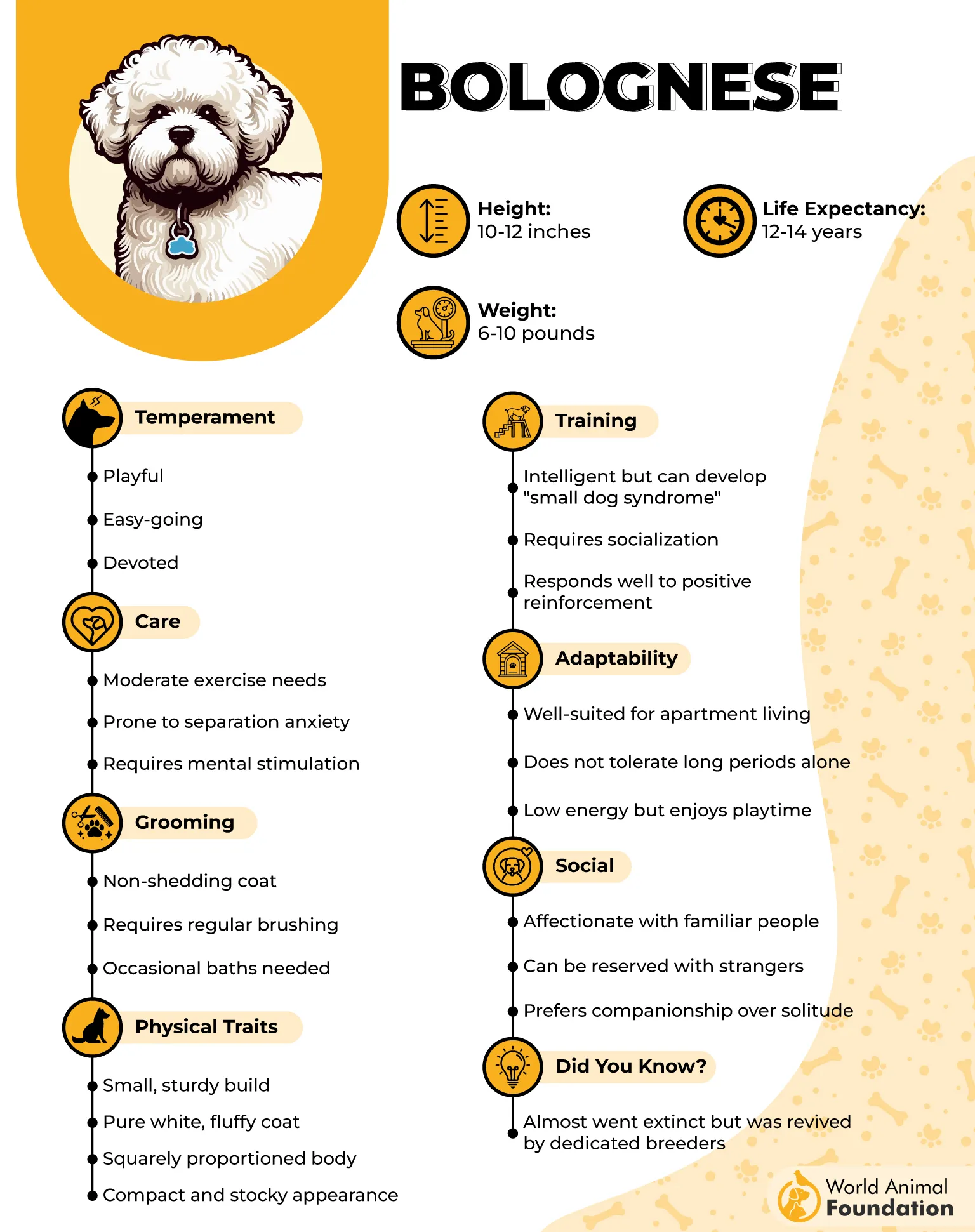
This small breed needs relatively little physical exercise, making a neighborhood stroll quite suitable for its daily routine. Puzzles, trick training, games, and other indoor activities can give this intelligent dog useful mental work without demanding hours of physical activity.
These practical details make the breed especially interesting:
- Positive reinforcement suits training
- Dog dancing can provide indoor fun
- Small-dog agility offers an active outlet
A People-Oriented Companion
Bolognese forms very close connections with its family and prefers having people nearby for much of the day. That social nature also makes it a suitable companion for a single person, while early socialization can help it live peacefully with cats and other small pets, as Purina stated.
2. Cavalier King Charles Spaniel
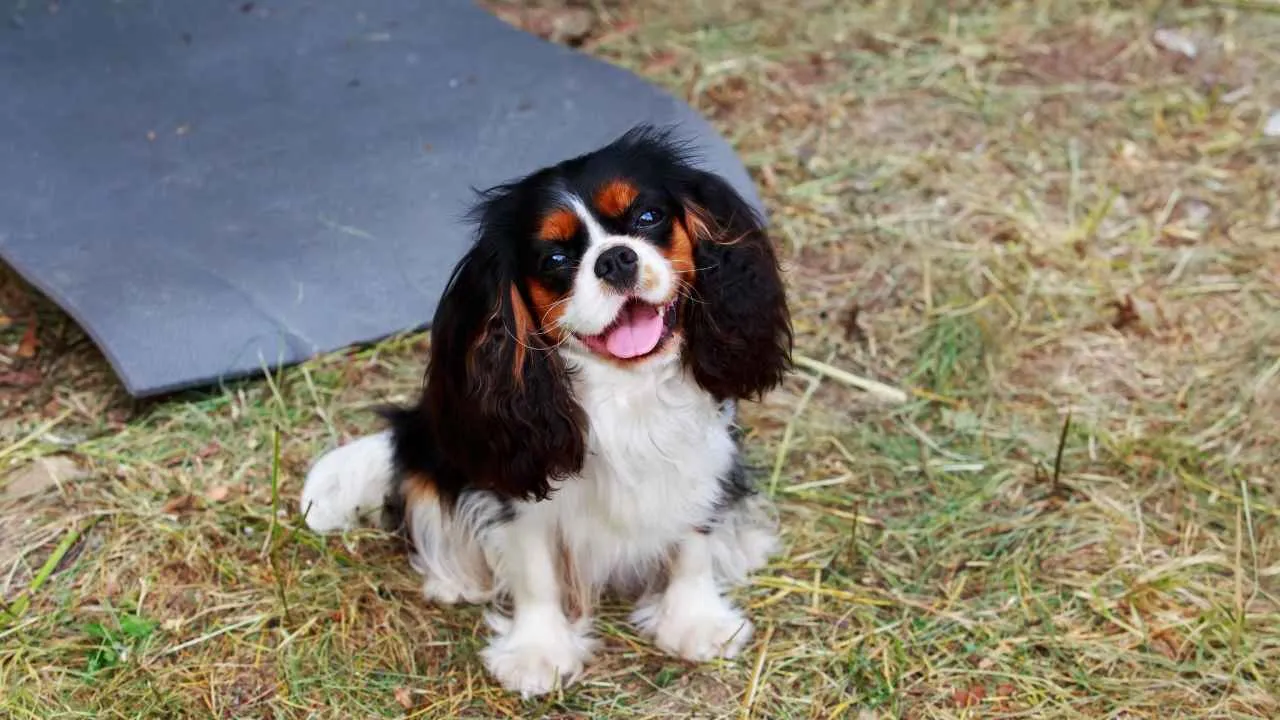
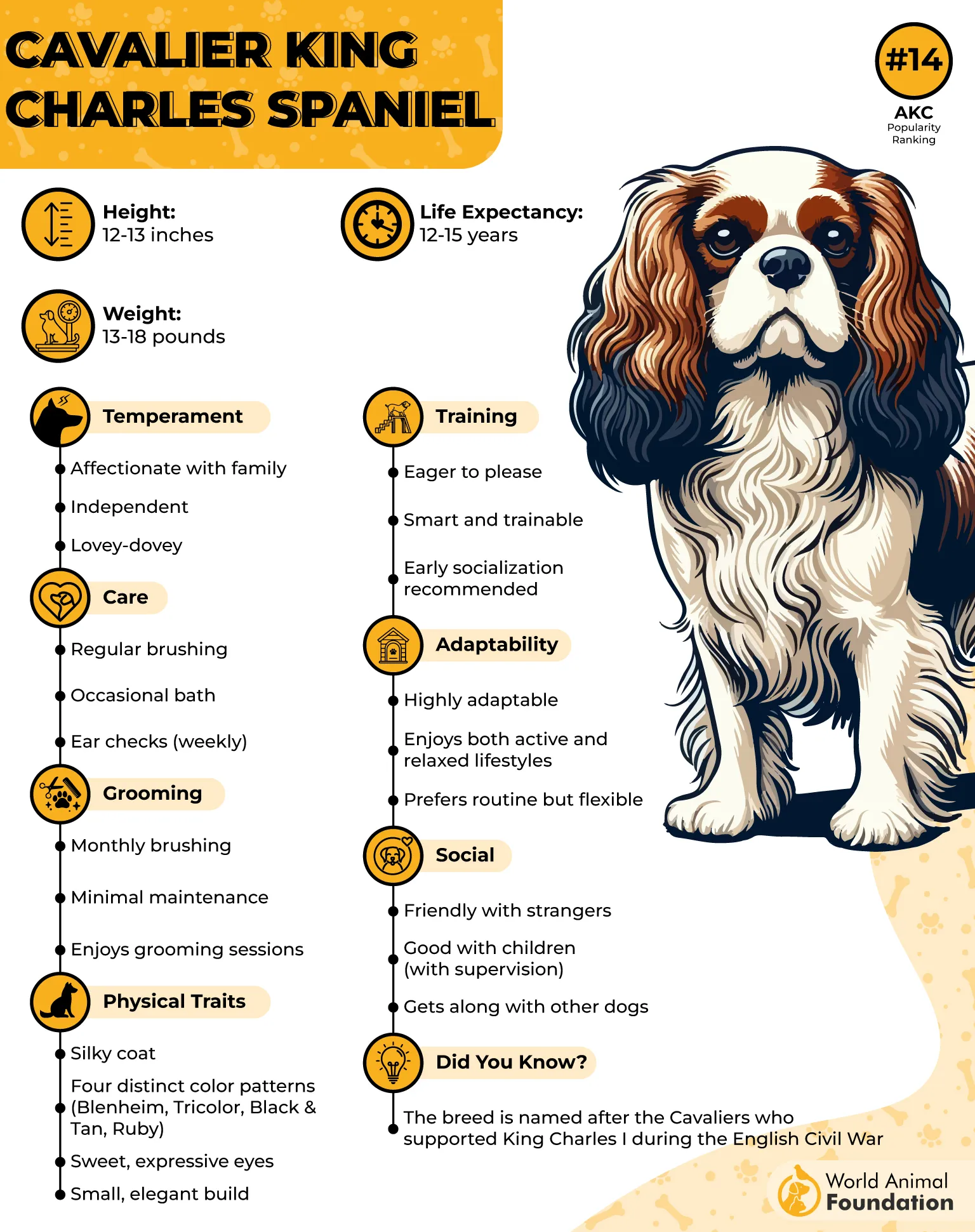
Cavalier King Charles Spaniel has a royal connection reaching back to 16th-century England, where Toy Spaniels were favored by nobility and closely associated with King Charles II. The King was so attached to these little dogs that he was known to take two or three with him in public.
Easy to Handle
These Spaniels are small enough for first-time dog owners to manage easily during walks and everyday routines, while their moderate energy level keeps exercise fairly straightforward. Also, home play and simple interaction can fit neatly into an owner’s schedule.
These characteristics add useful context:
- Comfortable in smaller living spaces
- Intelligent and eager to please
- Patient and non-confrontational temperament
People-Oriented Nature
Cavalier King Charles Spaniel is highly affectionate and prefers plenty of human company, with a friendly attitude toward people and a lively side that appears during play.
Some individuals can be timid, while their gentle nature has also made them suitable as therapy companions and pets for older or disabled people, as per Pooch and Mutt.
3. Brussels Griffon
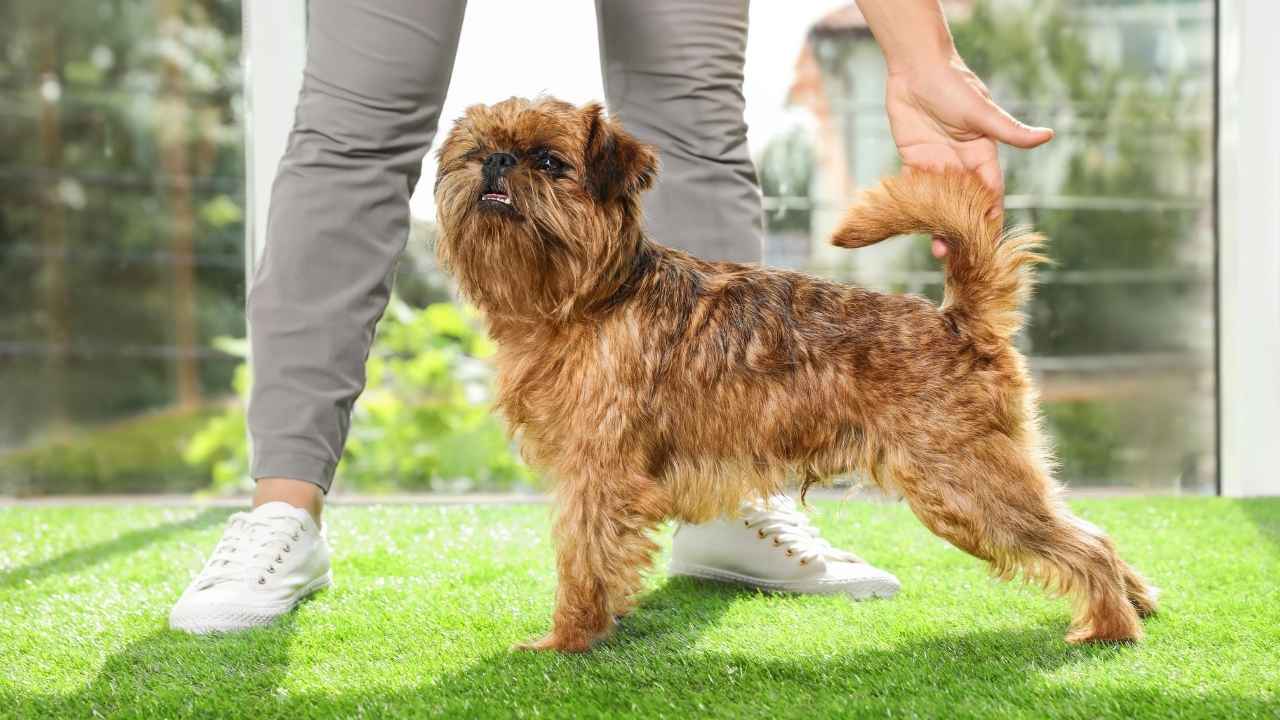
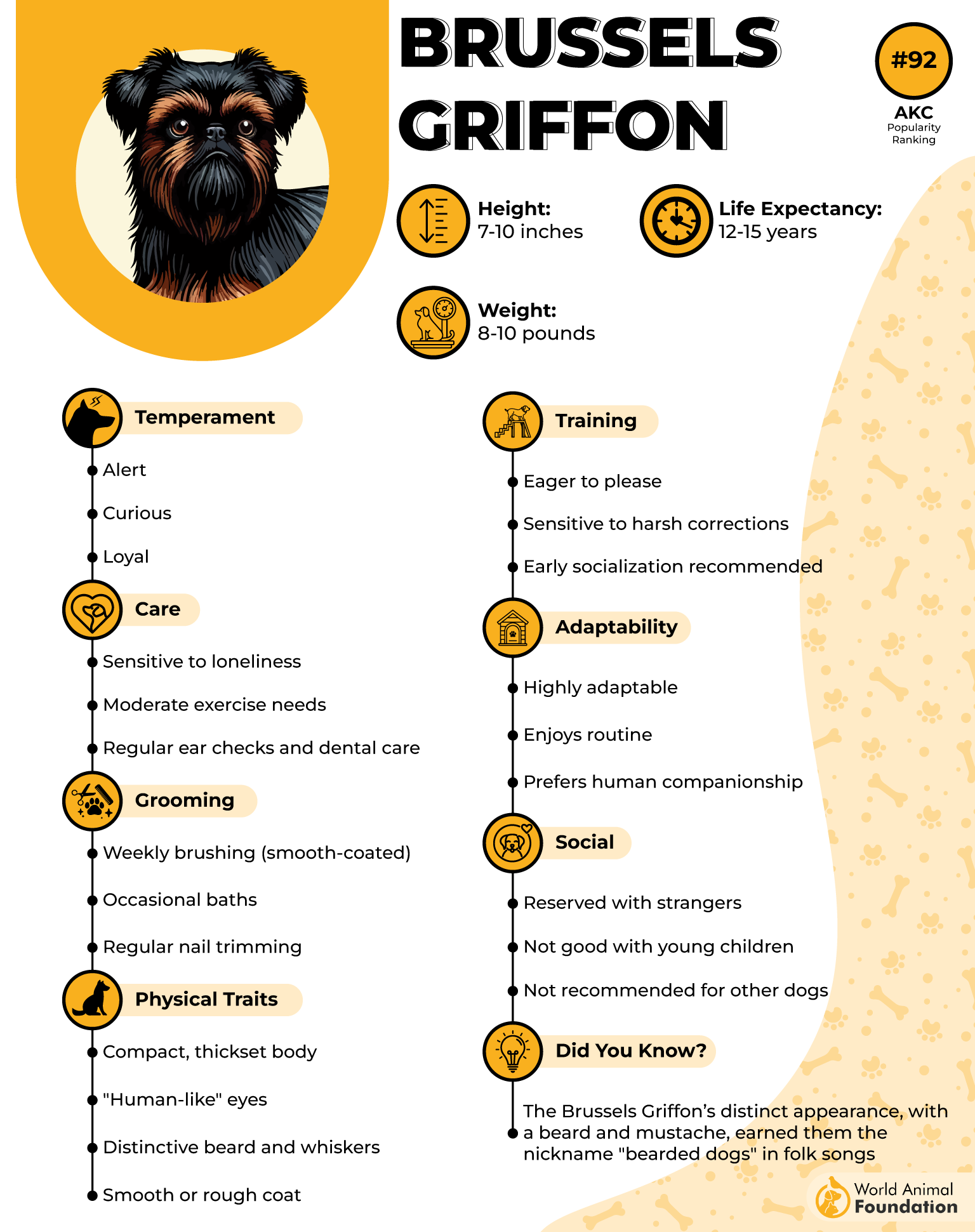
Brussels Griffon originated in Belgium during the 1800s and came from a mix that included the Affenpinscher, Pug, and English Toy Spaniel. Its early job was hunting rats in stables before its bold personality caught the attention of Belgium’s upper class.
Small-House Fit
Griffs suit people who want an active companion without needing a large yard, with short walks, fetch, and interactive games fitting its routine well. Daily mental and physical activity can keep this clever little dog engaged without demanding lengthy outdoor sessions.
A few practical details are easy to overlook:
- Can compete in agility and rally
- Often barks excessively without training
- Needs frequent human interaction
A Watchful Personality
Brussels Griffon pays close attention to household activity and can become deeply attached to its people, often following them from one room to another. Its alert nature also makes it a capable watchdog, while its small size limits its usefulness as a physical guard dog.
4. Border Terrier
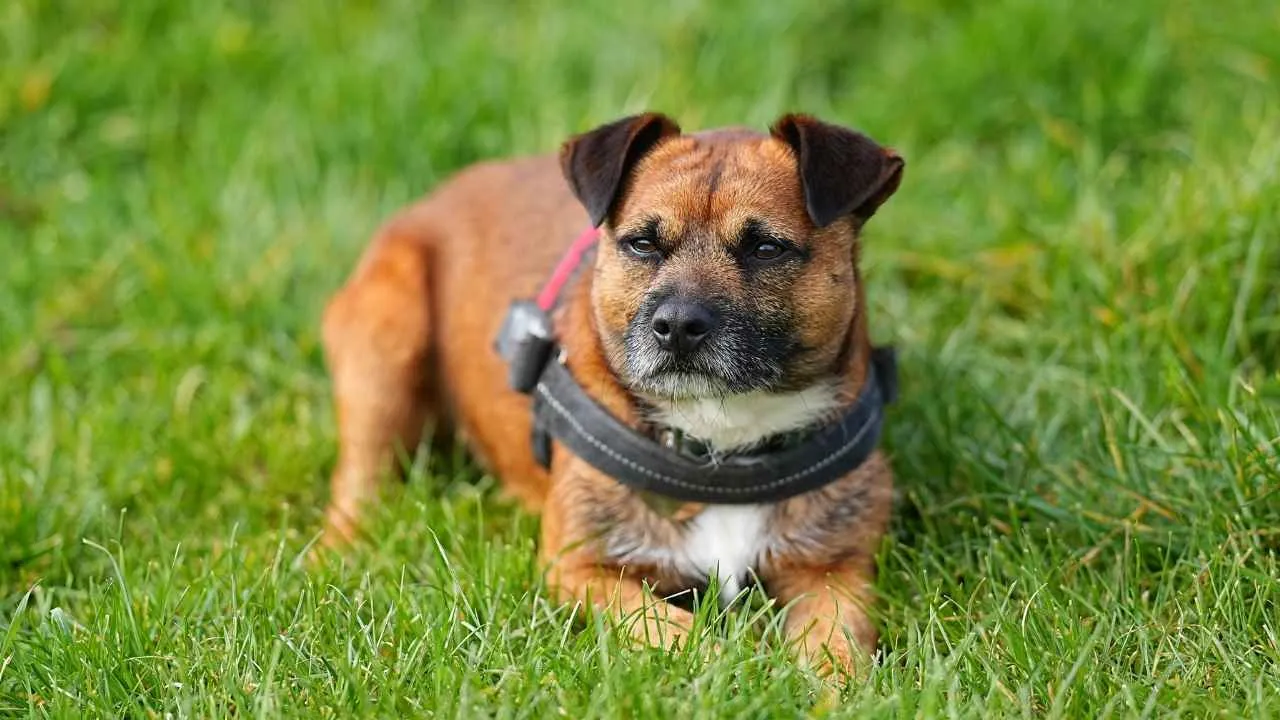
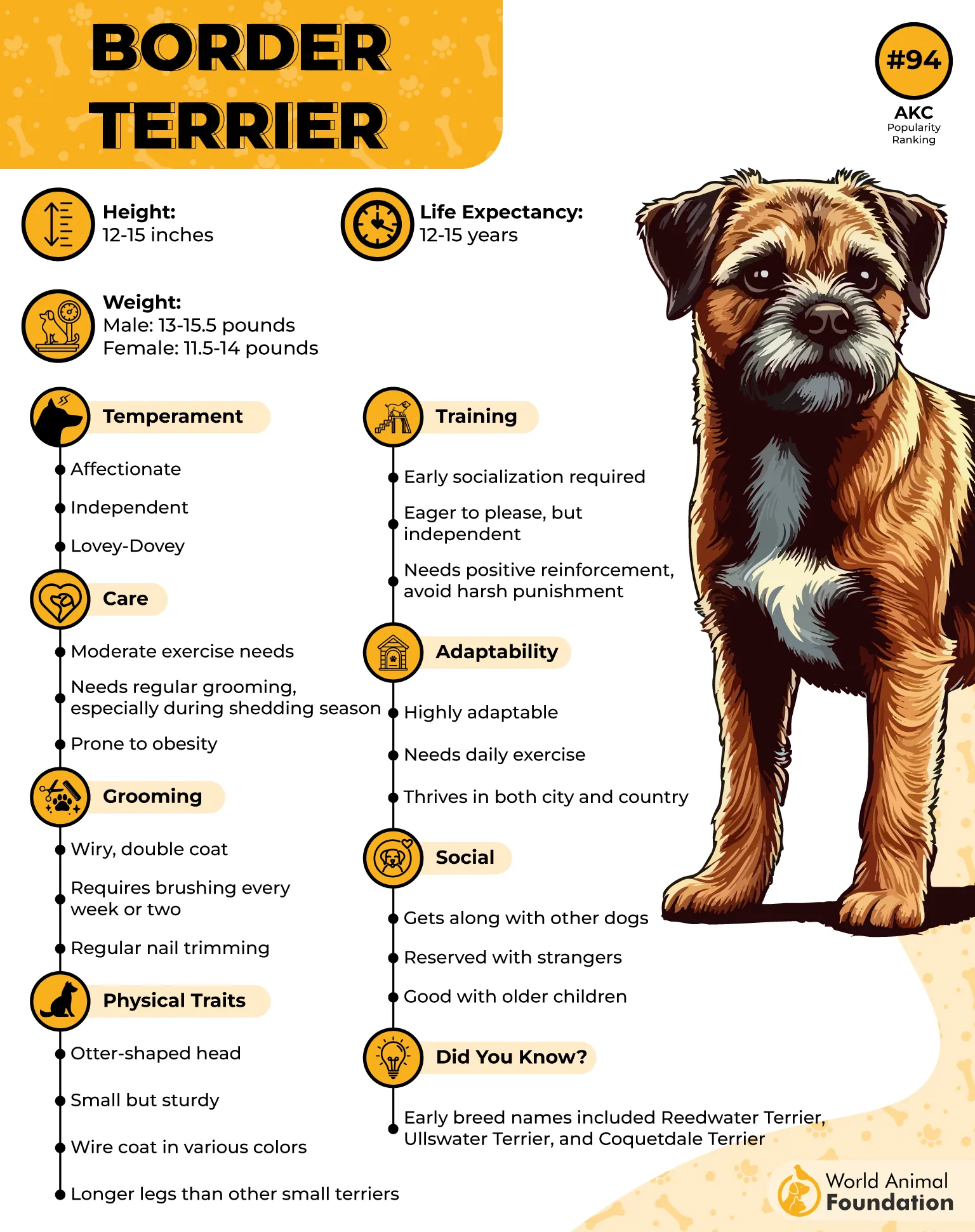
Border Terrier came from the Cheviot Hills along the England-Scotland border, where farmers and shepherds faced powerful hill foxes threatening their livestock. The dogs needed enough leg to keep pace with horses while remaining small enough to follow a fox underground.
A Practical First Dog
These terriers can adjust to city, town, or country homes when they have plenty of family interaction, giving new owners a flexible companion to learn with. Their moderate grooming needs also keep coat care fairly straightforward.
Here’s how their life with new owners looks:
- Minimal shedding with regular hand stripping
- Harsh coat naturally repels dirt
- About 13 to 14 years of expected life
Trainable With Personality
Border Terrier was bred to think independently, yet its breed standard describes it as affectionate, obedient, and easily trained. It can live peacefully with other dogs and prefers being involved with its family rather than spending long periods separated from them.
5. Lowchen
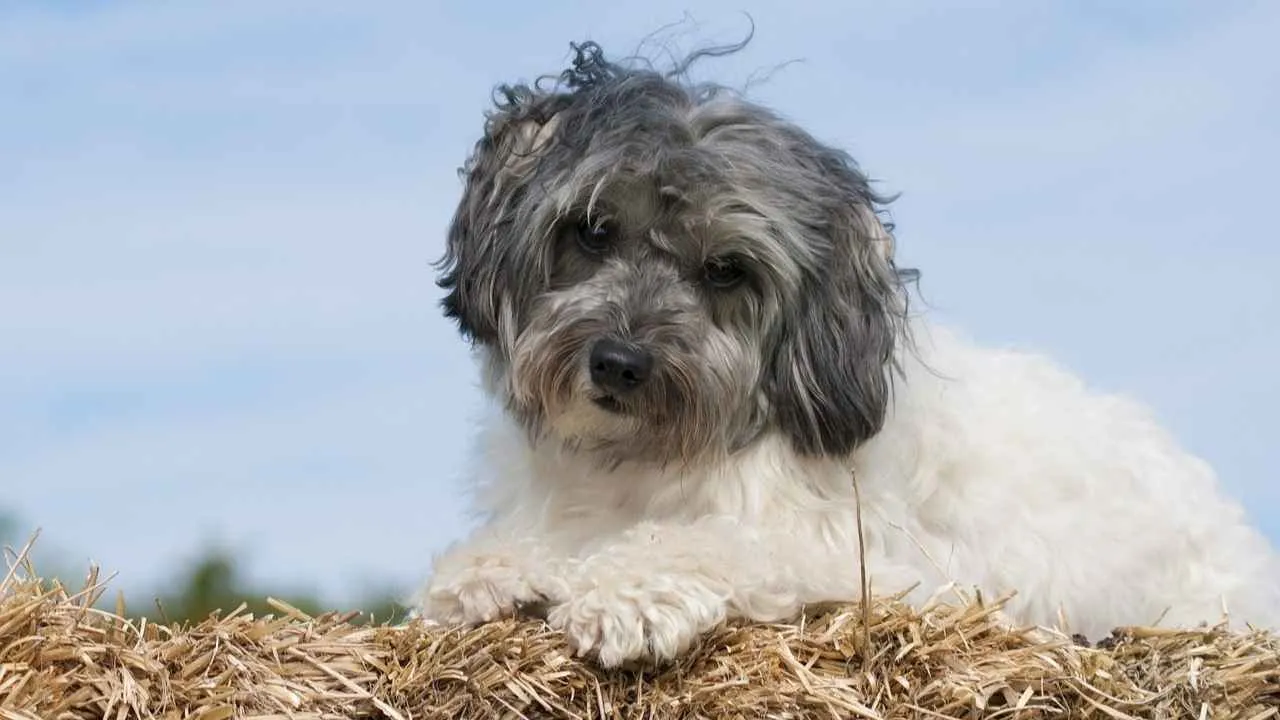
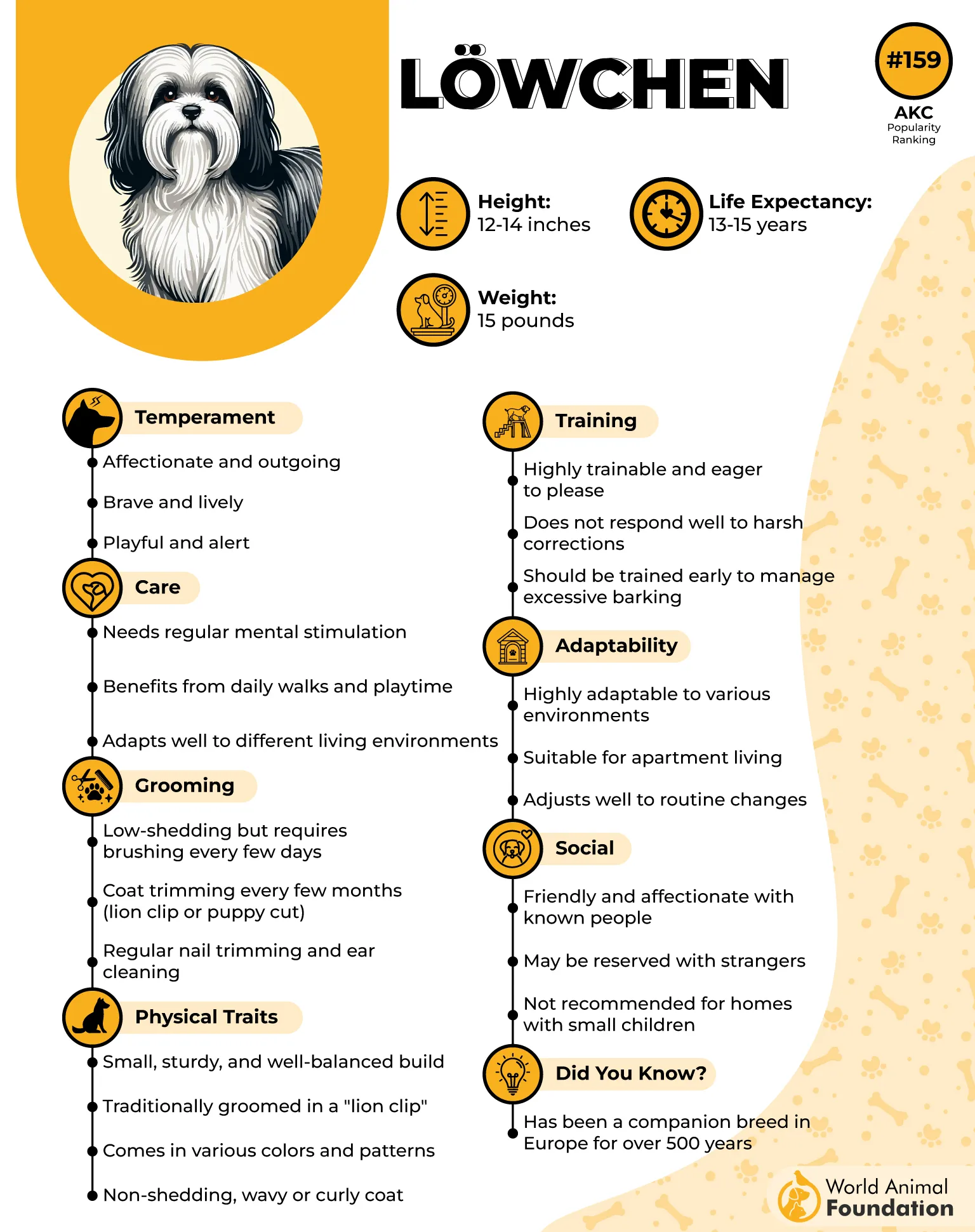
Lowchen appears in 16th-century German artwork, although its exact beginnings remain uncertain and its earlier roots are linked to Europe. Its name means “Little Lion” in German, referring to the distinctive lion cut traditionally associated with its coat, as highlighted by PetMD.
Made for Company
Lowchen was bred as a companion for the gentry and can be especially demanding of human company throughout the day. For first-time owners, its sensitivity matters because boredom or too much solitude can lead to nuisance barking and destructive behavior.
Beyond companionship, care still matters:
- Needs less than an hour of daily walking
- Requires daily coat grooming
- Can live in semi-rural areas
Sociable With Guidance
Lowchen generally responds warmly to family, friends, strangers, dogs, and other pets when socialization begins early, and interactions are handled patiently. Its alert nature can also make it vocal around visitors or unfamiliar activity, while children may require additional supervision.
6. Russian Tsvetnaya Bolonka
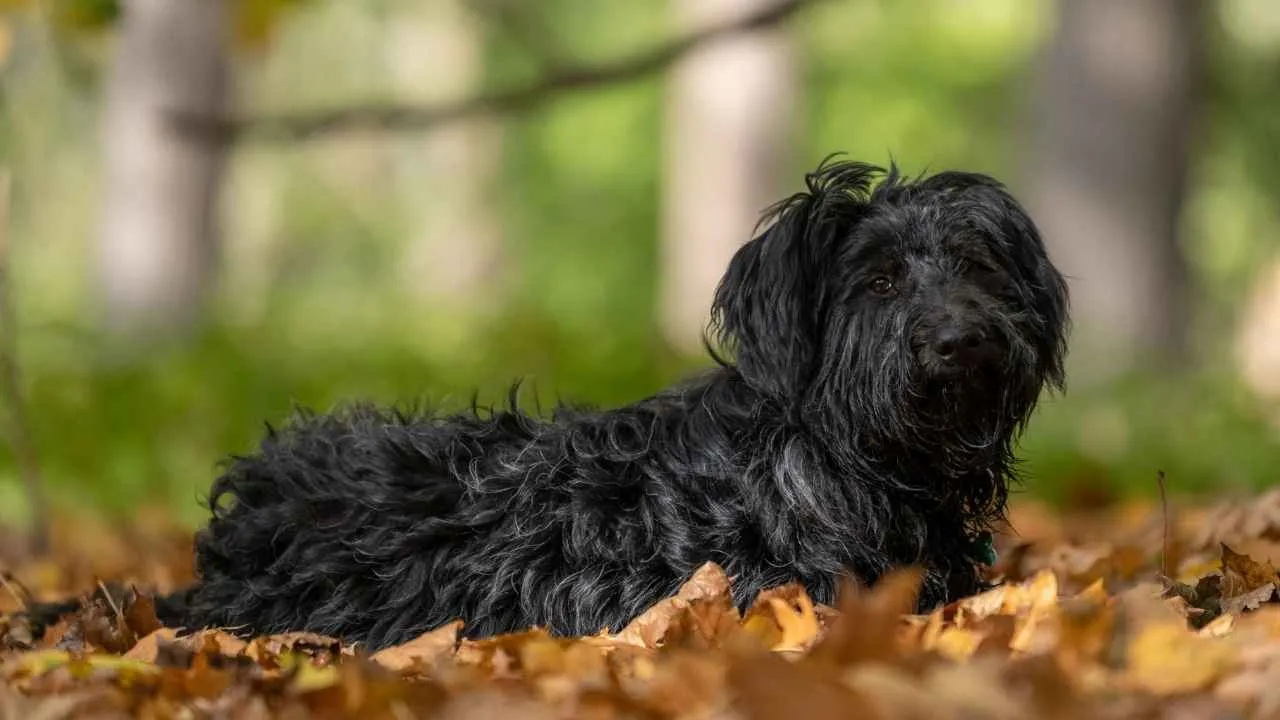
Russian Tsvetnaya Bolonka developed in 1950s Leningrad when breeders aimed to create a small, decorative companion dog. Small lapdogs were combined with breeds such as the Bolognese, Maltese, and Shih Tzu as part of that early breeding effort.
Made for Smaller Homes
Russian Tsvetnaya Bolonka needs little formal exercise and can fit easily into an apartment life without requiring a demanding daily routine. Its idea of a good day includes companionship, short walks, and plenty of time near its people.
Simple activities can add variety without taking up much space:
- Hide-and-seek indoors
- Chasing a rolled ball
- Learning new tricks
Social by Nature
Russian Tsvetnaya Bolonka has a cheerful, affectionate temperament and may greet unfamiliar people with a wagging tail. These dogs often accept attention from almost anyone and are willing to accept affection even from strangers.
7. Australian Terrier
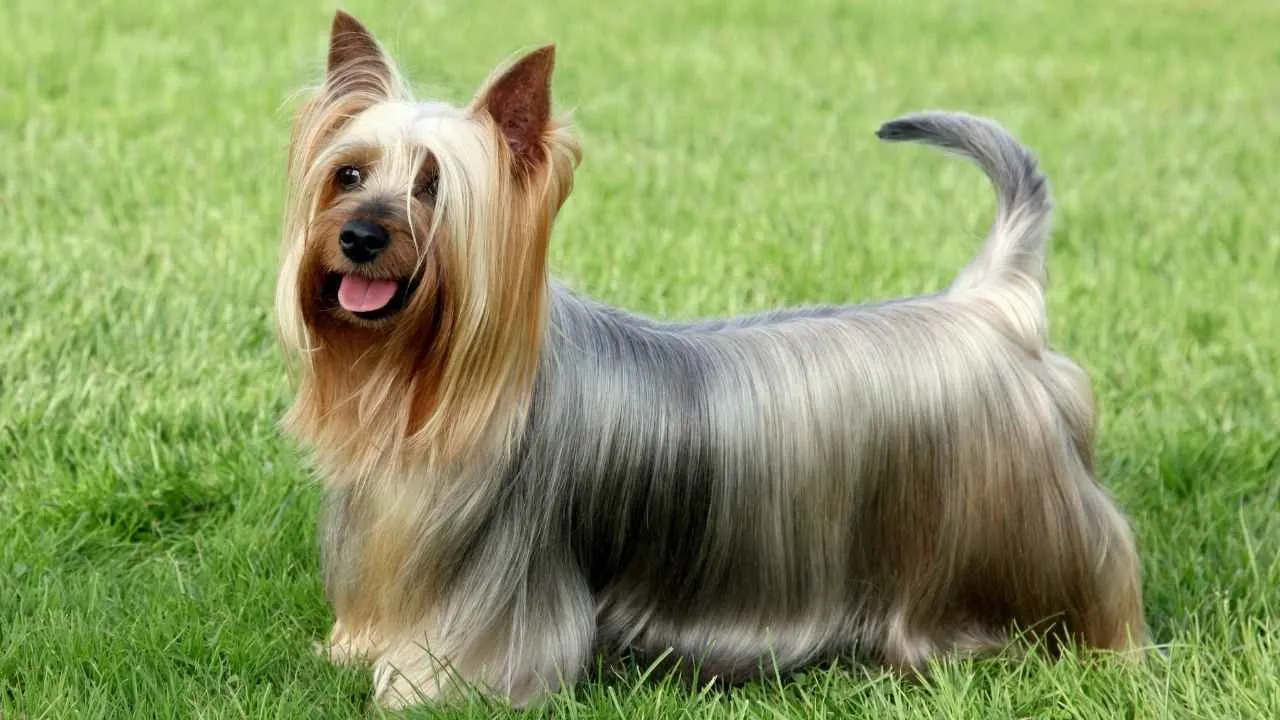
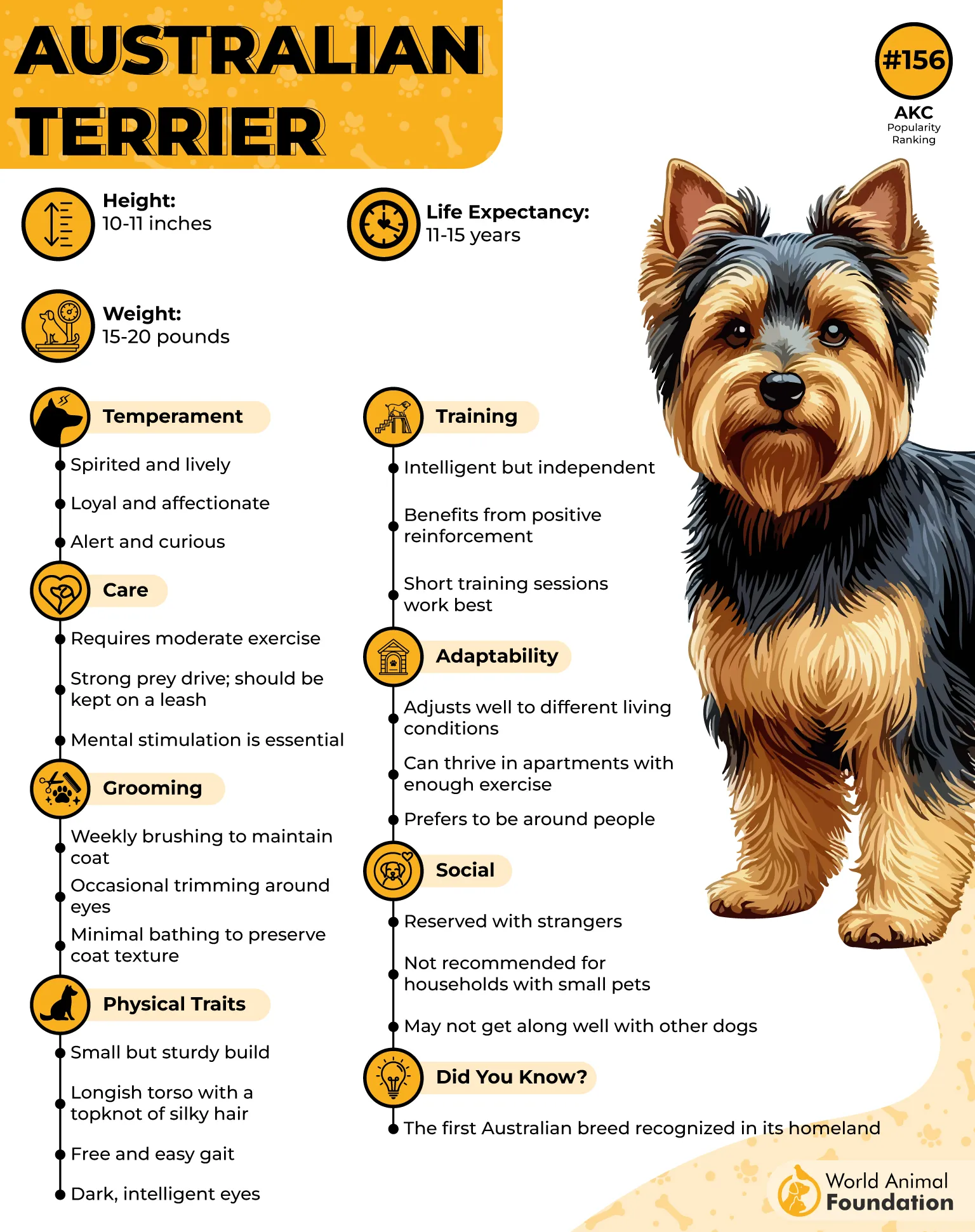
Australian Terrier was shaped in Australia in the early 19th century, making it one of the country’s first recognized native breeds. Its roots include rough-coated British terriers brought together for work around settlements, with duties ranging from hunting snakes and rodents to guarding property.
A Small Dog With a Big Schedule
This terrier works for first-time owners who want an active dog without a large frame, with one to two hours of walking fitting naturally into its day. A city home can work too, provided it has a small garden and enough room for supervised activity.
Three practical details are easy to overlook:
- Needs grooming every other day
- Can drool occasionally
- May need supervision around children
Terrier Instincts Included
Australian Terriers can get along with familiar dogs and other pets when properly trained, while unfamiliar dogs may create tension if they challenge it.
Digging also comes naturally from its vermin-hunting roots, so puzzle toys and a supervised digging area can give that instinct a safer outlet.
Conclusion
Your first dog does not need to be perfect, but finding one that matches your lifestyle can make the experience much smoother. Exercise needs, grooming, trainability, social behavior, and independence all shape what daily life will feel like. The best dog breeds for a first-time pet parent may be naturally eager to learn, while others bring more independence and require patience from the beginning.
Even the easiest dog still needs proper training, socialization, veterinary care, and regular attention. Mental stimulation and positive experiences from an early age can help build confidence on both sides. When your routine and your dog’s natural needs work well together, the learning process becomes more enjoyable, and the bond grows naturally over time.
