




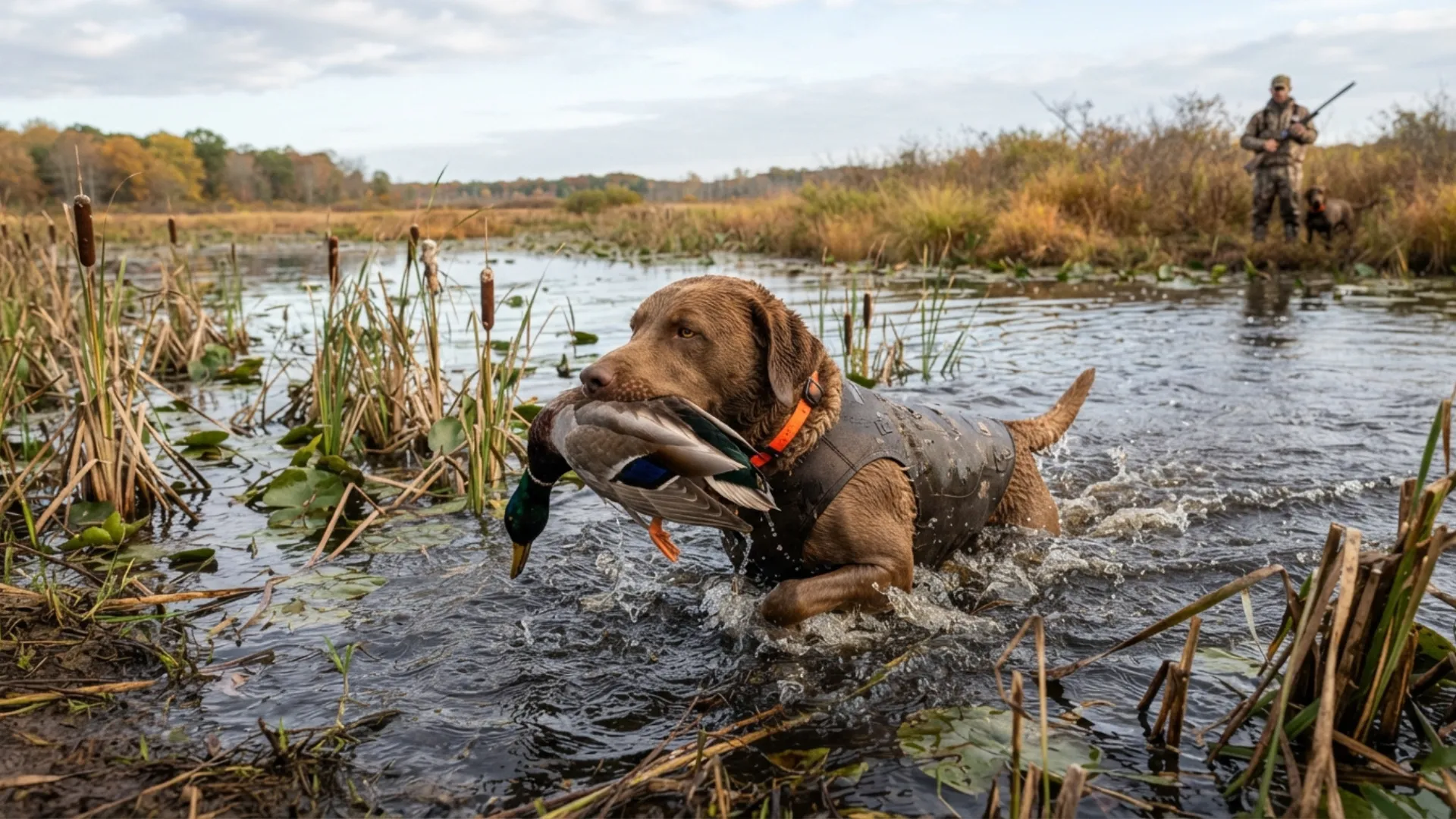
Cold marshes, muddy shorelines, sudden splashes, and birds landing where no hunter wants to wade. Waterfowl hunting asks a lot from a dog, especially when the weather turns chilly and the retrieve gets complicated.
That is where naturally skilled hunting dogs step in. They bring strong swimming ability, sharp focus, steady retrieving instincts, and the confidence to charge into water like the marsh personally invited them.
Of course, talent alone does not create a reliable field dog. Training, conditioning, patience, and clear handling still matter. Ready to meet the dogs built for wet work and serious retrieving?
Did you know?
Some dogs bred to hunt or work in water have webbed paws. Their wider surface can help them swim more efficiently, while also improving grip on muddy or slippery ground near shorelines, marshes, and wetlands.
Amazing Dog Breeds With Natural Waterfowl Hunting Skills
1. Labrador Retriever
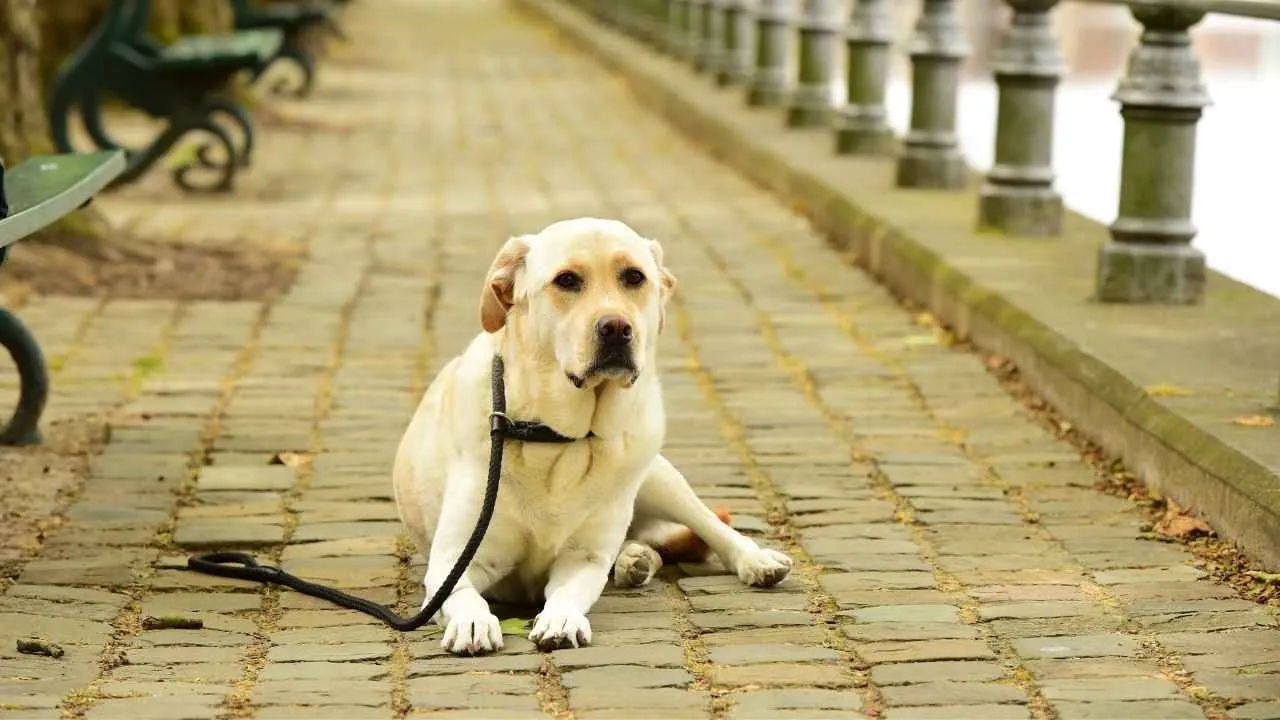
A Labrador Retriever enters a marsh with the confidence of a dog who already knows the assignment. Friendly energy, sharp intelligence, and genuine enthusiasm for retrieving make this sporting breed naturally suited to demanding waterfowl work.
Its story began in Newfoundland during the 1800s, where ancestors worked beside fishermen retrieving nets, ropes, floats, and sometimes fish. English kennels later helped establish the breed, carrying that practical water-working heritage into organized sporting life.
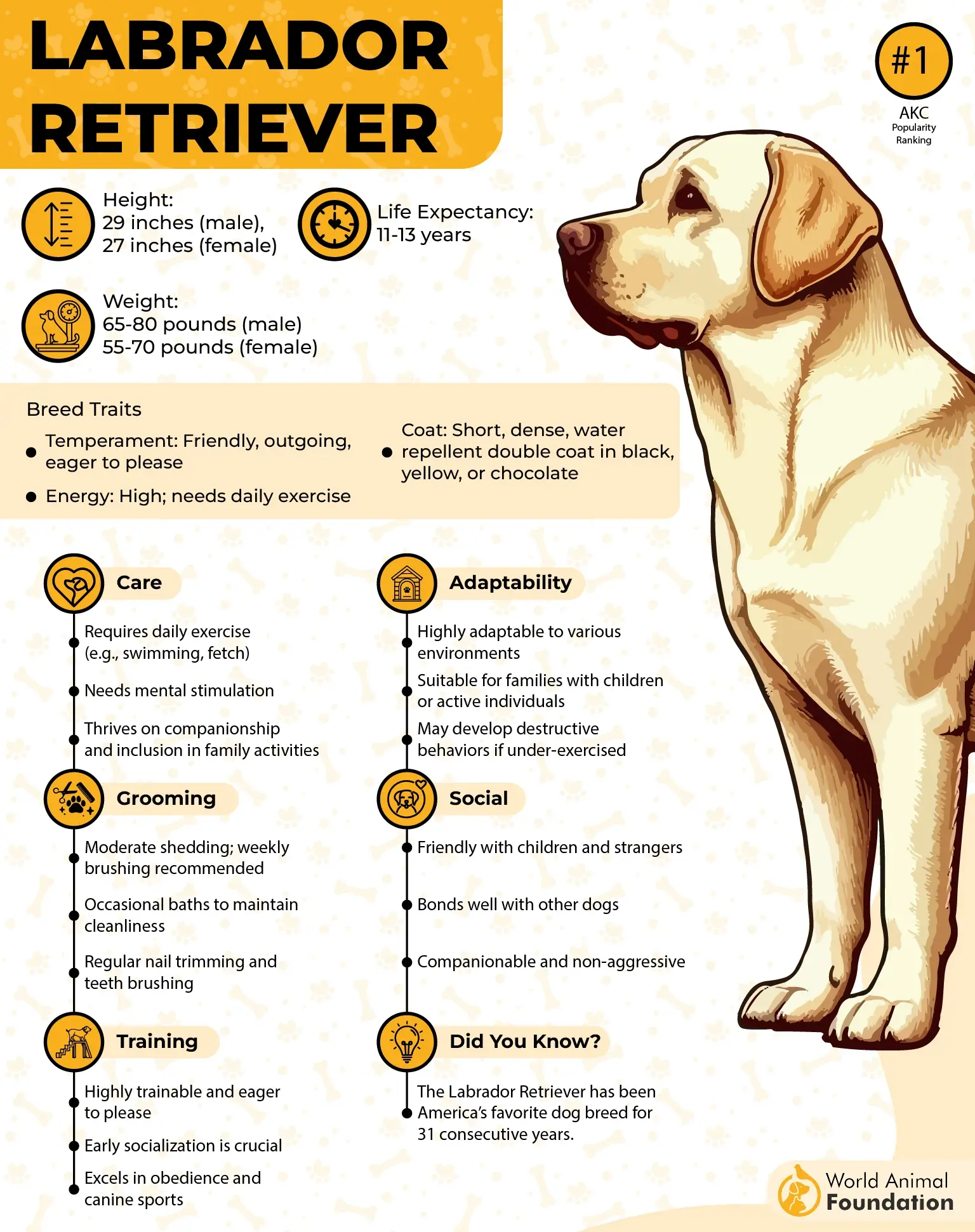
This exceptional waterfowl dog uses its strong swimming ability and natural drive to handle birds in difficult water. Its jaws carry waterfowl carefully, while its reliable memory for fall locations keeps it effective when visibility becomes messy.
What Makes This Breed Stand Out
Collaborative handling supports impressive blind retrieves.
Versatility extends across varied bird-hunting environments.
2. Chesapeake Bay Retriever
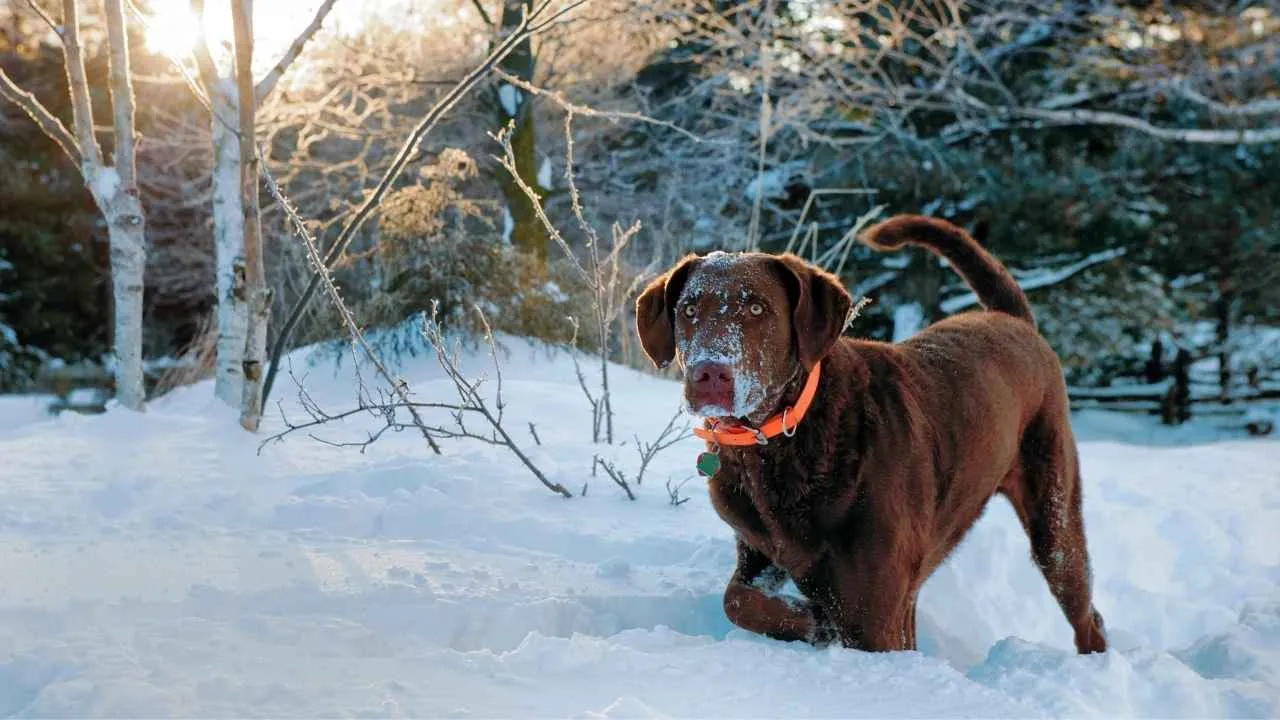
Cold water does not politely ask permission, and the Chesapeake Bay Retriever rarely seems interested in negotiating. This highly capable American retriever was developed for rough bays, strong tides, surface ice, and repeated retrieves when easier dogs might reconsider.
On hunting trips, Chessies stay close enough for practical gun work and often pause briefly before flushing. Their real drama appears after a runner or cripple, because determination keeps them tracking long after the easy answer has disappeared.
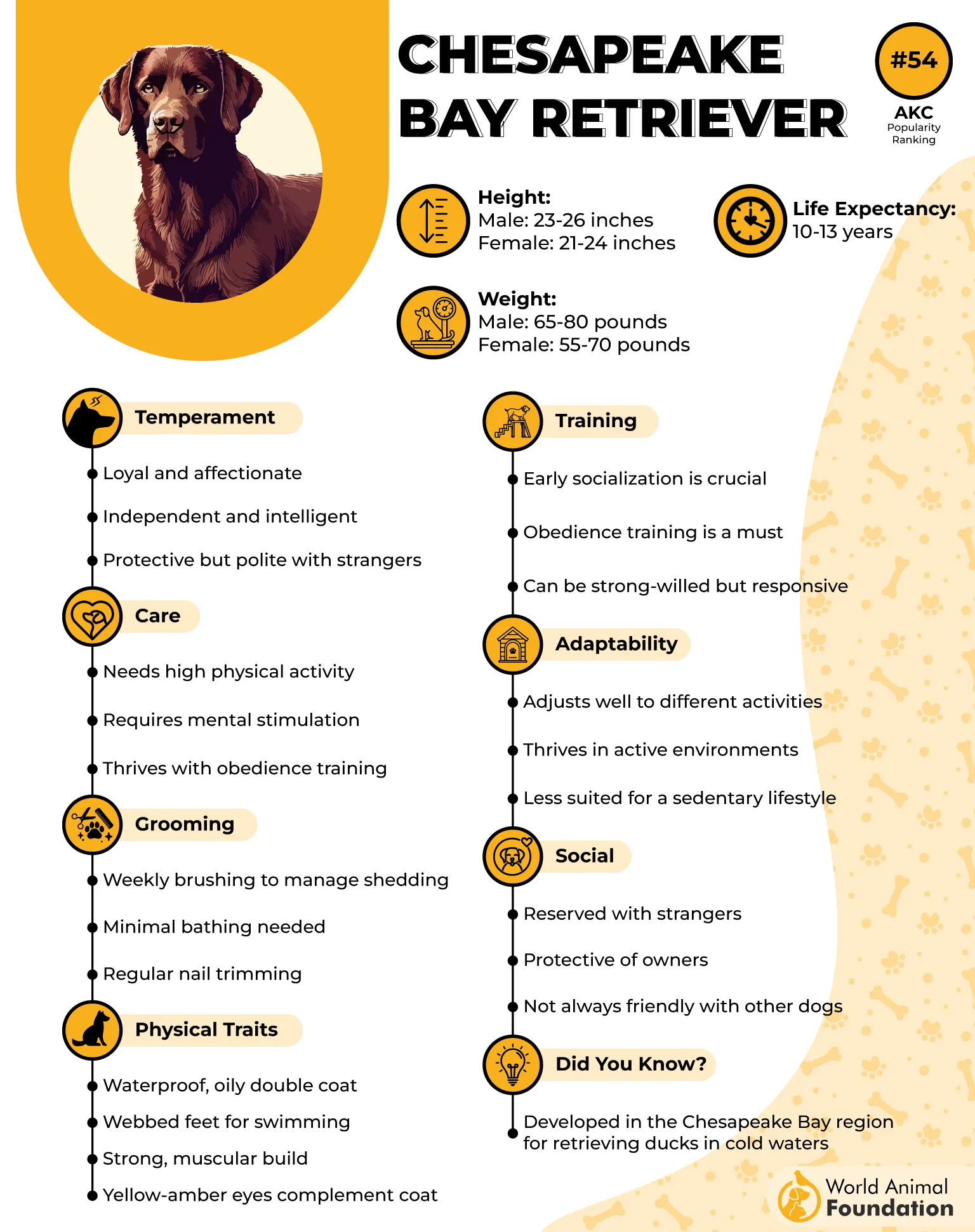
As noted by PetMD, Chesapeake Bay Retrievers respond best to consistent positive reinforcement. They learn quickly, especially when lessons involve special skills such as locating waterfowl in frigid water, while boredom can turn that clever mind toward destruction.
What Makes This Breed Stand Out
Strong jaws hold large game birds securely.
Athletic construction supports unrestricted working movement.
3. Golden Retriever
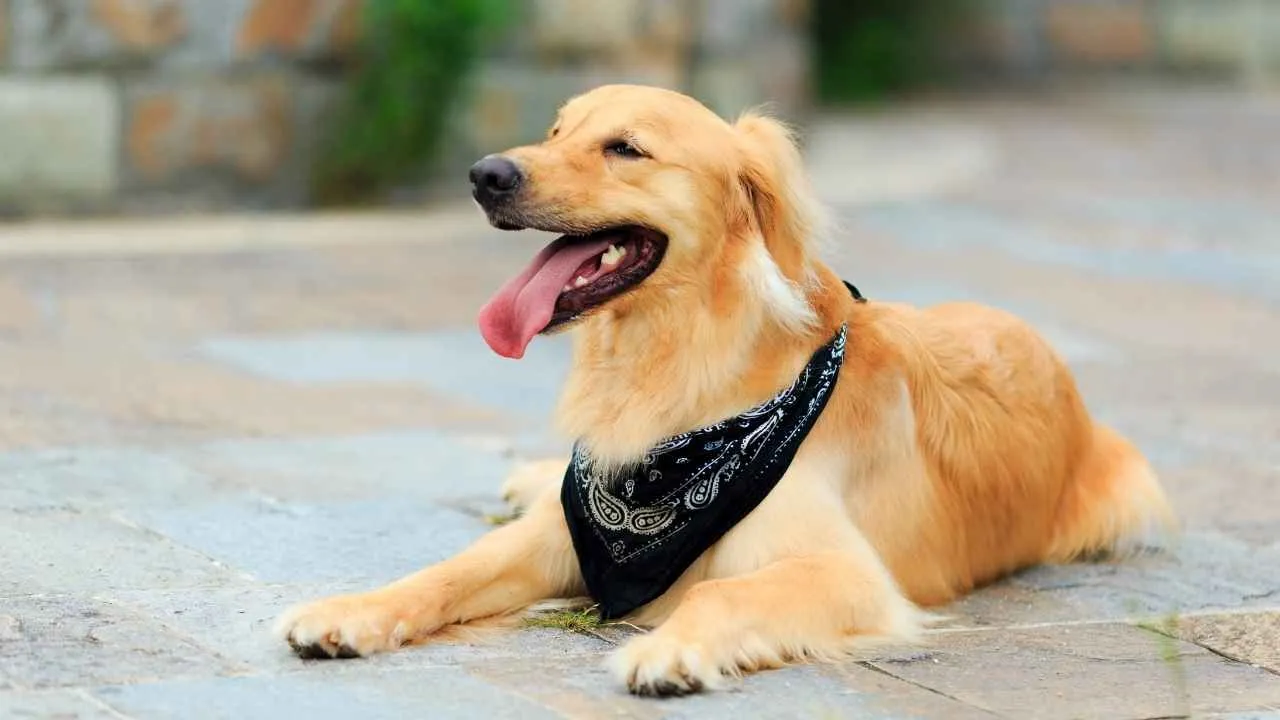
A Golden Retriever can look polished enough for a portrait, then plunge into marsh water without ruining the mood. Beneath that famous coat is a capable sporting dog and an excellent hunting companion, equipped with the drive, intelligence, and stamina needed for serious retrieving work.
Field-bred Goldens rank among the strongest waterfowl choices because they combine swimming, scenting, patience, and a stubborn refusal to quit. Their water-resistant coat and insulating undercoat help them stay useful through long, chilly hours around blinds and flooded cover.
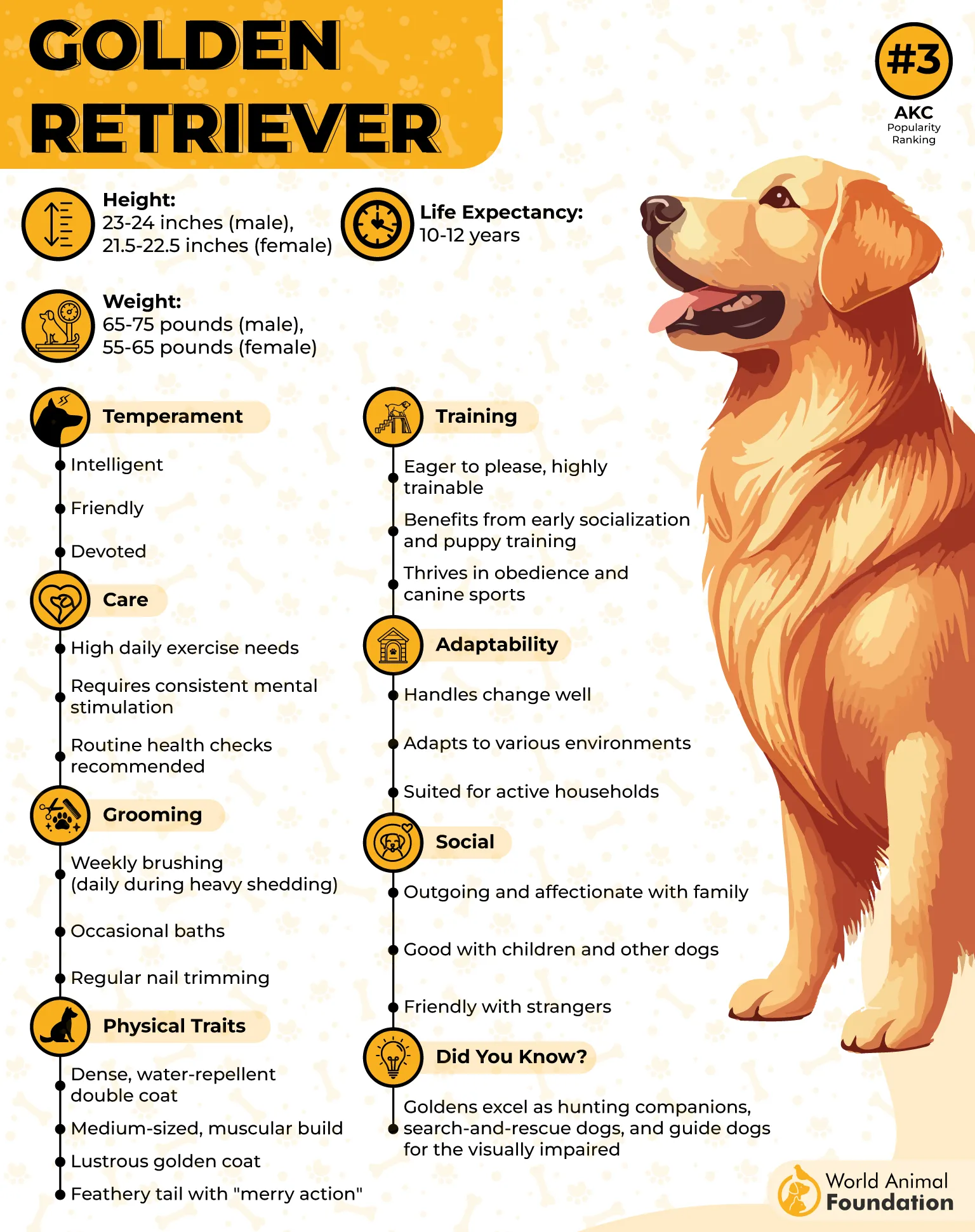
Once the hunting gear is put away, Goldens often shift beautifully into family life. They make wonderful family dogs because they are friendly, eager to please, and generally good with children and other pets when properly socialized, bringing plenty of warmth without losing their working spark.
What Makes This Breed Stand Out
If they are well trained, their quiet patience helps during long waits in blinds.
Close field pacing keeps flushing within the practical range.
4. Nova Scotia Duck Tolling Retriever

The Nova Scotia Duck Tolling Retriever brings theatrical flair to waterfowl work, using quick shoreline movement and a flashing tail to attract curious ducks. Recognized by the AKC in 2003, this remarkable breed truly carries its job description everywhere.
Agility makes the Toller an excellent choice for working in marshes, boats, and difficult cover. Its relentless desire to fetch supports repeated retrieves, while accurate marking helps the dog locate fallen birds without turning each search into a committee meeting.
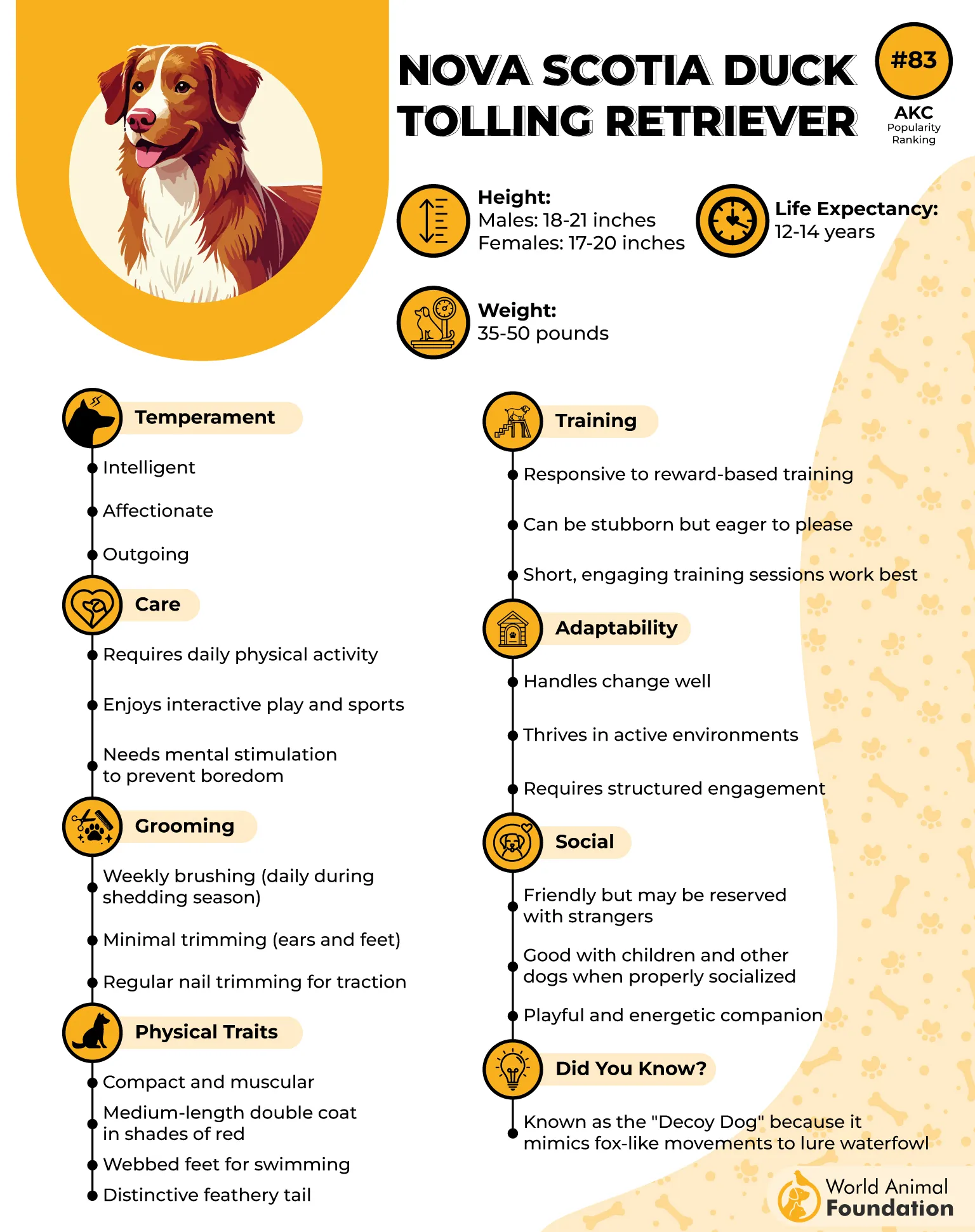
A harsh, water-repellent outer coat sits over a dense woolly undercoat, helping the Toller work in cold water and even break light ice. That protective layering dries quickly and supports long retrieving sessions when the weather behaves badly.
What Makes This Breed Stand Out
Compact bodies fit neatly inside small boats.
Webbed feet provide efficient movement through water.
5. Irish Water Spaniel
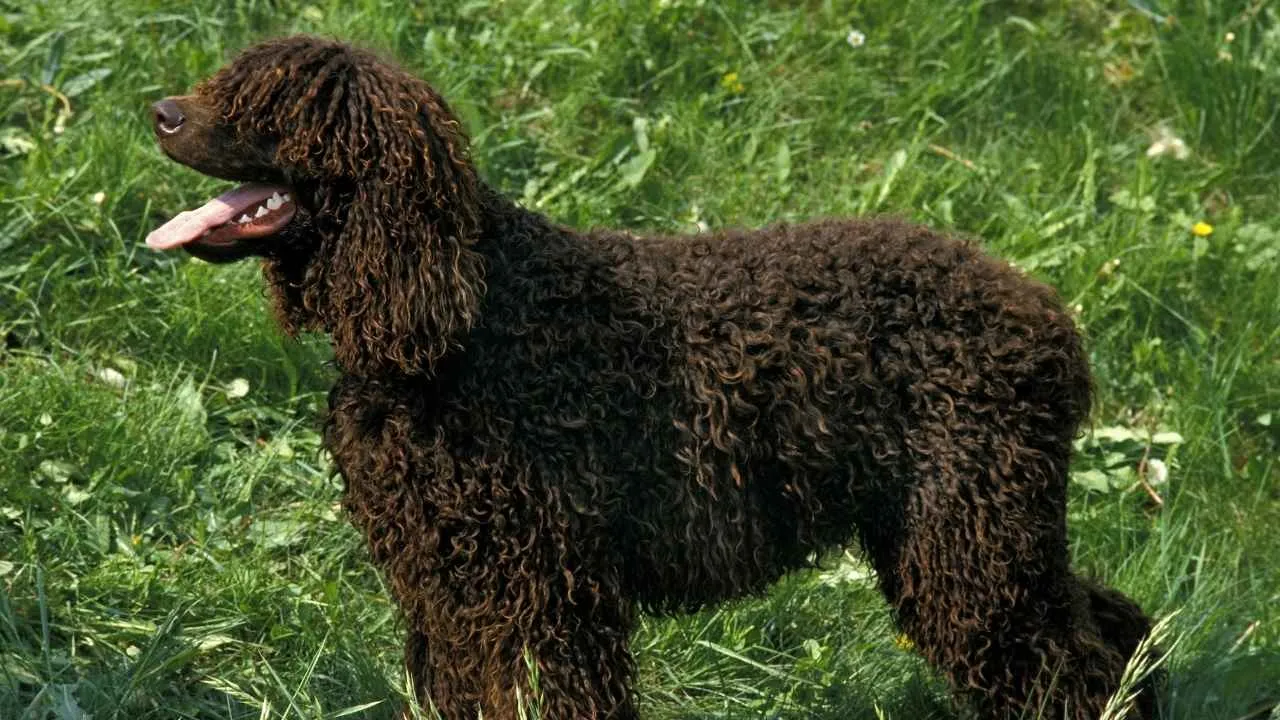
The Irish Water Spaniel arrives wearing curls, confidence, and the expression of a dog that is ready for its next waterfowl hunt. Built for retrieving game from water, this rare sporting breed brings intelligence, courage, and playful energy into every marshy assignment.
Wet conditions are where this sturdy swimmer is perhaps most useful. Its webbed toes support powerful movement, while a dense double coat protects its body during bold retrieves through cold water, reeds, and rough shoreline cover without unnecessary hesitation.
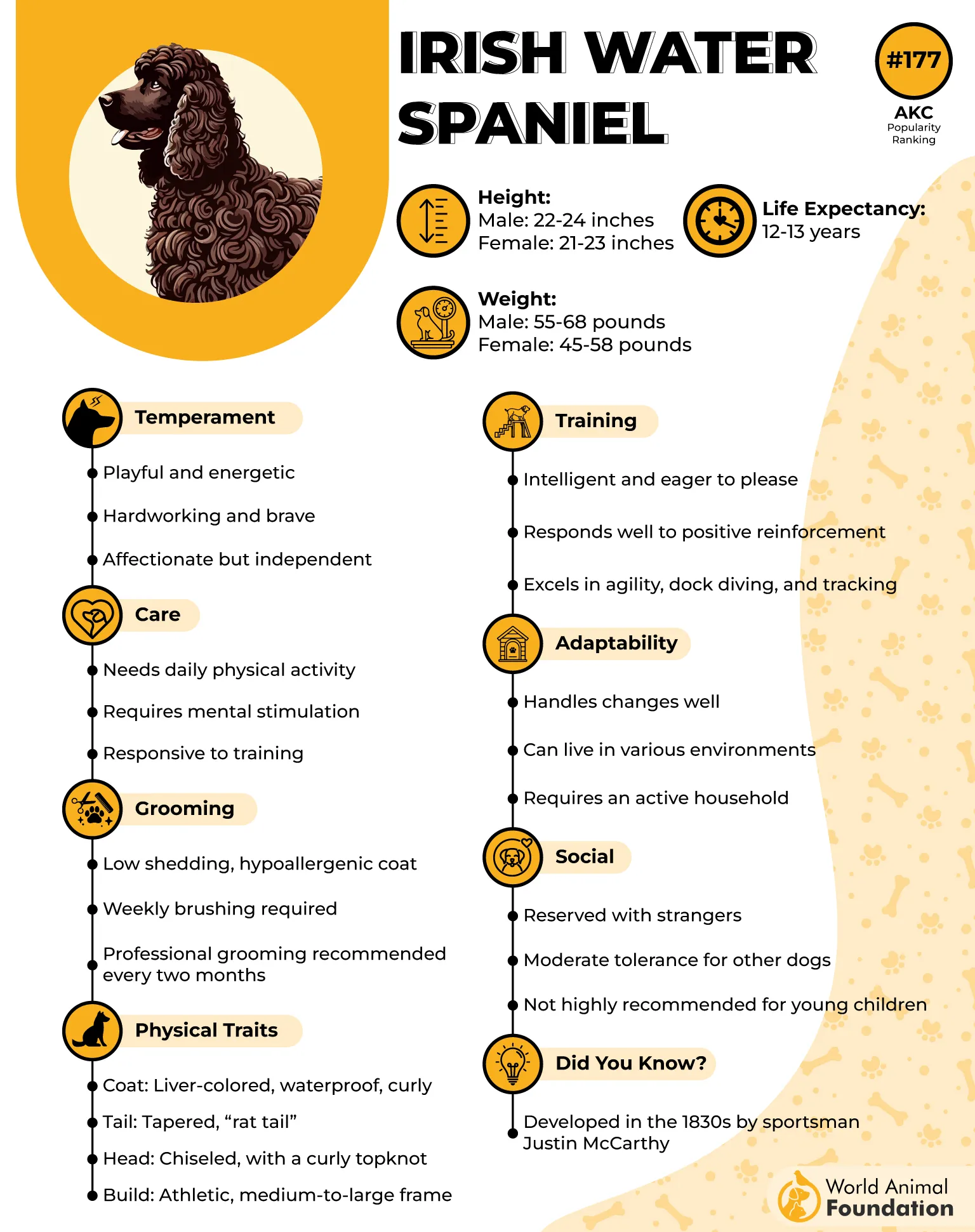
Away from the marsh, the Irish Water Spaniel keeps those clever gears turning through dog sports such as agility, dock diving, rally, scent tracking, and flyball. Fun, reward-based sessions suit this wonderful companion best because repetitive drills can quickly make its enthusiasm pack its bags.
What Makes This Breed Stand Out
Keen scenting supports persistent searches in heavy cover.
Close quartering keeps upland work within a useful range.
6. Boykin Spaniel
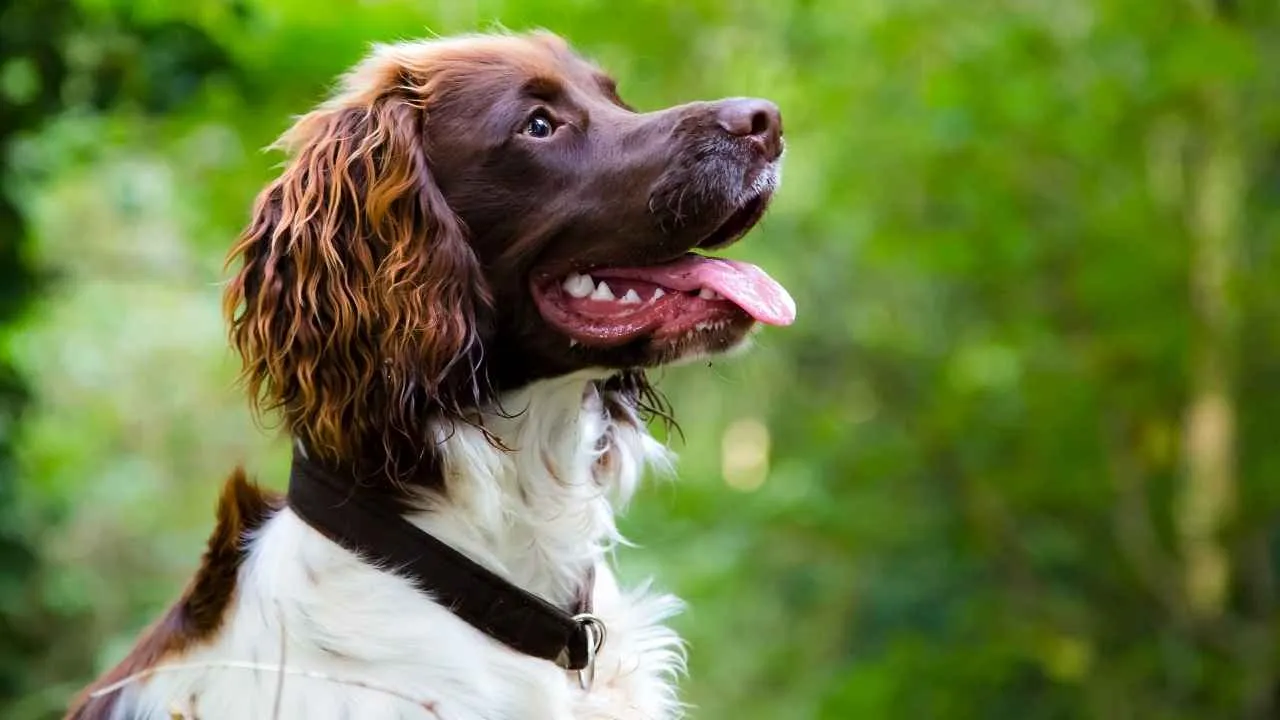
The Boykin Spaniel is proof that a compact brown dog can carry a seriously oversized hunting résumé. Developed around South Carolina wetlands, this cheerful flusher and retriever tackles ducks, turkeys, and upland birds with unmistakable enthusiasm and impressive stamina.
What makes this dog special is practical versatility without boat-filling bulk. The Boykin can sit quietly near a blind, retrieve naturally from water, quarter through upland cover, and move through small hunting boats without turning every exit into maritime chaos.
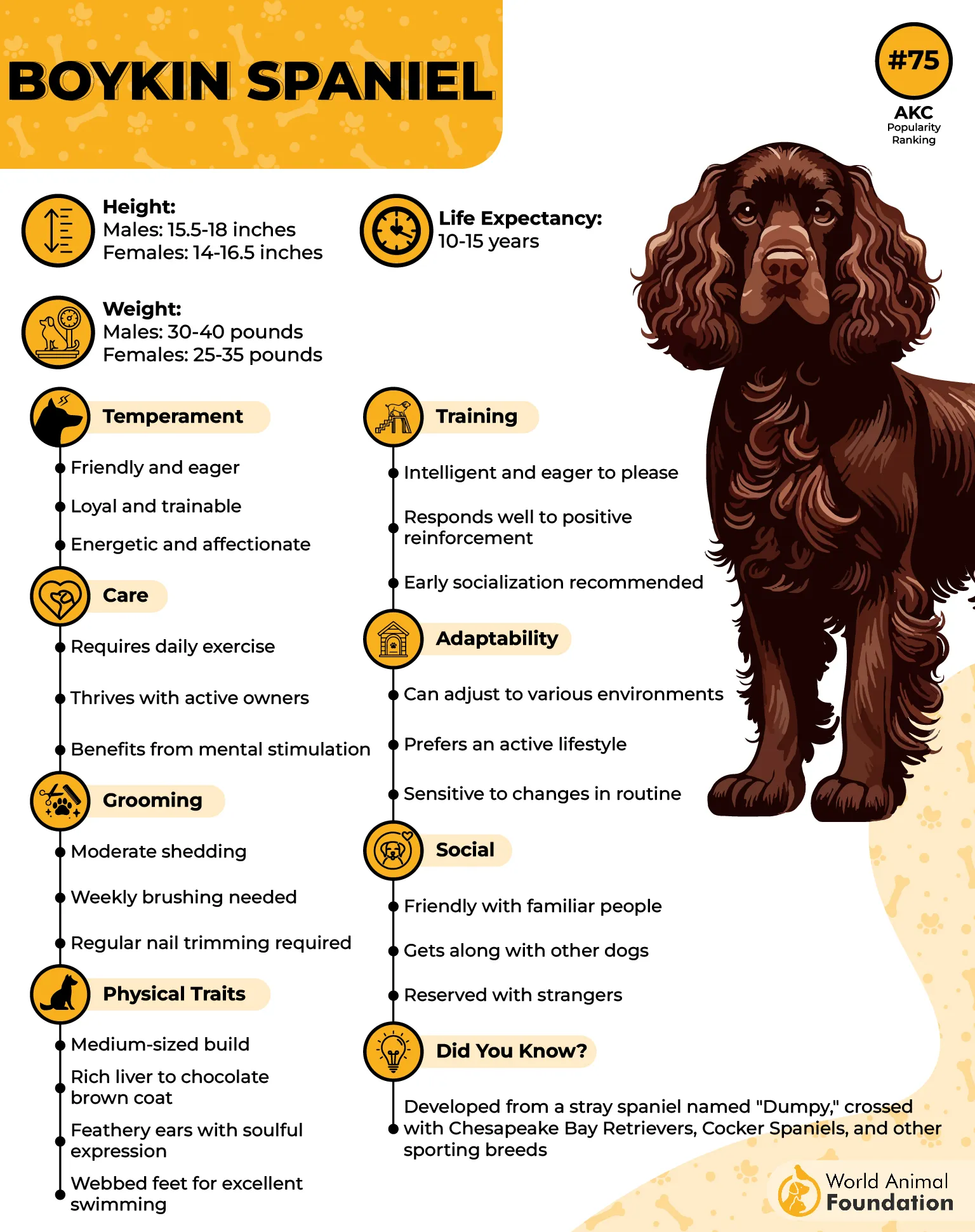
As mentioned by Orvis, the smart and alert Boykin Spaniel responds well to patient, interactive training. Once the basics are secure, this highly biddable dog can progress into advanced obedience, agility, swimming, dog sports, and focused field work.
What Makes This Breed Stand Out
Webbed toes help them move efficiently while swimming.
Warm-weather stamina supports lengthy hunting outings.
7. German Shorthaired Pointer
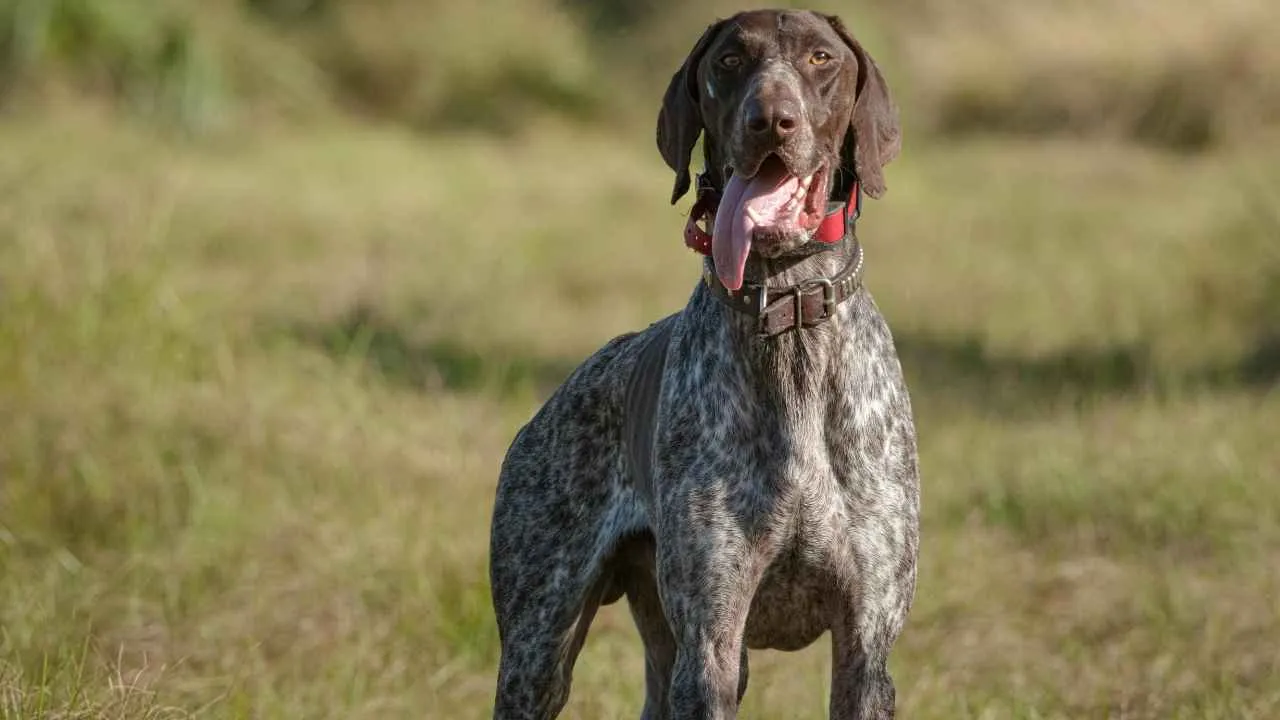
The German Shorthaired Pointer does not stroll into bird country looking underprepared. Its speed, endurance, agility, and keen nose make this versatile hunting breed an excellent choice when the hunting day refuses to follow one simple script.
Its versatility stretches from duck hunting and retrieving on land or in water to searching, pointing, tracking, and upland bird hunting. That broad working range lets the German Shorthaired Pointer move between flooded cover and open fields without requesting a job-title change.
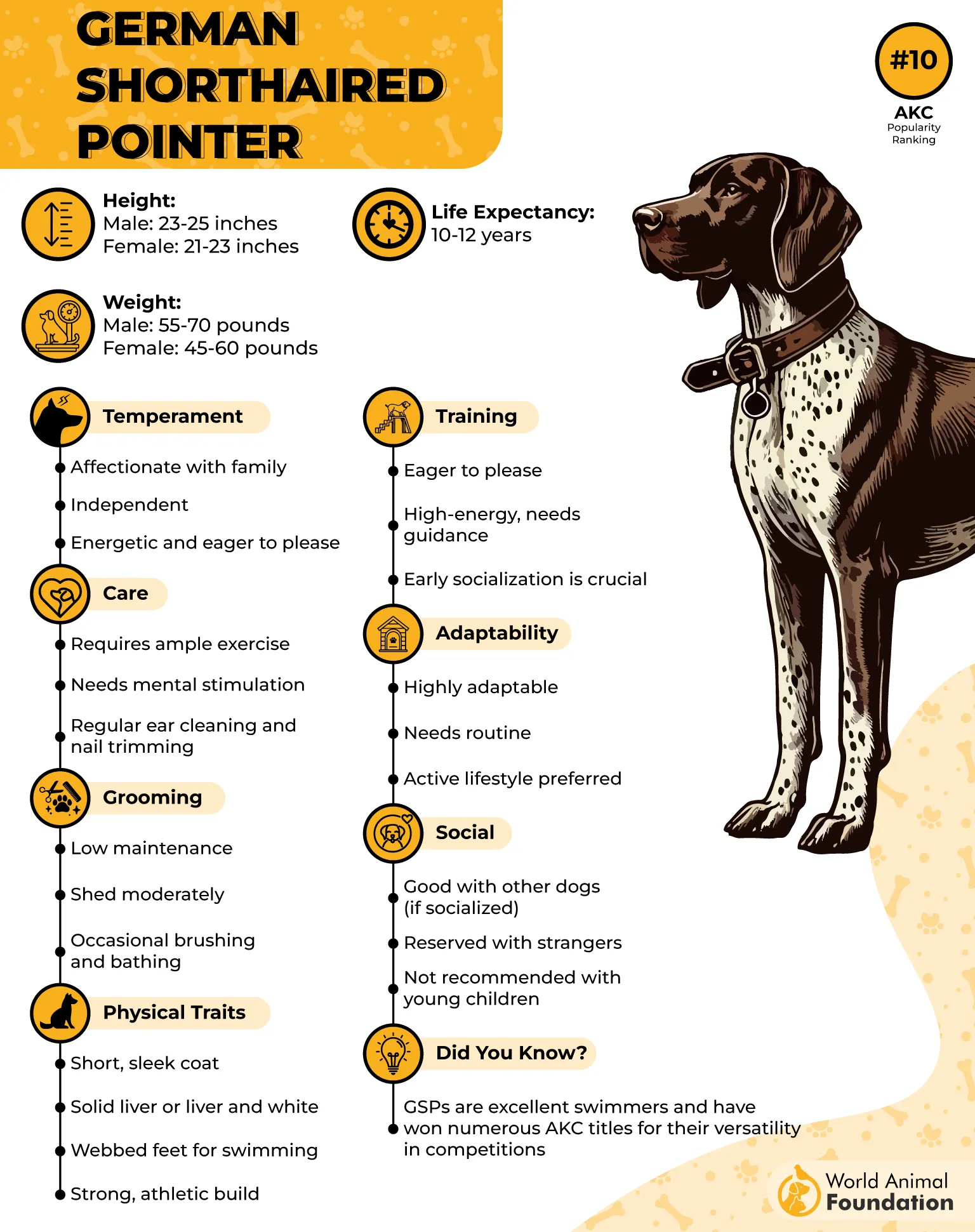
In action, the dog follows scent, freezes into a clear point, and waits for the hunter’s signal before flushing. Strong prey drive, early-blooming instincts, and natural retrieving ability create an energetic style that covers ground with purpose, not casual sightseeing.
What Makes This Breed Stand Out
Short coats dry quickly after aquatic retrieves.
Wide-ranging movement suits hunters covering open terrain.
Conclusion
Waterfowl hunting dogs bring more than wet paws and determined expressions to the field. Each breed offers its own mix of retrieving instinct, stamina, trainability, and personality, so the best match depends on your needs, hunting style, experience, everyday routine, and expectations at home as well.
Take time to consider where you hunt, how often you train, and what kind of energy suits your home. The right breed can make every marsh morning more rewarding, every retrieve more memorable, and every shared outdoor adventure feel genuinely worth the early alarm too.
