




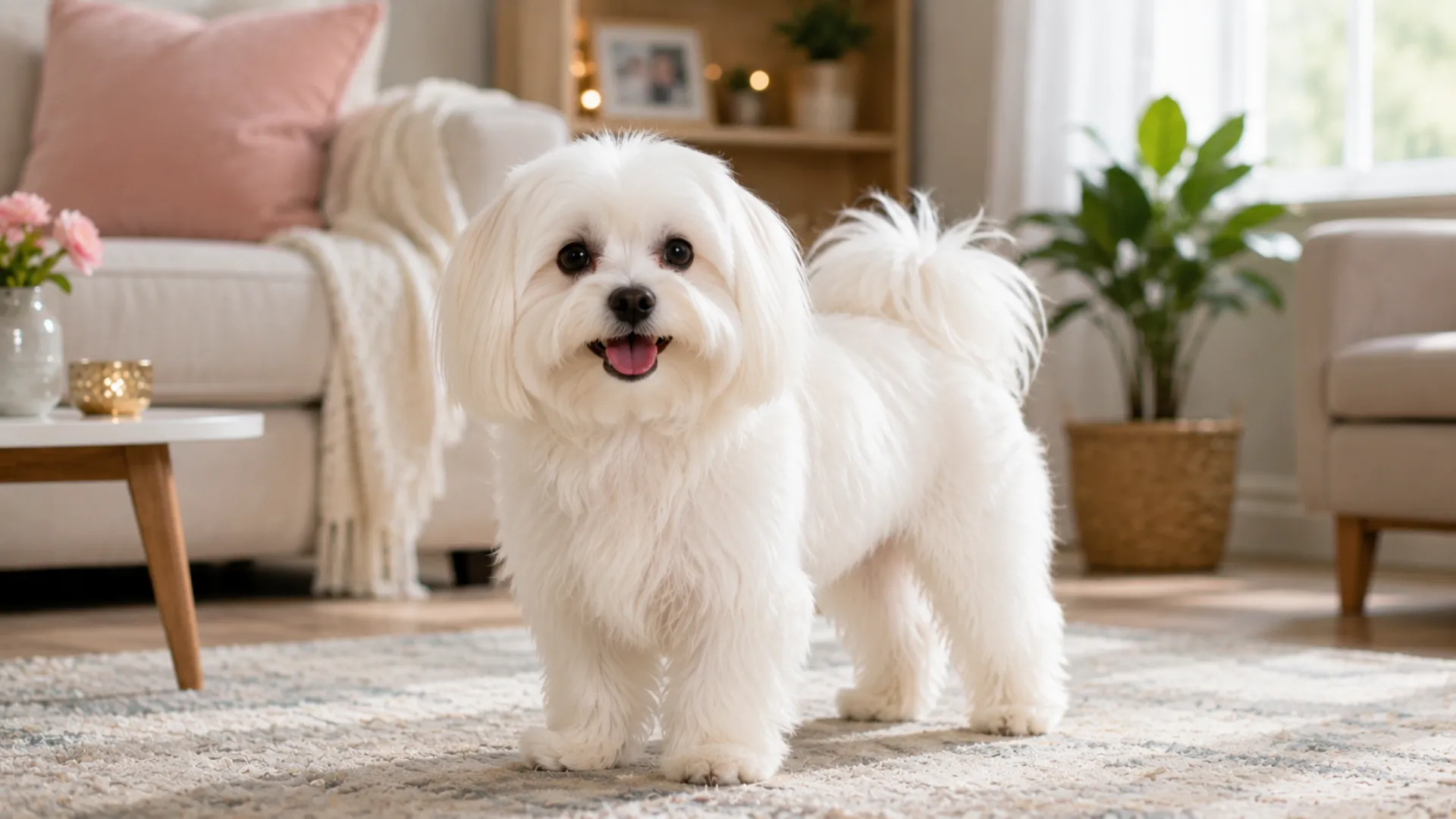
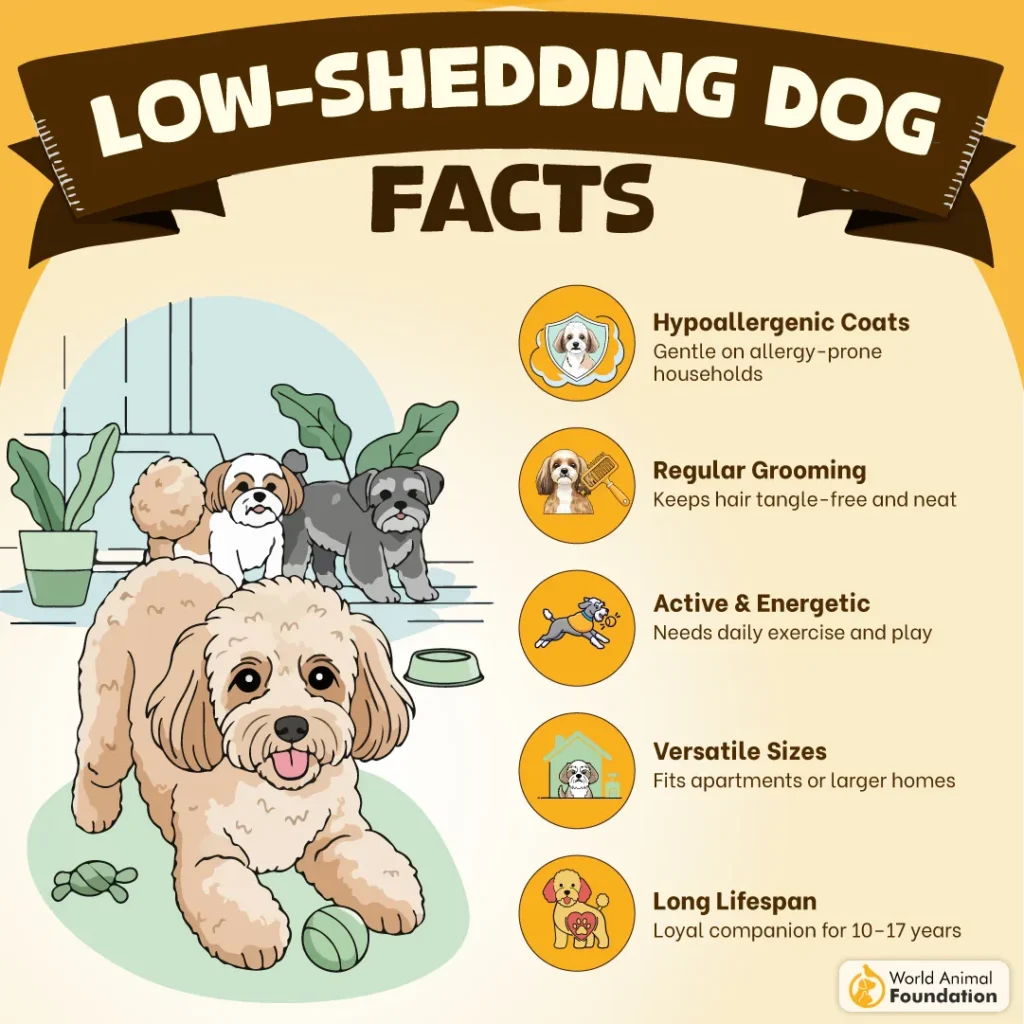
Love having a dog around but not the fur covering your sofa, clothes, and every corner of the house? You’re not alone. Low-shedding breeds are becoming a popular choice for people who want canine companionship with less time spent vacuuming.
No dog is completely shed-free, but certain breeds naturally lose far less hair than others. Their coat types and grooming needs vary, so choosing one means balancing less shedding with the care required to keep their coats healthy.
For a tidier home and fewer furry surprises, these breeds offer an appealing solution without sacrificing the joy of having a loyal companion.
FACT: Every dog sheds to some degree, even breeds known for producing very little loose hair.
Dog Breeds That Shed the Least
1. Maltese
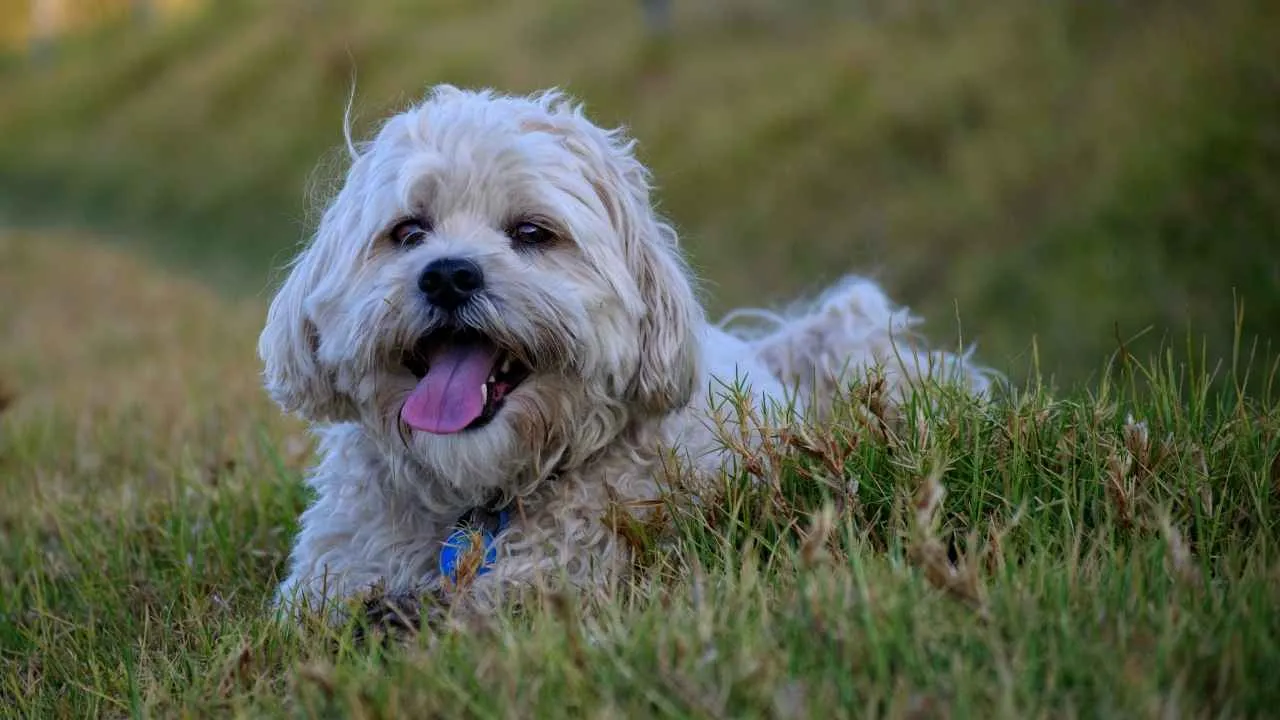
The Maltese is a silky little companion that leaves far less hair behind than many other breeds. Its long, white coat lacks an undercoat, which contributes to its minimal shedding and helps keep visible fur around the home to a minimum.
Despite producing little loose hair, this beautiful coat requires dedicated care. Owners who keep it long should brush it daily to prevent tangles and mats, while regular bathing and grooming help maintain its healthy, glossy appearance.
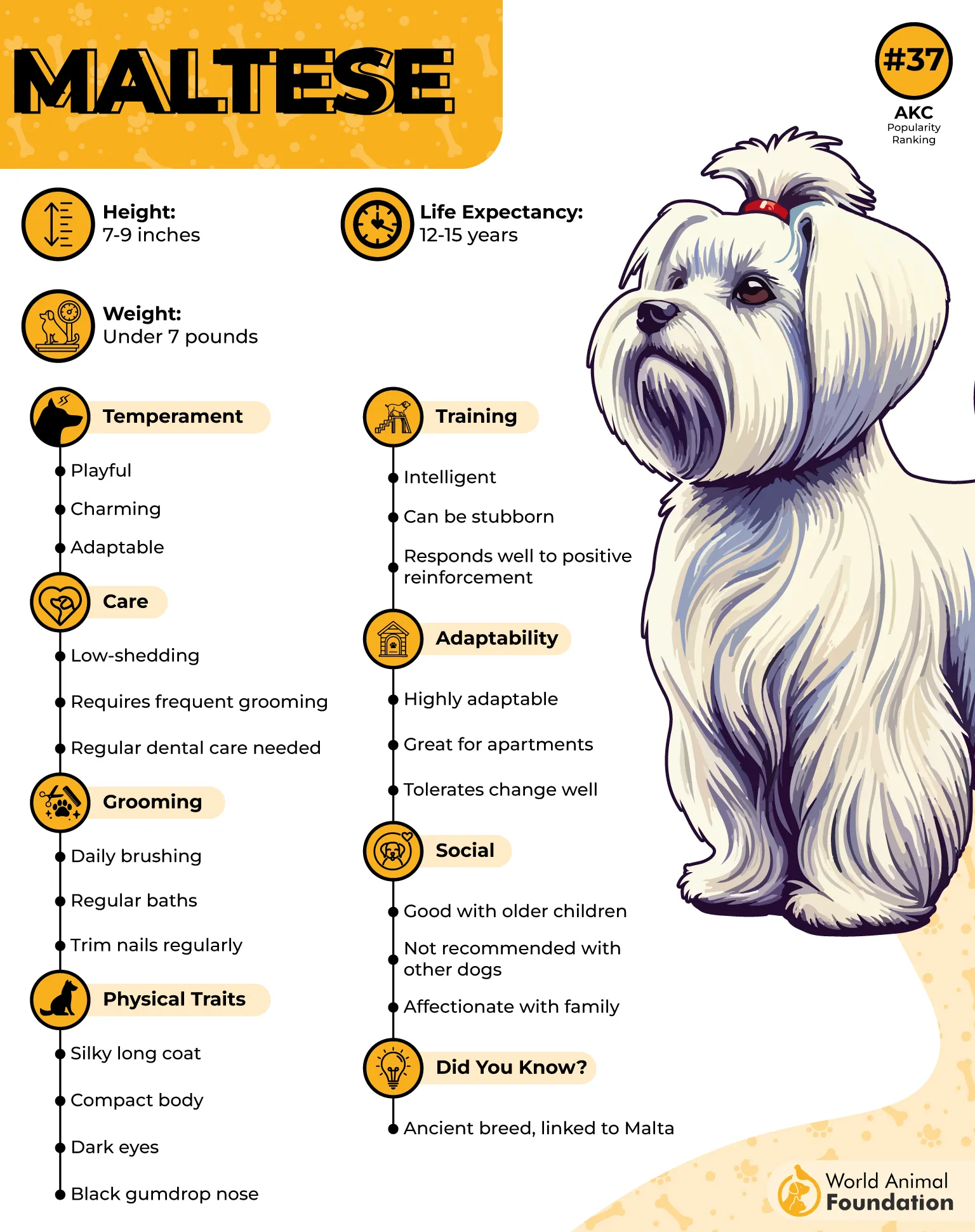
For those who prefer a simpler routine, the coat can be trimmed shorter for easier maintenance. Its compact size and adaptable nature also make the Maltese a charming fit for many households.
Beyond its elegant appearance, this toy breed brings plenty of warmth to everyday life. Gentle, affectionate, playful, and brave, the Maltese is a devoted companion with a surprisingly big personality.
2. Basenji
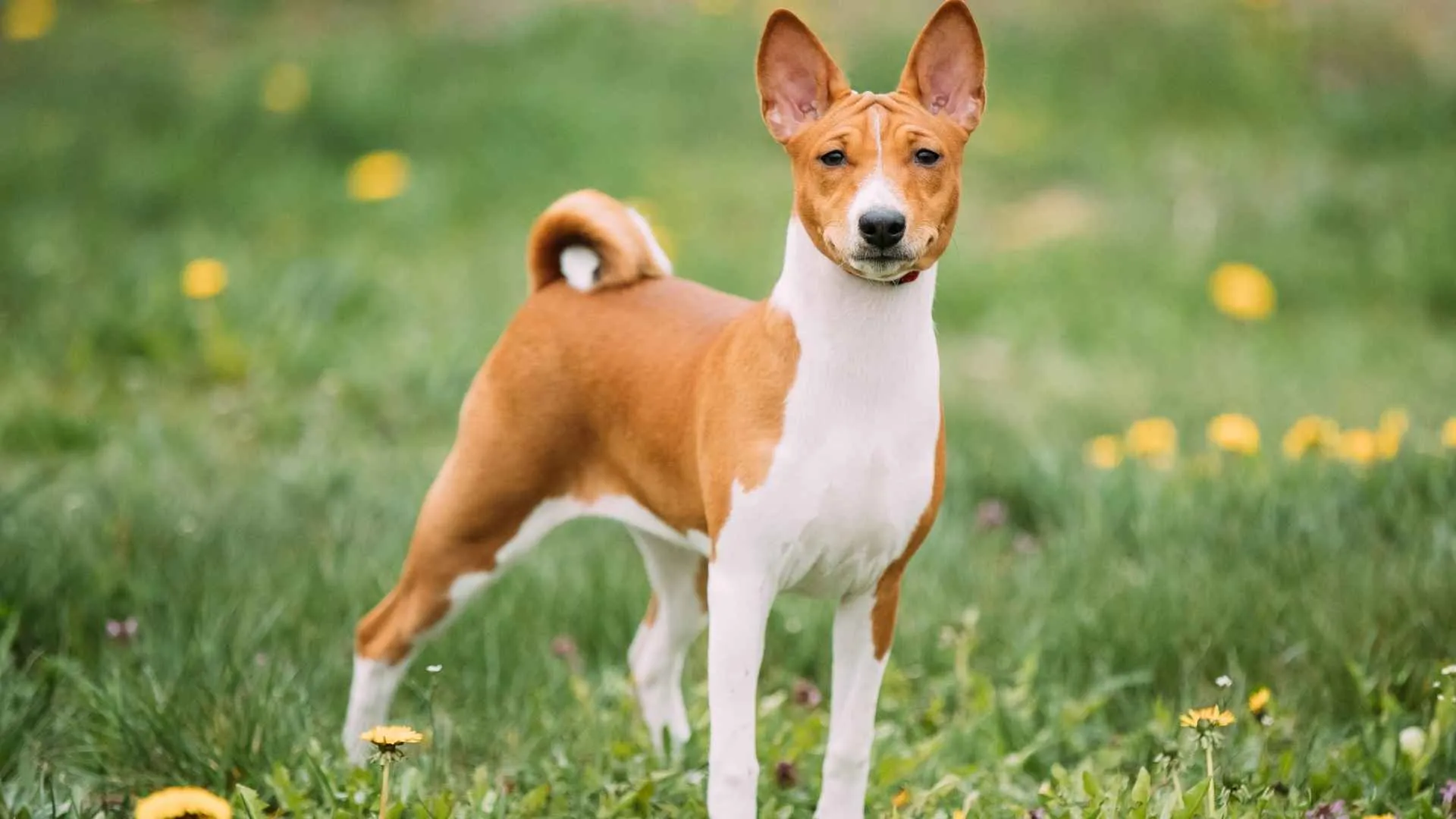
The Basenji proves that a low-shedding dog does not need a complicated grooming routine. Its short, fine coat sheds minimally and rarely develops a strong doggy odor, helping keep loose hair and coat fuss to a minimum.
This naturally neat breed is often compared to a cat because of its careful self-grooming habits. A quick weekly session with a soft bristle brush, grooming mitt, or rubber curry brush is usually enough to remove loose hair and maintain its sleek appearance. According to the AKC, Basenjis are naturally very clean and meticulous dogs.
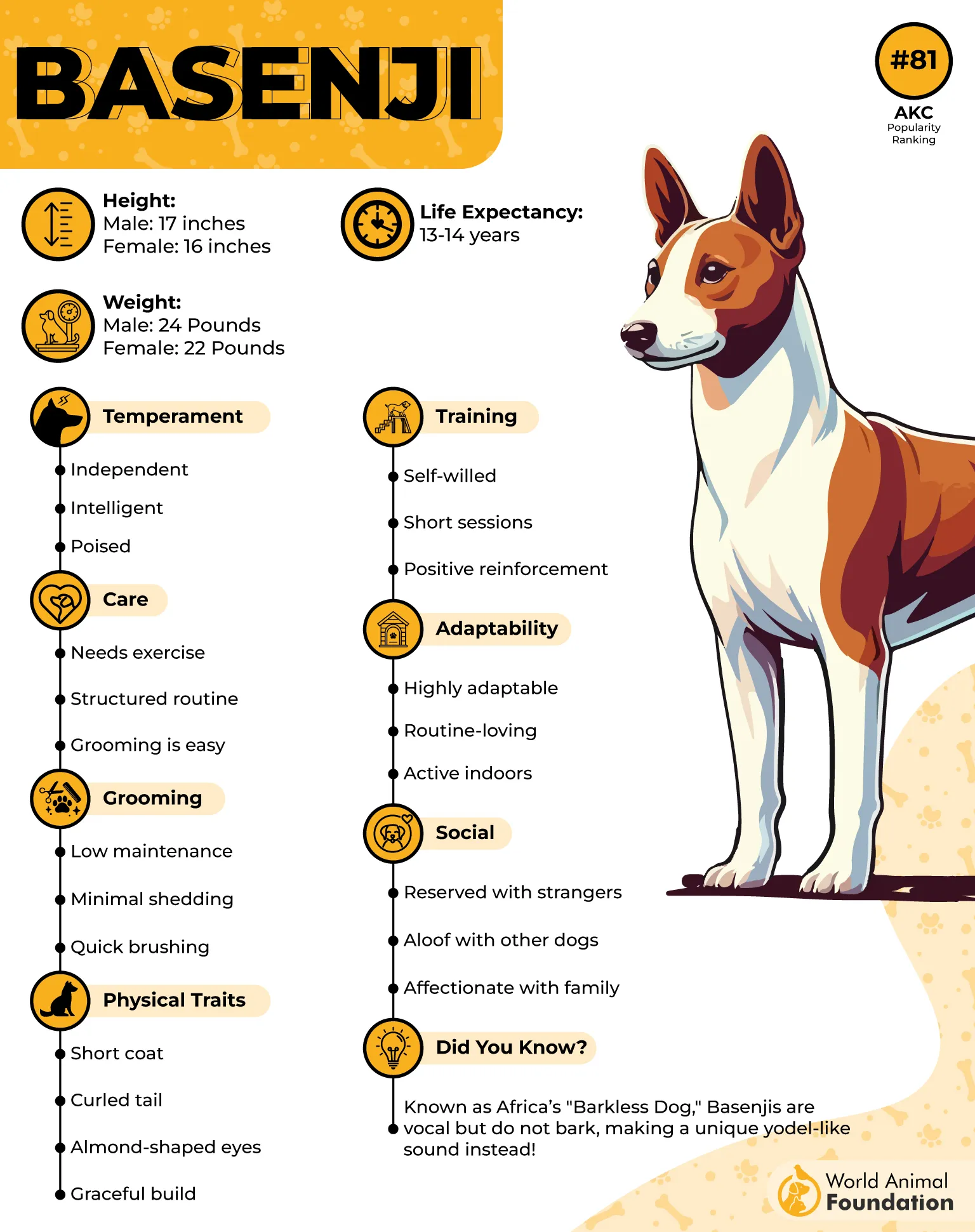
Baths are generally needed only occasionally, although brushing may be increased during seasonal shedding periods. Regular nail trimming, ear checks, and dental care should remain part of its routine.
Behind that tidy coat is an energetic and independent hunting dog. Originally developed in Central Africa, the Basenji needs plenty of exercise, secure outdoor space, early socialization, and patient, positive training to match its curious and strong-willed personality.
3. Yorkshire Terrier
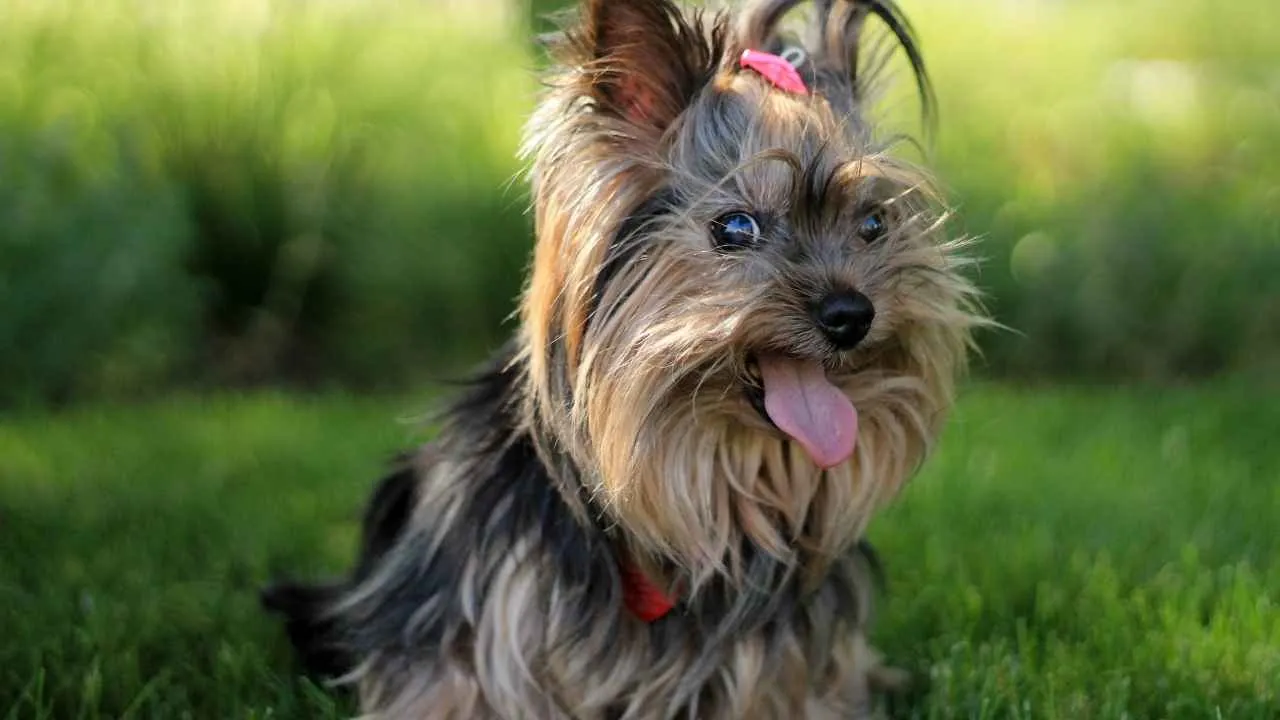
The Yorkshire Terrier may look fluffy, but its fine, silky coat sheds very little. Unlike many double-coated breeds, the Yorkie has no heavy undercoat, and its hair is remarkably similar in texture to human strands.
That low-shedding coat can be a lifestyle advantage for owners who prefer less loose fur around the home. However, less shedding does not mean less grooming, as long hair requires daily brushing to prevent tangles. According to PetMD, Yorkies can require considerable coat care and maintenance.
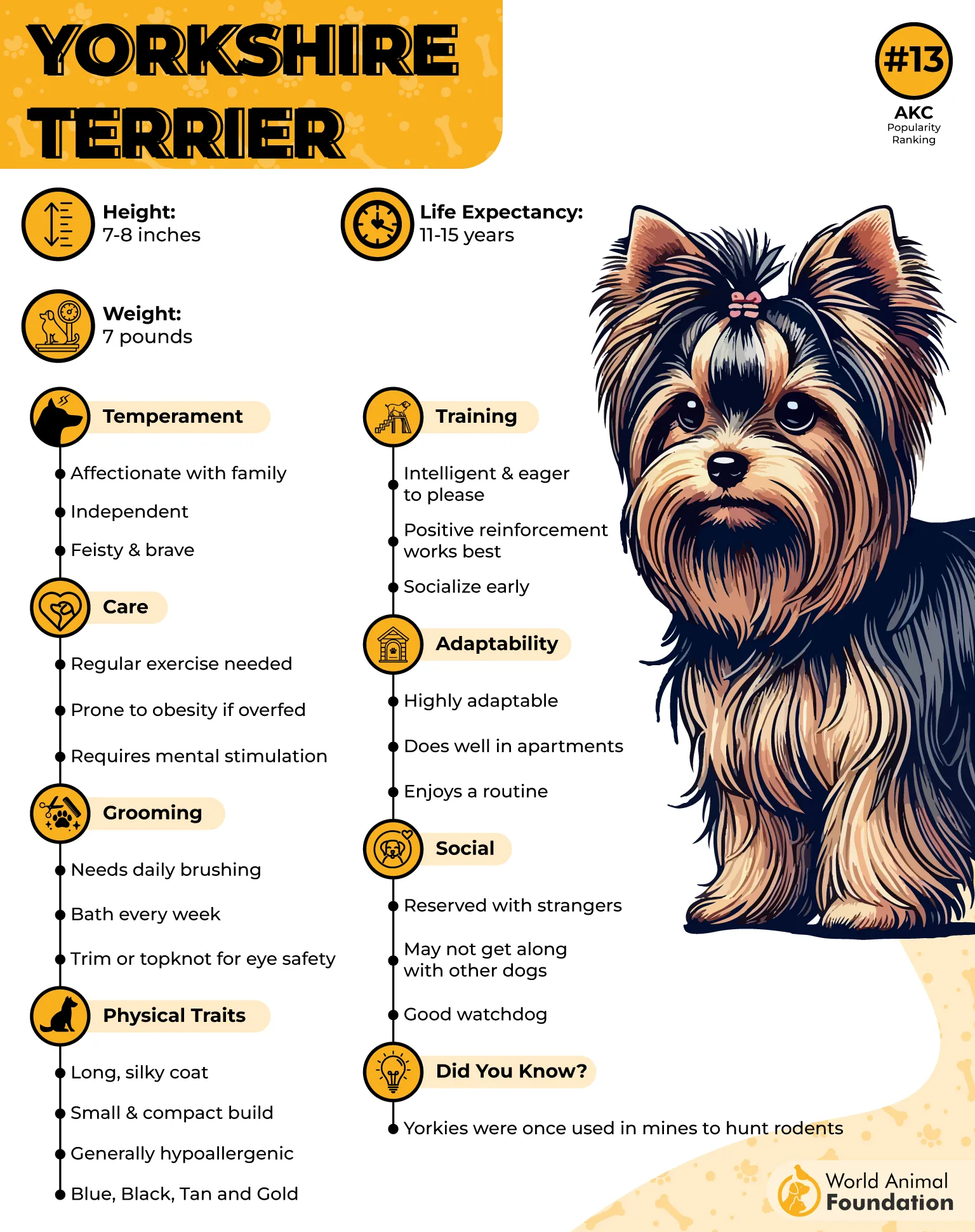
Many owners choose a shorter trim for easier maintenance. A long-coated Yorkie may also need its facial hair trimmed or secured with a topknot to keep it out of the eyes.
Beyond its elegant appearance, this tiny terrier brings plenty of personality. Intelligent, loyal, energetic, and sometimes stubborn, the Yorkie makes an entertaining companion while keeping shedding to a minimum.
4. Bichon Frise
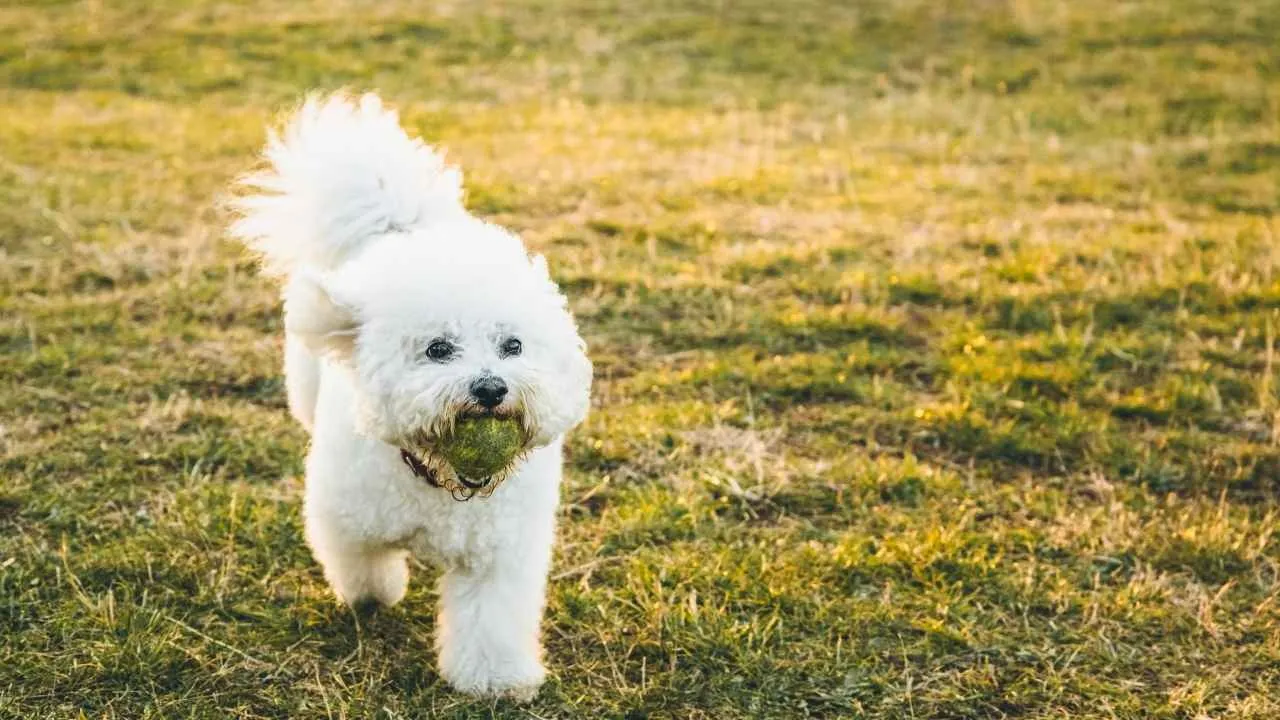
The Bichon Frise may look like a fluffy little cloud, but its curly double coat has a practical advantage: loose hair often gets trapped within the curls instead of ending up across your furniture and floors.
This makes the breed a low-visible shedder rather than a completely non-shedding dog. Its coat can hold onto loose hair, which is why Bichons are often considered by people seeking a dog that sheds minimally.
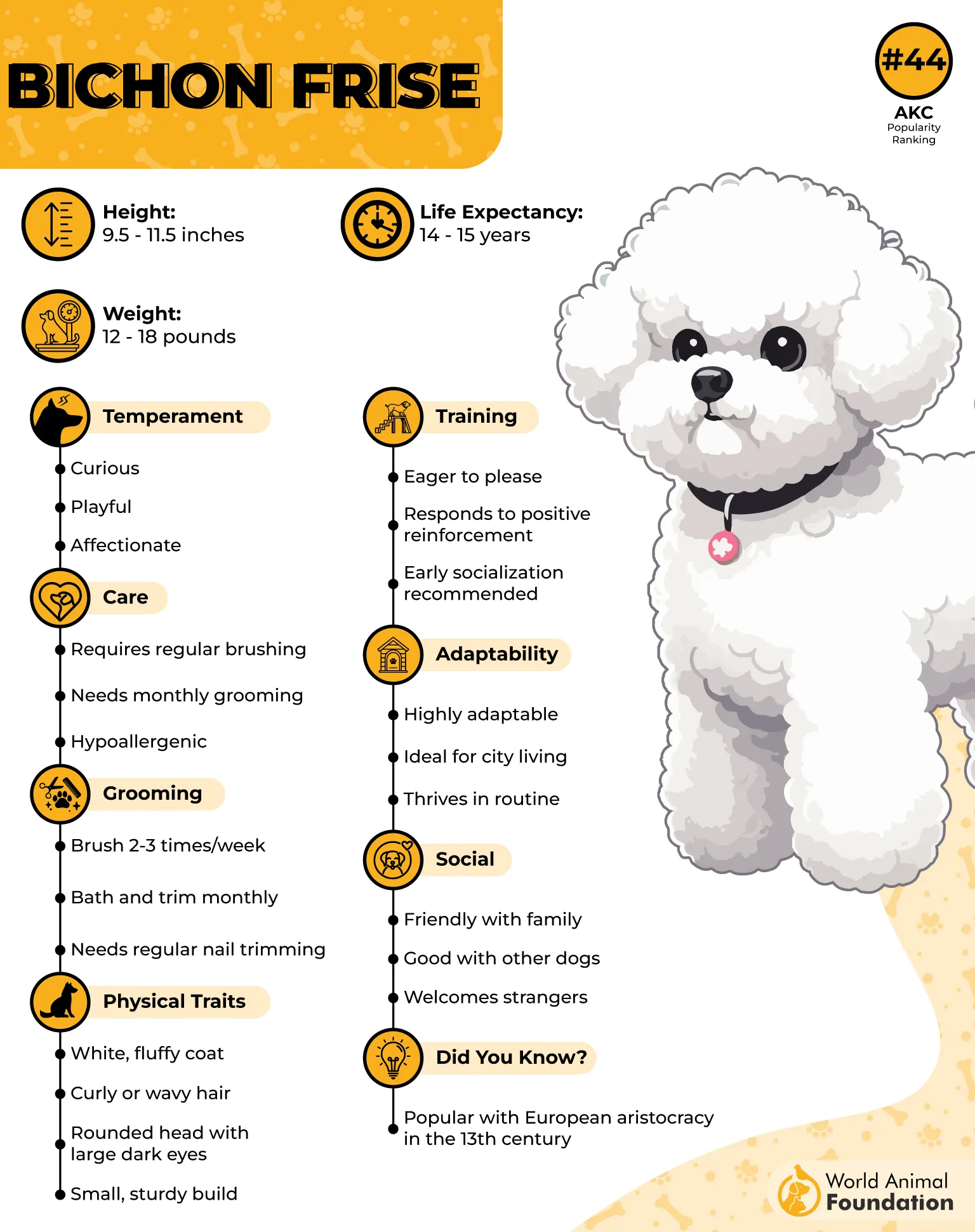
There is a grooming trade-off, though. Those trapped hairs need regular brushing and combing to prevent tangles and mats from forming, so low shedding certainly does not mean low coat maintenance. According to Hill’s Pet, they need a significant amount of time for coat care.
Beyond the coat, this cheerful and affectionate companion brings plenty of warmth to a home. Playful, smart, and highly people-oriented, the Bichon Frise loves being close to its family and may struggle with spending long periods alone.
5. Havanese
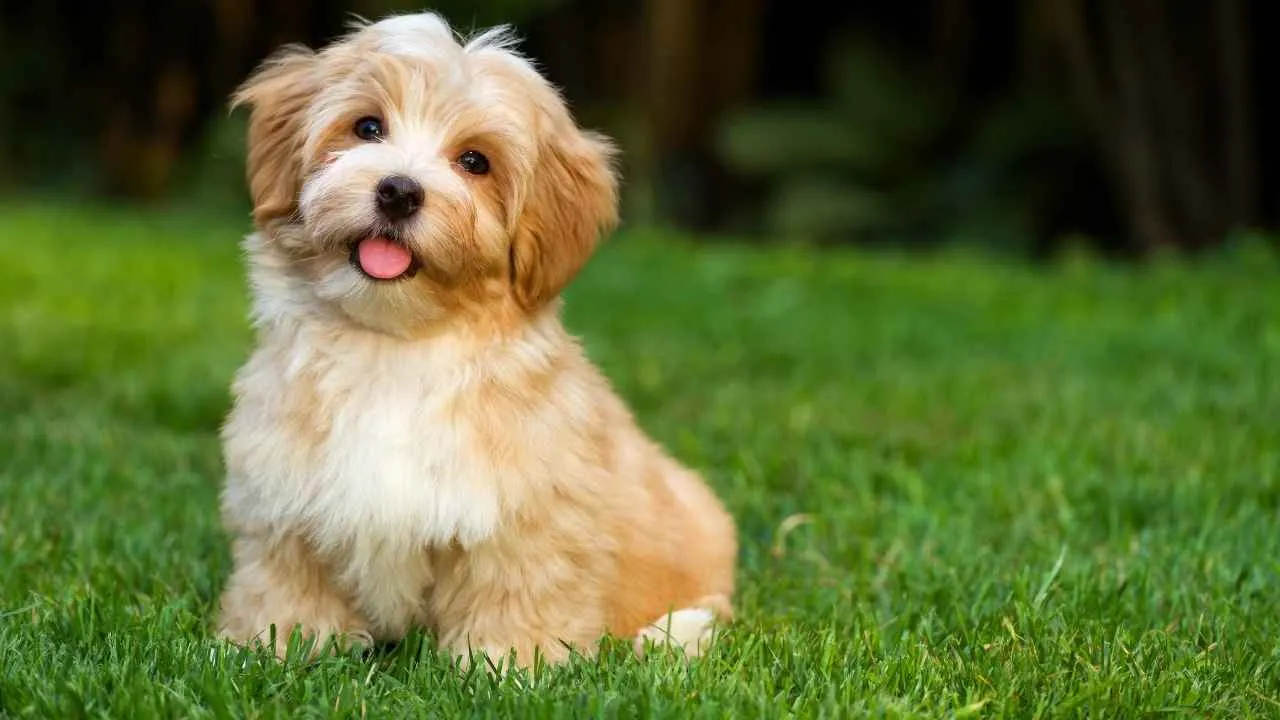
The Havanese brings plenty of cheer into the home without leaving heavy amounts of fur behind. Its light-shedding coat makes this loyal little companion an appealing choice for owners who want a cheerful dog with less noticeable shedding around the house.
Despite its silky, flowing hair, the Havanese sheds relatively little. The double coat can be kept shorter through regular grooming appointments, while a longer style requires daily brushing to prevent knots and tangles.
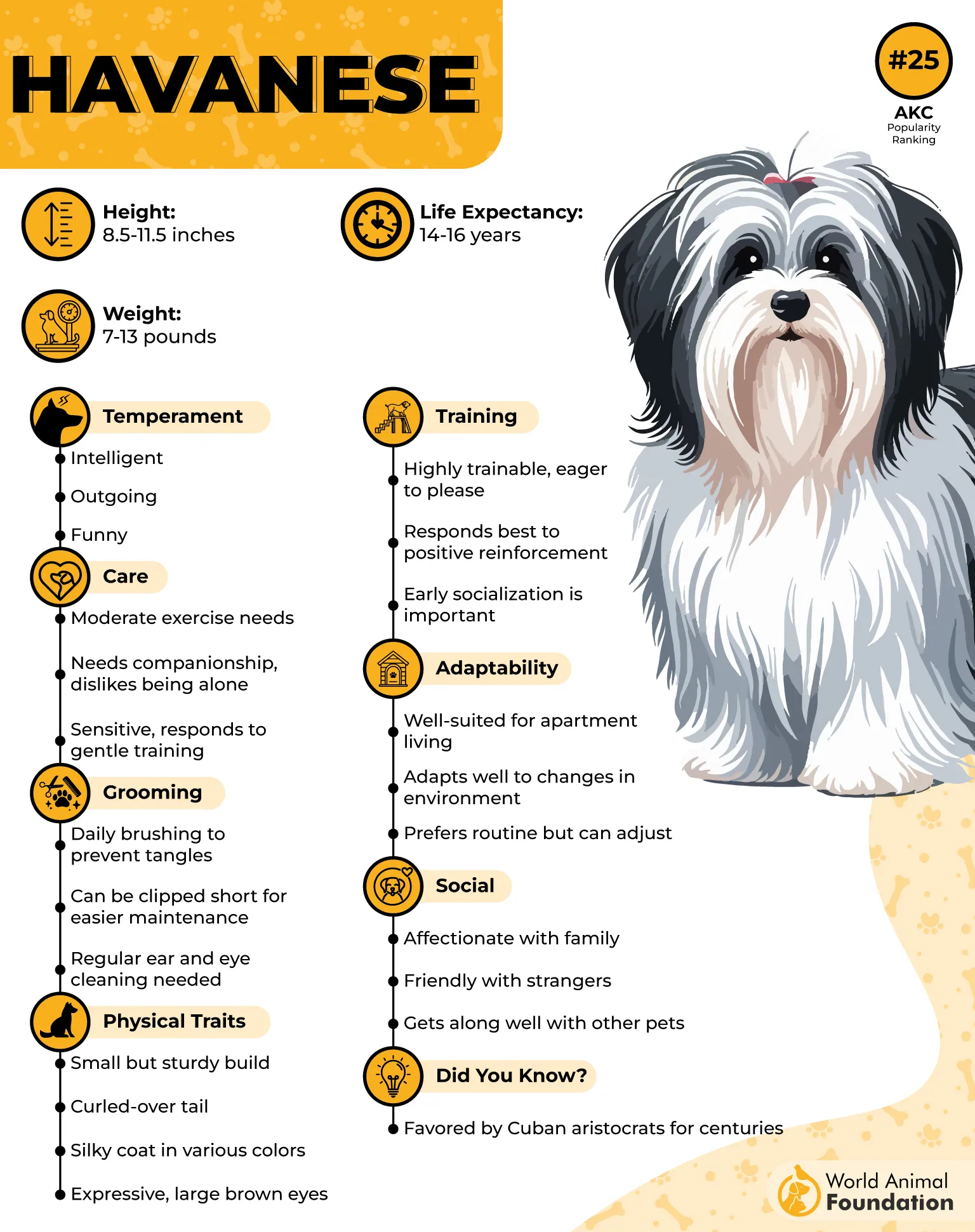
Its affectionate nature and lively personality also make it a devoted house companion. Energetic and playful, the Havanese enjoys staying close to its people while bringing warmth and fun to everyday routines.
The hair on its head can even be gathered into a topknot to keep it away from the eyes. This practical style also adds a charming touch to the breed’s naturally elegant appearance.
6. Chinese Crested
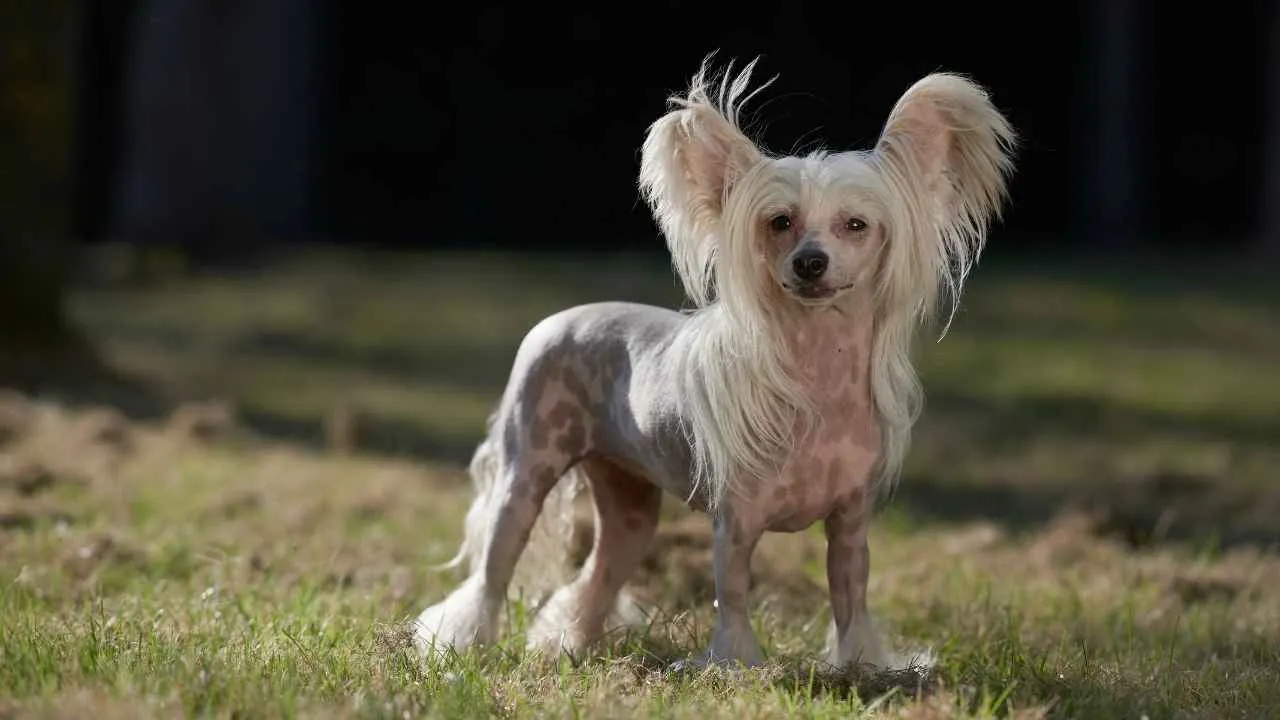
The Chinese Crested stands out for an unusual reason: less fur can mean less hair left around the house. Available in hairless and powderpuff varieties, both types are considered minimal shedders, although their care needs differ.
The hairless variety has smooth skin with small tufts of silky hair on the head, tail, and feet. With so little fur to shed, it can be especially appealing to owners who dislike finding hair on furniture and clothing.
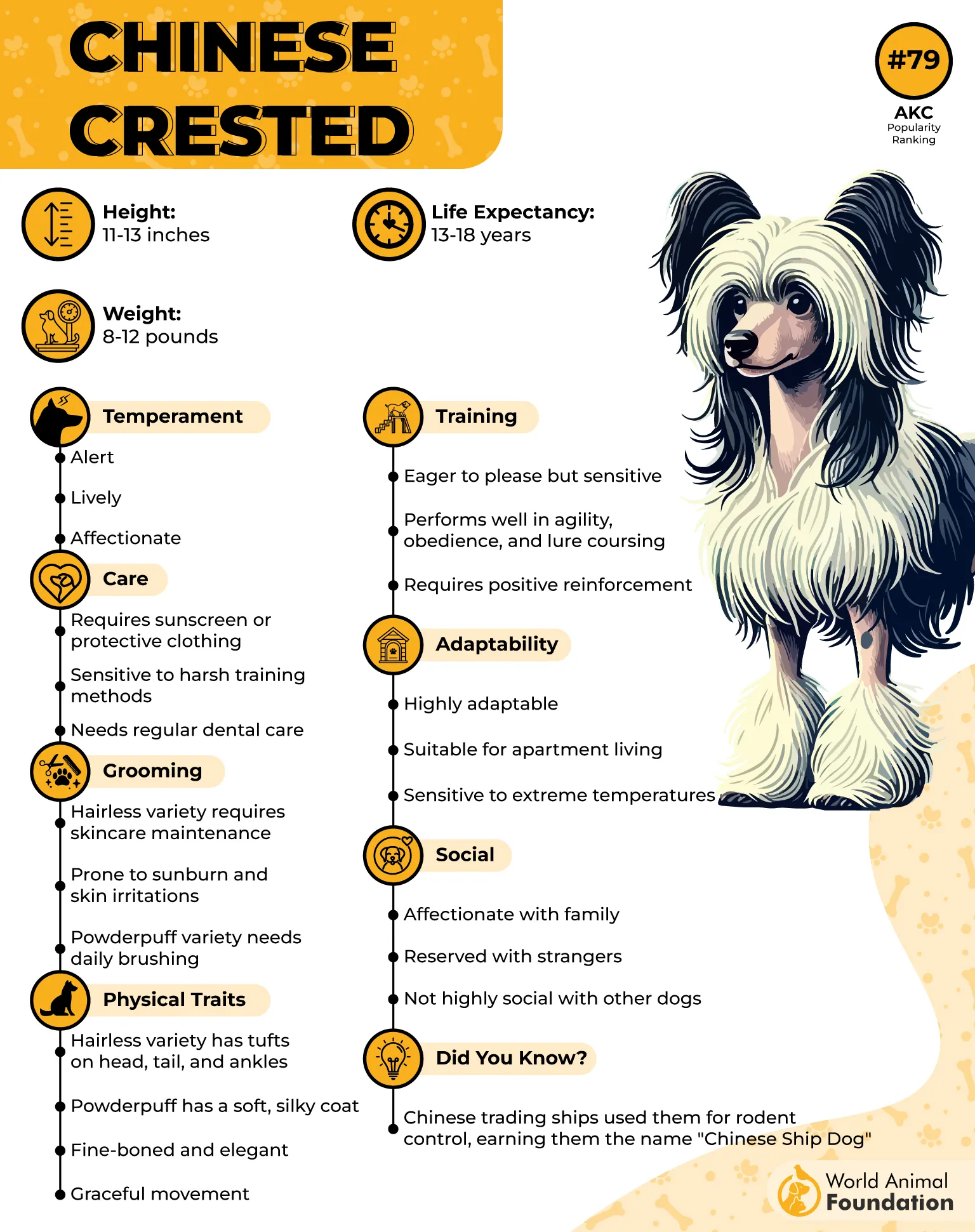
That bare skin, however, requires extra attention. Protection from sunburn and irritants is important, while warm clothing can help during colder weather.
Powderpuff Chinese Cresteds have a fine, soft coat that sheds minimally but needs more regular grooming than the hairless type. Despite their distinctive appearance, these affectionate little dogs can become devoted, long-term companions.
7. Shih Tzu
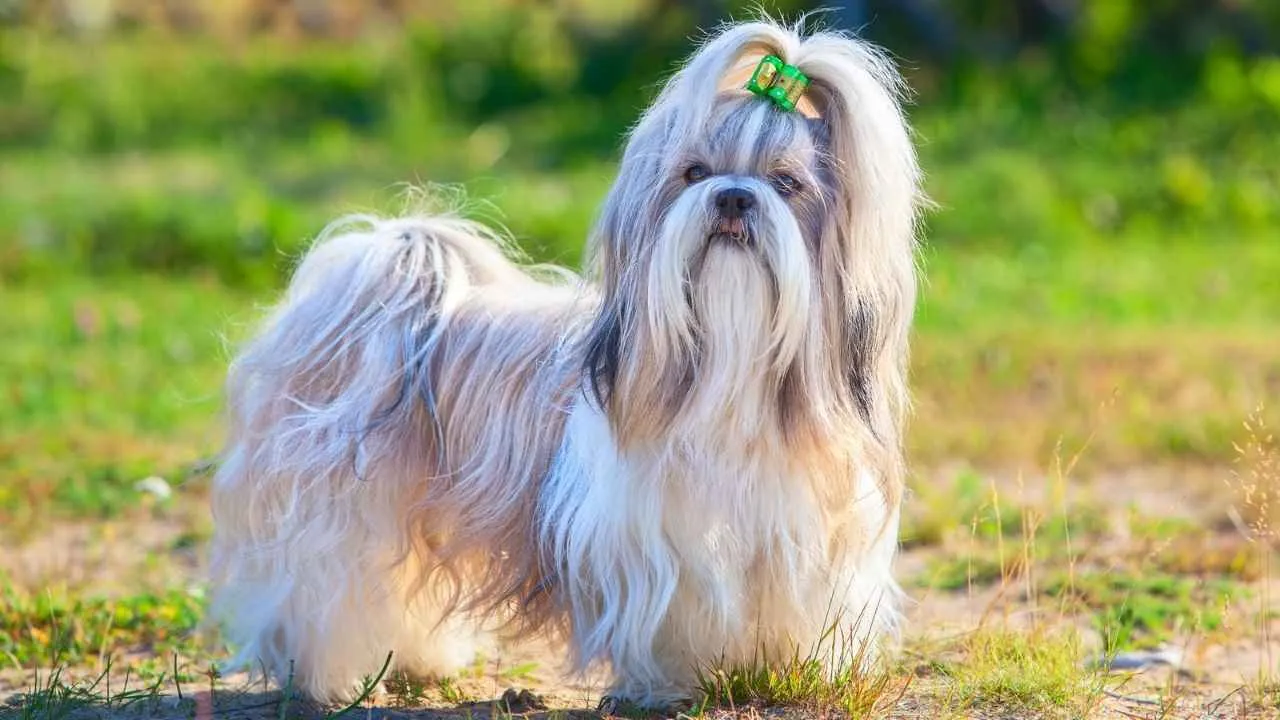
The Shih Tzu proves that a long, luxurious coat does not always mean piles of fur around the home. This affectionate lap dog is a surprisingly light shedder, making it an appealing choice for owners who love a glamorous-looking companion.
Its coat does need regular attention, however. Keeping the hair long requires daily brushing to prevent tangles, while a shorter puppy cut can make maintenance more manageable with brushing about every other day.
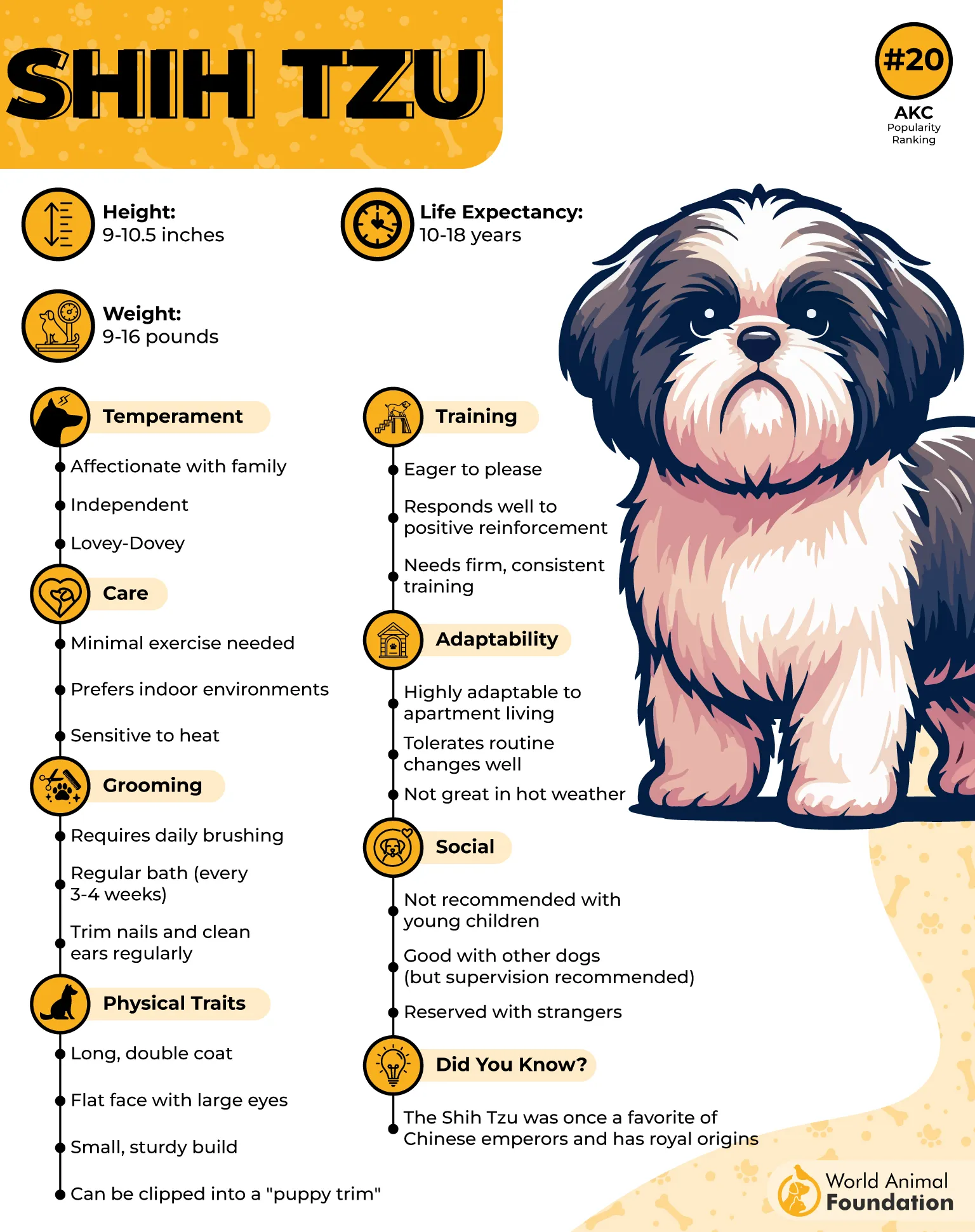
Behind all that flowing hair is a deeply loving and loyal companion. Often called the “Lion Dog,” the Shih Tzu may have a regal appearance, but its greatest talent is staying close to its favorite people and showering them with affection.
For those who enjoy a personality-filled small dog without heavy shedding, grooming style can be adjusted to suit both the owner’s routine and the Shih Tzu’s beautiful coat.
Conclusion
Choosing a dog that sheds very little can make life easier for owners who prefer a cleaner home and less fur on furniture and clothing. However, low shedding does not always mean a completely maintenance-free coat.
Many of these breeds still need regular brushing, trimming, or professional grooming to keep their coats healthy and comfortable. Their exercise, training, temperament, and companionship needs should also play an important role in your decision.
From lively and intelligent companions to affectionate and adaptable family dogs, low-shedding breeds offer a wonderful variety of personalities. Every breed brings its own care requirements and characteristics.
The best choice depends on finding a dog whose grooming needs and personality suit your lifestyle. With proper care and attention, a low-shedding companion can bring plenty of love without leaving excessive fur behind.
