




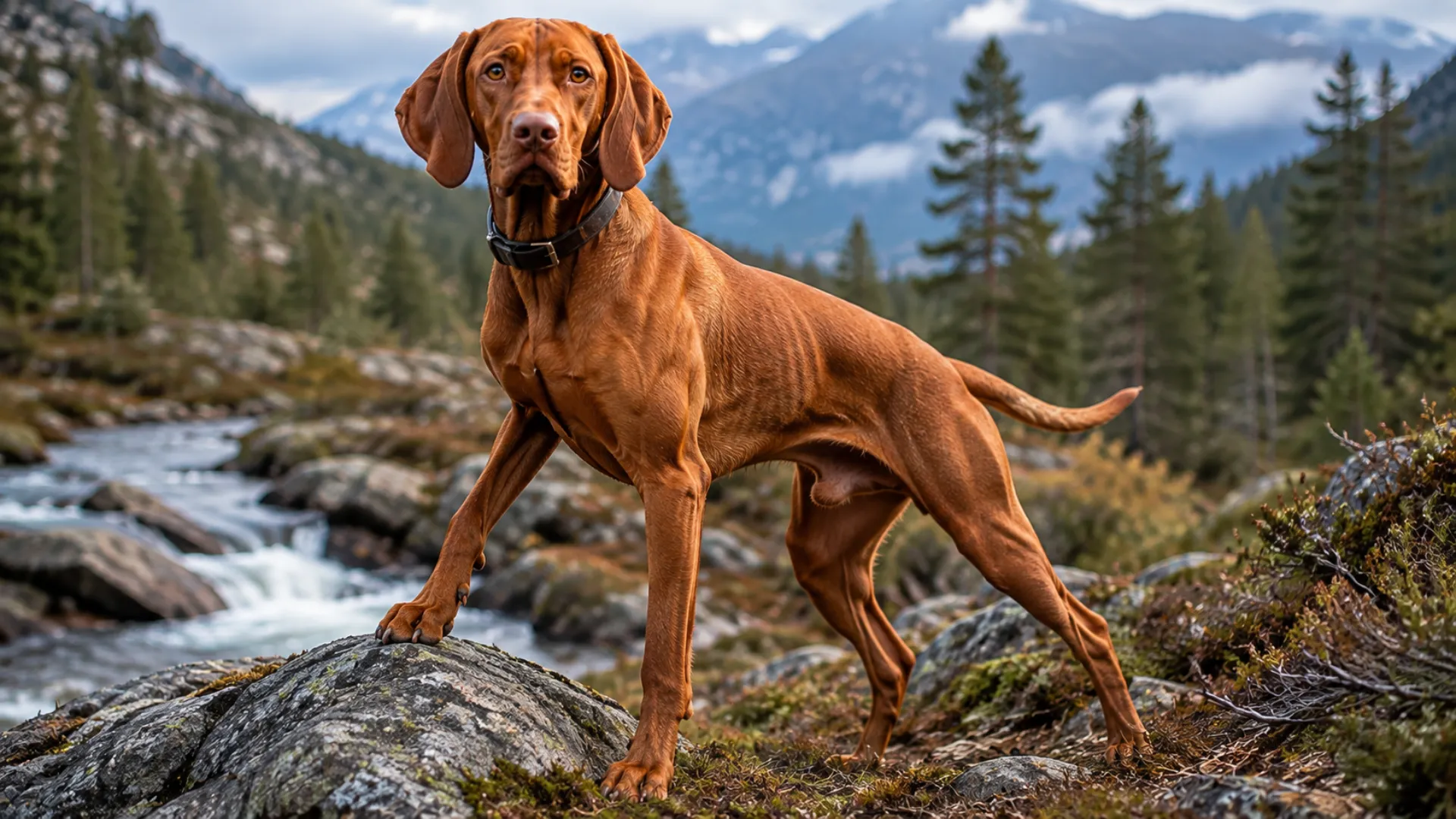
A couch companion is not automatically an adventure companion. If your idea of a good weekend includes rugged trails, long-distance walks, camping, running, or hours outside, choosing a dog for looks alone can create problems.
Active breeds bring useful physical traits and working instincts that can make demanding outings more manageable. Their endurance, athletic build, coordination, and eagerness to participate often suit people who rarely spend their free time indoors. That said, high energy comes with responsibility.
A dog bred for serious activity still needs gradual conditioning, training, rest, proper nutrition, and protection from heat or extreme weather. Even strong dogs have limits, and pushing an unprepared dog too far can lead to injury. The smartest choice starts with an honest look at your routine and the adventures you enjoy.
This article highlights the top dog breeds for wild, active lifestyles and the outdoor qualities that make them compelling choices.
Key Takeaways
What makes a dog truly ready for a wild weekend? Some breeds were built for long trails, rough ground, cold weather, and hours spent outdoors.
The Vizsla can spend up to two hours a day exercising, while the Weimaraner has the speed and stamina to keep serious runners busy.
Then there’s the Rhodesian Ridgeback, once bred to track lions, and the Portuguese Water Dog, whose webbed feet helped it work alongside fishermen.
From the Belgian Malinois to the Alaskan Malamute, the rest of this list has some equally fascinating working abilities worth discovering.
Top Dog Breeds for a Wild and Active Lifestyle
1. Vizsla
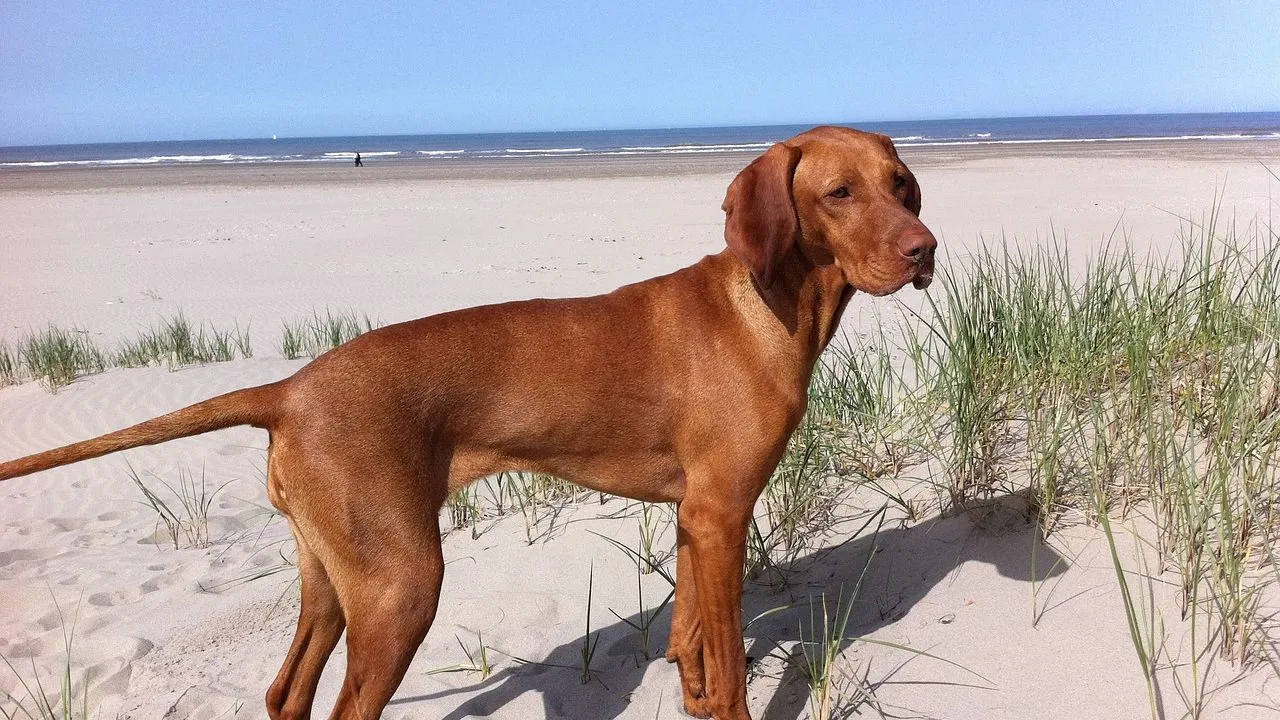
Vizsla traces its lineage to the Magyar people, who traveled across Asia and Europe before settling in what is now Hungary. Their fast horses were paired with equally quick reddish-brown dogs, and these early companions eventually became favored hunting dogs among Hungarian nobles.
Built for the Field
This versatile gundog is expected to point and retrieve on both land and water, making varied terrain part of its working world. Its long legs, compact feet, and lean, muscular frame help it gallop quickly while remaining agile across uneven ground.
The following field-specific details add another layer:
Short coat sheds water and burrs easily
Deep chest supports sustained galloping
Strong nose assists pointing and retrieving
Serious Energy
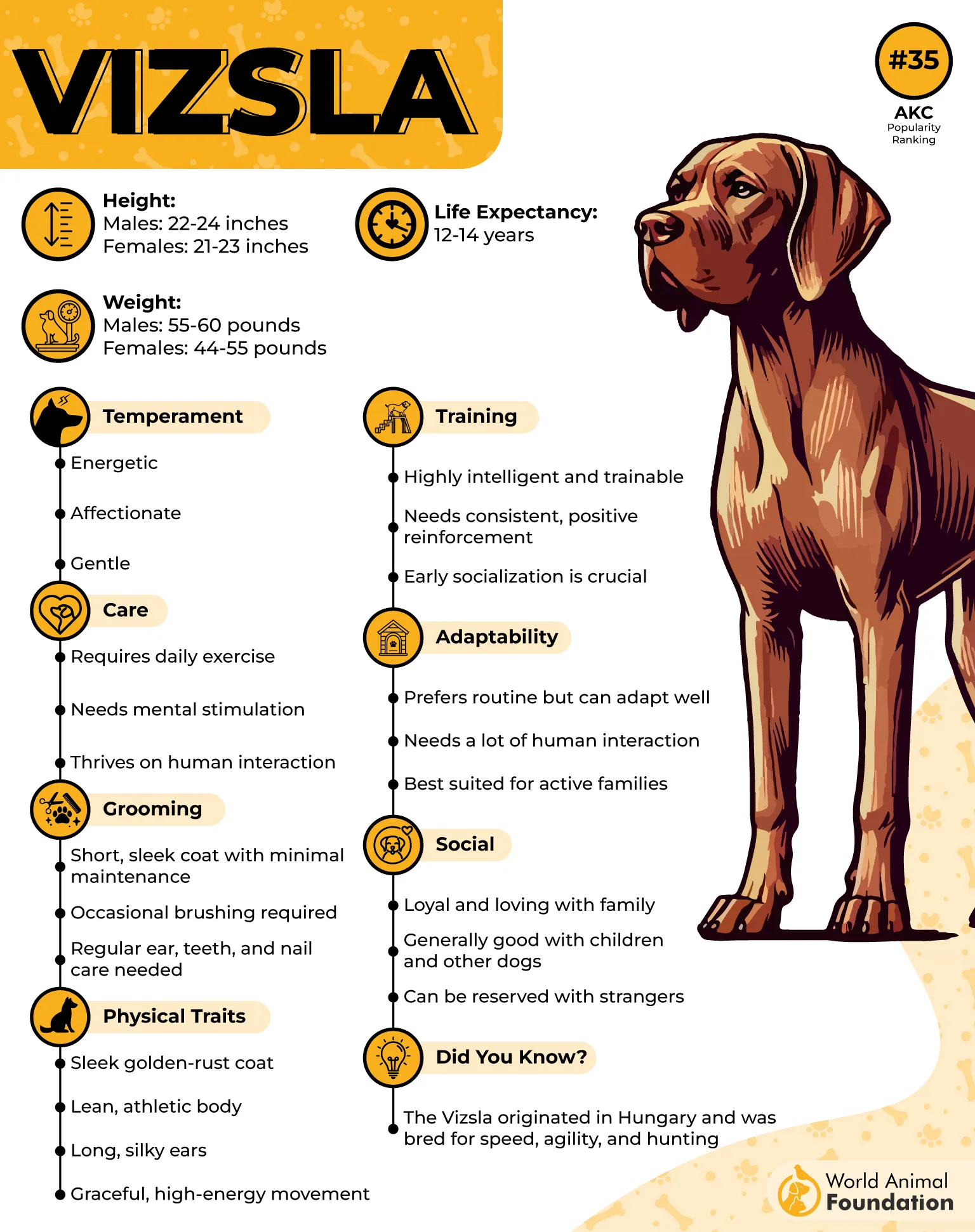
Vizsla needs roughly 1.5 to 2 hours of daily exercise, with hiking, fetch, hunting work, and agility providing useful outlets. Without enough activity or mental engagement, its unused energy can turn toward destructive habits such as chewing furniture.
2. Weimaraner
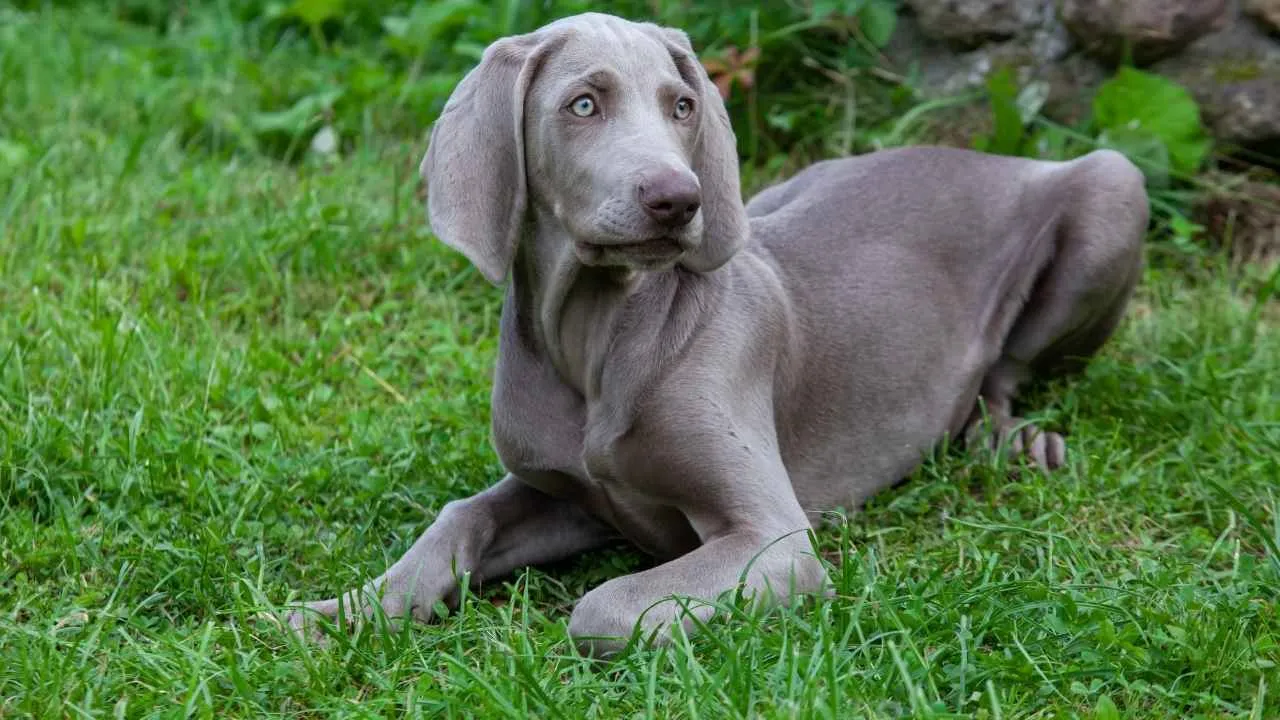
Weimaraner was originally bred as a German sportsman’s hunting companion, valued for pursuing deer, bears, and wolves across demanding hunting grounds. The breed later became known as the “gray ghost,” a fitting nickname for its sleek silver-gray coat and striking appearance.
Born to Run
This active dog breed has a deep chest, a tucked waist, and long legs that provide the physical structure needed for speed, stamina, and endurance. For an active household, a solid hour or more of vigorous exercise each day can help channel that powerful energy.
These activities suit its athletic nature particularly well:
Sprinting in a fenced yard
Dock diving and lure coursing
Hiking and running
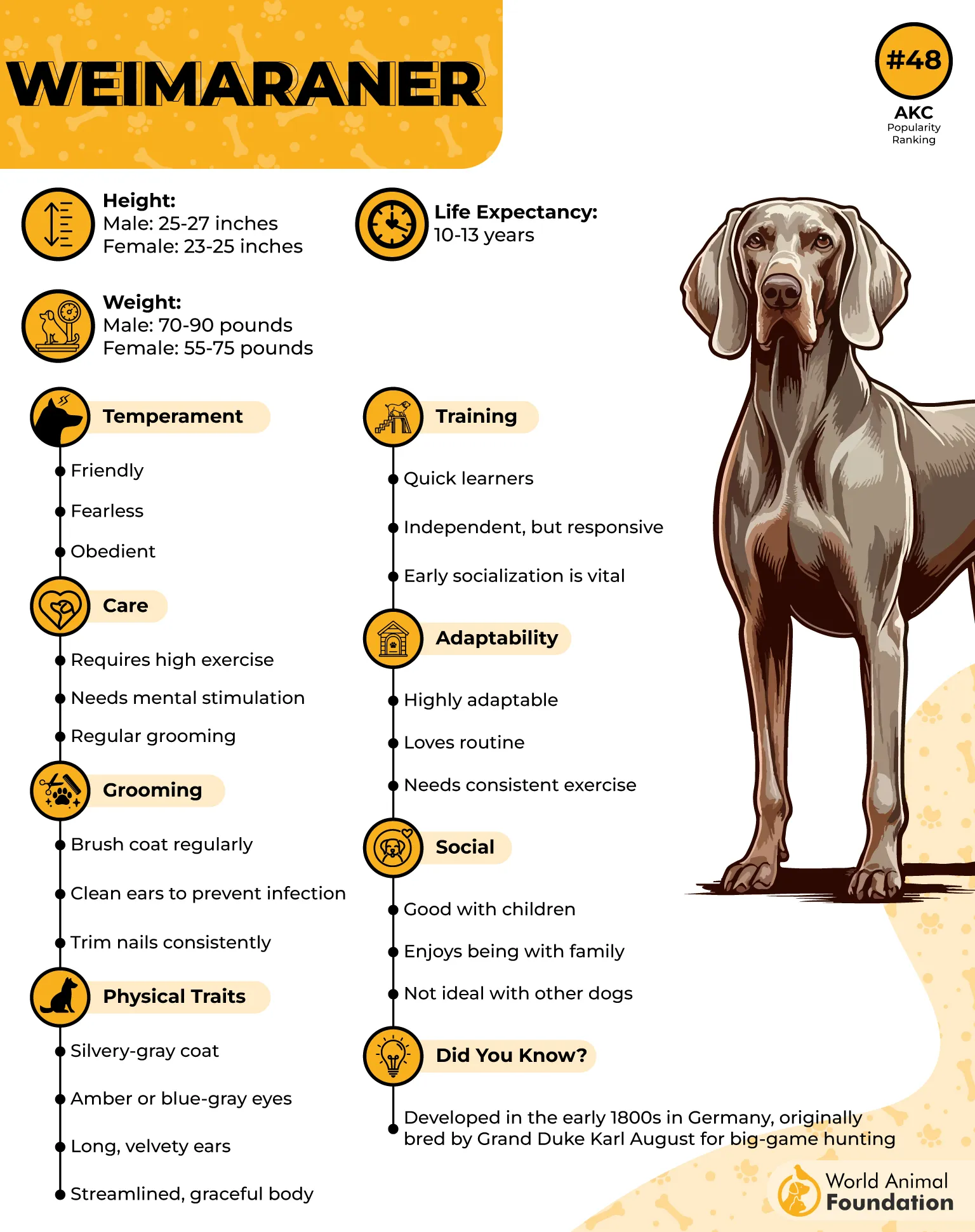
A Clever Escape Artist
Weimaraners are remarkably inventive when they want something, with some dogs learning to open doors, unlatch gates, and even turn on faucets. Puzzle toys, training sessions, and other interactive dog sports can give that sharp mind something useful to work on, as PetMD describes.
3. Dalmatian
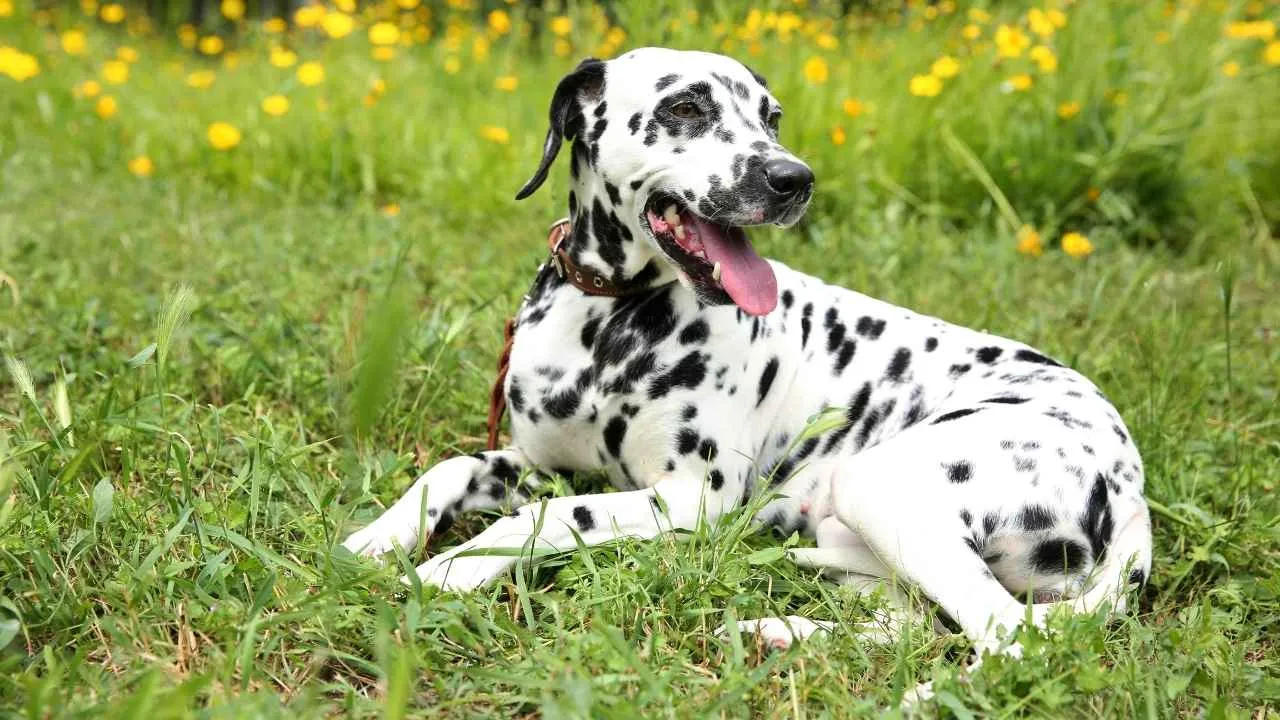
Dalmatian has an intriguing past tied to horse-drawn carriages, with the breed running beside vehicles as an escort and guardian. Its association with Dalmatia in present-day Croatia is widely accepted, although its earlier roots remain debated among canine historians.
Miles Come Naturally
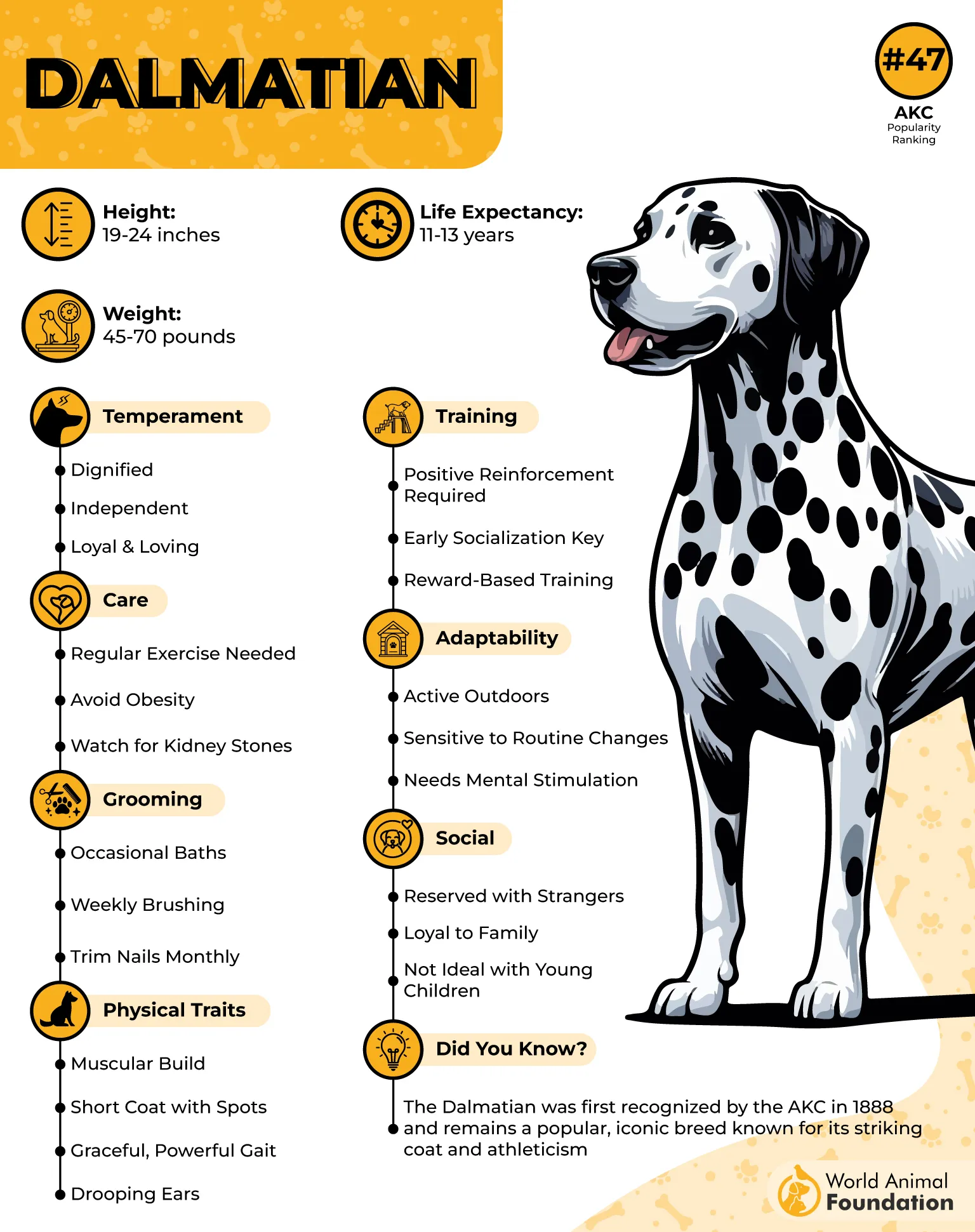
For an active lifestyle, the Dalmatian’s endurance-built frame is especially useful, with long legs, a deep chest, and a strong loin suited to sustained trotting. Healthy adults can handle 60 minutes or more of balanced daily activity, including brisk walks, agility, and jogging, as Hill’s Pet writes.
Its working qualities go even further:
Puppies need shorter, age-appropriate play sessions
Food puzzles can provide useful mental work
Distance running should wait until adulthood
A Watchful Companion
This best dog breed has an alert nature that can make unfamiliar sounds or visitors grab its attention quickly. Some dogs also develop a habit of closely following people, bikes, or strollers, reflecting the escorting work once associated with their carriage duties.
4. Rhodesian Ridgeback
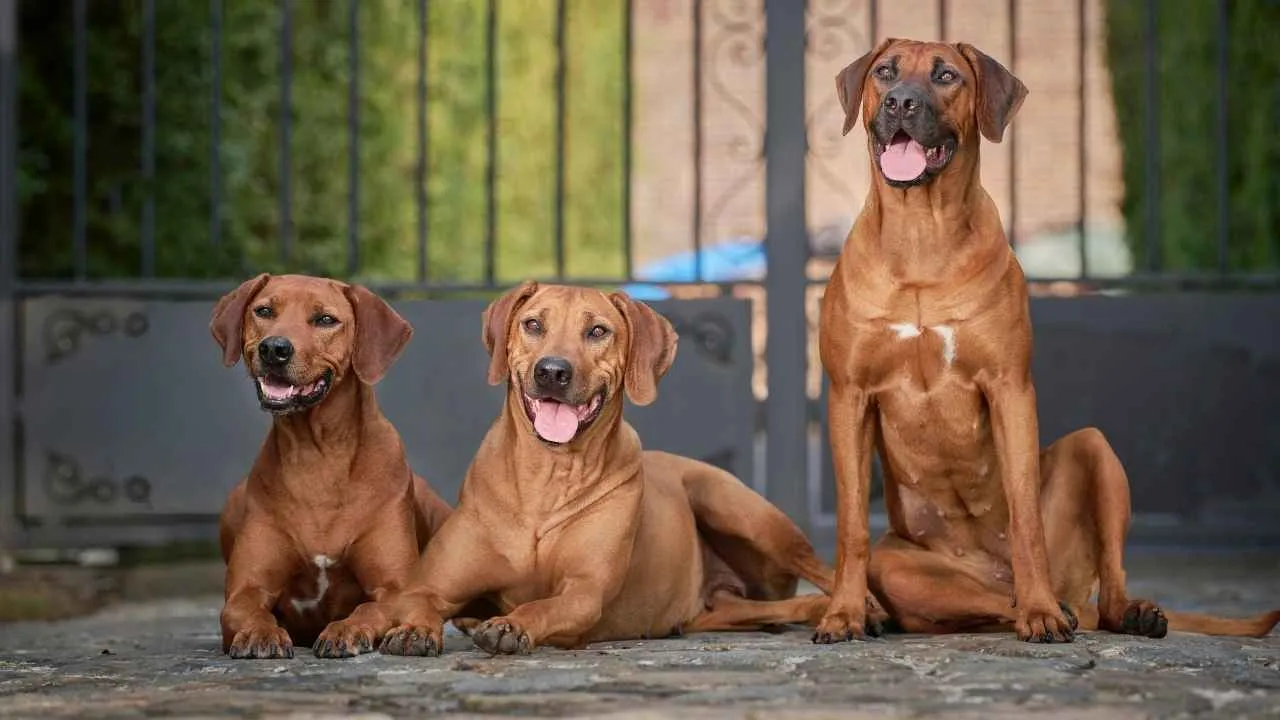
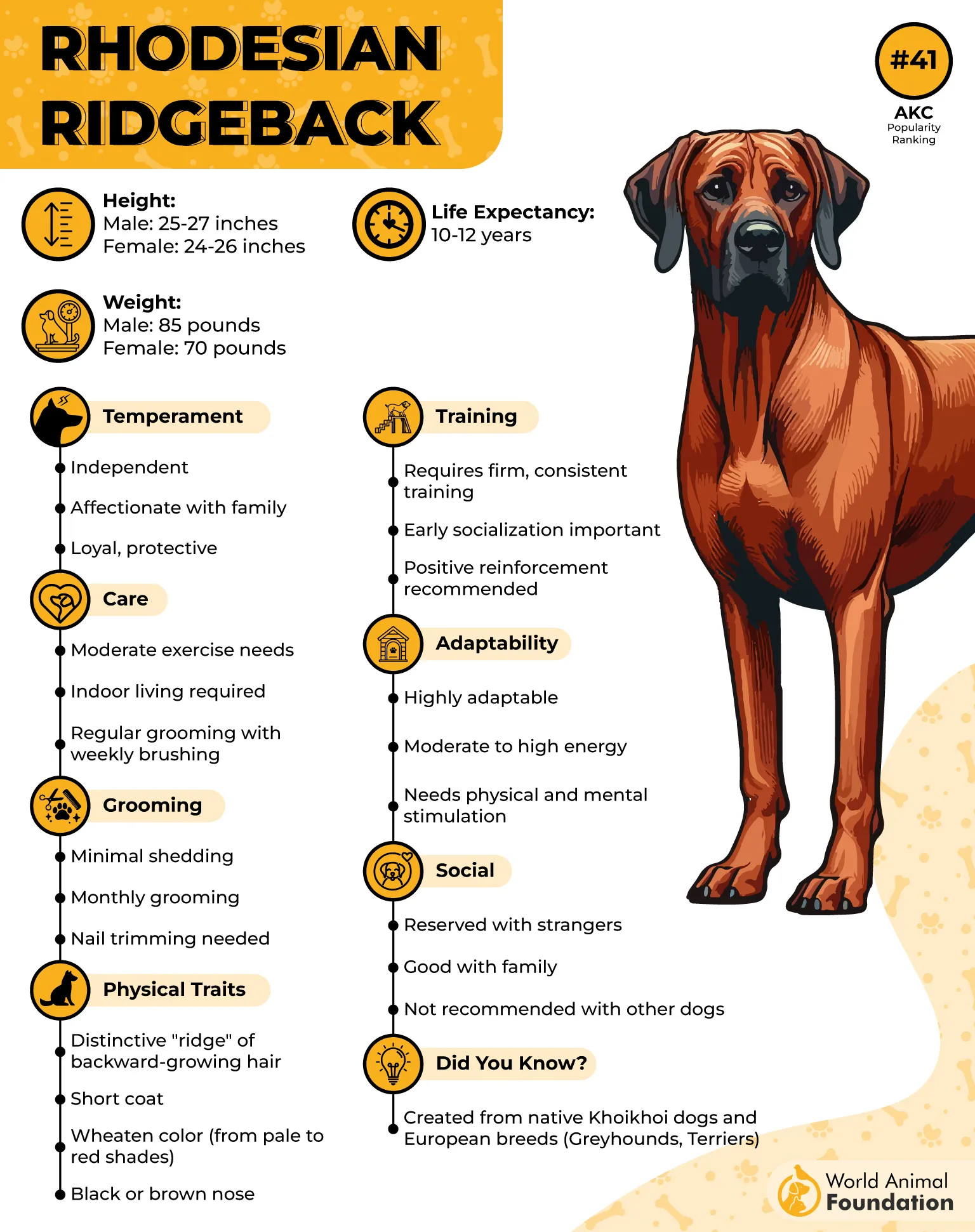
Rhodesian Ridgeback was developed in southern Africa as a hunting hound capable of tracking and flushing large predators, including lions. Its muscular build, athletic ability, and distinctive ridge of hair running backward along the spine are closely tied to its breed identity.
Built for Distance
This muscular dog has a deep chest, powerful hindquarters, and an efficient gait suited to long-distance trotting. That athletic build pairs with a strong endurance base, making extended running, hiking, swimming, and active outdoor work particularly fitting.
A closer look at its working style reveals:
Uses both scent and sight while hunting
Strong chase response toward rabbits and squirrels
Can patrol home boundaries around dawn or dusk
Independent Mind
Rhodesian Ridgeback can make its own decisions when working at a distance, reflecting the initiative expected from a hunting dog. It also tends to observe unfamiliar people quietly, while positive-reinforcement training can help it become reliable around children.
5. Belgian Malinois
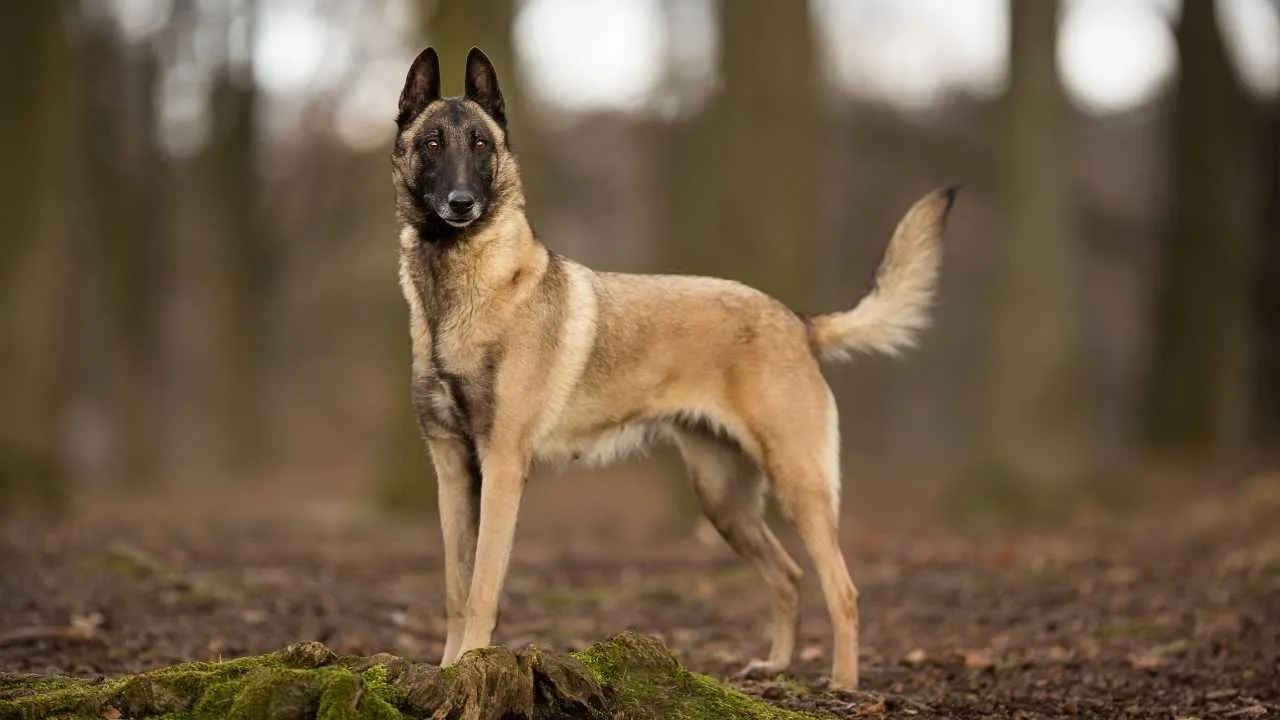
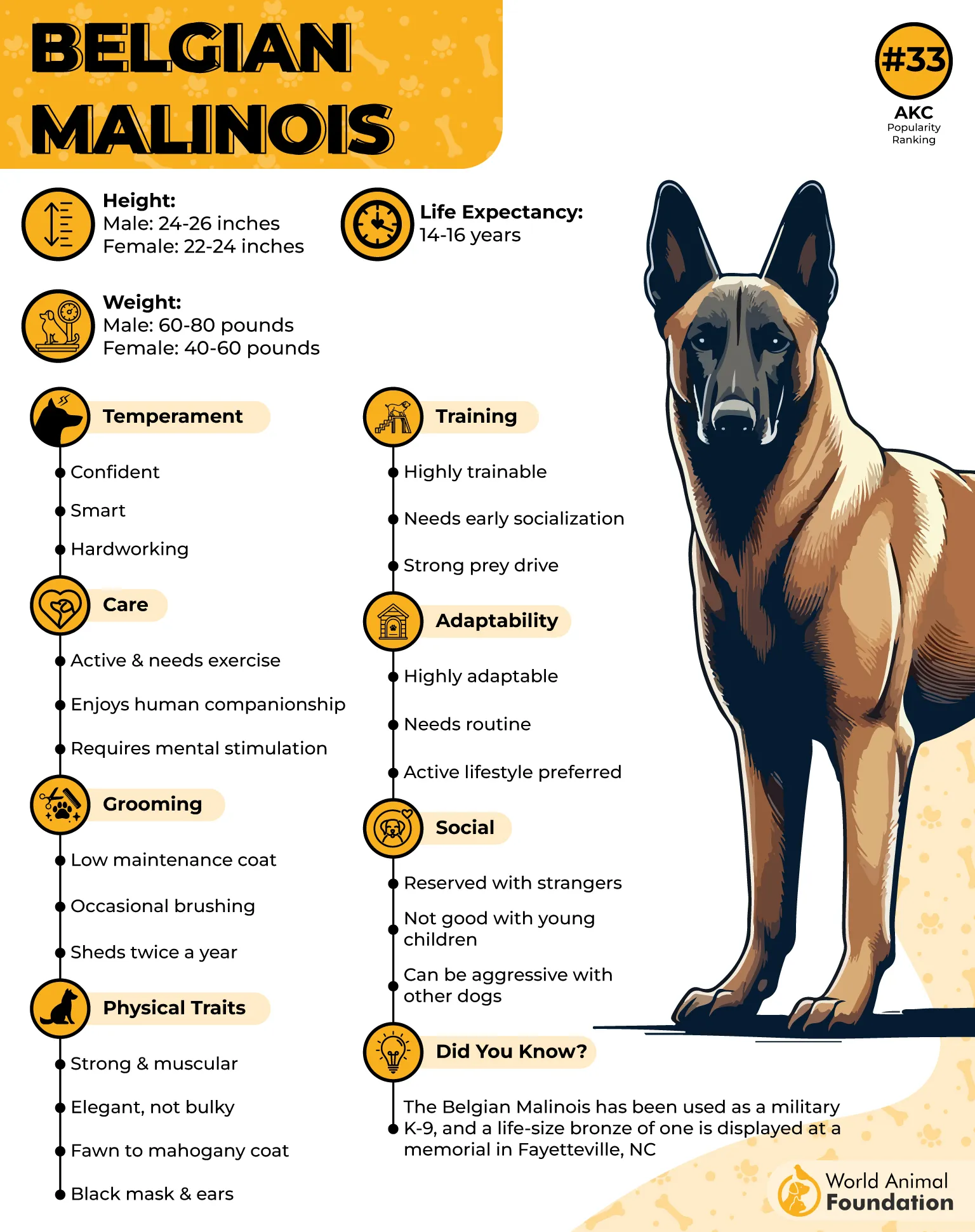
Belgian Malinois originated from Belgian sheep-herding dogs known as the Chien de Berger Belge, a group later divided into separate varieties largely according to coat. By the early 1900s, the Malinois had become valued for police and military work because of its protective nature and sharp intelligence.
Made for Action
This high-energy breed has a medium, lean frame and an efficient gait suited to quick acceleration, tight turns, jumping, and obstacle work. Its dense coat also protects in poor weather, while several hours of vigorous activity can be needed each day.
A look at its working abilities reveals some specific details:
Can run more than five miles
Handles half-day hikes with ease
Can scale walls and fences
Serious Working Instincts
Belgian Malinois has exceptional stamina for extended training and dog sports, with running, agility, obedience work, fetch, and tug among useful outlets, as per the AKC. Its selective breeding has emphasized responsiveness to handlers, steady nerves, and strong work stamina.
6. Portuguese Water Dog
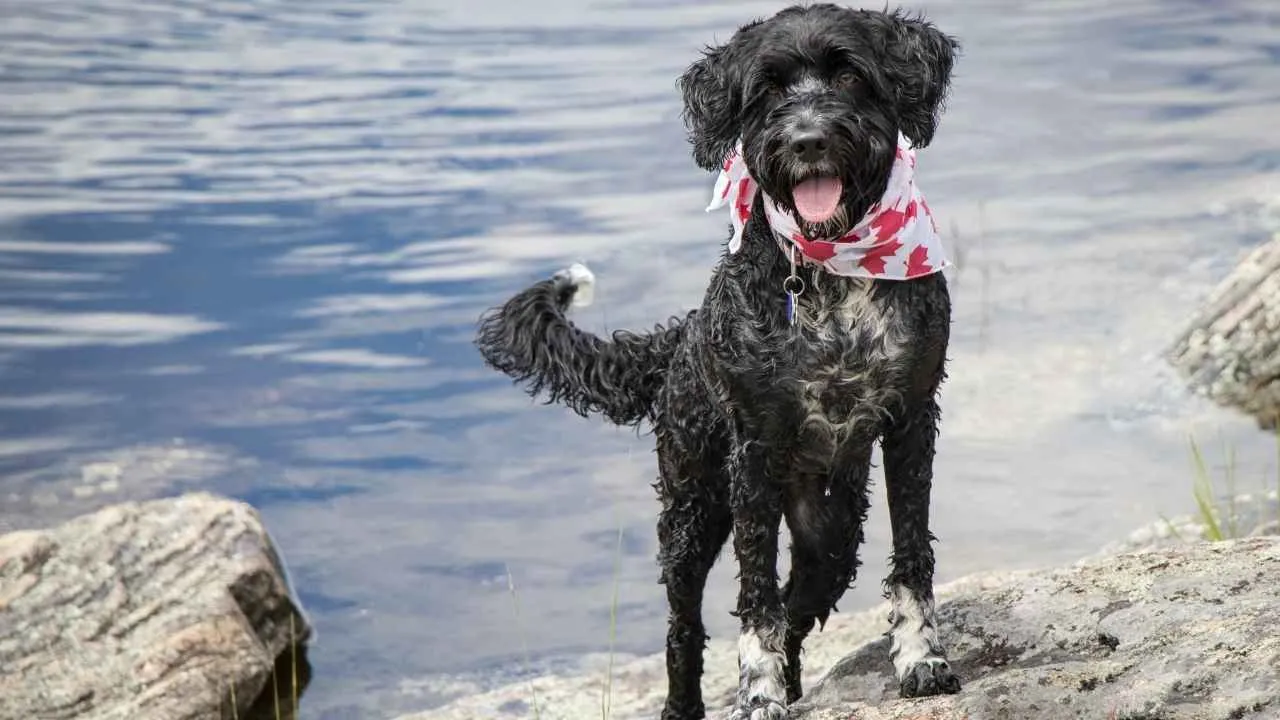
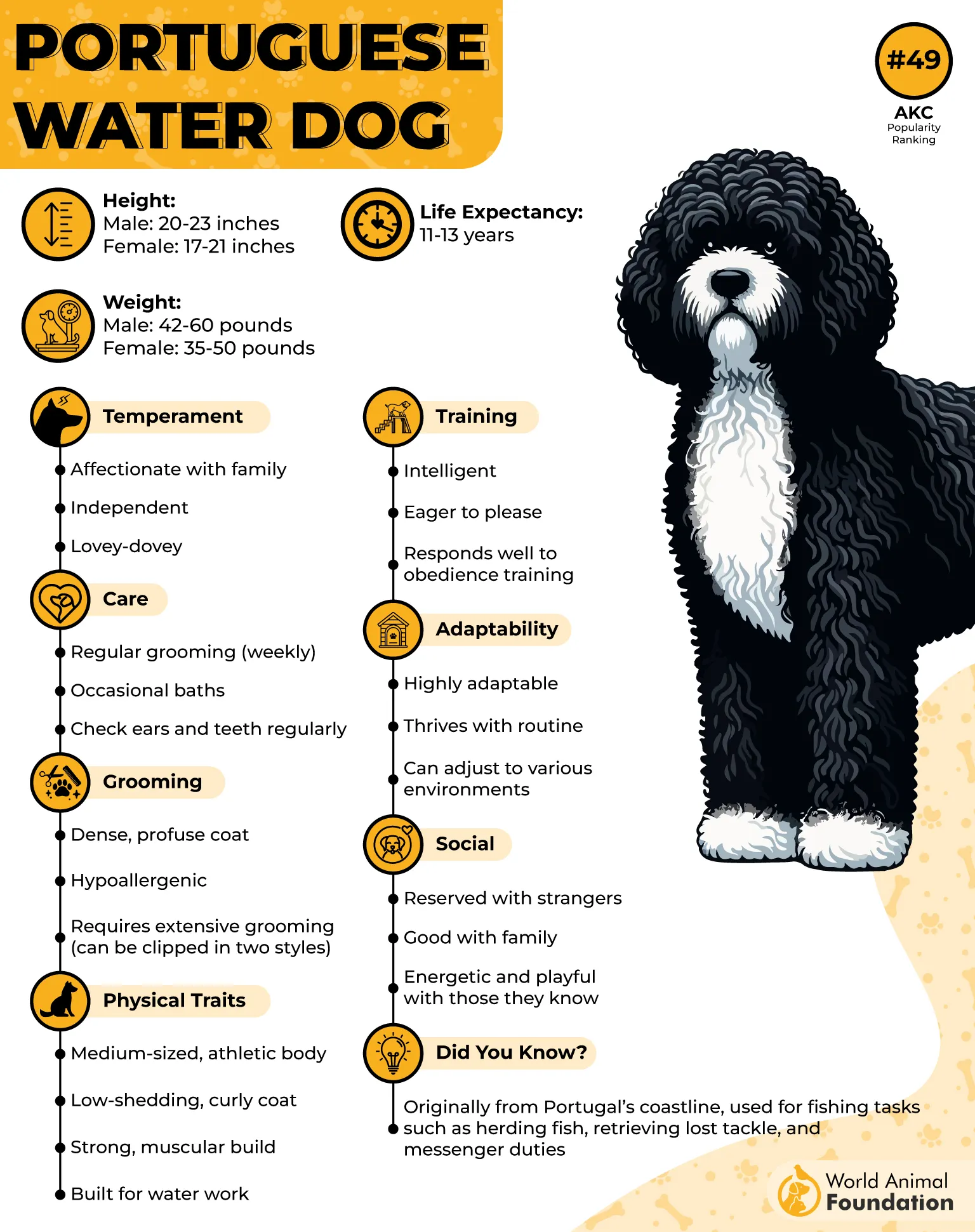
Portuguese Water Dog appears in a written account from 1297, making it one of the oldest breeds associated with working alongside people.
Its close relationship with Portuguese fishermen shaped a working life centered on the sea, where it helped retrieve lost fishing tackle and guide fish toward nets.
Made for the Water
PWD has physical features closely suited to swimming, including webbed feet, powerful hindquarters, and a thick tail that works as a rudder. Its broad chest and well-muscled back add to the strength needed for repeated propulsion through the water.
Its daily routine needs some thought too.
Thick membrane between the toes
Short loin with substantial bone
Tapered tail used for steering
Keep the Brain Busy
Portuguese Water Dog also enjoys activities that require quick thinking, including agility, flyball, nose work, and dock diving. Interactive toys and varied games can add mental challenges when outdoor adventures are not enough to occupy its attention.
7. Alaskan Malamute
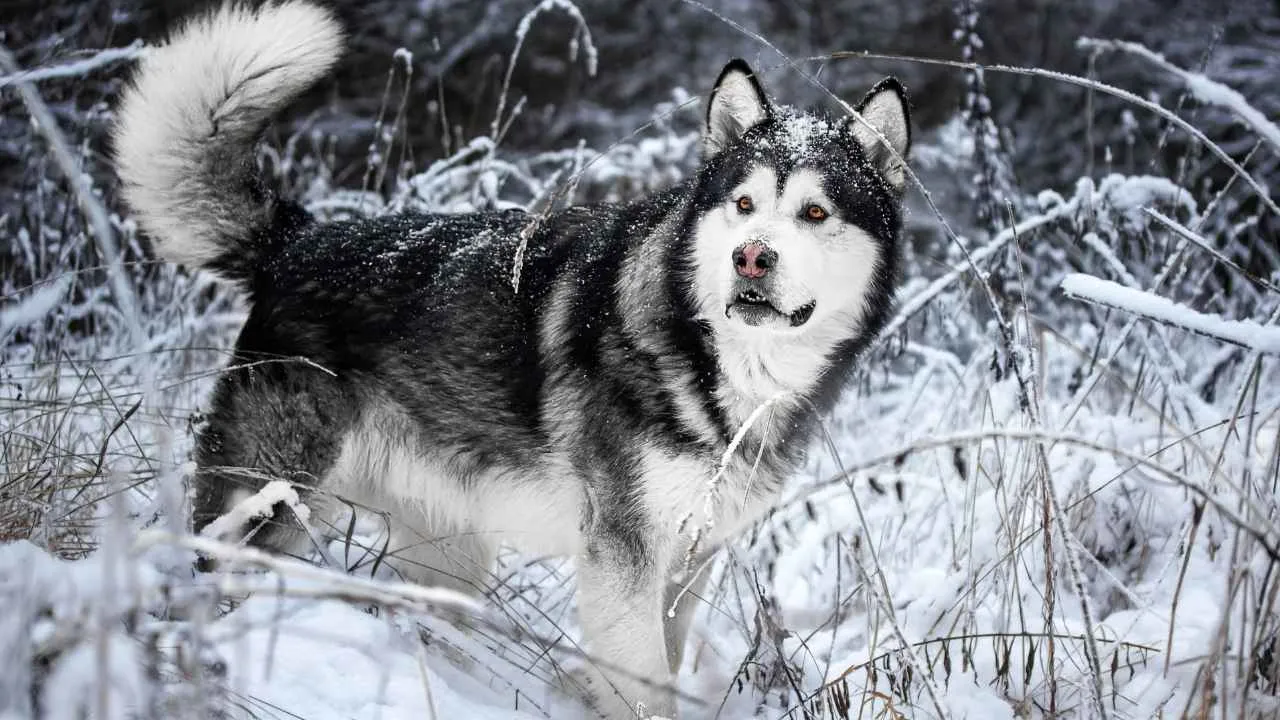
Alaskan Malamute began alongside Inuit communities in Alaska, hauling heavy sled loads across long distances in severe northern conditions.
The breed later hauled supplies for miners during the late-1890s gold rush and joined expeditions to the South Pole, including the first expedition in the late 1920s.
Built for Cold Work
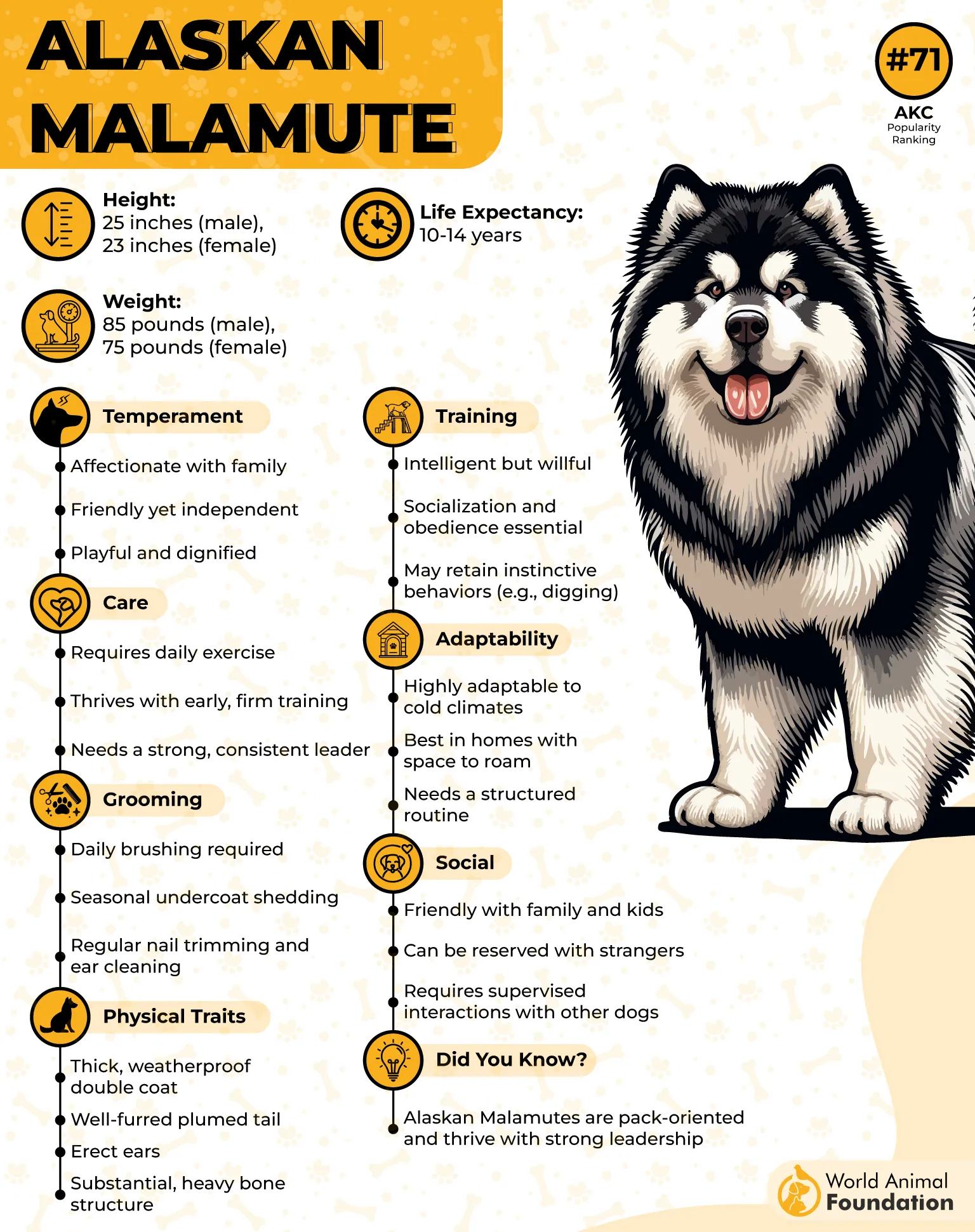
Malamutes have broad, well-furred feet that distribute weight across snow while tough pads provide traction on ice and crusted surfaces. Its dense undercoat traps insulating air, while protective guard hairs help shed snow and moisture during long periods outdoors.
This is how precisely this body suits severe conditions:
Small upright ears reduce heat loss
Strong neck and shoulders support harness work
Steady pacing suits sustained cold-weather effort
A Clever Companion
Alaskan Malamute brings plenty of personality into an active household, often communicating through yelps, howls, and distinctive “woo woo” sounds. Its intelligence also calls for regular brain work, with hide-and-seek, trick training, and agility offering useful challenges.
Conclusion
An active lifestyle can be much more enjoyable when your dog possesses the stamina and confidence to take part. Long hikes, runs, swimming sessions, camping trips, and outdoor games can give energetic working dogs the physical and mental work they need. Still, choosing a popular breed means accepting the responsibility that comes with that energy.
Conditioning, training, rest, hydration, and weather awareness all matter when adventures become demanding. Active owners may enjoy playing fetch, pulling sleds, or simply spending time outdoors together, but mental stimulation is equally important. The best match is the dog that fits your routine and becomes the perfect companion for it.
