




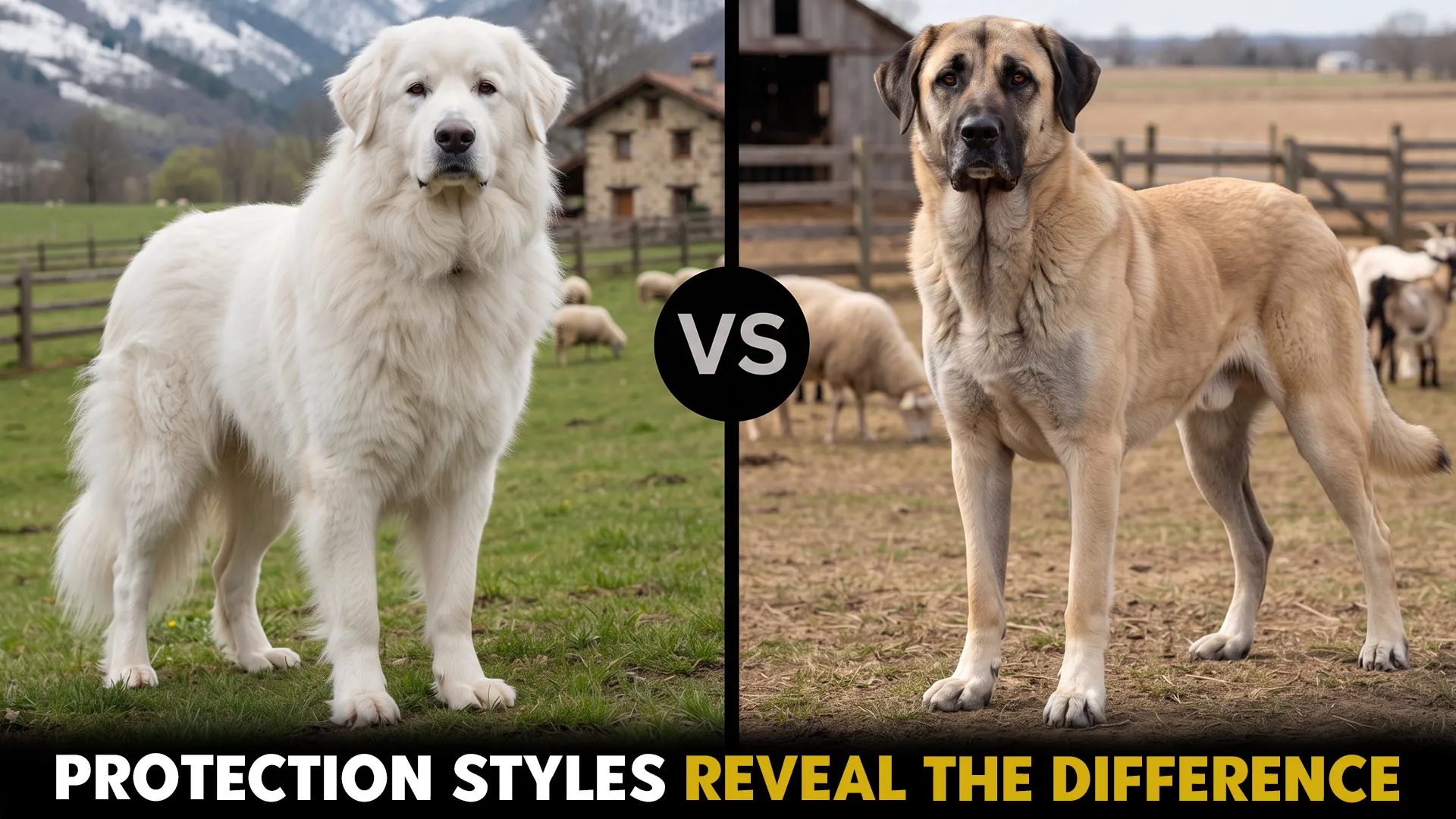
If you’re looking for a dog that can protect your home, family, or even a flock, choosing the right breed can feel like a big decision. Large guardian dogs are known for their strength, loyalty, and watchful nature, but they can differ greatly in personality, appearance, and care needs.
So, what should you look for when comparing two impressive working breeds?
Both are powerful dogs with a long history of protecting livestock and staying alert to potential threats. Their size alone can be striking, but there’s much more to these breeds than their imposing appearance.
From their protective instincts and exercise needs to their trainability and family temperament, each has qualities that may suit different lifestyles.
In this article, we’ll compare their key traits, origins, physical attributes and characteristics, personalities, grooming needs, and health considerations, helping you see which type of companion might be the better fit for your home and lifestyle.
Great Pyrenees vs. Anatolian Shepherd Dog Breeds: Key Traits
While both the Great Pyrenees and Anatolian Shepherd are imposing livestock guardians, they differ significantly in temperament, coat care, and protective style. Let’s get to know them:
Origins, Background & Purpose
Great Pyrenees
The Great Pyrenees originated in the Pyrenees Mountains between France and Spain, where it was developed to guard sheep and other livestock.
Its thick, weather-resistant coat helped it withstand the cold mountain climate, while its large size and protective nature made it an effective guardian against predators.
The breed has an ancient history, with evidence suggesting that dogs resembling it existed thousands of years ago. It became especially valued in France and was declared the “Royal Dog of France” in 1675 during the reign of King Louis XIV.
Original Purpose
Guarding sheep and livestock from predators
Working independently alongside flocks
Withstanding cold and rugged mountain conditions
Protecting livestock without constant human direction
Today, Great Pyrenees dogs still work as livestock guardians, although many are also beloved family dogs.
Anatolian Shepherd
The Anatolian Shepherd originated in Turkey’s Anatolia region, where its ancestors were developed as livestock guardian dogs.
These large dog breeds were bred to protect sheep and goats from predators and were valued for their strength, speed, endurance, and ability to work independently.
The AKC states that their hardy build allowed them to survive harsh weather and limited food while remaining with their flocks for long periods.
The breed later reached the United States and was considered for the USDA’s “Project Sheepdog.” The American Kennel Club officially recognized the breed in 1996.
Original Purpose
Protecting sheep, goats, and other livestock
Deterring and confronting predators
Working independently over large areas
Surviving challenging weather conditions
Although still used as working guardians, Anatolian Shepherds are also kept as loyal and protective companions.
Size, Build & Overall Appearance
Great Pyrenees
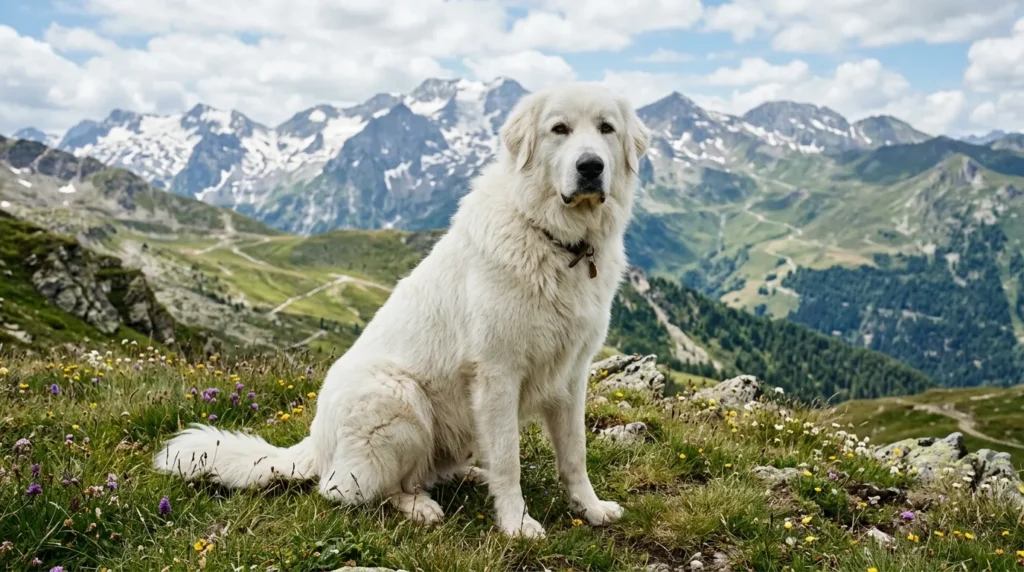
The Great Pyrenees is a large, powerful dog with a strong build and a striking, fluffy white coat. Its impressive size was essential for protecting livestock from large predators, while its thick coat provided protection in cold mountain climates.
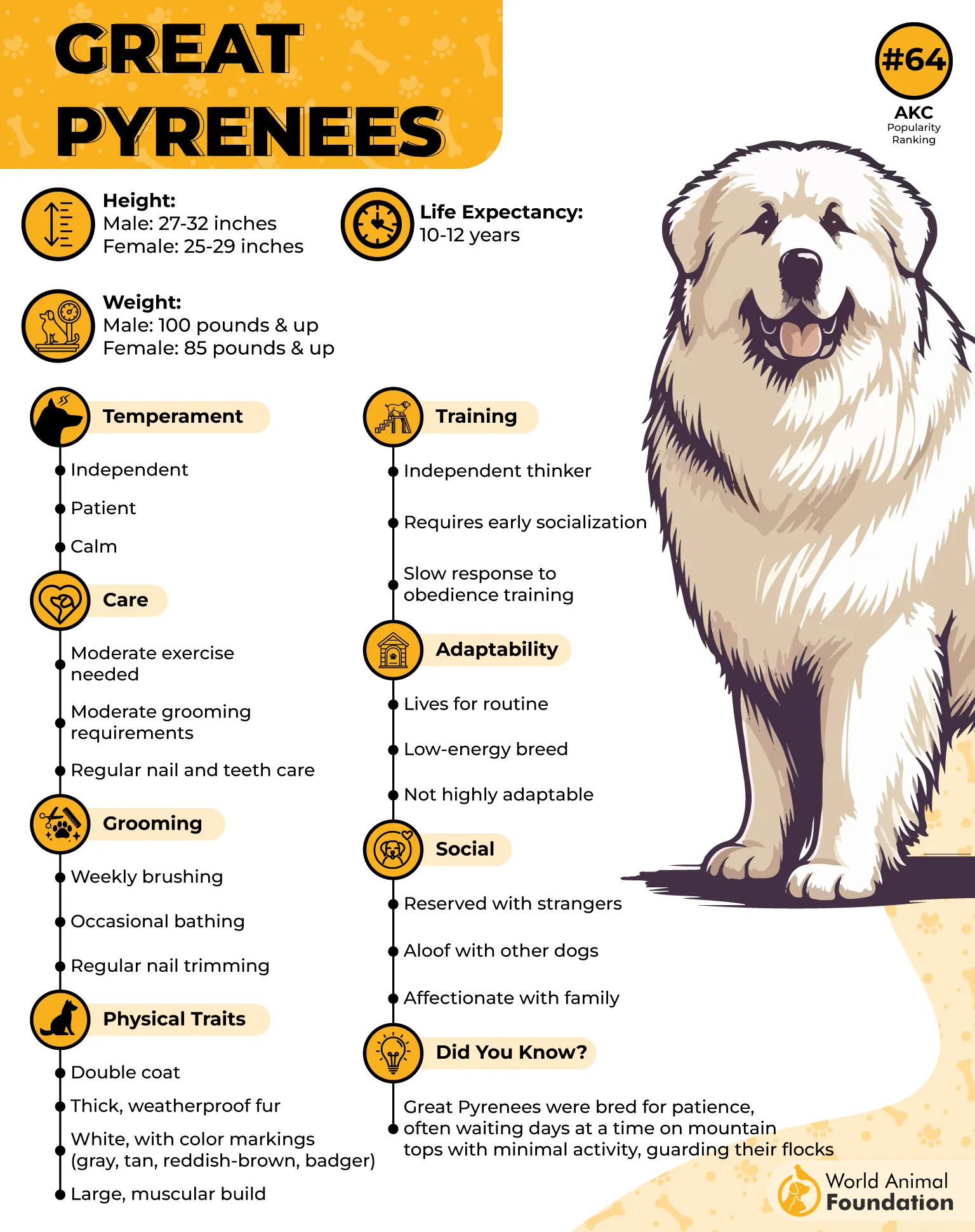
Height: 25–32 inches at the shoulder
Weight: Females around 85 pounds; males typically over 100 pounds
Build: Large, sturdy, and muscular
Eyes: Rich brown with a gentle, intelligent expression
Anatolian Shepherd
The Anatolian Shepherd is a giant breed built for strength, endurance, and agility. Its large and imposing body allows it to move quickly when protecting livestock, while its calm expression reflects its confident and watchful nature.
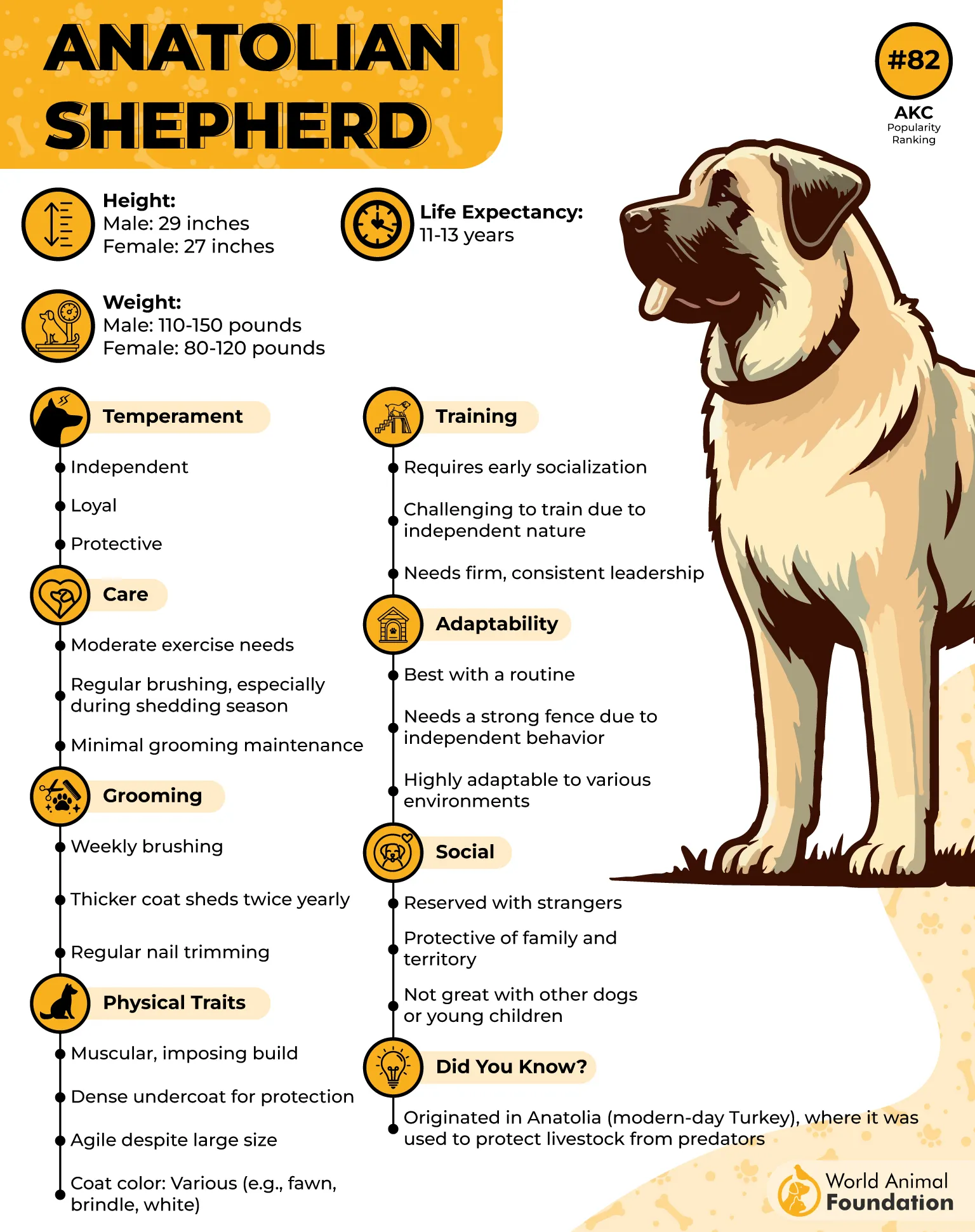
Height: Males around 29 inches; females around 27 inches
Weight: Males 110–150 pounds; females 80–120 pounds
Build: Strong, muscular, and athletic
Eyes: Almond-shaped, ranging from amber to brown
Coat Type, GrCoat Type, Grooming Needs & Careoming Needs & Care
Great Pyrenees
Great Pyrenees have a long, weather-resistant outer coat with a soft undercoat. Their silky outer fur is naturally resistant to dirt and tangles, but they are heavy shedders and need regular brushing.
Coat Type: Long outer coat with a soft, dense undercoat
Brushing: Weekly brushing, with thorough sessions during heavy shedding
Shedding: Heavy, especially during seasonal coat changes
Skin Care: Generally low-maintenance, but check for redness, irritation, or excessive scratching
Extra Care: Year-round flea and tick prevention is important, particularly for outdoor dogs
Anatolian Shepherd
Anatolian Shepherds have a short but thick double coat designed to protect them from outdoor conditions. Their coat is relatively easy to maintain, although they need more frequent brushing during seasonal shedding.
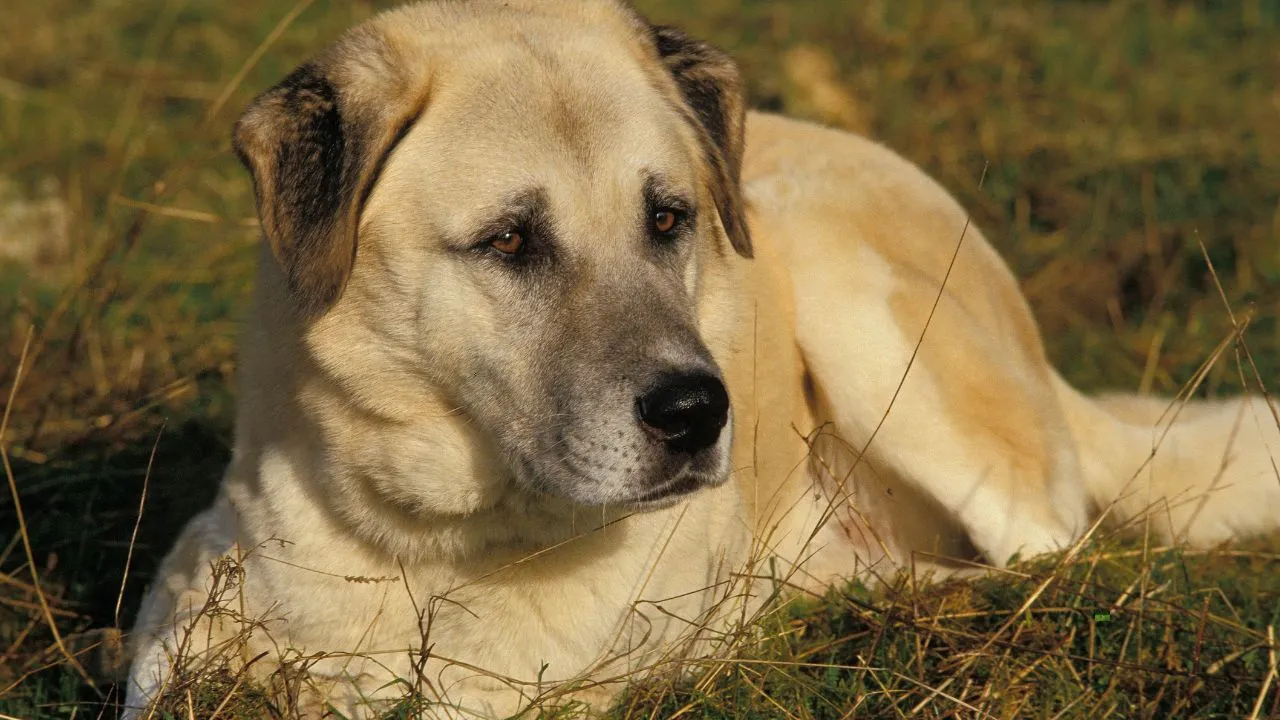
Coat Type: Short, dense double coat
Brushing: Weekly brushing for routine maintenance
Shedding: Moderate throughout the year, with heavier shedding twice a year
Skin Care: Regularly check the skin and coat for irritation, parasites, or other changes
Extra Care: Brush every few days during seasonal coat blowing to remove loose undercoat
Temperament, Personality & Behavior
Great Pyrenees
Great Pyrenees are generally calm, patient, affectionate, and independent dogs. Their gentle nature can make them wonderful family companions, especially when children are taught to respect their space.
Chewy says these large white dogs can also get along well with other dogs, cats, and animals when properly socialized.
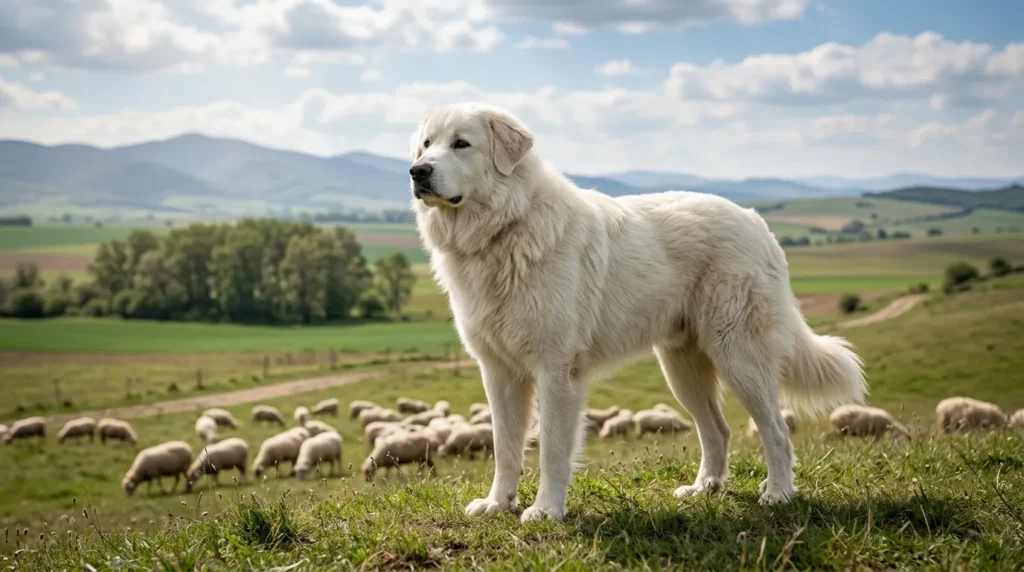
However, their history as livestock guardians means they can be strong-willed and naturally protective. They are alert to activity around their home and may bark to warn their family of anything unusual.
Early training and socialization are important to help manage these instincts. Despite their protective nature, they usually enjoy a peaceful home environment and are not particularly high-energy indoors.
Anatolian Shepherd
Anatolian Shepherds are calm and reserved but have a strong protective instinct that can quickly come forward when they sense a threat. They are loyal to their families and instinctively wary of strangers, making them excellent guardians.
However, their independent and dominant personality means they need consistent, firm training and early socialization from puppyhood.
They can be tolerant of children and other household pets when introduced and socialized properly, although their enormous size makes supervision around young children important.
Anatolian Shepherds are generally not highly playful and may be cautious around unfamiliar dogs, so careful management is essential in social situations.
Energy Levels, Activity Needs & Space Needs
Great Pyrenees
Great Pyrenees have moderate energy levels and are not suited to intense or fast-paced exercise. They are more comfortable with relaxed activities that allow them to move at their own pace.
Aim for around 20–30 minutes of exercise a couple of times a day through gentle walks, easy hikes, or time spent in the yard.
They do best with plenty of outdoor space where they can roam and patrol. A securely fenced yard is ideal, although they can adapt to smaller homes if their daily exercise needs are met consistently.
Anatolian Shepherd
Anatolian Shepherds enjoy spending time outdoors and need more opportunities to stretch their legs and stay mentally engaged. They should receive at least two 30-minute walks each day, along with additional time in a securely fenced yard.
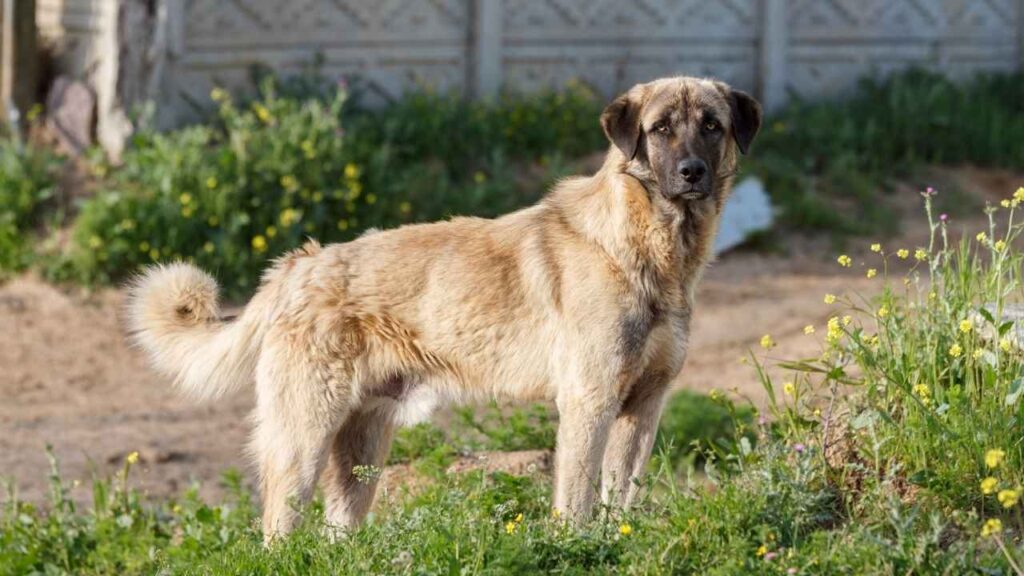
Because of their size, strength, and independent nature, a tall and sturdy fence is essential. They also benefit from activities such as fetch, scent work, interactive toys, and other forms of mental stimulation.
A spacious home or countryside setting is ideal, but they can adapt to suburban living when given enough exercise, space, and companionship.
Trainability, Handling Difficulty & Independence
Great Pyrenees
Great Pyrenees are intelligent but naturally independent, which can make training more challenging than with highly people-focused breeds. They were bred to make decisions while guarding livestock, so they may not always feel the need to follow commands immediately.
Trainability: Moderate; responds best to patient, consistent training
Independence: High, with a tendency to make decisions on their own
Handling Difficulty: Moderate, especially for first-time breed owners
Best Approach: Positive reinforcement and clear, consistent boundaries
Socialization: Begin early and expose puppies to different people, animals, places, and experiences
Anatolian Shepherd
Anatolian Shepherds are highly independent working dogs and can be stubborn when they do not see a reason to follow a command. Their strong guarding instincts and powerful build mean they require confident handling and consistent training from an early age.
Trainability: Moderate to challenging due to their independent nature
Independence: Very high; bred to guard livestock without constant direction
Handling Difficulty: High, particularly for inexperienced owners
Best Approach: Firm, consistent, and positive training
Socialization: Essential from puppyhood to prevent excessive suspicion of unfamiliar people, animals, and situations
Health Concerns, Average Lifespans & Durability
Great Pyrenees
Great Pyrenees are generally hardy dogs and have a relatively long lifespan for a giant breed, typically around 10–12 years. However, their large size and deep chest can make them prone to certain orthopedic and serious health conditions.
Health concerns:
Hip dysplasia
Elbow dysplasia
Knee problems
Eye diseases
Neurological disorders
Certain cancers
Gastric dilatation-volvulus (GDV)
Anatolian Shepherd
Anatolian Shepherds are generally healthy, hardy, and well-built dogs with an average life expectancy of 11-13 years.
However, responsible breeders should screen for certain inherited conditions, while owners should be aware of health risks associated with their large size and deep chest.
Health concerns:
Hip dysplasia
Elbow dysplasia
Entropion
Anesthesia sensitivity
Gastric dilatation-volvulus (GDV)
Guarding Instincts, Loyalty & Social Interaction
Great Pyrenees
Great Pyrenees have strong natural guarding instincts that come from their history of protecting livestock. They are calm and patient but remain highly alert to anything they consider a potential threat.
Rather than constantly seeking attention, they often observe their surroundings and step in when they believe protection is needed.
They are deeply loyal to their families and can be affectionate and gentle with people they trust. With early socialization, they can also live peacefully with children, dogs, cats, and other animals.
However, their independent nature means they may be cautious around unfamiliar people and can use barking to alert their owners to activity nearby.
Anatolian Shepherd
Anatolian Shepherds have an even stronger reputation as independent protective breeds. They were bred to protect flocks without constant human direction, so they naturally watch their surroundings and respond quickly when they sense danger.
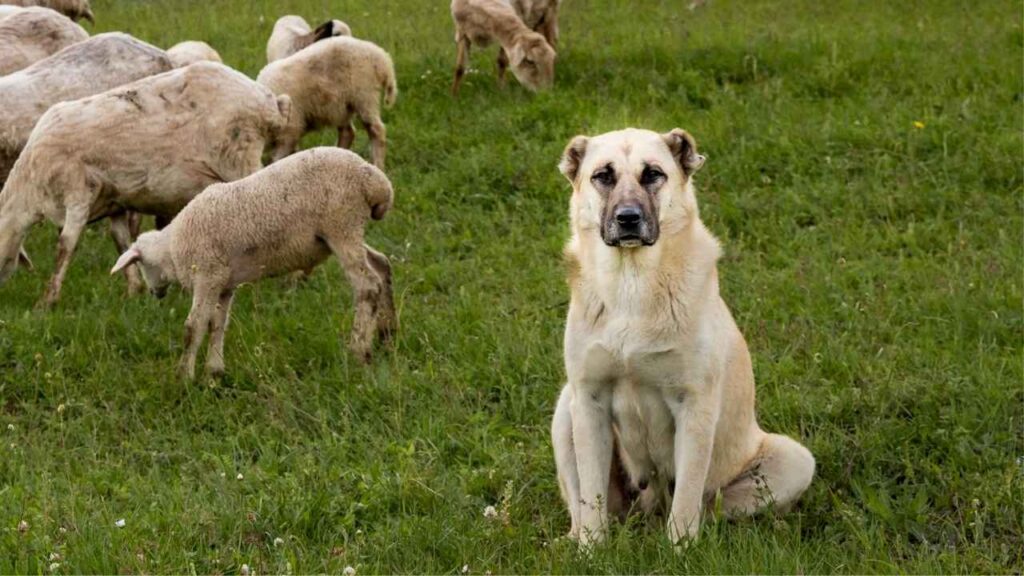
They are highly protective of their family and territory and can be suspicious of strangers, as noted by Purina.
Despite their serious guarding nature, they can be loyal and affectionate with their own family. Early socialization is especially important to help them become comfortable around different people, animals, and situations.
They can do well with children and other pets when properly introduced, but their size, strength, and protective instincts require confident handling and careful supervision.
Working Roles, Farm Duties & Living Environment
Great Pyrenees
Great Pyrenees were developed primarily as livestock guardians, spending long periods with flocks while independently watching for predators. Their calm, patient nature allows them to patrol and protect without needing constant direction from their owners.
On a farm, they are best suited to environments where they have plenty of space to move around and a clear role. A securely fenced property, rural home, or working farm can suit them well. They can also adapt to family homes when given enough daily exercise and outdoor time.
Anatolian Shepherd
Anatolian Shepherds were bred to protect livestock across large, rugged areas and remain highly capable working guardians today. Their strength, endurance, independence, and alertness make them particularly well suited to farms and properties with livestock.
They thrive in spacious environments where they can patrol and stay active. A large rural property or farm with secure fencing is ideal, although they can adapt to suburban homes when their exercise, mental stimulation, and space needs are consistently met.
They should not be left outdoors alone for extended periods, as they also benefit from family interaction and companionship.
Conclusion
Great Pyrenees and Anatolian Shepherds are both impressive livestock guardians, but they bring different qualities to the table.
The Great Pyrenees tends to be calmer, gentler, and more relaxed, while the Anatolian Shepherd is more athletic, independent, and intensely protective. Their size, grooming needs, exercise requirements, trainability, and social behavior can all influence which one fits your lifestyle best.
Before choosing either breed, think beyond their impressive appearance and consider the space, time, training, and commitment they require.
The right choice is not simply the stronger guardian. It’s the dog whose personality and needs fit naturally into your home, family, and daily routine.
