




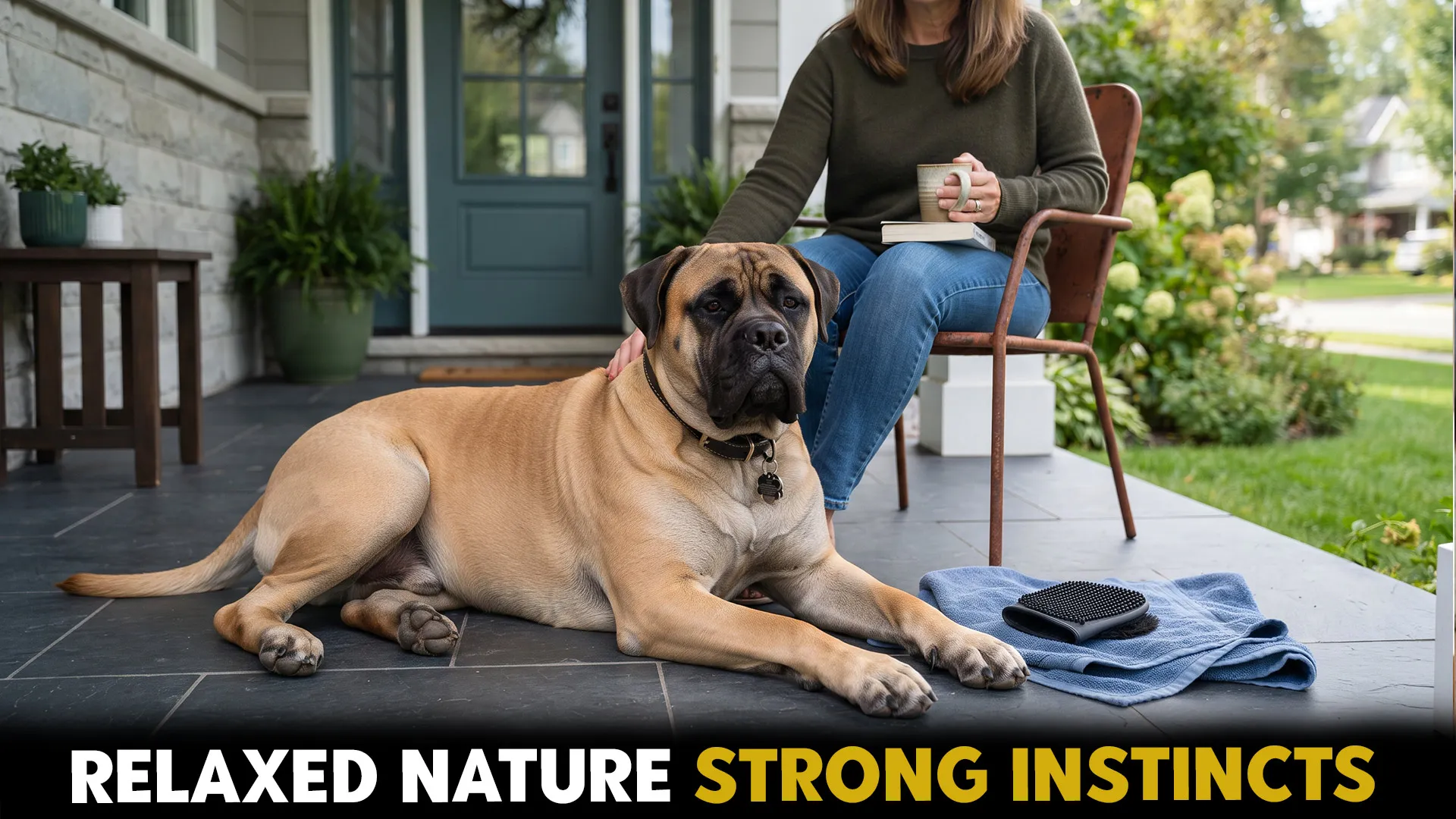
Bringing a protective dog home is becoming a popular choice for families who want security without a constantly demanding routine. The ideal guardian can stay calm beside you, settle comfortably at home, and remain naturally watchful when something feels unusual.
Low-maintenance guard dogs often combine manageable coats with steady temperaments and moderate daily exercise needs. Still, relaxed does not mean untrained—these powerful breeds need early socialization, obedience, and responsible care to become dependable companions.
For the right lifestyle, a calm protector can offer both peace of mind and heartfelt companionship, watching over the home without turning every quiet moment into chaos.
FACT: A well-trained and socialized guard dog can be naturally protective while remaining calm and observant.
Low-Maintenance Guard Dog Breeds That Stay Relaxed
1. Great Pyrenees
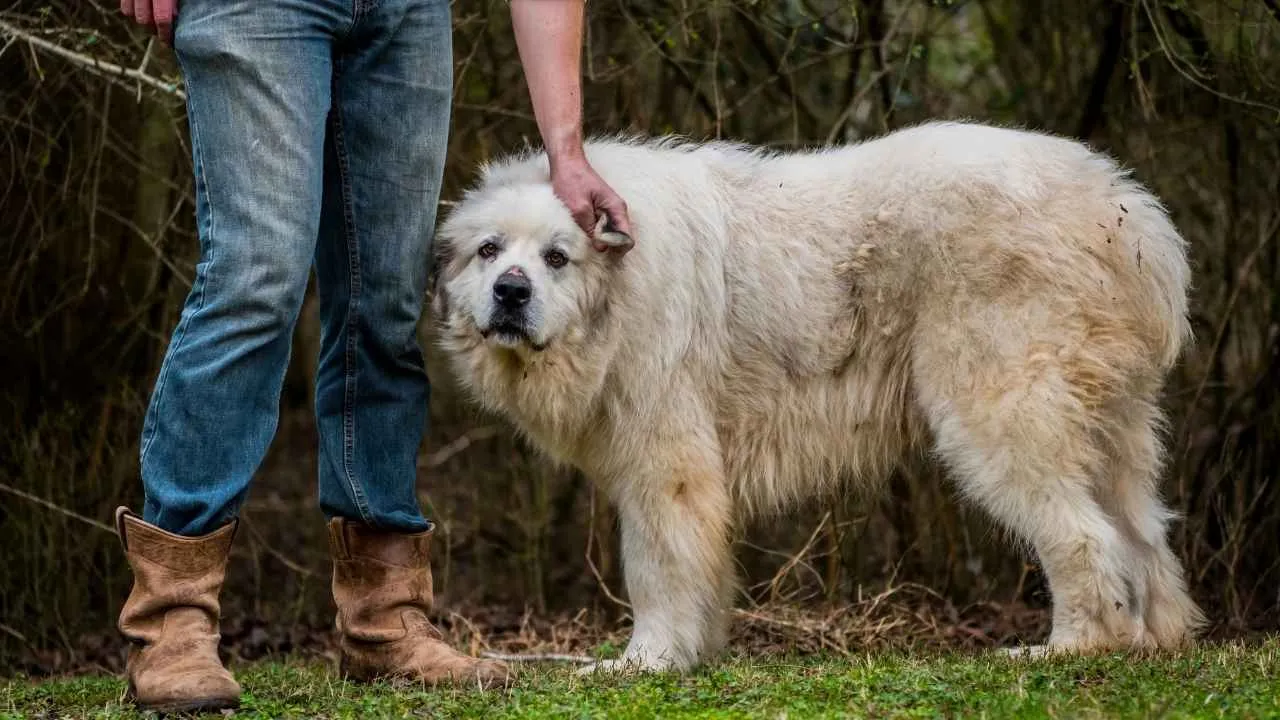
The Great Pyrenees was bred to spend long hours watching over flocks, patiently conserving energy until its protection was needed. That history helps explain its calm nature and relaxed approach indoors.
Rather than constantly demanding activity, this majestic guardian generally needs moderate exercise. Its watchful instincts remain strong, yet it is typically quiet and patient, saving its deep, imposing bark for moments when something seems wrong.
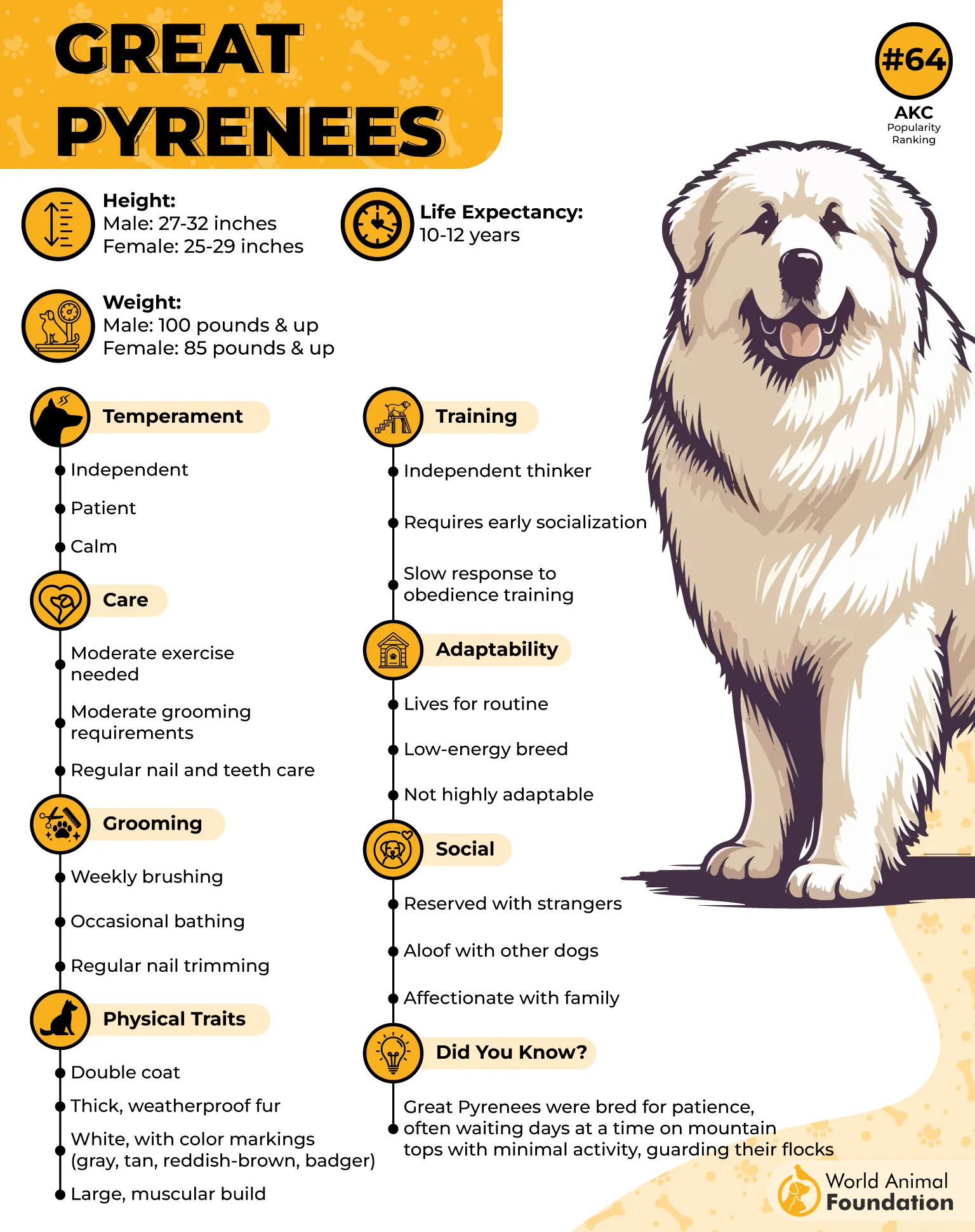
Despite its impressive size, the Great Pyrenees is known for being gentle and affectionate with its family, including children. Independent and naturally protective, early socialization helps encourage balanced behavior without diminishing its instinct to guard.
Its thick coat is relatively resistant to dirt and can usually be maintained with regular weekly brushing. While strangers may find its powerful presence intimidating, this patient sentinel is more inclined to observe than waste energy on unnecessary reactions.
2. Newfoundland
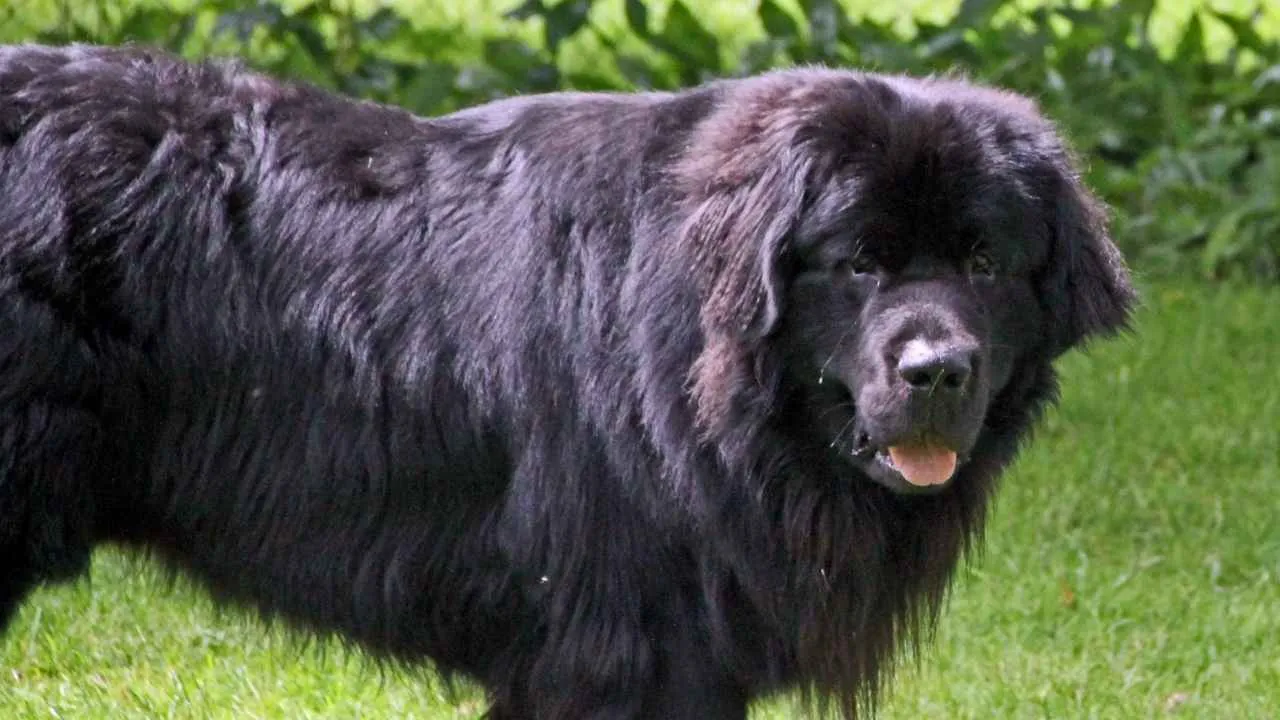
The Newfoundland has a naturally reassuring presence that comes from its calm, patient, and deeply affectionate nature. This gentle giant is rarely aggressive, yet its loyalty can make it protective of the people it loves.
Originally bred for water rescue, the Newfie is devoted to its family and may use its impressive bark to alert owners when something seems unusual. Its protective instincts are paired with a gentle temperament, especially around children and other pets.
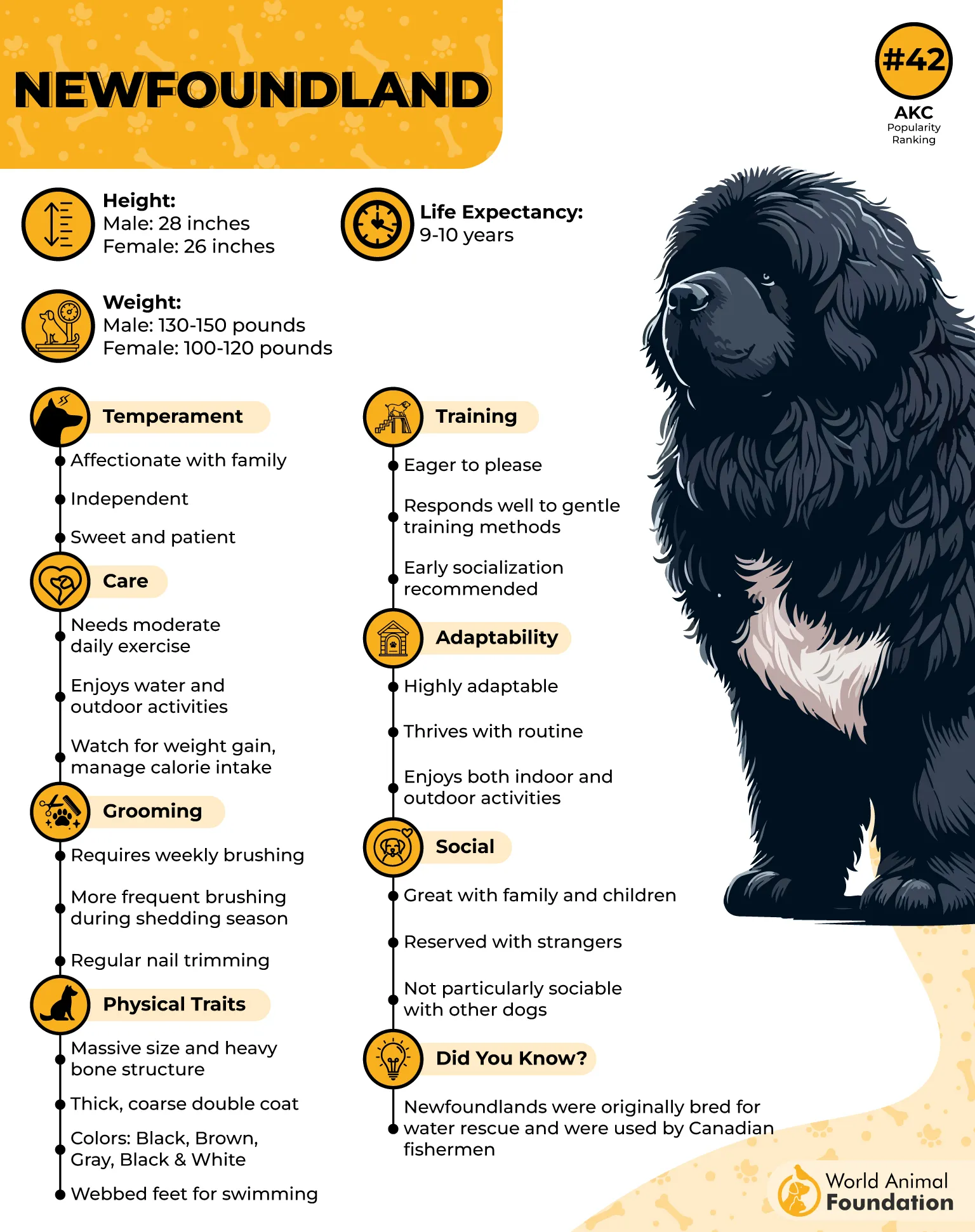
Despite its large size, this breed has a moderate activity level and enjoys spending time with its family. Its love of water can also make outdoor activities especially enjoyable for active households.
However, grooming is not low-maintenance, as its thick coat requires considerable care. Training can take patience, and potential owners should also be aware of health concerns such as hip dysplasia and heart problems.
3. Great Dane
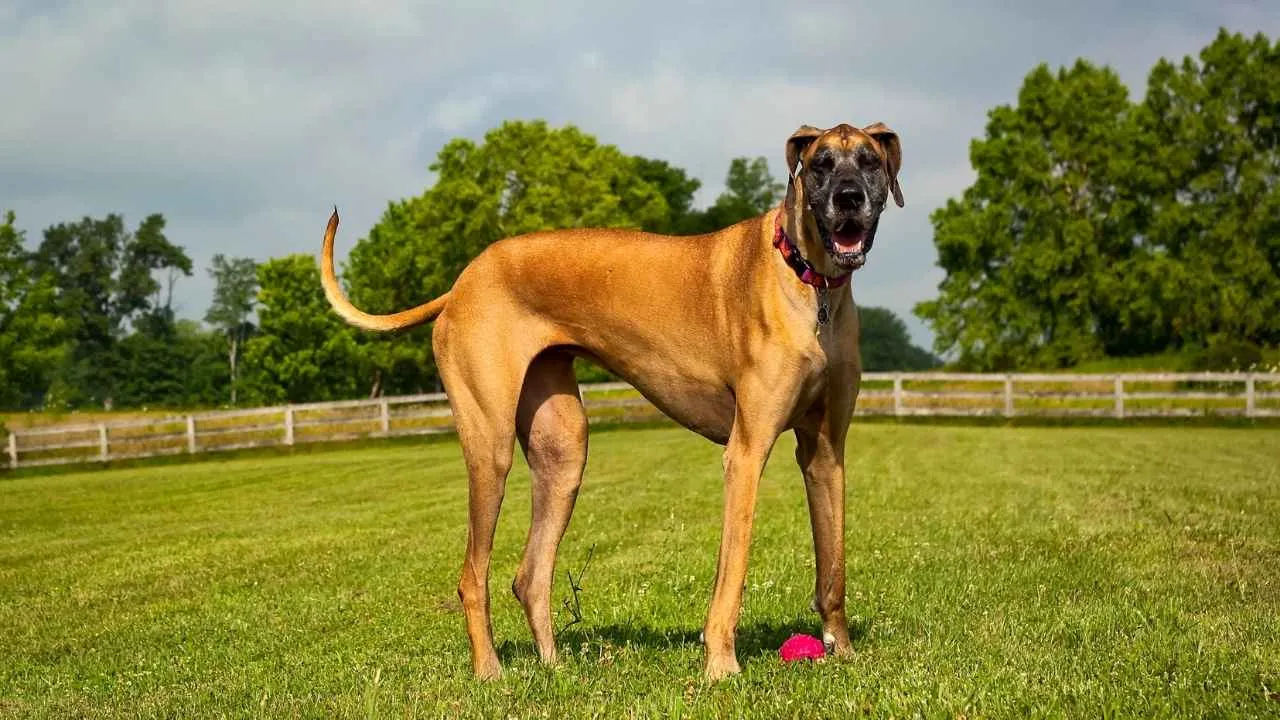
The Great Dane may look imposing, but behind that towering frame is a surprisingly relaxed companion. Originally developed in Germany for hunting wild boar and guarding estates, the breed still carries natural protective instincts, while its sheer size and deep bark can be enough to discourage unwanted visitors.
At home, Great Danes are often affectionate, calm, and patient with their families. They can be gentle with children and other pets, yet remain alert when unfamiliar people approach, creating a reassuring balance between watchfulness and everyday ease.
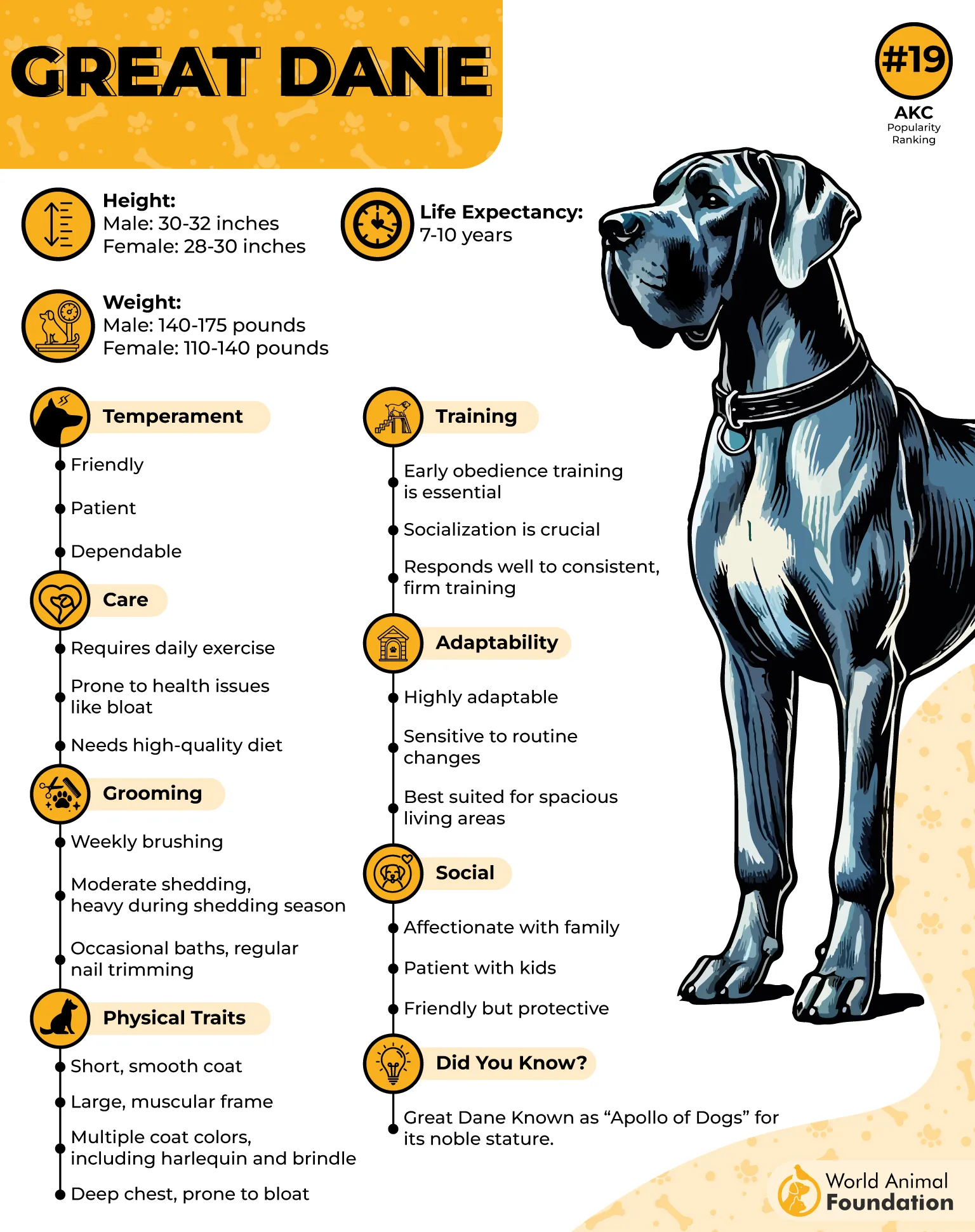
Despite their enormous size, adult Great Danes are not constantly on the move. Around an hour of daily exercise usually helps keep them content, after which many are happy to stretch out beside their favorite people like oversized lap dogs.
Their short, sleek coat is relatively easy to maintain with weekly brushing. However, early and consistent training is essential, especially because these powerful dogs can take time to mature fully and need to learn not to jump or accidentally knock people over.
4. Bullmastiff
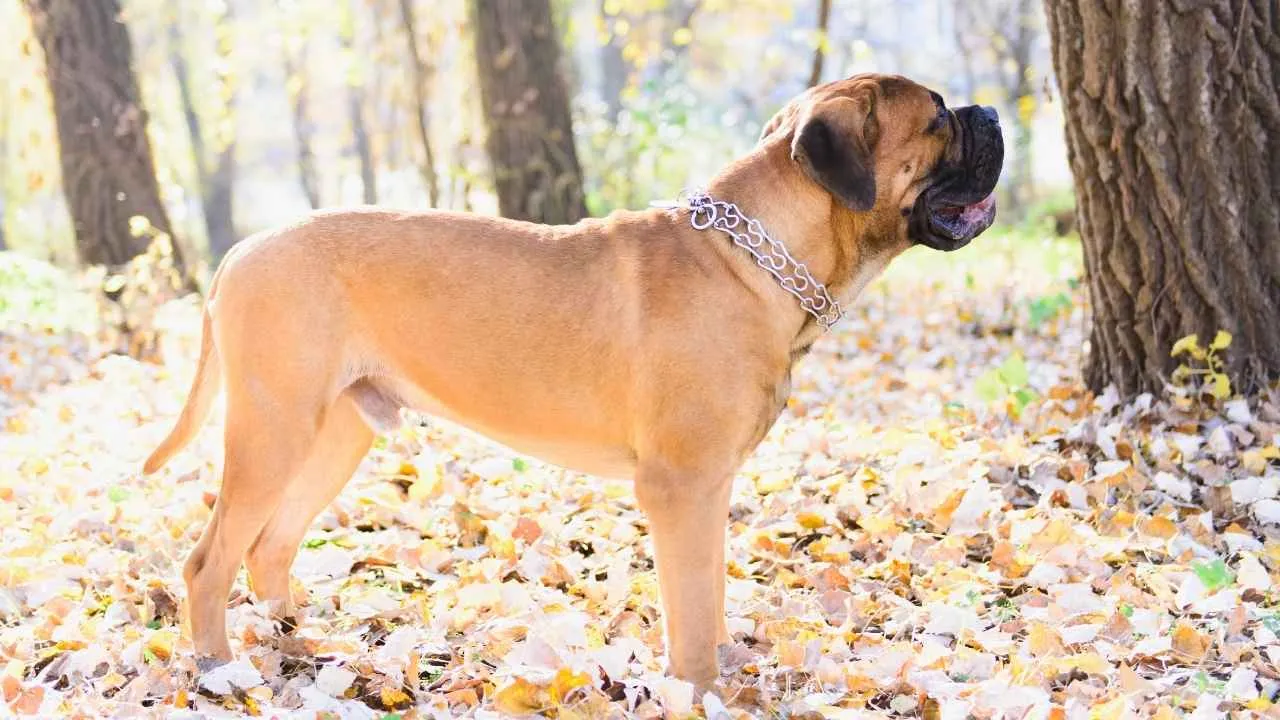
The Bullmastiff carries a powerful history as the Gamekeeper’s Night Dog, developed on English estates to track and restrain poachers. That background shaped a confident protector whose strength is balanced by remarkable restraint rather than unnecessary aggression.
At home, this imposing breed is typically calm, quiet, and low-energy. Bullmastiffs rarely bark without reason and often rely on their formidable presence to discourage trouble. Despite their intimidating appearance, they are deeply affectionate with their families and can be gentle with children when properly trained and socialized.
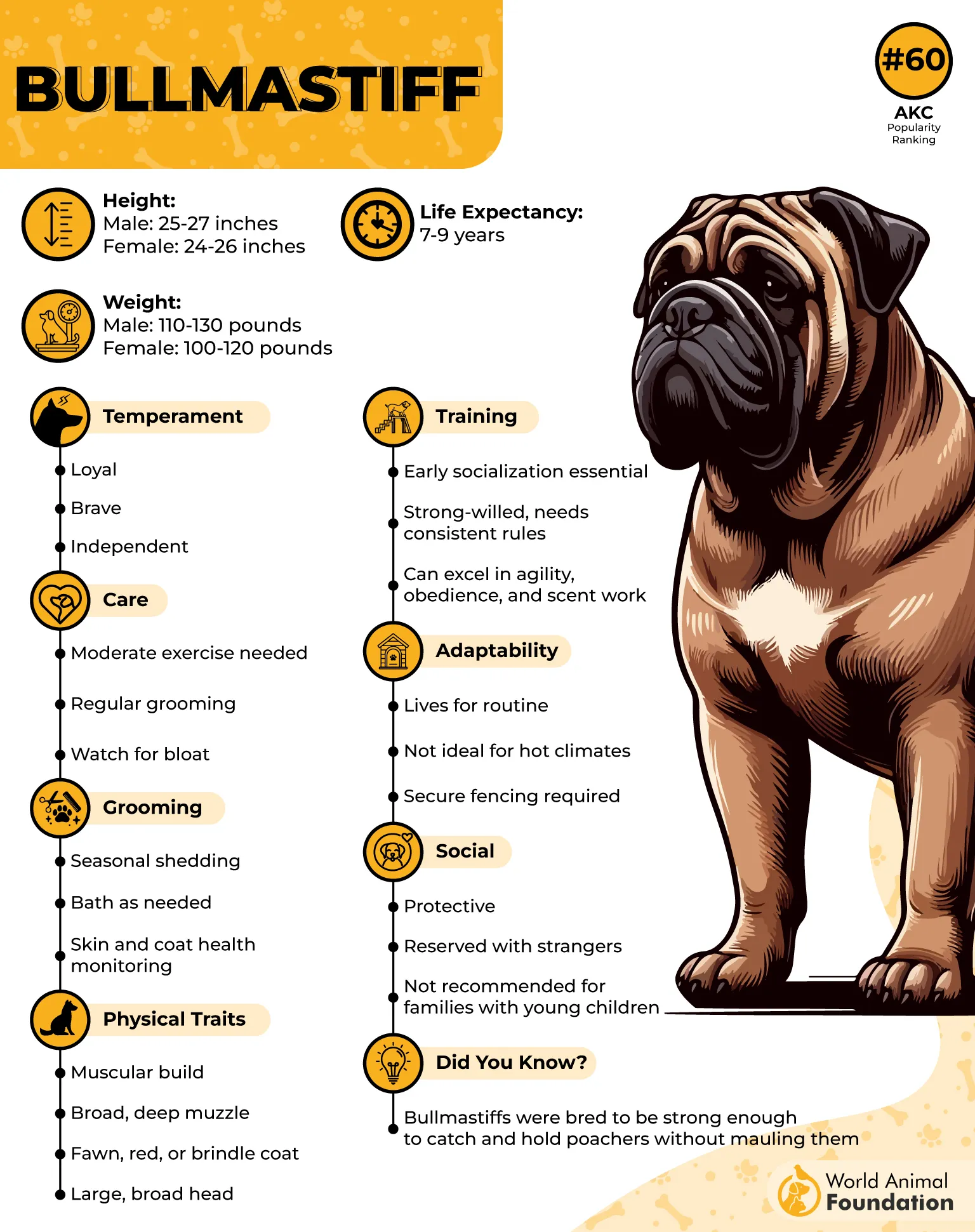
Their short, coarse coat requires only occasional brushing, making grooming relatively simple, although owners should be prepared for plenty of drool. Moderate walks and yard play usually provide enough exercise, as they are not built for marathon activity.
Early socialization and consistent training are essential for helping this powerful guardian remain controlled and discerning around strangers and welcome guests.
5. Rhodesian Ridgeback
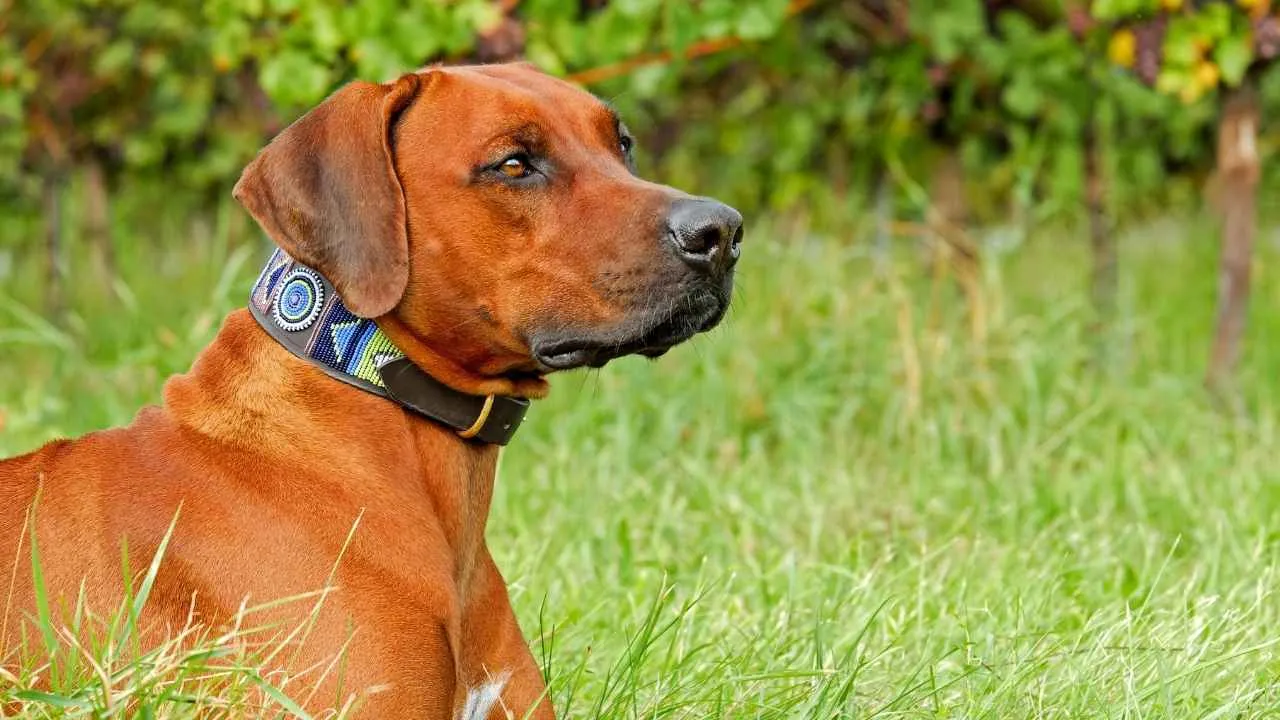
The Rhodesian Ridgeback brings an impressive blend of athletic ability and quiet dignity to family life. Originally developed in southern Africa to track large game, this courageous breed has strong protective instincts and forms deep bonds with its loved ones.
At home, Ridgebacks are often composed and relatively quiet. They do not tend to bark without reason and may remain reserved around unfamiliar people, making their watchful nature feel less disruptive to a relaxed household.
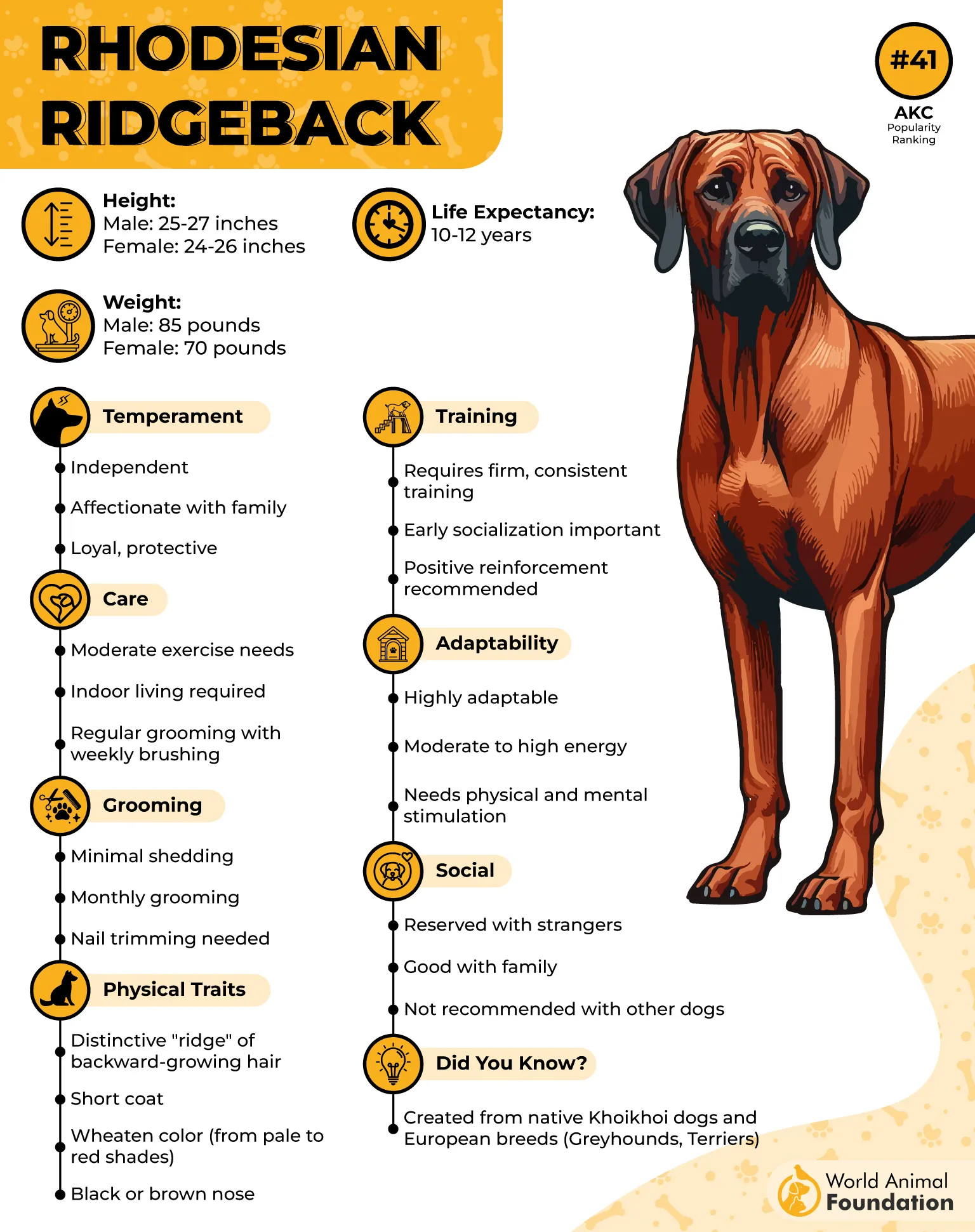
Their short coat is refreshingly easy to manage, requiring minimal grooming and regular brushing. However, their low-maintenance coat should not be confused with low exercise needs, as this athletic breed requires plenty of daily activity to stay physically and mentally satisfied.
Independent and intelligent, the Ridgeback benefits from patient, consistent obedience training. It may not blindly follow commands, but clear boundaries can help this loyal and noble dog become a well-mannered household guardian.
6. Kuvasz
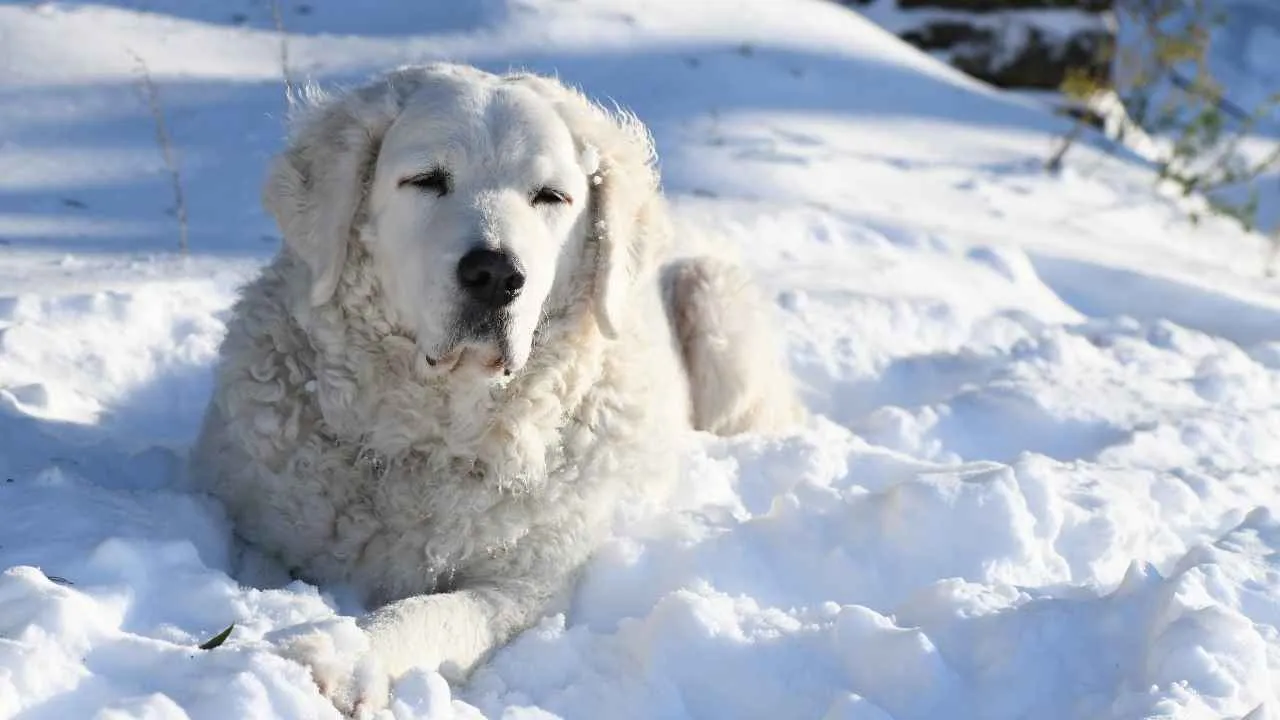
The Kuvasz carries the legacy of Hungary’s historic flock guardians, combining quiet confidence with remarkable courage. Once trusted to watch over livestock and even valued by Hungarian royalty, this imposing white dog developed a strong instinct to protect those in its care.
Despite its calm and even-tempered nature, the Kuvasz is not simply an easygoing guard dog that can be left to figure things out alone. Its independent mind and powerful protective instincts mean early training and thorough socialization are essential for raising a well-mannered companion.
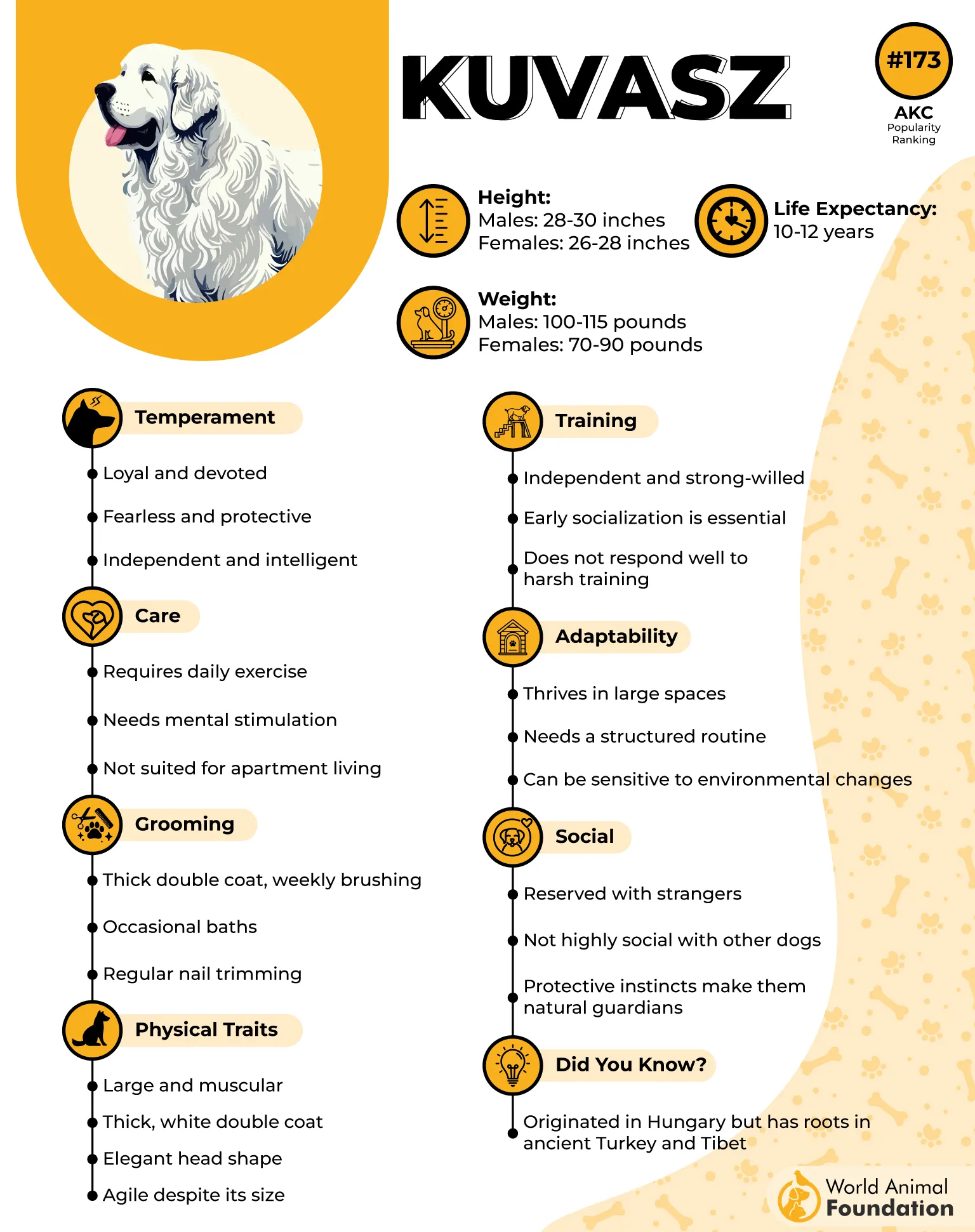
Its thick double coat is relatively straightforward to maintain, usually needing weekly brushing and an occasional bath. During its heavier seasonal shedding periods, however, more frequent brushing helps manage loose fur.
For an experienced owner, the Kuvasz offers profound loyalty and a watchful presence. This historical guardian is happiest with consistent guidance, clear boundaries, and a role that gives its intelligent, independent nature purpose. According to Hill’s Pet, Kuvasz dogs thrive with families who understand guarding breeds.
7. Saint Bernard
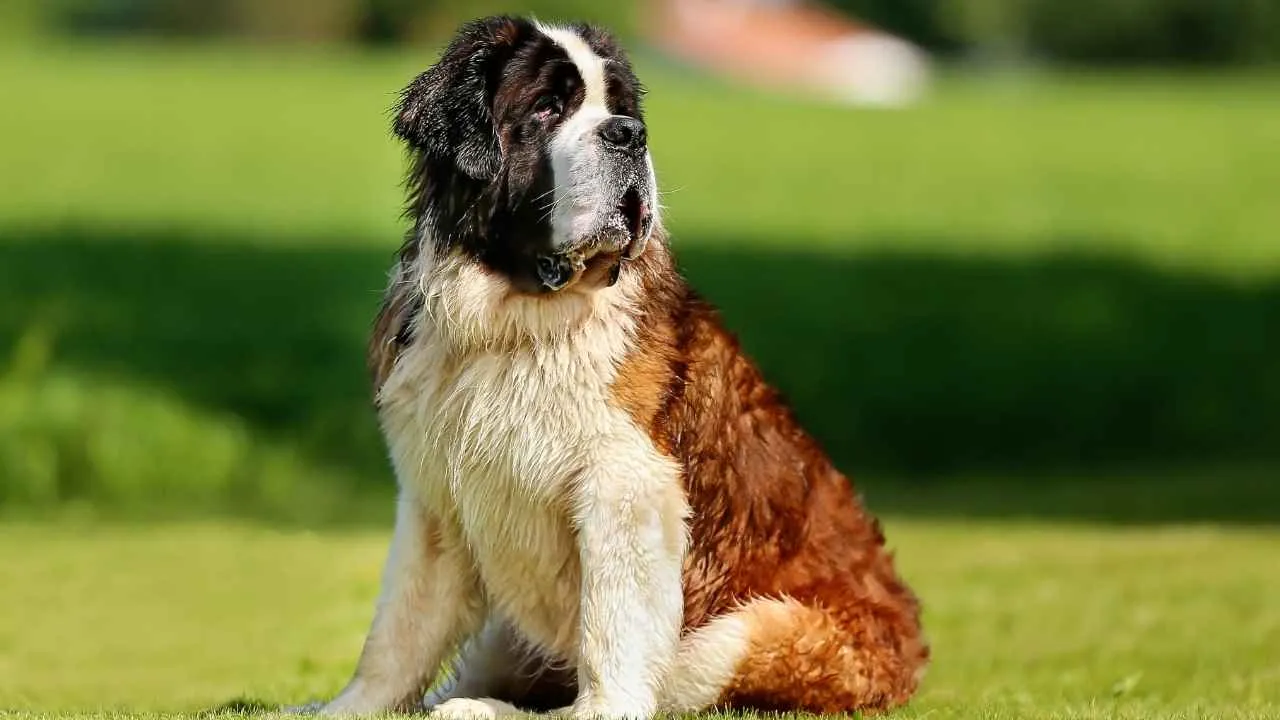
The Saint Bernard carries a legendary history as a rescue dog in the snowy Alps, yet today its powerful presence also makes it a naturally impressive watchdog. Its enormous size and strength alone can discourage unwanted visitors without requiring an aggressive temperament. According to Orvis, the St. Bernard’s deep, low-pitched bark and large size can be intimidating.
Behind that giant appearance is a calm, loving dog that forms deep bonds with its family. Saint Bernards are especially known for their patience with children and can be gentle companions around other pets, earning them a reputation as devoted “nanny dogs.”
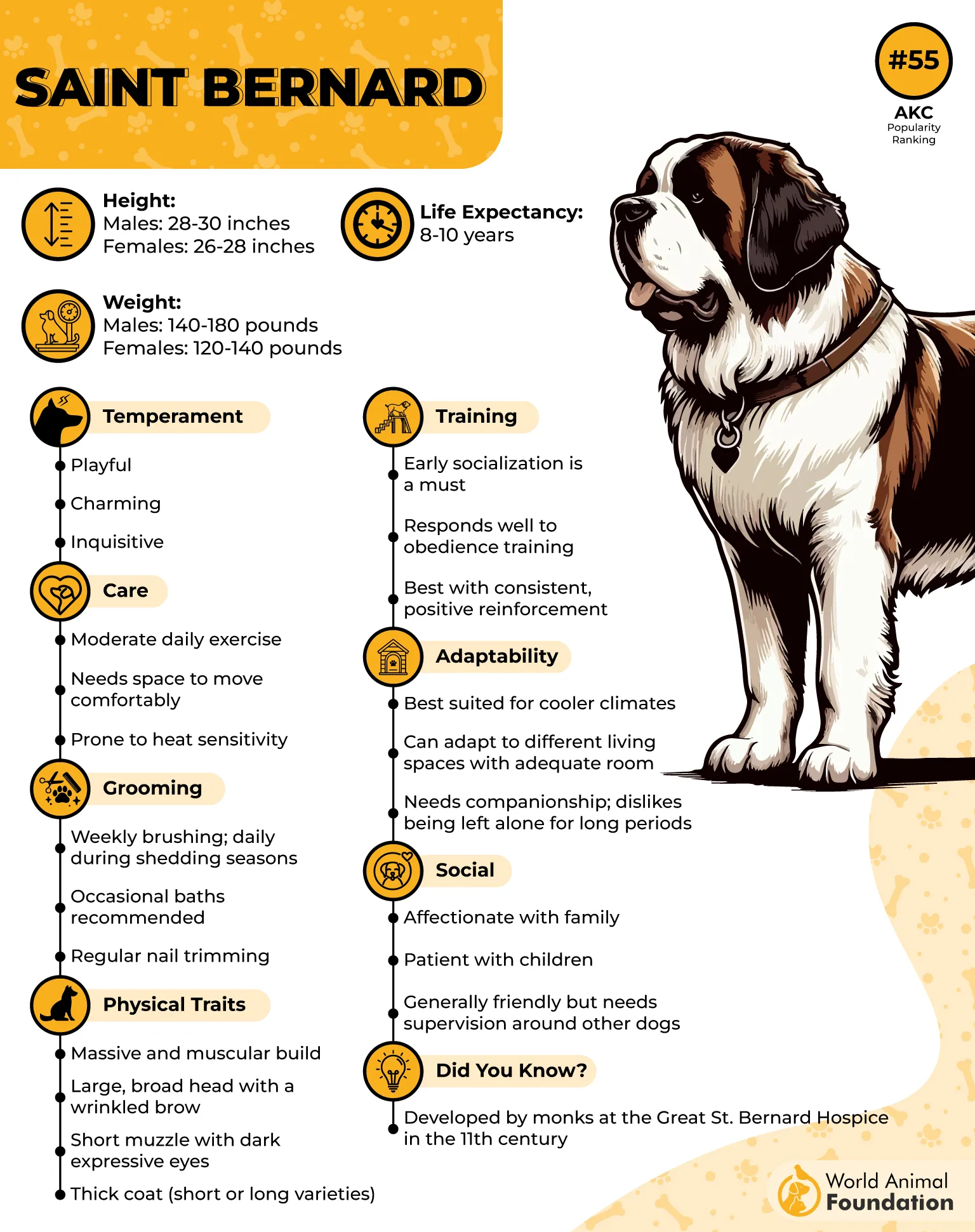
Their protective instincts mean they remain watchful and may alert their owners to unfamiliar activity. Early training and socialization help shape this large breed into a polite, relaxed, and dependable family guardian.
Despite their size, Saint Bernards do not need intense exercise. Daily walks and short play sessions are usually enough, making them a more relaxed choice for families seeking a gentle giant with a strong protective presence.
8. Broholmer
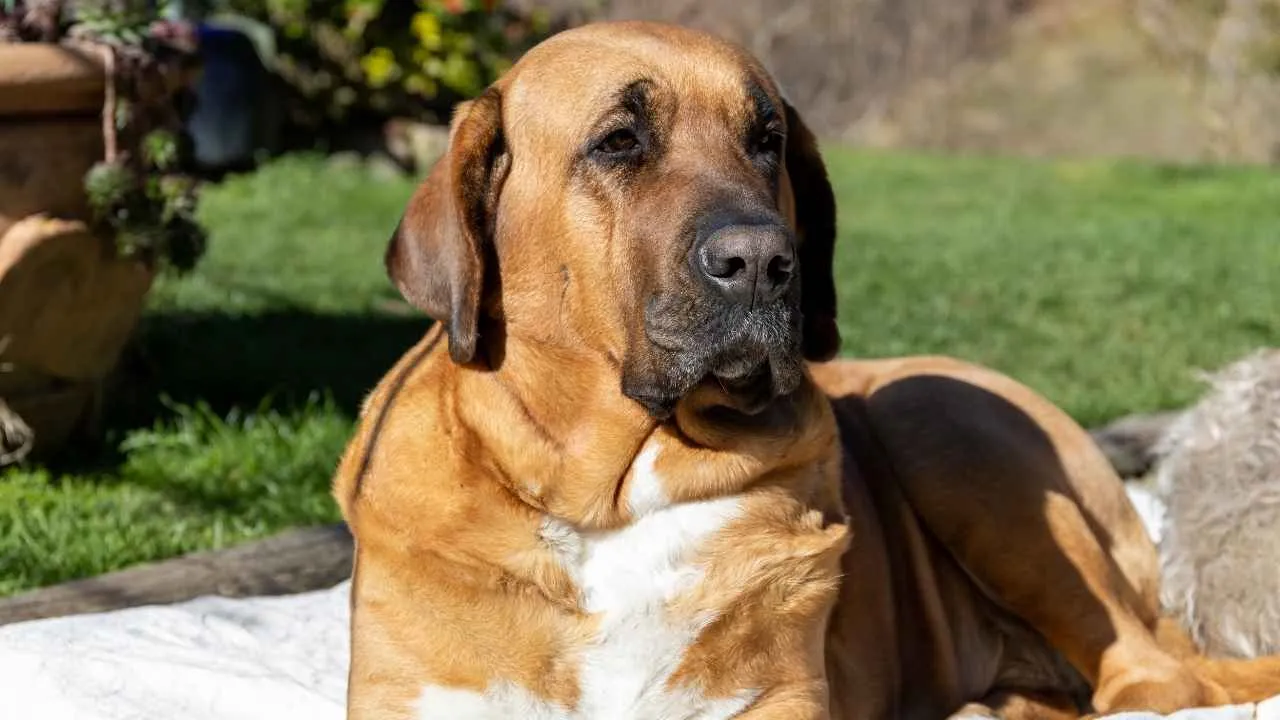
The Broholmer brings a quiet confidence to the role of a guard dog. This massive Danish breed was historically used to protect estates, and its imposing presence can discourage intruders without constant barking or restless behavior.
Despite its powerful build, the Broholmer is known for being calm, docile, and even-tempered. It is deeply loyal to its family, naturally watchful, and can be patient around children, making it a composed protector rather than an overly reactive one.
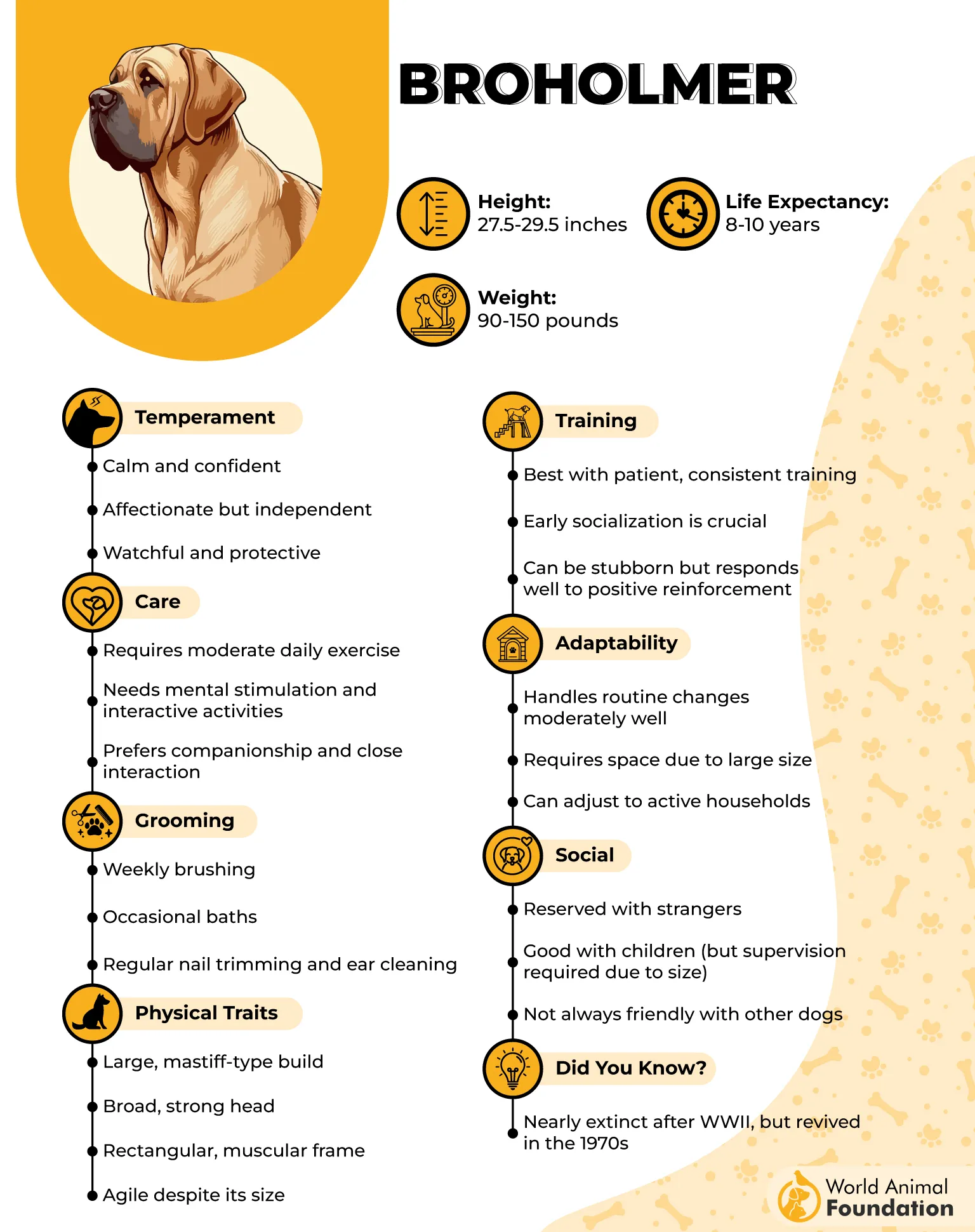
Its short coat is relatively easy to maintain and requires minimal grooming. With a medium energy level, the breed still needs regular exercise, but it can remain relaxed indoors once its daily activity needs are met.
Early socialization and consistent, positive training are especially important because of its size and independent nature. A balanced diet and proper weight management also help support this robust breed’s overall well-being.
9. Boerboel
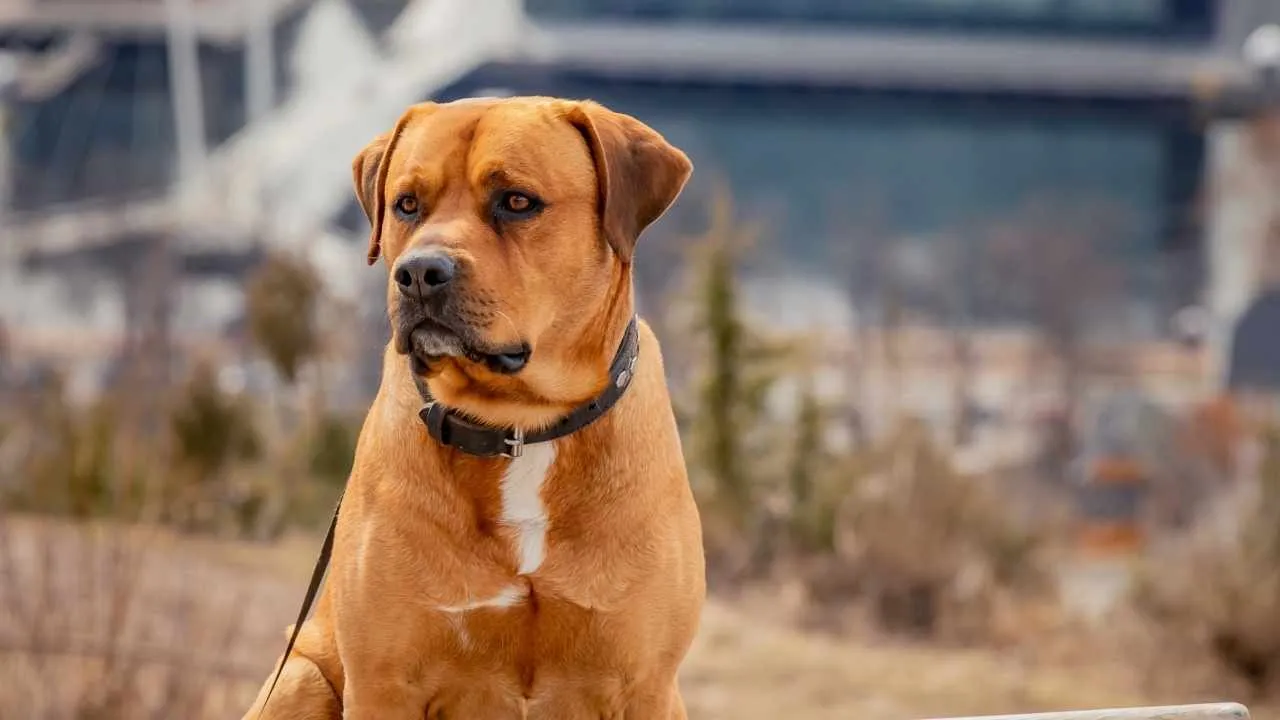
The Boerboel carries the legacy of South African farms, where calm judgment and courage mattered more than needless aggression. This serious guardian is naturally watchful, often assessing a situation before deciding whether a response is necessary.
Despite its imposing presence, the Boerboel is deeply devoted to its family. It can be affectionate and even playful at home, while remaining reserved around unfamiliar visitors until proper introductions help it feel comfortable.
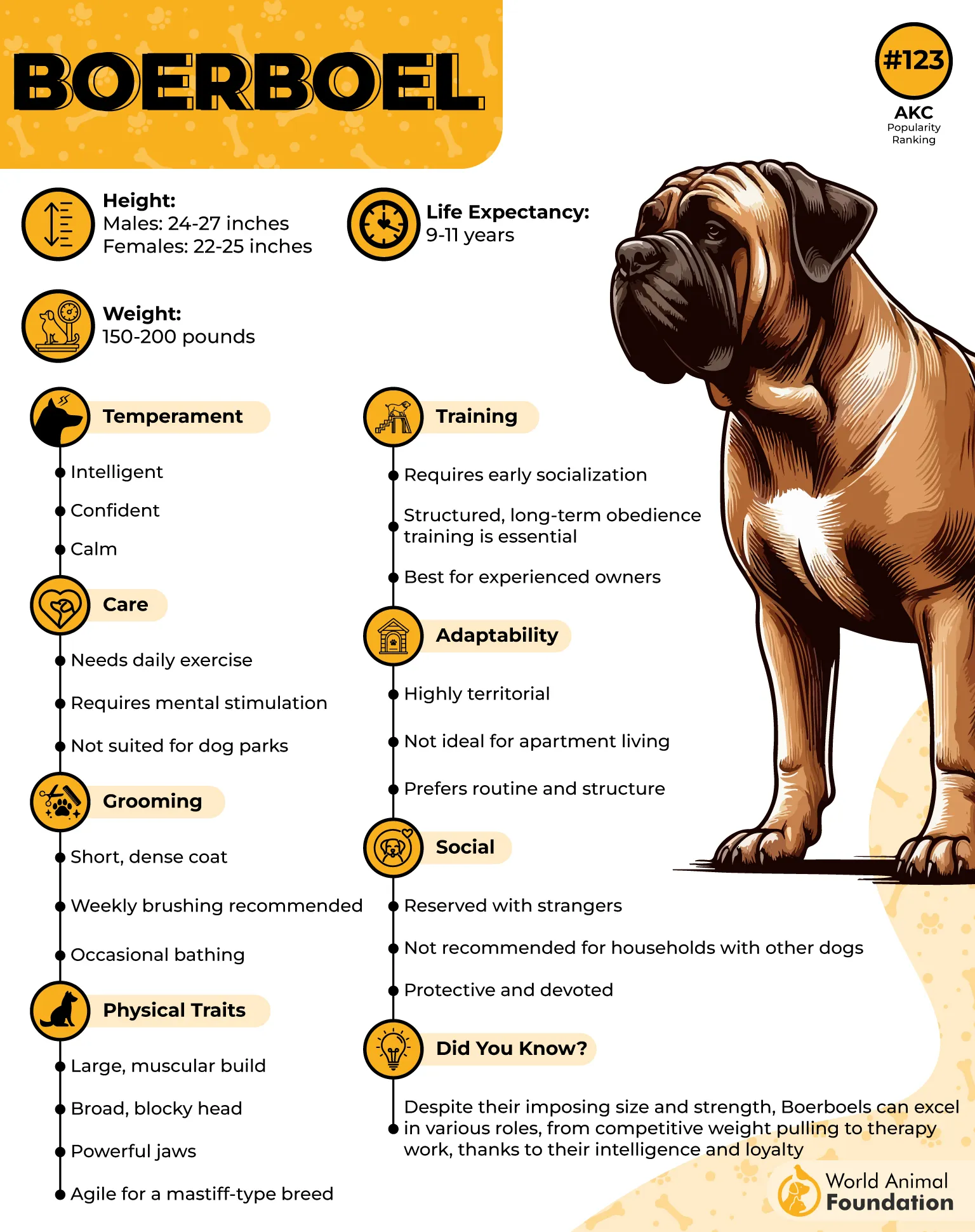
Its short, dense coat requires occasional brushing and bathing only when needed. According to PetMD, Boerboels are relatively easy to groom and care for. Moderate exercise, including structured walks, yard time, and mental activities, usually suits this powerful breed better than endless high-intensity workouts.
A Boerboel’s independence and strength mean early socialization, obedience training, and consistent boundaries are essential. With firm, responsible leadership, this intelligent protector can develop into a calm, dependable guardian whose deep loyalty is matched by an impressive ability to relax at home.
Conclusion
Finding a low-maintenance guard dog does not mean giving up on a loyal, protective companion. The right breed can offer watchfulness while still fitting comfortably into a relaxed home and everyday routine.
Some are naturally calm and reserved, while others combine gentle family companionship with an instinct to stay aware of their surroundings. Their personalities, energy levels, grooming needs, and training requirements can all shape how easily they fit into your lifestyle.
Even relaxed protective breeds need proper training, socialization, exercise, and consistent care. A calm temperament does not replace responsible ownership or the guidance needed to encourage appropriate behavior.
By considering your home, experience, activity level, and the breed’s individual needs, you can find a devoted dog that offers both peace of mind and loving companionship.
