




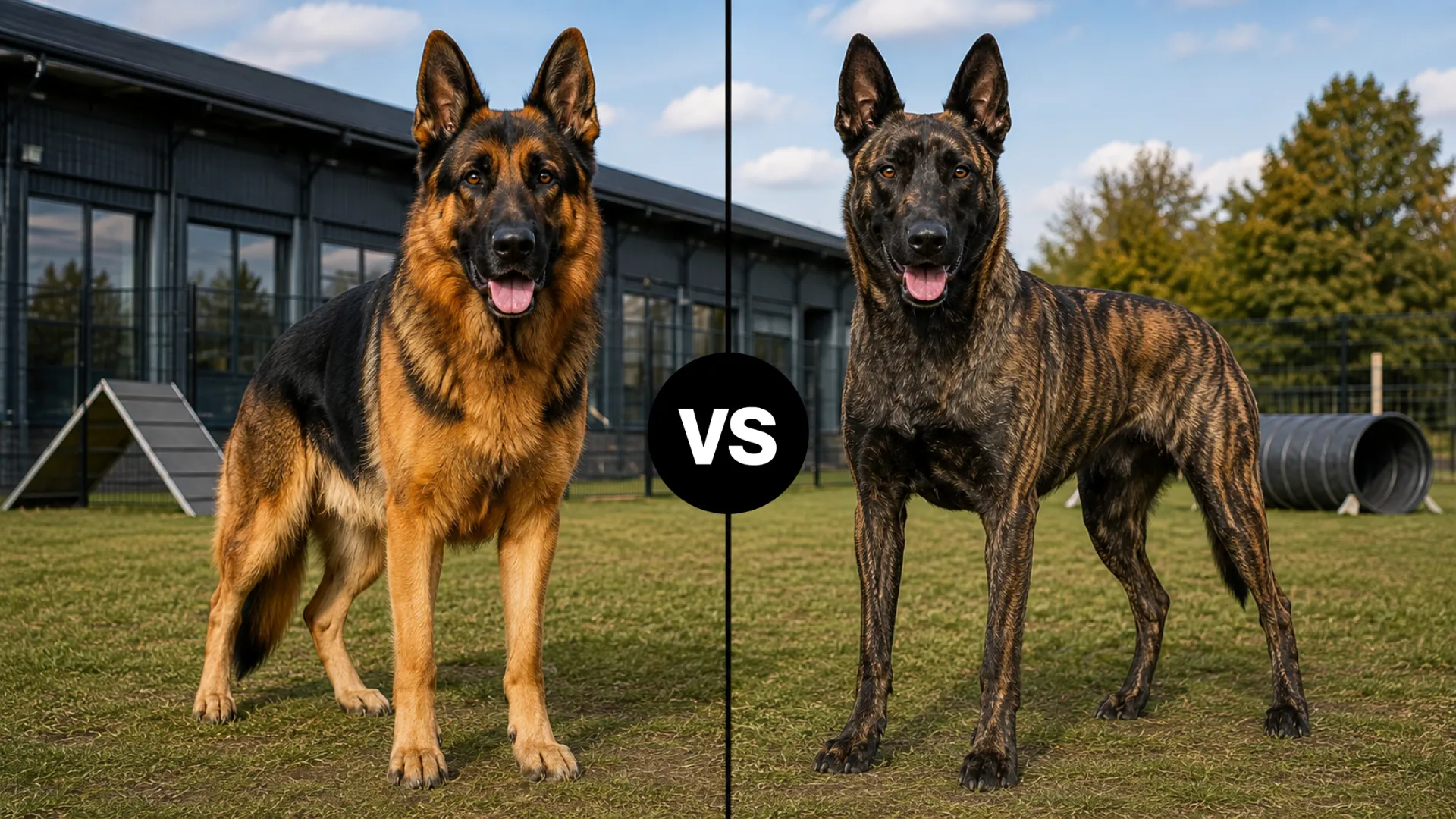
The German Shepherd and Dutch Shepherd may share a herding heritage, but each brings its own character, strengths, and demands to the table.
One is instantly recognizable for its long history as a devoted companion, guardian, and versatile working dog; the other is a lesser-known Dutch breed valued for its intelligence, athleticism, loyalty, and adaptability.
Both can form strong bonds with their families, yet neither is a breed to choose casually. Their energy, intelligence, protective instincts, and need for regular physical and mental stimulation require an owner who can stay involved.
Even their grooming needs differ, from the German Shepherd’s heavy shedding to the Dutch Shepherd’s three coat varieties.
So, how do these two accomplished Shepherds really compare? From coat care and lifespan to family compatibility and guarding abilities, these fast facts offer a closer look at what makes each breed distinctive and what kind of home may suit them best.
Key Takeaways
Both breeds have strong herding roots and were developed for demanding working roles.
German Shepherds are highly versatile, serving as family companions, guardians, police dogs, service dogs, and working dogs.
Dutch Shepherds are intelligent and adaptable, with a history in herding, farming, guarding, and law enforcement.
Both breeds need plenty of physical and mental stimulation to stay engaged and avoid boredom.
Both breeds can make capable watchdogs, thanks to their alertness, loyalty, and protective instincts.
Fast Facts About German Shepherd vs. Dutch Shepherd Dog Breeds
Breed Origins & Functional Background
German Shepherds and Dutch Shepherds share a strong working heritage, but their histories developed in different settings.
The German Shepherd Dog is among the most popular dogs in the world. These dogs were developed in Germany in the late 19th century, when Max von Stephanitz set out to create a versatile sheep-herding breed that combined intelligence, character, and working ability.
In 1899, he purchased a dog named Hektor Linksrhein, later renamed Horand von Grafrath, and used him as a foundation for the breed.
The German Shepherd eventually became valued far beyond herding, finding roles in tracking, guiding, police work, search and rescue, detection, and other services, according to the American Kennel Club.
The Dutch Shepherd, meanwhile, developed naturally in rural areas of the Netherlands as an all-purpose farm dog. It helped guard farms, drive livestock, and herd sheep, with independence and stamina being especially useful.
As traditional herding declined, Dutch Shepherds found new purpose in obedience, tracking, dog sports, police work, and search and rescue.
Both breeds therefore carry a strong instinct to work closely with people while remaining capable, energetic partners.
Physical Characteristics & Body Structure
At first glance, German Shepherds and Dutch Shepherds both have the unmistakable appearance of athletic working dogs, but their physical details set them apart.
The German Shepherd is a large breed with a distinctive, recognizable outline, smooth curves, and a medium double coat consisting of a dense outer layer and softer undercoat.
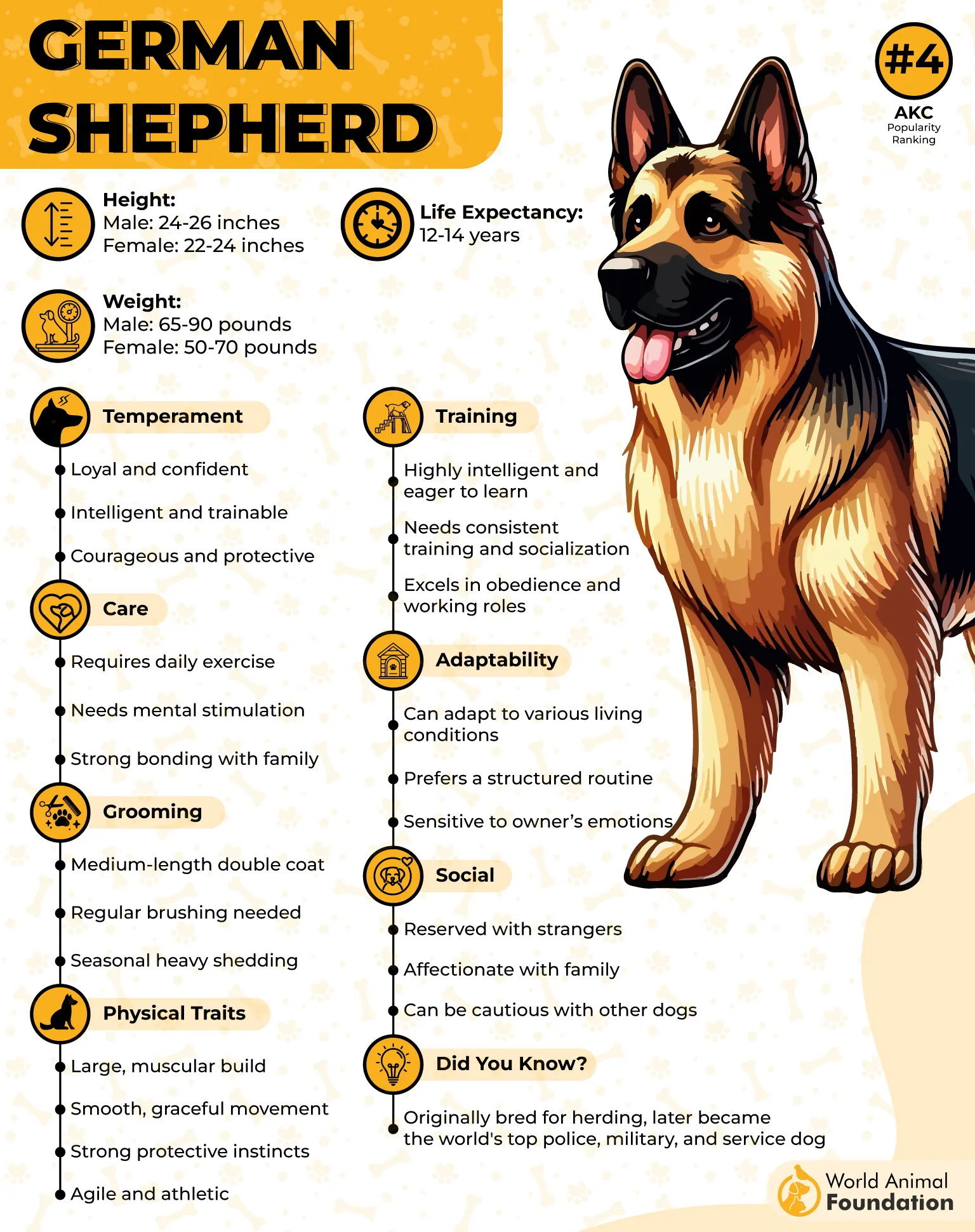
Its coat may appear in several recognized colours, including black-and-tan, sable, and all black. The breed was developed for stamina, with a body capable of maintaining an easy, efficient trot while also moving quickly when required.
Dutch Shepherds are generally medium-sized to large, with males reaching up to 25 inches and females up to 27 inches at the shoulder.
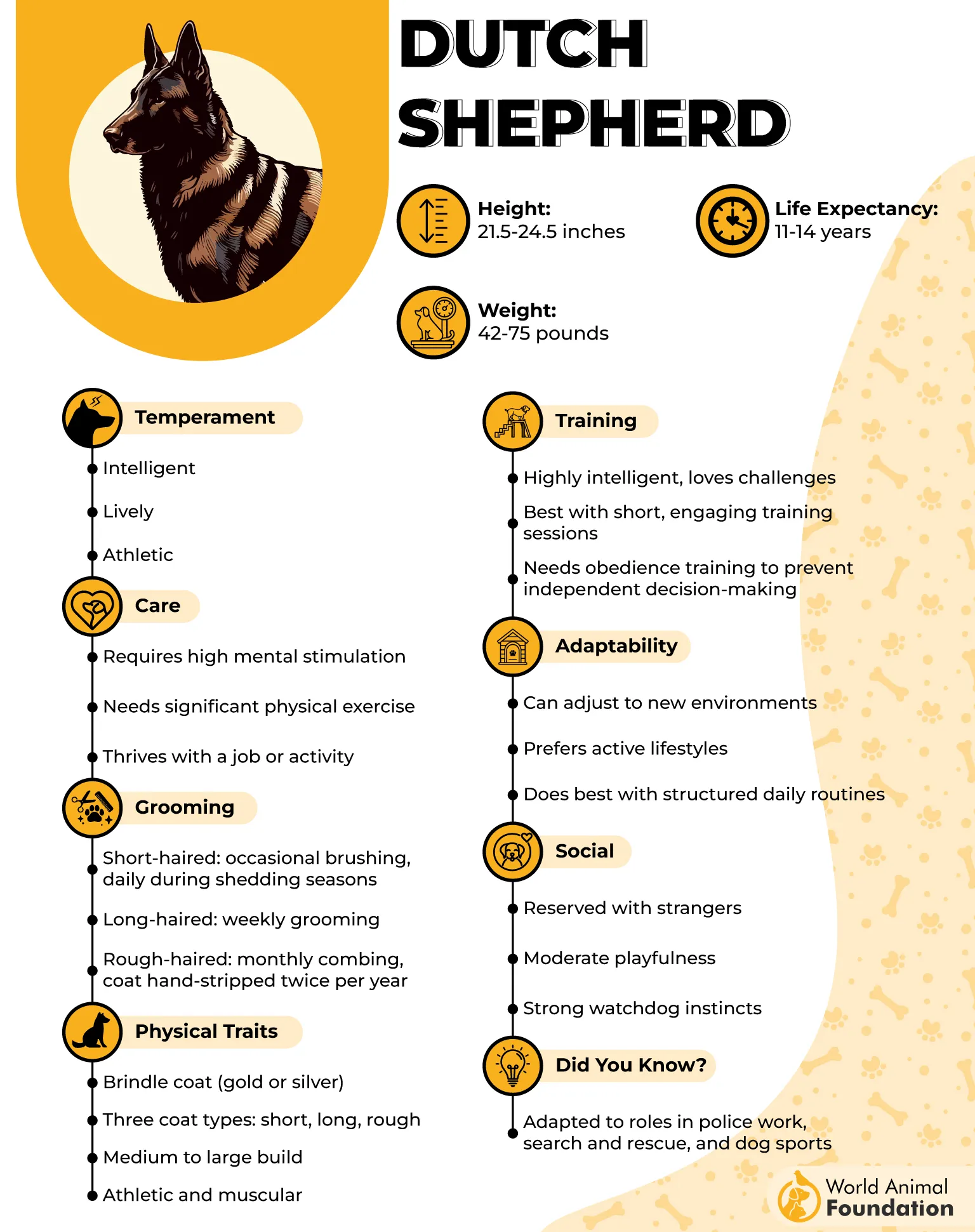
Their muscular, well-proportioned bodies reflect their history of working with livestock for long periods.
One of their most noticeable features is the brindle coat, which may have gold or silver base tones.
Unlike German Shepherds, Dutch Shepherds come in three coat varieties: short-haired, long-haired, and rough-haired, giving the breed considerable visual variety.
Temperament & Behavior
Both breeds are loyal, intelligent, alert, and strongly connected to their working backgrounds, but they express these qualities in somewhat different ways.
German Shepherds are known for their devotion to their families and their protective nature.
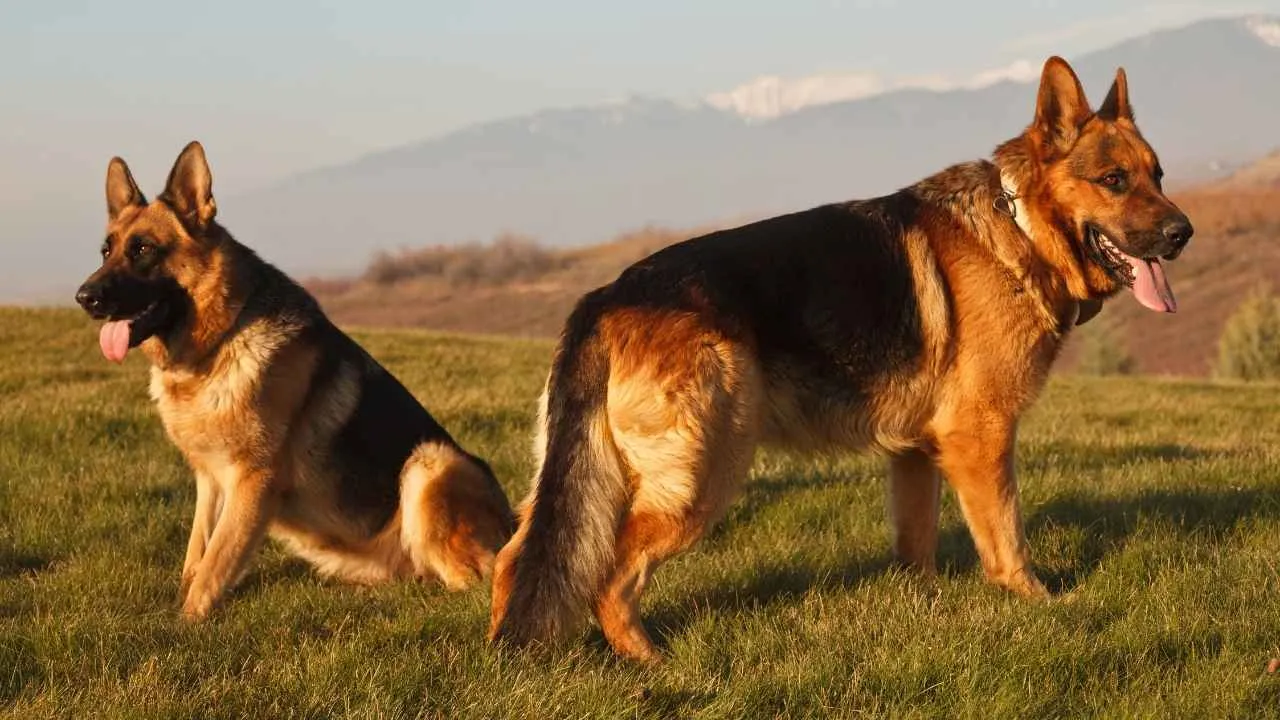
They can be affectionate and playful with the people they trust while remaining reserved around strangers, making their combination of companionship and vigilance part of their appeal.
Their confidence, responsiveness, and willingness to work have also helped them form strong relationships with handlers in demanding service roles.
However, their behavior is influenced by genetics, socialisation, training, and environment, so responsible breeding and early guidance are important.
Dutch Shepherds are similarly loyal and attentive but retain a particularly independent streak from their history as herding and farm dogs.
They can think for themselves and may become inclined to make their own decisions without sufficient direction. Their lively, sensitive temperament calls for a thoughtful approach to training.
Neither breed is simply a passive companion; both are happiest when they have meaningful interaction, clear guidance, and an active role alongside their people.
Activity Requirements & Energy Levels
Neither the German Shepherd nor the Dutch Shepherd is suited to a lifestyle built around doing very little. Both breeds were developed to work, and that history remains visible in their stamina, energy, and need for purposeful activity.
German Shepherds were bred to work closely with people and have exceptional stamina. Even when living as family pets, they need regular physical exercise as well as mental stimulation.
Their intelligence means that simply exercising their bodies may not be enough; they also benefit from activities that give their minds something to focus on. Dutch Shepherds have an equally strong desire to stay busy.
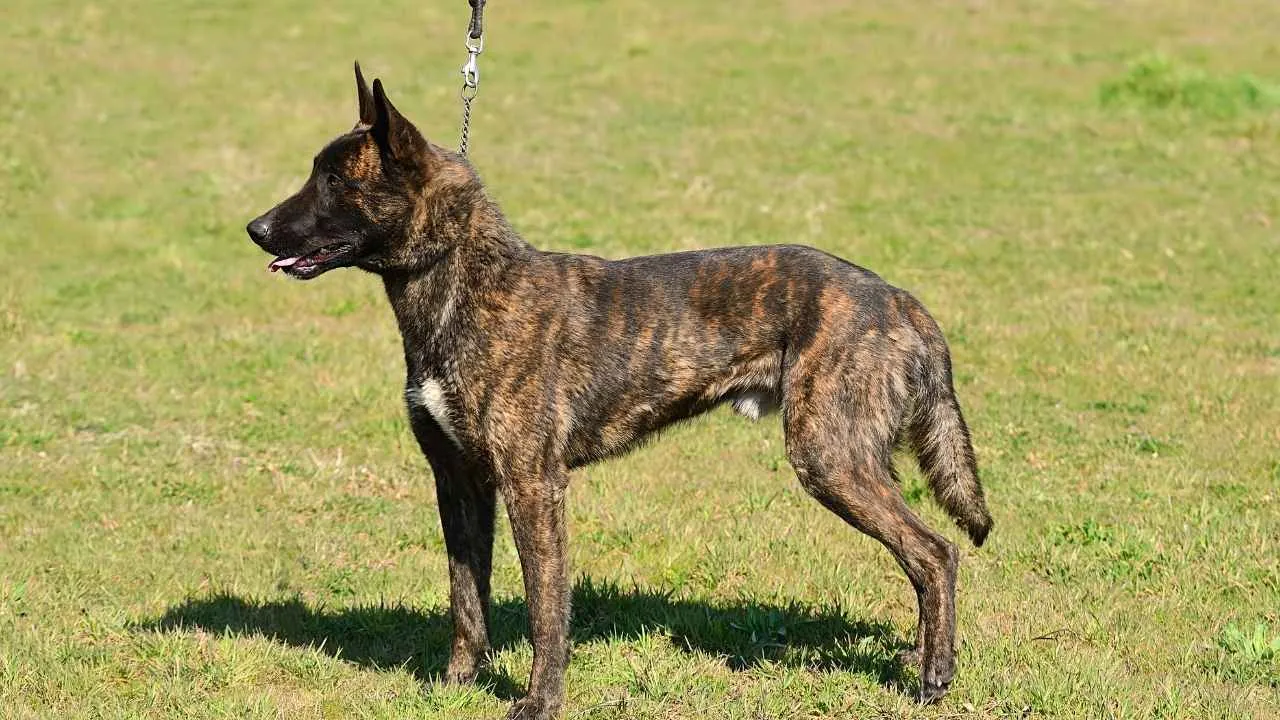
Originally used for herding, droving, guarding, and other farm duties, they were expected to remain active for extended periods. Today, their abilities can be channelled into dog sports, obedience, tracking, herding, jogging, cycling, police work, and other activities.
The Dutch Shepherd can adjust between work, play, and quieter periods, but it does not thrive as a dog left at home without purpose. For both breeds, an active owner who enjoys shared activities is a much better match than a sedentary household.
Trainability, Intelligence & Learning Ability
Intelligence is one of the strongest common threads between German Shepherds and Dutch Shepherds, and both breeds have earned reputations as capable working dogs.
German Shepherds are highly responsive and quick to learn, which has contributed to their success in herding, obedience, tracking, guiding, police work, detection, and search and rescue.
However, their intelligence does not mean training is automatically effortless. They need consistent structure, clear expectations, socialisation, and both mental and physical outlets. Without sufficient guidance, their energy and intelligence can contribute to unwanted behaviour.
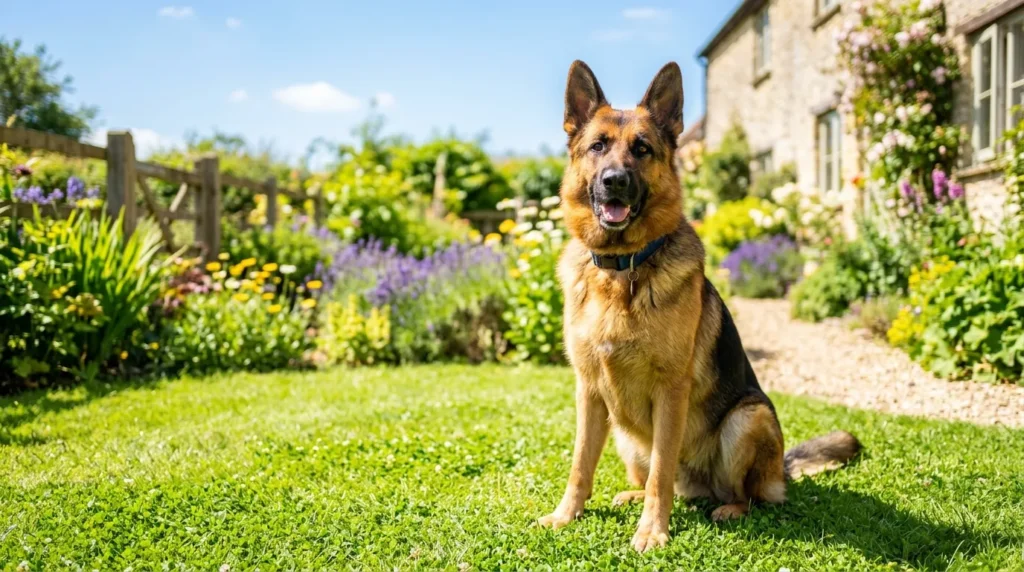
Dutch Shepherds are equally intelligent and enjoy having a challenge to solve.
They are prepared to work with their handlers but also possess an independent nature that can become more pronounced when training is lacking, as stated by Zooplus. Shorter sessions with limited repetition can help keep their interest, while mentally stimulating work can increase their drive.
Both breeds respond well to purposeful training, but neither should be treated as a dog that simply follows commands without thought. Their intelligence is best appreciated when it is given direction, consistency, and meaningful work.
Coat Maintenance & Grooming Needs
A German Shepherd’s medium-length double coat is a notable grooming commitment. These dogs shed throughout the year and experience two heavier shedding periods, so regular brushing helps manage loose hair.
Brushing two to three times a week is recommended, with more frequent brushing useful during heavier shedding. Their coat is generally easy to maintain beyond shedding, and they do not need frequent baths unless they are genuinely dirty.
Dutch Shepherds, meanwhile, come in short-, long-, and rough-haired varieties, so grooming needs depend on the coat. Short-haired dogs generally need occasional or weekly brushing, with daily brushing during shedding seasons.
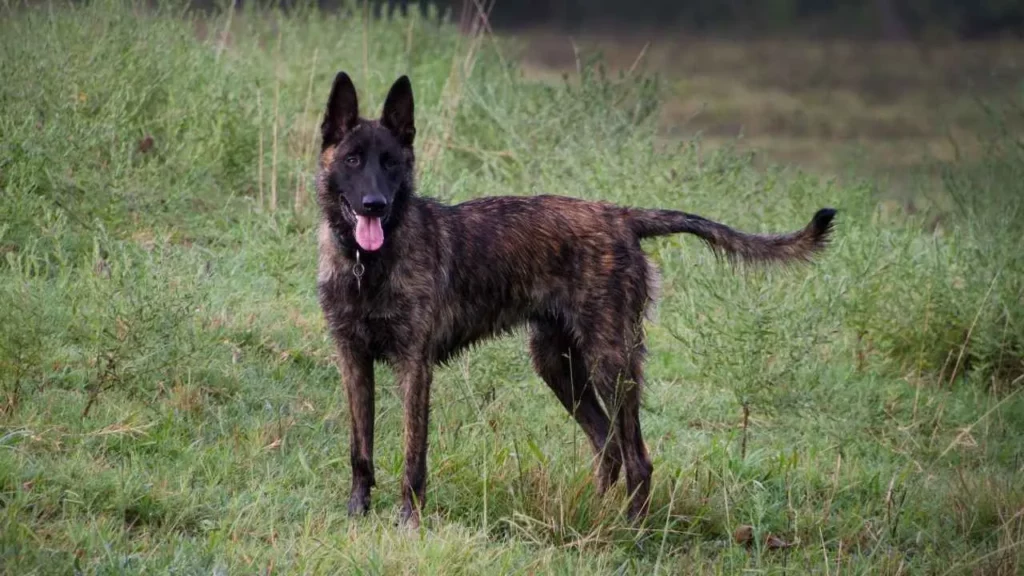
Long-haired Dutch Shepherds require more consistent brushing to prevent tangles, while rough-haired dogs have dense coats that may need specialized care. Both breeds also benefit from routine nail trimming, dental care, and ear checks.
For owners comparing the two, coat type and tolerance for shedding are important considerations for the final decision.
Average Lifespan & Longevity
Lifespan can offer another useful point of comparison. German Shepherds are generally described as having an average lifespan of about 10 to 14 years.
Dutch Shepherds are commonly listed at around 11 to 14 years, while another source gives an average range of 11 to 15 years. Individual longevity varies, and overall care matters.
The information provided for Dutch Shepherds emphasizes nutritious food, regular exercise, veterinary checkups, and a calm home as ways owners can support a long, healthy life.
German Shepherds are described as generally healthy but can be prone to certain health conditions, making responsible care and attention important, according to PetMD. Dutch Shepherds may experience issues including hip dysplasia, elbow dysplasia, allergies, and some eye-related conditions.
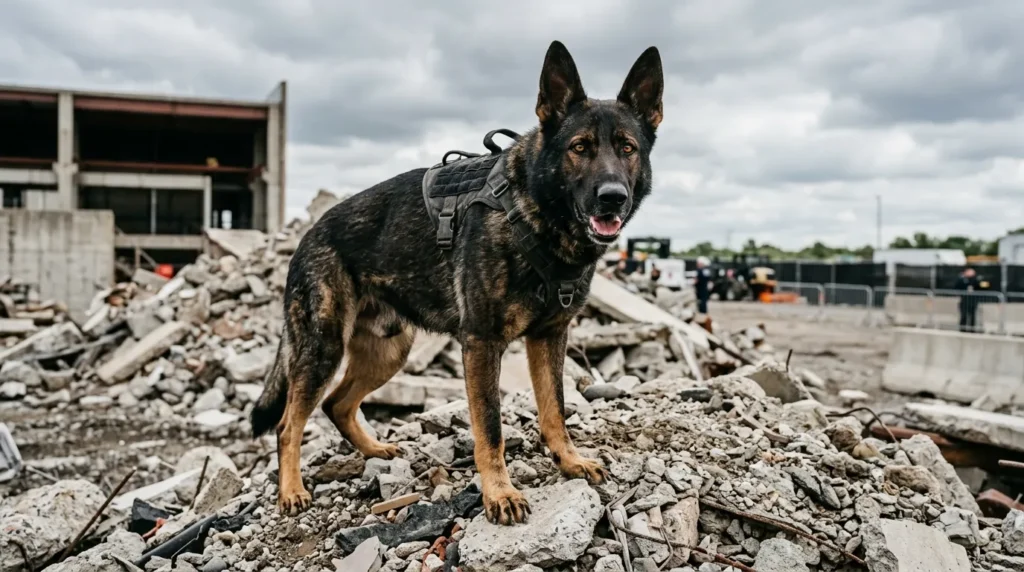
Owners should watch for changes in health and behavior over time. Whichever breed an owner chooses, routine veterinary care, appropriate exercise, and attentive daily care can help support the dog’s well-being throughout its life.
Suitability for Family Life vs. Guard Duties?
German Shepherds and Dutch Shepherds can both become devoted family companions while retaining the instincts that made them valuable dogs.
German Shepherds are affectionate and loyal, and they can be good with children, but their reserved attitude toward unfamiliar people can make early socialization important. Their protective nature also suits guard duties, and their history includes police, military, assistance, and other roles.
Dutch Shepherds are similarly loyal, intelligent, energetic, and protective, yet the supplied sources describe them as family-oriented and affectionate. They can be playmates for children and coexist with other animals when properly socialized and trained.
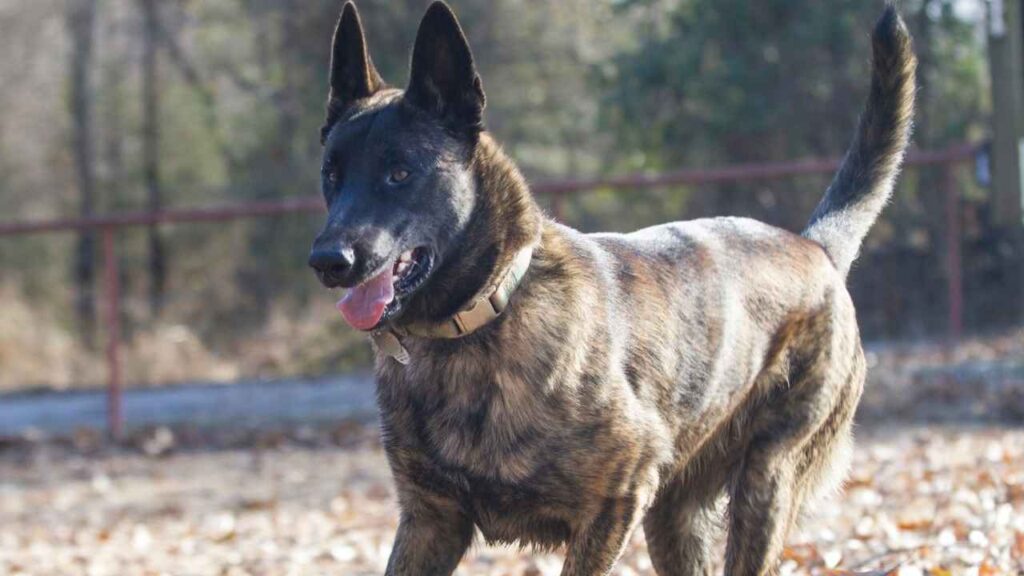
At the same time, their alertness and instincts make them watchdogs. Neither breed is ideal for an owner seeking a low-energy companion.
Both need regular physical and mental activity, training, and engagement. German Shepherds may appeal more to those prioritizing guarding ability, while Dutch Shepherds can suit families wanting an active, affectionate companion.
Conclusion
German Shepherds and Dutch Shepherds share a foundation: both were shaped by herding and working roles, and both combine intelligence, loyalty, energy, and protective instincts. Yet they bring different qualities into life.
The German Shepherd is a highly recognizable, versatile working dog with strong devotion to its family and a naturally reserved attitude toward strangers. Its shedding and high exercise needs require committed ownership.
The Dutch Shepherd offers athleticism, intelligence, affection, and adaptability, with three coat varieties and a strong need for activity and mental stimulation. It can thrive as both a family companion and a working dog when properly trained and socialized.
The better choice depends less on appearance and more on the lifestyle an owner can provide. Both breeds need time, structure, companionship, exercise, and meaningful engagement.
For someone prepared to meet those needs, either can become a loyal, capable, and rewarding companion. Their strengths are worth understanding.
