




Some dogs learn “sit” after several practice sessions, while others look at you after the second repetition like, “Yeah, got it—what’s next?” Intelligence in dogs can appear through problem-solving, memory, responsiveness to human direction, scent discrimination, independent decision-making, and the ability to perform complicated jobs.
That is why highly intelligent working breeds can move from basic obedience to tracking, retrieving, detection work, hunting, search and rescue, and competitive dog sports when training matches their natural abilities.
There is one important plot twist, though: intelligence and obedience are not exactly the same thing. The American Kennel Club notes that genetic heritage, personality, instinctive drives, and willingness to cooperate all influence trainability, meaning a clever dog may understand your request perfectly and still decide another activity is more interesting.
Here are the seven seriously clever breeds whose working brains have been impressing hunters, handlers, trainers, and ordinary owners for generations.
Highly Intelligent Dog Breeds Perfect for Tracking, Hunting, and Training
1. German Shepherd
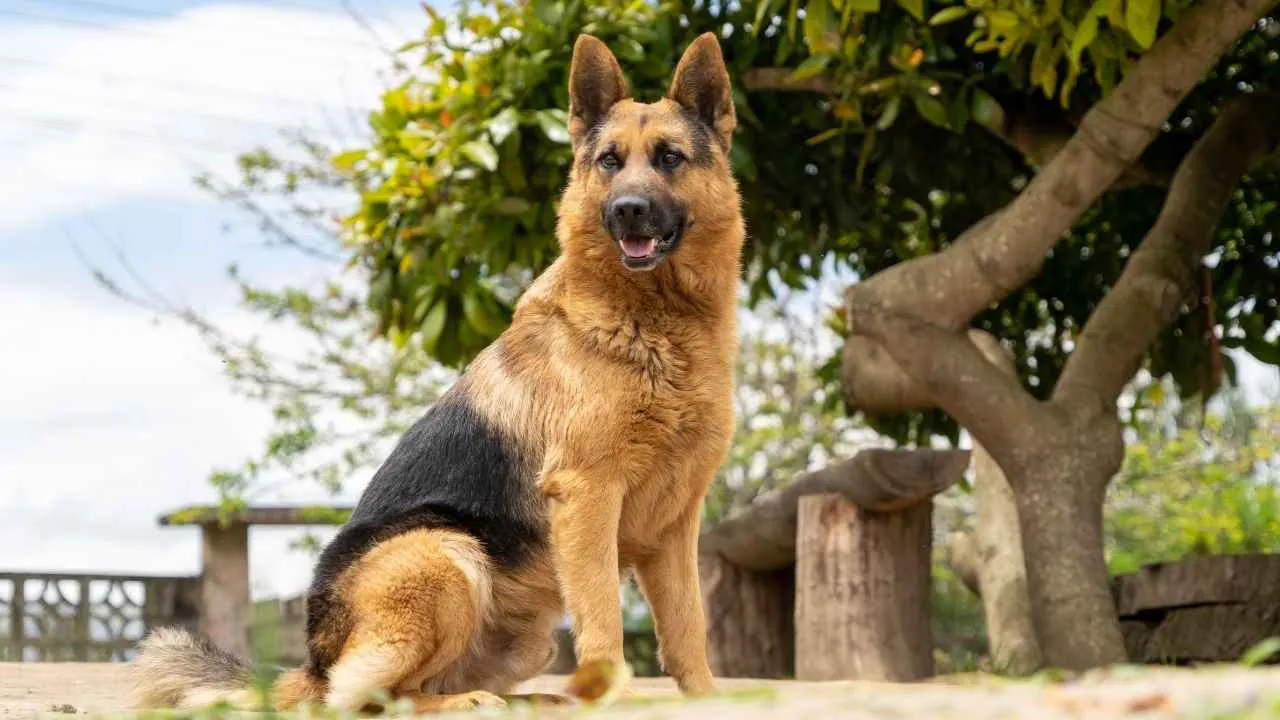
The German Shepherd is an exceptionally intelligent all-purpose worker whose trainability and desire to work place it near the top of many working-dog lists.
That sharp brain can make basic training feel surprisingly smooth when the handler is clear and consistent. As per Chewy, these hunting dogs are blessed with a fast, retentive memory and ability to learn important words, behaviors, and routines. Experienced owners emphasize positive reinforcement through toys, treats, and rewards.
Teach something correctly, reinforce it consistently, and a well-motivated Shepherd can progress from “down” and “stay” to scent discrimination, formal heelwork, advanced retrieval, tracking, and protection exercises.
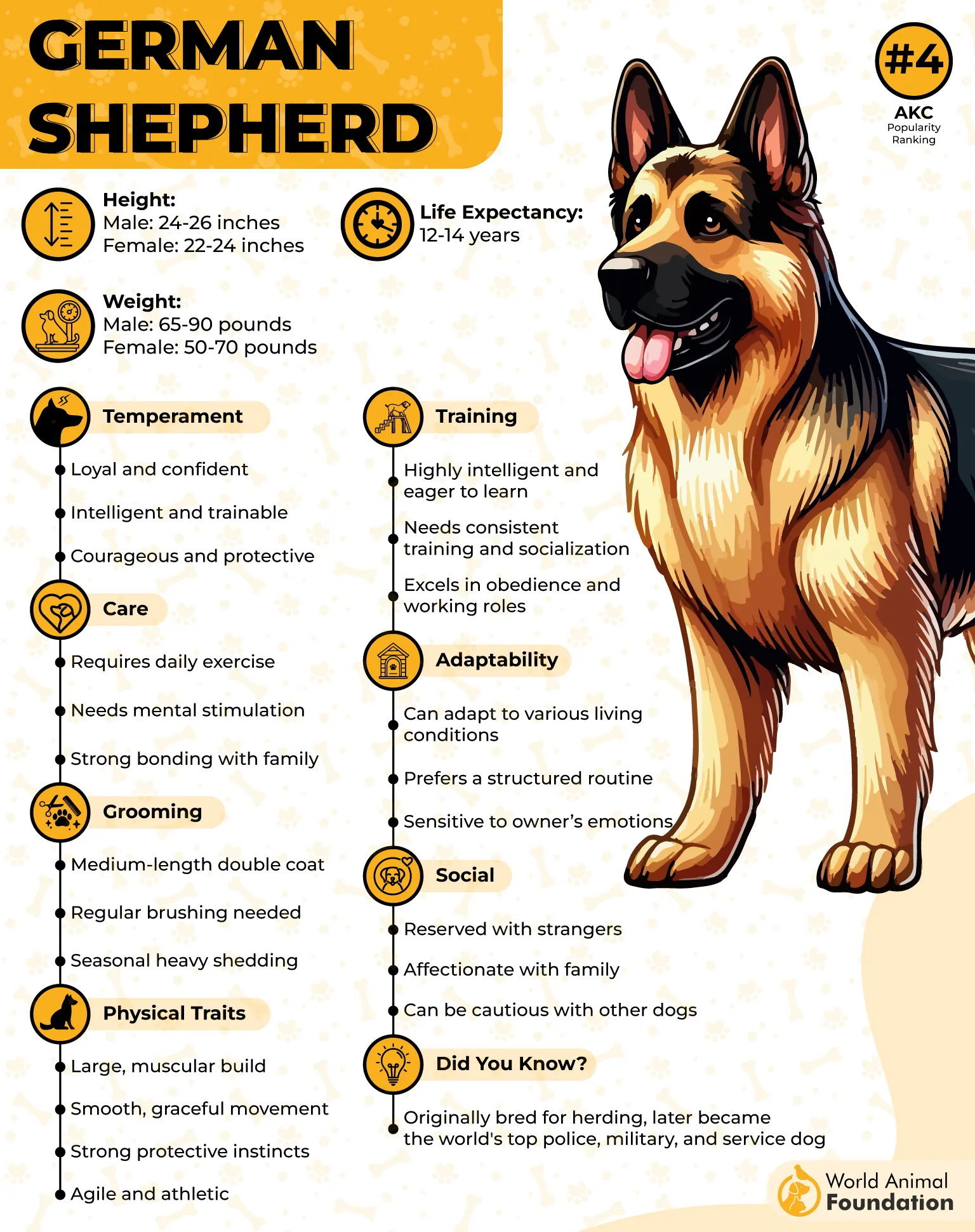
Their original herding work helps explain why these dogs are so good at reading situations rather than blindly repeating movements. Managing livestock required awareness, physical control, environmental monitoring, and the ability to respond rapidly when animals changed direction.
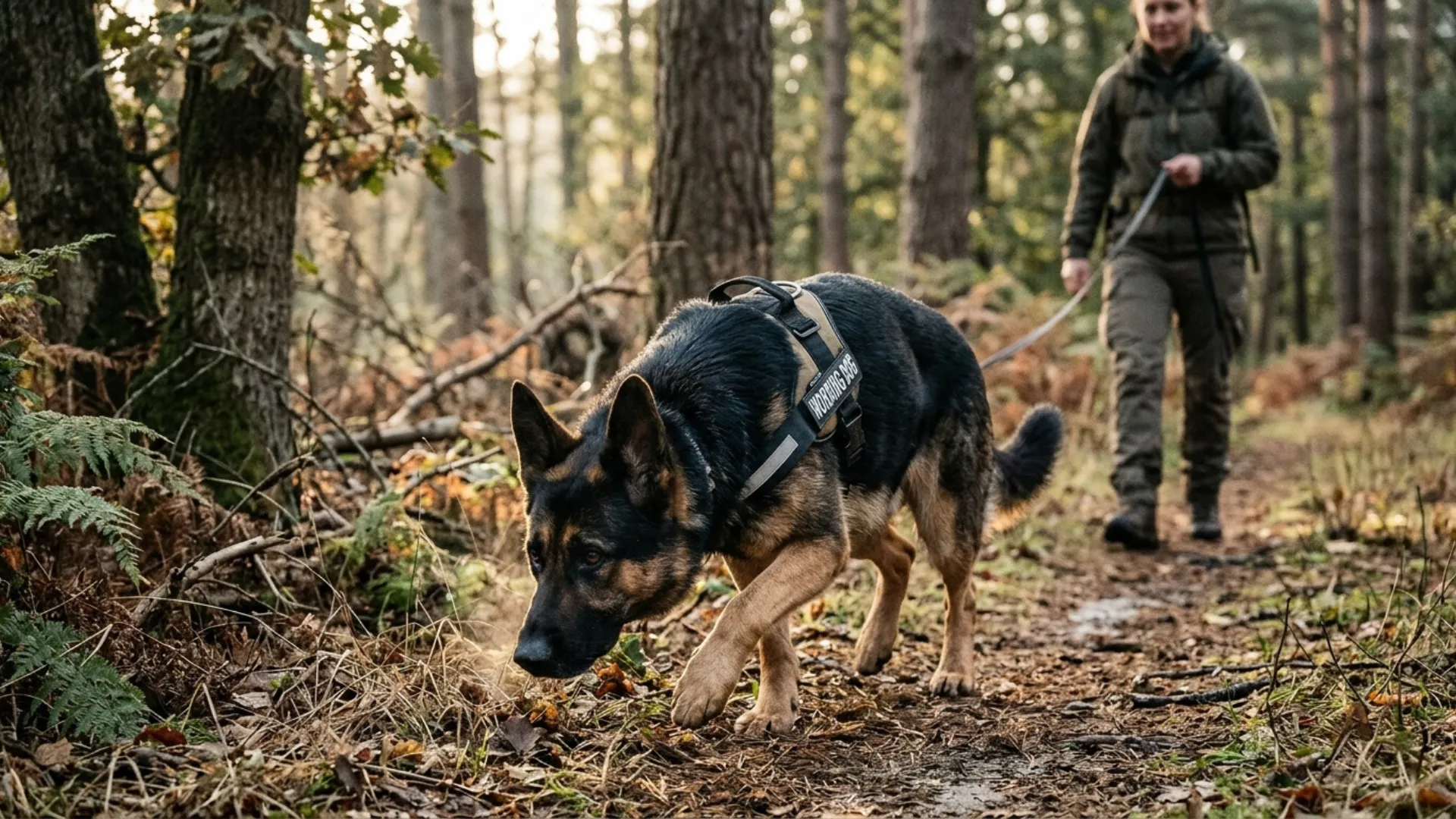
Tracking is another area where the German Shepherd can absolutely cook. Although it was not originally created as a specialized hunting hound, they possess strong noses, endurance, tracking ability, loyalty, and a substantial work ethic, making scent-based tasks particularly suitable when properly trained.
2. Labrador Retriever
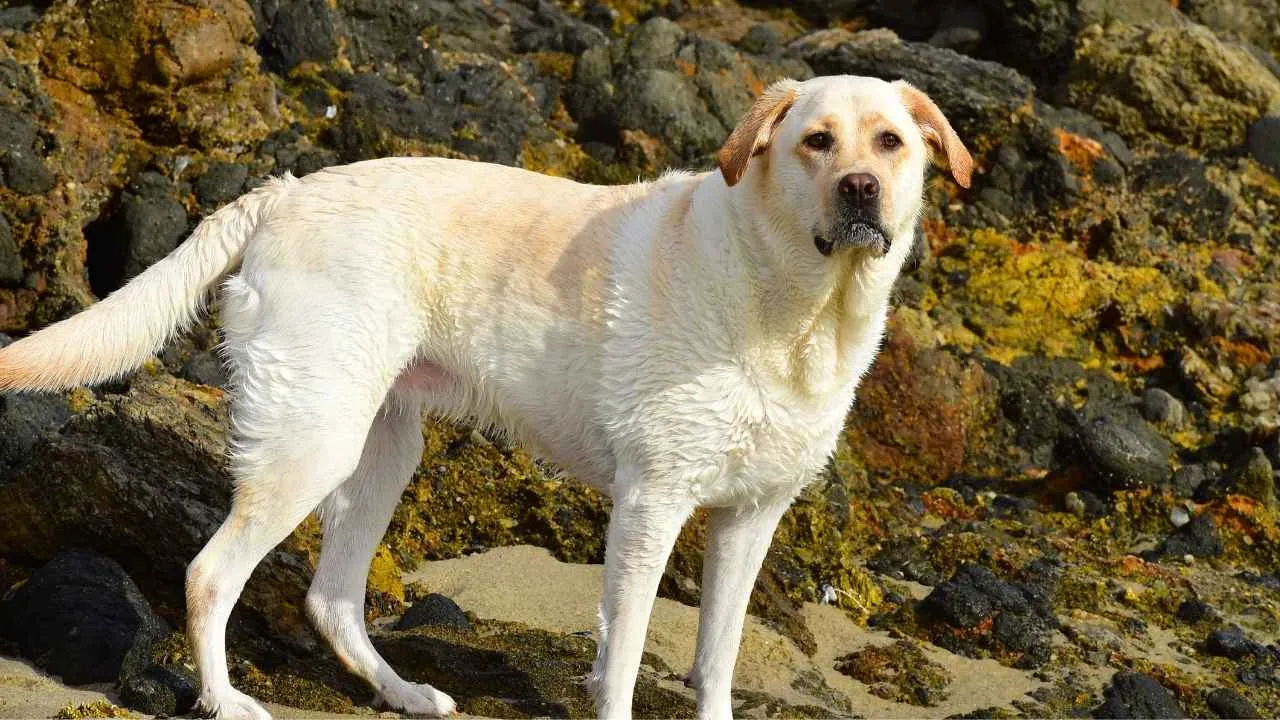
The Labrador Retriever has mastered a particularly useful form of intelligence: being clever while still wanting to cooperate with humans.
Originally developed from working waterdogs associated with Newfoundland, Labs became renowned retrieving dogs whose physical build, dense water-resistant coat, and famous “otter” tail supported demanding work around water.
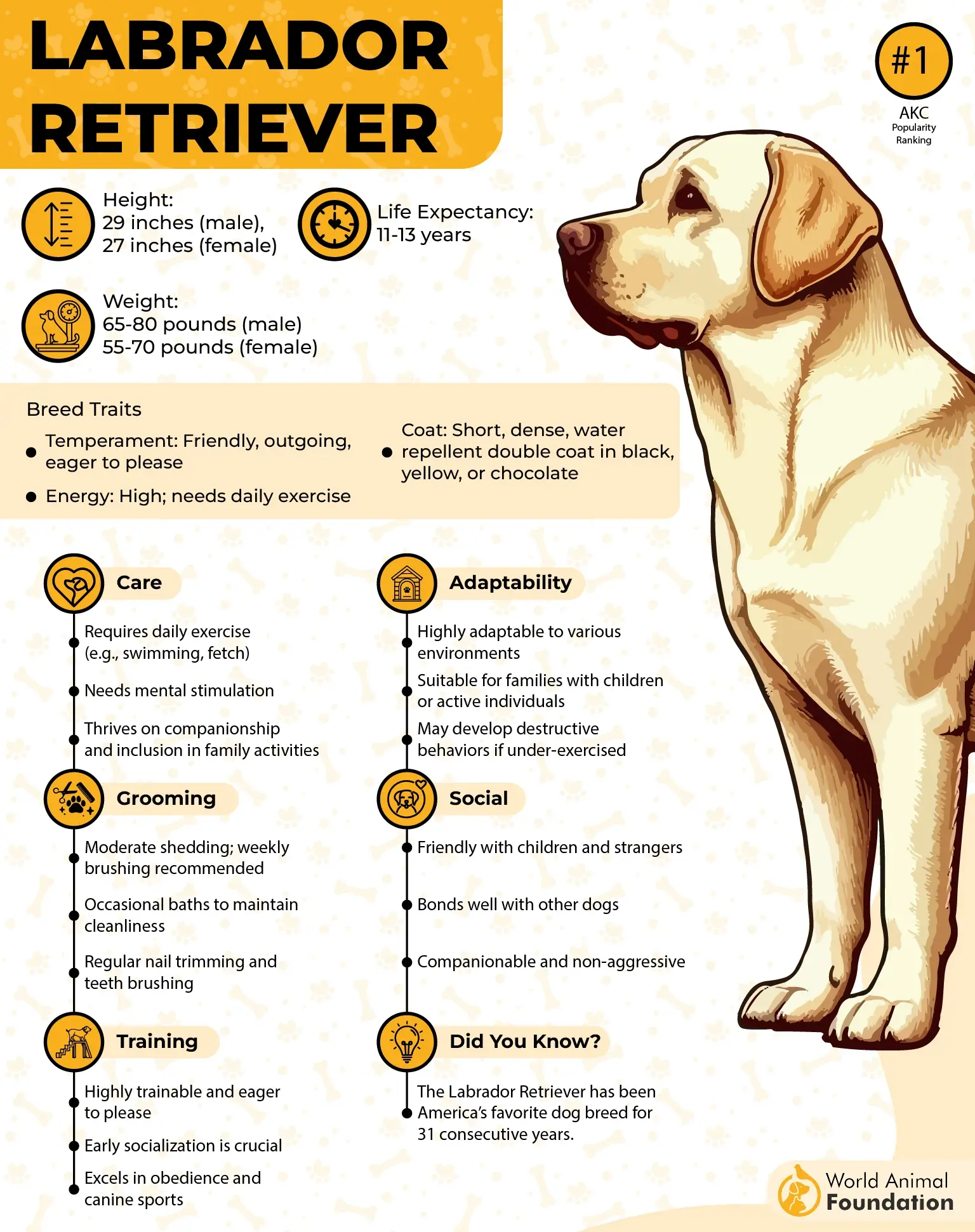
These active dogs are quick learners with a strong work ethic and an unusually versatile skill set. Properly trained dogs can retrieve shot game, work around driven shoots, participate in wildfowling, and perform demanding service or military tasks, while their cooperative temperament makes building reliable behaviors relatively straightforward compared with many independently minded breeds.
Labradors appear in guide-dog programs, detection roles, search work, service tasks, obedience, tracking, rally, agility, and other activities requiring them to process human cues in changing environments.
3. Golden Retriever
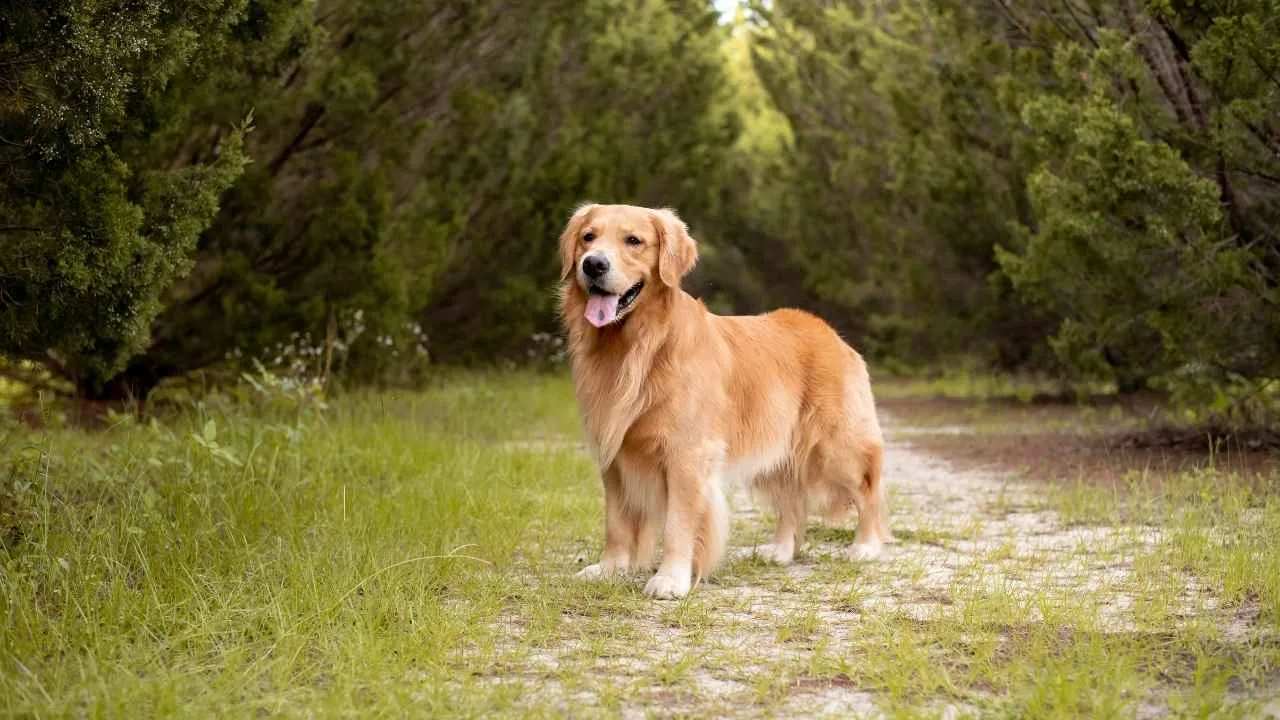
Golden Retrievers have the kind of intelligence that makes trainers look suspiciously relaxed. They are smart, cooperative, people-focused sporting dogs originally developed to retrieve game, and their strong desire to work with humans often makes new behaviors easier to teach.
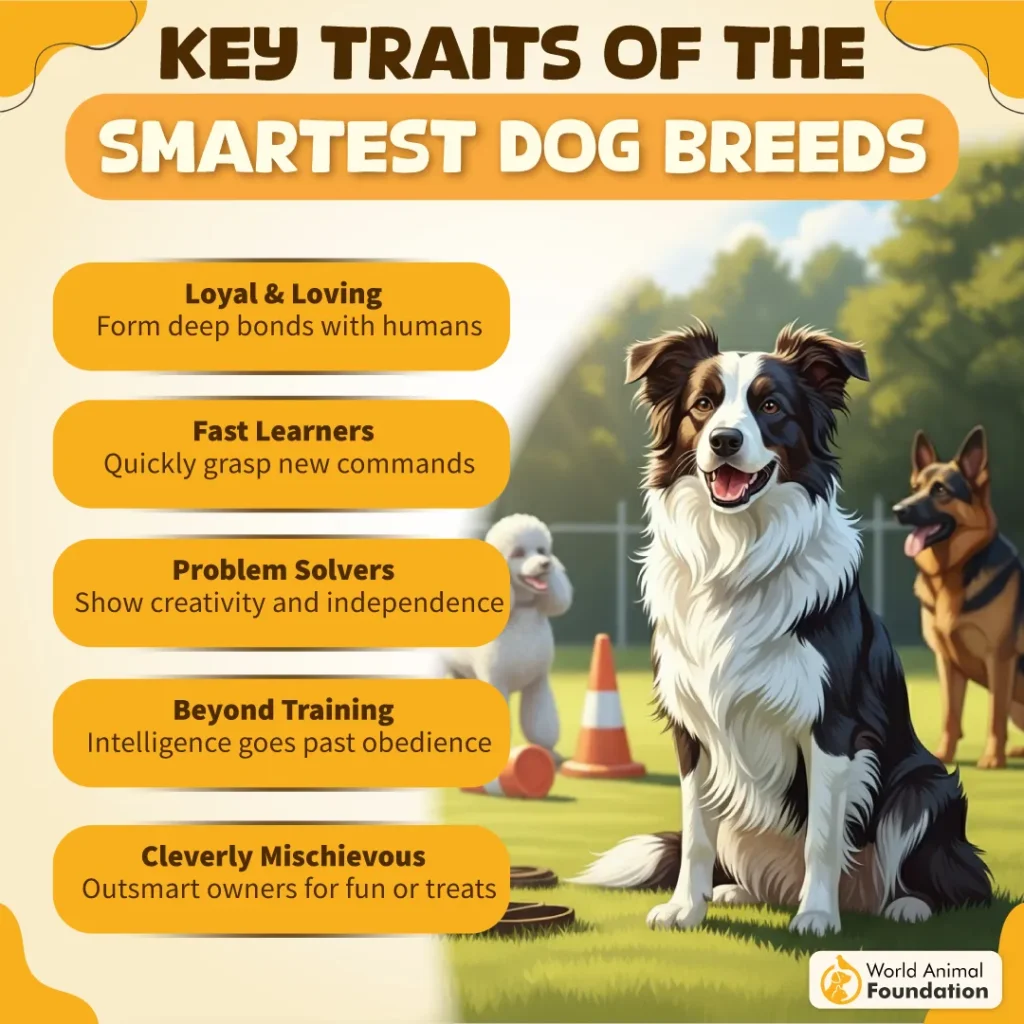
They are some of the most intelligent dog breeds out there and are also kind, gentle, confident, steady, and cooperative, which is basically an excellent training starter pack.
When a breed can move between retrieving birds, navigating public environments as an assistance dog, and performing precise obedience routines, calling it “pretty smart” feels like an understatement.
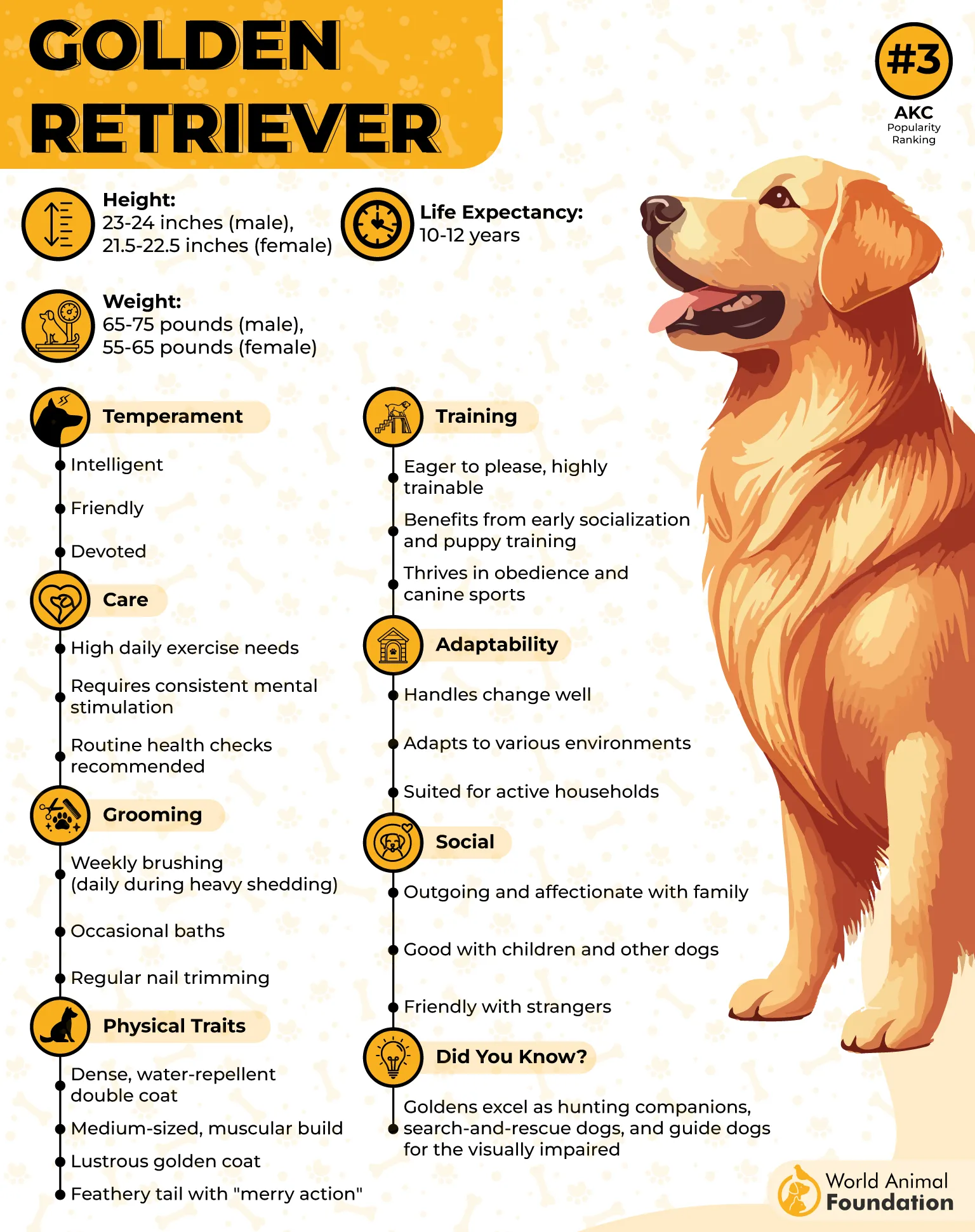
Their retrieving instinct gives trainers a powerful built-in reward system because many Goldens naturally enjoy picking things up and bringing them back. That enthusiasm can be shaped into formal retrieves, directional work, hunting exercises, scent games, and everyday tasks.
Goldens also demonstrate why emotional temperament matters alongside raw intelligence. Their sociability and eagerness to interact with humans help trainers use praise, play, food, retrieving, and access to activities as powerful reinforcement, which often speeds up learning.
4. Bloodhound
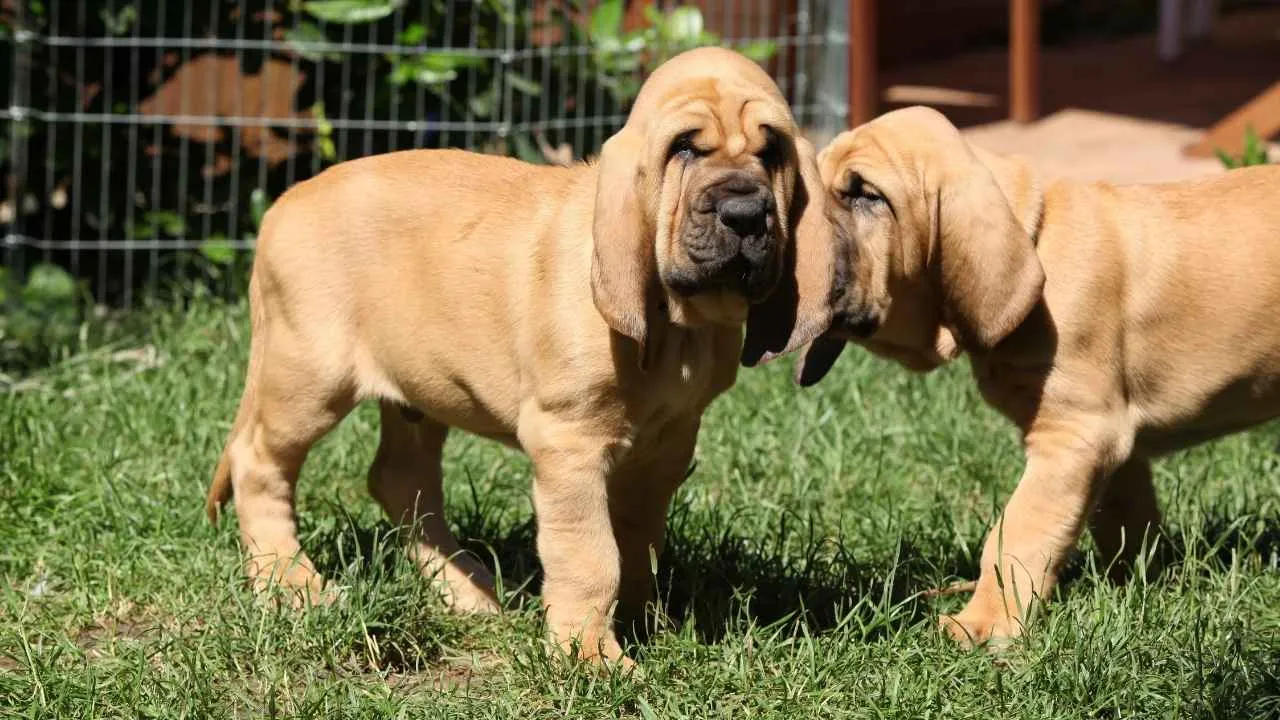
The Bloodhound possesses an extraordinary ability to follow human and animal scent trails over long distances, and its tracking has historically been reliable enough to contribute evidence in legal proceedings.
The really fascinating part is that it does not simply follow the strongest smell like a cartoon character floating toward a pie. It must identify and maintain a particular trail despite competing odors, changing surfaces, weather, time, turns, human traffic, and environmental distractions.
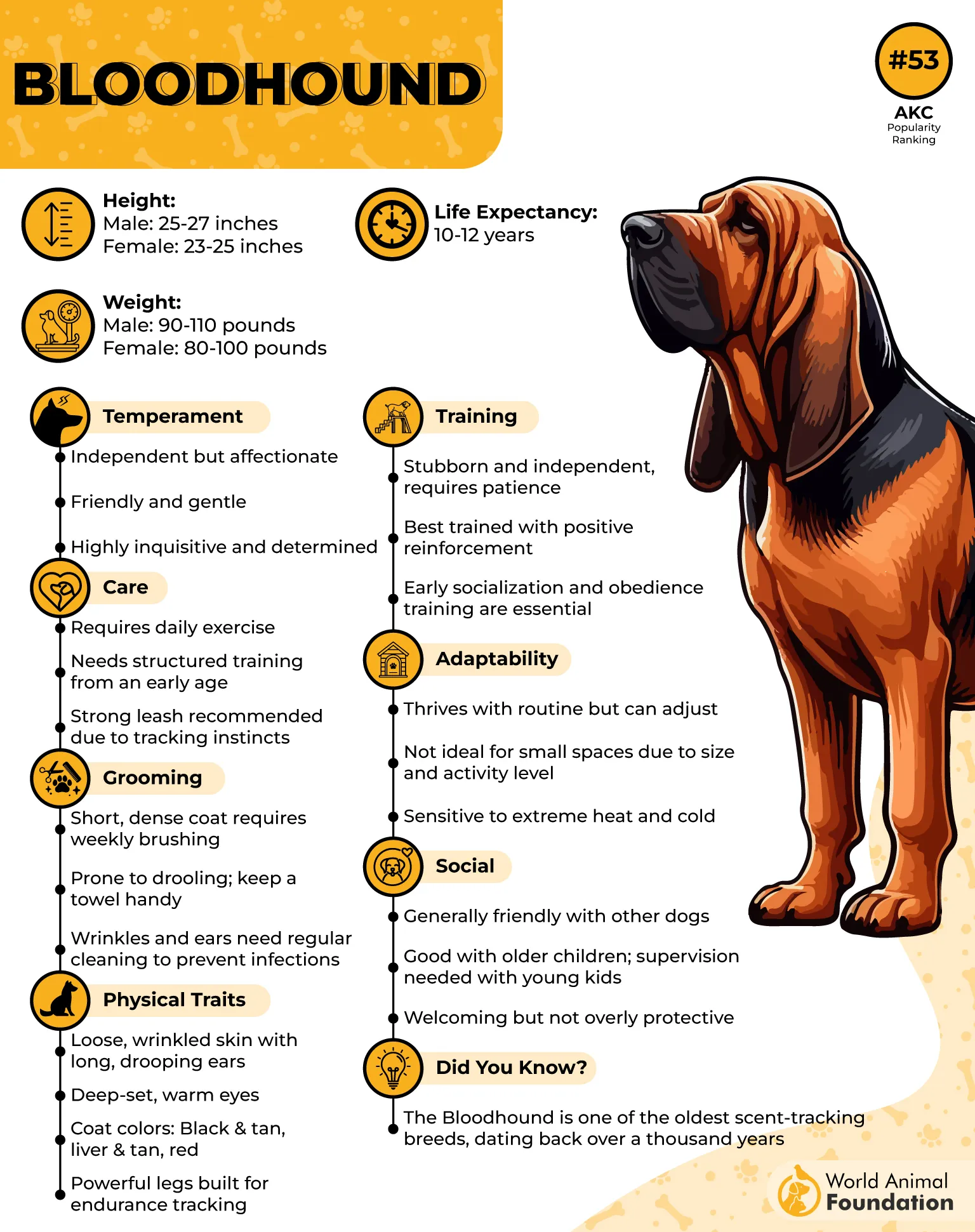
That is specialized sensory intelligence operating at a level humans cannot reproduce with our own noses, which explains why properly trained Bloodhounds remain valuable in tracking and search work.
However, the Royal Kennel Club says that we need to separate intelligence from easy obedience, because they are famously independent. They are affectionate and devoted but also stubborn; successful training requires patience, consistency, and skill rather than expecting instant compliance.
The smartest way to train one is therefore to work with the nose instead of fighting it. Begin with developing scent-discrimination and trailing abilities when puppies are only eight to ten weeks old, showing how early natural talent can be shaped systematically.
5. English Springer Spaniel
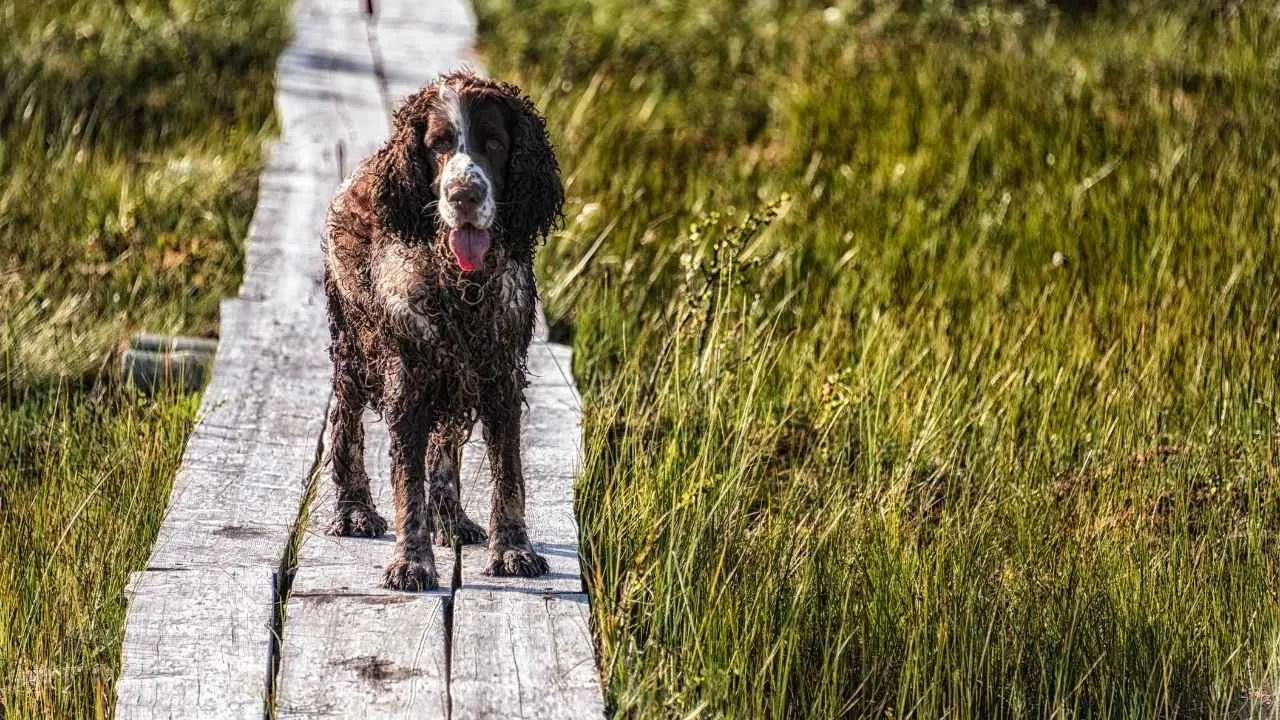
The English Springer Spaniel was designed around teamwork, which already gives trainers a pretty sweet starting position. These Spaniels were developed to search ground, locate game, flush birds from cover, and retrieve, requiring athleticism and enough handler awareness to remain useful rather than simply disappearing into the countryside.
These hunting companions are exceptionally trainable because generations of hunting demanded dogs capable of listening while moving at speed through complicated terrain. This breed has a quick mind and strong desire to please, and its hunting style specifically emphasizes “biddability,” or the willingness to remain responsive to the handler while working.
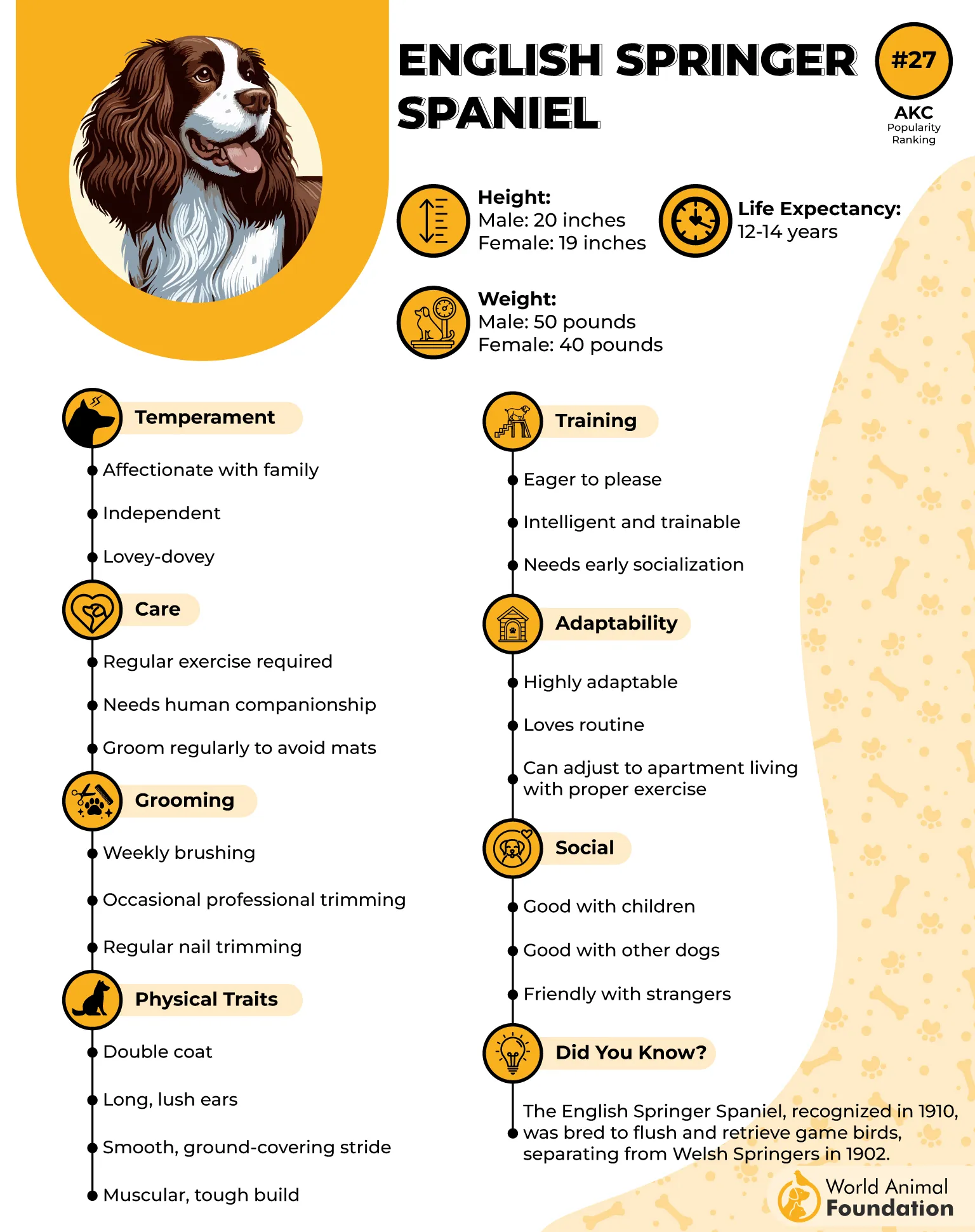
Their traditional hunting sequence is essentially a moving training exercise. A Springer searches within useful range, reacts to scent, flushes game, remains responsive despite intense excitement, and can retrieve afterward, meaning concentration and impulse control need to exist alongside physical drive.
Those same qualities transfer beautifully into modern training. Obedience, scent work, retrieving games, agility, structured fetch, search and rescue missions, hiking skills, and hunting tests can all provide outlets for a Springer that wants both movement and interaction with its person.
6. Beagle
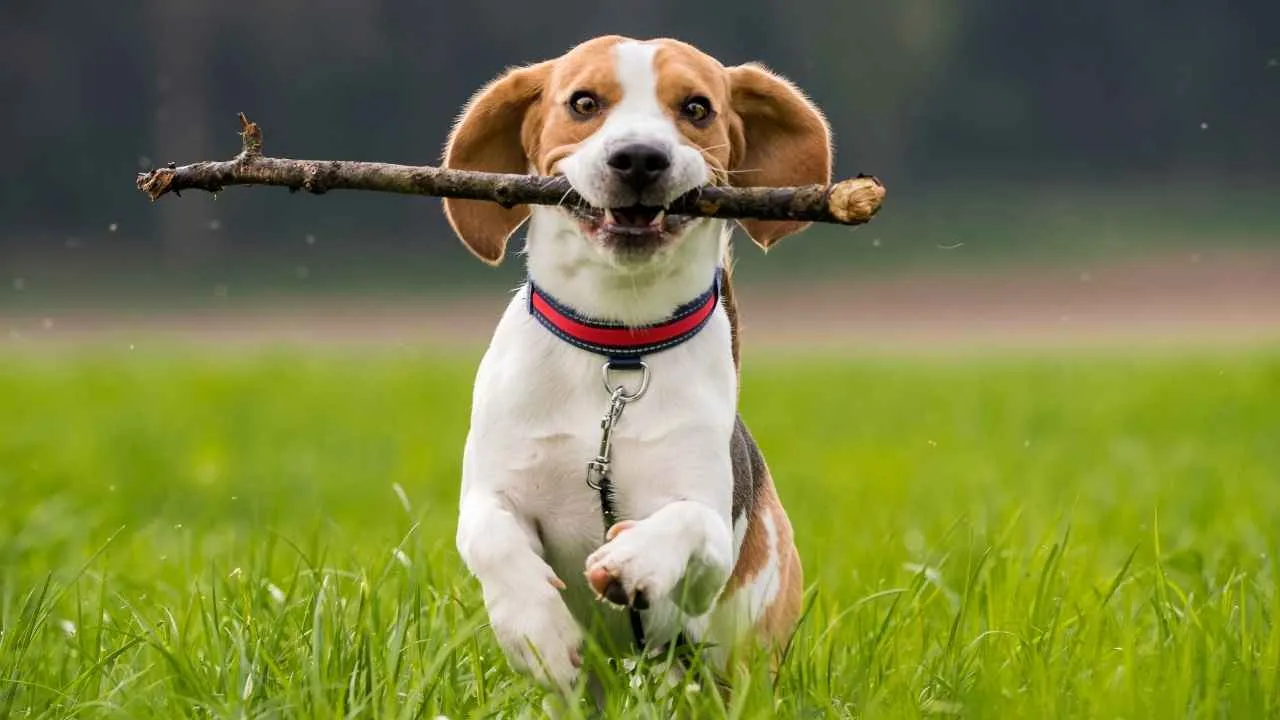
Beagles possess a kind of intelligence that becomes obvious the first time you watch one solve a scent trail humans cannot even detect. Developed principally for hunting hare and rabbit, they combine an exceptional nose, determination, stamina, environmental awareness, and the ability to follow complex trails through changing terrain.
Their nose is seriously impressive even by dog standards. They possess more than 225 million scent receptors, while those long ears help keep scent particles near the nose as the dog works close to the ground.
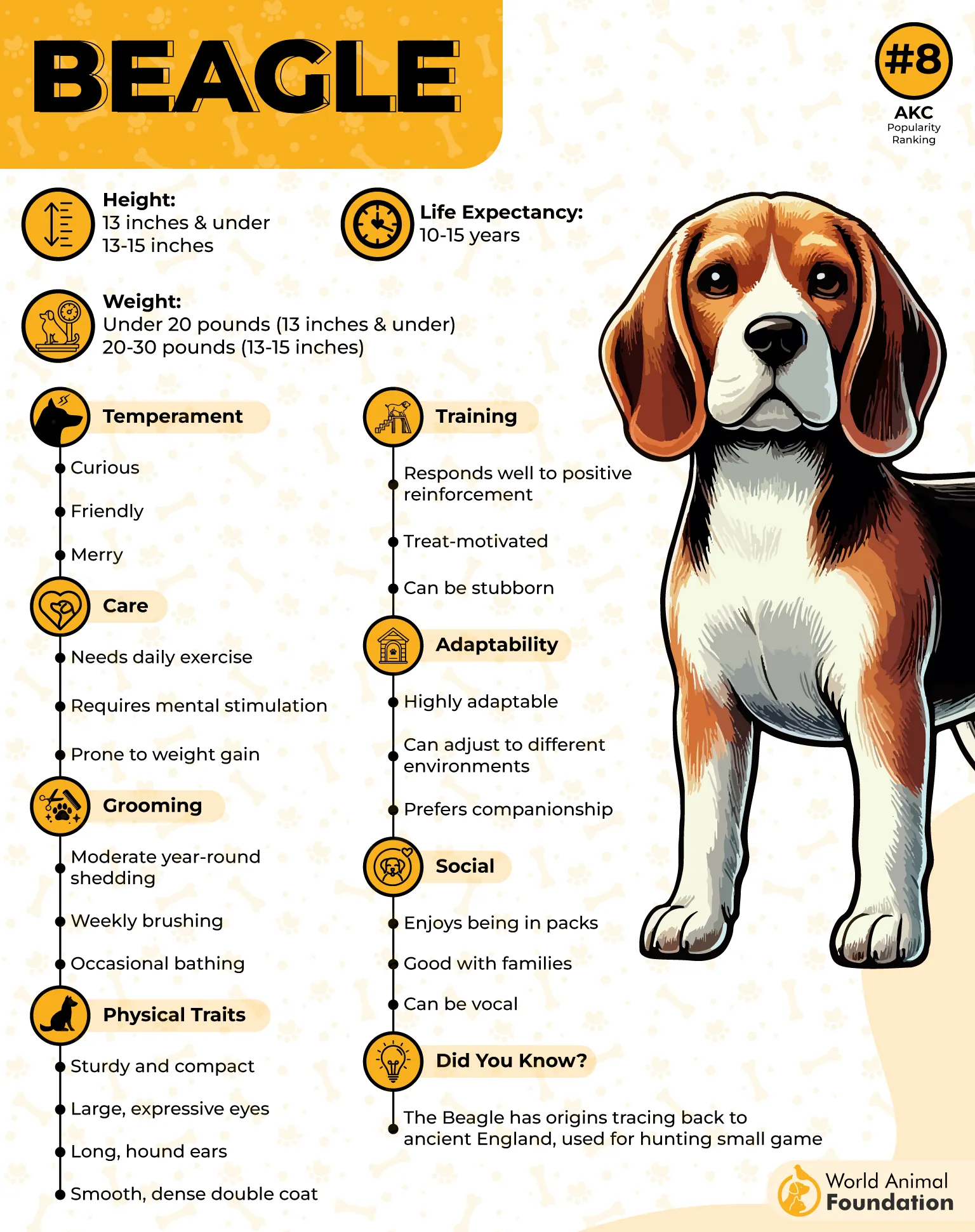
Beagles can learn tracking tasks beautifully because the training itself rewards something they desperately want to do anyway.
Basic obedience can be more challenging than proper training because they were developed to work through scent rather than stare continuously at a handler waiting for instructions.
That independence means food rewards, short sessions, scent games, recall practice, and high-value reinforcement generally make training far more productive than repetitive drilling.
7. Black and Tan Coonhound
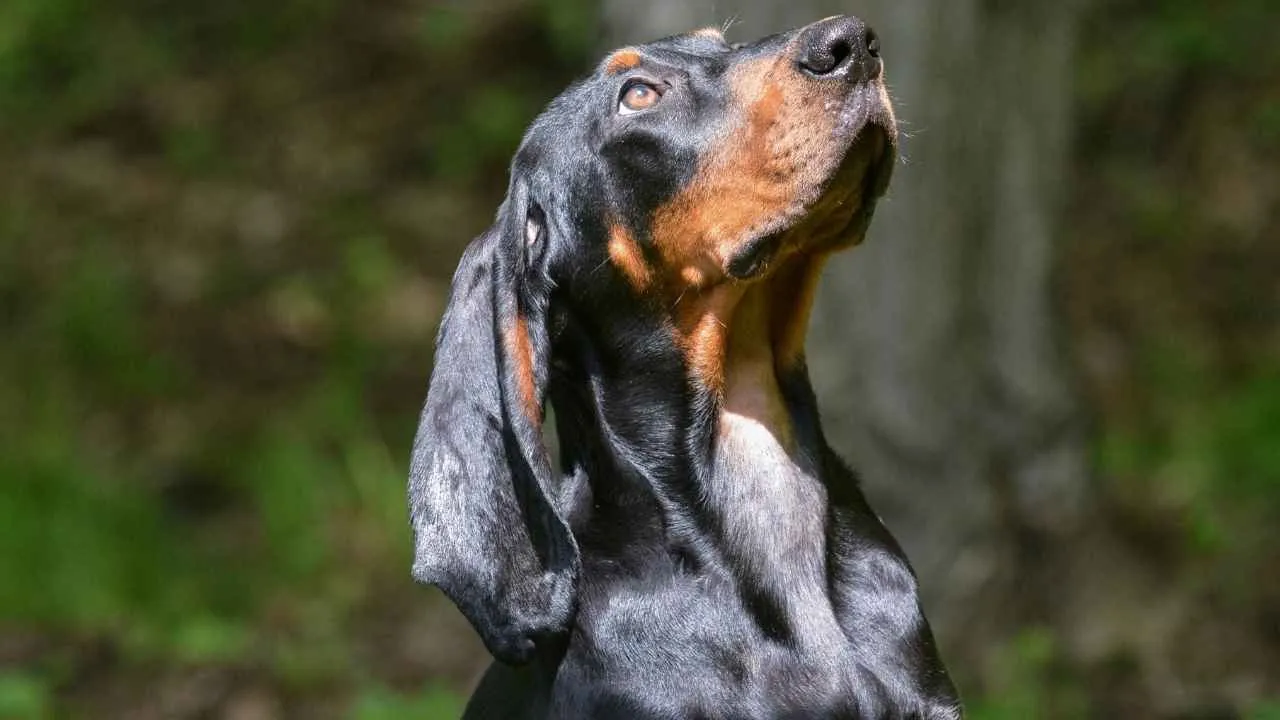
The Black and Tan Coonhound brings serious old-school tracking intelligence to the list. These dogs are specialists in following raccoon trails while also being capable of pursuing much larger quarry.
Their superpower is persistence with scent, says Purina, including relatively old trails that would be meaningless to a human. They possess a “cold” nose capable of working older scent and hunting allow the breed’s natural intelligence to shine.
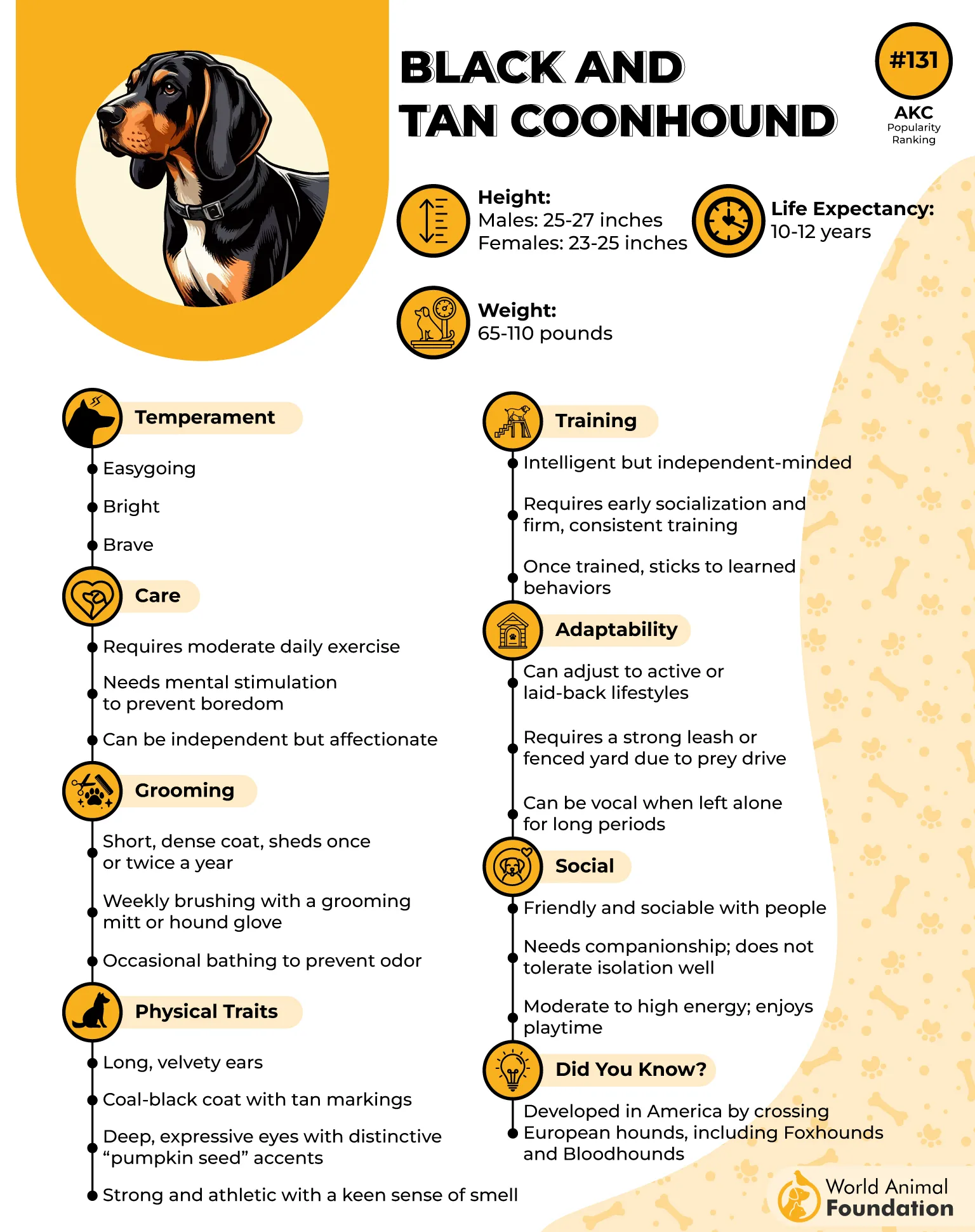
Training one requires understanding that its brain was built for independent field decisions rather than robotic obedience. They are intelligent, affectionate, and devoted with an independent streak. Once they learn a behavior properly, though, they can retain it strongly, which puts extra pressure on owners to teach the right habits from day one.
They are food-motivated dogs that may perform basic obedience enthusiastically for worthwhile rewards. Repetitive exercises with no obvious purpose can lose their attention, while learning through real-life routines, tracking tasks, scent games, leash work, and environmental practice often makes far more sense to the hound brain.
Conclusion
Highly intelligent dogs are fascinating because they show that canine brainpower does not have one universal shape. These seven breeds combine historical working purpose with modern learning ability.
Ultimately, the smartest dog is not automatically the dog that learns “sit” fastest. Intelligence becomes genuinely useful when natural ability, motivation, good training, and a strong relationship with the handler all line up.
