




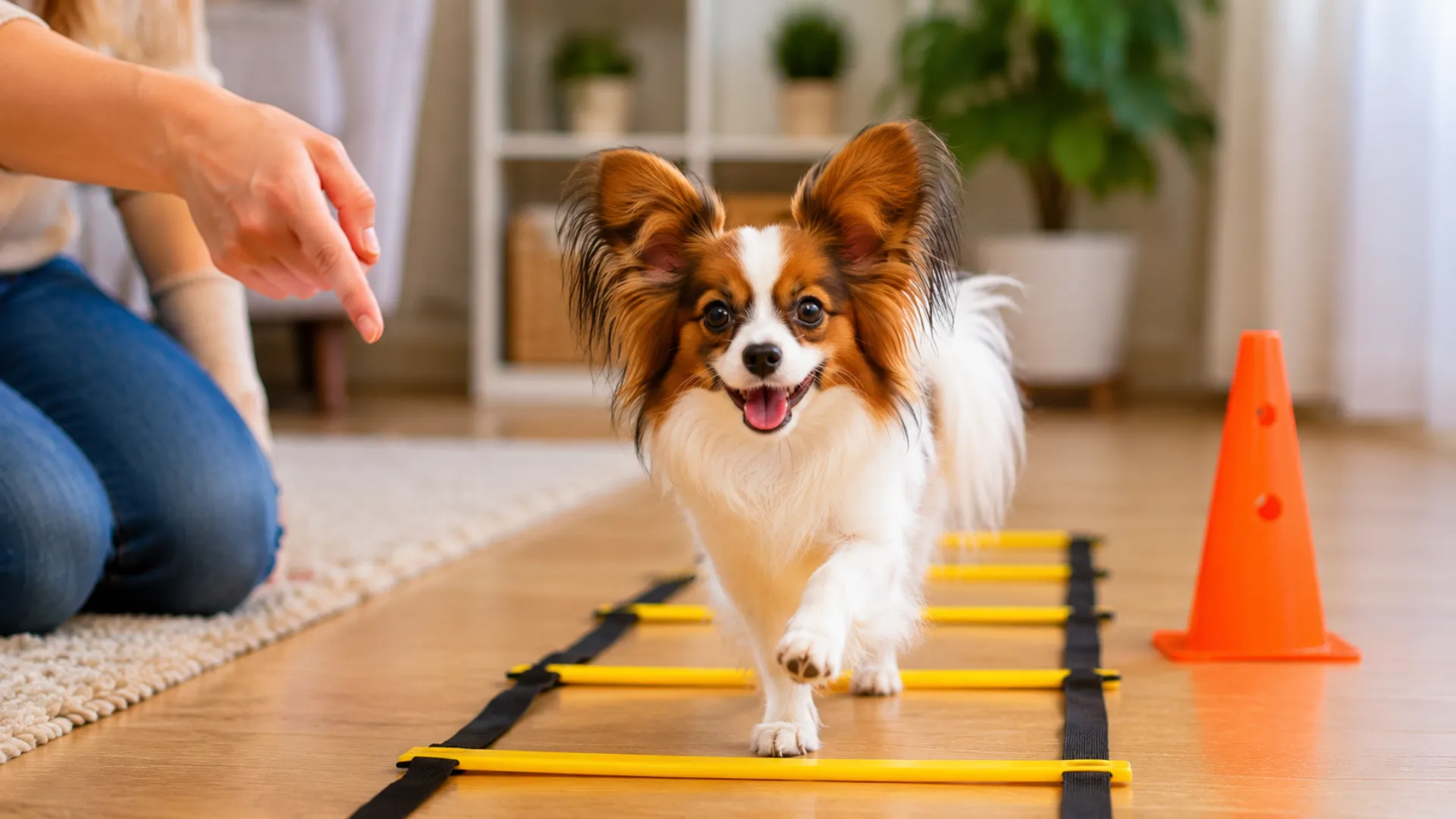
Many people assume large dogs are easier to train simply because they seem more obedient. In reality, size has little to do with learning ability. Some of the quickest learners come in surprisingly compact packages, proving that intelligence and willingness matter far more than height or weight.
Trainable small dog breeds that respond well to positive reinforcement often master commands, routines, and even fun tricks with remarkable speed. Their curiosity, focus, and strong bond with their owners make training enjoyable, whether you live in an apartment or a spacious home.
If you’re searching for a clever companion that fits your lifestyle without endless training struggles, these seven small breeds stand out for their fast learning and enthusiastic attitudes.
FACT: A dog’s trainability depends on traits like motivation, focus, and eagerness to please—not its size—so many small breeds excel in obedience and trick training.
Small Dog Breeds That Train in No Time
1. Toy Poodle
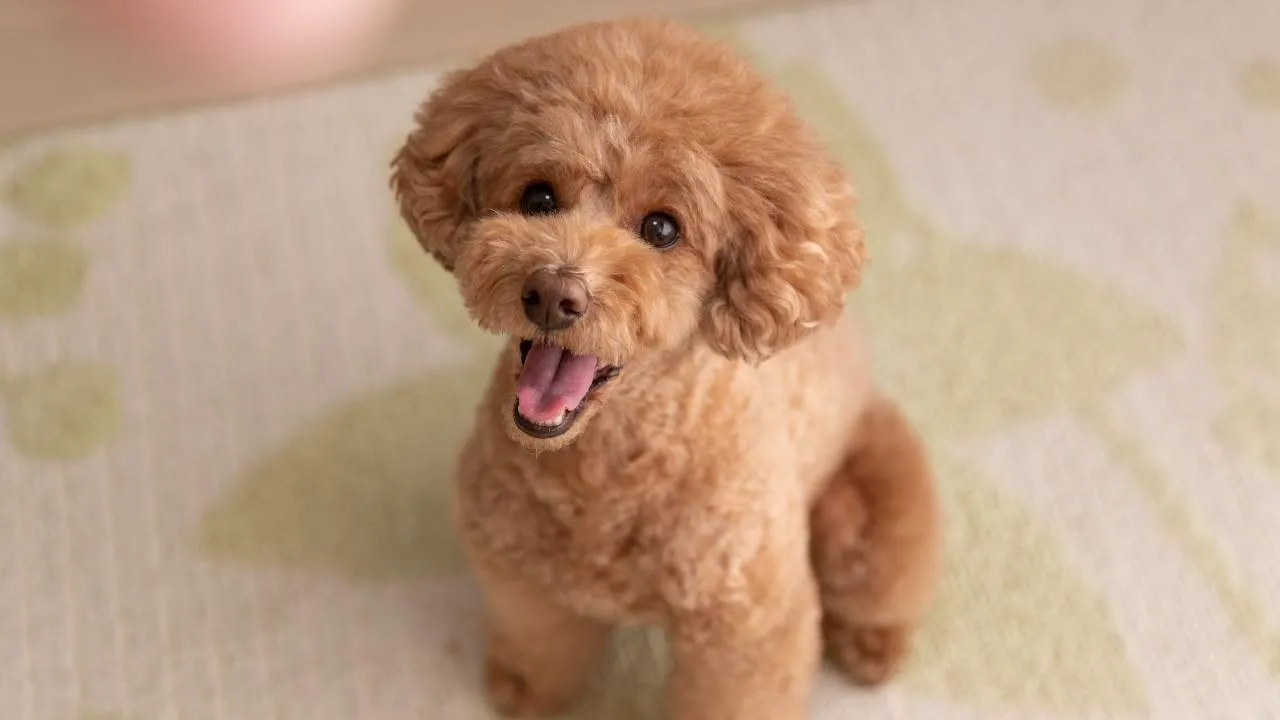
The Toy Poodle proves that remarkable intelligence comes in a compact package. Originally bred from highly capable water dogs, this small breed learns commands quickly and thrives on positive interaction, making it one of the easiest small dogs to train.
Eager to please and naturally attentive, Toy Poodles enjoy mastering everything from basic obedience to advanced tricks, agility, and other canine sports. Their ability to focus on their owners helps training progress smoothly and keeps sessions fun and engaging.
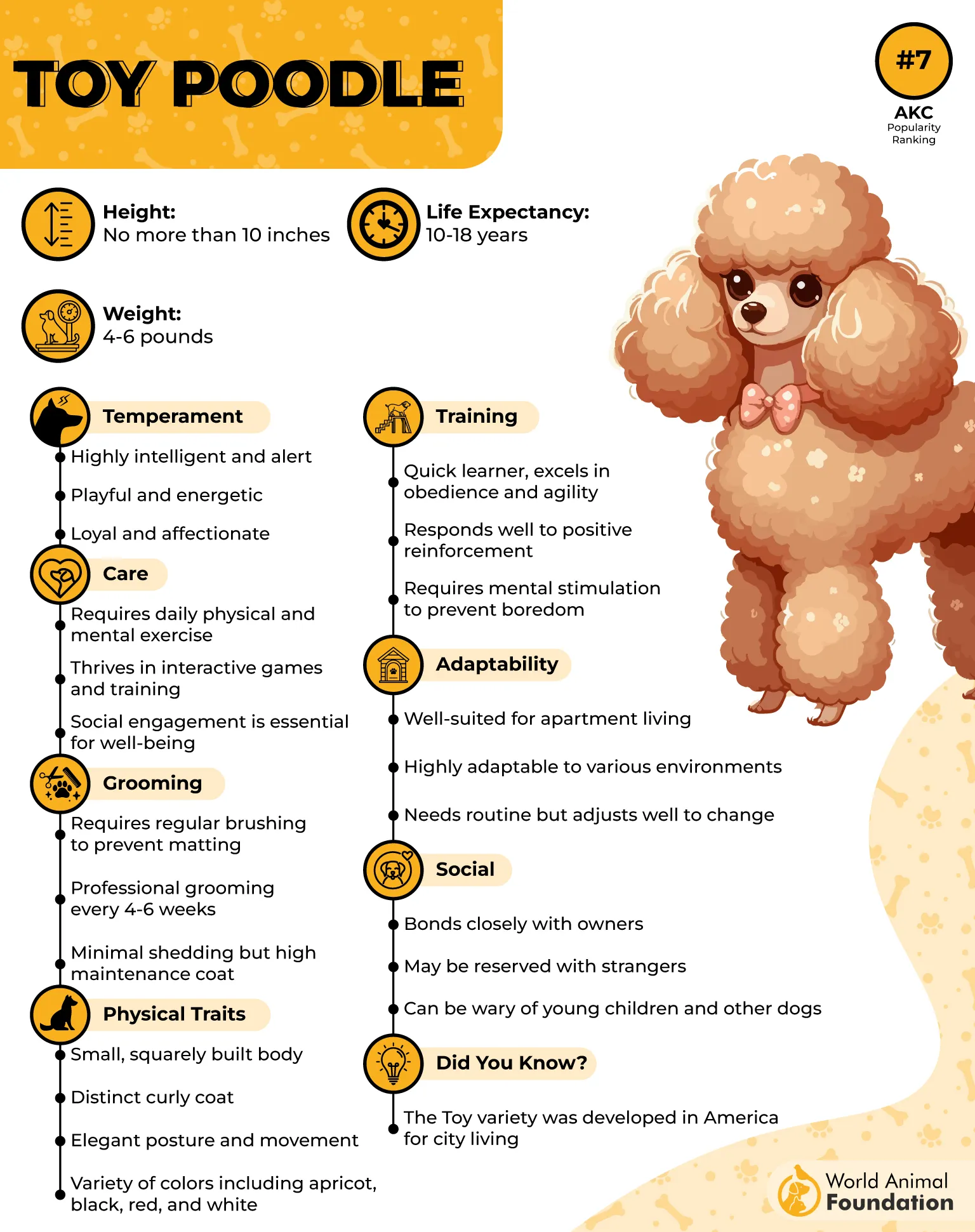
Daily mental stimulation is just as important as physical exercise. Puzzle toys, varied training activities, early leash practice, and regular command review keep this clever breed stimulated while preventing boredom and unwanted attention-seeking behaviors such as barking or chewing.
Despite their elegant appearance, Toy Poodles are energetic companions that love being involved in family life. Their loyalty, adaptability to apartment living, and enthusiasm for learning make them outstanding students for owners willing to keep both their minds and bodies active.
2. Papillon
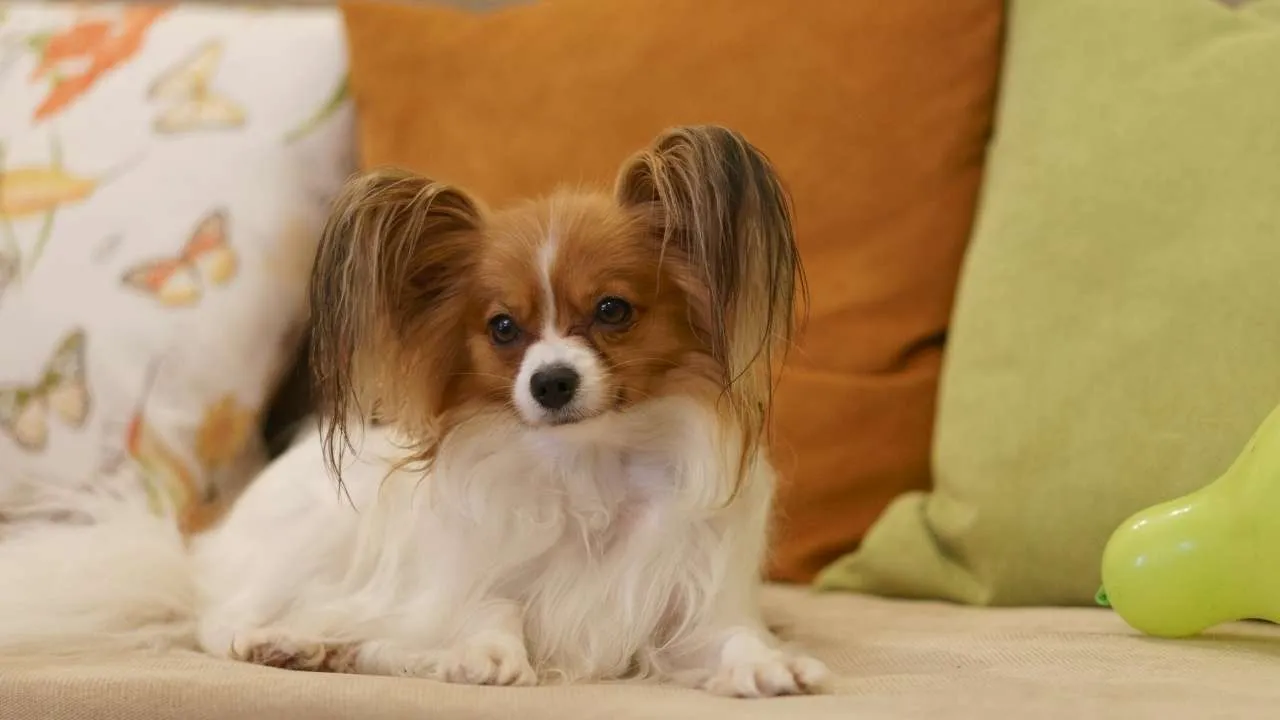
Despite its delicate appearance and distinctive butterfly-shaped ears, the Papillon is one of the quickest small breeds to train. Intelligent, attentive, and eager to cooperate, this toy dog enjoys learning new skills and responds especially well to praise and food-based rewards.
Its enthusiasm for interactive training helps it master basic obedience, leash manners, recall, and confidence-building exercises with impressive speed. Trick training and agility are natural strengths, making every session both productive and entertaining for owner and dog alike.
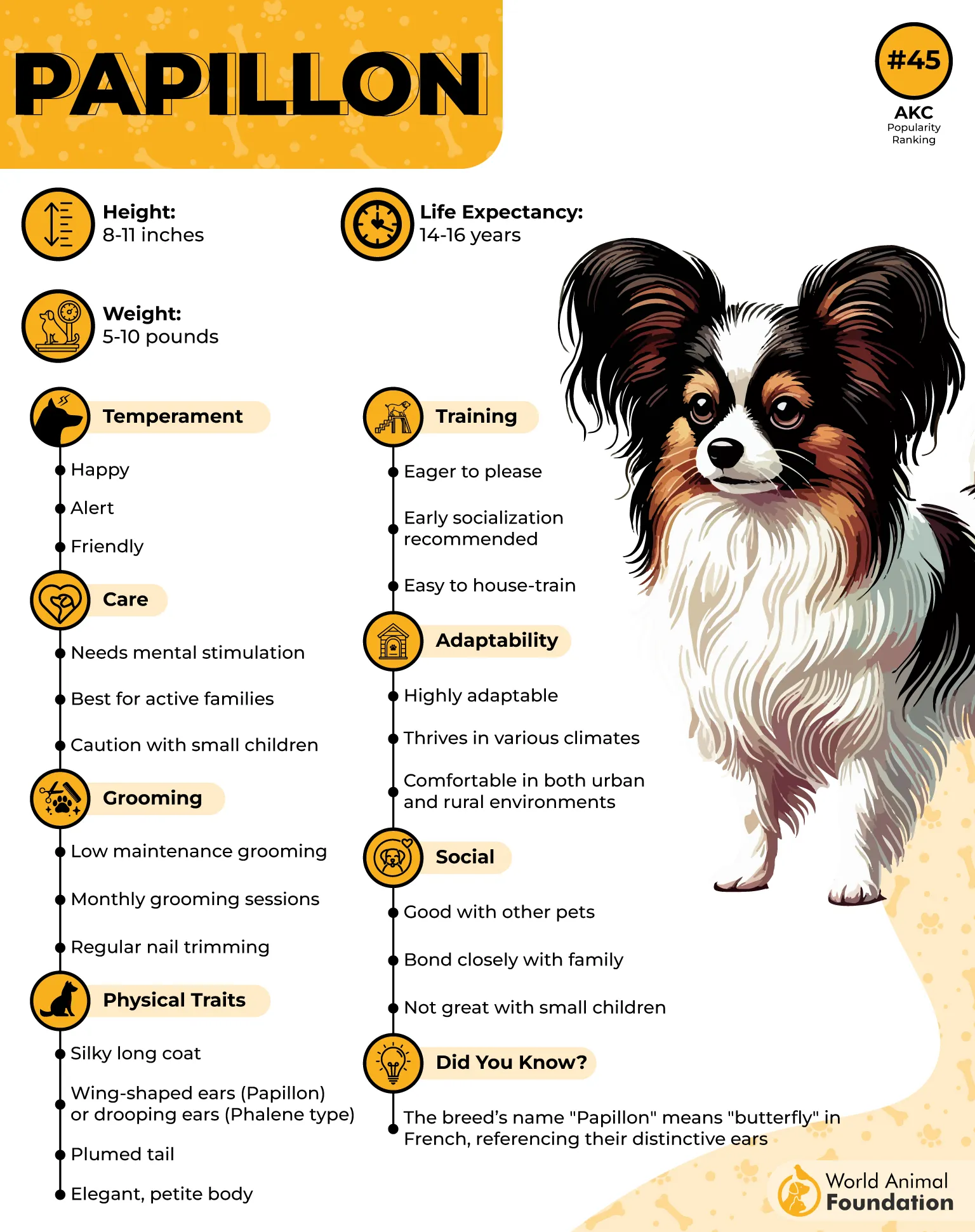
Although compact in size, the Papillon has an adventurous spirit and needs daily physical activity paired with mental challenges. Puzzle games, clicker training, and varied exercises keep this bright breed engaged while preventing boredom. According to the AKC, Papillons are people-oriented dogs that may exhibit undesirable behaviors if left alone for long periods.
Originally cherished by European royalty, the Papillon earned admiration not only for its graceful appearance but also for its calm, sociable nature. Always eager to impress, this tiny agility champion happily proves it offers far more than elegant looks.
3. Shetland Sheepdog
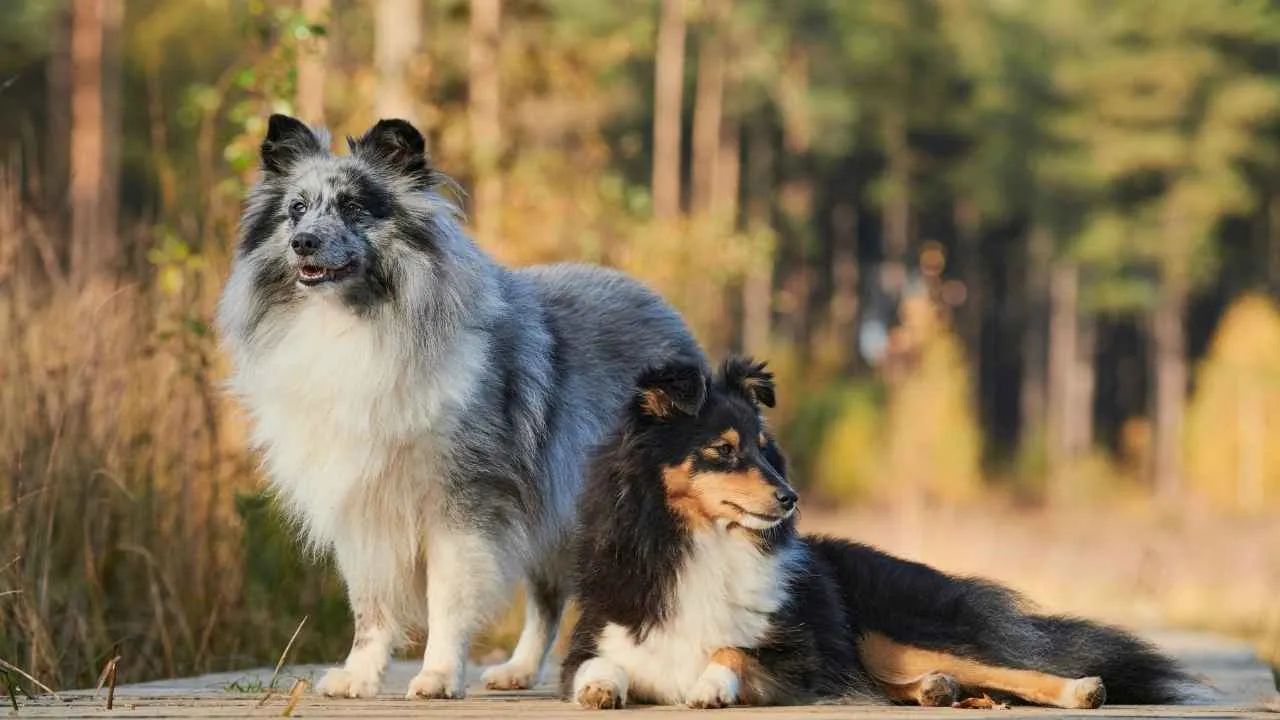
Originally developed to herd sheep across the rugged Shetland Isles, the Shetland Sheepdog carries generations of intelligence and dedication in a compact package. Beneath its fluffy coat is a quick-thinking working dog that eagerly learns new skills and enjoys having a purpose.
Shelties are exceptionally fast learners, often mastering commands, obedience exercises, and advanced tricks with ease. Their natural agility and focus also make them standout performers in canine sports, where precision and responsiveness are essential.
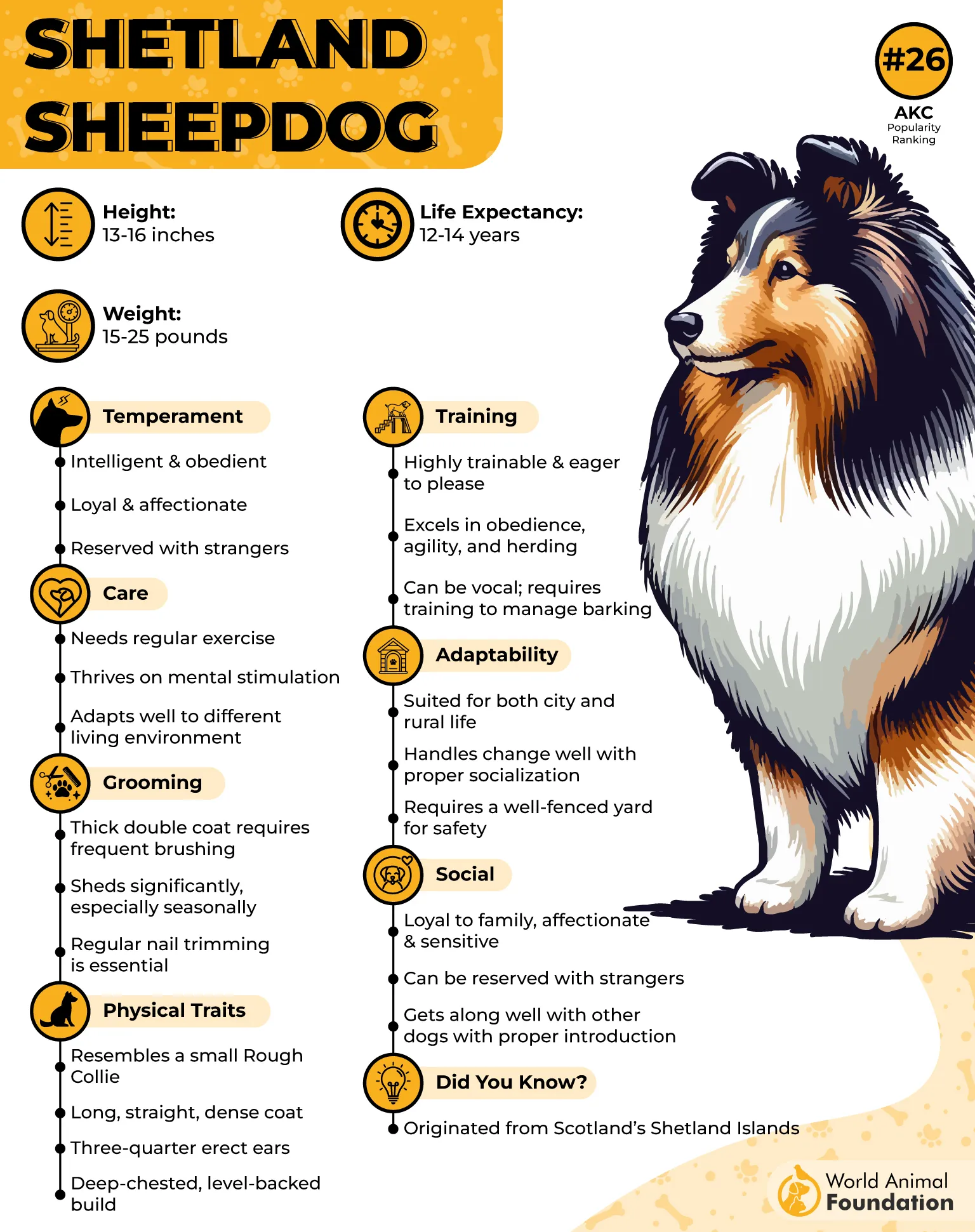
Despite their intelligence, these sensitive dogs thrive on gentle guidance rather than harsh corrections. Positive reinforcement, patience, and consistent repetition help them build confidence, while early socialization reduces fearfulness around strangers and discourages excessive barking or herding behaviors.
Regular exercise and mentally stimulating activities are just as important as training sessions. When their minds stay engaged and their energy is well directed, Shetland Sheepdogs become attentive, playful companions that form deep, lasting bonds with their families.
4. Pembroke Welsh Corgi
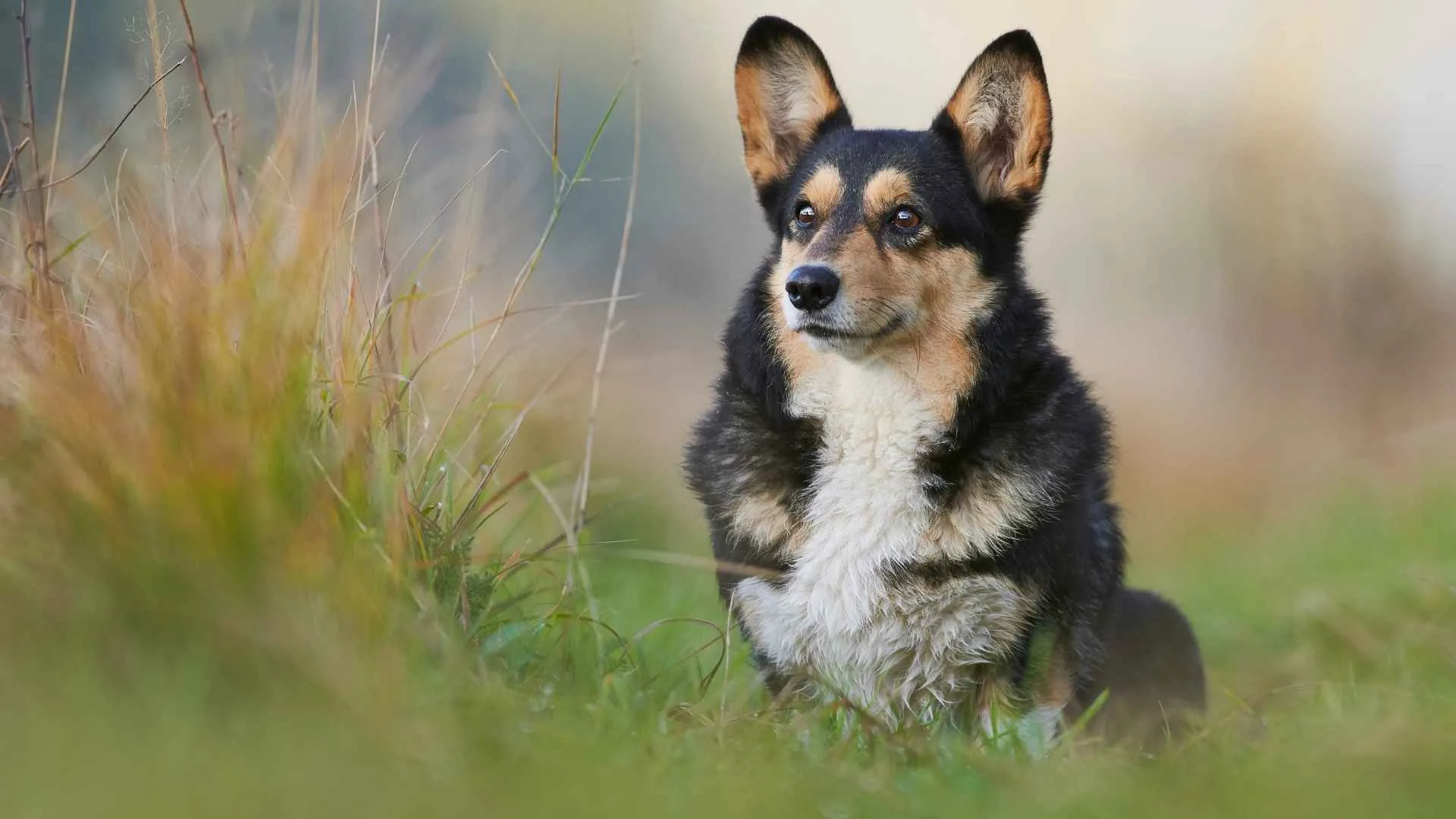
Originally bred as a herding dog, the Pembroke Welsh Corgi combines intelligence with confidence and is considered a high-energy dog. This clever breed enjoys problem-solving and responds enthusiastically to rewards, making it one of the small dog breeds that can master training quickly with positive, consistent guidance.
Its eagerness to learn shines during obedience sessions, especially when lessons are engaging and reward-based. Regular exercise also plays an important role, helping channel the Corgi’s energy into productive behaviors while supporting healthy weight management.
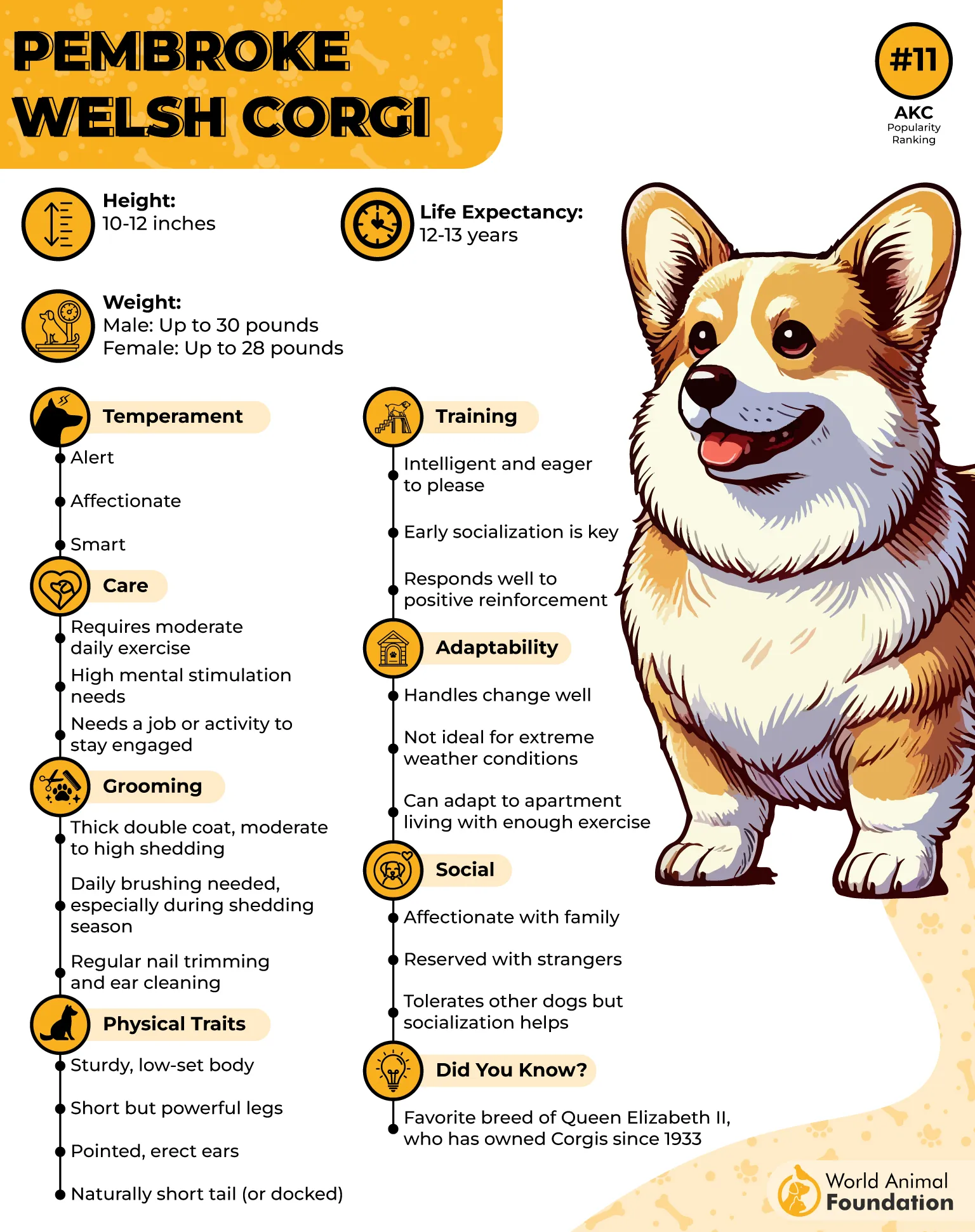
Despite its trainability, this breed has an independent streak. Without clear boundaries from an early age, a Corgi may become stubborn or develop bossy habits. Teaching leash manners, recall, impulse control, and appropriate barking early helps shape a well-behaved companion.
The Pembroke Welsh Corgi thrives in active households where training and mental challenges are part of everyday life, allowing its confident farm-dog instincts to flourish.
5. Cavalier King Charles Spaniel
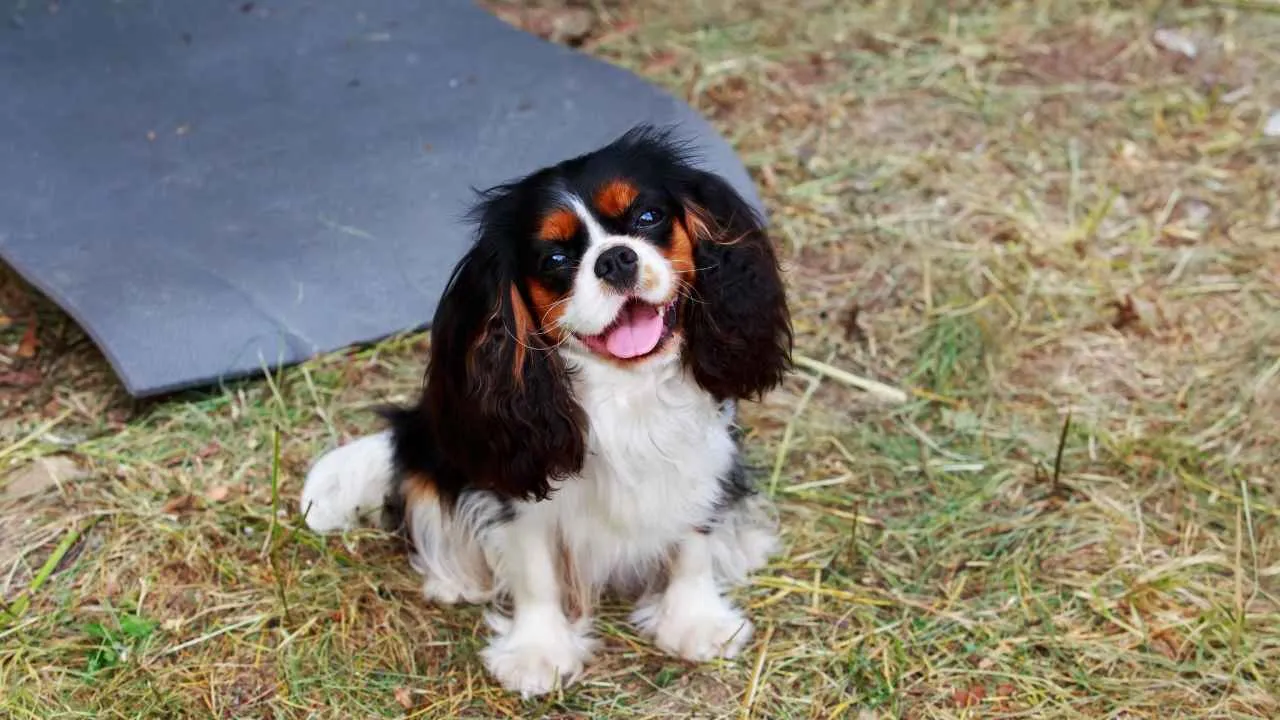
The Cavalier King Charles Spaniel has been cherished as a companion for centuries, and that people-focused nature makes training feel surprisingly natural. This gentle breed genuinely wants to please its owner, responding especially well to positive reinforcement through treats, praise, and calm encouragement.
Rather than mastering flashy tricks, Cavaliers shine at learning everyday essentials. Commands such as sit, come, polite manners, and house training are usually picked up quickly, making them an excellent choice for first-time pet parents seeking an easygoing learner. According to Petplan, Cavalier King Charles Spaniels need at least one hour of daily physical activity to stay healthy.
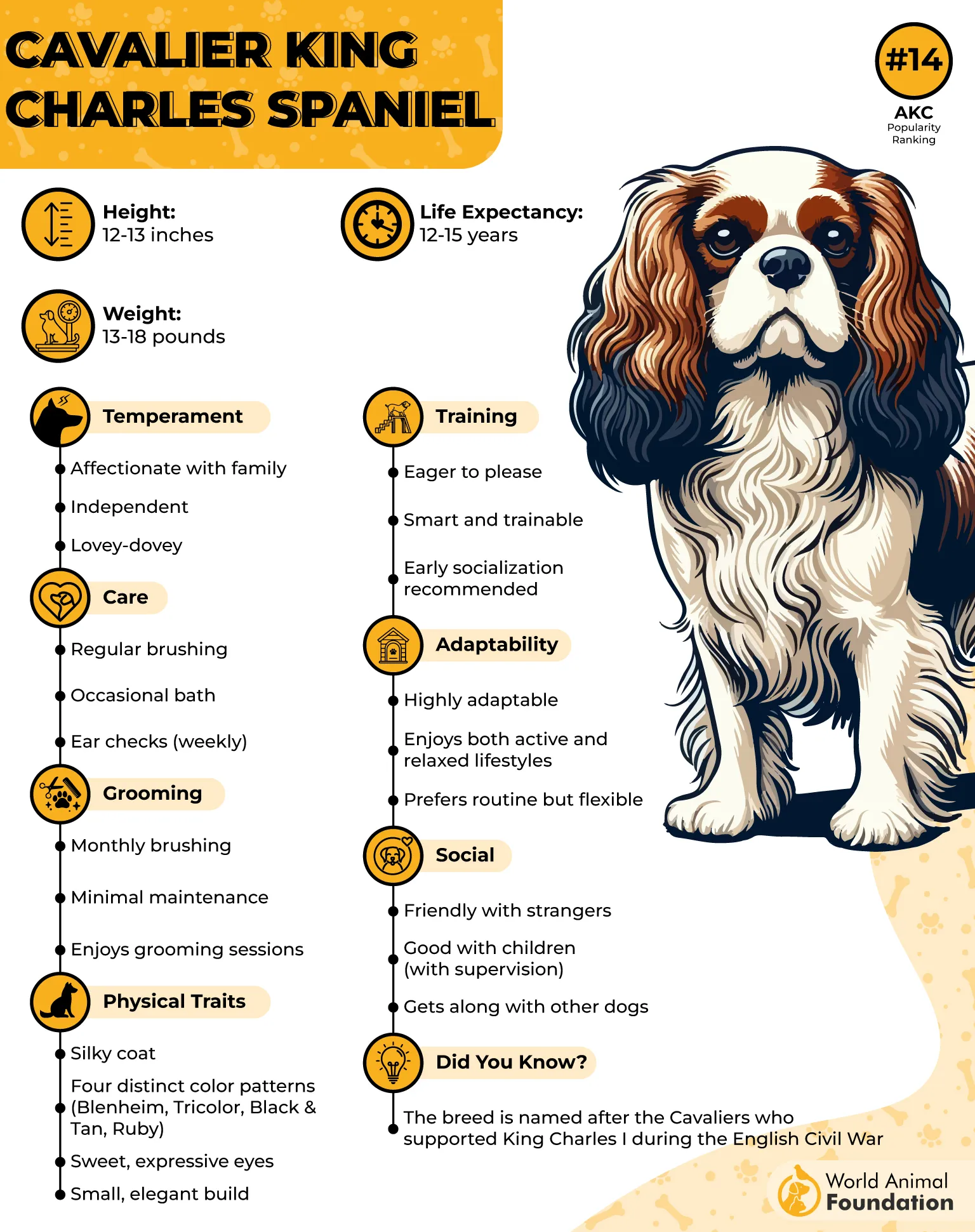
Because they adore meeting people, training works best in quiet, distraction-free settings before gradually introducing busier environments. Predictable routines, early socialization, and gentle guidance help them stay focused and prevent habits like jumping up to greet strangers.
Harsh corrections can damage this sensitive breed’s confidence. With patient, consistent training and plenty of companionship, the Cavalier King Charles Spaniel develops into a well-mannered, affectionate dog that happily stays close to its family.
6. Bichon Frise
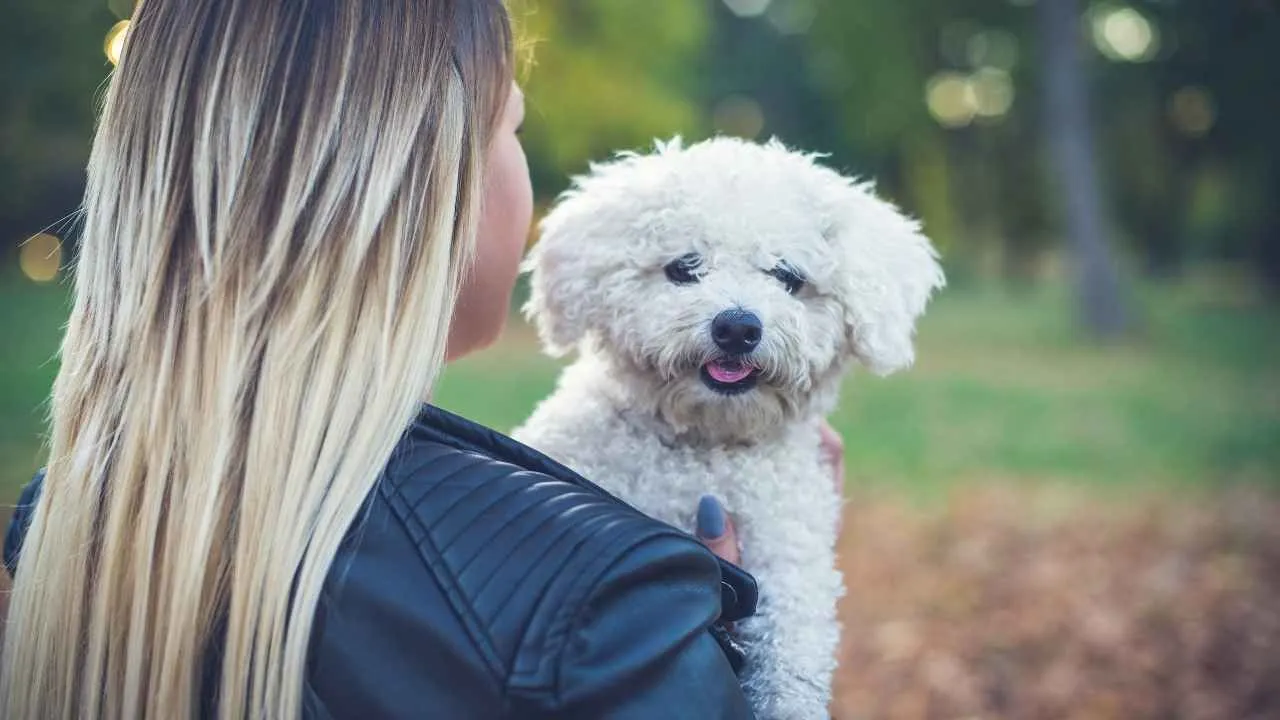
The Bichon Frise proves that great things come in small packages. Bright, eager to please, and naturally curious, this cheerful little dog learns new commands quickly and enjoys showing off its growing skills. Its willingness to cooperate makes training enjoyable for both beginners and experienced owners.
More than just a charming companion, the Bichon Frise excels at learning impressive tricks. With consistent positive reinforcement, it can master advanced activities, including trick routines that showcase balancing, problem-solving, and interactive games, thanks to its sharp intelligence and enthusiasm.
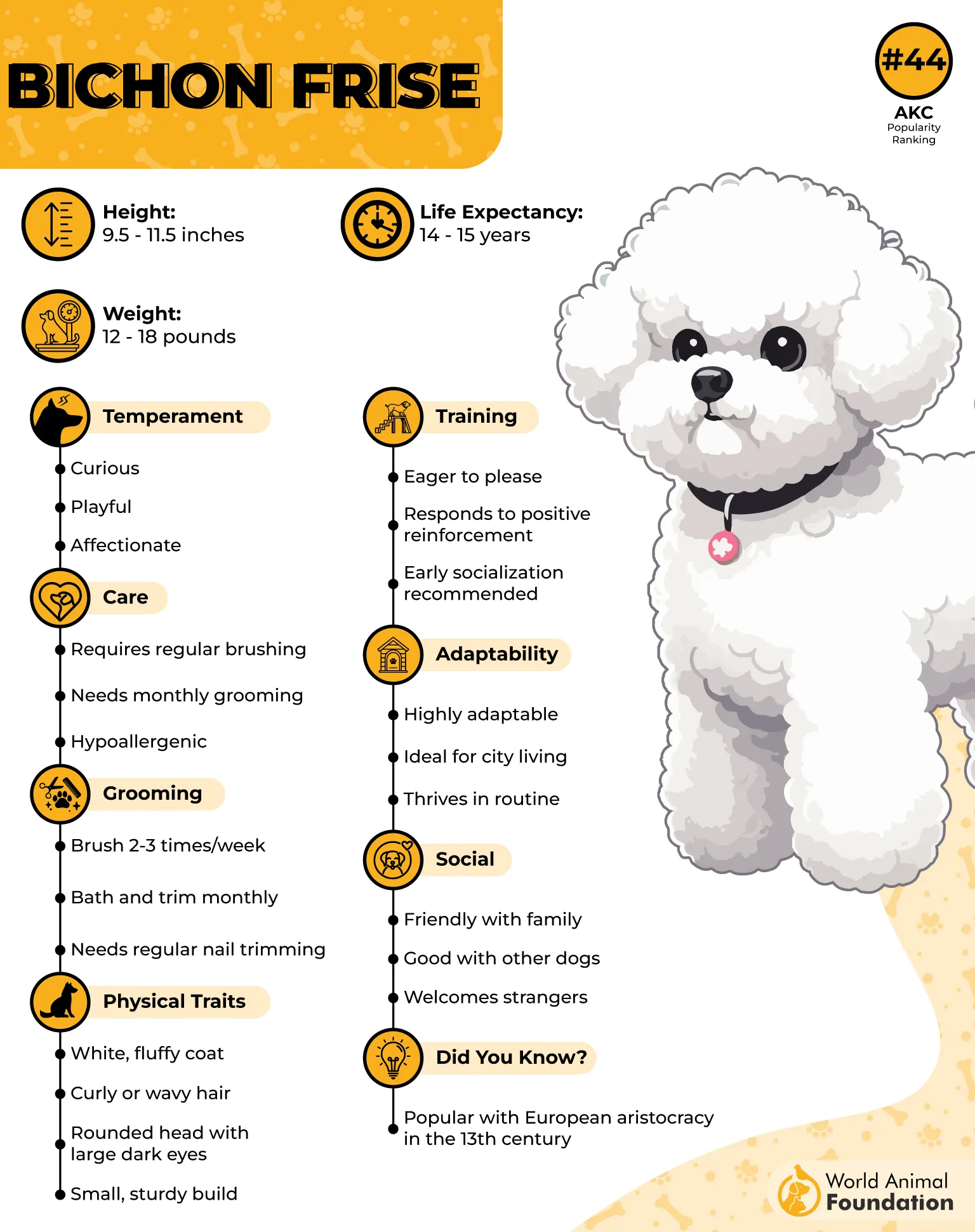
Training sessions are even more successful when they feel like play. Games such as fetch, tug, and trick practice keep this energetic breed mentally engaged while strengthening good behavior and building confidence.
Friendly, adaptable, and affectionate, the Bichon Frise fits well into homes with children and other dogs. Alongside its playful personality, this social breed loves cuddling and thrives on the attention and companionship of its family.
7. Havanese
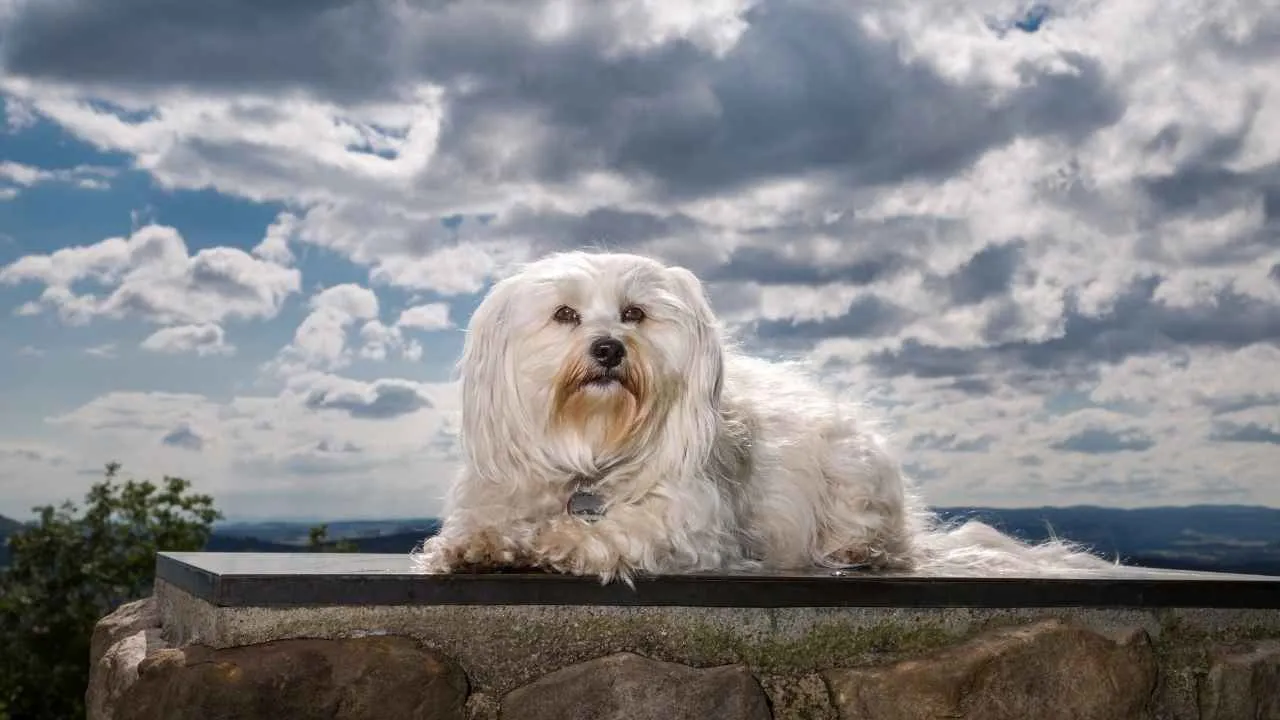
The Havanese stands out as one of the easiest small dog breeds to train because of its intelligence, adaptability, and reputation for a natural desire to work with people. Rather than being stubborn, this cheerful companion pays close attention to its owner and responds especially well to positive reinforcement.
The Havanese quickly learns household routines, enjoys meeting new people, and adapts comfortably to apartment living, making it an excellent fit for many lifestyles. According to Orvis, Havanese show a moderate activity level.
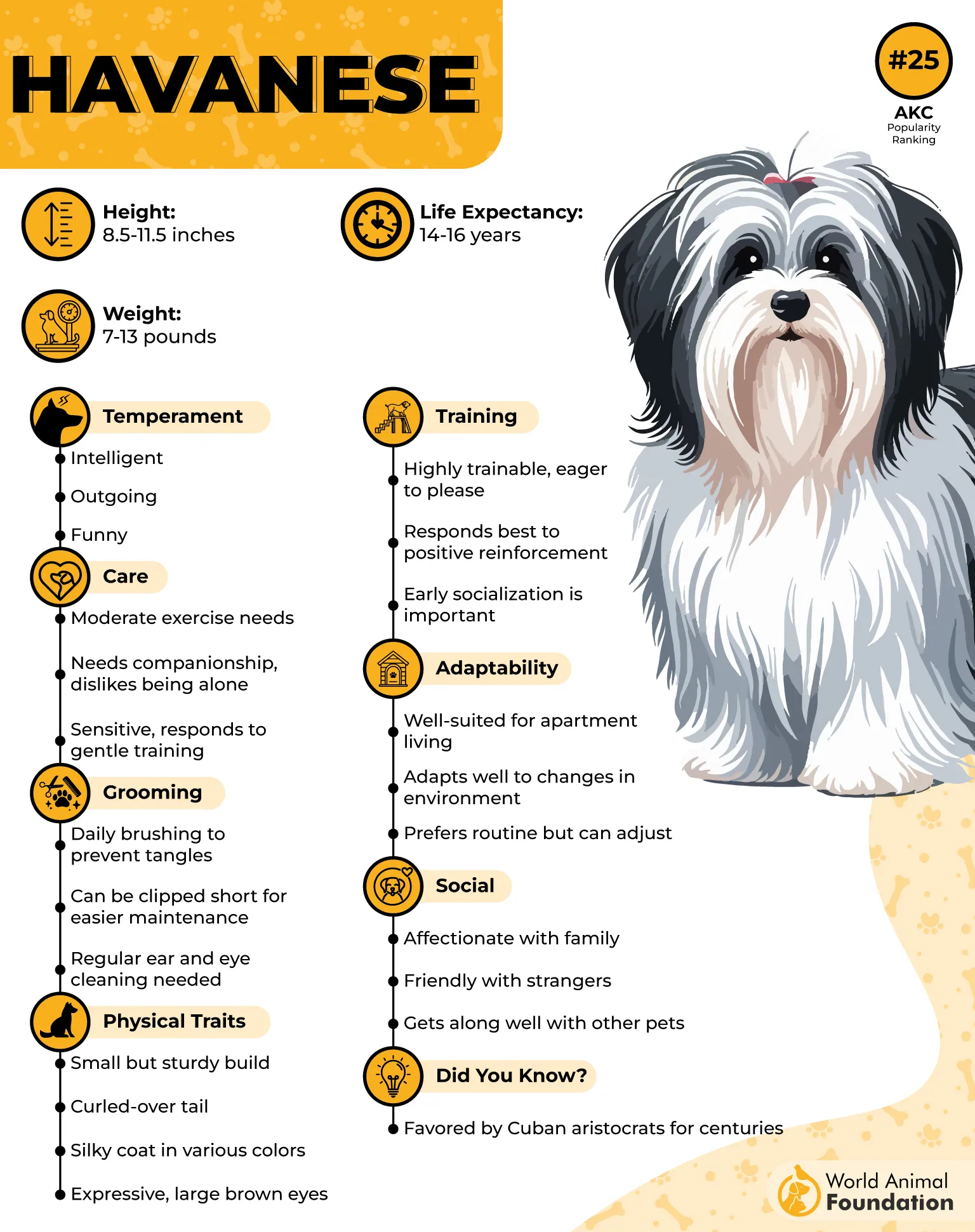
Its friendly temperament and eagerness to please have also helped the breed succeed in obedience competitions and dog sports. With consistent guidance and encouragement, most Havanese pick up commands faster than many other small breeds.
One important training habit is encouraging confidence. Avoid carrying a Havanese everywhere or overprotecting it, as this can unintentionally create fearfulness instead of helping this naturally cooperative companion become a calm, well-mannered dog.
Conclusion
Choosing a small dog that learns quickly can make training more enjoyable and strengthen the bond you share. With patience, consistency, and positive reinforcement, these intelligent companions are eager to master new commands and become well-mannered family members.
Each breed offers its own personality, from playful entertainers to attentive learners. Some thrive on trick training, while others enjoy interactive games, short practice sessions, and activities that keep both their minds and bodies engaged.
Even the smartest dogs need regular mental stimulation, daily exercise suited to their energy level, and plenty of encouragement. Turning training into a fun routine helps build confidence while keeping boredom and unwanted behaviors at bay.
The best choice ultimately depends on your lifestyle, as some are better suited to active homes, while others are among the more low-maintenance dogs when their exercise and grooming needs are consistently met. When matched with the right home, these quick-learning small breeds reward their families with loyalty, affection, and a lifetime of joyful companionship.
