





Busy owners do not need a dog that turns every spare hour into another task. Work, family commitments, errands, and social plans can leave little room for long grooming sessions, hours of exercise, or constant training. That makes breed choice especially important for people with packed schedules.
Low-maintenance dogs can make pet ownership easier because their care needs are more manageable, although every dog still needs exercise, attention, training, veterinary care, and companionship. Coat type, energy level, trainability, size, and independence all affect how much time a dog may require each day.
A breed that fits your routine can help you enjoy the rewarding parts of having a dog without creating an unrealistic schedule.
If your weekdays already feel full, choosing carefully can make a real difference. The right options can offer affection, personality, and companionship while keeping daily care practical.
Key Takeaways
A full calendar does not always mean there is no room for a dog. The right breed can make everyday care much easier to manage.
Chihuahuas can burn off energy in surprisingly little space, while Papillons need only a few brushing sessions each week to keep their coats tidy.
Shih Tzus can fit exercise into a 30-minute walk and some indoor play, while Maltese dogs are perfectly happy getting their activity around the house.
From a historic lapdog to a tiny dog with an unexpectedly rugged ancestry, the rest of this list has a few details worth discovering.
Low-Maintenance Dog Breeds for Busy Owners
1. Chihuahua
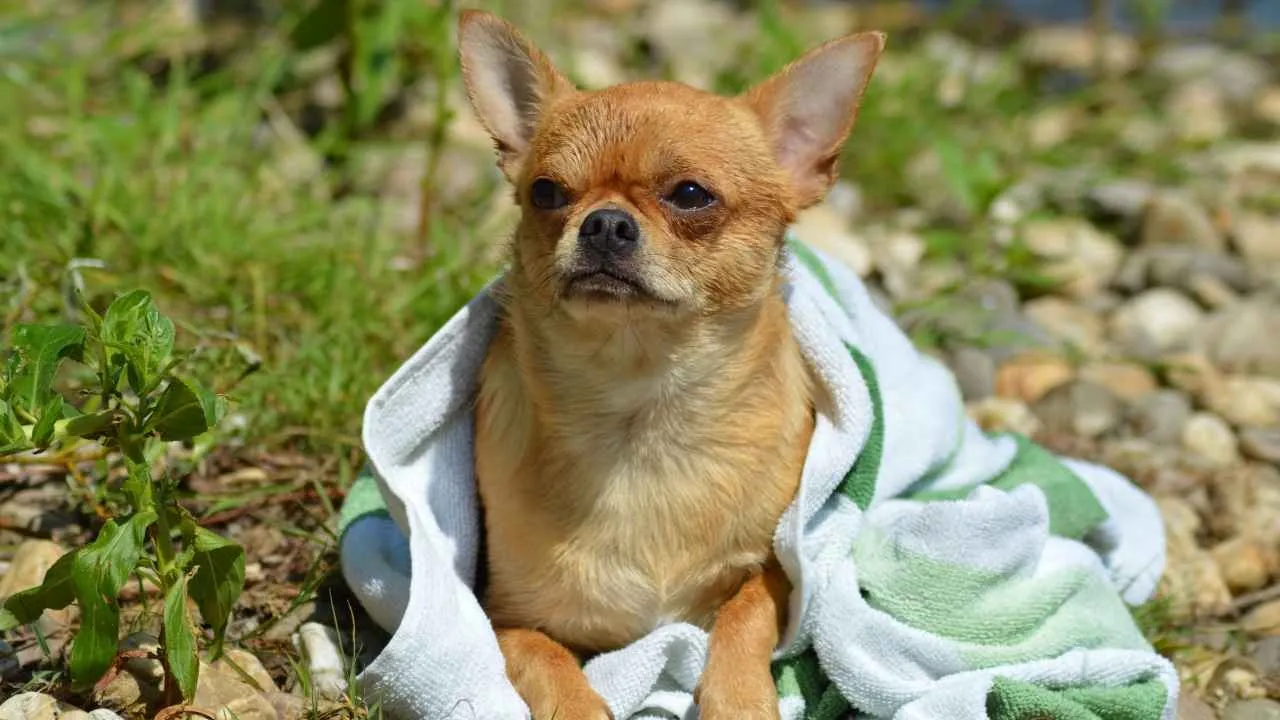
Chihuahua originated in Mexico and takes its name from the Mexican state where the breed was first found. One likely ancestor is the Techichi, a sacred dog associated with the ancient Toltecs, while some theories place Chihuahua ancestry before the ninth century.
Easy Everyday Upkeep
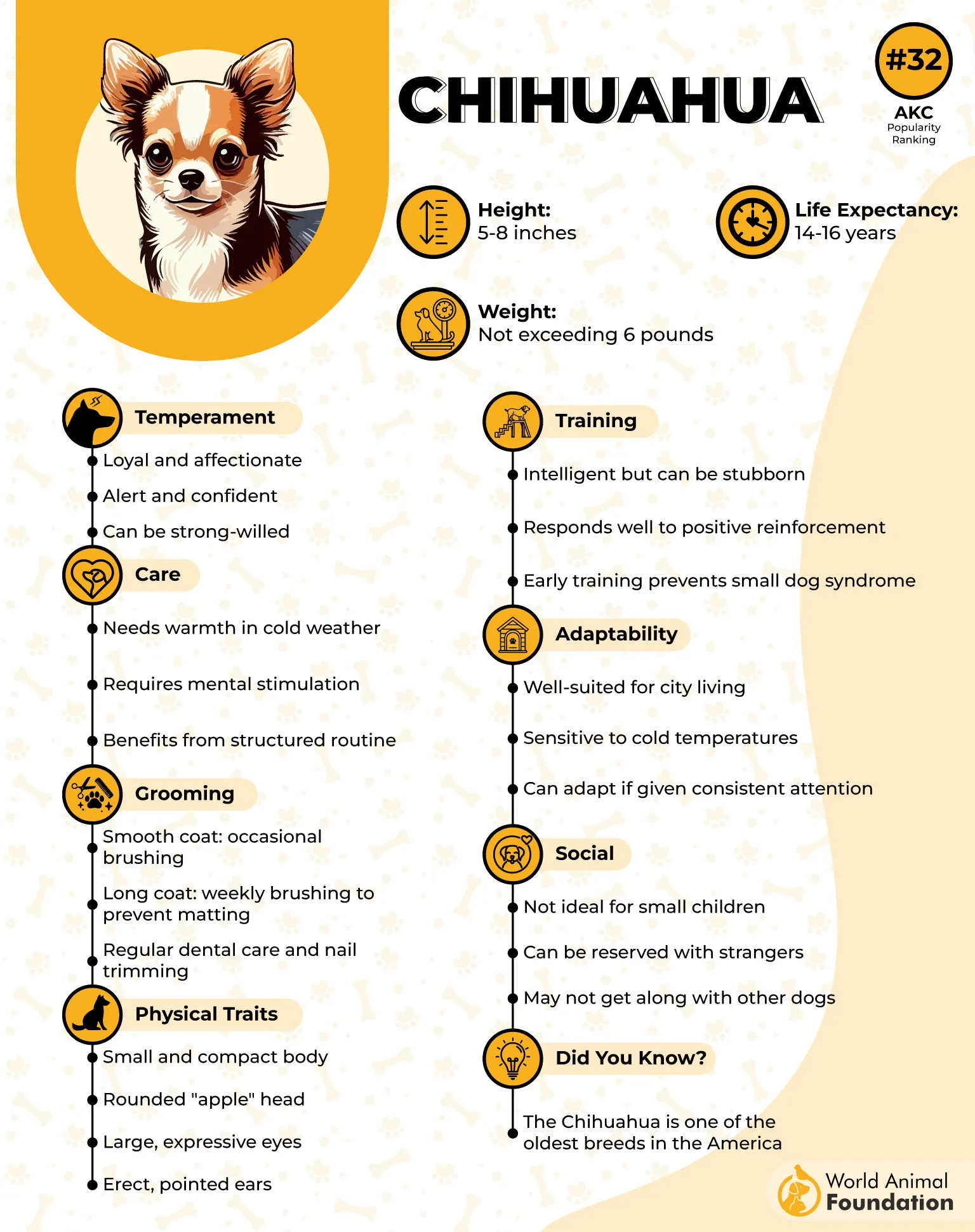
This tiny dog can get much of their exercise through running and playing in a small area, with short, slow walks helping keep the body in good condition. Grooming varies by coat type, with smooth coats needing occasional brushing and long coats requiring regular attention to prevent tangles.
These practical care details are easy to overlook:
Baths are usually needed every 4 to 6 weeks
Long coats benefit from brushing 2 to 3 times weekly
Cold weather requires extra protection
Selective Social Circle
Chihuahuas can be highly alert around unfamiliar people and may need time before accepting someone new, as per Petplan. Once comfortable, some form especially close attachments to one or two people, although individual temperaments can range from sensitive and timid to relaxed and eager to please.
2. Papillon
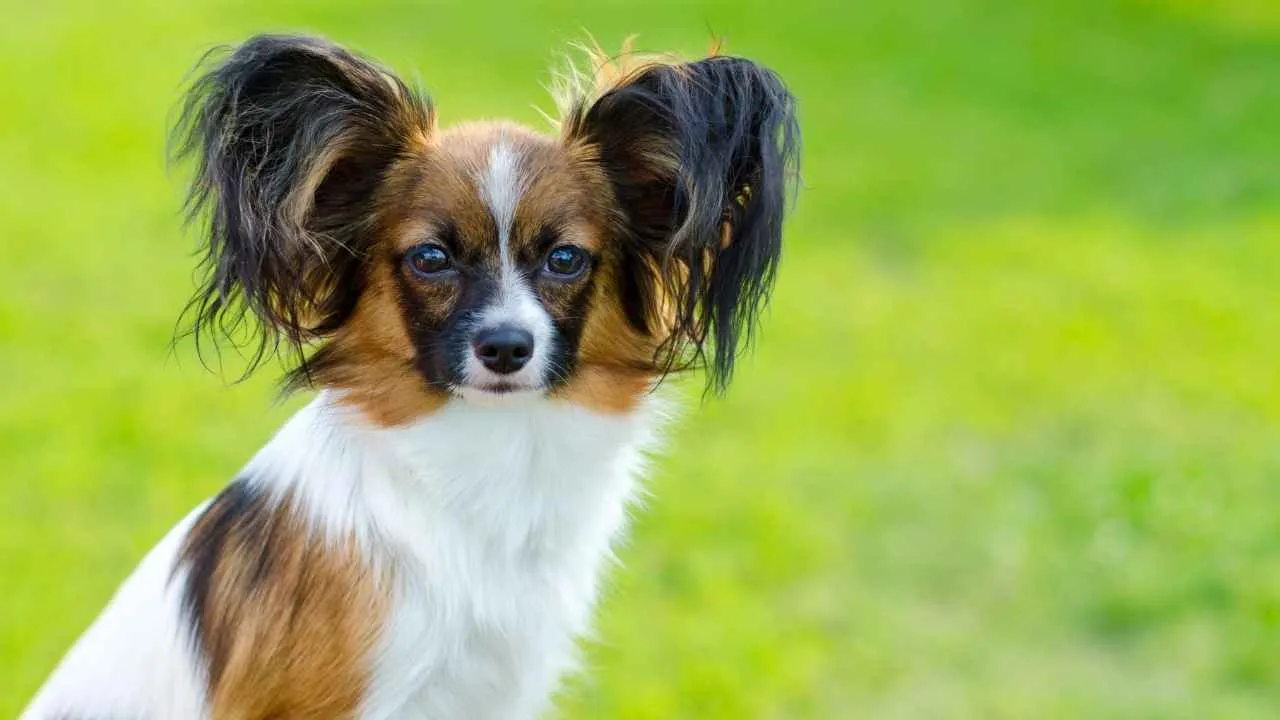
During the Renaissance, Papillon became a favorite among French and Spanish nobility, who admired these elegant little companions. Their likeness appeared in oil paintings and royal settings, with queens and aristocratic families often pictured beside them.
Easy Coat Care
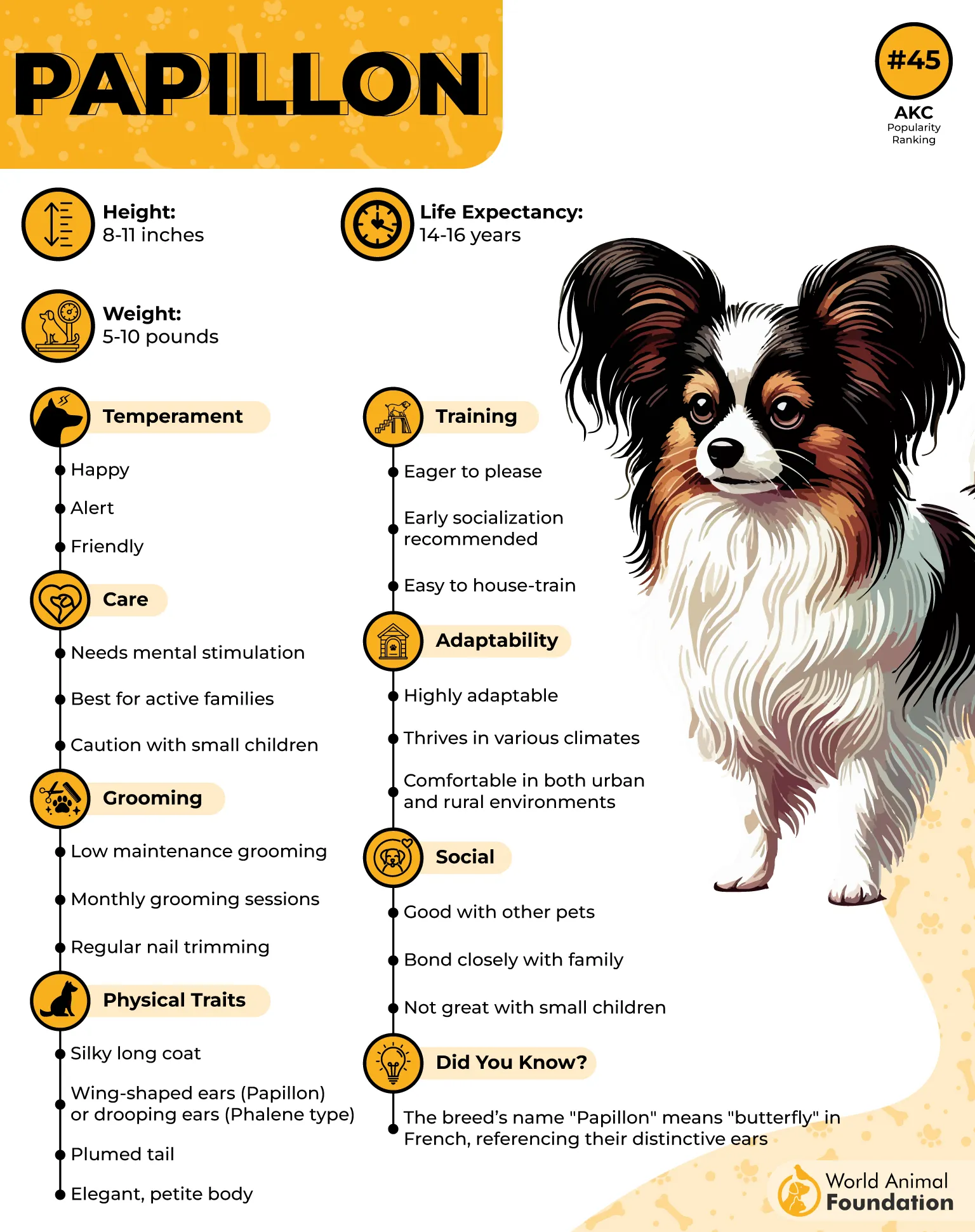
For busy households, the Papillon offers a practical grooming routine because its coat has no undercoat and produces minimal shedding. Brushing a few times each week is generally enough, with extra attention around the ears, tail, and feathered leg hair where tangles and debris can gather.
These useful points make grooming even simpler:
Monthly bathing is usually sufficient
Use a soft slicker brush or metal comb to prevent matting
Use gentle dog-safe shampoos
Small Dog, Active Mind
Papillon may be tiny, but daily walks, puzzle games, interactive toys, and trick training give this little active breed plenty to think about. Early socialization also matters, particularly around larger dogs and young children, since its small frame can make rough play risky.
3. Shih Tzu
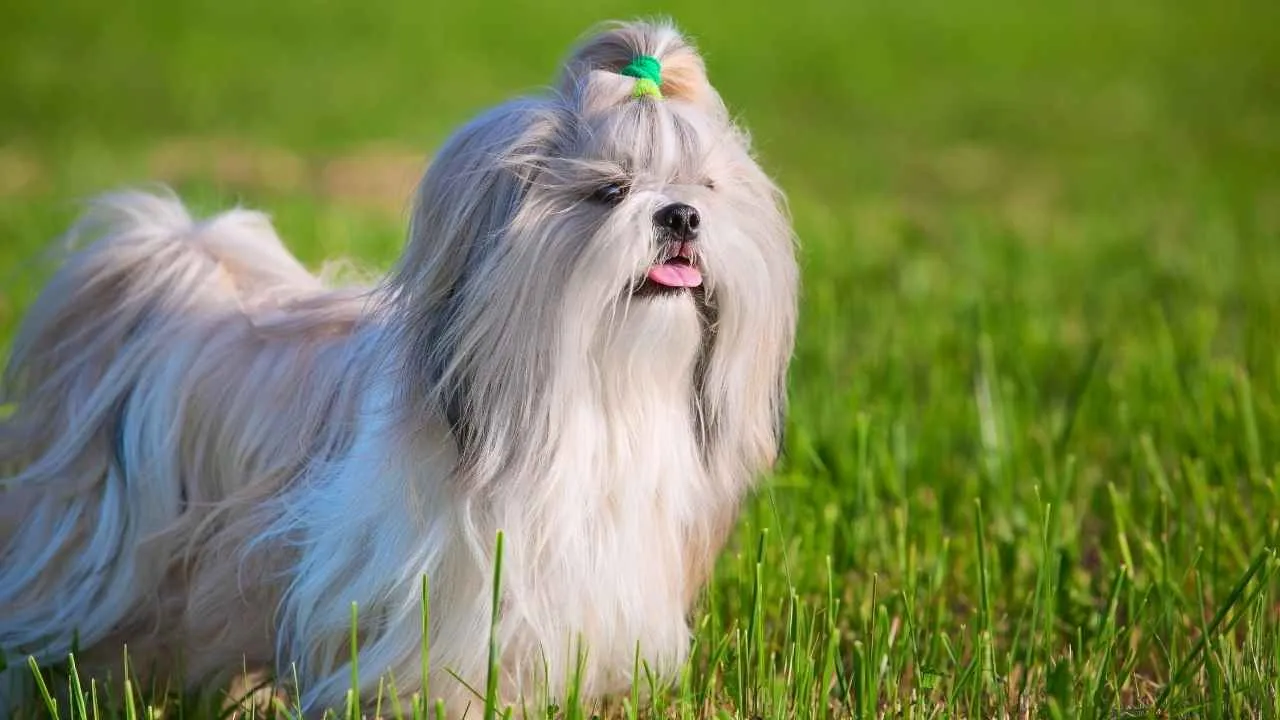
Shih Tzu translates roughly to “lion dog,” a name tied to its association with Buddhism and the lion-like appearance once sought by Chinese imperial rulers. The breed was later recognized by the American Kennel Club in 1969, after centuries as a companion dog.
Straightforward Daily Routine
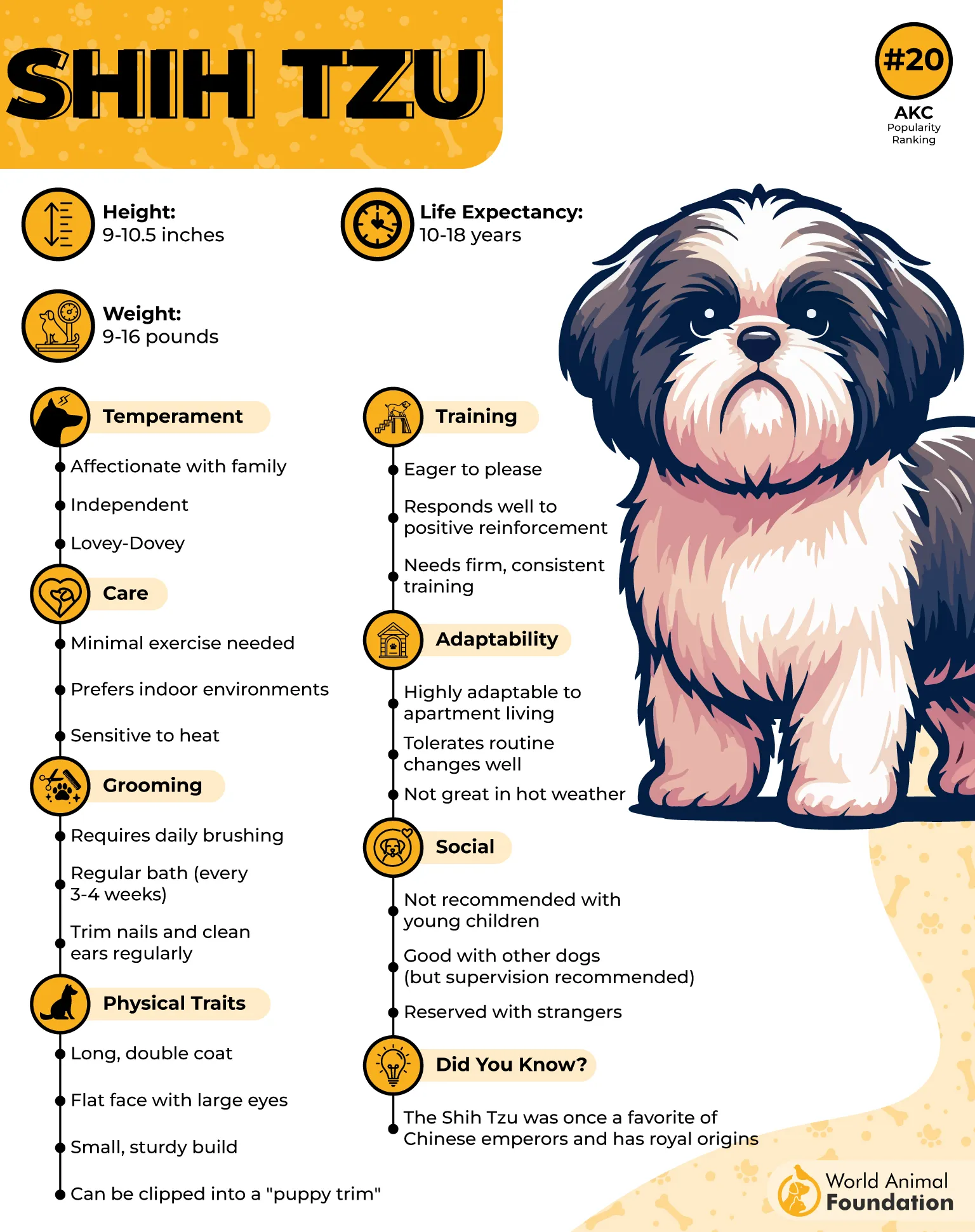
They generally get enough physical activity from a 30-minute walk paired with playtime indoors or in the backyard, as PetMD noted. Neighborhood strolls, trick training, and family interaction can fit neatly around a busy daily schedule without demanding long exercise sessions.
Here’s what life with this breed looks like:
A harness is preferable to a collar for leash attachment
Bathing is recommended every 3 to 4 weeks
People-focused nature
Coat Choice Matters
Shih Tzu can have a short puppy cut for simpler grooming, while a traditional long coat requires hours of weekly care and regular topknot grooming. That difference can make a noticeable impact on the time commitment involved in caring for this breed.
4. Maltese
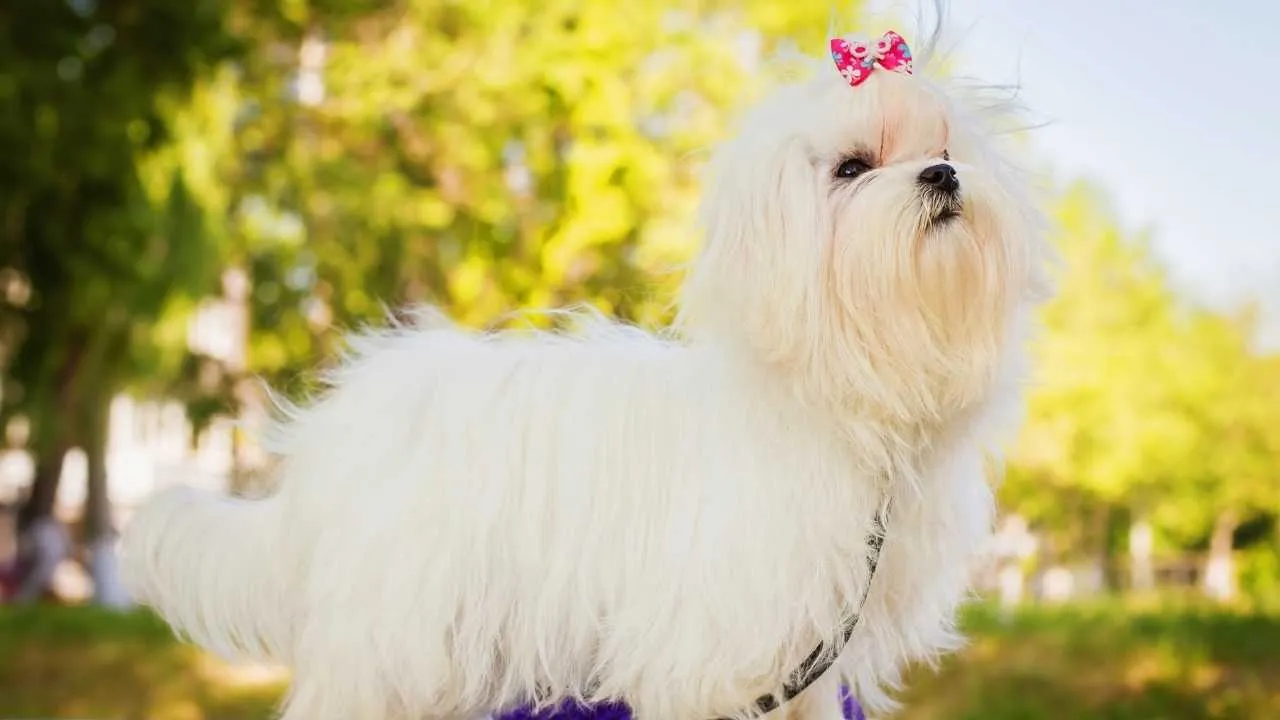
Maltese is one of the oldest toy breeds, with roots in the Mediterranean dating back at least 2,000 years. Malta and Melita in Sicily are both suggested as possible origins, while ancient Egyptians are also believed to have regarded these little dogs as having healing powers.
Easy Indoor Living
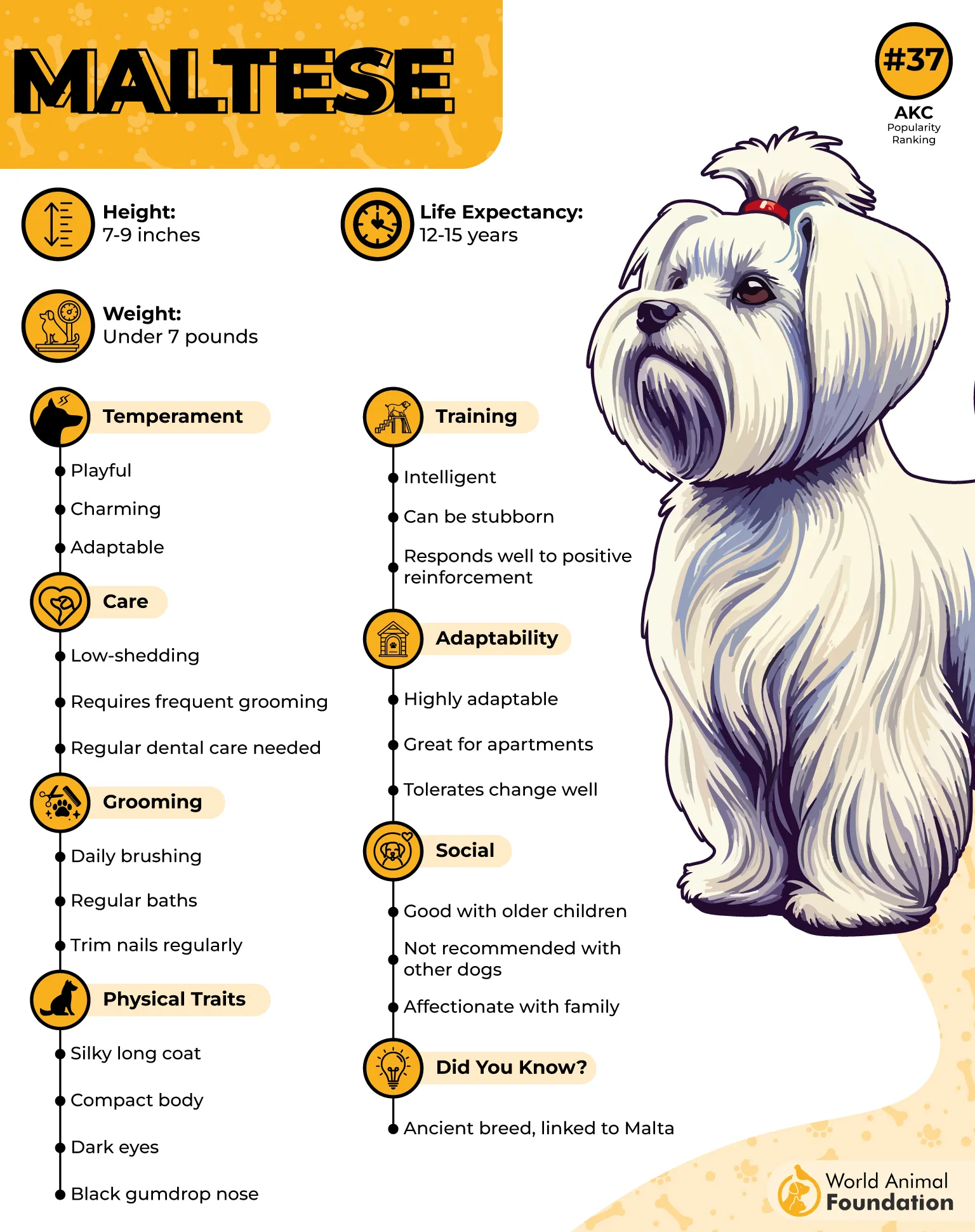
Maltese does not need a backyard and can get enough activity from short walks, indoor play, bouncing around the house, or a relaxed afternoon on the sofa, as Orvis reported. Their small size also makes daily routines easier for busy pet parents with limited space and time.
A little regular care goes a long way:
Weekly bathing suits a fluffy coat style
Salon clipping can reduce grooming needs
They are a hypoallergenic dog breed
Quick Learners
These affectionate dogs respond well to positive reinforcement and can pick up training cues quickly when lessons remain short and playful. Early guidance also matters because over-pampering may encourage demanding behavior, excessive barking, or a stubborn streak.
5. Pomeranian
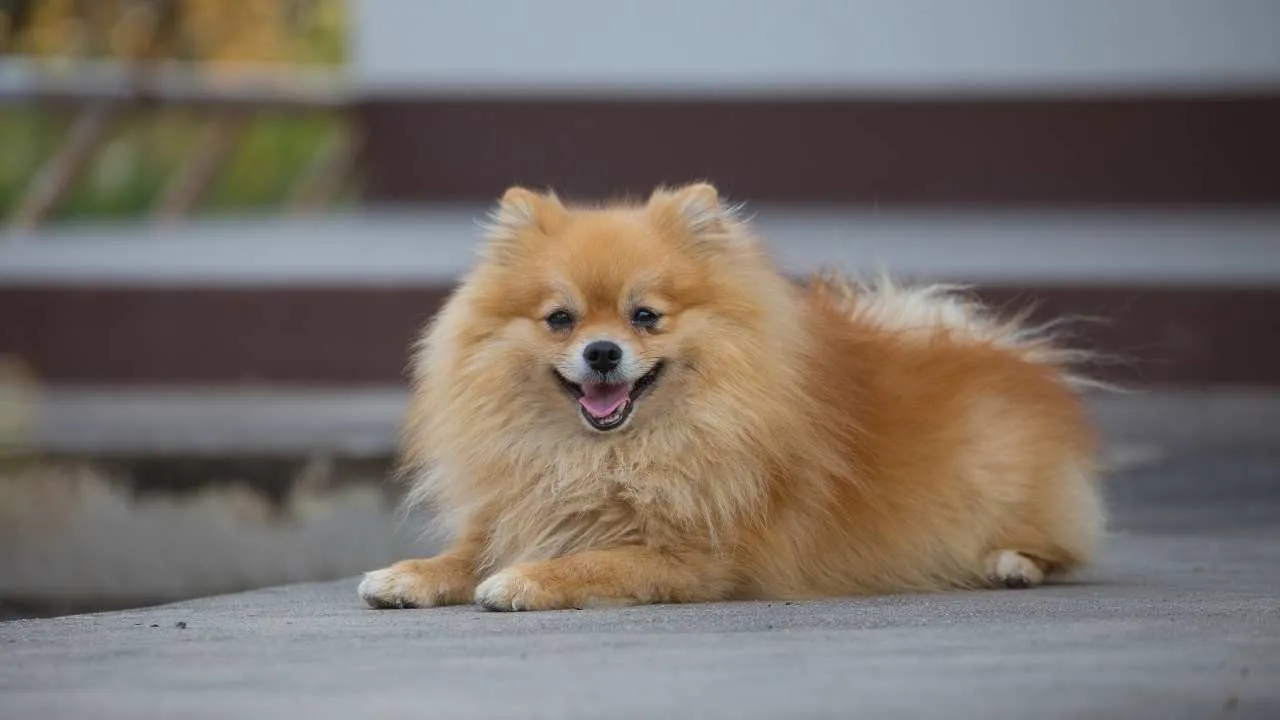
Pomeranian began with sturdy Arctic Spitz dogs valued for strength and working ability, giving this tiny breed an unexpectedly rugged ancestry. As these dogs reached Europe, selective breeding gradually reduced their size in Pomerania, the Baltic region now divided between Poland and Germany.
Lives Well in Small Homes
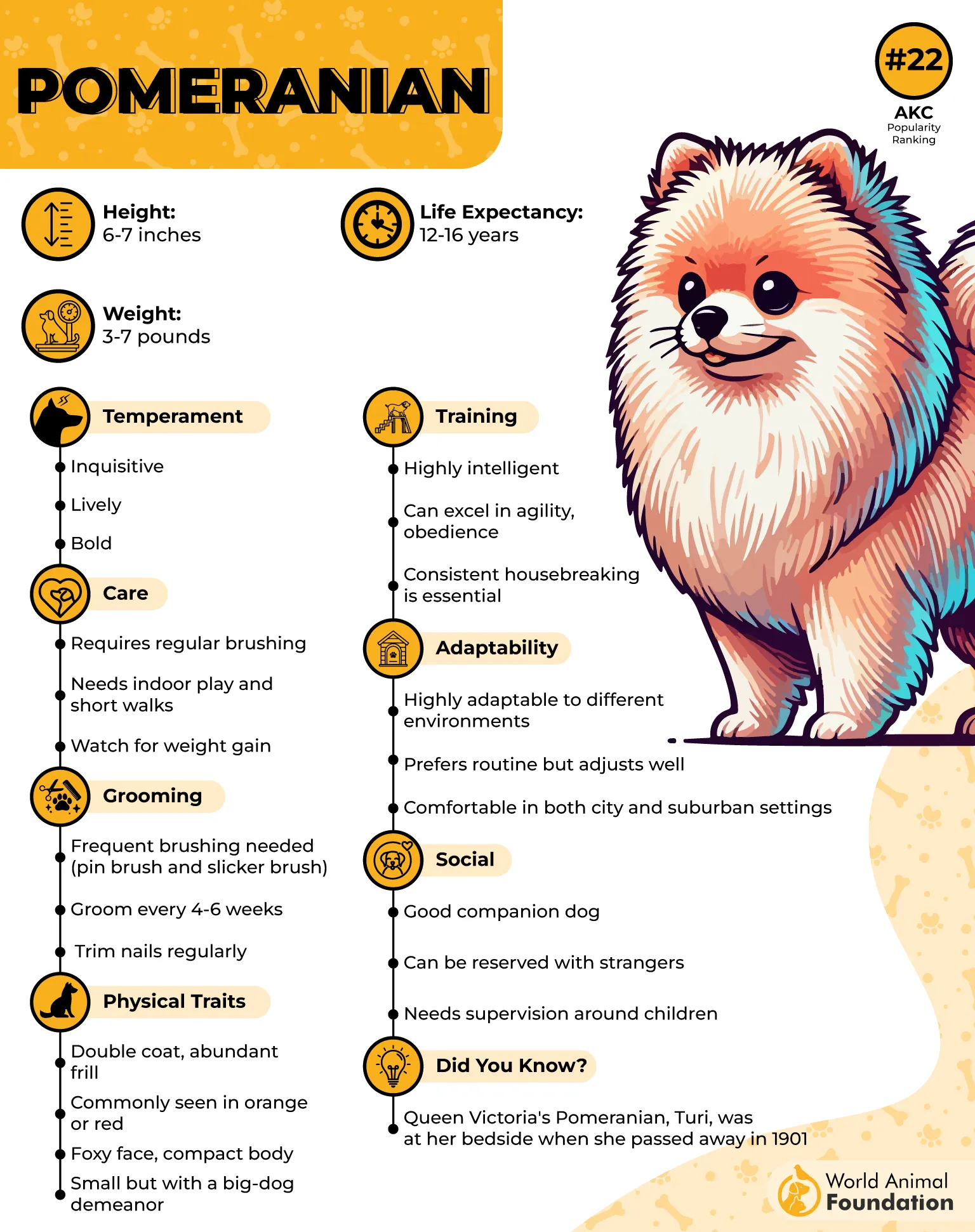
Fits the list of apartment living, this compact dog breed has moderate exercise needs, making daily activity easier to manage for busy families. Its ideal size also makes indoor play and short outings practical when schedules get crowded.
Small stature comes with its own traits:
Smart and eager to learn
Quick learning can make obedience training rewarding
Social dogs often enjoy interaction with cats and children
Coat Essentials
Pomeranian has a dense undercoat beneath a fluffy outer layer that can tangle without regular attention. Gentle combing three to four times weekly helps control loose fur, while bathing every three to four weeks calls for thorough drying afterward, making their grooming needs manageable.
6. Japanese Chin
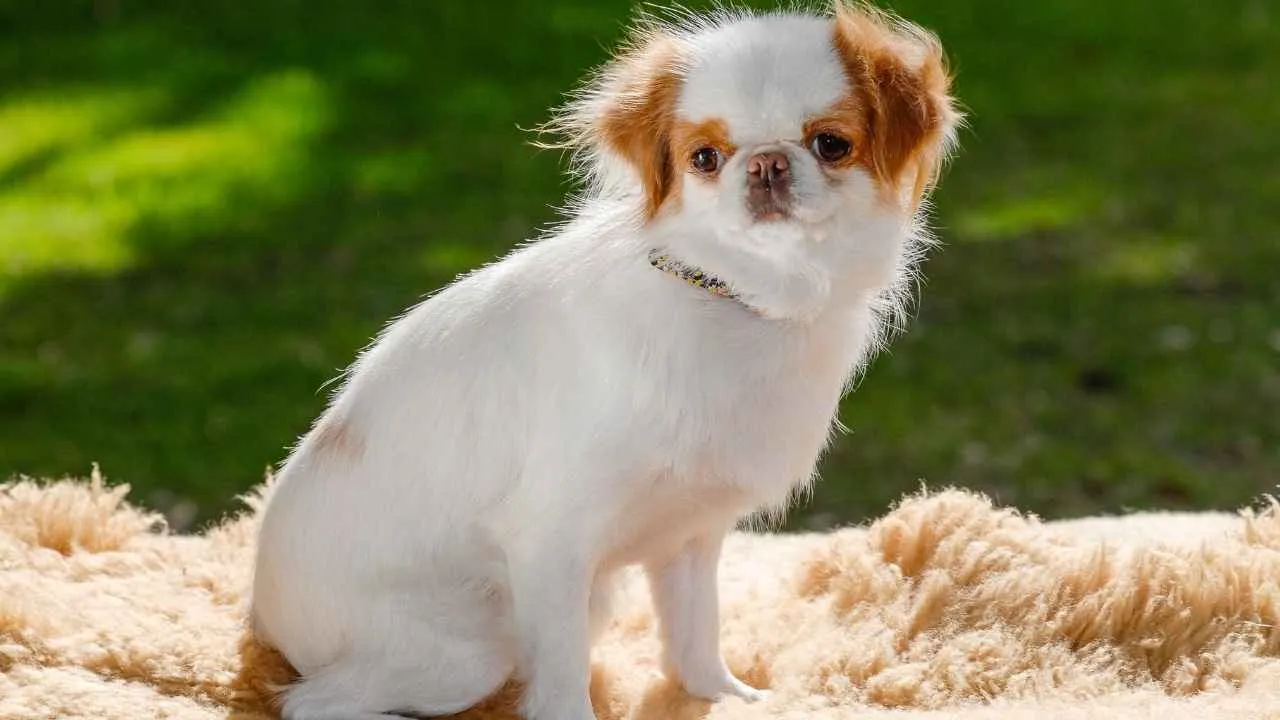
Japanese Chin was developed as an elegant companion for life in luxury, with a personality that can feel surprisingly self-assured for such a small dog. This breed also has an unusual vocal side, using soft singing sounds rather than typical barking when excited or engaged.
Easy Grooming
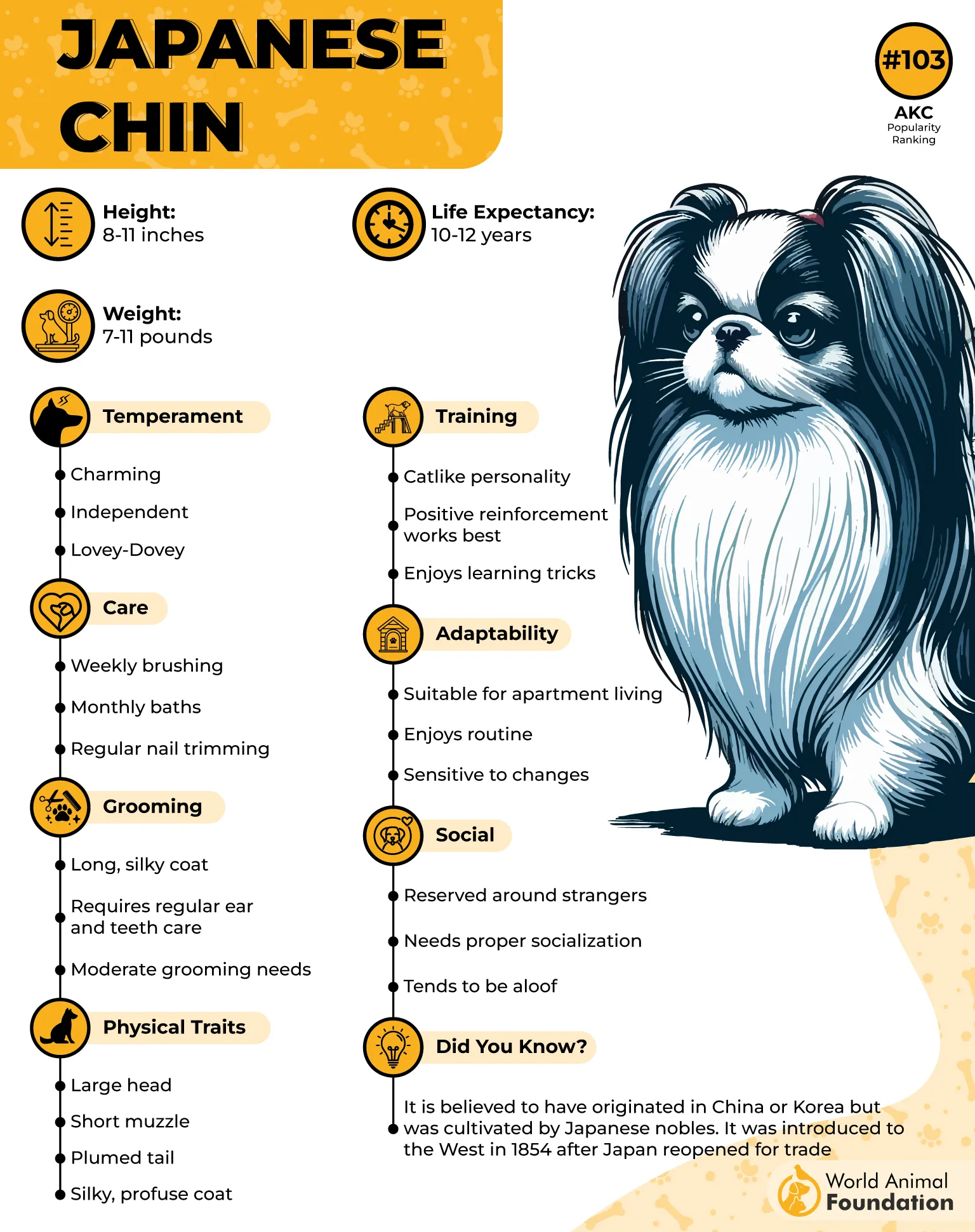
For a dog with such a plush appearance, the Japanese Chin has fairly simple coat-care needs. Brushing once or twice a week helps prevent tangles, while a bath is generally needed about monthly or when the coat becomes dirty.
These qualities make their daily care easier to picture:
Catlike self-grooming habits
Climbs onto chairs and sofas
Enjoys slow-paced walks
A Little Independent
This low-maintenance breed can be playful, affectionate, and quite determined about getting its own way, so training may require more patience than it would with a highly obedient breed. Their intelligence helps, though, and consistent training can teach them appropriate household manners.
7. Yorkshire Terrier
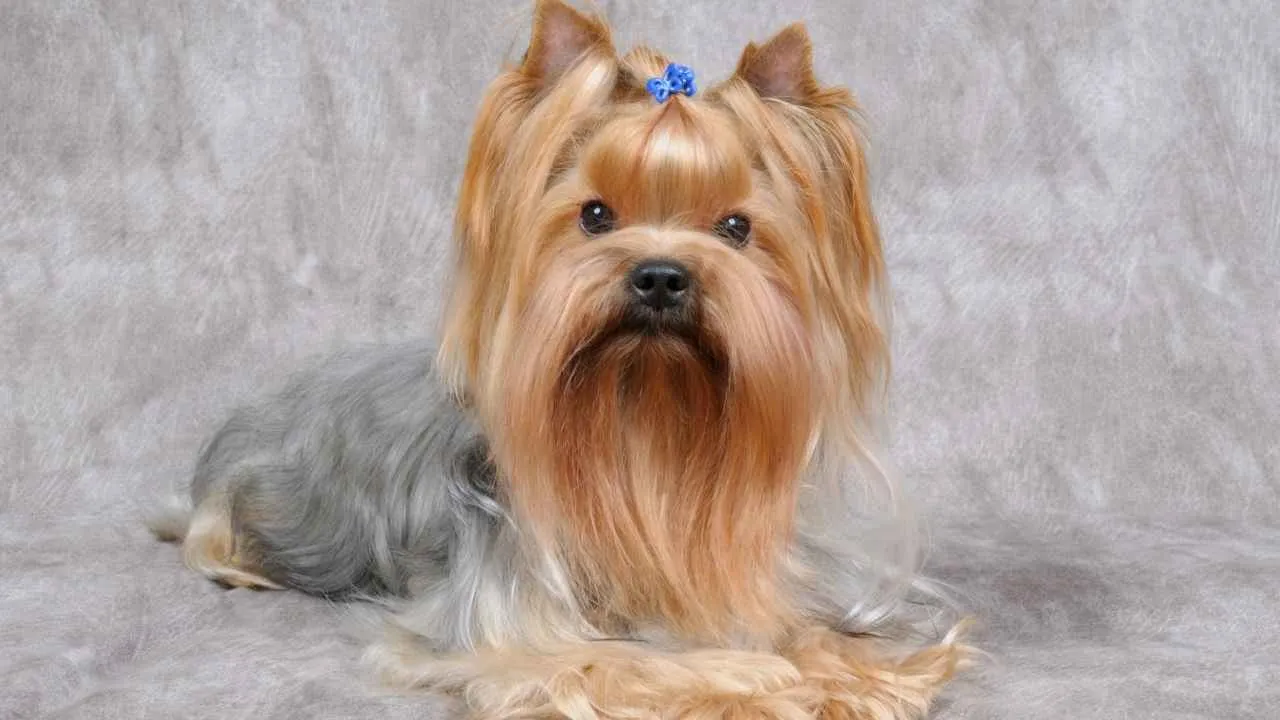
Yorkshire Terrier began as a working companion for Scottish weavers who migrated to England during the mid-1800s, where these tiny dogs were thought to chase rodents in textile mills. That early role was a far cry from the lapdog image associated with the breed today.
Easy Exercise
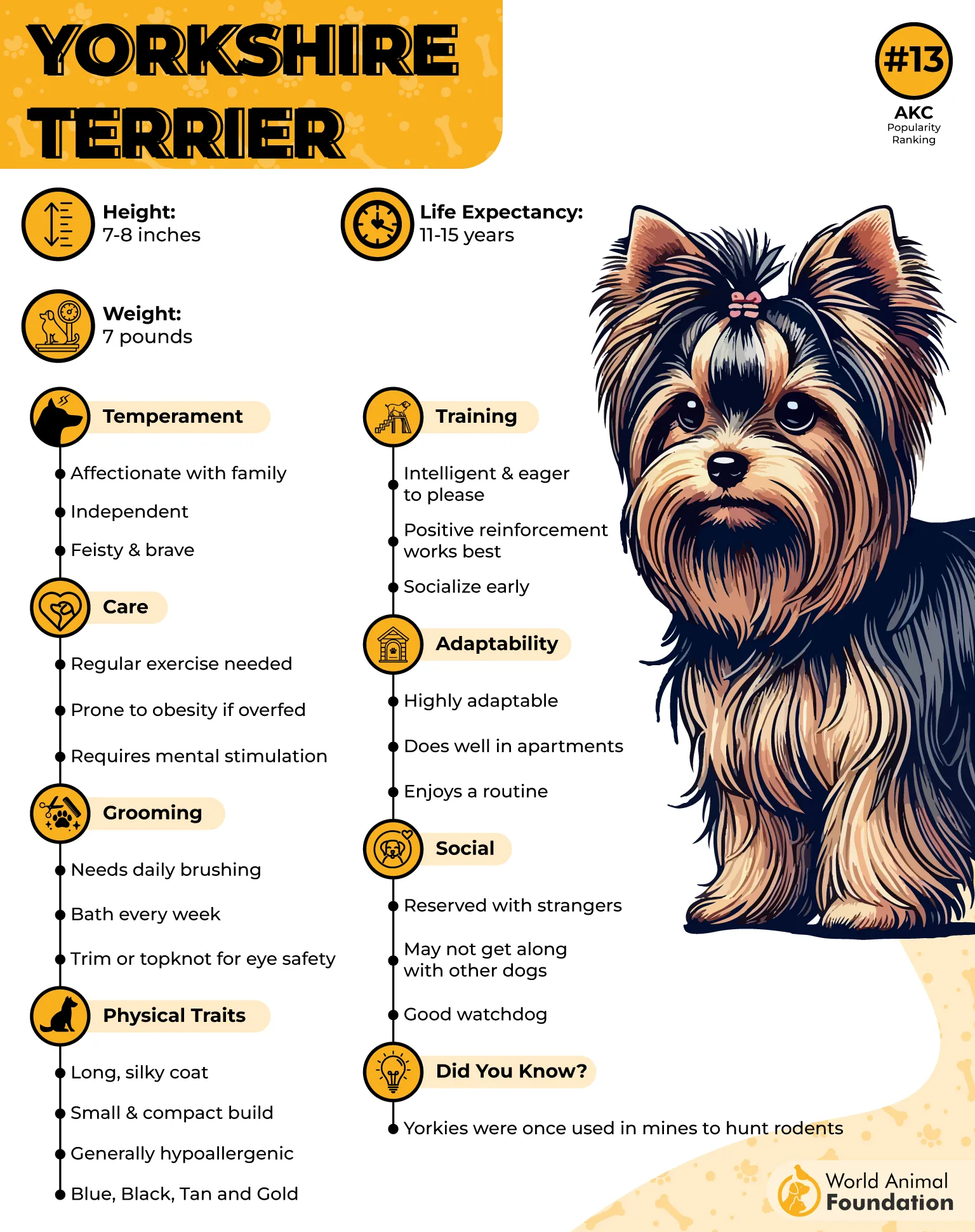
Yorkies need regular activity, though their small frame does not call for lengthy workouts. Two short walks a day can provide fresh scenery and moderate daily exercise needs, while a quick game of chasing a tennis ball adds a burst of activity.
Its everyday nature adds another layer:
Excels in different dog sports
Cold weather can be difficult for them
Short training sessions work best
Small Dog, Big Personality
Yorkshire Terrier can make a useful little watchdog and has a coat described as more like human hair than typical animal fur, which contributes to its hypoallergenic reputation. The breed is also long-lived, while its delicate size calls for supervised interaction with very young children.
Conclusion
Finding the right dog for a busy lifestyle comes down to more than choosing a small size or an easy coat. Exercise needs, minimal grooming, independence, and temperament all shape how much time daily care will take. Even the most low-maintenance breeds still need attention, training, play, and regular health care to feel settled and happy.
A realistic routine makes those responsibilities easier to manage without taking away from the enjoyment of having a dog around. When your schedule and your dog’s needs work well together, family life can feel much simpler, especially for first-time dog owners seeking an adaptable temperament that fits naturally into their routine.
