




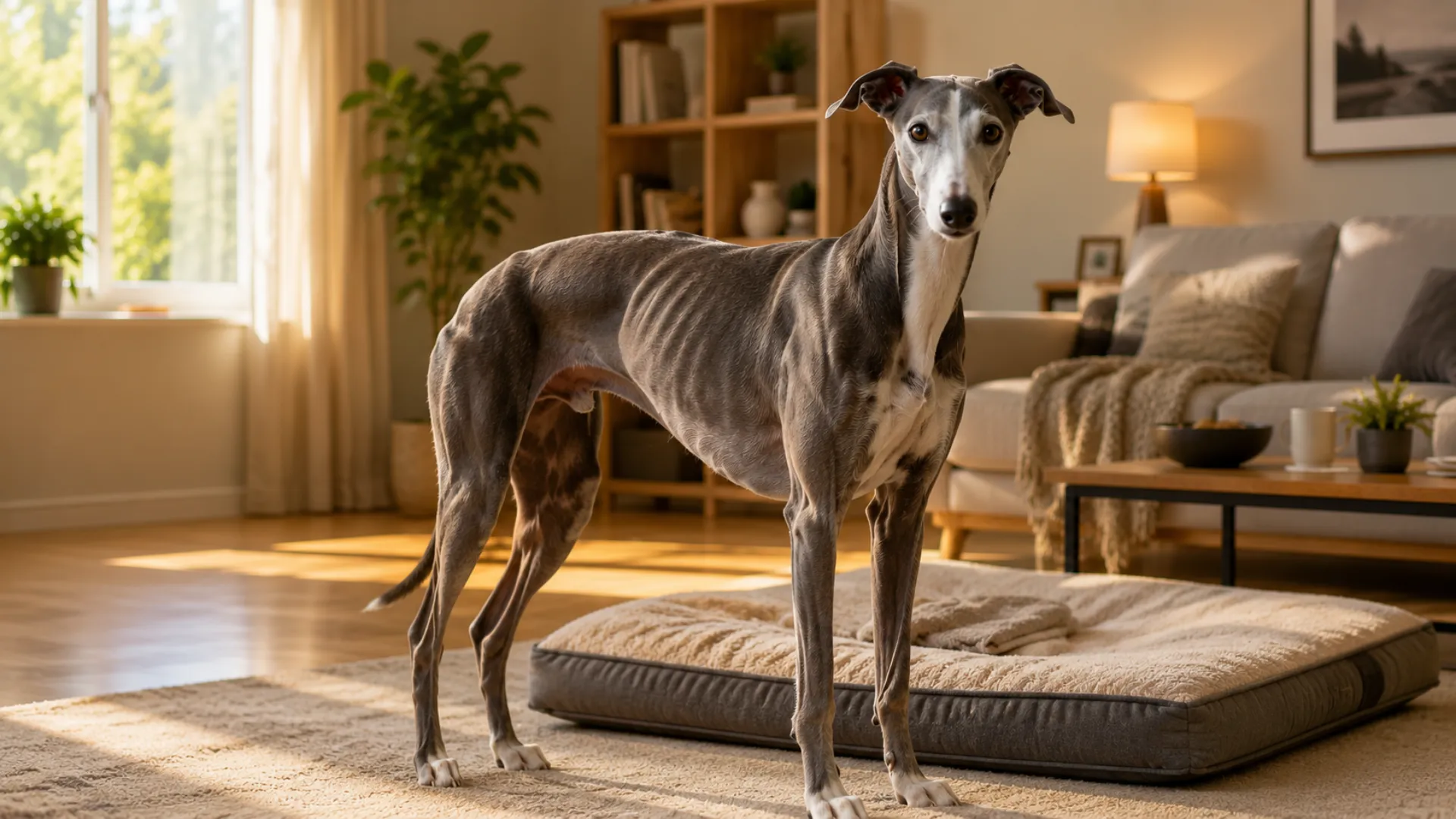
Some dogs follow their owners from room to room like fluffy private investigators, while others are perfectly happy to claim a comfortable bed and mind their own business. Calm, independent breeds may cope better with reasonable periods alone because they can settle, nap, or quietly observe their surroundings without demanding constant entertainment.
“Comfortable alone” should never mean being ignored from morning until midnight. The RSPCA reports that research suggests eight out of ten dogs struggle to cope when left alone, and around half may show no obvious signs of distress.
Dogs should learn independence through small, positive steps rather than being suddenly left for an entire workday. Let’s talk about the best dog breeds that are calm and stay comfortable alone even in a busy household!
Calm Dog Breeds That Stay Comfortable Alone
1. Basset Hound
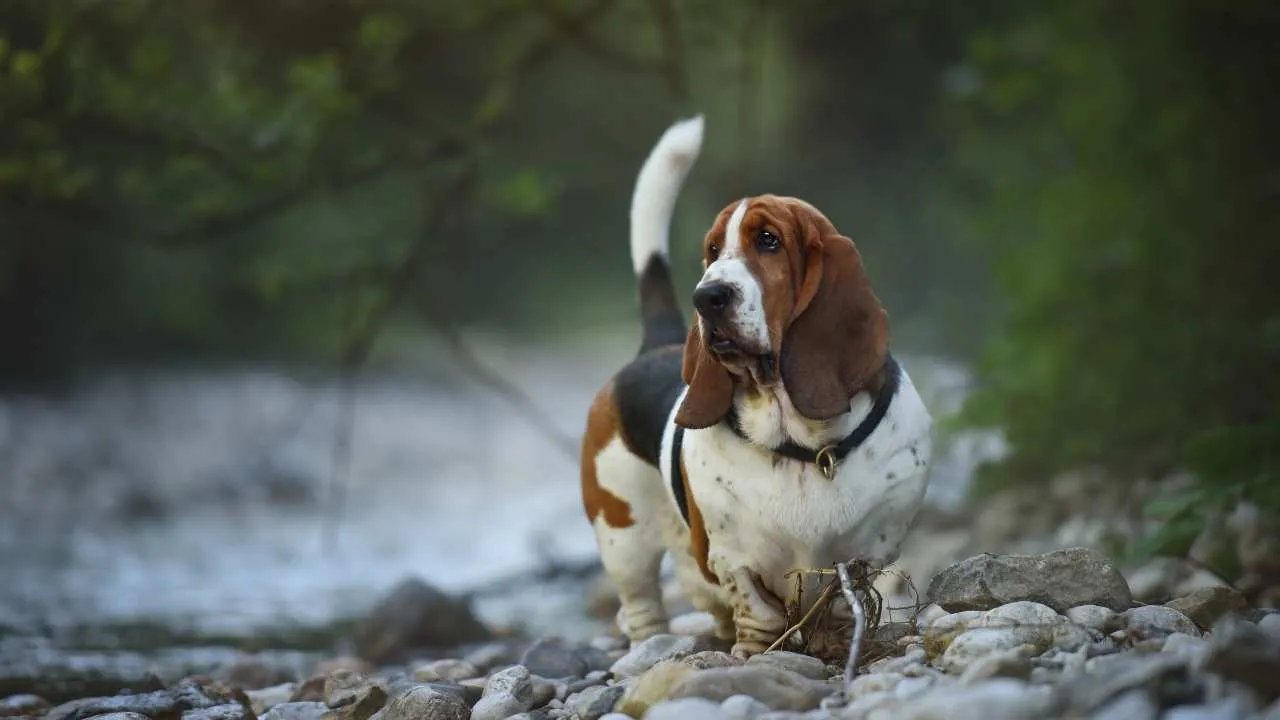
The Basset Hound brings the energy of someone who has already completed every task and would now like to lie down. These low-set scent hounds are known for being patient, loyal, mild-mannered, and independent, although that independence can make training interesting.
Their heavy bodies, short legs, and droopy expressions create the visual illusion that even walking into another room requires a formal appointment.
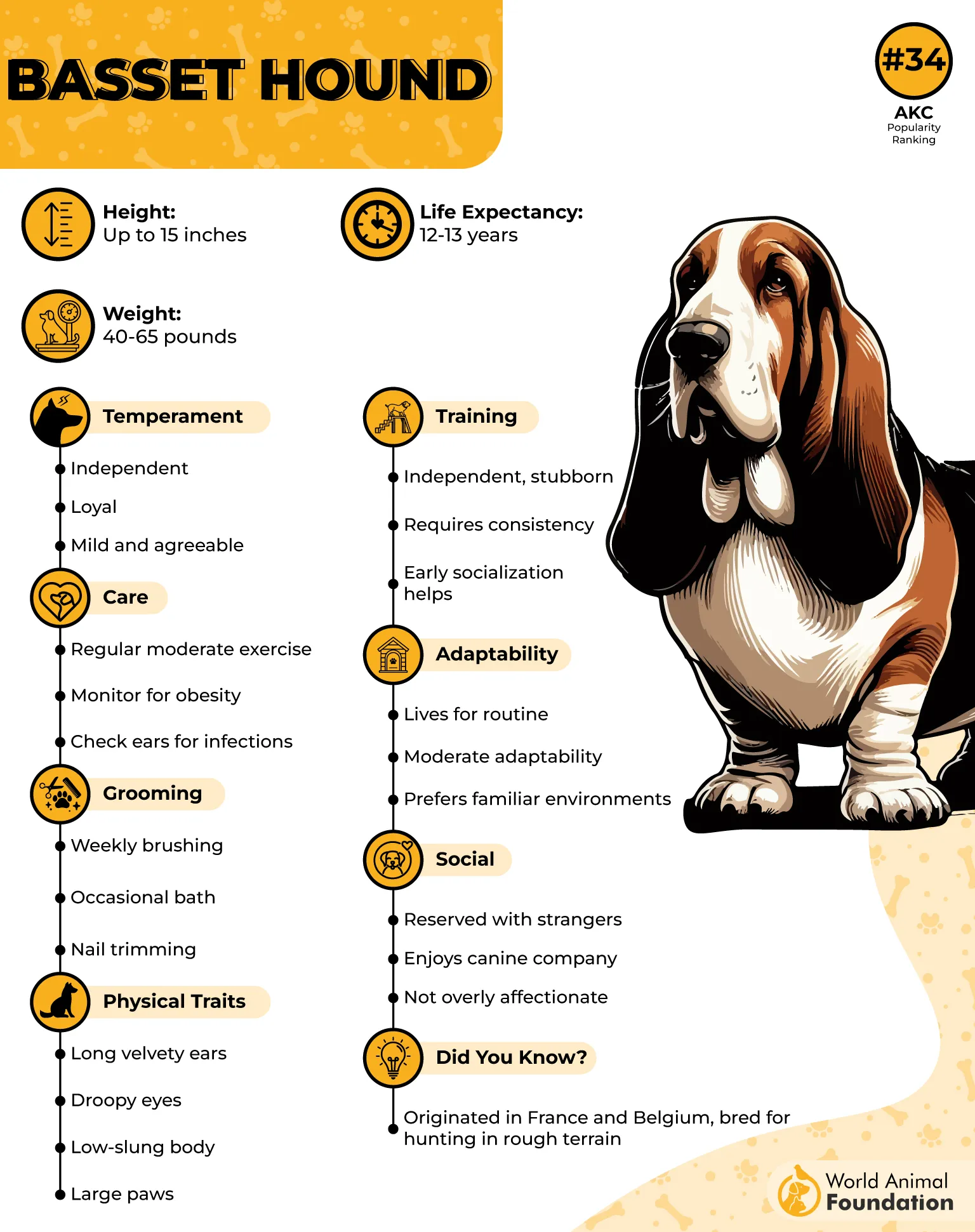
Their independent hunting background can help them stay occupied without constant human direction. A sniff-heavy morning walk, followed by a safe food puzzle or chew, gives their powerful nose and patient brain something useful to process.
Routine matters because these dogs can become vocal when bored, lonely, or confused by a sudden change in schedule. These hounds have deep voices that can turn a small complaint into an announcement to the entire building, so owners should practise gradual departures and reward quiet settling.
2. Greyhound
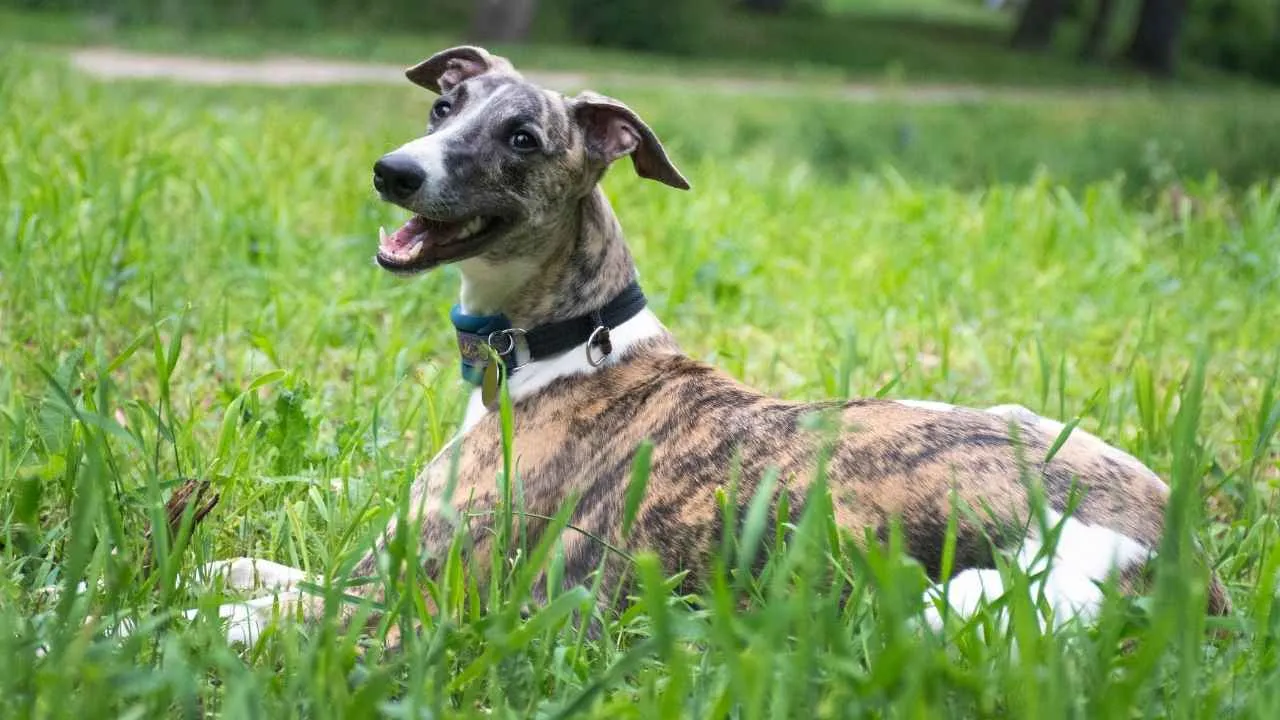
Greyhounds are famous for speed, yet many adults treat indoor life as an extended audition for the role of decorative sofa blanket. The AKC describes them as independent, gentle, and noble dogs that tend to be mild and sensitive with their families.
Newly adopted racing Greyhounds may need special patience because household routines, stairs, glass doors, and being left alone can all feel unfamiliar. Some settle quickly, while others become worried when their new person disappears, especially during the first weeks of adjustment.
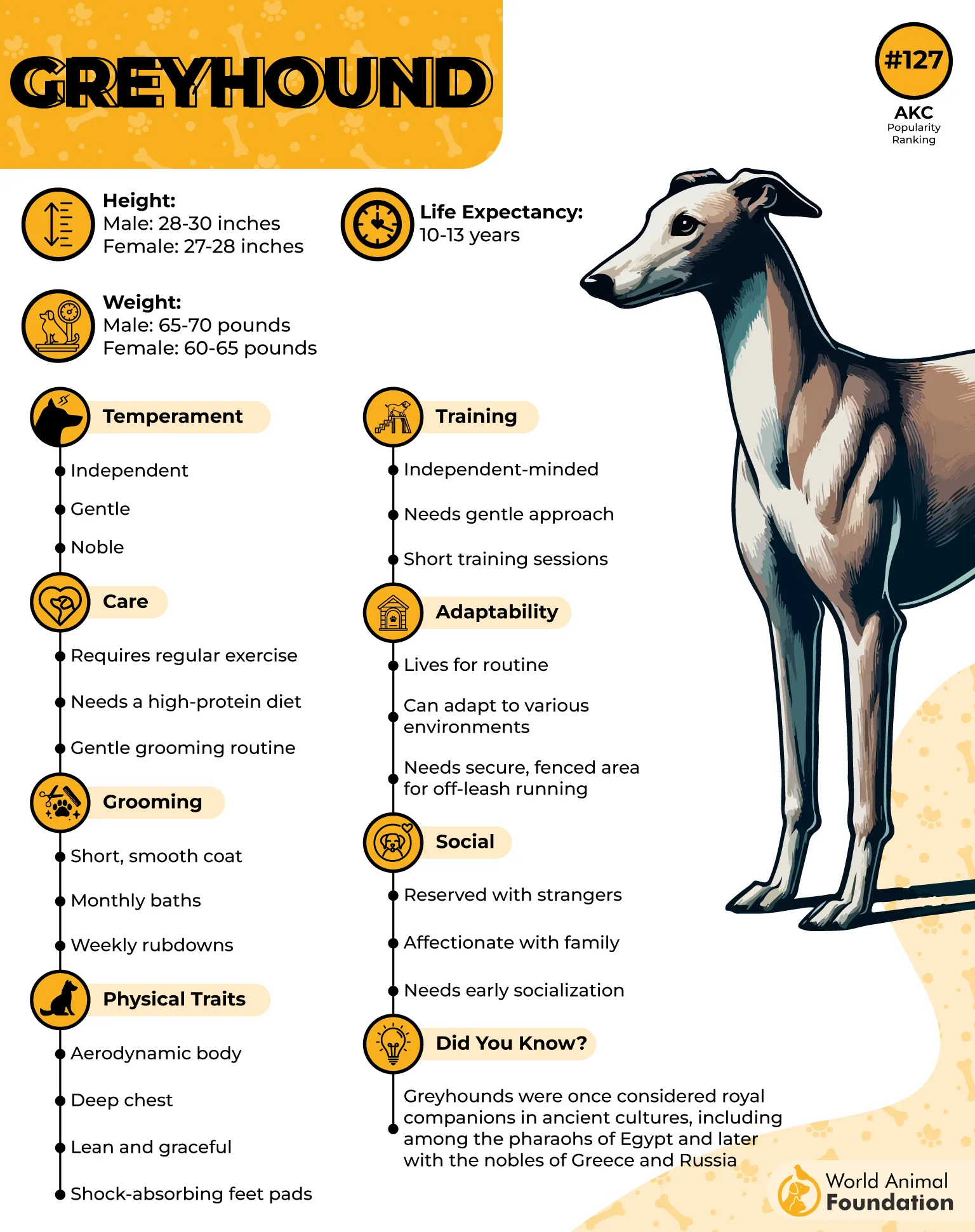
These furry friends are sighthounds developed to pursue moving animals independently, so their calm indoor behavior comes with a serious chase instinct outdoors. Before leaving, make sure gates, windows, and doors are secure, and never rely on an unfenced garden as a safe exercise area.
A warm bed, predictable schedule, safe chew, and peaceful environment can help an adult Greyhound relax while the household is briefly empty. These sensitive dogs should still receive affection, walks, enrichment, and plenty of human contact before and after absences.
3. Chow Chow
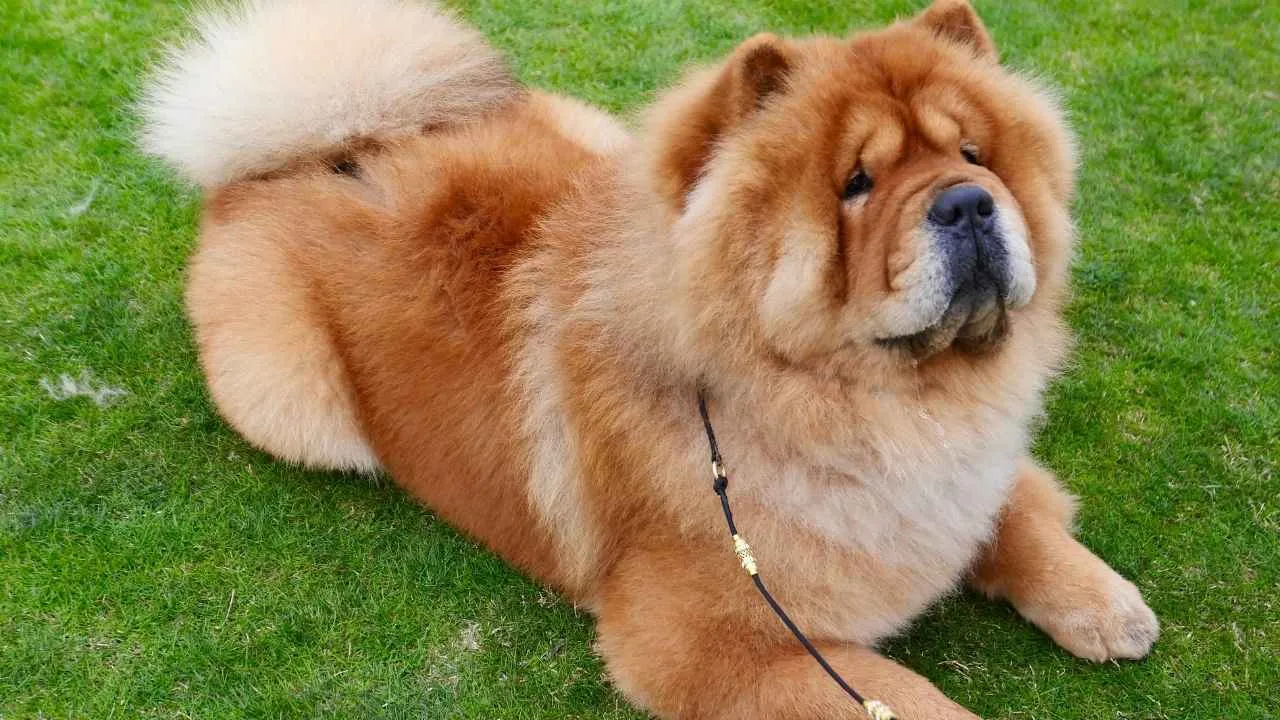
The Chow Chow has a reputation for behaving more like a dignified housemate than an endlessly needy sidekick. They are peaceful, intelligent, independent, and sometimes aloof, though they remain deeply loyal to those they trust.
A well-adjusted Chow may rest quietly rather than demanding constant play or reassurance. That self-contained personality can make brief periods alone easier, provided the dog has been gradually trained and has a cool, secure place to relax.
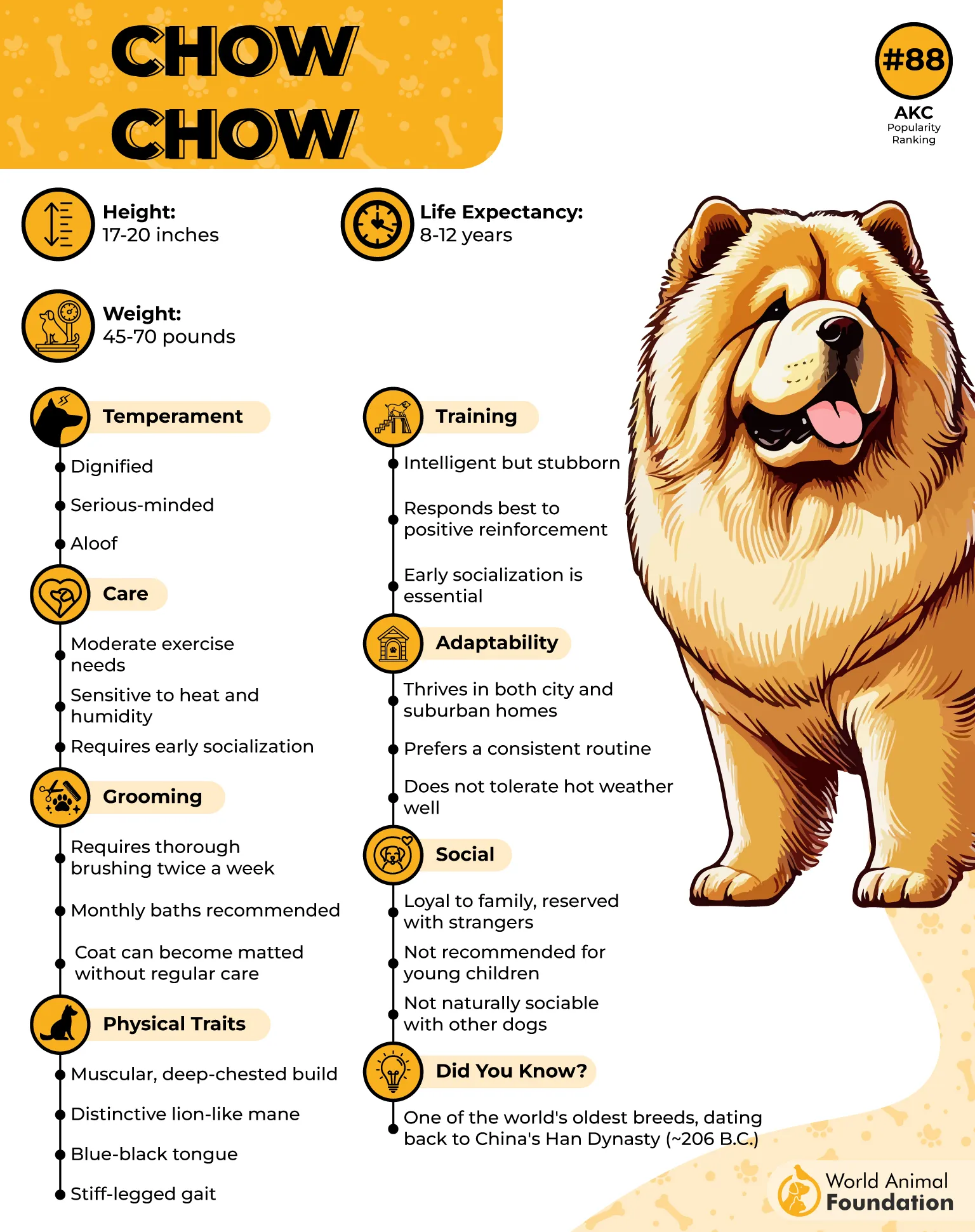
Independence does not equal indifference, though, and breed enthusiasts emphasize the importance of including Chows in everyday family activities.
Early socialization is crucial because independence can manifest as suspicion or reactivity when a Chow has little positive exposure to people and everyday environments. Training should be calm, consistent, and reward-based, since harsh handling may damage trust and make cooperation harder.
4. Irish Wolfhound
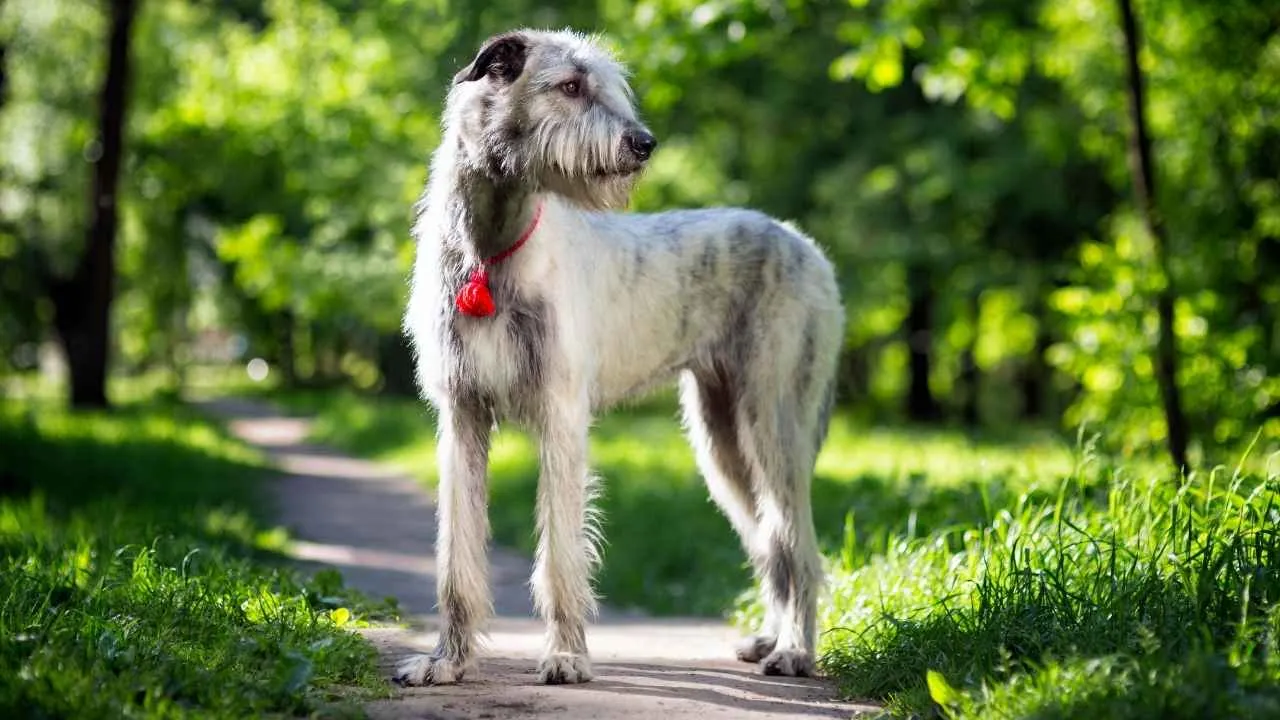
The Irish Wolfhound has a calm, dignified presence that can make an enormous dog seem almost invisible while resting indoors. They are generally peaceful rather than demanding, but they are not emotionally distant dogs built for regular isolation.
Irish Wolfhounds are tall, so even their quietest nap requires a significant amount of floor or sofa space. Their intimidating size does not make them natural guard dogs, because they are typically alert without being highly suspicious or aggressive. Basically, they look like castle security but often behave like polite guests who do not want to cause trouble.
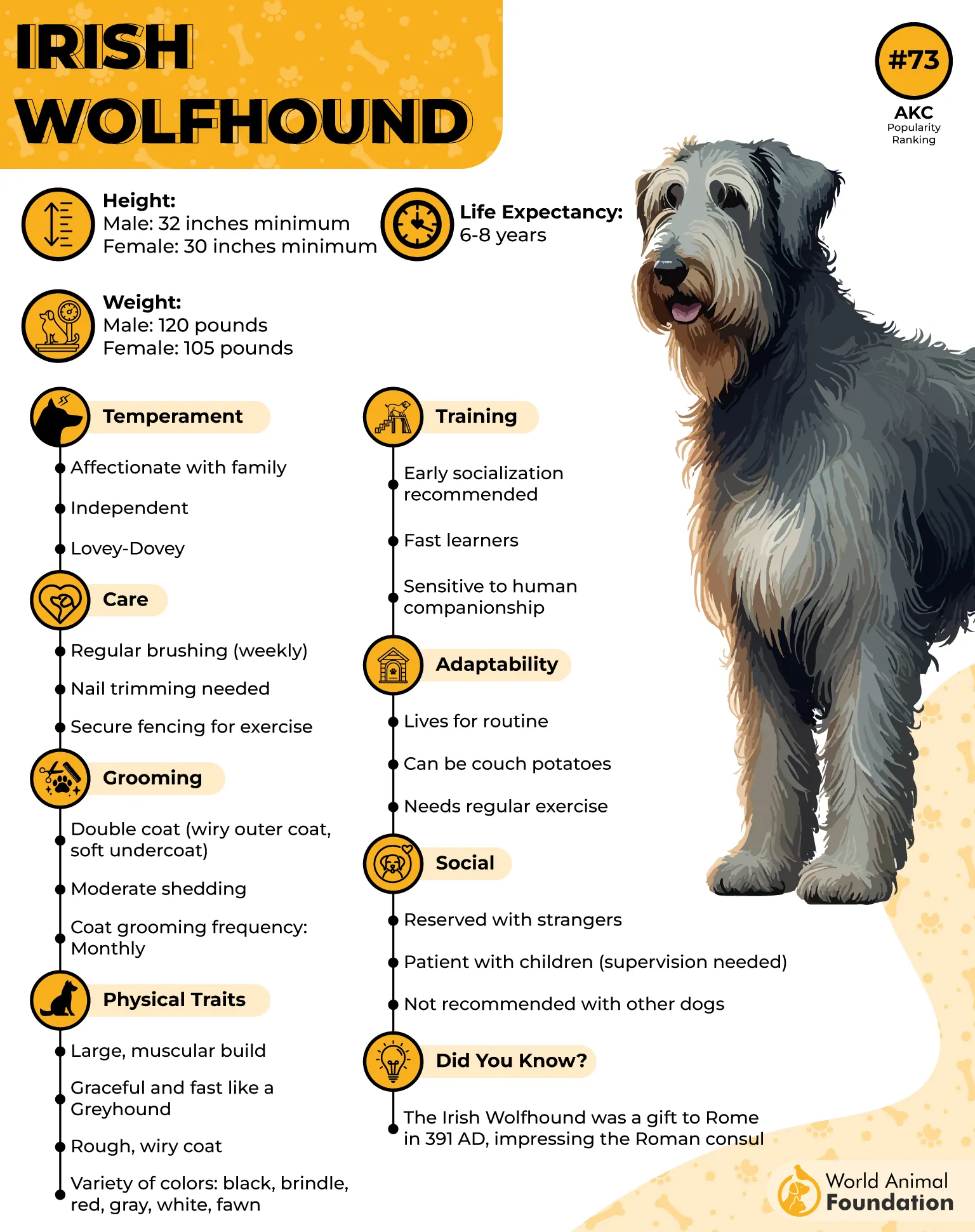
A mature Wolfhound may settle peacefully after suitable exercise, but puppies and adolescents require far more supervision. Giant-breed youngsters can reach around 100 pounds while still behaving like puppies, meaning boredom may lead to accidental home renovation on a remarkable scale.
Their hunting ancestry gave them the confidence to move and make decisions independently, yet their modern temperament is sensitive and strongly connected to family. Gentle training works best because rough treatment can make these soft-natured giants withdraw or lose trust.
5. Great Pyrenees
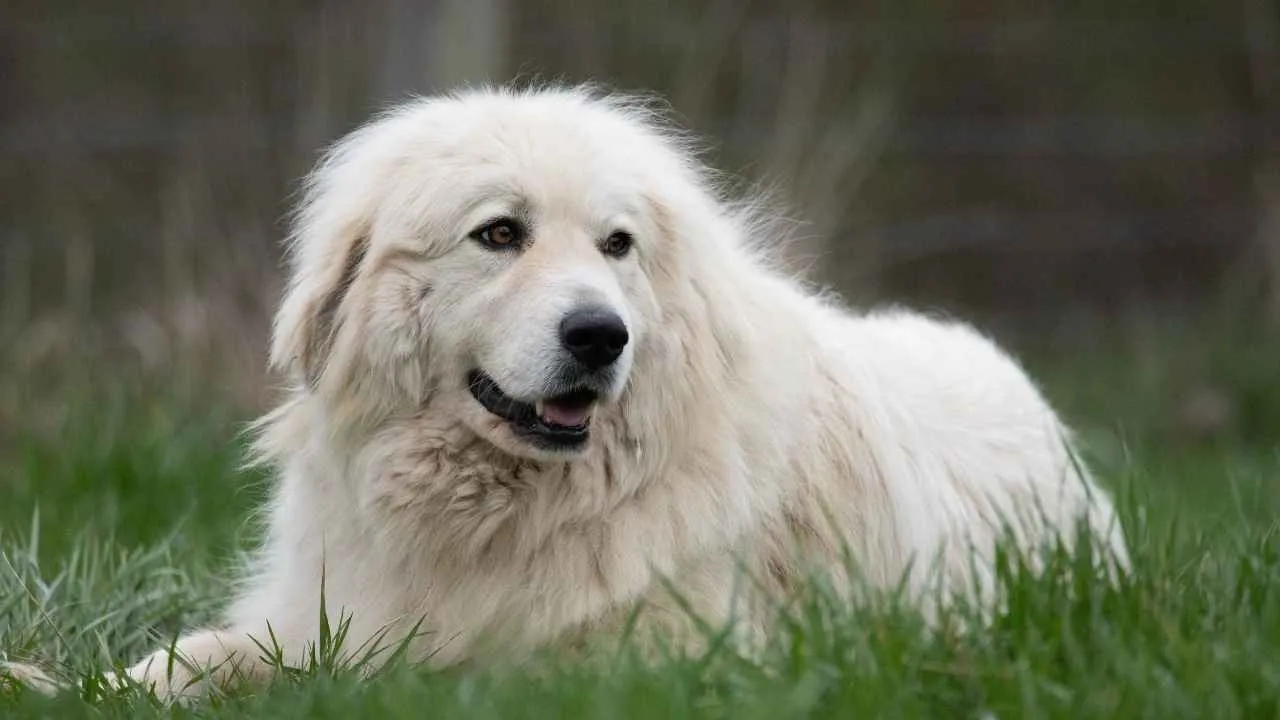
The Great Pyrenees was developed to stay with livestock and protect it across rugged mountain land without constant human supervision. That work required calm observation, independent judgment, and the confidence to respond when predators approached.
Their ability to remain settled while watching an area can look ideal for alone time. A Great Pyrenees may spend hours resting in a carefully chosen spot while continuing to monitor sounds, movement, and the whereabouts of every household member.
This is not laziness; it is energy conservation from a breed designed for long guarding shifts.
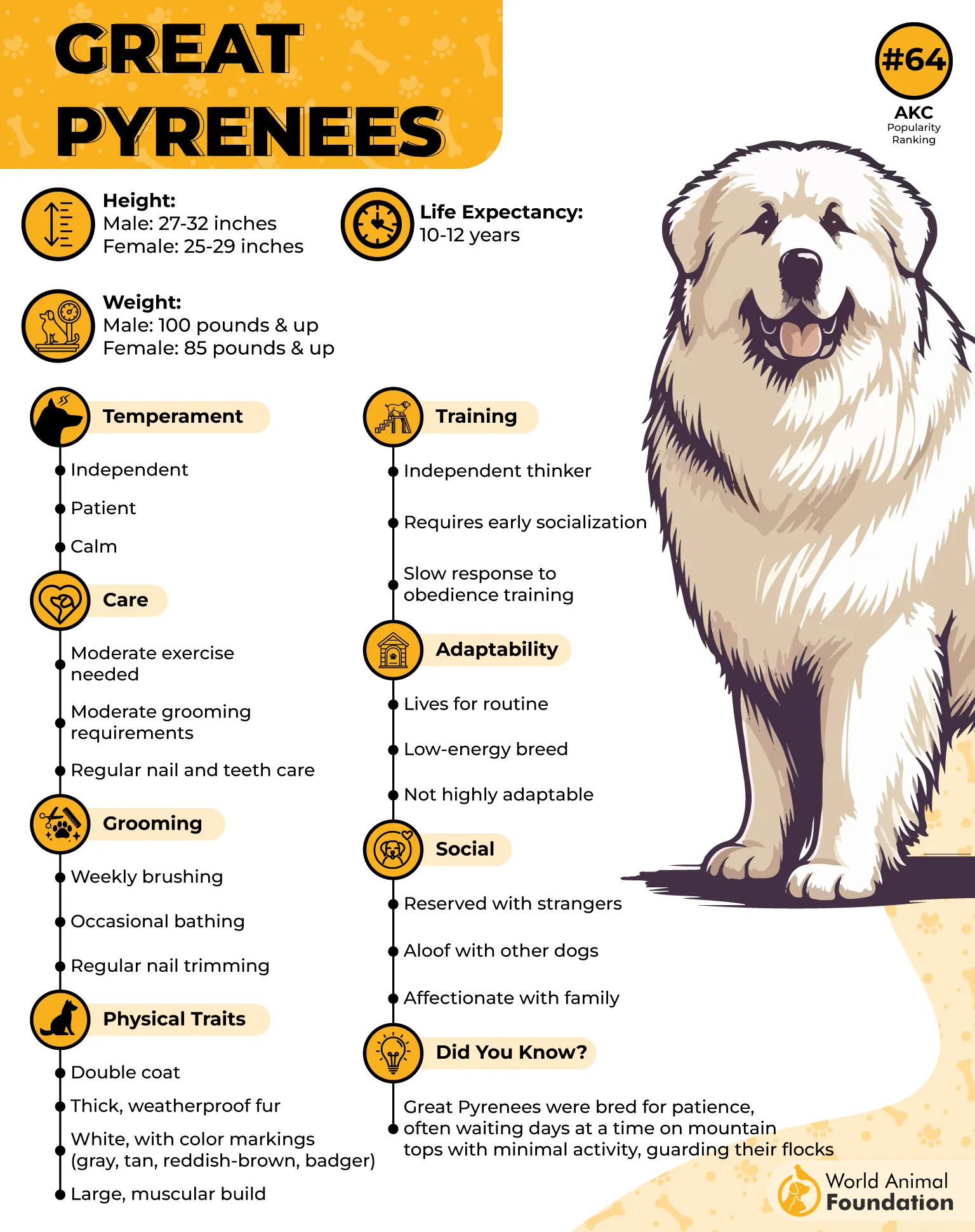
The catch is that these dogs often become more alert and vocal at night, when predators historically posed the greatest threat to flocks. An unsupervised dog may announce wildlife, pedestrians, car doors, or suspicious leaves with booming barks that travel much farther than intended.
Secure fencing is essential because an independent guardian may decide that its responsibilities extend beyond the garden. Before leaving, check gates, remove climbable objects near boundaries, and provide an indoor resting option rather than assuming open land will keep the dog occupied.
6. Tibetan Mastiff
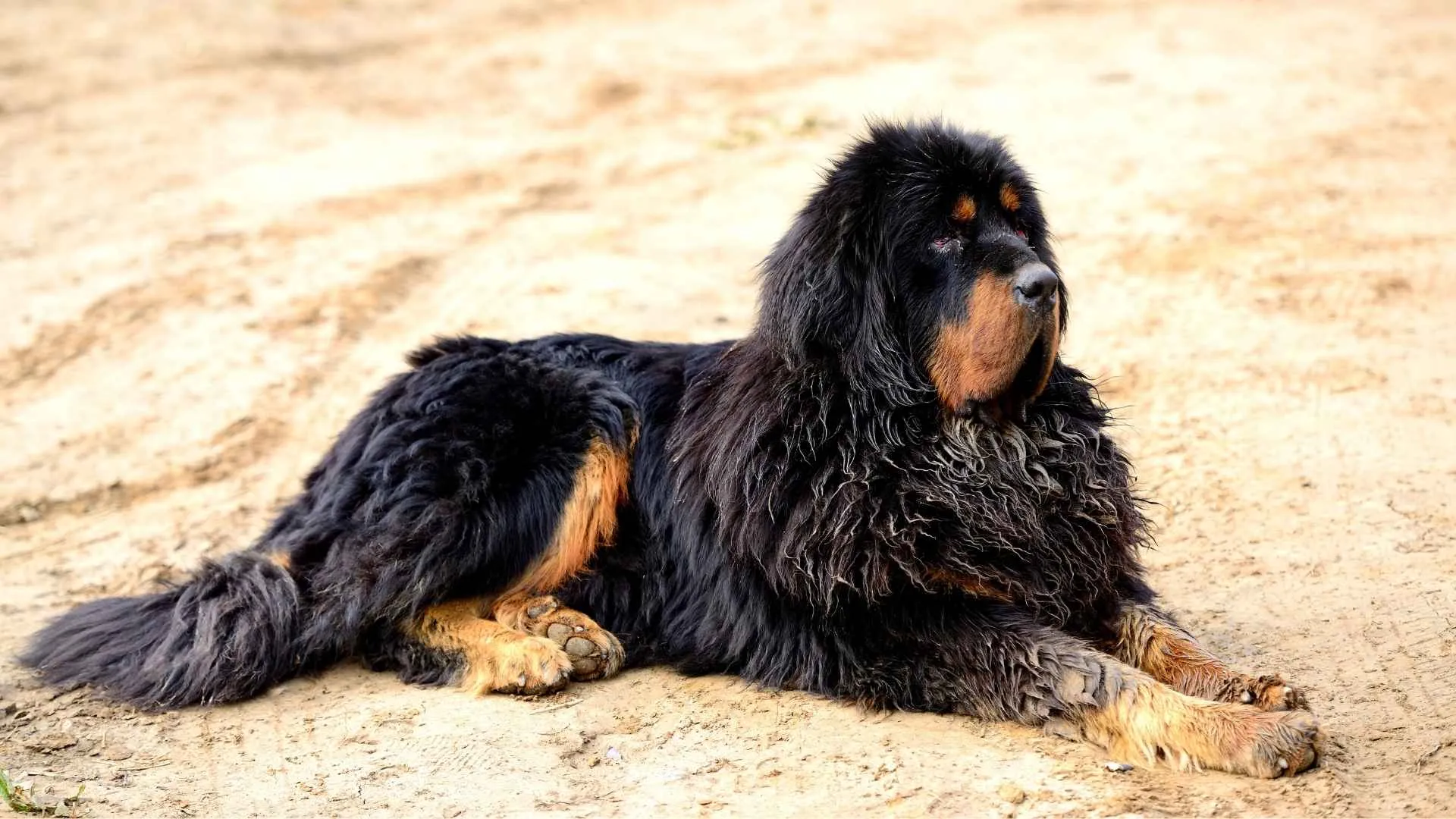
The Tibetan Mastiff is one of the clearest examples of a dog that can think and operate without nonstop direction. These densely coated guardians are often mellow and calm inside the home, devoted to their families, and aloof or territorial around unfamiliar people.
They are highly intelligent, independent, and famously strong-willed. Orvis notes that they may perform beautifully during training classes and then ignore the same instructions at home when their own judgment takes priority.
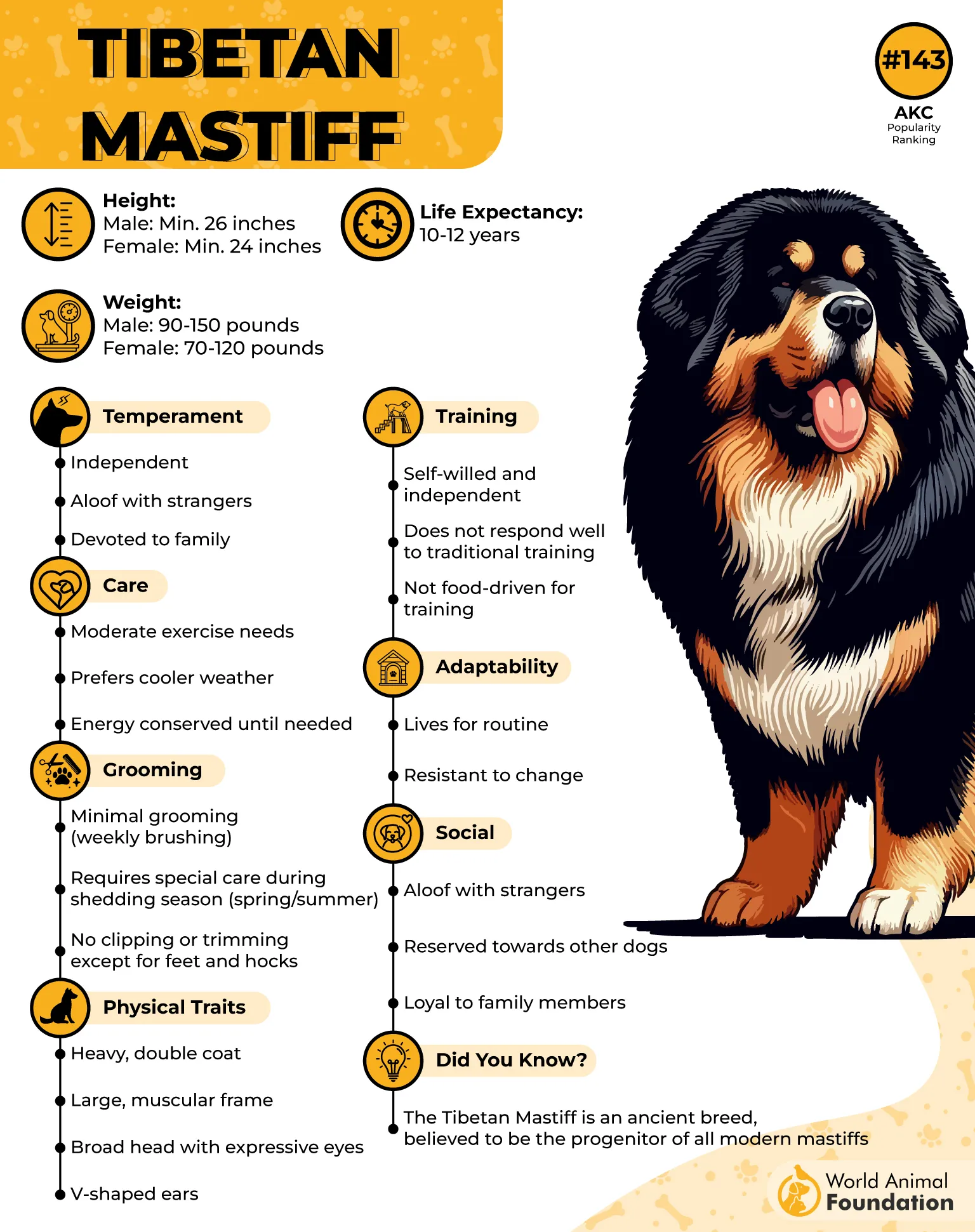
Their self-contained nature may help a mature dog remain calm during a properly introduced absence. However, intelligence combined with boredom can lead to destructive behavior, especially when the dog lacks exercise, boundaries, or adequate mental stimulation.
Nighttime behavior deserves special attention because these dogs were historically released to guard after dark. They may become more watchful, territorial, and vocal in the evening, which can make unsupervised nights difficult in crowded neighborhoods.
7. Bullmastiff
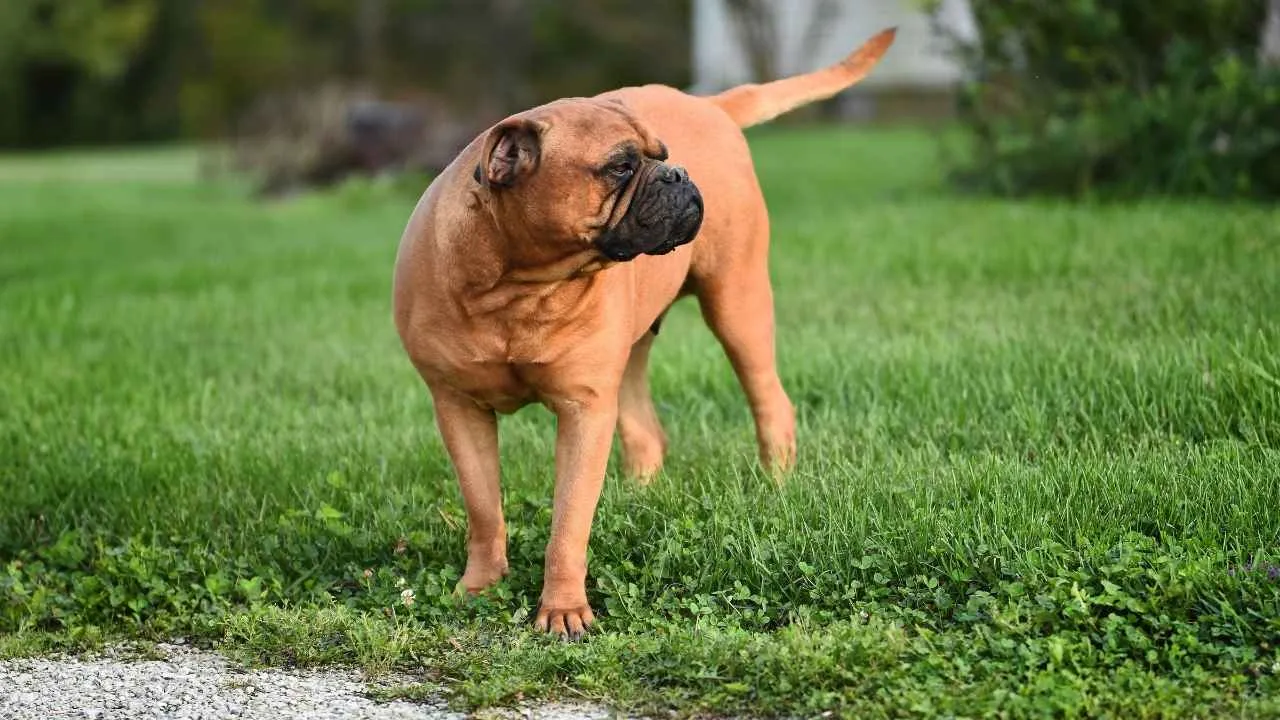
The Bullmastiff was bred to help English gamekeepers catch poachers, but its home personality is often surprisingly relaxed. Royal Canin describes the breed as fearless at work and docile at home, combining serious protective ability with a strong desire to remain close to family.
Their calm indoor behavior may allow a trained adult to manage reasonable periods alone. Give the dog a bathroom break, age-appropriate exercise, fresh water, and a comfortable space free of tempting objects.
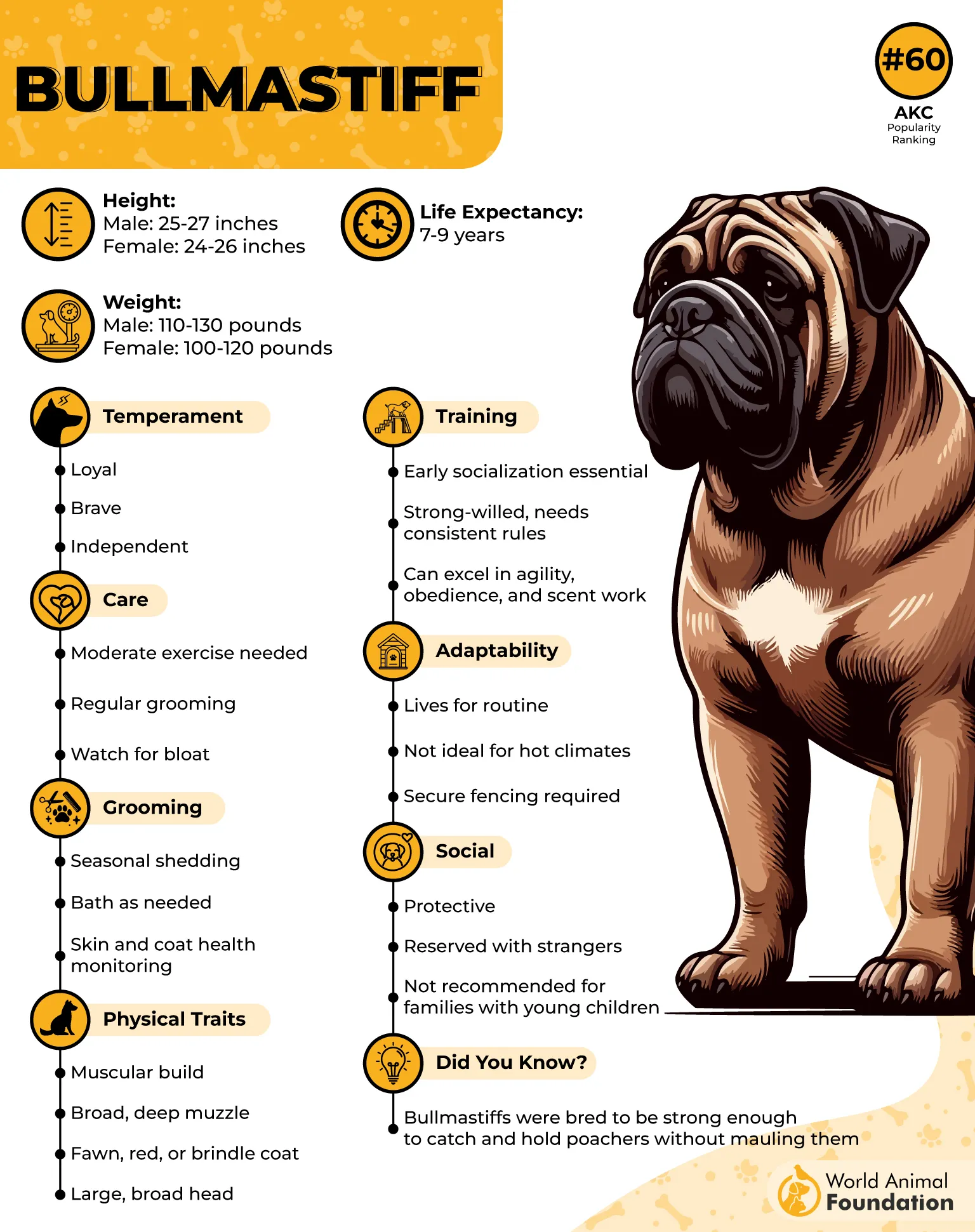
Early training is critical because independence or stubbornness becomes far harder to manage once the puppy becomes a powerful adult. Rules should remain consistent, and socialization must include interactions with visitors, handling, other animals, traffic, and normal household activities.
Bullmastiffs form strong family bonds and need to live as indoor companions rather than isolated outdoor guards. Breed experts emphasize that natural protectors still require close family life, no matter how calmly they behave when resting.
8. Chinese Shar-Pei
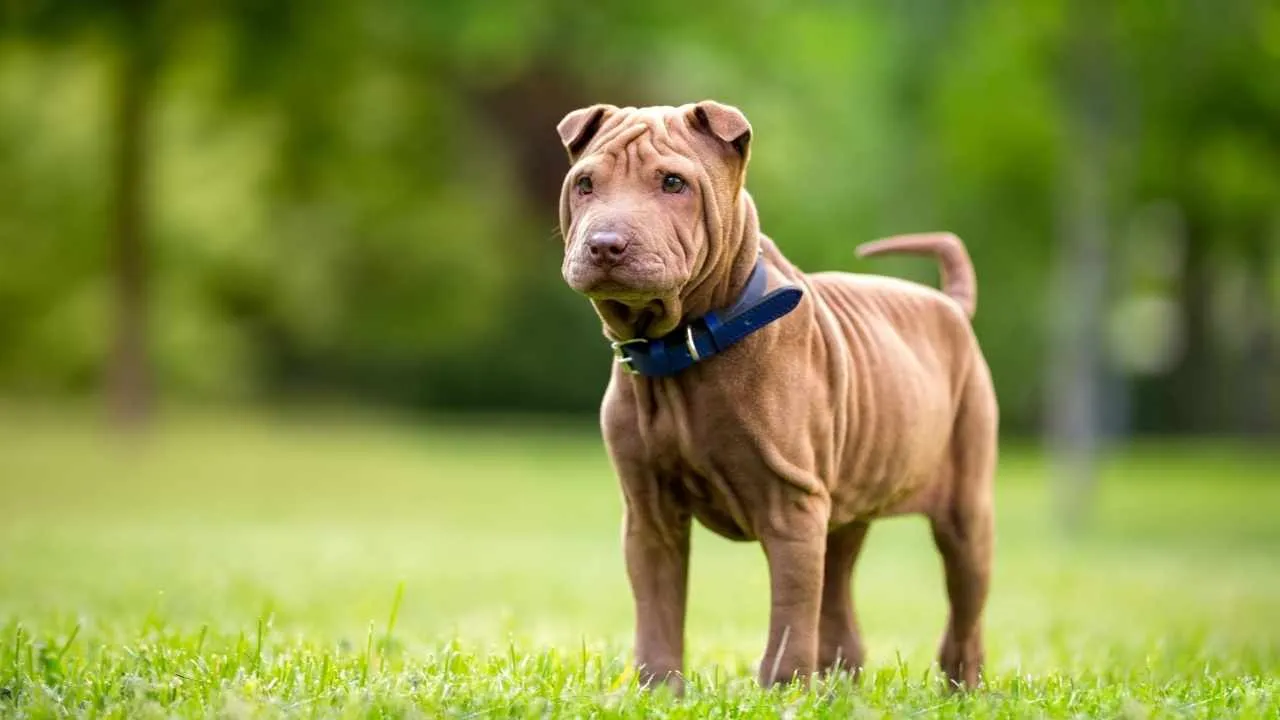
Britannica officially describes the Chinese Shar-Pei as independent, loyal, and calm. These dogs often value personal space and may not need constant physical attention to feel secure. Their serious face can make it look as though they are quietly processing taxes, neighborhood politics, and the disappointing quality of today’s snacks.
A well-socialized adult Shar-Pei may spend time at home resting, watching the door, or moving between favorite sleeping spots. Its independence can support reasonable alone periods when they are introduced gradually rather than forced suddenlyThese dogs with an independent nature can be wary of strangers and may behave territorially without careful guidance. Early socialization helps the dog separate normal deliveries, visitors, and outdoor sounds from genuine concerns.
Their short coat may look simple, but their skin, ears, eyes, and wrinkles require regular inspection and appropriate veterinary care. A safe alone-time area should remain clean, cool, and dry, with nothing likely to irritate sensitive skin.
9. Pekingese
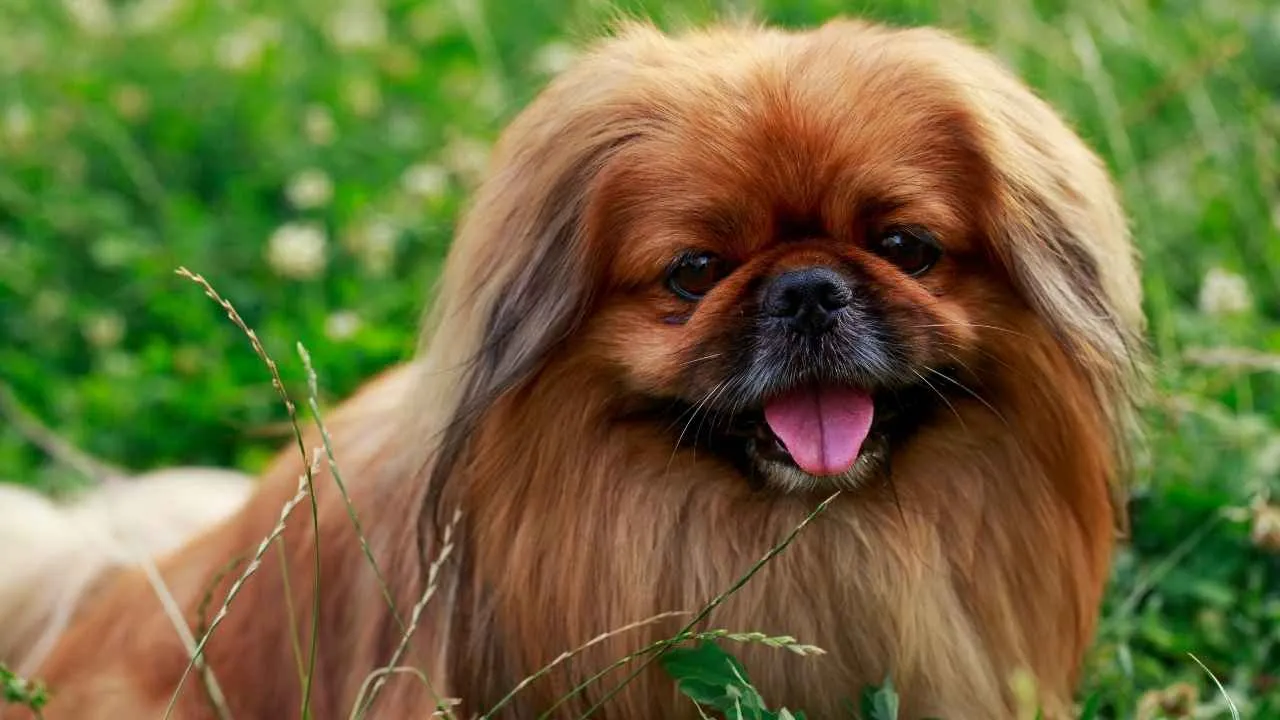
The Pekingese was created for life among the ruling classes of ancient China, and the modern dog has not forgotten the assignment. Pekes are confident, loyal, affectionate, and famously independent, often forming a particularly close bond with one chosen person.
The Peke’s self-willed personality can help it settle without demanding constant games. A comfortable bed near a familiar scent, a safe chew, and a predictable routine may be enough to encourage quiet resting during short absences.
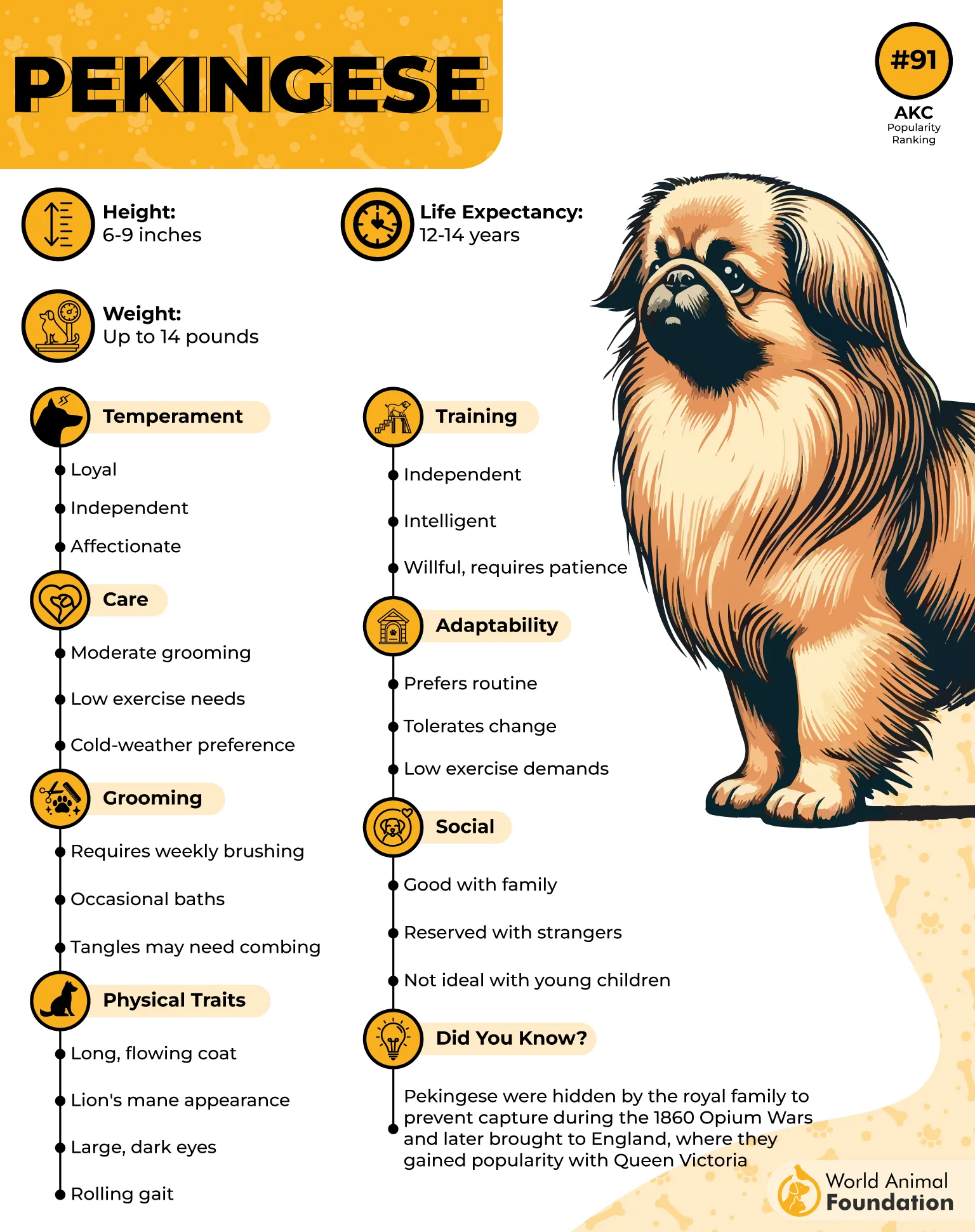
Their flat facial structure makes temperature control especially important. Never leave a Pekingese in a hot room, conservatory, vehicle, or poorly ventilated space, and keep activity gentle during warm conditions.
Training requires patience because these small dogs may understand a cue while remaining unconvinced that immediate compliance is necessary. Short sessions, rewards, and calm repetition can establish boundaries without turning every lesson into a royal dispute.
10. Tibetan Spaniel
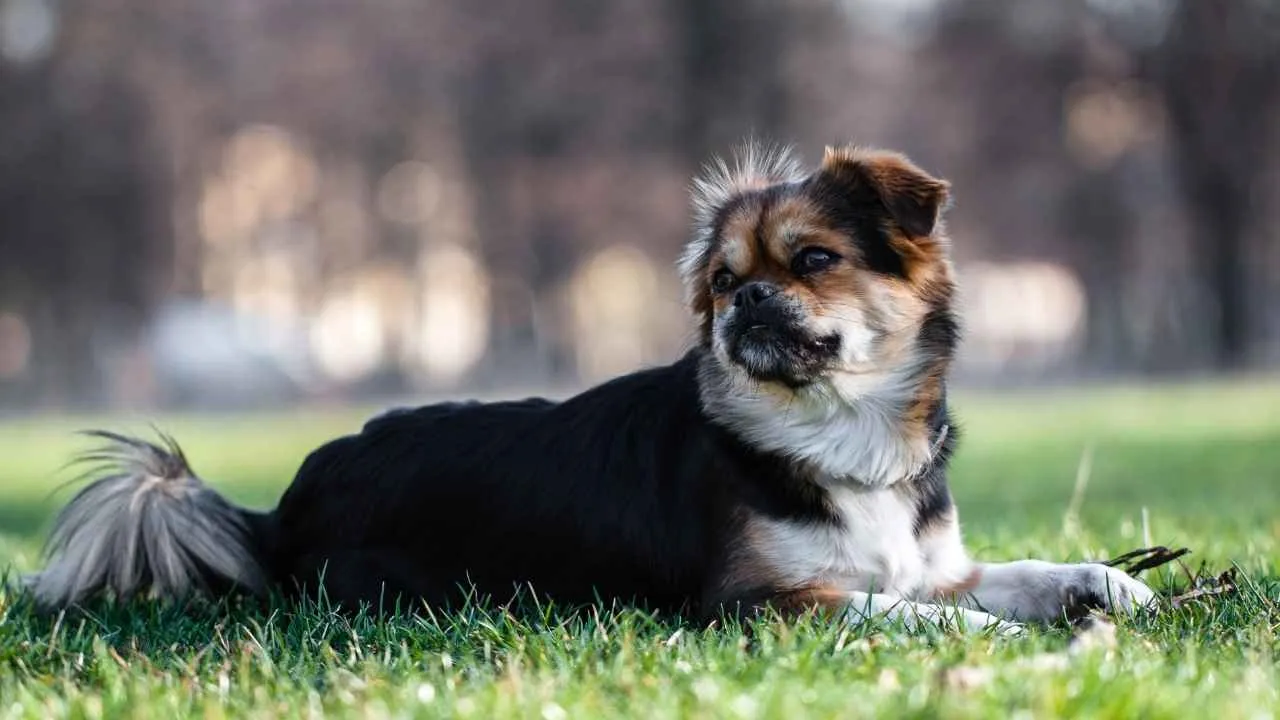
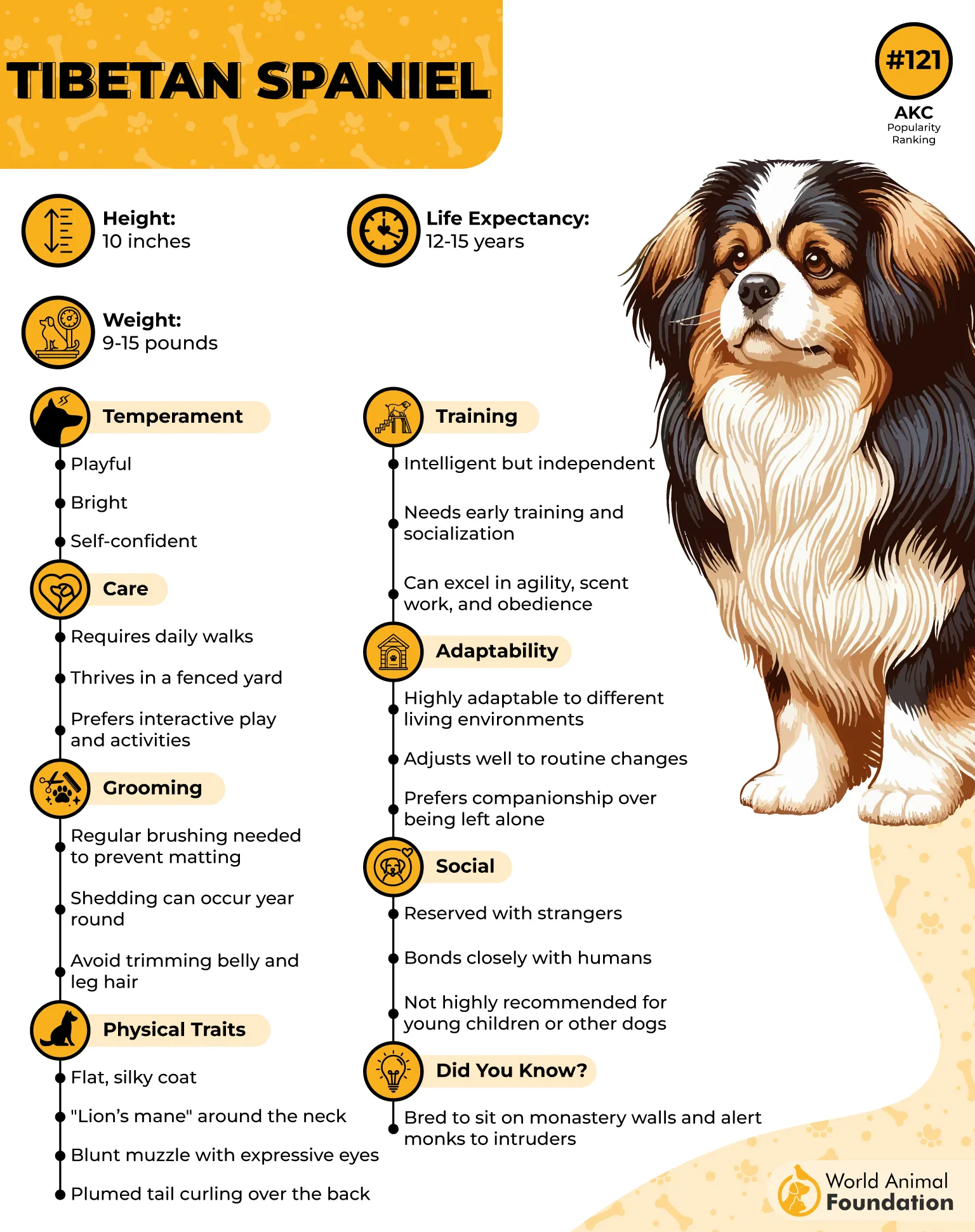
The Tibetan Spaniel is small, watchful, intelligent, and more independent than many companion breeds. Historically, these wonderful companions lived with Buddhist monks and served as sentinels on the walls of Tibetan monasteries, where they watched the surrounding area and alerted larger dogs below.
Although calm and self-contained, they form very close bonds with their people. Their ability to rest quietly should not be mistaken for emotional detachment, as many want to remain involved in household life.
Their alert nature means windows can become either pleasant entertainment or a full-time broadcasting studio. An adult dog left with a clear view of a busy street may bark at people, dogs, and vehicles that appear near its territory.
These dogs are smart and generally eager to please, but they also carry an independent streak. Short training sessions, scent games, food puzzles, and rotating toys can keep the mind active without creating constant excitement.
Conclusion
Age and personal history can completely change the picture. A confident adult may sleep peacefully, while a puppy, a recently adopted dog, a senior, or an animal with separation distress may need far more support. Cavalier King Charles Spaniels and Great Danes are also some laid-back dogs that make great family members, thanks to their gentle temperament.
The real goal is not finding a dog that never misses you. It is teaching a suitable dog that quiet time is safe, temporary, and followed by exercise, care, and genuine companionship. Build that skill gradually, and your calm housemate can relax alone without ever feeling forgotten.
