




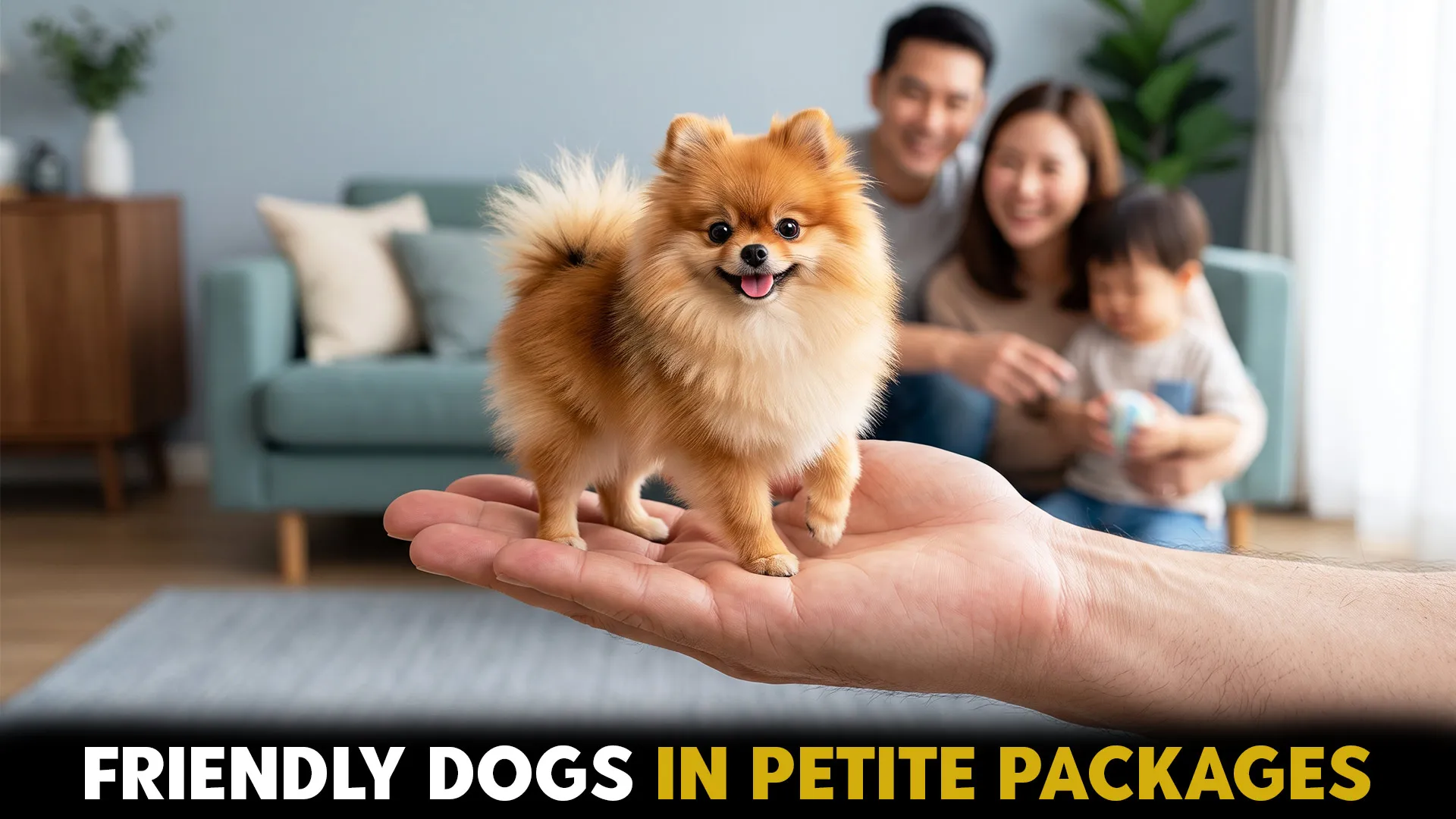
Family life rarely follows a predictable schedule, which is exactly why choosing the right dog matters so much. Between school runs, busy mornings, weekend plans, and quiet evenings at home, every companion becomes part of that rhythm.
A tiny dog with a friendly personality often fits naturally into those moments without making everyday life feel complicated. They are small enough to share the couch during movie nights, cheerful enough to greet everyone at the door, and adaptable enough to enjoy both playful afternoons and peaceful downtime.
That balance is exactly what draws so many families toward smaller companions in the first place. Of course, not every tiny dog brings the same temperament, patience, or comfort around children, which makes choosing the right breed even more important than it may first appear.
This guide introduces nine dog breeds for families that truly flourish and explains what makes each one a delightful addition to everyday life.
Key Takeaways
Some of the smallest family dogs have surprisingly big stories behind them, and their pasts can tell you a lot about the companions they are today.
One breed on this list once weighed close to 30 pounds before becoming the tiny companion families know today.
Another has been around for more than 2,000 years, while the Papillon can be small enough to travel beneath an airplane seat.
There is plenty more behind these little family dogs, especially when you discover what each breed brings into a busy home.
Friendly Tiny Dog Breeds That Thrive in a Family Setting
1. Shih Tzu
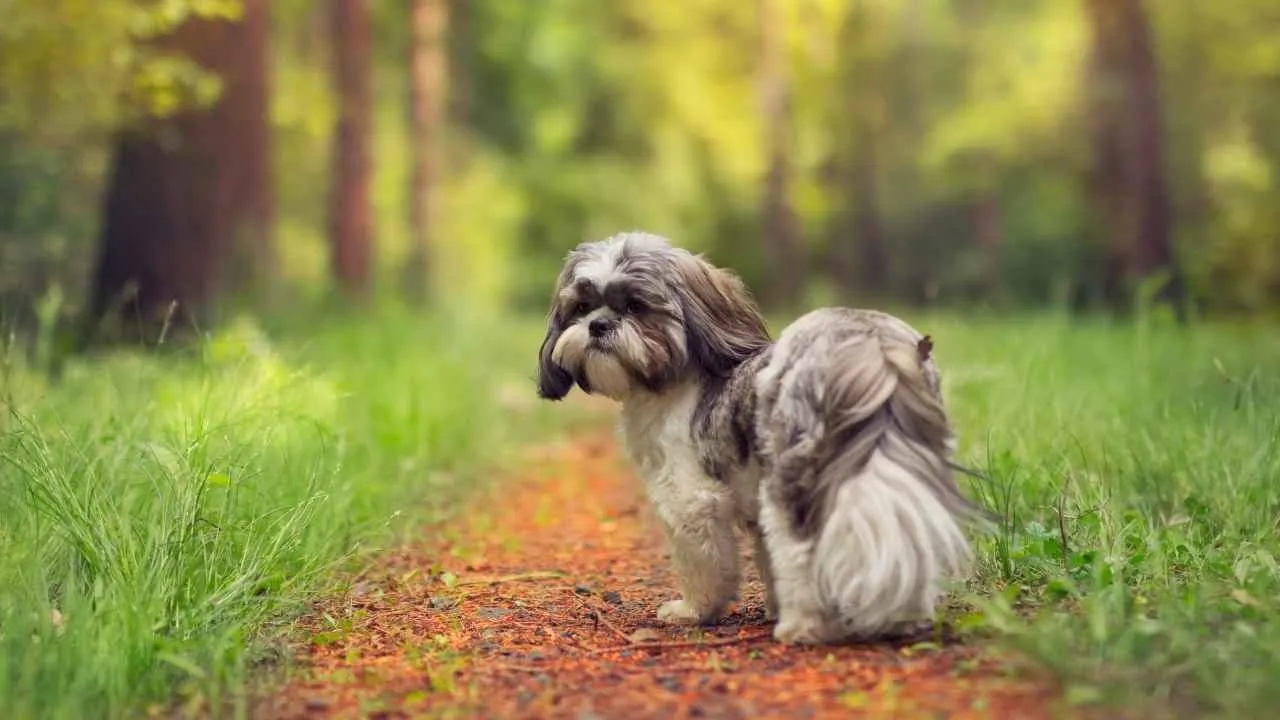
Shih Tzu has long been associated with China, where it was closely connected with Buddhist traditions and became widely recognized as the Lion Dog.
Early records also link this little companion with Tibet, and it was once grouped alongside the Lhasa Apso and Tibetan Terrier before receiving its own classification.
Happy Around the Family
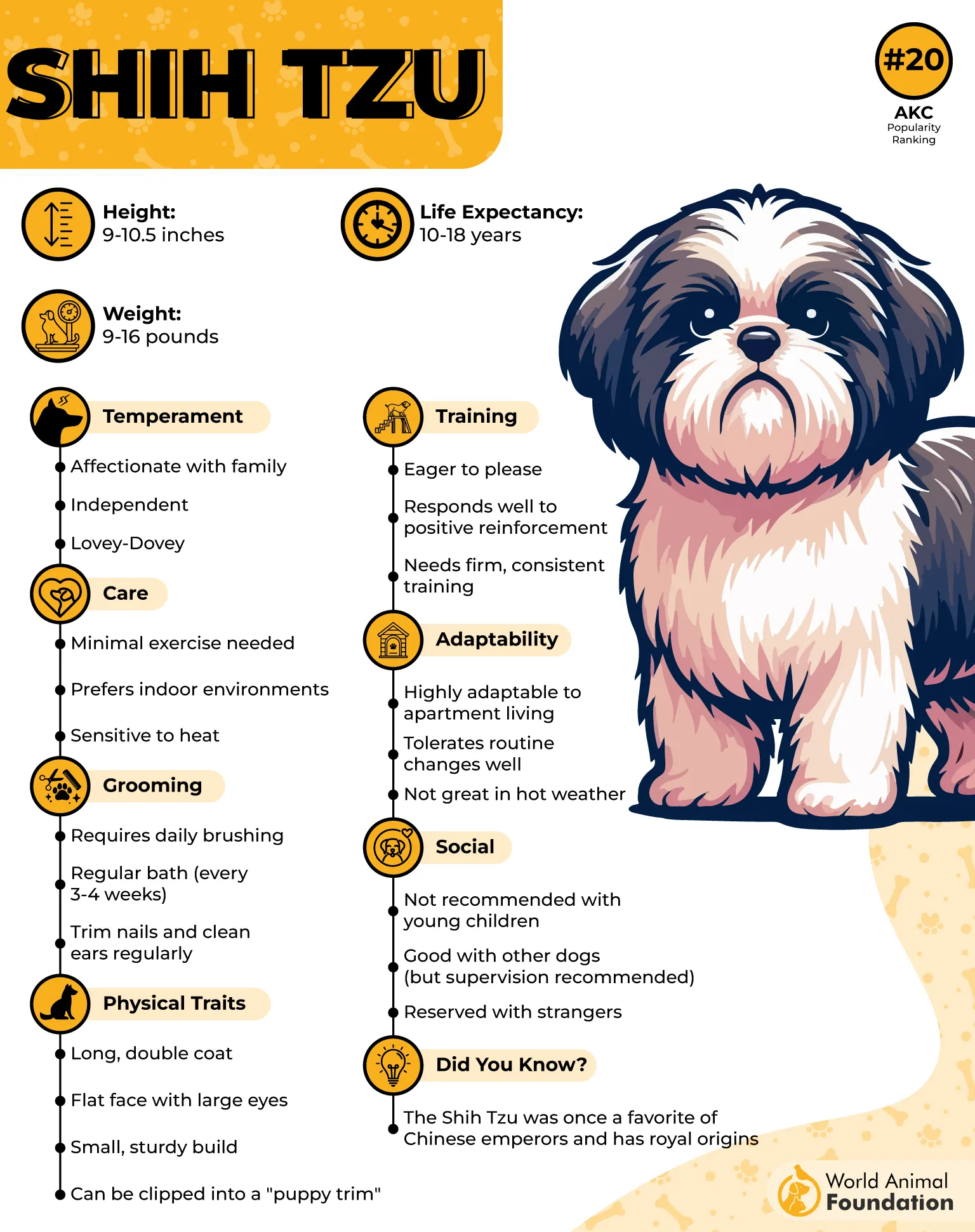
Children often enjoy this small dog breed because of its playful, gentle nature and its willingness to join quiet games or relax nearby afterward. Daily walks of about 20 to 30 minutes, indoor play, and a comfortable home routine are usually enough to keep this companion content, Petplan claims.
Life with this breed has its own rhythm:
Likes to roam around their family members
Loves cozying up on soft pillows
Prone to get separation anxiety
Learning at Its Own Pace
Shih Tzu approaches training with intelligence, although progress can be slower when lessons become repetitive or inconsistent. Positive reinforcement, treat-based rewards, brief practice sessions, and early crate routines all help encourage good habits from puppyhood.
2. Havanese

Havanese developed in Cuba after small companion dogs arrived from Spain through Tenerife in the Canary Islands, eventually becoming the breed known today.
It shares family ties with the Bichon Frise, and despite a sharp decline during the mid-20th century, its population gradually recovered in the years that followed.

Right at Home
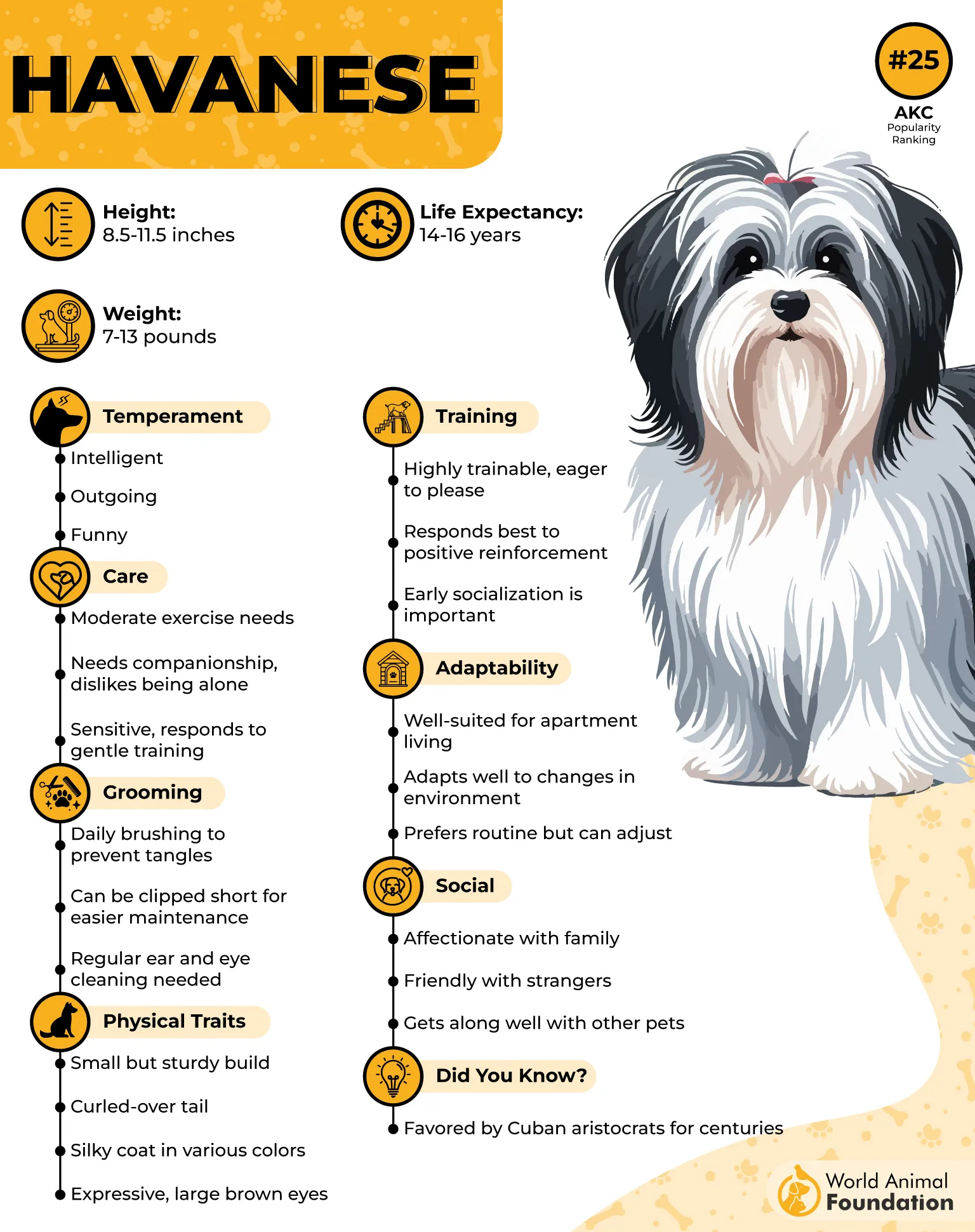
Life inside a busy household suits this family dog well because it enjoys joining everyday activities instead of spending long periods alone. Moderate exercise, playful moments, and quiet time indoors fit naturally into its routine without demanding an oversized living space.
There’s more to this small breed:
Once favored by Cuban aristocrats
Cheerful and curious nature
Often lived as a household watchdog
Always Nearby
Havanese enjoys following family members from room to room and happily joins games with children or other household pets, as PetMD describes. New faces may receive a cautious greeting at first, while protective instincts can trigger barking when someone approaches the home.
3. Maltese
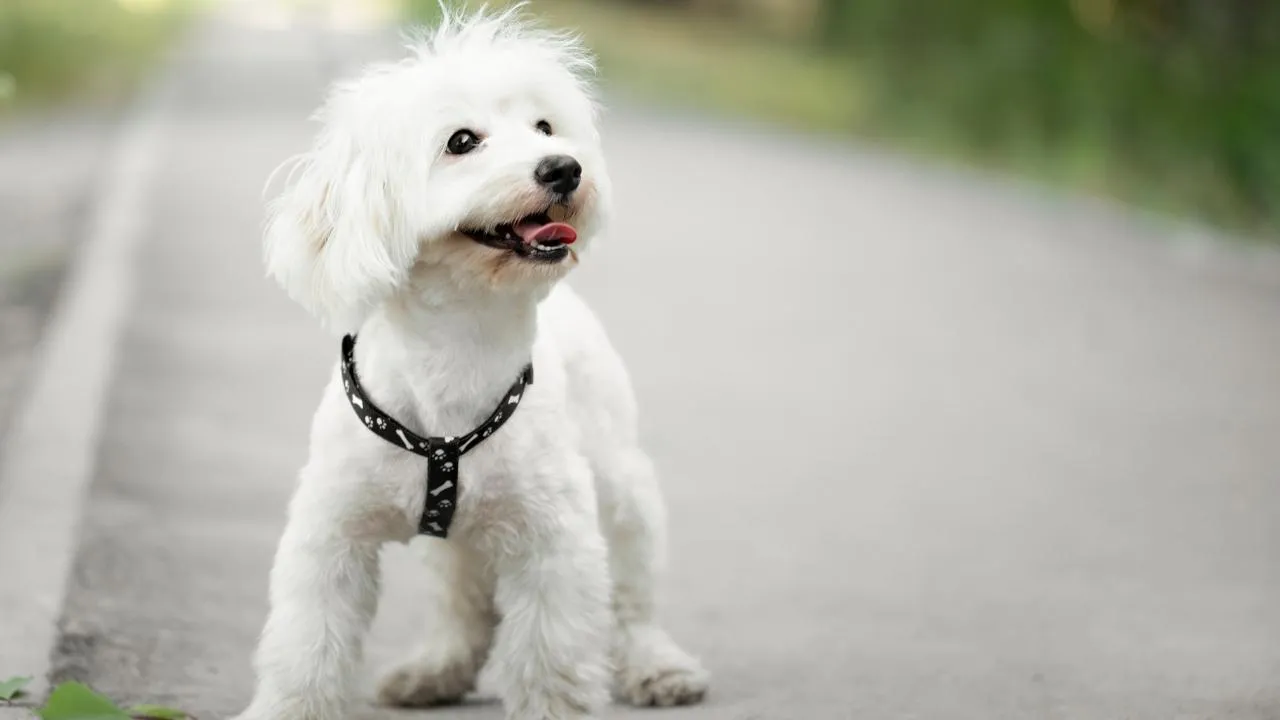
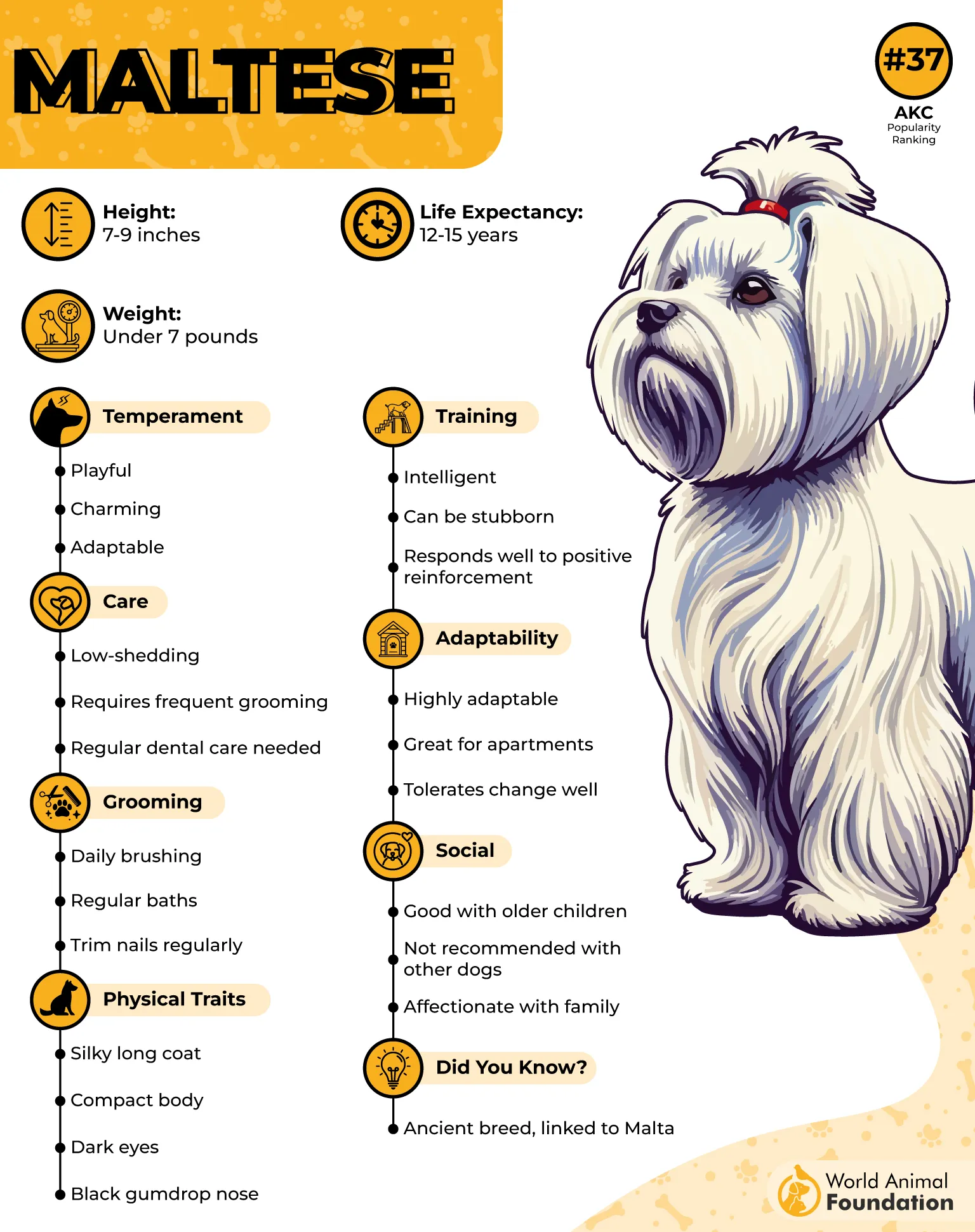
Maltese has a remarkably old history on the Mediterranean island of Malta, with records of the breed stretching back more than two thousand years.
The breed also appears on ancient Greek pottery and even received mention from the philosopher Aristotle before becoming a favored companion in European royal circles centuries later.
Family Favorite
Gentle manners, an affectionate personality, and an easygoing attitude around other pets help this little dog fit naturally into family life, as Orvis reported. Its playful curiosity and eagerness to learn simple tricks keep everyday interactions entertaining without demanding constant activity.
This is what this breed brings into the home:
Passed the ATTS Temperament Test at 82.4%
Well suited for therapy work
Quickly figure out how to get extra attention
Gentle Around Home
This apartment-living breed usually gets along well with respectful children, other dogs, and household pets, creating a peaceful atmosphere in the right environment. Because of its tiny size, interactions with very young children need careful supervision to help prevent accidental injuries.
4. Pomeranian
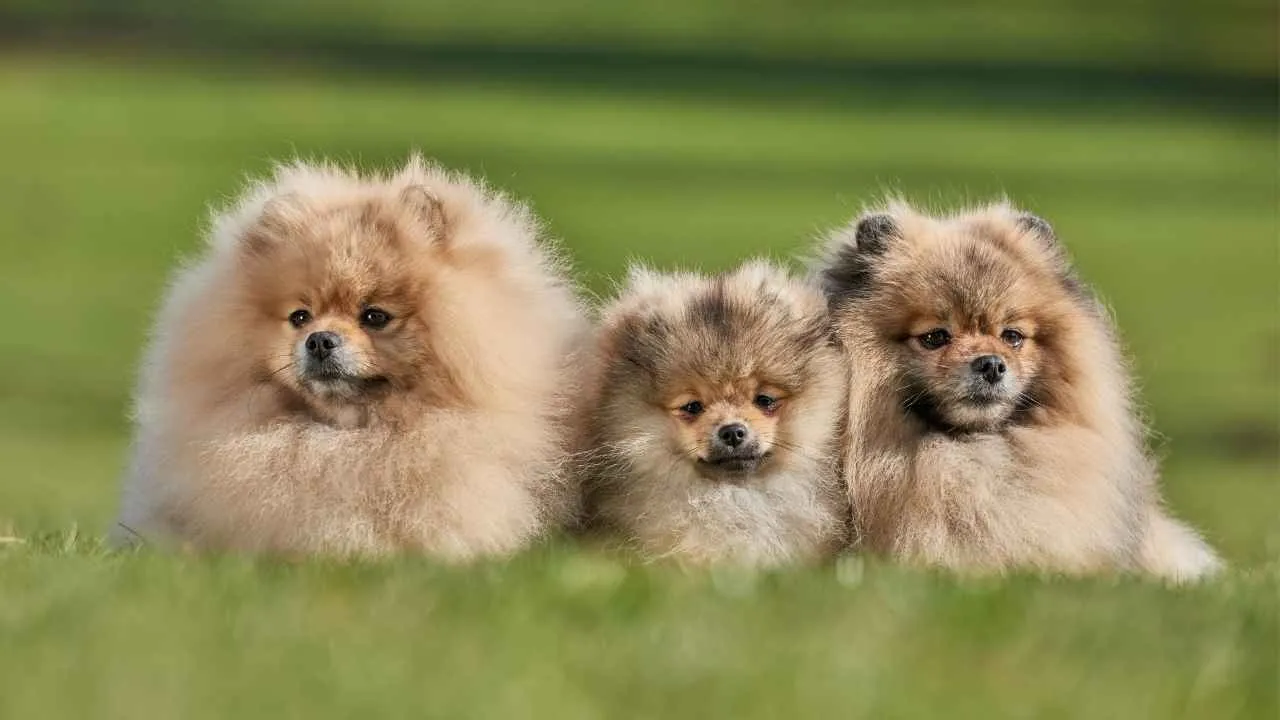
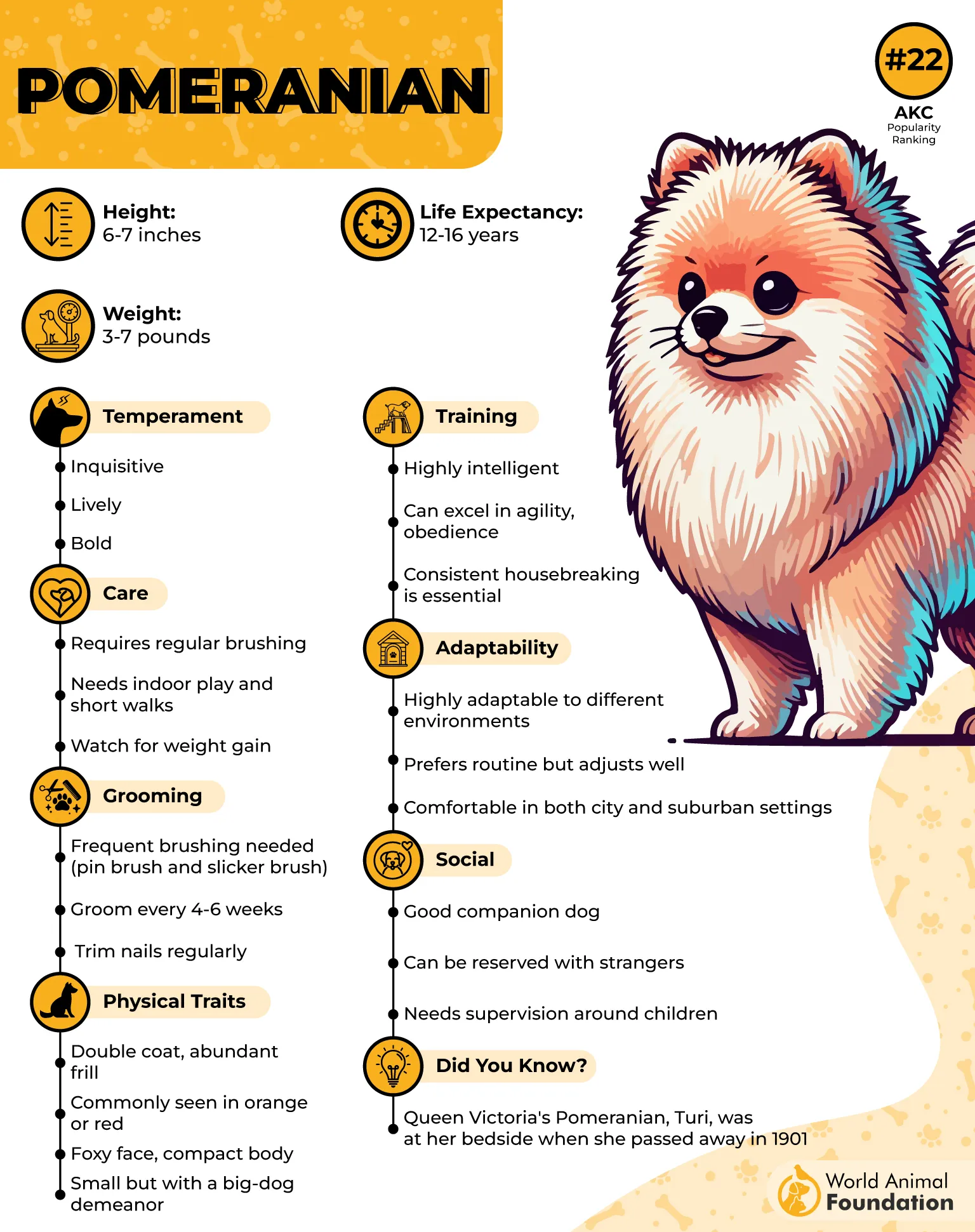
Pomeranian belongs to the Spitz family and descended from much larger working dogs that once herded sheep and guarded homes. Early examples could weigh close to 30 pounds before the breed gradually became the compact companion recognized today.
Family Favorite
Life with a Pomeranian suits families that enjoy an interactive little companion instead of a dog content to entertain itself for long periods. Early guidance also helps children learn how to handle such a small breed gently while giving the puppy positive experiences with new people and other dogs.
A few interesting details add another layer:
Enjoys being included in family activities
Can become vocal if left alone
Has a naturally curious personality
Bright and Sensitive
Pom learns quickly and responds best to patient, reward-based training, although its confident nature can occasionally test consistency. This breed is also highly aware of the emotions and atmosphere around it, making calm, positive interactions especially important.
5. Yorkshire Terrier
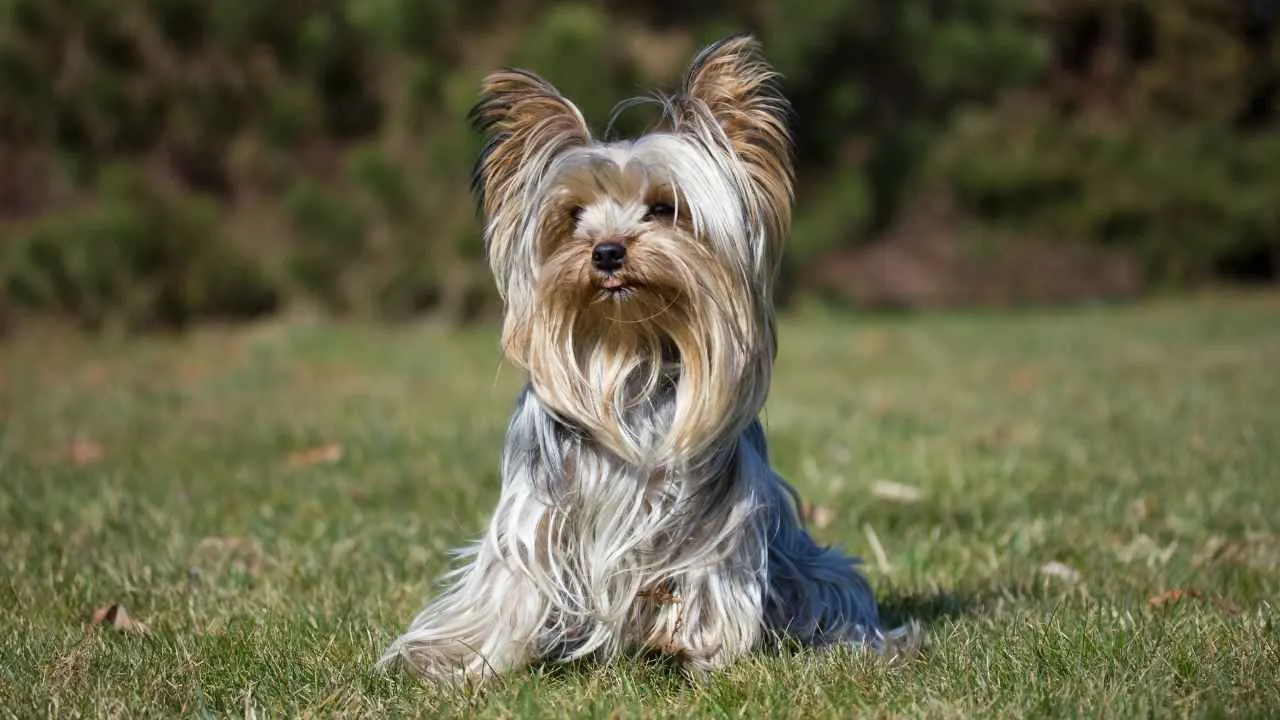
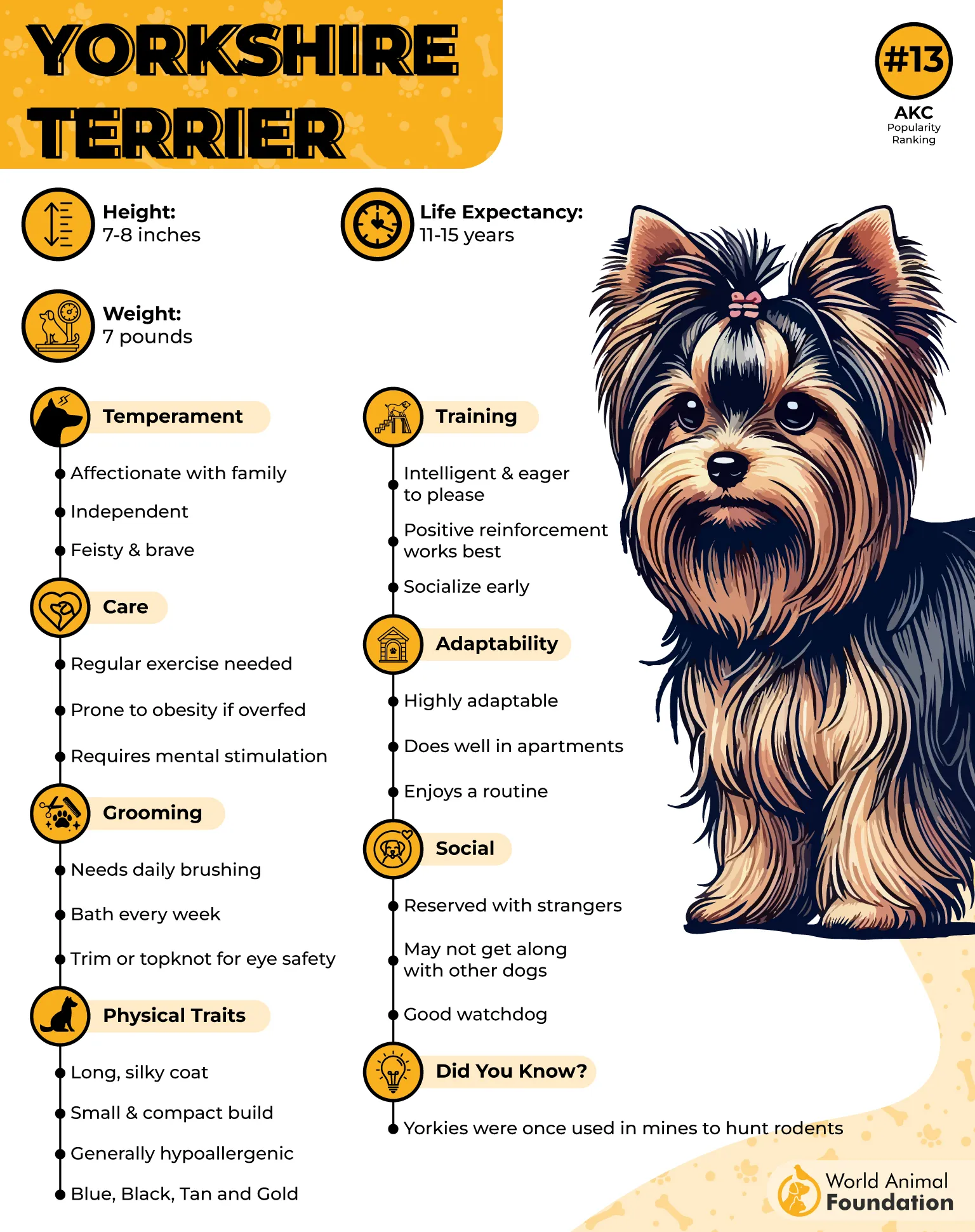
The Yorkshire Terrier’s early days were tied to Yorkshire’s clothing mills in the 1800s, where these little terriers chased rats around busy workshops. They later became familiar companions of working-class weavers before finding a place in homes far beyond their original surroundings.
Right at Home
With a small frame, reasonable activity needs, and very little shedding, this toy breed can settle into family life with ease. Indoor living suits them well, while outdoor time is best enjoyed through supervised play rather than spending long hours in the yard.
These daily life details are worth considering:
Early socialization supports positive pet interactions
Secure fencing is important because they may dig underneath
Get along well with other pets
Small but Self-Assured
Yorkies approach life with plenty of confidence and enjoy joining games just as much as relaxing on a lap afterward. Children should learn gentle handling from the beginning, as this little dog will protect itself if play becomes too rough or overwhelming.
6. Papillon

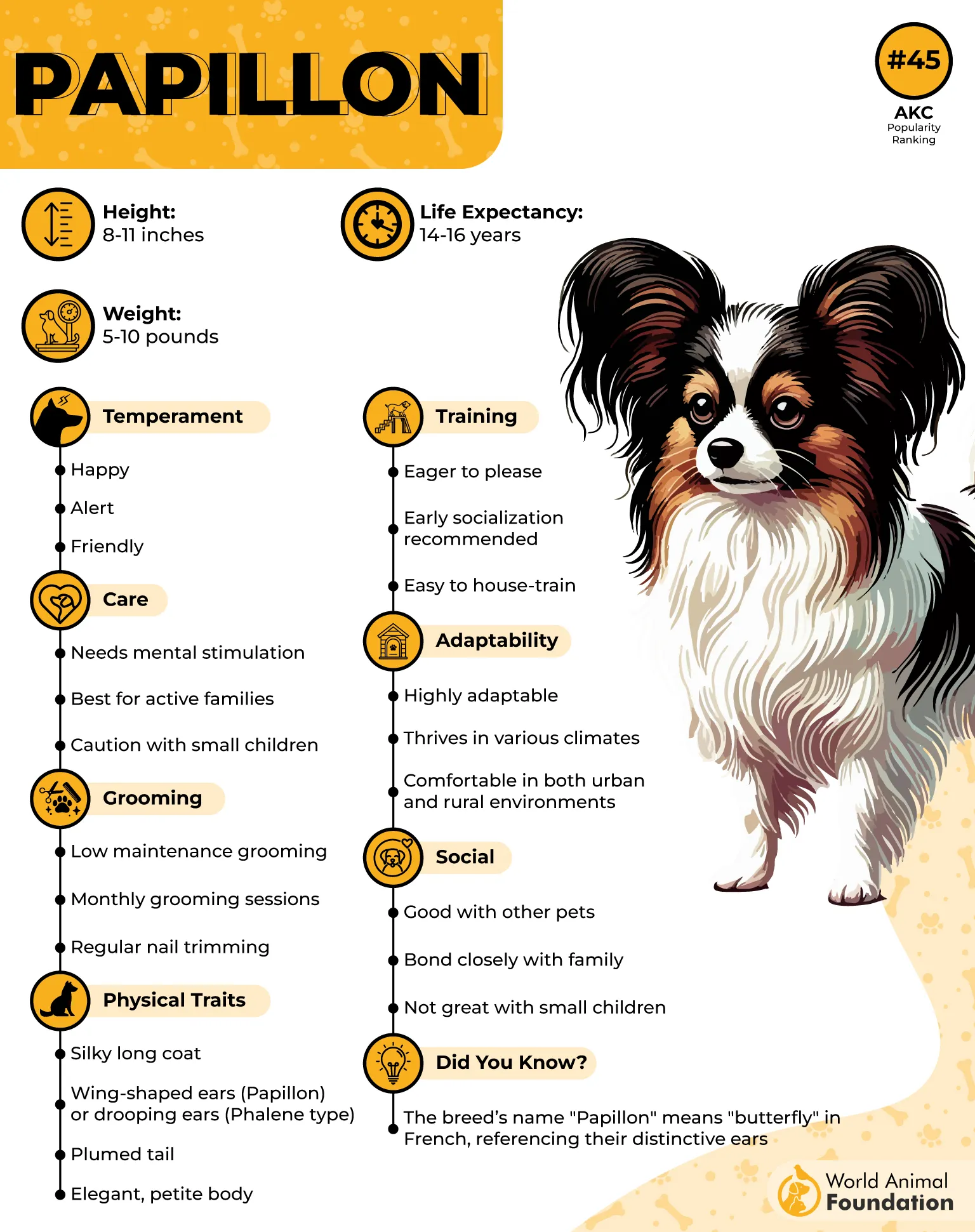
Centuries ago in France, the Papillon became part of the Toy Spaniel family and was often seen alongside ladies of the royal court. Artwork dating back to the 13th century also features this little dog, while its French name, meaning “butterfly,” came from ears that resemble delicate wings.
Small Size, Full Schedule
A Papillon does not need a large home to stay happy, especially when it has people around to share games, attention, and everyday moments with. Indoor games, neighborhood walks, and short play sessions provide plenty of opportunities to channel its lively energy.
There is plenty more to this breed:
Excels in agility competitions
Also works as a therapy and service dog
Fits beneath an airplane seat in a travel carrier
More Than a Lap Dog
They have an affectionate nature and happily curl up beside their favorite people after an active day, although long periods without company may lead to separation anxiety. That frustration can appear through excessive barking or chewing household furniture, making regular interaction an important part of daily life.
7. Pekingese
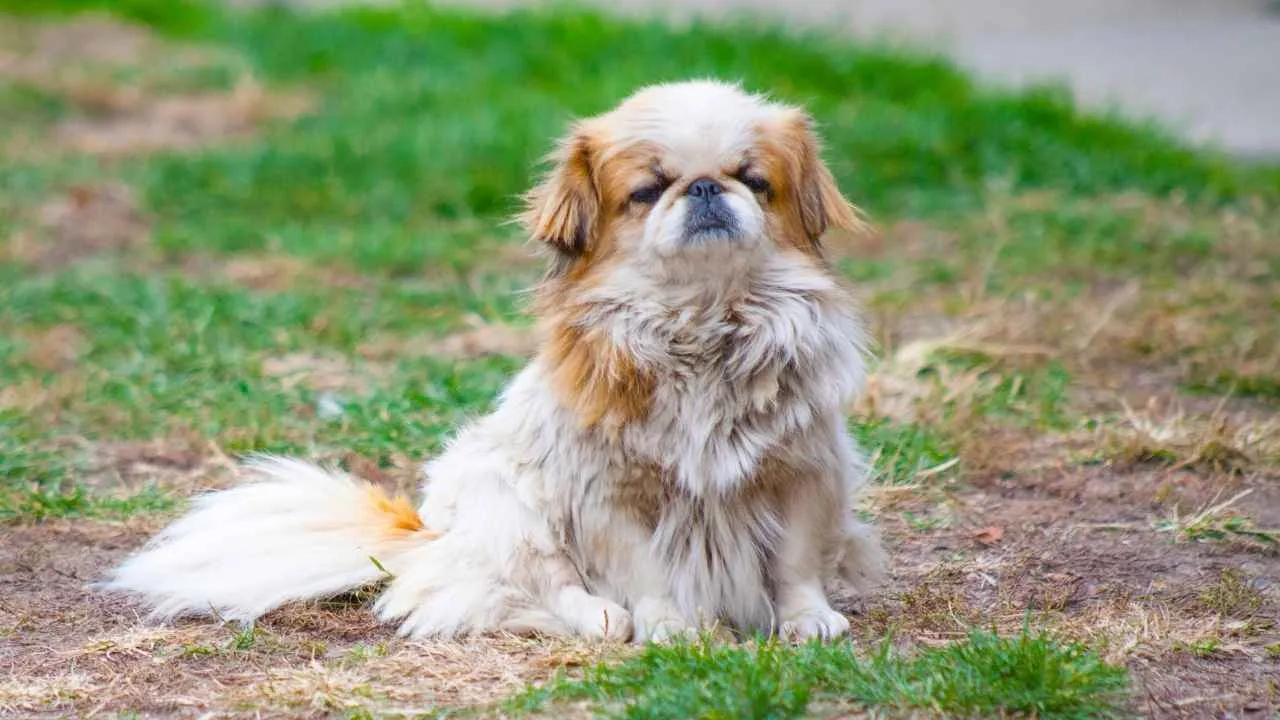
Pekingese has been associated with China for around 2,000 years, with early records placing the breed in the former imperial city of Peking, now called Beijing. Life within the Imperial court placed these little dogs among noble families and members of the royal household for generations.
A Calm Companion
Quiet surroundings suit the Pekingese far better than constant noise and busy activity, making this breed a comfortable match for homes with a gentle daily routine. Short walks and relaxed indoor play are usually enough, as its flat face can make strenuous exercise more difficult.
Here are a few considerations of this breed:
Approach training with confidence
Sensitive to noisy environments
Not like being left alone
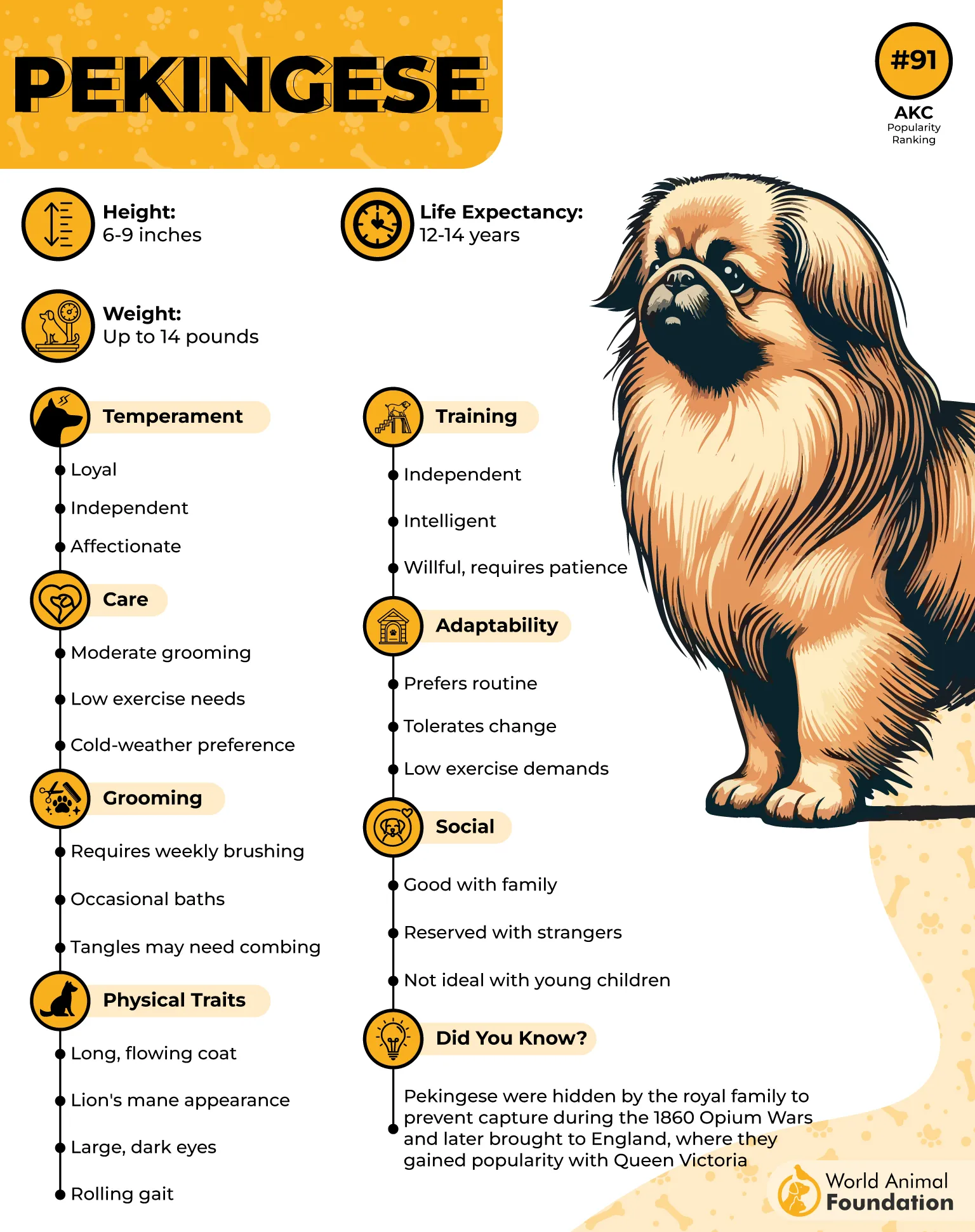
Choosing the Right Home
Pekingese often does best with mature families or senior adults who prefer a quieter home and understand when a dog needs some personal space. Young children may find this breed less forgiving of grabbing, rough play, or interruptions around food and favorite toys.
8. Toy Poodle
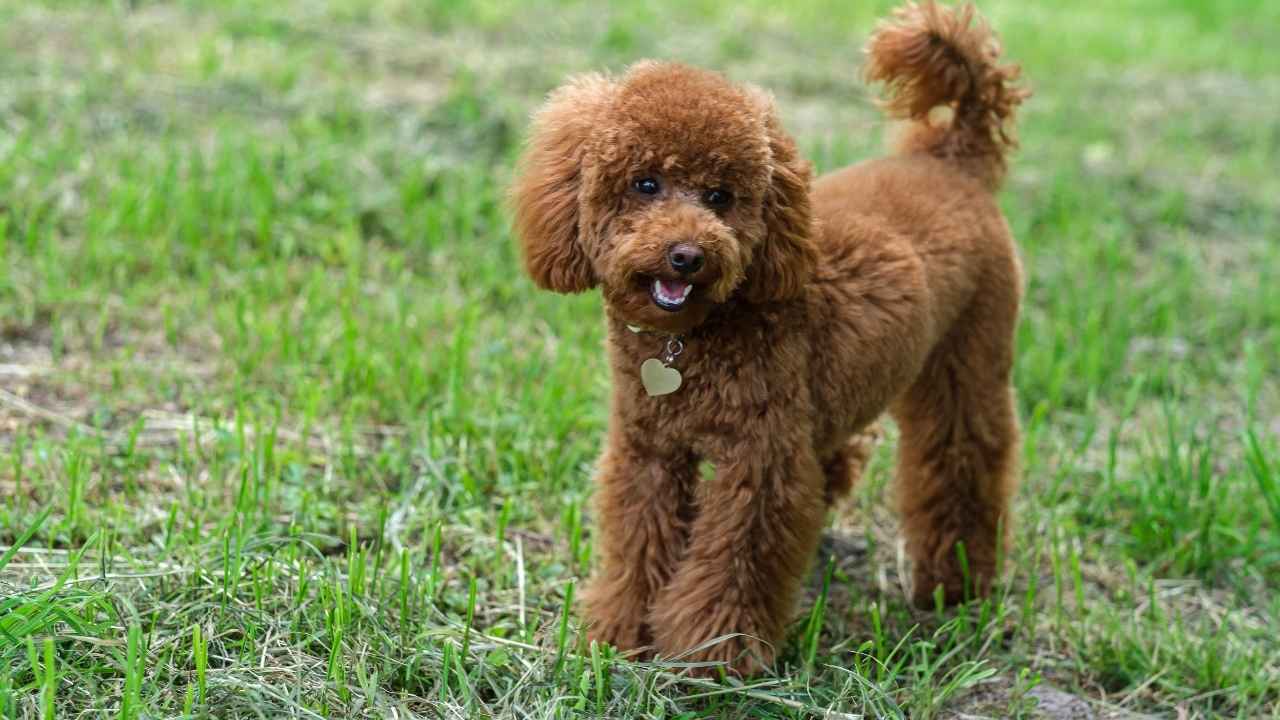
The Toy Poodle’s story goes back to curly-coated dogs believed to have reached Europe from Asia alongside herding groups. Germany shaped the breed into the form recognized today, while France later embraced it so enthusiastically that it became the country’s national breed.
Bright Mind
Toy Poodle can be a fun part of a family’s lifestyle, always ready to join whatever is happening instead of sitting back and watching. Its moderate exercise needs are usually met with a daily walk, indoor games, and interesting tasks that keep an active mind occupied.
This is how versatile this little breed is:
Worked as military and guide dogs
Performed in traveling circuses
Skilled at duck retrieving and swimming
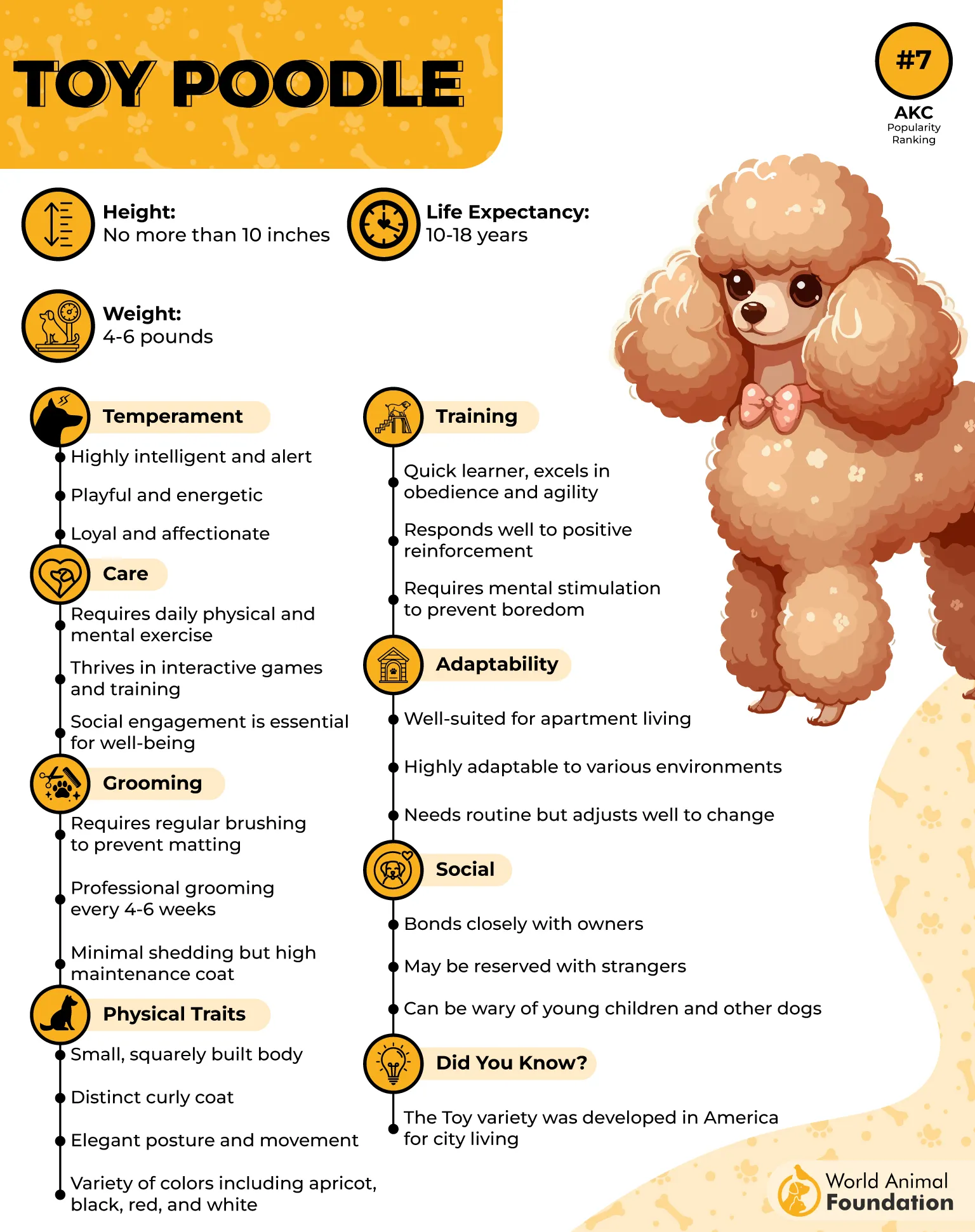
Everyday Companion
This playful companion ranks among the most intelligent dog breeds, learning new lessons quickly and responding well to patient guidance. Its gentle temperament helps it interact well with other pets, while supervised play remains important because of its delicate size.
9. Biewer Terrier
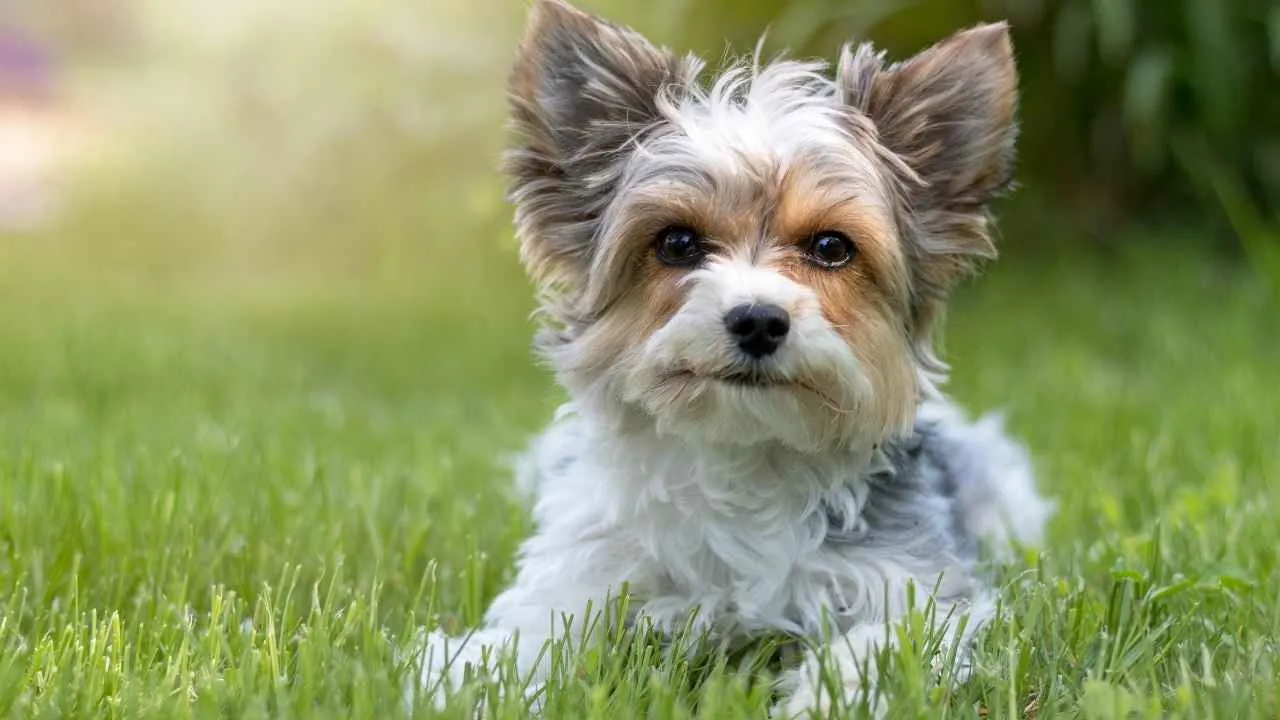
The Biewer Terrier stands out for its striking tri-colored coat, which gives it a noticeably different look from its Yorkshire Terrier relatives. The bright white blended with black, blue, and gold created a look that quickly became one of the breed’s most recognizable characteristics.
Always Part of the Fun
Biewer Terrier likes being part of the household action, usually wandering over to see what everyone is doing rather than finding a quiet corner for itself. Time together matters just as much as play, making this little companion happiest when included in everyday activities.
This is what the breed brings into the home:
Friendly with cats and older children
Enjoys agility and backyard games
Puzzle toys keep its mind occupied
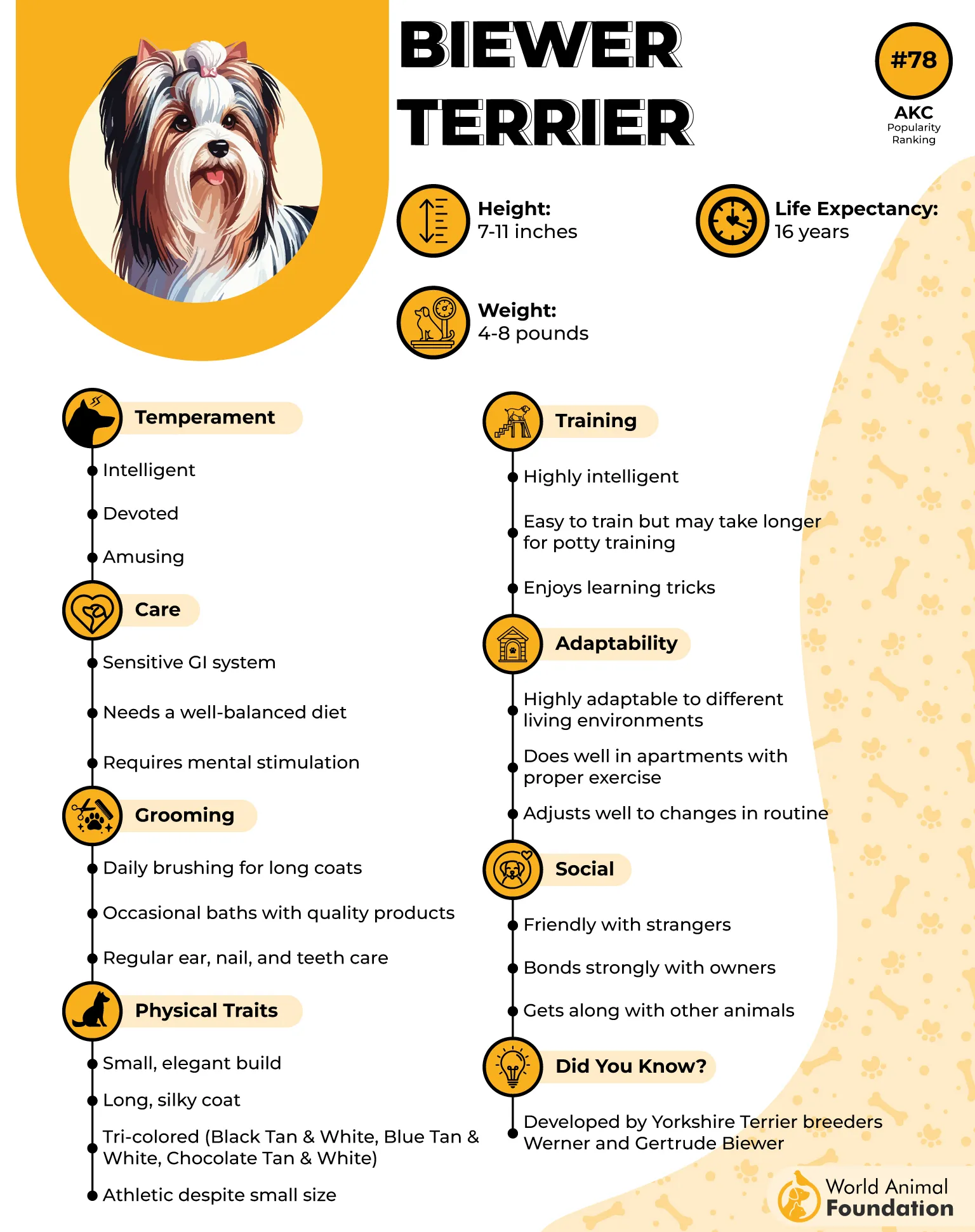
Loves Meeting People
They greet neighborhood walks as a chance to meet new faces and happily pause for friendly interactions along the way. Early training helps reduce barking toward unfamiliar visitors, while supervised play remains important around toddlers because of this breed’s tiny size.
Conclusion
The happiest homes often share one simple thing in common: everyone feels included, even the smallest companion. The best small dog breeds brighten daily routines through playful greetings, quiet cuddles, and the familiar comfort of having a loyal friend close by.
Selecting a dog whose personality fits your family environment makes those moments easier to enjoy from the very beginning.
Patience, consistent training, and time together help build trust that lasts for years. Whether you are first-time dog owners, part of active families, or busy families who enjoy peaceful evenings indoors, the right companion brings warmth, affection, and a cheerful presence that naturally becomes part of everyday life without asking for anything extraordinary in return.
