




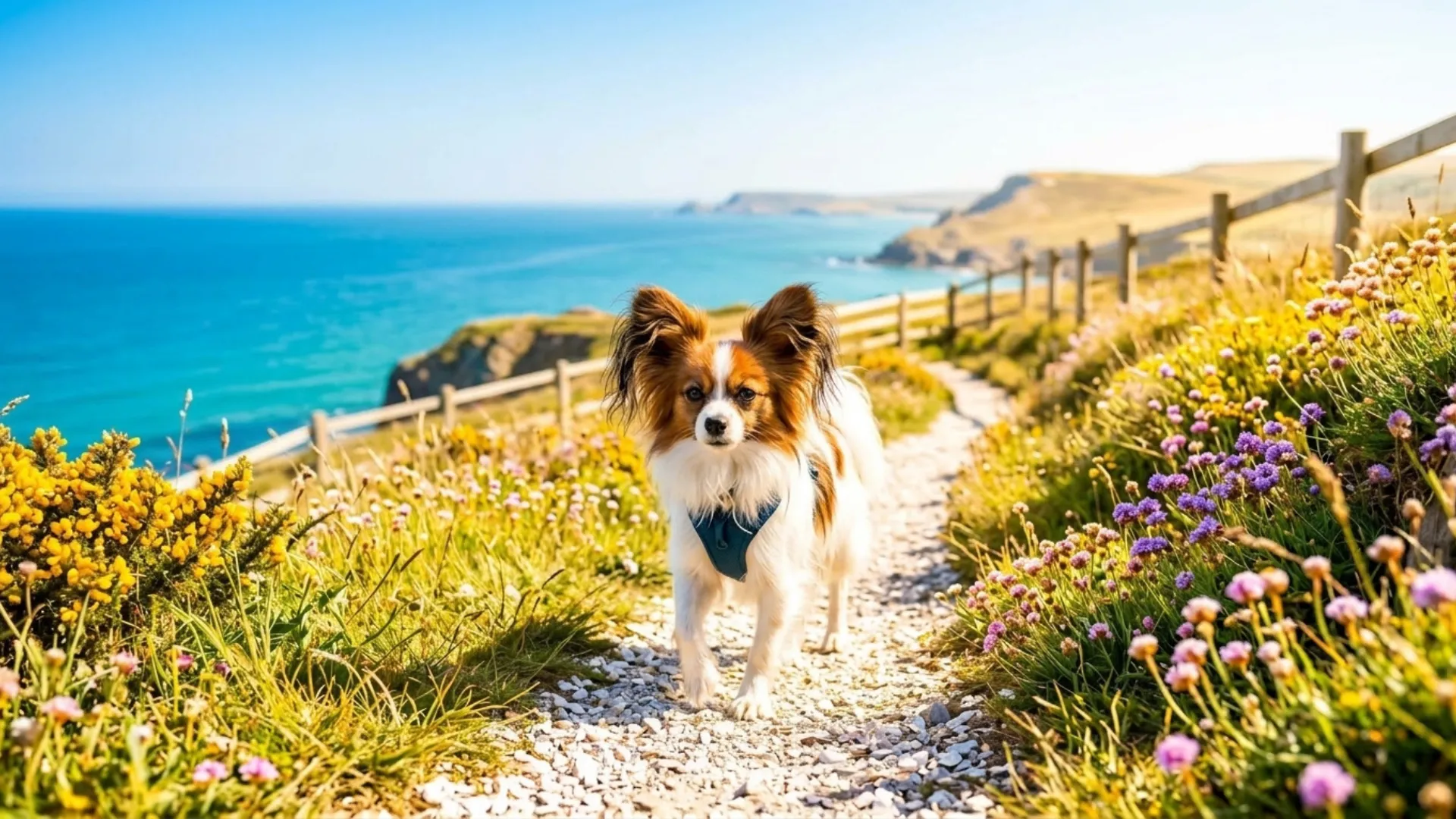
There’s something special about exploring a new place with your dog by your side. Whether you’re cruising down an open highway, wandering through a new city, or settling into a pet-friendly café, having a four-legged travel buddy can make the experience even more memorable.
But let’s be honest. Not every dog is thrilled by long car rides, crowded airports, unfamiliar surroundings, or constantly changing routines.
The right breed tends to be adaptable, easygoing, and comfortable being around new people and places. A dog that can settle calmly in a carrier, handle new environments without becoming overwhelmed, and adjust to your schedule can make traveling much easier for everyone.
In this article, we’ll explore some of the most adventurous dog breeds and see what makes each one such a great companion for life on the move.
Key Takeaways
Meet 7 small dog breeds that are ready to turn every trip into an adventure.
See why Toy Poodles, Papillons, and Yorkies shine as travel companions.
Discover what makes Cavaliers, Havanese, and Bichons easy to take on the road.
Get practical tips on grooming, exercise, training, and travel-friendly care.
Top Dog Breeds Perfect for Exploring New Places
1. Toy Poodle
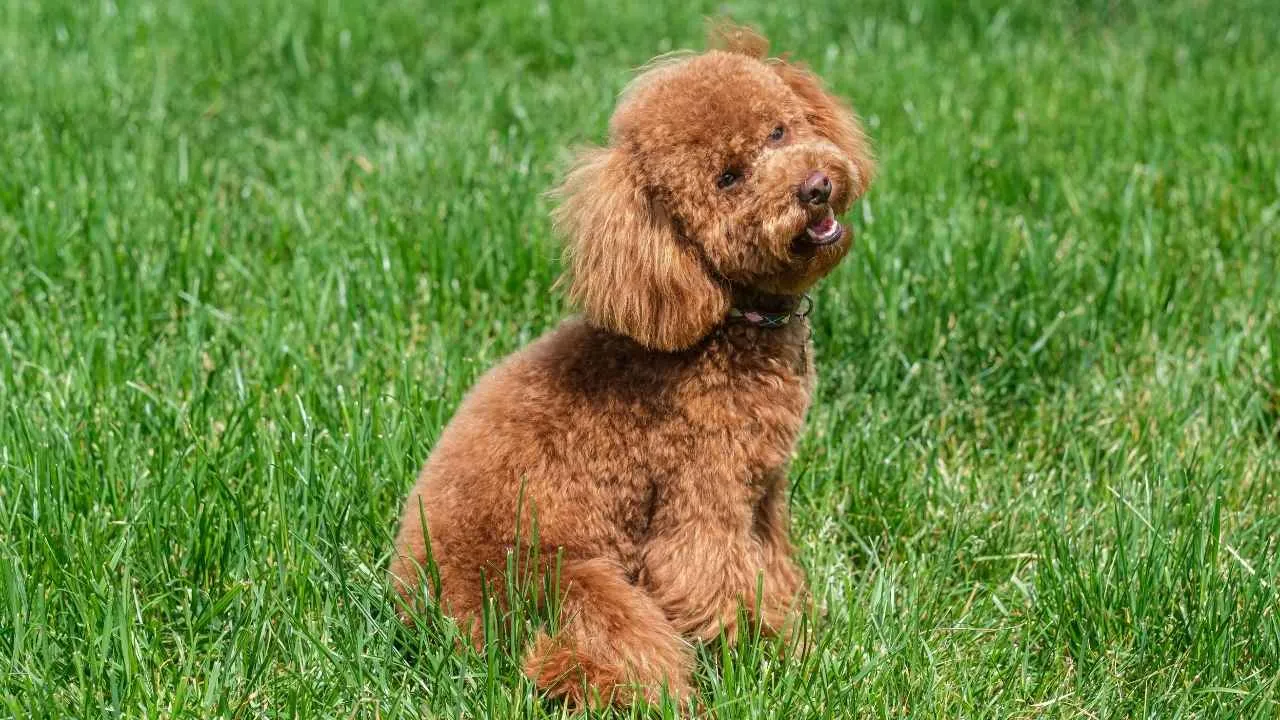
Toy Poodles may be tiny, but they bring plenty of personality to every adventure. Their intelligence and eager-to-please nature make them easy to train, which is useful when travel brings new routines and surroundings.
They learn new cues quickly and can enjoy exploring new places with their people. Early socialization can also help them feel comfortable around children, other dogs, and unfamiliar environments.
Why They Make Great Travel Companions
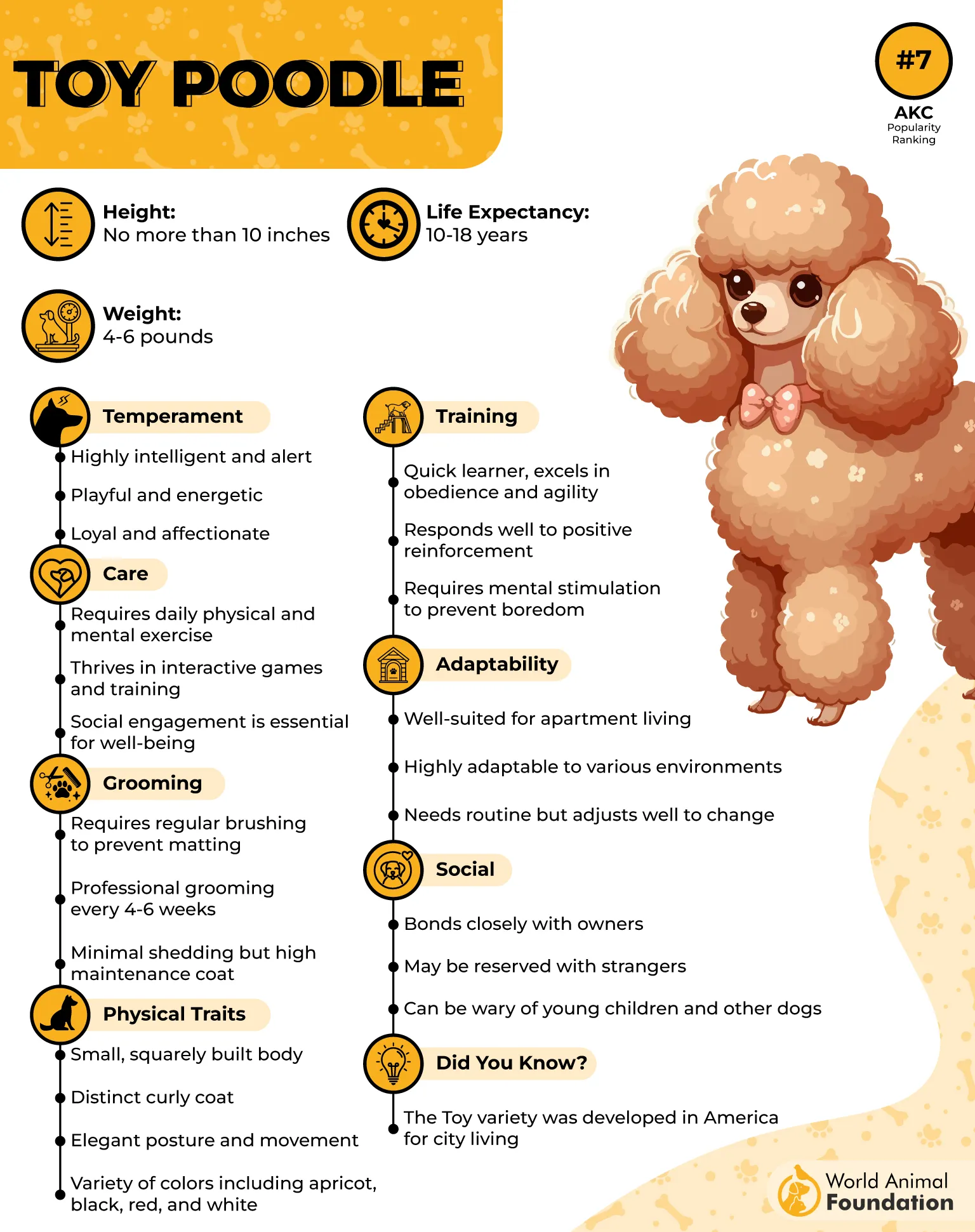
Toy Poodles are adaptable, playful, and highly trainable. They can enjoy city walks, quiet stays, and new experiences when properly socialized.
Their curly coats shed very little, which can be helpful when staying in hotels or vacation rentals. They still need daily walks, playtime, and mental stimulation through training, puzzle toys, or nose work to stay happy and well-behaved.
Grooming and Care
Grooming is one of the main things travelers should consider. Toy Poodles have dense, curly hair that grows continuously and can mat easily. Daily brushing helps keep their coats healthy, while professional grooming is usually needed every four to six weeks.
Regular ear and eye care is also important. These affectionate dogs can become stressed when left alone for long periods, so they suit travelers who want a close companion throughout their adventures.
2. Papillon
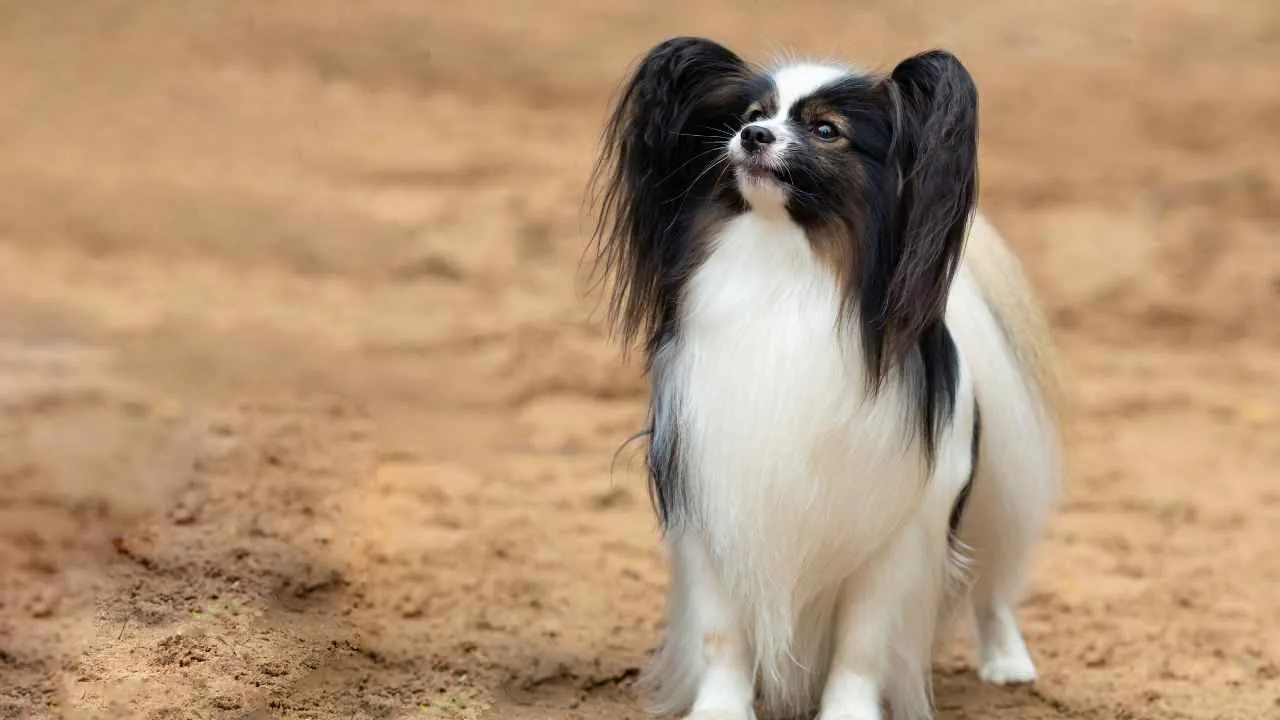
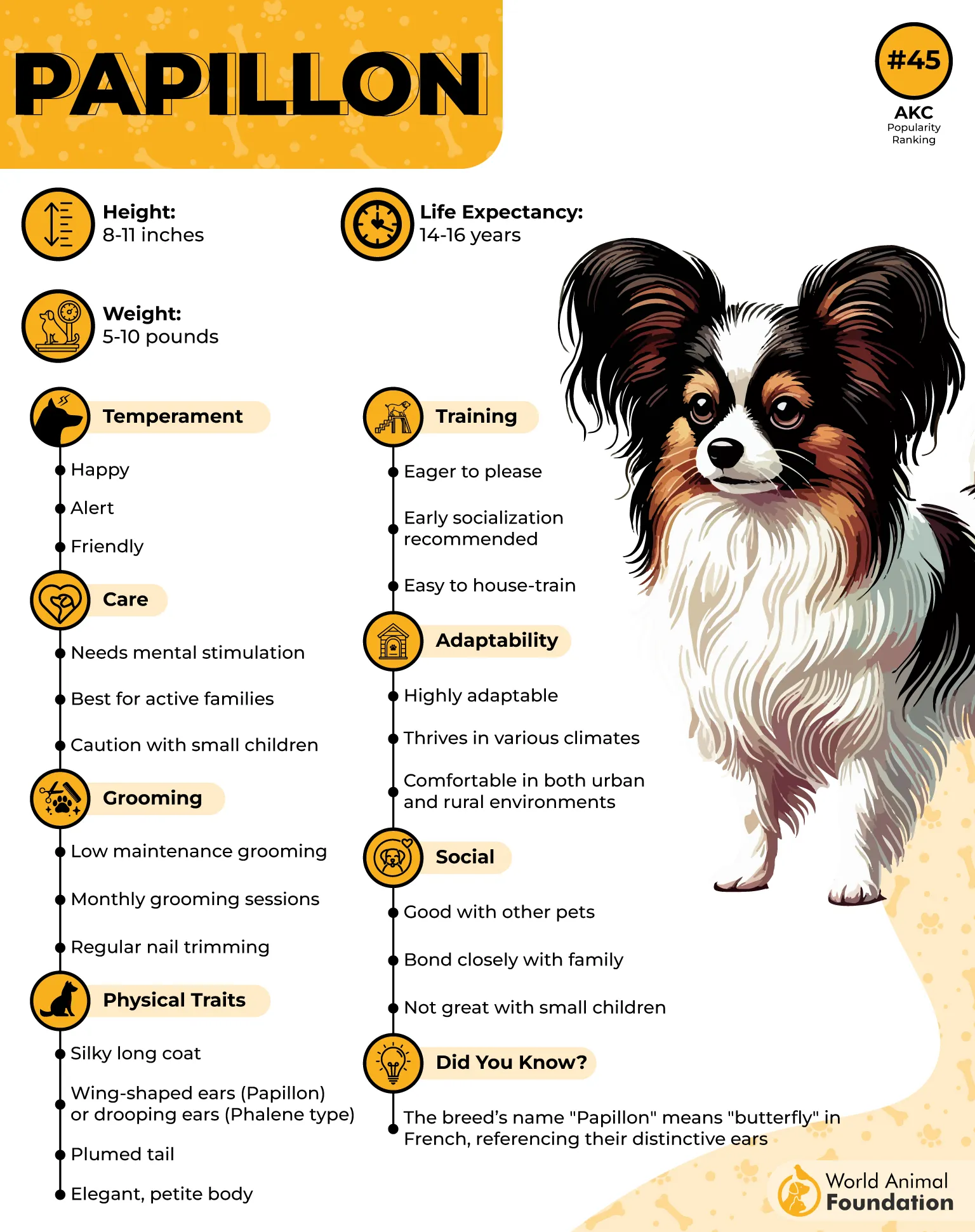
With their butterfly-like ears and lively personalities, Papillons are easy to spot wherever they go. These small companion dogs are friendly, adaptable, and surprisingly active.
They enjoy spending time with their people and can adjust well to different settings, making them a great choice for travelers. Their compact size also makes them practical for trips, including air travel when carrier requirements are met.
Why They Make Great Travel Companions
Papillons are highly intelligent and eager to please, so consistent positive training can help them handle new routines and places. They enjoy walks, indoor games, agility, and exploring new surroundings.
According to PetMD, they are also generally friendly with people, dogs, cats, children, and older adults when properly socialized.
Despite their tiny frames, they have plenty of energy, so travelers should plan regular exercise and mental stimulation rather than treating them as simple lap dogs.
Care and Grooming
Their long, silky coats need brushing a few times a week, with extra attention around the feathered ears to prevent tangles. They also need regular dental, ear, eye, and nail care.
Papillons can sometimes develop separation anxiety, excessive barking, or destructive habits when left alone for too long. They may also need extra protection in cold weather because of their single-layer coat.
3. Yorkshire Terrier
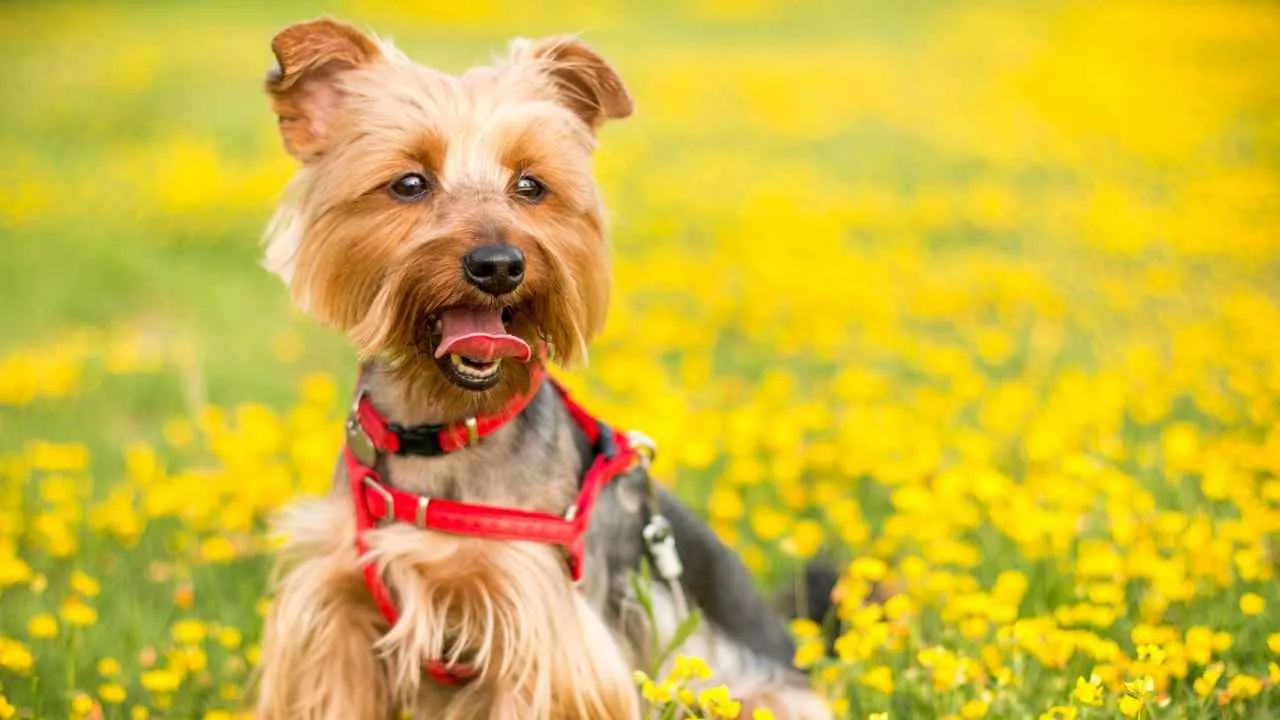
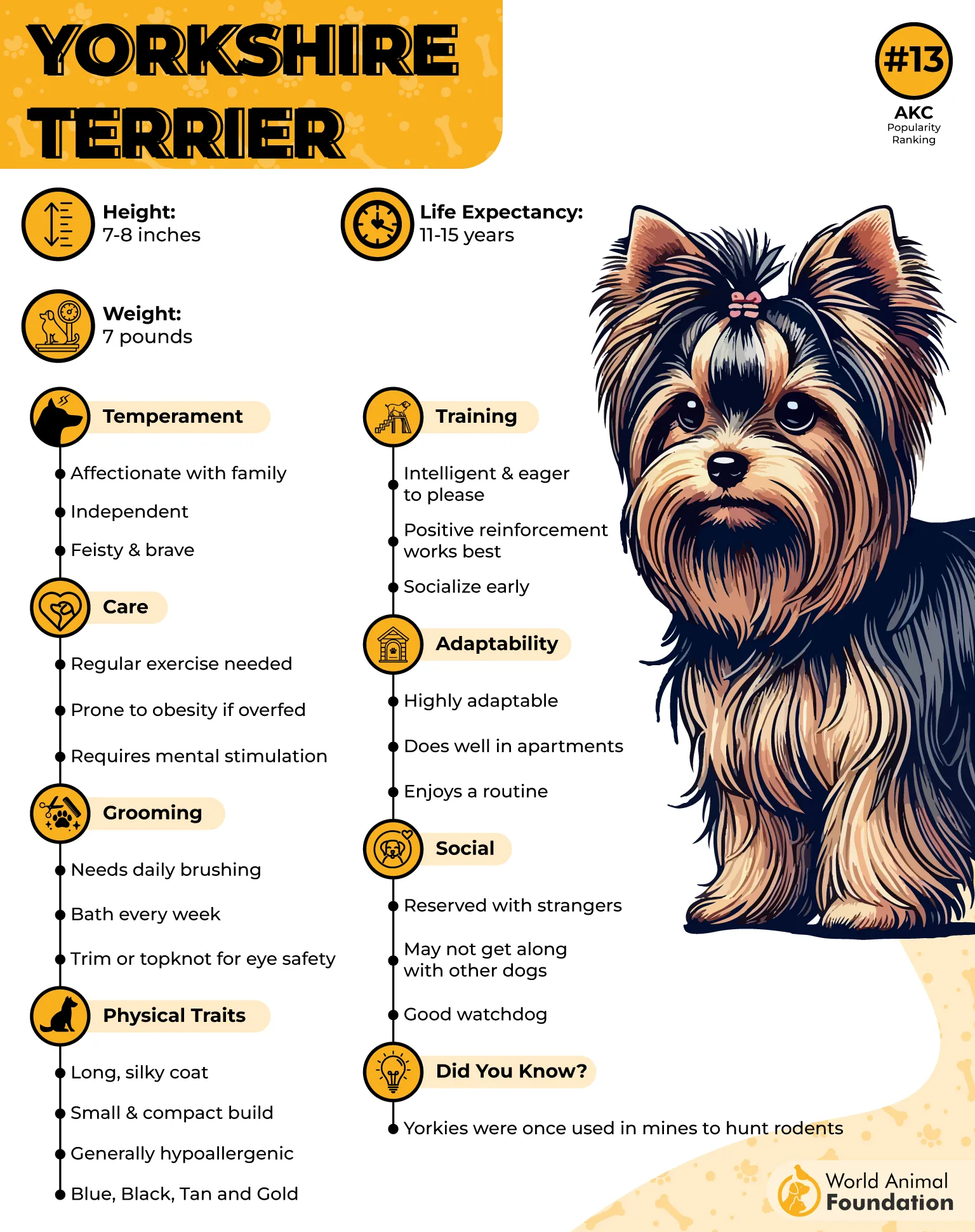
Yorkshire Terriers may look like delicate lapdogs, but these little terriers are brave, curious, and full of energy. Their compact size makes them practical companions for city breaks, road trips, and other adventures.
They are affectionate with their people and can adapt well to apartments, houses, or life on the move. Their lively personalities also mean they are always ready to investigate somewhere new.
Why They Make Great Travel Companions
Yorkies are smart and curious, which can help them enjoy new experiences when they receive early socialization and consistent training. They do not need long workouts to stay happy. A couple of short walks and some indoor play can provide enough daily activity.
Games such as fetch, puzzles, nose work, and agility can also keep their active minds busy. However, they can be vocal and may bark at unfamiliar people or sounds, so training is important when traveling.
Care and Grooming
Their long, silky coats need regular brushing and grooming, although a shorter puppy cut can make maintenance easier. Yorkies also need routine dental, ear, and nail care.
They do not tolerate cold weather particularly well, so extra protection may be needed in chilly destinations. These affectionate dogs can also dislike being left alone for long periods.
4. Cavalier King Charles Spaniel
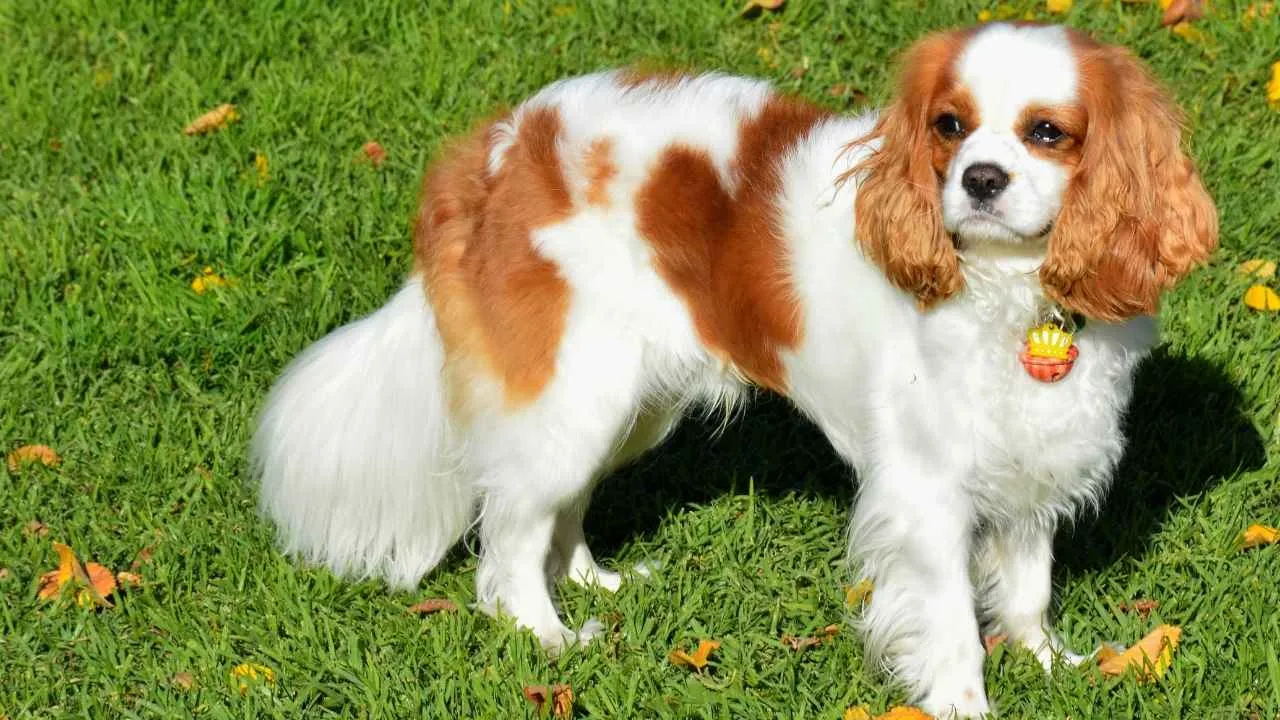
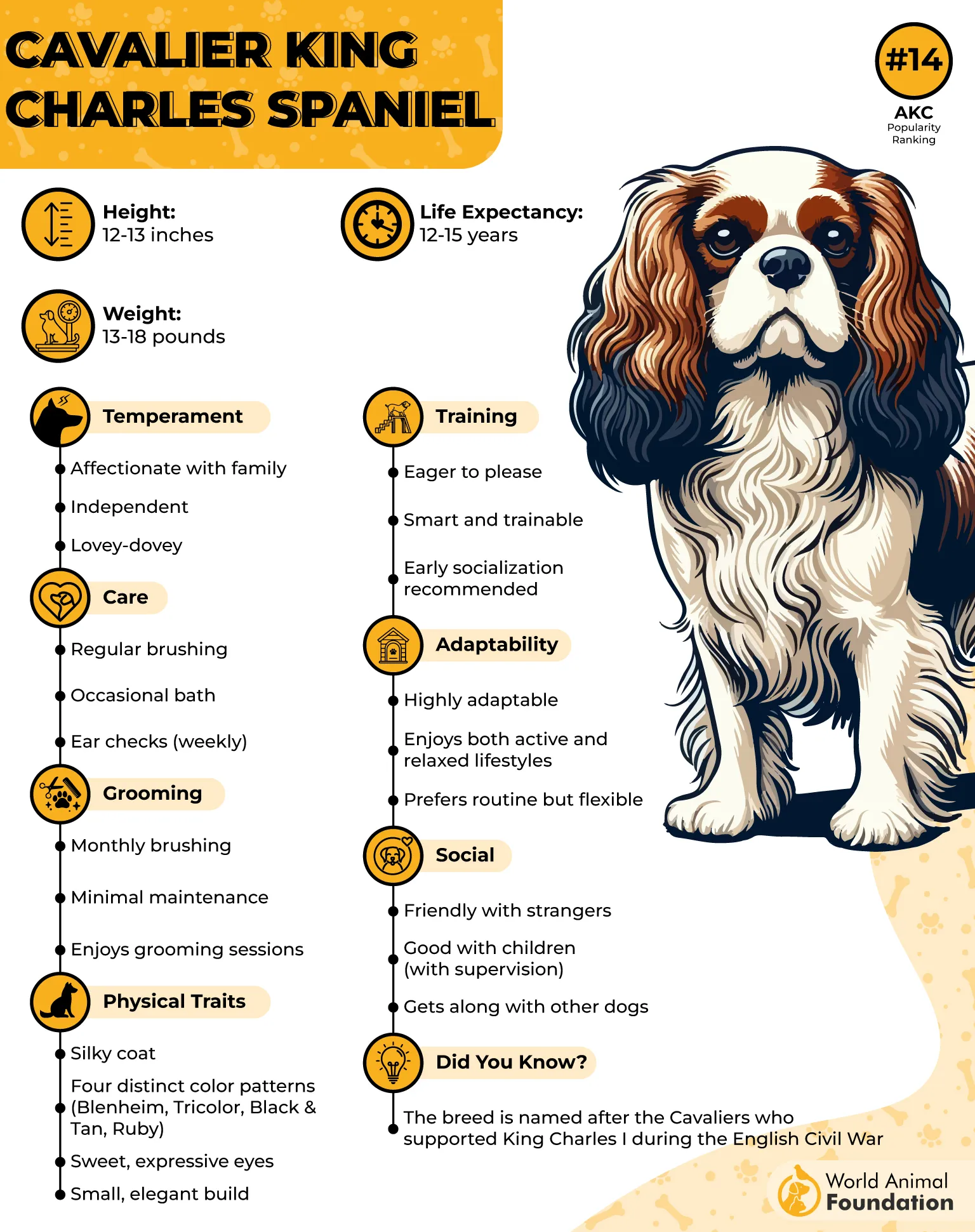
Cavalier King Charles Spaniels bring a sweet and friendly nature to almost every adventure. Originally bred as companion dogs, they love staying close to their people and are usually happy meeting strangers, children, and other pets.
Their adaptable personalities allow them to fit into many settings, from quiet homes to busy travel days. They also enjoy outdoor activities, so they can keep up with relaxed walks, hikes, and new places without being overly demanding.
Why They Make Great Travel Companions
Cavaliers are intelligent, eager to please, and generally easy to train with positive reinforcement. Their moderate energy levels mean they enjoy daily walks and playtime but are also content to relax beside their owners afterward.
They can enjoy activities such as hiking, swimming, agility, obedience, nose work, and exploring on a leash. They are usually friendly rather than protective, which can make them pleasant companions in new social settings.
Care and Grooming
Their soft, silky coats need regular brushing to prevent tangles, along with occasional bathing and routine grooming. Their feathered ears also need regular attention.
Cavaliers are generally easy to care for, but travelers should be aware of their health needs. The breed can be prone to conditions involving the heart, eyes, hips, ears, and nervous system, so regular veterinary checks are important.
5. Havanese
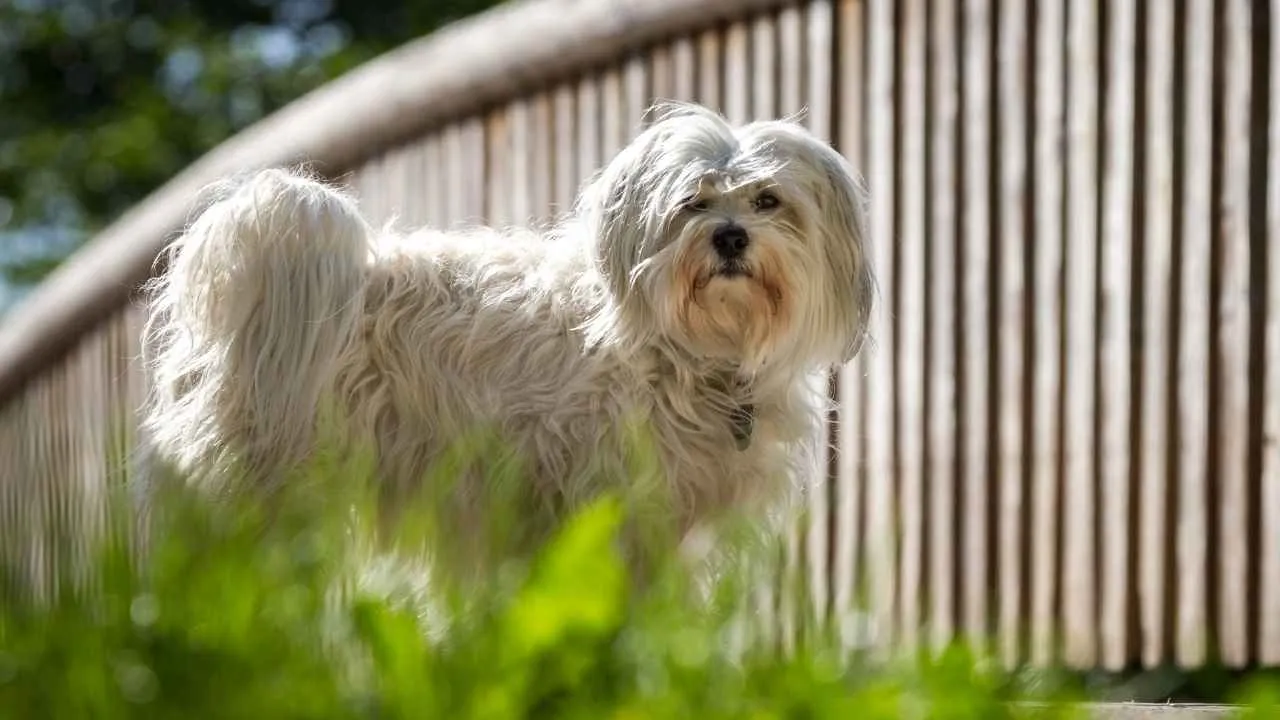
Havanese bring a cheerful, affectionate personality to almost every adventure. Originally developed as companion dogs in Cuba, they love staying close to their people and thrive on attention and interaction.
Their small size and adaptable nature make them comfortable in apartments, smaller homes, and new surroundings.
Why They Make Great Travel Companions
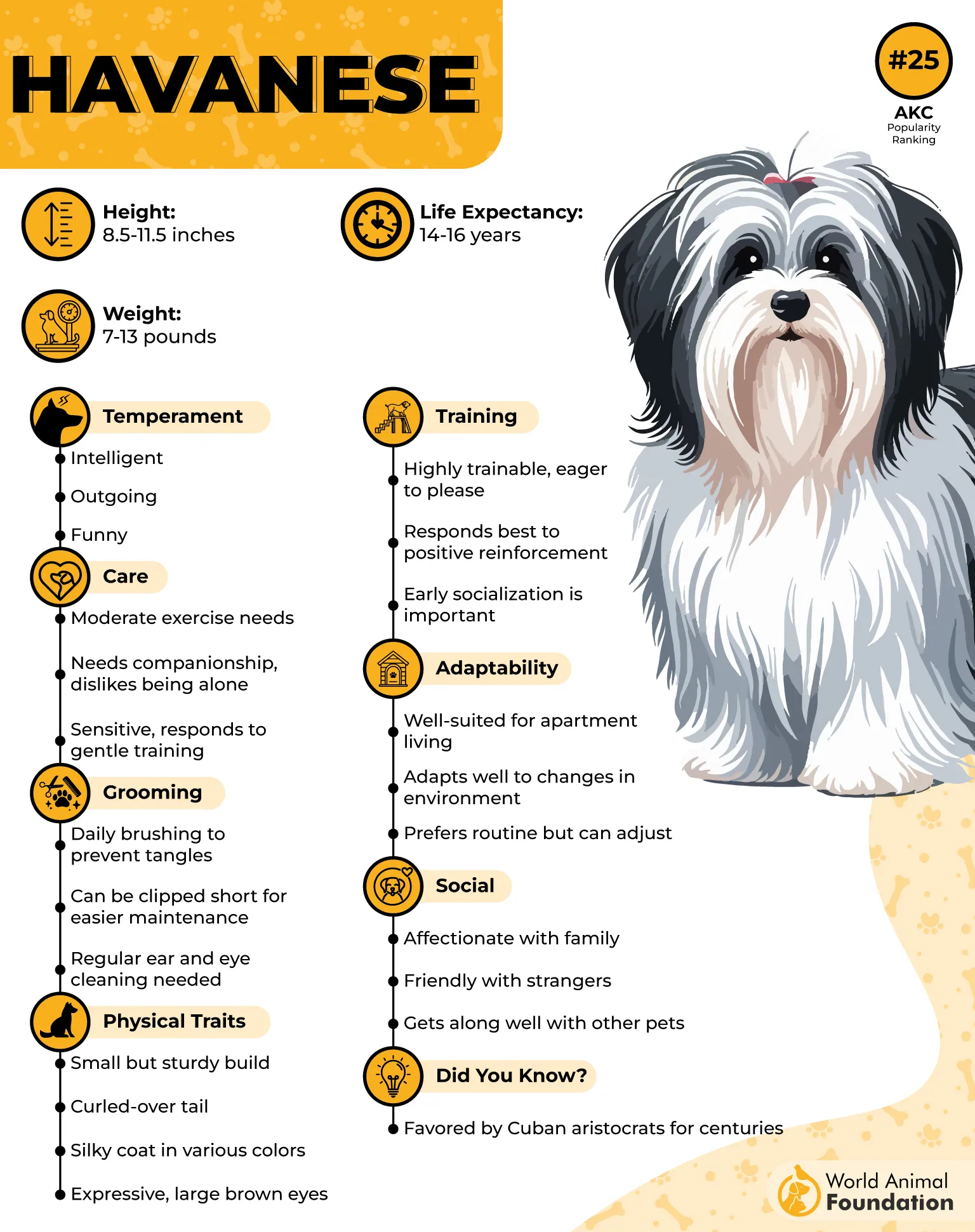
Havanese are intelligent, playful, and highly trainable, especially when taught with positive reinforcement and fun, engaging activities. Their moderate exercise needs can usually be met with daily walks, play sessions, and plenty of opportunities to explore.
They enjoy activities such as agility, nose work, scent walks, obedience training, and games of fetch. Their friendly nature can help them adjust to meeting new people and other pets when properly socialized.
Care and Grooming
Their long, silky coats can be straight or wavy and need frequent brushing to prevent tangles and mats. Daily brushing is ideal, although a shorter puppy cut can make grooming easier. Regular bathing, ear cleaning, eye care, nail trimming, and dental care should also be part of their routine.
Havanese are generally healthy and can live for many years, but responsible owners should still keep up with routine veterinary care.
6. Bichon Frise
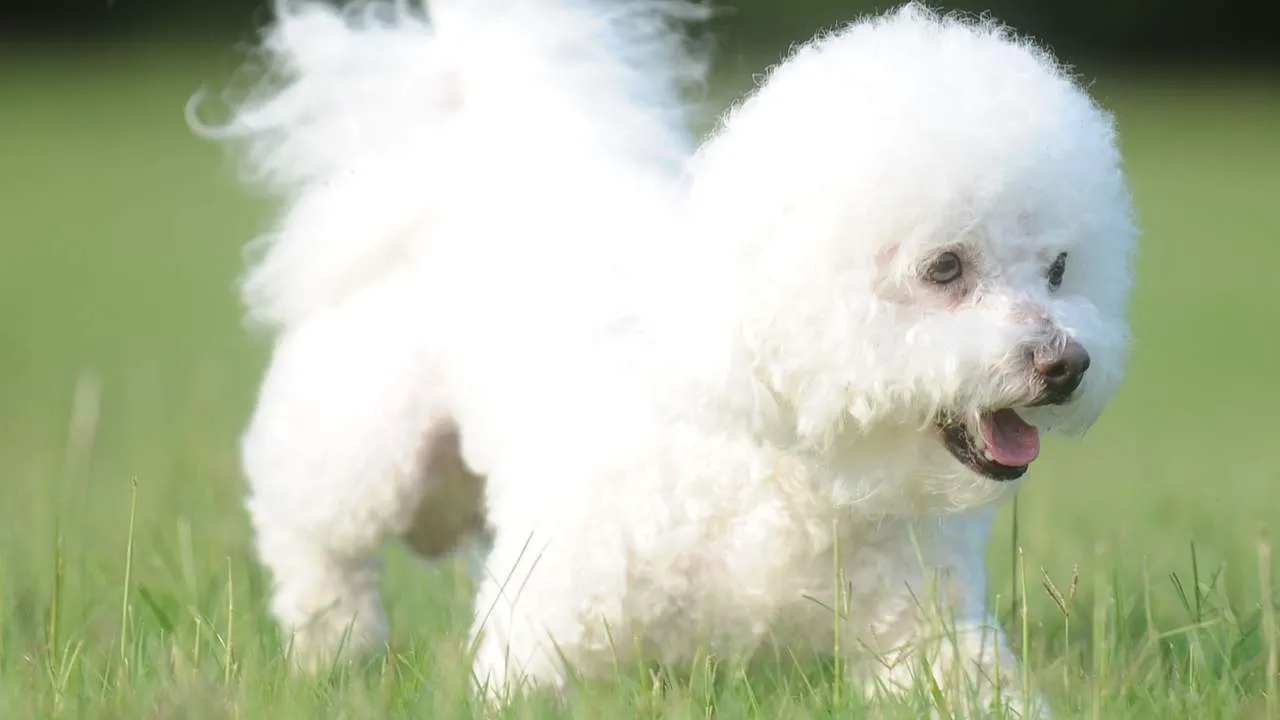
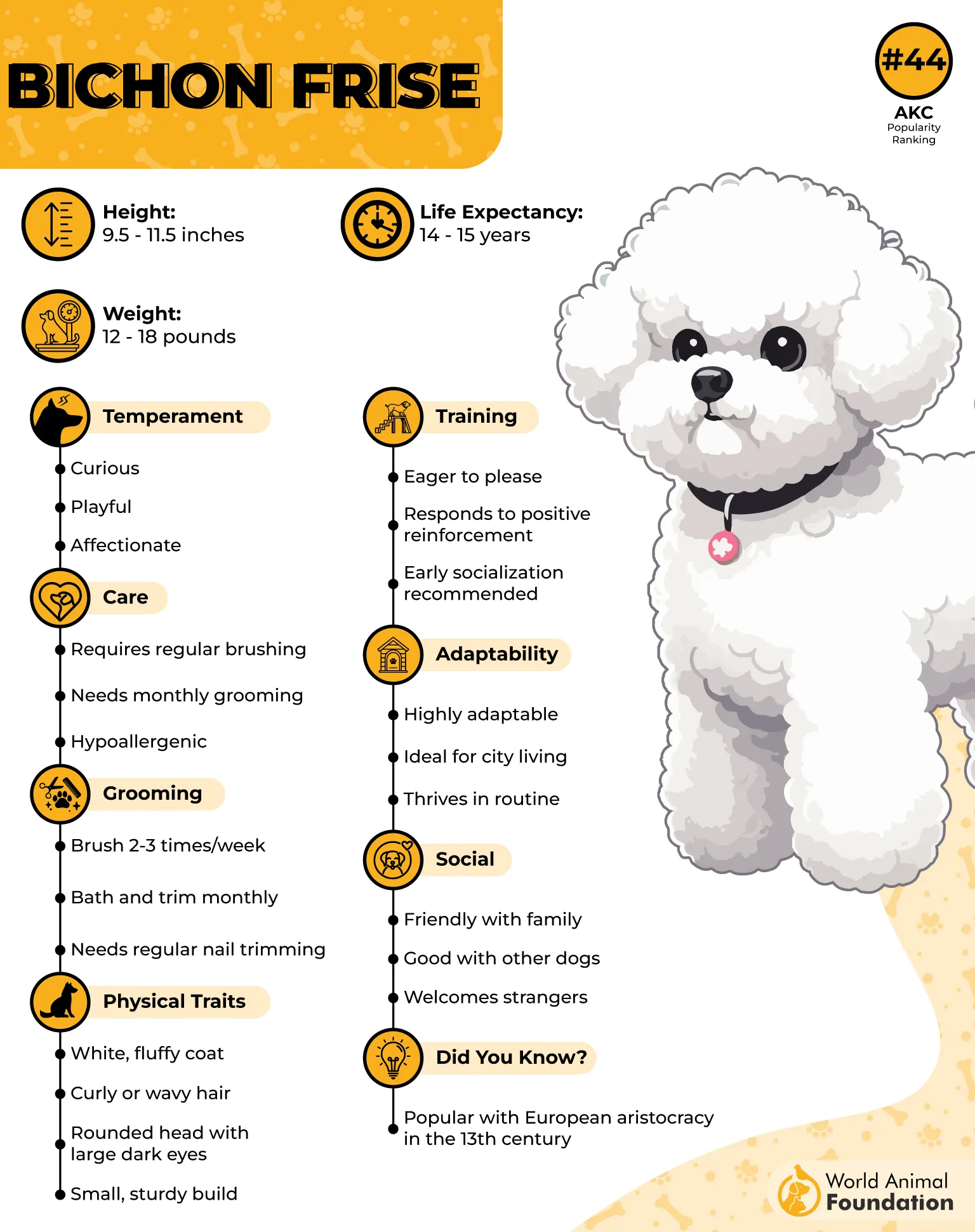
Bichon Frises bring a cheerful, playful personality to every adventure. Originally bred as companion dogs, they thrive on human interaction and usually enjoy meeting new people and other pets.
Their small size and adaptable nature make them comfortable in apartments, busy households, and new surroundings. They have moderate energy levels and enjoy walks, games, and exploring, while still being happy to curl up beside their owners after a day of activity.
Why They Make Great Travel Companions
PetPlan mentions Bichon Frises are smart, social, and eager to please, making them relatively easy to train with positive reinforcement. They enjoy activities such as neighborhood walks, playing fetch, tug-of-war, learning tricks, and exploring new environments.
Their friendly nature helps them adjust to unfamiliar people and animals when properly socialized. They also don’t need a large amount of space or intense exercise, making them perfect companions for long trips.
Care and Grooming
Their soft, curly coats are low-shedding but require considerable care to prevent mats and tangles. Daily brushing, regular baths, and monthly professional grooming help keep their coat clean and healthy. Their ears should also be checked and cleaned regularly, while routine eye and dental care are important.
7. Shih Tzu
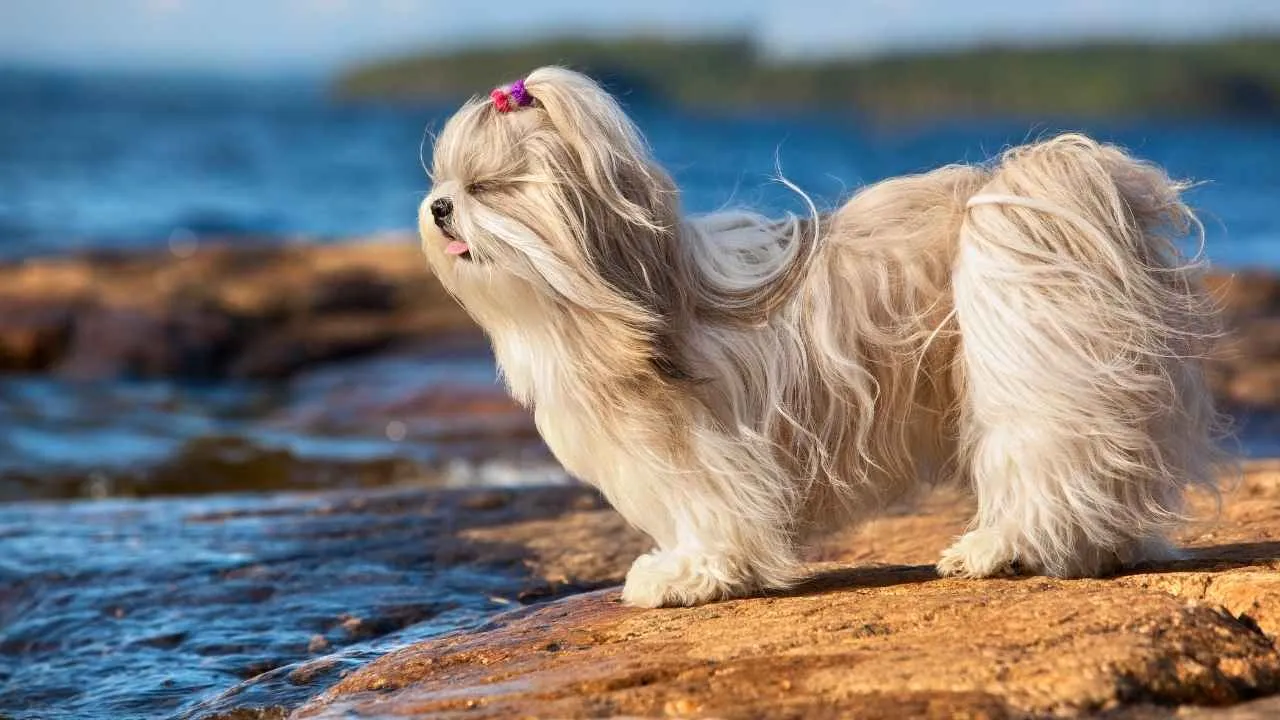
Shih Tzus bring a cheerful, affectionate personality to almost every adventure. Originally bred as companion dogs, they thrive on human company and are happiest when they can stay close to their people. They are generally friendly with people, children, dogs, and other pets when properly socialized.
Why They Make Great Travel Companions
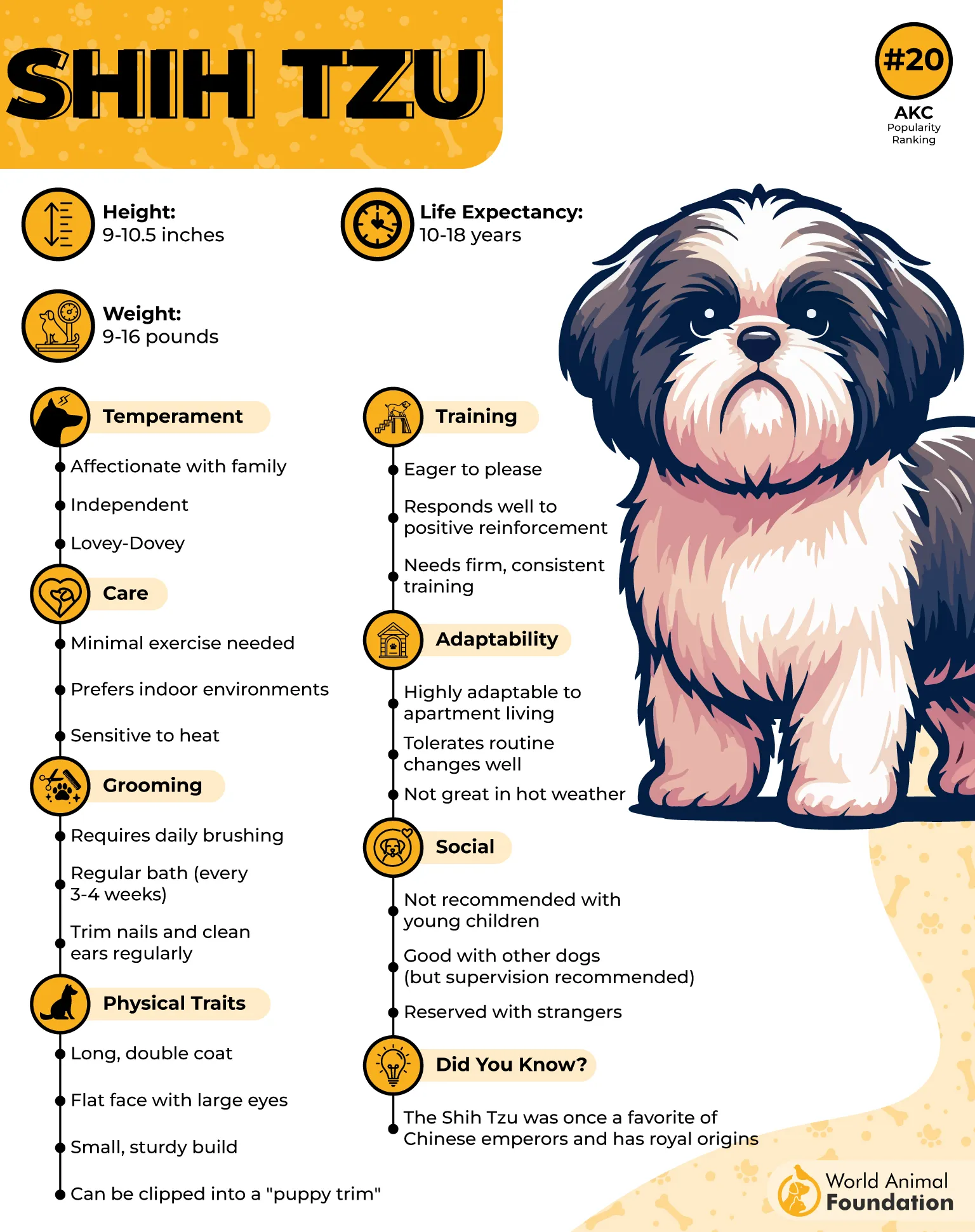
Shih Tzus are playful, people-oriented, and usually eager to learn tricks with positive reinforcement. Their moderate exercise needs mean they do not require long hikes or strenuous activities, making them a good choice for travelers who prefer leisurely walks and short outings.
They can enjoy neighborhood walks, indoor games, obedience training, and exploring new places with their owners. Their friendly nature also helps them adjust to new people and environments. However, they strongly prefer companionship and should not be left alone for long periods.
Care and Grooming
The Shih Tzu’s long, flowing coat requires frequent grooming to prevent tangles and mats. Daily brushing is ideal for a long coat, while a shorter puppy cut can make maintenance much easier.
Their eyes and facial hair also need regular attention, and routine bathing and grooming help keep their coat healthy. Travelers should also take extra care in hot weather because their short muzzle makes them more vulnerable to overheating and heatstroke, as mentioned by Hill’s Pet.
Conclusion
The best travel companion isn’t necessarily the biggest, most athletic, or most adventurous dog. Each breed has its own exercise, grooming, and care needs, so choosing one that matches your travel style is key.
Before your next adventure, consider your dog’s temperament, energy level, grooming needs, and ability to handle new environments.
With the right preparation, patience, and plenty of companionship, your furry friend can turn ordinary trips into memorable adventures. After all, the best journeys are often the ones shared with a loyal companion by your side.
Looking for more travel-friendly dogs that love outdoor adventures? You can also check out the Labrador Retriever, Siberian Husky, German Shorthaired Pointer, Jack Russell Terrier, Golden Retriever, Australian Shepherd, Border Collie, and German Shepherd.
