




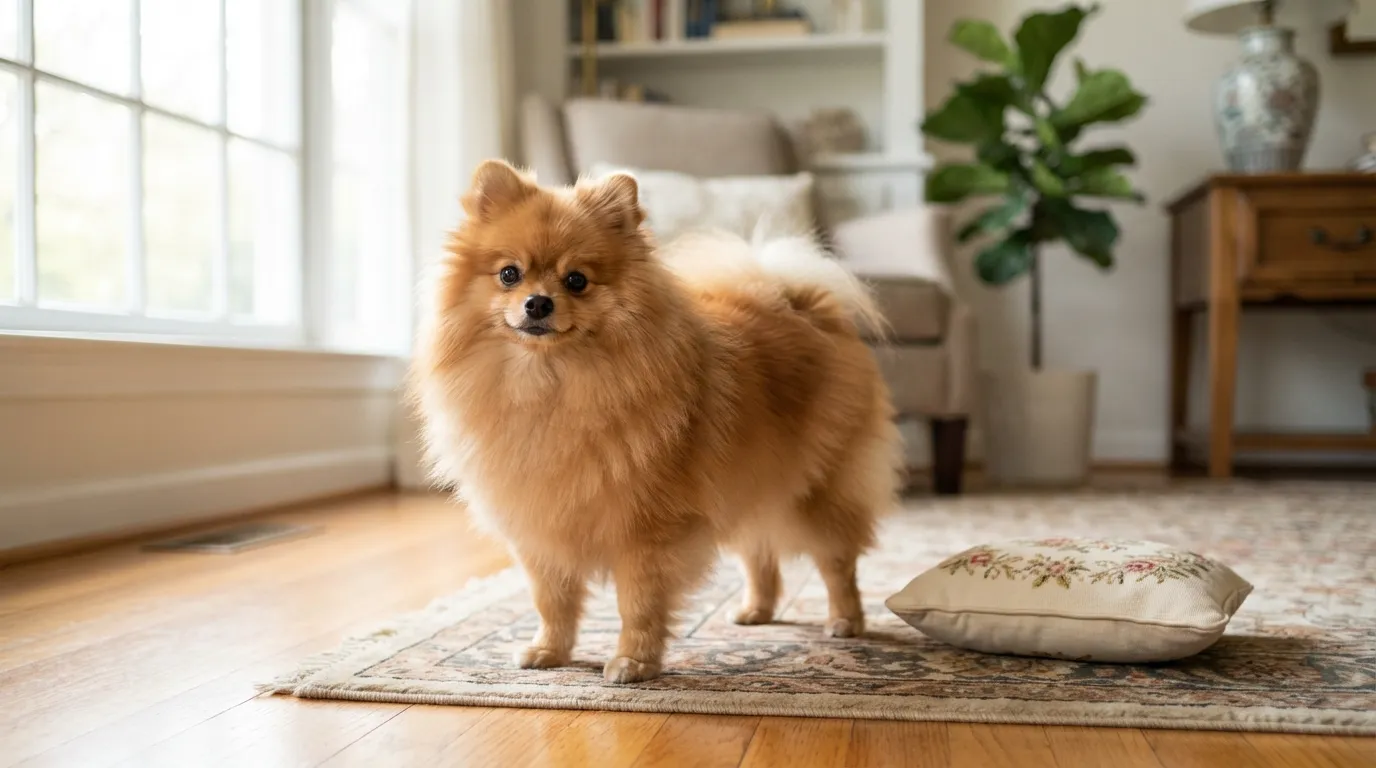
For people who adore dogs but prefer a compact companion, naturally petite breeds can be an excellent choice. Their small frames make them easier to carry, handle, and accommodate in many living environments, while their personalities can be just as expressive as those of much larger dogs.
However, choosing a genuinely tiny breed requires understanding its expected adult size rather than relying solely on how small a puppy appears.
Genetics play the biggest role in determining a dog’s mature stature. Certain breeds have been selectively developed for generations to maintain diminutive proportions, allowing them to remain relatively small from puppyhood through adulthood. Even so, individual dogs can vary in height and weight, and responsible breeding remains important for maintaining healthy physical characteristics.
The breeds below are recognized for their consistently small adult size. From the tiny Chihuahua to the elegant Maltese and intelligent Toy Poodle, each offers a different combination of appearance, temperament, and lifestyle needs while retaining a notably compact frame.
Ideal Small Dog Breeds That Stay Petite Their Whole Life
1. Maltese
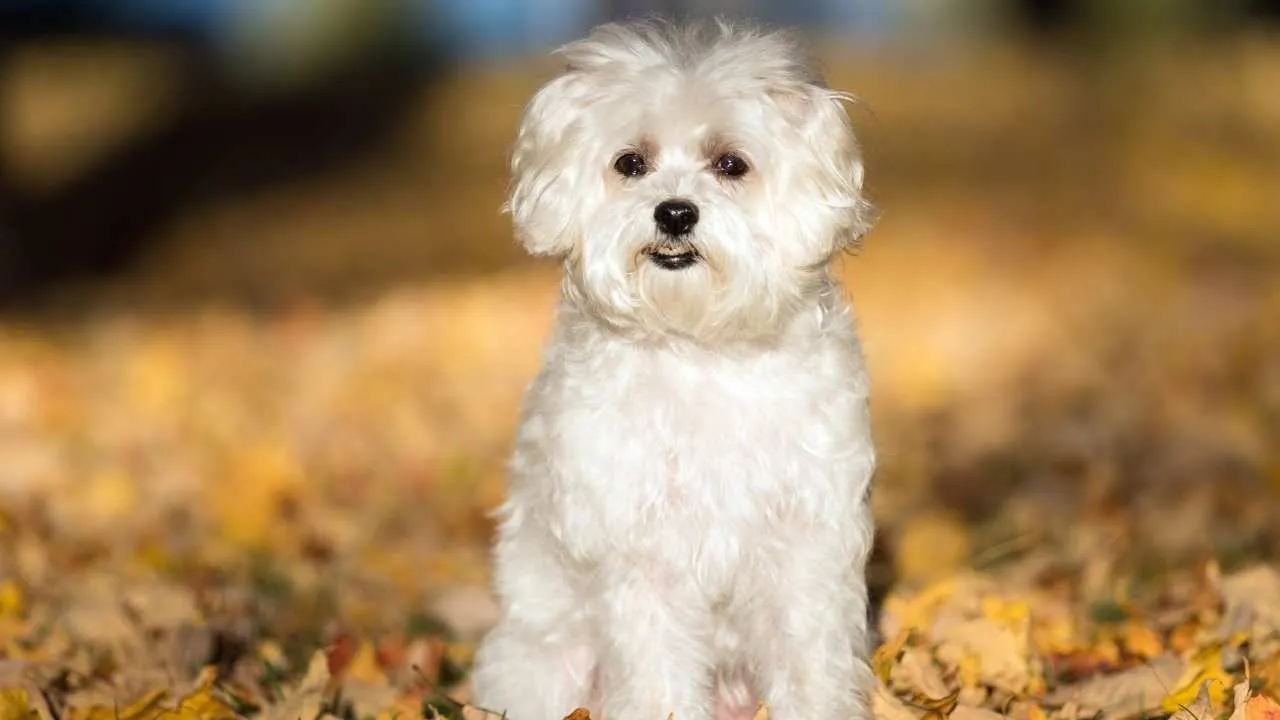
The Maltese is a small dog breed recognized for its flowing white coat, delicate appearance, and affectionate nature. With roots extending back thousands of years in the Mediterranean region, it was prized primarily as a companion rather than a working dog. Its elegant appearance may seem fragile, but the breed can be lively, confident, and surprisingly playful.
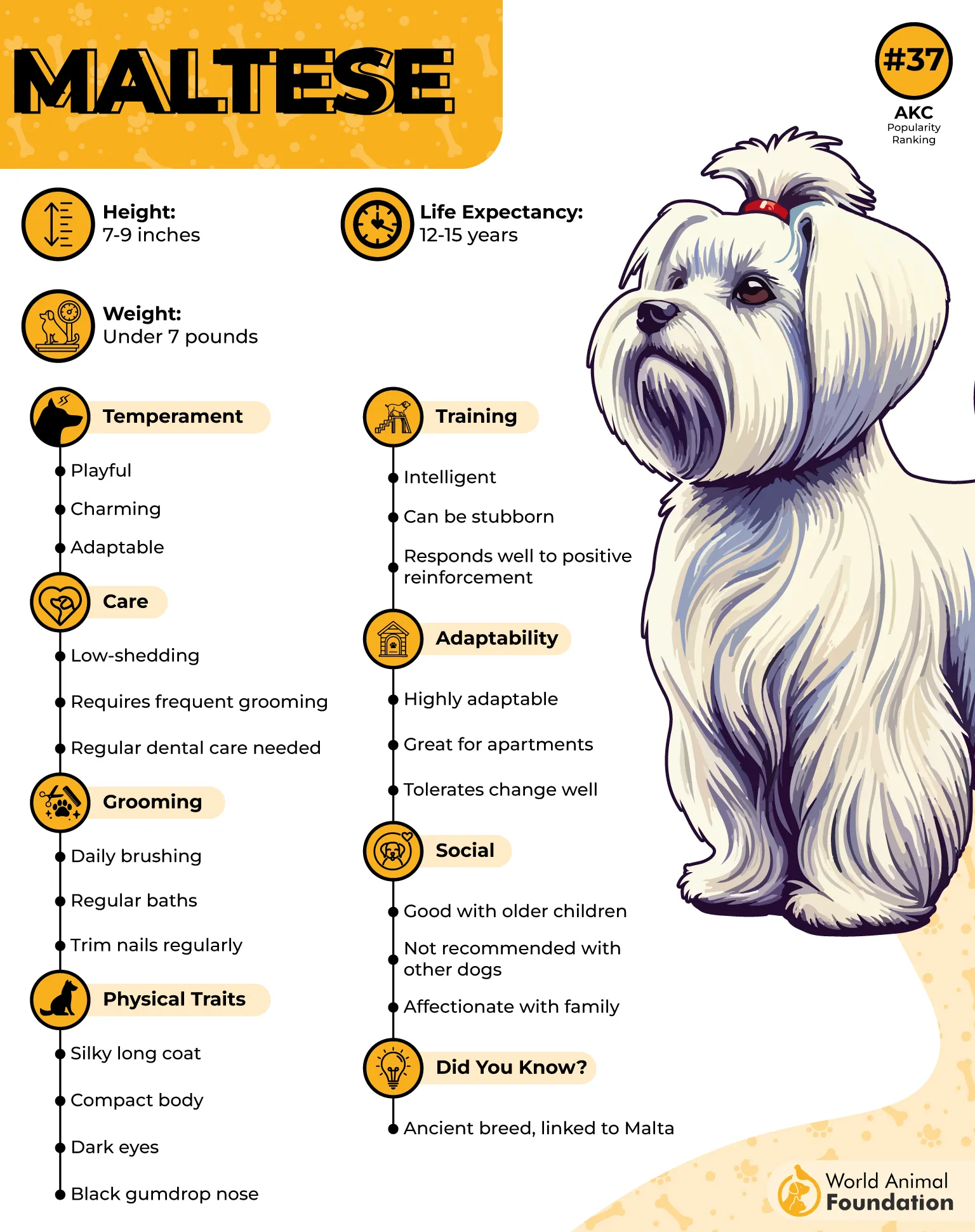
A Companion with Ancient Roots
The Maltese has a long history as a favored household companion among Mediterranean societies. Over generations, its role remained centered on human companionship, helping shape a breed that is highly people-oriented and comfortable participating in family life.
Naturally Petite in Adulthood
A fully grown Maltese remains small because its breed standard emphasizes a compact body and lightweight build. Unlike puppies that may eventually grow into medium-sized adults, Maltese dogs retain their diminutive proportions throughout maturity, making them suitable for owners specifically seeking a tiny companion.
2. Pomeranian
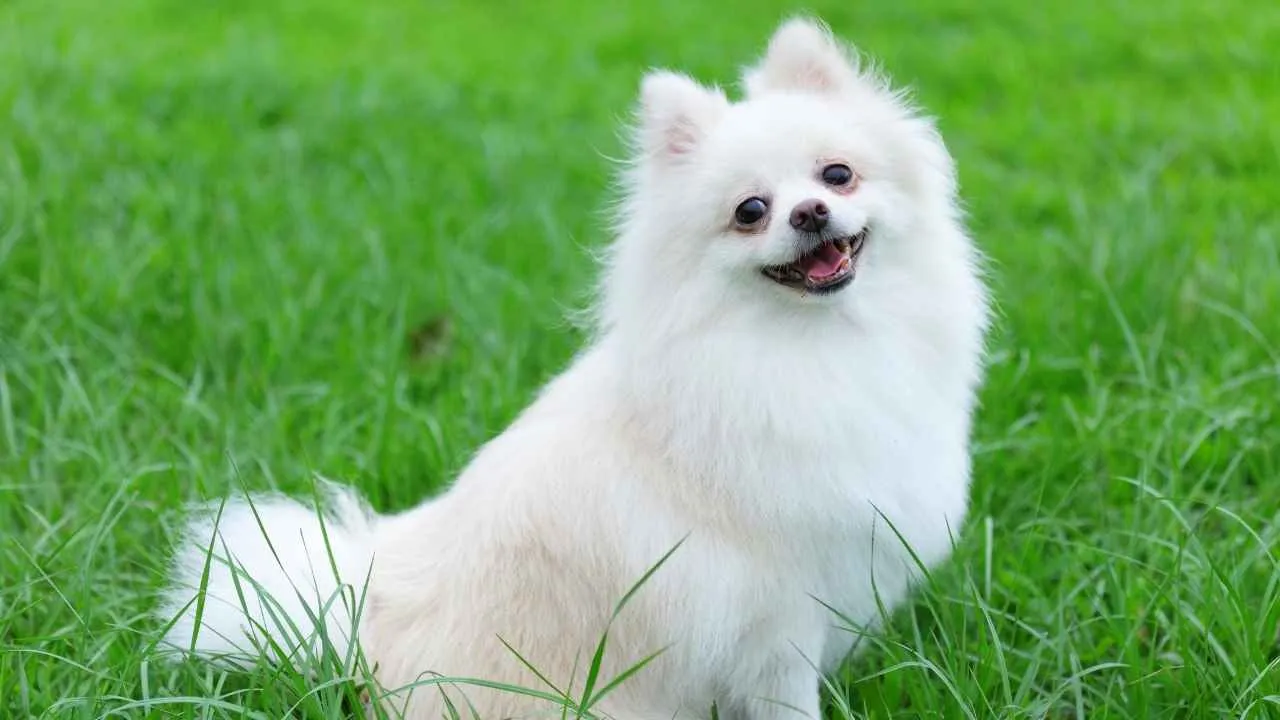
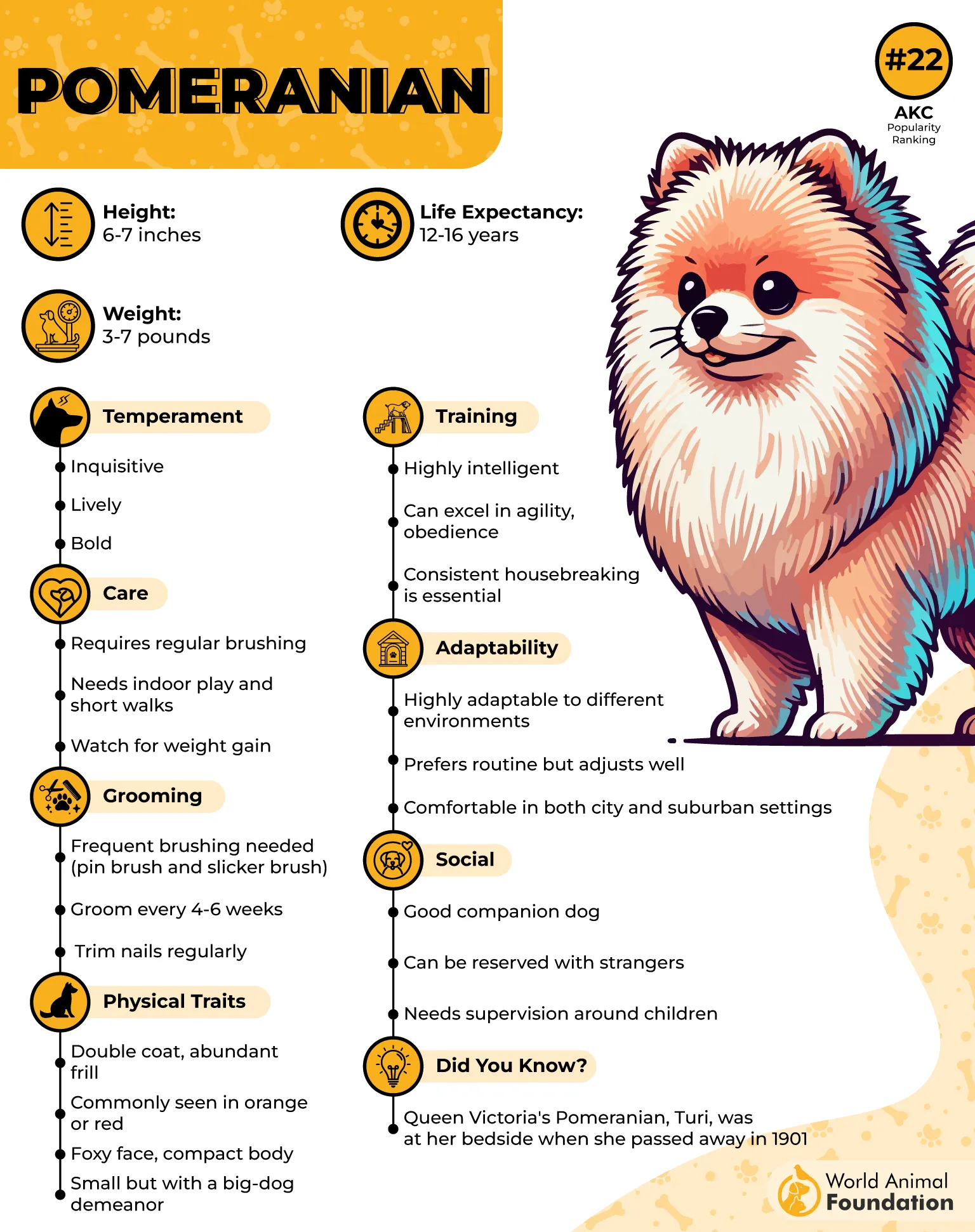
The Pomeranian is a lively toy breed famous for its abundant coat, fox-like expression, and confident personality. Although its ancestors were considerably larger Spitz-type working dogs, selective breeding gradually produced the much smaller companion recognized today, as per Britannica. Despite its tiny body, the Pomeranian often carries itself with remarkable confidence.

Full of Personality
Pomeranians are intelligent, alert, and often eager to interact with their surroundings. They can be enthusiastic watchdogs and enjoy learning new behaviors when training is introduced through short, positive sessions. Their thick double coat requires frequent brushing to prevent tangles and maintain its appearance.
Small by Design
Modern Pomeranians are intentionally bred to remain within the toy-size range. Their compact bone structure and naturally diminutive proportions mean they do not experience the dramatic growth associated with larger breeds. Once mature, they continue to look much like a scaled-down Spitz rather than developing into a larger dog.
3. Chihuahua
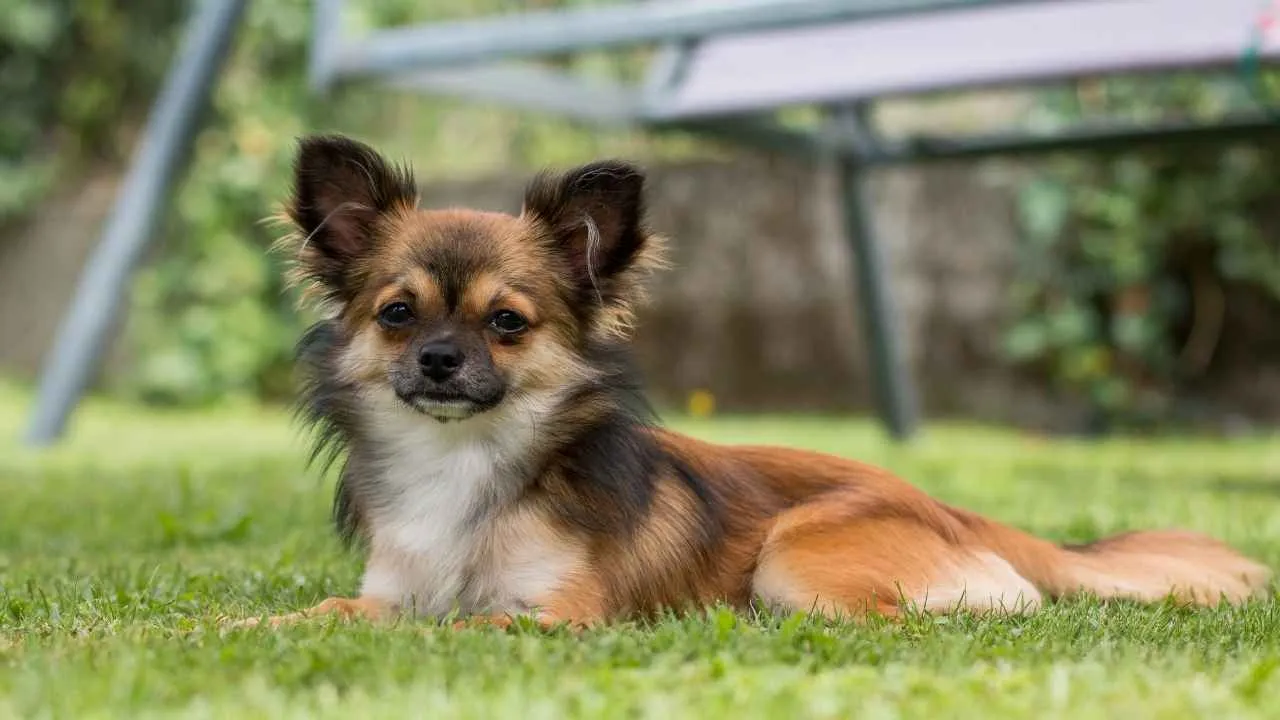
The Chihuahua is among the world’s smallest recognized dog breeds and is known for its confident attitude despite its exceptionally compact body. Associated with Mexico, the breed has a long history that predates the modern dog-breeding era, according to PDSA. Its expressive personality, portability, and tiny stature have made it one of the most recognizable miniature breeds.
Bold Beyond Its Size
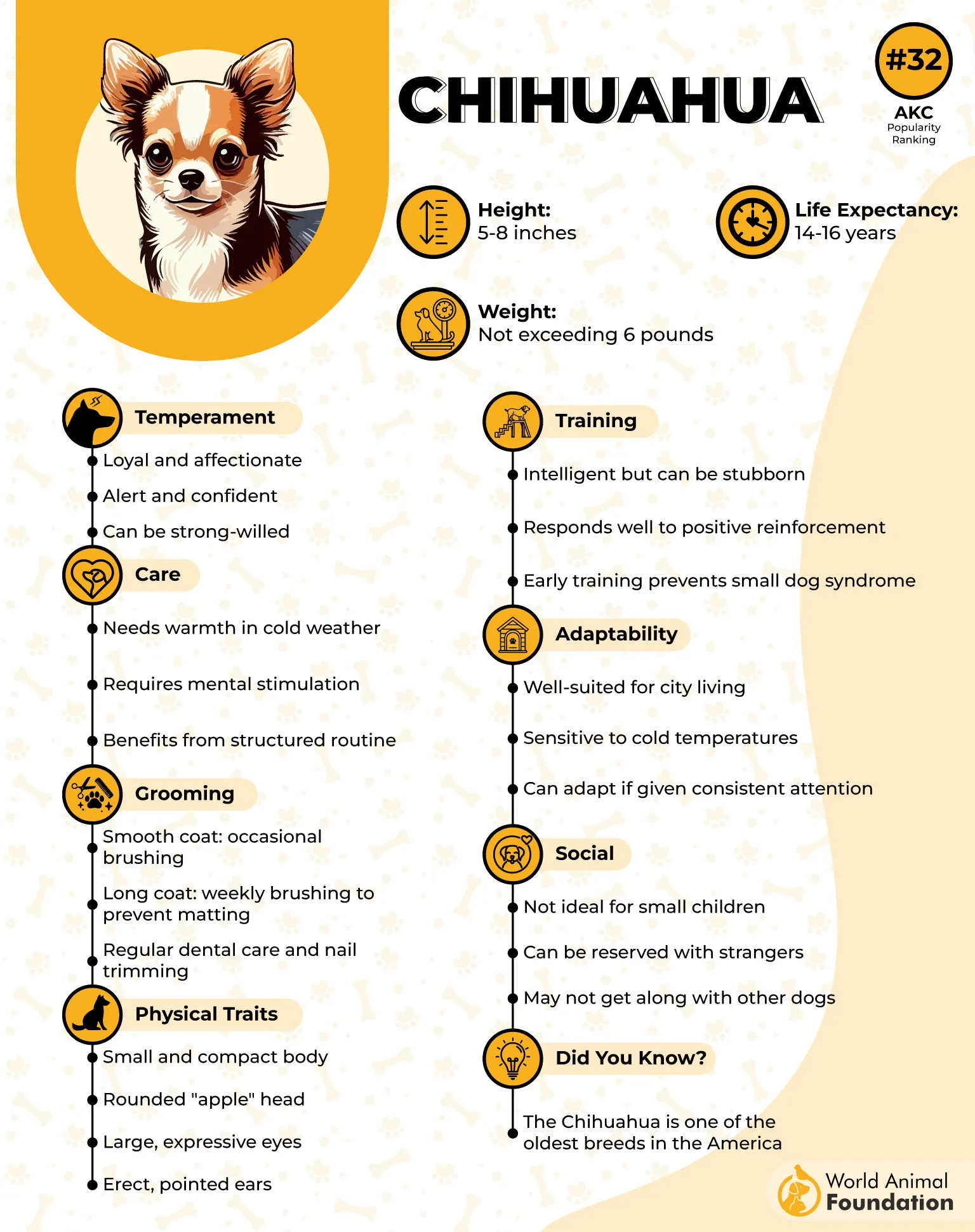
Chihuahuas often display confidence, alertness, and strong attachment to their preferred people. Early socialization is particularly valuable because their small size can make unfamiliar situations feel overwhelming. Both smooth- and long-coated varieties are available, with grooming requirements differing according to coat type.
One of the Tiniest Breeds
The Chihuahua’s petite stature is a fundamental characteristic of the breed rather than simply a puppy phase. Its genetics naturally limit adult growth, allowing it to remain remarkably small even after reaching full maturity. Individual dogs vary, but the breed consistently ranks among the smallest domestic dogs.
4. Yorkshire Terrier
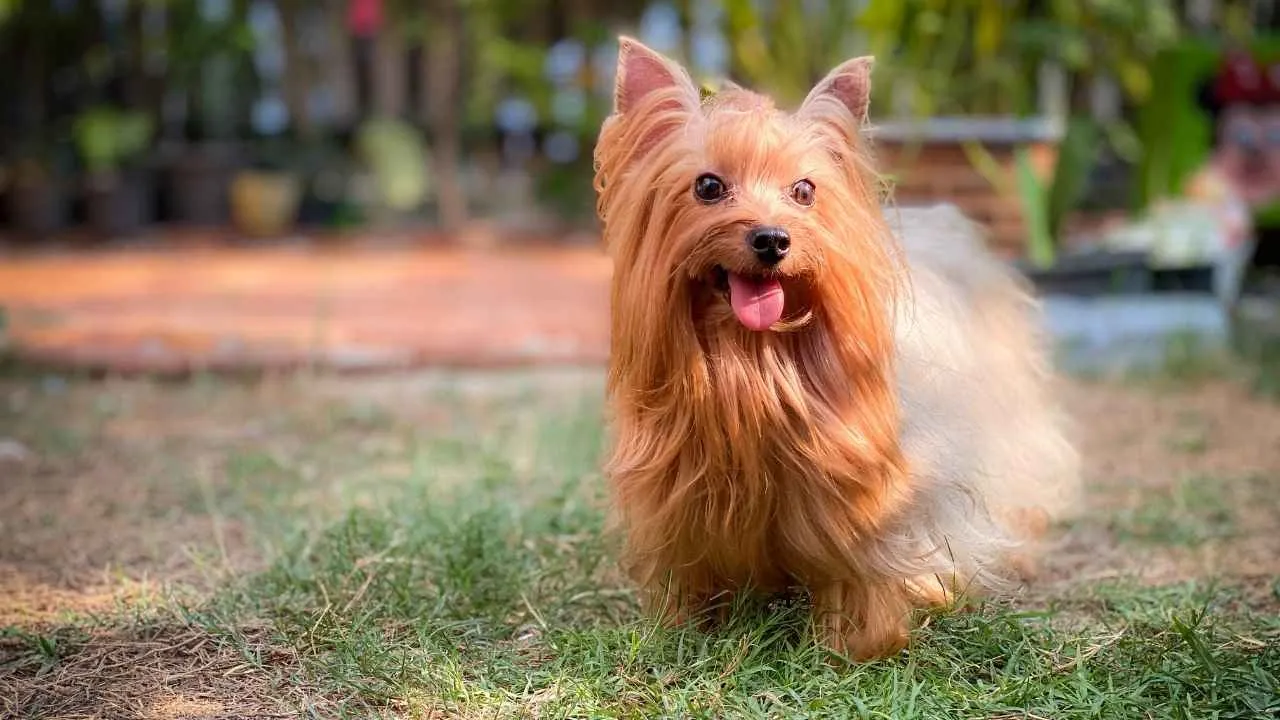
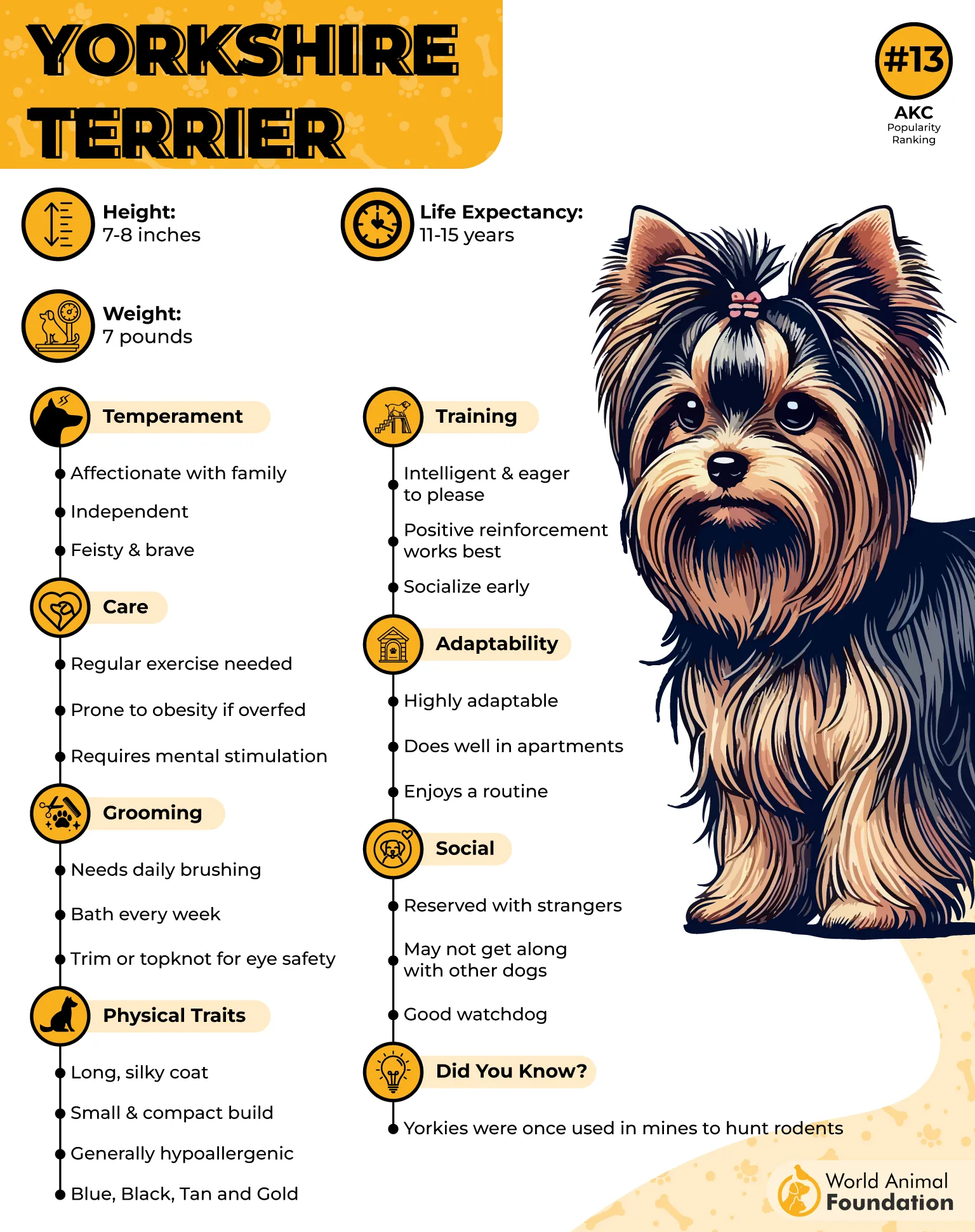
The Yorkshire Terrier originated in northern England and was initially associated with textile workers who developed small terriers for controlling rodents. Over time, its elegant appearance and diminutive proportions helped transform it into a fashionable companion. Beneath its silky coat, however, remains the spirited personality of a terrier.
A Tiny Terrier with Spirit
Yorkshire Terriers are often lively, curious, and confident, with the alertness expected from their working ancestry. Their intelligence can make them responsive to training, especially when lessons remain consistent and rewarding. The affectionate breed’s long, silky coat also requires regular brushing and careful grooming.
Compact from Puppyhood to Maturity
The Yorkshire Terrier is genetically predisposed to a very small adult frame. Its short stature and lightweight build remain consistent as it matures, making it a reliable choice for owners who want a dog that will remain compact rather than grow substantially after puppyhood.
5. Shih Tzu
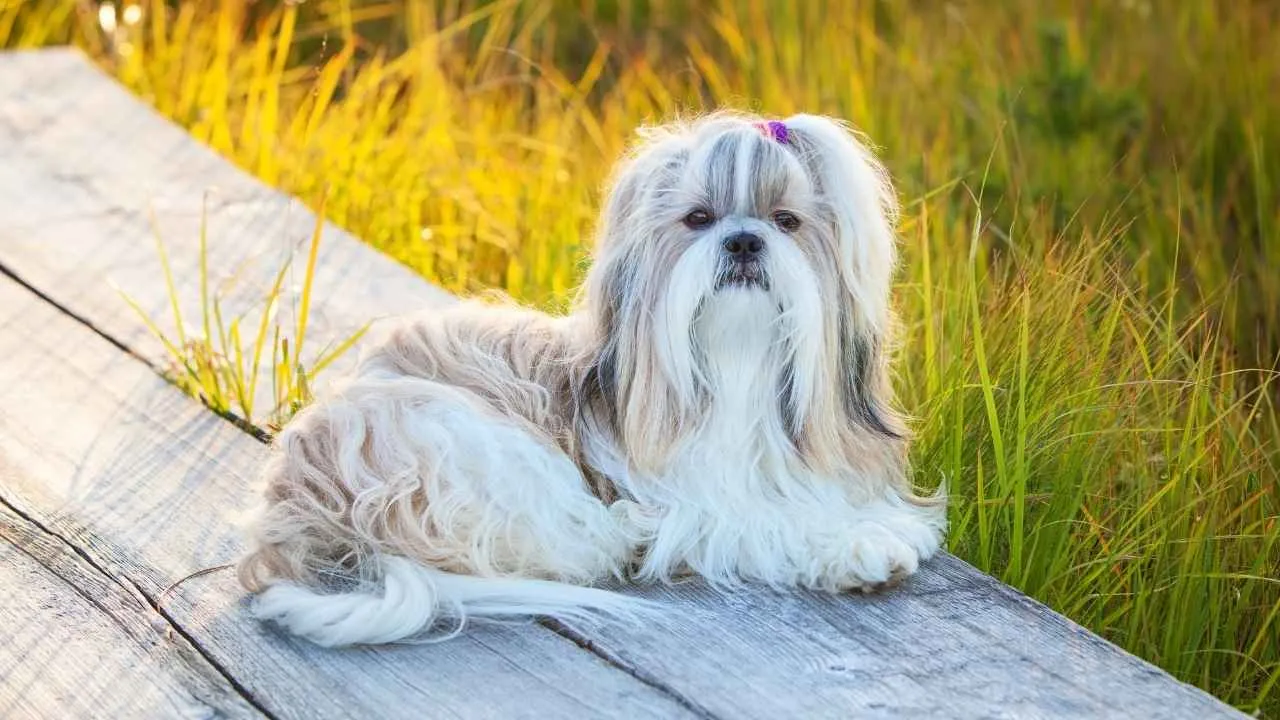
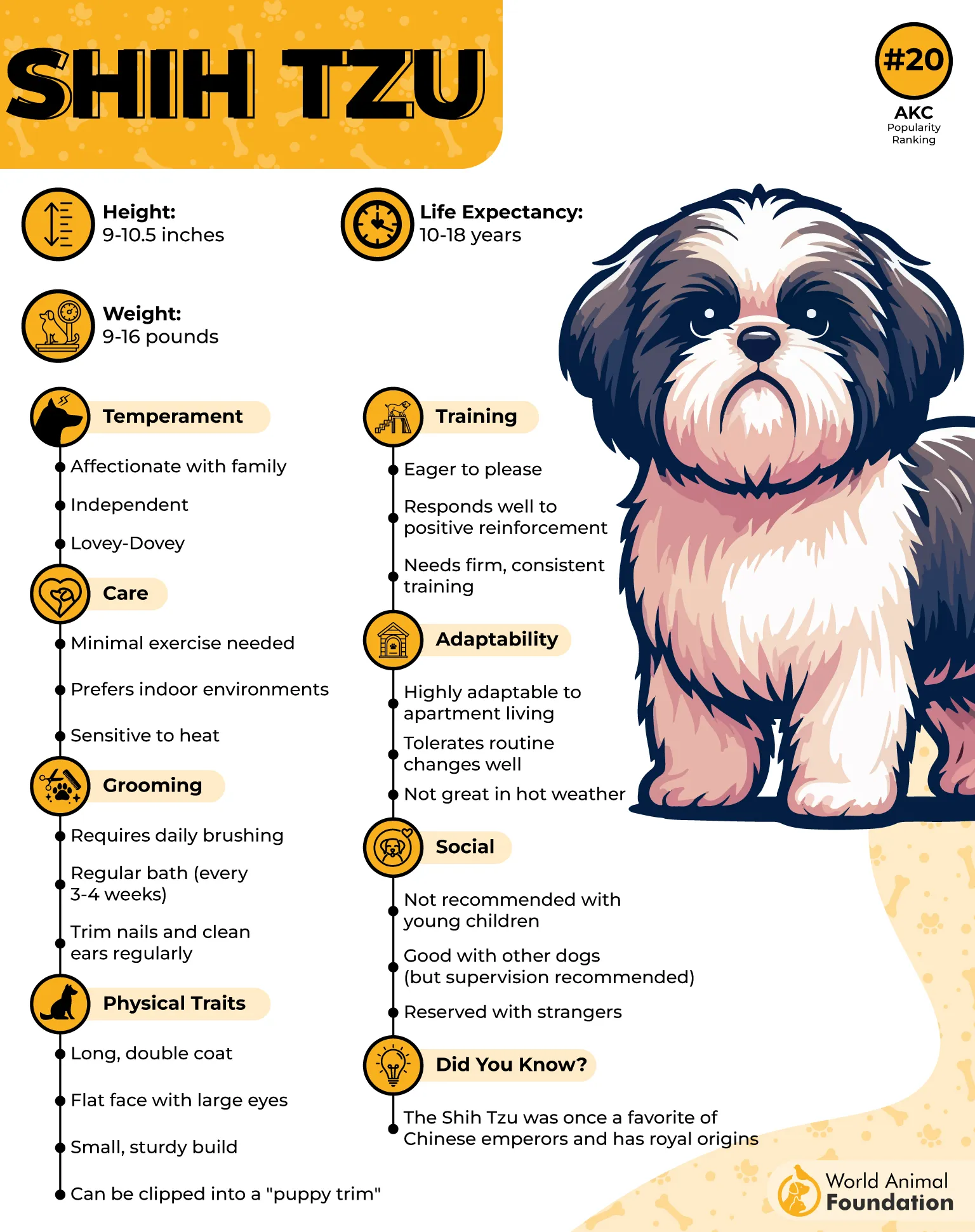
The Shih Tzu is an ancient breed associated with Chinese imperial courts and developed from earlier Asian and Tibetan dog lines. Its luxurious coat, rounded expression, and friendly personality have helped it remain popular as a household companion. Unlike many working breeds, its historical purpose centered primarily on companionship.
Bred for Close Companionship
Shih Tzus generally enjoy spending time with their families and can adapt well to indoor routines. They still benefit from daily walks and play, while their long coat demands regular brushing and grooming. Consistent care around the eyes, ears, and facial area is also important.
Small but Sturdy
Although compact, the Shih Tzu has a relatively substantial build for a toy companion. Its established breed proportions keep adult growth within a small range, so mature dogs remain manageable in size without possessing the extremely delicate structure seen in some other miniature breeds.
6. Toy Poodle
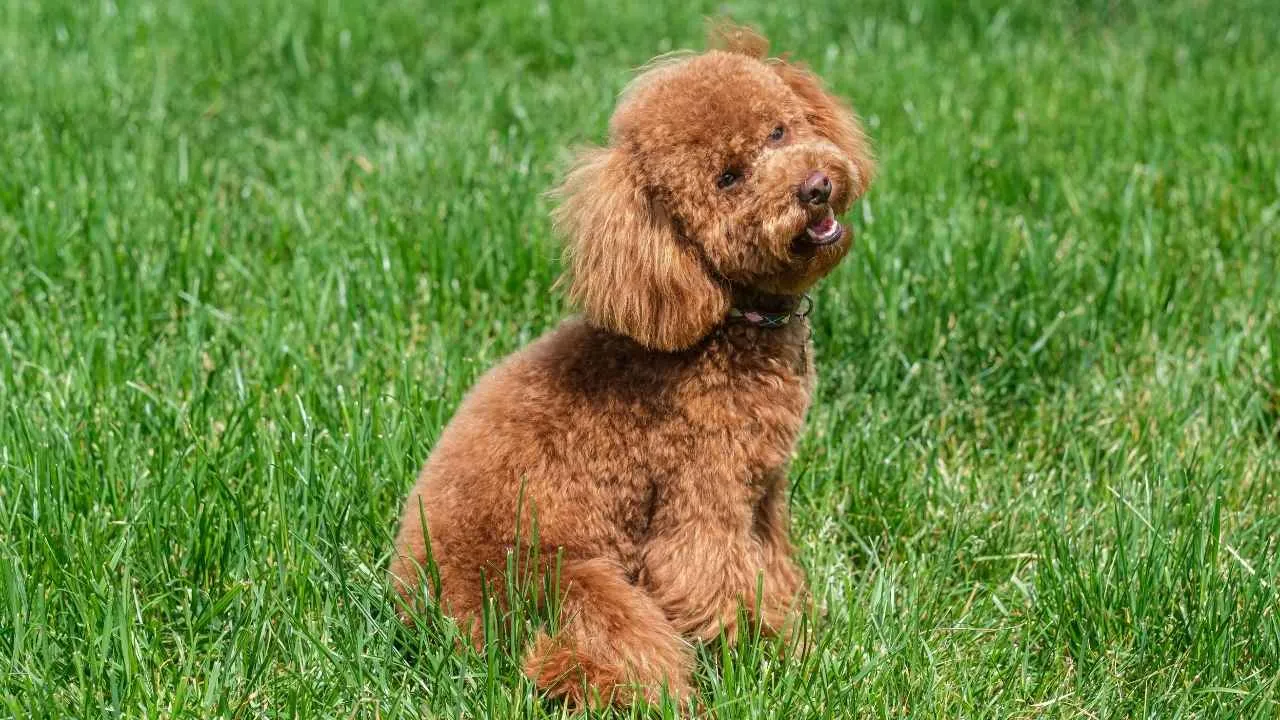
The Toy Poodle is the smallest of the recognized Poodle varieties and combines an elegant appearance with considerable intelligence. Poodles were historically developed as working water retrievers, while the toy variety was later favored primarily as a companion. Its small stature does not diminish its ability to learn quickly or participate enthusiastically in activities.
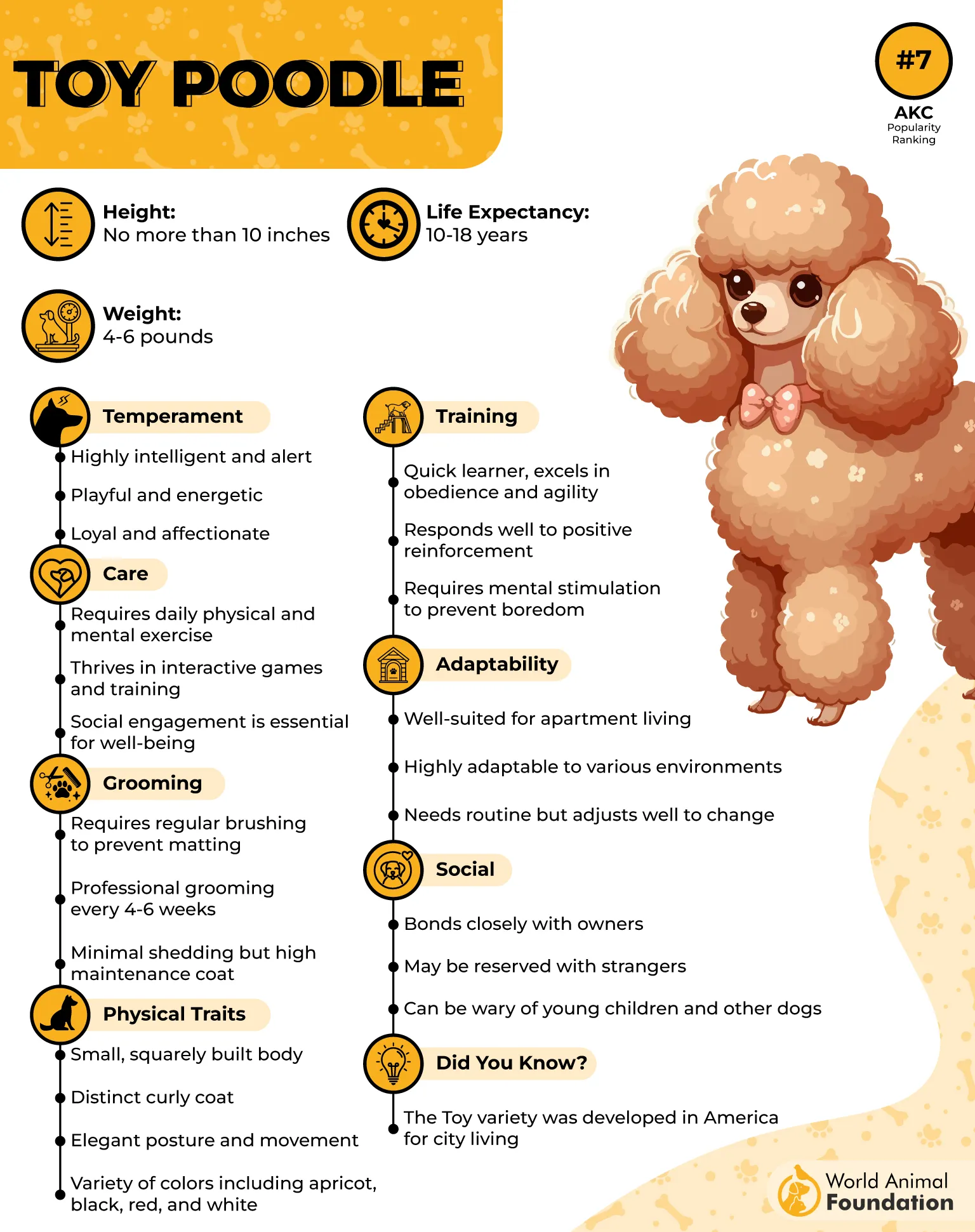
An Intelligent Little Learner
Toy Poodles are exceptionally bright and often enjoy training, puzzle toys, and activities that challenge their minds. Their curly coat sheds relatively little but requires regular brushing and professional grooming to prevent mats and maintain its condition, as per Purina.
A Permanently Tiny Poodle
The Toy Poodle’s size is established through selective breeding for miniature proportions. Unlike a young Standard or Miniature Poodle that may still have substantial growth ahead, a Toy Poodle reaches adulthood while retaining its distinctly small frame. Its compact structure remains one of the defining characteristics of the variety.
7. Papillon
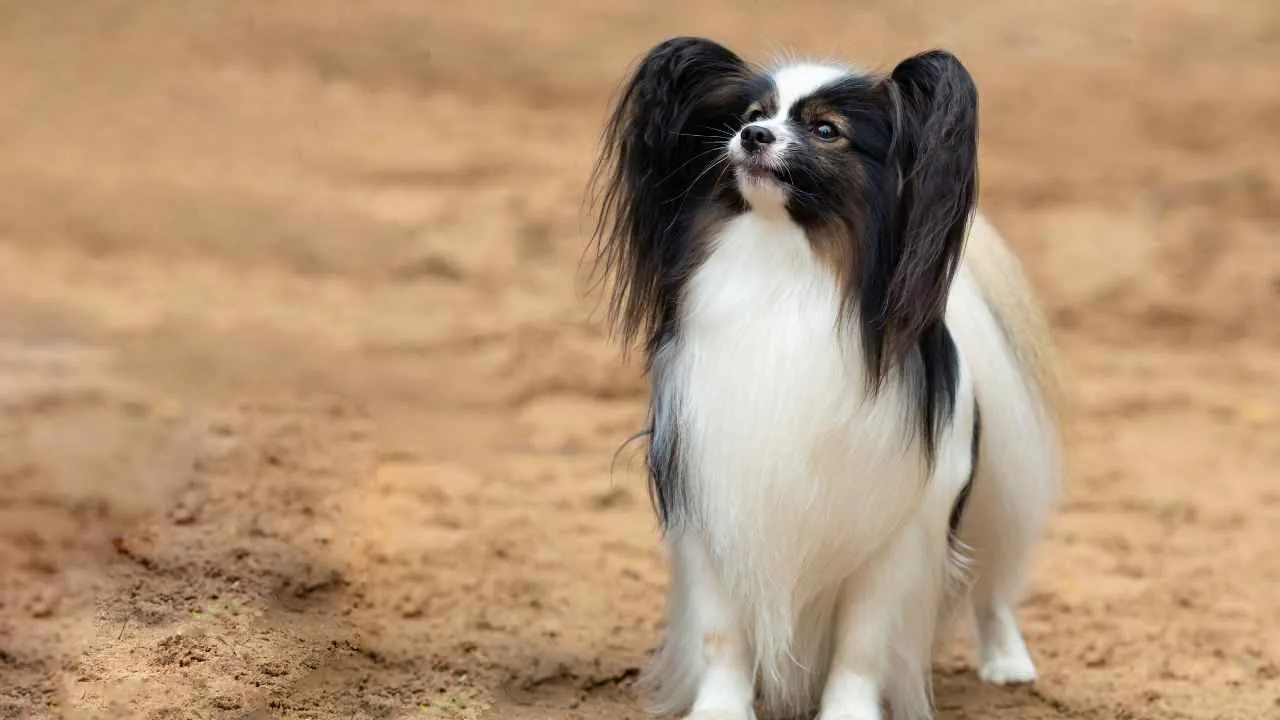
The Papillon is a small European companion breed recognized for its distinctive butterfly-shaped ears, elegant appearance, and lively personality. Its history can be traced through European paintings and aristocratic households, where small spaniels were valued as companions. Despite its delicate appearance, the Papillon is notably agile and energetic.
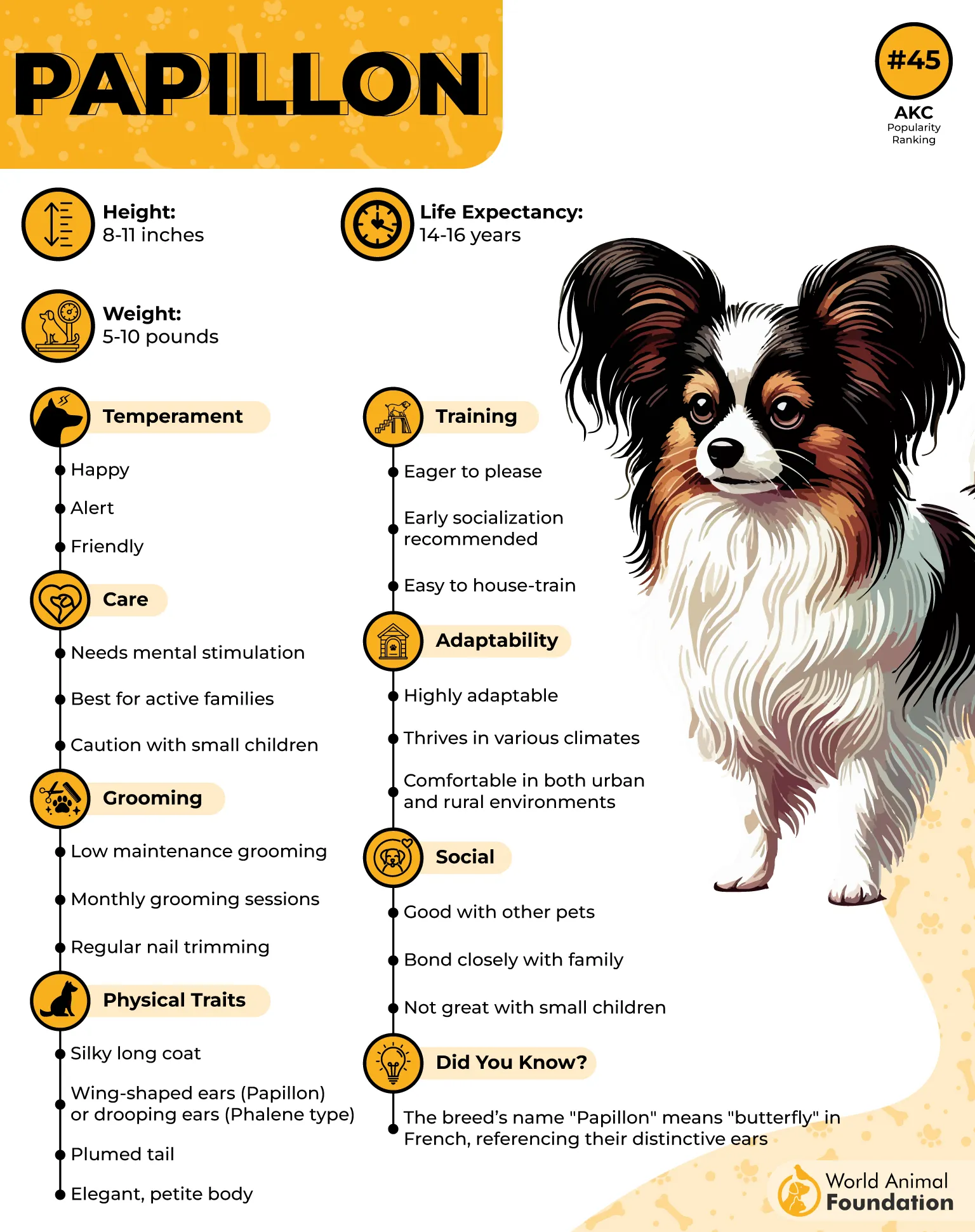
Surprisingly Athletic
Papillons are active, intelligent dogs that often excel in obedience, agility, and other activities requiring quick responses. Their long, flowing ear and body furnishings need regular brushing, but their coat generally lacks the dense undercoat found in some other small breeds.
A Small Frame That Lasts
The Papillon’s adult proportions remain distinctly compact because miniature size is an established part of its breed characteristics. Although it can be remarkably athletic for its stature, it does not develop into a medium-sized dog with age. Its small body remains a defining feature throughout adulthood.
Conclusion
Small dog breeds can offer the convenience of a compact body without sacrificing personality, intelligence, or companionship. The Maltese, Pomeranian, Chihuahua, Yorkshire Terrier, Shih Tzu, Toy Poodle, and Papillon each remain petite into adulthood, although their individual builds and proportions vary considerably.
Their small size also comes with specific responsibilities. Tiny dogs can require careful handling, appropriate nutrition, regular veterinary care, and protection from accidental injuries. Prospective owners should also consider temperament, grooming demands, activity levels, and training needs rather than choosing a breed based on size alone.
For anyone seeking a dog that will remain small throughout its life, these breeds provide several distinctive options. With responsible care and an environment suited to their individual needs, their petite stature can be accompanied by long-lasting companionship and plenty of personality.
